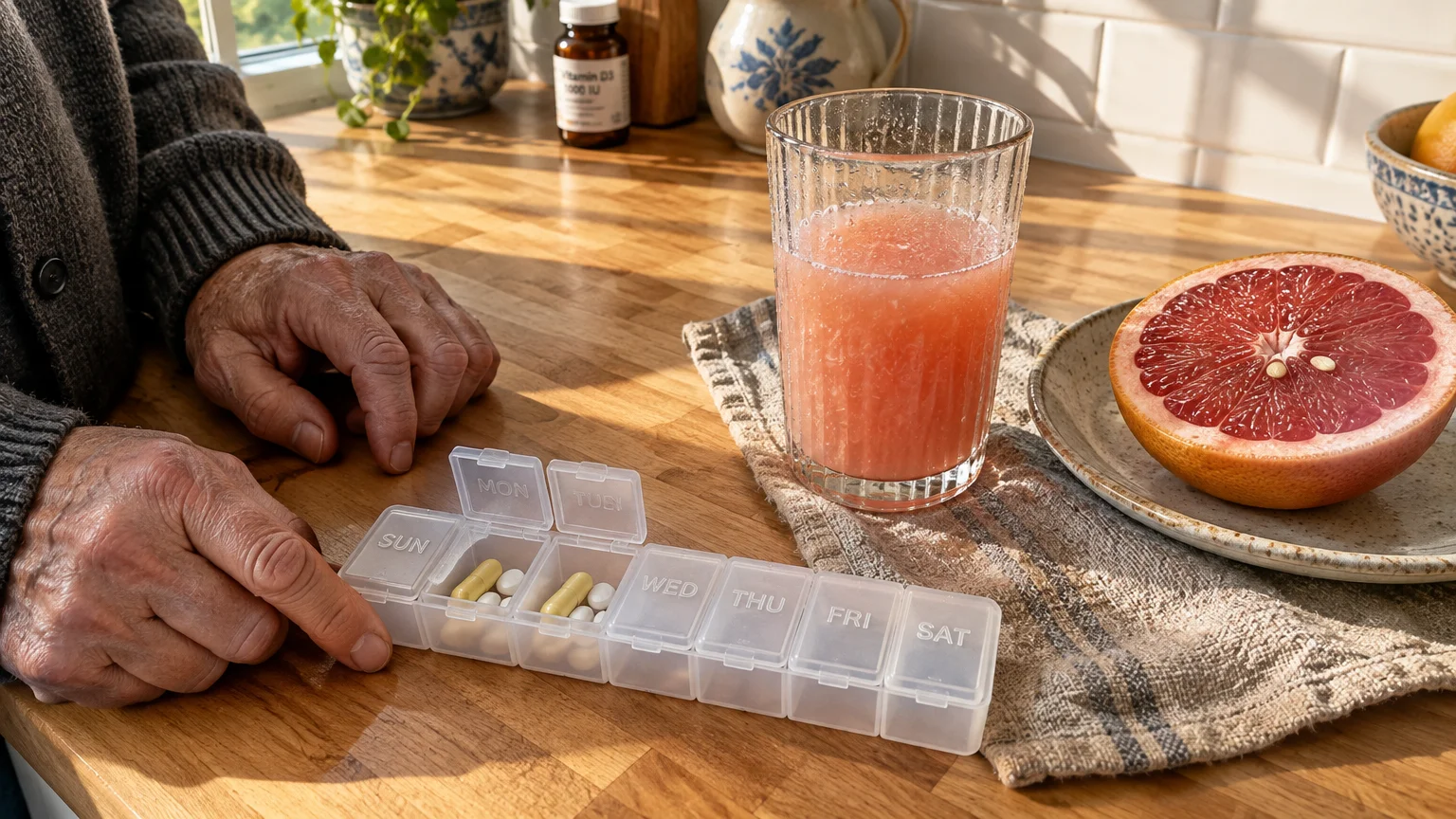
Pouring a fresh glass of citrus juice alongside your morning pill organizer can quietly alter how your prescriptions behave. A single breakfast drink can double medication potency or cancel therapeutic benefits entirely.
Certain citrus fruits contain potent plant compounds that disable gut enzymes or block cellular transit pathways. When these natural chemicals collide with daily heart, cholesterol, or blood pressure tablets, dangerous medical complications can follow.
Learning which citrus juices check against your prescriptions helps you protect your cardiovascular health and avoid accidental toxicity. This clinical guide explains what happens in your body and how to safely adjust your breakfast table.
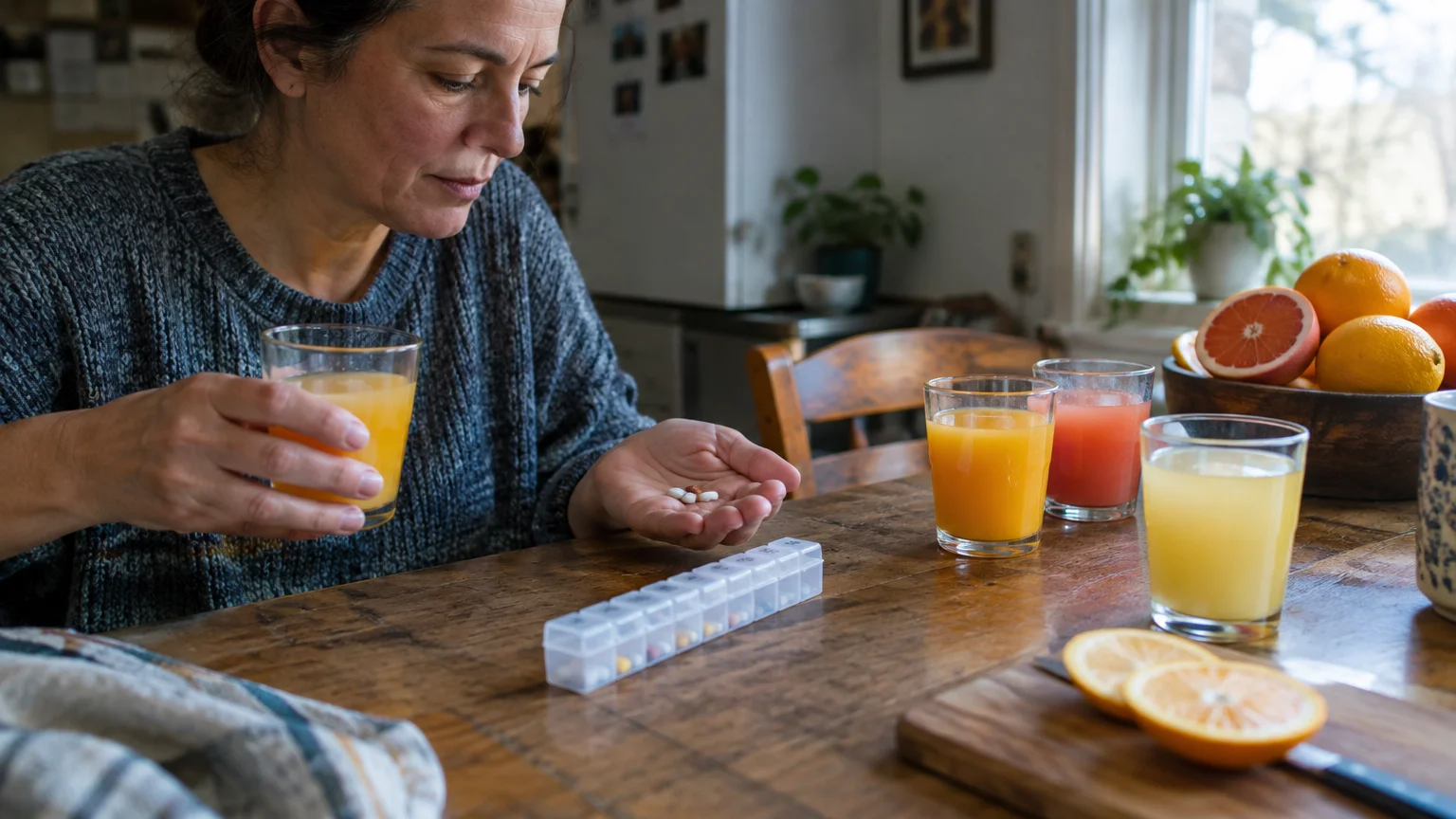
Why does your morning citrus juice change how medications work?
How do furanocoumarins alter your intestinal enzymes?
Your small intestine contains an essential metabolic enzyme known as cytochrome P450 3A4, or CYP3A4. This specialized enzyme breaks down foreign compounds, including roughly half of all modern oral medications, before they reach your circulation.
Certain citrus fruits produce natural chemical defense agents called furanocoumarins to protect themselves against fungal infections. When you drink juices containing furanocoumarins, these molecules enter your digestive tract and bind permanently to your CYP3A4 enzymes.
Pharmacologists classify this reaction as mechanism-based suicide inhibition. The plant chemical destroys the enzyme completely, preventing your intestinal lining from degrading your daily pills.
Without active enzymes to process your medication, a far higher percentage of each tablet escapes into your bloodstream. A standard dose suddenly acts like a double or triple dose, triggering severe and unpredictable side effects.
Why does transporter inhibition block life-saving medications from entering your blood?
Citrus compounds do not merely increase medication potency; they can also block your body from absorbing life-saving drugs. Your intestinal cells use microscopic carrier proteins called organic anion-transporting polypeptides, or OATPs, to ferry pills into your circulation.
Certain citrus juices contain flavonoid glycosides like hesperidin and naringin. These compounds physically attach to OATP transporter sites, effectively locking the doorway against your medications.
When juice flavonoids obstruct these entry gates, your pills pass right through your digestive tract without being absorbed. You end up excreting the active medicine in your stool while your underlying health condition goes completely untreated.
This transporter blockade happens within minutes of drinking your breakfast beverage. Consequently, your morning allergy or heart medication fails to deliver its intended therapeutic protection.
How do natural age-related metabolic changes heighten your interaction risks?
As your body matures beyond age 50, your physiology processes food, fluids, and medications differently. Your liver volume gradually decreases, reducing total hepatic blood flow and slowing down overall metabolic clearance.
At the same time, your kidneys filter pharmaceutical metabolites at a more gradual rate. When an unexpected surge of medication enters your bloodstream from a juice interaction, your organs require significantly longer to clear it.
Furthermore, gastrointestinal transit times frequently slow as you grow older. This slower transit keeps citrus chemicals in direct contact with your intestinal wall for extended hours, maximizing enzyme destruction.
These cumulative physiological shifts mean that a citrus interaction can hit you much harder today than it did thirty years ago. Maintaining strict oversight of your morning glass protects your hard-working organs from unnecessary chemical stress.
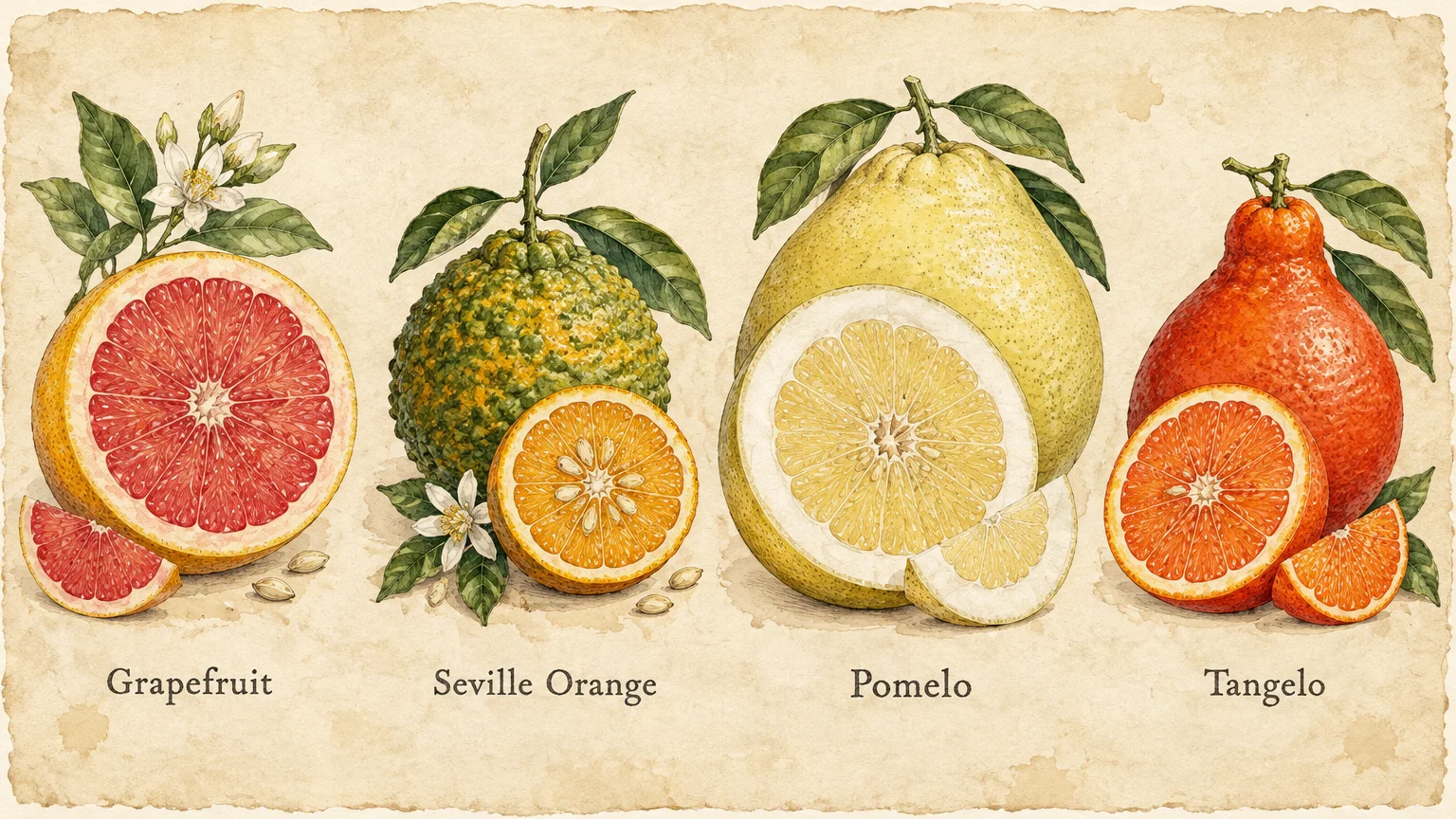
Which four citrus juices require an immediate check against your pill organizer?
What makes grapefruit juice the most hazardous morning beverage?
Grapefruit juice remains the most famous citrus offender because it contains extraordinarily high concentrations of two specific furanocoumarins: bergamottin and 6′,7′-dihydroxybergamottin. Even a single eight-ounce glass delivers enough furanocoumarins to paralyze your intestinal CYP3A4 enzymes.
According to consumer safety updates from the Food and Drug Administration, grapefruit juice directly conflicts with dozens of vital prescription medications. The agency warns that this juice creates dangerous drug spikes that can trigger organ failure.
Clinical studies show that drinking one cup of grapefruit juice can suppress your gut enzymes by over forty percent within four hours. The inhibitory effect lingers for up to three full days after your last sip.
Both white and ruby red grapefruit varieties carry identical risks for your pill regimen. Never assume that a sweeter or pinker variety is safe for your daily prescriptions.
Why do Seville bitter oranges pose a hidden threat in morning breakfast spreads?
Seville oranges, scientifically known as Citrus aurantium, are intense, sour citrus fruits rarely eaten plain off the tree. However, their tart pulp and thick rinds serve as the traditional foundation for premium British-style breakfast marmalades.
Manufacturers also press Seville oranges into sour marinades, specialty morning juice blends, and Latin culinary sauces known as mojo criollo. These bitter oranges contain furanocoumarin levels comparable to whole fresh grapefruits.
If you spread Seville orange marmalade on your morning toast or drink an artisan citrus blend, you ingest potent enzyme inhibitors. Your morning cardiovascular tablets will encounter the exact same enzymatic shutdown caused by grapefruit juice.
Always inspect the ingredient list on specialty jams, breakfast preserves, and gourmet juices for bitter orange or Seville orange. If your medications interact with grapefruit, you must avoid Seville orange products entirely.
How does pomelo juice trigger dangerous medication surges in your bloodstream?
The pomelo, or Citrus maxima, is the largest citrus fruit in the world and the direct genetic ancestor of the modern grapefruit. As regional grocery stores expand their produce selections, fresh pomelos and bottled pomelo juices have become widely popular.
Because the grapefruit inherited its chemical makeup from the pomelo, pomelos contain tremendous concentrations of bergamottin derivatives. Research published in the National Institutes of Health library confirms that pomelo juice inhibits CYP3A4 with extreme potency.
Drinking fresh pomelo juice before taking daily medications produces the same dangerous blood concentration spikes seen with grapefruit. Your body absorbs an unchecked surge of active drug molecules directly into your bloodstream.
Pomelos also cross-breed easily with other citrus species to create hybrid fruits like tangelos and sweeties. Check all exotic citrus juices against your prescription list before adding them to your breakfast routine.
Why does common sweet orange juice block daily allergy and cardiovascular prescriptions?
Standard breakfast orange juice comes from sweet oranges, known botanically as Citrus sinensis. Unlike grapefruit, bitter orange, and pomelo, sweet orange juice contains negligible amounts of furanocoumarins and will not destroy your CYP3A4 enzymes.
However, sweet orange juice poses a completely different threat by shutting down your intestinal OATP drug uptake transporters. High concentrations of the bioflavonoid hesperidin prevent your gut wall from absorbing specific classes of daily medications.
Clinical trials demonstrate that drinking sweet orange juice alongside common allergy or blood pressure tablets can slash drug absorption by more than half. Your body receives only a fraction of the therapeutic dose intended by your physician.
If you take affected medications with sweet orange juice, your symptoms may return despite taking your pills faithfully every morning. You must separate sweet orange juice from these specific prescriptions to preserve their clinical effectiveness.
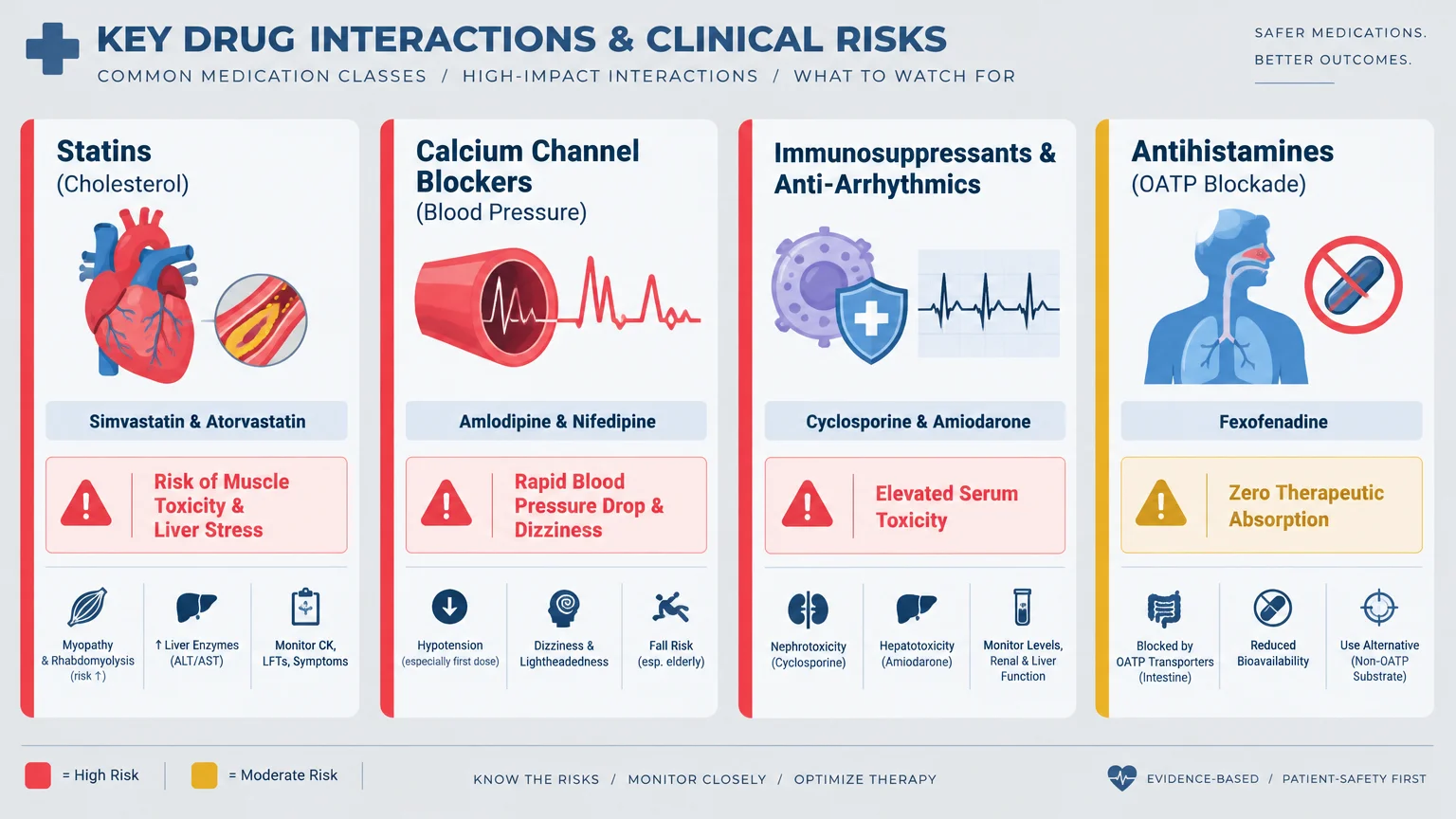
Which specific prescription classes clash with morning citrus beverages?
How do cholesterol-lowering statin medications react to citrus compounds?
Millions of adults take daily statins to manage blood cholesterol levels and protect their cardiovascular health. Certain widely prescribed statins, including atorvastatin, simvastatin, and lovastatin, rely heavily on intestinal CYP3A4 enzymes for normal metabolic breakdown.
When you consume grapefruit juice, pomelo, or Seville orange alongside these statins, drug clearance halts. The concentration of statin in your bloodstream can multiply several times over normal therapeutic levels.
This massive drug overdose places intense metabolic strain on your liver and skeletal muscle tissue. You risk developing severe muscle pain, liver inflammation, and a dangerous muscle breakdown condition known as rhabdomyolysis.
In severe cases, rhabdomyolysis releases damaged muscle proteins into your circulation, causing acute kidney injury. If you take atorvastatin or simvastatin, your doctor may switch you to pravastatin or rosuvastatin, which follow different metabolic pathways.
What dangerous blood pressure drops occur when calcium channel blockers meet citrus?
Calcium channel blockers, such as amlodipine, felodipine, and nifedipine, relax your vascular walls to control high blood pressure. Your intestinal CYP3A4 enzymes normally degrade a substantial portion of each dose before it reaches your arteries.
Drinking furanocoumarin-rich citrus juices knocks out this enzymatic barrier and floods your vascular system with excess medicine. Your blood pressure can plummet rapidly, causing acute hypotension, dizziness, and sudden fainting spells.
These precipitous blood pressure drops present severe fall hazards and reduce vital perfusion to your brain and heart. Many adults also experience profound fluid retention, rapid heart palpitations, and painful swelling in their lower extremities.
Guidelines from the American Heart Association emphasize the critical importance of reviewing beverage interactions when managing hypertension. Always verify whether your specific blood pressure prescription tolerates citrus juices.
Why do blood thinners and anti-arrhythmic drugs require strict citrus oversight?
Prescription blood thinners and cardiac rhythm medications possess narrow therapeutic windows, meaning slight dosing shifts can cause life-threatening consequences. Anti-arrhythmic drugs like amiodarone rely on CYP3A4 enzymes for controlled metabolic processing.
If you consume grapefruit or bitter orange juice with amiodarone, drug levels accumulate rapidly in your tissues. This accumulation can trigger lethal cardiac arrhythmias, thyroid dysfunction, and pulmonary toxicity.
Similarly, novel oral anticoagulants such as apixaban and rivaroxaban partially utilize CYP3A4 pathways for elimination. Spiking blood concentrations of these medications dramatically escalates your risk of internal bleeding, gastrointestinal hemorrhages, and hemorrhagic strokes.
Never alter your citrus intake without consulting your cardiologist if you take medications that regulate heart rhythms or blood clotting. Consistent blood levels are vital for preventing stroke and sudden cardiac arrest.
How do immunosuppressive medications and psychiatric drugs fluctuate with citrus juices?
Adults managing organ transplants, autoimmune disorders, or rheumatoid arthritis frequently take powerful immunosuppressants like cyclosporine and tacrolimus. These critical medications are extraordinarily sensitive to intestinal CYP3A4 activity.
Drinking even four ounces of grapefruit or pomelo juice can cause toxic surges of cyclosporine in your bloodstream. This sudden chemical overload can cause severe nephrotoxicity, permanently damaging your delicate kidney filters.
Citrus furanocoumarins also interfere with common psychiatric prescriptions, including the anti-anxiety medication buspirone and certain antidepressants like sertraline. Elevated blood concentrations can induce severe sedation, dizziness, tremors, and cognitive disorientation.
Maintaining stable emotional health and immune function requires predictable, steady medication absorption every single day. Keep your morning pill organizer completely separate from all furanocoumarin-containing juices.
Why do common thyroid and allergy prescriptions lose potency after sweet citrus?
Sweet orange juice creates the opposite pharmacological problem by shutting down OATP uptake transporters in your gut. Non-drowsy allergy medications, particularly fexofenadine, require these transporters to cross your intestinal lining into your blood.
Research shows that drinking sweet orange juice reduces fexofenadine absorption by roughly fifty percent. Your daily allergy tablet simply cannot provide relief when citrus flavonoids prevent it from entering your system.
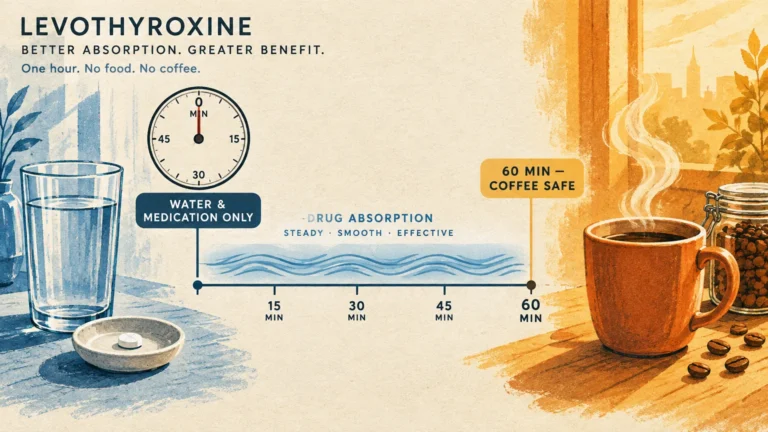
Sweet citrus juices also interfere with the absorption of atenolol, a widely prescribed beta-blocker used for chest pain and blood pressure. Furthermore, citrus acidity and minerals can impair the fragile intestinal uptake of synthetic thyroid hormones like levothyroxine.
To ensure your body receives full therapeutic protection, take these medications exclusively with plain water. Keep sweet orange juice at least two to four hours away from your morning pill schedule.
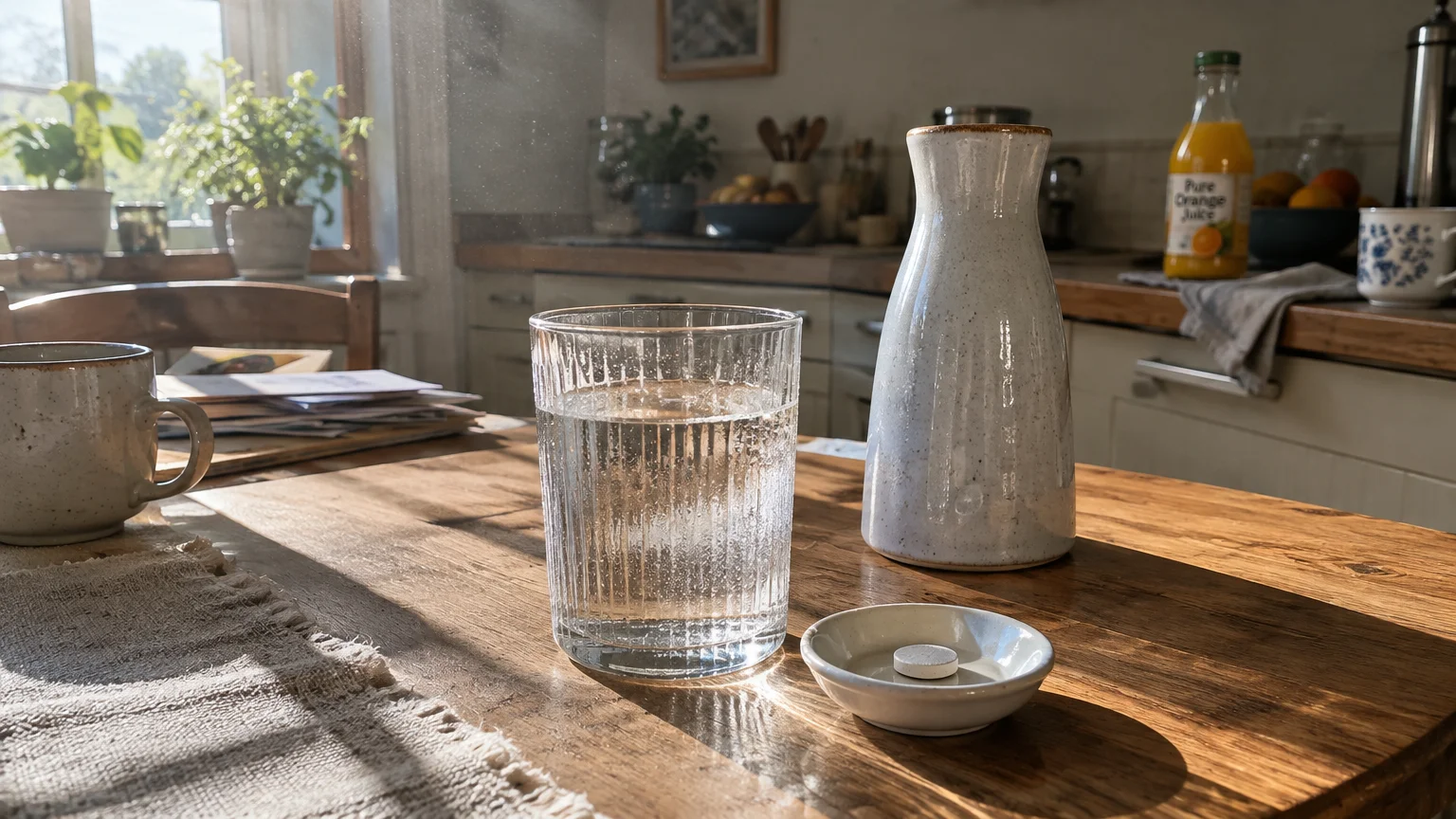
How can you build a safe morning beverage routine around your medications?
What refreshing beverage swaps keep your morning routine completely safe?
You do not have to forfeit an enjoyable morning beverage to protect your daily prescription routine. Pure water remains the safest, most effective fluid for washing down morning tablets without altering gastrointestinal chemistry.
If you crave flavor with your breakfast, brewed herbal teas like peppermint, chamomile, and ginger provide rich taste without enzyme interference. These comforting hot infusions soothe your digestive tract while keeping your drug absorption predictable.
Tart cherry juice and pure concord grape juice also offer vibrant breakfast flavor profiles without furanocoumarin activity. However, you should consume fruit juices in modest four-ounce servings to manage daily sugar intake and support stable blood glucose.
Tomato juice and low-sodium vegetable juices provide savory breakfast alternatives packed with lycopene and potassium. Always review your potassium limits with your doctor if you take potassium-sparing diuretics or ACE inhibitors.
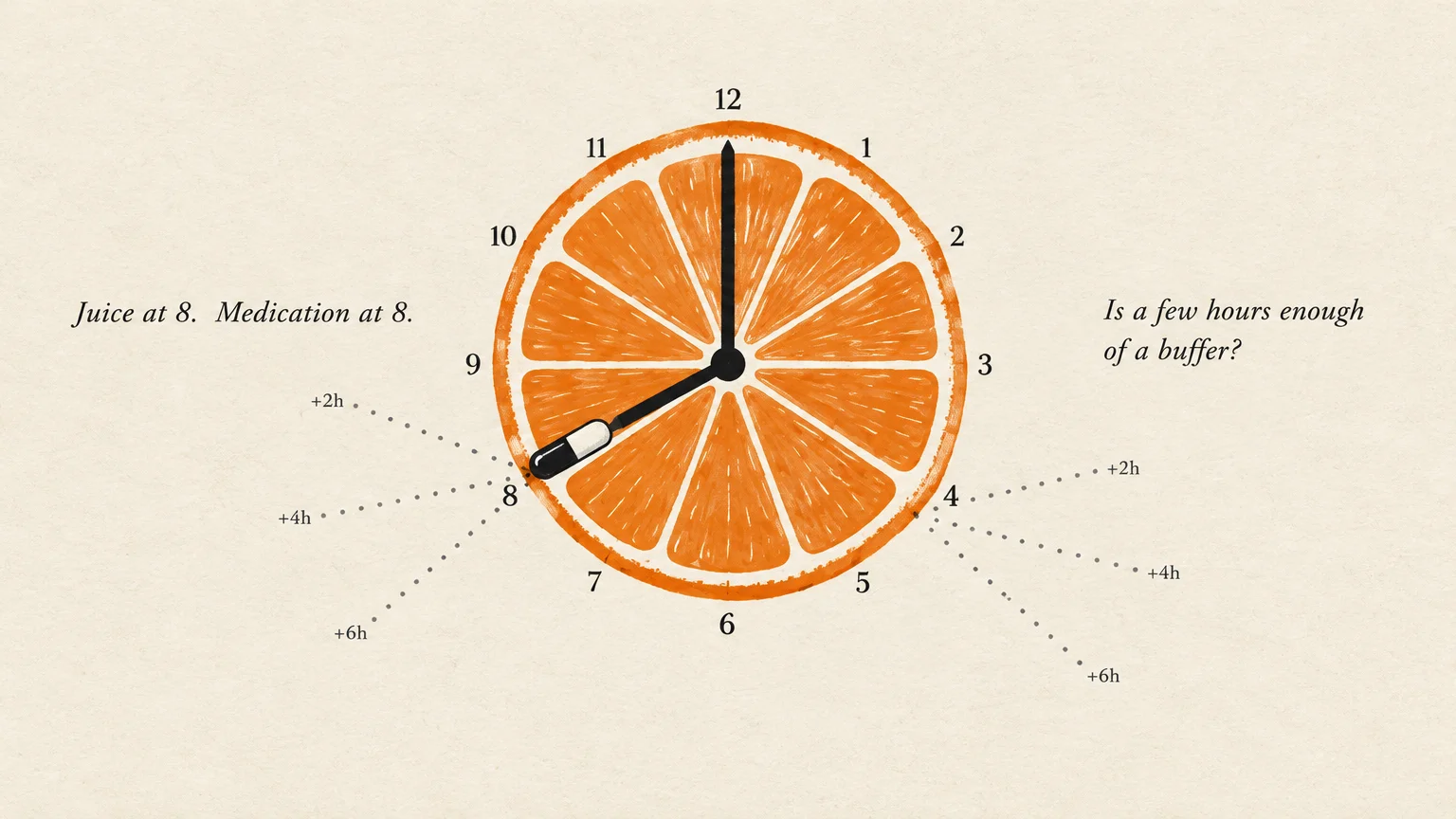
Why does separating juice and pills by two hours fail to protect you from enzyme inhibition?
Many people mistakenly believe they can drink grapefruit juice at seven in the morning and safely take their statins at nine. This common timing strategy fails completely because furanocoumarins cause irreversible suicide inhibition of your intestinal enzymes.
The plant compounds do not simply crowd out your medication temporarily; they permanently destroy the CYP3A4 enzyme molecules on contact. Your intestinal cells must physically manufacture entirely new enzymes from scratch to restore normal metabolic function.
Clinical pharmacology studies reveal that your gut requires twenty-four to seventy-two hours to synthesize adequate enzyme replacements. Therefore, separating your glass of grapefruit juice from your pill by several hours offers zero meaningful protection.
If your medication conflicts with furanocoumarins, you must remove grapefruit, Seville oranges, and pomelos from your diet permanently. Total avoidance is the only verified way to prevent accidental drug toxicity.
How should you read commercial juice blends and dietary supplement labels?
Food manufacturers frequently blend multiple fruit concentrates into commercial breakfast juices to balance sweetness and lower production costs. A bottle labeled as mixed citrus or tropical breakfast punch may contain hidden grapefruit or pomelo juice concentrates.
Always scan the detailed ingredient panel below the nutrition facts on every bottled beverage you purchase. Look specifically for terms like grapefruit concentrate, pomelo puree, bitter orange extract, or Seville orange peel.
Dietary supplements and herbal weight-management formulas also present significant hidden risks for adults managing medications. Many natural energy boosters and fat burners contain Citrus aurantium extract, commonly marketed as synephrine or bitter orange.
These concentrated herbal supplements deliver massive doses of furanocoumarins alongside stimulating compounds that can spike your blood pressure. Verify all over-the-counter wellness supplements with your pharmacist before taking them alongside daily prescriptions.
What essential questions should you bring to your pharmacist or physician?
Your community pharmacist is your most accessible and knowledgeable ally for preventing dangerous beverage and medication conflicts. Pharmacists complete intensive clinical training in drug metabolism and maintain computerized screening software that detects interactions instantly.
Bring your complete morning pill organizer or an updated list of your prescriptions to your next pharmacy visit. Ask your pharmacist directly whether any of your medications utilize the CYP3A4 enzyme or OATP transport pathways.
Educational resources from the National Institute on Aging recommend asking your healthcare provider about specific dietary restrictions whenever you receive a new prescription. Inquire whether safe therapeutic alternatives exist if you strongly prefer drinking citrus juices.
Physicians can frequently substitute non-interacting medications, such as switching simvastatin to rosuvastatin, to accommodate your dietary preferences safely. Clear communication ensures that your medical treatment supports your daily quality of life.
What questions do adults frequently ask about citrus juices and daily pills?
Does boiling or pasteurizing citrus juice neutralize the dangerous compounds?
Many consumers assume that commercial heat pasteurization or boiling citrus juice at home breaks down harmful chemical compounds. Unfortunately, furanocoumarins like bergamottin possess extraordinarily stable chemical ring structures that resist heat degradation.
High temperatures used during commercial bottling, canning, and concentrate reduction leave furanocoumarins completely intact and biologically active. Cooked marmalades, pasteurized bottled juices, and baked citrus dishes retain their full enzyme-blocking potency.
Never assume that heating, boiling, or processing makes an incompatible citrus fruit safe for your morning prescriptions. If raw grapefruit juice conflicts with your medication, cooked or canned grapefruit products carry the exact same clinical danger.
Can you safely drink citrus juice at dinner if you take pills at breakfast?
Drinking grapefruit or pomelo juice with your evening dinner will not protect your morning pill organizer from hazardous interactions. Because your body needs up to three days to rebuild destroyed intestinal enzymes, your digestive tract remains impaired tomorrow morning.
When you swallow your morning blood pressure or cholesterol tablet twelve hours later, your intestinal barrier remains completely compromised. The medication will still flood into your bloodstream unchecked, triggering the exact same toxic overdose.
The only citrus interactions that timing can resolve are transporter-mediated conflicts caused by sweet orange juice. Because sweet orange bioflavonoids inhibit OATP transporters temporarily without destroying them, waiting four hours restores normal drug absorption.
Do whole citrus fruits carry the exact same risks as strained juices?
Whole citrus fruits present an identical, and sometimes greater, pharmacological risk compared to commercially strained breakfast juices. Furanocoumarins concentrate heavily within the fruit’s pulp, segment membranes, and spongy white albedo beneath the peel.
When you eat fresh grapefruit halves, pomelo segments, or bitter orange marmalade, you ingest dense quantities of these active molecules. The chewing process releases furanocoumarins directly into your stomach, triggering rapid enzyme destruction.
Never substitute whole fresh citrus for juice under the false impression that dietary fiber neutralizes the interaction. If your prescription warning label cautions against grapefruit juice, that warning applies equally to whole fresh fruit.
Do lemons, limes, and tangerines trigger similar prescription conflicts?
Standard culinary lemons and sweet mandarins or tangerines contain negligible furanocoumarin concentrations, making them generally safe for daily medication regimens. You can comfortably squeeze fresh lemon wedges into your morning water or tea without disrupting CYP3A4 enzymes.
However, limes require cautious moderation because certain lime varieties contain moderate levels of furanocoumarins. While a light squeeze of lime on food poses minimal risk, drinking concentrated limeade can suppress intestinal enzymes.
Tangelos, which represent a genetic hybrid between tangerines and grapefruits or pomelos, carry significant furanocoumarin concentrations. Treat all tangelo juices and hybrid citrus fruits with the same strict caution you apply to grapefruit.
What practical step should you take with your breakfast glass this week?
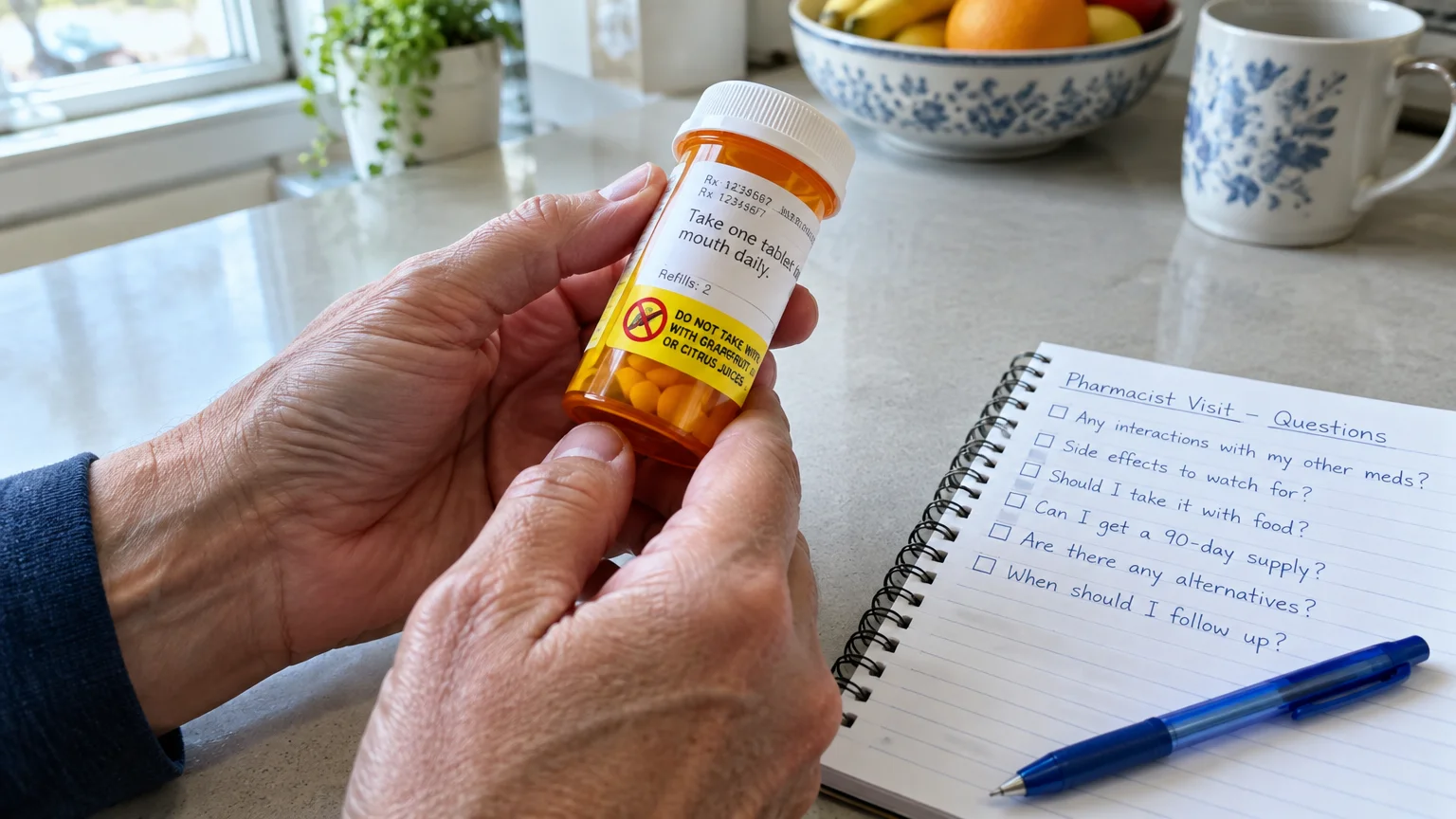
Take five focused minutes tomorrow morning to place your daily pill organizer directly beside your favorite breakfast beverage. Examine every prescription bottle for specific auxiliary warning stickers that mention grapefruit or citrus interactions.
Preventive health resources from the Centers for Disease Control and Prevention stress that maintaining consistent medication adherence is foundational for long-term health. Confirming that your breakfast beverage supports rather than undermines your prescriptions is an essential self-care step.
If you discover that you drink grapefruit, Seville orange, pomelo, or sweet orange juice with interacting pills, switch to water immediately. Call your pharmacist this week to discuss your routine and establish a safe, delicious breakfast plan.