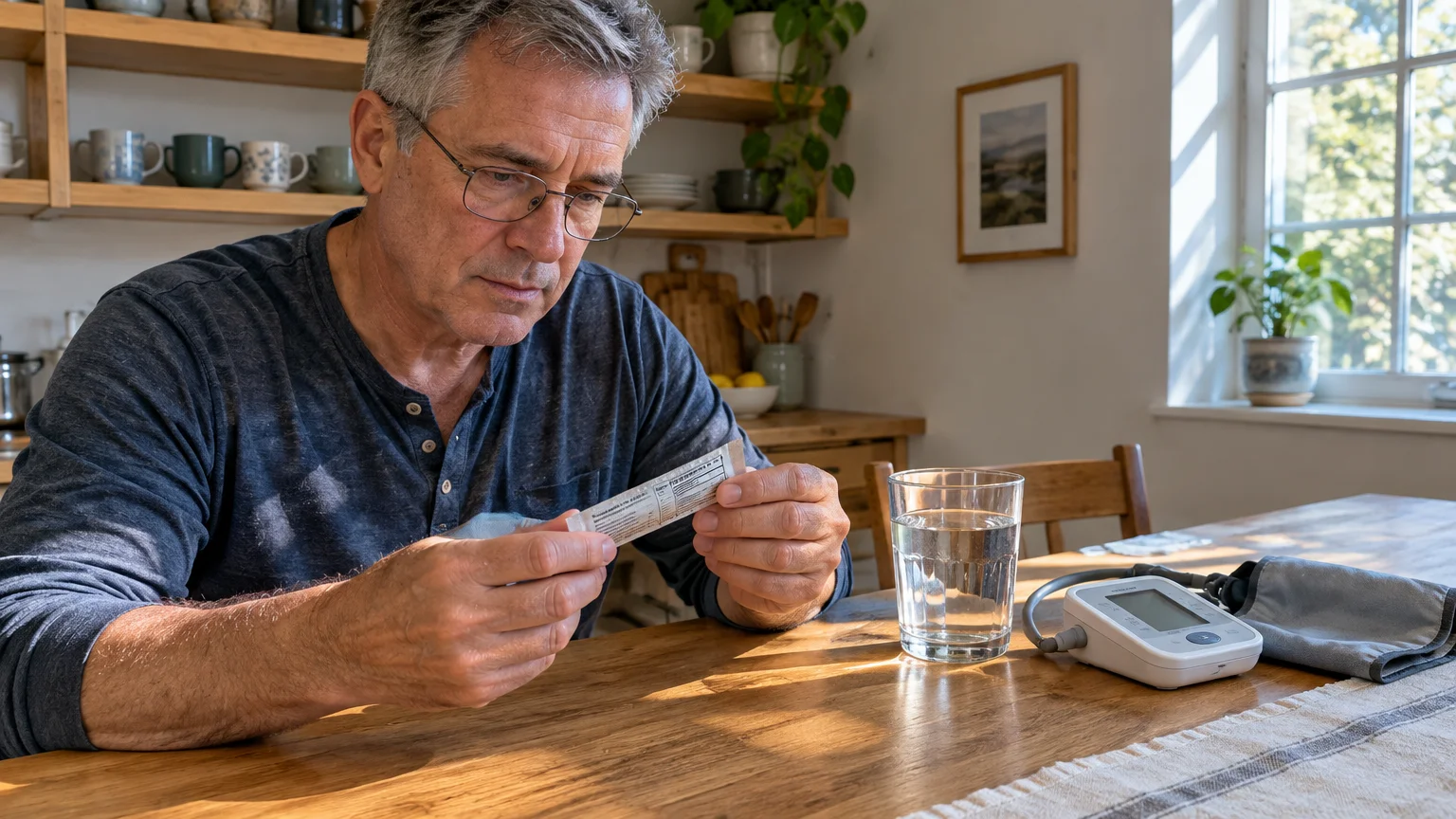
You might drink electrolyte powders to boost your daily energy, fight fatigue, and support healthy hydration. However, dissolving the wrong packet into your water glass can secretly flood your bloodstream with unexpected salt.
Many commercial hydration mixes contain up to 1,000 milligrams of sodium in a single stick. That massive dose can quickly spike your blood pressure and strain your cardiovascular system before lunchtime.
We ranked four leading electrolyte packets from highest to lowest sodium content. This guide reveals what is truly inside each scoop so you can protect your heart while hydrating effectively.
Why does hidden sodium in hydration packets matter for your blood pressure?
As your body matures, your blood vessels naturally lose some of their youthful elasticity. Stiffened arterial walls cannot expand as easily when blood volume suddenly increases.
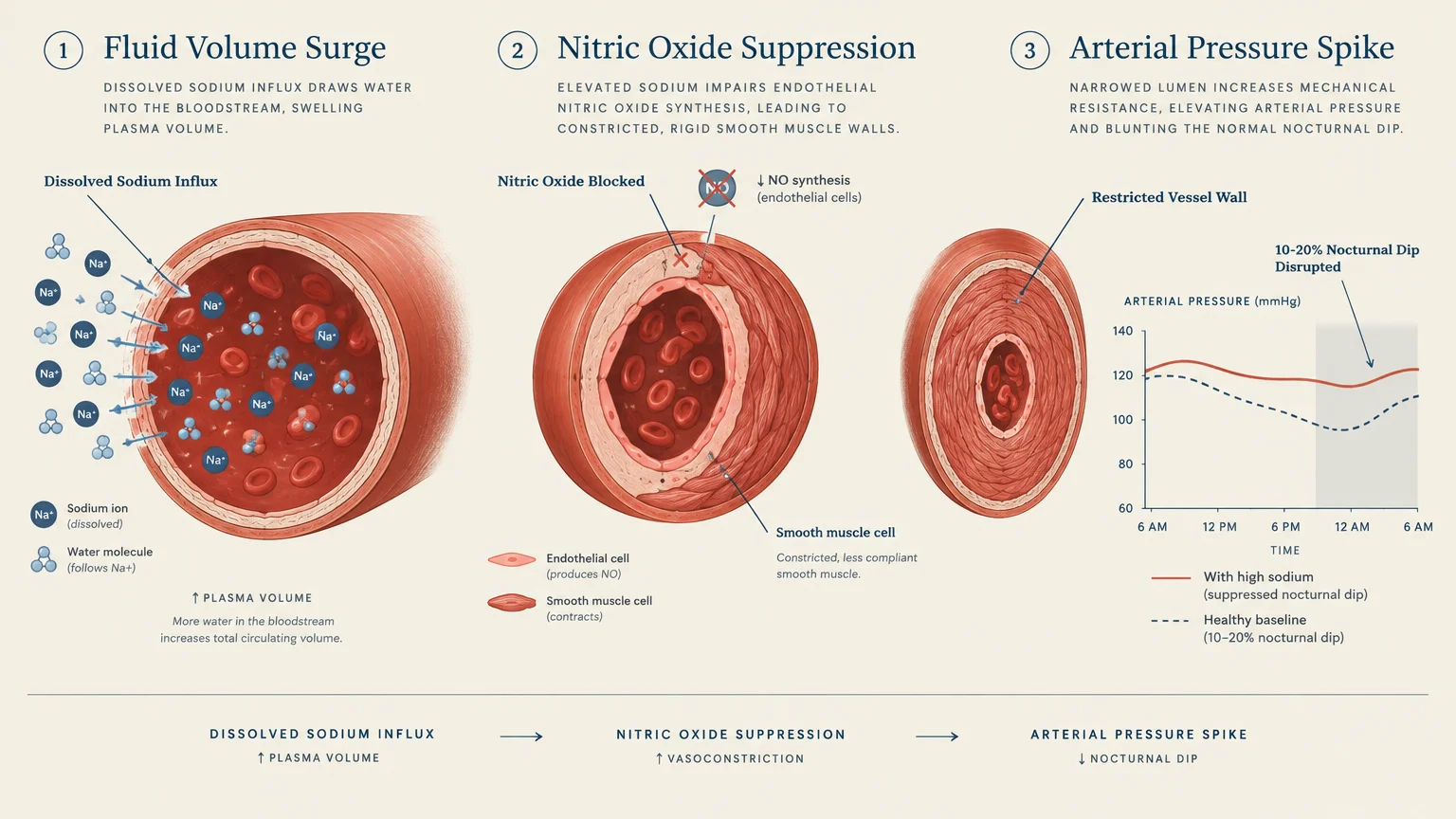
When you consume a high dose of sodium, your kidneys retain extra water to balance your bloodstream. This fluid buildup increases overall blood volume, forcing your heart to pump harder against narrower vascular pathways.
Electrolyte powders deliver this sodium in dissolved liquid form. Because your digestive tract absorbs dissolved minerals almost immediately, your blood pressure can climb much faster than it would from solid food.
Many people assume these powders are harmless wellness supplements. In reality, marketing campaigns often portray high-salt formulas as essential health drinks for everyone, regardless of cardiovascular risk.
Thirst cues also change as you age. The National Institute on Aging fluid intake guidance warns that older adults often lose their sensitivity to thirst, making purposeful hydration necessary.
However, confusing pure hydration with concentrated electrolyte replacement can lead to unintended complications. You might think you are simply quenching your thirst while accidentally taking in massive doses of table salt.
Excess sodium also interferes with your blood vessels’ ability to produce nitric oxide. According to National Institutes of Health cardiovascular research, nitric oxide directs your smooth muscle cells to relax and dilate properly.
When sodium suppresses nitric oxide synthesis, your arteries remain constricted and rigid. Pumping blood through constricted pathways forces your heart muscle to generate significantly higher internal pressure.
Furthermore, drinking high concentrations of dissolved salt in the afternoon or evening can cause nighttime blood pressure spikes. Doctors refer to this as nocturnal hypertension, a known contributor to sleep disruption and cardiovascular events.
During sleep, your blood pressure should naturally dip by 10 to 20 percent. Flooding your circulation with salt late in the day disrupts this resting cycle and keeps your vascular system working overtime.
If you already manage hypertension, every milligram of dissolved salt counts against your daily total. Drinking a single salty beverage can undermine the progress you achieve through a clean, low-salt diet.
How much sodium do health agencies recommend each day?
Federal health agencies set clear benchmarks for daily sodium intake to help prevent chronic cardiovascular conditions. Understanding these numbers allows you to evaluate supplement labels with confidence.
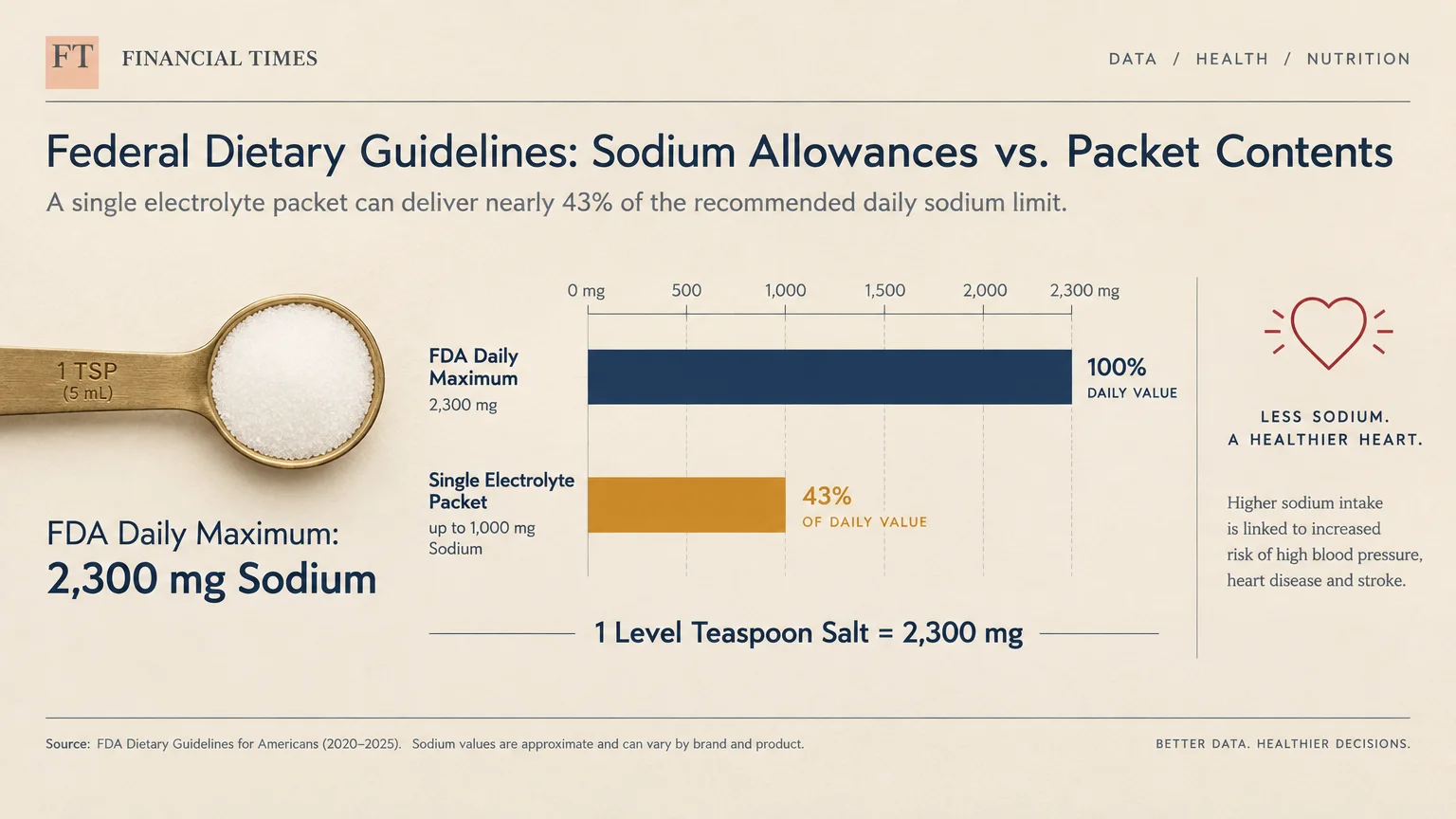
According to the Food and Drug Administration dietary sodium guidance, healthy adults should consume no more than 2,300 milligrams of sodium per day. That daily allowance equals approximately one single level teaspoon of table salt.
This 2,300-milligram threshold serves as the standard baseline for calculating the percent Daily Value on packaged food labels. However, cardiovascular specialists urge most adults to aim significantly lower.
The American Heart Association sodium guidelines recommend an optimal limit of no more than 1,500 milligrams per day for most adults. This lower target is especially critical if you currently live with elevated blood pressure.
Many people fail to realize that the percent Daily Value listed on packaging assumes a 2,300-milligram ceiling. If your physician has placed you on a 1,500-milligram regimen, that percentage is deeply misleading.
A packet marked as 22 percent of your daily value actually consumes over 33 percent of your personal limit. Consuming two of those drinks alongside ordinary meals will immediately push you over your daily cardiovascular budget.
Unfortunately, standard dietary habits far exceed these safe boundaries. Data from the Centers for Disease Control and Prevention sodium resources show the average American consumes over 3,100 to 3,400 milligrams of sodium daily.
Most of that excess salt comes from processed foods, packaged snacks, and commercial beverages. Even a small dietary correction can yield profound cardiovascular benefits over a short period.
The American Heart Association notes that cutting your daily sodium intake by just 1,000 milligrams can significantly improve your blood pressure readings. Choosing the right hydration packet is an effortless way to make that cut.
To protect consumers, the FDA legally defines a low-sodium product as one containing 140 milligrams or less per serving. As you will see, several leading electrolyte brands shatter this safe ceiling.
Which four popular electrolyte packets have the most hidden sodium?
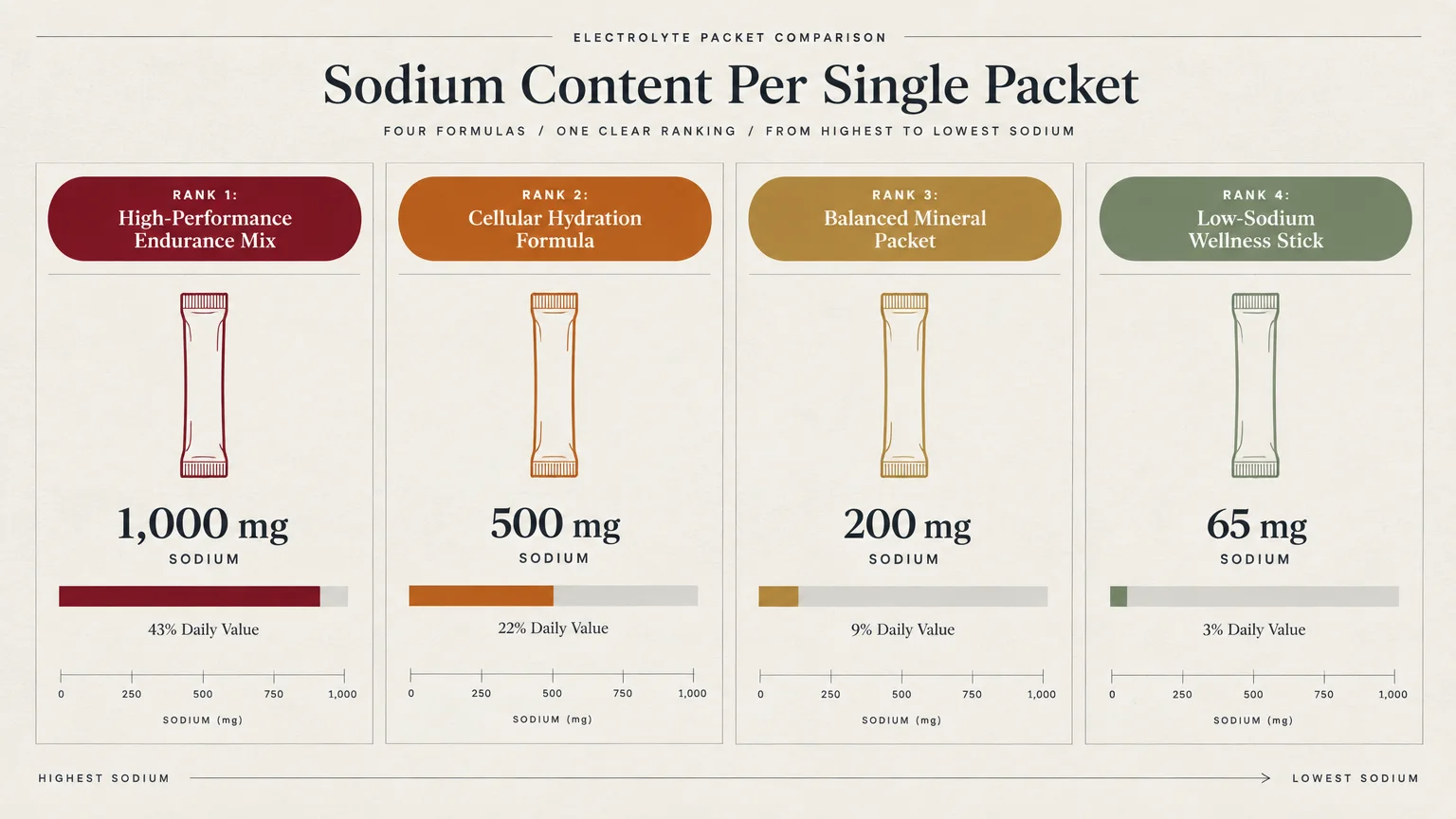
We analyzed the nutrition labels of the most popular electrolyte powders sold in grocery stores and pharmacies today. We ranked them strictly by sodium content, moving from the heaviest salt load down to the safest heart-friendly choice.
Evaluating both the mineral totals and the flavor chemistry reveals why some formulas pose unexpected risks. Here is how four major drink packets compare for your cardiovascular health.
Why does LMNT rank as the highest sodium option?
LMNT Zero-Sugar Electrolytes claims the top spot with an astonishing 1,000 milligrams of sodium packed into every single stick. That single packet delivers 43 percent of your total FDA Daily Value.
Even more alarming, one packet consumes 67 percent of the American Heart Association’s 1,500-milligram ideal daily limit. Drinking just one glass wipes out two-thirds of your entire sodium budget for the day.
The formula uses standard sodium chloride as its primary functional ingredient. It pairs that salt with 200 milligrams of potassium and 60 milligrams of magnesium, while providing zero sugar and 10 calories.
LMNT was originally formulated for strict ketogenic dieters, fasting practitioners, and athletes who sweat heavily for hours. These niche demographics intentionally flush sodium rapidly through their kidneys due to low insulin levels.
However, if you are an adult enjoying moderate daily walks or routine gardening, you do not lose salt at that extreme rate. Ingesting 1,000 milligrams of sodium in twenty minutes can trigger rapid fluid retention.
You will pay around $1.50 per packet when buying a standard 30-pack for $45, or approximately $1.30 per packet through a subscription. For anyone monitoring blood pressure, that price tag brings substantial cardiovascular risk.
How does Liquid I.V. hide significant sodium behind added sugar?
Liquid I.V. Hydration Multiplier ranks second, packing 500 to 510 milligrams of sodium into each individual stick packet.
This delivers roughly 22 percent of the FDA Daily Value and 33 percent of your ideal heart limit.
Even the brand’s sugar-free alternative contains 500 milligrams of sodium per serving. Neither option can reasonably be considered a low-sodium beverage under official health agency guidelines.
The standard formula combines salt and sodium citrate with 11 grams of added cane sugar and 45 calories per stick. It also provides 370 to 380 milligrams of potassium to balance the formula.
The intense citrus sweetness and fruit flavoring effectively disguise the heavy salt content on your tongue. Because it tastes like sweet fruit punch rather than brine, you can easily overlook the massive sodium dose.
Liquid I.V. uses a hydration transport mechanism where glucose and sodium enter the intestinal wall together. While this mechanism helps treat severe dehydration from illness, 11 grams of sugar can disrupt blood glucose control.
If you manage both blood pressure and prediabetes or type 2 diabetes, this combination presents two distinct health hurdles. A 16-pack costs about $24.99, running roughly $1.50 to $1.56 per serving.
Where does DripDrop fall on the sodium spectrum?
DripDrop Hydration occupies the moderate middle tier, containing 330 milligrams of sodium across both its standard and Zero Sugar formulas. This amount represents 14 percent of the FDA Daily Value.
That same 330-milligram dose claims 22 percent of the American Heart Association’s recommended 1,500-milligram threshold. It delivers noticeably less salt than Liquid I.V., yet it still contains more than double the low-sodium benchmark.
DripDrop draws its mineral content from sodium citrate and table salt. Alongside the sodium, each packet delivers 185 milligrams of potassium and roughly 39 to 40 milligrams of magnesium.
The classic version contains 7 grams of sugar and 35 calories, while the Zero formula provides 0 grams of sugar and 10 calories. The reduced sugar profile makes DripDrop Zero slightly easier on your metabolism.
Originally developed by a physician for global relief missions, DripDrop focuses on rapid medical rehydration. It works wonderfully after a bout of stomach flu, but daily use still deposits significant sodium into your vascular system.
A 32-pack typically retails for $35.99, breaking down to approximately $1.12 to $1.50 per packet depending on current sales. It represents a middle ground in both cost and mineral concentration.
Why does Ultima Replenisher qualify as a heart-safe choice?
Ultima Replenisher Daily Electrolyte Drink Mix ranks as the lowest sodium option on our list by a massive margin. Each single stick packet contains just 55 milligrams of sodium.
That tiny amount represents only 2 percent of the FDA Daily Value and less than 4 percent of the ideal AHA limit. It is the only powder in our ranking that comfortably meets the FDA low-sodium standard.
Ultima delivers zero grams of sugar, zero calories, and relies on plant-based stevia leaf extract for sweetness. It derives its modest sodium content from simple sodium chloride.
Most importantly, Ultima provides 250 milligrams of potassium and 100 milligrams of magnesium. That means it contains more than four times as much potassium as sodium in every single serving.
This favorable mineral ratio is exceptional for heart health because dietary potassium actively helps your blood vessels relax. Potassium also encourages your kidneys to excrete excess sodium rather than retaining it.
Ultima costs roughly $21.99 for a 20-pack, coming out to about $1.00 to $1.10 per packet. It provides an affordable, gentle way to hydrate your tissues without burdening your cardiovascular system.
How do Nuun tablets compare to powder packets?
Nuun offers another widespread option found on supermarket shelves, presenting both effervescent tablets and rapid hydration powders. Their formulas demonstrate how format can drastically change mineral numbers.
Nuun Sport effervescent tablets dissolve in water to provide 300 milligrams of sodium per serving. That amount equals 13 percent of your FDA Daily Value and contains just one gram of sugar.
In contrast, Nuun Instant powder packets deliver a much higher dose of 520 milligrams of sodium. That single packet takes up 23 percent of your FDA Daily Value and includes five grams of sugar.
While Nuun Sport sits close to DripDrop on the sodium scale, Nuun Instant rivals Liquid I.V. for second place. Reading the specific product name is crucial because formulations under the same brand vary dramatically.
How do electrolyte drinks interact with common heart and blood pressure medications?
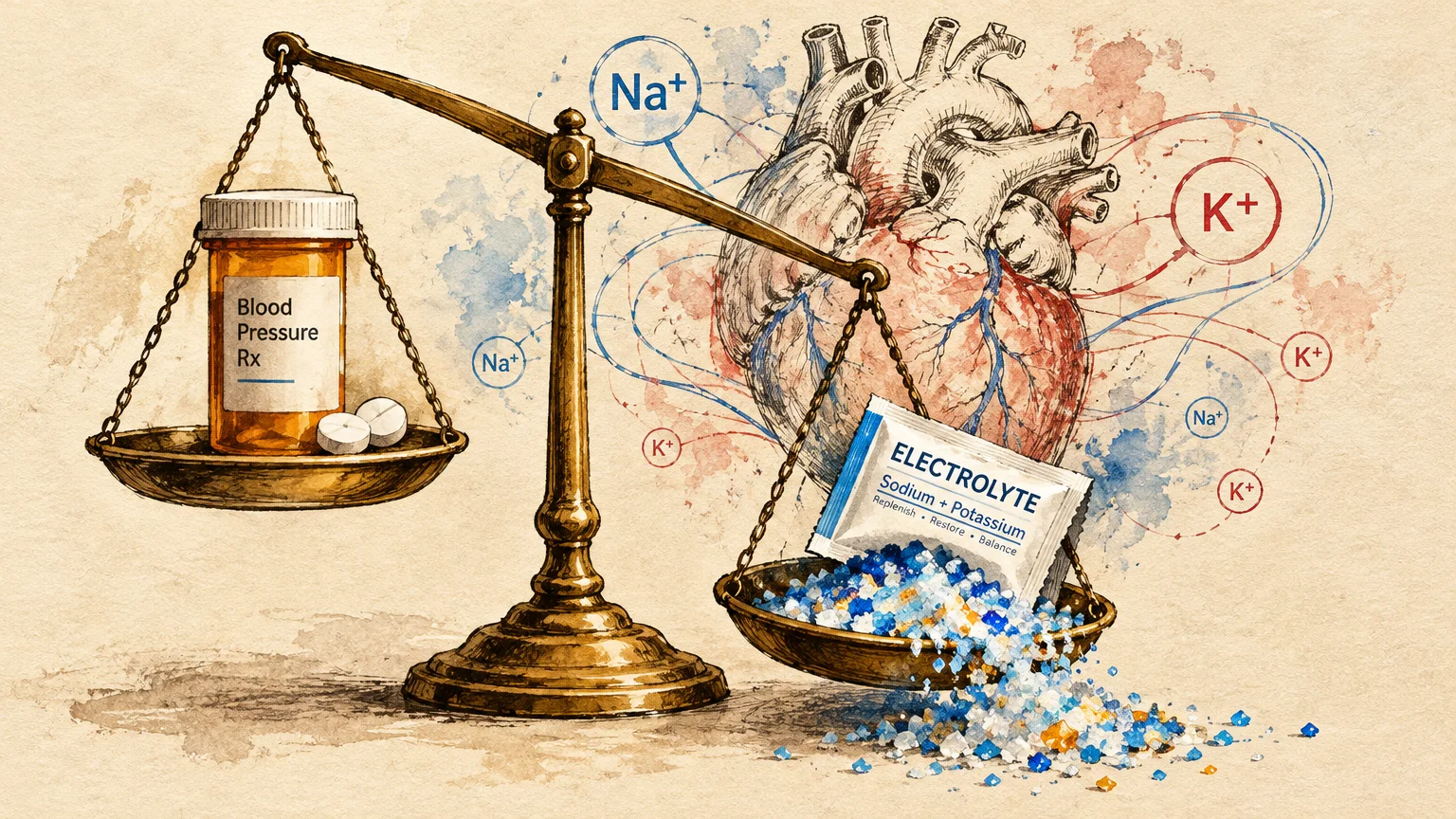
Drinking commercial electrolyte solutions can unintentionally interfere with the prescriptions you take to manage cardiovascular health. The minerals dissolved in these packets interact directly with medications that alter kidney filtration.
Common blood pressure medications known as ACE inhibitors, including lisinopril and enalapril, prompt your kidneys to retain potassium. Angiotensin receptor blockers like losartan and valsartan produce that same potassium-conserving effect.
If you take these medications and routinely consume packets rich in potassium, your blood potassium levels can rise too high. Medical professionals call this dangerous condition hyperkalemia, which can trigger irregular heart rhythms.
Conversely, diuretic medications like hydrochlorothiazide and furosemide work by flushing excess water and sodium out through your urine. They reduce fluid pressure inside your arteries to keep your heart safe.
When you drink an electrolyte packet loaded with 500 to 1,000 milligrams of sodium, you directly counteract your diuretic. You force your body to absorb the exact mineral your medication is attempting to remove.
Beta-blockers can also impair your body’s ability to shift potassium across cell membranes efficiently. This medication category makes you more vulnerable to sudden shifts in serum electrolyte balances.
Calcium channel blockers like amlodipine and diltiazem can also complicate how your body handles fluid. These drugs relax your peripheral blood vessels, but they frequently cause fluid to pool in your lower extremities.
When you introduce high-sodium hydration drinks into the mix, gravity pulls the retained fluid down into your feet and ankles. This noticeable swelling, known as peripheral edema, signals that your circulatory system is overloaded.
Chronic kidney disease represents another vital consideration. As renal function declines with age, your kidneys lose their capacity to filter out excess sodium and potassium efficiently.
Underperforming kidneys struggle to clear sudden mineral spikes from concentrated hydration powders. Drinking unprescribed electrolyte supplements can accelerate renal strain and trigger dangerous imbalances in your blood.
Always discuss your hydration routine openly with your primary physician or pharmacist. Bring the specific supplement facts panel to your appointment so your healthcare provider can evaluate the mineral levels against your prescriptions.

When should you actually drink an electrolyte replacement mix?
Commercial advertising suggests that modern adults require continuous electrolyte supplementation just to function throughout the day. In biological reality, your body conserves essential minerals remarkably well under normal everyday conditions.
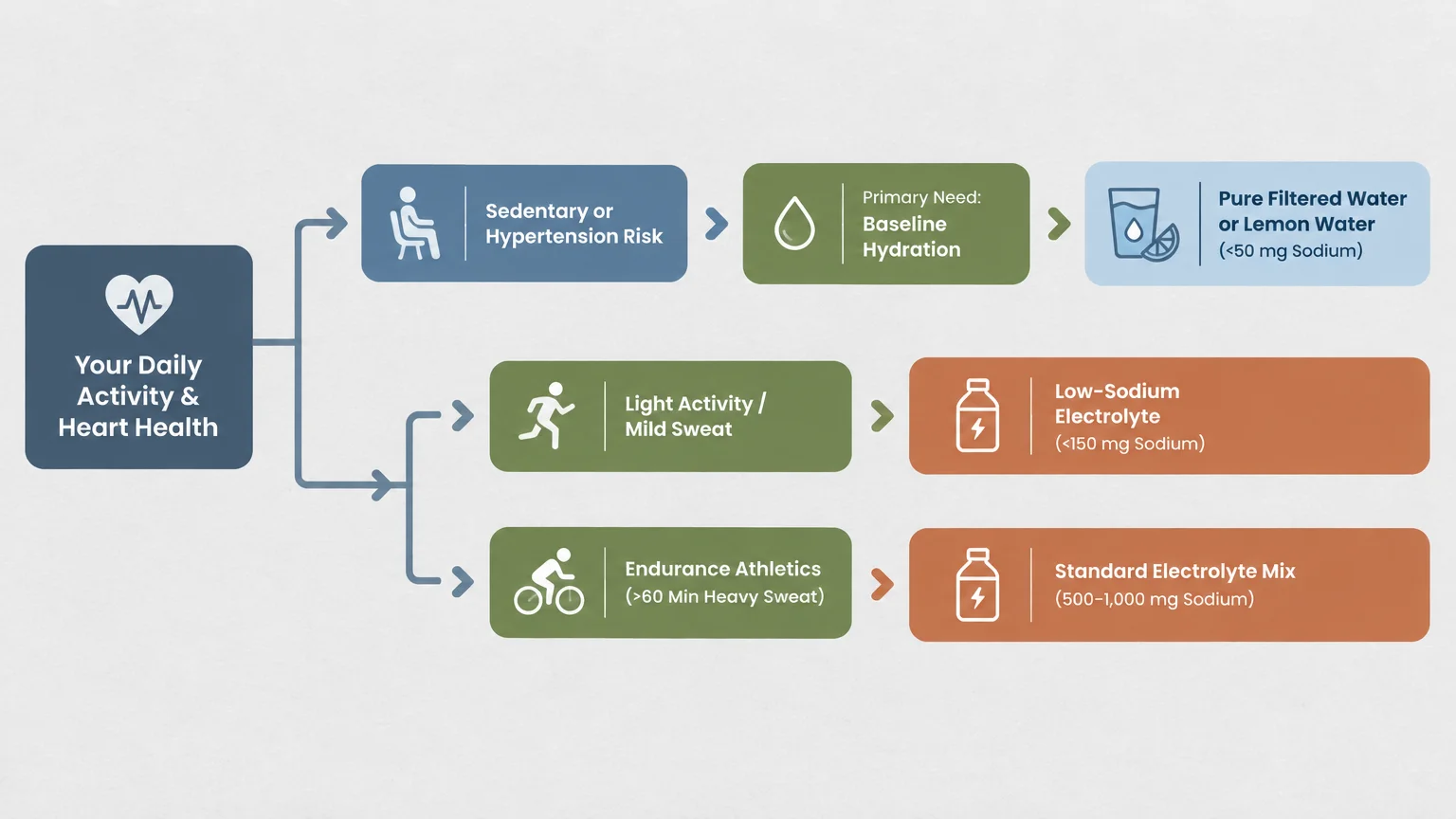
You only need high-sodium electrolyte mixes during specific situations that cause heavy fluid and mineral loss. Endurance workouts exceeding 60 to 90 minutes in hot, humid weather represent one valid scenario.
Severe bouts of food poisoning, prolonged vomiting, or severe diarrheal illness also deplete electrolytes rapidly. In those clinical circumstances, oral rehydration solutions like DripDrop provide genuine, life-saving medical value.
Many travelers wonder if dry airplane cabins or long car trips warrant using electrolyte powders. While air travel does cause mild dehydration, resting in a seat causes you to lose pure water vapor through breathing rather than salt.
Drinking high-sodium powders while sitting stationary in a pressurized cabin only promotes fluid retention and swollen feet. Drinking plain water or herbal tea provides ideal hydration without stressing your vascular system.
Similarly, spending twenty minutes in a warm bath or sauna does not justify a 1,000-milligram sodium bomb. Unless you are engaging in sustained, sweat-drenching exercise in extreme heat, plain water replenishes your body perfectly.
Sitting at a desk, running errands, or enjoying a leisurely walk does not justify drinking hundreds of milligrams of sodium. In fact, your daily meals already supply substantial electrolytes naturally.
Whole foods like leafy greens, bananas, tomatoes, and sensible home-cooked meals provide plenty of sodium and potassium without powdered supplements. Eating balanced meals maintains your electrolyte equilibrium without threatening your arteries.
Drinking pure, filtered tap water remains the healthiest and most economical choice for day-to-day hydration. It quenches your thirst, supports kidney filtration, and places zero sodium burden on your cardiovascular system.
How can you choose the right hydration mix for your health profile?
Selecting the best hydration product requires looking past slick marketing claims and examining the nutrition panel. A few deliberate checks will help you protect your arteries while enjoying flavorful drinks.
Start by reading the sodium line first. Unless your physician explicitly advises you to consume extra salt, choose packets containing 140 milligrams of sodium or less per serving.
Next, evaluate the added sugar content on the panel. If you monitor your blood sugar or insulin sensitivity, look for products with zero grams of added cane sugar.
Examine the potassium and magnesium levels next. A heart-conscious hydration packet should prioritize potassium and magnesium over sodium, helping promote vasodilation and arterial flexibility.
Be skeptical of marketing jargon like cellular transport technology or rapid bio-absorption. While these phrases sound scientifically advanced, they frequently serve as fancy terminology for simple combinations of sugar and salt.
Do not allow aggressive advertising to convince you that standard water is somehow inadequate for daily life. Your digestive tract is remarkably adept at absorbing water without needing artificial chemical assistance.
Consider the financial cost of daily use as well. High-sodium packets often charge premium prices of $1.50 per stick, meaning you pay top dollar for inexpensive, processed table salt.
If a product meets the FDA low-sodium definition, fits your budget, and contains no unnecessary sugars, it can serve as a refreshing occasional beverage. Ultima Replenisher exemplifies this balanced profile.

Can you make a low-sodium electrolyte drink at home for pennies?
You do not need to buy expensive commercial powders to stay energized and hydrated. You can easily craft a customized, heart-healthy hydration beverage in your kitchen in less than two minutes.
Start with 16 ounces of cool, filtered water in your favorite glass or reusable bottle. Squeeze the juice of half a fresh lemon or lime directly into the water.
Fresh citrus provides natural potassium, bright flavor, and refreshing acidity without any processed chemicals. It stimulates your salivary glands, helping you feel thoroughly hydrated after every sip.
Next, stir in a microscopic pinch of standard table salt or pink Himalayan salt. A tiny pinch between two fingers delivers roughly 40 to 60 milligrams of sodium, staying safely under low-sodium thresholds.
If you want a hint of natural sweetness, pour in two tablespoons of pure 100 percent pomegranate or orange juice. This splash adds valuable polyphenols and extra potassium without spiking your bloodstream with processed sugar.
You can also experiment with steeping fresh cucumber slices and mint leaves in your water pitcher overnight. This combination infuses your water with cooling flavor, trace minerals, and antioxidants without adding a single milligram of sodium.
Keeping a glass pitcher of infused water in your refrigerator encourages you to drink regularly throughout the day. It provides the visual appeal and taste variety of commercial drinks without the sodium spike.
Stir your homemade mixture thoroughly with a spoon or shake it with ice. This simple homemade drink costs less than twenty cents per serving and protects your heart completely.
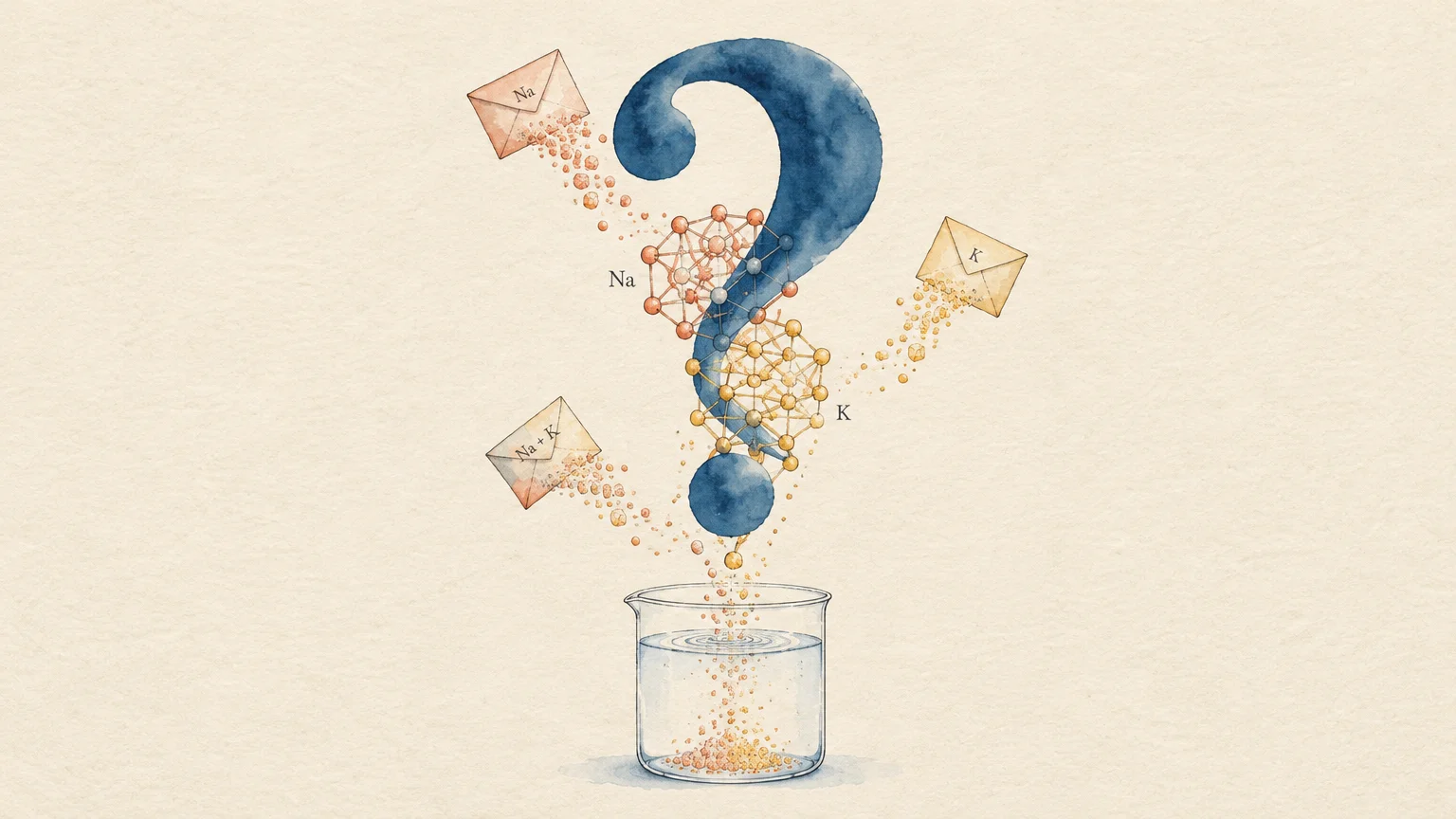
What questions do readers frequently ask about electrolyte packets?
Will drinking an electrolyte packet raise your morning blood pressure?
Drinking a high-sodium packet like LMNT or Liquid I.V. can indeed raise your blood pressure within hours. The sudden influx of 500 to 1,000 milligrams of dissolved salt draws water directly into your vascular tree.
If you already have stiffened arteries, that sudden surge in fluid volume forces systolic blood pressure upward. Consuming these concentrated packets first thing in the morning can create unnecessary cardiovascular strain.
If you enjoy morning workouts, hydrate with plain water beforehand rather than reaching for a salty mix. Save electrolyte supplementation exclusively for times when you notice genuine signs of dehydration or heavy sweat loss.
Can you drink an electrolyte mix every single day?
You can drink a low-sodium electrolyte mix like Ultima every day if your doctor approves your mineral intake. Its low sodium content will not interfere with normal cardiovascular health or raise your blood pressure.
However, you should avoid drinking high-sodium mixes daily unless an endurance coach or clinical specialist specifically instructs you to do so. Routine use of high-salt packets exposes you to excessive sodium without biological necessity.
If you find plain water unappealing, consider unsweetened sparkling water or cold-brewed herbal teas instead. These options deliver crisp flavor and variety without subjecting your arteries to hundreds of milligrams of daily salt.
Does the potassium in these packets offset the sodium load?
Potassium does help blunt the blood-pressure-raising effects of sodium by encouraging your kidneys to excrete excess fluid. However, it cannot completely undo the cardiovascular impact of an overwhelming sodium dose.
In packets like LMNT, the 1,000 milligrams of sodium vastly outweighs the modest 200 milligrams of potassium. To benefit your heart, your overall dietary ratio should lean much more heavily toward potassium than sodium.
The Dietary Guidelines for Americans emphasize obtaining potassium primarily from nutrient-dense whole foods. Incorporating avocados, spinach, baked potatoes, and plain yogurt into your meals supports healthy blood pressure far better than processed drinks.
What should you drink if you take water pills or blood pressure drugs?
Plain water remains your safest and most reliable foundation when taking diuretic water pills or antihypertensive medications. Unsweetened herbal teas like hibiscus or peppermint also provide hydration without altering your mineral balance.
If you desire added flavor or extra electrolytes during warm weather, check with your pharmacist before choosing a supplement. Your pharmacist can check your current kidney lab results and ensure your drink does not disrupt your medications.
Never alter your fluid intake or start a daily electrolyte supplement without consulting your healthcare team. A simple blood test can verify your current electrolyte status and keep your heart and kidneys completely protected.
What simple hydration swap can you make this week?
Take a few minutes today to check the supplement facts panel on any hydration powders sitting in your kitchen pantry. Note the exact milligram count of sodium listed per serving on each packet.
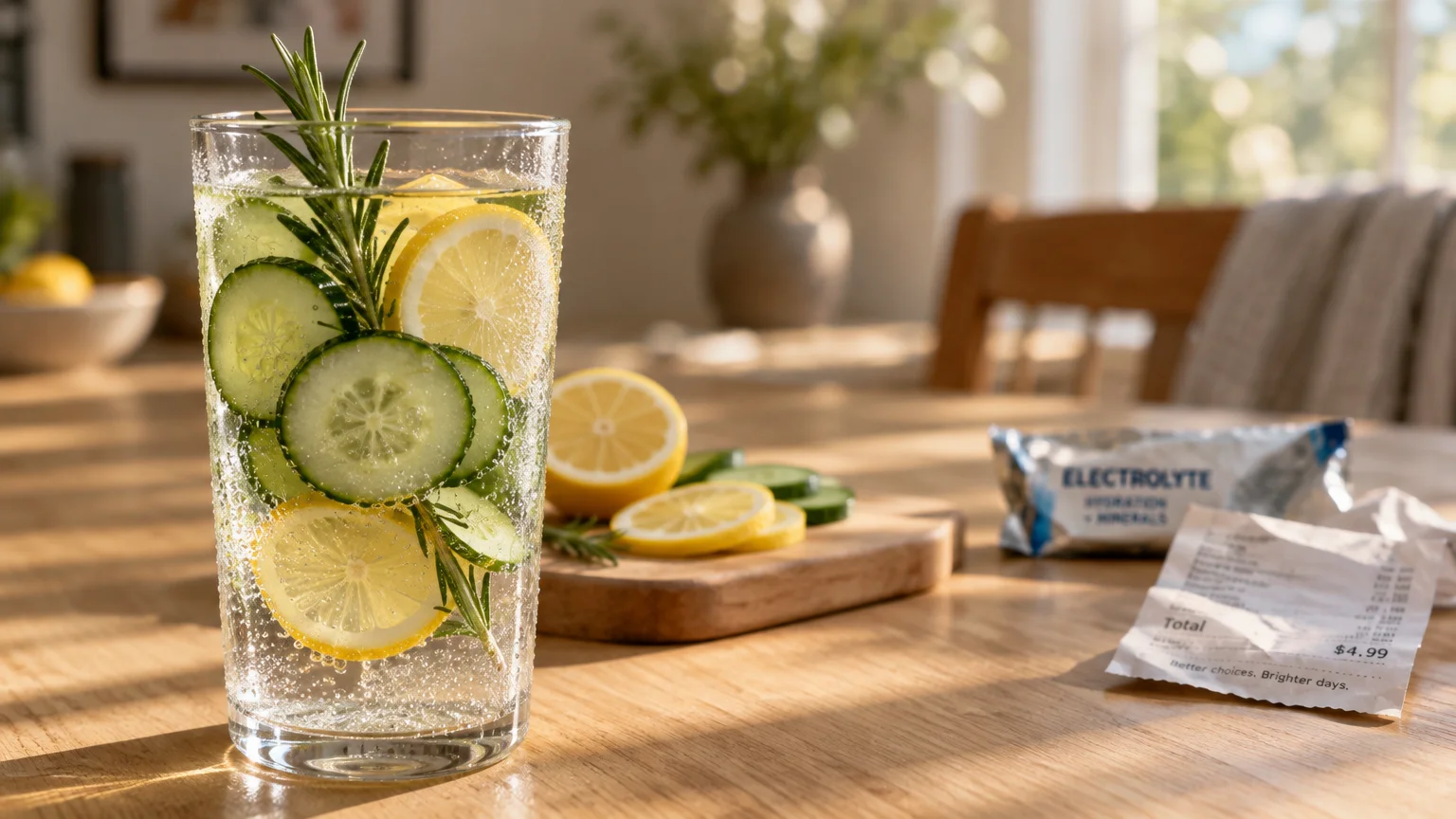
If your favorite drink mix contains several hundred milligrams of sodium, swap it for a low-sodium alternative like Ultima Replenisher. Alternatively, switch to cold filtered water infused with fresh lemon and cucumber slices.
Track your blood pressure at home every morning for seven days after making this simple beverage change. You may be pleasantly surprised by how much your vascular numbers improve when you eliminate hidden drinkable salt.