Your morning cup of coffee may be doing far more heavy lifting for your long-term health than simply clearing away grogginess. Recent clinical research links timing your brew to the morning hours with stronger heart protection and longer life.
Because blood pressure, blood sugar, sleep depth, and medication routines often shift after age 55, how you prepare and time your daily coffee matters more than ever.
Small adjustments to your filter, cup count, and sweeteners can turn an ordinary breakfast ritual into a measurable health advantage.
Why Does Coffee Timing Matter More After 55?
Coffee remains America’s top daily beverage. According to the National Coffee Association’s Fall 2026 National Coffee Data Trends report, 66% of U.S. adults drank coffee in the past day—edging out water at 64%, soda at 43%, and tea at 42%.
Roughly 195 million American adults drink coffee every week, averaging 2.6 cups per day. Even better, 84% of that coffee consumption happens at breakfast, and 83% of daily drinkers brew their cups at home.
That built-in morning routine turns out to align closely with human biology. As you get older, your circadian rhythm shifts earlier, and your body can take longer to clear caffeine from your bloodstream.
Drinking coffee later in the day can interfere with deep, restorative sleep even if you still fall asleep easily. Poor sleep then drives up next-day blood pressure, appetite hormones, and insulin resistance.
Before diving into the nine benefits below, keep one scientific reality in mind. Most long-term findings on longevity, dementia, diabetes, and liver health come from observational cohort studies rather than randomized trials, meaning they reveal consistent patterns rather than guaranteed cause and effect.
What Are the 9 Surprising Benefits of Your Morning Coffee?
1. Can Morning Coffee Lower Your Risk of Dying Early?
When you drink your coffee may matter nearly as much as whether you drink it at all. A landmark Tulane University-led study published in the European Heart Journal in early 2025 examined exactly how timing shapes longevity.
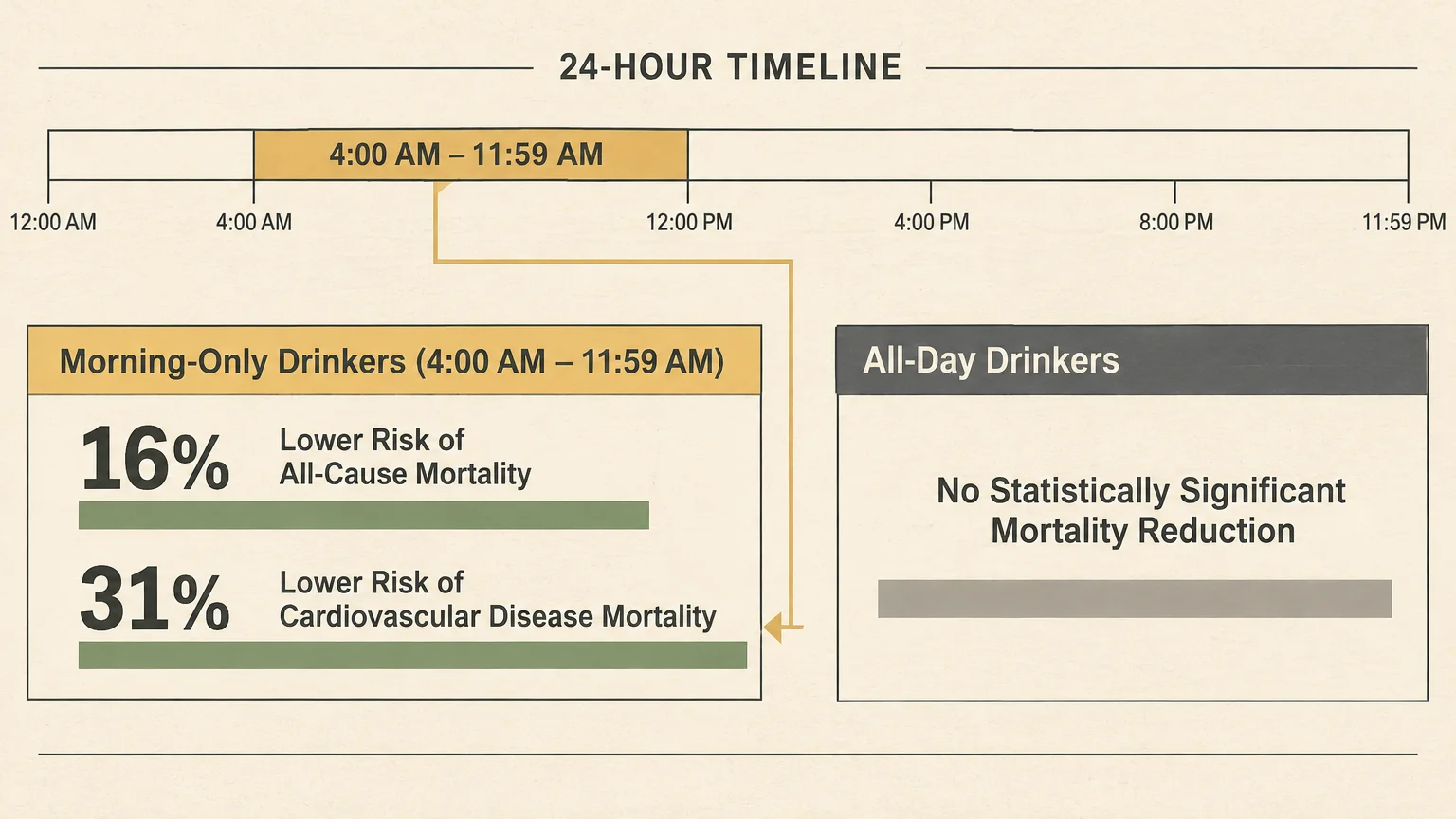
Researchers tracked 40,725 U.S. adults from national health survey data alongside 1,463 validation participants over a median of 9.8 years. Adults who drank coffee strictly in the morning—between 4:00 a.m. and 11:59 a.m.—showed a 16% lower risk of all-cause mortality compared with non-drinkers.
Even more striking, those morning-only drinkers had a 31% lower risk of dying from cardiovascular disease. People who sipped coffee throughout the entire day did not see a statistically significant reduction in mortality risk.
Both caffeinated and decaffeinated morning coffee delivered that same survival advantage. Earlier umbrella reviews in The BMJ (2017) spanning 201 meta-analyses likewise found the largest drop in overall mortality—around 17%—at 3 to 4 cups per day.
2. How Does Coffee Protect Your Heart Without Raising Cholesterol?
For decades, clinicians worried that coffee might trigger dangerous heart rhythms or long-term cardiovascular strain. That advice has changed dramatically based on modern clinical evidence.
On July 20, 2026, an American Heart Association scientific statement published in Circulation and chaired by Dr. Gregory Marcus of UCSF reviewed the cardiovascular data.
The panel concluded that up to 400 mg of caffeine per day—roughly 3 to 5 eight-ounce cups of black coffee—is safe for most adults.
Drinking 2 to 4 cups daily correlated with lower risks of coronary heart disease, heart failure, and stroke. Pushing past 4 cups per day, however, was linked to a higher risk of heart failure in the reviewed studies.
Separate randomized clinical trial data from the 2026 JAMA DECAF trial also linked caffeinated coffee to a lower risk of atrial fibrillation. Still, how you brew your morning pot makes a major difference for your cholesterol numbers.
Both the 2026 AHA statement and Harvard Health recommend paper-filtered or instant coffee over unfiltered styles such as French press or espresso. Unfiltered coffee retains natural oily compounds called diterpenes—specifically cafestol and kahweol—that can raise LDL cholesterol.
3. Does Caffeinated Coffee Help Protect Your Brain Against Dementia?
Keeping your memory sharp is a top priority as you age, and your morning coffee habit may offer meaningful support. A major Harvard and Mass General Brigham study published in JAMA on February 9, 2026, followed 131,821 U.S. adults for up to 43 years.
Across 11,033 documented dementia cases, researchers compared different coffee intakes and genetic profiles. Participants who drank 2 to 3 cups of caffeinated coffee daily—averaging around 2.5 cups—had an 18% lower risk of dementia than non-drinkers.
Those regular caffeinated drinkers also reported less subjective cognitive decline, at 7.8% compared with 9.5% among people who skipped coffee. Crucially, that protective pattern held steady regardless of a person’s genetic risk for dementia.
Unlike the longevity and diabetes research, this dementia finding depended specifically on caffeine. Decaffeinated coffee showed no protective association against cognitive decline or dementia in the 2026 analysis.
4. Can Regular Coffee Lower Your Odds of Parkinson’s Disease?
Neurological protection from coffee extends beyond memory to movement disorders as well. Multiple long-running population studies link regular caffeine consumption to a noticeably lower risk of developing Parkinson’s disease.
A 2020 meta-analysis of 13 studies published in Nutrients examined both disease onset and progression. Researchers found that regular caffeine intake was associated with roughly a 20% lower risk of developing Parkinson’s disease.
Among people who already had the condition, regular caffeine consumption also correlated with a 17% slower rate of disease progression. Broader observational meta-analyses report an even wider range, citing a 25% to 30% lower Parkinson’s risk overall.
Researchers continue studying how caffeine interacts with adenosine receptors in the brain to shield dopamine-producing cells. While coffee cannot prevent neurological disease on its own, a steady morning habit fits neatly alongside regular exercise and balanced nutrition.
5. Why Might Your Morning Cup Support a Steadier Mood?
Beyond physical alertness, many adults notice that their morning coffee lifts their outlook for hours afterward. Long-term population data suggests that familiar mood boost may add up over decades.
Meta-analyses of observational research, including a 2016 review in the Australian & New Zealand Journal of Psychiatry, examined coffee intake and mood disorders. Consuming 2 to 4 cups of coffee per day was associated with roughly a 20% to 25% lower risk of depression.
Coffee delivers hundreds of bioactive polyphenols that help calm low-grade inflammation linked to mood changes. Caffeine also gently stimulates neurotransmitters tied to motivation and focus without the sharp crash of sugary drinks.
Keep in mind that more is not always better if you are prone to restlessness or racing thoughts. Sticking to a moderate morning dose helps capture mood benefits while keeping jitteriness at bay.
6. How Does Coffee Affect Blood Sugar and Type 2 Diabetes Risk?
Managing blood sugar becomes increasingly important after 55, and plain coffee works remarkably well in your favor. A 2018 meta-analysis in Nutrition Reviews pooled 30 prospective studies covering 1,185,210 participants.
Compared with non-drinkers, the highest coffee consumers—at a median of 5 cups daily—had a 29% lower risk of developing type 2 diabetes. Each additional daily cup corresponded to an extra 6% drop in risk.
Notably, that blood sugar benefit appeared nearly identical for both caffeinated and decaffeinated coffee. If caffeine raises your blood pressure or upsets your stomach, switching to decaf still delivers those helpful plant compounds.
Plain coffee may also play a modest role in body composition. A 2020 study from the Harvard T.H. Chan School of Public Health associated 4 cups of plain coffee per day with an approximately 4% reduction in body fat.
7. Can Daily Coffee Help Protect Your Liver?
Few foods or beverages show as consistent a protective pattern for liver health as coffee. That matters deeply for adults managing fatty liver concerns, cholesterol, or long-term medication processing.
A 2021 UK Biobank study followed participants for a median of 10.7 years across ground, instant, caffeinated, and decaffeinated coffee. Peak protection appeared at 3 to 4 cups daily across every coffee format tested.
Compared with non-drinkers, coffee drinkers had a 21% lower risk of chronic liver disease and a 20% lower risk of fatty or chronic liver disease. Even more compelling, coffee drinkers had a 49% lower risk of dying from chronic liver disease.
Earlier data confirms that same trend for liver scarring. A 2016 meta-analysis of 432,133 participants linked each 2-cup daily increase in coffee to a 44% lower risk of liver cirrhosis.
8. What Does Coffee Do for Your Gut Microbiome and Cancer Risk?
Your morning cup acts like a prebiotic boost for beneficial bacteria living inside your digestive tract. A major Nature Microbiology study published in late 2024 analyzed 22,867 U.S. and U.K. participants alongside 211 public cohorts totaling 54,198 people.
Out of more than 150 foods tested, coffee showed the single strongest connection to gut microbiome composition. That link centered on a beneficial bacterium called Lawsonibacter asaccharolyticus, which was 4.5 to 8 times more abundant in coffee drinkers.
Brewed coffee supplies soluble fiber along with polyphenols such as chlorogenic acid and quinic acid that feed helpful gut microbes. A standard cup also contributes small amounts of vitamin B2 (riboflavin) and magnesium.
Those antioxidant and anti-inflammatory compounds also put old cancer fears to rest. The World Health Organization removed coffee from its possible carcinogen list in 2016, and regular intake is linked to lower risks of liver and endometrial cancers.
9. Can Coffee Before a Walk or Workout Improve Fat Burning and Strength?
Whether you take a brisk morning walk, lift weights, or play pickleball, coffee can serve as an effective pre-workout aid. The International Society of Sports Nutrition outlined clear clinical dosing guidelines in its 2021 position stand.
Caffeine doses between 3 and 6 mg per kilogram of body weight—consumed roughly 60 minutes before exercise—reliably boost aerobic endurance, muscular endurance, strength, and sprinting. Pushing to 9 mg per kilogram or higher increases side effects without adding performance gains.
Controlled crossover trials from 2022, 2023, and 2026 tested how that pre-workout cup affects fat metabolism. Taking 3 mg per kilogram of caffeine—about 180 mg, or roughly 2 cups, for a 132-pound adult—60 minutes before moderate exercise raised maximal fat oxidation.
In active women, fat oxidation climbed from 0.24 to 0.29 grams per minute, while the 2026 trial showed a 16% increase overall. Pairing one or two cups of black coffee with a morning walk gives you a simple, zero-cost metabolic edge.
How Should You Brew and Time Your Coffee for Maximum Benefit?
Getting the benefits without triggering afternoon jitters or sleep disruption comes down to dose, timing, and what goes into your mug. Start by knowing how much caffeine you actually drink each morning.
Official FDA caffeine guidance sets 400 mg per day as the general ceiling not associated with negative effects in healthy adults. That equals roughly two to three 12-ounce cups or four to five 8-ounce cups.
One standard 8-ounce cup of brewed coffee averages about 95 mg of caffeine, though strength ranges from 9.4 to 20.6 mg per fluid ounce. Dark roasts, light roasts, grind size, and steeping time all shift the final caffeine count.
To match the 2025 longevity research, finish your caffeinated cups before noon. Keeping coffee inside the 4:00 a.m. to 11:59 a.m. window aligns with your natural cortisol rhythm and protects deep nighttime sleep.
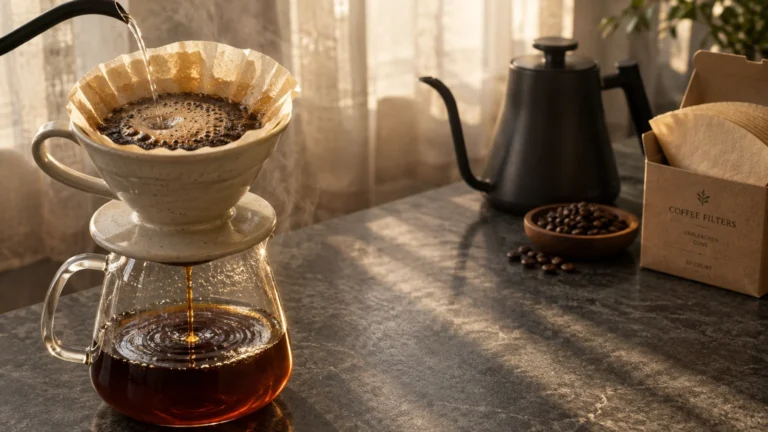
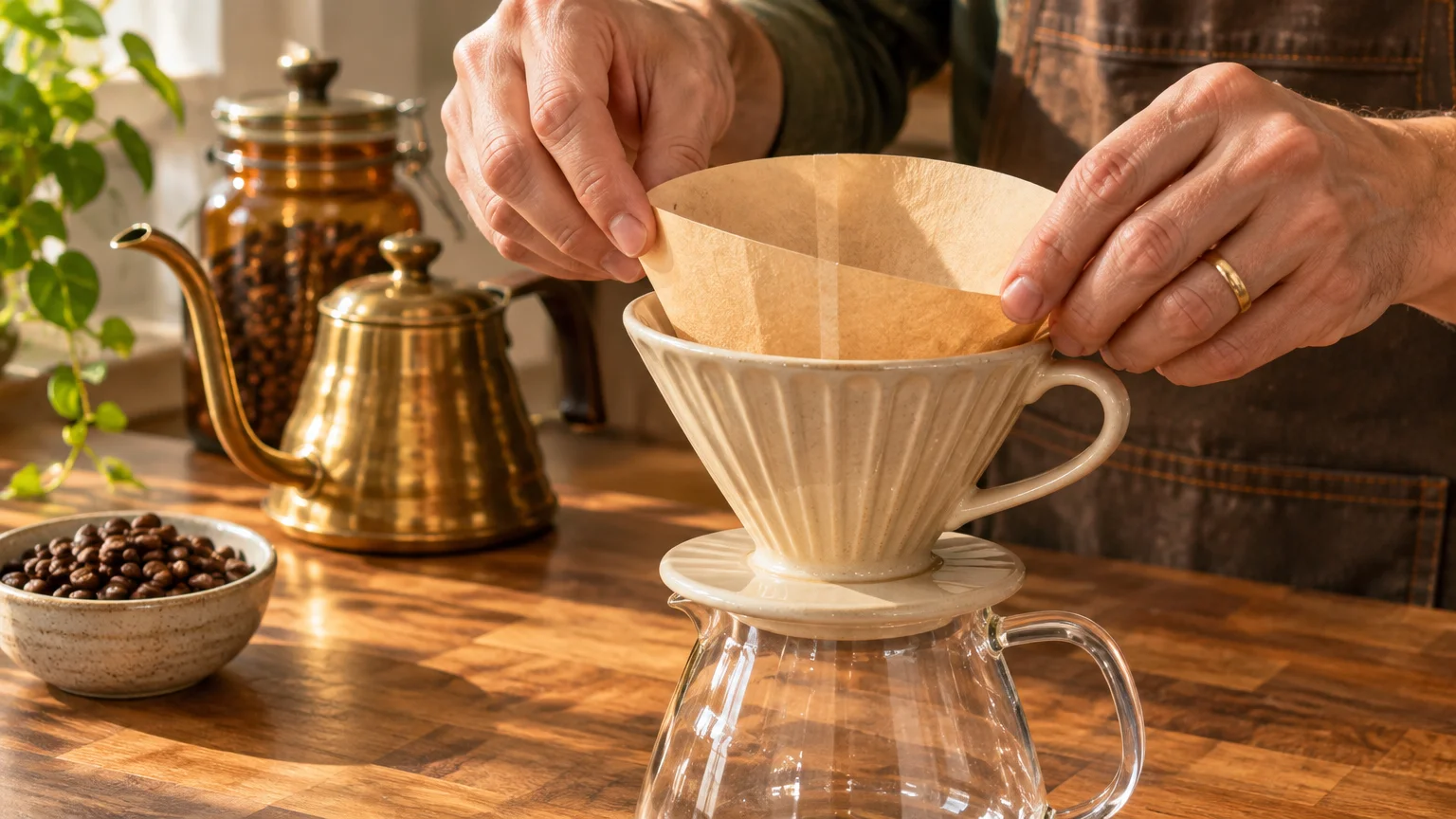
Next, take a close look at your brewer. If you manage elevated LDL cholesterol, switch from a French press, Turkish pot, or daily espresso shots to a drip machine or pour-over cone fitted with a paper filter.
Paper filters trap cafestol and kahweol before they ever reach your mug, whereas metal mesh screens let those cholesterol-raising oils pass right through. Instant coffee undergoes processing that removes most diterpenes as well.
What you stir into your cup can erase your coffee’s health edge faster than anything else. Under the FDA’s updated nutrient content claim rule effective April 28, 2025, plain black coffee with fewer than 5 calories per serving qualifies as healthy alongside water and plain tea.
Adding heavy cream, flavored syrups, or sugar can disqualify that healthy status immediately. Released on January 7, 2026, the 2025–2030 Dietary Guidelines for Americans advise eating real food and state that no amount of added sugars belongs in a healthy diet.
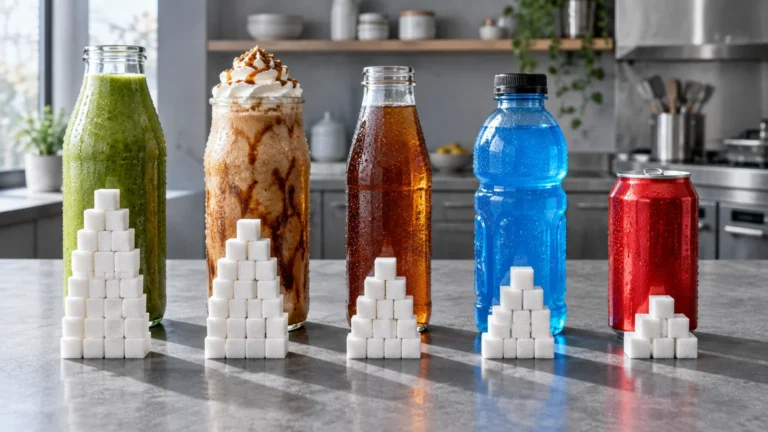
Similarly, American Heart Association added sugar limits cap daily intake at 25 grams for women and 36 grams for men. Many blended coffeehouse drinks pack 30 to 70 grams of sugar in a single cup—blowing past an entire day’s limit before 9:00 a.m.
Making coffee at home puts you back in charge of both ingredients and your budget. Although 48% of daily drinkers recently opted for specialty coffee, brewing your own paper-filtered pot costs pennies per cup and prevents hidden sugar overload.
If plain black coffee tastes too sharp, try simple flavor swaps that preserve blood sugar stability. Sprinkle ground cinnamon into your coffee grounds before brewing, add a drop of pure vanilla extract, or pour in a splash of unsweetened milk or soy milk.
When Should You Cut Back or Check With Your Doctor?
Coffee offers impressive benefits for many adults, yet individual biology varies widely—especially when you take daily prescriptions. Genetics play a major role through the CYP1A2 gene, which controls how rapidly your liver metabolizes caffeine.
Slow metabolizers hold onto caffeine much longer and may experience racing heartbeats, shaky hands, or acid reflux after just two cups. Listen to your body rather than forcing yourself to hit a three-cup target.
Caffeine and coffee compounds can also interact directly with common medications and medical conditions. Coffee can interfere with the absorption of daily thyroid hormone medications if you swallow your pill alongside your morning cup.
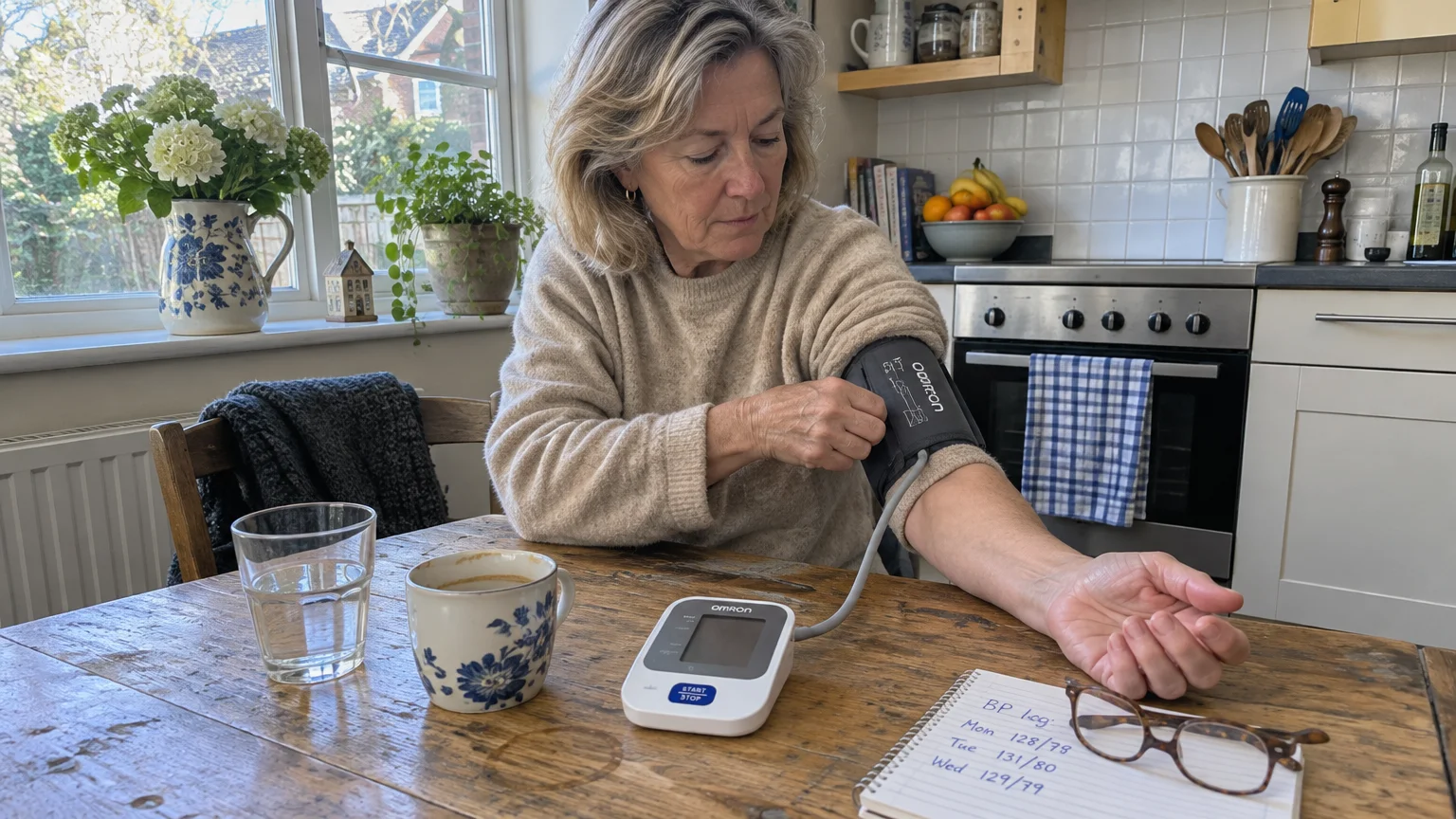
Caffeine may also amplify side effects from stimulant medications, worsen anxiety disorders, or trigger short-term spikes in severe hypertension. If you manage blood pressure, heart rhythm conditions, bone density concerns, or chronic reflux, ask your doctor or pharmacist how coffee fits your regimen.
Checking with your pharmacist is especially smart for timing morning prescriptions such as thyroid pills or osteoporosis medications. Often, waiting a while after taking medication with plain water helps avoid the absorption problem.
Keep a sharp eye on portion sizes when buying bottled cold brews or cafe pours, too. In July 2026, the FDA prioritized clearer caffeine labeling guidance, because naturally caffeinated coffees currently do not have to disclose exact milligram totals on packaged labels.
Also avoid pairing caffeine with alcohol later in the day. Caffeine masks the drowsy warning signs of alcohol without reducing impairment, and sweet bottled coffee cocktails pack extra sugar and calories.
Finally, if you share coffee habits with younger family members or pregnant relatives, remember that strict limits apply to them.
Clinical guidance advises capping caffeine under 200 mg daily during pregnancy or breastfeeding, while dietary guidelines advise keeping caffeine away from children under 2 and the American Academy of Pediatrics advises against caffeine for children and teens.
What Are Readers Asking About Morning Coffee?
Does Decaf Coffee Still Offer Health Benefits?
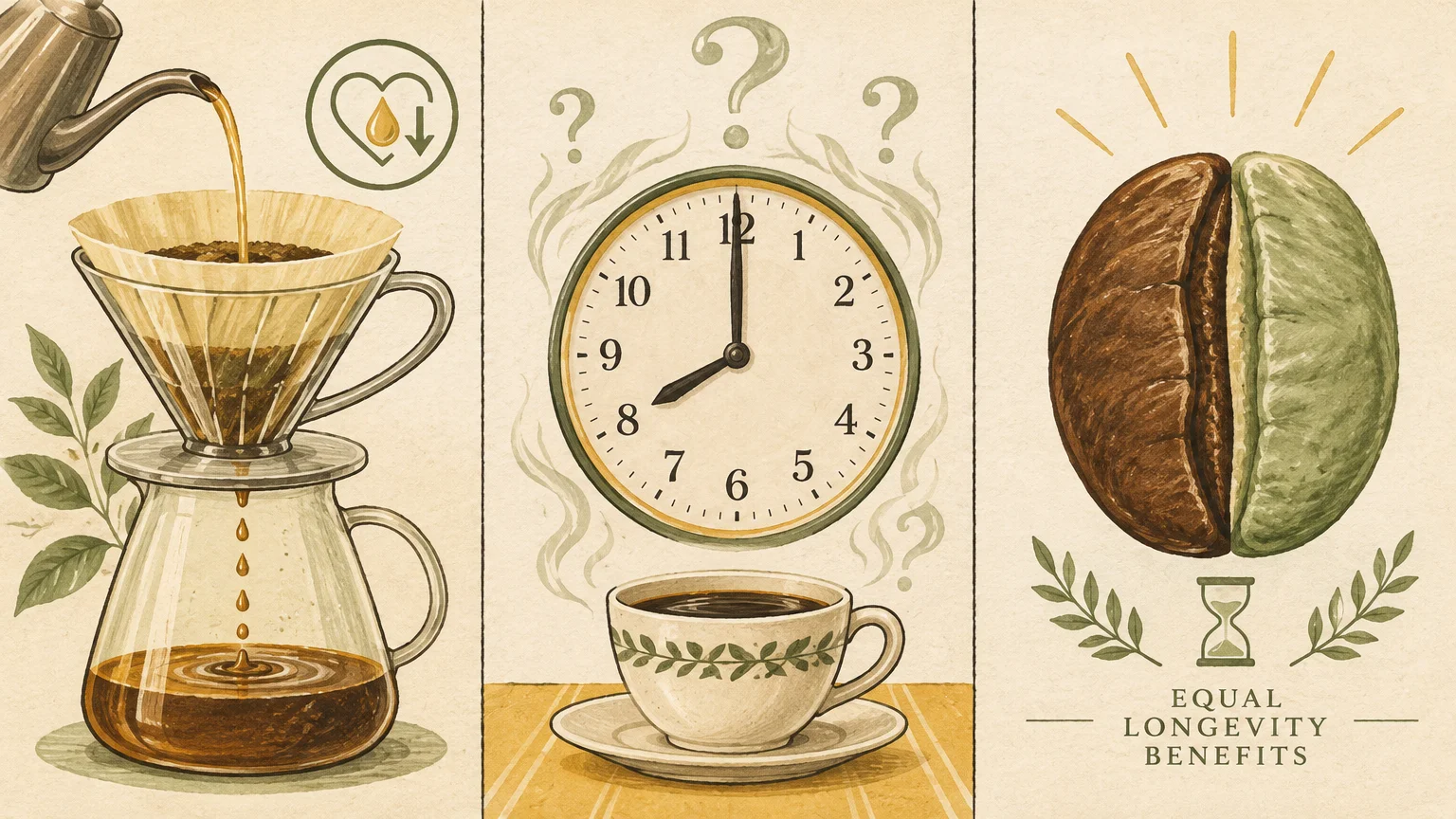
Yes—decaf retains nearly all of the beneficial polyphenols, chlorogenic acids, and soluble fiber found in regular beans. In the 2025 morning timing study, the 2018 diabetes meta-analysis, and the 2021 UK Biobank liver study, decaf delivered strong protection.
The main exception is brain protection against dementia. In the 2026 JAMA study of 131,821 adults, only caffeinated coffee showed a lower dementia risk, whereas decaf showed no protective link.
Is Instant Coffee Less Healthy Than Freshly Brewed Coffee?
No, instant coffee holds up surprisingly well in clinical research. In the 2021 UK Biobank study, instant coffee drinkers experienced the same lower risk of chronic liver disease as ground coffee drinkers.
Instant coffee also removes cholesterol-raising cafestol and kahweol during manufacturing. Just stick to plain unflavored instant coffee rather than pre-mixed packets loaded with powdered creamers and added sugars.
How Much Milk or Sweetener Can You Add Before Losing the Benefits?
A small splash of plain cow’s milk or unsweetened plant milk adds minimal calories while softening coffee’s acidity. Keeping added sugars at zero aligns best with the 2025–2030 Dietary Guidelines for Americans and preserves blood sugar benefits.
Watch out for flavored creamers, whipped toppings, and caramel drizzles, which quickly push a morning beverage into dessert territory. Even two tablespoons of sweetened liquid creamer can add up over three daily cups.
What If You Drink More Than Four Cups a Day?
Drinking more than four 8-ounce cups regularly pushes many people past the FDA’s 400 mg caffeine guideline, depending on brew strength. In the 2026 American Heart Association review, consuming more than 4 cups daily was linked to a higher risk of heart failure.
High daily caffeine can also increase urinary calcium loss, disrupt deep sleep, and worsen heartburn or jitteriness. If you love the ritual of a fifth warm mug, switch to decaf or herbal tea after mid-morning.
What Is One Small Coffee Change You Can Try This Week?
You do not need an expensive espresso machine or complicated rules to get more out of your coffee habit. Pick one realistic upgrade to practice over the next seven mornings.
Try pouring your final caffeinated cup before noon, brewing through a paper filter to protect your cholesterol, and leaving added sugar out of your mug. Your heart, liver, gut microbes, and next morning’s energy will reward that simple routine.