You can preserve your lean muscle and protect your cardiovascular health without drinking trace amounts of toxic industrial elements. Making five simple ingredient swaps cuts your heavy metal exposure while keeping your morning shake rich in daily protein.
A well-made smoothie supports steady blood sugar and sustained energy throughout your active day. However, contaminated powders can quietly introduce heavy metals into your bloodstream; choosing cleaner options eliminates that hidden risk completely.
By upgrading your blender ingredients today, you take immediate control over your daily nutrition and long-term vitality. Here is how you can easily optimize every scoop at home.
Why are heavy metals showing up in your morning protein shake?
Heavy metals like lead, cadmium, and arsenic exist naturally within the Earth’s geological crust. Human industry, outdated agricultural sprays, and modern synthetic fertilizers have significantly elevated their concentrations in surface soils across the country.
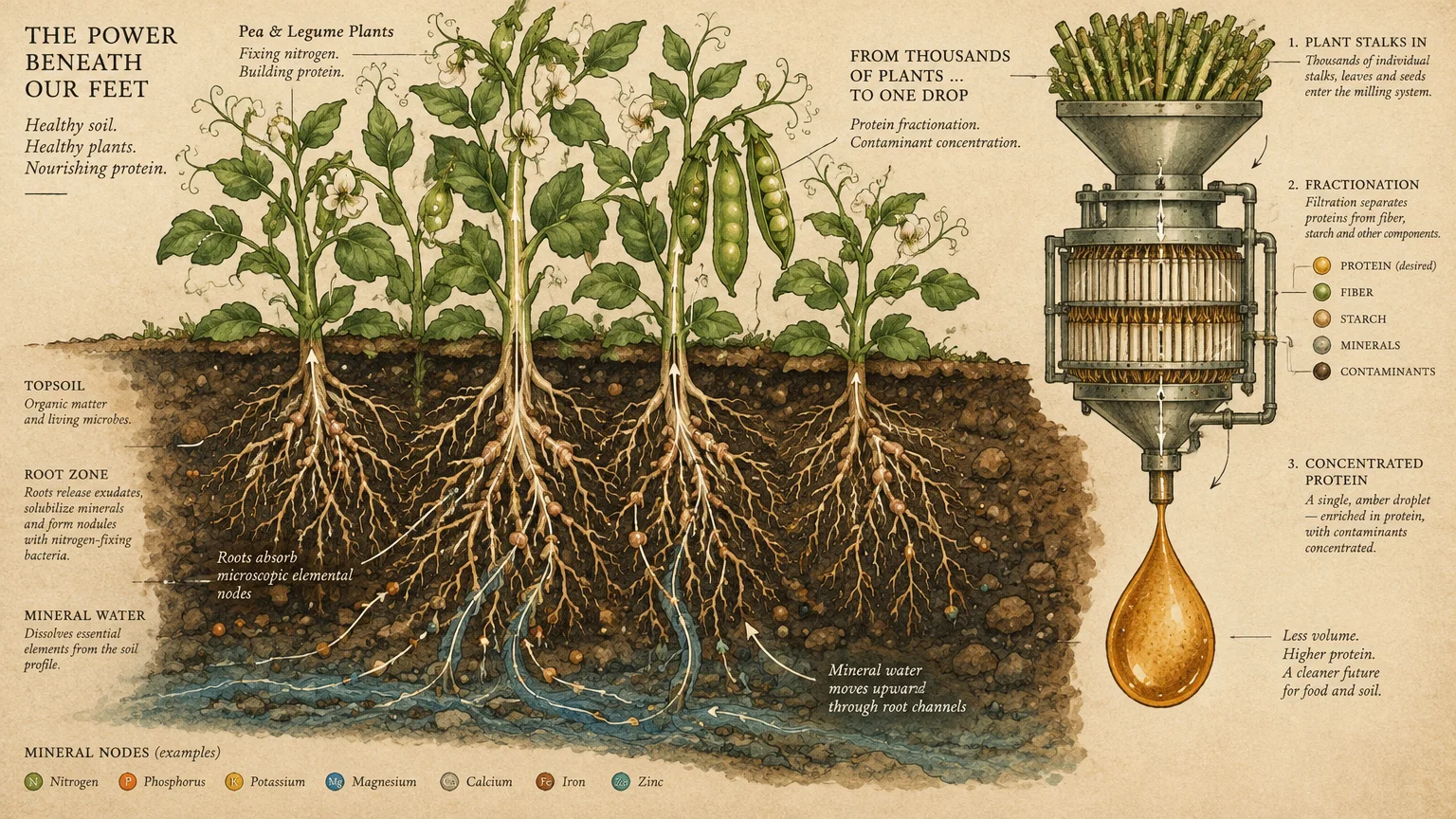
Farm crops absorb these dissolved minerals through their root networks during normal hydration cycles. As plants draw water to fuel their growth, they inadvertently store trace contaminants within their leaves, seeds, and stems.
Commercial processing worsens this problem by concentrating the protein fractions from thousands of individual plants into a single powder. During that industrial extraction, ambient heavy metals bind tightly to the isolated proteins.
You end up with a dense dietary supplement that contains magnified concentrations of agricultural contaminants. Because heavy metals do not break down in water, every scoop deposits those persistent minerals directly into your glass.
Industrial emissions and legacy leaded fuels also settled onto American farmland over decades of commercial activity. These persistent heavy particles bind tightly to topsoil minerals, resisting rainfall runoff and natural organic breakdown.
Different botanical species absorb these subterranean metals at dramatically differing rates. Root vegetables and high-protein legumes demonstrate a natural propensity to draw toxic elements upward into their edible tissues.
Fortunately, you do not need to abandon your morning smoothie to protect your body. Understanding the environmental mechanics behind this contamination allows you to make strategic ingredient adjustments at the supermarket.
What do recent laboratory investigations reveal about contamination levels?
Independent testing laboratories continue to uncover startling levels of toxic elements in common supplement brands. These findings challenge the assumption that expensive fitness beverages offer pure, uncompromised nutrition.
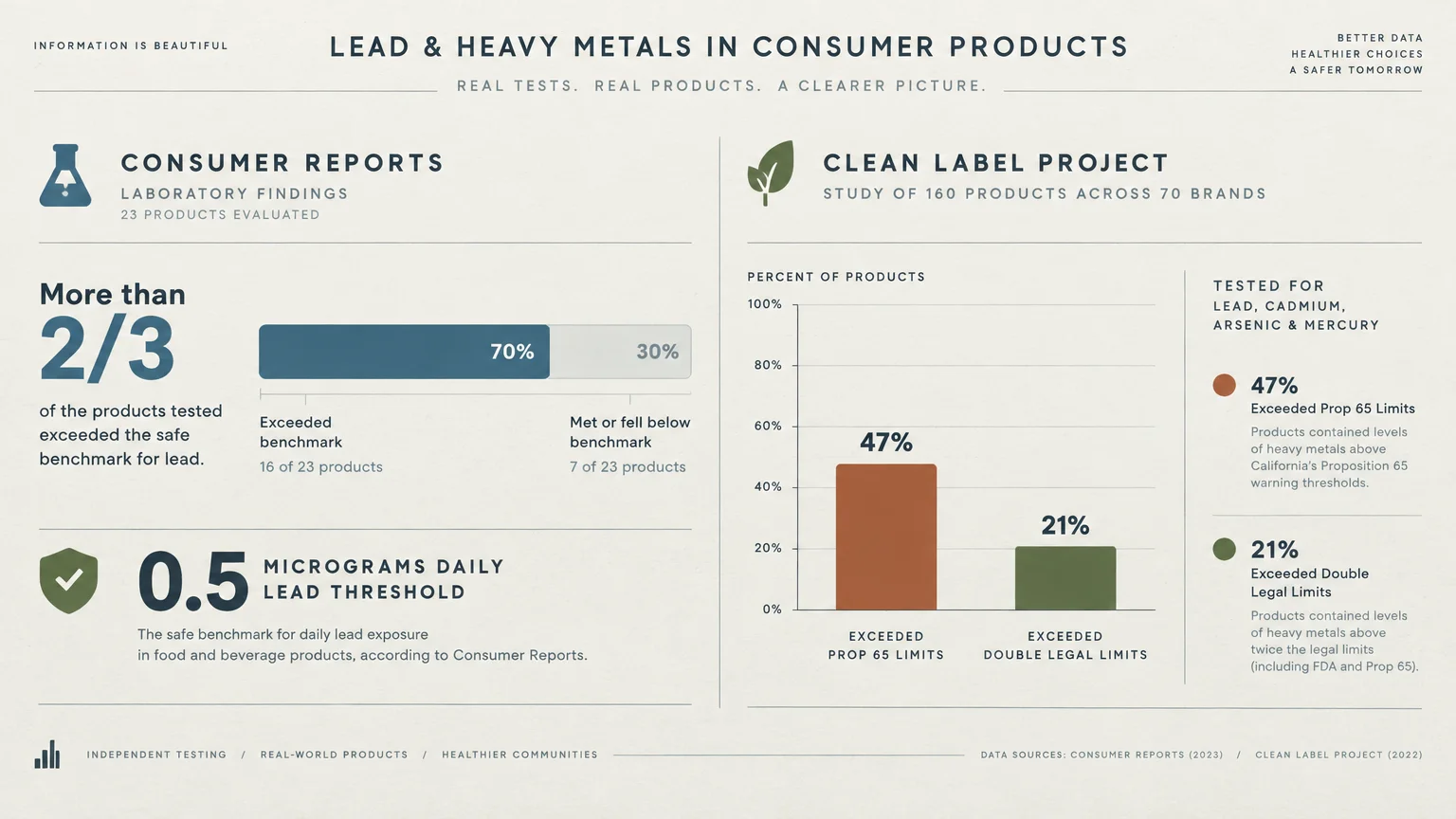
An investigation published on October 14, 2025, by Consumer Reports evaluated 23 popular protein powders and ready-to-drink shakes. Their researchers discovered that more than two-thirds of the products exceeded the daily safe lead threshold of 0.5 micrograms.
That benchmark comes from standards established by California’s Office of Environmental Health Hazard Assessment. Alarmingly, several evaluated commercial brands exceeded that daily safety threshold by more than ten times in a single serving.
Additional findings from the nonprofit Clean Label Project confirmed widespread contamination in an extensive study published on January 9, 2025. Their technicians analyzed 160 protein powder products across 70 top-selling commercial brands.
The Clean Label Project found that 47 percent of tested products exceeded California Proposition 65 thresholds for heavy metals, including lead, cadmium, arsenic, and mercury. Furthermore, 21 percent contained more than double those legal limits.
The U.S. Food and Drug Administration regulates protein powders as dietary supplements rather than food items or pharmaceutical drugs. Consequently, the agency does not test or approve these products before manufacturers ship them to retail stores.
Federal law currently enforces no specific safety limits for heavy metal concentrations in adult dietary supplements. While the federal government issued guidance for infant foods, adult protein products remain completely unregulated at the federal level.
In response, California State Senator Steve Padilla introduced Senate Bill 1033 in February 2026. If passed, this legislation will force protein powder manufacturers to test their products for toxic metals and disclose all results publicly.
Why should you trade plant-based powders for dairy or beef isolates?
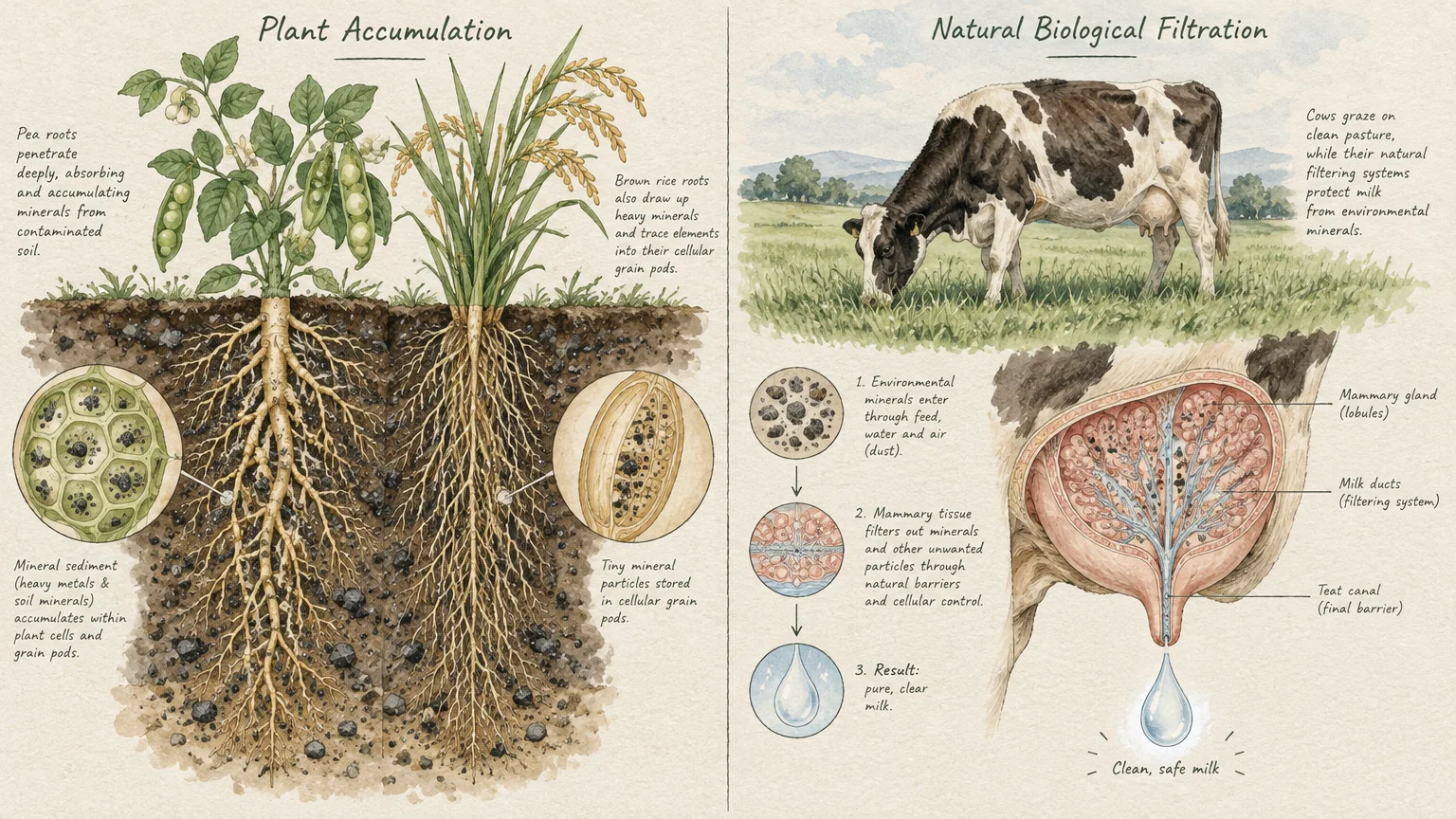
Many health-conscious adults reach for plant-based powders assuming that botanical sources provide the cleanest possible nutrition. However, laboratory data demonstrates that plant formulations consistently carry the highest heavy metal burdens on the market.
The Consumer Reports study revealed that plant-based protein supplements contained, on average, nine times more lead than dairy-based proteins. Plant powders also carried twice as much lead as beef-derived protein alternatives.
Independent testing from the Clean Label Project validated this trend, showing that plant-based powders contained three times more lead than whey options. Agricultural crops like peas, soy, and brown rice pull heavy metals straight from the dirt.
Dairy-based powders like whey and casein come from bovine milk. A cow’s digestive organs act as a biological filter, screening out environmental toxins before fluids enter the mammary glands.
Swapping your plant blend for a high-quality whey protein isolate immediately slashes your daily lead intake. Whey isolate also supplies exceptional amounts of leucine, an essential amino acid critical for rebuilding mature skeletal muscle.
Dairy proteins also boast higher bioavailability scores, meaning your intestines absorb and assimilate a greater fraction of the ingested amino acids. This biological efficiency supports mobility and balance as your natural muscular efficiency declines over time.
If dairy causes digestive bloating or gas, you can choose a pure beef protein isolate instead. Beef isolate offers hypoallergenic, highly digestible protein with half the heavy metal risk of common plant powders.
If you worry about cholesterol from dairy products, whey protein isolate contains virtually zero dietary cholesterol or saturated fat. The microfiltration process isolates pure protein fractions while leaving heavy fats and dairy sugars behind.
When shopping for whey isolate, check the ingredient list for cold-microfiltered processing. This mechanical filtration separates pure protein molecules from fats and lactose without using harsh chemical solvents or heat.
Drink your whey isolate smoothie within thirty minutes after resistance training or walking to stimulate muscle protein synthesis. Your digestive tract absorbs whey rapidly, delivering protective amino acids straight to your bloodstream.
Why does switching from chocolate to vanilla dramatically reduce cadmium?
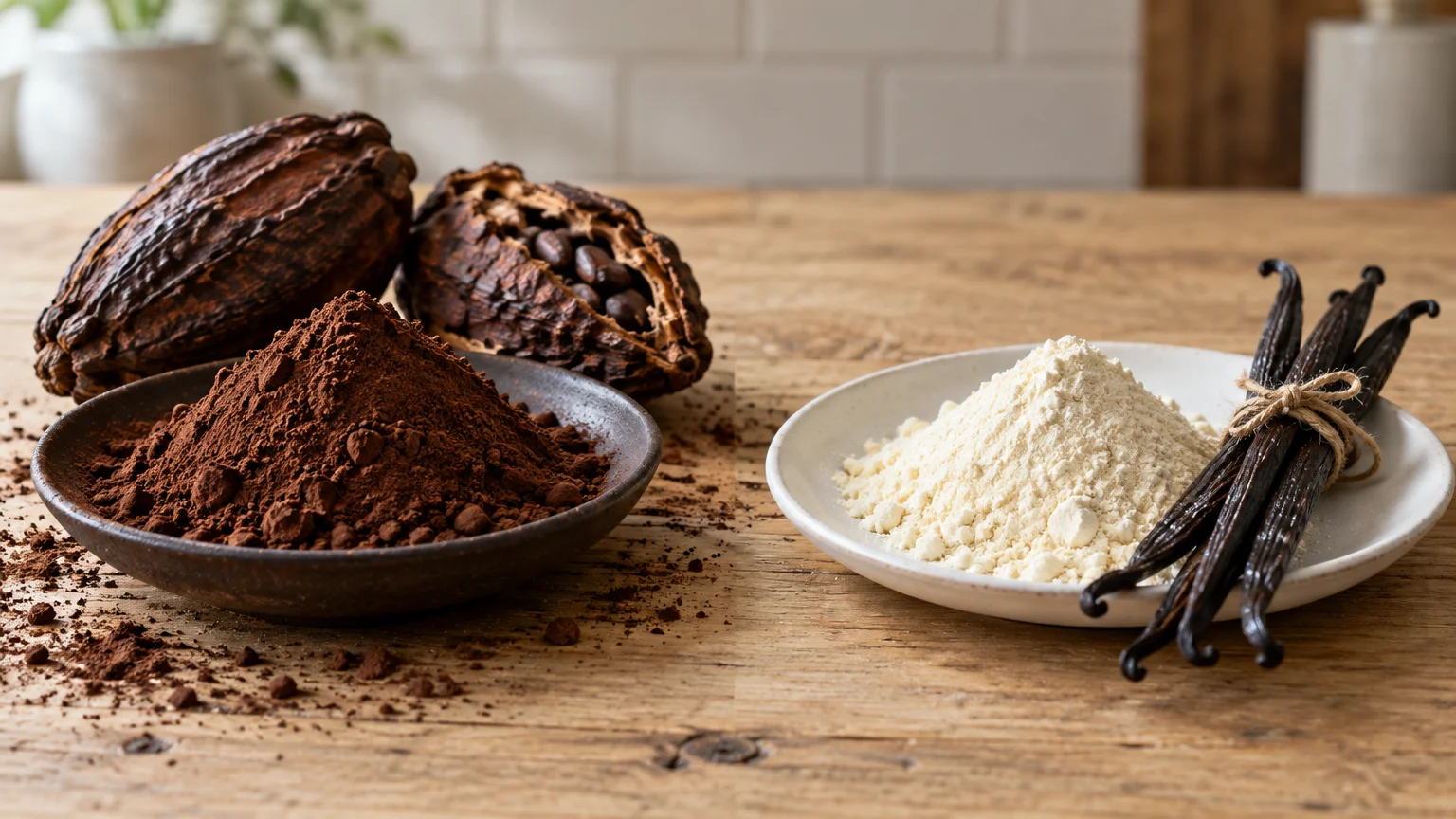
Chocolate remains one of the most popular shake flavors, but it carries a severe hidden chemical drawback. Cacao trees possess an extraordinary biological affinity for drawing cadmium and lead from tropical farming soils.
In their 2025 analysis, the Clean Label Project found that chocolate-flavored protein powders contained four times more lead than vanilla powders. Even worse, chocolate varieties contained up to 110 times more cadmium.
Cadmium accumulates inside cacao bean shells and nibs as the tree matures in mineral-rich volcanic earth. When manufacturers grind cocoa beans into flavoring powder, that cadmium concentrates directly into your chocolate blend.
Commercial chocolate flavorings also frequently include alkalized cocoa powder, which undergoes chemical processing that alters mineral solubility. This intense processing does nothing to remove cadmium, concentrating the toxic metal in the final cocoa matrix.
Trading chocolate powder for pure vanilla bean or natural vanilla extract instantly removes that massive cocoa contamination. Vanilla flavor compounds do not draw heavy metals from farm soils during their cultivation cycles.
Vanilla beans grow on climbing orchids that absorb substantially fewer soil-bound minerals than cacao trees. High-quality vanilla extract delivers deep, complex sweetness while introducing zero measurable heavy metal contamination into your drink.
You can still enjoy rich, warming dessert flavors in your morning smoothie without using industrial cocoa powder. Add a half-teaspoon of pure ground Ceylon cinnamon or ground ginger directly to your vanilla shake.
Ceylon cinnamon contributes comforting holiday flavor while helping your cells maintain healthy post-meal blood sugar levels. Cinnamon also provides potent antioxidant polyphenols that combat systemic oxidative stress without adding toxic heavy metals.
If you crave a nutty flavor profile, blend two tablespoons of raw almond butter with your vanilla base. Almonds provide healthy monounsaturated fats that support arterial flexibility and keep you full until lunchtime.
Always read the flavoring specifications on your vanilla container before heading to the register. Look for pure vanilla extract or real vanilla bean rather than artificial sweetening compounds and chemical thickeners.
Why should you choose conventional powders over certified organic options?
The organic certification emblem usually signals superior purity, environmental care, and personal safety to shoppers. However, in the world of concentrated protein powders, the green organic seal frequently indicates higher contamination levels.
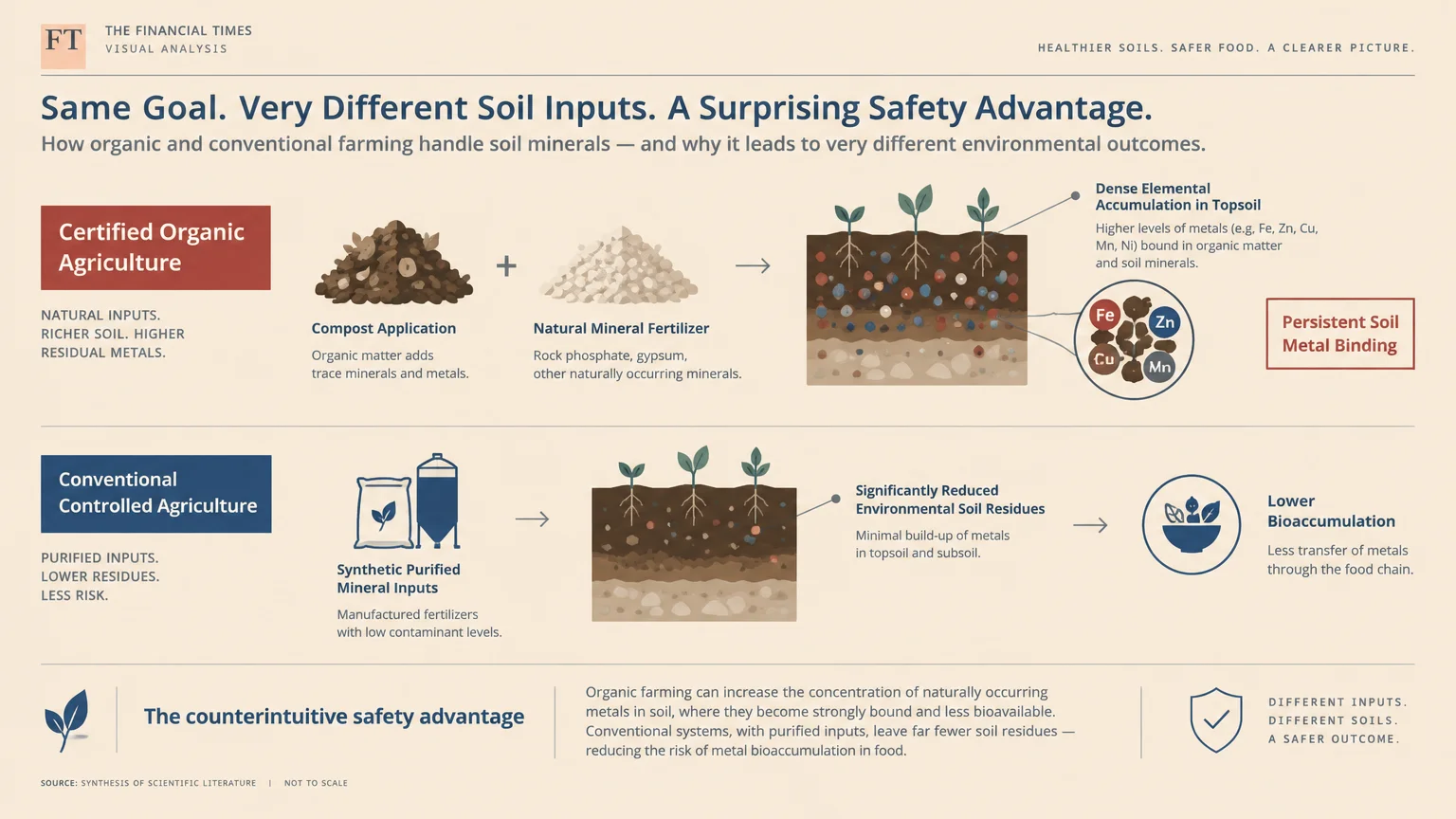
The Clean Label Project’s 2025 investigation revealed that certified organic protein powders contained three times more lead than conventional options. Organic products also averaged twice the amount of toxic cadmium found in non-organic powders.
This surprising discrepancy stems from the soil amendments and natural fertilizers required under organic farming standards. Organic growers rely heavily on rock phosphate minerals, natural composts, and animal manures to enrich their crops.
Mined rock phosphate naturally contains elevated concentrations of geological lead, cadmium, and arsenic. As organic fertilizers decompose across farm acreage, crops readily absorb those liberated heavy metals into their tissues.
Furthermore, organic farming relies on mined mineral dusts to replenish depleted soils without synthetic chemicals. These natural geological deposits often contain unrefined trace heavy metals that enter the local water table and root systems.
In contrast, conventional producers often utilize purified synthetic fertilizers that contain fewer naturally occurring geological impurities. Conventional manufacturers also apply specialized chemical filtration washes that strip heavy metals from finished protein isolates.
Choosing conventional powders from conscientious manufacturers allows you to bypass the heavy metal burdens of organic soils. You save considerable money at the grocery store while significantly lowering your daily toxic exposure.
Never assume an organic label acts as an automatic shield against heavy industrial pollutants. Scrutinize laboratory purity records rather than relying on well-marketed agricultural buzzwords stamped across the front label.
How can whole kitchen staples replace processed protein powders entirely?
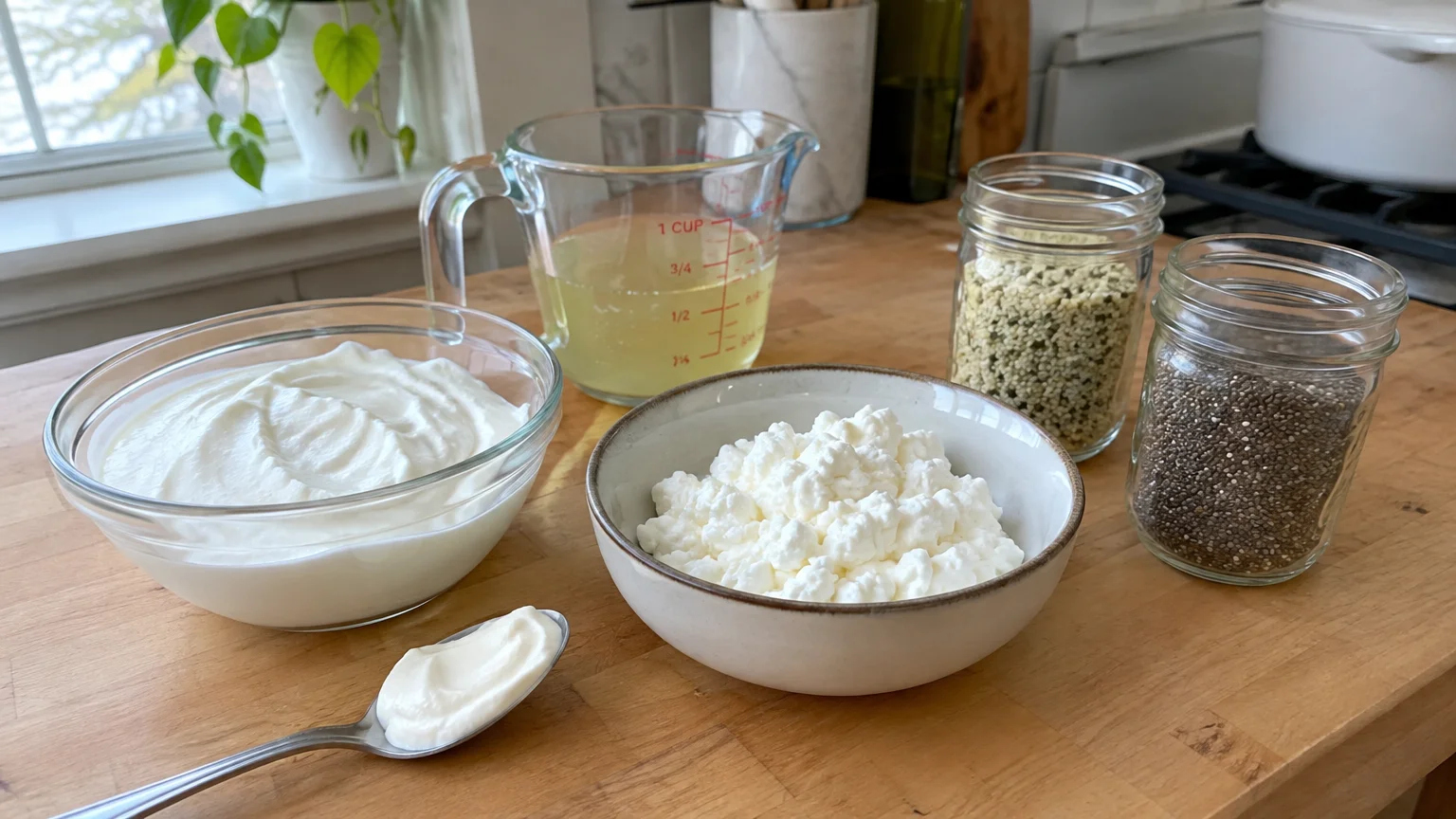
You do not need commercial powders or factory-milled tubs to build a nutritious, protein-dense breakfast drink. Replacing manufactured powders with whole kitchen ingredients eliminates industrial processing residues while delivering abundant vitamins and minerals.
Whole food staples supply clean macronutrients that digest smoothly through your gastrointestinal tract. By stocking a few simple refrigerator items, you gain complete control over everything entering your morning blender.
Can Greek yogurt match the protein content of manufactured powders?
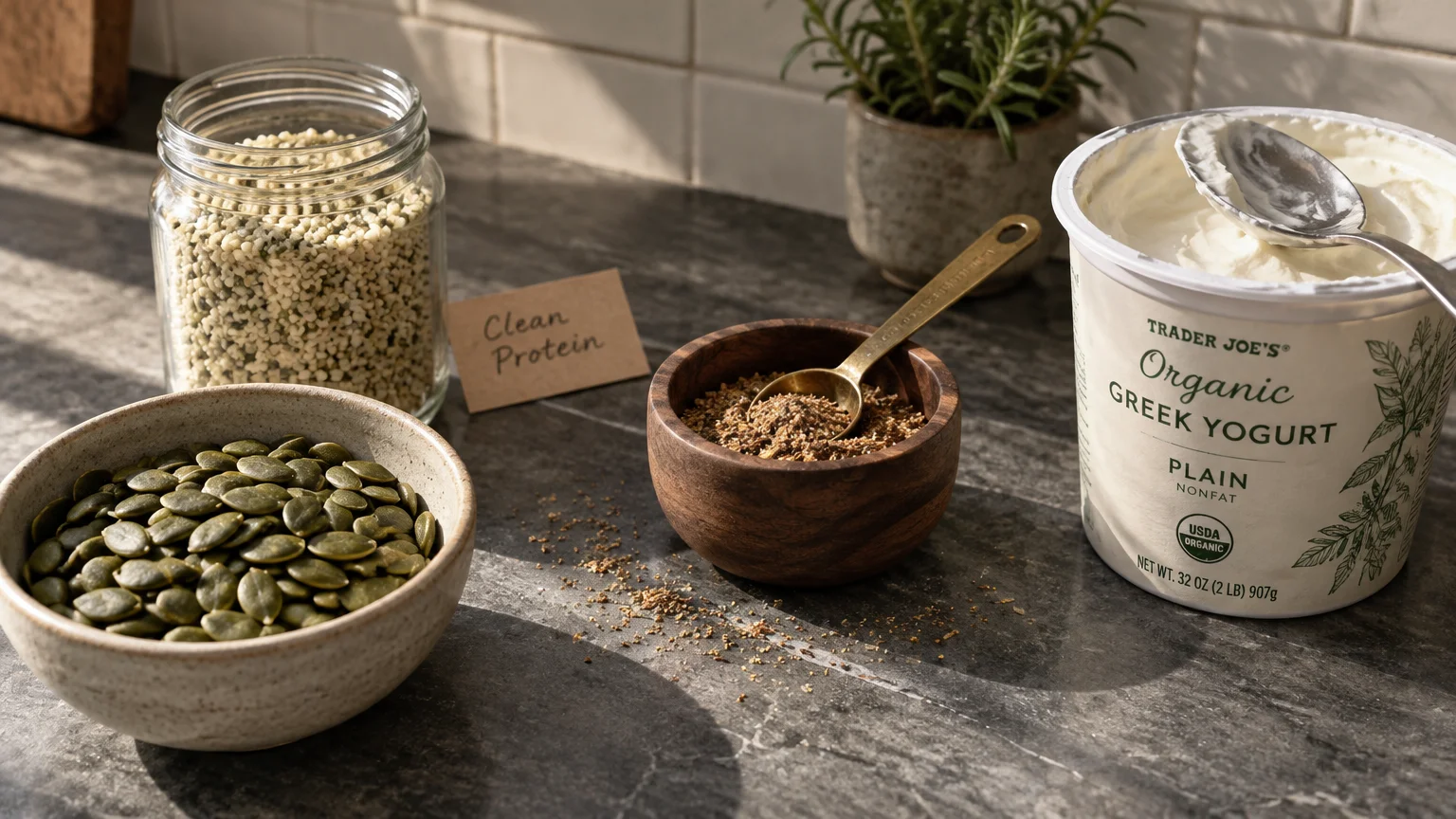
Plain Greek yogurt stands out as one of the most effective whole-food replacements for commercial protein powder. Traditional straining removes excess liquid whey, yielding a dense, velvety dairy cream packed with concentrated protein.
A six-ounce serving of plain nonfat Greek yogurt delivers between 15 and 20 grams of complete protein. This matches the protein yield of a standard commercial plastic scoop without any heavy metal risk.
Greek yogurt contains predominantly micellar casein, a slow-digesting dairy protein that releases amino acids steadily over several hours. This gradual breakdown prevents blood sugar spikes and preserves lean muscle mass between your meals.
Furthermore, fermented Greek yogurt provides live probiotic cultures that support balanced gut microbiota and ease daily digestion. It also supplies bioavailable calcium that strengthens bone mineral density as your natural skeletal turnover slows.
The thick consistency of Greek yogurt also adds natural body to your smoothies without requiring synthetic gums or chemical thickeners. Commercial powders often add xanthan gum or carrageenan, which can trigger digestive gas or loose stools in sensitive stomachs.
Add three-quarters of a cup of plain Greek yogurt to your blender with cold water and half a cup of frozen blueberries. This simple blend yields a creamy, refreshing shake that contains zero agricultural lead.
How do cottage cheese and silken tofu perform in blended drinks?
Low-sodium cottage cheese represents another fantastic kitchen powerhouse for building velvety homemade protein beverages. A half-cup serving supplies roughly 14 grams of pure dairy protein alongside essential vitamins like B12.
When whipped in a high-speed blender, cottage cheese curds dissolve completely into an ultra-smooth, creamy milkshake base. The finished drink tastes mild and neutral, adopting whatever fruit or spice flavors you blend into the pitcher.
Cottage cheese also provides rich amounts of selenium, a trace mineral that supports normal thyroid function and immune defense. Choosing low-sodium varieties ensures you receive these powerful cellular micronutrients without challenging your arterial blood pressure.
If you follow an entirely plant-based diet, silken tofu provides an extraordinary, low-metal alternative to powdered pea isolates. Unlike firm tofu, the silken variety possesses a delicate custard texture that liquefies seamlessly into cold drinks.
A half-cup portion of silken tofu contributes between 8 and 10 grams of clean plant protein. Because tofu manufacturing involves washing and coagulating fresh soy milk, heavy metals remain far lower than in dry botanical powders.
Silken tofu also delivers beneficial isoflavones that support arterial elasticity and healthy cholesterol profiles. Its mild, neutral flavor allows the natural sweetness of your blended fruit to shine through without any chalky supplement taste.
Blend your silken tofu with unsweetened soy milk, a dash of vanilla extract, and frozen strawberries. You receive a smooth, dairy-free recovery drink that supports your muscles without taxing your body with concentrated soil contaminants.
Are pasteurized liquid egg whites safe to blend into cold shakes?
Pasteurized liquid egg whites from a carton offer one of the purest, most bioavailable protein sources available. A half-cup pour provides approximately 13 grams of complete protein with zero fat and zero dietary cholesterol.
Chickens produce egg whites through biological pathways that naturally filter out heavy environmental metals like lead and cadmium. Consequently, liquid egg white protein exhibits exceptional purity when evaluated in laboratory testing.
Liquid egg whites also contain zero saturated fat, making them an exceptional option if you monitor your daily cardiovascular lipid panels. They whip into a light, airy foam that gives homemade fruit shakes a luxurious coffeehouse consistency.
Always verify that your egg whites are pasteurized before pouring them into an unheated morning shake. Commercial flash pasteurization eliminates harmful bacteria like Salmonella while denaturing avidin, a protein that otherwise blocks your biotin absorption.
Liquid egg whites blend silently into fruit smoothies without altering the flavor or imparting any eggy aroma. Combine a half-cup of liquid egg whites with half a frozen banana and water for a light, frothy texture.
How can raw seeds add healthy protein and texture safely?
Shelled hemp seeds, often sold as hemp hearts, deliver rich botanical protein without the heavy metals found in milled powders. Three level tablespoons provide 10 grams of complete plant protein containing all nine essential amino acids.
Whole hemp seeds bypass the aggressive chemical extraction processes that concentrate environmental contaminants in commercial vegan powders. They also provide heart-healthy omega-3 and omega-6 essential fatty acids in an optimal ratio for vascular health.
Unlike whole flaxseeds, hemp hearts require no pre-grinding for your digestive enzymes to unlock their nutritional payload. Your body easily absorbs their complete amino acids and essential fatty acids immediately after blending.
Chia seeds also enhance your shake by supplying five grams of protein and ten grams of fiber per two tablespoons. Their soluble fiber forms a soothing gel that slows carbohydrate digestion and promotes smooth gastrointestinal transit.
Soaking chia seeds in cold water for ten minutes before blending creates a smooth gel that prevents gritty texture. This gentle soluble fiber coats your stomach lining, promoting steady digestive transit and enhancing overall satiety.
Sprinkle hemp hearts or soaked chia seeds directly into your whole-food smoothie before blending on high speed. They add a pleasant nutty richness while providing essential minerals like magnesium that support healthy nighttime sleep.

Why should you insist on third-party verification seals on commercial tubs?
If you prefer the convenience of packaged protein powders, you must never buy unverified containers off random store shelves. Because federal regulators do not monitor supplement purity, independent auditing agencies serve as your primary safety net.
Look for the United States Pharmacopeia seal, commonly recognized as the USP Verified mark, on the container. This independent organization audits manufacturing facilities, inspects sanitization standards, and tests finished powders for toxic heavy metal residues.
The NSF Certified for Sport seal provides another rigorous gold standard for commercial supplement purity. NSF technicians run extensive laboratory screenings to confirm that products contain no harmful heavy metals, pesticides, or banned pharmaceuticals.
You can also look for third-party certifications from Informed Choice or the Clean Label Project Purity Award. Brands displaying these independent logos submit batches for continuous blind testing, ensuring reliable purity scoop after scoop.
Reputable manufacturers often publish batch-specific Certificates of Analysis directly on their corporate websites. You can match the lot number printed on the bottom of your plastic tub to their laboratory testing sheets.
If a supplement brand refuses to share its heavy metal testing data, choose another product immediately. Transparent companies gladly display their independent laboratory results to prove their commitment to consumer safety.
Third-party certified protein powders generally cost slightly more than cut-rate generic tubs sold at discount warehouses. However, spending an extra fifty cents per serving protects your kidneys and circulatory system from lifelong toxic accumulation.
Never rely on marketing claims like “pure,” “all-natural,” or “clean” printed directly on the front label. Supplement manufacturers invent these unregulated buzzwords to create an illusion of safety without undergoing verified laboratory inspections.
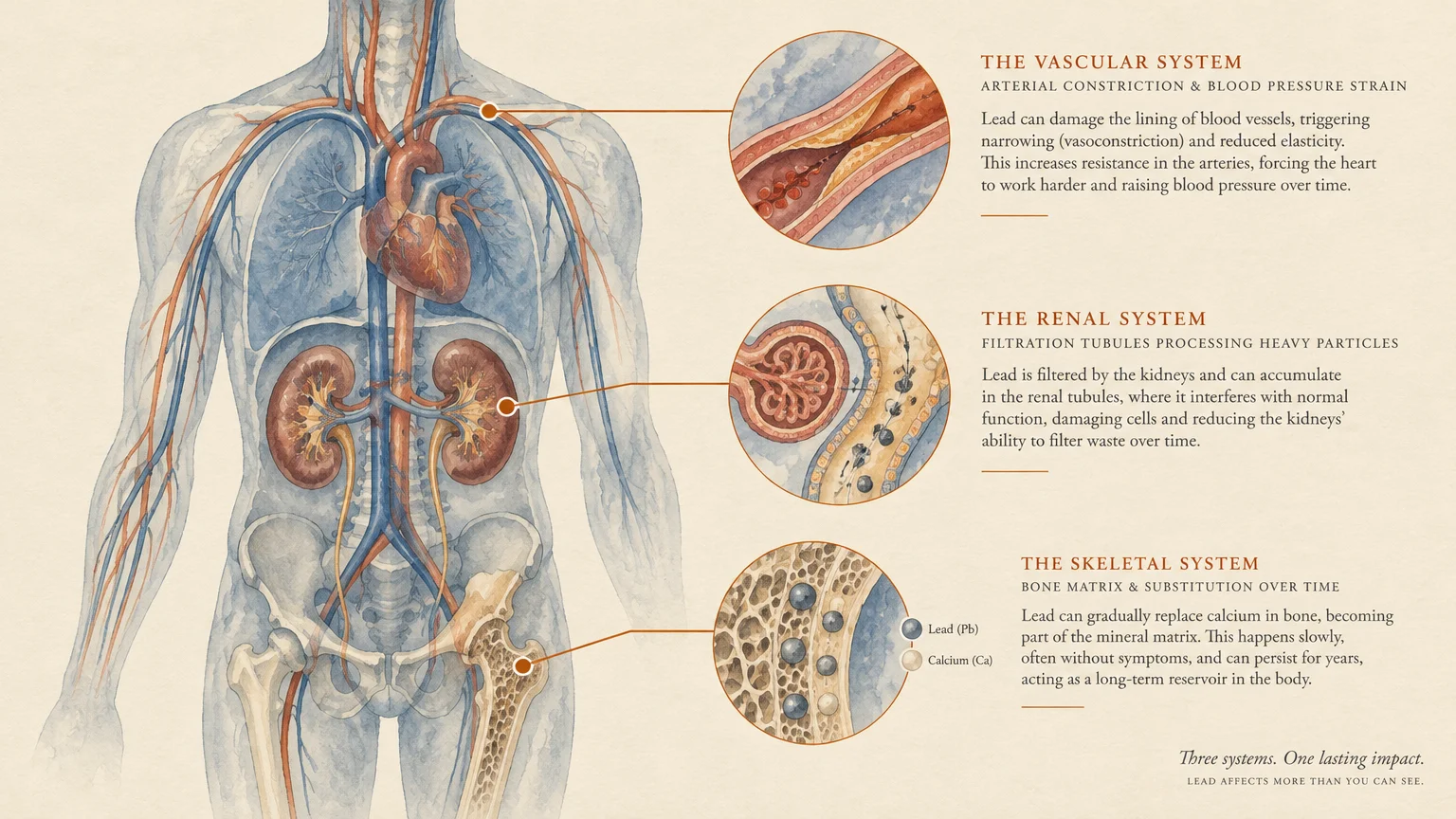
How do toxic heavy metals affect blood pressure, kidneys, and bone health?
Understanding how heavy metals interact with your internal organs highlights why these simple kitchen swaps matter so much. As you grow older, your body naturally eliminates toxic compounds more slowly than it did in previous decades.
Lead is a potent vascular toxin that directly damages endothelial cells lining your blood vessels. Research published by the American Heart Association highlights that chronic environmental lead exposure impairs nitric oxide synthesis, accelerating arterial stiffness and high blood pressure.
Even low-level lead exposure can blunt the effectiveness of your daily antihypertensive medications. Cutting out contaminated protein shakes removes a continuous, silent contributor to cardiovascular resistance and arterial inflammation.
In addition to stiffening blood vessels, lead interferes with the body’s natural synthesis of hemoglobin. This interference reduces red blood cell oxygen-carrying capacity, leaving you feeling fatigued and short of breath during daily physical activities.
Cadmium poses an equally dangerous threat by concentrating directly within the tubular cells of your renal cortex. Because cadmium possesses a biological half-life exceeding twenty years, early accumulation accelerates age-related declines in kidney filtration.
Cadmium exposure also causes oxidative stress within brain microvessels, impairing cognitive processing and reaction times. Keeping heavy metal levels at near-zero levels preserves sharp memory, mental focus, and coordinated motor skills.
Impaired kidneys struggle to balance fluid volume, which further complicates the medical management of chronic blood pressure. Protecting your delicate renal filters ensures your body efficiently clears normal metabolic byproducts throughout your retirement years.
Heavy metals also attack your skeletal structure by competing directly with calcium in your bone matrix. Toxic lead and cadmium disrupt osteoblast activity, speeding up mineral loss and increasing your vulnerability to osteopenia and fractures.
Furthermore, heavy metal deposition disrupts deep sleep cycles by interfering with neurotransmitter production and brain clearance pathways. Preventing daily toxic intake supports restorative rest, mental clarity, and consistent daytime vitality.
What medication interactions and chronic conditions require extra caution?
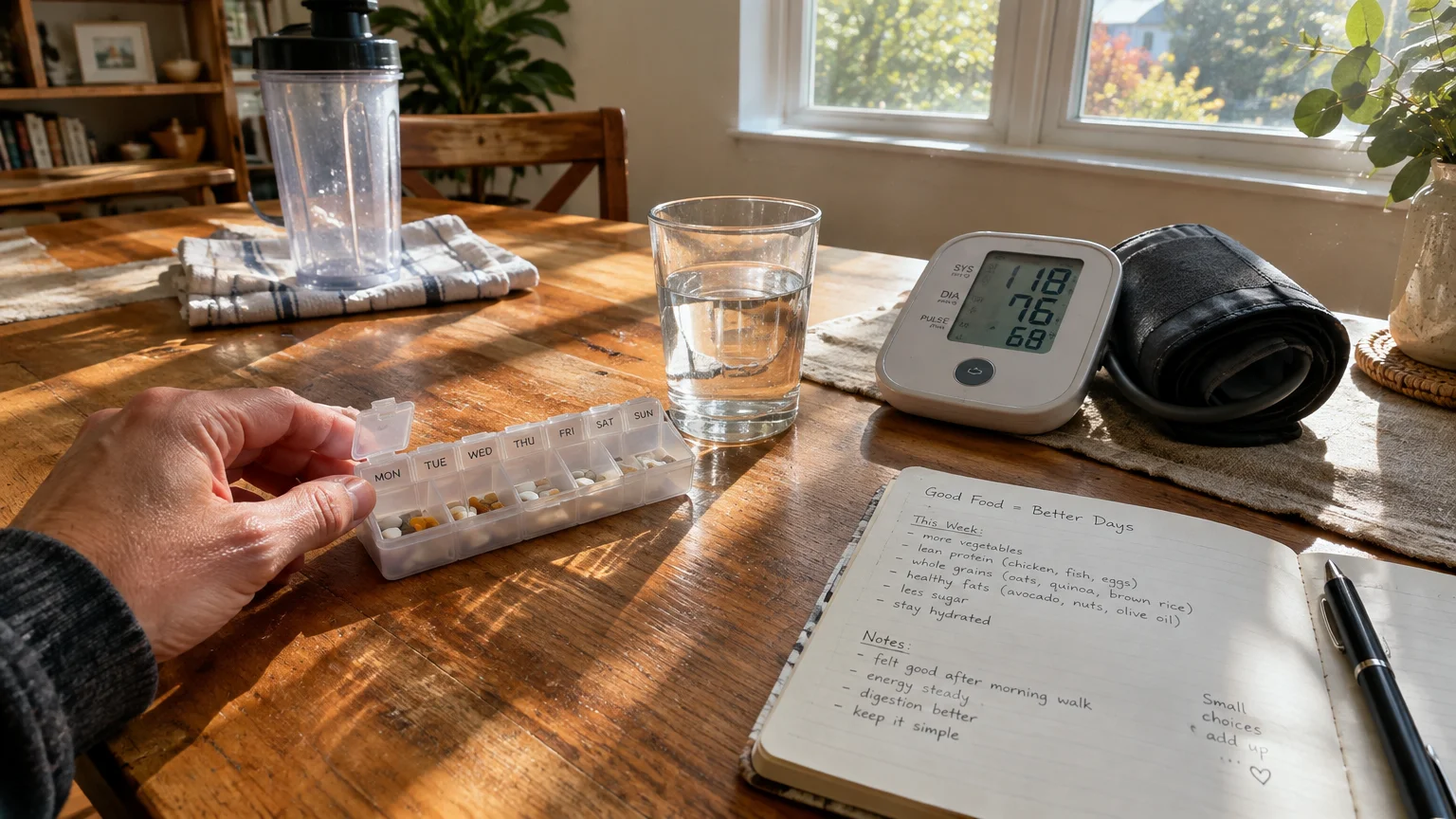
Making smart dietary protein adjustments requires careful attention to your existing health conditions and daily prescription medications. What benefits one individual might create unwanted complications for another person managing chronic illness.
If you take blood pressure medications like ACE inhibitors or ARBs, monitor your potassium intake closely. Whole-food dairy swaps like Greek yogurt and cottage cheese naturally contain potassium, which can accumulate if your kidneys function below normal baseline.
Similarly, individuals managing diagnosed chronic kidney disease must carefully budget their daily protein intake. Consuming excessive protein increases renal intraglomerular pressure, accelerating kidney strain; always review your daily protein targets with your nephrologist.
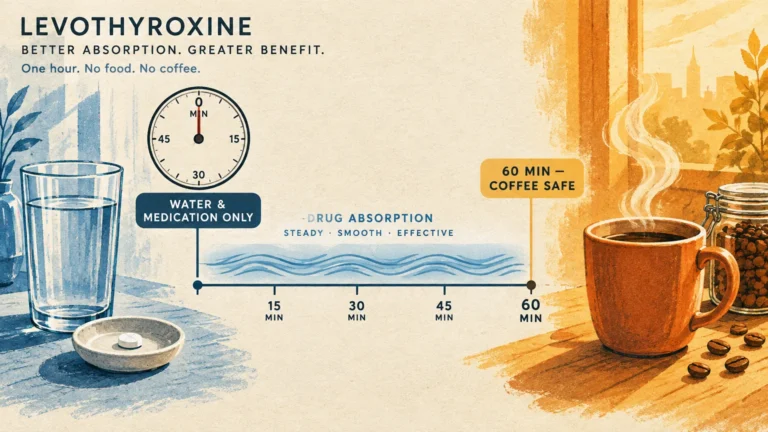
Dairy-based swaps also deliver substantial amounts of dietary calcium that can interfere with medication absorption. Calcium binds tightly to synthetic thyroid medications like levothyroxine, preventing your intestines from absorbing your daily hormone dose.
If you take morning thyroid medication, wait at least four hours before drinking a dairy-rich protein smoothie. The same four-hour spacing rule applies to common oral antibiotics, including ciprofloxacin and doxycycline.
If you take daily blood thinners like warfarin, be mindful of green smoothie additions like spinach or kale. These leafy greens deliver substantial vitamin K, which directly counters the anticoagulant action of your prescribed medication.
Your pharmacist can help you establish safe time buffers between your daily prescriptions and your homemade nutrition drinks. Maintaining open communication with your healthcare team prevents unexpected drug interactions and preserves your health.
Never combine protein drinks with alcohol, as ethanol increases gut permeability and impairs muscular amino acid uptake. Discuss any major dietary shake modifications with your physician or pharmacist to verify safety alongside your regular prescriptions.
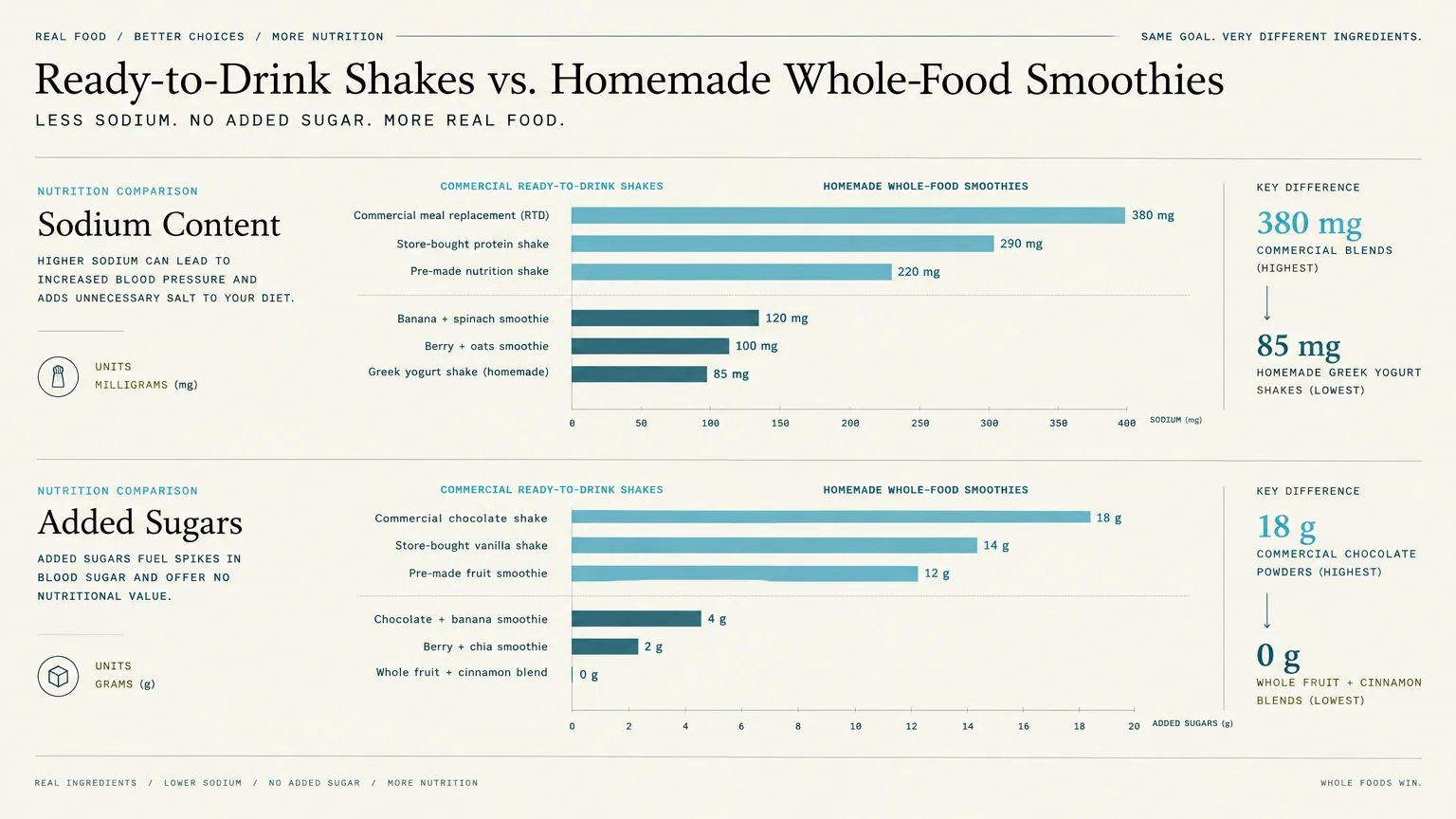
How can you balance sugar and sodium levels in homemade blends?
Many commercial ready-to-drink protein beverages contain excessive refined sugars to mask bitter mineral aftertastes. Consuming twenty grams of added sugar in a single morning drink spikes blood glucose and promotes insulin resistance.
Elevated blood sugar damages capillary networks and promotes systemic inflammation throughout your cardiovascular system. You should always aim for homemade protein drinks that rely entirely on low-glycemic, unrefined carbohydrate sources.
Sweeten your whole-food blender recipes with half a green-tipped banana or a half-cup of frozen berries. The natural fiber in fresh fruit moderates sugar absorption, providing steady physical energy without triggering an insulin surge.
Artificial sweeteners like sucralose and acesulfame potassium frequently cause abdominal cramps, gas, and digestive discomfort in mature adults. Eliminating synthetic sweetening additives restores digestive calm and supports a balanced, thriving intestinal microbiome.
Watch the sodium levels in whole-food dairy swaps like cottage cheese, which often contains high salt concentrations. Look for containers labeled low-sodium or no salt added to protect your daily blood pressure targets.
Your natural sensation of thirst gradually decreases with age, making scheduled morning hydration vital for cellular health. Blending your protein shake with ten to twelve ounces of pure water helps replenish overnight fluid losses effortlessly.
For your blending liquid, skip commercial fruit juices that load your glass with liquid fructose. Use plain cold filtered water, unsweetened almond milk, or unsweetened organic soy milk to maintain optimal hydration without excess sodium.
Avoid adding commercial plant milks that contain added cane sugars or sunflower oils. Check the nutrition facts panel to confirm zero added sugars and minimal sodium before pouring them into your morning pitcher.
What questions do readers frequently ask about heavy metals in protein drinks?
Does boiling or blending protein powder remove heavy metals?
Neither high-speed blending nor boiling water will remove or neutralize heavy metals in your protein powder. Elemental minerals like lead, cadmium, and arsenic are heat-stable chemical elements that do not break down during cooking.
Once these heavy metals enter your powder, they remain intact through blending, heating, and gastrointestinal digestion. The only way to eliminate them from your drink is by choosing clean, verified ingredients before blending.
Will drinking extra water help flush heavy metals from your kidneys?
Maintaining consistent daily hydration supports healthy renal blood flow and helps your kidneys eliminate normal metabolic wastes. The National Institute on Aging emphasizes adequate fluid intake as a cornerstone of healthy aging and kidney support.
However, drinking surplus water cannot flush stored heavy metals out of your body tissues. Toxic elements like lead bind deeply into your bones, while cadmium binds firmly to kidney cellular proteins for decades.
Avoiding contaminated protein sources in the first place remains your most reliable defense against progressive mineral accumulation.
Is collagen powder safer than typical plant or whey protein?
Collagen peptides derive from bovine hides, chicken cartilage, or marine scales rather than agricultural farm soils. Because animals biologically filter environmental minerals, high-quality collagen generally tests very low for agricultural lead and cadmium.
However, collagen does not constitute a complete dietary protein because it completely lacks the essential amino acid tryptophan. While collagen supports skin elasticity and joint comfort, you cannot rely on it alone for preserving lean skeletal muscle.
For complete muscle protein synthesis, combine a scoop of clean collagen with Greek yogurt or third-party verified whey. This pairing provides total amino acid coverage alongside structural peptides for your joints.
How much total daily protein do adults over 50 actually need?
As your body matures, muscle tissue becomes less responsive to dietary amino acids, a physiological condition known as anabolic resistance. To counteract this natural decline, active adults over 50 require more protein than younger sedentary individuals.
Clinical research indicates that consuming 1.0 to 1.2 grams of protein per kilogram of body weight supports healthy muscle retention. For an individual weighing 150 pounds, that translates to roughly 68 to 82 grams of total daily protein.
Distributing this protein evenly across your three main meals triggers muscle protein synthesis far better than eating one massive dinner. Aim for 20 to 30 grams of clean protein in your morning smoothie to start your day strong.
How does soil origin affect heavy metal concentrations in protein crops?
Agricultural soils in different geographic regions possess wildly varying levels of background geological minerals. For example, cacao trees grown in volcanic soils across South America naturally absorb more cadmium than crops in older geological soils.
In contrast, peas and rice grown in regions with extensive industrial histories often absorb legacy lead from past manufacturing runoff. Sourcing products from verified low-mineral soils dramatically lowers the heavy metal profile of finished foods.

What is the single best protein shake adjustment you can make this week?
You do not need to discard every container in your pantry or completely reinvent your morning routine today. Trying to overhaul your entire lifestyle all at once often creates unnecessary stress and confusion in the kitchen.
Implementing targeted protein shake swaps down-regulates your cumulative exposure to industrial contaminants while maintaining optimal daily nutrition. Making deliberate shake swaps down at home ensures you protect your internal organs without sacrificing convenience.
Start with one immediate, high-impact adjustment: swap your chocolate plant-based powder for plain, whole-food Greek yogurt. This single switch instantly slashes your daily lead and cadmium exposure while supplying twenty grams of rich, bioavailable protein.
Blend three-quarters of a cup of Greek yogurt with cold water, frozen wild blueberries, and a dash of ground cinnamon. Notice how light your stomach feels, how steadily your morning energy holds, and how satisfying the creamy texture tastes.
Write down your chosen shake swaps on your weekly grocery shopping list before heading out to the market. Preparing your kitchen with clean whole ingredients ensures your morning habit builds lasting health, energy, and strength.
Taking control of what enters your blender gives you lasting peace of mind and builds lifelong physical resilience. Small, deliberate ingredient upgrades protect your cardiovascular system, safeguard your kidneys, and help you thrive every single day.