You can satisfy a soda craving without spiking your blood sugar, but paying three dollars a can will not fix your digestion overnight. Prebiotic sodas offer a low-sugar alternative to conventional soft drinks.
These beverages deliver isolated plant fibers designed to nourish beneficial gut microbes. However, a single carbonated can cannot replace a nutrient-dense diet.
Learning what these drinks truly provide helps you protect both your digestive tract and your grocery budget. Here is how to evaluate whether prebiotic sodas deserve a regular spot in your pantry.
What are prebiotic sodas and how do they function in your gut?
Prebiotic sodas are carbonated soft drinks formulated with extracted plant fibers rather than large doses of refined sugar. They provide the familiar fizz and sweetness of traditional soda while attempting to support digestive health.
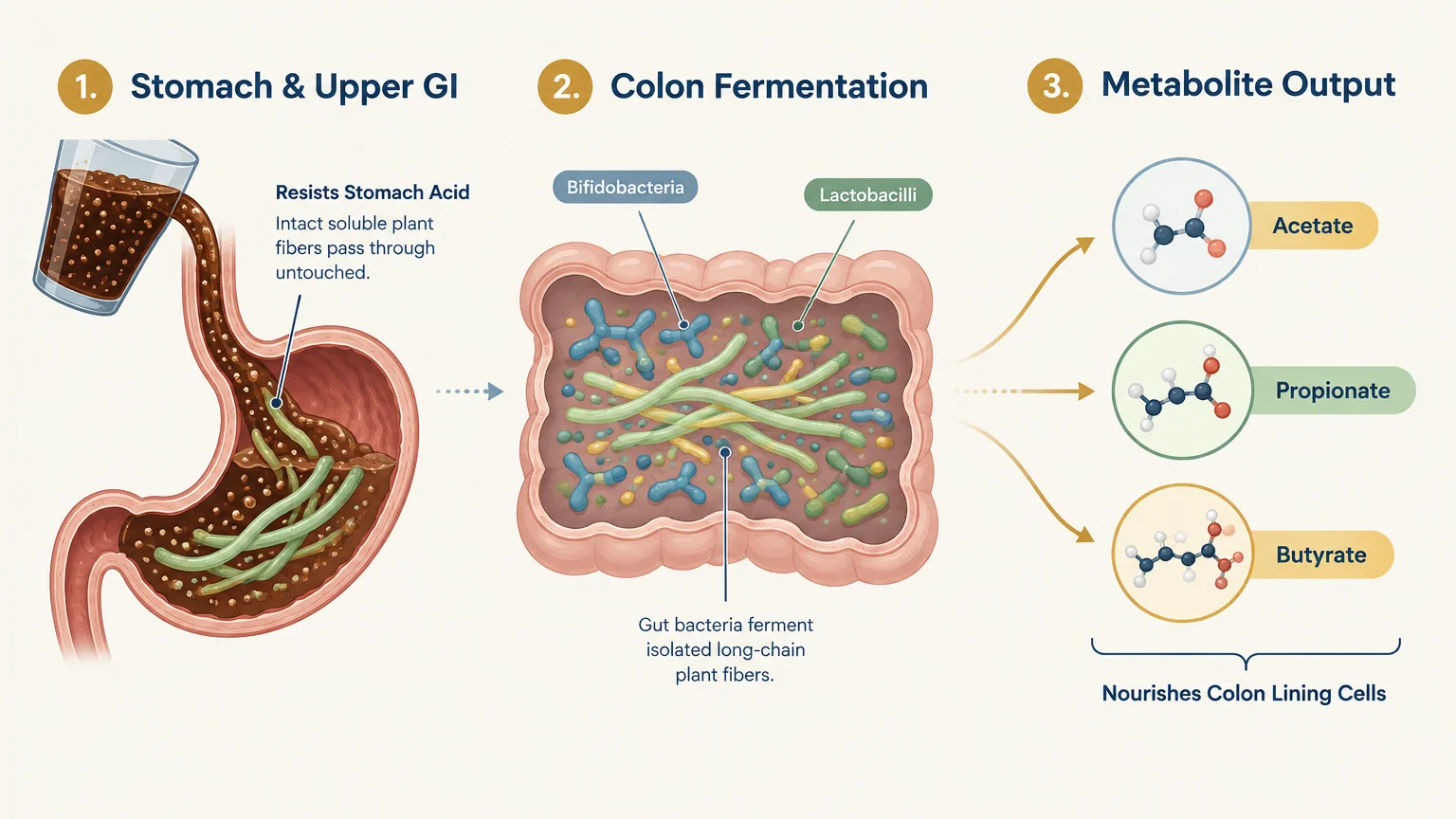
Unlike regular soft drinks that supply empty calories, these beverages include soluble plant carbohydrates that resist normal stomach acid. This unique structure allows them to travel intact through your upper gastrointestinal tract.
Once they arrive in your large intestine, your resident gut microbes ferment these non-digestible plant fibers. This natural biological process produces beneficial compounds that nourish the cellular lining of your colon.
What distinguishes prebiotics from probiotics in carbonated drinks?
Many shoppers understandably confuse prebiotics with probiotics when browsing the beverage aisle. Probiotics are living strains of beneficial bacteria found in fermented foods like yogurt, kefir, and traditional sauerkraut.
Prebiotics, on the other hand, are specialized dietary fibers that serve as fuel for those living microbes. Drinking a prebiotic soda does not introduce new bacteria into your system; it feeds the bacteria you already host.
Living probiotics often degrade quickly when stored in acidic, room-temperature sodas on grocery shelves. In contrast, prebiotic plant fibers remain chemically stable throughout a product’s normal shelf life.
What types of prebiotic fiber do these beverages contain?
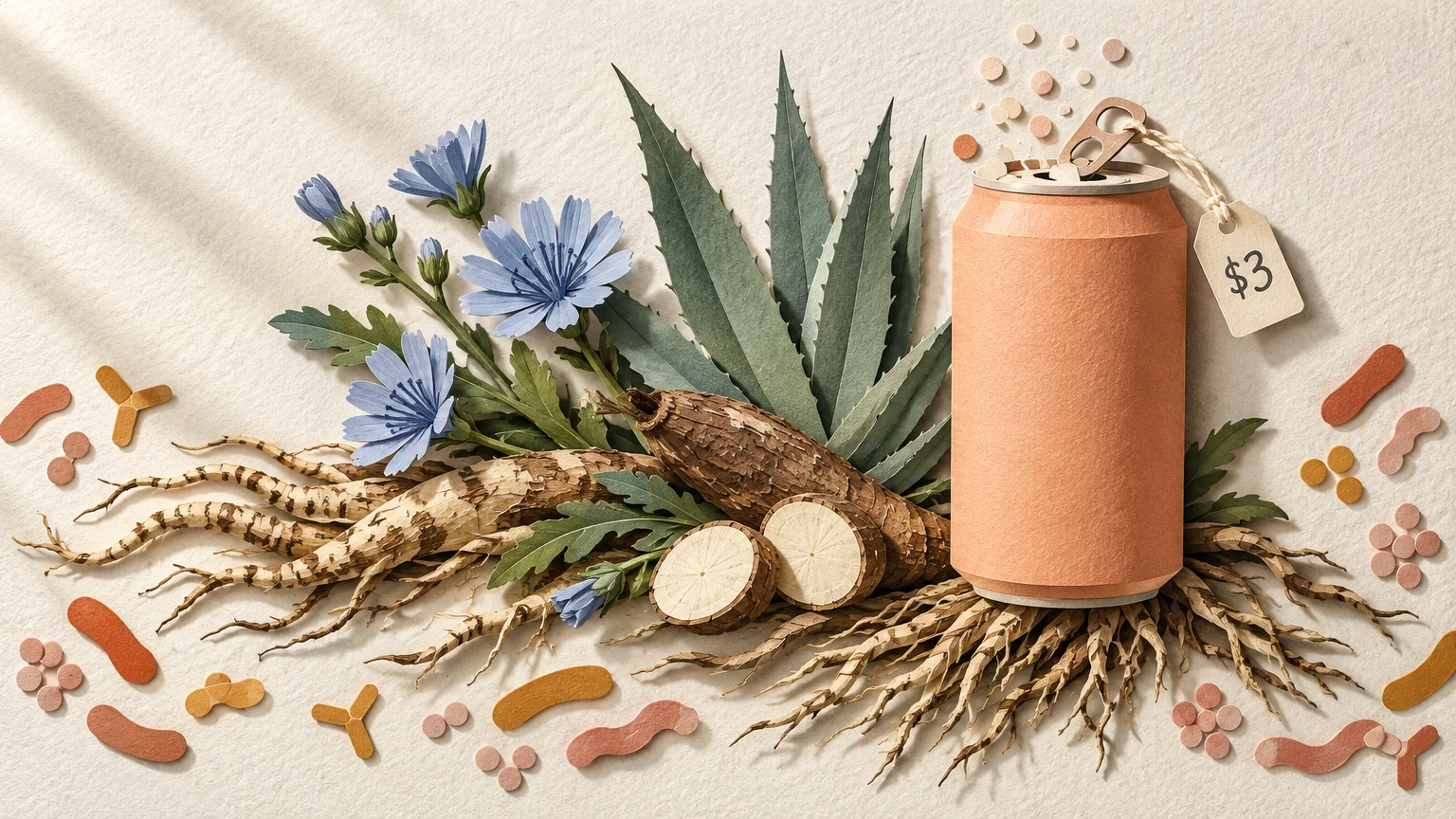
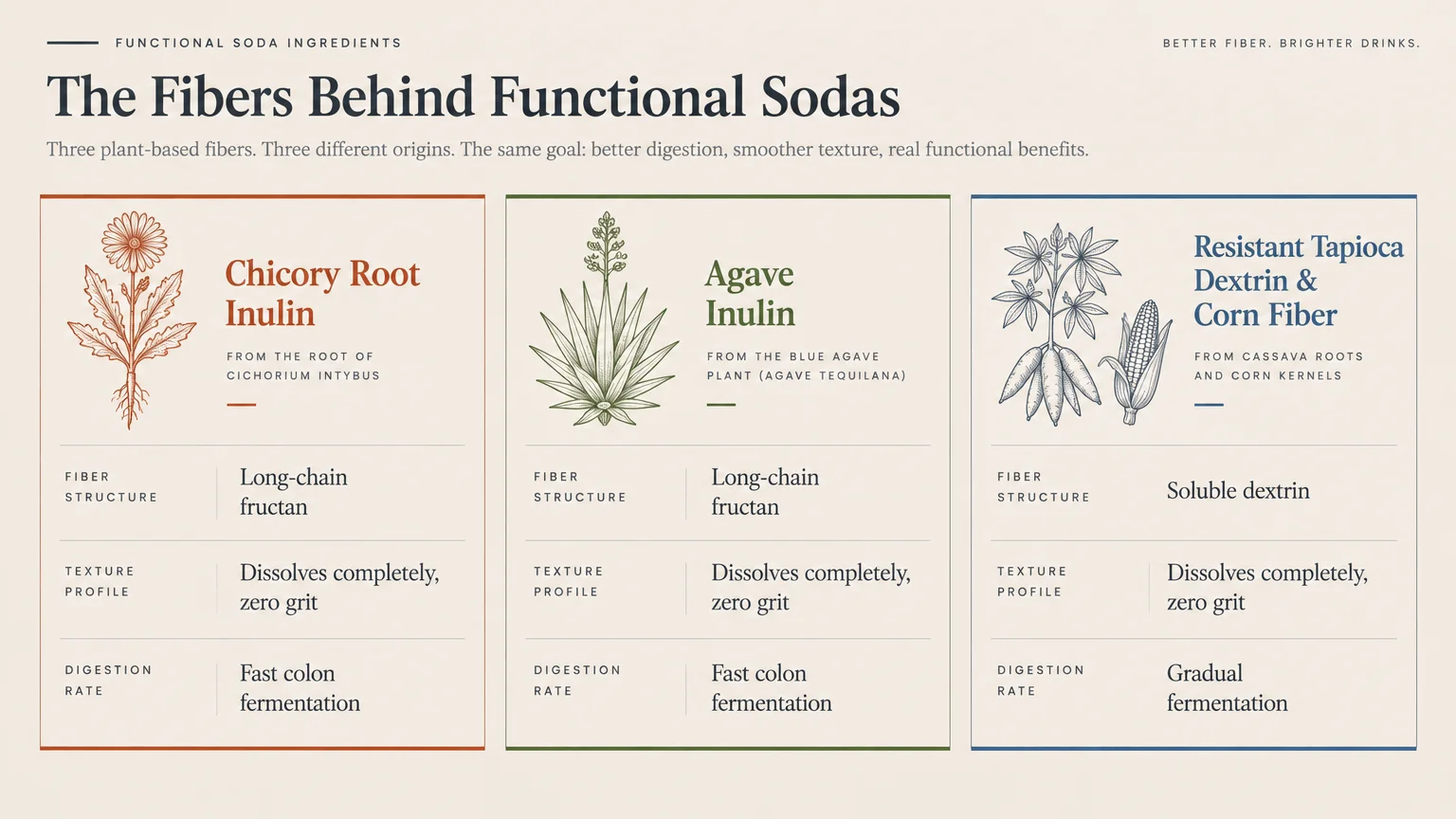
Most commercial brands formulate their drinks using isolated plant extracts such as chicory root, agave inulin, or cassava root. Chicory and agave roots provide rich sources of inulin, a long-chain fructan carbohydrate.
Other manufacturers incorporate resistant tapioca dextrin or soluble corn fiber to achieve their desired texture. These isolated fibers dissolve completely in water without creating the gritty texture typical of powdered fiber supplements.
Because these fibers are completely separated from their parent plants, they behave differently inside your body. They enter your colon as a concentrated liquid dose rather than a slowly digested food matrix.
How do prebiotic fibers nourish your intestinal microbiome?
Your colon contains a vast ecosystem of trillions of bacteria that regulate immune defense, nutrient absorption, and inflammatory responses. Prebiotic fibers specifically stimulate the growth of beneficial strains, including Bifidobacteria and Lactobacilli.
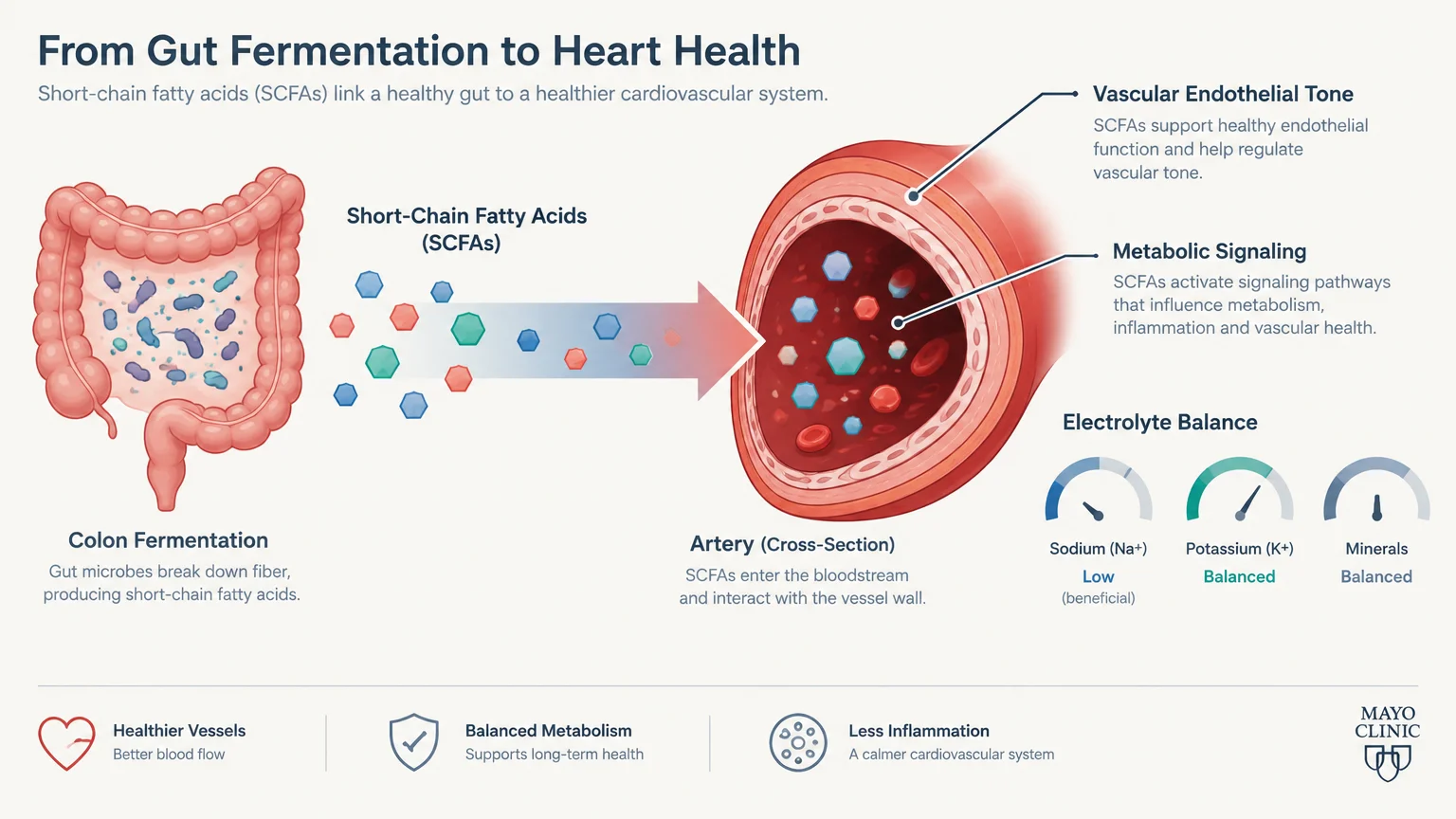
As these friendly microbes consume the plant fibers, they produce short-chain fatty acids like acetate, propionate, and butyrate. According to clinical summaries from the National Institutes of Health, butyrate serves as the primary fuel source for colon lining cells.
These fatty acids also help maintain an acidic environment in the intestinal lumen. This mildly acidic setting discourages the growth of potentially harmful opportunistic bacteria.
What does clinical evidence reveal about functional soda health claims?
Beverage marketing often suggests that sipping a single prebiotic soda can swiftly repair your digestive tract. However, clinical researchers emphasize that drinking isolated fiber in carbonated liquid differs substantially from eating whole plants.
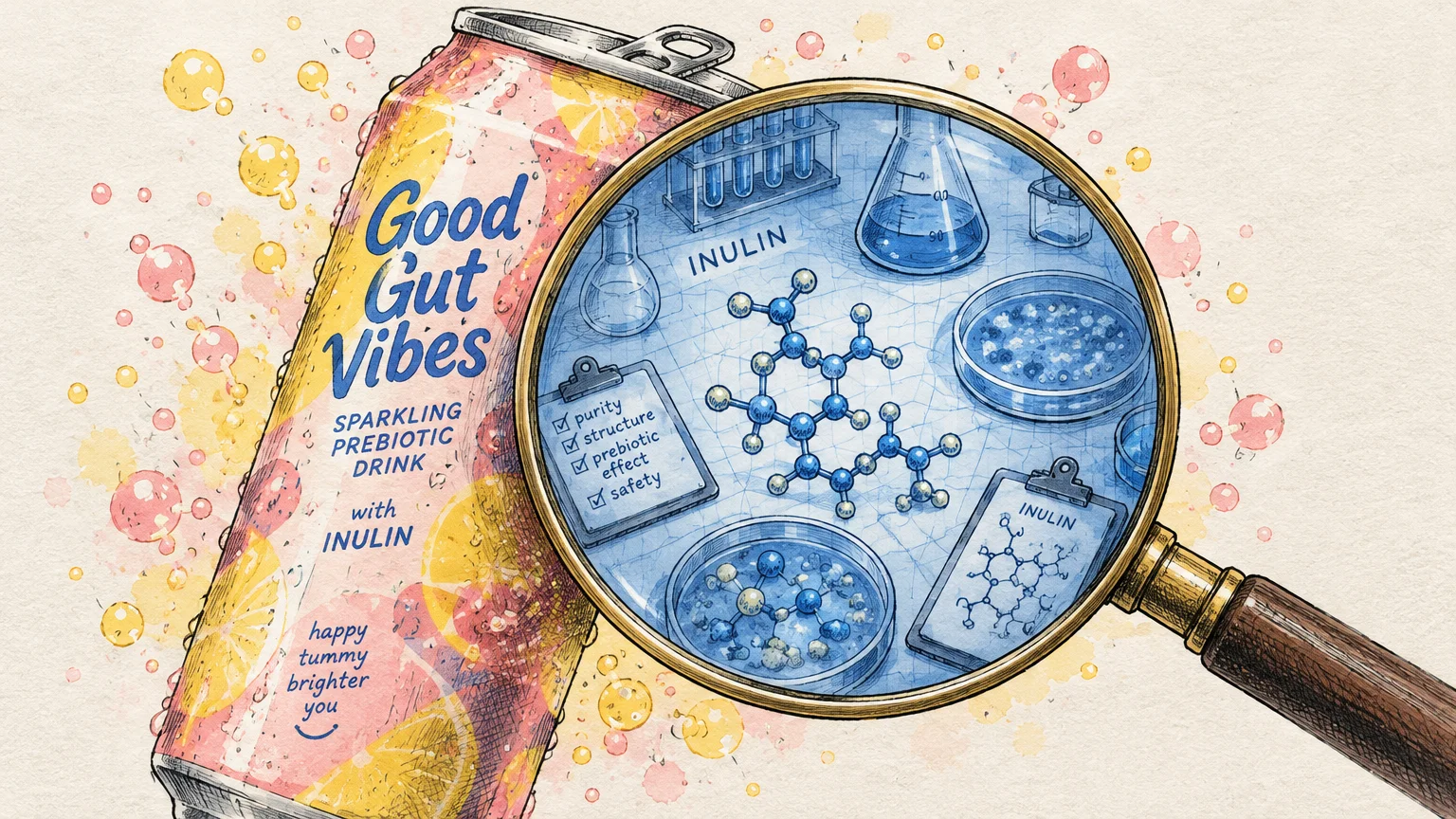
The scientific literature does confirm that prebiotic inulin can increase beneficial gut flora populations over time. Yet most published clinical trials evaluated high daily doses of isolated fiber administered under controlled conditions.
Very few peer-reviewed studies have evaluated commercial prebiotic sodas as finished, bottled consumer products. Translating general fiber research directly to a three-dollar can of soda overstates what science currently proves.
Why did Poppi face a major class-action lawsuit over its marketing?
In May 2024, consumers filed a consolidated class-action lawsuit titled In re VNGR Beverage, LLC Litigation in California. The lawsuit challenged Poppi’s central marketing claims that its sodas actively promote gut health.
The legal complaint argued that each can of Poppi contained only about 2 grams of prebiotic inulin fiber. The plaintiffs asserted that this modest quantity was far too small to produce meaningful digestive improvements.
Furthermore, the suit contended that achieving clinically effective fiber levels from Poppi would require drinking multiple cans each day. Doing so would expose consumers to excessive cumulative sugar and significant financial expense.
What did the Poppi class-action settlement provide for consumers?
Poppi agreed to an $8.9 million class-action settlement in March 2025 while firmly denying any legal wrongdoing. The presiding court granted final approval to the settlement agreement in April 2026.
Consumers who purchased Poppi sodas between January 23, 2020, and July 18, 2025, were eligible to submit refund claims. Eligible claimants could receive up to $0.75 per single can with verified proof of purchase.
Households without detailed purchase receipts could still claim up to $16 before the September 26, 2025, claim deadline. The settlement highlighted the growing regulatory and legal scrutiny surrounding commercial digestive health claims.
Can isolated fibers replicate the protective benefits of whole plant foods?
Isolated prebiotic powders do not provide the complex nutritional architecture found in real, unprocessed botanical foods. When you consume intact plants, you digest complex structures that release nutrients gradually throughout your digestive tract.
Whole agricultural foods deliver thousands of bioactive phytonutrients, including polyphenols, carotenoids, and protective antioxidants. These protective compounds work synergistically with native fibers to reduce chronic systemic inflammation.
Adding an industrial prebiotic extract to carbonated water cannot reproduce that broad biochemical synergy. Supplemental fibers can complement a healthy diet, but they cannot replace the foundational power of whole foods.
What do federal dietary guidelines recommend for daily fiber intake?
Federal nutrition surveillance data indicates that more than 90% of American women and 97% of American men fail to consume adequate fiber. The standard FDA Daily Value stands at 28 grams per day.
On January 7, 2026, the USDA and HHS released the updated 2025–2030 Dietary Guidelines for Americans under the core tagline “Eat Real Food.” These guidelines urge adults to prioritize minimally processed whole foods.
The federal guidance explicitly recommends obtaining daily fiber from vegetables, fruits, legumes, and 2 to 4 daily servings of whole grains. It advises avoiding highly processed packaged items and sweetened drinks, favoring plain or sparkling water instead.
How do the leading prebiotic soda brands compare in nutrition and value?
The functional beverage category has rapidly evolved from niche health food stores into mainstream supermarket chains. Different brands offer contrasting formulations, fiber quantities, and sweetener blends that directly affect their overall value.
Comparing these products side by side allows you to make informed decisions at the grocery store. You can evaluate whether a particular brand offers enough nutritional value to justify its premium cost.
What nutritional profile does OLIPOP offer per 12-ounce can?
Each 12-ounce can of OLIPOP delivers between 6 and 9 grams of dietary fiber depending on the chosen flavor. This generous dose supplies 21% to 32% of the daily fiber recommendation established by the Food and Drug Administration.
OLIPOP contains 2 to 5 grams of total sugar per can, including 1 to 3 grams of added sugar. Its total caloric content remains modest, ranging between 35 and 50 calories per serving.
The beverage relies on a proprietary blend called OLISMART, which combines cassava root fiber, chicory root inulin, and Jerusalem artichoke inulin. It also includes botanical ingredients like calendula, marshmallow root, and slippery elm bark.
How does Poppi formulate its ingredients and fiber content?
A standard 12-ounce can of Poppi provides between 2 and 3 grams of dietary fiber sourced primarily from agave inulin. This fiber concentration is substantially lower than what its primary market rivals provide.
Poppi keeps its sugar content at 5 grams or less per serving and delivers between 20 and 25 calories per can. The formula incorporates a small volume of apple cider vinegar to provide a pleasant, crisp bite.
The brand uses clean fruit juices alongside stevia leaf extract to balance the natural acidity of the vinegar. This combination produces a refreshing taste that closely mimics the flavor experience of classic fruit sodas.
What makes Coca-Cola’s Simply Pop distinct in this beverage category?
The Coca-Cola Company entered the functional soda landscape in February 2025 by launching Simply Pop. This product launch brought major corporate distribution power directly into the prebiotic beverage space.
Each can of Simply Pop delivers 6 grams of prebiotic fiber derived from soluble corn fiber. The recipe blends 20% to 30% real fruit juice and completely avoids added refined sugars.
Coca-Cola also fortifies Simply Pop with essential micronutrients, specifically adding vitamin C and zinc. This fortification aims to attract shoppers looking for broad immune defense alongside basic digestive support.
How did beverage conglomerates reshape the prebiotic soda marketplace?
Massive corporate acquisitions have rapidly transformed the independent functional soda category into big business. On March 17, 2025, PepsiCo announced its acquisition of Poppi for $1.95 billion, representing a net price of $1.65 billion.
PepsiCo officially closed the Poppi transaction on May 19, 2025, expanding the brand into global retail networks. Meanwhile, OLIPOP completed a $50 million Series C financing round in early 2025, reaching a $1.85 billion valuation.
OLIPOP expanded its retail presence to roughly 50,000 retail locations across the United States. These massive corporate investments explain why premium shelf space and promotional displays are currently dominated by prebiotic sodas.

How do prebiotic sodas affect blood sugar and metabolic management?
Maintaining stable blood glucose levels is a vital daily priority, particularly as metabolic sensitivity changes with age. Consuming high volumes of simple liquid sugars can cause rapid glucose spikes followed by sharp energy crashes.
Prebiotic sodas provide a useful metabolic alternative because they drastically lower the total carbohydrate burden of your drink. Understanding their glycemic impact helps you manage your blood sugar without sacrificing carbonated refreshments.
Can replacing conventional colas improve your glycemic control?
A standard 12-ounce can of conventional cola contains approximately 39 grams of high-fructose corn syrup and zero fiber. That sudden rush of liquid sugar places immediate stress on your pancreas and arterial tissue.
Switching to a prebiotic soda with only 2 to 5 grams of sugar immediately eliminates over eight teaspoons of sugar. This simple change prevents sudden insulin surges and helps maintain even blood glucose levels throughout the afternoon.
Over months, reducing sugary soft drink intake lowers glycated hemoglobin levels and eases metabolic stress on your liver. For individuals managing type 2 diabetes or insulin resistance, this swap represents a meaningful dietary improvement.
How do artificial and alternative sweeteners impact your insulin response?
Most prebiotic soda makers sweeten their drinks using stevia leaf extract or monk fruit rather than synthetic artificial chemicals. These plant sweeteners provide intense sweetness on your tongue without stimulating immediate insulin secretion from the pancreas.
Clinical studies indicate that moderate intake of stevia does not raise blood sugar or disrupt glycemic stability. This makes stevia-sweetened functional sodas safe for individuals who closely monitor daily glucose readings.
However, some people find that non-nutritive sweeteners maintain their psychological craving for intense sweetness. If you notice persistent sugar cravings, balancing these drinks with plain water remains the most effective strategy.
How does dietary fiber modulate carbohydrate absorption during meals?
Soluble fibers dissolve in digestive fluids to create a gentle, viscous gel inside your stomach and small intestine. This gel matrix physically slows the enzymatic breakdown and absorption of carbohydrates from your meal.
When you drink a beverage containing 6 to 9 grams of soluble fiber with lunch, glucose enters your bloodstream more gradually. This moderate buffering effect prevents steep postprandial glucose spikes and promotes sustained fullness.
While isolated liquid fiber does not equal the cellular matrix of whole vegetables, it still provides measurable glycemic blunting. Pairing the drink with a balanced meal maximizes this beneficial digestive slowing effect.
How do these functional drinks influence blood pressure and cardiovascular health?
Vascular health requires continuous attention to daily dietary factors, including sodium intake, systemic inflammation, and lipid profiles. High-sugar diets accelerate arterial stiffness and contribute to chronic hypertension over time.
By substituting empty sugar calories with protective plant fiber, prebiotic sodas can support broader cardiovascular goals. Examining their specific nutrient profiles helps clarify how they interact with your heart and blood vessels.
Can soluble fiber contribute to healthier cholesterol levels?
Soluble fibers play an established role in maintaining healthy circulating blood lipid levels. As these fibers move through your digestive tract, they bind to cholesterol-rich bile acids synthesized by your liver.
Your body subsequently excretes these trapped bile compounds in your stool instead of reabsorbing them into your bloodstream. To produce replacement bile, your liver pulls excess LDL cholesterol directly out of your blood circulation.
According to cardiovascular guidelines from the American Heart Association, regular soluble fiber intake helps manage cardiovascular disease risk. While prebiotic sodas contribute modest fiber, combining them with high-fiber meals yields the strongest lipid-lowering outcomes.
How does sodium content in prebiotic sodas affect vascular tension?
Many processed beverages contain hidden sodium compounds used as flavor enhancers or chemical preservatives. Fortunately, leading prebiotic sodas maintain low sodium levels, typically providing less than 35 milligrams per 12-ounce can.
This minimal mineral content ensures that these beverages align well with sodium-restricted meal plans like the DASH diet. Drinking an occasional can will not add significant sodium to your daily cardiovascular tally.
Always scan nutrition panels for added sodium citrate or sodium benzoate if you monitor your blood pressure strictly. Selecting brands with minimal added salts ensures your beverage remains heart-friendly.
Do added botanicals and fruit acids pose cardiovascular risks?
Most botanical extracts included in prebiotic sodas, such as ginger or marshmallow root, appear in very small culinary quantities. At these trace levels, they rarely influence heart rate or blood pressure measurements.
However, you should exercise caution if a functional drink lists licorice root extract among its proprietary ingredients. Licorice contains glycyrrhizin, a natural compound capable of elevating blood pressure and lowering potassium levels when consumed regularly.
If you take daily antihypertensive medications, examine functional ingredient lists carefully before trying new formulations. Discuss any unfamiliar botanical ingredients with your doctor or clinical pharmacist to prevent unwanted vascular interactions.

What digestive side effects and medication interactions should you consider?
Although prebiotic fibers provide clear nutritional advantages, they are not universally gentle on every digestive tract. Highly concentrated, isolated fiber supplements can cause acute gastrointestinal irritation in sensitive individuals.
Understanding potential physical reactions and prescription interactions ensures you enjoy functional beverages safely. Paying attention to your body’s subtle signals allows you to adjust your consumption before discomfort develops.
Why does concentrated inulin trigger bloating and abdominal cramps?
Inulin derived from chicory root or agave belongs to a class of short-chain carbohydrates known as fructans. Fructans ferment extremely rapidly when they encounter your native colonic microflora.
This rapid bacterial fermentation releases significant volumes of hydrogen, carbon dioxide, and methane gas within your intestinal tract. When this gas builds up quickly, it expands the bowel wall, causing painful bloating, loud gurgling, and sharp abdominal cramps.
If your digestive tract is unaccustomed to fiber, drinking an entire can at once can trigger sudden loose stools. Introducing these concentrated ingredients slowly gives your bacterial colonies time to adjust without generating excessive gas.
How can individuals with irritable bowel syndrome navigate these sodas?
Individuals living with irritable bowel syndrome often possess a hypersensitive gut lining that reacts poorly to rapid gas distension. For these individuals, high-FODMAP ingredients like chicory inulin frequently trigger debilitating symptom flare-ups.
If you follow a low-FODMAP dietary protocol, you should approach inulin-based prebiotic beverages with great caution. Some people tolerate soluble corn fiber or resistant tapioca starch much better than raw chicory root extracts.
Consider testing your tolerance by sipping just two or three ounces of functional soda alongside a solid meal. If you experience abdominal distress, discontinue the drink and obtain your daily fiber from gentler whole foods.
Do prebiotic sodas interfere with daily prescription medication absorption?
Soluble prebiotic fibers absorb water to create a thick, gel-like substance inside your digestive canal. This physical barrier can slow gastric emptying and alter how quickly your small intestine absorbs oral medications.
This delayed absorption can create challenges for medications that require strict therapeutic blood levels. Drugs for thyroid regulation, blood thinning, cardiac arrhythmia, and blood sugar control can all be affected by simultaneous fiber intake.
Never swallow your daily prescription pills with a fiber-fortified functional soda. Take your prescription medications with plain water at least one to two hours before or after consuming a high-fiber prebiotic drink, and consult your pharmacist.
How does carbonation impact digestive comfort and acid reflux?
The carbon dioxide gas that gives soda its satisfying fizz can introduce mechanical challenges into your upper digestive tract. Carbonated bubbles expand inside your stomach, increasing internal gastric pressure against your lower esophageal sphincter.
According to digestive wellness resources from the National Institute on Aging, gastrointestinal motility naturally changes with age. Increased intragastric pressure from carbonation can force acidic stomach contents upward, triggering uncomfortable acid reflux and heartburn.
If you suffer from frequent heartburn or hiatal hernia, carbonated prebiotic sodas may aggravate your symptoms. Pouring the beverage over ice or allowing it to sit briefly reduces carbonation and minimizes esophageal irritation.
How do prebiotic sodas compare to cost-effective whole food fiber sources?
Evaluating whether prebiotic sodas are worth three dollars a can requires analyzing your personal household budget alongside your nutrition goals. While convenience has value, spending three dollars per can creates a substantial recurring expense.
Looking closely at grocery economics reveals far more affordable ways to nourish your gut microbiome effectively. Balancing convenient specialty drinks with budget-friendly kitchen staples protects both your physical and financial health.
What is the true financial cost of obtaining fiber from functional sodas?
Individual 12-ounce cans of prebiotic sodas retail between $2.49 and $3.00 across national supermarkets and convenience stores. Packaged 12-packs typically sell for $24.99 to $29.99, while specialized online multi-packs often cost even more.
Drinking one can per day amounts to an annual expenditure of nearly $1,100 on carbonated prebiotic supplements. Over that full year, you would receive roughly 1,800 to 3,200 grams of isolated fiber from those drinks.
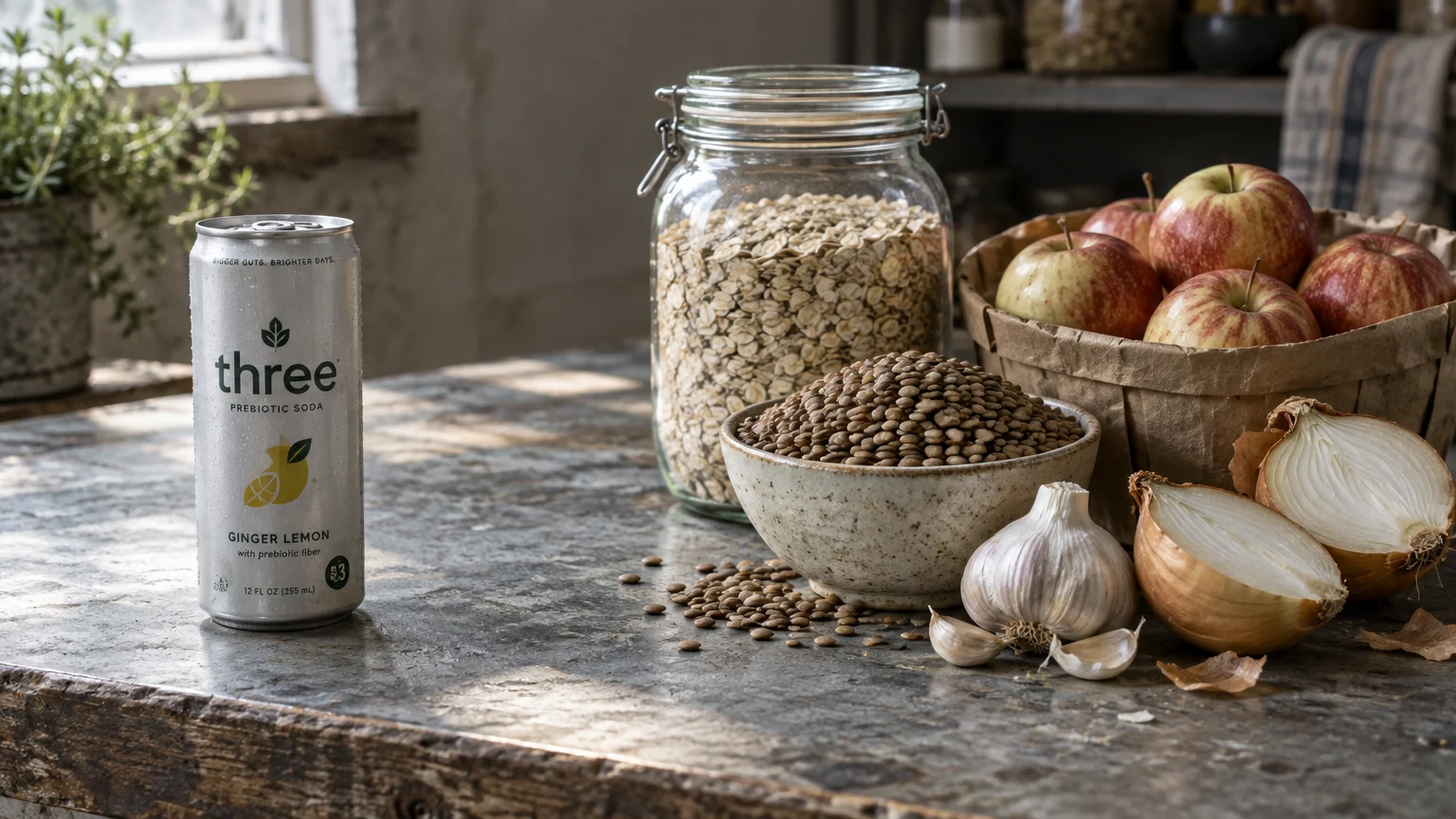
By contrast, purchasing bulk oats, dried beans, and seasonal apples provides that identical quantity of fiber for under $100 per year. That wide cost disparity demonstrates why prebiotic sodas represent a luxury rather than an essential health product.
What budget-friendly grocery staples deliver superior digestive nutrition?
Standard grocery shelves offer dozens of affordable whole foods that nourish beneficial gut bacteria far more effectively than bottled drinks. A single one-pound bag of dried lentils costs less than two dollars and provides roughly 70 grams of fiber.
Canned black beans, chickpeas, and kidney beans cost approximately one dollar per can and require zero culinary preparation. Adding a half-cup serving of black beans to dinner delivers 8 grams of prebiotic-rich fiber for roughly thirty cents.
Other exceptional budget-friendly fiber sources include rolled oats, frozen berries, chia seeds, and raw carrots. These whole plant foods supply living phytonutrients, trace minerals, and diverse fiber types that no carbonated beverage can deliver.
How can you make your own low-cost sparkling digestive beverages at home?
You do not need to spend three dollars per can to enjoy a refreshing, gut-friendly sparkling drink at home. You can create delicious, low-sugar functional sodas in your own kitchen for pennies per serving.
Start with a base of plain, unsweetened sparkling water or club soda, which costs under forty cents per can. Add one tablespoon of pure tart cherry juice or pomegranate juice for vibrant natural color and protective antioxidant polyphenols.
Stir in a teaspoon of raw apple cider vinegar and a squeeze of fresh lime to create a bright, digestive tonic. If you want added sweetness, add two drops of liquid stevia to complete your homemade functional soda.

What practical guidelines ensure safe and enjoyable functional drink consumption?
If you enjoy the taste and novelty of prebiotic sodas, you can certainly fit them into a healthy lifestyle. Approaching them as occasional functional treats allows you to enjoy their benefits without overspending or upsetting your stomach.
Establishing clear daily habits ensures that these drinks support your broader digestive and metabolic goals. Simple adjustments in timing and portion size can make a substantial difference in how your body responds.
When is the best time of day to consume a prebiotic soda?
The optimal time to drink a prebiotic soda is alongside lunch or as an afternoon accompaniment to a solid snack. Consuming the beverage with food slows the transit of fiber and buffers your stomach against sudden gas production.
Avoid drinking prebiotic sodas late in the evening or right before heading to bed. Carbonation paired with active bacterial fermentation can create nighttime gastric distension and disrupt restful sleep with uncomfortable acid reflux.
Drinking your functional beverage in the middle of the day also supports afternoon hydration while keeping sugar cravings in check. Your active waking hours provide the ideal window for your microbiome to process the supplemental fiber.
How much prebiotic soda can you safely drink in a single day?
Limit your intake to a maximum of one 12-ounce can per day to avoid overloading your gastrointestinal tract. Drinking multiple cans compounds your intake of isolated inulin, which can quickly trigger painful cramps and diarrhea.
Remember that prebiotic sodas should never displace clean, uncarbonated drinking water as your primary fluid source. Your kidneys, circulatory system, and digestive tract rely on adequate plain water to function at peak physiological performance.
Think of functional sodas as a modern upgrade to conventional soft drinks rather than an all-day hydration beverage. Enjoying them two or three times per week keeps your grocery budget balanced and your stomach comfortable.
How should you introduce functional beverages if you have a sensitive stomach?
If you have a history of digestive sensitivity, do not drink an entire 12-ounce can on your first attempt. Pour four ounces over a glass of ice and save the remainder in the refrigerator for later.
Observe how your gastrointestinal tract feels over the following twenty-four hours before drinking any more. If you experience no bloating or abdominal cramps, you can gradually increase your serving size over several days.
This cautious ramp-up schedule gives your intestinal bacteria time to expand their fermentation capacity naturally. Slow adaptation minimizes unwanted side effects and helps you identify your personal digestive tolerance threshold.
Frequently Asked Questions About Prebiotic Sodas
Do prebiotic sodas require refrigeration to remain stable?
Prebiotic plant fibers like chicory inulin and soluble corn fiber are chemically durable carbohydrates that do not degrade at ambient room temperature. Unlike live probiotic drinks containing fragile bacteria, prebiotic beverages maintain their fiber content on pantry shelves.
Even so, storing your functional sodas in the refrigerator protects natural botanical flavoring compounds from heat oxidation. Keeping cans cold also ensures optimal carbonation retention and delivers a much more crisp, refreshing sensory experience.
Will the acidity in prebiotic sodas harm your dental enamel?
Like all carbonated soft drinks, prebiotic sodas contain carbonic acid, and many recipes incorporate citric acid, fruit juice, or apple cider vinegar. This acidic profile can temporarily soften the outer mineral enamel of your teeth.
To safeguard your dental enamel, consume your prebiotic soda in one seated setting rather than sipping it across several hours. Rinse your mouth thoroughly with plain tap water immediately after finishing to neutralize residual oral acids.
Are prebiotic sodas safe if you are managing osteoporosis?
Prebiotic sodas are generally safe for bone health because they avoid the high phosphoric acid levels found in dark industrial colas. Phosphoric acid can bind calcium in the gut and impair its absorption into bone tissue.
Some clinical research suggests that the short-chain fatty acids produced by inulin fermentation may slightly enhance intestinal calcium absorption. However, you should ensure that carbonated drinks never displace your dietary calcium sources or prescribed bone medications.
Can you drink prebiotic sodas while fasting or following a low-carb diet?
Prebiotic sodas contain between 20 and 50 calories along with 2 to 5 grams of digestible carbohydrates per can. Consuming these calories and sugars will technically break a strict therapeutic or intermittent fast.
For low-carbohydrate or ketogenic meal plans, these sodas can often fit within daily carbohydrate limits when tracked carefully. Subtracting the non-digestible dietary fiber from total carbohydrates yields a low net carb count that rarely disrupts ketosis.
Do prebiotic sodas contribute to kidney stone formation?
Prebiotic sodas do not directly cause kidney stones, but their individual ingredients warrant inspection if you have a history of calcium oxalate stones. Certain botanical extracts and fruit concentrates contain minor amounts of naturally occurring oxalates.
Maintaining high daily hydration with plain water remains the most proven medical defense against kidney stone crystallization. If you have recurrent kidney stones, review your beverage choices with your nephrologist or urologist before drinking functional sodas regularly.
What is one practical change you should make this week?
If you currently drink standard sugary sodas, replace just one can this week with a low-sugar prebiotic soda or plain seltzer. That single swap eliminates more than thirty grams of refined sugar from your body while providing gentle plant fiber.
At the same time, avoid spending fifteen to twenty dollars a week on functional drinks to meet your fiber needs. Instead, add one half-cup serving of black beans, lentils, or rolled oats to your daily grocery routine.
This balanced approach satisfies your palate, protects your digestive tract with real whole foods, and keeps your hard-earned grocery dollars in your wallet.