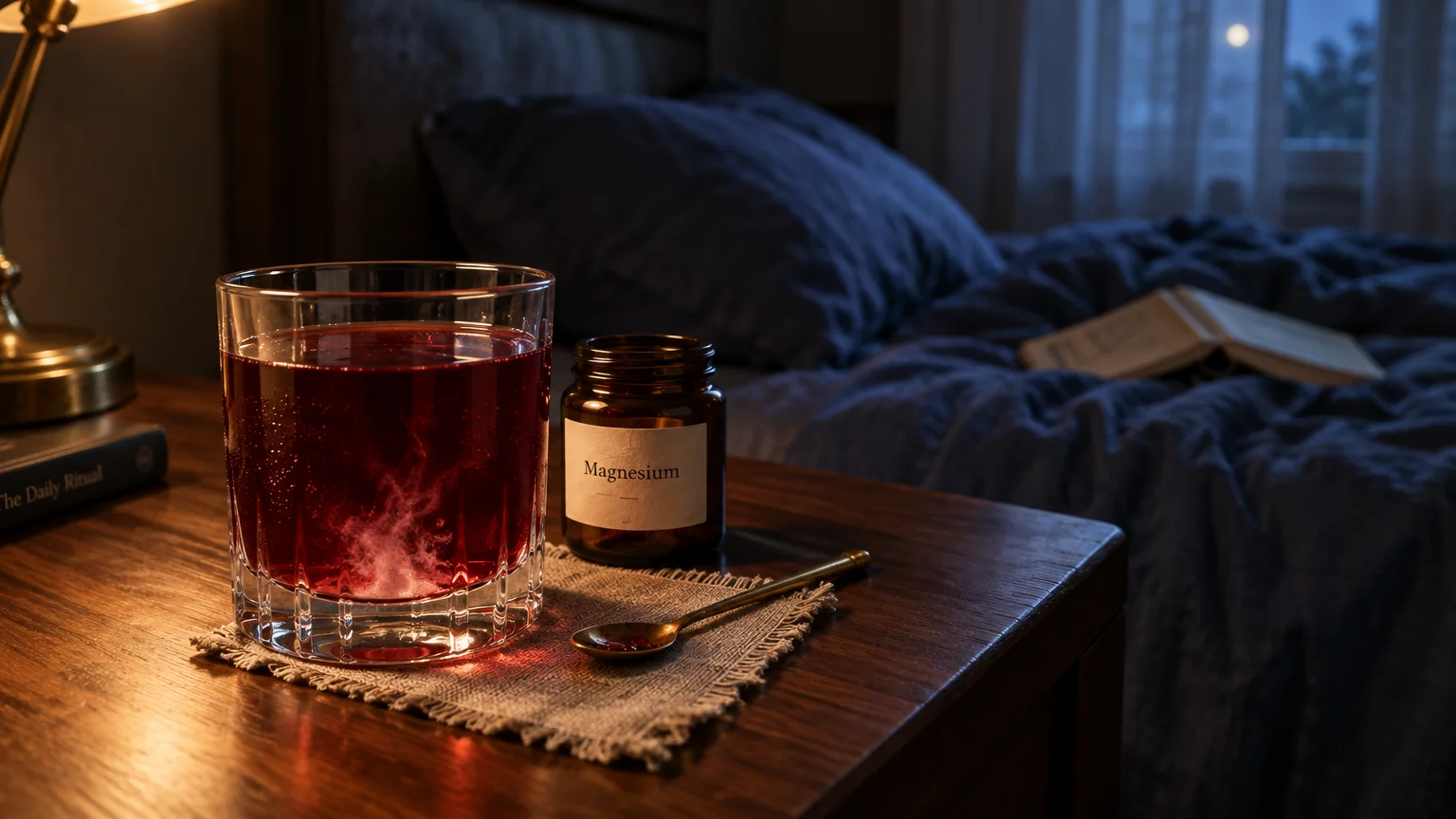
Drinking a blend of tart cherry juice and magnesium powder may help you fall asleep faster if you struggle with chronic sleeplessness. This popular evening beverage offers modest physiological benefits, though it will not cure severe sleep disorders overnight.
While social media claims describe this evening mixture as an instant sedative, human biology tells a more nuanced story. Understanding how these two compounds interact with your circadian rhythm ensures you set realistic expectations before taking your first sip.
Here is what peer-reviewed clinical research reveals about the nightcap, along with practical guidelines for testing it safely in your routine.
What happens when you combine tart cherry juice and magnesium?
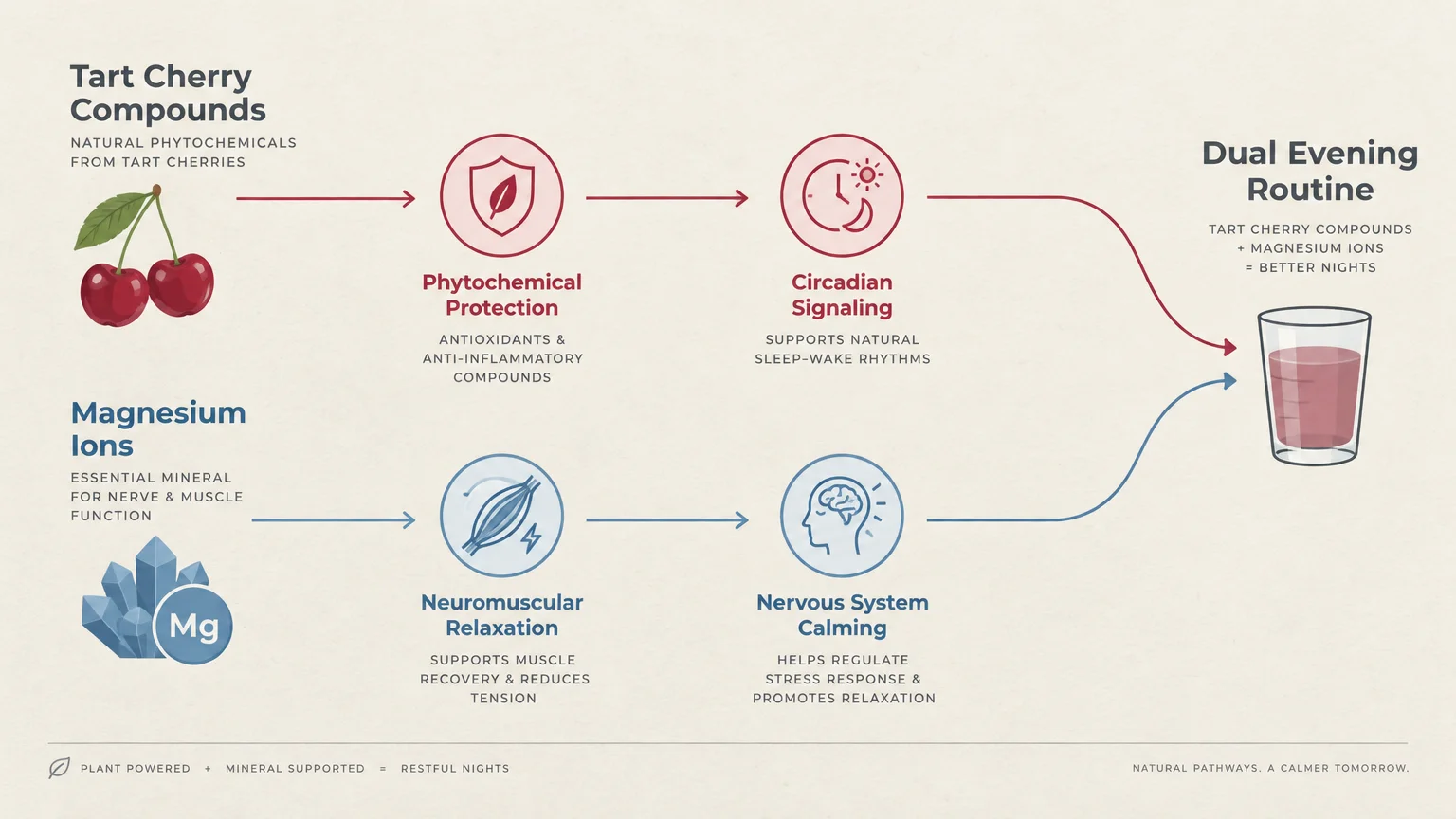
This evening beverage blends tart cherry juice with powdered magnesium and water to create a soothing pre-bed ritual. Advocates claim that pairing the juice with magnesium produces a synergistic reaction that knocks you out within minutes.
In reality, your body digests and processes each ingredient through separate physiological pathways. Tart cherry juice provides specific plant compounds that protect sleep hormones, while magnesium relaxes your neuromuscular junctions.
Combining them into one glass offers convenience rather than an entirely new biochemical phenomenon. You simply consume two sleep-supportive compounds in a single, pleasant evening drink.
However, the physical act of slowing down to sip a tart beverage also triggers a powerful psychological cue. This behavioral routine signals to your nervous system that the active daytime hours have ended.
Does clinical research validate drinking this mixture together?
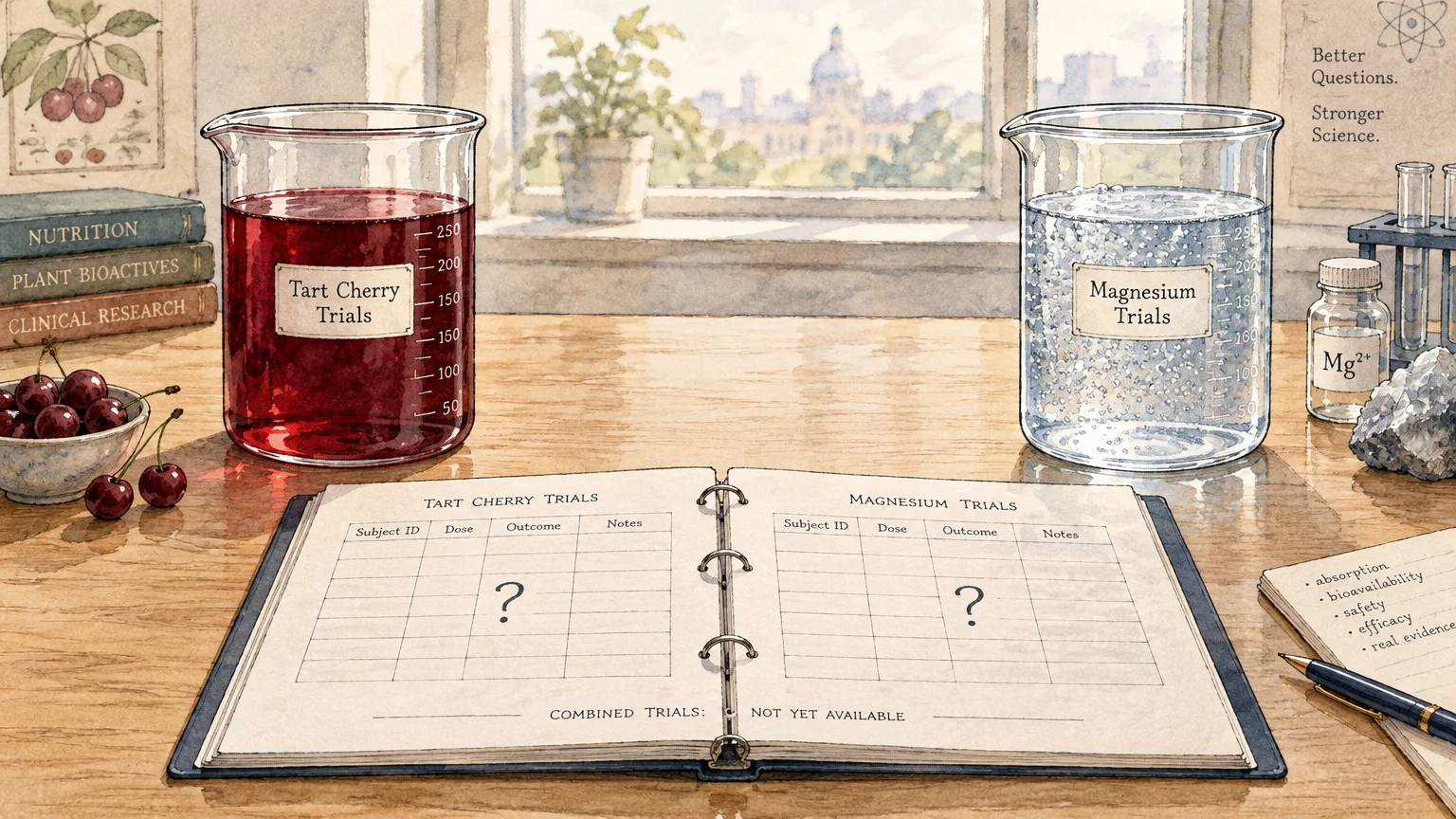
Zero randomized controlled trials have tested this specific beverage combination as a single unit. Every claim made about the combined drink relies entirely on scientific investigations of the individual ingredients.
Social media trends frequently combine separate nutritional studies to imply that a concoction holds proven medical power. While both ingredients possess legitimate scientific backing, researchers have never administered them together in a controlled clinical trial.
You should therefore view the nightcap as an experimental home blend rather than an established medical therapy. The individual components show promise, but their combined potency remains unmeasured by clinical science.
What does the clinical evidence actually show about tart cherry juice?
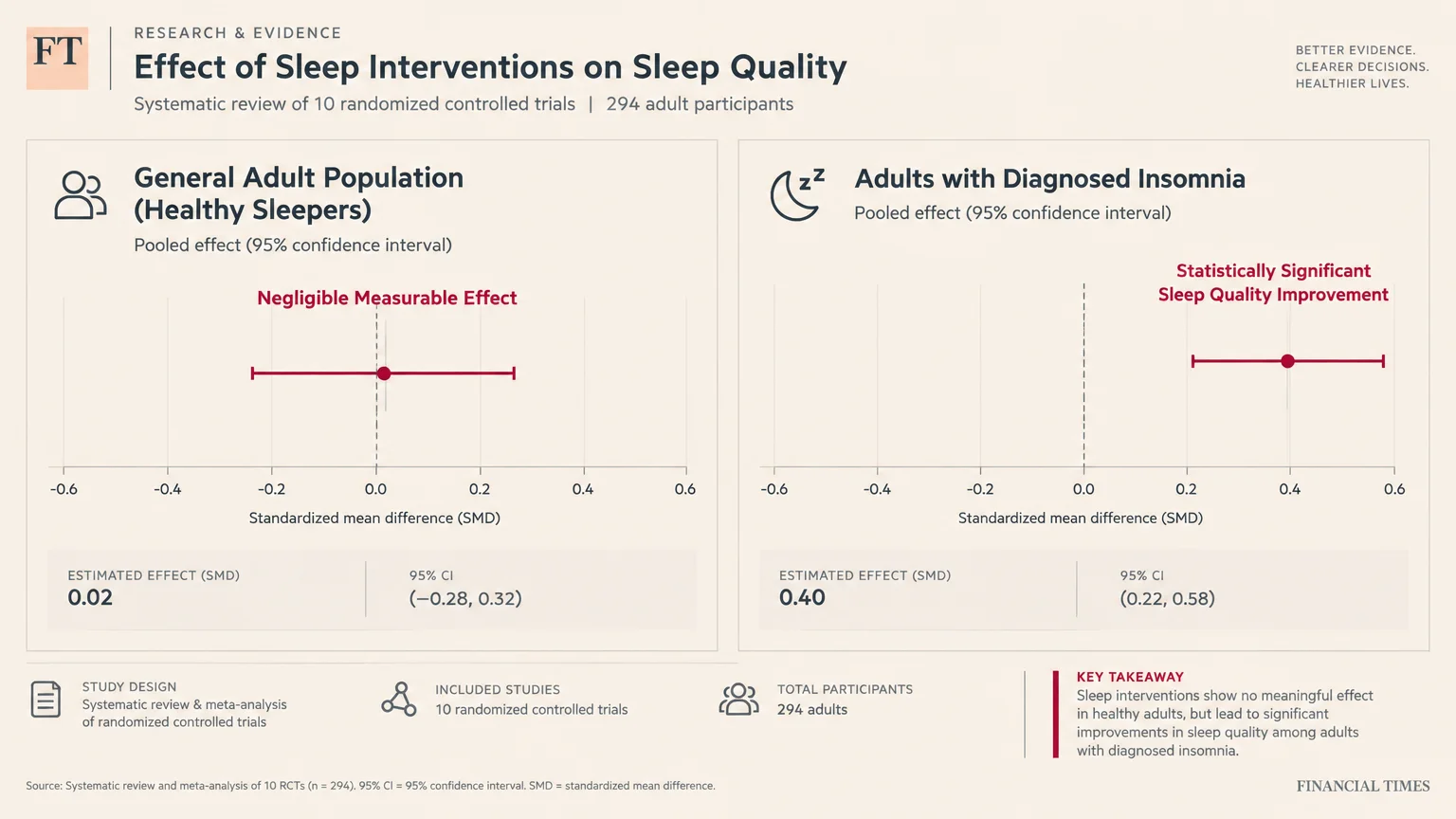
Clinical interest in tart cherries centers on their unique biochemical profile and influence on human sleep architecture. A September 2026 systematic review and meta-analysis published in Recent Progress in Nutrition evaluated 10 randomized controlled trials comprising 294 adult participants.
The investigators found that tart cherry supplementation produced no statistically significant improvement in overall sleep quality across general adult populations. Healthy adults who already slept reasonably well experienced negligible measurable gains from drinking the juice.
However, the researchers observed a distinctly different outcome when examining participants who suffered from diagnosed insomnia. In that specific subset of trials, tart cherry supplementation produced a statistically significant improvement in subjective and objective sleep quality.
These findings suggest that tart cherry juice acts as a corrective aid rather than a universal sleep enhancer. If you already sleep soundly, the juice will likely do very little for your nightly rest.
What did earlier clinical trials discover about Montmorency cherries?
Earlier investigations established the foundational evidence for using tart cherry juice to address persistent sleep difficulties. A widely cited 2012 study published in the European Journal of Nutrition evaluated 20 healthy adults over seven consecutive days.
Participants consumed Montmorency tart cherry juice concentrate twice daily throughout the testing period. The researchers documented an increase in total sleep time of roughly 25 to 35 minutes, alongside a 5% to 6% improvement in sleep efficiency.
Six years later, a 2018 pilot study conducted at Louisiana State University examined 8 older adults aged 50 and older with chronic insomnia. The volunteers consumed 8 ounces of Montmorency tart cherry juice twice daily for two full weeks.
Polysomnographic sleep tracking revealed that the two-week regimen extended total sleep time by an impressive 84 minutes. The participants also demonstrated reduced levels of systemic inflammation and lower daytime fatigue scores.
Crucially, both landmark trials required participants to drink the juice twice daily over one to two weeks. Neither trial demonstrated that drinking a single glass right before bed produces immediate, same-night results.
How do Montmorency cherries influence your sleep pathways?
Popular media often claims that tart cherry juice works simply because it contains high levels of natural melatonin. While Montmorency cherries do contain melatonin, the actual quantity per serving is surprisingly tiny.
Standard clinical doses for sleep disturbance typically range from 0.5 to 5 milligrams of melatonin. A standard serving of tart cherry juice supplies only a minuscule fraction of that therapeutic threshold.
Similarly, tart cherries provide the amino acid tryptophan, which your body converts into serotonin and melatonin. Yet the tryptophan content in a standard glass remains far below the 1.2 to 2.4 grams used in clinical trials.
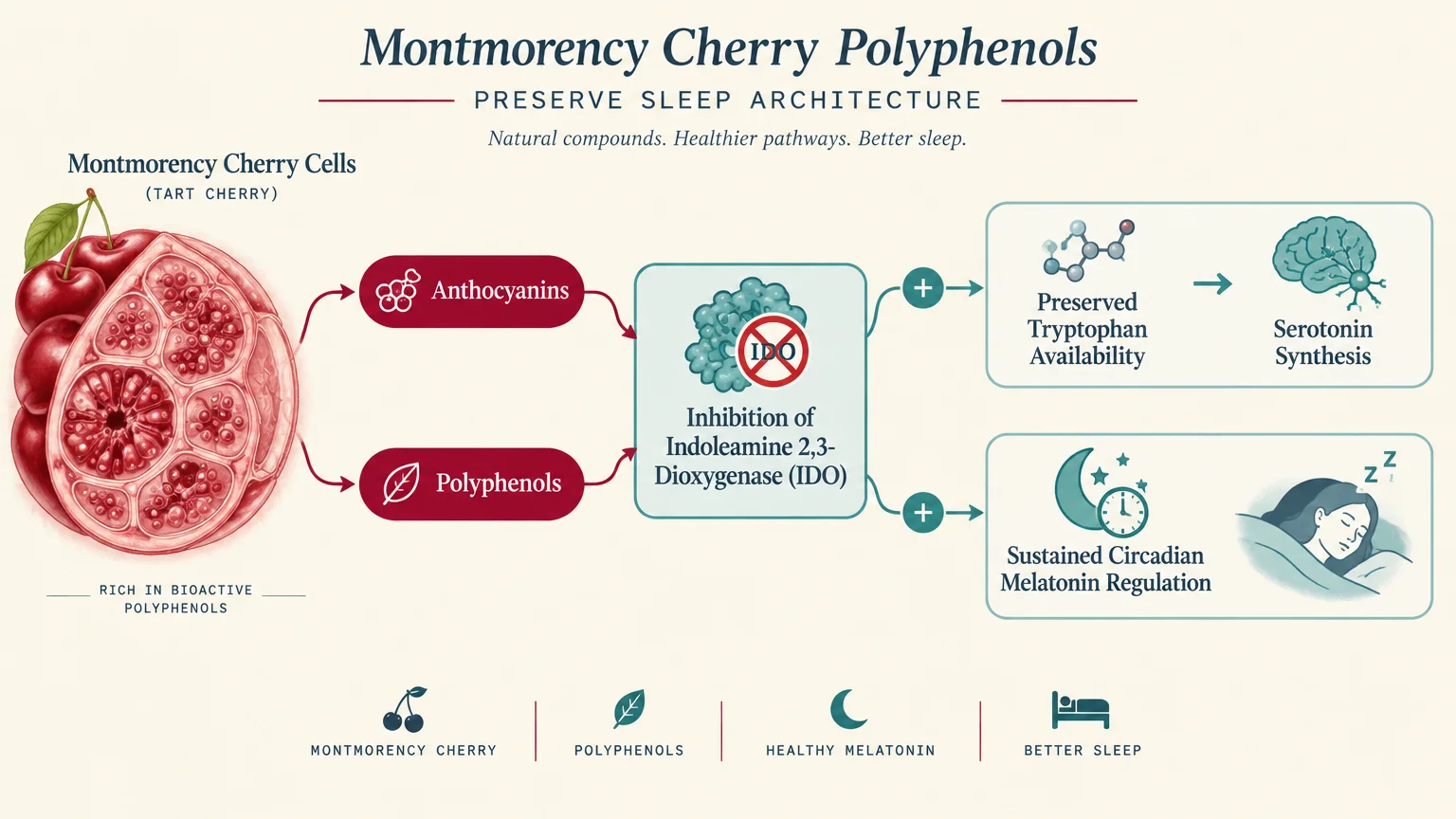
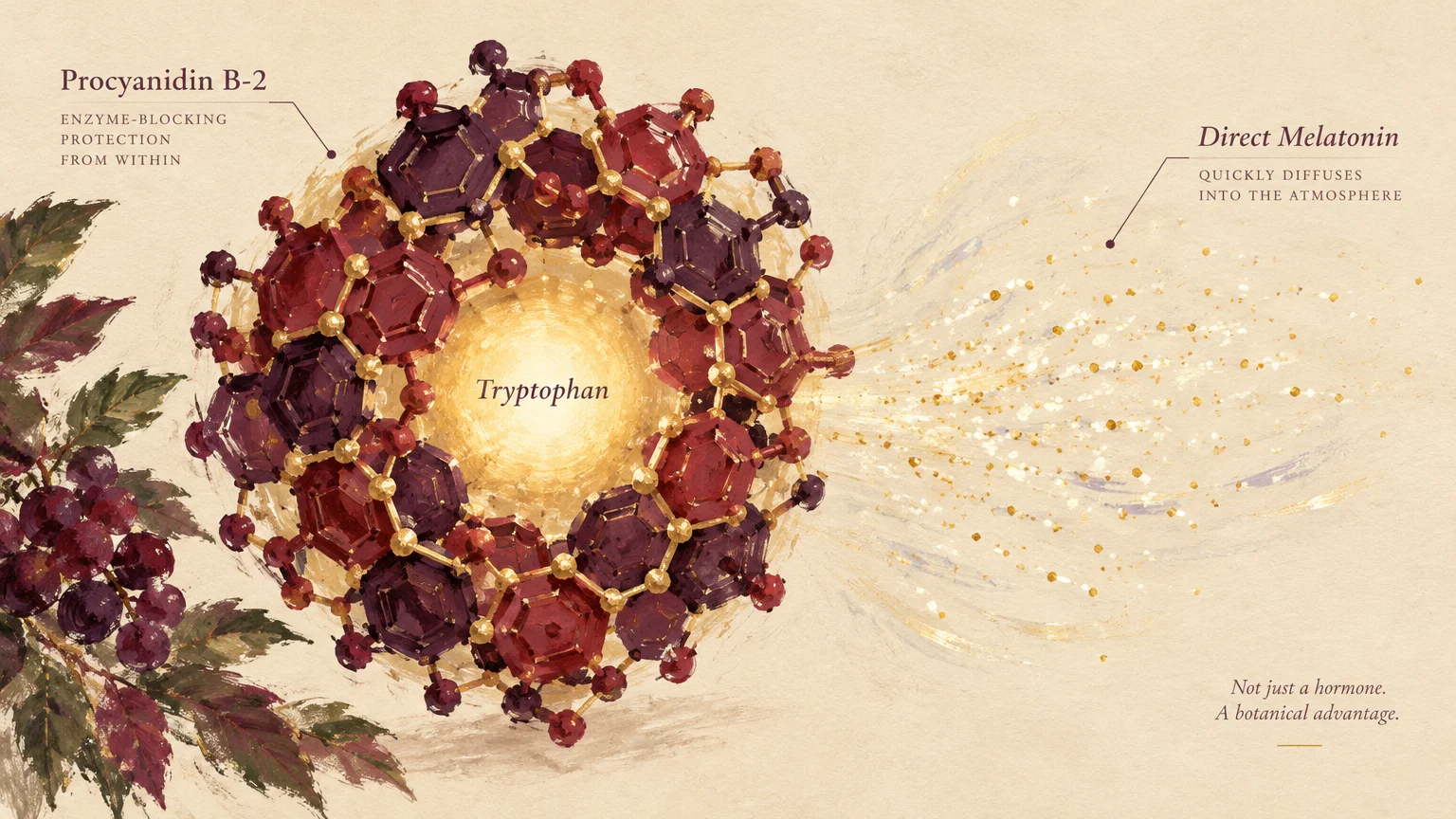
Scientists now understand that the sleep benefits stem primarily from a potent antioxidant called procyanidin B-2. This unique polyphenol shields your existing tryptophan stores from premature enzymatic degradation.
Why does procyanidin B-2 matter more than natural melatonin?
Your body naturally produces an enzyme called indoleamine 2,3-dioxygenase, which breaks down circulating tryptophan before your brain can use it. Elevated systemic inflammation accelerates this destructive enzyme, depleting your body’s raw materials for sleep hormone production.
Procyanidin B-2, concentrated heavily in Montmorency cherries, directly inhibits this degrading enzyme. By blocking tryptophan breakdown, the juice allows more bioavailable tryptophan to cross your blood-brain barrier.
Once inside your central nervous system, that preserved tryptophan synthesizes into serotonin and pineal melatonin. This biological mechanism explains why the juice requires several days of consistent intake to accumulate measurable benefits.

Can supplemental magnesium help you fall asleep faster?
Magnesium serves as an essential mineral cofactor in more than 300 fundamental biochemical processes throughout your body. In your central nervous system, magnesium binds to gamma-aminobutyric acid receptors to quiet cellular excitability.
Activating these specific neuroreceptors dampens excitatory brain signals and prompts your autonomic nervous system to downshift. This physiological transition allows your heart rate to slow and your peripheral blood vessels to relax.
A 2021 meta-analysis evaluated 3 randomized controlled trials involving 151 older adults suffering from insomnia. The researchers reported that magnesium supplementation reduced sleep-onset latency by 17.2 minutes, helping participants drift off significantly faster.
However, the study authors graded the overall certainty of this evidence as low quality due to small cohort sizes. A 2023 systematic review in Biological Trace Element Research analyzing 9 studies reached an equally cautious verdict.
The 2023 authors concluded that while observational surveys connect adequate magnesium status to better sleep, controlled intervention trials show mixed and inconclusive results. Magnesium clearly aids sleep if you are deficient, but excess intake offers diminishing returns.
Which form of magnesium works best for nighttime rest?
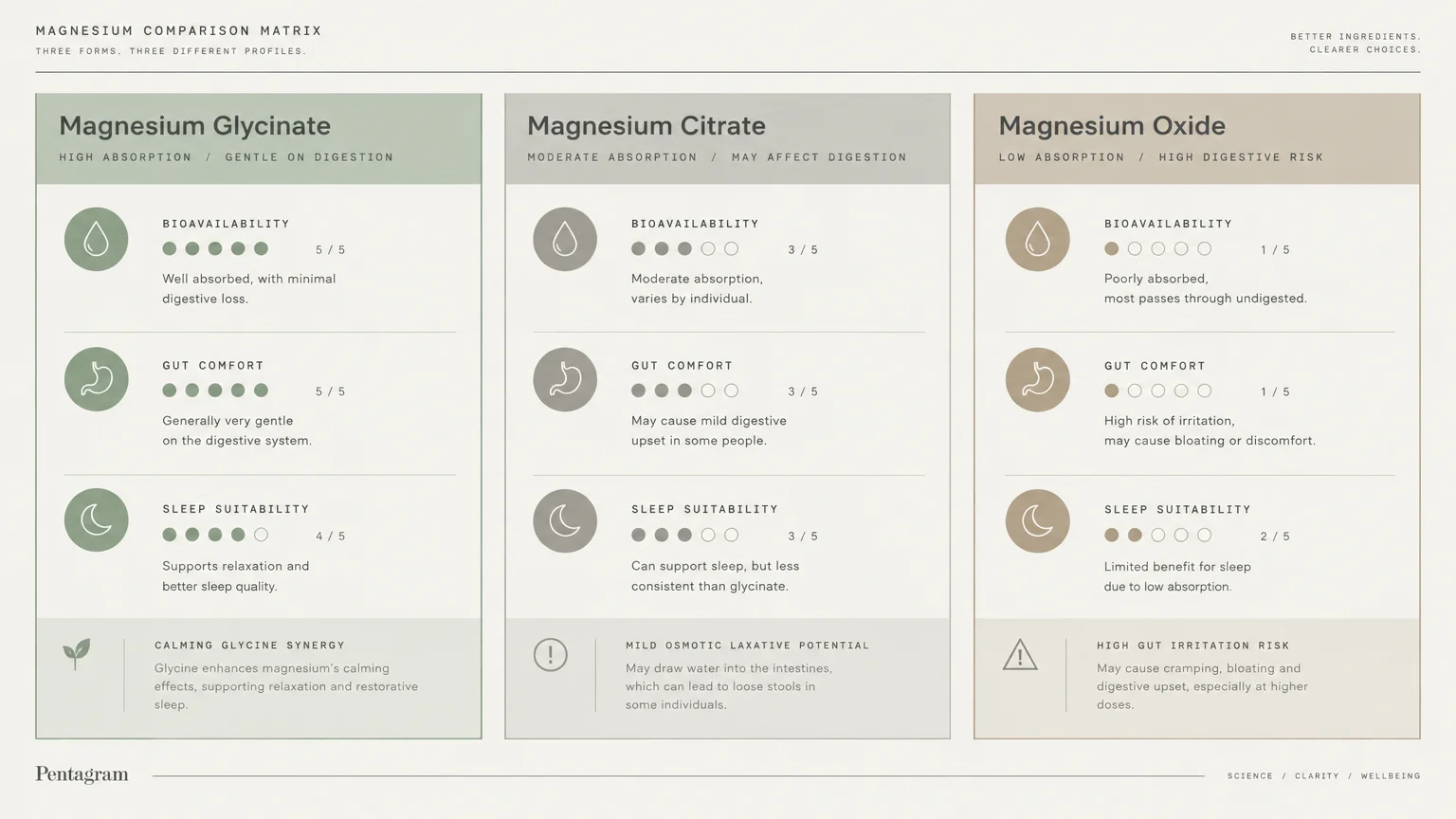
The chemical form of magnesium you stir into your glass completely dictates whether you sleep peacefully or spend the night awake. Pharmacists and registered dietitians strongly recommend magnesium glycinate for evening consumption.
In this compound, elemental magnesium is chemically bound to glycine, an inhibitory amino acid that independently lowers your core body temperature. Magnesium glycinate exhibits exceptional intestinal bioavailability, absorbing at a rate exceeding 80%.
In sharp contrast, you should avoid using magnesium citrate or magnesium oxide in your evening drink. These inexpensive forms absorb poorly through your intestinal lining and draw massive amounts of water into your colon.
That strong osmotic effect acts as a potent laxative, triggering sudden abdominal cramps, urgent diarrhea, and disruptive midnight bathroom trips. Always examine the product label carefully to ensure you purchase pure magnesium glycinate powder.
What are the established safety limits for supplemental magnesium?
More is definitely not better when measuring out mineral powders for your evening beverage. The National Institutes of Health Office of Dietary Supplements provides clear baseline dietary recommendations.
The Recommended Dietary Allowance for total daily magnesium ranges between 310 and 420 milligrams for adults, depending on age and biological sex. This total benchmark includes all the magnesium you absorb from whole foods and drinking water.
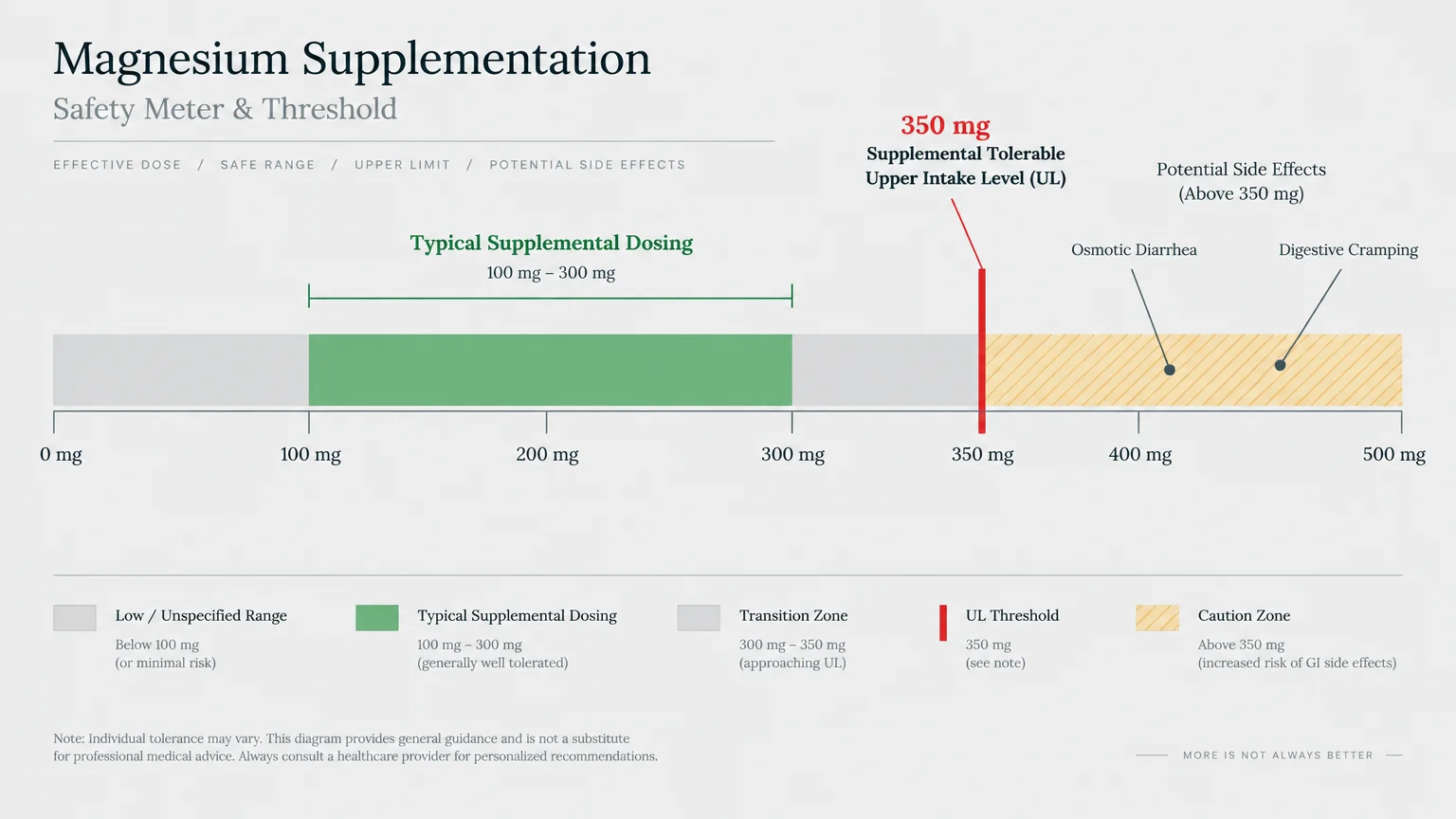
Crucially, the federal government establishes a strict Tolerable Upper Intake Level specifically for supplemental magnesium at 350 milligrams daily. Exceeding this 350-milligram supplemental boundary frequently induces severe osmotic diarrhea, nausea, and intestinal spasms.
For your evening nightcap, you need only 100 to 200 milligrams of elemental magnesium powder. That modest dose delivers relaxation benefits while keeping you safely below the gastrointestinal discomfort threshold.
How should you prepare this nightcap for optimal results?
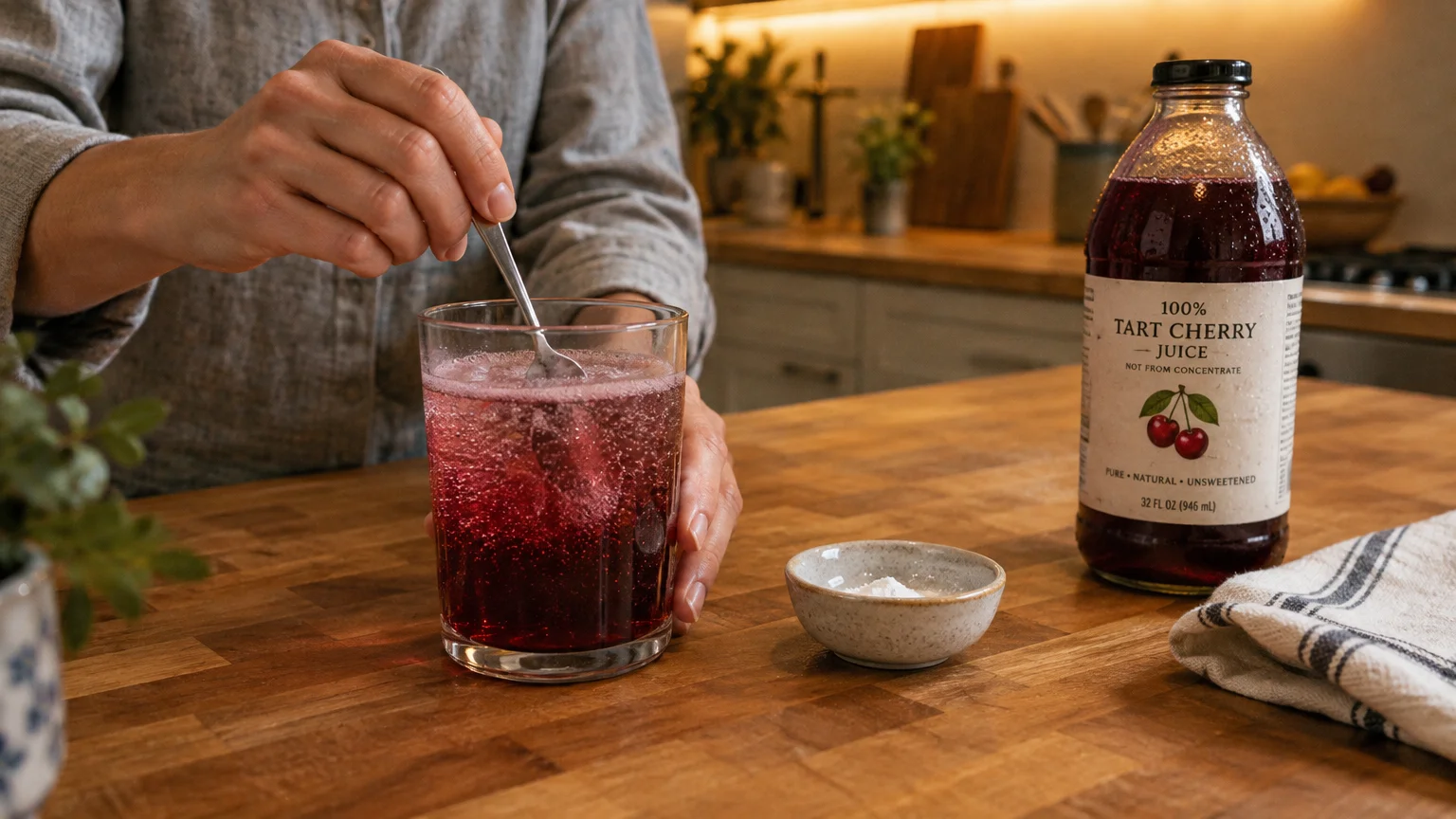
Making this nightcap correctly requires balancing therapeutic compound concentrations against fluid volume and natural fruit sugars. Start by pouring 4 to 8 ounces of 100% pure Montmorency tart cherry juice into a clean glass.
Measure 100 to 200 milligrams of elemental magnesium glycinate powder and dump it directly into the juice. Whisk the mixture vigorously with a small fork or handheld frother until the powder dissolves completely.
Montmorency cherry juice carries an intensely sharp, sour bite that some palates find overwhelming. You can temper this natural acidity by topping your glass with 2 to 4 ounces of plain, unflavored sparkling water.
Never sweeten the mixture with refined syrups, honey, or commercial prebiotic sodas loaded with added sugars. Those unnecessary additives will destabilize your blood glucose levels and disrupt your natural sleep architecture.
What is the ideal timing and serving size before bed?
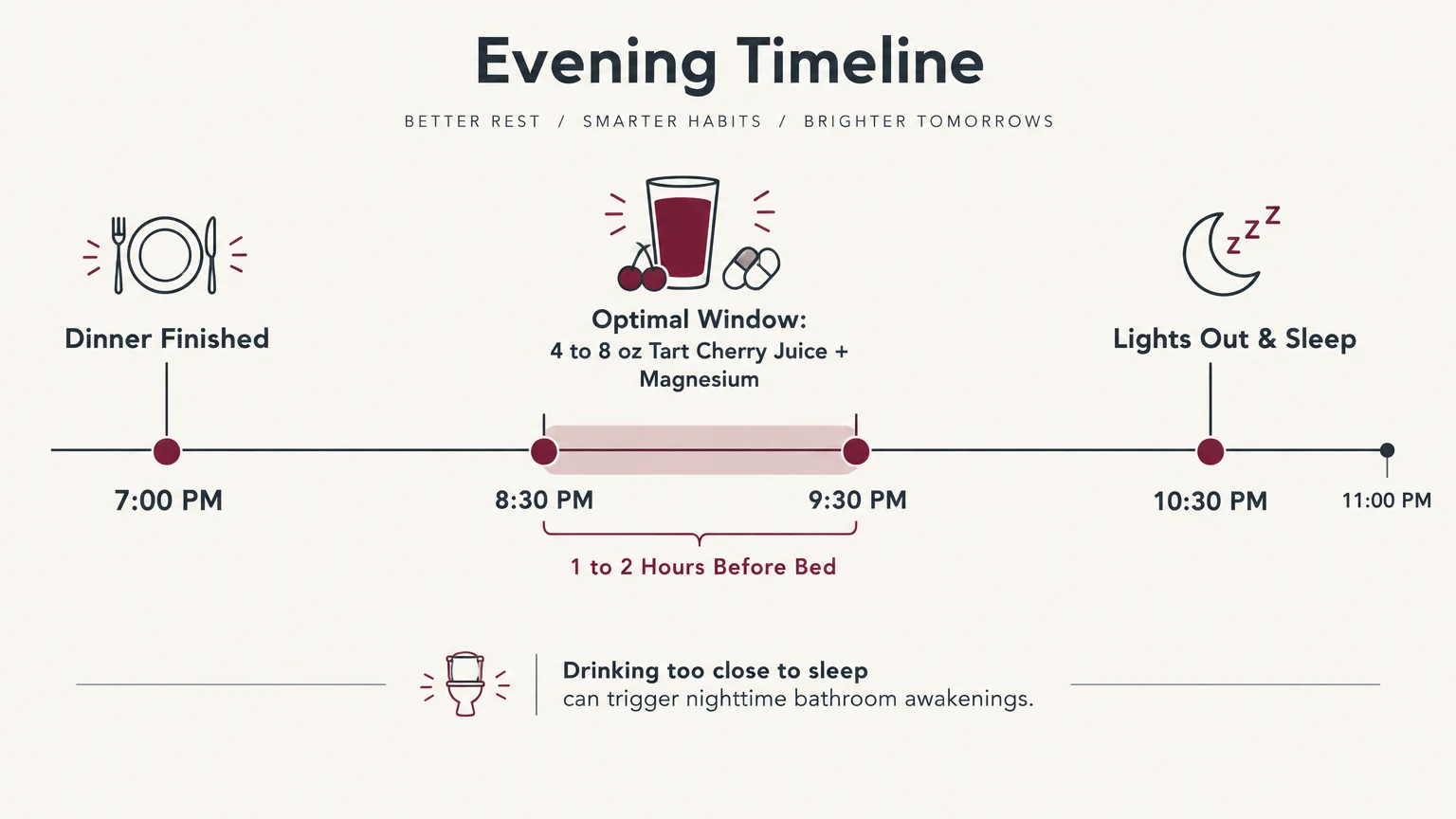
Drinking a large glass of liquid immediately before climbing into bed is a guaranteed recipe for broken sleep. Consuming too much fluid late at night fills your bladder and forces frequent awakenings that fragment your deep sleep stages.
You should drink your nightcap roughly 60 to 90 minutes before your planned bedtime. This schedule gives your gastrointestinal tract ample time to process the fluid and empty your bladder before you turn off the lights.
Keep your total liquid volume under 8 ounces to avoid nocturnal urination, especially if you wake easily. Pouring 4 ounces of juice with a splash of water provides the optimal balance of active compounds and minimal fluid.
Remember that the clinical trials showing substantial sleep improvements utilized twice-daily dosing schedules over multiple weeks. If you want to replicate those clinical studies, drink 4 ounces after breakfast and 4 ounces after dinner.
How does the natural sugar content affect your overnight blood glucose?
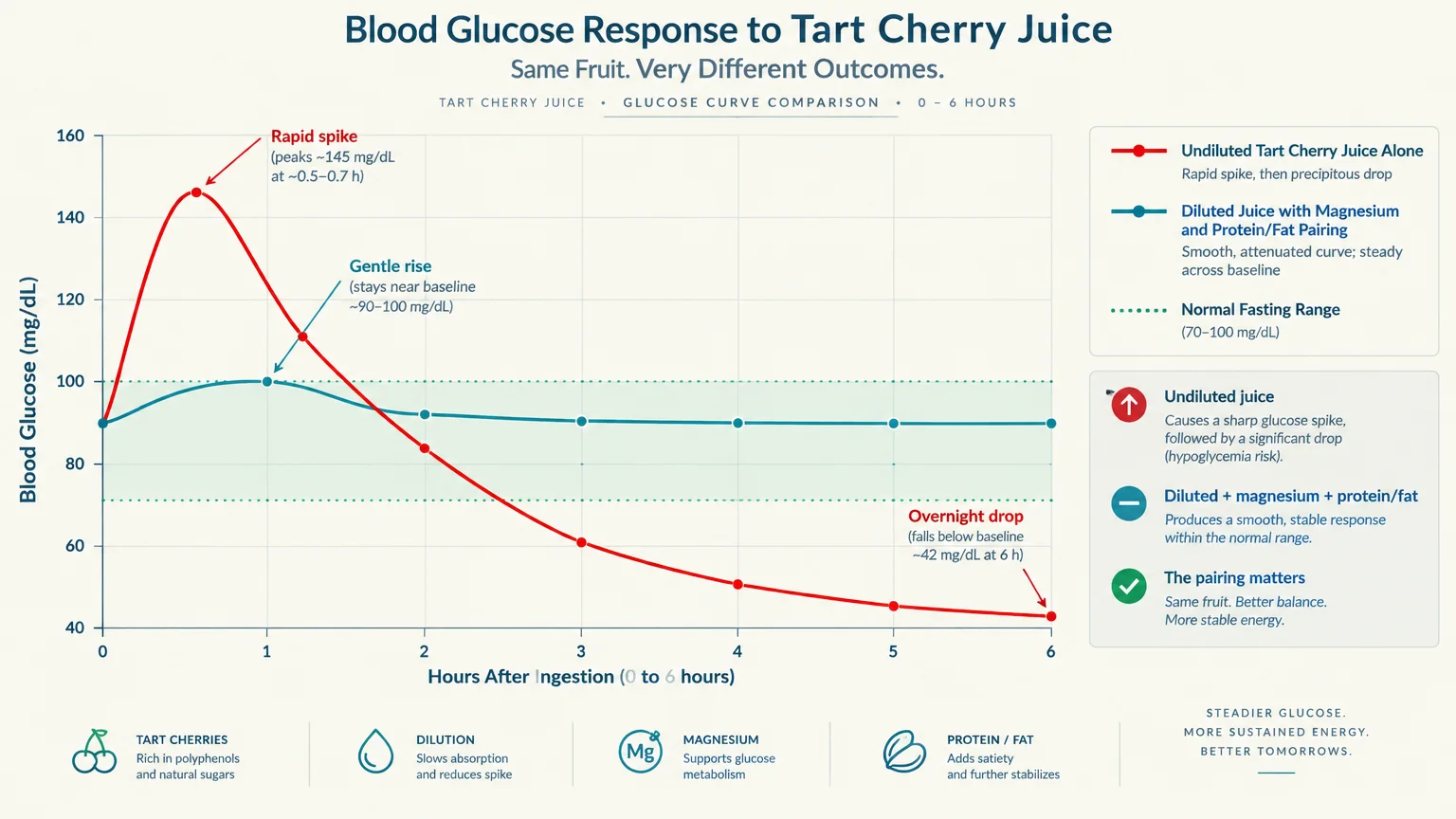
An 8-ounce glass of unsweetened 100% Montmorency tart cherry juice contains approximately 25 grams of natural sugar. Even a modest 4-ounce pour delivers roughly 12 to 13 grams of rapidly digestible fruit carbohydrates.
Drinking 25 grams of unbuffered fruit sugar right before lying down can trigger a rapid spike in your postprandial blood glucose. Your pancreas responds by pumping out insulin to clear that circulating glucose from your bloodstream.
This evening insulin surge can provoke a reactive nocturnal hypoglycemia episode several hours later while you sleep. When your blood sugar crashes mid-sleep, your adrenal glands release cortisol and adrenaline to restore glucose balance.
Those stimulating stress hormones jolt your central nervous system awake, leaving you staring at the ceiling at 3:00 AM. If you manage insulin resistance, stick to a 4-ounce pour and pair it with a handful of raw almonds.
Which prescription medications interact with these ingredients?
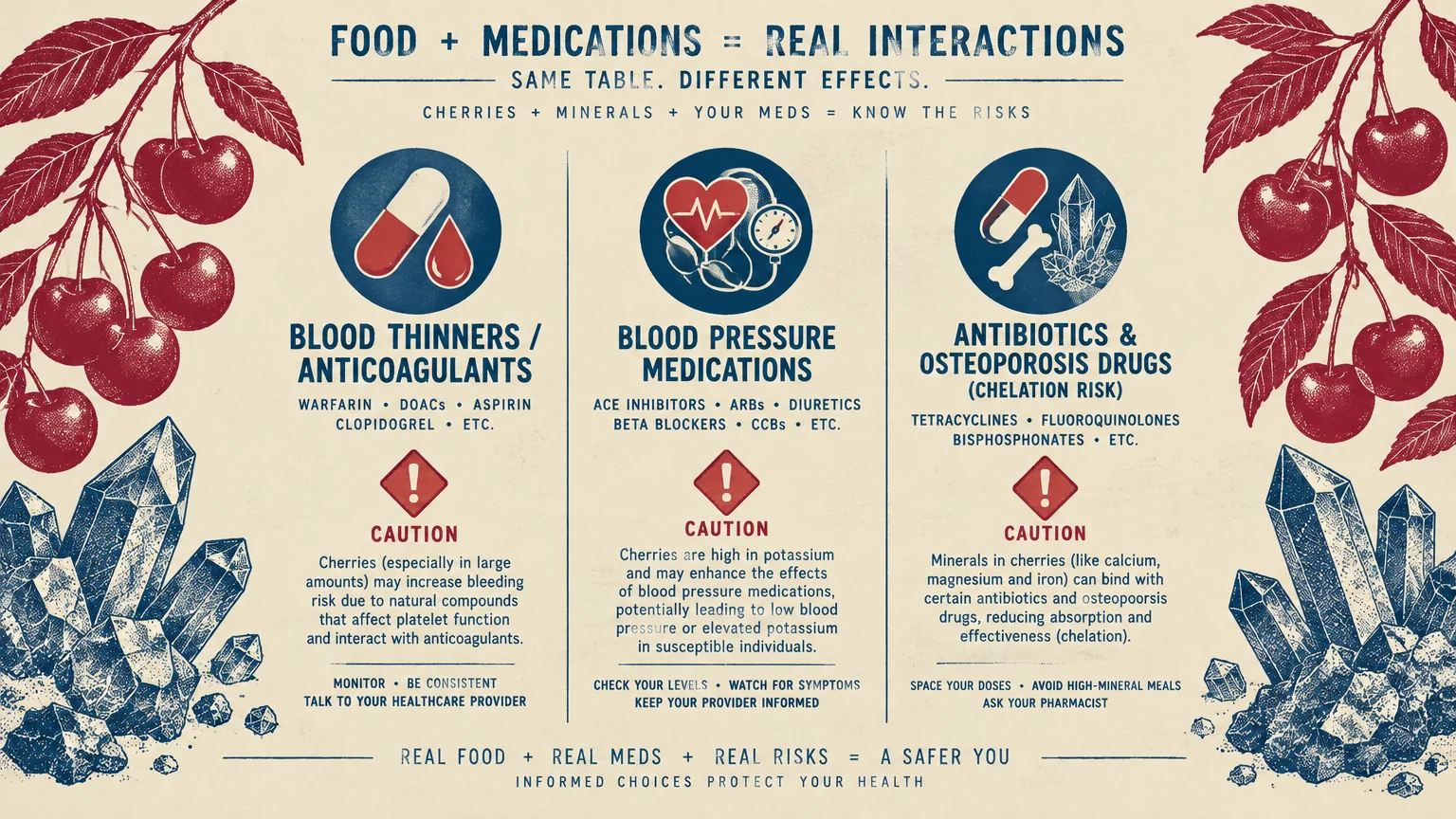
Supplemental magnesium binds aggressively to specific prescription drugs inside your stomach, preventing their absorption into your bloodstream. For example, magnesium forms insoluble chemical chelates with oral bisphosphonates prescribed for osteoporosis and bone health.
To avoid neutralizing your bone density therapy, take bisphosphonates at least two hours before or four hours after drinking magnesium. Magnesium also severely impairs the therapeutic absorption of tetracycline and fluoroquinolone antibiotics when ingested simultaneously.
Montmorency tart cherry juice contains significant concentrations of dietary potassium, delivering over 260 milligrams per 8-ounce serving. This potassium content requires caution if you take cardiovascular medications that alter potassium excretion.
Angiotensin-converting enzyme inhibitors, angiotensin receptor blockers, and potassium-sparing diuretics already cause your kidneys to retain potassium. Combining those prescription blood pressure drugs with regular high-potassium fruit juices elevates your risk of developing dangerous hyperkalemia.
Hyperkalemia can trigger cardiac arrhythmias, muscle weakness, and sudden cardiovascular collapse without warning. Always consult your doctor or pharmacist before introducing regular tart cherry juice and magnesium into your medication regimen.
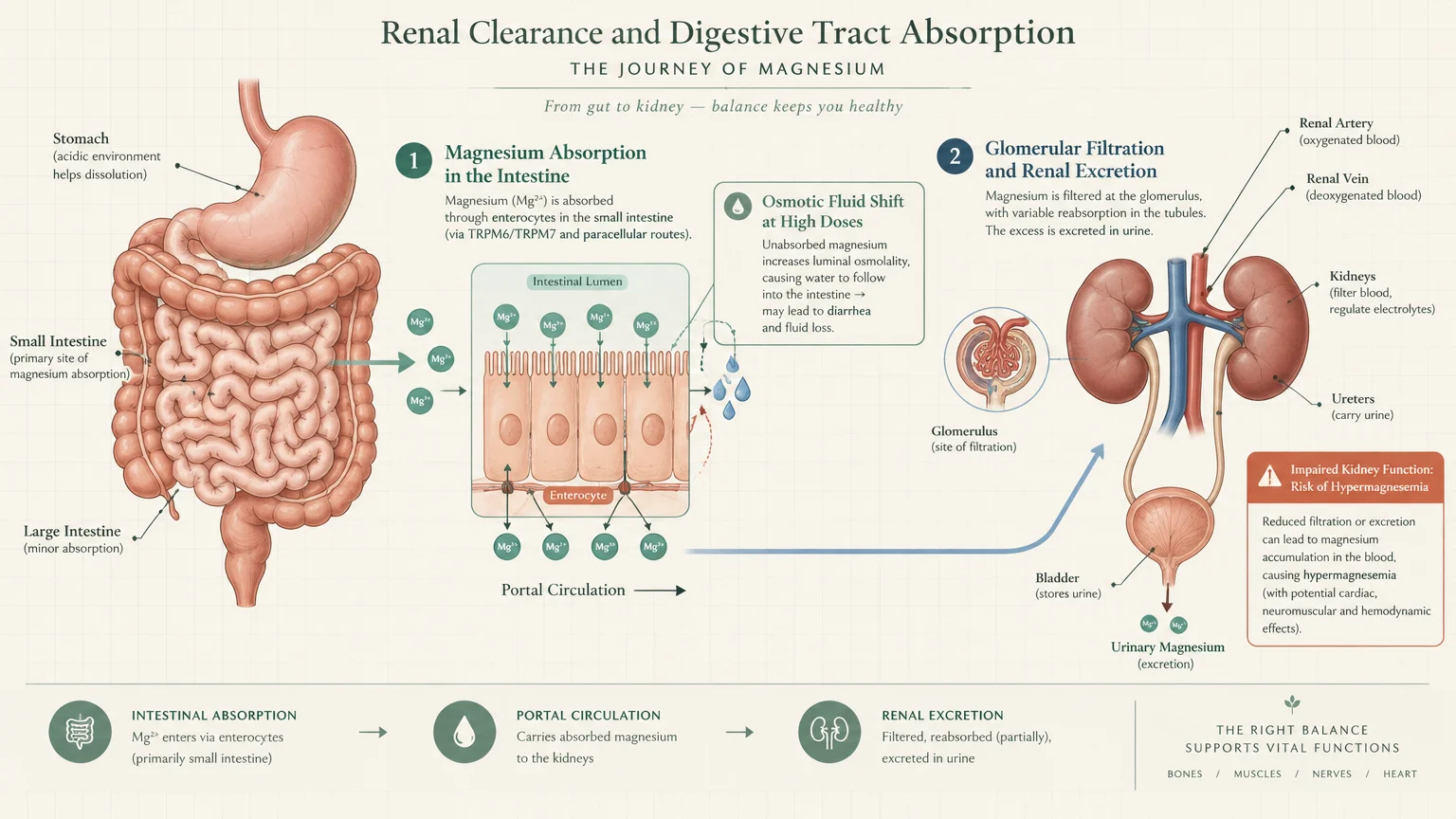
What digestive and kidney precautions should you take?
Your kidneys serve as the primary filtration organ responsible for clearing excess magnesium and potassium from your circulation. If you live with chronic kidney disease or reduced renal function, your body cannot excrete supplemental minerals efficiently.
Accumulating excess magnesium in your bloodstream causes hypermagnesemia, a dangerous condition characterized by severe hypotension, respiratory depression, and cardiac arrest. Individuals with compromised kidney filtration must avoid supplemental magnesium powders entirely unless closely monitored by a physician.
Furthermore, the high organic acid content of Montmorency tart cherry juice can irritate delicate gastric tissues. If you manage gastroesophageal reflux disease, drinking an acidic beverage before lying flat can trigger severe nighttime heartburn.
The reflux of stomach acid into your esophagus disrupts sleep breathing and damages your upper digestive lining. If you experience acid reflux, drink the beverage earlier in the evening or switch to standardized capsules.
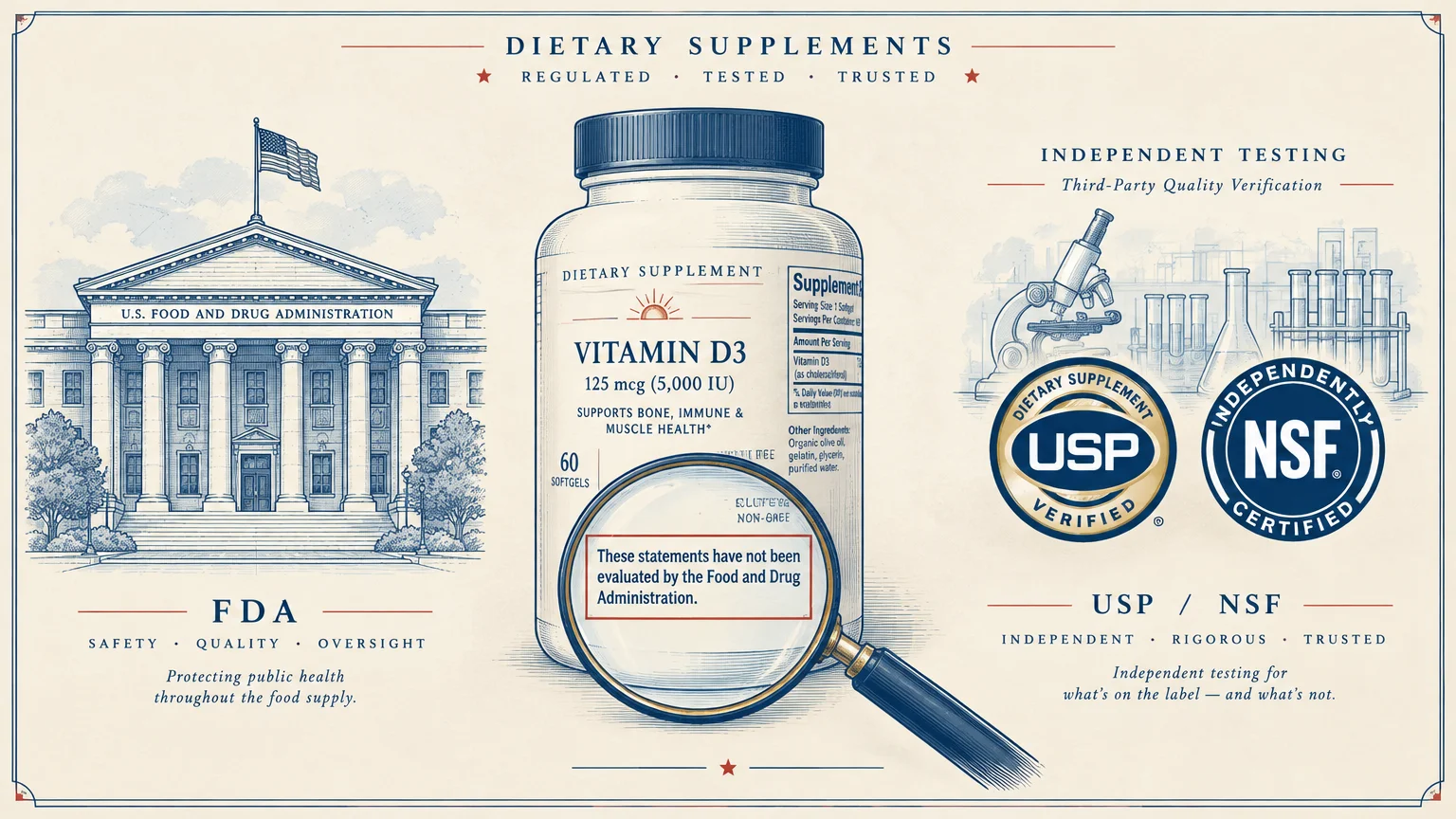
How does the FDA regulate these bedtime drink ingredients?
The Food and Drug Administration regulates powdered magnesium and tart cherry extracts as dietary supplements under the Dietary Supplement Health and Education Act. Under this statutory framework, the federal government regulates supplements as foods rather than pharmaceutical drugs.
Consequently, dietary supplements do not undergo rigorous pre-market clinical testing by the FDA for safety or sleep efficacy. Supplement manufacturers can market their products without proving to federal regulators that their formulas actually improve human sleep.
Because government oversight is limited, retail supplement quality and ingredient purity vary dramatically from brand to brand. Some commercial magnesium powders contain unlisted fillers, inaccurate dosages, or contamination from heavy metals.
To protect your health, purchase products independently tested and certified by respected third-party organizations. Look for verification seals from USP, NSF International, or ConsumerLab prominently displayed on the supplement container.
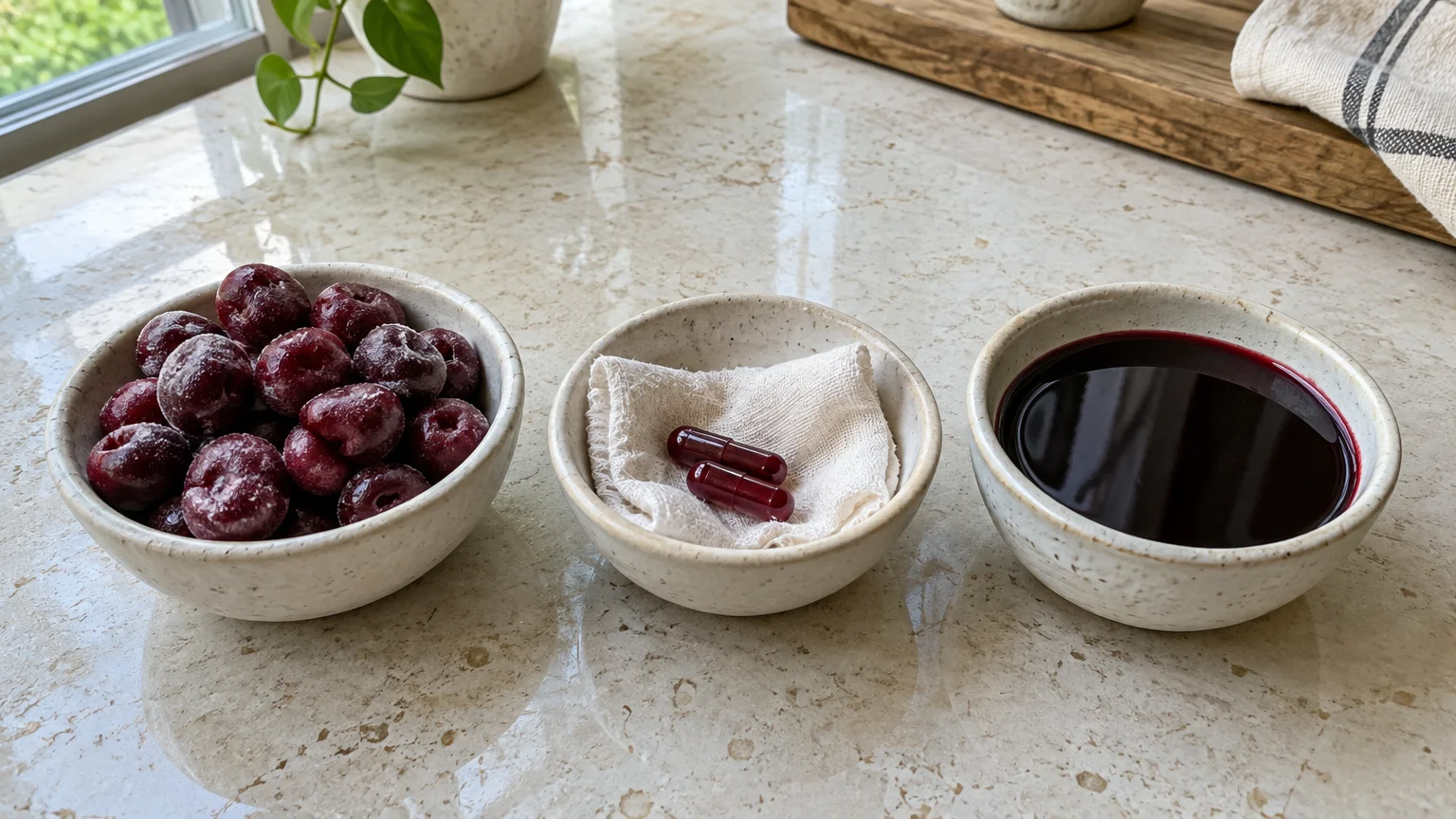
Can you substitute whole cherries or tart cherry capsules?
Eating fresh or frozen whole Montmorency cherries provides beneficial dietary fiber alongside the active procyanidin B-2 polyphenols. However, you must consume around 50 to 60 whole cherries twice daily to match the concentrations used in clinical trials.
Consuming that massive volume of tart fruit before bed will likely overload your gastrointestinal tract with excess fermentable fiber. For most people, consuming that much whole fruit late in the evening causes uncomfortable abdominal bloating and gas.
Standardized tart cherry extract capsules represent an excellent, practical alternative to liquid fruit juice. High-quality capsules deliver concentrated polyphenol profiles without the 25 grams of natural sugar found in liquid juice.
Capsules also eliminate the risk of late-night acid reflux and spare your bladder from excessive evening fluid volume. If you choose capsules, select a brand standardized to match the natural anthocyanin content of Montmorency cherries.
Will this nightcap replace your prescription sleep aids?
You must never stop taking prescribed sedative-hypnotic medications or sleep drugs in favor of this natural nightcap. Pharmaceutical sleep medications target central nervous system receptors with profound biochemical force that dietary supplements cannot duplicate.
Abruptly discontinuing prescription sleep aids like zolpidem, eszopiclone, or temazepam can trigger life-threatening withdrawal symptoms and severe rebound insomnia. Rebound insomnia often leaves you unable to sleep for days, causing intense psychological distress and physical exhaustion.
Treat this evening drink as a gentle nutritional habit that supports baseline sleep health rather than a medical cure. If your goal is to reduce your dependence on sleep medications, discuss a gradual tapering protocol with your prescribing physician.
What lifestyle habits make this nightcap more effective?
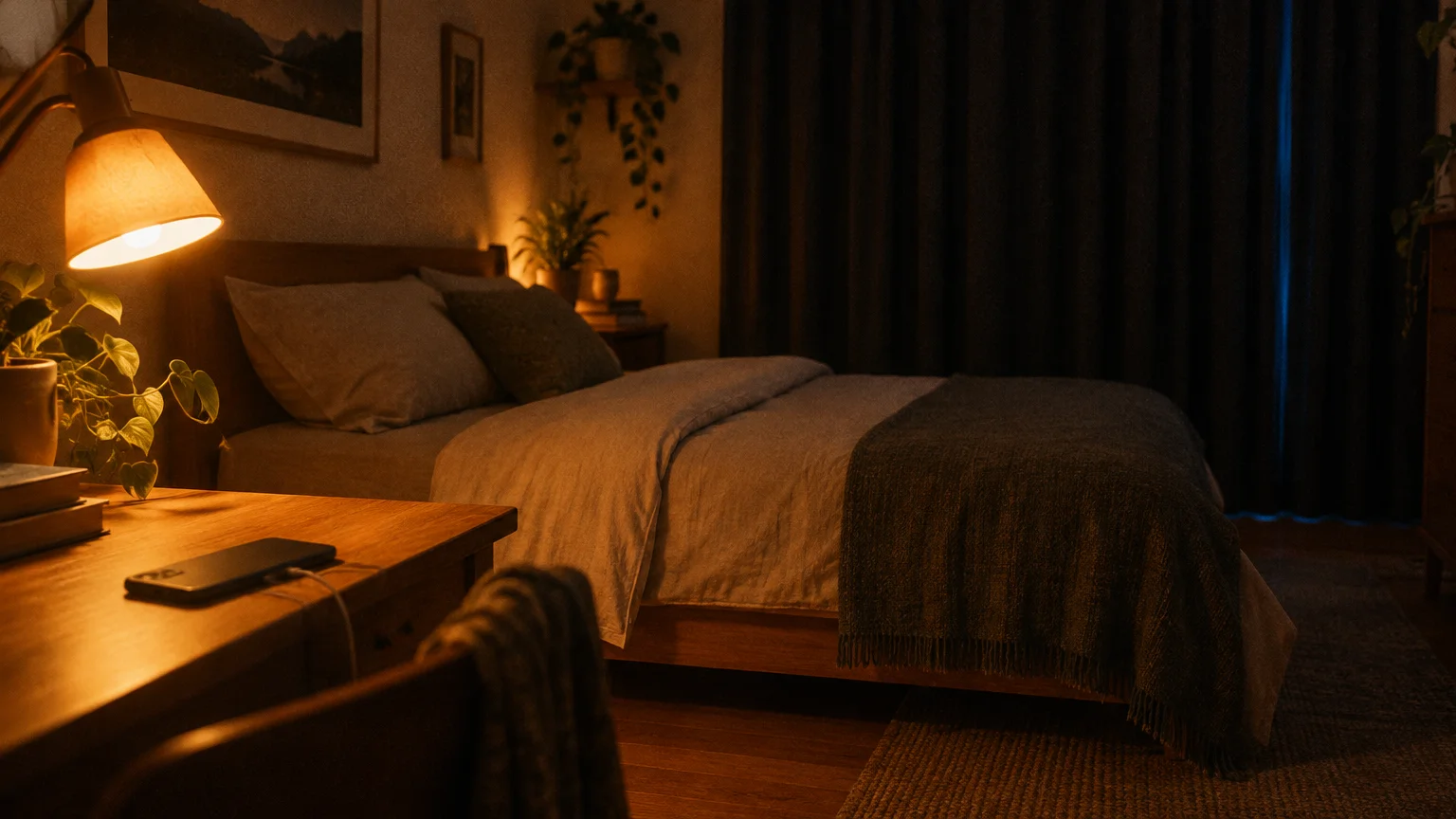
No nighttime beverage can overcome the stimulating neurochemical effects of poor sleep hygiene habits. If you drink tart cherry juice under harsh fluorescent lights while scrolling through social media, you will remain wide awake.
Blue-spectrum light emitted from smartphones, televisions, and tablets penetrates your retinas and completely shuts down pineal melatonin synthesis. Dim your household lighting and power down personal digital screens at least 60 minutes before your planned bedtime.
Keep your sleeping environment dark, quiet, and noticeably cool, ideally between 65 and 68 degrees Fahrenheit. A cooler ambient bedroom temperature facilitates the nocturnal core body temperature drop required for deep stage-three slow-wave sleep.
Finally, avoid consuming caffeinated beverages after 12:00 PM, because caffeine clearance slows markedly as your liver ages. Lingering caffeine blocks your adenosine receptors, preventing your brain from accumulating the natural sleep pressure needed for rest.
What is the best way to test this bedtime drink this week?
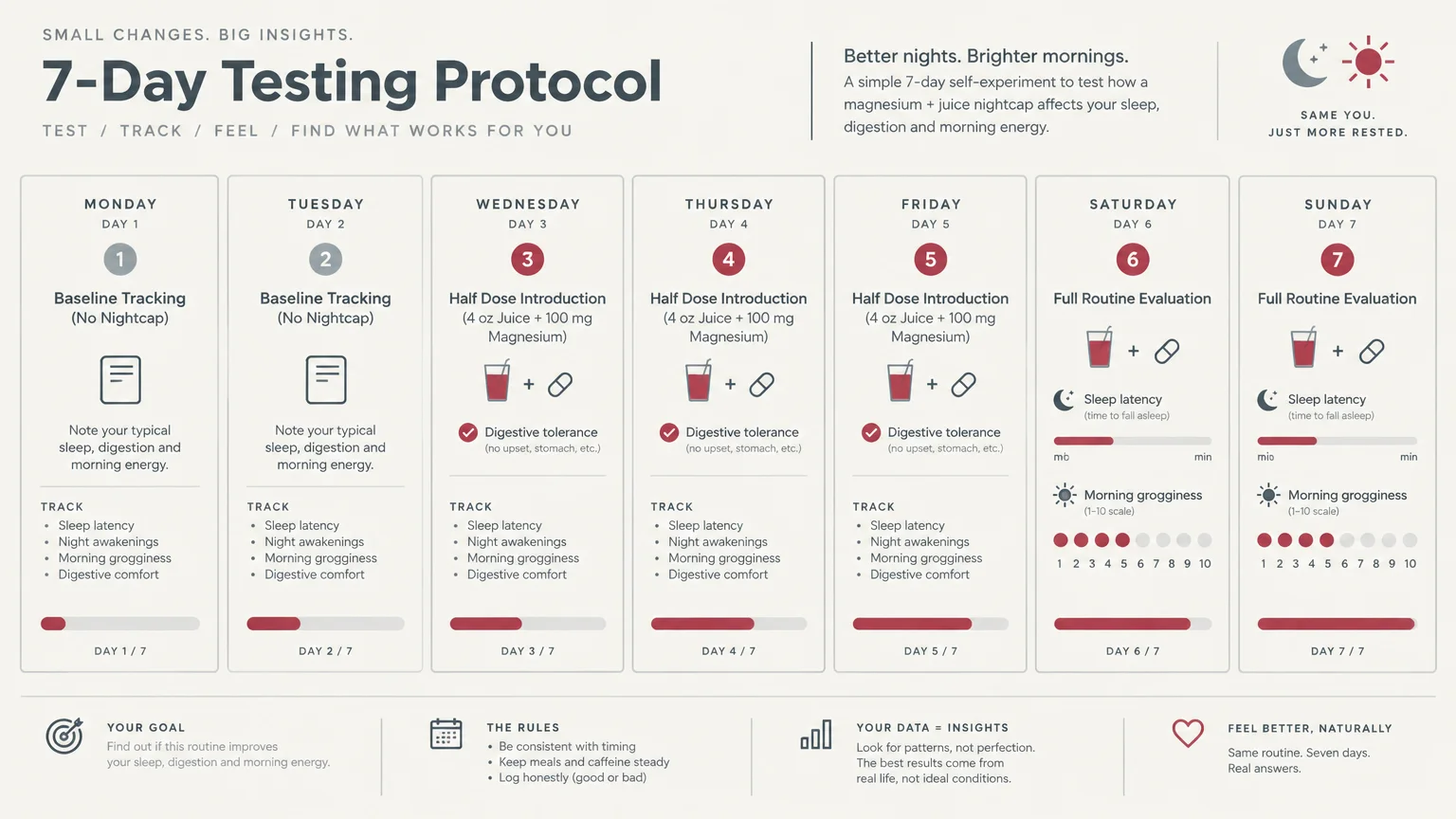
If you want to evaluate this bedtime drink, start with a conservative trial run over seven consecutive days. Begin with a modest 4-ounce pour of 100% pure Montmorency tart cherry juice diluted with 2 ounces of water.
Stir in exactly 100 milligrams of elemental magnesium glycinate powder until the mixture turns smooth and clear. Sip the beverage slowly 90 minutes before bedtime so your body processes the fluid before you sleep.
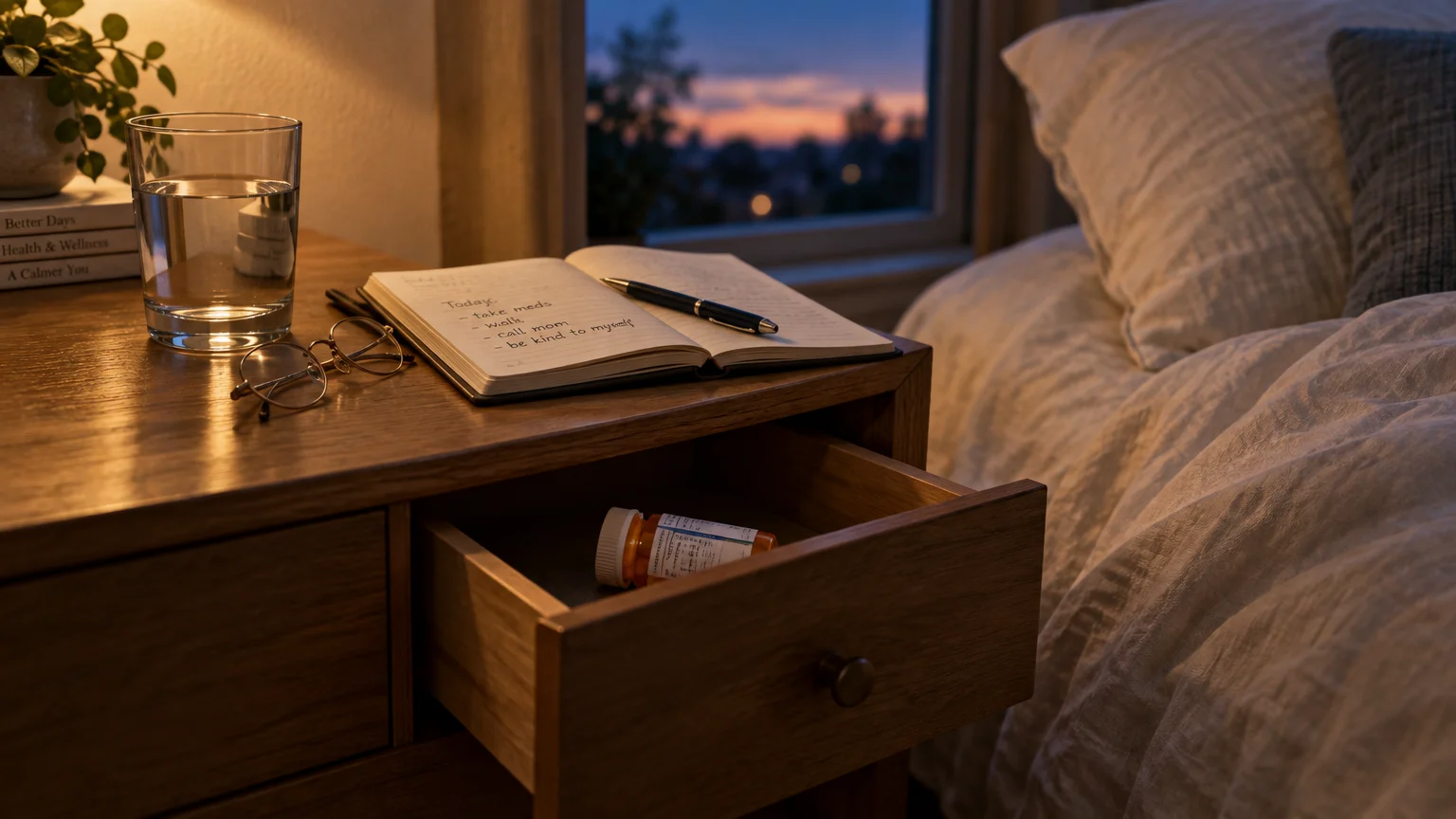
Keep a detailed sleep journal on your nightstand to record your nightly sleep-onset latency and awakenings. Note how long it takes you to drift off, how many times you wake up, and your morning alertness.
If you notice digestive distress, loose stools, or morning blood sugar spikes, discontinue the beverage immediately. If the drink helps you rest peacefully without side effects, you have discovered an enjoyable, nourishing evening habit.