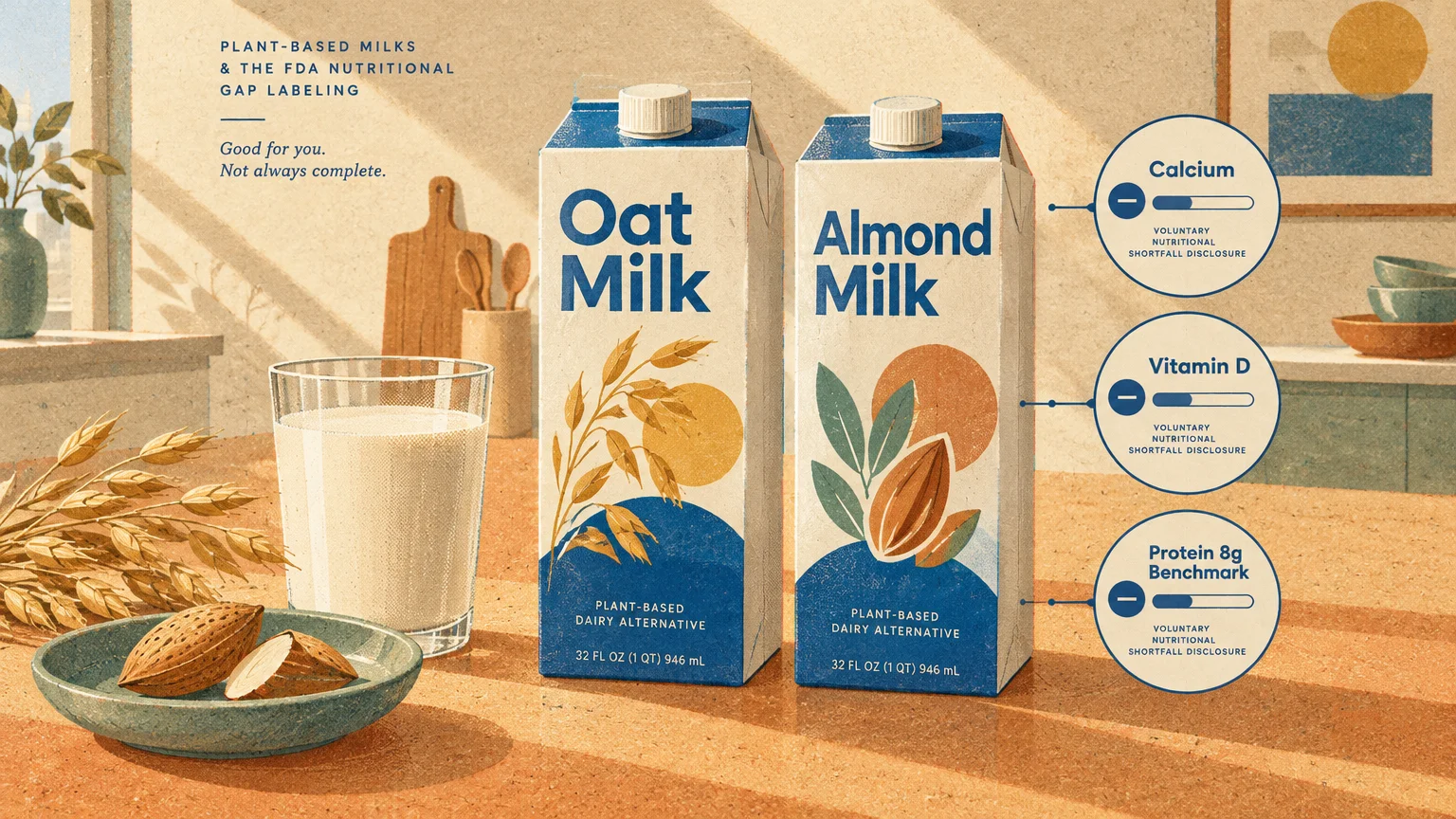
You can now spot exact nutritional differences directly on plant milk cartons before you buy. These clear comparison statements help you protect your bone density, muscle mass, and heart health with complete confidence.
New federal recommendations encourage brands to disclose when beverages lack the essential nutrients found in traditional milk. Learning to read these labels allows you to select fortified drinks that actively support your daily wellness goals.
A quick glance at the carton ensures your morning pour provides the nourishment your body requires. Understanding these voluntary disclosures takes the guesswork out of navigating the dairy aisle.
Why are new nutrient statements appearing on plant milk cartons?
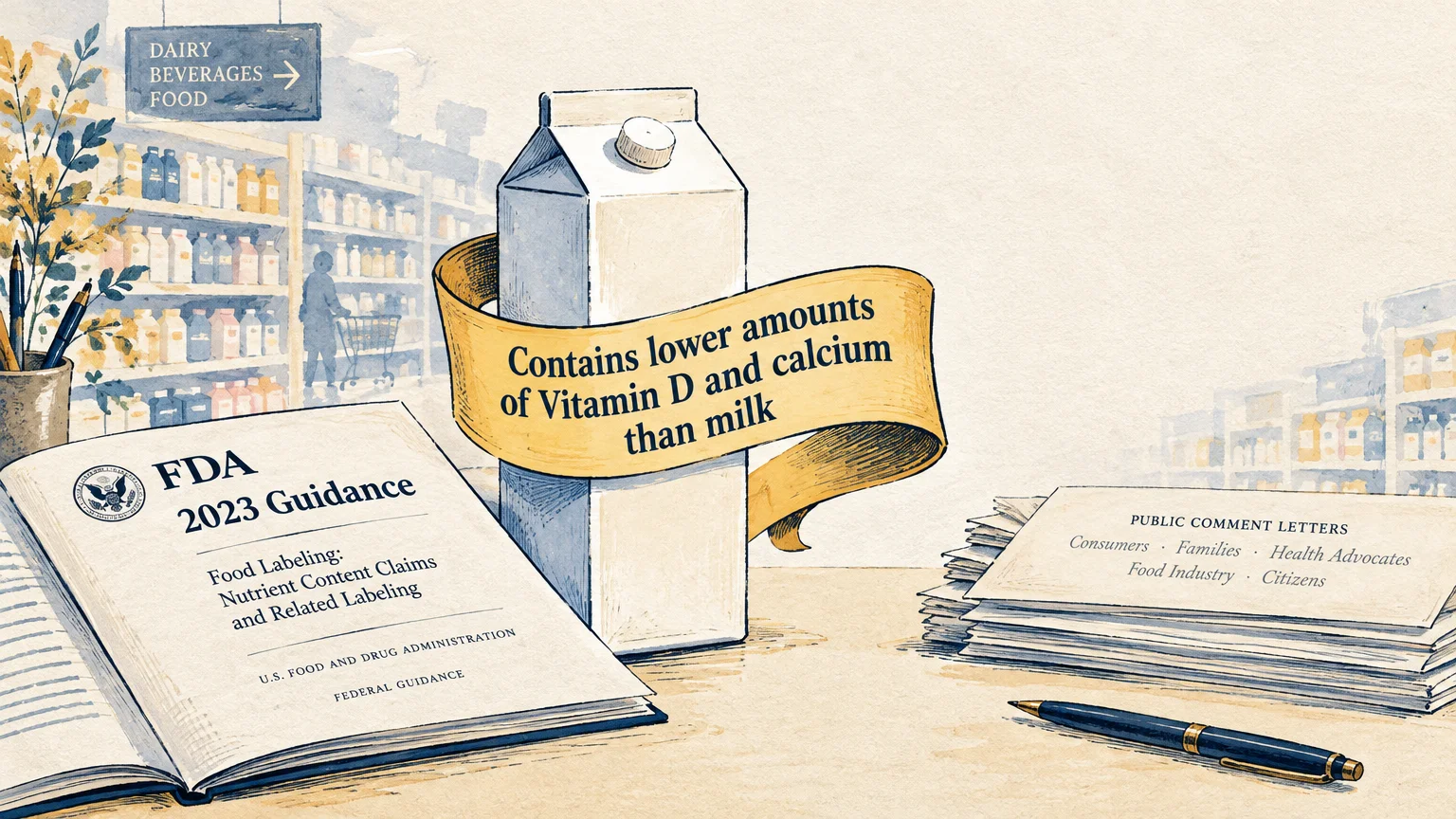
On February 22, 2023, the FDA draft guidance established voluntary labeling recommendations for plant-based milk alternatives. This policy encourages carton manufacturers to state clearly when their drink provides fewer nutrients than cow milk.
The agency reviewed more than 13,000 public comments submitted since September 2018 before publishing these guidelines. Most consumers understand that plant-based beverages do not originate from dairy cows.
However, the FDA discovered that many shoppers mistakenly assume plant drinks offer identical nutritional benefits to dairy. Front-of-package statements bridge this critical information gap right at the grocery shelf.
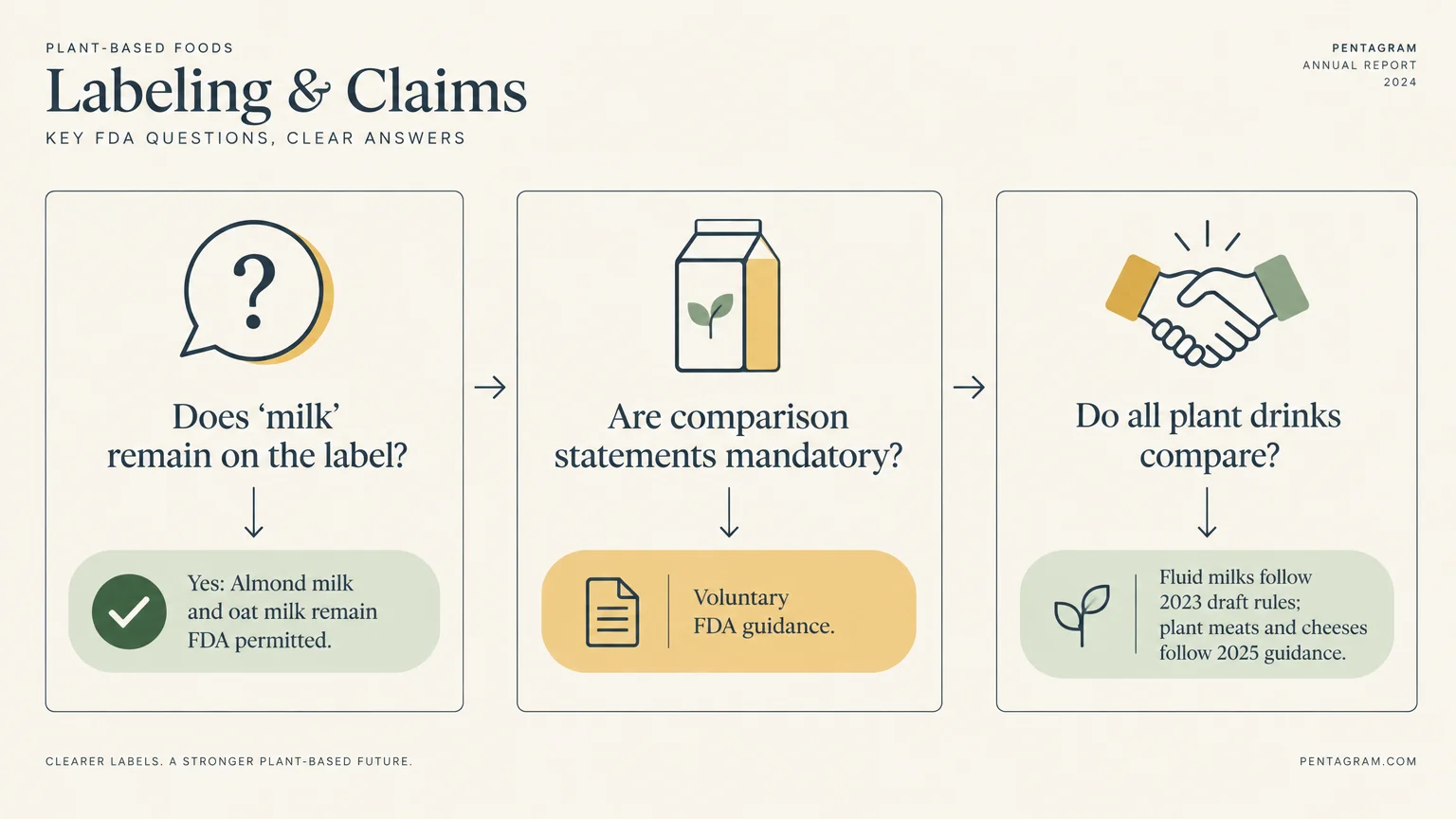
Because FDA guidance documents serve as nonbinding recommendations, these front-panel labels remain entirely voluntary for food manufacturers. Brands choose whether to print comparison phrases like “Contains lower amounts of Vitamin D and calcium than milk.”
The guidance permits plant-based beverages to continue using the term “milk” on their packaging. Regulators recognized that terms like “almond milk” and “oat milk” are familiar, well-established descriptions for consumers.
On January 6, 2025, the FDA introduced separate draft labeling guidance for plant-based cheeses, yogurts, meats, and eggs. Meanwhile, fluid plant milks continue following the targeted 2023 nutritional framework.
What specific nutrients does the FDA compare against dairy milk?
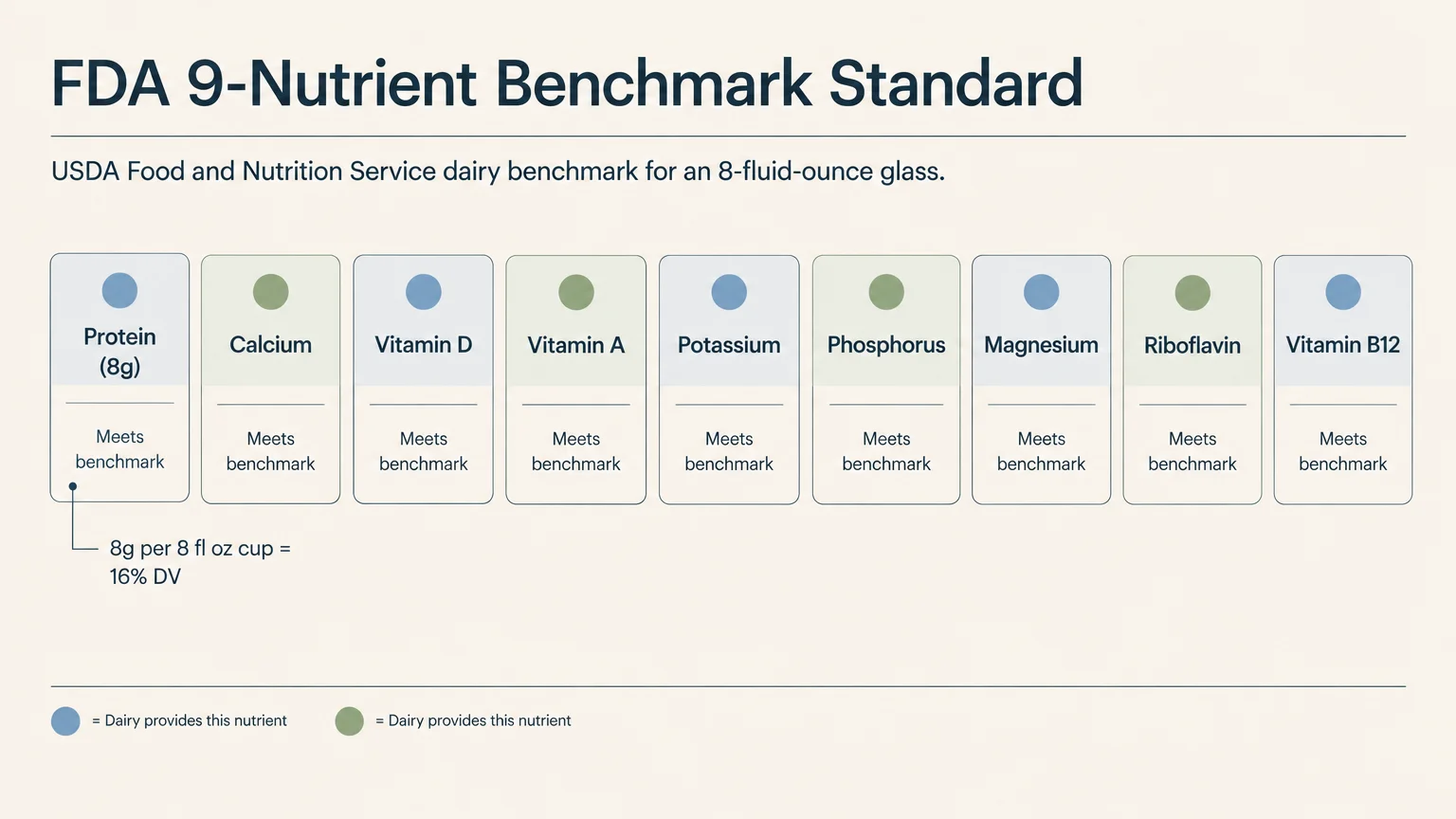
To determine if a nutritional deficit exists, the FDA relies on federal standards established by the USDA Food and Nutrition Service. These criteria establish clear minimum thresholds across nine vital nutrients per one-cup serving.
Each benchmark corresponds to the natural nutritional density found in an 8-fluid-ounce glass of whole cow milk. If a plant milk falls below any single threshold, the agency recommends disclosing that specific shortfall.
These nine nutrients include protein, calcium, vitamin D, vitamin A, potassium, phosphorus, magnesium, riboflavin, and vitamin B12. Monitoring these values protects you from inadvertent dietary deficiencies when replacing dairy.
Maintaining adequate vitamin and mineral levels supports your mobility, immune defense, and cardiovascular function as you age. Checking cartons against this nine-nutrient standard keeps your daily nutrition fully on target.
How do protein levels differ between plant milks and dairy milk?
The federal benchmark requires 8 grams of protein per 8-fluid-ounce cup, representing 16% of the daily value. Cow milk naturally meets this standard, whereas many grain and nut milks fall far short.
Unfortified almond, coconut, and oat milks often deliver only 1 to 2 grams of protein per serving. Without added protein, these drinks cannot supply the amino acids your body needs for tissue repair.
Preserving lean muscle mass becomes increasingly critical for your strength, joint stability, and daily balance. Getting enough high-quality protein with breakfast prevents morning energy crashes and supports healthy glucose metabolism.
If you prefer almond or oat milk, look for versions formulated with added pea protein to match the dairy benchmark. Checking the front label will tell you immediately whether the beverage delivers sufficient protein.
Soy milk naturally provides roughly 7 to 8 grams of protein per cup without requiring extra protein isolates. This natural protein content makes soy an effortless choice for maintaining muscular strength.
Why do calcium and vitamin D matter on the front label?
The federal standard targets 276 milligrams of calcium per cup, which provides 22% of your daily value. Plant milks must also supply 2.5 micrograms—or 100 international units—of vitamin D to achieve 13% of the daily value.
These two nutrients work as an inseparable team within your skeletal system. Vitamin D signals your digestive tract to absorb calcium efficiently from the foods and drinks you consume.
According to the National Institutes of Health, sustained calcium shortfalls force your body to withdraw mineral reserves directly from bone tissue. This process weakens your skeletal framework and increases the risk of fractures.
Front-of-package statements immediately warn you if a brand skimps on calcium carbonate or tricalcium phosphate fortification. Selecting cartons that achieve these federal benchmarks protects your bone mineral density year after year.
Liquid vitamin D fortification also supports cognitive wellness and seasonal immune defense. Ensuring your chosen beverage meets the federal 2.5-microgram threshold helps keep your immune system resilient throughout the year.
What role do potassium and magnesium play in your daily choice?
The USDA benchmark sets the target for potassium at 349 milligrams per cup, which represents 8% of the daily value. Fluid milk alternatives must also provide 24 milligrams of magnesium to meet 6% of your daily value.
The American Heart Association highlights potassium as a key mineral for counteracting dietary sodium and relaxing blood vessel walls. Adequate potassium intake promotes healthy arterial dilation and helps you maintain steady blood pressure readings.
Magnesium supports hundreds of cellular processes, including muscle relaxation, steady cardiac rhythm, and neuromuscular signaling. It also aids restorative sleep cycles by activating neurotransmitters that calm nervous system activity.
Many plant milks lack sufficient natural potassium unless manufacturers fortify them with dipotassium phosphate or similar ingredients. Checking the label ensures your morning smoothie delivers meaningful amounts of these heart-protective electrolytes.
Choosing drinks that supply both minerals helps you prevent painful muscle cramps and supports cardiovascular stamina. Balanced electrolyte intake remains essential for staying active and energized every day.
Which vitamins complete the nine federal benchmark nutrients?
The remaining federal criteria address vitamin A, phosphorus, riboflavin, and vitamin B12. Each 8-ounce serving should contain 150 micrograms of retinol activity equivalents of vitamin A, representing 17% of the daily value.
Vitamin A plays an indispensable role in maintaining your vision, corneal health, and mucosal immune barriers. Fortified milks help you sustain sharp vision and defend against environmental pathogens.
The standard also specifies 222 milligrams of phosphorus, fulfilling 18% of your daily requirements for cellular energy production. Phosphorus collaborates directly with calcium to rebuild bone matrix and preserve dental health.
Riboflavin, or vitamin B2, must reach 0.44 milligrams per cup, providing 34% of your daily value. Riboflavin helps your body convert carbohydrates, fats, and proteins into usable cellular fuel.
Finally, the benchmark requires 1.1 micrograms of vitamin B12, which delivers 46% of the daily value. Vitamin B12 protects your peripheral nerves, supports cognitive clarity, and prevents fatigue caused by megaloblastic anemia.
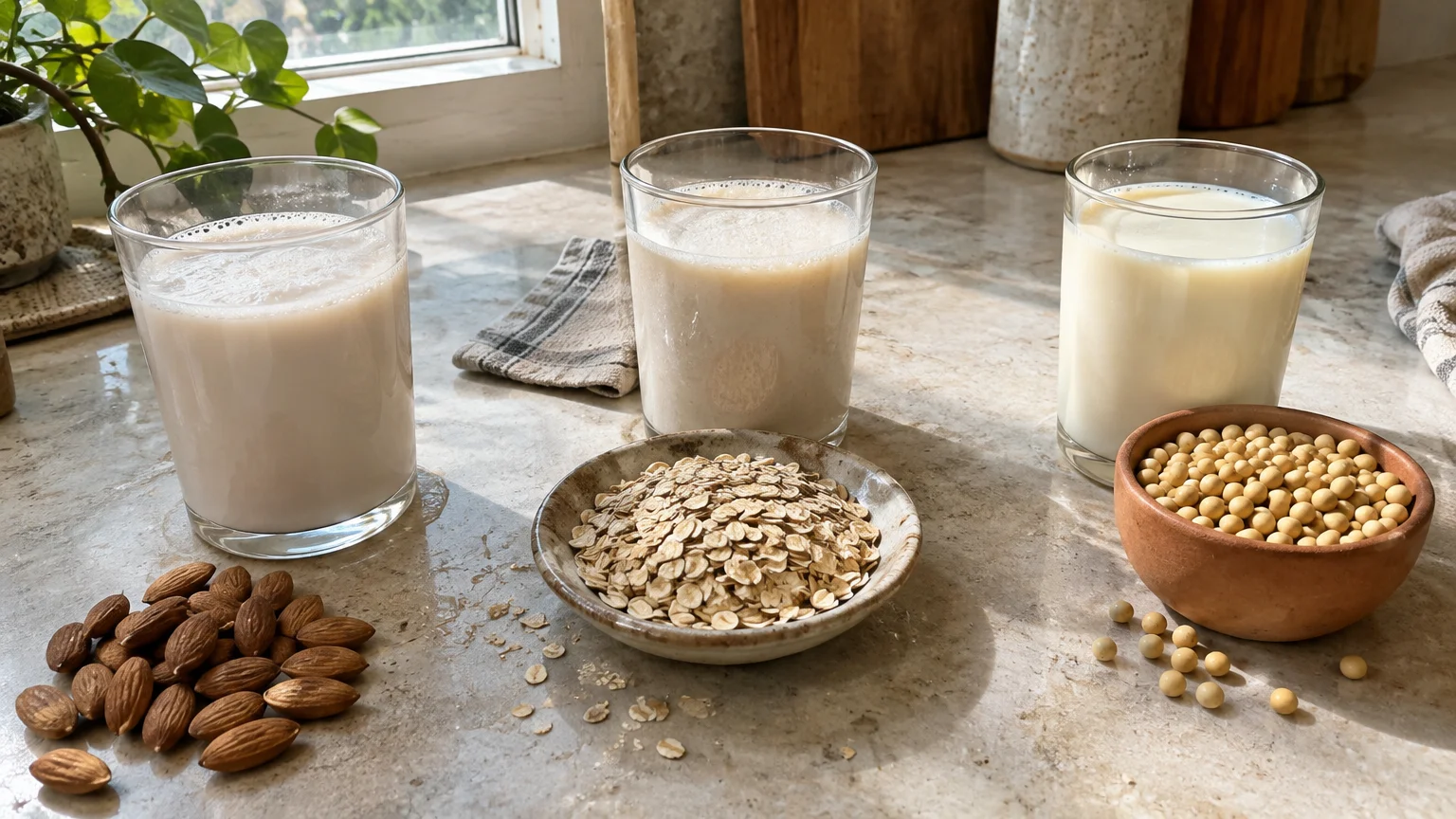
How do various plant milk bases compare under federal guidelines?
Commercial plant milks originate from diverse seeds, nuts, grains, and legumes that exhibit unique nutritional profiles. Understanding how each base behaves against federal criteria helps you match the carton to your health goals.
No single plant base naturally replicates all nine dairy nutrients without intentional fortification by the manufacturer. Examining the raw characteristics of each plant source highlights why fortification matters so much.
How does oat milk measure up against federal nutrient criteria?
Oat milk has surged in popularity because of its naturally creamy texture and rich, comforting flavor. However, unfortified oat milk delivers only about 2 to 3 grams of protein per cup, falling below the 8-gram standard.
Oats provide beneficial soluble fiber known as beta-glucan, which supports digestive regularity and healthy cholesterol levels. Yet the manufacturing process converts oat starches into simple sugars, raising the drink’s carbohydrate concentration.
Unless fortified, oat milk contains almost no natural calcium, vitamin D, or vitamin B12. If you love oat milk in your coffee, choose brands that add these missing micronutrients back into the carton.
Checking the carton ensures you enjoy the velvety texture of oats without sacrificing daily bone and nerve protection. A quality fortified oat milk bridges these nutrient gaps effectively.
Where does almond milk fall short under the new standards?
Almond milk appeals to shoppers seeking a light, low-calorie beverage for smoothies and cereal. Unsweetened versions often contain as few as 30 to 40 calories per 8-ounce glass.
Despite its popularity, almond milk provides merely 1 gram of protein per cup, falling 7 grams short of the federal criteria. It also provides virtually no vitamin B12 or vitamin D in its natural, unfortified state.
Commercial almond milk consists largely of filtered water blended with a modest percentage of crushed nuts. Consequently, you cannot depend on unfortified almond drinks for meaningful mineral intake or muscle repair.
Always inspect almond milk cartons for voluntary gap disclosures or confirm high fortification levels on the back panel. Pairing almond milk with high-protein foods ensures your total meal remains nutritionally complete.
Can pea milk match the nutritional density of traditional dairy?
Yellow split peas serve as the foundation for pea-protein beverages, creating one of the most nutrient-dense plant options. Pea milk easily achieves the federal 8-gram protein benchmark per single-cup serving.
Pea protein provides an excellent amino acid profile that closely rivals both soy and dairy proteins. It also offers a hypoallergenic alternative for individuals who must avoid nuts, soy, or gluten.
Most commercial pea milk brands heavily fortify their formulas with calcium, vitamin D, and potassium to exceed dairy benchmarks. In fact, many brands deliver 50% more calcium per cup than standard cow milk.
Pea milk delivers exceptional nutritional value, though its earthy taste and thicker texture may require an adjustment period. Blending it into morning smoothies or oatmeal provides substantial nutrition without altering your flavor preferences.

Why is fortified soy milk treated differently in federal dietary guidelines?
The Dietary Guidelines for Americans classify fortified soy milk as the sole plant beverage in the official Dairy Group. Federal nutrition scientists place it there because fortified soy naturally mirrors the comprehensive nutritional profile of cow milk.
Soybeans provide complete protein containing all nine essential amino acids required for tissue repair. An 8-ounce cup of fortified soy beverage delivers 8 grams of complete protein alongside matched calcium and vitamin D.
In contrast, almond, oat, coconut, cashew, and rice beverages remain excluded from the Dairy Group. Even when fortified with vitamins, these grain and nut drinks generally fail to match dairy protein quality and density.
If you rely on plant milk as your primary dairy replacement, fortified soy offers the simplest nutritional swap. It guarantees that you fulfill your dairy group targets without needing separate protein supplements.
Other plant drinks still offer valuable culinary uses in your kitchen. However, federal guidelines recommend treating unfortified almond or oat milk as optional beverages rather than true dairy alternatives.
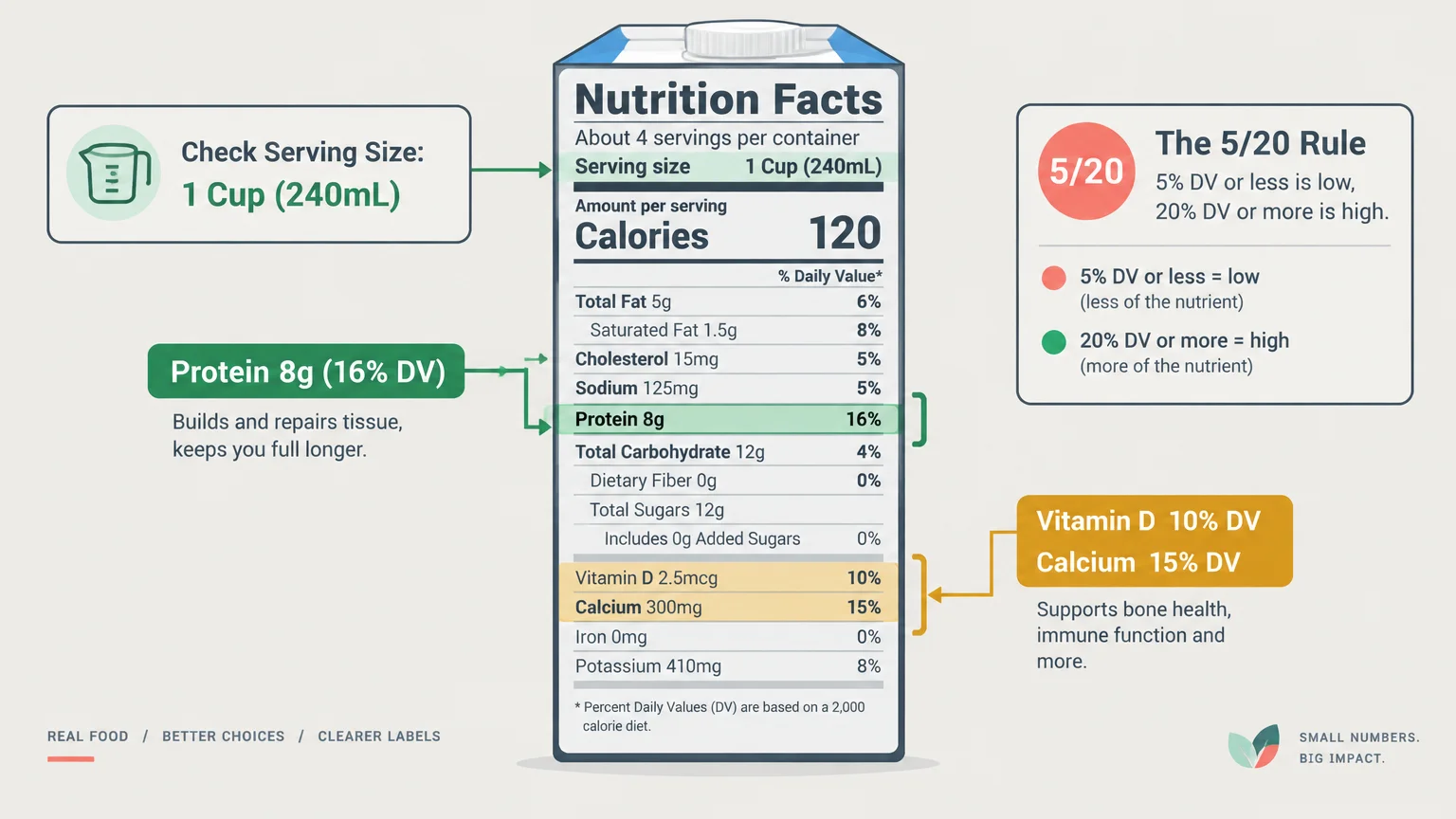
How do you evaluate the Nutrition Facts panel on the back of the carton?
Front-of-package voluntary statements alert you to deficiencies, but the back panel confirms exact nutritional numbers. The FDA advises consumers to examine four mandatory nutrients: protein, calcium, vitamin D, and potassium.
Start by scanning the percent daily value column along the right margin of the Nutrition Facts panel. Aim for 20% or higher for bone-building calcium and vitamin D, which signifies high nutrient density.
Next, look at the potassium line to confirm whether the beverage contributes at least 8% of your daily requirement. Choosing fortified cartons ensures your beverage supports muscle function and healthy blood pressure regulation.
Finally, verify that protein levels reach at least 7 to 8 grams per single cup serving. If your plant beverage offers only 1 gram, plan to consume protein-rich whole foods alongside your drink.
This quick four-point check takes fewer than ten seconds in the grocery aisle. It gives you absolute certainty that the beverage you bring home serves your long-term health priorities.
How do you spot hidden added sugars in plant-based milks?
Cartons labeled “original” or “plain” frequently surprise shoppers by containing significant amounts of cane sugar or corn syrup. Manufacturers frequently add sweeteners to mask the bitter or chalky undertones of raw plant extracts.
Always inspect the “Includes Added Sugars” subline located beneath the total carbohydrate heading. An 8-ounce serving of sweetened oat or almond milk can easily hide 12 grams of refined sugar.
Consuming liquid sugars can prompt sudden spikes in blood glucose, complicating blood sugar management for individuals with insulin resistance. Excess sugars also promote systemic inflammation and elevate serum triglyceride levels.
Look specifically for cartons with the word “Unsweetened” displayed boldly on the principal display panel. True unsweetened milks register zero grams of added sugars, protecting your glycemic stability and vascular health.
If you prefer a hint of sweetness, add a dash of pure vanilla extract or ground cinnamon at home. This simple trick imparts warm flavor without adding a single gram of refined sugar to your mug.
What should you check regarding saturated fat content?
Different plant sources yield drastically different fatty acid profiles across commercial cartons. Almond, cashew, and soy milks naturally feature heart-friendly monounsaturated and polyunsaturated fats with almost no saturated fat.
Coconut milk presents a distinct exception because it concentrates high quantities of medium-chain saturated fatty acids. A single cup of coconut milk beverage can deliver 4 to 5 grams of saturated fat.
The American Heart Association advises limiting saturated fat intake to support healthy low-density lipoprotein cholesterol levels. Elevated LDL cholesterol contributes to arterial plaque accumulation and increases long-term cardiovascular risk.
Check the Nutrition Facts panel to ensure saturated fat stays below 1 gram per cup. Keeping saturated fat low helps you safeguard your circulatory system while enjoying plant-based beverages.
Using coconut milk occasionally in curries or desserts works well for culinary variety. However, choosing soy, almond, or pea milk for daily drinking better supports your cardiovascular wellness over time.
How do emulsifiers and gums impact your digestive comfort?
Plant milk manufacturers frequently blend emulsifiers like gellan gum, guar gum, locust bean gum, and sunflower lecithin into their liquids. These additives keep water and plant oils emulsified, preventing watery separation in the carton.
Most individuals tolerate these vegetable gums without any adverse physical symptoms or digestive distress. They also create a smooth, creamy mouthfeel that mimics traditional dairy creaminess in hot tea and coffee.
However, some individuals with sensitive digestive tracts or irritable bowel symptoms experience mild bloating or abdominal gas from concentrated gums. If you notice post-meal digestive discomfort, experiment with brands formulated without added thickeners.
Cartons containing only water, oats, and sea salt offer an exceptionally clean digestive experience. Just remember to verify that your chosen minimalist brand provides adequate supplemental vitamins and minerals.
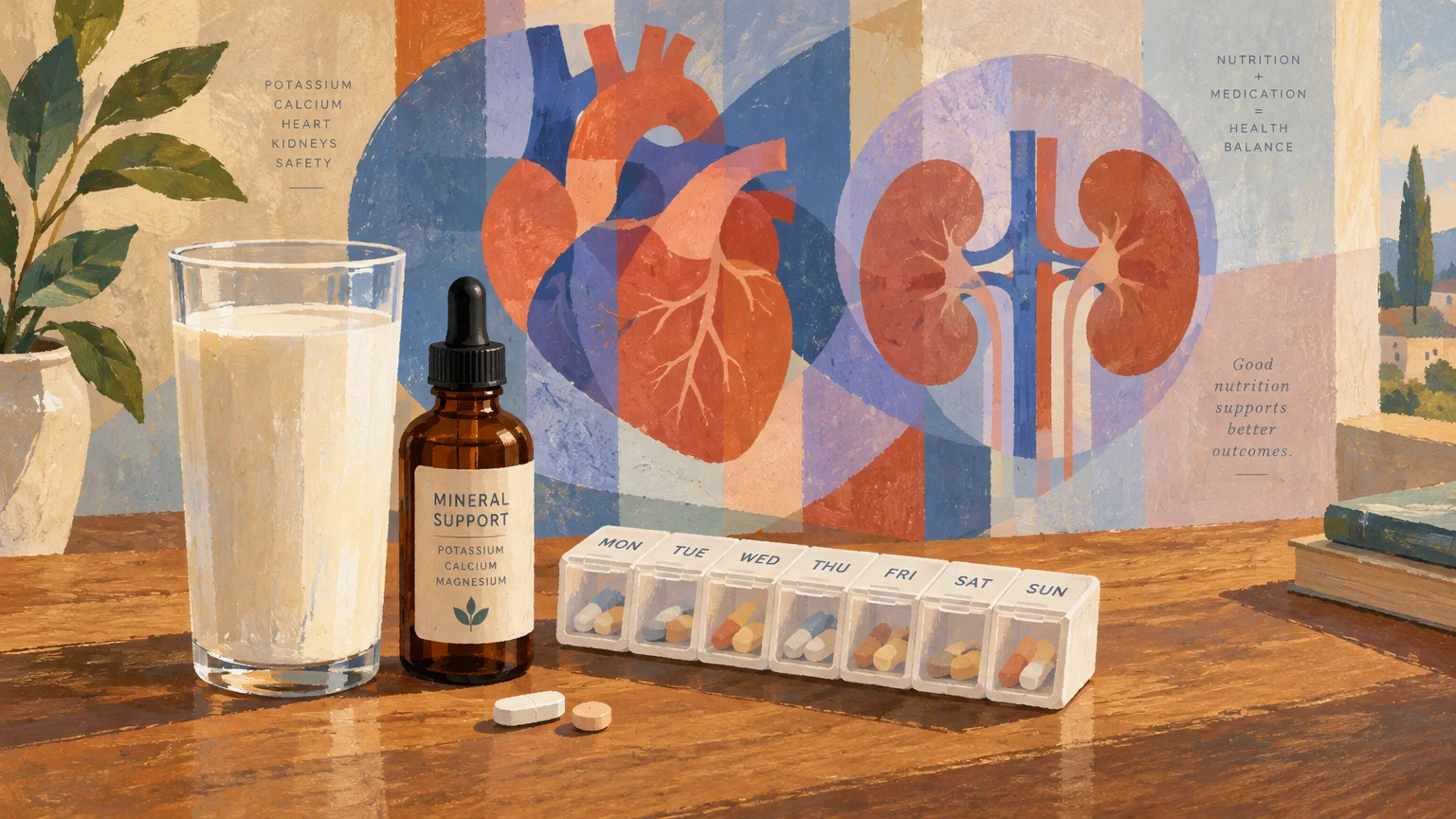
How might plant milk nutrients interact with your medications and health conditions?
Plant-based milks contain fortifying minerals, natural compounds, and thickeners that can influence daily pharmaceutical treatments. Discussing your beverage habits with your physician or pharmacist ensures your drinks do not compromise your prescribed therapies.
Fortified minerals can alter the transit time and chemical absorption of various prescription medications in your digestive tract. Understanding these physiological mechanisms prevents accidental treatment failures and keeps your therapy on track.
Sharing your daily beverage routine during routine medical checkups takes minimal time. Your care team can review potential interactions and adjust medication timing to protect your therapeutic outcomes.
Can fortified minerals interfere with your thyroid or blood pressure medications?
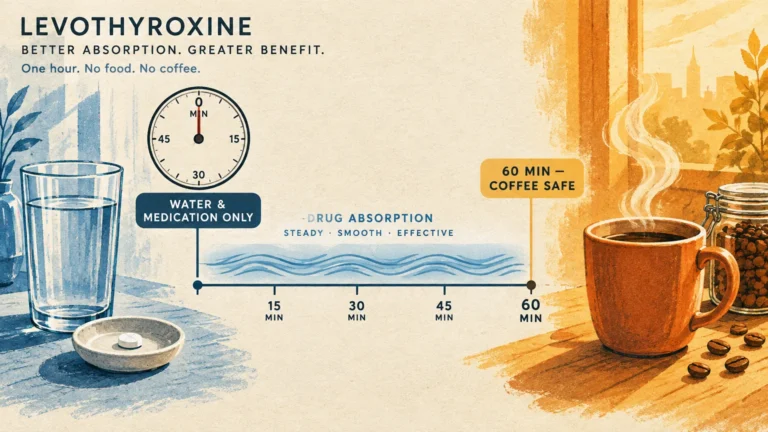
Calcium carbonate added to plant beverages binds tightly to synthetic thyroid hormones such as levothyroxine. Taking your thyroid dose alongside calcium-fortified milk severely reduces medication absorption into your bloodstream.
The National Institute on Aging recommends separating calcium-rich foods and mineral supplements from levothyroxine by at least four hours. Always consult your pharmacist to determine the safest daily schedule for your prescriptions.
Calcium and magnesium can also chelate certain oral antibiotics, including ciprofloxacin and doxycycline, making them ineffective against bacterial infections. Separate your antibiotic doses from mineral-fortified beverages by two to three hours.
If you take ACE inhibitors, angiotensin receptor blockers, or potassium-sparing diuretics, monitor potassium additives like dipotassium phosphate. Excessive potassium intake from concentrated fortified milks can increase your risk of developing hyperkalemia.
Check carton ingredient statements carefully for hidden potassium salts if your physician restricts your daily electrolyte intake. Staying mindful of these additives protects your cardiac rhythm and overall physiological stability.
How do plant milk formulations affect blood sugar and kidney health?
Oat milk undergoes enzymatic processing during manufacturing that breaks complex grain starches down into simple maltose. Even unsweetened oat milks can trigger noticeable blood glucose spikes because maltose possesses a high glycemic index.
Pairing oat milk with breakfast protein or selecting unsweetened soy milk prevents sharp rises in post-meal blood sugar. Careful pairing keeps your energy steady throughout the morning hours.
Individuals managing chronic kidney disease must pay strict attention to added inorganic phosphorus compounds like tricalcium phosphate. The human body absorbs inorganic phosphate additives far more efficiently than the organic phosphorus naturally found in whole plants.
High blood phosphorus places undue stress on impaired kidneys and draws essential calcium out of skeletal structures. Review the carton ingredient list and check with your nephrologist before purchasing heavily fortified plant beverages.
Your kidney specialist can help you pinpoint low-phosphorus, unfortified plant milks that suit your specific renal care plan. Customized beverage choices protect your renal function while preserving dietary enjoyment.

How should you choose and use plant milk throughout the day?
Selecting the right carton involves matching specific plant ingredients to your individual health priorities and daily routines. Evaluating front labels and back panels empowers you to build balanced meals without compromising flavor or nutrition.
A strategic shopping routine ensures that your chosen milk delivers adequate nourishment at every pour. Knowing how to use each beverage maximizes both nutrient bioavailability and culinary enjoyment.
What serving sizes and daily timing work best for nutrient absorption?
A standard serving of plant milk equals one 8-fluid-ounce measuring cup. Consuming your fortified beverage alongside meals that contain small amounts of healthy dietary fats enhances your absorption of fat-soluble vitamins.
Vitamins A and D require dietary lipids to travel smoothly across your intestinal lining into circulation. Enjoying fortified milk with morning eggs, ground flaxseeds, or avocado toast optimizes fat-soluble nutrient uptake.
If you drink plant milk in the evening, finish your glass roughly two hours before bedtime. This pause prevents nighttime awakenings for restroom visits and reduces the likelihood of nighttime acid reflux symptoms.
Spreading your beverage intake across the day also improves total mineral retention in your body. Your intestines absorb calcium far more efficiently in smaller, spaced doses than in one giant serving.
Which smart kitchen swaps balance nutrition with weekly grocery costs?
Plant-based milks often cost 30% to 50% more per fluid ounce than standard supermarket dairy milk. You can maximize your grocery budget by purchasing shelf-stable cartons in bulk quantities from wholesale retailers.
Reserve high-protein fortified soy milk for breakfast cereals, morning oatmeal, and recovery smoothies where protein content matters most. This targeted usage ensures you receive premium nutritional value at your primary meal.
Use less expensive unsweetened almond or oat milks for baking, sauces, or splashing into hot morning coffee. This simple kitchen swap keeps your monthly grocery expenses manageable without sacrificing daily dietary quality.
Storing unopened shelf-stable aseptic cartons in your pantry frees up refrigerator space and prevents grocery waste. Once opened, refrigerate the container promptly and consume it within seven to ten days for optimal freshness.
What questions do readers frequently ask about plant milk cartons?
Navigating carton terminology can feel overwhelming when supermarket shelves display dozens of competing claims. Clarifying common label terms helps you make swift, informed beverage selections with confidence.
Does an unsweetened label guarantee zero sugar?
The term unsweetened means the processor added no cane sugar, agave syrup, brown rice syrup, or concentrated fruit juices during manufacturing. However, the finished drink may still contain naturally occurring carbohydrates derived from the base plant source.
For example, unsweetened oat milk often lists several grams of natural carbohydrates and sugars produced during enzymatic starch breakdown. In contrast, unsweetened almond and cashew milks generally register less than 1 gram of total sugar per cup.
Always inspect the Nutrition Facts panel to distinguish between naturally occurring total sugars and harmful added sugars. Prioritizing zero added sugars protects your metabolic health and helps you maintain steady daily insulin levels.
If managing tight blood glucose control is your daily goal, unsweetened almond, soy, or pea milk remain your best choices. These options provide creamy hydration without triggering unexpected glycemic fluctuations.
Do organic plant milks always contain fewer added ingredients?
Organic certification ensures crops grow without synthetic fertilizers, genetic modification, or prohibited chemical pesticides. However, certified organic regulations frequently restrict manufacturers from adding synthetic vitamin and mineral fortification blends.
Consequently, many organic plant milks contain only water, organic nuts or grains, and sea salt. While this minimalist ingredient profile appears clean, it leaves significant nutrient gaps regarding calcium, vitamin D, and vitamin B12.
If you choose organic milks, you must obtain your essential bone-building minerals and vitamins from other dietary sources. Read the Nutrition Facts panel closely to verify whether the organic brand adds mineral fortification.
Some organic brands use mineral-rich seaweed extracts like Lithothamnium calcareum to supply organic-compliant calcium. Check the ingredients label to see if your favorite organic carton utilizes this natural fortification method.
Can you rely on almond milk for daily dietary calcium?
Raw almonds naturally supply small amounts of dietary calcium, but whole almonds cannot produce a mineral-dense beverage on their own. Commercial almond milk consists primarily of filtered water combined with roughly 2% whole almonds.
An unfortified glass of almond milk provides negligible calcium, making fortification essential for bone protection. Fortunately, most conventional manufacturers enrich their almond beverages with calcium carbonate to meet or exceed dairy benchmarks.
Always verify the calcium percentage on the back panel before relying on almond milk for skeletal support. If the carton lists less than 20% of your daily value, choose a fully fortified alternative.
Combining fortified almond milk with dietary calcium from leafy greens, canned sardines, or tofu ensures comprehensive skeletal protection. Broadening your mineral sources keeps your bones resilient regardless of which beverage you pour.
Will shaking the carton improve the nutrient density of your pour?
Yes, giving your carton a vigorous shake before each pour is vital for consistent nutrient delivery. Added calcium carbonate and tricalcium phosphate are insoluble mineral salts that naturally settle at the bottom over time.
If you pour from an unshaken container, the liquid at the top will lack essential bone-strengthening minerals. The settled minerals will remain trapped as a dense chalky residue at the bottom of the empty container.
Shaking the carton for five full seconds redistributes the mineral particles evenly throughout the liquid. This simple habit guarantees that every single glass supplies the full calcium and vitamin dosage promised on the label.
Make shaking the carton an automatic reflex whenever you retrieve plant milk from your refrigerator. This effortless five-second action delivers the full nutritional value you paid for in every glass.
What is one practical step you can take on your next grocery trip?
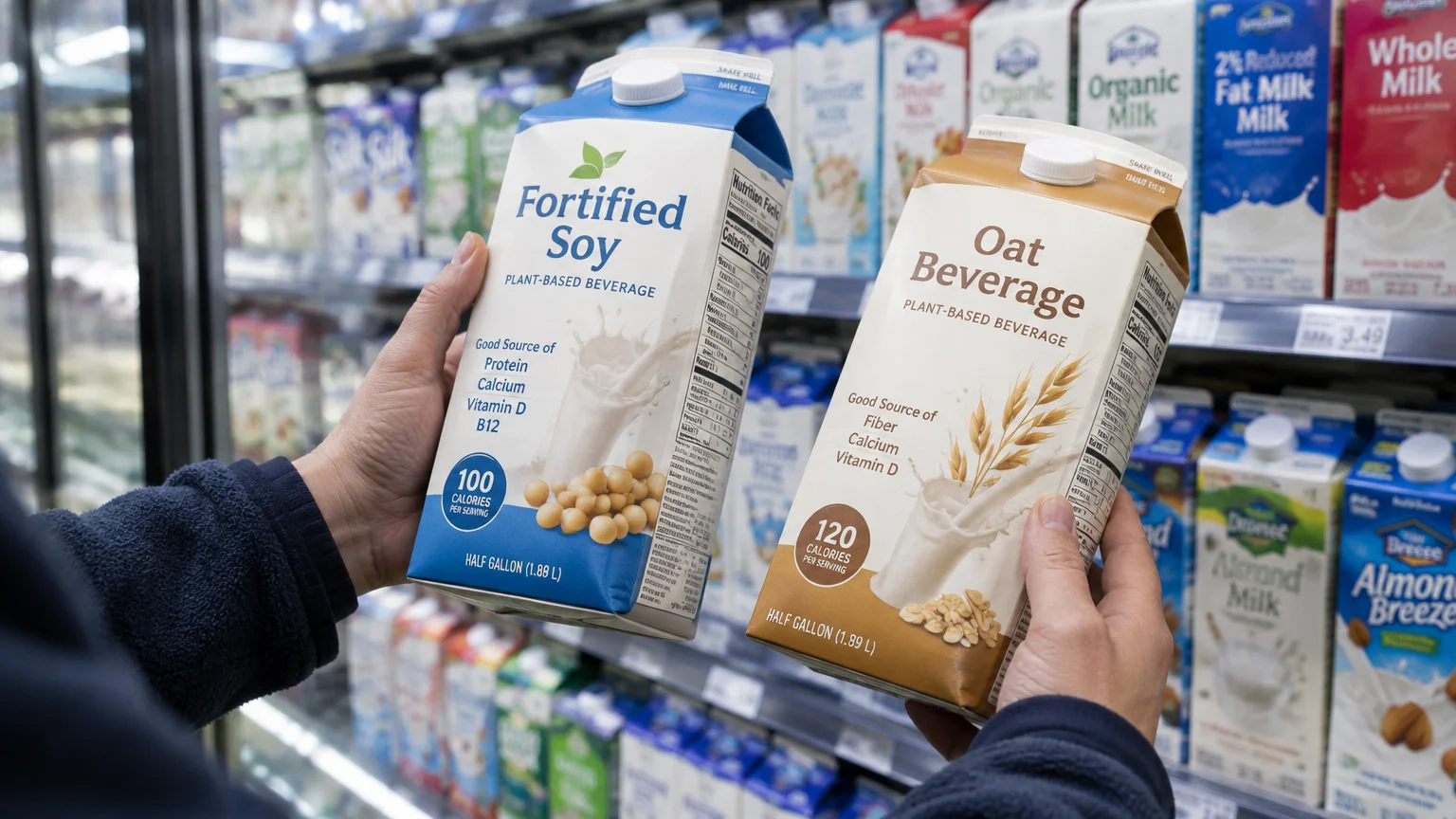
When you next visit the supermarket beverage aisle, turn one plant milk carton around to inspect its Nutrition Facts panel. Check that the product provides at least 20% daily value of calcium, 13% vitamin D, and zero added sugars.
If your favorite brand displays a front nutrient gap statement, compare it directly against an unsweetened fortified soy beverage. Making this single informed adjustment ensures your daily splash of milk actively protects your strength, bones, and vitality.
Taking control of your daily grocery choices reinforces your long-term independence and physical vigor. A thoughtful look at the label turns an ordinary morning beverage into an active investment in your health.