You can cut your monthly coffee expenses in half without sacrificing the rich morning flavor you enjoy. Dialing in your brewing ratios and storage methods keeps your favorite roast tasting fresh down to the last bean.
Grocery store coffee prices continue to strain household budgets across the country this year. Simple kitchen adjustments allow you to stretch every bag while supporting your blood pressure, digestion, and daily routine.
Learning how to brew more efficiently preserves your physical well-being alongside your wallet. Smart brewing techniques ensure that every ounce in your mug delivers peak flavor and clean energy.
Why are retail coffee prices hovering near ten dollars?
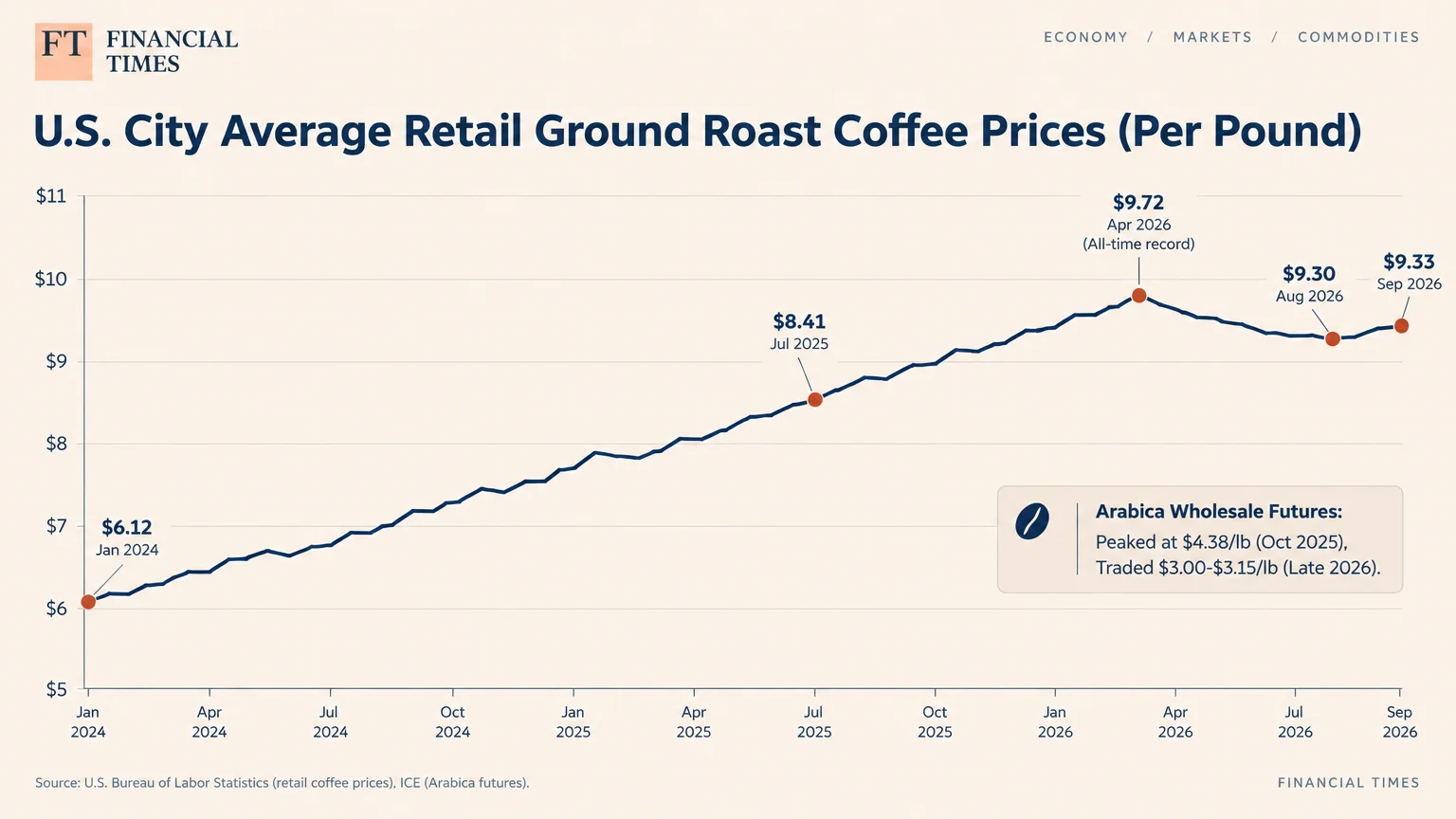
According to data from the U.S. Bureau of Labor Statistics released in October 2026, retail coffee prices hit historic highs this year. The average price for a pound of ground roast coffee in U.S. cities reached $9.33 in September 2026.
This figure reflects a steady rise from $9.30 per pound in August 2026. Earlier in the year, retail prices peaked at an all-time record of $9.72 per pound in April 2026.
The agency has tracked national coffee retail prices since 1980. The recent surge represents the steepest sustained price increase American shoppers have faced in four decades.
Prices climbed dramatically from an average of $6.12 per pound in January 2024 to $8.41 in July 2025. Costs then hovered persistently above $9.30 throughout the second half of 2026.
According to the USDA Economic Research Service Food Price Outlook updated in October 2026, retail coffee prices were 7.1% higher in September 2026 than in September 2025.
This jump significantly outpaced the broader nonalcoholic beverage category. The agency projects that nonalcoholic beverage prices will rise 4.4% overall across 2026.
Global benchmark Arabica coffee futures hit an all-time high of approximately $4.38 per pound in October 2025. Following volatile swings throughout 2026, wholesale futures traded between $3.00 and $3.15 per pound in late October 2026.
Severe climate shocks in Brazil and Vietnam drove this multi-year global price spike. Together, these two key exporting nations produce roughly half of the entire global coffee supply.
Severe droughts, erratic rainfall, and unseasonal frost depleted certified coffee stockpiles to 27-year lows. Temporary import tariffs between 10% and 50% in 2025 further strained roasters before trade exemptions took effect.
How does measuring coffee by weight eliminate daily waste?
Most people measure morning coffee grounds using plastic scoops or standard kitchen tablespoons. Unfortunately, measuring dry grounds by volume introduces enormous hidden waste into your kitchen routine.
Coffee bean density fluctuates dramatically depending on the bean variety and roast profile. Dark roasts expand significantly during roasting, making the beans larger, lighter, and less dense than light roasts.
A scoop of dense light roast can contain nearly 30% more dry coffee mass than a scoop of dark roast. Scooping blindly means you frequently toss excess grounds into the brew basket without realizing it.
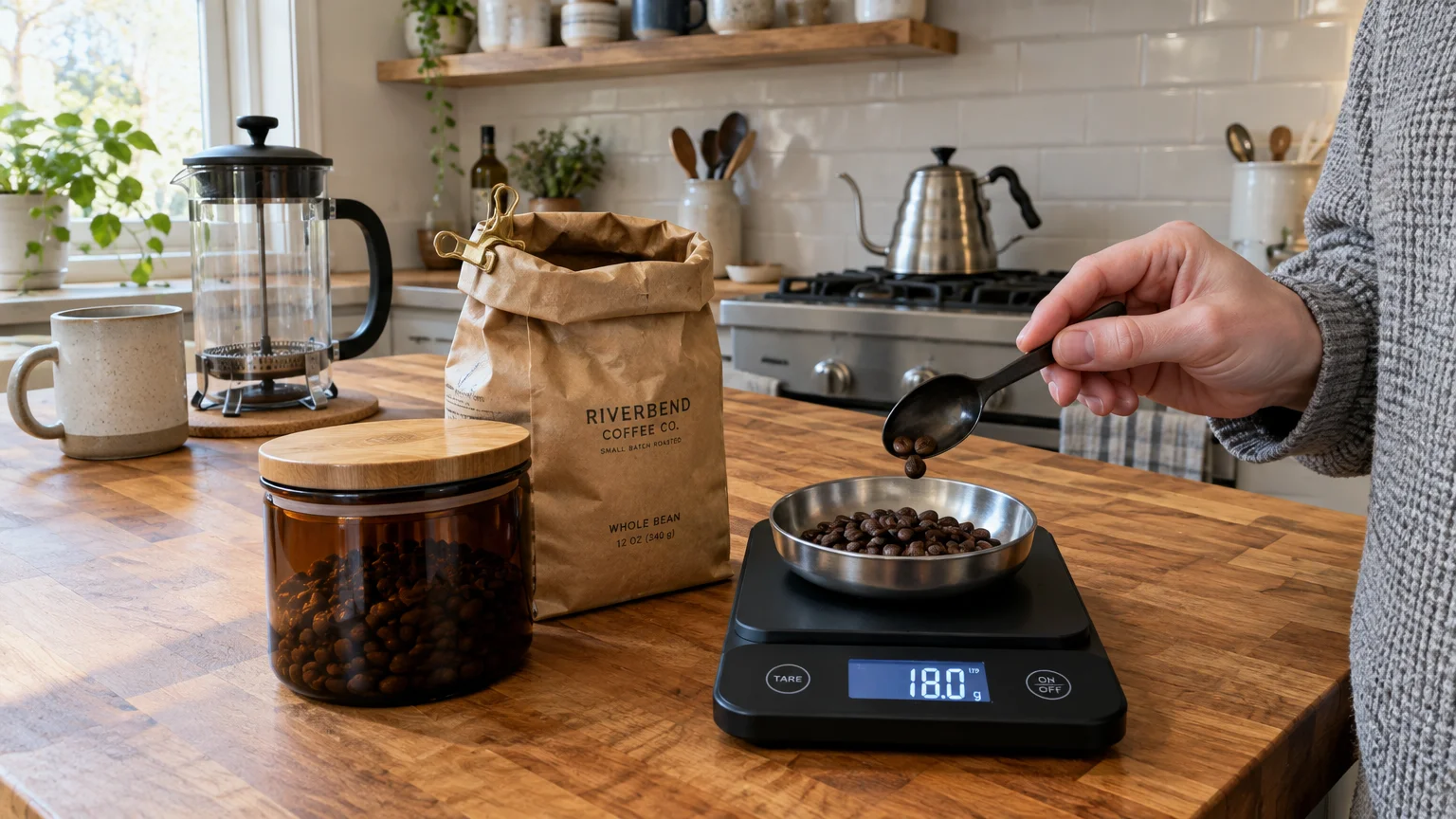
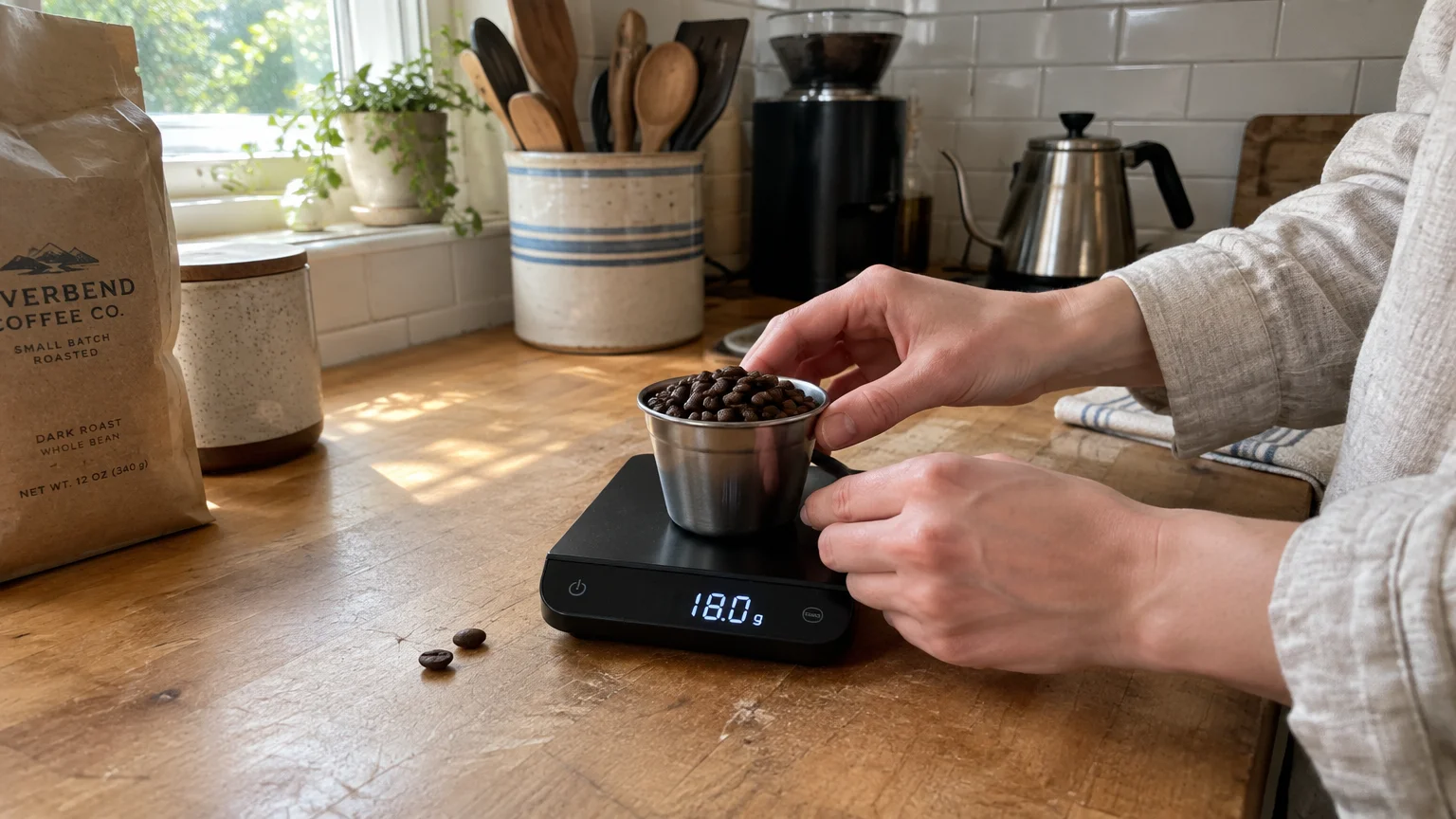
Investing in a simple digital kitchen scale solves this portioning problem immediately. Placing your brewer or filter directly on the scale guarantees exact measurements every morning.
Weighing out precisely 15 to 20 grams of coffee per serving stops accidental over-portioning. This single daily habit immediately extends the life of a standard 12-ounce bag by several days.
Consistent measurements also eliminate bitter or muddy pots that end up poured down the drain. Brewing drinkable, perfectly balanced coffee on the first attempt stops costly kitchen sink waste.
Digital scales also help you adjust flavor without buying new beans. Adding or subtracting just two grams of grounds lets you fine-tune taste while keeping your budget entirely intact.
What brewing ratio extracts the best flavor without wasting beans?
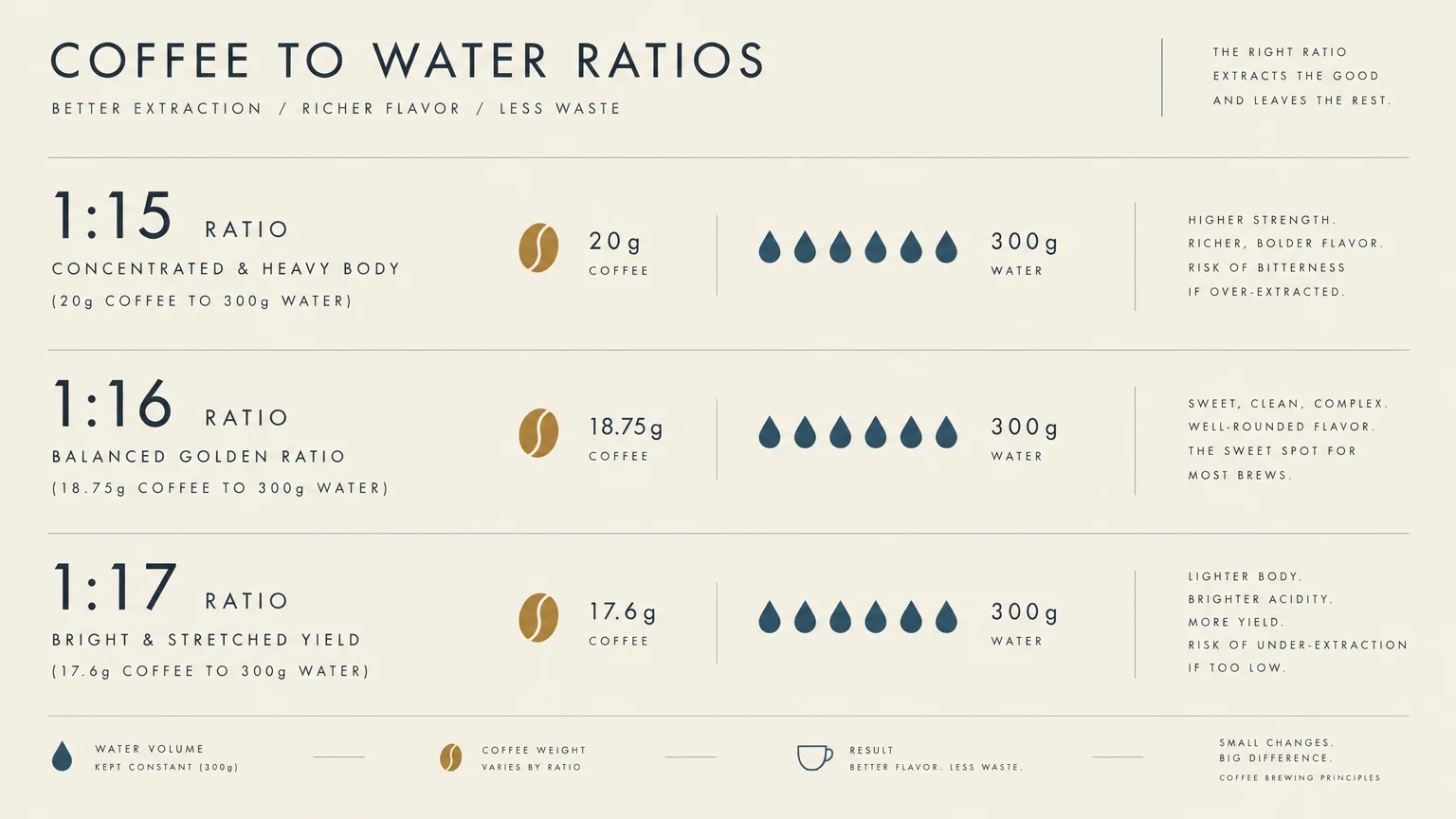
Extracting the full flavor from your grounds requires an accurate coffee-to-water brewing ratio. Professional coffee standards recommend a ratio between 1:15 and 1:17 for optimal extraction.
A 1:16 ratio serves as the ideal benchmark for everyday home drip brewing. This formula pairs one gram of coffee grounds with 16 grams of clean water.
In practical kitchen measures, 20 grams of coffee pairs with roughly 320 milliliters of water. That produces an 11-ounce mug of rich, fully extracted coffee.
Some drinkers try to save money by using half their usual grounds with a full pot of water. This practice backfires because it causes severe over-extraction.
Excess water flowing through too few grounds pulls out harsh, astringent tannins. The resulting brew tastes bitter and hollow, leading many drinkers to discard it unfinished.
Weak coffee also leaves you craving another cup mid-morning. Brewing a single, well-extracted cup at the proper ratio satisfies your palate and keeps your total daily consumption lower.
Water temperature also directly controls your extraction efficiency. Keep your brewing water between 195°F and 205°F to dissolve desirable flavor compounds without scorching the roast.
Water that is too cool fails to extract soluble oils, wasting the potential flavor inside your beans. Running your machine through a quick hot-water rinse first helps maintain proper brew temperatures.
Can cold brew concentrate lower your monthly coffee expenses?
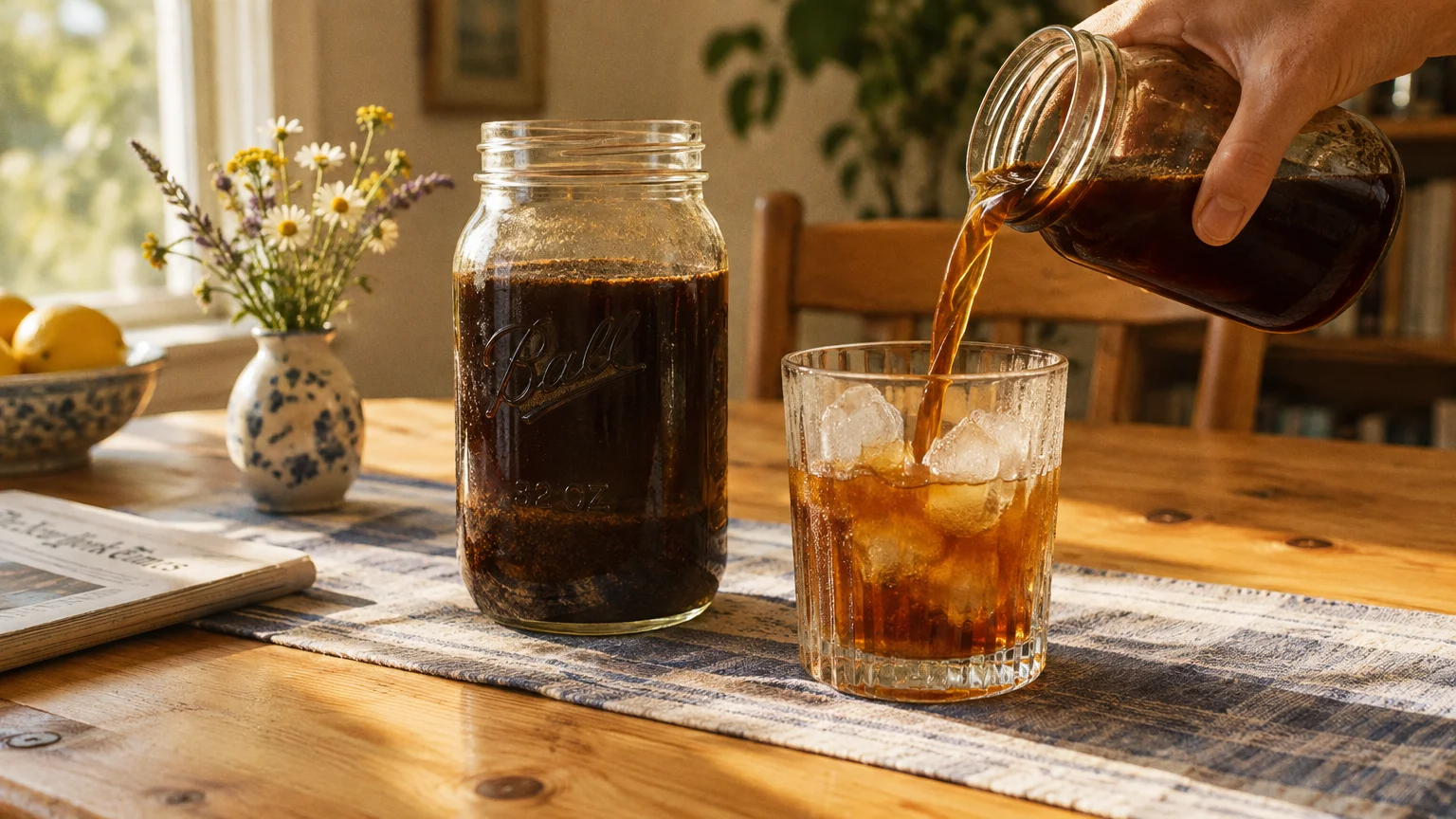
Cold brewing offers one of the most efficient ways to stretch expensive coffee beans. The extended immersion extraction pulls deep flavors from coarsely ground coffee without needing heat.
You can prepare a strong concentrate using a 1:4 or 1:5 ratio of coffee to room-temperature water. Let the mixture steep on your counter or in your refrigerator for 16 to 20 hours.
Straining the liquid leaves you with a potent base that keeps fresh in the refrigerator for two weeks. Because the concentrate stays stable, you never throw away stale, lukewarm coffee pots.
To serve your morning drink, dilute one part concentrate with one part boiling water for hot coffee. Alternatively, mix it with cold water or milk over ice for an afternoon beverage.
Cold extraction also produces a beverage with substantially lower titratable acidity. Gentle brewing reduces the extraction of stomach-irritating volatile acids that trigger heartburn.
If you manage acid reflux or sensitive digestion, cold brew delivers robust coffee flavor with less gastrointestinal distress. You enjoy your coffee without buying expensive antacids or specialized low-acid brands.
Cold brewing also tolerates less expensive bean varieties exceptionally well. The slow extraction masks the harsh edges of budget roasts, turning affordable beans into a silky, chocolatey beverage.
Should you buy whole bean or pre-ground coffee to save money?
Pre-ground coffee often seems like the more economical choice at the grocery store. However, buying whole bean coffee provides superior financial value over the life of the bag.
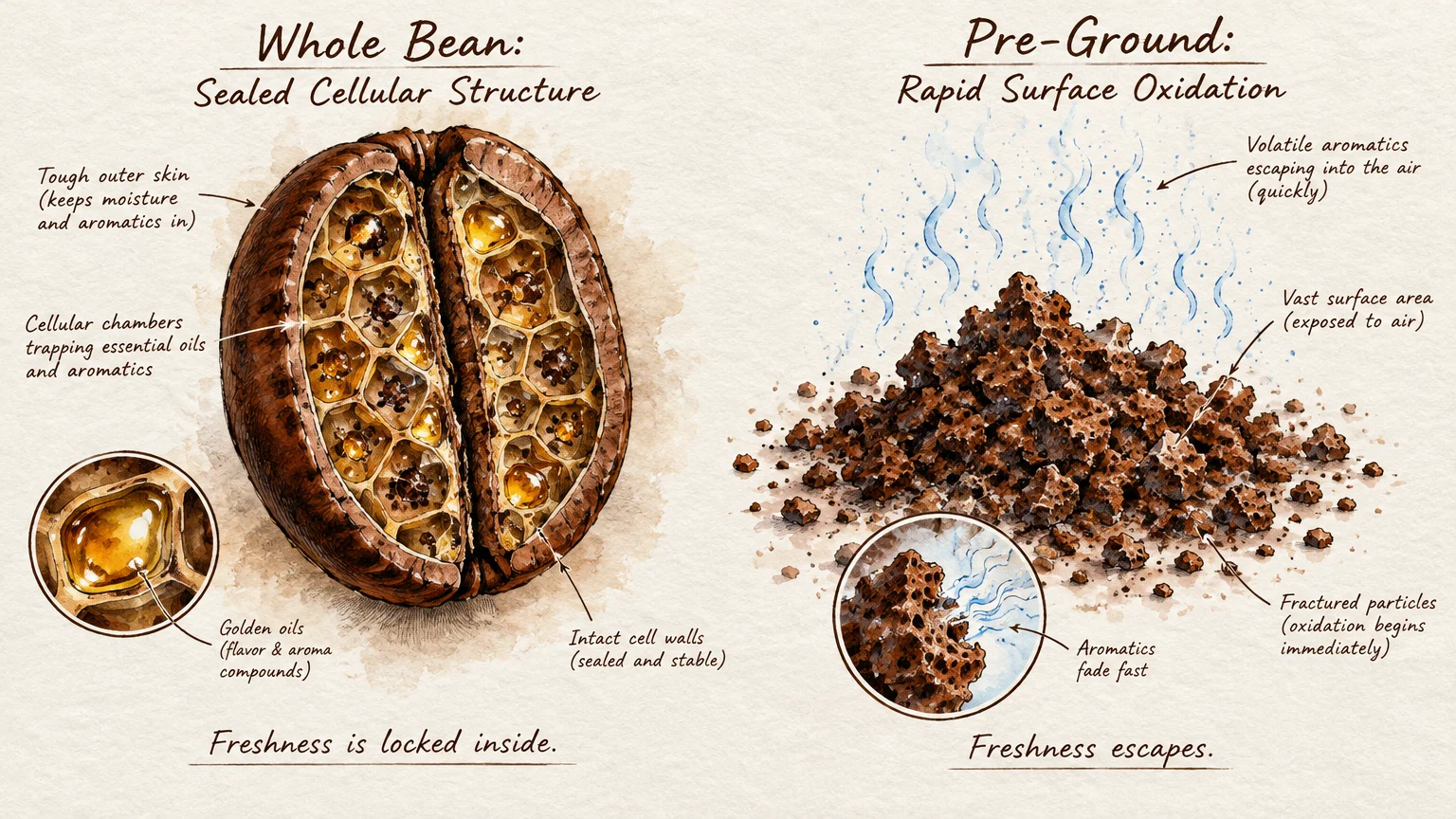
Grinding ruptures the cellular structure of the coffee bean, exposing thousands of tiny surfaces to ambient air. Ground coffee begins losing aromatic oils and carbon dioxide within hours of opening the bag.
When pre-ground coffee stales, it loses its vibrant flavor and develops a dull, bitter bite. Many people respond by scooping extra grounds into their brewer, accelerating their bag consumption.
Whole beans trap aromatic oils inside their protective outer shell for several weeks after roasting. Grinding only what you need right before brewing extracts vibrant flavor from smaller quantities of coffee.
A basic manual burr grinder or compact electric grinder costs very little. That modest upfront equipment expense pays for itself within months by maximizing the flavor extracted from every bean.
Whole beans also give you the flexibility to adjust your grind size for different brewing methods. You can grind coarsely for cold brew or medium-fine for drip without purchasing separate bags.
How should you store beans to keep them fresh until the final scoop?
Coffee beans lose their delicate flavor compounds rapidly when exposed to the open environment. Oxygen, moisture, heat, and direct light degrade the volatile aromatic oils inside roasted beans.
Stale beans yield flat, sour coffee that prompts drinkers to use heavier doses to compensate. Protecting your beans preserves their strength, allowing you to use less dry coffee per cup.
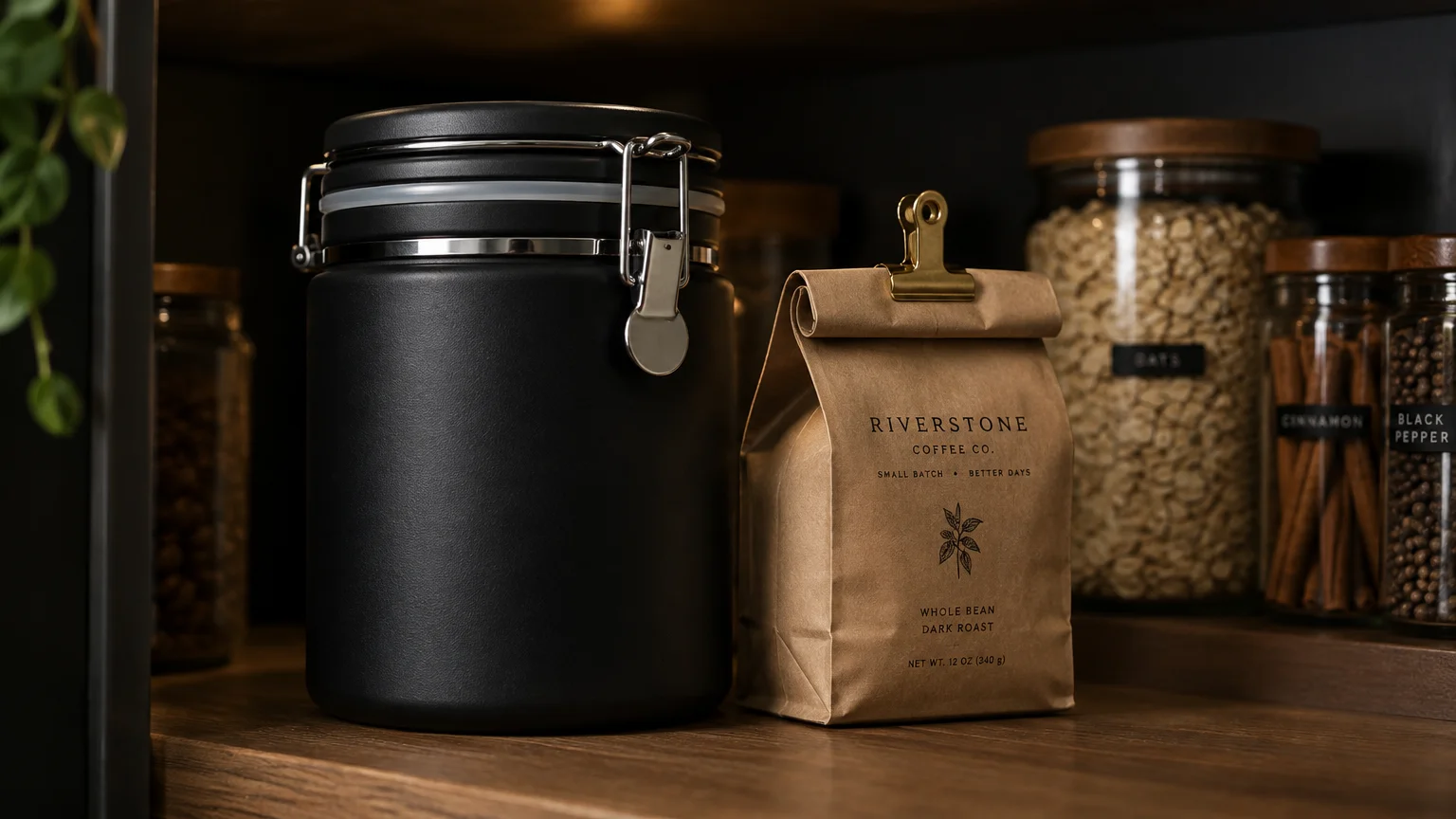
Store your whole beans in an airtight container with an opaque body. Keep the container inside a cool, dry kitchen cabinet away from your stove and direct sunlight.
Avoid keeping your daily coffee container inside the refrigerator. Every time you open the chilled container, warm room air enters and condenses moisture onto the cold beans.
Moisture accelerates staling and dissolves aromatic oils long before the beans reach your coffee grinder. Keep your daily supply strictly at room temperature in a sealed environment.
If you purchase beans in bulk to secure a lower unit price, freezing can work under strict conditions. Divide the bulk bag into small, weekly portions sealed inside airtight freezer bags.
Remove only one sealed packet at a time and allow it to reach room temperature before opening. This practice prevents condensation from degrading the resting beans while locking in freshness for months.
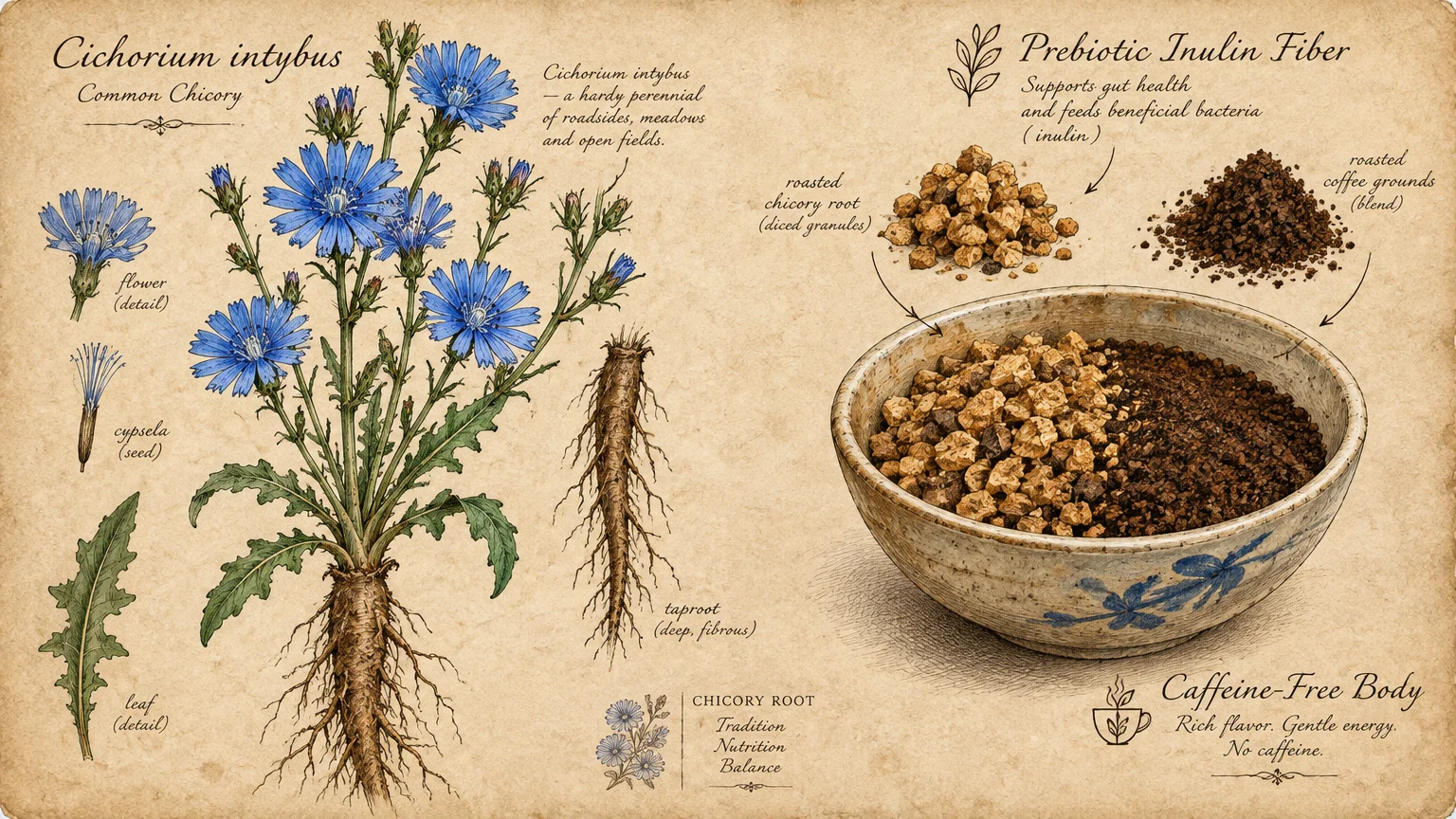
Is blending coffee with chicory root safe and economical?
Blending roasted chicory root with ground coffee offers a time-tested strategy for reducing grocery costs. Chicory comes from the herbaceous plant Cichorium intybus, which processors roast and grind like coffee.
French and New Orleans culinary traditions embraced chicory during historic economic blockades. Today, roasted chicory costs substantially less per pound than premium roasted Arabica coffee.
Mixing one part roasted chicory with four parts ground coffee creates a rich, dark brew. This simple 20% blend immediately extends the life of every coffee bag you purchase.
Chicory imparts a deep, slightly woody flavor that mimics dark roast coffee with a natural hint of sweetness. It also adds significant body, making a lighter cup feel thick and satisfying.
From a nutritional standpoint, chicory root contains inulin, a type of soluble prebiotic fiber. Inulin nourishes beneficial bifidobacteria in your colon, supporting gut microbiome health and digestive regularity.
Chicory is completely caffeine-free, which helps you naturally taper your caffeine consumption. However, the high inulin content can cause mild gas or abdominal bloating if you introduce it too rapidly.
Individuals with gallstones should exercise caution, as chicory can stimulate bile secretion. Always check with your doctor or pharmacist before introducing novel botanical roots if you manage gallbladder or liver conditions.
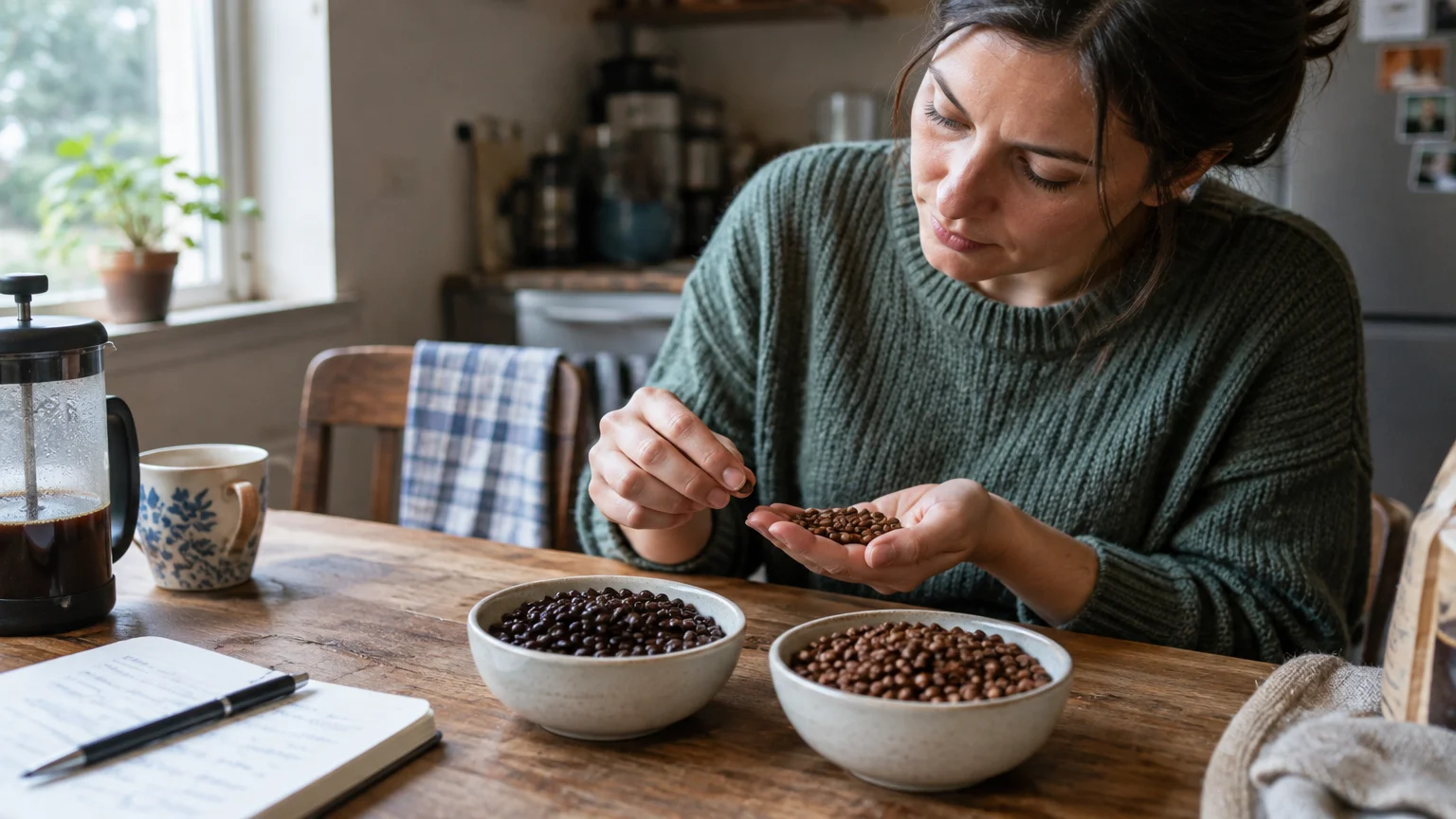
Can combining Arabica with Robusta beans lower your costs?
Most specialty coffees feature 100% Arabica beans, which command higher market prices due to delicate growing requirements. Robusta beans grow at lower altitudes and produce higher crop yields, making them noticeably cheaper.
Robusta coffee contains nearly double the caffeine concentration of Arabica coffee. It also produces a heavier crema and a bold, earthy flavor with pleasant chocolate and nutty undertones.
Purchasing an Italian-style blend that contains 20% to 30% Robusta can trim your coffee bill substantially. The intense body of Robusta means you need fewer grounds to brew a robust, punchy cup.
Because Robusta carries more caffeine per ounce, a smaller mug delivers the morning alertness you desire. Drinking a smaller volume saves grounds while reducing total fluid volume before your morning walk.
However, the heightened caffeine content in Robusta warrants mindfulness if you monitor your blood pressure. Those sensitive to caffeine should test small portions to avoid palpitations or sudden vascular tension.
If you take cardiac medications, ask your physician or pharmacist whether higher-caffeine Robusta blends suit your health profile. Modest blending offers savings, but personal physiological tolerance must always come first.
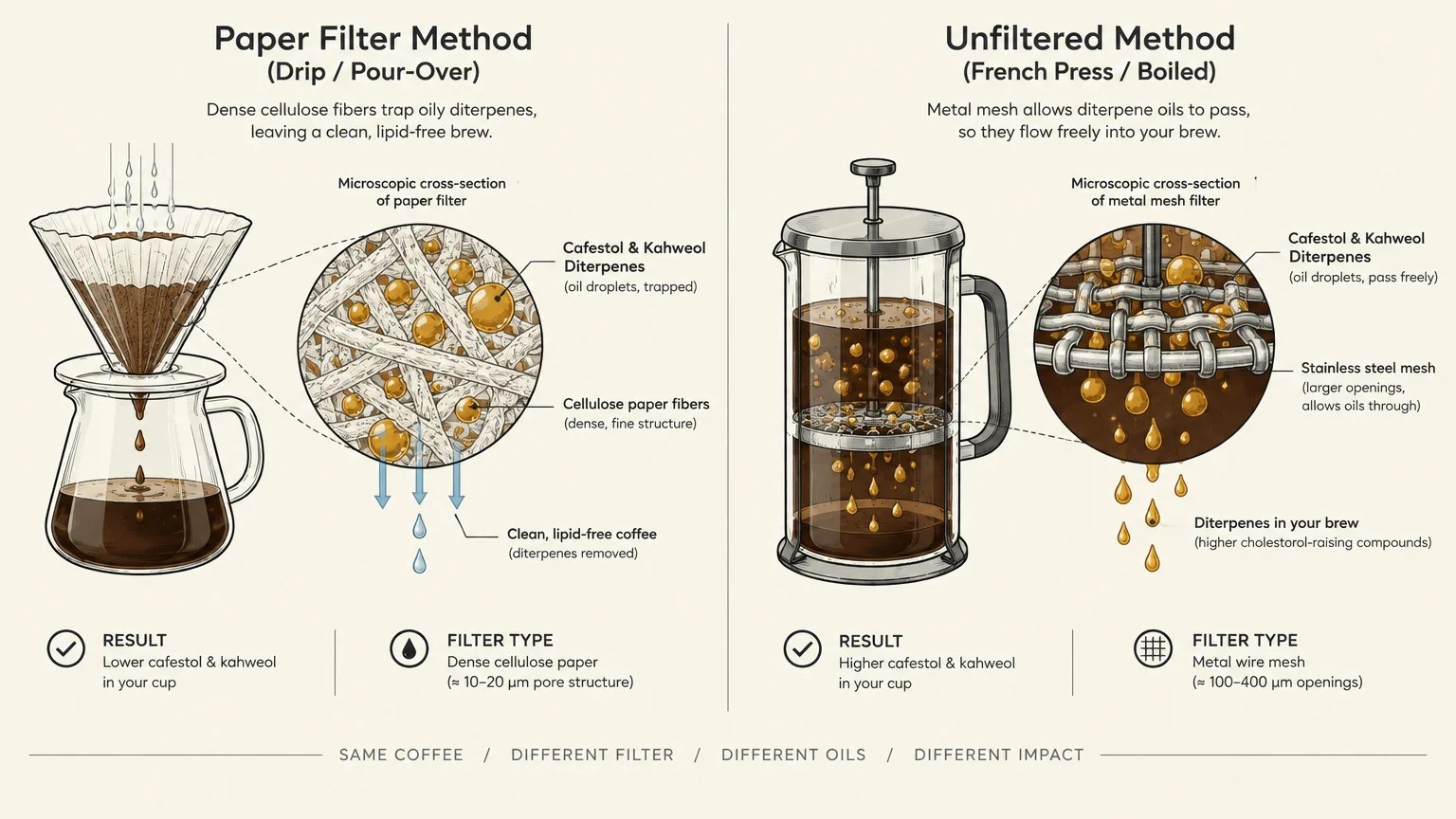
Which coffee brewing methods best protect your heart and cholesterol?
How you brew your coffee directly affects your blood lipid profile. Coffee beans naturally contain oily chemical compounds known as diterpenes, primarily cafestol and kahweol.
Cafestol acts as a potent cholesterol-raising agent in the human digestive system. It suppresses the natural enzyme pathway in the liver responsible for clearing low-density lipoprotein cholesterol.
Unfiltered brewing methods allow these diterpenes to pass directly into your finished cup. French presses, Turkish coffee pots, espresso makers, and metal mesh filters leave high levels of cafestol in the liquid.
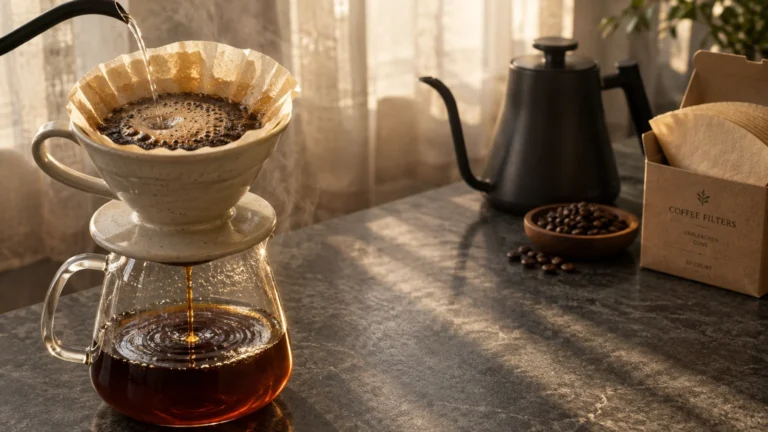
Standard paper coffee filters trap nearly all cafestol and kahweol before they reach your mug. The micro-pores in bleached or unbleached paper catch the oily compounds while letting flavorful water-soluble molecules pass through.
According to research reviewed by the American Heart Association, drinking unfiltered coffee regularly can elevate blood cholesterol levels. Switching to paper-filtered coffee helps keep circulating LDL cholesterol stable.
Paper filters represent one of the cheapest coffee accessories you can buy. A box of paper filters costs pennies per week while protecting both your cardiovascular health and your grocery budget.
If you love your French press, consider pouring the finished liquid through an inexpensive paper cone filter. This simple step strips away cafestol without requiring you to purchase an entirely new coffee machine.
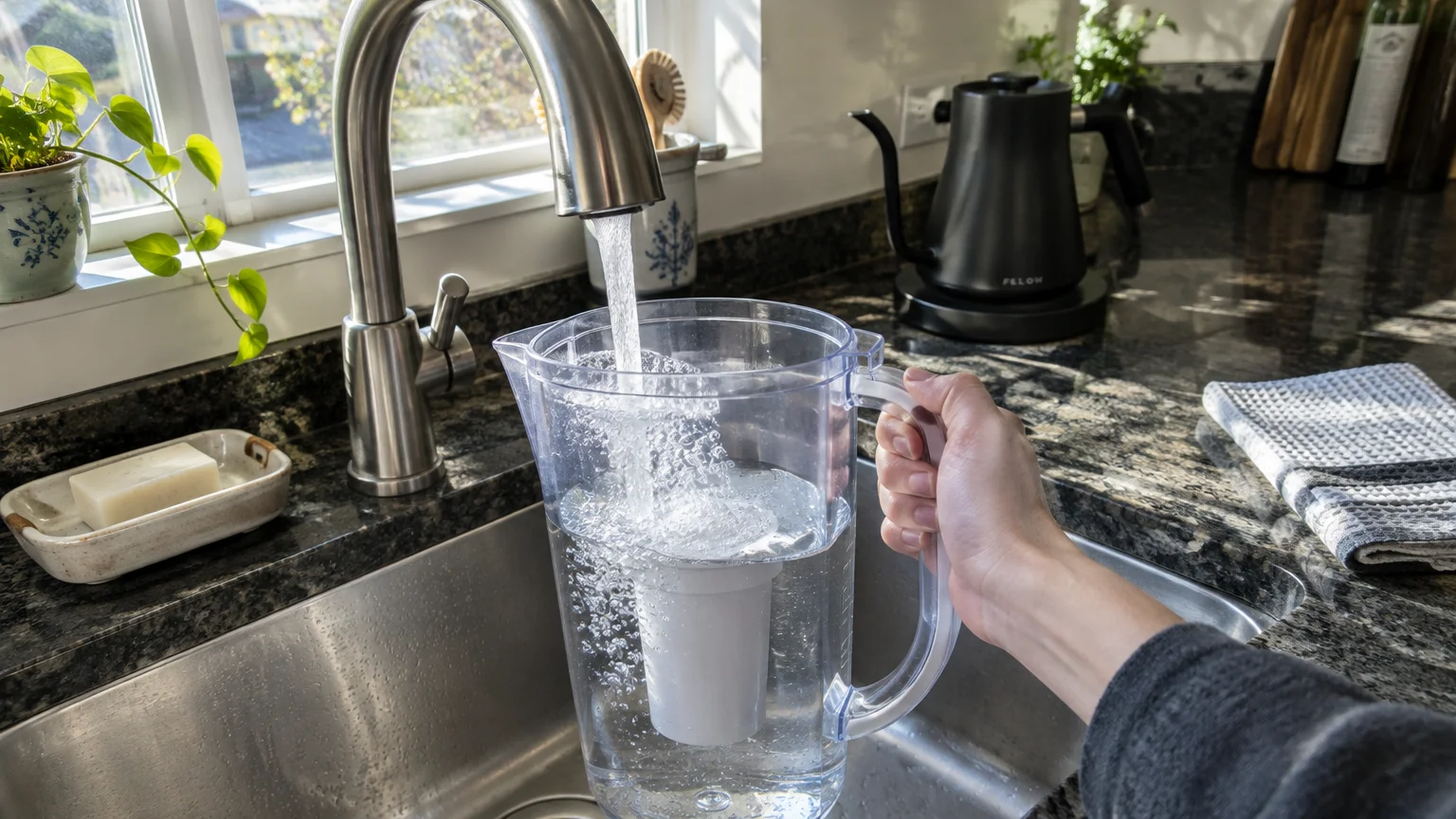
How does tap water mineral balance affect your coffee extraction?
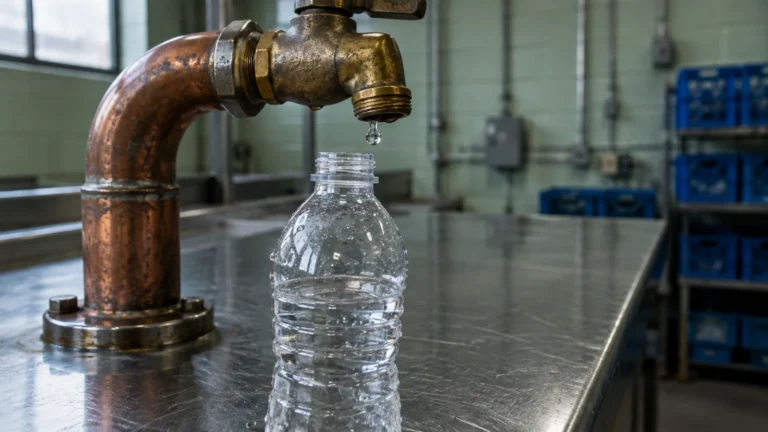
Brewed coffee consists of roughly 98% water. The mineral content in your household tap water directly determines how efficiently flavor compounds extract from dry grounds.
Extremely hard water contains heavy concentrations of calcium and bicarbonate minerals. These dissolved minerals neutralize delicate coffee acids and produce a chalky, bitter brew that masks natural sweetness.
When coffee tastes dull and chalky from hard water, consumers often add more grounds to compensate. This wasteful habit burns through bags quickly without fixing the underlying water chemistry problem.
Conversely, distilled or reverse-osmosis water lacks the dissolved magnesium ions needed to bind with flavor compounds. Pure water leads to weak, sour extraction regardless of how many beans you use.
Using an inexpensive carbon filter pitcher strikes the ideal mineral balance for home coffee brewing. Filtered tap water removes harsh chlorine odors while preserving the dissolved minerals needed for clean flavor extraction.
Filtering your water also prevents mineral scale from building up inside your coffee maker’s heating element. A clean heating element reaches proper extraction temperatures faster, saving electricity and prolonging machine life.
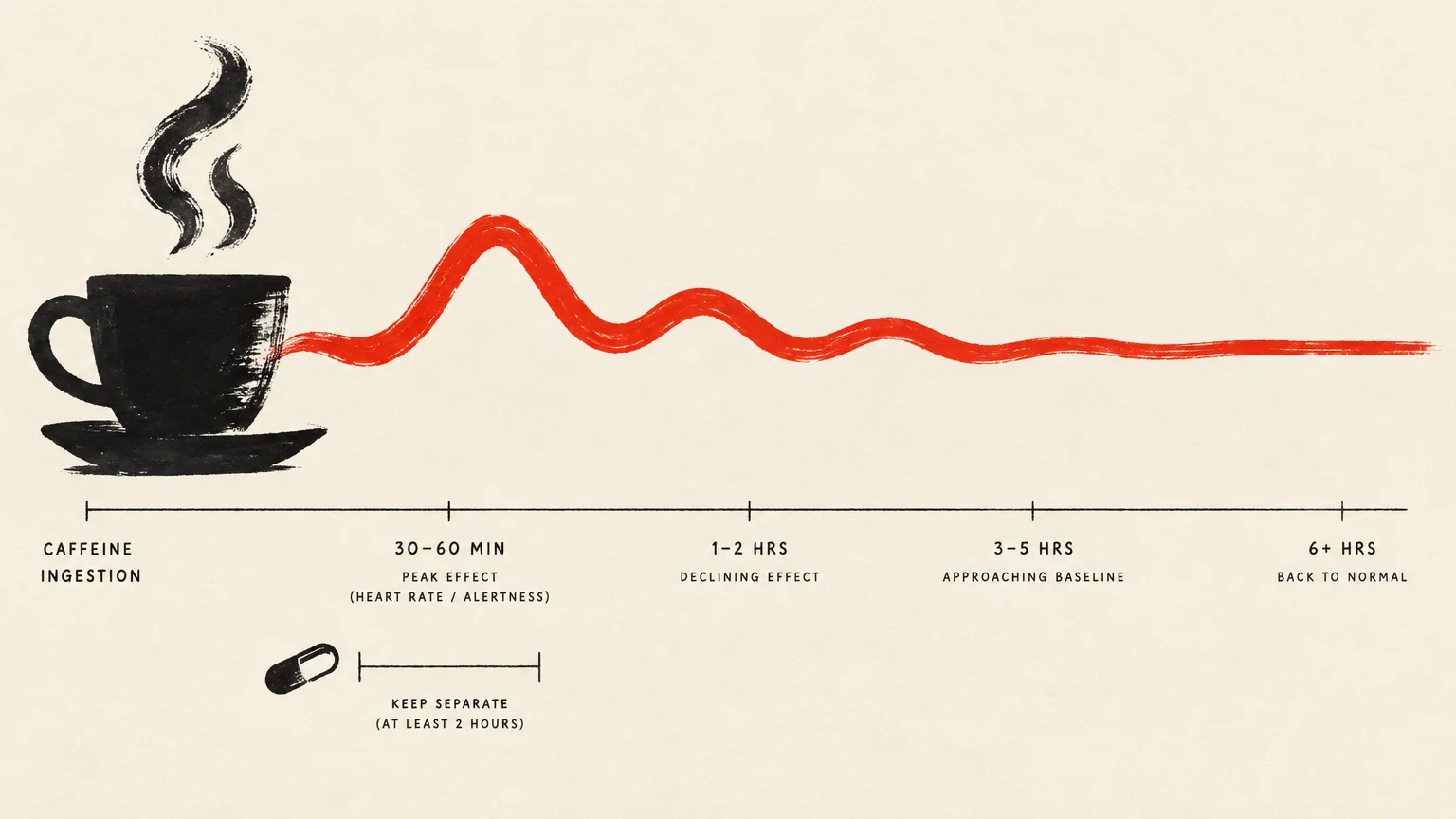
How does caffeine interact with blood pressure and common medications?
Stretching your coffee budget also requires paying close attention to your daily caffeine intake. As your body ages, the liver clears caffeine more slowly due to reduced hepatic blood flow and altered enzyme activity.
The liver enzyme CYP1A2 breaks down caffeine, but this metabolic process often slows over time. A mug of coffee that caused no issues years ago may now trigger afternoon jitters or elevated blood pressure.
Caffeine stimulates your adrenal glands and temporarily constricts blood vessels. This reaction can cause an acute spike in systolic and diastolic blood pressure for two to three hours after drinking.
The U.S. Food and Drug Administration states that 400 milligrams of caffeine daily is generally safe for healthy adults. That amount corresponds to roughly three to four eight-ounce cups of standard brewed coffee.
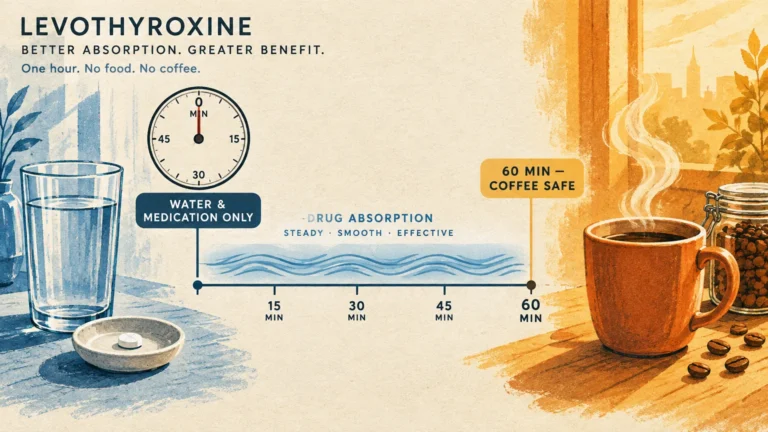
Caffeine also interferes with the absorption of several vital morning medications. Taking thyroid hormone replacement medication, such as levothyroxine, with coffee can reduce drug absorption by up to 50%.
Bisphosphonates used for osteoporosis management similarly require fasting water for proper bioavailability. Coffee can bind to calcium, iron supplements, and certain cardiac medications, drastically blunting their clinical benefits.
Always swallow daily prescription tablets with a full glass of plain water upon waking. Wait at least 30 to 60 minutes before pouring your first cup of coffee, or consult your pharmacist for guidance.
Excessive caffeine intake can also accelerate urinary calcium excretion through the kidneys. To safeguard bone mineral density, maintain adequate dietary calcium intake and avoid drinking more than three cups per day.
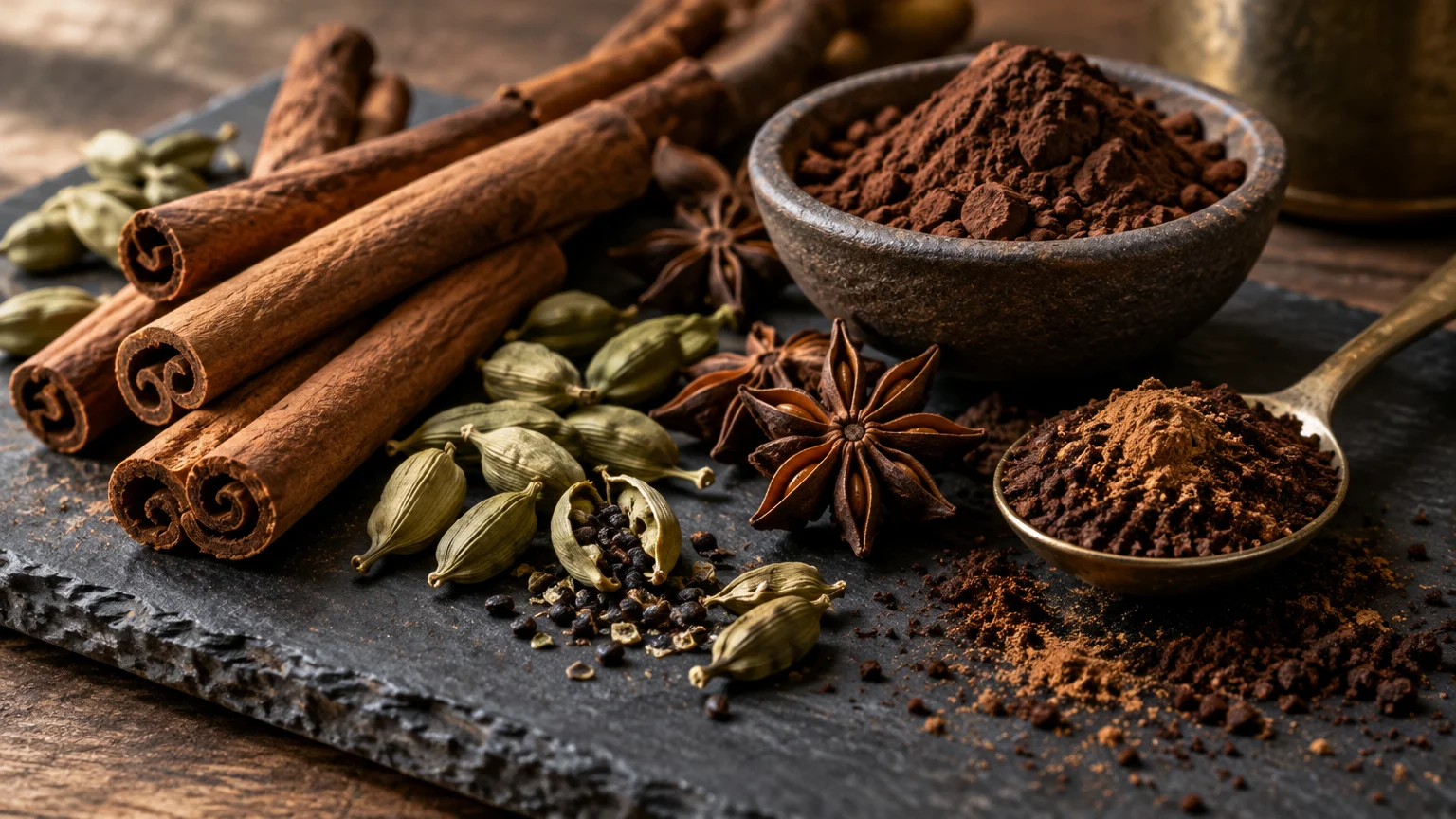
How can you replace expensive coffee syrups without raising blood sugar?
Commercial coffee shops charge exorbitant prices for flavored lattes and sweetened specialty drinks. These beverages also load your system with refined sugars, artificial flavorings, and saturated fats.
Bottled grocery store creamers frequently contain hydrogenated palm oils, corn syrup solids, and synthetic thickeners. These ingredients can elevate fasting blood sugar and promote chronic vascular inflammation over time.
You can recreate warm, aromatic flavors at home for a fraction of the price. Adding ground spices directly to your dry grounds before brewing infuses the entire pot with natural flavor.
Ground Ceylon cinnamon adds a sweet, warming note without containing a single gram of sugar. Cinnamon also contains polyphenolic compounds that help support healthy post-meal glucose metabolism.
Try adding a dash of ground nutmeg, crushed cardamom pods, or pure vanilla extract to your brew basket. These pantry spices impart rich complexity, making budget-friendly coffee taste like a high-end gourmet blend.
For creamy texture, swap commercial creamers for a splash of whole milk or unsweetened soy milk. These options deliver genuine protein and calcium while avoiding added sugars and processed oils.
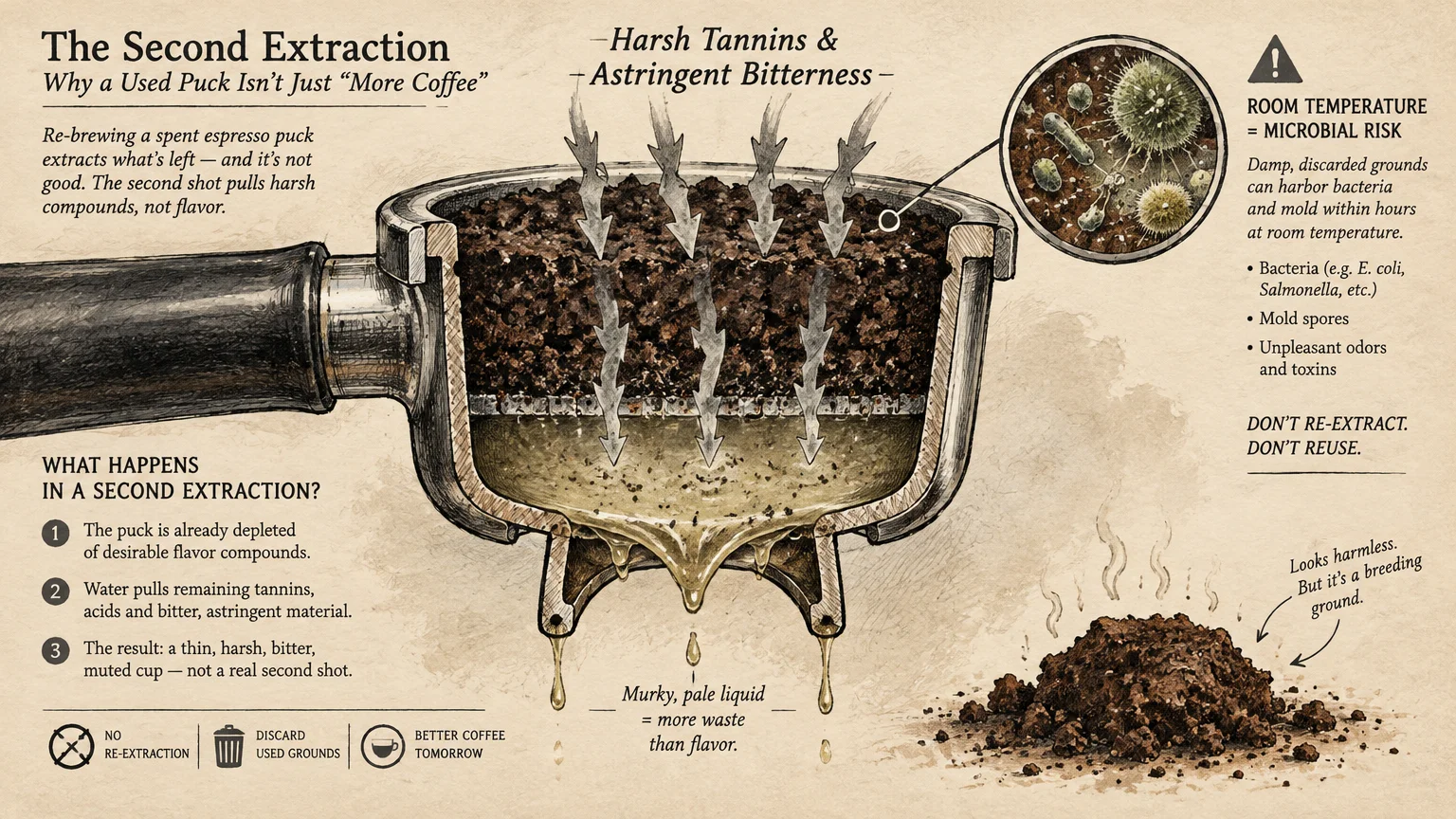
Does re-brewing spent coffee grounds pose any health or flavor risks?
Some frugal consumers attempt to run hot water through used coffee grounds to brew a second pot. While this idea seems thrifty on the surface, it ruins your morning drinking experience.
The initial brewing process dissolves between 18% and 22% of the coffee bean mass. This first extraction removes virtually all desirable aromatic oils, sugars, and pleasant organic acids.
Passing hot water through the grounds a second time extracts harsh, insoluble woody fibers. The resulting brew contains heavy concentrations of astringent polyphenols and bitter decomposition compounds.
Second-run coffee tastes flat, muddy, and intensely bitter while offering almost no invigorating caffeine. Furthermore, these over-extracted bitter compounds can irritate your gastric lining, causing heartburn or indigestion.
Re-using wet coffee grounds left sitting in a machine also invites rapid bacterial and mold growth. Warm, damp coffee beds provide an ideal breeding ground for airborne fungal spores within just a few hours.
Instead of brewing old grounds, compost them in your garden to enrich soil with nitrogen. You can also place dried spent grounds in an open dish inside your refrigerator to absorb stubborn odors naturally.
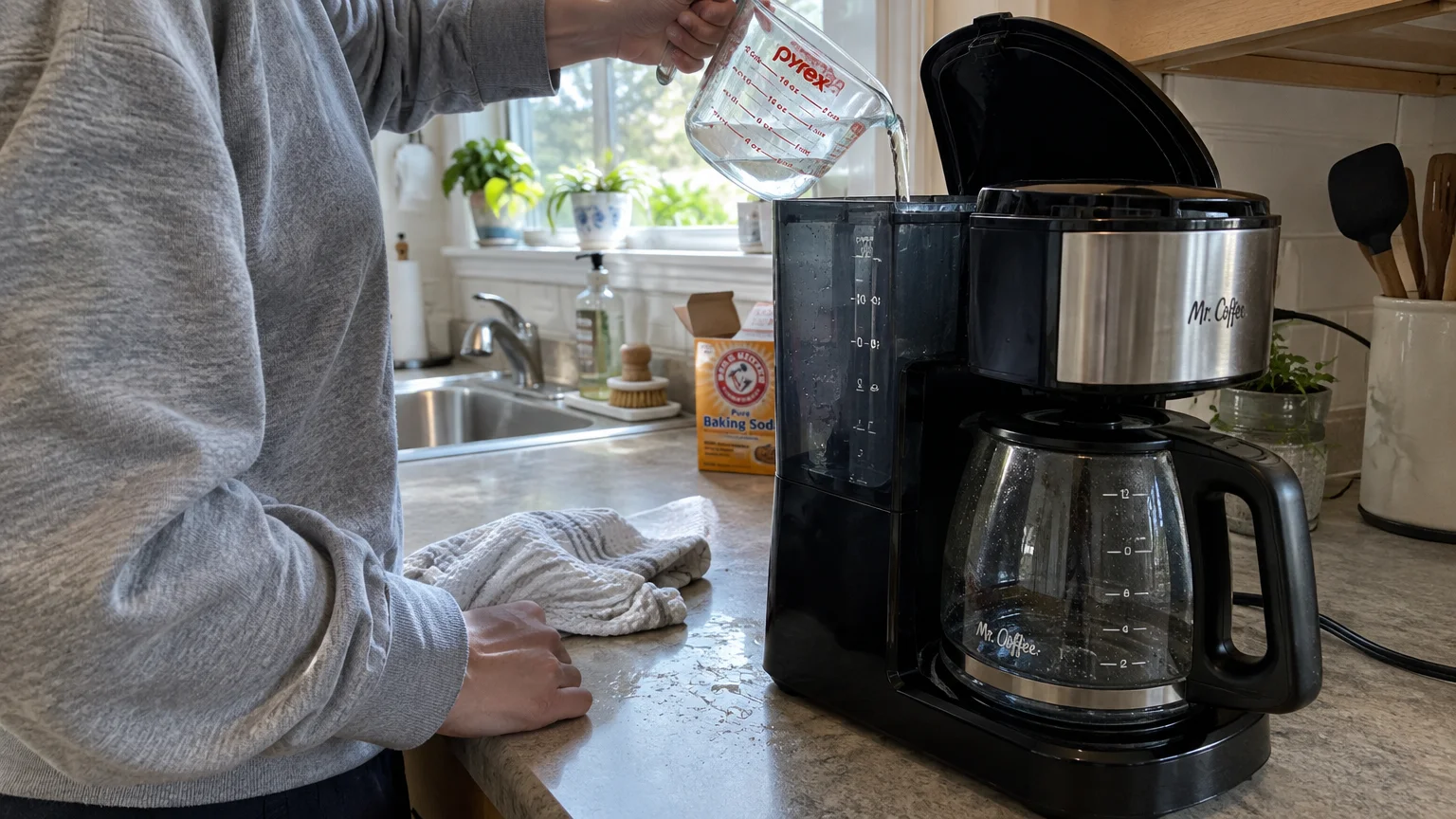
How does regular machine cleaning prevent unnecessary coffee waste?
Mineral scale and rancid coffee oils accumulate inside your coffee maker with every pot you brew. Over time, these microscopic residues impart a stale, burnt taste to freshly brewed coffee.
When buildup degrades cup quality, many people assume their coffee beans have gone bad. They frequently discard half a bag or use heavier scoops to overpower the foul residue.
Cleaning your machine once a month restores clean brewing performance and saves money on beans. Running equal parts distilled white vinegar and water through your machine dissolves stubborn mineral deposits.
Follow the vinegar cycle with two cycles of clean, cold water to flush away all acidic odors. This simple cleaning routine ensures your machine heats water to the correct extraction temperature.
Clean brew baskets and glass carafes with warm, soapy water after every use. Removing residual oils ensures that every fresh scoop of coffee tastes crisp, clean, and satisfying.
How does proper sleep hygiene protect your caffeine tolerance?
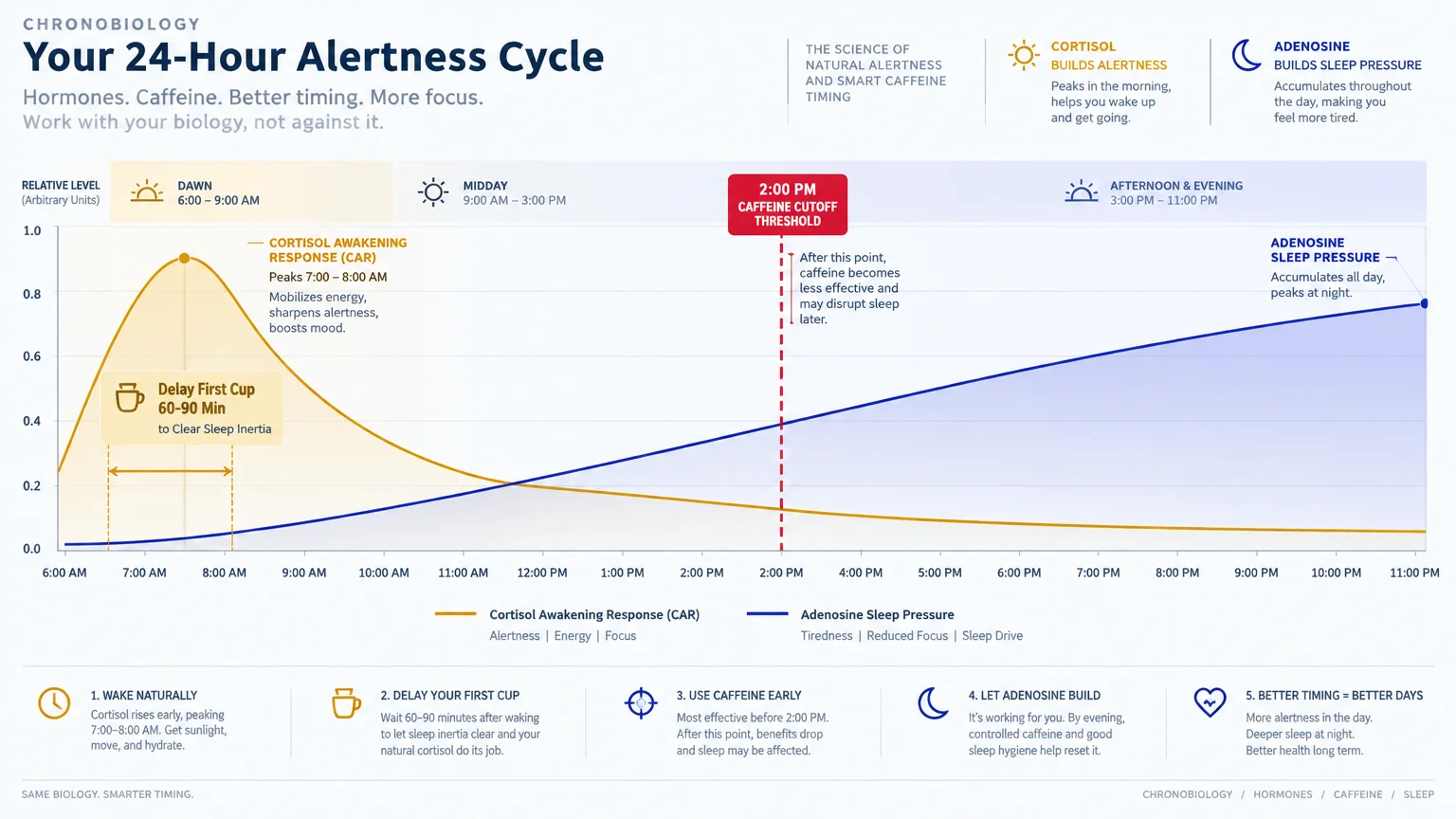
Your sleep quality directly influences how much coffee you consume each day. Poor sleep creates a cycle of exhaustion that drives you to drink more coffee to stay alert.
The National Institute on Aging emphasizes that restful sleep remains essential for memory consolidation and cardiovascular recovery. Excessive afternoon caffeine severely disrupts this nocturnal restorative process.
Caffeine has an average elimination half-life of five to seven hours in healthy adults. If you finish a large mug at three in the afternoon, half that caffeine remains active at nine tonight.
Circulating caffeine blocks adenosine receptors in your brain, preventing the natural chemical signals that induce deep slow-wave sleep. Even if you fall asleep, caffeine reduces the restorative quality of your rest.
Waking up unrefreshed tempts you to brew extra pots of coffee the next morning. This escalating habit drives up your weekly bean consumption and places added strain on your household grocery budget.
Establish a firm caffeine curfew by switching to water or herbal tea after twelve noon. Preserving deep sleep naturally restores your morning vitality, allowing a single small cup of coffee to feel completely invigorating.
What common coffee questions do budget-conscious drinkers ask most often?
Does buying bulk coffee beans actually save money if you drink one cup a day?
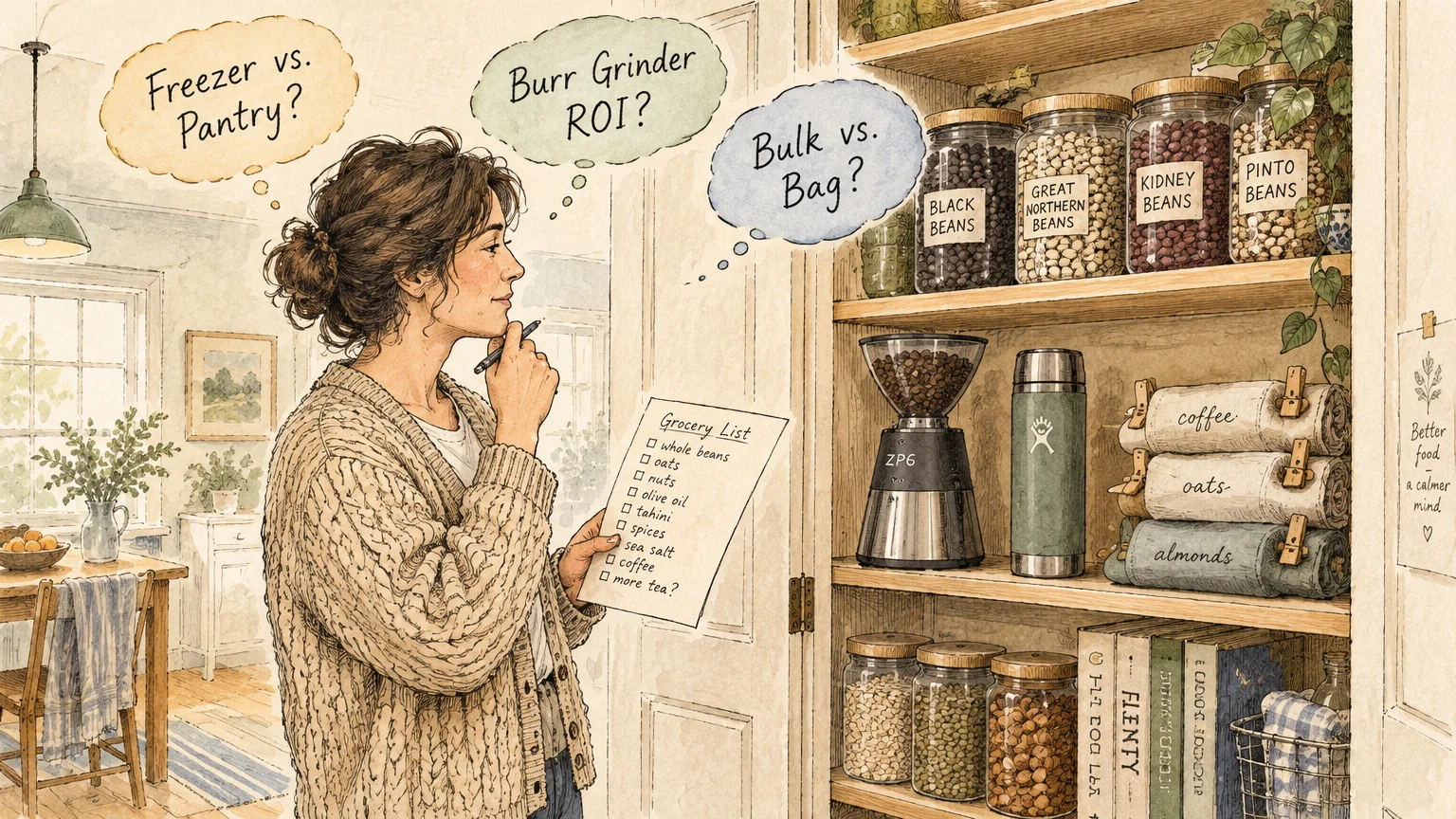
Buying in bulk lowers the cost per ounce, but it only saves money if you protect the beans from staling. A five-pound bag will turn stale before a single-cup drinker can finish it.
Oxygen turns delicate coffee oils rancid over several weeks, leaving you with unpleasant brew that you might discard. If you buy bulk bags, divide the beans into airtight weekly portions and store extra bags in the freezer.
Can adding a pinch of salt to cheaper ground coffee fix the bitter taste?
Adding a microscopic pinch of table salt to dry grounds genuinely suppresses bitter flavor notes. Sodium ions bind to salt receptors on your tongue, biologically blocking bitter taste signals from reaching your brain.
This trick makes budget dark roasts or inexpensive robusta blends taste noticeably smoother and sweeter. However, if your doctor has placed you on a strict sodium restriction for hypertension, skip this kitchen trick entirely.
Does decaffeinated coffee cost more to brew than regular coffee?
Decaffeinated whole beans or grounds often cost slightly more per bag because of the additional industrial processing required. Removing caffeine requires advanced water soaking, carbon dioxide extraction, or solvent washing techniques.
Despite the slight price premium, decaf uses the exact same 1:16 brewing ratio as standard coffee. Brewing decaf in the afternoon satisfies your warm drink ritual without disrupting your sleep or elevating your pulse.
Will drinking coffee right after taking morning medications reduce their effectiveness?
Yes, drinking coffee immediately after taking daily prescriptions can significantly impair how your body absorbs active pharmaceutical compounds. Coffee speeds up stomach emptying and changes gastric acidity, reducing drug bioavailability.
Crucial medications like thyroid hormone, osteoporosis tablets, and iron supplements bind to coffee compounds and pass unabsorbed. Always take morning pills with plain water and wait at least 30 to 60 minutes before drinking coffee.

What single coffee habit should you change this week?
Start by weighing your coffee grounds on an inexpensive digital kitchen scale instead of guessing with plastic scoops. This single adjustment prevents over-portioning and immediately extends the lifespan of every bag you buy.
Pair that accurate measurement with a standard paper filter to protect your cardiovascular health from diterpene oils. You will enjoy richer, smoother morning coffee while watching your grocery dollars stretch substantially further every month.