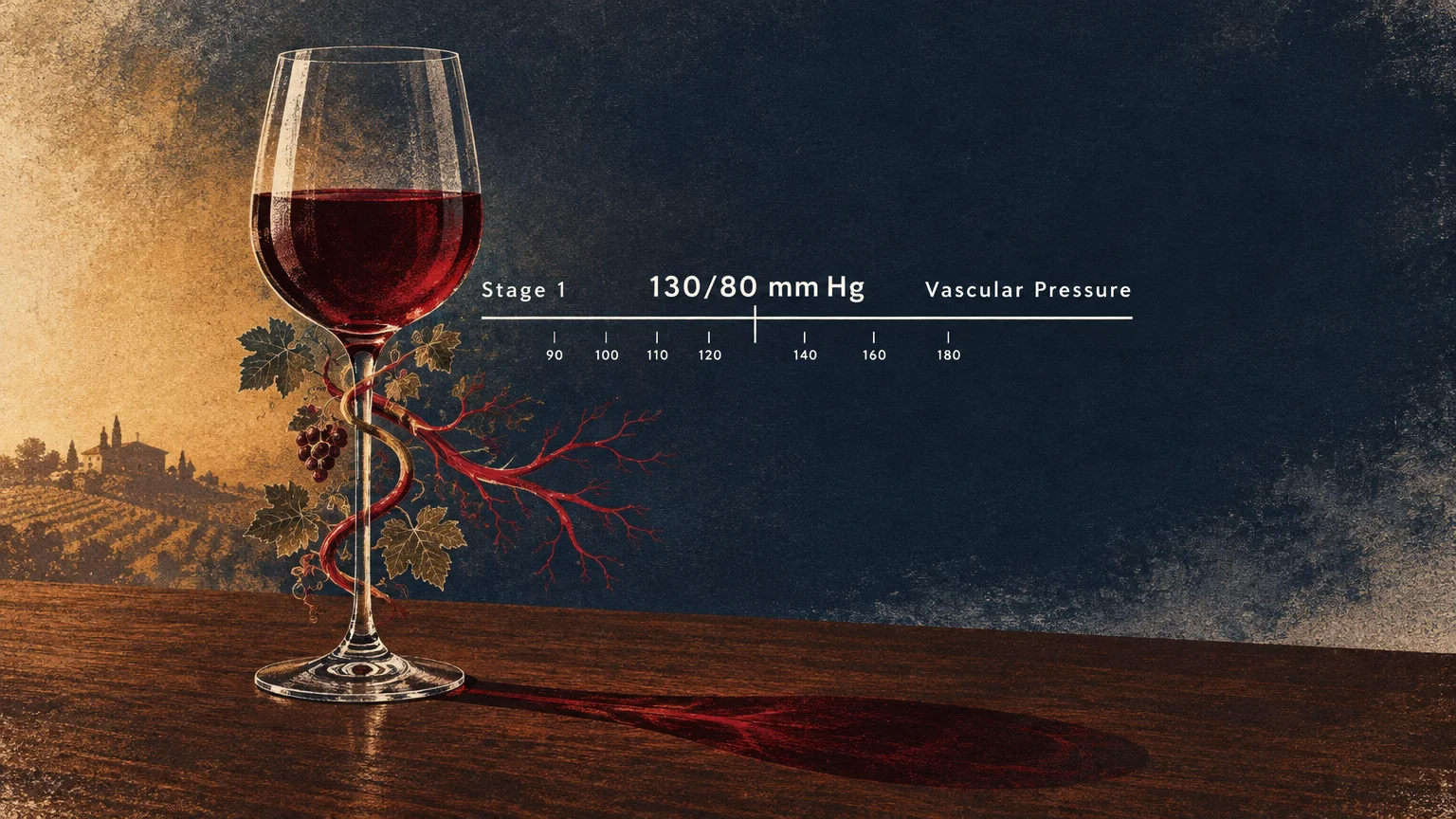
That nightly glass of cabernet may no longer carry the medical blessing you once relied on. Recent cardiovascular guidelines have fundamentally rewritten the advice on how evening wine influences your arteries.
If you pour a drink to unwind after dinner, the updated guidance directly impacts your daily routine. Cardiologists now urge adults managing their numbers to rethink daily alcohol consumption entirely.
Nearly half of all American adults live with high blood pressure today. Understanding this revised protocol empowers you to protect your vascular health before your doctor writes a new prescription.
What is the new blood pressure rule for your evening wine?
In August 2025, the American Heart Association and the American College of Cardiology jointly released updated clinical practice guidelines for high blood pressure. This release marked the first comprehensive overhaul of national hypertension standards since 2017.
The revised guidance officially eliminated the long-standing medical pass for moderate daily drinking. Clinicians now advise that adults should ideally abstain from alcohol completely or drastically minimize their intake to control vascular pressure.
Federal nutrition guidance reinforced this clinical pivot on January 7, 2026. The Dietary Guidelines for Americans dropped traditional daily numerical allowances in favor of a direct directive to consume less alcohol for better overall health.
In medical settings, doctors still treat one standard drink daily for women and two for men as an absolute upper limit. However, health agencies no longer suggest that consuming alcohol at these levels benefits your circulatory system.
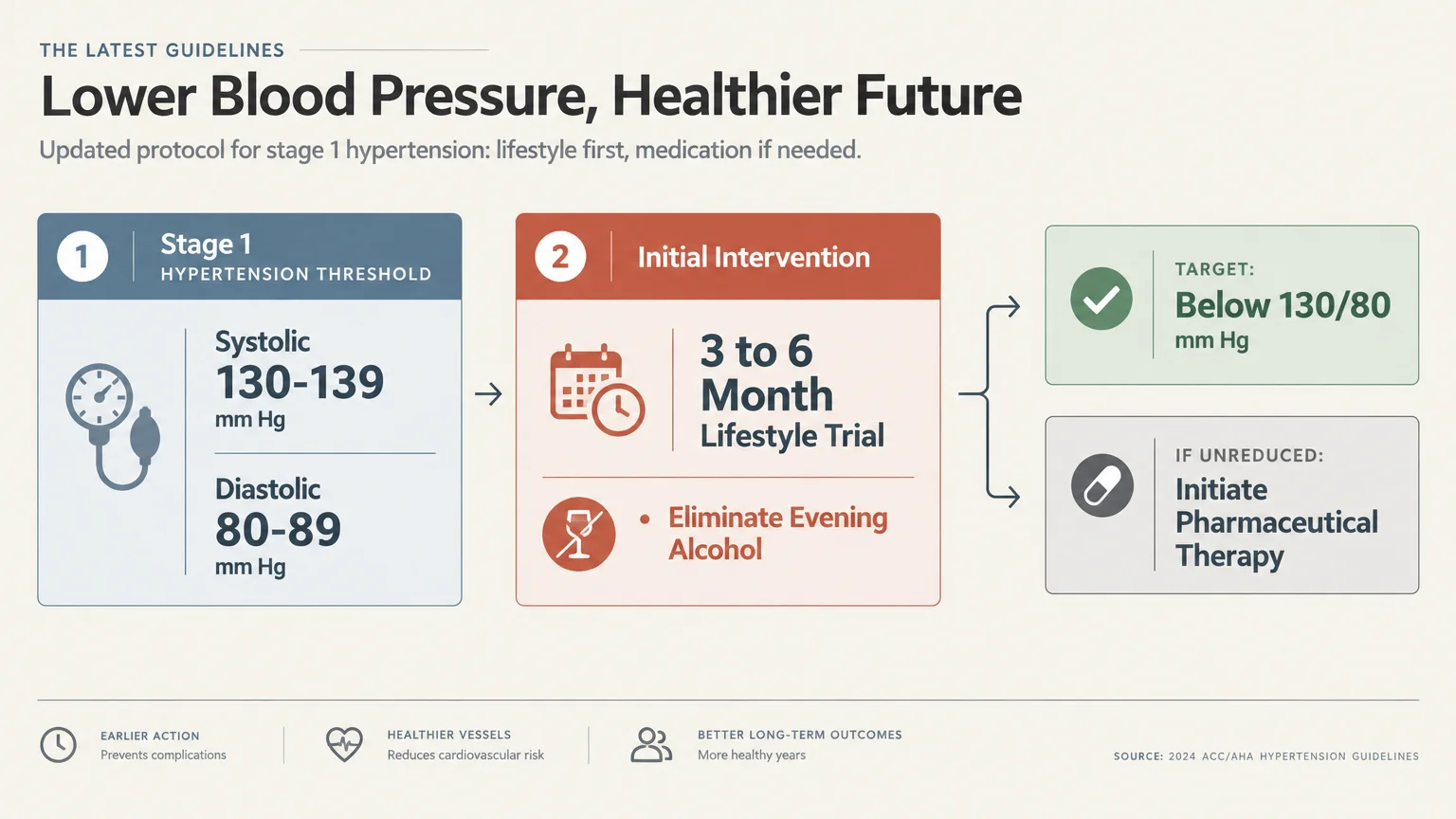
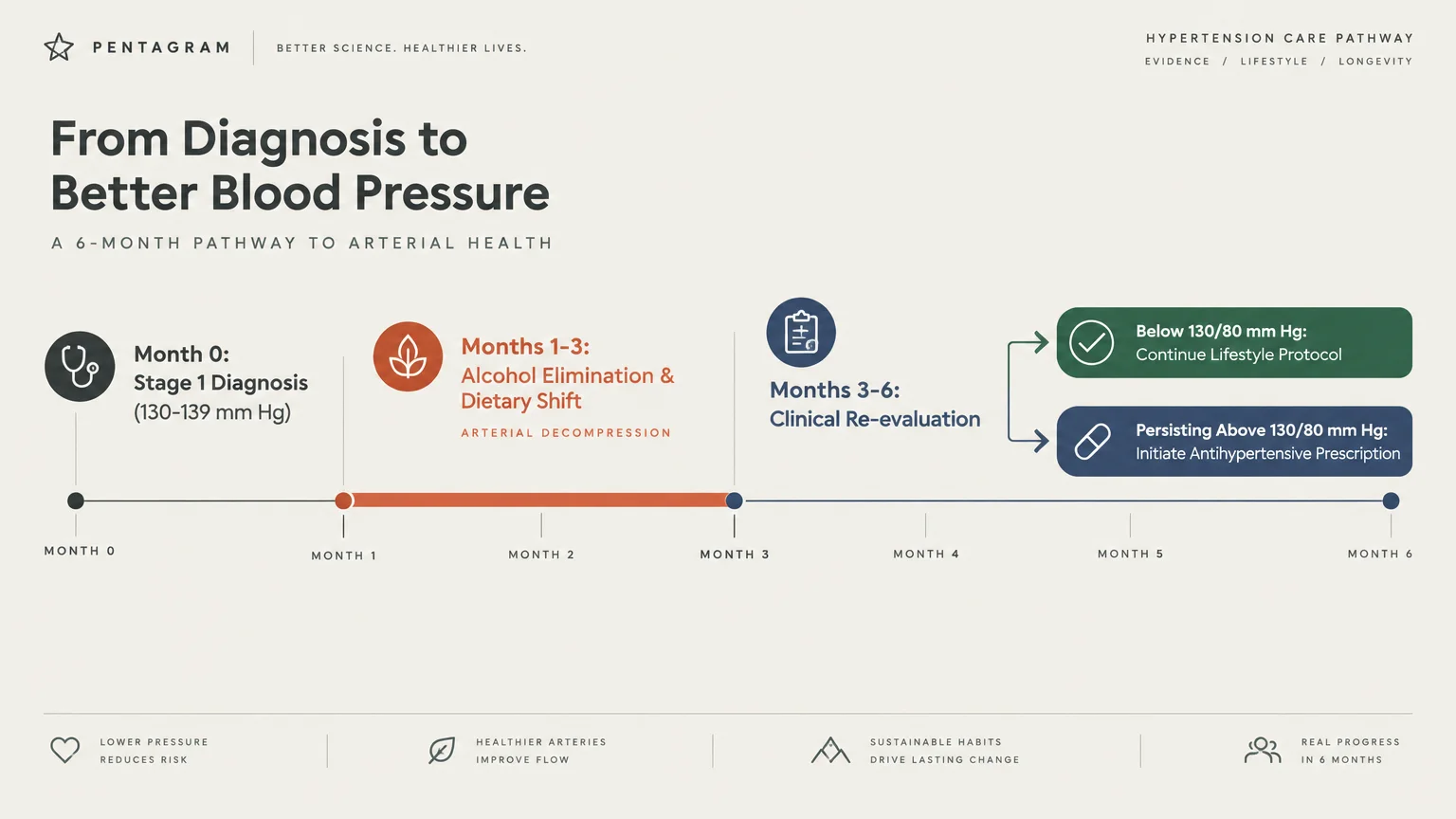
The updated rules establish an aggressive timeline for adults diagnosed with Stage 1 hypertension. This stage encompasses a systolic reading of 130 to 139 mm Hg or a diastolic reading of 80 to 89 mm Hg.
For lower-risk adults in this category, physicians now prescribe a focused three-to-six-month window of lifestyle therapy before writing medication orders. Eliminating your evening wine represents one of the most effective non-drug strategies to lower your readings during that trial.
If your numbers fail to drop below 130/80 mm Hg after that lifestyle period, guidelines instruct your physician to start pharmaceutical therapy immediately. Your evening drink now directly influences whether you require prescription medication.
Why did health agencies retire the moderate drinking pass?
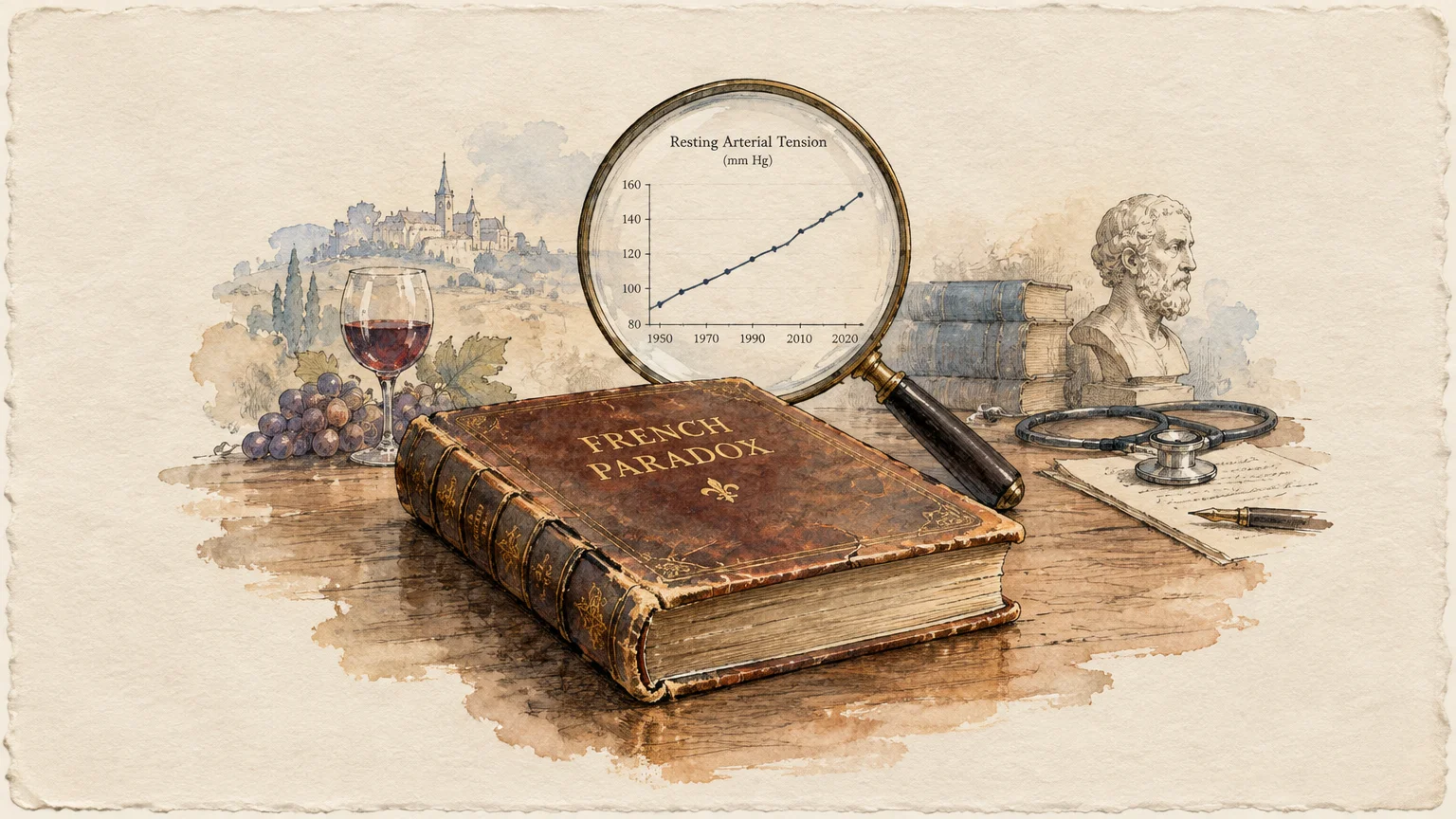
For decades, popular media promoted red wine as an arterial tonic that explained low rates of heart disease in southern Europe. Many individuals believed that dark grapes delivered special cardiovascular shields that counteracted normal age-related arterial stiffening.
Modern analytical techniques have systematically disproved that protective assumption. In June 2025, the American Heart Association issued a comprehensive scientific statement titled Alcohol Use and Cardiovascular Disease.
That definitive review confirmed that no clinical research has proven a direct cause-and-effect link between drinking red wine and improved heart health. The purported benefits identified in older studies reflected lifestyle advantages rather than the alcohol itself.
Previous observational studies often suffered from methodological errors, such as grouping former drinkers who quit due to poor health with lifelong non-drinkers. When researchers corrected those statistical errors, the supposed cardiovascular advantages of light drinking completely disappeared.
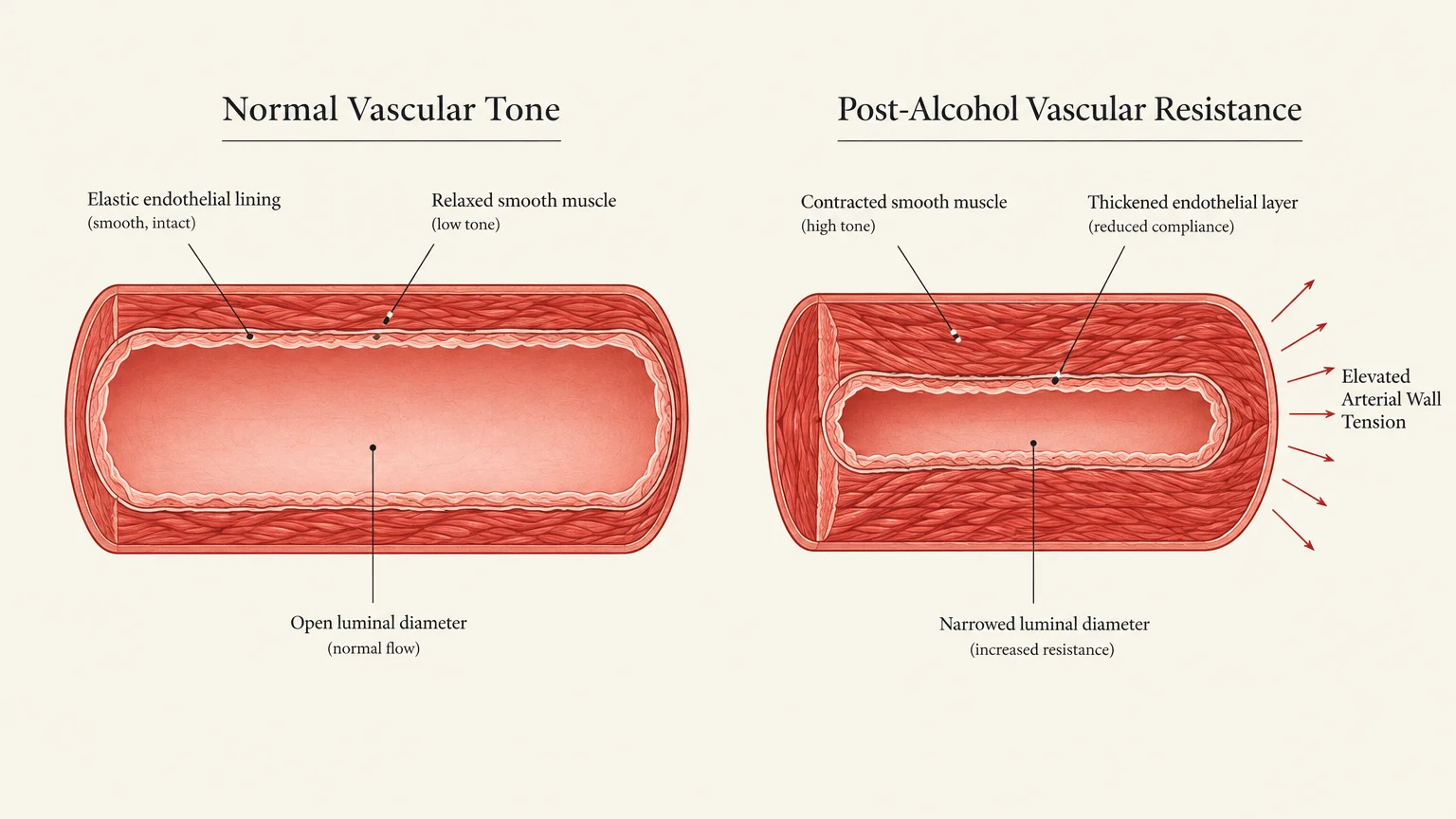
The 2025 scientific statement explicitly warned that even moderate drinking worsens hypertension in individuals who already live with high blood pressure. Sipping wine does not relax your vascular system over time; it progressively elevates your resting arterial tension.
Cardiologists now recognize that ethanol itself generates systemic cellular stress that damages delicate vascular linings. The ethanol in an expensive pinot noir affects your physiology the same way as alcohol found in beer or spirits.
What does clinical data reveal about alcohol and vascular resistance?
The recent guideline shift was driven by substantial global evidence rather than small, isolated studies. International meta-analyses evaluating 19,548 participants demonstrated a direct, linear relationship between alcohol intake and rising blood pressure.
The researchers observed steady increases in both systolic and diastolic blood pressure with any level of alcohol consumption. Even low daily amounts elevated vascular resistance when compared to complete abstinence.
Significantly, this linear rise occurred in participants who entered the trials with completely normal blood pressure. Alcohol did not spare healthy blood vessels, demonstrating that regular intake actively drives disease progression across all demographics.
The researchers discovered no safe minimum intake threshold below which alcohol ceased to raise pressure. Every additional ounce consumed each week forced the heart to pump against firmer vascular walls.
The clinical research also produced highly encouraging findings for habitual drinkers who decide to alter their routines. Halving your daily alcohol intake produces a swift and clinically meaningful reduction in resting blood pressure measurements.
When you cut your wine intake by 50%, your systemic blood vessels regain their natural resting diameter more easily. This physiological decompression protects vulnerable capillaries within your brain, kidneys, and eyes from chronic hypertensive strain.
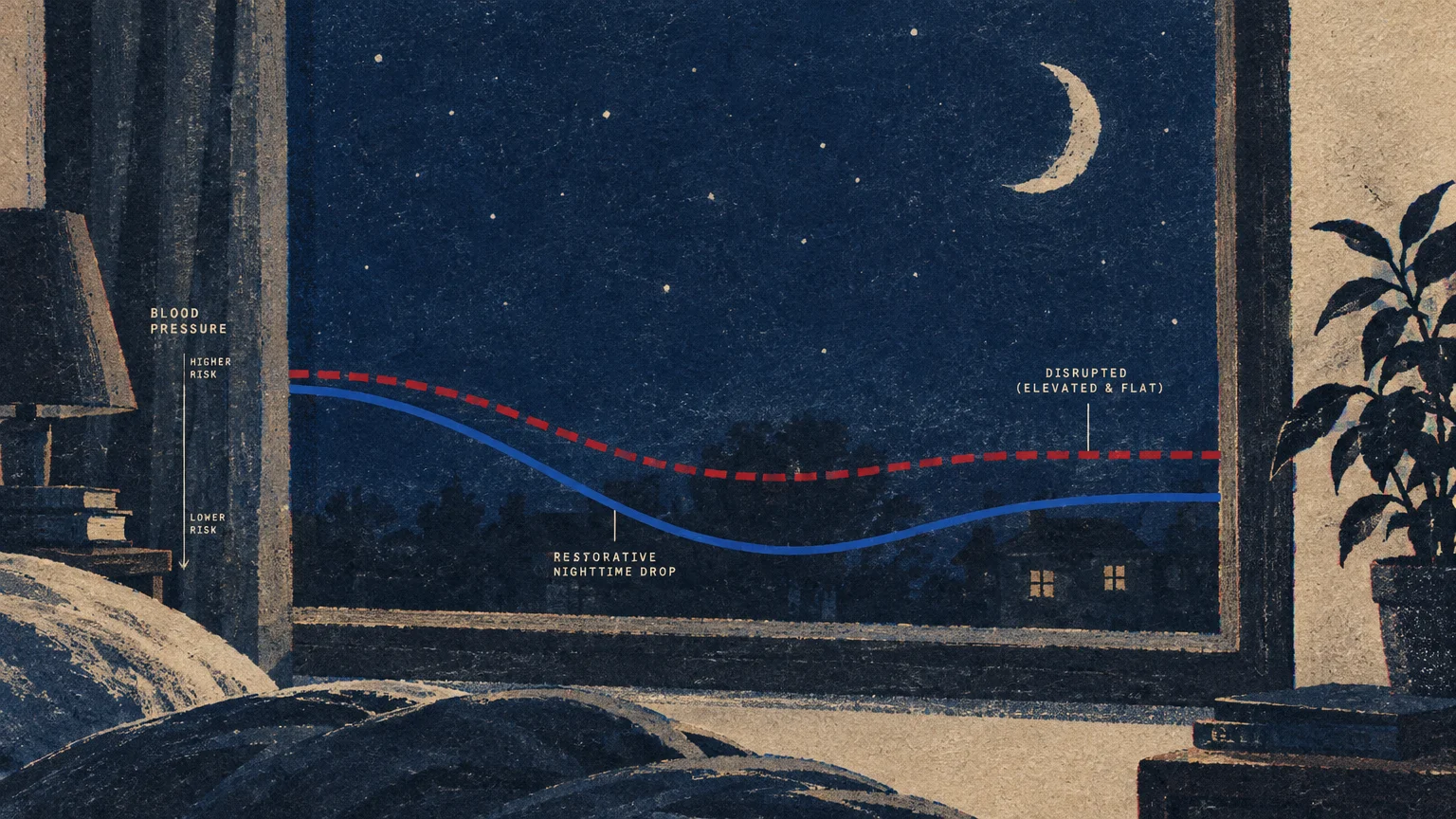
How does an evening glass alter your overnight blood pressure dip?
Your circulatory system relies on a natural circadian rhythm known as nocturnal dipping to maintain long-term health. During restful sleep, your blood pressure should naturally drop by 10% to 20% below your daytime average.
This nightly dip allows your arterial walls to recover from physical stress while giving your heart muscle a vital period of recuperation. Without this nightly respite, your cardiovascular system remains in a continuous state of physical strain.
Consuming a glass of wine with or after dinner disrupts this essential physiological pattern. Alcohol acts as a biphasic compound, initially dilating blood vessels for an hour before triggering severe rebound constriction.
As your liver metabolizes alcohol during the night, your central sympathetic nervous system surges into overdrive. This neurochemical release elevates your nocturnal heart rate and prevents your blood vessels from expanding into their natural resting state.
Clinical studies consistently connect evening drinking to a medical phenomenon known as non-dipping hypertension. Non-dippers face significantly higher risks of stroke, kidney failure, and cognitive decline compared to adults whose blood pressure drops normally overnight.
A wine nightcap may make you feel drowsy, but it fractures deep sleep stages and accelerates morning blood pressure spikes. Waking up with high readings often stems directly from the beverage consumed several hours earlier.
What does a true standard pour look like?
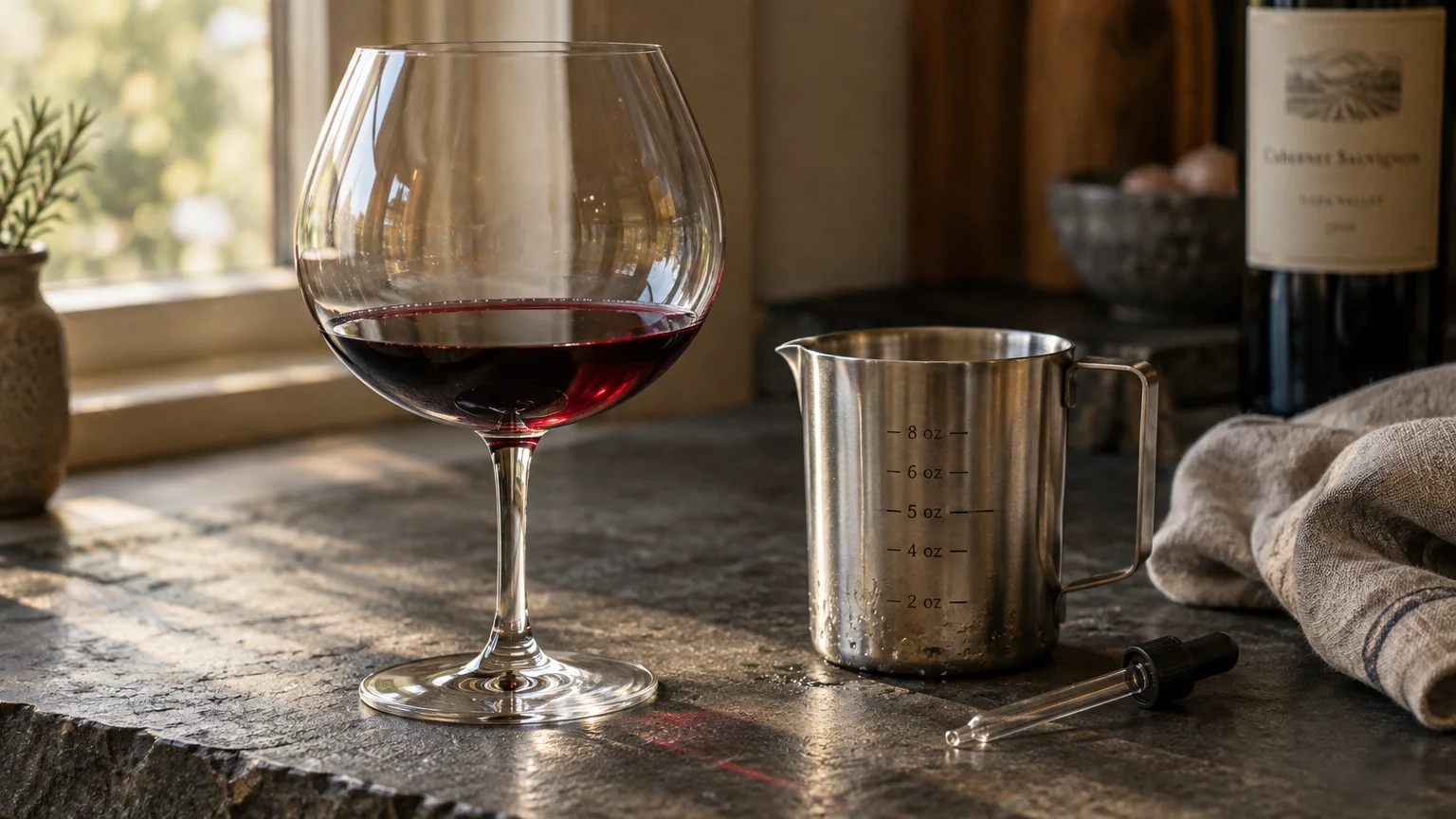
Many adults unknowingly consume far more alcohol than they realize simply because modern glassware has grown substantially larger. A casual pour that fills half a modern goblet often contains two to three standard servings.
According to standard clinical definitions established by the National Institutes of Health, one standard drink contains exactly 14 grams, or 0.6 fluid ounces, of pure alcohol. For wine, this equals a 5-fluid-ounce pour at 12% alcohol by volume.
Modern winemaking styles have significantly altered the chemical profile of everyday table wines. Many domestic red wines now feature alcohol concentrations between 13.5% and 15% alcohol by volume.
When you consume a 7-ounce pour of a high-alcohol zinfandel or cabernet, you consume nearly two full standard drinks. A single evening glass can easily double the biological burden placed on your blood vessels.
To accurately understand your consumption, use a liquid measuring cup to measure exactly five ounces of water into your preferred glass. Take note of where the fluid level rests against the bowl to establish an accurate visual guide.
Using smaller glasses can also help you avoid accidental overpouring. Keeping your pour strictly at five ounces ensures that you do not unintentionally compound your cardiovascular risk.
How does alcohol interfere with cardiovascular medications?
Mixing an evening glass of wine with daily blood pressure prescriptions creates hazardous pharmacokinetic interactions. Alcohol directly influences how your body absorbs, processes, and clears cardiovascular drugs.
If you take ACE inhibitors, angiotensin receptor blockers, or calcium channel blockers, evening wine can trigger sudden drops in standing blood pressure. This temporary additive effect often manifests as acute dizziness, unsteadiness, or fainting upon standing.
Orthostatic drops in blood pressure represent a frequent cause of dangerous falls and fractures among adults over 55. A relaxing evening drink can quickly compromise your balance and physical safety.
Later in the night, the liver prioritizes metabolizing alcohol over processing your prescribed medications. This delay can alter circulating drug levels, causing blood pressure to rebound unpredictably the following morning.
Diuretic medications present an additional complication when paired with evening alcohol consumption. Both diuretics and ethanol stimulate fluid excretion through your kidneys, which accelerates dehydration and drains vital electrolytes like potassium and magnesium.
Depleted potassium and magnesium levels irritate heart tissues and elevate the risk of developing cardiac arrhythmias. Always consult your personal physician or pharmacist to understand how your specific medication regimen responds to alcohol.

What should you drink instead during your evening wind-down?
Retiring your evening wine habit does not mean you must forfeit a calming post-dinner ritual. The human brain responds strongly to the behavioral cues of relaxation, glassware presentation, and deliberate flavor enjoyment.
Replacing wine with functional, non-alcoholic options allows you to preserve your evening unwind period without subjecting your vessels to ethanol. Several distinct beverage choices deliver complexity and comfort while actively supporting arterial health.
How can tart cherry juice support your evening routine?
Pure, unsweetened tart cherry juice provides a deep color and sophisticated astringency that closely mirrors a dry red wine. It contains powerful plant anthocyanins that support vascular elasticity without requiring your liver to clear toxins.
Tart cherries naturally contain small concentrations of melatonin and tryptophan, which promote deep, uninterrupted sleep cycles. Improving your sleep architecture helps restore the natural nocturnal blood pressure dip that alcohol systematically destroys.
Pour two to three ounces of unsweetened tart cherry juice into your favorite stemmed wine glass. Add an equal volume of plain sparkling mineral water to soften the tartness and create a crisp, effervescent drink.
Be sure to inspect the nutrition panel to verify that the product contains zero added sugars or high-fructose corn syrup. Excessive added sugars can trigger systemic inflammation and undermine your metabolic blood pressure control.
Why is mineral water with citrus a practical alternative?
Chilled sparkling mineral water served over ice provides a clean, crisp mouthfeel that satisfies cravings for carbonated wines or dry whites. The effervescence provides immediate sensory engagement that plain tap water cannot replicate.
Many naturally effervescent mineral waters supply essential electrolytes, including bioavailable magnesium and calcium. These minerals help relax the smooth muscle cells lining your arteries, promoting natural vascular dilation.
Enhance your glass by adding a fresh wedge of lime, lemon, or ruby red grapefruit. Citrus oils released from the fruit peel impart an aromatic complexity that elevates the simple drink into an intentional treat.
You can also bruise a sprig of fresh rosemary or mint and drop it into the glass. This refreshing alternative costs pennies per serving, providing welcome financial savings compared to premium bottled wines.
Can herbal teas lower your arterial tension?
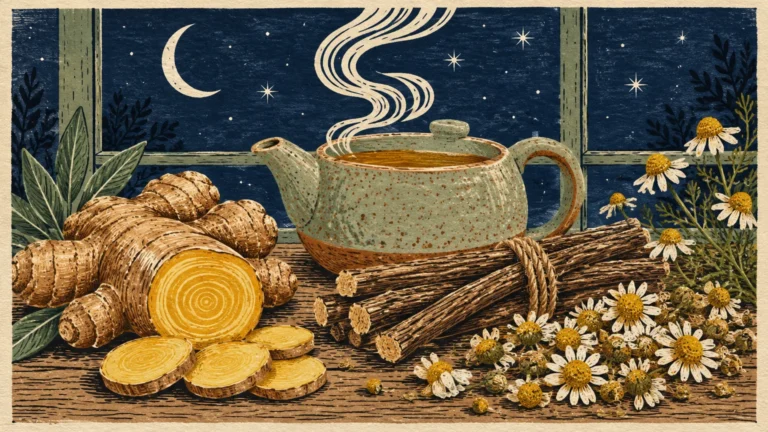
Brewed botanical teas offer warmth, comfort, and physical relaxation during quiet evening hours. They provide an ideal transition away from alcohol when cooler weather makes chilled drinks less appealing.
Hibiscus tea stands out in clinical literature as a potent botanical ally for cardiovascular management. Active organic acids and anthocyanins within dried hibiscus calyces help inhibit angiotensin-converting enzymes, encouraging relaxed peripheral arteries.
Brew a strong cup of pure hibiscus tea after dinner and let it steep for several minutes to extract its tart compounds. You can enjoy it steaming hot or pour it over ice with a cinnamon stick.
Chamomile, passionflower, and lemon balm teas also serve as excellent alternatives that calm an overstimulated nervous system. Soothing your stress response in the evening reduces circulating cortisol, helping your resting blood pressure stabilize.
Verify that any evening herbal blend remains completely caffeine-free before drinking. Even small residual amounts of caffeine consumed after dinner can interfere with sleep and trigger unwanted nocturnal pressure spikes.
How does the three-to-six-month lifestyle window work?
The 2025 clinical guidelines from the American College of Cardiology emphasize lifestyle interventions as primary therapy for Stage 1 hypertension. If your cardiovascular risk profile remains low, your doctor will likely prescribe non-drug therapy first.
This strategy grants you a structured three-to-six-month window to lower your numbers naturally. Eliminating your evening glass of wine forms a central pillar of this targeted lifestyle intervention.
During this timeframe, you should monitor your blood pressure at home using a validated upper-arm cuff device. Avoid wrist or finger monitors, which frequently produce inaccurate readings due to subtle positioning errors.
Take two readings each morning before eating or taking medications, and two readings in the evening before bed. Rest quietly in a chair with back support for five minutes before pressing the start button.
Keep your feet flat on the floor and support your testing arm at heart level during the measurement. Maintain a clear digital or written log of your results to share directly with your healthcare team.
If your numbers consistently drop below the 130/80 mm Hg threshold, your lifestyle adjustments may successfully prevent the need for prescription therapy. If your readings remain elevated after six months, initiating medication protects your long-term cardiovascular health.
Frequently Asked Questions About Wine and Hypertension
Does red wine offer special antioxidant benefits for your heart?
Red wine contains resveratrol, but clinical trials confirm that the amounts present in regular servings are far too low to produce therapeutic benefits. You would need to drink toxic volumes of wine to match the antioxidant doses tested in research laboratories.
The damaging biological impact of ethanol on your blood pressure far outweighs any trace antioxidants found in grape skins. You can obtain identical polyphenols safely by consuming red seedless grapes, blueberries, dark cherries, and unsweetened pomegranate juice.
Will cutting your wine consumption produce immediate blood pressure changes?
Many individuals observe measurable improvements in their resting blood pressure within just two to four days of eliminating evening alcohol. As your autonomic nervous system calms down, your overnight heart rate stabilizes and vascular resistance drops.
Within two to four weeks of sustained abstinence, your systolic readings can drop by several points. These rapid improvements frequently demonstrate how strongly your evening habit influenced your elevated clinical readings.
How does alcohol tolerance shift as your body matures?
Aging bodies undergo clear physiological shifts that alter how alcohol is processed. The Centers for Disease Control and Prevention note that older adults have lower total body water percentages, leading to higher blood alcohol concentrations from smaller pours.
Simultaneously, liver enzyme activity declines, causing alcohol to circulate in your bloodstream for significantly longer periods. A single glass of wine at 60 places substantially more sustained stress on your blood vessels than it did at 30.
Is it safer to drink wine earlier in the afternoon?
Consuming a glass of wine with lunch gives your liver ample time to metabolize the alcohol before you go to sleep. This earlier timing helps protect your crucial overnight blood pressure dip from being disrupted by nocturnal metabolic surges.
However, an earlier pour does not eliminate the cumulative linear effect that alcohol exerts on vascular resistance. While shifting your timing may improve sleep quality, total abstinence or strict moderation remains the most effective blood pressure strategy.
What is one practical change you can test this week?
Rethinking your evening glass of wine does not require an intimidating, permanent commitment right away. Instead, challenge yourself to a simple, highly informative seven-day beverage swap starting tonight.
Replace your usual evening pour with a tall glass of sparkling mineral water mixed with two ounces of tart cherry juice. Take your resting blood pressure every morning upon waking and record each reading in a dedicated notebook.
Pay close attention to changes in your morning alertness, physical energy, and resting baseline numbers throughout the week. You will likely discover that dropping that single evening drink delivers deeper sleep and healthier vascular numbers.