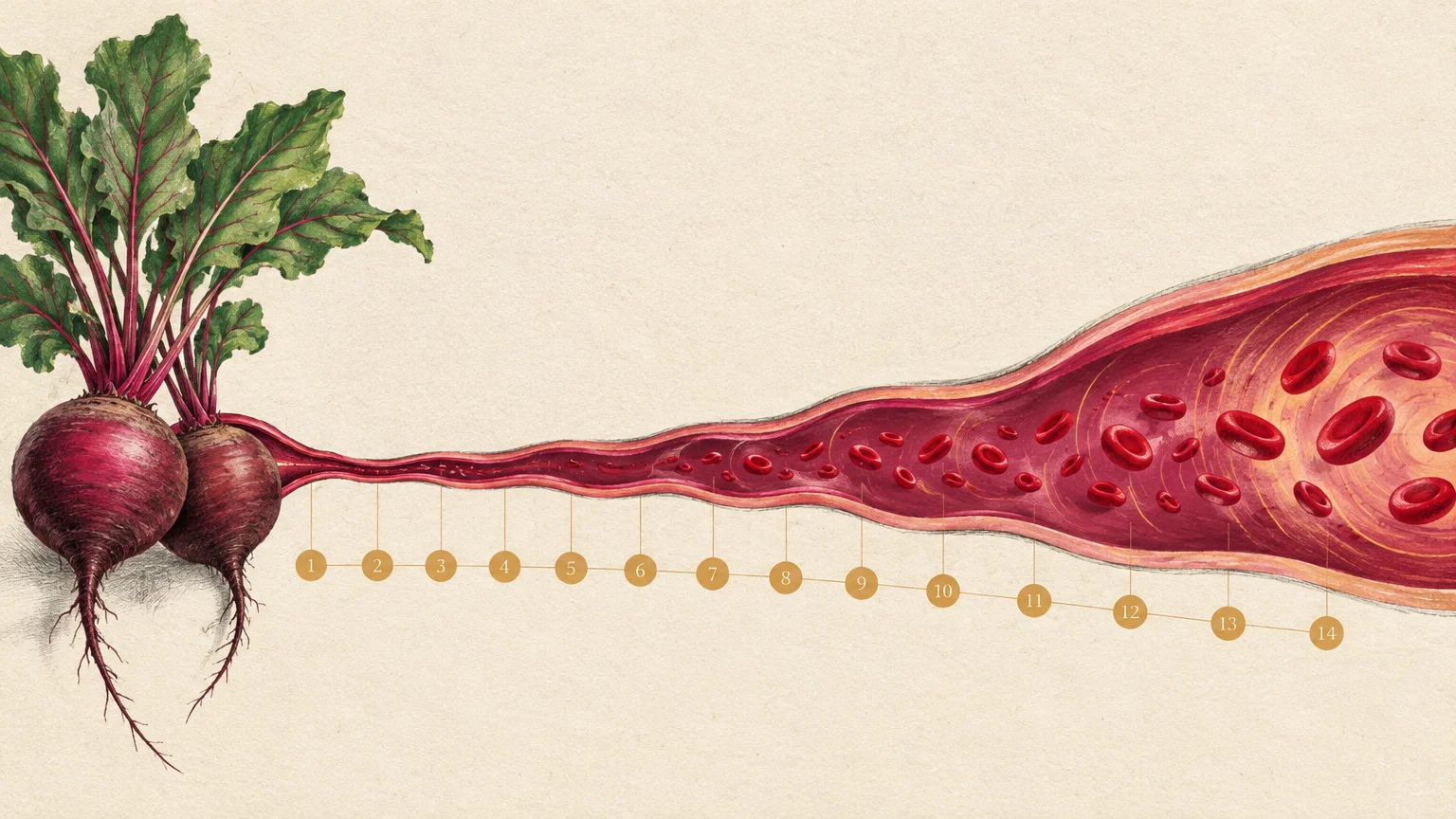
Drinking a daily serving of beet juice can produce measurable improvements in your blood pressure in as little as fourteen days. Recent clinical evidence shows this simple dietary habit relaxes stiff blood vessels by fueling your body with natural dietary nitrates.
If you are managing blood pressure alongside other daily wellness priorities, this beverage routine offers a practical, food-first strategy. You can easily integrate this targeted routine into your morning without overhauling your entire lifestyle.
Understanding how this root vegetable drink interacts with your vascular system ensures you get meaningful cardiovascular support safely.
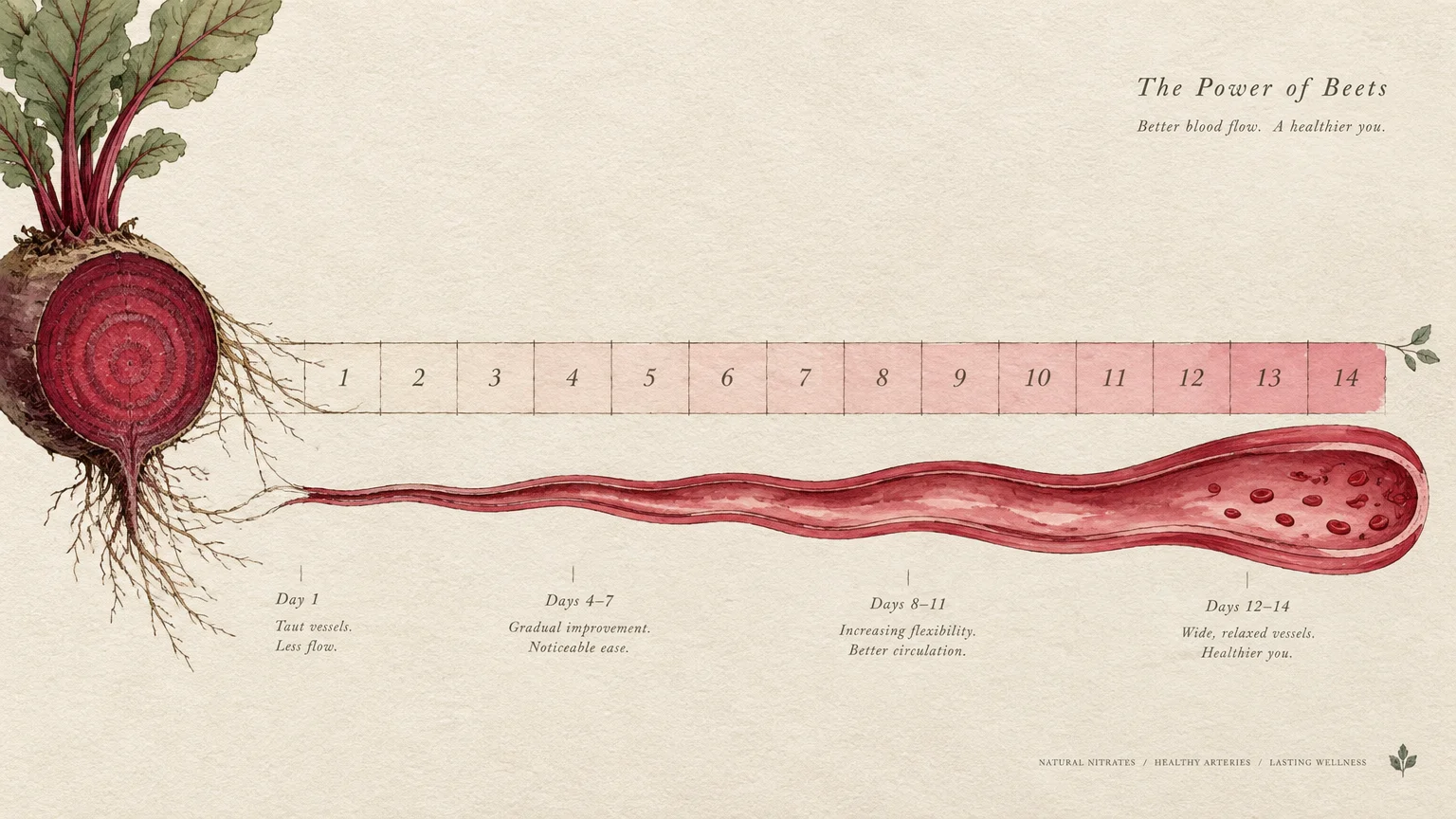
Why does a two-week beet juice routine capture so much attention?
Blood vessels naturally lose elasticity over the decades, which makes maintaining healthy circulation an active priority. Many adults seek reliable, food-first ways to protect their cardiovascular system without adding complicated rituals to their day.
Whole-food interventions hold special appeal because they work alongside your body’s innate biological systems. A structured beetroot regimen delivers functional compounds directly into your bloodstream through ordinary digestion.
Thirst cues often diminish with age, making every fluid choice an opportunity to support hydration and vascular health simultaneously. Replacing empty beverages with nutrient-dense options provides immediate functional benefits.
Unlike vague wellness trends, this protocol relies on measurable physiological changes that researchers can observe in real time. The clear timeline gives you a concrete framework to test and verify your own body’s response.
Committing to a fourteen-day window makes the habit approachable and manageable for any busy schedule. You can assess tangible results through your home monitor before deciding on a permanent long-term plan.
What did the landmark clinical trial discover about older adults?
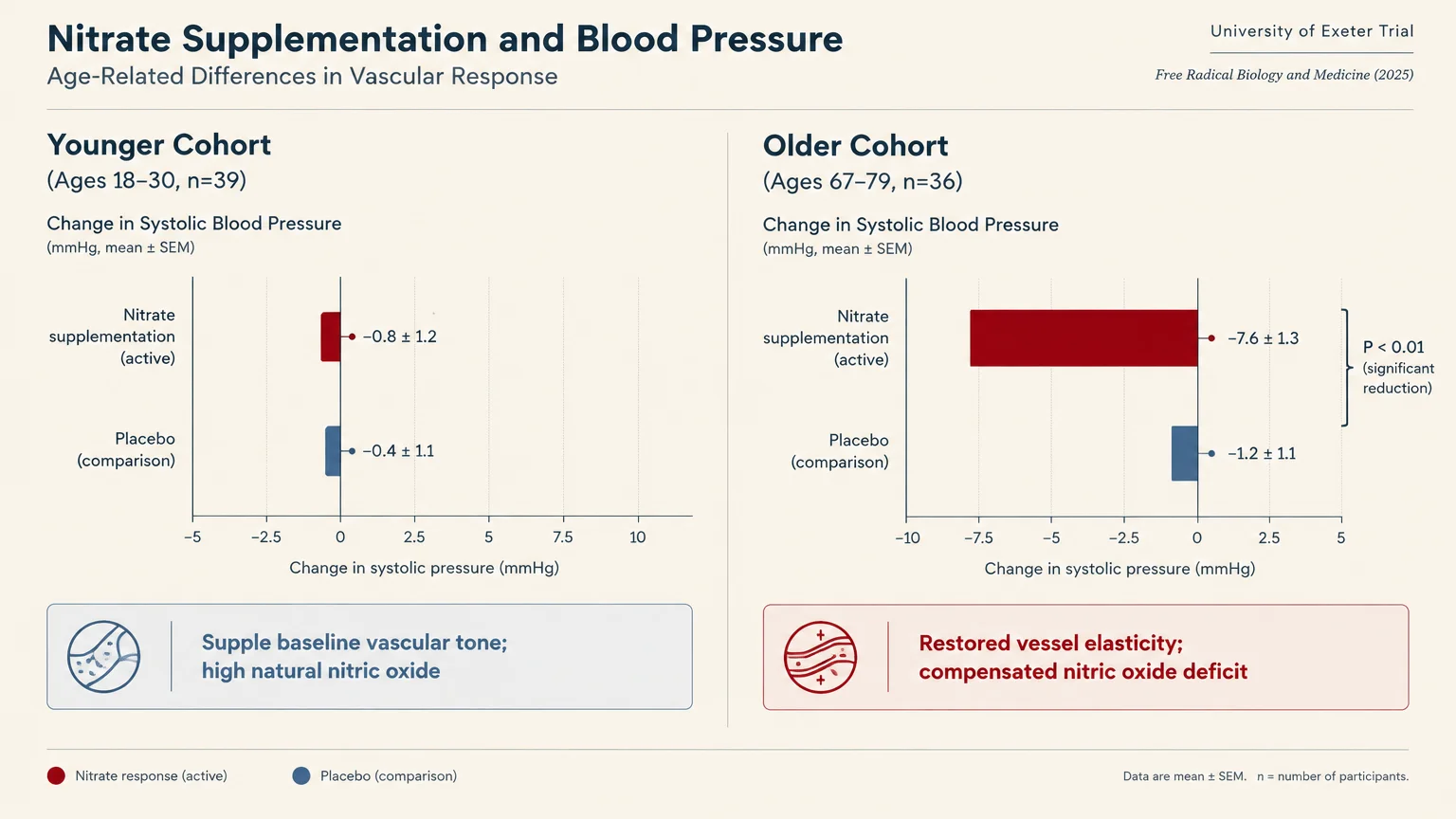
In July 2025, researchers at the University of Exeter published a compelling clinical study in the journal Free Radical Biology and Medicine. The team set out to examine how short-term beetroot supplementation influences vascular tone across different age brackets.
The study enrolled 36 older adults aged 67 to 79 alongside a comparison cohort of 39 younger adults aged 18 to 30. All participants completed a two-week routine consuming a concentrated, nitrate-rich beetroot juice shot twice daily.
To ensure rigorous scientific accuracy, the investigators also tested participants across a separate two-week period using a nitrate-depleted placebo juice. This crossover design allowed researchers to isolate the exact effects of active dietary nitrates.
The findings revealed an unexpected and striking contrast between the two age groups. Only the older adult group experienced a statistically significant drop in blood pressure following the two-week routine.
Younger participants entered the trial with supple blood vessels and naturally high baseline nitric oxide production. Consequently, the supplemental nitrates provided little additional vascular relaxation for them.
For older adults, however, the supplemental nitrates successfully compensated for age-related declines in cardiovascular function. The two-week regimen effectively restored vessel elasticity and reduced systemic resistance.
How does your oral microbiome transform dietary nitrate into lower blood pressure?
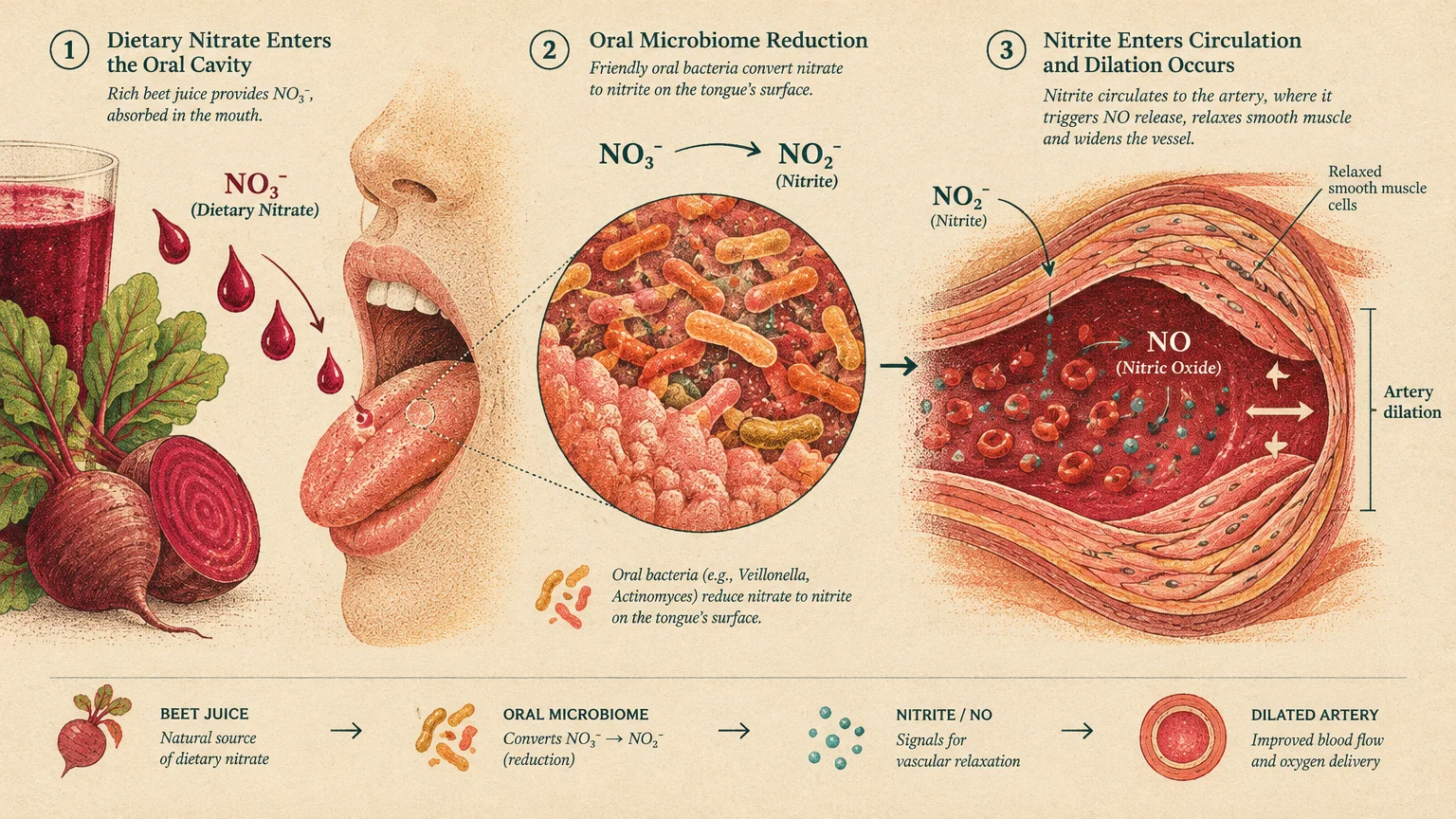
The physical benefits of beet juice begin in your mouth rather than your digestive tract. Your body relies on friendly oral bacteria to launch the metabolic chain reaction that expands your arteries.
Exeter researchers analyzed microbial samples and discovered that two weeks of beet juice altered the oral microbiome in older adults. The routine significantly suppressed harmful mouth bacteria from the genus Prevotella.
At the same time, the dietary nitrates promoted a noticeable increase in beneficial bacteria known as Neisseria. These helpful microbes thrive on nitrate and perform essential metabolic processing.
Human cells lack the specific enzymes required to reduce dietary nitrate into nitrite. Friendly oral microbes fill this gap by stripping an oxygen atom from nitrate while the juice lingers in your mouth.
Once you swallow this salivary nitrite, your stomach acid and circulatory enzymes convert it into nitric oxide gas. Nitric oxide penetrates the smooth muscle layers of your arterial walls, signaling them to relax and widen.
When arteries expand, blood flows through your circulatory system with significantly less friction and pressure. This natural vasodilation eases the workload on your heart muscle throughout the day.
What do broader cardiovascular trials reveal about standard daily dosages?
While the Exeter trial tested concentrated shots, earlier foundational trials investigated standard whole beet juice over four-week spans. These trials provide valuable benchmarks for anyone seeking accessible, whole-food options at the supermarket.
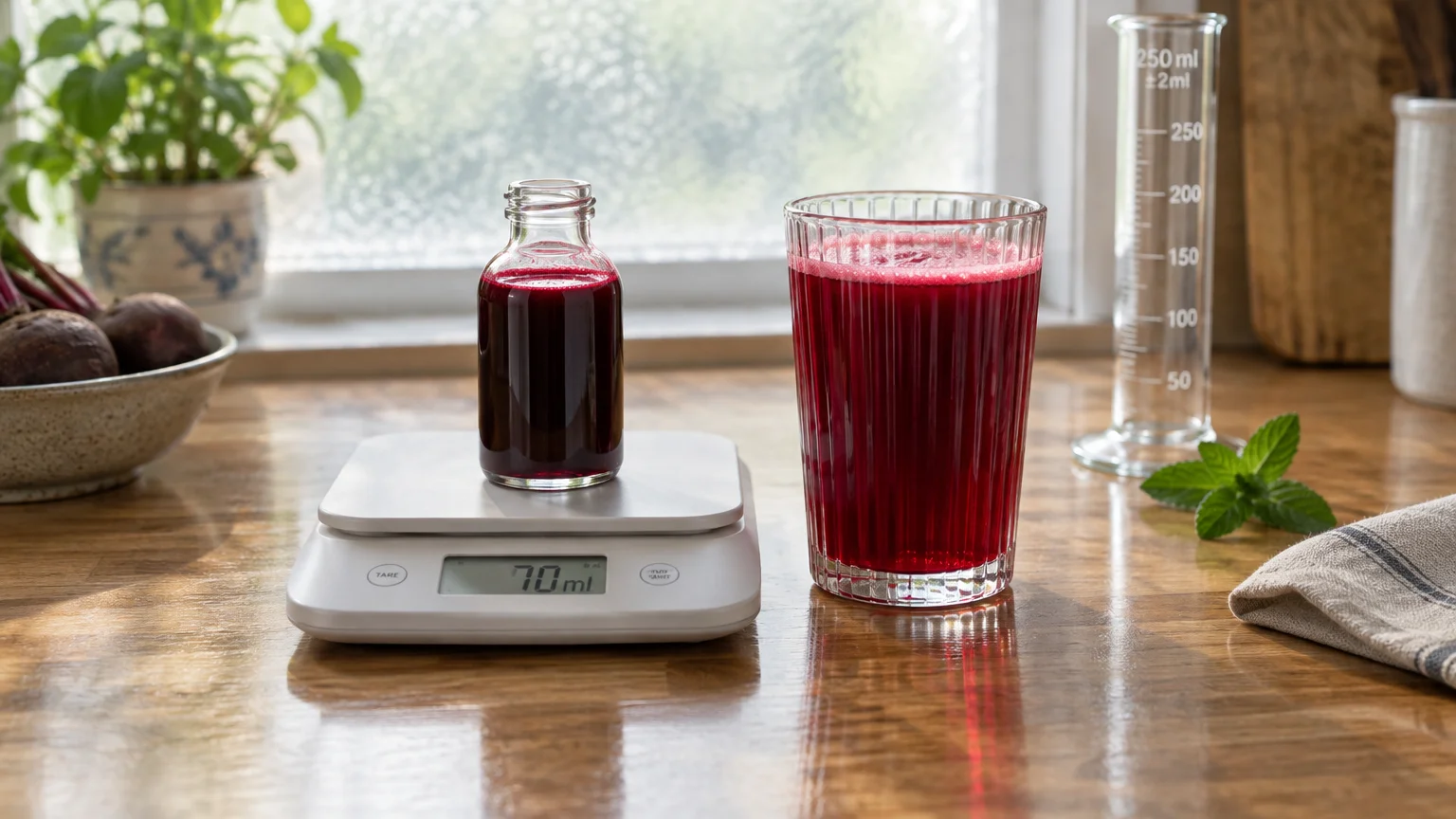
In four-week clinical studies on hypertension, drinking a standard daily dose of 250 mL of beet juice delivered consistent vascular relief. That serving translates to roughly 8.5 ounces of standard liquid juice each day.
Participants consuming this daily 250 mL portion experienced an average reduction in 24-hour ambulatory blood pressure of 7.7/5.2 mm Hg. Both daytime active readings and nighttime resting numbers declined noticeably.
Ambulatory monitoring tracks blood pressure continuously as you navigate ordinary daily activities and sleep. Demonstrating a drop across full 24-hour cycles proves that the biological impact remains steady between doses.
However, researchers documented that these circulatory benefits fade quickly once individuals discontinue the daily routine. Within days of stopping consumption, arterial stiffness returns and blood pressure measurements drift back toward baseline levels.
Maintaining cardiovascular elasticity therefore requires consistent, ongoing nutritional habits. A successful two-week routine acts as an effective starting point rather than a permanent cure.
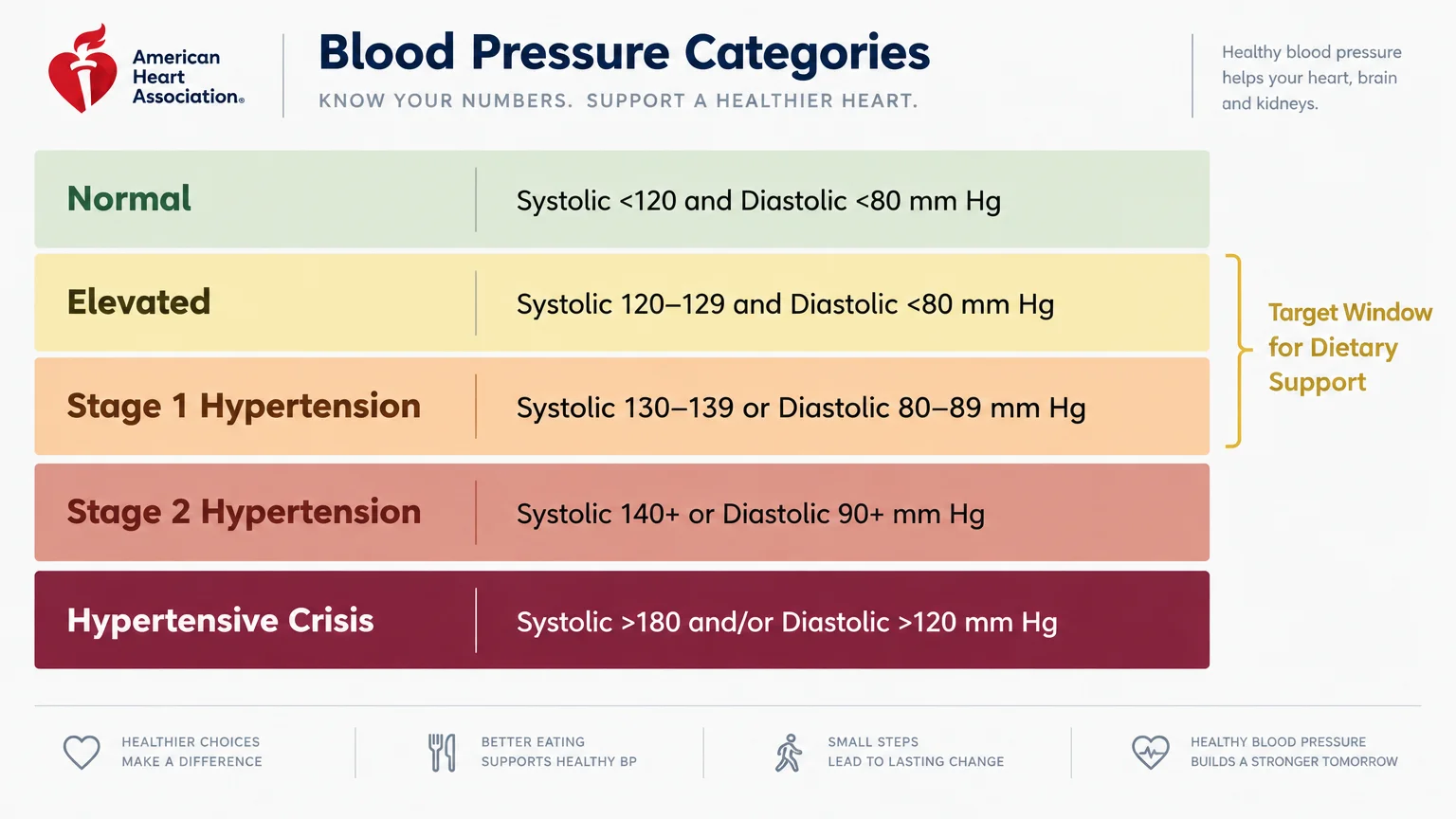
Where does your blood pressure fall on the current national clinical chart?
Evaluating any dietary strategy requires understanding where your current numbers sit on clinical diagnostic charts. Modern guidelines established by health agencies outline distinct stages of cardiovascular risk.
According to the Centers for Disease Control and Prevention and the American Heart Association, normal blood pressure is defined as less than 120/80 mm Hg. Maintaining readings in this range supports optimal long-term brain and kidney health.
The agencies classify readings with a systolic pressure between 120 and 129 mm Hg and a diastolic pressure below 80 mm Hg as elevated. This intermediate category signals that your arteries are beginning to experience increased strain.
Stage 1 hypertension begins when your systolic pressure measures between 130 and 139 mm Hg, or your diastolic pressure reads between 80 and 89 mm Hg. Doctors frequently recommend targeted dietary modifications during this stage.
Stage 2 hypertension occurs when your clinical blood pressure reaches 140/90 mm Hg or higher. This category requires direct clinical oversight alongside comprehensive therapeutic lifestyle interventions.
Tracking your baseline against these national benchmarks allows you to monitor exactly how your numbers respond to daily beet juice. Even modest shifts can move you from an elevated risk category into a safer classification.

Why do recent national statistics make dietary changes especially relevant today?
High blood pressure remains one of the most widespread yet undertreated public health challenges across the United States. Recent epidemiological investigations highlight how many adults need accessible ways to improve vascular control.
A February 2026 study published in JAMA analyzed National Health and Nutrition Examination Survey data and uncovered striking patterns. The analysis showed that 79% of U.S. adults with hypertension have blood pressure above the goal of 130/80 mm Hg.
That means nearly 4 out of 5 adults with high blood pressure are living outside recommended cardiovascular targets. Furthermore, 61% of those individuals are not currently taking any antihypertensive medication.
Encouragingly, the data revealed that 65.4% of untreated adults sit within 10 mm Hg of their target goal. For these individuals, modest dietary adjustments can bridge the remaining gap toward healthy vascular control.
At the more severe end of the spectrum, CDC figures show that about 45% of U.S. adults with uncontrolled high blood pressure have readings of 140/90 mm Hg or higher. That represents approximately 37 million Americans facing significant cardiovascular vulnerability.
The human cost of unmanaged circulation remains severe, as National Vital Statistics System reports confirm. Essential hypertension and hypertensive renal disease account for over 42,300 deaths in the United States every single year.
Dietary strategies that lower blood pressure by several points offer meaningful protection against these national trends. Adding a daily serving of beet juice provides a simple, direct step toward improving your personal numbers.
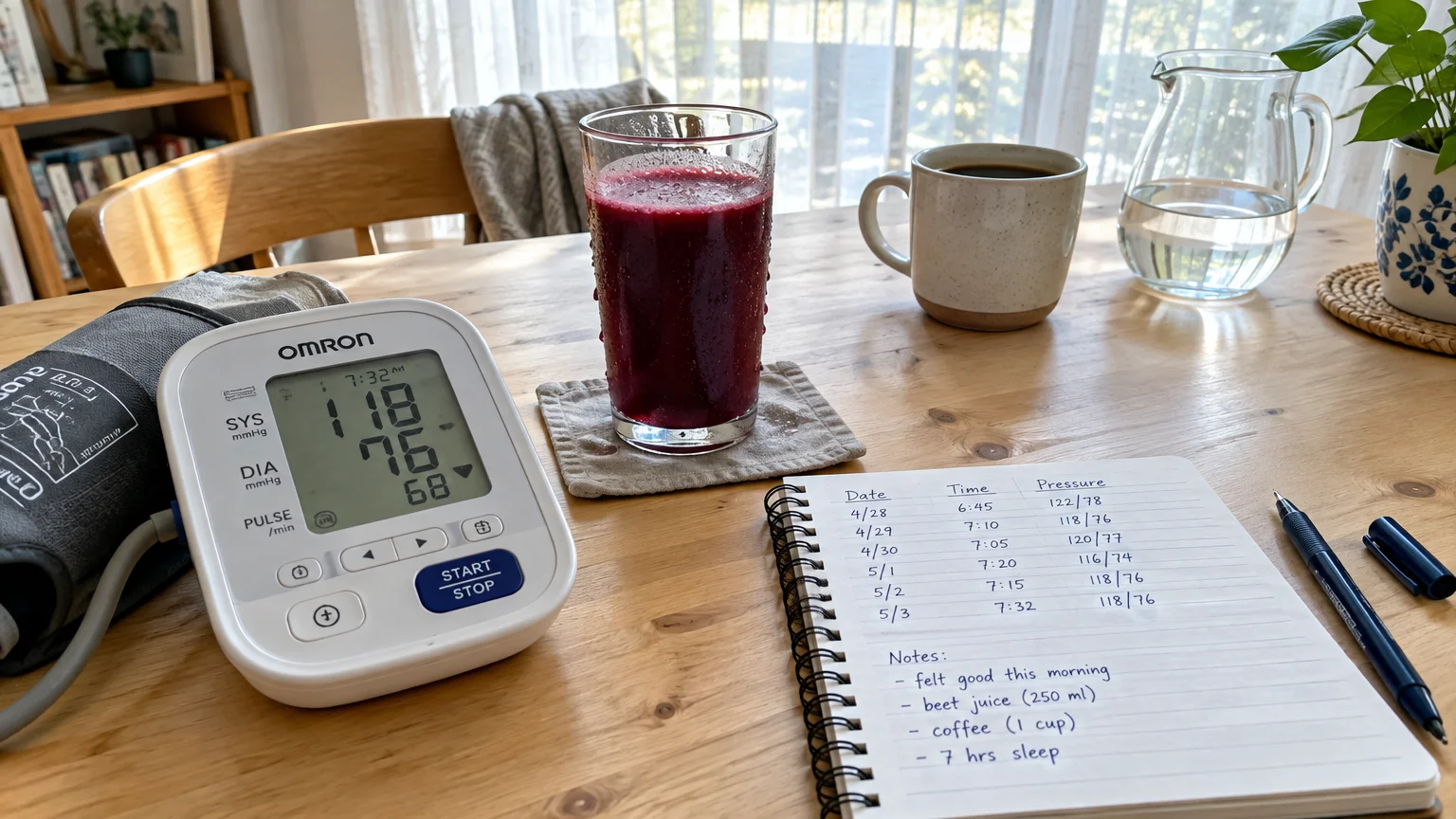
How should you structure your daily two-week beet juice routine?
Launching a successful two-week routine requires establishing a consistent rhythm that fits naturally into your daily schedule. Predictable timing helps your body maintain steady plasma nitrite concentrations around the clock.
You can approach this regimen using either concentrated commercial shots or standard bottled beetroot juice. Both methods supply the dietary nitrates needed to stimulate your oral bacteria and relax your vascular walls.
Approaching the protocol with organized preparation ensures you complete the full fourteen days without skipping servings. Selecting quality products and scheduling your intake sets you up for measurable success.
Setting up a simple routine prevents guesswork and helps you turn a short-term trial into an easy habit. Focus on consistency rather than perfection to give your vascular system time to adapt.
What exact serving size and timing deliver the best results?
If you choose concentrated beetroot shots like those used in the Exeter study, drink one shot in the morning and a second shot in the afternoon. Each shot supplies a dense burst of dietary nitrates in a small, easily consumed liquid volume.
If you prefer standard bottled beetroot juice, aim for a single daily serving of 250 mL, or roughly 8.5 ounces. Drink this portion alongside your morning breakfast to kickstart your vascular circulation for the day ahead.
Take your beverage with food to promote smooth gastrointestinal digestion and maximize nutrient absorption. Consuming the juice with a balanced meal also helps buffer your stomach against natural root acidity.
Avoid drinking your beet juice right before turning off the lights to go to sleep. Drinking fluids late in the evening can cause midnight bathroom visits that disrupt deep, restorative sleep.
Timing your intake between morning and late afternoon keeps your nitric oxide production steady without waking you at night. This steady rhythm delivers around-the-clock cardiovascular support.
Should you choose concentrated shots or whole beetroot juice at the store?
Supermarkets and natural food stores offer two primary liquid options: concentrated shots and whole bottled juice. Concentrated shots pack standardized amounts of nitrate into small two-ounce bottles designed for quick consumption.
Whole bottled juice provides a familiar, refreshing experience that fits well into standard breakfast routines. When purchasing standard juice, look for 100% pure beetroot juice without unnecessary additives.
Check the nutrition facts panel carefully to verify that the manufacturer has not added refined sugar or synthetic flavorings. Pure beet juice contains natural sweetness and requires no added sweeteners.
Inspect the label for sodium levels, especially if you are watching your daily mineral intake. High-quality commercial brands keep added sodium at zero to protect your vascular health.
Keep your bottled juice refrigerated after opening and finish the container within seven to ten days. Cold storage preserves natural antioxidant pigments and prevents oxidation from degrading the active nitrates.
Can you make this beverage at home without losing potency?
Making your own fresh beet juice at home provides total control over the freshness and quality of your ingredients. Using whole, firm beets allows you to capture the plant’s full nutritional profile.
Wash raw beets thoroughly under cold running water and trim away the rough stem ends before processing. Leaving the thin skin intact is perfectly acceptable if you scrub the root clean of surface soil.
A masticating or slow juicer works best because it extracts liquid without generating excess frictional heat. High heat can degrade delicate enzymes and plant nutrients that support vascular elasticity.
To improve palatability and balance the deep earthy flavor, you can run a fresh apple, carrot, or small slice of ginger through the juicer. Keep the beetroot as the dominant component to preserve a high nitrate concentration.
Freshly pressed home juice should be consumed immediately or stored in an airtight glass jar for up to 48 hours. Fresh batches provide robust nutritional value while saving money compared to packaged specialty shots.
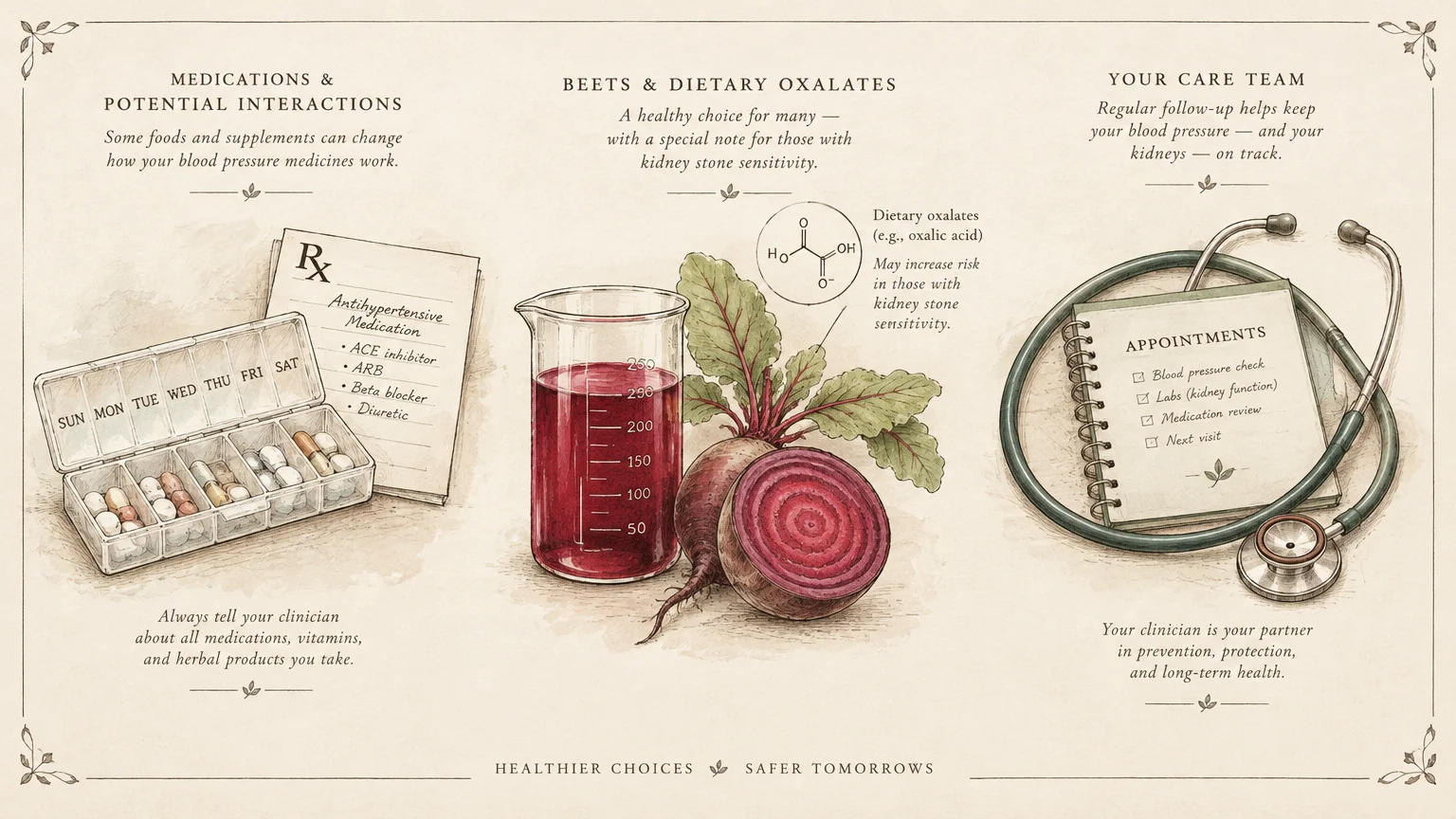
What critical precautions should you take regarding medications and health conditions?
While beetroot juice is a natural food product, its potent vascular and metabolic effects warrant thoughtful consideration. You must evaluate how concentrated dietary nitrates interact with existing medications and physical conditions.
Active biological compounds can amplify or alter the actions of standard pharmaceutical therapies. Reviewing your personal medical history ensures that your dietary routine remains entirely safe and beneficial.
Paying attention to how your body feels during the first several days will alert you to any unexpected reactions. When in doubt, seek guidance from qualified healthcare professionals who know your medical history.
Balancing food-based interventions with existing medical protocols gives you the greatest chance of achieving steady cardiovascular wellness. Safety always takes precedence when altering your daily routine.
How might beet juice interact with common blood pressure prescriptions?
Beet juice actively widens blood vessels, which creates potential additive effects when combined with prescription blood pressure medications. Combining them can occasionally cause your blood pressure to drop lower than intended.
If you take ACE inhibitors, ARBs, or calcium channel blockers, your arteries are already receiving signals to dilate. Adding daily nitrate-dense juice can produce mild hypotension, leaving you feeling lightheaded or unsteady upon standing.
The National Institute on Aging emphasizes that sudden drops in blood pressure can increase the risk of accidental falls. Protecting your balance requires attentive monitoring whenever you introduce new vascular-active foods.
Before starting a two-week routine, discuss your plans openly with your prescribing physician or personal pharmacist. They may advise monitoring your numbers more frequently or adjusting medication timing to maintain safe stability.
Record your morning and evening readings in a dedicated journal so you can spot trends as they develop. Concrete data helps your healthcare provider make informed adjustments if your numbers drop significantly.
Why do kidney stone concerns and sugar content require careful monitoring?
Beetroots belong to a group of vegetables naturally rich in oxalates, which can pose challenges for certain individuals. Oxalates bind to calcium during urine formation and can crystallize into uncomfortable stones.
If you possess a personal history of calcium oxalate kidney stones, you should approach concentrated beet juice with caution. Consulting your nephrologist or primary physician helps determine whether high-oxalate juices are appropriate for you.
Beets also carry a higher concentration of natural sugars compared to leafy green vegetables like spinach or kale. An 8.5-ounce glass of pure beet juice contains naturally occurring carbohydrates that your body absorbs relatively quickly.
If you are actively managing type 2 diabetes or insulin resistance, pair your beet juice with protein or fiber. Drinking your serving alongside a meal blunts postprandial glucose surges while still delivering cardiovascular nitrates.
Keeping track of your blood sugar readings during the two-week routine ensures that your glycemic control remains completely steady. Balancing vascular goals with metabolic stability creates the best overall outcome.
Why must you avoid antibacterial mouthwash while following this protocol?
The single most surprising factor in the success of a beet juice routine involves your daily oral hygiene habits. Using antiseptic or antibacterial mouthwashes can completely neutralize the blood pressure benefits of the drink.
Powerful mouthwashes containing chlorhexidine, cetylpyridinium chloride, or high alcohol concentrations eradicate beneficial oral bacteria. Without these friendly microbes living on your tongue, your body cannot convert dietary nitrate into nitrite.
Clinical studies demonstrate that rinsing with antibacterial mouthwash abolishes the nitric oxide surge normally produced by beet juice. When the oral microbiome is sterilized, the juice passes through your system without widening blood vessels.
During your two-week beet juice routine, replace harsh antibacterial rinses with warm water or gentle non-medicated options. Standard brushing with fluoride toothpaste and daily flossing provide excellent oral hygiene without wiping out beneficial bacteria.
Protecting the friendly colonies of Neisseria in your mouth allows the natural vascular conversion to proceed without interruption. Preserving your oral ecology ensures you receive the full therapeutic value of every glass.

What questions do readers most frequently ask about this routine?
Adopting a new dietary protocol often raises practical questions about bodily changes, daily management, and long-term sustainability. Here are answers to the most common questions readers ask before starting their two-week routine.
Understanding these everyday details will help you navigate your fourteen-day routine with complete confidence and realistic expectations. Clear information removes uncertainty and keeps your health goals on track.
Will drinking beet juice turn your urine or stool a different color?
Drinking concentrated beet juice frequently turns your urine pink or reddish, a harmless biological condition called beeturia. It can also impart a dark red or maroon hue to your bowel movements.
The deep red shade comes from betalain pigments, which pass through the digestive system without breaking down completely. Between 10% and 14% of the population experiences beeturia when consuming concentrated beetroot products.
While the vibrant color can look startling in the toilet bowl, it represents a completely benign physiological phenomenon. The reddish discoloration disappears naturally within 24 to 48 hours after you finish your routine.
However, if you notice reddish urine when you have not consumed beets or berries, consult your healthcare provider promptly. Unexplained red discoloration could indicate blood in your urinary tract rather than dietary pigment excretion.
How quickly will your numbers rebound if you stop drinking it after two weeks?
Clinical trials demonstrate that the vascular benefits of beetroot juice are temporary and require regular consumption. Systemic levels of nitric oxide decline within 24 to 48 hours after you stop drinking the juice.
As circulating nitric oxide dissipates, arterial walls gradually return to their previous level of baseline stiffness. Within a few days of cessation, your blood pressure will likely return to its pre-routine baseline.
This rapid rebound underscores that dietary nitrates function as a daily nutritional support rather than a permanent cure. To preserve your cardiovascular improvements, consider incorporating smaller, regular servings into your ongoing weekly routine.
You might choose to drink an 8.5-ounce serving three or four times per week after completing your initial two-week test. Maintaining this lower-frequency habit provides ongoing support while offering practical variety in your beverage choices.
Can you swap fresh juice for beet powder or dietary supplements?
Beetroot powders and capsules line the shelves of every vitamin store, offering a shelf-stable alternative to liquid juice. Many people wonder whether these convenient supplements provide the exact same cardiovascular benefits as whole juice.
Independent laboratory analyses reveal that commercial beet powders vary wildly in their actual dietary nitrate content. Some retail brands contain robust concentrations, while others provide virtually zero active nitrates due to harsh processing.
High-heat dehydration and improper storage can degrade the fragile nitrogen compounds before the powder ever reaches your kitchen. Without verifiable nitrate levels, powders cannot guarantee the biological results seen in clinical research trials.
Whole liquid juice and standardized concentrated shots remain the gold standard because clinical trials specifically evaluate their potency. Sticking to liquid forms ensures your oral bacteria receive the bioavailable compounds required to lower your readings.
If you do decide to explore powdered products, research manufacturer testing practices to confirm active nitrate concentrations. Whole liquid juice remains the more reliable and research-backed option for vascular health.
Does the temperature of the drink affect its nitrate content?
Dietary inorganic nitrates are structurally stable compounds that tolerate normal kitchen temperature variations quite well. Chilling your beet juice in the refrigerator or serving it over ice will not diminish its cardiovascular potency.
You can safely enjoy your daily serving cold from the fridge or poured at room temperature based on your preference. Cold temperatures can often make the rich, earthy taste of beetroot much more refreshing to drink.
However, you should avoid boiling or microwaving your beet juice at extreme temperatures for prolonged periods. While nitrates survive heat, extreme boiling can destroy heat-sensitive antioxidants like vitamin C and betalains.
Enjoying your beverage chilled or lightly cool preserves the full spectrum of active micronutrients in their natural state. This ensures you receive maximum nutritional and vascular benefits from every single sip.
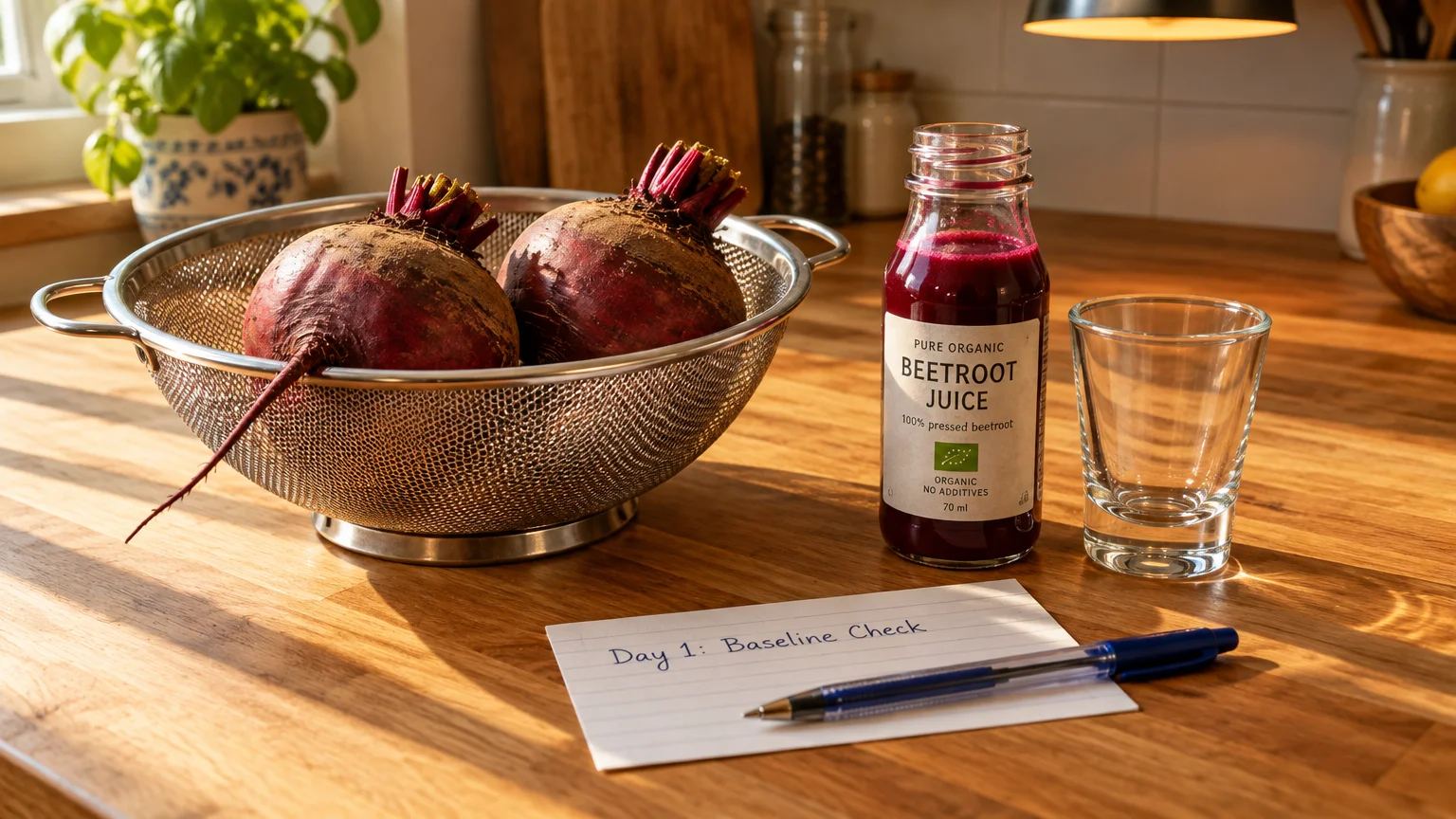
What single step can you take today to start this routine safely?
The most practical action you can take right now is to check and record your baseline blood pressure. Measure your readings over two consecutive mornings before you introduce any new beverages into your diet.
Having accurate baseline numbers gives you a dependable reference point to evaluate how your vascular system responds. You will be able to see exactly how much improvement occurs across your fourteen-day routine.
Once you record your baseline, pick up a high-quality 100% pure beetroot juice or concentrated shots from your local market. Check with your doctor or pharmacist to confirm compatibility with your medications, and begin your first serving tomorrow morning.
Consistency over the next fourteen days is what unlocks the vascular benefits revealed by modern clinical science. A simple daily glass can make a noticeable, measurable difference in your ongoing cardiovascular wellness.
Take charge of your vascular health by testing this evidence-backed habit one day at a time. Small, deliberate nutritional choices create meaningful improvements for your long-term vitality.