You can now return whole milk to your refrigerator with federal backing. Recent dietary updates officially recognize full-fat dairy as a wholesome, nutrient-dense choice for daily wellness.
For decades, health authorities urged everyone to drink only fat-free or low-fat options. This sudden policy reversal raises an immediate question about whether richer milk genuinely benefits your routine.
Choosing the right dairy fat level directly influences your blood sugar, daily heart markers, and muscle retention. Here is what the latest science reveals so you can decide what belongs in your glass.

Why is whole milk back in the federal guidelines?
On January 7, 2026, federal health officials fundamentally shifted how America approaches dairy nutrition. The U.S. Department of Health and Human Services joined the U.S. Department of Agriculture to publish revised dietary recommendations.
Together, they released the Dietary Guidelines for Americans, 2025–2030 under the guiding theme “Eat Real Food.” This historic release marked a decisive departure from older dietary dogmas.
For decades, federal policy strictly favored fat-free and 1% low-fat milk for anyone ages two and older. Those earlier rules treated all saturated dairy fats as substances that Americans must systematically restrict.
The 2025–2030 guidelines explicitly endorse whole milk and full-fat dairy products as part of a healthy, balanced eating pattern. Federal advisers based this update on thorough evaluations of nutrient density and total diet quality.
Nutrition scientists recognized that whole dairy helps individuals fulfill essential daily caloric needs without relying on ultra-processed alternatives. They also highlighted the vital role that natural dairy fats play in supporting cognitive function.
Decades of low-fat guidance inadvertently encouraged people to replace dietary fats with refined carbohydrates and added sugars. Health agencies now acknowledge that intact foods offer metabolic benefits that isolated nutrient guidelines previously ignored.
Rather than judging foods solely by their individual fatty acids, the current guidelines emphasize the overall food matrix. Whole milk delivers complete proteins and bioavailable minerals in their original, unstripped form.
This policy change validates what many consumers already suspected about traditional whole foods. You no longer need to avoid the natural cream in your morning pour out of fear.
What do the new dietary standards say about daily dairy?
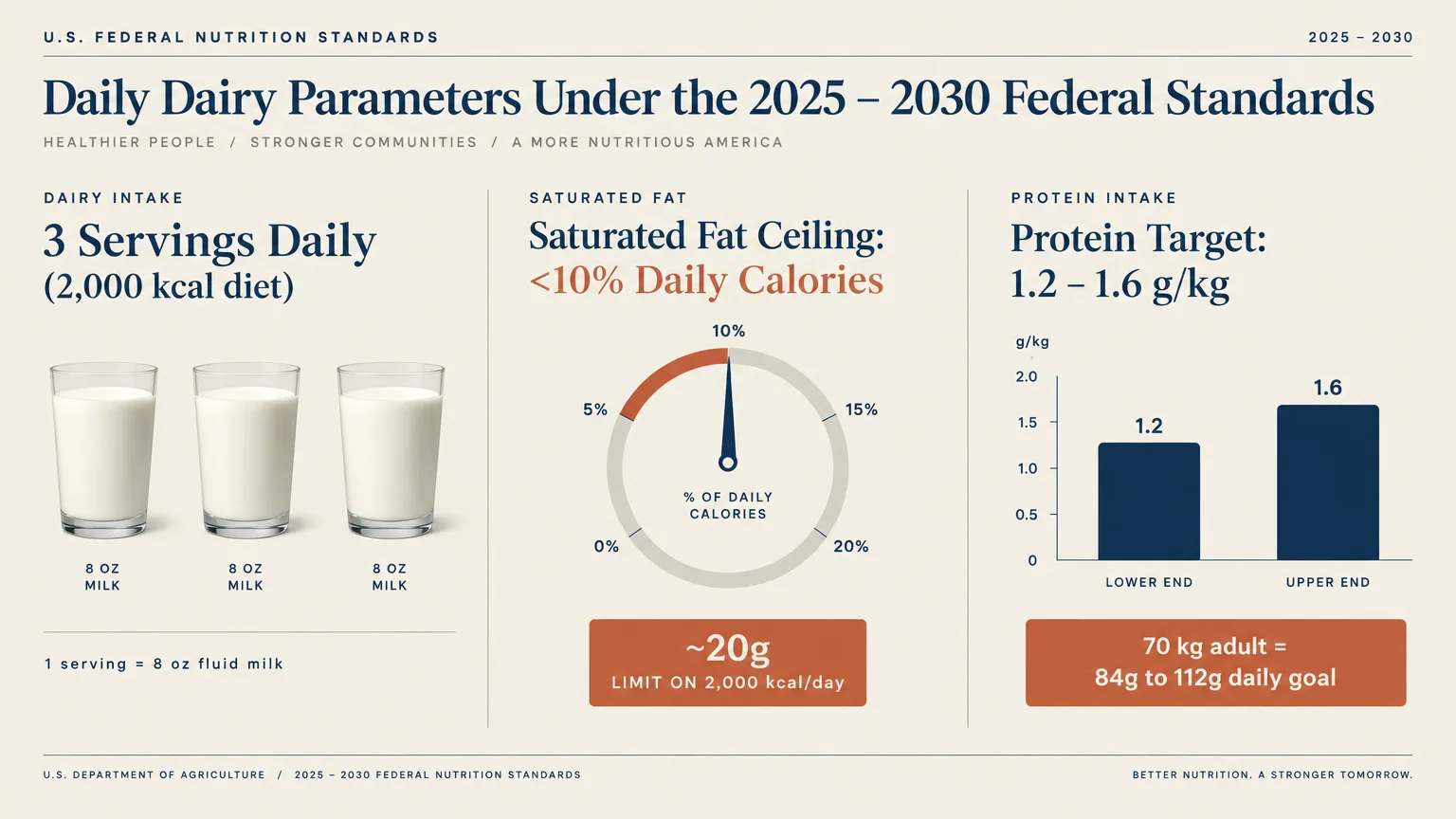
The updated federal framework maintains clear daily targets while giving you greater freedom in your beverage choices. If you consume a standard 2,000-calorie diet, the guidelines continue to recommend three servings of dairy each day.
One eight-ounce cup of fluid milk equals a full single serving toward that three-cup daily target. You can also fulfill this recommendation through complementary foods like plain yogurt and natural cheeses.
While the guidelines welcome full-fat options, they retain a firm ceiling on overall saturated fat intake. You must keep your saturated fat consumption below 10% of your total daily calories.
On a 2,000-calorie daily plan, that ceiling amounts to approximately 20 grams of saturated fat. Because whole milk contains saturated fat, you must budget your intake across all your daily meals.
The 2025–2030 guidelines also raised the daily protein target to between 1.2 and 1.6 grams per kilogram of body weight. This significant increase highlights the essential role of protein in maintaining vitality and functional strength.
If you weigh 70 kilograms, for instance, your daily goal falls between 84 and 112 grams of protein. High-quality dairy provides an efficient, easily absorbed protein source to help you hit that expanded target.
Federal officials also reinforced the daily sodium limit of less than 2,300 milligrams for individuals ages 14 and older. Fortunately, fluid milk remains naturally low in sodium, fitting easily into heart-conscious routines.
The guidelines also clarified that naturally occurring sugars in plain milk do not count toward added sugar caps. You can drink unflavored milk without worrying about violating daily limits on added sweeteners.
How does whole milk compare nutritionally to lower-fat options?
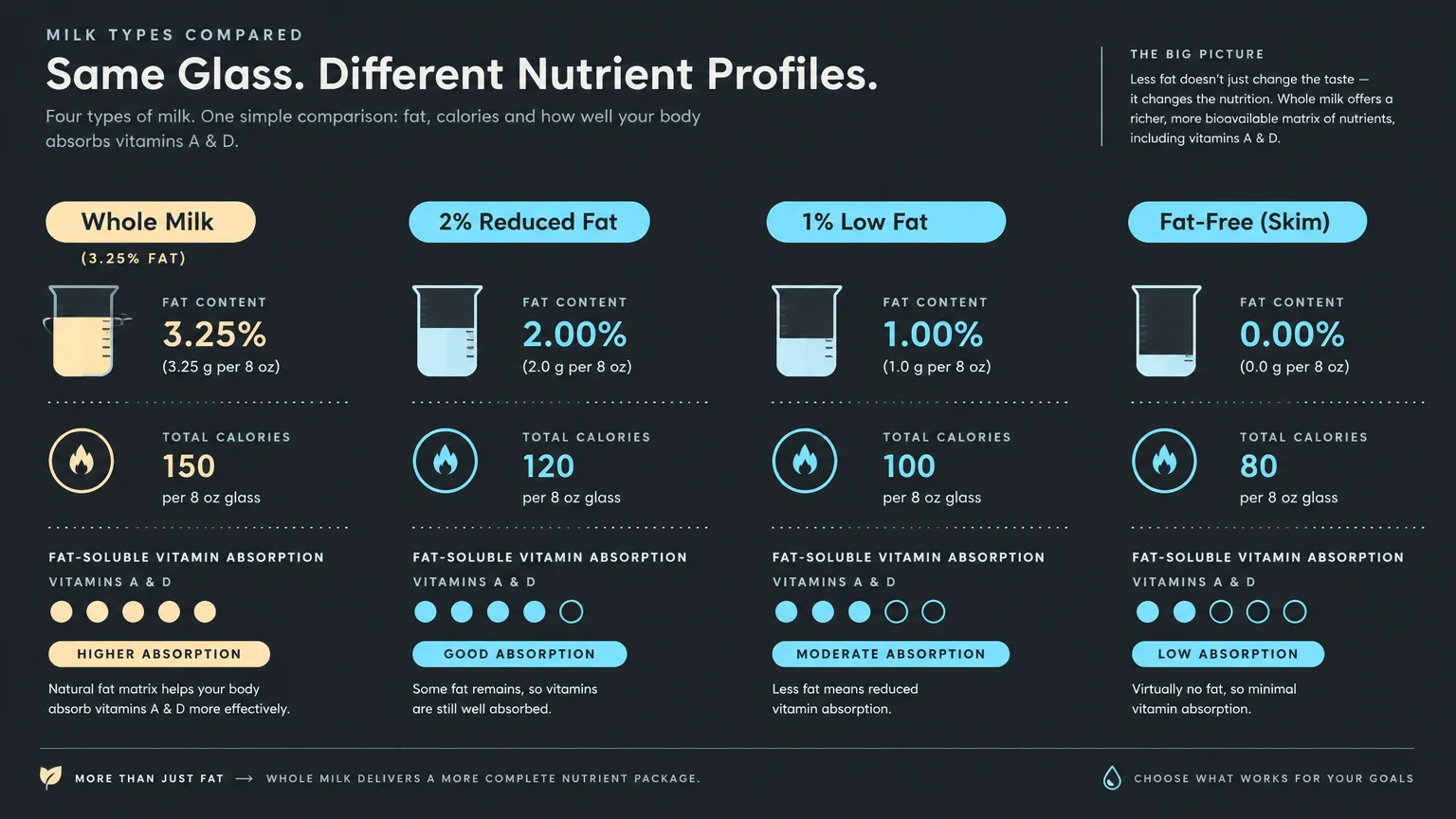
Understanding dairy labels begins with knowing how processors classify milk fat by total product weight. Whole milk contains 3.25% milkfat by weight, which surprises people who assume it contains far more fat.
In contrast, reduced-fat milk contains 2% milkfat, while low-fat milk contains 1% milkfat. Fat-free or skim milk contains less than 0.5% milkfat by weight.
These varying fat levels create noticeable differences in caloric density across an eight-ounce glass. One cup of whole milk delivers roughly 149 to 150 calories.
By comparison, a cup of 2% milk provides 120 to 130 calories; 1% milk provides 100 to 110 calories. Skim milk provides between 83 and 90 calories per cup.
The fat content also influences how much saturated fat enters your system. Whole milk contains about 8 grams of total fat, with 4.6 to 5 grams of saturated fat.
That single cup delivers roughly 23% to 25% of your recommended daily saturated fat allowance. Reduced-fat 2% milk contains 5 grams of total fat and 3 grams of saturated fat.
Low-fat 1% milk provides 2.5 grams of total fat and 1.5 grams of saturated fat. Skim milk provides less than 0.5 grams of total fat and roughly 0.1 grams of saturated fat.
Stripping milkfat also alters the beverage’s body, texture, and natural richness. Many people find whole milk far more satisfying, which prevents them from seeking flavor in sugary dairy alternatives.
Crucially, all cow’s milk varieties provide an identical foundation of essential micronutrients and macronutrients. Every eight-ounce cup supplies approximately 8 grams of complete protein and 12 grams of naturally occurring lactose.
Every variety also provides 13 essential nutrients, including potassium, phosphorus, calcium, and vitamin B12. While whole milk retains its natural fat-soluble vitamins, processors fortify reduced-fat and skim milk with vitamins A and D.
Does whole milk raise your cholesterol or harm heart health?
The relationship between dairy fat and cardiovascular health is far more nuanced than older medical advice suggested. Decades of low-fat guidance assumed that all saturated fats raised blood cholesterol and accelerated arterial damage identically.
Modern clinical research reveals that the food matrix surrounding dairy fats alters how your body processes them. Milk contains unique odd-chain saturated fatty acids that behave differently from the fats found in processed meats.
The American Heart Association continues to advise caution regarding high saturated fat intake, particularly for individuals with elevated cardiovascular risk. If your LDL cholesterol runs high, excess saturated fat can further increase your circulating atherogenic particles.
However, recent observational trials show that whole dairy consumption does not produce the automatic cardiovascular harm once predicted. In many adults, dairy fat slightly raises protective HDL cholesterol while changing LDL particles into a larger, less harmful shape.
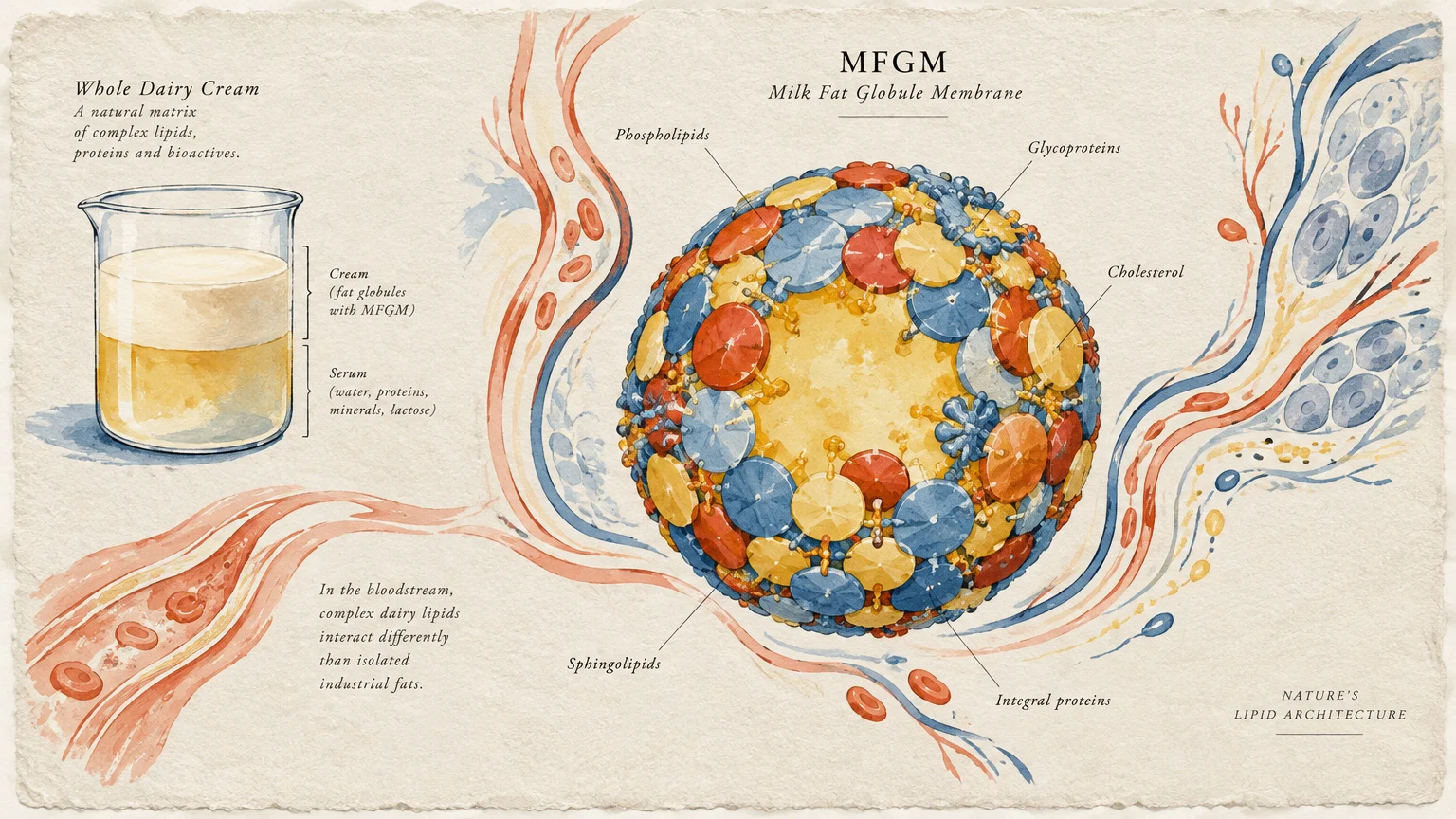
Whole milk also contains the milk fat globule membrane, a biological structure rich in phospholipids and sphingolipids. Research suggests this unique membrane helps regulate cholesterol absorption in the gut and supports vascular lining health.
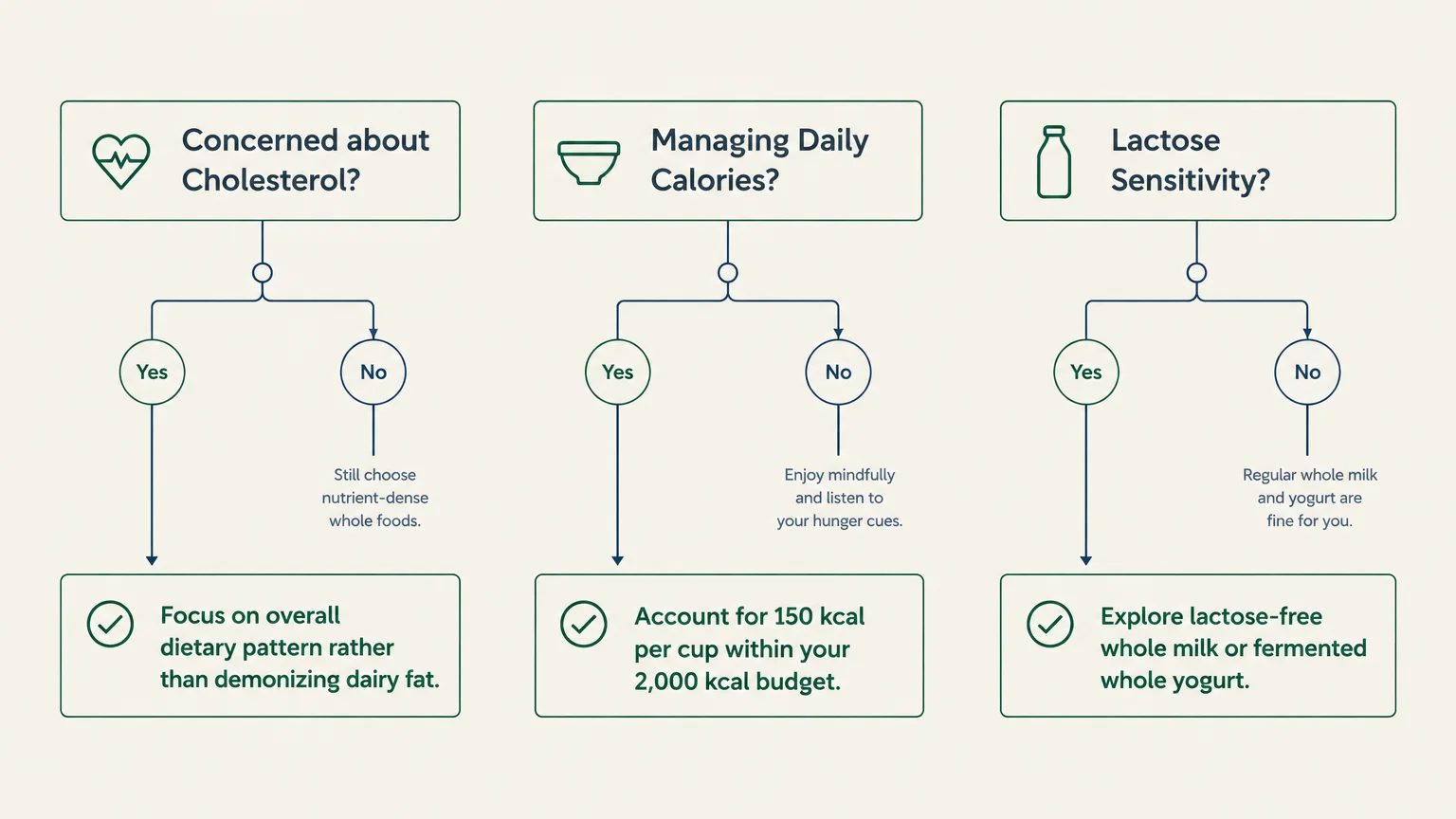
Your personal blood lipid profile should determine whether you embrace full-fat milk daily. If your physician monitors your LDL cholesterol or apolipoprotein B, you must weigh whole milk against your other fat sources.
Drinking a cup of whole milk uses roughly 5 grams of your 20-gram daily saturated fat budget. If the rest of your diet emphasizes olive oil, fish, vegetables, and beans, that intake fits comfortably.
Conversely, pairing whole milk with butter, fatty cuts of meat, and pastries can rapidly exceed safe limits. Balance your entire day rather than judging milk in total isolation.
How does dairy fat affect your blood sugar control?
Maintaining stable blood sugar becomes increasingly vital for sustained energy, vascular health, and metabolic balance. The natural carbohydrates in milk come from lactose, a disaccharide that breaks down into glucose and galactose.
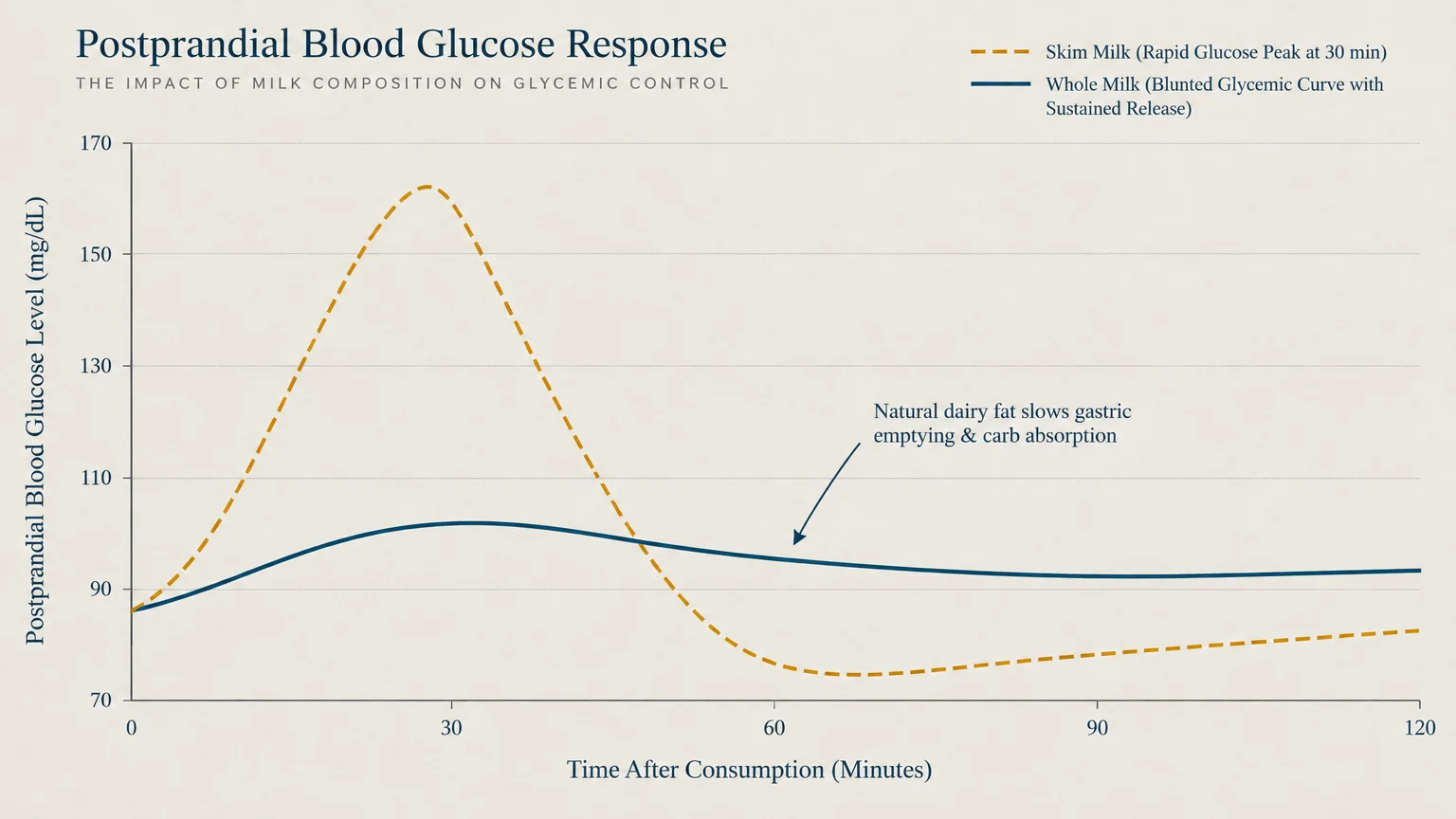
When you drink skim milk, your digestive tract absorbs those 12 grams of sugar relatively quickly. Without fat to slow digestion, skim milk can produce a sharper rise in post-meal glucose levels.
The fat in whole milk significantly delays gastric emptying in your stomach. This slower digestive transit moderates the absorption of lactose into your bloodstream, resulting in a gradual and steady glycemic curve.
This blunted insulin response can benefit adults who manage prediabetes or type 2 diabetes. Avoiding rapid glucose spikes prevents the subsequent energy crashes that often trigger afternoon cravings.
Dairy fat also stimulates the release of satiety hormones like cholecystokinin in your gut. These chemical messengers signal to your brain that you feel full and satisfied after drinking.
Pairing whole milk with carbohydrate-rich foods like whole-grain cereal or fruit further buffers your glycemic response. The combined protein and fat slow down carbohydrate breakdown across the entire meal.
As a result, a morning splash of whole milk in your coffee or oatmeal may curb unnecessary snacking before lunch. Skim milk often leaves individuals hungry again within an hour.
If you track your blood glucose with a continuous monitor, test both skim and whole milk over several days. You can observe directly how the differing fat contents influence your personal glycemic stability.

Can whole milk help you maintain muscle mass and bone density?
Preserving skeletal strength and lean muscle mass requires consistent nutritional attention throughout midlife and beyond. Age-related muscle loss accelerates if you fail to consume sufficient high-quality protein each day.
The National Institute on Aging emphasizes regular resistance exercise and adequate daily protein to maintain functional mobility and independence. Whole milk serves as an exceptional dietary tool to help you reach those targets.
Every eight-ounce cup of milk delivers 8 grams of complete protein containing all nine essential amino acids. In particular, dairy protein provides high concentrations of leucine, the primary amino acid that triggers muscle protein synthesis.
Milk contains two primary protein types: fast-digesting whey and slow-digesting casein. This combination delivers an immediate influx of amino acids followed by a sustained release that nourishes muscle tissue for hours.
Meeting the federal guidelines’ updated goal of 1.2 to 1.6 grams of protein per kilogram requires proactive planning. Adding two cups of milk to your daily meal plan contributes 16 grams toward that vital goal.
Bone preservation also requires a continuous supply of calcium, phosphorus, and vitamin D working in synergy. Cow’s milk remains one of the most bioavailable dietary sources of calcium in the American food supply.
Furthermore, fat-soluble vitamins like vitamin D require dietary fat for optimal intestinal absorption. The natural fat in whole milk enhances how efficiently your digestive tract absorbs the vitamin D present in the liquid.
By strengthening both the muscular framework and the underlying skeleton, whole dairy supports active balance and daily resilience. That combined protection lowers your vulnerability to accidental fractures and mobility decline.

How did federal beverage policies and school meal rules change in 2026?
The return of whole milk to federal nutritional guidance represents more than just a quiet update to a policy booklet. It culminated a multi-year legislative and regulatory effort to overhaul dairy rules across federal nutrition programs.
On November 20, 2025, the United States Senate passed the bipartisan Whole Milk for Healthy Kids Act of 2025. The House of Representatives followed suit on December 15, 2025, passing the bill with broad bipartisan support.
On January 14, 2026, the President signed the Whole Milk for Healthy Kids Act into law as Public Law 119-69. This historic statute directly amended the long-standing National School Lunch Act.
The new law reversed strict restrictions originally imposed by the Healthy, Hunger-Free Kids Act of 2010. Those older rules had barred schools from serving whole and 2% milk to students for over a decade.
After 2010, school milk consumption dropped significantly as students rejected fat-free options, leading to widespread food waste. Lawmakers recognized that offering palatable dairy options is crucial for ensuring young people obtain foundational bone-building nutrients.
The 2026 law permits schools to offer flavored and unflavored whole and reduced-fat milk alongside low-fat and skim options. Crucially, the legislation exempts fluid milk fat from schools’ weekly average saturated fat calculations.
Following this congressional mandate, the USDA issued its formal final rule on May 8, 2026. This administrative action officially restored whole and 2% milk options across all federal Child Nutrition Programs.
The updated rules apply to the National School Lunch Program, School Breakfast Program, Child and Adult Care Food Program, and Special Milk Program. This coordinated policy overhaul reflects a profound nationwide reconsideration of natural dairy fats.
How much does whole milk cost compared to low-fat milk?
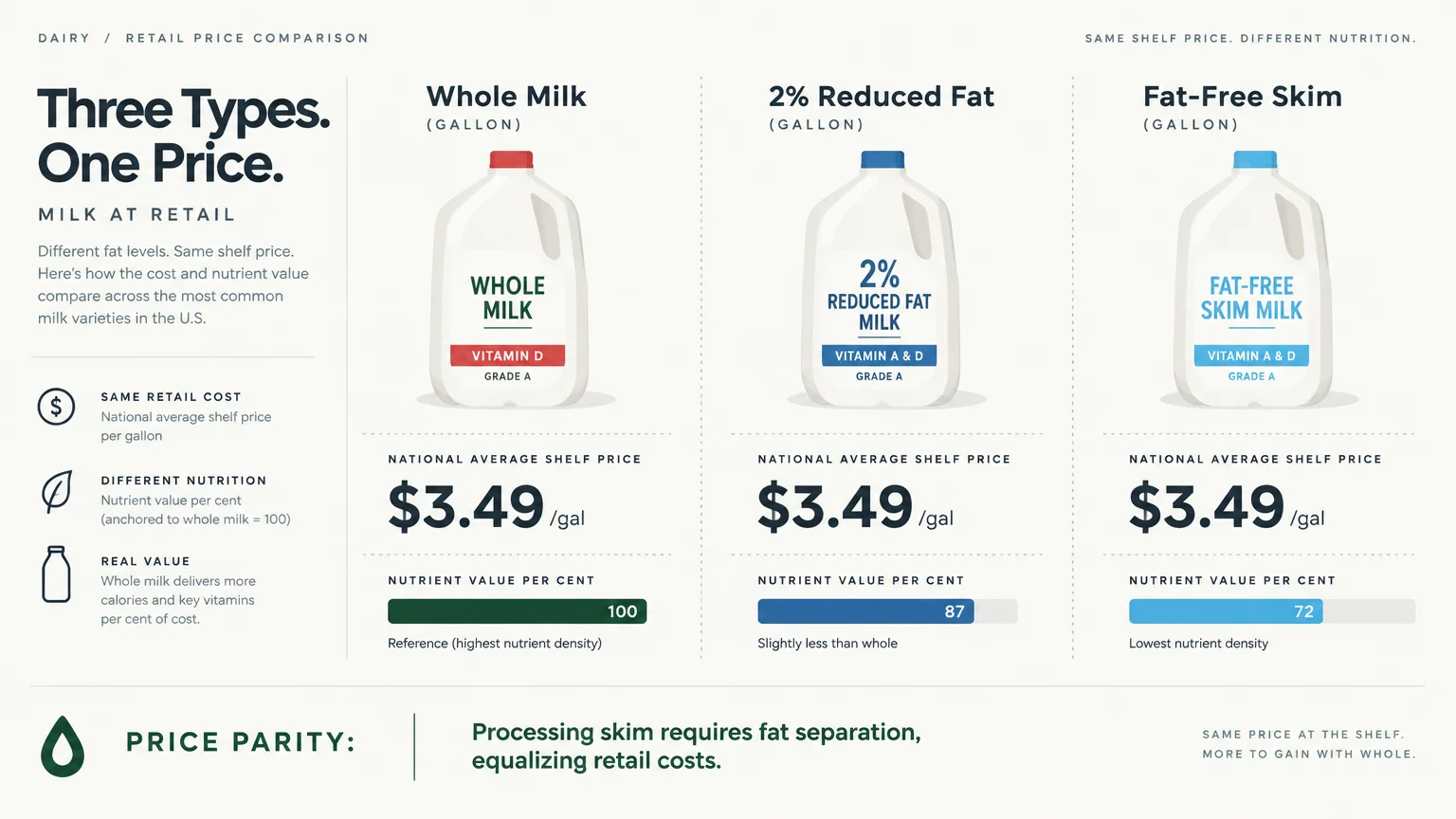
Changing your dairy habits rarely imposes an additional financial burden on your weekly grocery budget. Processors price fluid cow’s milk primarily by packaging, distribution, and regional supply chains rather than butterfat content.
According to the USDA Agricultural Marketing Service Retail Milk Prices Report released on October 21, 2026, price parity remains standard nationwide. The simple average retail price for conventional whole milk was $3.88 per gallon across American cities.
Conventional reduced-fat 2% milk averaged $3.86 per gallon during the exact same retail period. That two-cent price difference means switching from 2% to whole milk causes virtually zero economic impact.
If you prefer certified organic dairy, you will pay a noticeable premium regardless of the fat percentage you select. The USDA reported that organic whole milk and organic 2% milk both averaged $5.14 per half-gallon in October 2026.
Broader economic tracking from the U.S. Bureau of Labor Statistics recorded fortified fresh whole milk at $4.11 per gallon in September 2026. Local grocery promotions and store brands often provide even more affordable alternatives.
Because whole milk delivers more total energy and satiety per ounce, it offers substantial nutritional value per dollar spent. You get more sustained metabolic fuel without paying higher register prices.
Consumer buying trends show that Americans had already shifted toward richer dairy long before federal policy caught up. The USDA Economic Research Service documented that overall fluid milk sales declined 22% between 2009 and 2024.
Despite that general decline, whole milk staged an impressive commercial comeback across supermarket dairy aisles. Whole milk’s market share rebounded from a low of 26% in 2012 to 39% in 2024.
That surge established whole milk as the top-selling fluid dairy category in the country. Reduced-fat 2% milk secured 30% of the market, while combined low-fat and skim milk fell to just 16%.
How should you drink whole milk for the best daily results?
Adopting whole milk successfully requires thoughtful integration rather than indiscriminate pouring. Because an eight-ounce cup contains 150 calories and 5 grams of saturated fat, measuring your portions prevents unintended caloric excess.
Begin by using standard eight-ounce measuring cups when pouring a glass at breakfast or lunch. This simple visual calibration helps you gauge realistic serving sizes before you transition to free pouring.
If you enjoy morning coffee, swapping skim milk or processed non-dairy creamers for whole milk provides exceptional culinary richness. Two tablespoons of whole milk deliver luxurious texture with only about 19 calories and 0.6 grams of saturated fat.
That simple coffee swap also eliminates artificial emulsifiers, hydrogenated oils, and added sugars commonly found in commercial creamers. You replace industrial additives with single-ingredient, farm-fresh nutrition.
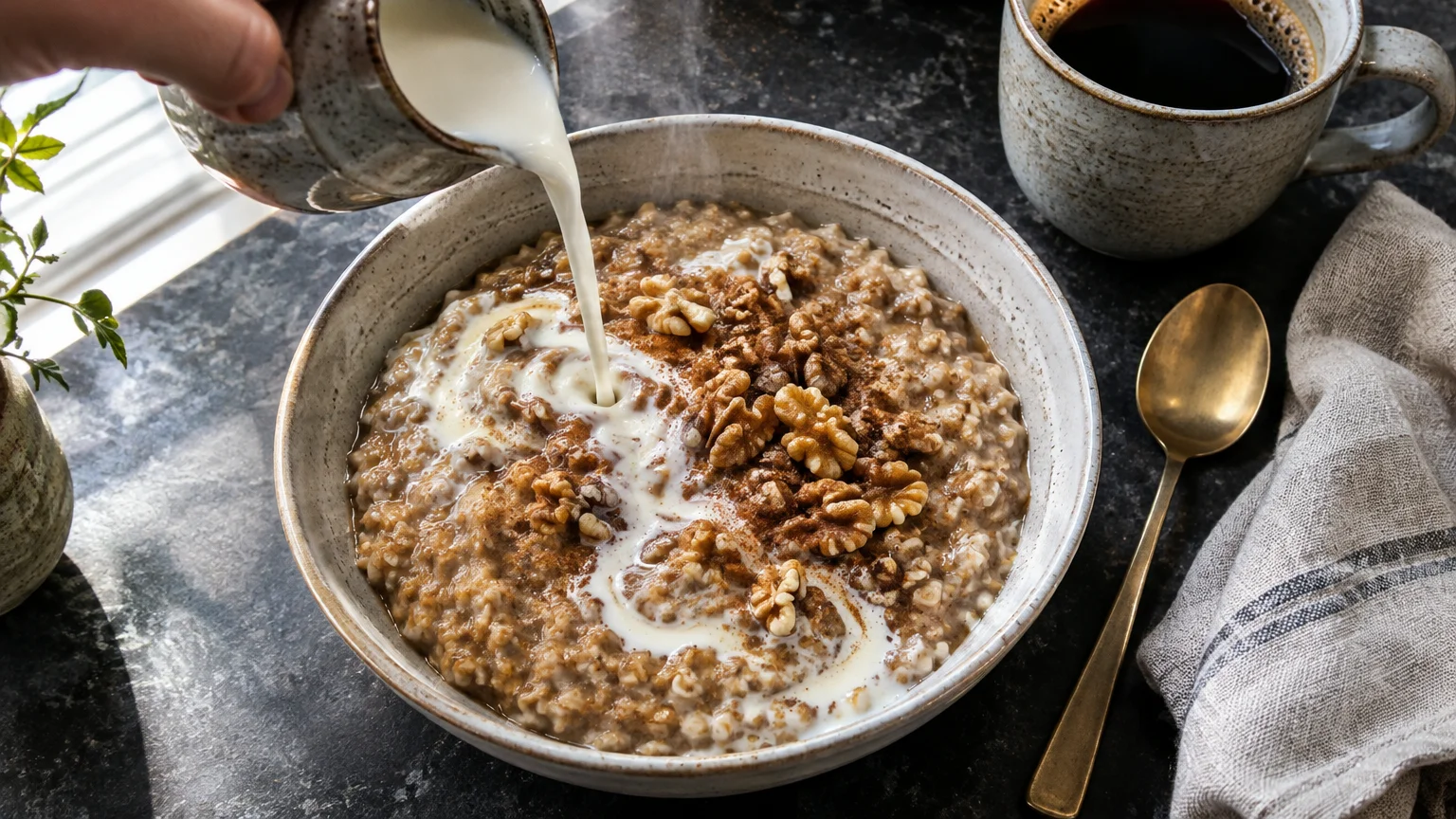
You can also cook steel-cut oats with whole milk instead of plain tap water. The added protein and healthy fats lower the oatmeal’s glycemic load while keeping you satisfied throughout the morning.
For afternoon nutrition, consider blending a cup of whole milk with fresh berries and leafy greens. This balanced smoothie provides hydration, bioactive antioxidants, and sustained energy without artificial protein powders.
Timing your milk consumption around your physical activity can accelerate muscular recovery after strength training sessions. Consuming dairy protein within an hour after exercise delivers amino acids directly to repairing muscle fibers.
Store your milk carton on an interior refrigerator shelf rather than inside the door bins. Interior shelves maintain a stable temperature below 40 degrees Fahrenheit, keeping your milk fresher for longer.
If you currently drink skim milk, consider a gradual transition rather than an abrupt leap to whole milk. Mixing equal parts skim and whole milk creates a familiar 1.5% intermediate fat profile while your palate adjusts.
What medication interactions and digestive issues should you watch for?
While whole milk provides substantial nourishment, it can interact unfavorably with specific prescription medications and digestive conditions. You must manage the timing of your dairy intake if you take daily pharmaceutical therapies.
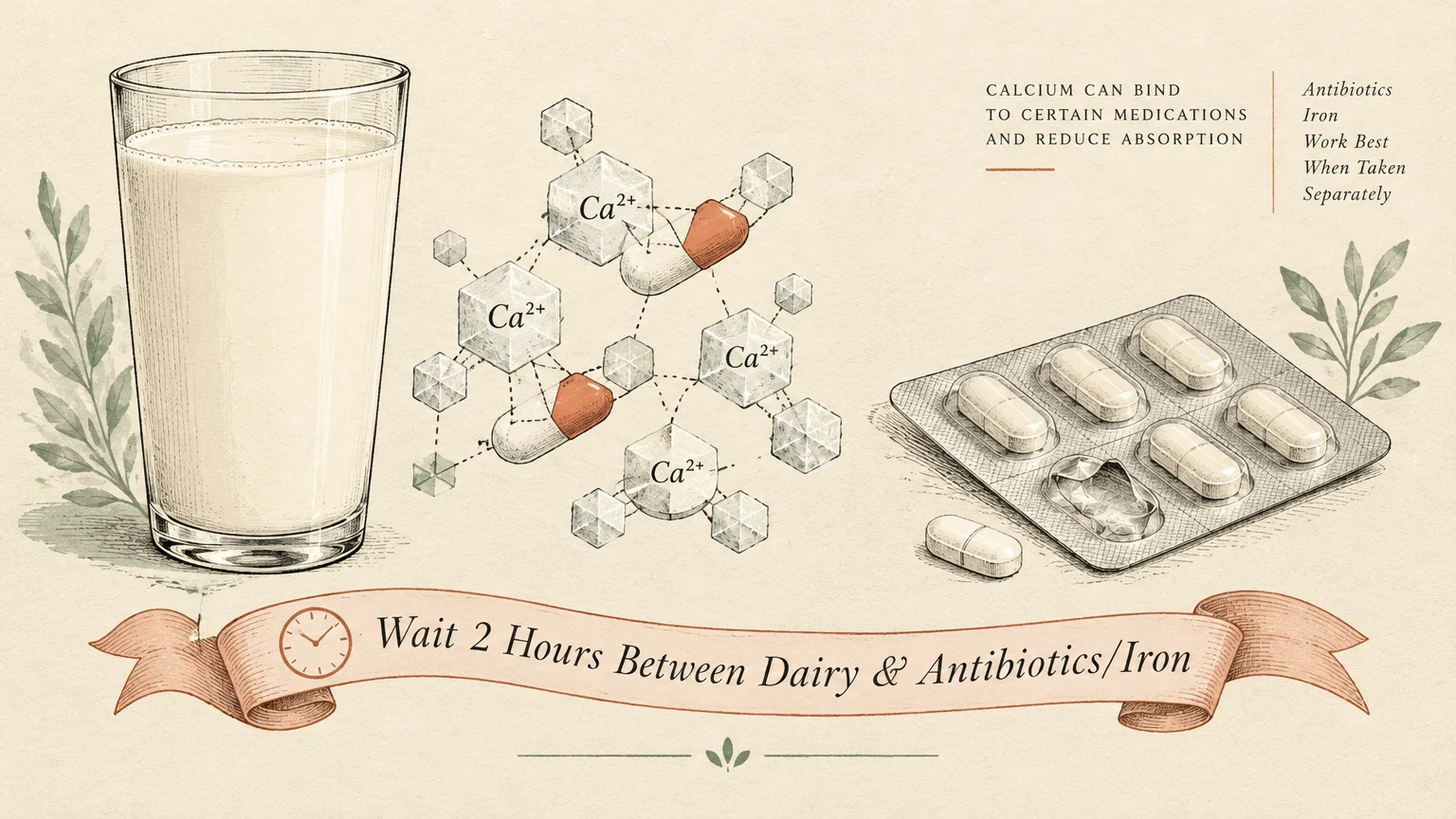
The U.S. Food and Drug Administration cautions that calcium binds tightly to certain oral antibiotics, including tetracyclines and fluoroquinolones. This chemical chelation prevents your digestive tract from absorbing the medication properly, drastically reducing its clinical effectiveness.
To avoid this interaction, drink milk at least two hours before or four to six hours after taking these antibiotics. Check your prescription labels carefully or consult your pharmacist regarding exact timing requirements.
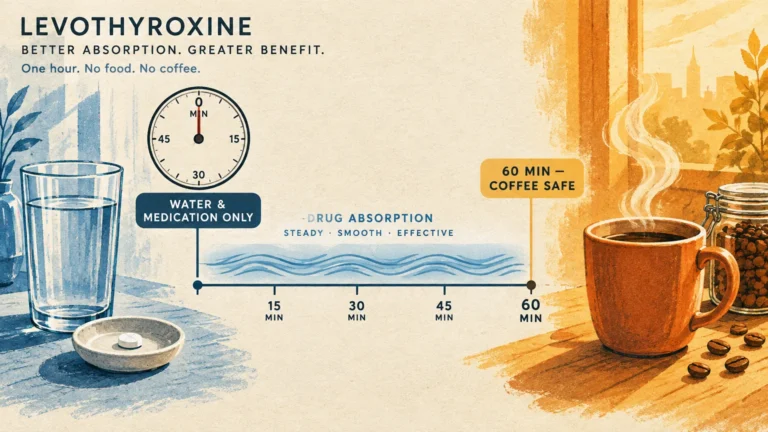
Calcium supplements and calcium-rich dairy foods also interfere with the absorption of thyroid replacement hormones like levothyroxine. Endocrinologists recommend separating dairy consumption from your morning thyroid dose by at least four full hours.
Calcium also competes with oral iron supplements for absorption sites in your small intestine. If you take iron for anemia, take your iron pill with water or vitamin C juice rather than milk.
Digestive capacity also evolves over time, as many adults produce less intestinal lactase enzyme as they age. If you experience bloating, gas, or loose stools after drinking milk, you may have developed secondary lactose intolerance.
Fortunately, you do not need to abandon real dairy to overcome lactose-related digestive discomfort. Lactose-free whole milk provides the exact same fat profile, protein, and calcium without triggering intestinal distress.
Individuals managing chronic kidney disease must also exercise caution regarding the phosphorus and potassium found naturally in cow’s milk. Always consult your nephrologist or registered dietitian before increasing your daily fluid milk intake.
Which common questions do people ask about switching to whole milk?
Transitioning between milk varieties naturally generates practical questions about ingredients, weight, and general health outcomes. Reviewing clear answers can help you personalize your choices with complete confidence.
Does whole milk contain more sugar than skim milk?
Whole milk does not contain more sugar than skim milk; in fact, it contains slightly less sugar per fluid ounce. An eight-ounce cup of whole milk provides approximately 12 grams of naturally occurring lactose sugar.
Because skim milk removes the butterfat, lactose represents a slightly higher percentage of its total remaining liquid volume. Skim milk typically contains between 12 and 12.5 grams of lactose per cup.
Neither plain whole milk nor plain skim milk contains added sweeteners, high-fructose corn syrup, or cane sugar. Federal labeling rules strictly require dairy processors to list added sugars separately on nutrition panels.
The natural lactose in whole milk digests significantly slower because of the presence of intact butterfat. This slower absorption means whole milk causes a milder blood sugar reaction than fat-free alternatives.
Will drinking whole milk cause unwanted weight gain?
Whole milk does not automatically cause weight gain if you account for its caloric contribution within your daily energy budget. While whole milk contains 150 calories per cup compared to skim’s 90 calories, it provides far greater satiety.
The combination of fat and protein slows stomach emptying, preventing subsequent cravings and erratic between-meal snacking. Many adults find that a glass of whole milk satisfies their appetite where skim milk fails.
Large observational studies consistently show that individuals who consume full-fat dairy do not gain more weight than low-fat consumers. In several cohorts, full-fat dairy consumers actually demonstrated lower long-term rates of abdominal obesity.
However, adding two glasses of whole milk on top of an already hyper-caloric diet will lead to weight accumulation. You must swap whole milk into your routine in place of other caloric beverages or refined snacks.
Can you drink whole milk if you manage elevated blood pressure?
You can safely incorporate whole milk into a blood pressure management plan if your overall daily diet remains balanced. Cow’s milk is an outstanding source of potassium, magnesium, and calcium, three minerals that regulate vascular tone.
The famous DASH dietary trials highlighted dairy foods as essential components for lowering systolic and diastolic readings. Those minerals encourage arterial relaxation and help your kidneys excrete excess dietary sodium.
A single cup of whole milk contains only about 105 milligrams of sodium, fitting comfortably beneath the federal 2,300-milligram limit. It provides over 300 milligrams of blood-pressure-lowering potassium per serving.
However, if your physician prescribed a strict low-fat regimen to combat concurrent cardiovascular disease, discuss whole milk with your doctor. Balancing sodium, potassium, and saturated fats requires a holistic dietary assessment.
Does drinking warm whole milk before bed improve your sleep?
Drinking a small cup of warm whole milk before bed can indeed promote deeper and more restful nighttime sleep. Milk contains tryptophan, an essential amino acid that your body uses to synthesize serotonin and melatonin.
Melatonin serves as your body’s primary internal neurohormone for signaling sleep onset and maintaining circadian rhythm. Warm liquids also exert a soothing psychological effect that helps calm your nervous system after a stressful day.
The butterfat in whole milk provides a slow, steady release of energy throughout the night. This sustained nourishment prevents nocturnal hypoglycemia, a condition where dipping blood sugar wakes you up abruptly at two in the morning.
To prevent nighttime acid reflux, consume your warm milk roughly sixty to ninety minutes before lying down. An eight-ounce portion delivers optimal relaxation benefits without overloading your bladder overnight.
Does commercial whole milk contain unwanted hormones or antibiotics?
Federal regulations strictly prohibit the sale of commercial milk containing antibiotic residues in the United States. Every tanker truck of raw milk undergoes mandatory testing at the processing plant before workers unload it.
If technicians detect even trace amounts of antibiotics, processors immediately discard the entire shipment at the farmer’s expense. Furthermore, routine treatment of healthy dairy cows with antibiotics has been banned under federal veterinary oversight rules.
The use of artificial growth hormones like recombinant bovine somatotropin has also declined to near-zero levels across American dairy farms. Major consumer cooperatives and fluid milk processors require their dairy suppliers to sign affidavits certifying hormone-free herds.
As a result, conventional whole milk on grocery store shelves meets stringent safety standards regarding synthetic residues. You can drink certified organic milk if you desire third-party verification of pastured livestock feeding practices.

What simple dairy switch should you test this week?
You do not need to overhaul your entire refrigerator overnight to benefit from the updated federal dairy guidelines. Sustainable dietary improvements work best when you implement small, measurable adjustments that you can easily assess.
This week, replace one artificial or low-fat dairy item with a single serving of high-quality whole milk. If you currently put powdered or hydrogenated oil creamers into your morning coffee, switch to two tablespoons of pure whole milk.
Notice how the natural fats change the beverage’s flavor profile, mouthfeel, and digestive comfort. Pay close attention to your mid-morning hunger levels over the next three to five days.
Keep a brief mental or written log tracking how your energy and digestion respond to the richer milkfat. Notice whether you experience fewer late-morning sugar cravings or less jittery coffee energy crashes.
Many adults discover that authentic whole dairy eliminates the urge to graze on refined carbohydrates before lunchtime. That simple substitution can reduce your overall caloric intake while eliminating industrial emulsifiers and added sugars.
If you prefer a direct beverage, try drinking a four-to-six-ounce glass of cold whole milk alongside lunch. Observe how your body digests the natural fats and whether your afternoon energy remains stable.
Always review significant dietary modifications with your primary care physician or a registered dietitian, especially if you take daily medications. Armed with current federal guidance and personal observation, you can confidently choose the milk that serves you best.