Buying bottled water feels like an instant shield against industrial pollutants, but your plastic jug often contains the exact same contaminants. Believing that packaged water will save your health from municipal additives overlooks basic production realities.
Major commercial manufacturers frequently package treated tap supply while charging thousands of times more than your public utility. Furthermore, relying on bottled water will expose you to distinct chemical hazards that public water pipes do not create.
Discovering what flows into your cup allows you to safeguard your hydration, kidney health, and wallet with genuine confidence.
Where does commercial bottled water actually come from?
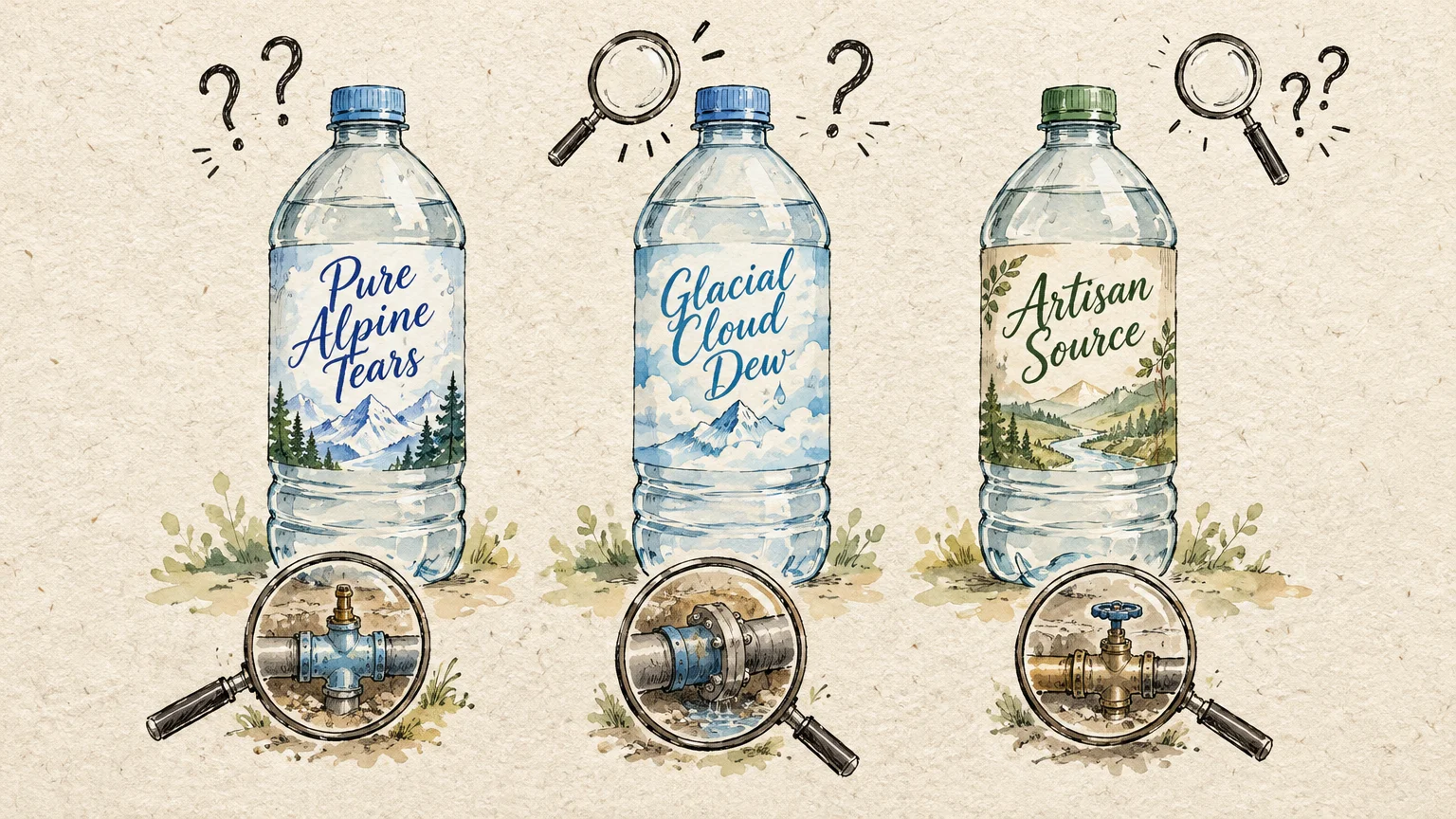
Many shoppers assume that bottled water originates from untouched glacial streams or remote alpine springs. Marketing imagery on bottle labels reinforces this pristine natural vision with pictures of snow-capped mountains.
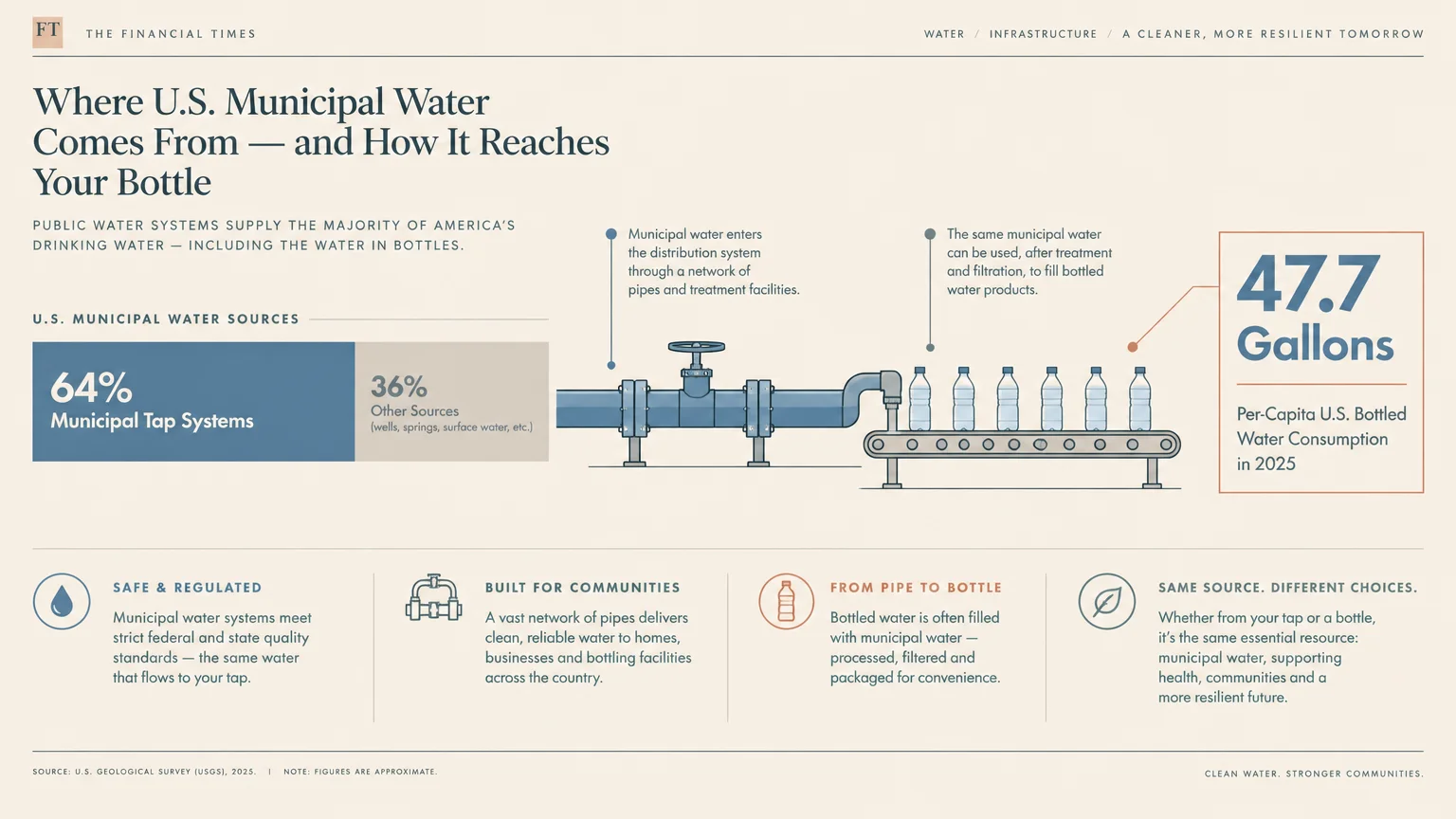
The underlying commercial reality tells a completely different story. A vast portion of commercial bottled water comes directly from standard municipal water systems.
According to analyses from Food & Water Watch and the Environmental Working Group, approximately 64% of bottled water sold in the United States originates from municipal tap systems. Public municipal pipes feed the bottling plants directly.
Earlier research from the Natural Resources Defense Council and regulatory assessments echo these findings. They estimate that at least 25% of bottled water is repackaged, purified municipal water.
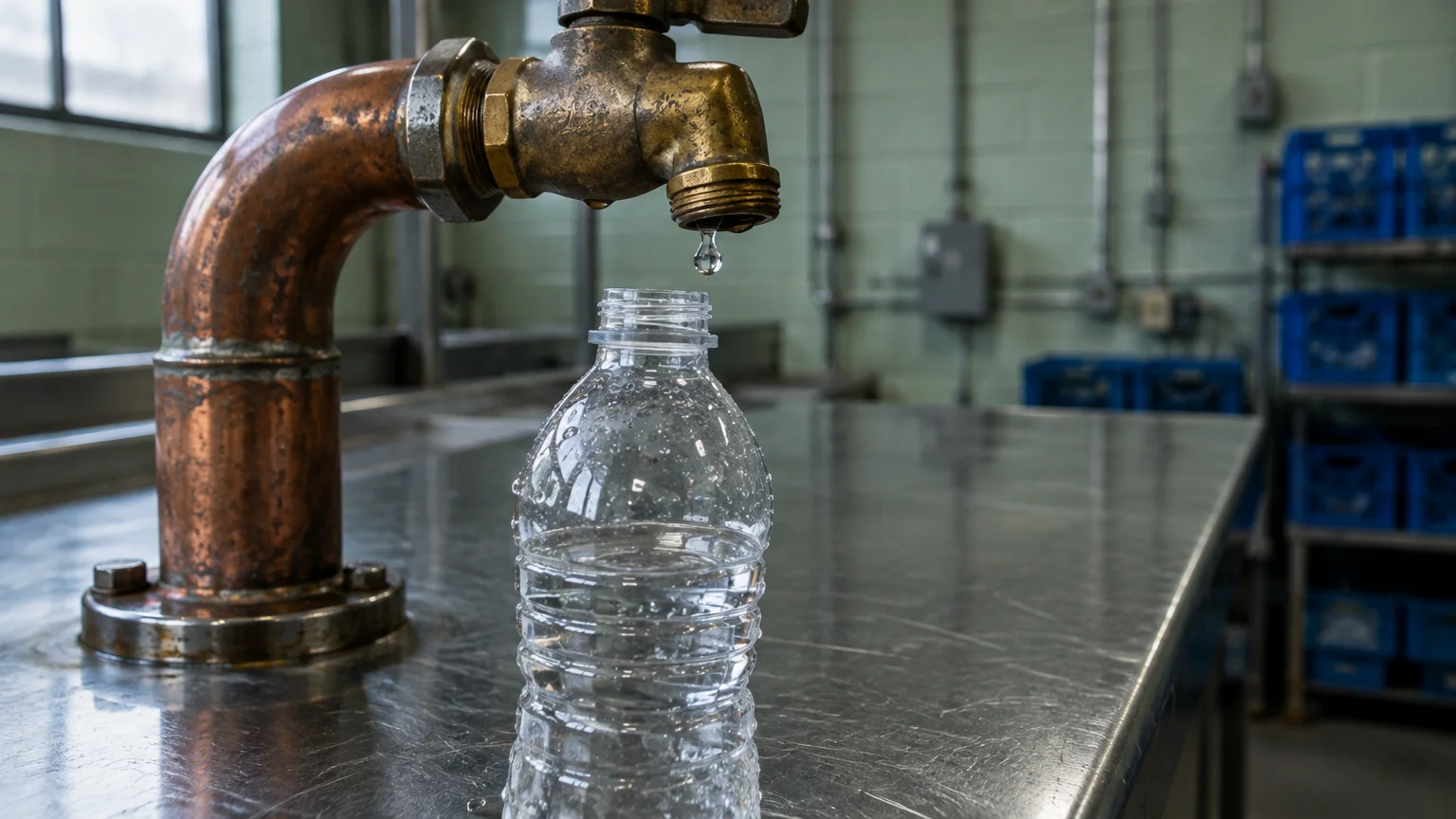
Household brand names such as Aquafina, Dasani, and Pure Life use public water systems as their base water source. Bottling facilities then process this municipal tap water before sealing it in plastic containers.
These purification facilities often use standard municipal water lines that connect directly to local city water mains. The bottlers rely on the exact same civic infrastructure that supplies your bathroom and kitchen faucets.
American consumers have embraced these single-use containers in unprecedented volumes over recent years. You might purchase them out of convenience, road trip habits, or concerns regarding your tap water quality.
According to data from the Beverage Marketing Corporation, per-capita U.S. bottled water consumption reached a record 47.7 gallons in 2025. This historic milestone cemented packaged water as America’s top-selling packaged beverage for 10 consecutive years.
Despite this widespread popularity, trusting that bottled water will protect your health from civic additives ignores basic sourcing facts. You are frequently paying a company to bottle the very water you sought to avoid.
How do PFAS forever chemicals enter plastic water bottles?
Per- and polyfluoroalkyl substances, commonly called PFAS, represent a group of thousands of synthetic industrial compounds. Chemical manufacturers engineered these resilient molecules to resist heat, grease, stains, and water penetration.
These persistent compounds earn the nickname forever chemicals because their carbon-fluorine bonds do not degrade naturally under environmental conditions. As a result, industrial waste migrates into groundwater aquifers, rivers, and civic reservoirs.
Because bottling plants draw their base water from municipal systems or natural springs, they inherit these environmental pollutants. Standard industrial processing does not automatically eliminate every microscopic trace of these persistent chemicals.
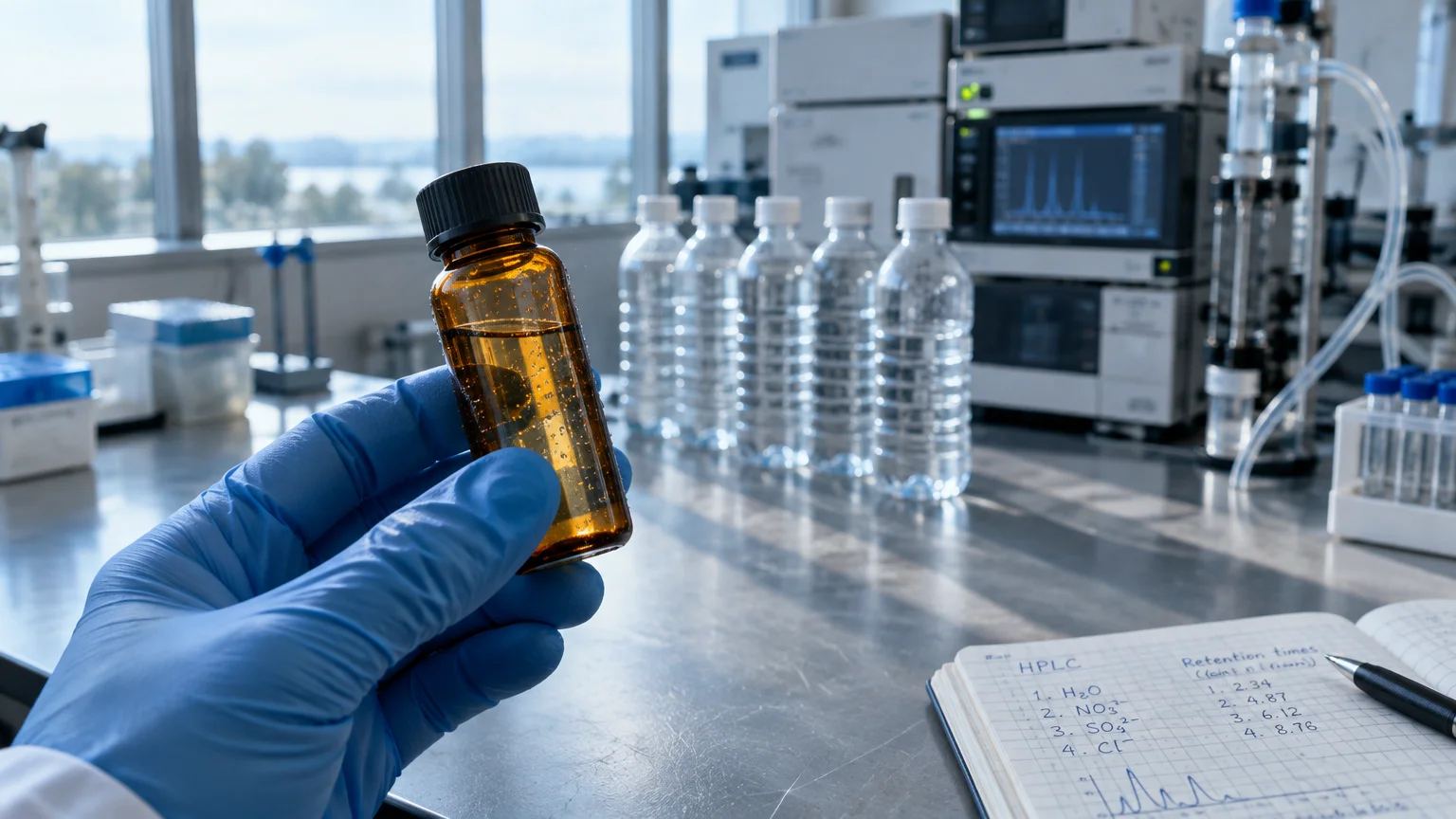
In 2020, Consumer Reports conducted an extensive laboratory investigation evaluating 47 popular bottled water brands. The testing revealed detectable PFAS concentrations in 43 of the 47 samples analyzed, representing 91% of tested products.
Carbonated bottled waters showed the highest concentrations of these synthetic compounds in the 2020 evaluation. Industrial carbonation equipment and specific purification practices appeared to correlate with higher overall chemical totals.
Independent academic testing confirms that commercial bottling plants do not magically filter out every dangerous pollutant. Chemical contamination spans across low-cost grocery labels and premium imported varieties alike.
A 2021 study conducted by Johns Hopkins University examined 101 bottled water products purchased from retail shelves. The researchers detected PFAS in 39 of the 101 waters tested, confirming contamination in 39% of samples.
These findings prove that commercial water will not automatically escape industrial runoff simply because it carries a designer label. Groundwater contamination affects public utilities and private commercial springs without distinction.
Who regulates drinking water standards between tap and bottle?
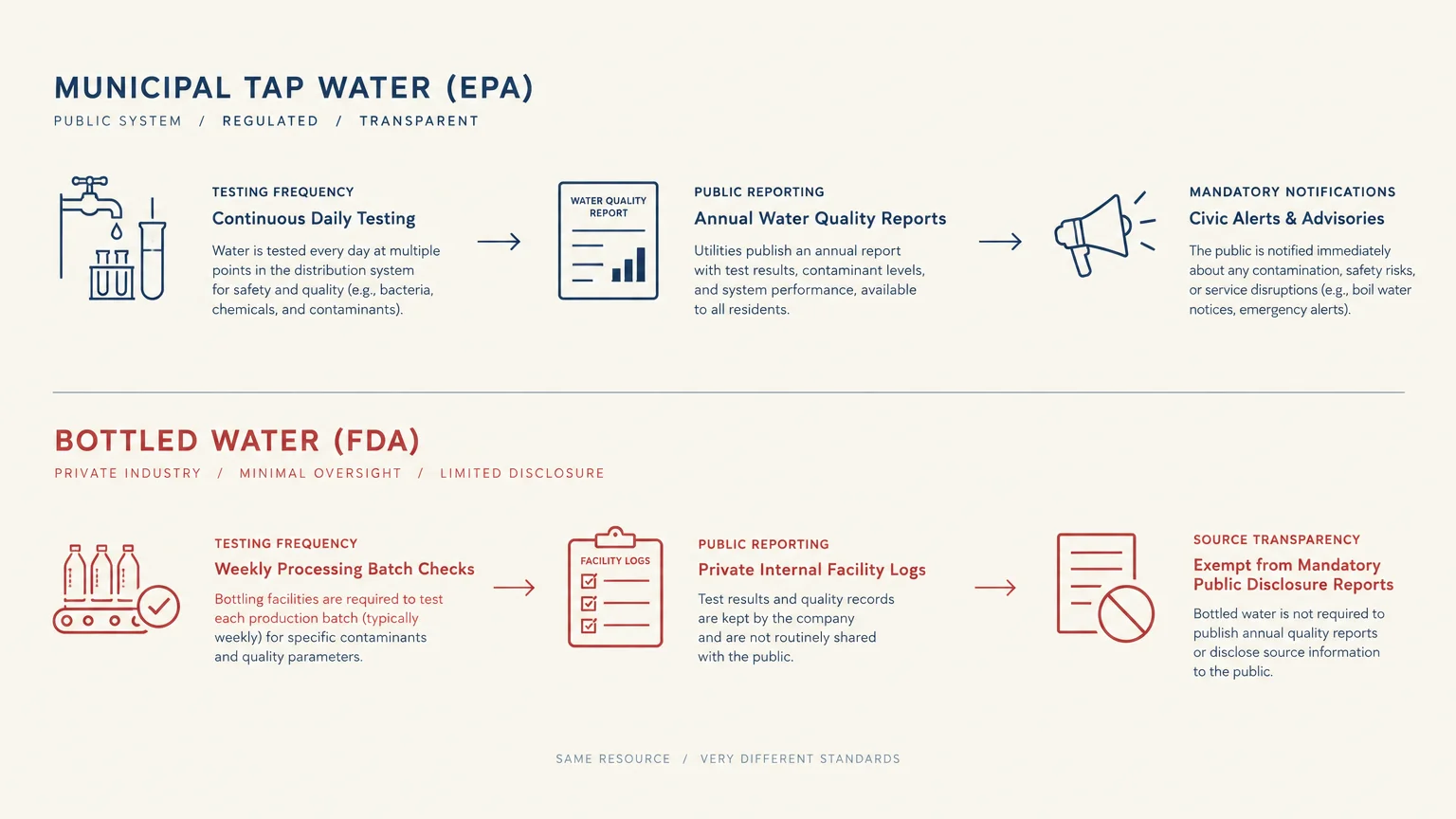
A significant gap between tap water and bottled water involves the legal frameworks governing their safety. The federal government divides drinking water oversight between two entirely separate regulatory agencies.
The Environmental Protection Agency monitors and regulates public municipal water systems across the nation. The agency operates under the strict statutory requirements established by the Safe Drinking Water Act.
In April 2024, the EPA established the first legally enforceable National Primary Drinking Water Regulation for six PFAS chemicals. The rule set Maximum Contaminant Levels of 4.0 parts per trillion each for PFOA and PFOS.
That landmark regulation initially set a mandatory compliance deadline of April 2029 for all municipal water utilities. Local utilities faced strict legal obligations to monitor supply wells and install specialized filtration equipment.
In May 2026, the EPA proposed amending this rule to rescind limits for four PFAS compounds. The proposal also offered public utilities an optional two-year compliance extension to April 2031 for PFOA and PFOS.
In contrast, the U.S. Food and Drug Administration regulates bottled water as a packaged food product. The agency derives its regulatory authority from the Federal Food, Drug, and Cosmetic Act.
The FDA is currently reviewing the EPA drinking water standards and the May 2026 proposed amendments. The agency has not yet established official allowable PFAS limits specifically for commercial bottled water products.
In April 2025, the FDA released results from testing 197 domestic and imported bottled water samples collected between 2023 and 2024. The screening assessed purified, spring, and artesian waters across retail distribution channels.
Ten of the 197 samples contained detectable concentrations of one to four distinct types of PFAS. While none exceeded the EPA municipal limits, the testing proved that packaged waters still carry industrial chemicals.
Public utilities must test water continuously and mail consumers an annual Consumer Confidence Report by July 1. The FDA does not require bottled water companies to disclose water sources, treatment methods, or lab results on labels.
This regulatory divide leaves consumers with less chemical transparency at the supermarket than at their own kitchen faucets. You receive verified laboratory disclosures from your city utility, but silence from plastic bottle labels.

How many plastic particles are you swallowing with each bottle?
Beyond persistent industrial compounds, plastic packaging introduces a unique physical contaminant into your beverage. Every time a machine seals a bottle, microscopic fragments break away into the liquid.
A landmark January 2024 study conducted by Columbia University and Rutgers University examined this issue in depth. Published in the Proceedings of the National Academy of Sciences, the research utilized advanced optical imaging techniques.
The researchers analyzed five popular bottled water brands to calculate exact plastic particle concentrations. They discovered that an average liter of bottled water contains roughly 240,000 detectable plastic particles.
Particle counts varied between 110,000 and 370,000 particles per liter across the tested samples. These figures proved to be 10 to 100 times higher than past scientific estimates had suggested.
The study discovered that roughly 90% of those identified particles were nanoplastics, while only 10% were microplastics. Nanoplastics measure smaller than one single micrometer in diameter.
Because nanoplastics are so microscopic, they can readily pass through your intestinal lining and lung tissue. From there, these particles can enter your bloodstream and migrate into vital organs like your heart and kidneys.
The most common material identified in the bottled water samples was polyamide, a type of nylon. Polyamide forms the membranes inside industrial reverse-osmosis filters used by commercial bottling plants to clean municipal water.
The second most common material identified was polyethylene terephthalate, commonly known as PET. This plastic makes up the physical bottle body and sheds particles directly into the water during manufacturing and handling.
Every standard 16.9-ounce bottle you consume delivers tens of thousands of these synthetic fragments into your digestive system. Industrial purification membranes and plastic containers actively contribute to this continuous particulate burden.

What happens when nanoplastics react inside your body?
For decades, conventional manufacturing wisdom assumed that ingested plastic particles were chemically inert. Scientists presumed that synthetic particles would pass harmlessly through your digestive tract without interacting with living cells.
Groundbreaking research has fundamentally challenged that assumption. An October 2026 study from Columbia University and the University of California, Berkeley published in Nature analyzed this biological interaction.
The study demonstrated that microplastics and nanoplastics are actively reactive when suspended in water. As fragmented plastic particles rub against one another in liquid, their fractured surfaces spontaneously generate reactive oxygen species.
Reactive oxygen species are highly unstable free radicals that attack and damage cellular structures. When your body experiences an excess of these free radicals, cellular tissues suffer from oxidative stress and accelerated inflammation.
Chronic oxidative stress can damage cellular DNA, alter cell membranes, and irritate delicate vascular linings. For mature adults managing cardiovascular health or arterial stiffness, internal free-radical exposure represents a genuine concern.
These tiny particles also carry chemical additives like phthalates and bisphenols absorbed during container manufacturing. Once inside your tissues, nanoplastics slowly release these synthetic compounds directly into your systemic circulation.
Ingesting millions of nanoplastic particles over years forces your liver and kidneys to process foreign synthetic matter continuously. The long-term cellular burden adds unnecessary metabolic strain to organs responsible for daily detoxification.
Drinking municipal tap water from a clean glass avoids this continuous mechanical shedding. Choosing plastic bottles to escape tap chemicals inadvertently introduces reactive nanoscopic plastics directly into your internal tissues.

Why does proper hydration become critical after age 55?
Maintaining fluid balance becomes both more critical and more challenging as the human body ages. Thirst sensation naturally dulls over time because central nervous system osmoreceptors become less responsive to dehydration.
By the time you feel noticeably thirsty, your body may already be experiencing mild dehydration. You cannot rely solely on dry mouth cues to prompt your daily fluid intake.
Your kidneys also experience age-related structural changes that reduce their ability to concentrate urine efficiently. Consequently, your body expels more water to process daily metabolic waste products through the urinary system.
The National Institute on Aging emphasizes that consistent daily fluid consumption protects vital organ function. Proper hydration stabilizes blood pressure, supports healthy digestion, lubricates aging joints, and cushions brain tissue.
Dehydration causes blood volume to contract, which can trigger dangerous blood pressure drops and dizzy spells. Conversely, inadequate water intake causes blood sugar levels to become more concentrated, complicating glucose control.
Your daily medications also alter your fluid balance and electrolyte needs substantially. Common prescriptions for blood pressure, heart health, and fluid retention directly change how your body processes water.
Diuretics, ACE inhibitors, and certain glucose-lowering drugs like SGLT2 inhibitors increase urinary fluid loss. Taking these medications alongside inadequate fluid intake can strain kidney filtration and deplete essential electrolytes.
Furthermore, common cholesterol-lowering statins and pain relievers require adequate renal blood flow to clear metabolic byproducts safely. Proper hydration shields your kidneys from drug-induced stress and supports consistent medication clearance.
Consult your doctor or pharmacist about your specific daily fluid goals and medication schedules. A healthcare professional can help you balance fluid volume without overburdening your heart or kidneys.
How much extra money are you paying for bottled tap water?
Relying on commercial bottled water imposes an extraordinary financial burden on household budgets. Most consumers never calculate the actual difference in price per gallon between tap and plastic.
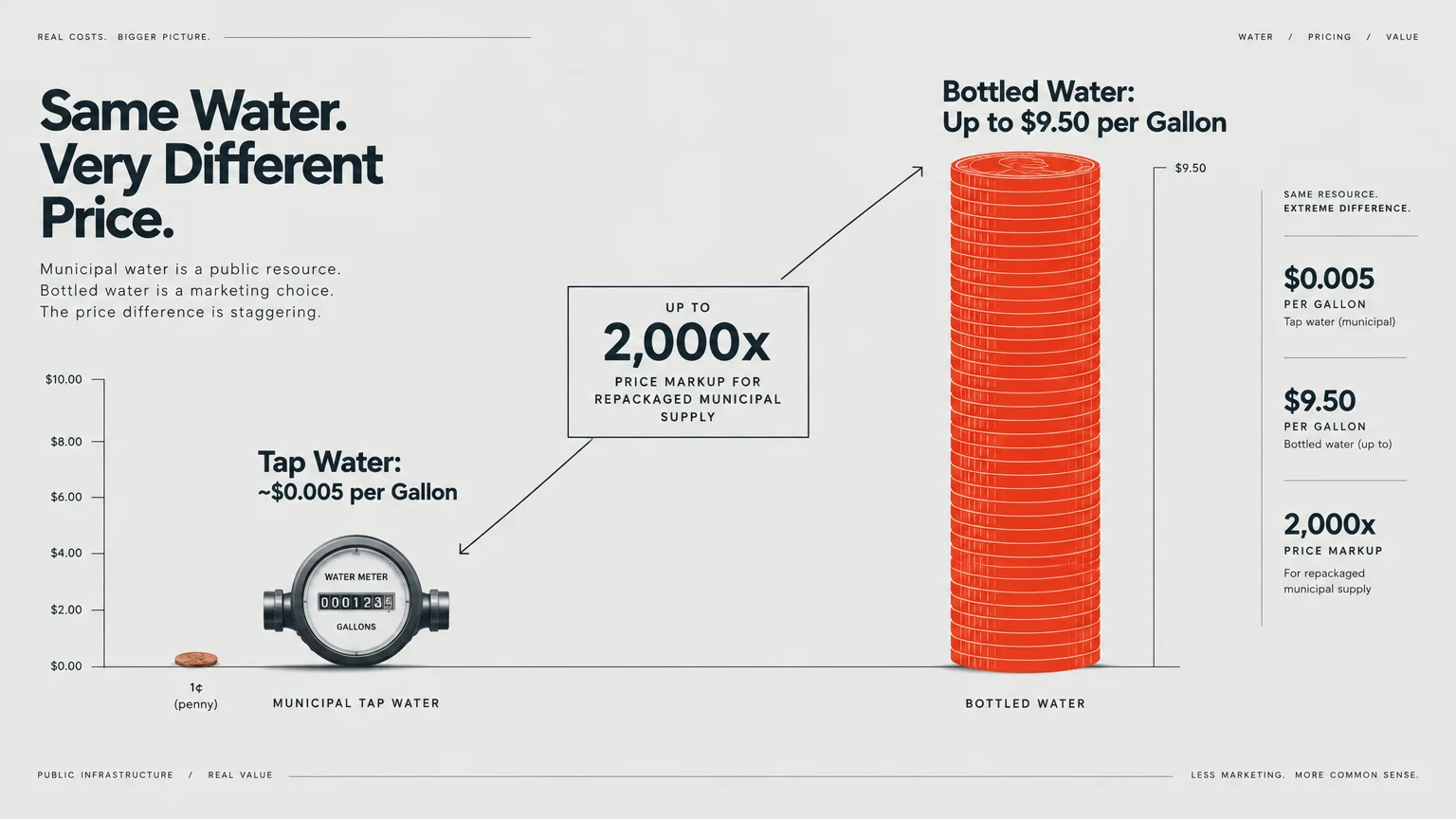
According to data from the EPA WaterSense program, U.S. residential tap water costs roughly $0.0066 per gallon. That translates to an average cost of $6.64 per 1,000 gallons delivered directly to your kitchen.
Even when you include local sewer and wastewater treatment fees, tap water costs roughly $0.015 per gallon. A penny and a half buys a full gallon of clean, regulated water from your municipal faucet.
In stark contrast, bulk multipacks of commercial bottled water cost between $1.22 and $1.50 or more per gallon. If you purchase single-serve bottles at convenience stores, prices soar between $6.00 and $12.00 per gallon.
These retail figures mean that bottled water is roughly 2,000 times more expensive than residential tap water on average. You are paying a massive premium for single-use plastic packaging and freight logistics.
If you drink the national average of 47.7 gallons per year, municipal tap water costs you less than 75 cents annually. Buying that same volume in single-serve plastic bottles can easily cost you hundreds of dollars.
A two-person household consuming standard recommended water quantities can spend over a thousand dollars annually on bottled brands. That money pays for marketing campaigns and disposable plastic rather than enhanced liquid purity.
Redirecting those funds toward reliable home filtration gives you superior water quality at a fraction of the long-term price. Investing in your home plumbing provides clean water without lining corporate balance sheets.
Which home filtration methods genuinely remove chemical contaminants?
If commercial bottles do not guarantee purity, you may wonder how to protect your drinking water. Advanced point-of-use home filtration systems provide far greater chemical reduction than packaged bottled water.
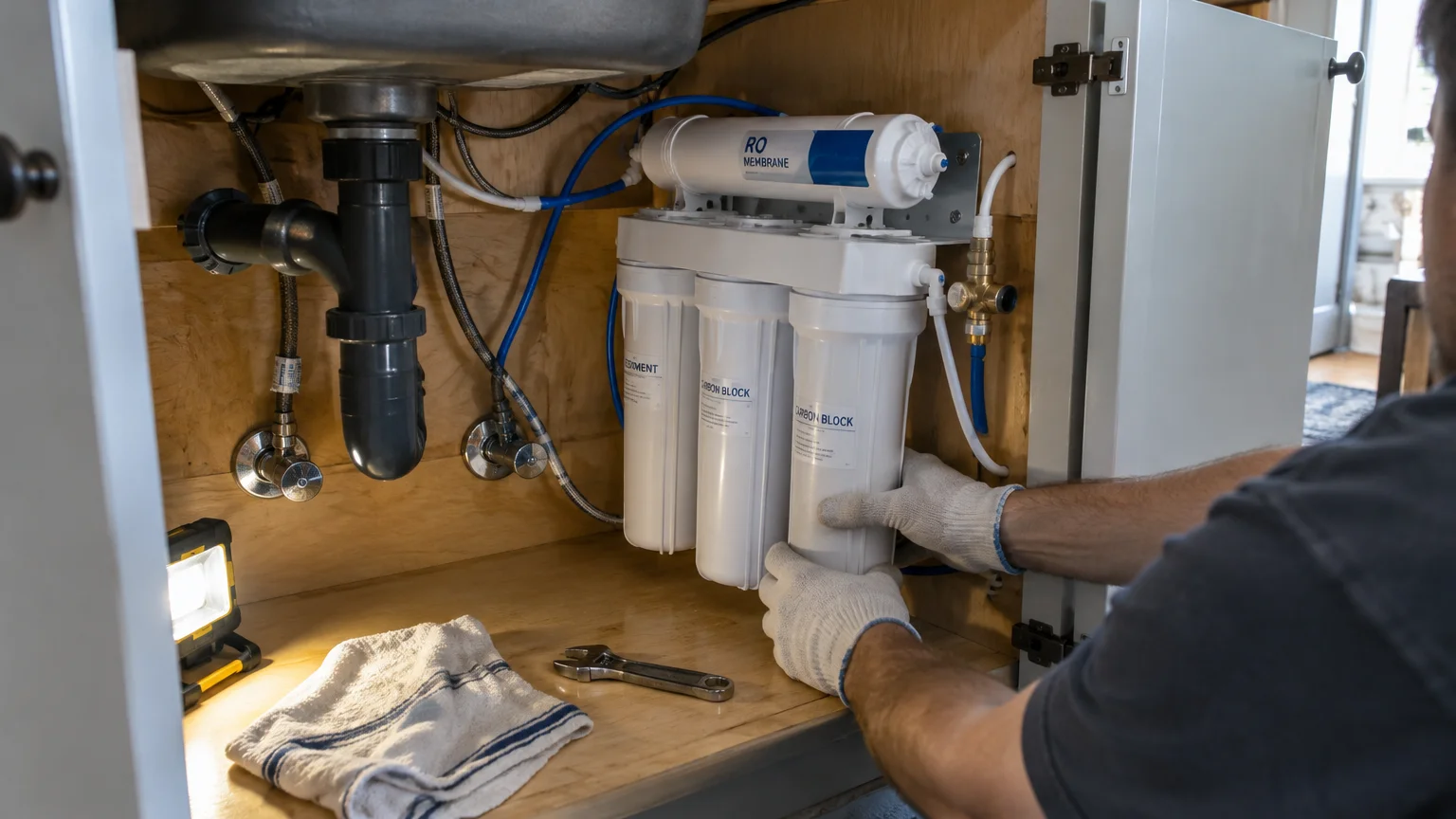
Solid carbon block filters represent one of the most accessible and cost-effective home options. These dense carbon filters physically trap fine sediment while chemically adsorbing chlorine, pesticides, and many volatile industrial chemicals.
When shopping for a carbon filtration system, look for independent certification under NSF/ANSI Standard 53. This standard confirms that the filter reliably reduces specific health-related contaminants, including lead, heavy metals, and certain PFAS compounds.
Gravity countertop filters and faucet attachments using certified block carbon provide strong defense without requiring complex plumbing alterations. These units filter water on demand, eliminating the chemical degradation associated with long-term plastic storage.
Point-of-use reverse osmosis systems provide an even deeper level of chemical and mineral removal. These systems force pressurized water through a semi-permeable membrane that blocks dissolved salts, nitrates, fluoride, and forever chemicals.
Verify that any reverse osmosis unit holds certification under NSF/ANSI Standard 58 for contaminant reduction. Certified systems undergo rigorous third-party laboratory verification to confirm that their membranes filter out targeted synthetic pollutants.
Unlike commercial bottled water plants, home filtration eliminates the need for hot PET storage bottles. You filter your water directly into non-reactive glasses right before you drink it.
Remember that home filters require strict adherence to manufacturer maintenance schedules. Replace your carbon cartridges and reverse osmosis membranes on time to prevent bacterial buildup and maintain peak chemical filtration.
How can you safely store and time your daily water intake?
The vessel you use to hold your drinking water is just as important as the filtration method. Ditching single-use plastic containers protects you from microplastics and synthetic chemical leaching.
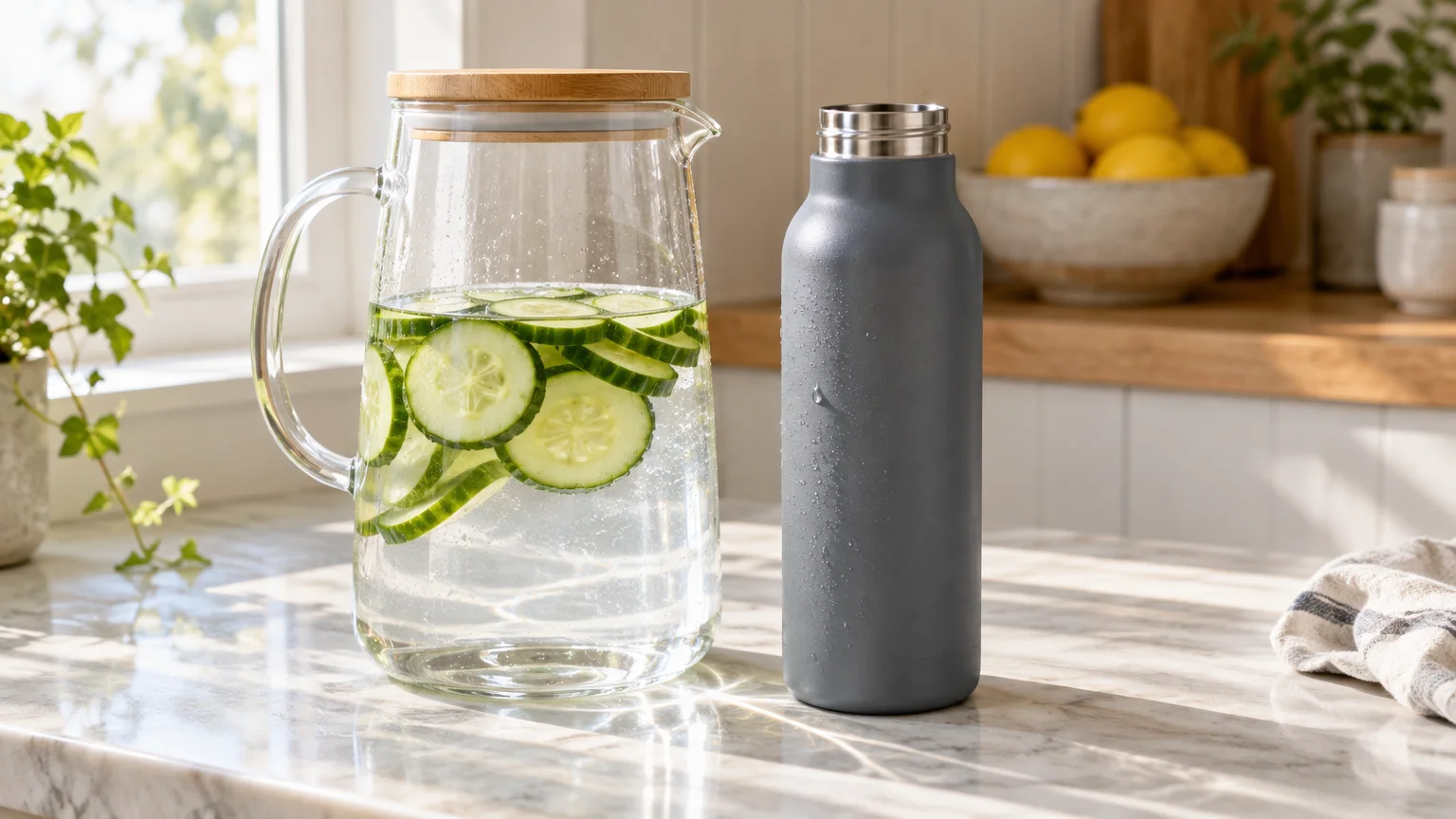
Switch to reusable bottles made from food-grade 18/8 stainless steel or borosilicate glass. These materials are chemically stable, non-porous, and completely free from petroleum-based plasticizers and reactive particles.
Never leave plastic water containers inside a hot car or in direct sunlight on a porch. Elevated temperatures accelerate the degradation of PET plastic, causing microplastics and volatile compounds to shed rapidly into the water.
Even non-plastic containers require routine cleaning to prevent biofilm formation and bacterial growth. Wash your stainless steel tumblers and glass carafes with warm water and mild soap after every day of use.
Developing a consistent daily drinking routine prevents dehydration without forcing uncomfortable midnight bathroom visits. Start your morning by drinking one to two cups of fresh, filtered water right after waking.
Continue sipping water steadily throughout the morning and early afternoon to support steady blood volume and kidney clearance. Keep a glass tumbler near your desk or favorite chair as a visual reminder.
Taper your fluid intake roughly two hours before bedtime to protect your sleep quality. Limiting late-evening drinks reduces nighttime awakenings, lowering your risk of nighttime falls and daytime fatigue.
Pay attention to added ingredients if you purchase commercial mineral water occasionally. Some brands add significant amounts of sodium or bicarbonate, which can subtly influence your blood pressure or digestive acid balance.
What common water questions do consumers often ask?
Does boiling water eliminate PFAS and plastic particles?
Boiling tap water is an effective strategy for killing harmful bacteria, parasites, and active viruses during municipal boil-water advisories. However, boiling does not destroy heat-resistant synthetic chemicals like PFAS.
Because boiling evaporates pure water into steam, boiling tap water actually concentrates non-volatile industrial chemicals in the remaining liquid. High heat can also cause plastic particles from electric kettles to fragment into smaller nanoplastics.
Is natural spring water genuinely safer than purified tap water?
Natural spring water flows from subterranean aquifers, but underground water tables are not immune to surface runoff. Agricultural pesticides, industrial solvents, and urban chemicals frequently seep deep into natural groundwater aquifers over time.
Spring water bottlers still package their product in standard polyethylene terephthalate containers. Even if the spring aquifer tests clean, the plastic bottle itself sheds thousands of nanoplastic particles into the beverage.
Spring waters also undergo less standardized chemical testing than municipal tap systems. The lack of mandatory label disclosure means you cannot easily verify contaminant levels before drinking.
How do you inspect your annual water utility quality report?
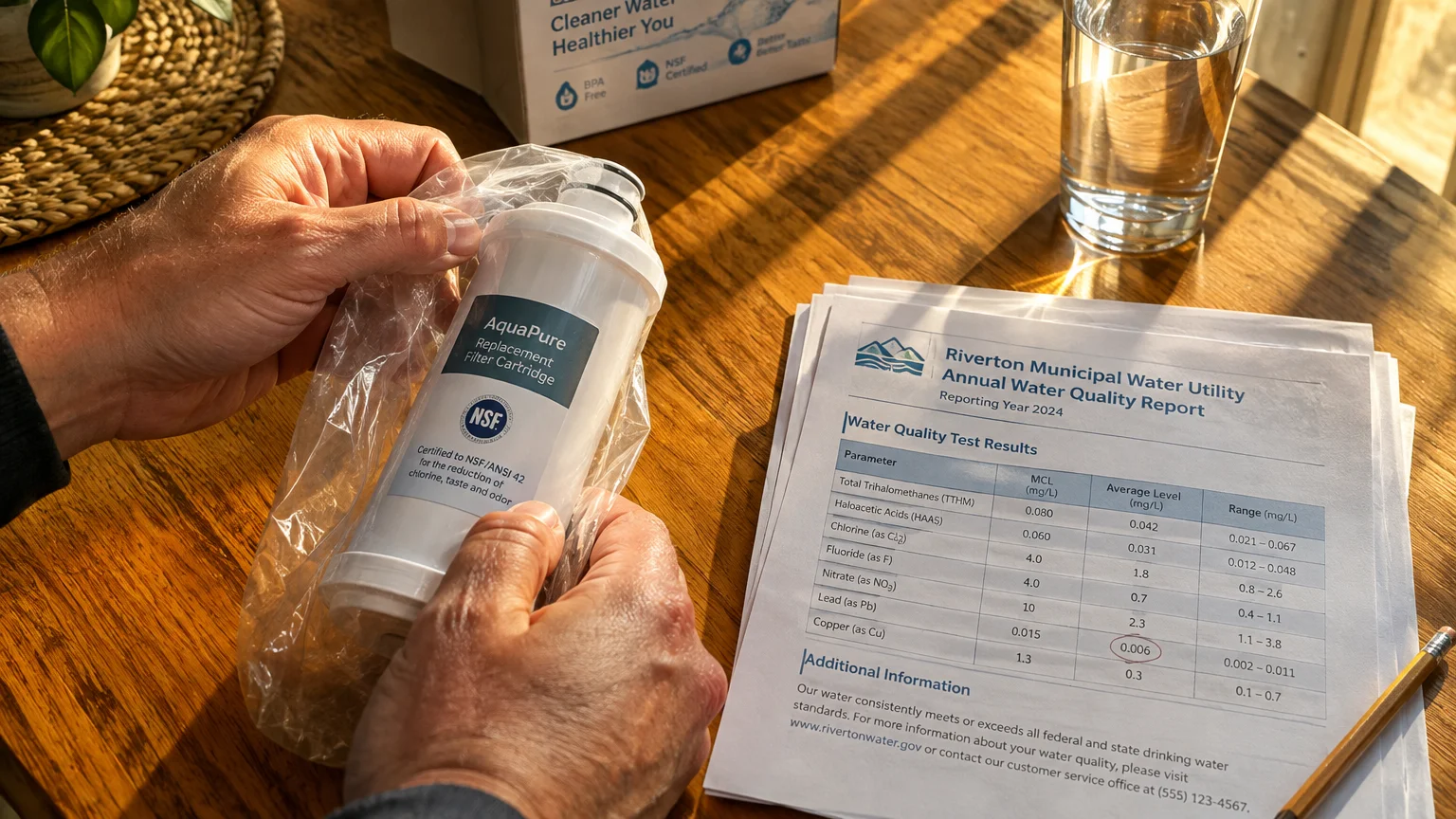
Every year by July 1, public water utilities must publish an annual Consumer Confidence Report for their customers. You can find this document on your utility’s website or request a printed copy by mail.
Open the report and scan for the Maximum Contaminant Level and the actual detected contaminant amounts. Compare your utility’s reported levels against federal standards for lead, nitrates, disinfection byproducts, and regulated PFAS compounds.
Identifying the exact chemicals present in your local tap water allows you to select targeted home filtration. You avoid spending money on unnecessary equipment while directly addressing documented municipal contaminants.
Does drinking reverse osmosis water deplete your body of minerals?
Reverse osmosis systems filter out beneficial minerals like calcium, magnesium, and potassium alongside dangerous industrial chemicals. However, drinking water provides only a tiny percentage of your daily required mineral intake.
You obtain the vast majority of your vital dietary minerals from nutrient-dense foods like leafy vegetables, legumes, and whole dairy. Eating a balanced diet easily replaces any trace electrolytes lost through home water filtration.
If you manage severe osteoporosis or take medications that affect electrolyte balance, speak with your doctor or pharmacist. You can easily install an inline remineralization cartridge to restore beneficial minerals before drinking.
What practical hydration step should you take this week?
Transitioning away from single-use bottled water protects both your long-term cellular health and your household budget. You do not need to overhaul your entire plumbing infrastructure overnight to make meaningful progress.
Start this week by looking up your local water provider’s most recent Consumer Confidence Report online. Understanding what contaminants your municipal supplier detects helps you select an independently certified countertop or under-sink filter.
Invest in a durable stainless steel or glass water container to carry during errands and daily travel. Filling your own bottle from a home filter keeps money in your pocket and synthetic plastics out of your bloodstream.
Discuss your daily hydration target with your physician or pharmacist during your next medication review. Tailoring your fluid intake to your specific health conditions ensures optimal hydration without unnecessary chemical exposure.