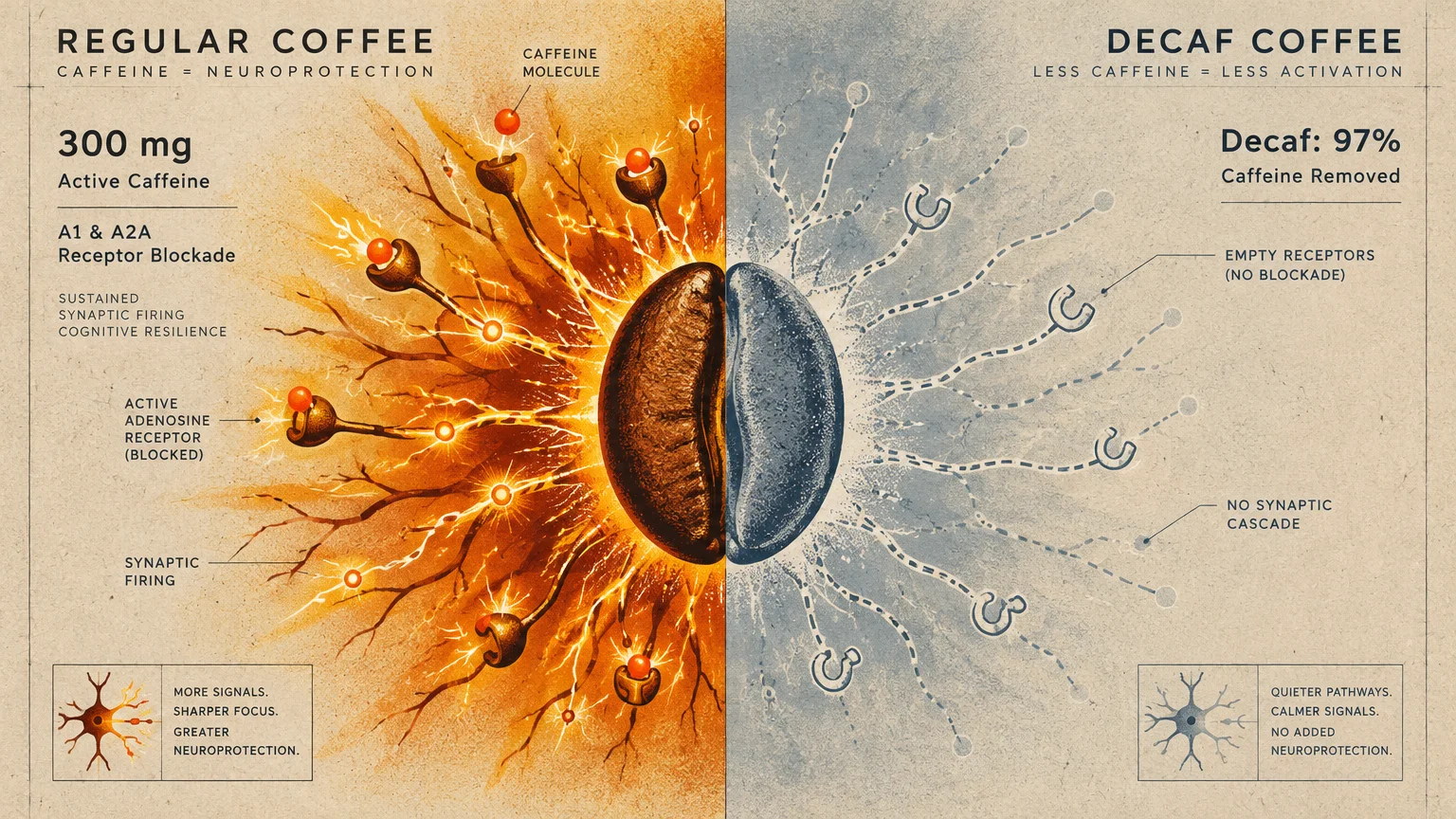
If you switch to decaf to safeguard your blood pressure or evening sleep, you might assume your brain receives identical protection. Groundbreaking research reveals that decaffeinated beans lose several vital neurological defenses.
While decaf still delivers beneficial polyphenols, removing caffeine strips away the primary catalyst for long-term cognitive stamina. The beverage in your mug shapes more than your morning energy levels.
Discovering how natural caffeine defends your synapses empowers you to make strategic beverage choices for lifelong mental clarity and daily focus.
Does decaf coffee protect your brain against long-term memory loss?
Many adults switch to decaffeinated coffee assuming they retain every neurological benefit of the coffee bean. However, rigorous long-term research demonstrates that decaf fails to match the cognitive protection of caffeinated coffee.
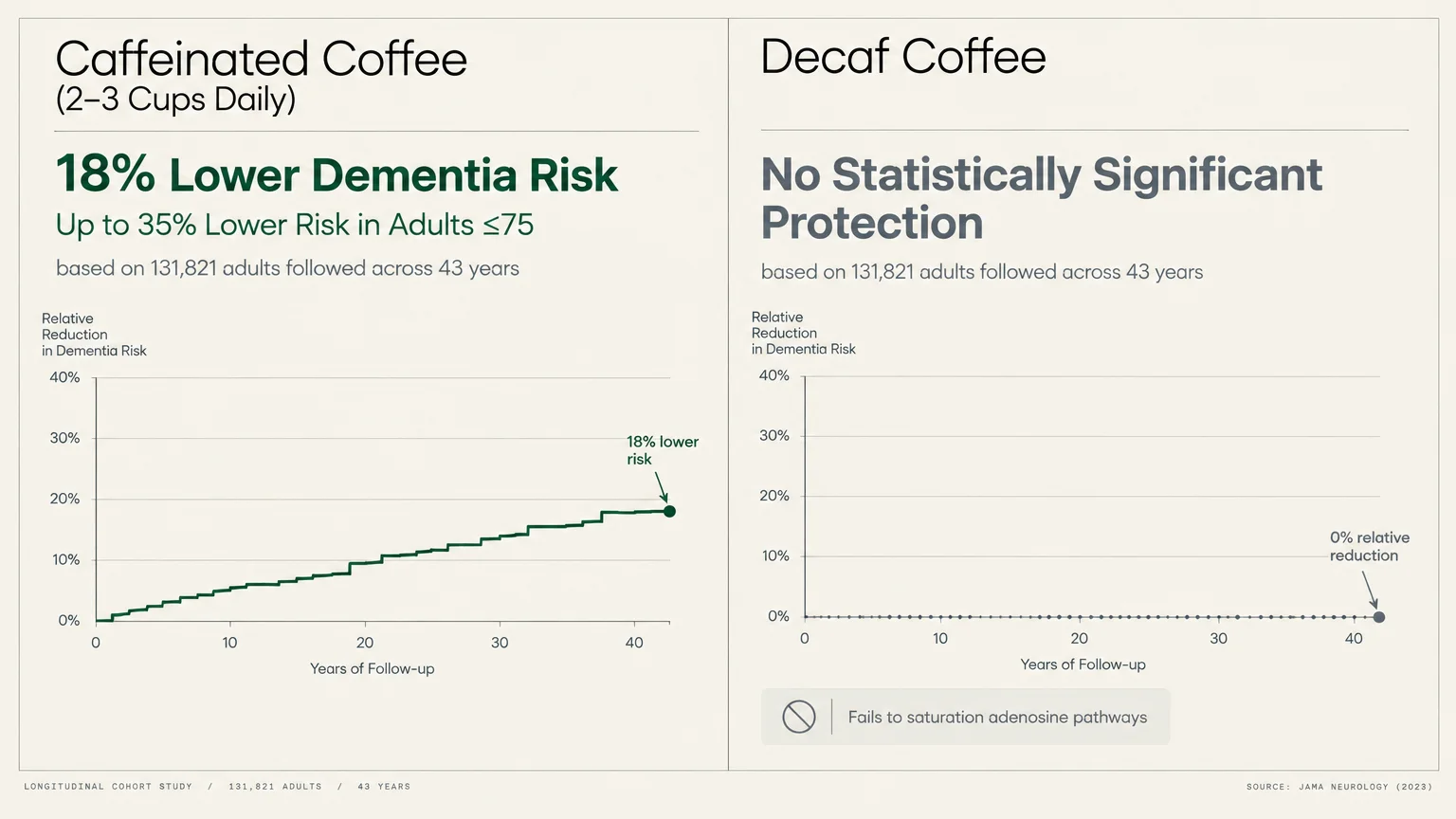
A landmark prospective cohort study led by the Harvard T.H. Chan School of Public Health and published in JAMA in 2026 tracked 131,821 U.S. adults for up to 43 years.
The researchers followed 86,606 women from the Nurses’ Health Study and 45,215 men from the Health Professionals Follow-up Study. Over a median tracking period of 36.8 years, clinicians documented 11,033 cases of dementia.
The findings showed that higher habitual consumption of caffeinated coffee lowered dementia risk by 18 percent compared to non-drinkers. Caffeinated coffee drinkers also reported significantly lower rates of subjective cognitive decline, registering 7.8 percent versus 9.5 percent.
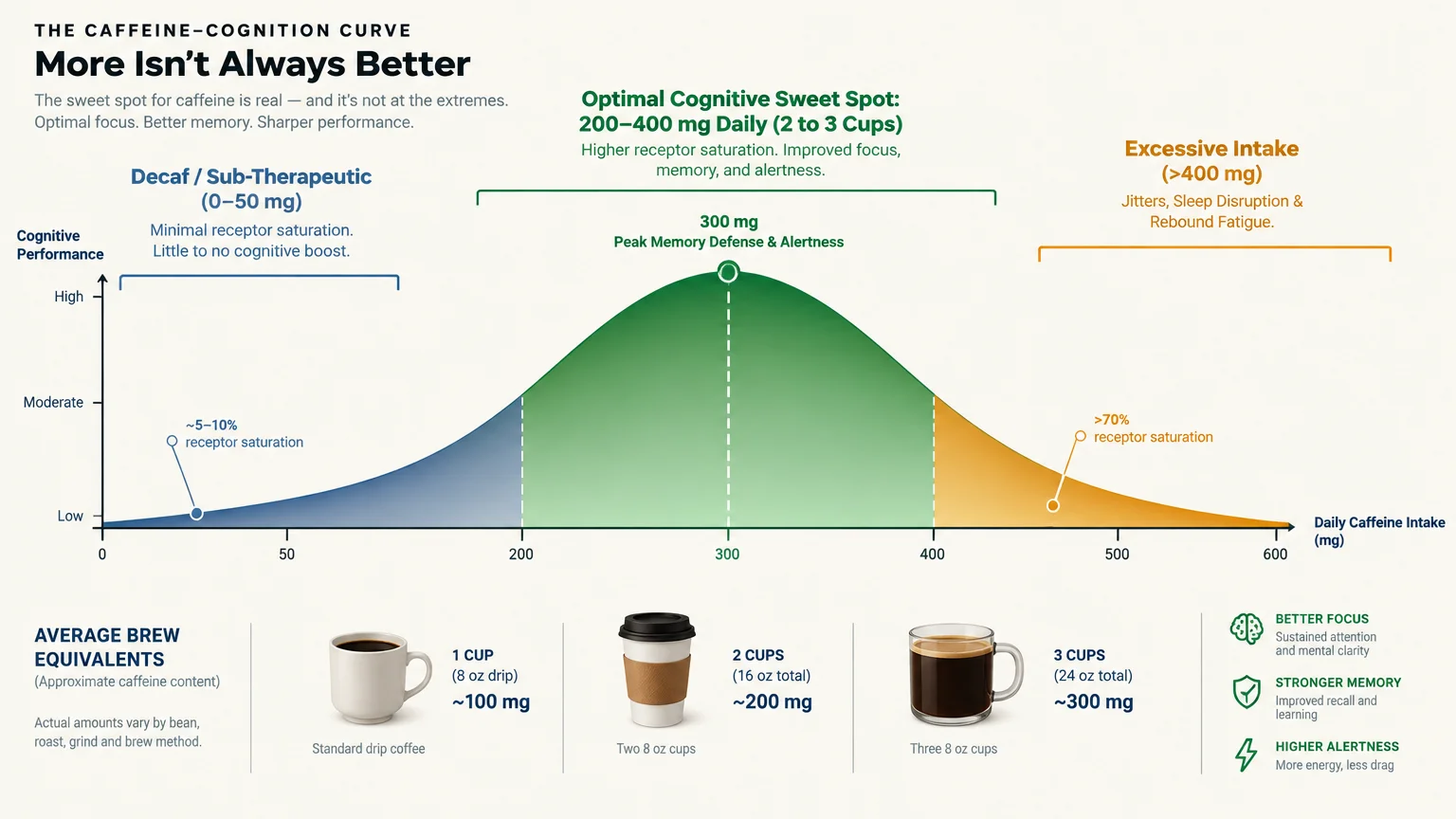
Optimal cognitive protection emerged among individuals consuming 2 to 3 cups of caffeinated coffee daily, equivalent to roughly 300 milligrams of caffeine. This intake level reduced dementia risk by up to 35 percent in participants aged 75 and younger.
In sharp contrast, decaffeinated coffee showed no statistically significant association with lower dementia risk. Decaf consumption also failed to produce better scores on objective cognitive assessments across decades of follow-up.
The National Institute on Aging emphasizes that lifestyle habits that preserve synaptic connections provide the strongest buffer against age-related cognitive decline. Caffeine acts as a necessary neuroprotective trigger that decaf simply cannot reproduce.
While decaf contains dietary antioxidants, it lacks the stimulant molecule that drives sustained neural activation. Without caffeine, the protective metabolic cascade in your brain tissue remains dormant.
How does regular caffeine alter adenosine receptors in your brain?
To understand why decaf misses these neurological perks, you must look at how caffeine interacts with brain cell receptors. Throughout each day, your brain produces a chemical called adenosine that accumulates and promotes physical drowsiness.
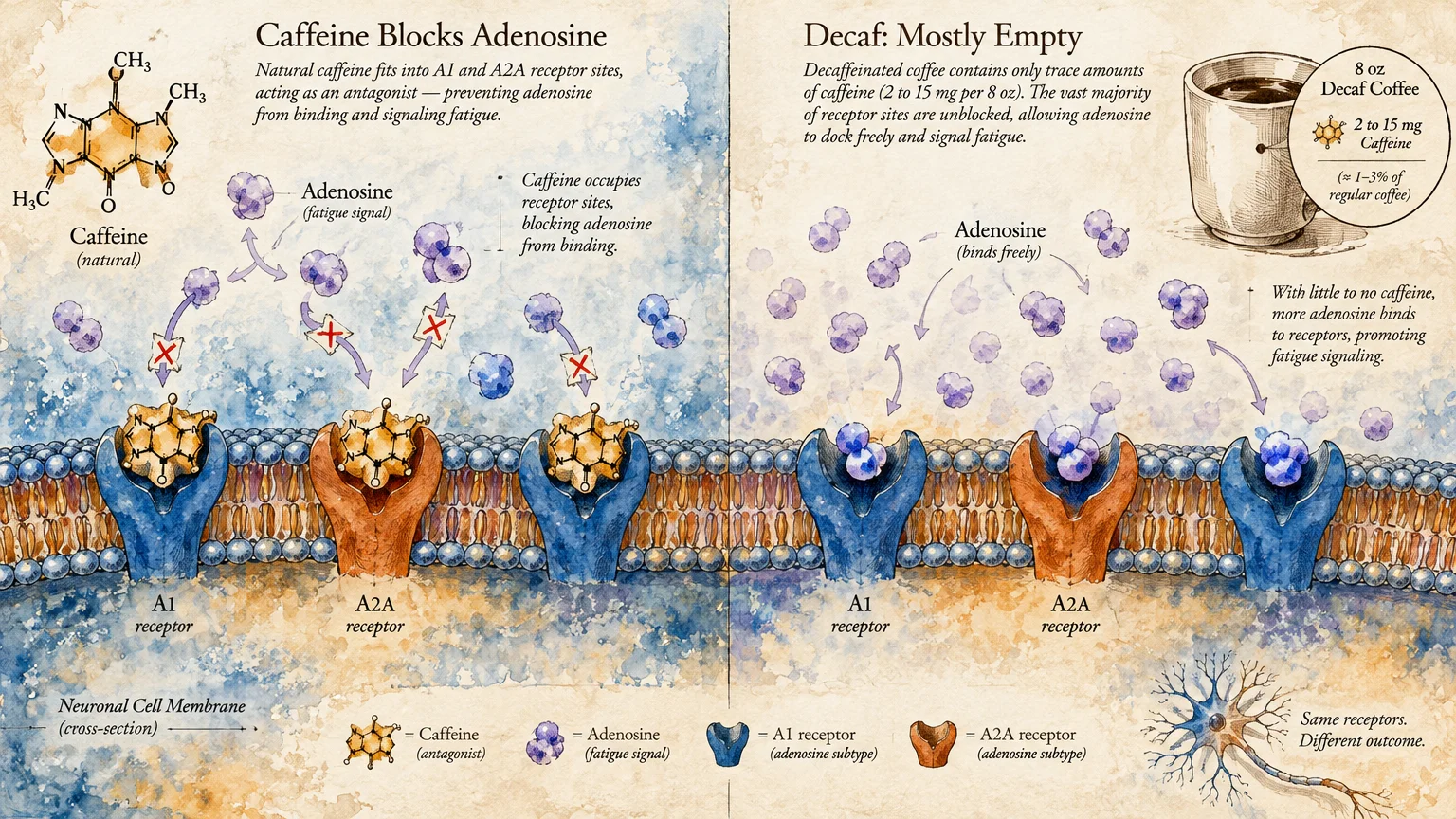
Adenosine binds to specific receptors on your neurons, slowing down cellular communication and signaling that it is time to sleep. Caffeine shares a remarkably similar molecular structure to adenosine, allowing it to dock into these receptors without activating them.
By occupying these sites, caffeine acts as an adenosine receptor antagonist, specifically targeting A1 and A2A receptors. This blockade prevents adenosine from dampening your mental alertness, creating a steady state of neural vigilance.
Decaffeinated coffee cannot perform this physiological action. Under standard processing, decaffeination removes at least 97 percent of the bean’s natural caffeine, leaving behind only 2 to 15 milligrams per eight-ounce cup.
This trace amount is far too low to saturate your brain’s adenosine receptors. Consequently, decaf leaves your adenosine pathways entirely unaffected, bypassing the direct stimulation that keeps brain networks firing efficiently.
The blockade of adenosine A2A receptors does far more than just keep you awake. Clinical meta-analyses across 26 observational studies reveal that regular caffeine intake reduces the incidence of Parkinson’s disease by approximately 25 percent.
This pooled relative risk reduction near 0.75 stems directly from caffeine’s ability to protect dopamine-producing neurons from degenerative damage. Because decaf coffee lacks meaningful caffeine content, it does not confer this protective effect against Parkinson’s disease.
Adenosine antagonism also boosts the availability of other vital neurotransmitters, including dopamine, acetylcholine, and serotonin. These chemical messengers support your working memory, quicken mental processing speed, and stabilize daily mood patterns.

How does caffeinated coffee shield your mind against chronic stress?
Daily emotional stress and metabolic strain take a measurable toll on your central nervous system over time. Recent laboratory investigations show that regular coffee shields vulnerable brain structures from stress-induced breakdown far better than decaf.
A study published in the journal Neurobiology of Stress in July 2026 by researchers at the University of Coimbra examined this dynamic closely. The researchers evaluated the neurological impacts of regular versus decaf coffee under three weeks of chronic unpredictable stress.
In this controlled trial, caffeinated coffee completely prevented stress-induced memory impairment in the subjects. Caffeinated coffee also stopped the emergence of anxiety-like behaviors and depressive anhedonia, preserving typical exploratory drive and motivation.
On a cellular level, regular coffee protected delicate hippocampal synapses from stress-induced retraction. The hippocampus represents your brain’s primary memory clearinghouse, making synaptic preservation essential for lifelong recall.
Regular coffee also preserved baseline levels of brain-derived neurotrophic factor, commonly known as BDNF. BDNF operates like fertilizer for your brain cells, encouraging neuronal survival, synaptic plasticity, and new memory formation.
Decaffeinated coffee offered none of these neuroprotective benefits against chronic stress. Subjects receiving decaf experienced the same synaptic degeneration, memory deficits, and BDNF drops as those receiving plain water.
These findings demonstrate that coffee polyphenols alone cannot counteract the structural damage caused by sustained stress hormones. Caffeine must be present to maintain cellular defenses within the memory circuits of your hippocampus.
When you drink regular coffee, caffeine buffers your neural pathways against cortisol-driven inflammation. Decaf delivers rich roasted flavor, but it leaves your brain cells vulnerable to stress-related wear and tear.
Does decaf coffee offer any unique advantages for your brain and body?
Decaf coffee is far from useless, and it provides meaningful systemic benefits that make it a valuable daily beverage. A nuanced look at clinical evidence shows where decaf succeeds and where it falls behind.
In April 2026, researchers at APC Microbiome Ireland published a double-blind trial in Nature Communications investigating regular versus decaf coffee. The study evaluated 62 healthy adults aged 30 to 50 across several physiological markers.
The participants completed a two-week caffeine abstinence phase followed by three weeks of drinking either regular or decaf coffee. Both brews successfully reshaped gut microbiota communities and lowered overall clinical stress and depressive scores.
However, only caffeinated coffee reduced subjective anxiety symptoms, heightened sustained attention, and significantly lowered morning salivary cortisol levels. Regular coffee uniquely optimized executive function and cognitive alertness in the study cohort.
Even so, decaf demonstrated distinct advantages in specific testing areas. Participants who drank decaf coffee showed measurable improvements in episodic memory recall compared to their baseline scores.
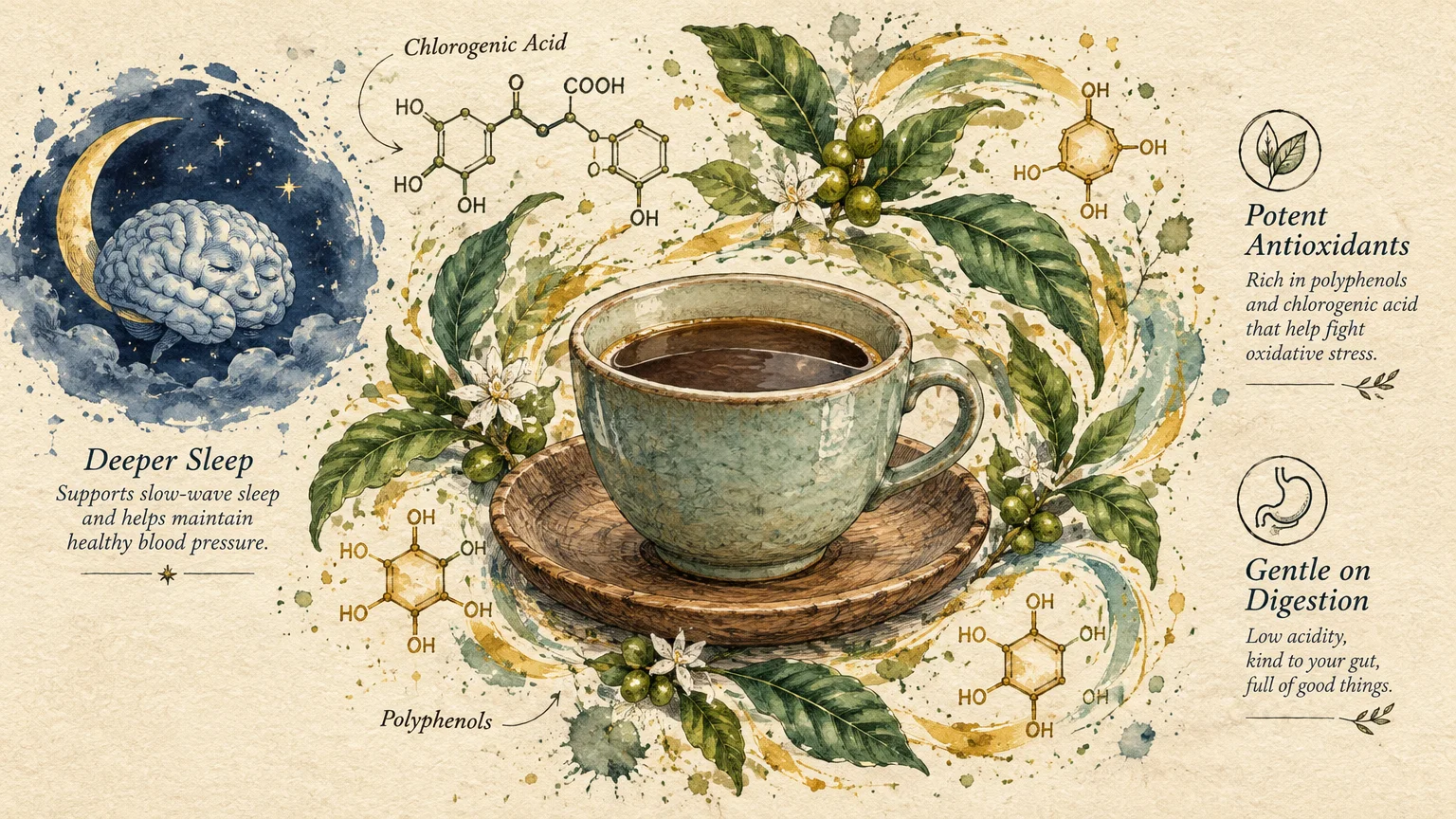
Decaf drinkers also maintained superior sleep quality compared to those consuming caffeinated coffee. Deep, uninterrupted sleep is essential for proper brain recovery and long-term health.
During slow-wave sleep, your brain activates its glymphatic system, which flushes out metabolic waste products and amyloid proteins. If regular coffee disrupts your sleep architecture, it can undermine the very cognitive benefits caffeine provides.
Decaf also delivers potent chlorogenic acids, which are polyphenols that reduce systemic inflammation and support endothelial vascular function. If you must avoid stimulants, decaf offers cardiovascular support without triggering restlessness.
How much caffeine provides optimal brain benefits without side effects?
To capture cognitive perks without triggering jitters or heart palpitations, you need to identify your optimal daily dose. Clinical evidence establishes a clear window where brain benefits peak and side effects remain low.
The Food and Drug Administration states that healthy adults can safely consume up to 400 milligrams of caffeine daily. That intake translates to approximately 3 to 5 standard eight-ounce cups of brewed regular coffee.
A standard eight-ounce mug of brewed regular coffee contains between 80 and 100 milligrams of caffeine. An identical cup of decaffeinated coffee provides only 2 to 15 milligrams of caffeine.
The landmark 2026 Harvard study published in JAMA showed that the greatest dementia risk reduction occurred between 2 and 3 cups daily. Consuming roughly 300 milligrams of caffeine each day delivered maximum protection for neural pathways.
Exceeding 400 milligrams daily rarely offers additional cognitive benefits and often triggers unwanted physiological reactions. Excessive caffeine can elevate resting heart rate, cause muscular tremors, and amplify feelings of nervous tension.
Your body’s ability to clear caffeine changes naturally over time. Your liver processes caffeine more slowly as you age, meaning an afternoon cup can linger in your system until midnight.
To protect both your brain and your nighttime sleep, consume your caffeinated cups strictly during morning hours. Finishing your final cup before midday gives your body ample time to clear the stimulant before bedtime.
According to the National Coffee Association, roughly 10 percent of American adults—about 26 million people—drink decaf coffee daily. Many would benefit from blending regular and decaf beans to achieve a moderate, customized caffeine intake.
How should you choose and brew your coffee for maximum brain health?
The way you source, select, and prepare your coffee beans directly affects the bioactive compounds in your final cup. Strategic brewing choices allow you to maximize brain-boosting compounds while minimizing unwanted chemical residues.
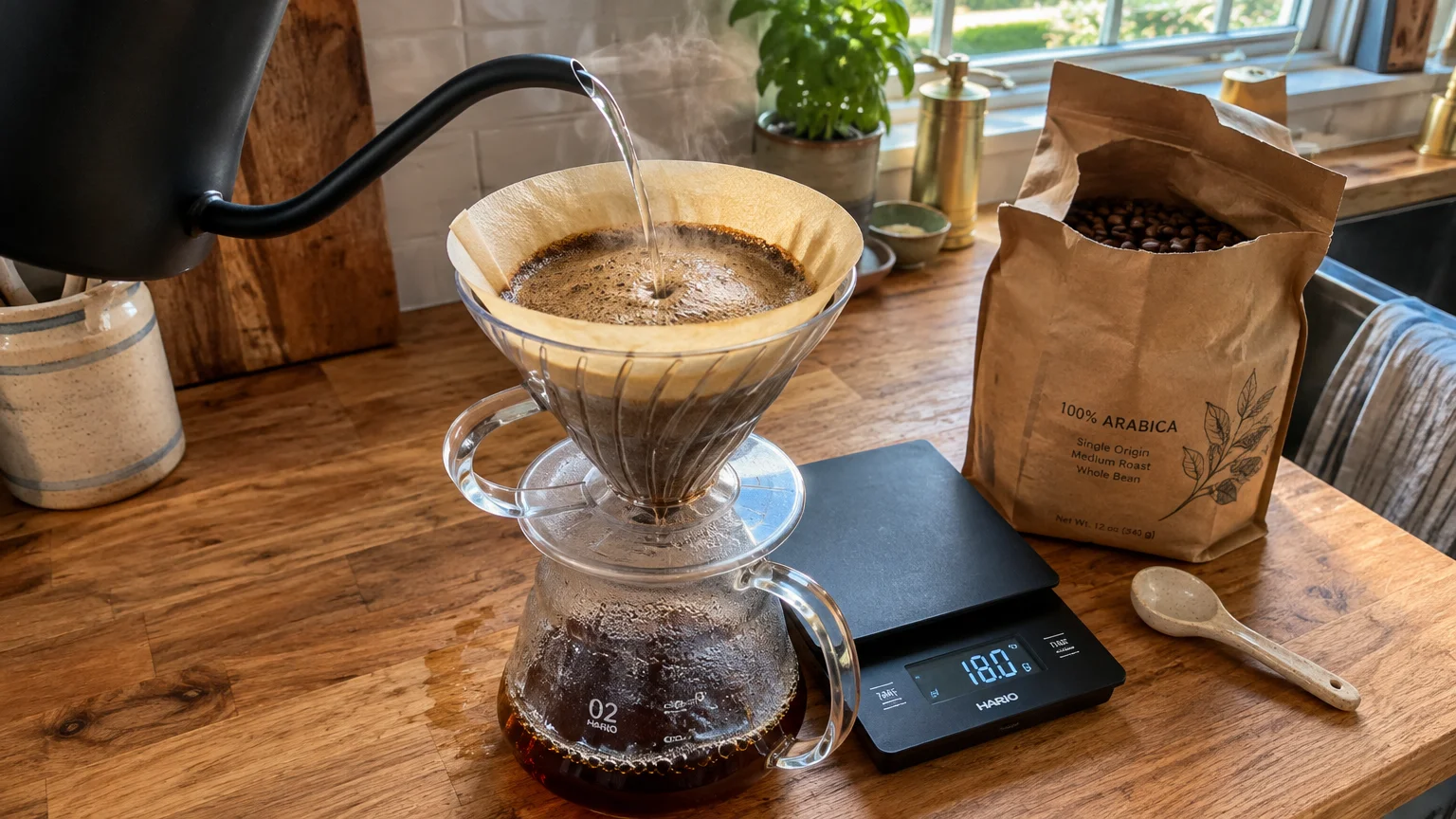
Start by selecting light to medium roast coffee beans whenever possible. Lighter roasts retain higher concentrations of chlorogenic acids than dark roasts, giving your brain cells more potent antioxidant support alongside natural caffeine.
If you purchase decaf coffee, pay close attention to the specific decaffeination method listed on the package. Commercial processors historically use chemical solvents like methylene chloride to strip caffeine molecules from unroasted green coffee beans.
Under federal regulation 21 CFR 173.255, the FDA limits residual methylene chloride to no more than 10 parts per million in roasted decaf coffee. In May 2026, the FDA reopened public comments regarding a proposed ban on this solvent, closing the docket in late June.
While an official ruling remains pending, you can easily avoid chemical solvents by purchasing water-processed decaf. Look for bags certified under the Swiss Water Process or Mountain Water Process, which use pure water and carbon filters.
Always brew your coffee using a paper filter rather than an unfiltered French press or espresso machine. Paper filters trap cafestol and kahweol, two naturally occurring coffee oils that can elevate your serum LDL cholesterol.
The American Heart Association points out that managing LDL cholesterol is vital for preventing vascular dementia and cardiovascular events. Filtered drip coffee preserves cognitive perks while protecting your arterial walls.
Consider adopting a half-caff brewing strategy if full-strength coffee feels too intense for your nervous system. Mixing equal parts regular and decaf beans yields roughly 45 to 55 milligrams of caffeine per cup, offering gentle receptor activation.
What health conditions and medications require caution with regular coffee?
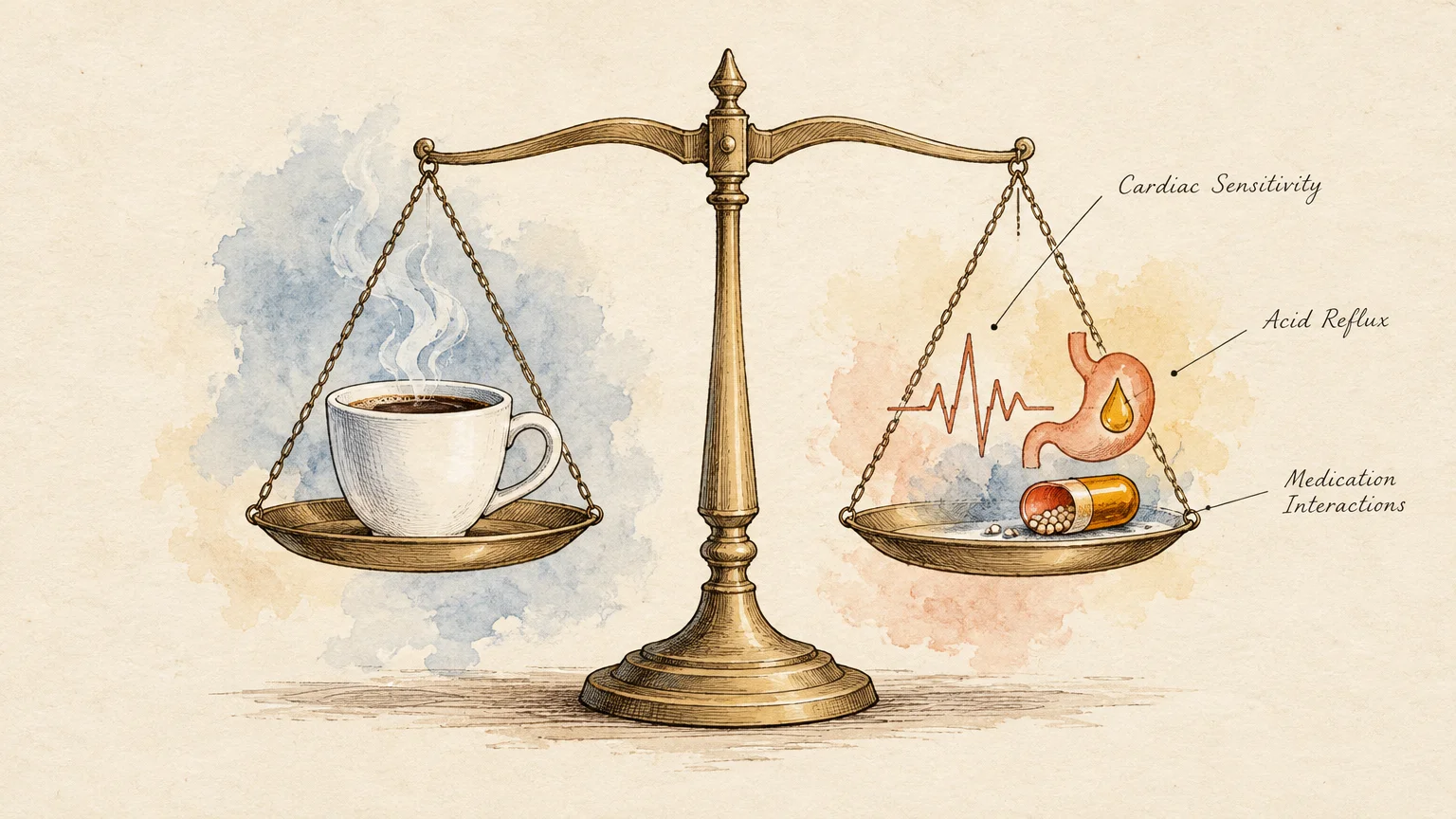
While caffeinated coffee delivers proven neurological advantages, it is not appropriate for every health profile. Caffeine alters cardiovascular dynamics, gastric acid secretion, and medication absorption in ways that demand mindful management.
Caffeine causes a temporary, acute rise in systolic and diastolic blood pressure shortly after consumption. If you are managing hypertension, monitor your blood pressure with a validated home cuff before and after your morning cup.
Caffeine can also cause brief reductions in acute insulin sensitivity, even though long-term black coffee consumption reduces the risk of type 2 diabetes. If you track your blood glucose, observe how caffeinated coffee affects your morning numbers.
Bone density is another consideration, as caffeine causes a slight, temporary increase in urinary calcium excretion. You can easily offset this minor loss by adding a splash of milk to your mug or consuming calcium-rich foods throughout the day.
Caffeine stimulates gastric acid production and relaxes the lower esophageal sphincter, which can worsen heartburn, acid reflux, or peptic ulcers. If you experience digestive burning, switching to cold-brewed coffee or taking your coffee with meals can ease irritation.
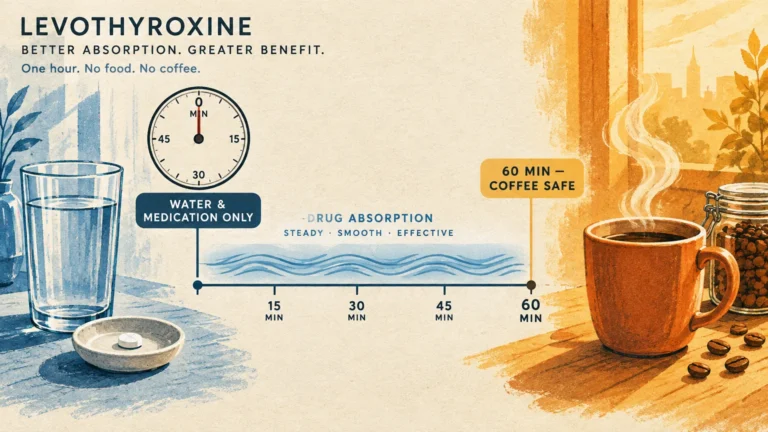
Regular coffee can also interact directly with common daily prescription medications. Drinking coffee alongside thyroid replacement drugs like levothyroxine significantly reduces the absorption of the hormone in your digestive tract.
Coffee similarly impairs the bioavailability of oral bisphosphonates taken for osteoporosis, rendering the bone-building treatment far less effective. Always wait at least 30 to 60 minutes after taking these medications before drinking your morning coffee.
Caffeine can also counteract the action of sedative medications and amplify the stimulant side effects of certain asthma bronchodilators. Always consult your doctor or pharmacist about whether your daily caffeine intake aligns safely with your specific prescriptions.
Keep your coffee free from heavy additions like refined table sugar, flavored corn syrups, and hydrogenated artificial creamers. Loading your mug with excess calories and saturated fats promotes systemic inflammation, canceling out coffee’s neurological perks.
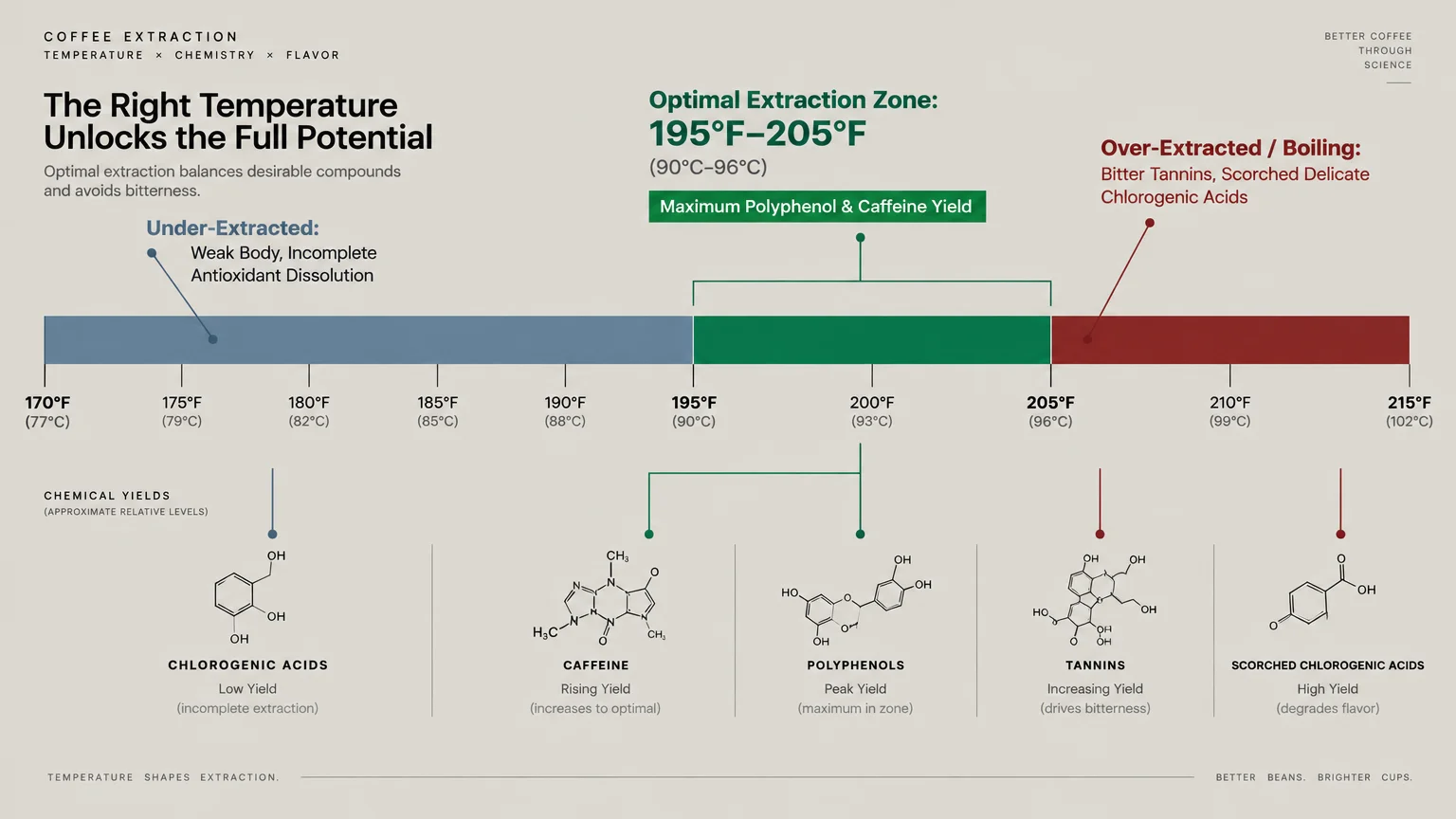
Does coffee brewing temperature and extraction affect your cognitive perks?
How you extract coffee compounds changes the chemical profile of your morning beverage. Temperature, grind size, and contact time all influence how much caffeine and polyphenol content lands in your mug.
Hot water brewing between 195 and 205 degrees Fahrenheit extracts the widest spectrum of beneficial chlorogenic acids. This classic temperature range fully dissolves natural caffeine crystals, delivering the precise dosages documented in cognitive health trials.
Cold brew coffee uses cold water and extended steeping times spanning 12 to 24 hours. This gentle extraction method pulls slightly less acid from the coffee grounds, making it exceptionally smooth on sensitive digestive tracts.
Cold brew coffee often features a higher caffeine concentration per ounce because brewers typically use higher coffee-to-water ratios. If you enjoy cold brew, measure your serving sizes carefully to avoid unintentionally doubling your intended caffeine dose.
Espresso preparation uses intense pressure to extract coffee solids in under 30 seconds. While a single two-ounce shot provides roughly 60 to 75 milligrams of caffeine, it also concentrates cafestol unless pulled through a secondary filter.
Instant coffee offers a convenient option, but it generally contains lower caffeine levels per serving than freshly brewed grounds. An eight-ounce cup of instant coffee typically provides only 60 milligrams of caffeine alongside reduced antioxidant levels.
To balance brain protection, digestive comfort, and arterial safety, traditional pour-over or standard automatic drip brewing remains ideal. Both methods utilize paper filters and optimal water heat to yield clean, neuroprotective coffee.
Store your whole coffee beans in an airtight container placed in a cool, dark cabinet. Exposing roasted beans to oxygen and sunlight degrades fragile polyphenols before they ever reach your coffee maker.

Can you train your brain to handle caffeine without experiencing jitteriness?
Many people switch to decaf coffee because regular coffee causes them to feel jittery, anxious, or uncomfortably restless. Fortunately, you can implement practical habits that smooth out caffeine absorption and prevent uncomfortable physical side effects.
Never drink your first cup of caffeinated coffee on an empty stomach first thing in the morning. Consuming coffee alongside a balanced breakfast containing protein and healthy dietary fats slows gastric emptying and stabilizes caffeine uptake.
A slower absorption rate prevents rapid spikes in blood caffeine concentrations, eliminating the sudden surge of adrenaline that triggers hand tremors. Pairing your coffee with eggs, oatmeal, or Greek yogurt provides a calm, sustained cognitive lift.
Hydration plays an equally critical role in how your body handles morning caffeine. Drinking a full glass of water upon waking counters overnight dehydration and helps your kidneys process morning stimulants smoothly.
Pay close attention to how quickly you finish your morning mug. Gulping down a hot cup of coffee in five minutes delivers a rapid stimulant shock to your central nervous system.
Sipping your coffee slowly over 30 to 45 minutes provides a gradual release of caffeine into your bloodstream. This steady pacing allows your adenosine receptors to adjust progressively, supporting focus without triggering nervous energy.
If you are sensitive to caffeine, avoid dark roasted robusta beans, which contain nearly twice the caffeine concentration of arabica beans. Look for 100 percent arabica beans, which naturally deliver a gentler, more balanced stimulant profile.
Gradually acclimating your nervous system allows you to capture the verified memory benefits of caffeine. A calm, measured approach lets you enjoy regular coffee while respecting your body’s personal comfort limits.
Frequently asked questions about decaf and brain health
Does decaf coffee protect against Parkinson’s disease?
Clinical evidence indicates that decaffeinated coffee does not protect against the development of Parkinson’s disease. Multiple large-scale epidemiological studies demonstrate that regular caffeine consumption reduces Parkinson’s risk by approximately 25 percent.
This neuroprotective benefit occurs because caffeine blocks adenosine A2A receptors, which helps preserve vulnerable dopamine-producing neurons in your brain. Because decaf coffee contains only trace amounts of caffeine, it cannot produce this critical receptor blockade.
Will switching entirely to decaf improve sleep enough to offset losing caffeine perks?
Switching to decaf may improve your overall sleep duration and help eliminate late-night tossing and turning. Deep, restorative sleep is essential for the glymphatic system to clear metabolic debris and beta-amyloid proteins from your brain tissue.
However, quality sleep alone does not replace the specific, long-term neuroprotective mechanisms that caffeine triggers. The ideal cognitive strategy involves drinking 1 to 2 cups of regular coffee early in the day, leaving your sleep undisturbed.
Is the methylene chloride used in decaf coffee harmful to your neurological health?
Commercial decaffeination often uses methylene chloride, a solvent that federal regulations cap at 10 parts per million in roasted beans. Most roasted coffee samples test well below this legal safety threshold because roasting heat evaporates the chemical.
However, if you prefer to avoid chemical solvents entirely, purchase decaf coffee certified under the Swiss Water Process or Mountain Water Process. These organic methods use pure water and carbon filtration to remove caffeine without synthetic chemical solvents.
Can you get brain benefits by blending regular and decaf beans?
Blending regular and decaffeinated coffee beans represents an exceptional, practical strategy for cognitive health. Combining half regular coffee with half decaf—often called half-caff—delivers roughly 45 to 50 milligrams of caffeine per mug.
This moderate dosage provides enough caffeine to partially occupy your adenosine receptors and support mental alertness without overwhelming your cardiovascular system. It is an ideal solution for adults seeking brain defense without excess jitters.
What is one practical coffee habit you can adopt this week?
You do not need to overhaul your entire morning routine overnight to experience better neurological benefits. Making one calculated adjustment to your daily coffee habit can strengthen your brain defenses while honoring your physical comfort.
If you currently drink exclusively decaf due to past jitteriness, try preparing a half-caff blend with your breakfast tomorrow morning. Mix equal parts water-processed decaf grounds and quality arabica grounds, brewing your cup through a paper filter.
Drink this single cup alongside food before 10:00 AM, then switch back to your standard decaf or herbal tea for the rest of the day. This simple protocol delivers protective caffeine to your synapses while keeping your evening sleep deep and restorative.
Be sure to consult your doctor or pharmacist if you take medications for blood pressure, thyroid function, or bone health. With the right timing and bean selection, your morning cup becomes a powerful ally for lifelong brain health.