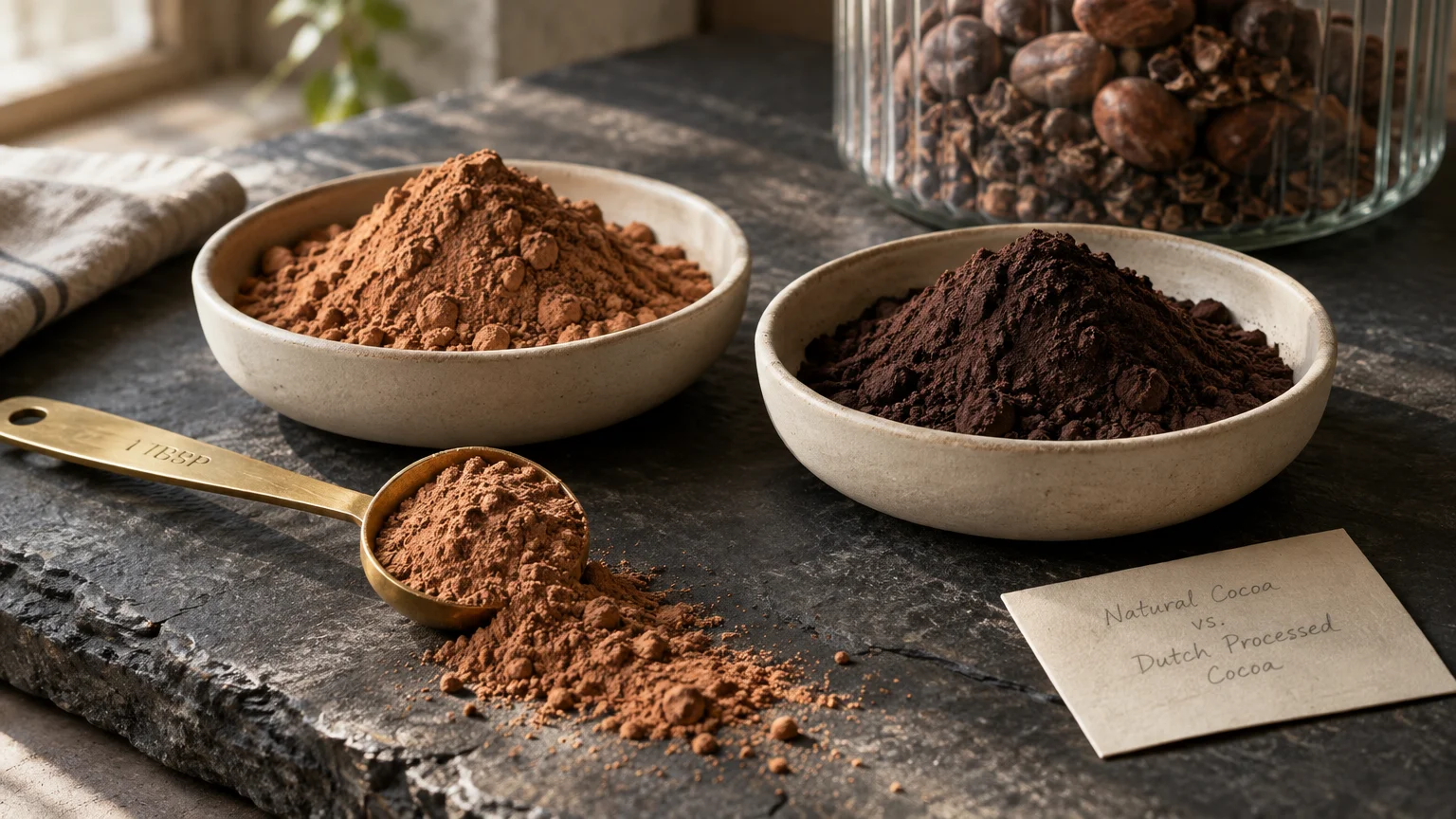
Swapping Dutch-processed cocoa for natural cocoa powder can significantly improve your daily cardiovascular health. Just one daily tablespoon delivers potent plant compounds that relax your arteries and help maintain healthy blood pressure.
Many grocery store cocoas undergo chemical processing that strips away these protective nutrients to create a darker, milder powder. Choosing untreated natural cocoa ensures your body receives the full vascular benefit with every cup.
Understanding how cocoa processing impacts your circulation allows you to make an effortless, science-backed choice at the supermarket shelf. Here is how this simple kitchen staple supports your blood vessels as you age.
How does natural cocoa help support healthy blood pressure?
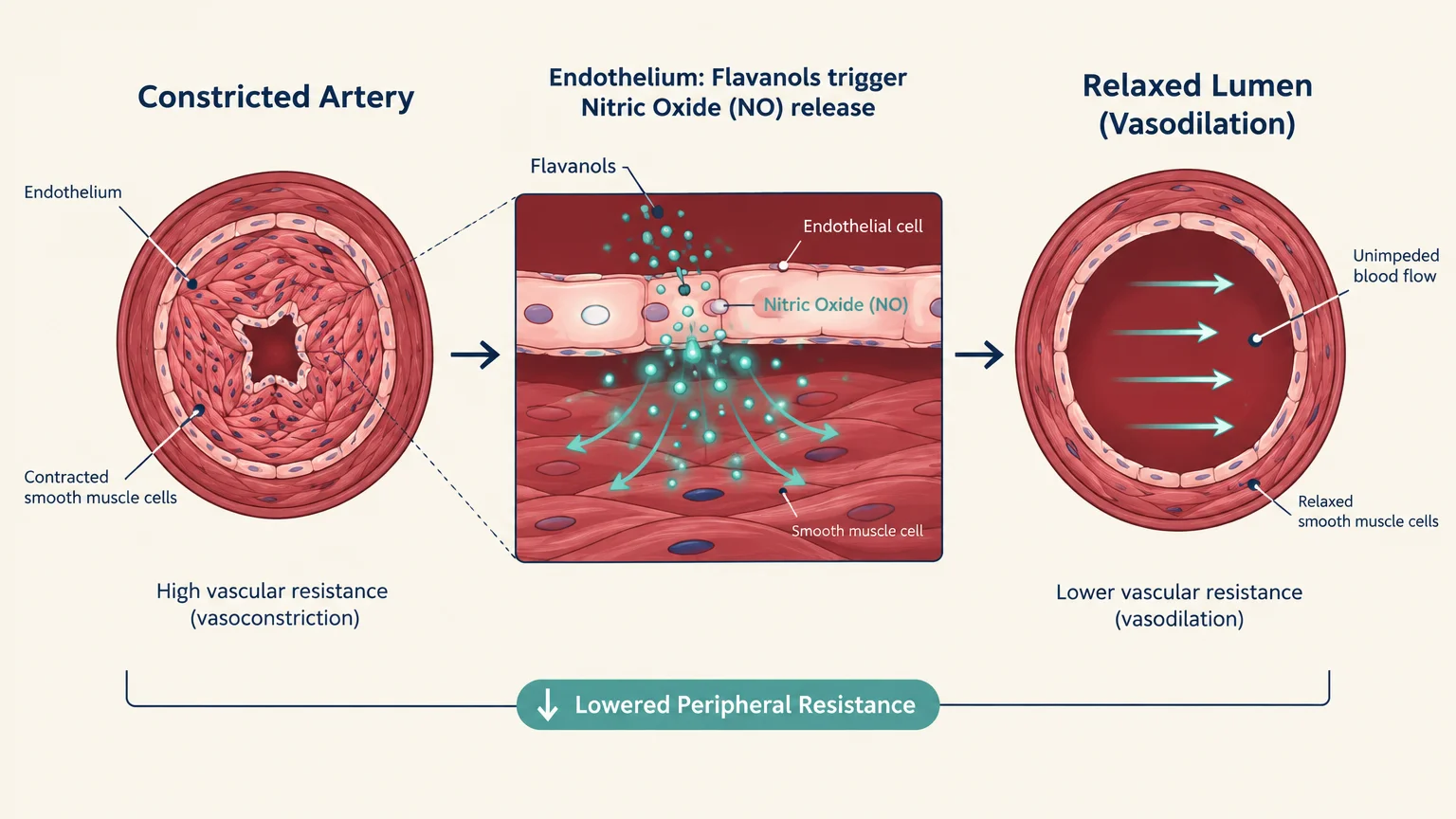
Your blood vessels rely on a delicate inner cell layer known as the vascular endothelium to regulate vascular tone. When this lining remains pliable and responsive, your arteries expand and contract effortlessly in response to blood flow.
Natural cocoa serves as one of nature’s richest sources of flavanols, a unique group of bioactive plant polyphenols. These compounds actively trigger your endothelial cells to produce more nitric oxide gas.
Nitric oxide functions as your vascular system’s primary relaxation signal. Once released, it diffuses into the surrounding vascular smooth muscle cells, prompting them to unwind and widen your blood channels.
This widening of the blood vessels is known clinically as vasodilation. Expanding your arterial pathways lowers the resistance against circulating blood, directly reducing the force your heart must generate with every beat.
Physicians evaluate this vascular flexibility by measuring flow-mediated dilation, or FMD. A higher FMD score demonstrates that your arteries can widen rapidly when blood circulation demands increase.
Over time, natural vascular aging can stiffen arterial walls and degrade endothelial nitric oxide synthesis. This gradual loss of elasticity forces your systolic blood pressure upward as your heart pumps against narrower, stiffer pathways.
Regular consumption of bioavailable cocoa flavanols directly combats this age-related vascular stiffening. By keeping your endothelial signaling pathways active, natural cocoa helps preserve the youthful flexibility of your central and peripheral arteries.
Beyond nitric oxide production, cocoa flavanols provide substantial antioxidant protection directly within the vascular wall. They neutralize harmful reactive oxygen species that would otherwise break down nitric oxide before it can relax your arteries.
Cocoa polyphenols also help inhibit low-grade endothelial inflammation. Protecting your blood vessel lining from inflammatory stress preserves healthy arterial architecture and supports stable daily blood pressure readings.
This multifaceted vascular support makes natural cocoa an effective dietary tool for maintaining cardiovascular wellness. By nourishing your endothelium from within, you encourage healthy circulation throughout your entire vascular network.
Why does Dutch processing remove cocoa’s cardiovascular benefits?
In 1828, Dutch chemist Coenraad van Houten patented a chemical method to alter the acidity and solubility of native cocoa. This technique, universally known as Dutch processing or alkalization, involves washing raw cocoa beans with an alkaline solution.
Food manufacturers typically treat the cocoa with potassium carbonate or sodium hydroxide. This chemical wash alters the natural flavor profile, eliminating the fruitiness and sharp astringency that characterize raw cocoa beans.
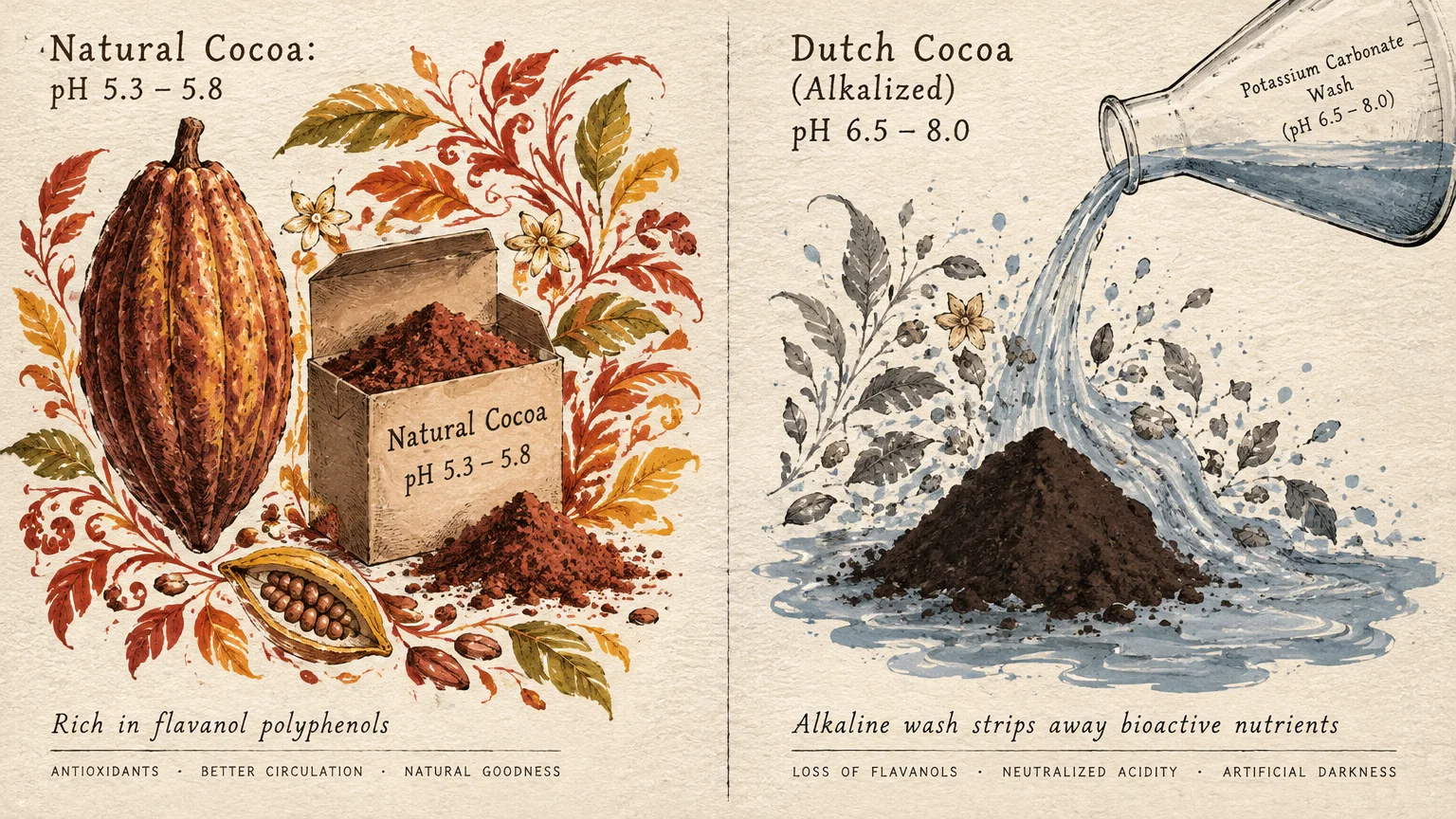
Raw, unprocessed cocoa is naturally acidic, registering a pH between 5.3 and 5.8 on the chemical scale. The alkalization bath neutralizes this natural acidity, raising the finished powder to an alkaline pH between 6.5 and 8.0 or higher.
While alkalization makes cocoa dissolve more smoothly in cold milk and imparts an intensely dark color, it destroys the bean’s delicate polyphenols. The alkaline environment causes rapid oxidation and chemical condensation of the beneficial flavanol molecules.
A benchmark study published in the Journal of Agricultural and Food Chemistry documented the exact nutritional damage caused by this chemical treatment. The researchers revealed that commercial alkalization destroys between 60% and 90% of cocoa’s total natural flavanols.
The severity of flavanol destruction directly reflects how heavily the manufacturer treats the cocoa with alkaline salts. Even mild alkalization inflicts severe losses on the cocoa’s cardiovascular nutrient density.
Lightly Dutch-processed cocoa loses approximately 60% of its native flavanol content during the manufacturing process. Medium-processed cocoa experiences an average 77% reduction in these essential vascular compounds.
Heavily Dutch-processed varieties—frequently labeled as black cocoa or dark European cocoa—suffer up to an 89% loss of flavanols. This heavy treatment leaves the powder virtually devoid of any meaningful cardiovascular value.
The quantitative laboratory measurements illustrate this nutritional collapse vividly. Natural, un-alkalized cocoa powder contains an impressive average of 34.6 milligrams of total flavanols per single gram of powder.
That concentration drops steeply to 13.8 milligrams per gram in lightly Dutch-processed cocoa. Medium-processed cocoa contains only 7.8 milligrams per gram, while heavily alkalized black cocoa plummets to a negligible 3.9 milligrams per gram.
Consumers often mistakenly associate deeply colored, dark cocoa with higher antioxidant potency. In reality, that rich, dark hue serves as an indicator of aggressive chemical processing that has stripped away the cocoa’s protective properties.
When you purchase Dutch-processed cocoa, you buy a modified baking ingredient rather than a functional cardiovascular beverage. Choosing natural, non-alkalized cocoa ensures that every spoonful retains its native, therapeutic polyphenol concentration.

What does clinical research prove about cocoa flavanols?
Over the past three decades, cardiovascular scientists have extensively investigated the precise physiological impacts of cocoa flavanols on human circulation. Randomized controlled clinical trials now provide robust validation for their blood pressure-lowering effects.
A major systematic review and meta-analysis published in September 2026 synthesized data from 25 randomized controlled trials comprising 1,167 human participants. The investigators analyzed how consistent cocoa flavanol intake influenced blood pressure and arterial responsiveness.
The compiled trial data demonstrated that daily cocoa flavanol consumption reduced systolic blood pressure by an average of 2.73 mmHg. Diastolic blood pressure simultaneously declined by an average of 1.85 mmHg across the diverse participant groups.
Beyond resting blood pressure numbers, the 2026 meta-analysis documented a 1.31% average improvement in flow-mediated dilation. The researchers determined that this heightened arterial elasticity resulted directly from enhanced endothelial nitric oxide synthesis.
While a reduction of two to three millimeters of mercury may appear modest at first glance, population studies confirm its profound significance. On a public health scale, a 2 mmHg systolic drop reduces stroke mortality by approximately 10%.
Long-term clinical data from large cohorts further corroborate the cardioprotective potential of cocoa flavanols. The landmark COSMOS trial, managed by Harvard University and Brigham and Women’s Hospital, enrolled 21,442 older American adults to evaluate daily supplementation.
Trial participants received either a daily capsule containing 500 milligrams of cocoa flavanols or an identical placebo over several years of observation. Those assigned to the active flavanol group experienced a remarkable 27% reduction in cardiovascular disease death.
A dedicated sub-study of the COSMOS cohort, published in the American Heart Association journal Hypertension, evaluated blood pressure trajectories across 8,905 participants over 3.4 years.
The investigators discovered that daily flavanol supplementation reduced the risk of developing clinical hypertension by 24% among adults who began the study with normal baseline systolic blood pressure below 120 mmHg.
Although flavanols did not prevent hypertension across participants who already showed elevated baseline pressures, they offered substantial preventive protection for those with healthy baseline readings.
This clinical distinction highlights the critical role of early nutritional intervention in vascular care. Preserving arterial flexibility before chronic hypertension develops helps sustain optimal cardiovascular function well into your later decades.
The compiled body of biomedical literature indexed by the National Institutes of Health reinforces this central conclusion. Cocoa flavanols actively support arterial function, provided you consume them in their unadulterated, non-alkalized form.
What are the official regulatory standards for heart-healthy cocoa?
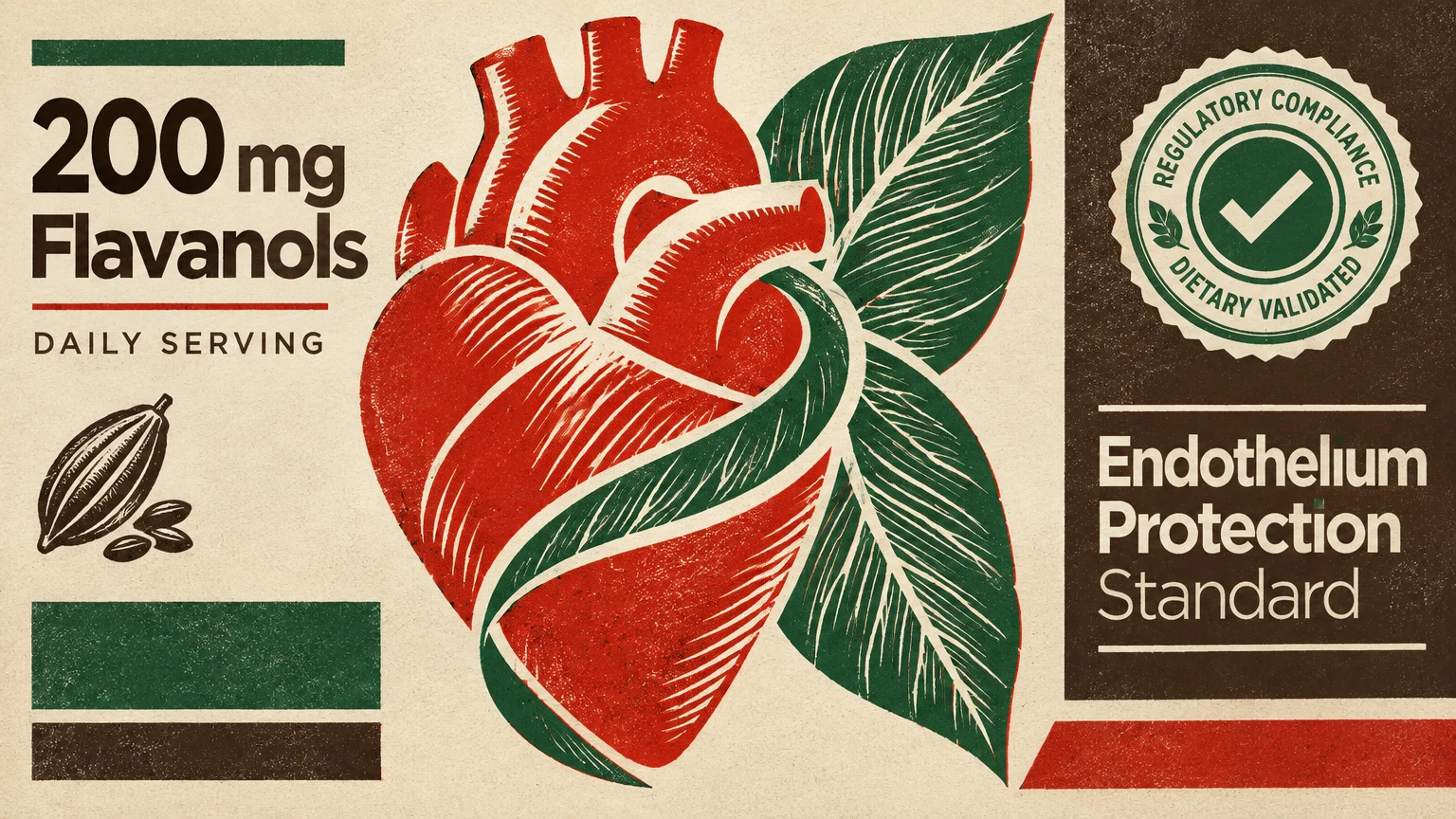
The clinical evidence supporting cocoa flavanols is substantial enough to warrant formal federal regulatory acknowledgment. In the United States, regulatory standards clearly separate high-flavanol cocoa from conventional, nutrient-poor confectionary products.
In February 2023, the U.S. Food and Drug Administration published a milestone letter of enforcement discretion authorizing a qualified health claim for cocoa flavanols.
This federal action permits food manufacturers to declare that consuming cocoa flavanols in high-flavanol cocoa powder may reduce the risk of cardiovascular disease. The authorization reflects careful agency review of human clinical trials.
To prevent misleading marketing, the FDA established precise chemical thresholds that any qualifying cocoa powder must satisfy. Under these rules, cocoa powder must contain at least 4% naturally conserved cocoa flavanols by weight.
Furthermore, a qualifying product must supply a minimum dose of 200 milligrams of cocoa flavanols per designated serving. This ensures that consumers receive a clinically meaningful quantity rather than a symbolic dusting of polyphenols.
A standard single tablespoon of natural, non-alkalized cocoa powder weighs roughly 5 to 6 grams. Because natural cocoa maintains a high flavanol concentration, one tablespoon easily provides the 200 milligrams necessary to satisfy this federal threshold.
In sharp contrast, Dutch-processed cocoa powders cannot satisfy the FDA’s qualified health claim criteria. The alkalization process drives flavanol concentrations far below the mandatory 4% threshold, disqualifying them unless manufacturers artificially fortify them.
The FDA’s rigorous regulatory stance provides valuable guidance when evaluating food products. It validates that the chemical alterations used in Dutch processing strip cocoa of its recognized cardiovascular merits.
By choosing powders that preserve at least 4% natural flavanol content, you ensure your morning drink meets genuine therapeutic standards. This regulatory boundary gives you complete confidence in your grocery selections.

How does natural cocoa compare to other blood pressure beverages?
Many adults seeking natural blood pressure support experiment with various health beverages, including green tea, hibiscus tea, and beet juice. Understanding how natural cocoa compares to these popular options helps you build a well-rounded hydration routine.
Hibiscus tea lowers blood pressure primarily through natural anthocyanins and mild diuretic properties that encourage sodium excretion. However, hibiscus tea provides minimal support for direct endothelial nitric oxide production compared to cocoa.
Beet juice works through dietary nitrates, which your oral bacteria and stomach acid convert into circulating nitric oxide. While beet juice provides potent acute vasodilation, it contains substantial natural sugars that can impact your glycemic management.
Natural cocoa powder delivers a virtually sugar-free alternative that enhances nitric oxide production through an entirely different biochemical pathway: endothelial nitric oxide synthase activation. This allows you to support arterial dilation without spiking your blood glucose.
Green tea provides epigallocatechin gallate, a polyphenol that protects vascular tissues from oxidative damage over time. While green tea is exceptionally heart-healthy, cocoa flavanols exhibit a stronger affinity for improving acute flow-mediated dilation in clinical comparisons.
Standard brewed coffee offers protective chlorogenic acids, but its higher caffeine content can trigger temporary blood pressure spikes in sensitive individuals. Natural cocoa supplies a milder stimulant profile that avoids sharp hemodynamic fluctuations.
Incorporating natural cocoa alongside unsweetened teas provides complementary vascular protection through diverse plant compounds. Cocoa stands out as a uniquely rich source of epicatechin, the specific monomer driving endothelial relaxation.
This distinct nutritional profile makes natural cocoa an irreplaceable component of an evidence-based cardiovascular diet. It delivers potent arterial support without surplus sugars, excess stimulants, or artificial additives.
How should you select the right cocoa powder at the grocery store?
Navigating supermarket baking and beverage aisles requires knowing precisely how manufacturers label cocoa products. Clever package design and rustic imagery can easily mislead shoppers seeking authentic health benefits.
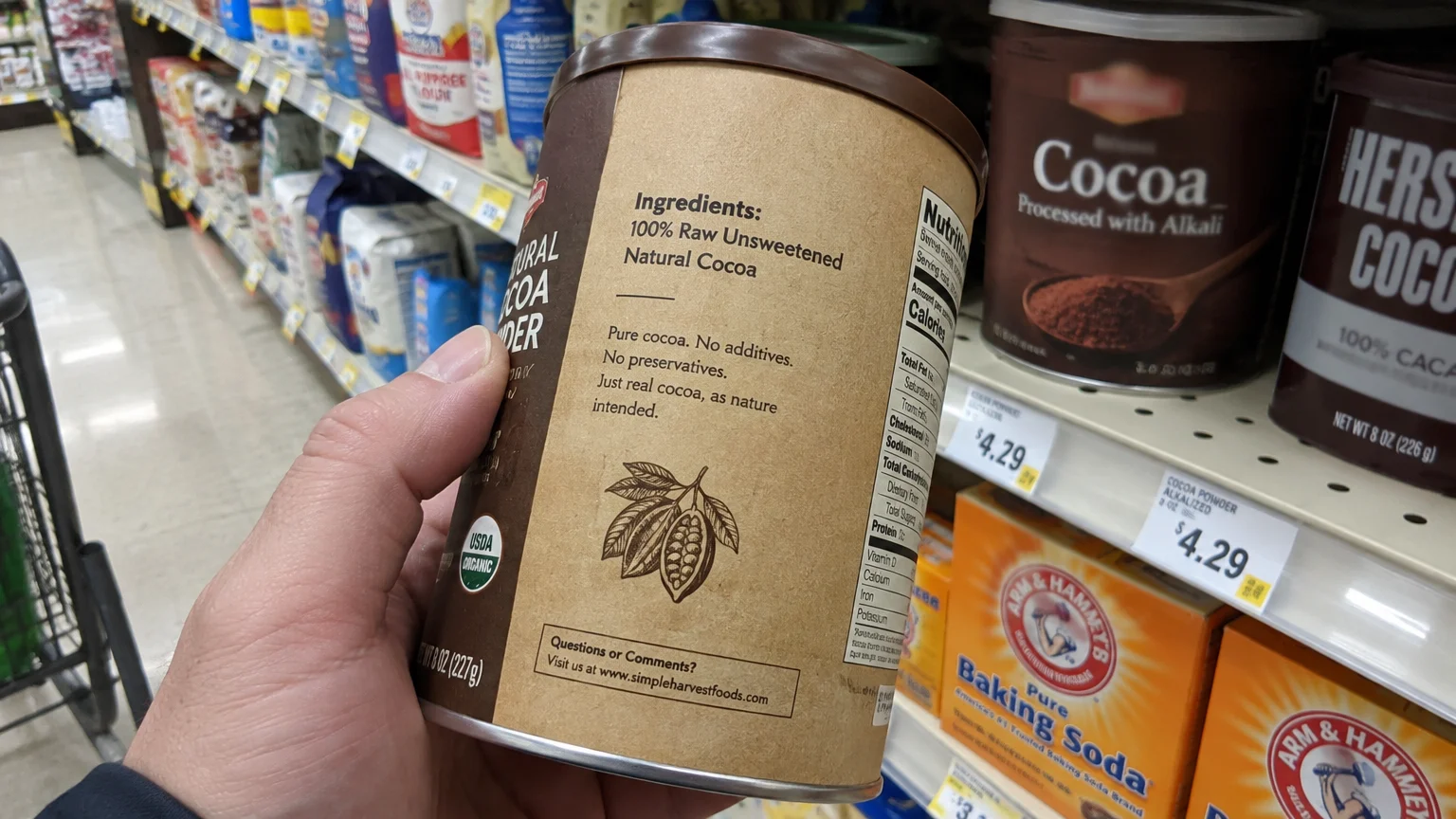
Your primary defense lies in reading the ingredient statement printed on the back of the canister. Under federal labeling law, alkalized products must disclose their chemical alteration by stating “processed with alkali” or “alkalized cocoa.”
If you spot either of these phrases on the ingredient list, the product is Dutch-processed. Set that container back down, as its flavanol content has been compromised by chemical treatment.
Look instead for packaging that lists a single ingredient: “100% natural unsweetened cocoa” or simply “cocoa.” These products undergo mechanical grinding and fat pressing without any chemical alkaline washes.
Visual inspection offers another dependable clue when examining cocoa powders through clear packaging or bulk bins. Natural cocoa exhibits a lighter, reddish-cinnamon or warm sandy-brown appearance.
Dutch-processed cocoas display a noticeably darker, deep espresso or slate-gray hue. Remember that lighter powders retain their native polyphenols, while dark powders have traded vascular benefits for visual depth.
Several ubiquitous supermarket brands offer high-quality natural cocoa at very reasonable prices. Standard Hershey’s Unsweetened Cocoa Powder, for example, is entirely non-alkalized, widely distributed, and highly affordable.
Other reliable natural options include Ghirardelli Premium 100% Cocoa Unsweetened and Guittard Cocoa Rouge. Many supermarket private-label store brands also offer inexpensive natural cocoa powders that preserve natural flavanol levels.
Specialty retailers often promote raw cacao powder as a superior superfood alternative to standard baking cocoa. Raw cacao is non-alkalized and retains high flavanol levels, but it frequently costs three times as much as natural cocoa.
Peer-reviewed chemical testing confirms that standard natural unsweetened cocoa powder matches the flavanol density of expensive raw cacao. You do not need to overspend at boutique health food stores to obtain therapeutic vascular benefits.
Store your natural cocoa powder in an airtight, opaque container in a cool, dry pantry away from direct sunlight. Protecting the powder from heat, light, and ambient moisture prevents the slow oxidative breakdown of its delicate flavanols.
How can you prepare natural cocoa for maximum daily benefit?
Transforming natural cocoa powder into an enjoyable daily beverage requires a simple preparation technique. Because natural cocoa retains its healthy cocoa fats and plant fibers, it resists dissolving in lukewarm or cold liquids.
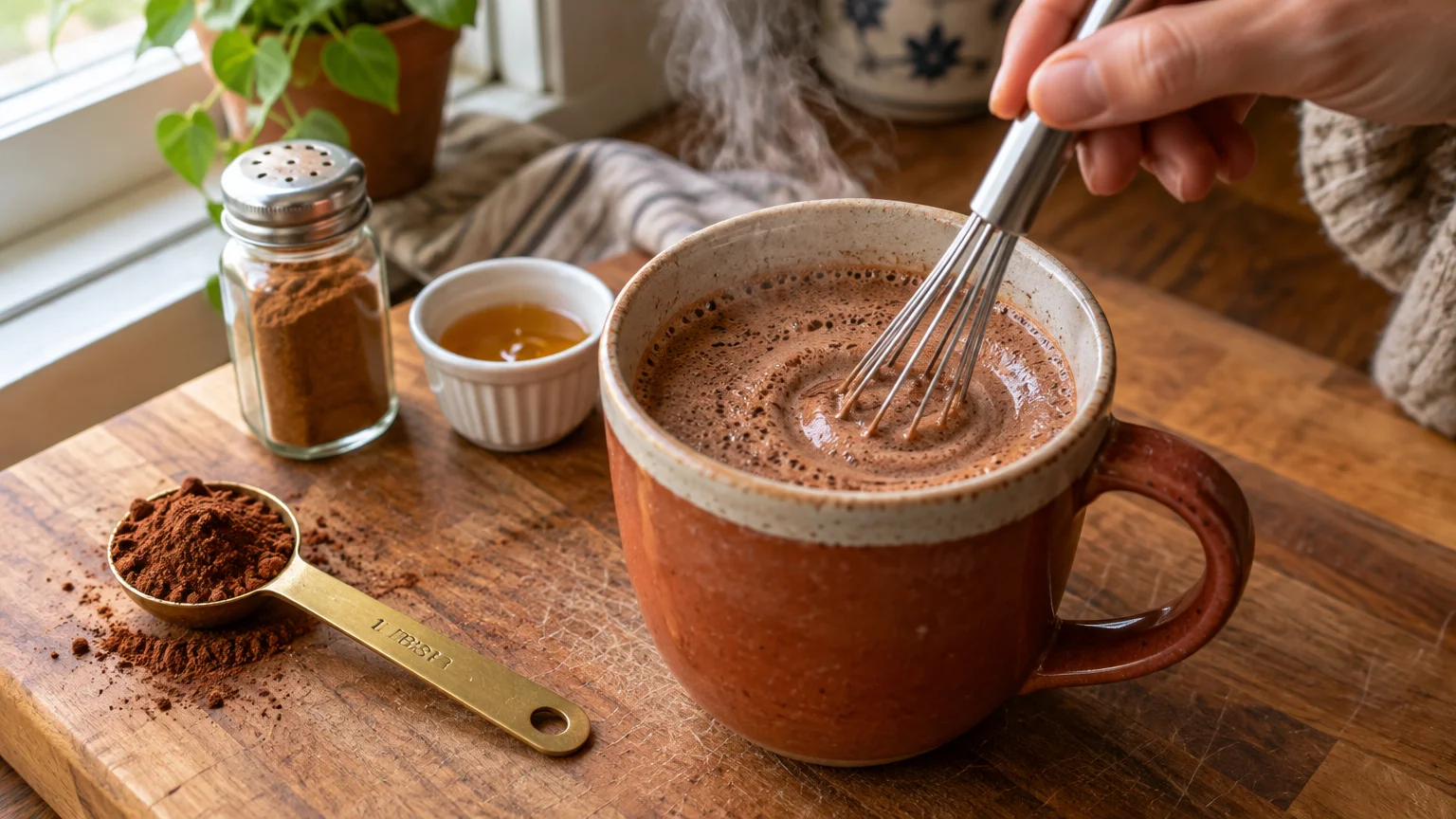
Begin by measuring one to two level tablespoons—approximately 5 to 12 grams—of cocoa into your favorite mug. Pour in two ounces of near-boiling water and whisk vigorously with a small fork or handheld frother.
This initial hot water step rapidly dissolves the cocoa particles and suspends the solids into a glossy, velvety base. Once you have created this smooth paste, fill the rest of your mug with hot water or milk.
Many adults wonder whether high water temperatures destroy delicate cocoa flavanols during brewing. Chemical analyses show that cocoa flavanols remain thermally stable at standard boiling temperatures, meaning hot water will not diminish your drink’s vascular potency.
Natural cocoa features an assertive, pleasantly bitter flavor with subtle fruit notes derived from its organic acids. If you find this native astringency too intense, resist the temptation to dump in tablespoons of refined table sugar.
Excessive sugar elevates your blood glucose and promotes systemic inflammation, which counters the endothelial benefits you seek to gain. Instead, enhance the flavor by stirring in a dash of ground cinnamon, ground cardamom, or pure vanilla extract.
If you prefer sweetness, use a few drops of pure liquid stevia or organic monk fruit extract. These natural non-nutritive sweeteners balance cocoa’s natural acidity without raising your blood sugar or adding empty calories.
A widespread debate in cardiovascular nutrition centers on whether cow’s milk inhibits the intestinal absorption of cocoa flavanols. Certain laboratory experiments demonstrate that milk casein proteins bind to cocoa polyphenols, potentially hindering their passage through your gut wall.
Clinical feeding trials yield conflicting results, with some showing reduced antioxidant uptake and others showing minimal real-world difference. To eliminate any uncertainty, prepare your daily cocoa using hot water or unsweetened plant milks like almond, soy, or oat.
Enjoy your cocoa beverage in the morning with your breakfast or as a mid-afternoon pick-me-up. Consuming cocoa during daytime hours provides steady vascular support during your most active periods while keeping your evenings stimulant-free.
What medication interactions and health precautions should you consider?
Although natural cocoa is a wholesome culinary ingredient, its potent bioactivity warrants sensible precautions for adults managing chronic conditions. Being mindful of these interactions ensures you integrate cocoa into your health routine without unexpected complications.
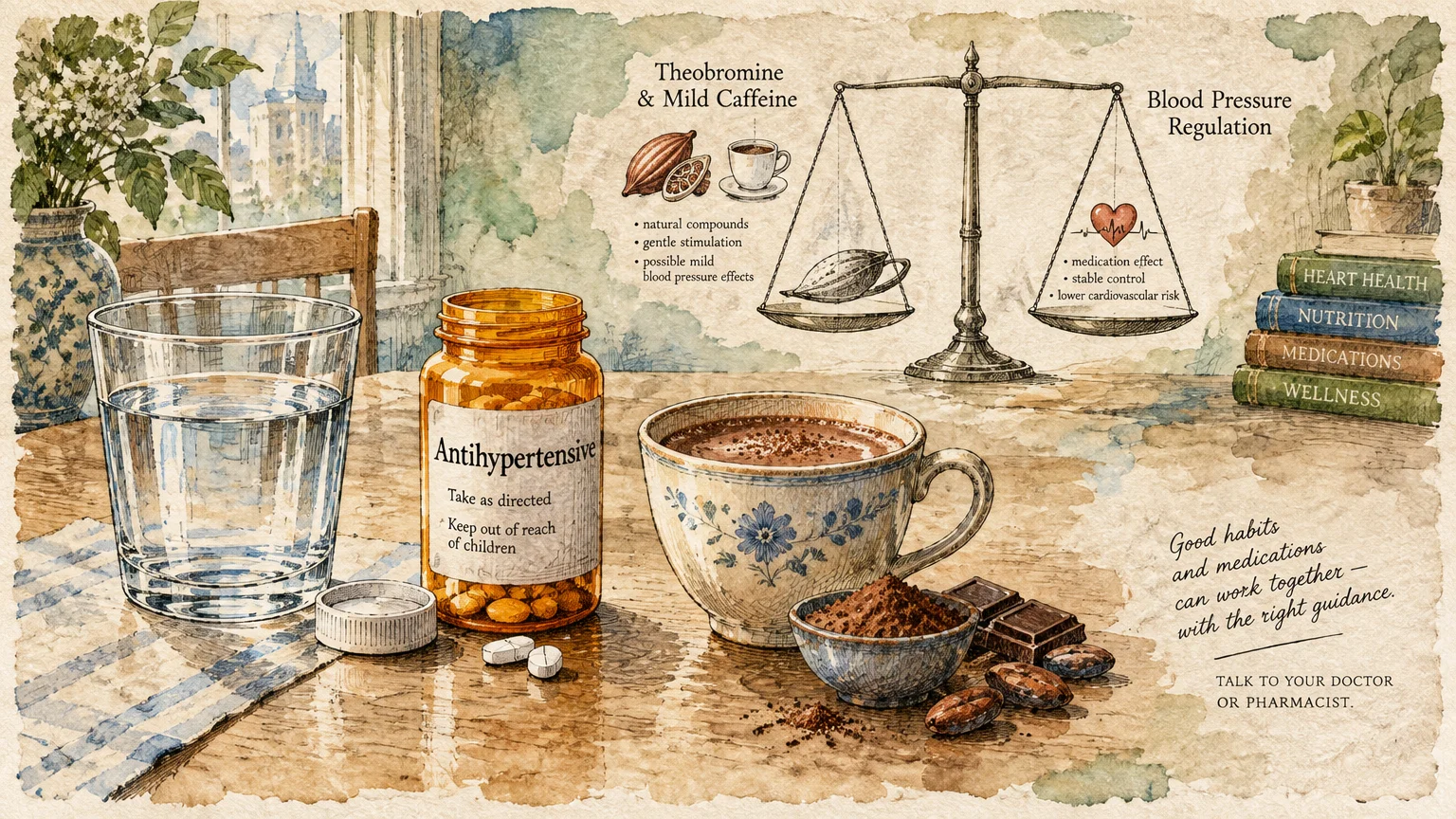
Because cocoa flavanols actively dilate blood vessels and lower blood pressure, they can enhance the effects of prescription antihypertensive medications. Combining daily high-flavanol cocoa with ACE inhibitors, angiotensin receptor blockers, or calcium channel blockers might cause excessive hypotensive drops.
If you take blood pressure medications, monitor your blood pressure at home several times weekly when introducing daily cocoa. If your systolic numbers dip lower than your physician’s target range, consult your doctor about adjusting your pharmaceutical dosages.
Cocoa flavanols also display mild antiplatelet effects that discourage blood platelets from clumping together. While this action supports arterial circulation, it could theoretically augment the effects of prescription anticoagulants like warfarin, apixaban, or daily aspirin.
Always inform your prescribing cardiologist or primary care physician before consuming concentrated cocoa daily if you take blood-thinning medications. They can order routine coagulation panels to confirm your clotting times remain within safe therapeutic windows.
Natural cocoa contains small amounts of caffeine alongside significant concentrations of theobromine, a milder methylxanthine stimulant. While most adults tolerate theobromine well, individuals prone to cardiac arrhythmias or palpitations should monitor their personal response.
Theobromine can also relax the lower esophageal sphincter, the muscular barrier preventing stomach acid from rising into your esophagus. If you manage gastroesophageal reflux disease or chronic heartburn, avoid drinking concentrated cocoa on an empty stomach.
Cocoa powder naturally contains dietary oxalates, which can bind to calcium in your urinary tract and form kidney stones. If you have a medical history of calcium oxalate nephrolithiasis, discuss your cocoa consumption with your urologist.
People managing advanced kidney disease must also consider potassium content when choosing between cocoa varieties. While natural cocoa contains modest potassium, Dutch-processed cocoa absorbs significant potassium salts from the potassium carbonate wash used during alkalization.
This presents an additional reason for kidney-conscious individuals to steer clear of Dutch-processed powders entirely. Checking with your doctor or clinical pharmacist ensures that daily natural cocoa fits harmoniously into your personalized health plan.
Frequently asked questions about cocoa and blood pressure
Does adding milk to natural cocoa block the absorption of flavanols?
Cow’s milk contains dairy proteins, primarily casein, that form temporary chemical bonds with cocoa’s polyphenol molecules. In test-tube environments, this complex protein binding can inhibit the transport of flavanols across cellular membranes.
However, human clinical studies demonstrate that your digestive enzymes break down these protein complexes during digestion, allowing partial absorption. Preparing cocoa with water or unsweetened plant milks avoids this binding interaction entirely and guarantees maximum flavanol bioavailability.
Can dark chocolate bars replace daily natural cocoa powder?
Dark chocolate bars do supply flavanols, but they also package those nutrients with substantial cocoa butter fats and added sugars. Eating enough commercial dark chocolate to obtain 200 milligrams of flavanols can easily add 200 to 400 calories daily.
In addition, many chocolate manufacturers use Dutch-processed cocoa to create their confections, drastically lowering the flavanol content. One tablespoon of 100% natural cocoa powder delivers pure flavanols with just 12 calories, no added sugar, and virtually zero fat.
How much caffeine does a daily cup of natural cocoa contain?
A single tablespoon of natural cocoa powder contains approximately 12 milligrams of caffeine. This represents a tiny fraction of the 100 milligrams found in an average cup of drip coffee.
Cocoa primarily relies on theobromine for its gentle, sustained energizing effect on the central nervous system. Theobromine supports smooth mental focus without the rapid blood pressure spikes or nervousness associated with heavy caffeine intake.
Will natural cocoa interfere with your evening sleep?
Even though cocoa contains minimal caffeine, its theobromine content has a longer metabolic half-life in your body. Adults over 55 often metabolize methylxanthines more slowly, allowing mild stimulants to linger in circulation for several hours.
Consuming cocoa within three or four hours of bedtime can delay sleep onset or lighten sleep quality. To protect your sleep architecture, schedule your daily cocoa mug before two in the afternoon.
How long does it take for natural cocoa to show blood pressure results?
Cocoa flavanols produce both immediate acute effects and cumulative long-term improvements in vascular function. Clinical trials show that flow-mediated dilation improves within two hours of consuming a single flavanol-rich serving as nitric oxide levels surge.
Sustained reductions in resting systolic and diastolic blood pressure typically manifest after two to four weeks of consistent daily intake. Making natural cocoa an uninterrupted daily habit ensures your arterial walls receive the ongoing stimulation needed for lasting vascular flexibility.
What simple change can you make to your routine this week?
Adopting an evidence-based habit does not require complicated lifestyle disruptions or costly gourmet foods. You can initiate a meaningful cardiovascular improvement today simply by inspecting the cocoa currently sitting in your kitchen pantry.
Read the ingredient label on your cocoa container to see if it lists “processed with alkali.” If you find those words, discard or repurpose that container and purchase a tub of 100% natural, non-alkalized cocoa.
Commit to replacing one sugary snack, afternoon coffee, or processed dessert with a mug of warm natural cocoa this week. Whisk one tablespoon of natural cocoa into two ounces of hot water, then top it off with hot water or unsweetened almond milk.
Add a pinch of aromatic cinnamon or a drop of vanilla extract to create a rich, soothing beverage without refined sugars. This single, simple adjustment delivers over 200 milligrams of arterial-relaxing flavanols directly to your vascular system each day.
Track your home blood pressure readings over the coming month to observe how your vascular tone responds to this nutritional support. Empowering your cardiovascular health starts with the simple, deliberate choice you make in the supermarket aisle.