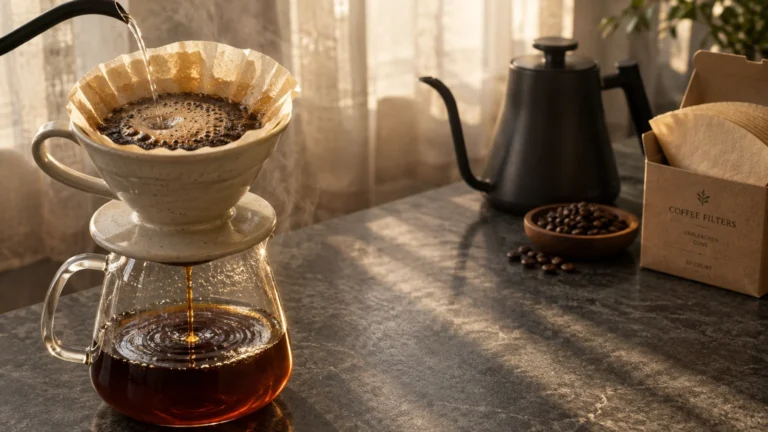
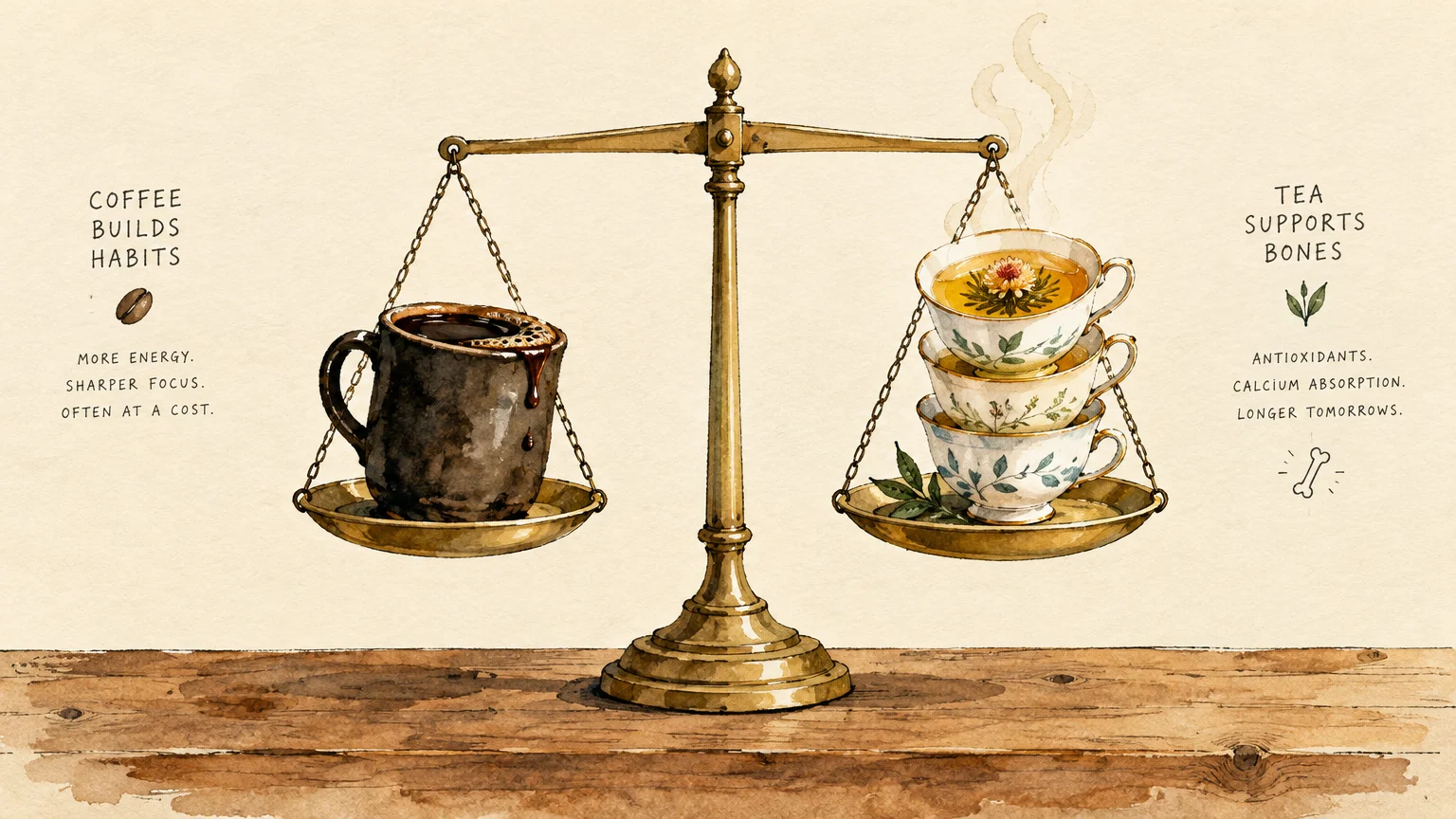
Your morning coffee delivers energy, focus, and rich antioxidants you rely on every day. However, pouring an extra mug in the afternoon might quietly weaken your hip bones over time.
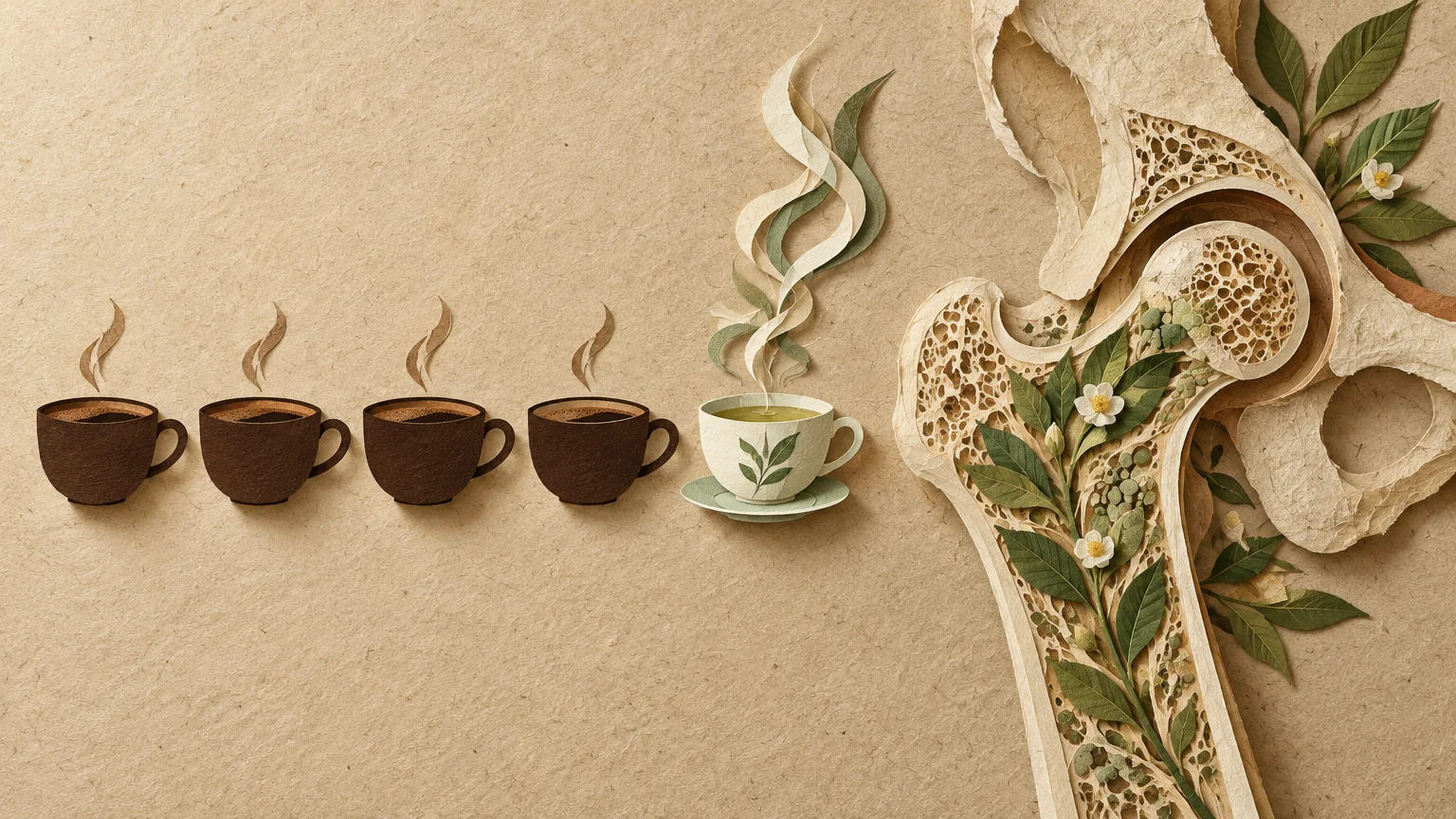
A landmark 10-year study found that drinking tea instead of exceeding four cups of coffee protects your bone mineral density. This simple drink swap helps safeguard your skeleton without forcing you to abandon your favorite morning roast.
Deciding what to brew late in the day gives you immediate control over your bone strength and long-term mobility. Swapping your fifth cup for tea preserves calcium and keeps your hip joints strong.
What did researchers discover about coffee and hip bones?
You rely on your hips for balance, walking ease, and independent movement every single day. When hip bones lose density, your risk of painful fractures and restricted mobility climbs significantly.
Worldwide, osteoporosis affects approximately one in three women and one in five men aged fifty or older. Because bone loss happens silently without warning symptoms, your daily beverage choices play a monumental protective role.
Scientists have spent decades tracking how habitual coffee consumption influences skeletal tissue over long periods. While moderate coffee offers genuine cardiovascular perks, excessive intake produces a very different physical outcome.
A pivotal study published on November 23, 2025, in the journal Nutrients examined this exact relationship in depth. The researchers tracked how everyday hot beverages influenced the skeletal structure of thousands of mature adults.
Ryan Yan Liu and Enwu Liu, Ph.D., from Flinders University in Adelaide, Australia, led the ambitious project. Their findings triggered widespread medical and media attention throughout 2026.
Their investigation confirmed that coffee remains largely benign for your skeletal frame when you keep your consumption moderate. However, pouring drinks well past mid-morning creates a distinct biological tipping point.
When evaluating how an extra cup affects your skeleton, the fifth coffee hips link becomes impossible to ignore. Understanding how tea can beat fifth coffee habits helps you preserve bone mineral density without abandoning your morning roast.
Who participated in this ten-year bone study?
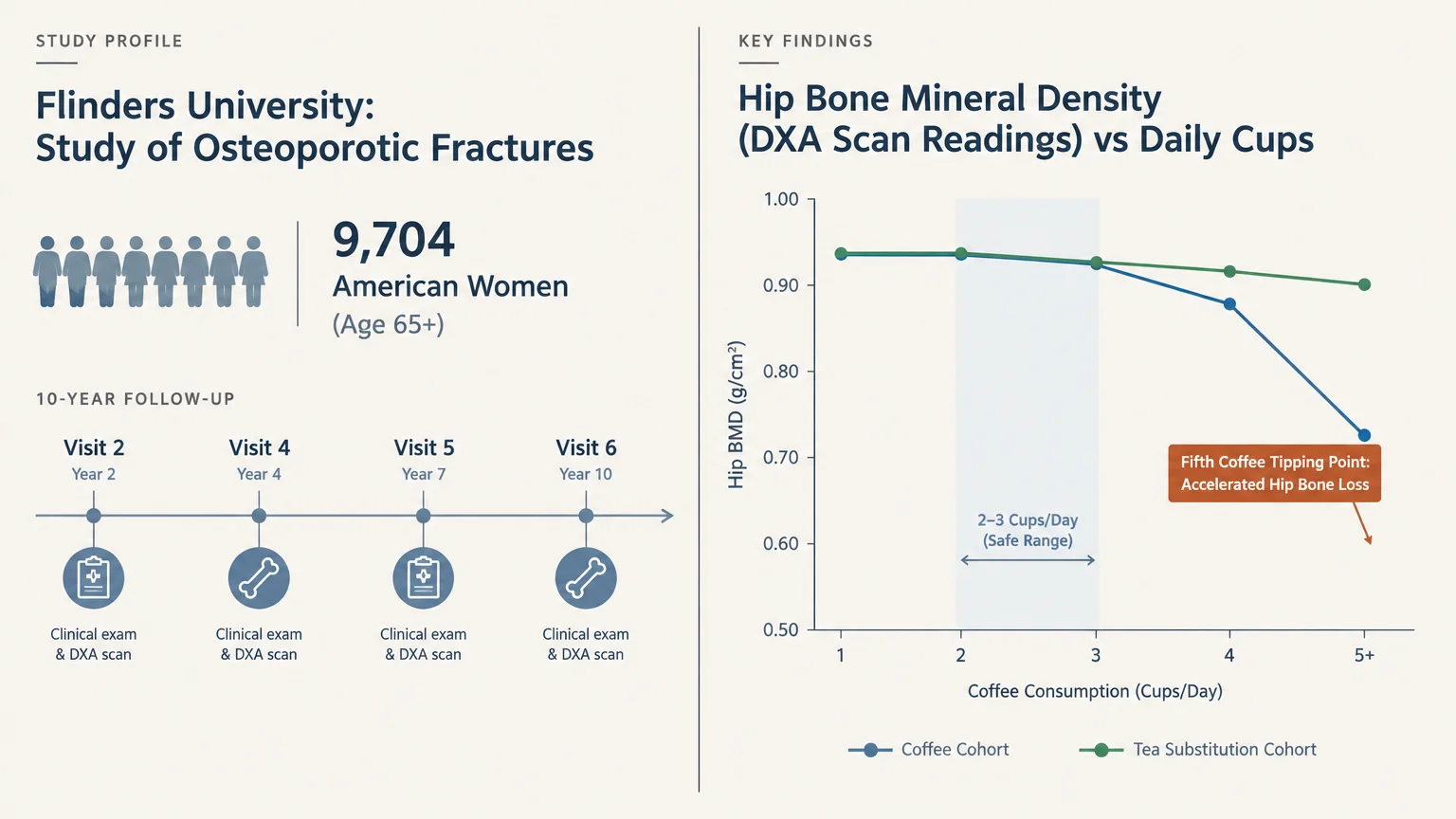
The Flinders University researchers examined data from 9,704 American women enrolled in the Study of Osteoporotic Fractures. Every participant was aged sixty-five and older at the start of the assessment.
This large cohort consisted primarily of White postmenopausal women whose bone health required close monitoring. Postmenopausal hormonal shifts naturally accelerate bone mineral loss, making this demographic particularly vulnerable.
Researchers followed these women across an approximate ten-year follow-up period to evaluate how their bones changed. The study collected extensive data across four specific clinic visits, identified as visits two, four, five, and six.
Participants completed self-administered questionnaires detailing their daily coffee and tea habits at each evaluation stage. Clinicians paired these lifestyle answers with objective medical imaging to ensure accurate results.
The researchers used dual-energy X-ray absorptiometry scans, commonly known as DXA scans, to measure physical bone changes. These scans provided precise readings of bone mineral density at the femoral neck and total hip.
Because the clinicians tracked the exact same participants across a full decade, they captured meaningful long-term trends. Their findings offer concrete, practical guidance for your own kitchen counter.
Where does coffee begin to challenge your bone mineral density?
If you love your morning routine, you can breathe a sigh of relief. Moderate coffee consumption of roughly two to three cups per day showed no overall harmful association with bone mineral density.
Your breakfast coffee delivers valuable polyphenols without compromising the structural integrity of your femoral neck. Trouble begins only when your coffee pot stays on throughout the afternoon.
The researchers utilized advanced natural spline regression analyses to locate exact tipping points in beverage intake. Their calculations demonstrated that consuming more than five cups of coffee per day was associated with lower bone mineral density.
When you consume that much coffee, the high caffeine load prompts your kidneys to excrete extra calcium in your urine. Over time, that mineral loss robs your skeletal framework of the raw materials it needs.
High caffeine volumes can also hinder how efficiently your intestines absorb the calcium present in your meals. If you reach for a fifth cup, you may inadvertently weaken your hip scaffolding.
Why does drinking tea support your hip strength?
While heavy coffee consumption showed clear downsides for bone density, tea delivered an entirely encouraging result. Regular tea consumption was positively associated with slightly higher total hip bone mineral density across the cohort.
In the Flinders University study, tea drinkers maintained an adjusted average total hip bone mineral density of 0.718 grams per square centimeter. Non-tea drinkers averaged 0.715 grams per square centimeter.
This produced a modest but statistically significant mean difference of 0.003 grams per square centimeter between the two groups. In statistical modeling, this difference achieved clear significance with a p-value of 0.026.
You might wonder whether such a fractional measurement truly matters for your day-to-day mobility. When it comes to osteoporosis, even small preservation gains help reduce your cumulative fracture risks over several decades.
Choosing tea instead of an extra coffee allows you to maintain vital hip mineral density without giving up warm, comforting mugs throughout your day.
How does tea influence bone density in women with higher body weight?
The Flinders University researchers noticed an especially striking pattern when they examined participant body mass index. Their data revealed a statistically significant interaction between tea consumption and obesity, recording a p-value of 0.0175.
The bone-density benefits of tea consumption appeared particularly pronounced among women classified as having obesity. If you carry excess weight, your skeleton experiences unique physiological stresses every day.
Carrying extra body weight places higher mechanical loads across your hip joints and knees. Furthermore, excess adipose tissue generates low-grade systemic inflammation that can interfere with normal bone remodeling cycles.
The bioactive compounds in brewed tea appear to buffer against that inflammatory wear and tear. Tea provides targeted cellular defense exactly where your load-bearing joints need it most.
Swapping your afternoon coffee for brewed tea delivers protective plant compounds that help your hips manage daily mechanical stress. This simple adjustment supports both joint comfort and structural skeletal health.
What biological compounds in tea protect your skeleton?
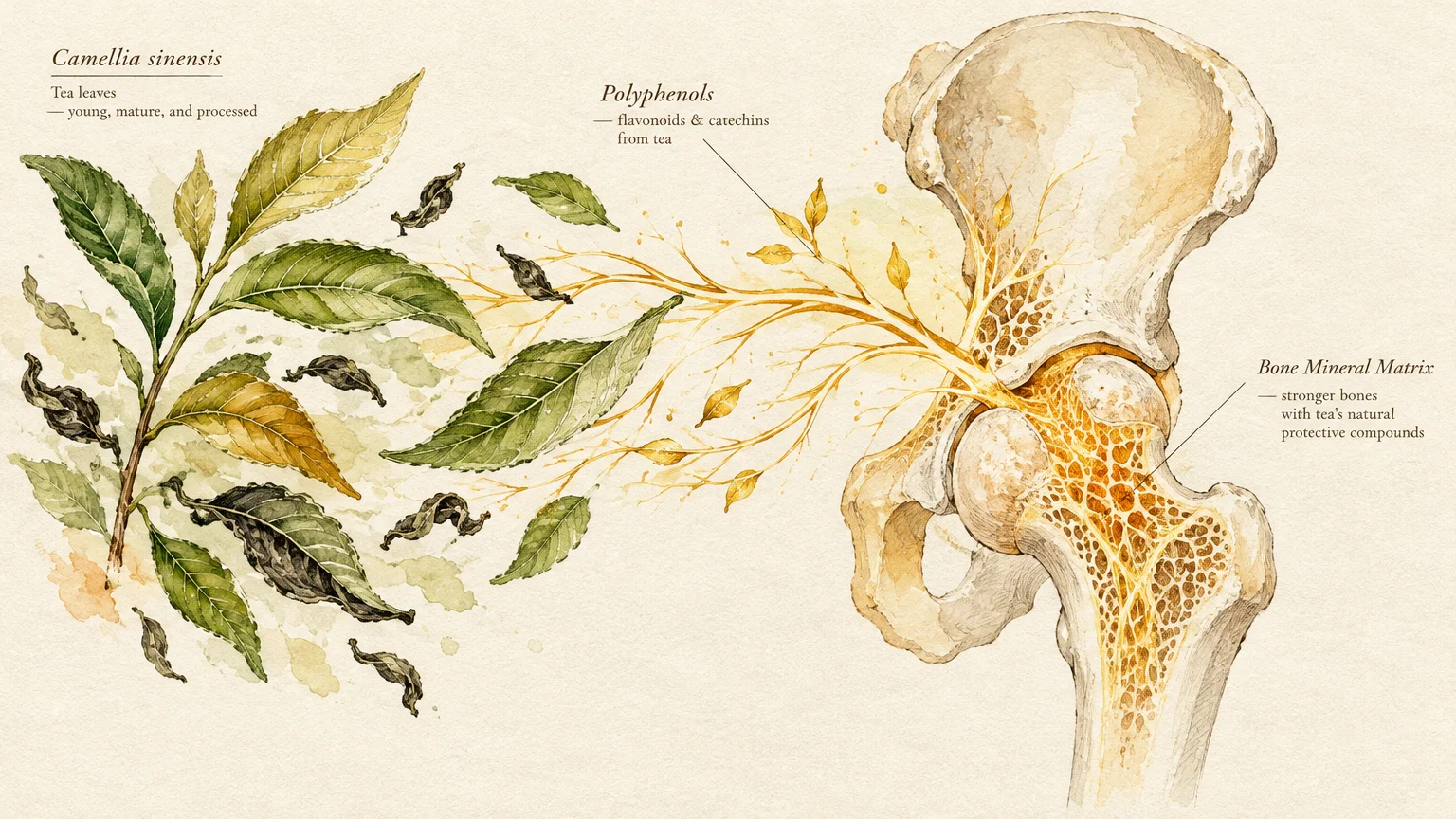
True teas derived from the Camellia sinensis plant contain a unique reservoir of plant compounds known as flavonoids. These powerful antioxidants actively influence how your body maintains and repairs bone tissue.
Flavonoids stimulate your osteoblasts, which are the specialized cells dedicated to laying down fresh bone matrix. At the same time, they quiet osteoclasts, the cells responsible for breaking down aged bone minerals.
Scientific reviews cataloged by the National Institutes of Health confirm that dietary polyphenols reduce chronic oxidative stress within bone microarchitecture. By lowering cellular stress, tea helps your skeleton preserve its dense interior lattice.
Tea leaves also absorb trace minerals from the soil, including small amounts of bioavailable fluoride and manganese. These elements integrate directly into your mineral matrix, reinforcing your hips against daily wear.
Coffee also contains antioxidants, but its heavier caffeine concentration can overwhelm those benefits at high volumes. Tea provides a balanced botanical package that nurtures bone tissue without depleting calcium stores.
How much caffeine can you safely enjoy every day?
Caffeine affects your body differently today than it did decades ago. As your metabolism matures, your liver clears caffeine more slowly, allowing it to linger in your bloodstream for extended hours.
Understanding your daily caffeine boundaries enables you to protect your hip bones while still enjoying steady daytime alertness. A few mindful adjustments keep your intake in the safe zone.
Why does the FDA establish a four-hundred-milligram caffeine limit?
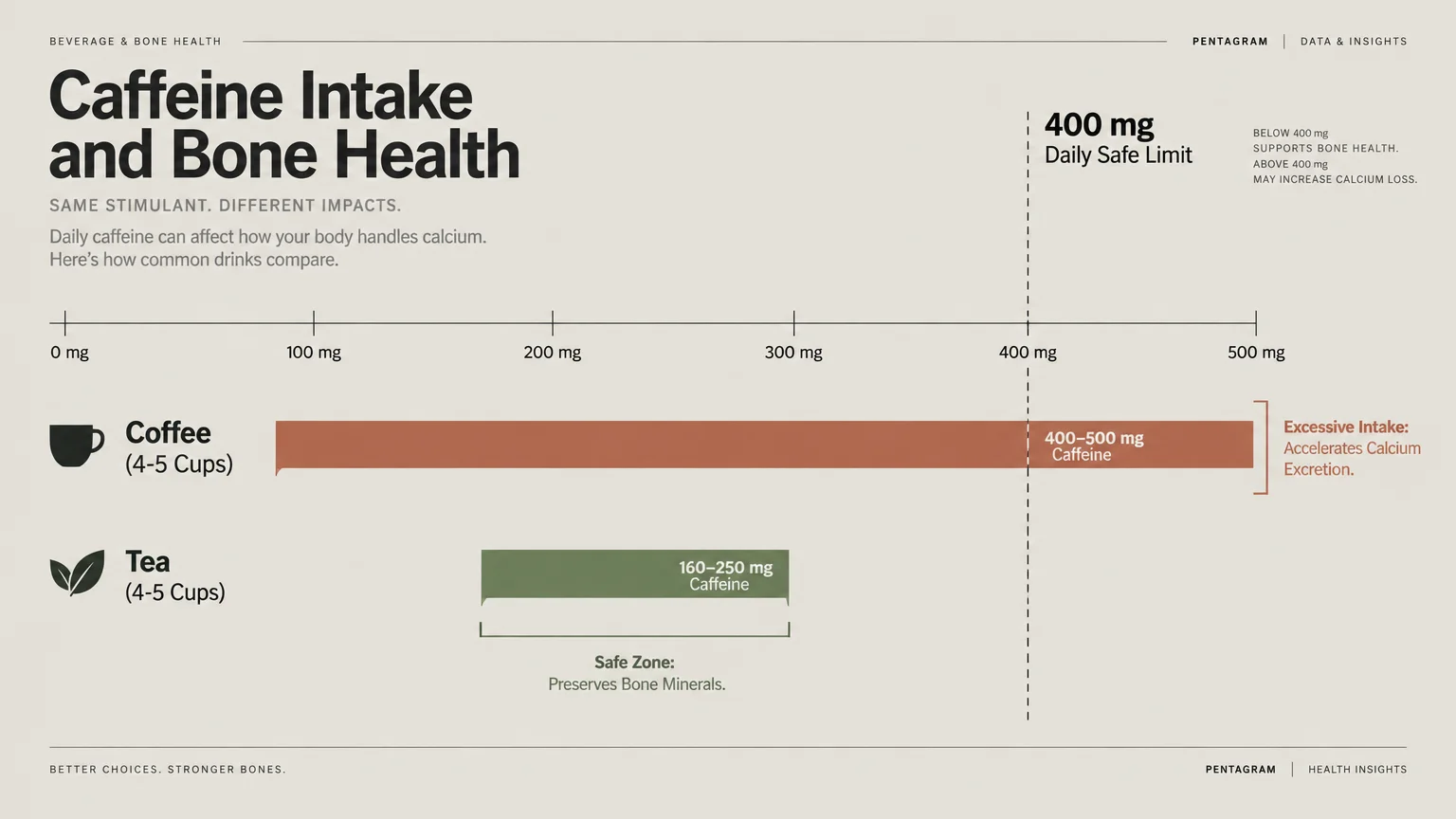
Guidance from the U.S. Food and Drug Administration identifies 400 milligrams of caffeine daily as a safe threshold for healthy adults. Beyond this amount, negative physiological side effects multiply rapidly.
That 400-milligram limit corresponds roughly to four or five eight-ounce cups of traditionally brewed coffee. The Flinders University findings align seamlessly with this long-standing federal benchmark.
When you pour that fifth cup of coffee, you easily cross this physiological safe line. Crossing it accelerates urinary mineral excretion and can disturb cardiac rhythms or trigger sleep fragmentation.
Sleep disruption further harms your skeleton because your bones undergo essential repair and remodeling while you rest. Staying under the 400-milligram boundary protects your hip density from multiple angles.
How do individual brewing styles alter your daily caffeine load?
You cannot always judge caffeine content by the size of your coffee mug alone. A standard eight-ounce cup of drip coffee typically contains between 95 and 150 milligrams of active caffeine.
If you drink from modern sixteen-ounce or twenty-ounce ceramic mugs, two servings equal four standard cups. In that scenario, your midday refill represents your fifth cup without you even realizing it.
French press, espresso shots, and concentrated cold brews extract caffeine at significantly higher intensities. These dense brewing methods push your daily intake past the 400-milligram boundary much faster.
In contrast, an eight-ounce mug of black tea supplies only 40 to 70 milligrams of caffeine. Delicate green tea drops that number even further, providing roughly 25 to 45 milligrams per serving.
By trading that fifth cup of coffee for black or green tea, you dramatically cut your caffeine burden while keeping a satisfying hot mug in your hands.

How should you structure your daily beverage routine?
Protecting your hip bones does not require an all-or-nothing approach to caffeine. You simply need a sensible daily rhythm that honors your bone biology and your lifestyle preferences.
A thoughtful schedule lets you savor rich morning coffee while enlisting tea to defend your hip joints later in the day.
What is the ideal morning-to-afternoon beverage timeline?
Enjoy your first one or two cups of coffee with breakfast or shortly after waking. This matches your body’s morning energy needs and keeps caffeine processing aligned with early daytime hours.
If you enjoy a third coffee, finish it before the clock strikes twelve. Giving your liver a break by midday keeps your natural afternoon rhythms intact.
When the typical afternoon slump hits around two o’clock, bypass the coffee machine entirely. Brew a fresh mug of loose-leaf black or green tea instead.
This afternoon tea provides a gentle, sustained cognitive lift without driving caffeine into the danger zone. It also prevents caffeine from lingering in your system when you try to sleep at night.
Stop all caffeinated drinks at least six hours before you intend to turn out the lights. If you desire a hot drink after dinner, choose an herbal infusion.
Which tea varieties offer the best support for your bones?
You have wonderful options when shopping the tea aisle for bone-friendly brews. Both green and black teas from the traditional tea plant offer proven skeletal support.
Green tea undergoes minimal processing, preserving high concentrations of epigallocatechin gallate. This specific catechin defends bone architecture and helps calm inflammatory signals throughout your joints.
Black tea leaves undergo complete oxidation, transforming catechins into complex polyphenols known as theaflavins and thearubigins. These unique dark compounds provide robust antioxidant shielding for your hip bones.
Oolong tea offers a delightful middle path between green and black varieties, boasting a smooth floral flavor alongside dense polyphenol content.
White tea undergoes the gentlest harvesting of all, providing high antioxidant levels with very low astringency. Rotating through these four traditional teas keeps your palate interested throughout the week.
How can you prepare tea to maximize its natural benefits?
Preparing tea correctly ensures you extract the highest concentration of protective flavonoids into every cup. Water temperature and steeping duration dictate your final beverage quality.
For green tea, heat your water until it steams gently rather than letting it reach a rolling boil. Steep the leaves for two to three minutes to release antioxidants without harsh bitterness.
Black tea thrives in rolling boiling water and demands a longer steep of three to five minutes. This allows the water to draw out deeper flavonoids and rich aromatic oils.
Consider adding a quick squeeze of fresh lemon juice to your brewed tea. Citrus vitamin C enhances the stability and intestinal absorption of tea catechins during digestion.
A box of quality tea bags costs only pennies per serving, making this swap extraordinarily budget-friendly. You will spend far less money stocking fine tea than buying endless bags of coffee beans.
What health conditions and medications require caution?
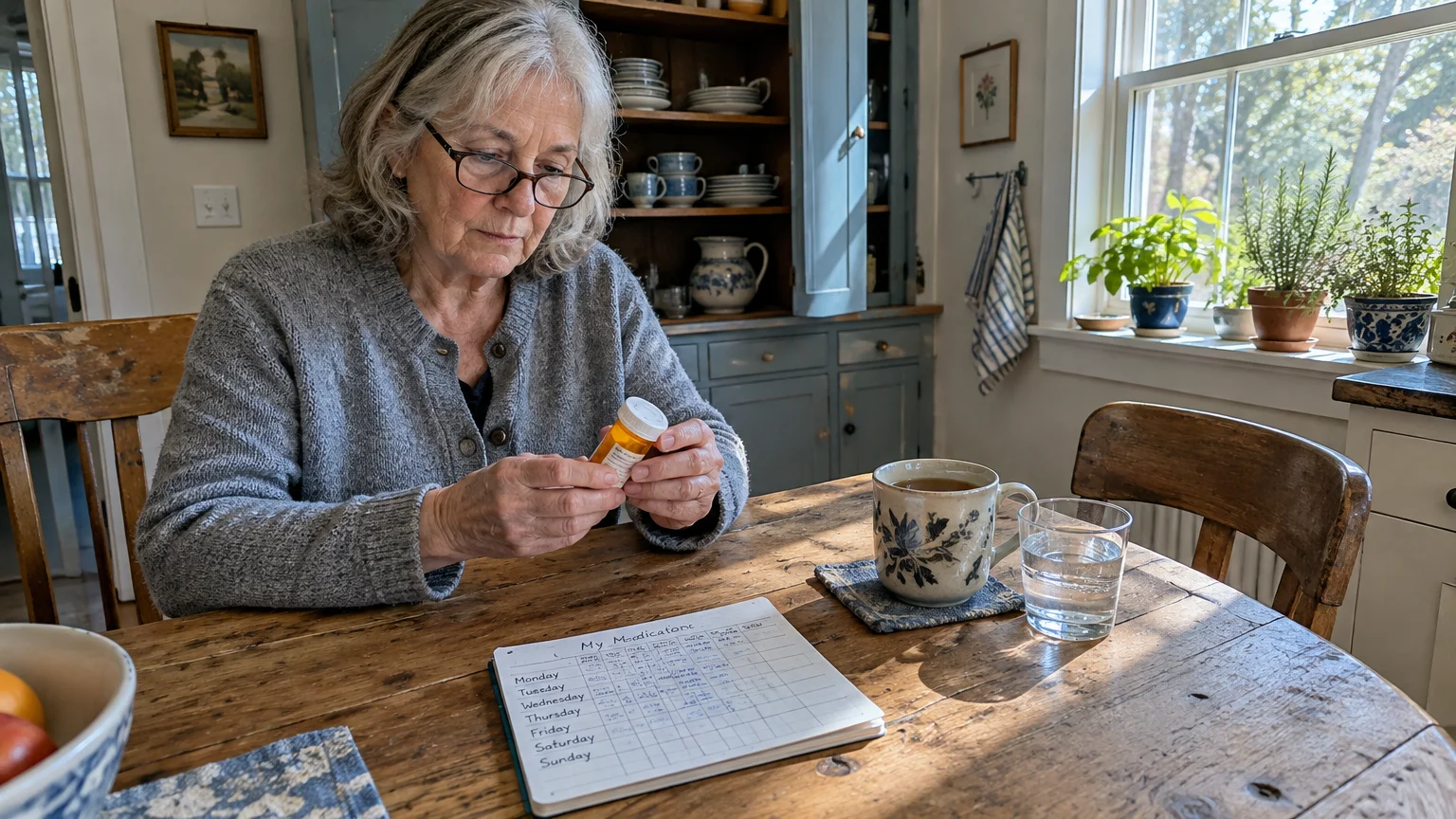
Daily beverage choices interact directly with your internal organs and daily prescriptions. When adjusting what you drink, you must account for your complete medical profile.
Talking through beverage habits with your healthcare provider ensures your bone-protective strategy supports your overall wellness.
How does alcohol intake interact with heavy coffee consumption?
The Flinders University researchers uncovered a particularly critical subgroup dynamic involving alcohol consumption. In their statistical analysis, the interaction between heavy coffee consumption and lifetime alcohol intake reached significance with a p-value of 0.0147.
High coffee intake had a more pronounced negative association with femoral neck bone density in women with higher lifetime alcohol consumption. Combining these two beverages creates compound risks for your hips.
Both excessive caffeine and alcohol alter kidney function and accelerate the loss of essential minerals like magnesium and calcium. Furthermore, chronic alcohol consumption directly impairs your liver’s ability to activate vitamin D.
Without adequate active vitamin D, your gut cannot absorb the dietary calcium necessary to maintain bone density. Public health guidelines from the Centers for Disease Control and Prevention consistently recommend limiting alcohol to protect bone architecture.
If you enjoy a glass of wine or beer with dinner, capping your daily coffee intake becomes essential. Transitioning to tea helps shield your femoral neck from compounding mineral losses.
Can tea or coffee interfere with common prescription medications?
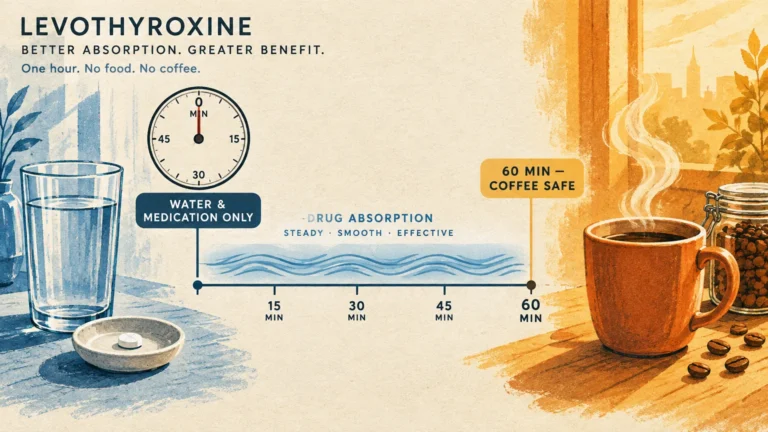
Both coffee and tea can alter how your body absorbs and metabolizes common daily medications. For instance, coffee significantly interferes with the intestinal uptake of thyroid medications like levothyroxine.
You should swallow thyroid hormone tablets exclusively with pure water and wait at least thirty to sixty minutes before enjoying coffee or tea. This waiting period prevents poor drug absorption.
The tannins found in tea and coffee also bind to dietary iron and oral iron supplements. If you manage anemia, drink your tea between meals rather than alongside your iron pill.
In addition, high caffeine doses can temporarily raise arterial blood pressure, which may counteract your antihypertensive prescriptions. Switching your fifth cup to tea helps keep your vascular pressure smooth and steady.
Always consult your physician or pharmacist regarding how your favorite hot beverages might interact with your specific drug regimen.
Why should you watch added sweeteners and creamers?
Poured additions can quickly transform an otherwise healthy beverage into an inflammatory hazard. Commercial creamers frequently contain hydrogenated trans fats and processed corn syrup solids that stress your metabolic system.
High dietary sugar intake promotes systemic inflammation and can damage the collagen cross-links that give bone its tensile strength. The National Institute on Aging urges adults to minimize added sugars to safeguard bone and joint function.
If you drink four or five cups of coffee loaded with flavored syrups and creamers, your glycemic health suffers alongside your bones. That added sugar burden spikes insulin and stresses arterial walls.
Drink your morning coffee black or with a splash of unsweetened milk to keep your blood sugar steady. Enjoy your afternoon tea unadorned, or accent it with fresh mint, cinnamon, or lemon peel.
What common questions do readers ask about coffee and tea?
Modifying longstanding beverage habits often brings practical questions to mind. Here are clear answers to the most frequent inquiries regarding hip health and hot drinks.
Can adding milk to your fifth cup of coffee protect your hips?
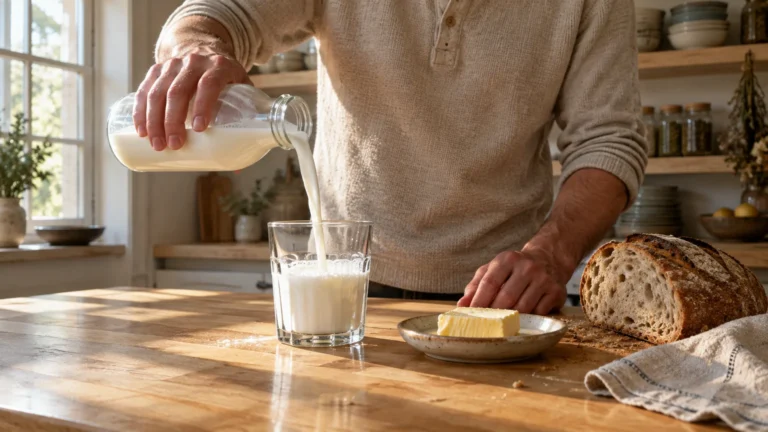
Pouring a splash of milk into an extra mug of coffee adds a tiny dose of dietary calcium. However, that small splash cannot overcome the physiological strain caused by excessive daily caffeine.
Heavy caffeine volumes stimulate urinary calcium excretion at rates that far exceed the mineral value of an ounce of milk. The systemic diuretic effect still draws vital minerals away from your skeleton.
Relying on milk to justify drinking five or six mugs of coffee ignores the underlying cellular tipping point. Capping your coffee intake and switching to tea remains the far more effective strategy.
Does decaffeinated coffee cause the same bone density issues?
Decaffeinated coffee contains only negligible traces of caffeine, typically two to five milligrams per cup. Because caffeine drives the observed bone density losses, decaf coffee does not trigger the same hip risks.
Decaf coffee retains beneficial chlorogenic acids and polyphenols that support cellular longevity. If you genuinely crave coffee flavor at three in the afternoon, decaf is a perfectly safe option.
However, decaf coffee still lacks the unique flavonoid profile that makes true tea actively beneficial for bone mineral density. Tea provides an active skeletal boost that decaf coffee cannot match.
Does iced tea provide the same skeletal advantages as hot tea?
Chilled tea delivers the identical beneficial flavonoids found in a steaming mug, provided you brew it properly from real tea leaves. Temperature does not diminish the structural power of tea polyphenols.
You must avoid commercial bottled iced teas that sit on grocery store shelves for months. Industrial bottling and prolonged storage degrade fragile catechins while manufacturers often dump large amounts of sugar into the bottle.
For optimal bone support, brew your own iced tea at home using quality bags or loose leaves. Let the tea cool naturally in your refrigerator and serve it over ice without sweet syrups.
Can green tea extract pills replace freshly brewed tea?
Swallowing concentrated green tea extract pills is never equivalent to sipping freshly brewed tea. Highly concentrated extract supplements deliver mega-doses of catechins that can overwhelm your liver and cause toxic injury.
Brewed tea provides a gentle, balanced concentration of polyphenols dissolved in a generous volume of hydrating water. Your digestive system absorbs these compounds smoothly without sudden metabolic shock.
Enjoy the calming sensory ritual of brewing real tea leaves rather than relying on dangerous dietary supplement pills. Your liver and your skeletal framework will both thank you.
What single change should you make this week?
You do not need to overturn your entire daily life to achieve meaningful, long-term health improvements. Lasting wellness comes from small, strategic adjustments you can comfortably maintain for years to come.
Tomorrow morning, take honest stock of how many mugs of coffee you pour before dinner arrives. Pay close attention to the true fluid ounces your favorite mugs actually hold.
If you discover that your daily routine climbs to four or five cups, commit to a hard ceiling of three cups. Savor those morning servings fully, relishing their rich aroma, warmth, and energizing focus.
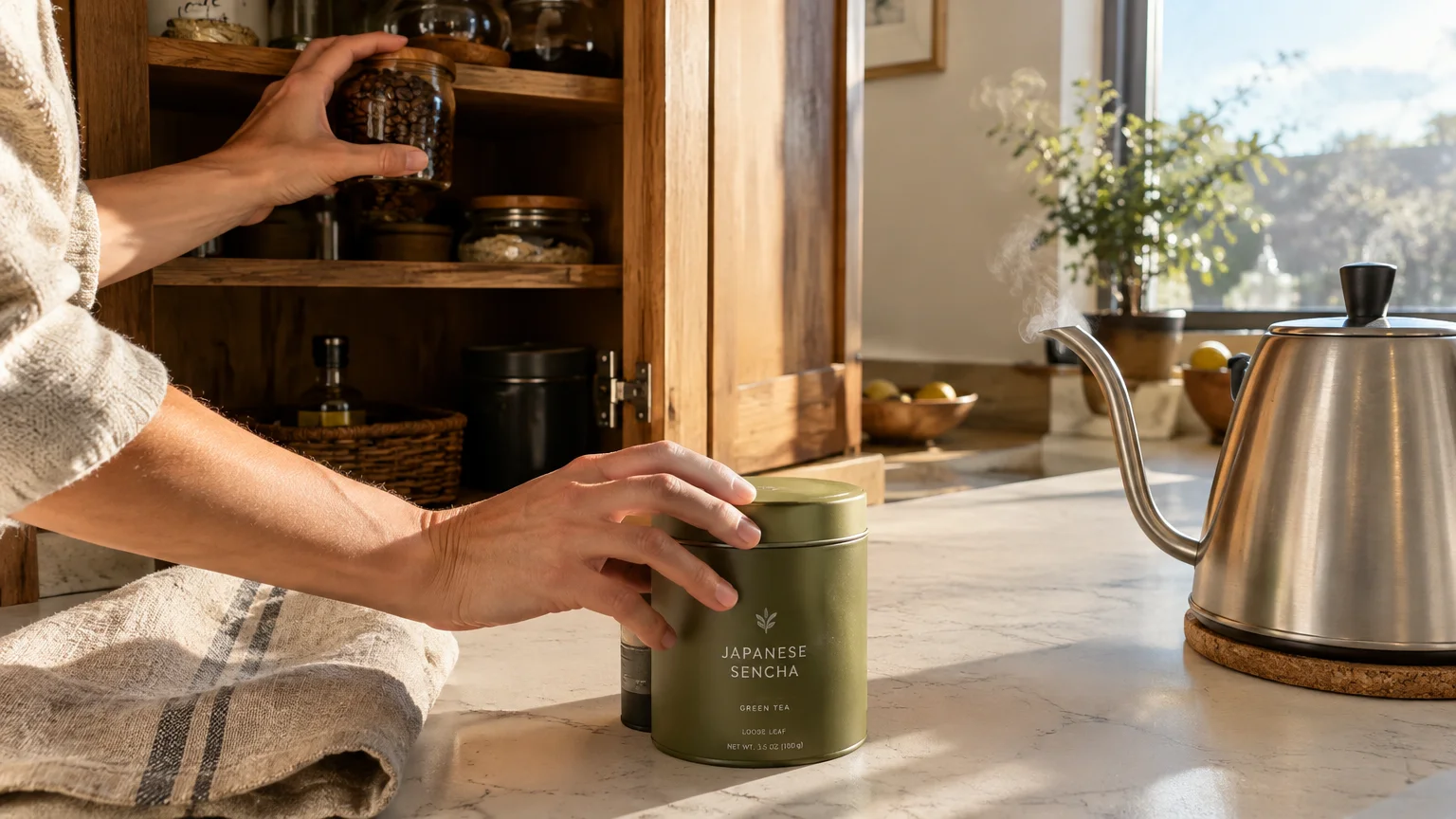
Set a tin of fragrant loose-leaf green or black tea directly beside your coffee canister as an inviting visual reminder. Make the kettle your default afternoon destination when you need a gentle lift.
By trading that fifth cup of coffee for tea, you halt excess calcium loss and nourish your hips with bone-protective flavonoids. That simple choice protects your mobility, balance, and independence for the years ahead.