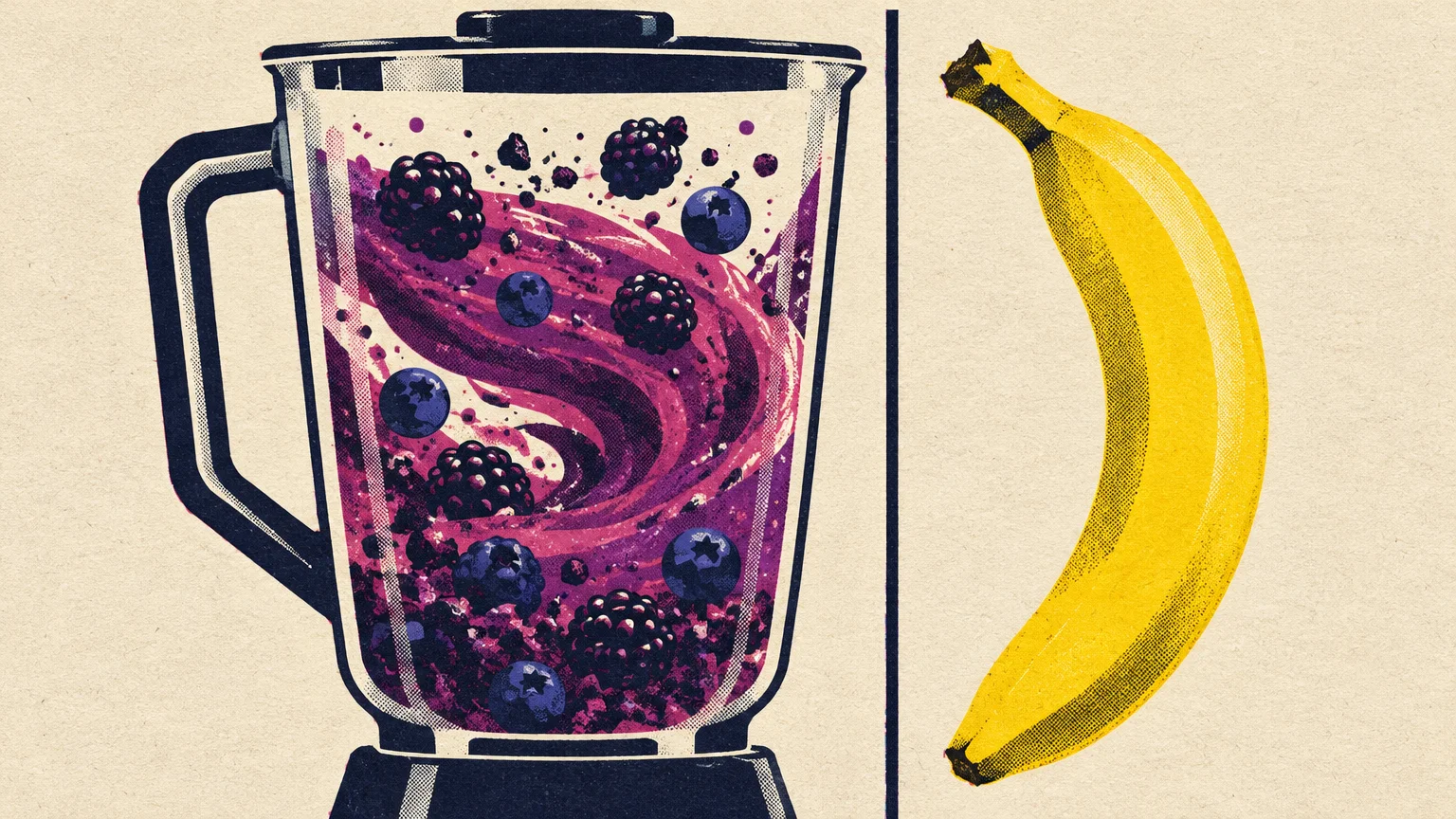
Dropping a fresh banana into your morning berry smoothie feels like an easy way to build a creamy breakfast. That single choice may silently erase the heart-protecting compounds you expect to get from your favorite berries.
Blending these two popular fruits together triggers a rapid chemical reaction that destroys delicate nutrients before your body can absorb them. A simple ingredient adjustment restores the full nutritional value of your morning glass.
Understanding how fruit enzymes interact will help you protect your cardiovascular wellness and support healthy circulation every day. Here is what current clinical research reveals about optimizing your morning beverage.
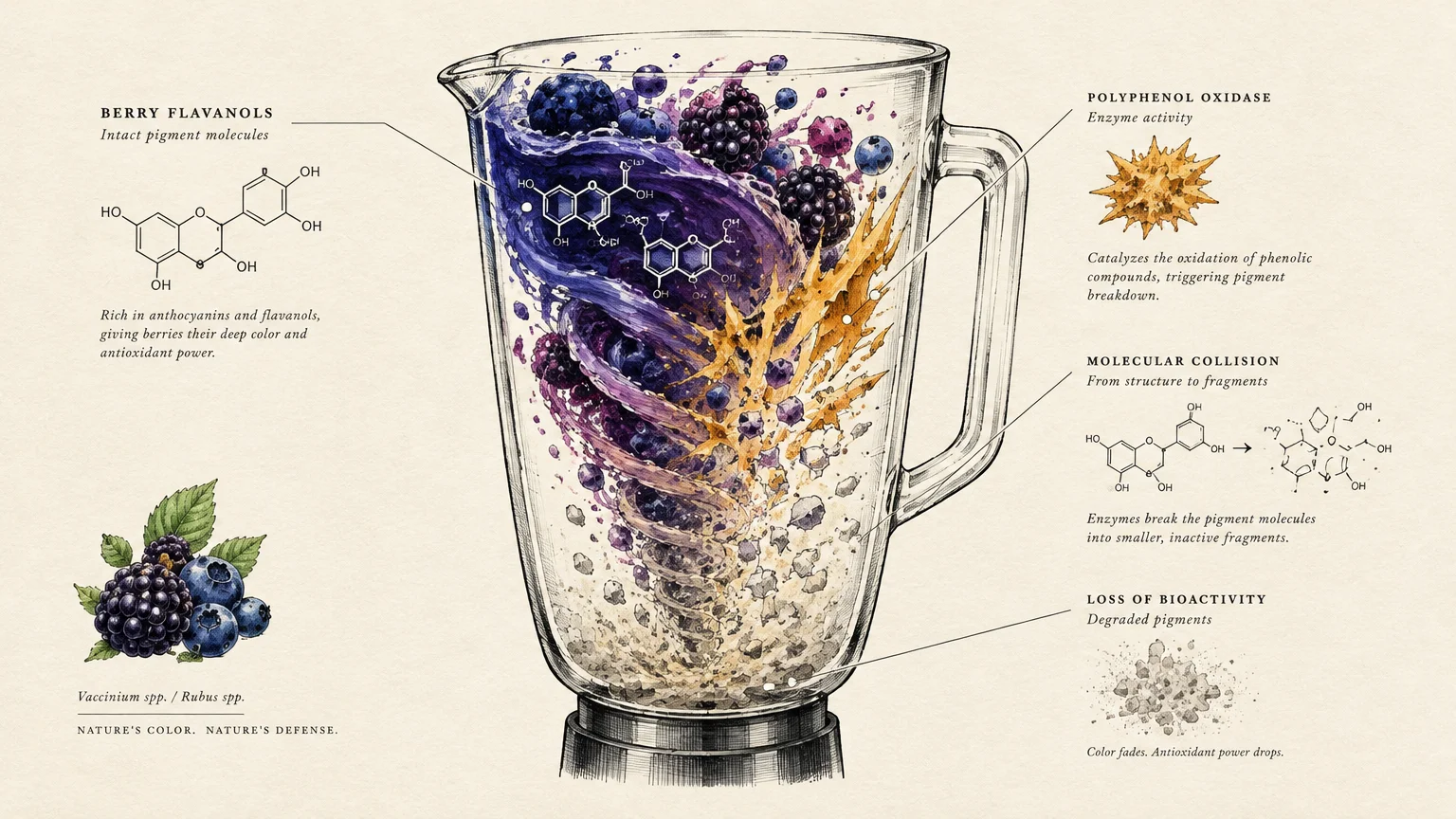
Why does adding a banana ruin your morning berry smoothie?
You probably prepare a morning berry drink to nourish your blood vessels and maintain steady physical energy. Dark berries deliver potent plant compounds called flavanols that actively defend your arterial health.
Bananas carry a powerful enzyme that attacks these exact compounds the moment your blender blades begin spinning. This enzymatic reaction degrades the berry antioxidants into unabsorbable fragments within seconds.
Instead of receiving a concentrated dose of cellular protection, you end up drinking degraded plant matter with minimal bioactivity. The resulting drink still tastes pleasant, but its cardiovascular benefits largely vanish before it reaches your lips.
Your digestive tract cannot resurrect nutrients that an aggressive fruit enzyme has already dismantled. Preserving those delicate compounds requires keeping specific fruits separated during food preparation.
What did researchers discover about flavanols and bananas?
A landmark clinical trial published on August 24, 2023, in Food & Function examined this exact breakfast scenario. Researchers from the University of California, Davis, partnered with the University of Reading and Mars Edge to investigate smoothie preparation.
The research team measured how different fruit combinations altered the circulating levels of flavanols in human blood. They focused specifically on flavan-3-ols, the bioactive molecules abundant in blueberries, blackberries, and cocoa.
During the first phase of the study, eight healthy adult participants consumed different test beverages on separate testing days. The researchers collected regular blood and urine samples to track nutrient absorption across several hours.
Participants ingested a standard mixed-berry smoothie on one visit and a banana-based smoothie on another. The analytical results revealed an astonishing disparity in how their bodies processed the underlying nutrients.
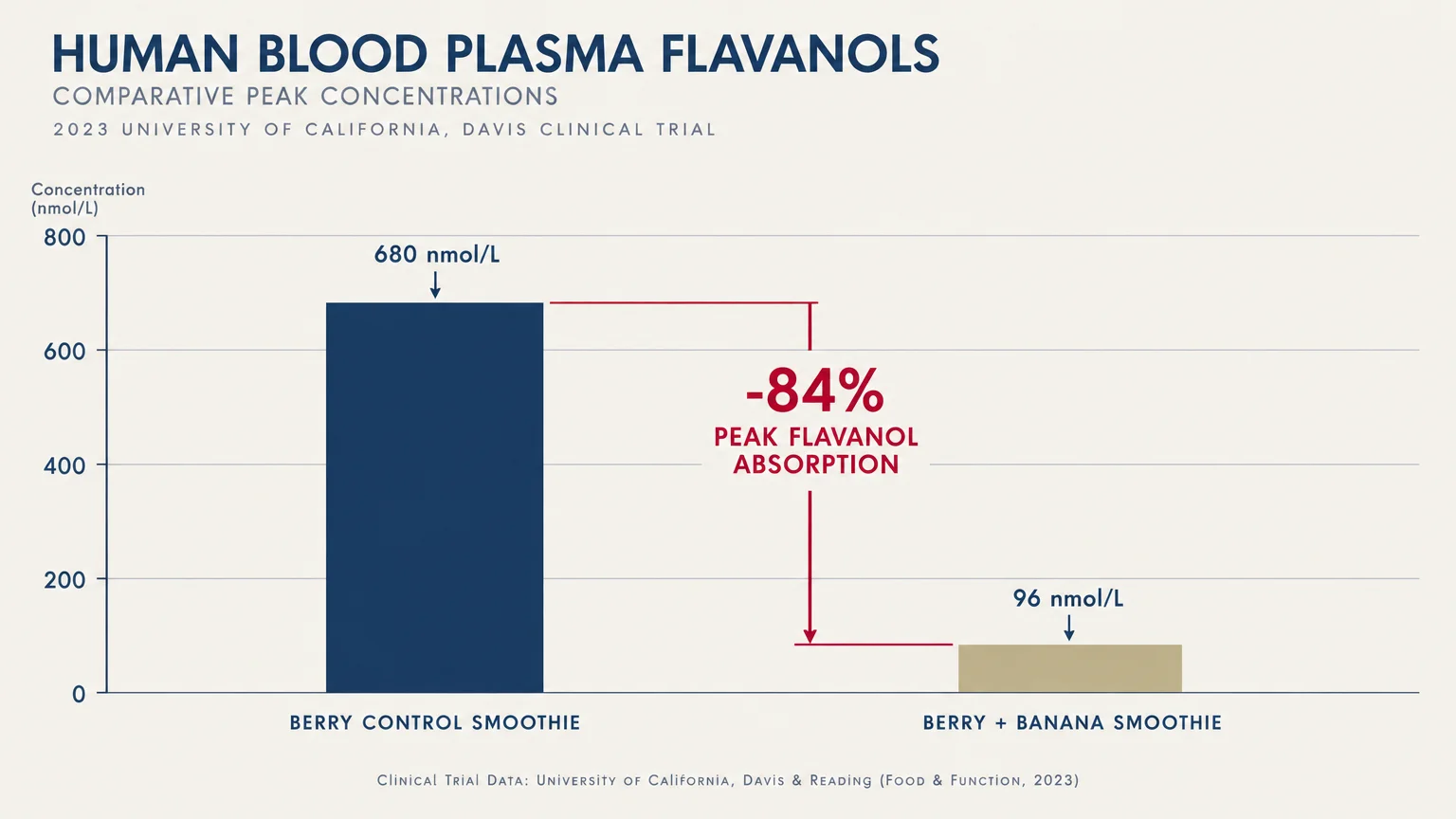
Drinking the banana-based beverage produced an 84% reduction in peak flavanol levels compared to the control trial. The addition of a single fruit practically wiped out the primary vascular benefits of the berries.
In numeric terms, the peak plasma concentration after the control capsule reached 680 ± 78 nmol/L. The berry smoothie achieved similar blood concentrations when prepared without conflicting fruits.
When participants consumed the banana smoothie, their peak flavanol concentration plummeted to just 96 ± 47 nmol/L. Such a massive drop demonstrates how quickly food synergy can turn into nutritional interference.
How does polyphenol oxidase destroy delicate berry nutrients?
The biological culprit behind this nutrient destruction is polyphenol oxidase, frequently abbreviated as PPO. Plants use this natural enzyme as an internal defense mechanism against insects and physical damage.
When you peel or bruise a banana, PPO reacts with ambient oxygen to brown the fruit flesh. This oxidative process creates dark protective pigments intended to seal surface wounds on the fruit.
Bananas naturally contain exceptionally high levels of active polyphenol oxidase compared to most orchard fruits. Slicing or pureeing a banana liberates these enzymes from their cellular compartments into the surrounding liquid.
The liberated PPO molecules bind instantly to the flavan-3-ols released by your blended blueberries and blackberries. The enzyme oxidizes these beneficial polyphenols, rapidly changing their fundamental chemical shape.
Your intestinal transporters rely on precise molecular configurations to move polyphenols into your bloodstream. Once PPO oxidizes these compounds, your gut wall can no longer recognize or transport them efficiently.
The damaged molecules pass straight through your gastrointestinal tract without entering your circulation. You miss out on the systemic arterial perks despite buying top-tier organic produce.
What occurred during the UC Davis clinical trial?
The scientific team led by Javier Ottaviani designed a rigorous trial to eliminate guesswork regarding fruit interactions. They carefully standardized the flavanol dose across all study arms to isolate the specific enzyme effect.
Their initial phase confirmed that pure berries deliver rich amounts of absorbable flavanols when blended alone. The control capsule and mixed-berry drink produced nearly identical spikes in circulatory flavanol metabolites.
The sharp 84% reduction seen with bananas confirmed that blending releases PPO at peak destructive strength. High enzyme exposure overwhelmed the delicate berry compounds long before digestion could run its course.
The researchers confirmed that food processing techniques profoundly shape how the human body extracts dietary micronutrients. Simply combining two wholesome ingredients can unintentionally cancel out critical health advantages.
Why are flavanols critical for your cardiovascular health?
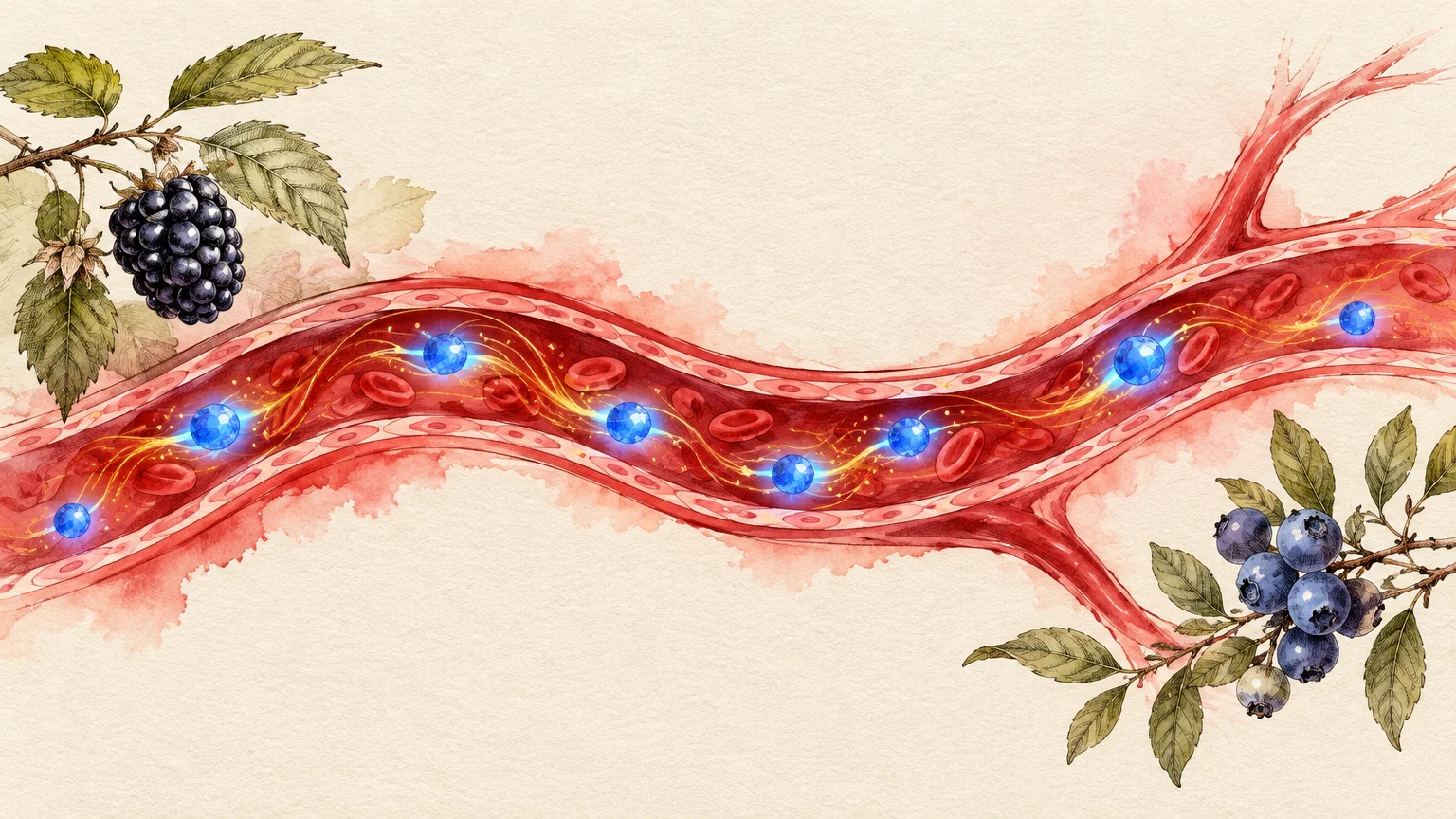
Flavanols perform vital maintenance work throughout your circulatory network as you navigate your mature years. These bioactives stimulate your vascular lining to synthesize more nitric oxide, a signaling gas that relaxes blood vessels.
Healthy nitric oxide production allows your arteries to expand and contract smoothly in response to physical exertion. This arterial flexibility helps stabilize daily blood pressure readings and protects delicate capillary beds.
Regular flavanol intake also moderates chronic low-grade inflammation within your vascular endothelium. It shields circulating LDL particles from oxidative damage, a key step in curbing arterial plaque buildup.
Beyond heart mechanics, sustained vascular flexibility supports cerebral blood flow to nourish brain cells. Maintaining resilient blood vessels helps preserve cognitive processing speed and memory as you age.
Flavanols also support healthy metabolic processing by improving cellular sensitivity to circulating insulin. Better insulin sensitivity translates to smoother blood sugar balance after your morning meals.
What daily intake does the Academy of Nutrition and Dietetics recommend?
Recognizing the immense cardiometabolic value of these compounds, public health groups now provide specific intake targets. In October 2022, the Academy of Nutrition and Dietetics published the first formal dietary recommendation for flavan-3-ols.
The professional guideline advises American adults to consume 400 to 600 milligrams of flavan-3-ols every day. The panel established this benchmark specifically to safeguard cardiometabolic health and reduce chronic disease risks.
Scientists developed this guidance after an exhaustive systematic review of 157 randomized controlled trials and 15 cohort studies. The scientific literature demonstrated consistent improvements in blood pressure, lipid profiles, and fasting glucose.
Achieving this daily intake target requires thoughtful beverage choices and intentional grocery shopping. One cup of highbush blueberries or blackberries can supply a substantial portion of your daily 400-milligram requirement.
If you blend that cup of berries with a high-PPO banana, your net intake drops dramatically. You might believe you met your daily nutritional benchmark while absorbing only a tiny fraction of it.
How does the FDA view flavanols for heart wellness?
Federal regulators have also acknowledged the cardiovascular legitimacy of dietary flavanols. On February 3, 2023, the U.S. Food and Drug Administration released a formal letter of enforcement discretion.
The agency announced a qualified health claim linking high-flavanol cocoa powder with a reduced risk of cardiovascular disease. The FDA stated that consuming at least 200 milligrams of cocoa flavanols per serving may support heart health.
This regulatory milestone marks one of the few instances where government authorities confirmed the targeted utility of plant bioactives. It reinforces the urgent need to preserve these molecules during everyday meal preparation.
Many adults stir raw cocoa powder into their berry smoothies to boost their daily flavanol intake. Adding a banana to that same cocoa-berry blend destroys the cocoa flavanols just as swiftly as the berry nutrients.
Can you drink a banana smoothie separately from your berries?
Many smoothie fans wonder if they can bypass the problem by drinking their fruits a few moments apart. You might consider blending a banana separately and sipping it alongside your berry drink.
The UC Davis researchers anticipated this exact question and tested it in a second study phase with eleven participants. Subjects drank a flavanol beverage and a freshly blended banana drink simultaneously without pre-mixing them in a pitcher.
The blood tests revealed that flavanol absorption still suffered severe suppression during this separate consumption trial. The destructive enzymatic reaction simply took place inside the digestive tract rather than on the kitchen counter.
Many people assume that harsh stomach acid immediately destroys all plant enzymes upon arrival. However, gastric churning takes time to acidify incoming food, allowing PPO to remain active within your stomach.
The swallowed banana puree continues destroying co-ingested flavanols for an extended period inside your stomach lumen. The digestive milieu does not safeguard your berries if active enzymes are present in the same bolus.
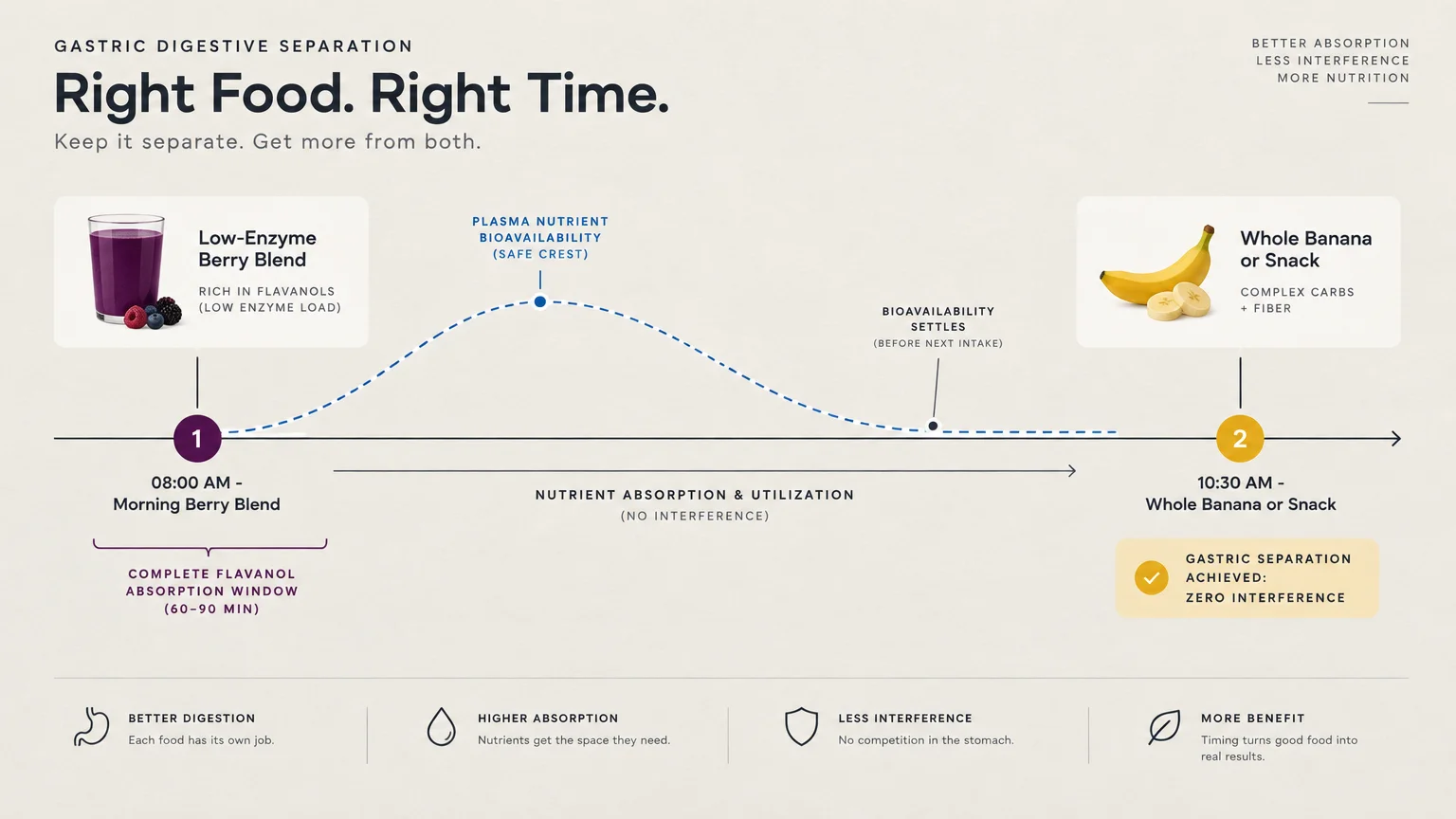
To secure the maximum benefits from both fruits, you must space them across different parts of your day. Eat your banana as an afternoon energy boost several hours after your morning berry beverage.
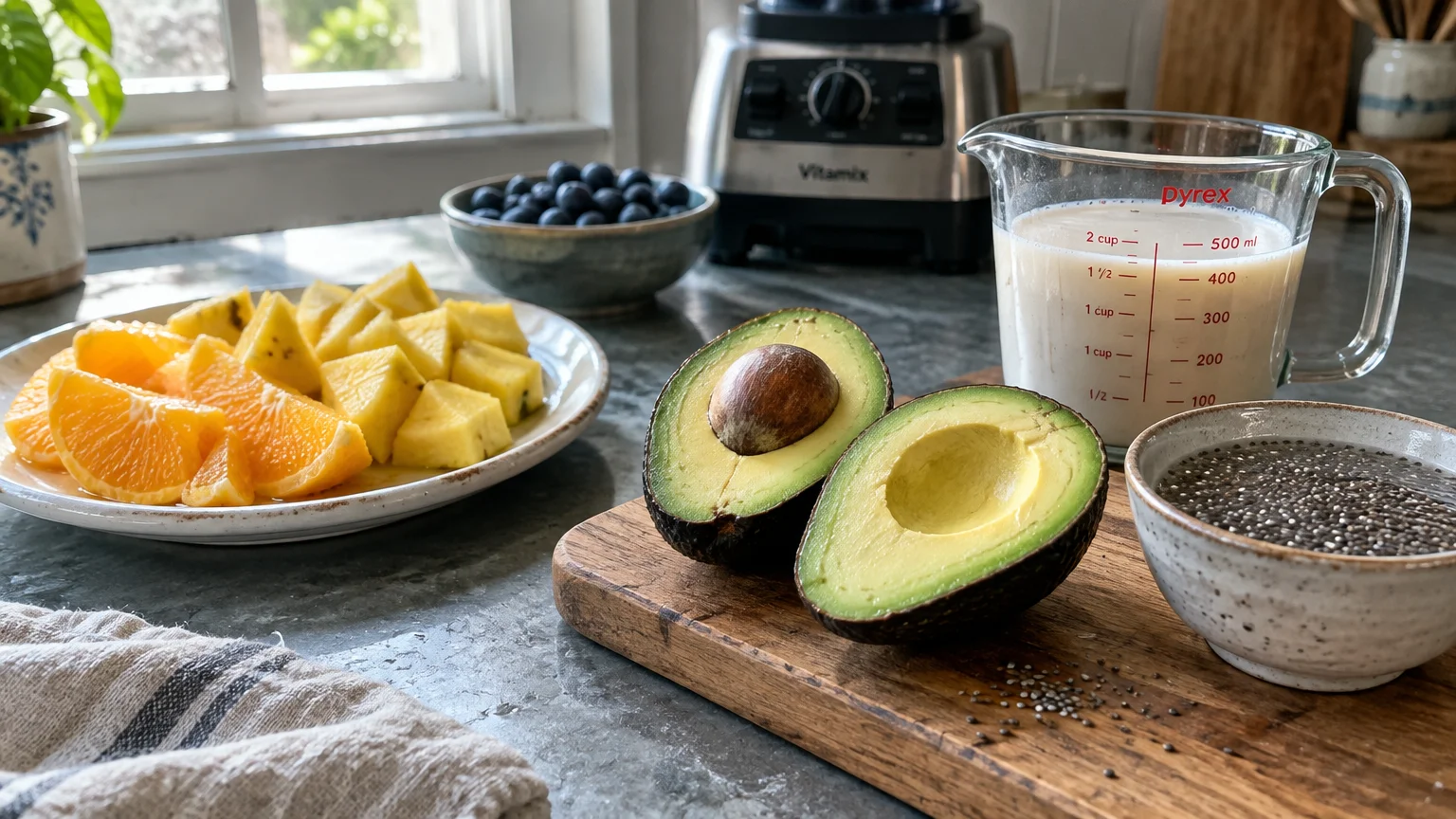
Which low-enzyme fruits should replace bananas in your blender?
Removing bananas from your morning blend does not mean settling for a watery or uninspired drink. You can choose from dozens of delicious fruits that naturally possess negligible polyphenol oxidase activity.
The UC Davis research team explicitly evaluated alternative smoothie ingredients to identify safe pairings. They highlighted pineapple, oranges, mango, and yogurt as ideal foundations for flavanol-rich drinks.
Berries themselves carry remarkably low internal PPO concentrations, making them perfectly safe to mix together. You can blend strawberries, raspberries, blackberries, and blueberries in the same jar without triggering mutual nutrient destruction.
Tart cherries and red grapes also exhibit very low PPO activity, providing rich color and profound cellular support. They blend smoothly and provide natural sweetness without compromising delicate plant bioactives.
Beet greens, on the other hand, contain substantial PPO levels and should stay out of your berry pitcher. Stick to spinach or mild lettuces if you enjoy folding fresh leafy greens into your morning glass.
How do mango, pineapple, and citrus protect your smoothie nutrients?
Frozen mango chunks create the same luscious, velvety thickness that home cooks typically seek from bananas. Mango delivers abundant carotenoids and vitamin A while maintaining an enzyme profile that spares flavanols.
Pineapple introduces vibrant tropical flavor along with bromelain, a proteolytic enzyme that assists gastrointestinal protein breakdown. Bromelain targets proteins rather than polyphenols, leaving your berry bioactives fully intact and ready for absorption.
Pineapple and citrus fruits also contain dense concentrations of natural ascorbic acid, widely known as vitamin C. Ascorbic acid acts as a biological antioxidant that actively prevents oxidative damage in liquid mixtures.
Vitamin C lowers the overall pH of your blended beverage, creating an acidic environment that suppresses residual enzyme kinetics. A squeeze of fresh lemon or orange juice serves as an effective nutritional bodyguard for your berries.
Citrus segments also supply hesperidin and naringenin, distinct citrus bioactives that complement berry flavanols nicely. This harmonious pairing expands your antioxidant spectrum while completely avoiding the PPO trap.
What dairy and cultured bases preserve rich texture?
Cultured dairy foods offer another magnificent pathway to achieve a thick, satisfying smoothie texture without high-enzyme fruits. Traditional plain Greek yogurt provides luxurious density alongside a generous serving of high-quality protein.
Protein supports your lean muscle mass and prolongs mealtime satiety as you move through your morning schedule. Yogurt also delivers bioavailable calcium, which reinforces skeletal density and supports normal cardiac contractions.
Plain kefir introduces drinkable creaminess along with a diverse consortium of live probiotic bacteria. These beneficial microorganisms colonize your digestive tract and foster an optimal environment for polyphenol absorption.
If you prefer plant-based liquids, unsweetened almond milk, oat milk, or hemp seed milk work wonderfully. These bases pour easily, lack destructive browning enzymes, and allow pure berry flavors to shine unimpeded.
Always review package labels to ensure your plant milk contains no added sugars or unnecessary thickeners. Pure, simple liquid bases ensure your morning smoothie remains a potent vehicle for physical vitality.
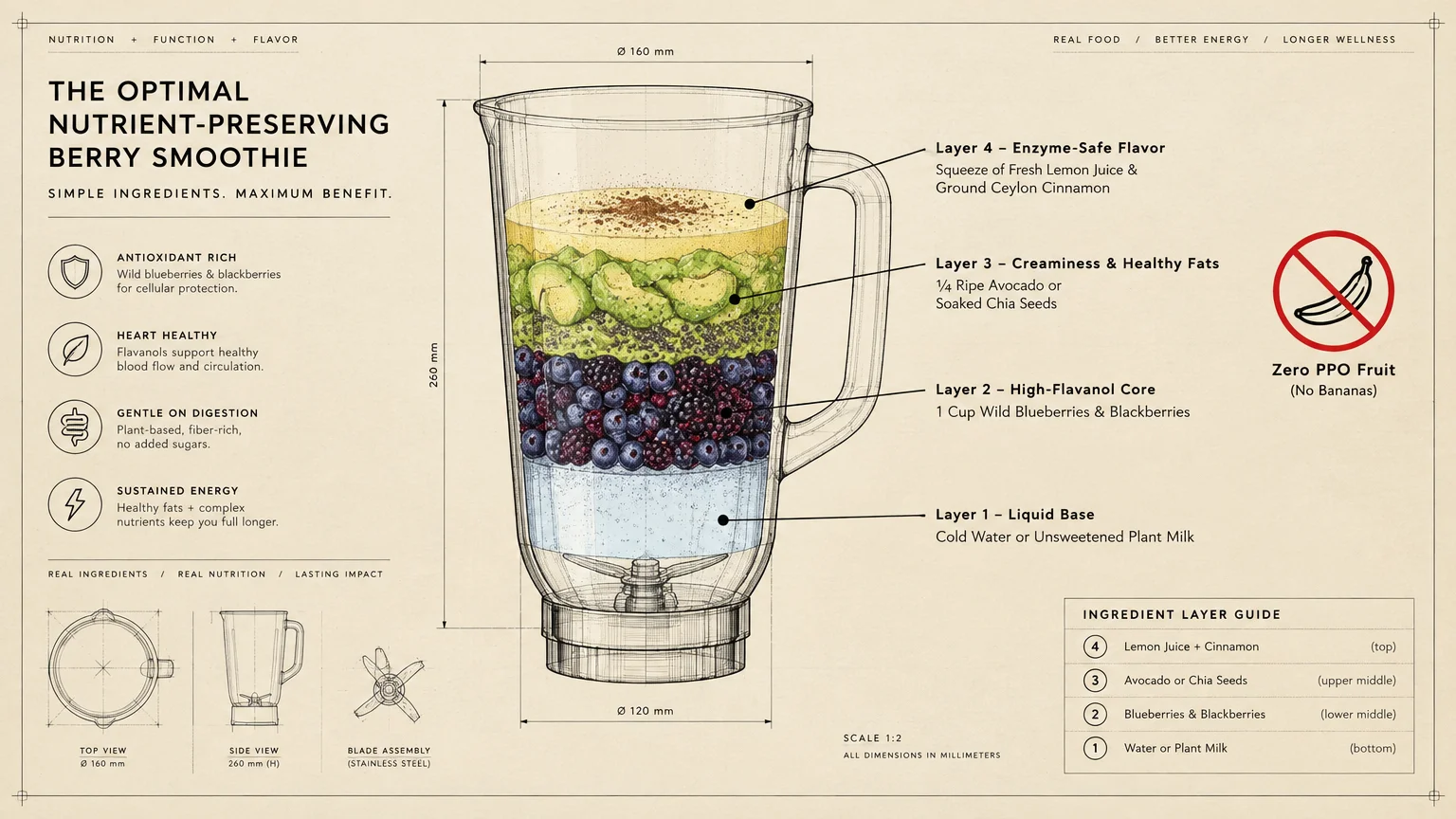
How should you assemble an optimal morning berry drink?
Crafting a superior, flavanol-sparing smoothie requires nothing more than a strategic shift in your standard ingredient proportions. You can assemble a delicious, nutrient-dense breakfast beverage in less than five minutes.
Begin by pouring three-quarters of a cup of unsweetened Greek yogurt or cultured kefir into your blender vessel. This cultured base establishes immediate creaminess while supplying essential proteins and digestive microbes.
Add one cup of frozen dark berries, choosing a rich mixture of wild blueberries, blackberries, and raspberries. Frozen berries are picked at peak maturity and locked in cold storage, preserving their vulnerable flavanol content.
Toss in half a cup of frozen mango pieces or sweet pineapple chunks to provide balanced sweetness and body. These low-PPO fruits replace the structural role of bananas without threatening the underlying polyphenols.
Pour in half a cup of cold water, unsweetened almond milk, or pure coconut water to facilitate smooth blending. Splash in a teaspoon of fresh lemon juice to lower the liquid pH and stabilize the mixture.
Blend on high speed for forty-five seconds until the mixture transforms into a uniform, vibrant purple puree. Pour the beverage into a glass and drink it promptly to minimize prolonged ambient oxygen exposure.
Pair this refreshing glass with a slice of whole-grain toast or a boiled egg to round out your breakfast. You will start your day energized, fully confident that every milligram of berry nutrition remains bioactive.
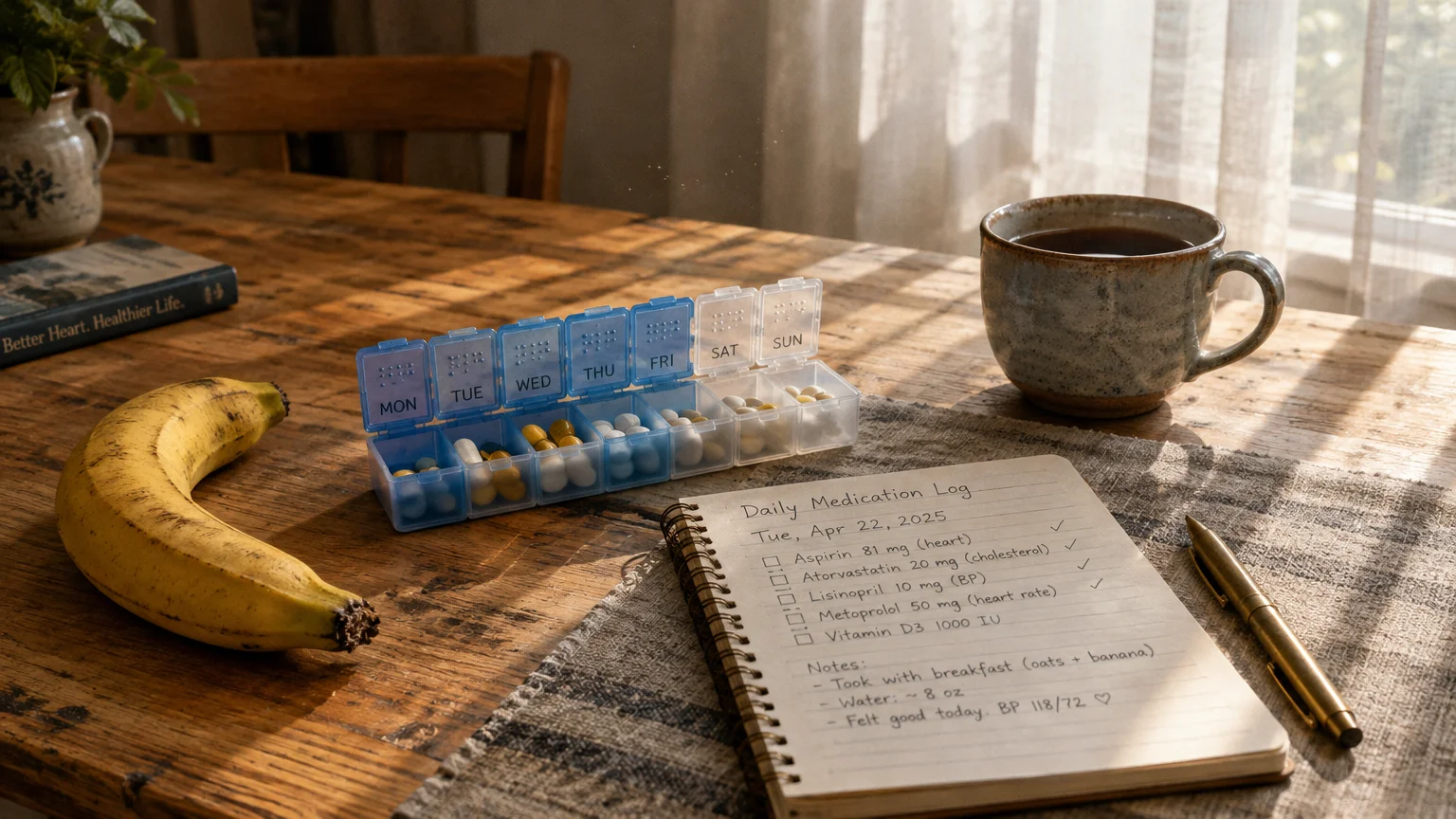
When can daily banana consumption interfere with your medications?
While bananas disrupt smoothie chemistry through PPO enzymes, their high mineral density demands caution for certain adults. Bananas contain substantial amounts of elemental potassium, an electrolyte that regulates cellular hydration and heart rhythms.
Potassium is exceptionally beneficial for most people, but specific prescription medications alter how your kidneys manage this mineral. When kidney excretion slows, routine high-potassium intake can push blood levels into a hazardous range.
Elevated serum potassium, known clinically as hyperkalemia, poses serious health threats that frequently develop without early warning signs. Severe hyperkalemia can disrupt normal cardiac electrical conduction, triggering palpitations, muscle weakness, or dangerous arrhythmias.
Removing bananas from your blended morning drinks provides an added layer of safety if you take these medications. You avoid concentrating large doses of bioavailable potassium into a rapidly drinkable liquid form.
Always review your daily fruit consumption with your primary care doctor or clinical pharmacist. They can assess your individual metabolic panel and clarify whether dietary potassium adjustments are appropriate for your regimen.
Which blood pressure prescriptions require potassium caution?
Angiotensin-converting enzyme inhibitors, commonly known as ACE inhibitors, are frequently prescribed to manage high blood pressure. Widely used options include medications such as lisinopril, benazepril, enalapril, and ramipril.
ACE inhibitors work by relaxing blood vessels, but they also signal your kidneys to retain more potassium ions. Consuming potassium-dense foods like bananas alongside these medications raises your risk of developing elevated serum potassium.
Angiotensin receptor blockers, or ARBs, operate along a related physiological pathway to keep blood vessels open. Frequently prescribed ARBs include medications such as losartan, valsartan, irbesartan, and candesartan.
Like ACE inhibitors, ARBs reduce your body’s rate of urinary potassium excretion during daily use. Adding concentrated potassium from blended fruits can gradually overwhelm your renal clearance capacity.
Potassium-sparing diuretics represent another common medication class that warrants strict attention to dietary potassium sources. Prescriptions such as spironolactone, eplerenone, and triamterene explicitly prevent potassium excretion through urine.
If you take any of these blood pressure therapies, swapping bananas for berries is a clinically prudent strategy. Berries deliver vital vascular benefits while offering much lower potassium levels per standard serving.
How do blended fruits influence your morning blood sugar response?
Managing morning blood glucose stability is an essential daily focus for millions of adults navigating prediabetes or type 2 diabetes. The physical structure of the foods you eat strongly influences the speed of carbohydrate absorption.
Whole bananas, particularly when fully ripe, carry a relatively high glycemic load compared to wild forest berries. Their carbohydrates consist primarily of free sucrose, glucose, and fructose that enter circulation quite rapidly.
Liquefying a banana inside a high-speed blender pulverizes its remaining insoluble fibers into minute particles. This mechanical breakdown accelerates gastric emptying, causing a steeper, faster spike in post-meal blood sugar.
Berries feature a naturally low glycemic index because their complex carbohydrate matrix includes dense soluble fiber networks. These soluble fibers form a viscous gel during digestion that slows carbohydrate absorption into your bloodstream.
Blending berries without bananas helps protect you from dramatic glycemic excursions and the fatiguing insulin crashes that follow. Your blood sugar curve remains gradual, supporting balanced energy and mental clarity throughout your morning.
Pairing your berry puree with unsweetened Greek yogurt adds protein and healthy fat to further stabilize digestion. This balanced macronutrient combination tempers glucose spikes while keeping your vascular tissues well-nourished.
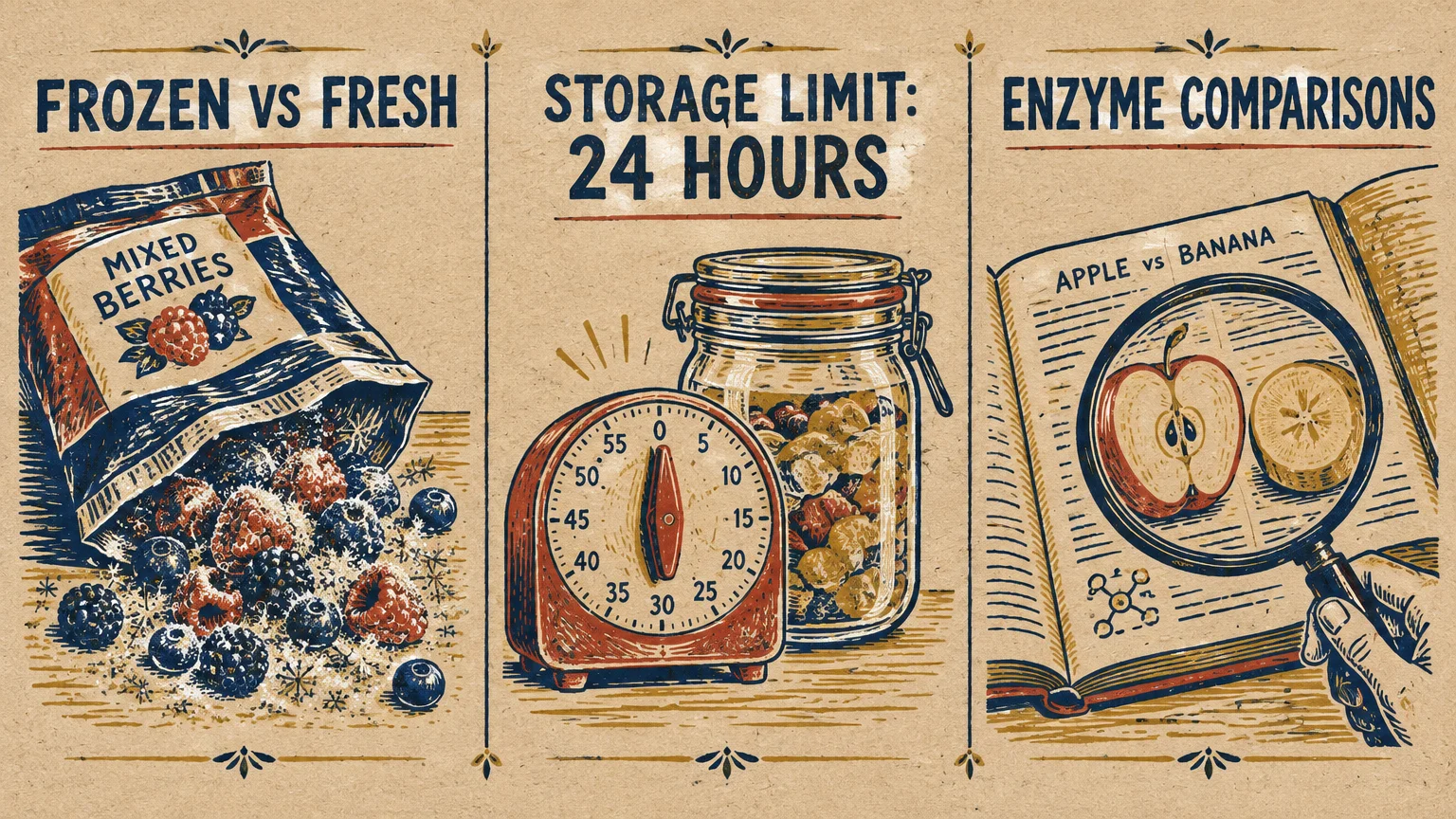
What are common questions about fruit smoothies and flavanols?
Navigating the science of food synergy often raises practical questions about kitchen prep and dietary habits. Readers frequently seek clarification on how temperature, cooking, and ingredient swaps alter these enzymatic dynamics.
Addressing these practical concerns helps you make confident, evidence-based choices without feeling overwhelmed by dietary rules. Here are answers to the most common questions regarding smoothie preparation and flavanol preservation.
Does freezing or cooking bananas deactivate the browning enzyme?
Placing ripe bananas in your home freezer does not destroy or permanently deactivate polyphenol oxidase enzymes. Extreme cold merely suspends enzyme activity while the fruit tissues remain completely frozen solid.
The moment you thaw or blend frozen banana slices, the PPO enzymes awaken and resume their normal oxidative function. Using frozen bananas in your berry smoothie destroys flavanols just as effectively as fresh ones.
Heat, however, does alter the physical shape of proteins through a process known as thermal denaturation. Exposing banana slices to boiling water or sustained baking heat permanently breaks down the PPO molecular structure.
Cooking your bananas before blending would deactivate the PPO, but it fundamentally ruins the refreshing nature of a breakfast smoothie. It remains far simpler and tastier to substitute naturally low-PPO fruits like mango or pineapple.
Can you still eat a fresh banana alongside your morning meal?
You do not need to banish bananas from your diet completely unless your physician has instructed you to limit potassium. Bananas provide valuable dietary fiber, vitamin B6, and prebiotic starches that support a healthy gut microbiome.
However, the second phase of the UC Davis study confirmed that concurrent ingestion allows PPO to act inside your stomach. Chewing a fresh whole banana alongside a glass of berry juice still suppresses your flavanol absorption.
The most effective strategy is to separate these two foods by roughly two hours during your daily schedule. Enjoy your pure berry smoothie with your morning breakfast to capture its peak cardiovascular nourishment.
Save your banana for an afternoon pick-me-up or a wholesome pre-walk snack when your stomach is empty. This simple separation allows you to enjoy the unique nutritional benefits of both fruits without interference.
Does avocado offer a flavanol-friendly creamy texture?
Fresh avocado provides an outstanding, flavanol-safe alternative for anyone craving extraordinary smoothness in their morning drink. Avocados possess exceptionally low PPO activity compared to bananas, making them safe to blend with berries.
Adding a quarter of an avocado introduces heart-healthy monounsaturated fatty acids, predominantly oleic acid. The American Heart Association notes that replacing saturated fats with monounsaturated fats supports healthy blood cholesterol profiles.
These monounsaturated lipids also improve the absorption of fat-soluble vitamins, including vitamin A and vitamin E. They slow gastric emptying naturally, promoting sustained satiety without triggering rapid glycemic fluctuations.
Avocados also supply lutein, an antioxidant carotenoid that accumulates in your eyes and brain to support visual and neural function. The subtle flavor of avocado disappears completely beneath the vibrant tartness of dark berries.
Do cow milk or fortified soy drinks hinder polyphenol uptake?
Dairy milk contains complex proteins called caseins that can temporarily bind to certain polyphenol molecules in liquid solutions. Some past nutritional studies suggested that adding cow milk to black tea might slightly reduce polyphenol bioavailability.
However, recent research indicates that your digestive enzymes break these milk-protein bonds down within your small intestine. Once digested, the trapped polyphenols are freed and absorbed across the mucosal wall into systemic circulation.
The binding effect of dairy proteins is minor and reversible compared to the destructive enzymatic action of banana PPO. Banana enzymes permanently destroy flavanols through oxidation, whereas milk proteins merely hold them temporarily.
Fortified soy beverages contain distinct plant proteins that show minimal interference with berry flavanol transport. You can confidently use moderate amounts of dairy milk, soy milk, or cultured yogurt without fearing significant nutrient losses.
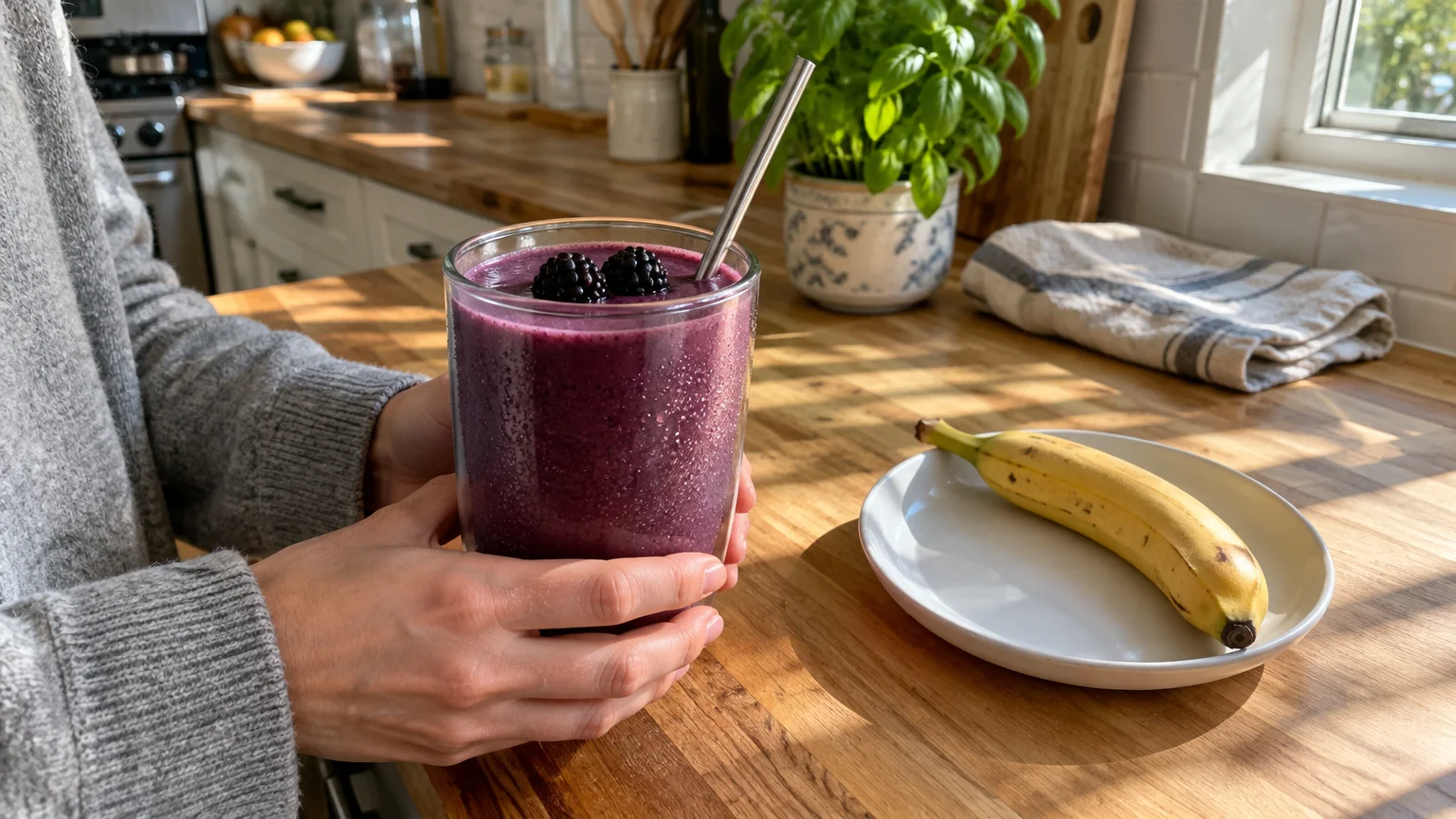
What single change should you make to your breakfast routine tomorrow?
Transforming your morning beverage does not require expensive dietary supplements or complicated kitchen appliances. The most powerful intervention you can make tomorrow morning requires simply leaving the banana on the counter.
Swap that banana for half a cup of frozen mango, juicy pineapple chunks, or a scoop of plain Greek yogurt. This single adjustment prevents an 84% loss of critical flavanols and immediately upgrades your vascular health support.
You will enjoy a velvety, refreshing smoothie that actively protects your arteries, balances your blood pressure, and fuels your morning. Make this simple swap tomorrow and give your cardiovascular system the full nourishment it deserves.