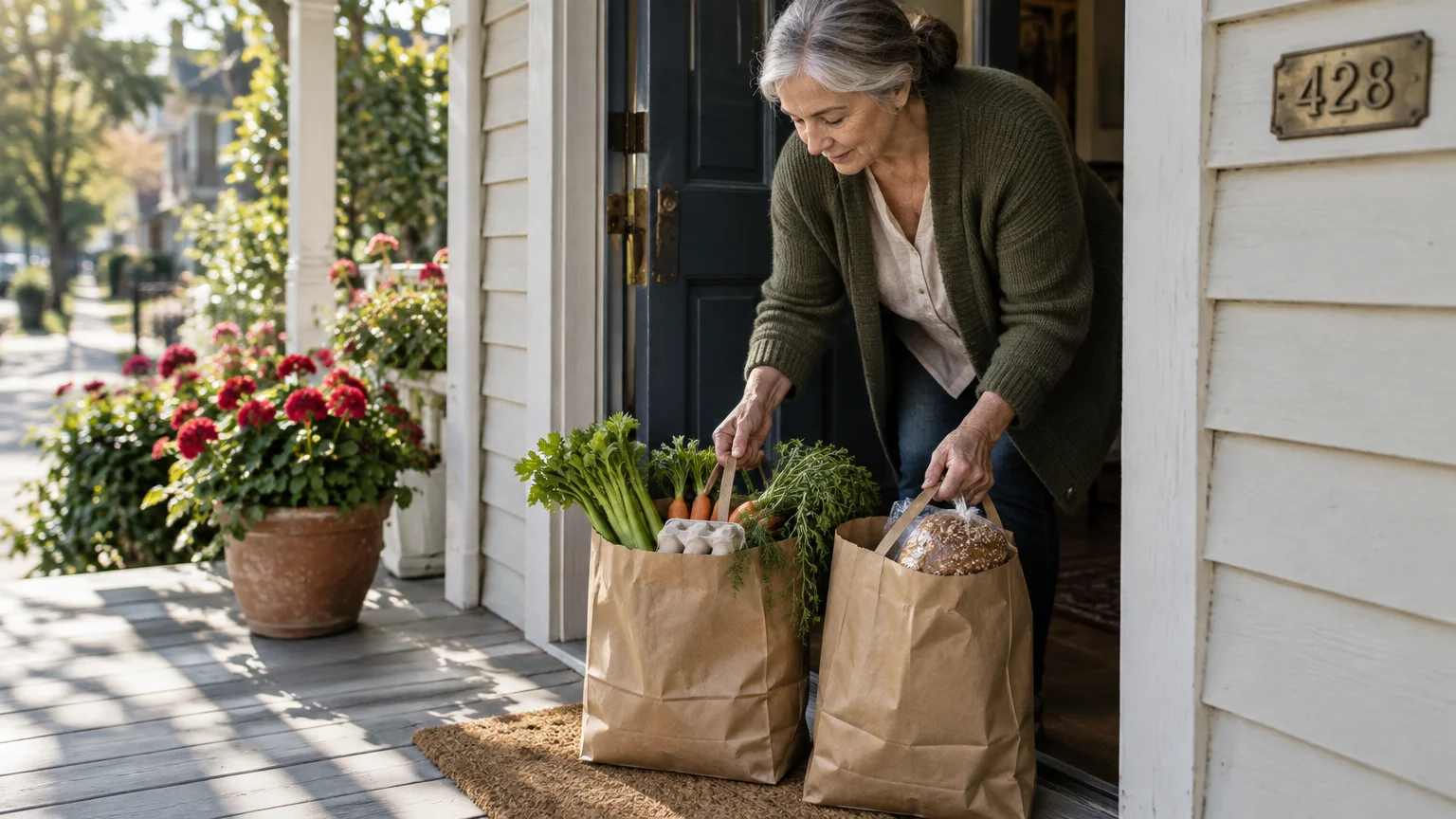
High delivery fees often wipe out the savings you find on grocery staples; however, four major discount programs waive those charges entirely. You can secure unlimited doorstep deliveries for about five dollars a month while protecting your monthly budget.
These specialized discount perks slash annual membership costs by fifty percent or more for qualifying households. They let you order fresh produce, low-sodium staples, and pantry essentials without paying steep seven- to ten-dollar dispatch surcharges every week.
Understanding which program fits your preferred market will help you preserve your fixed income without sacrificing your nutritional needs.
How do federal rules affect delivery fees on a fixed income?
Navigating delivery apps requires knowing how federal assistance interacts with retail checkout systems. Many households rely on monthly benefits to keep healthy meals on the kitchen table.
The USDA Food and Nutrition Service oversees the Supplemental Nutrition Assistance Program across all fifty states and Washington, D.C. Their online purchasing framework enables you to pay for eligible groceries directly through retail websites.
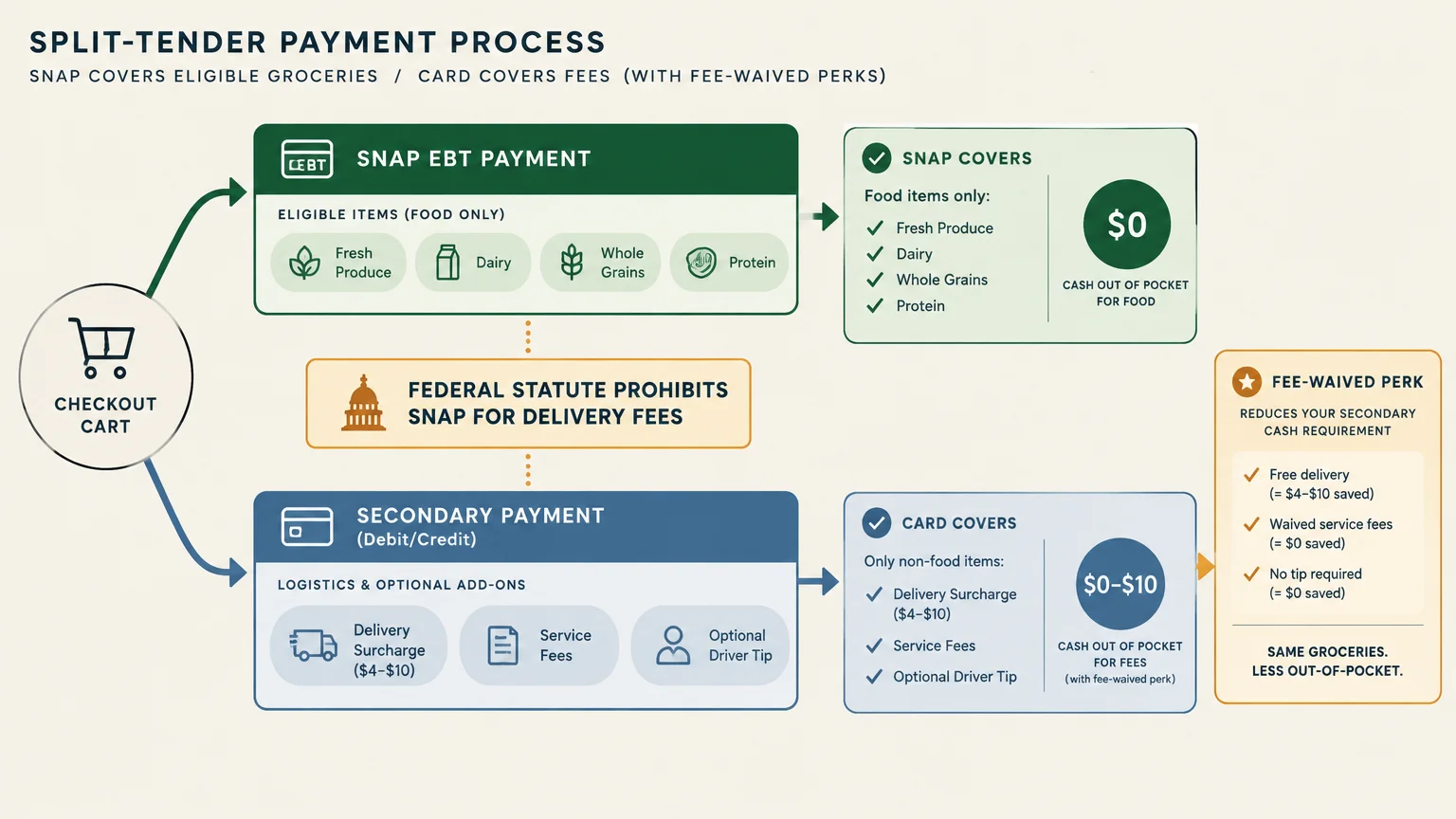
Federal statute strictly limits what your electronic benefits transfer card can purchase. You may only use SNAP funds for eligible food items like fresh produce, dairy, whole grains, and protein.
The government explicitly prohibits retailers from applying SNAP dollars toward delivery charges, convenience fees, or driver tips. Retailers must separate food items from logistics charges at final checkout.
This legal requirement creates a split-tender transaction for every delivery order you place. You must provide a secondary payment method, such as a debit card or credit card, to cover service fees.
Standard delivery surcharges range from four to ten dollars per order across most major supermarkets. Paying those dispatch fees out of pocket twice a month quickly drains fifty to one hundred dollars from your budget.
Fee-waiving delivery memberships solve this financial barrier by eliminating the delivery surcharge entirely. When the retail platform waives the dispatch charge, your out-of-pocket cash expense drops significantly.
Tipping your driver remains an optional cash expense, but waiving the baseline delivery charge preserves critical cash reserves. Lowering these monthly friction costs makes fresh food delivery both predictable and financially sustainable.
Many older adults face mobility limitations, inclement weather, or lack of personal transportation. Having groceries brought directly to your kitchen counter prevents physical strain while ensuring you maintain a consistent supply of nutritious food.
Understanding the mechanics of fee-waiving perks empowers you to take full advantage of federal grocery benefits. You can keep your cash for utilities, prescription co-pays, and other essential household expenses.
Why should you choose Walmart+ Assist for doorstep groceries?
Walmart offers one of the most accessible assistance tiers through its dedicated program called Walmart+ Assist. This membership provides a fifty percent discount off standard subscription rates for qualifying households.
You pay $6.47 per month or $49 per year, compared to the standard rate of $12.95 monthly or $98 annually. You also receive a thirty-day free trial to test the service before paying any subscription fee.
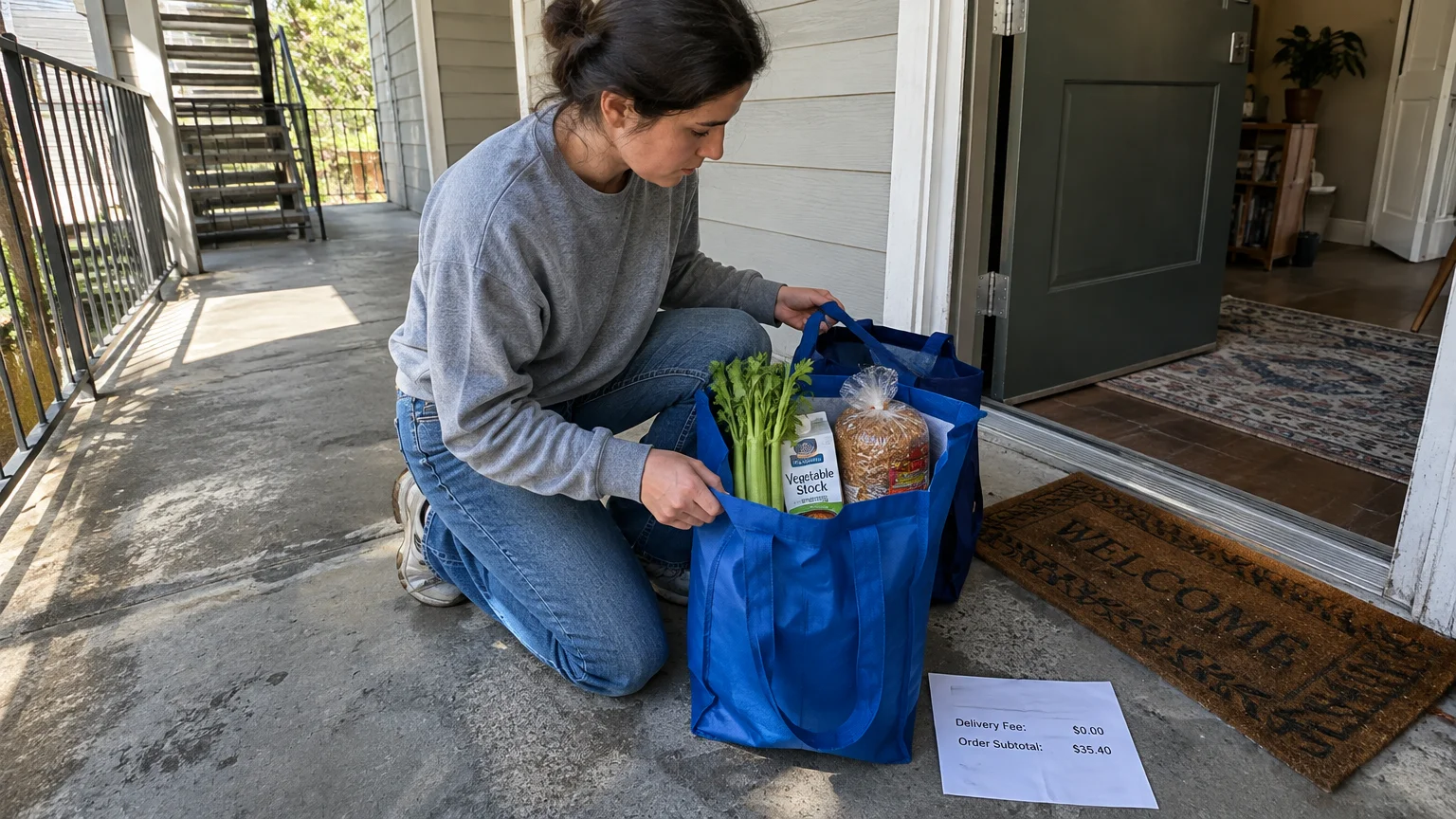
The program waives standard delivery fees, which normally cost between $6.99 and $9.95 per drop-off from local stores. You receive unlimited free grocery delivery as long as your order meets a thirty-five dollar minimum threshold.
Walmart+ Assist also includes free standard shipping on general merchandise with no order minimum required. This perk allows you to order household goods, vitamins, or personal care products individually without paying freight charges.
Verification runs through a secure third-party service called SheerID. The system confirms your eligibility online within a few minutes using standard program documentation.
Qualifying programs include SNAP, WIC, Medicaid, Supplemental Security Income, and Temporary Assistance for Needy Families. Recipients of Tribal TANF, the Low-Income Home Energy Assistance Program, and the National School Lunch Program also qualify.
If you receive Federal Public Housing Assistance or a Veterans and Survivors Pension Benefit, you qualify for the reduced rate as well. You simply upload a digital image of your benefit card or official award letter.
The retail catalog gives you direct access to Great Value store brands, which keep your grocery costs low. You can purchase affordable frozen vegetables, low-sodium canned beans, and lean poultry at standard store-shelf prices.
Reaching the thirty-five dollar minimum is straightforward when cooking for a small household. You can pair weekly fresh produce with non-perishable pantry items or toilet paper to meet the threshold without wasting fresh food.
Walmart stores maintain extensive footprints across suburban and rural communities across the United States. This wide coverage ensures dependable delivery slots even if you reside outside major metropolitan centers.
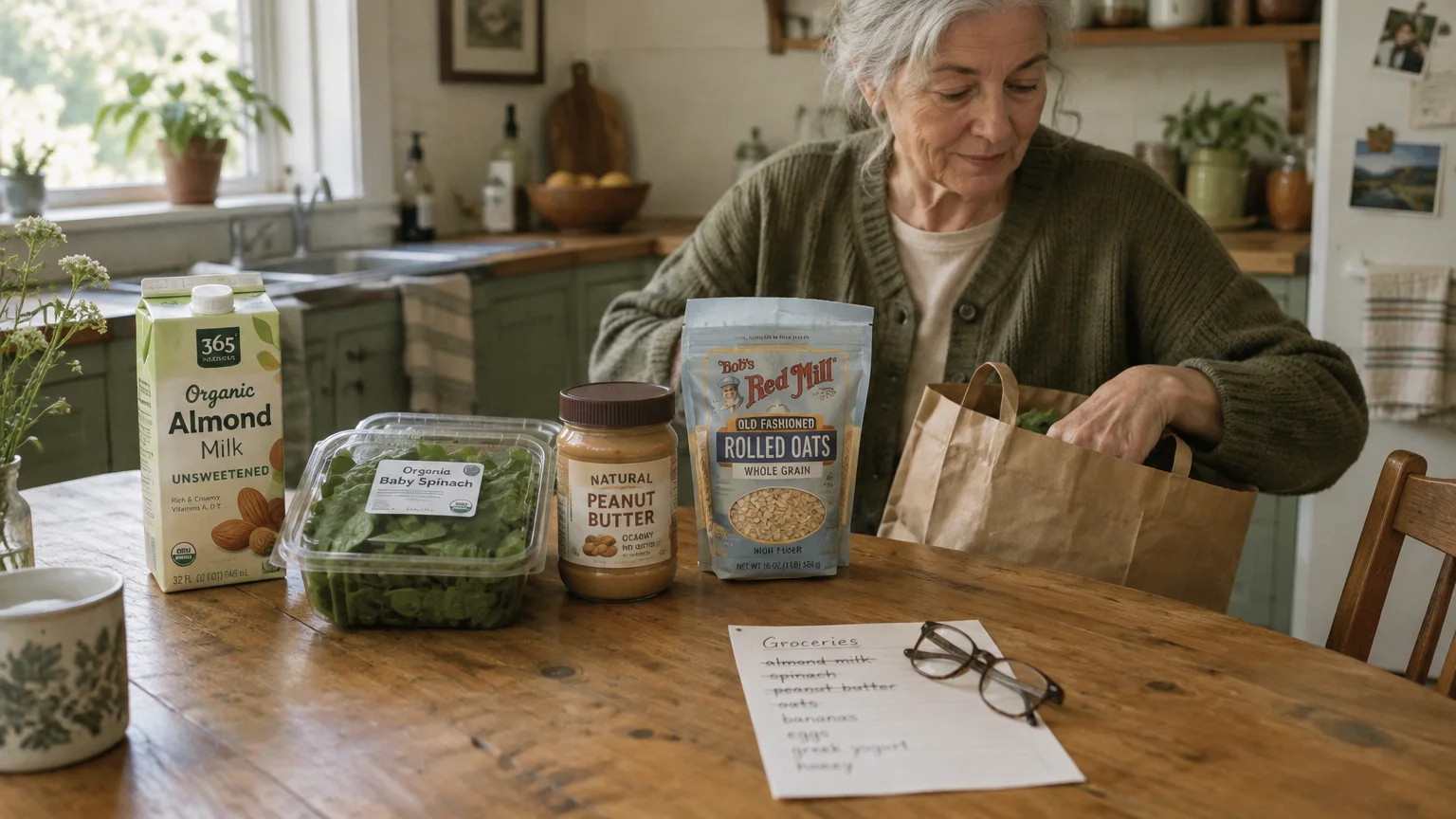
You can also schedule recurring deliveries for your everyday staples, ensuring you never run out of heart-healthy oats or calcium-rich milk. This automated cadence relieves the mental fatigue of frequent reordering.
When does the Amazon Grocery Delivery subscription save you the most money?
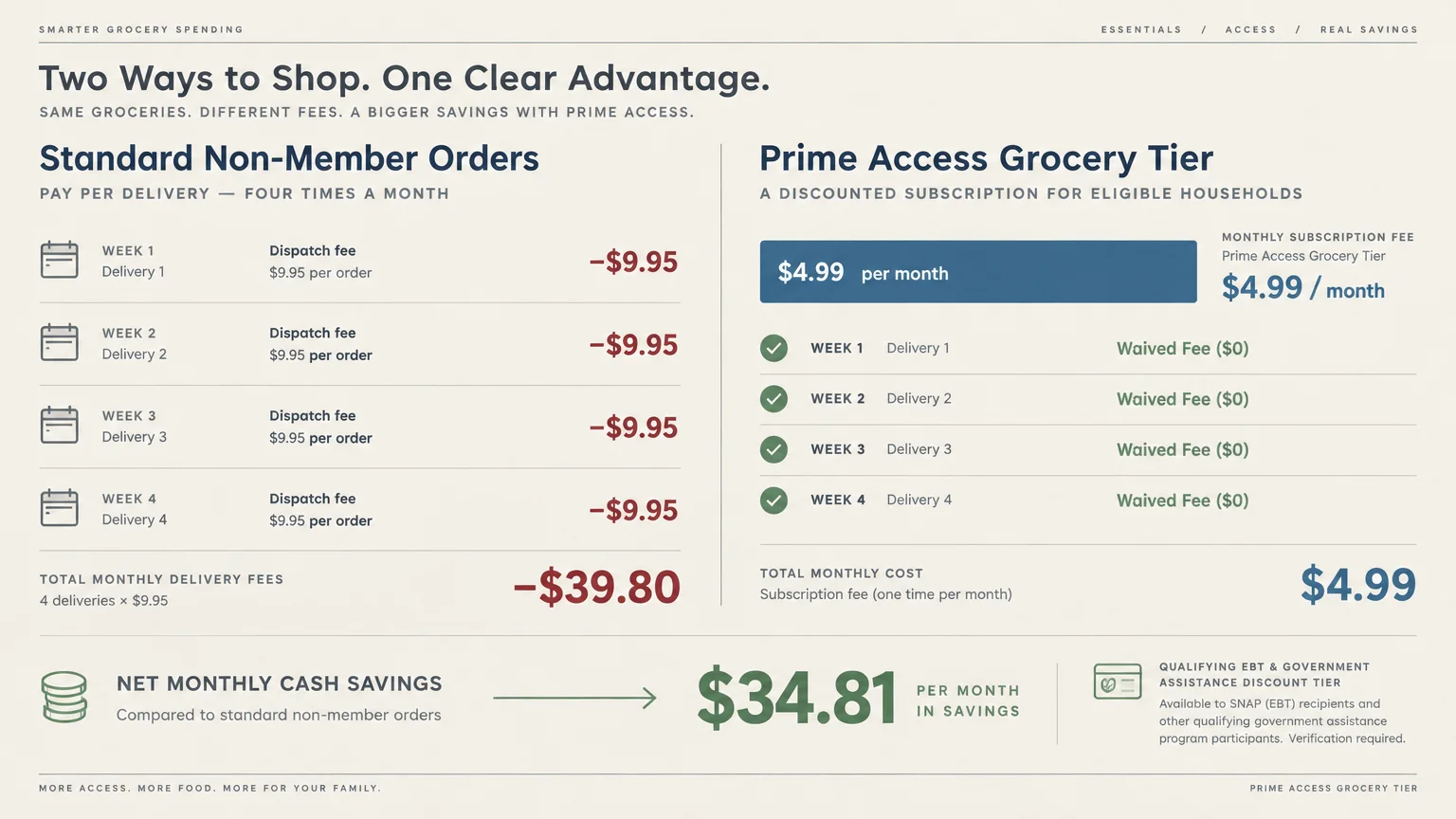
Amazon provides a specialized grocery delivery subscription designed specifically for shoppers carrying a registered electronic benefits card. This standalone option costs $4.99 per month, which reflects a fifty percent discount from the standard ten-dollar add-on.
Crucially, you do not need to buy an Amazon Prime membership to access this standalone $4.99 grocery delivery subscription. Any shopper with a verified EBT card on file can subscribe directly and access a thirty-day free trial.
The subscription waives delivery fees on grocery orders of thirty-five dollars or more, or twenty-five dollars in select regions. You can order from Amazon Fresh, Whole Foods Market, and participating local specialty grocers.
Without this subscription, delivery from Whole Foods Market incurs a flat $9.95 dispatch charge on every order. Amazon Fresh charges between $3.95 and $9.95 on orders under one hundred dollars, depending on your local market.
The subscription also grants access to convenient one-hour delivery reservation windows and unlimited thirty-minute order pickup. These precise delivery windows help you plan your day around receiving refrigerated medications or perishable goods.
If you desire general retail perks alongside groceries, Amazon also offers a discounted full membership called Prime Access. Prime Access costs $6.99 per month, compared to the standard $14.99 monthly fee or $139 annual fee.
Prime Access requires qualification through programs such as SNAP, Medicaid, Supplemental Security Income, TANF, WIC, or LIHEAP. It includes full entertainment streaming, digital photo storage, and free standard shipping across the main Amazon retail catalog.
Amazon Fresh stocks affordable 365 by Whole Foods Market items alongside budget-friendly national brand pantry goods. This inventory allows you to source high-grade olive oil, organic dried lentils, and calcium-fortified plant beverages at reasonable price points.
You can easily monitor digital discounts and digital coupons on the Amazon grocery storefront. Clipping digital coupons before adding items to your cart stacks extra savings on top of your waived delivery fees.
For those living in dense urban or suburban areas, Amazon Fresh frequently offers early morning and evening delivery windows. This scheduling flexibility ensures cold perishables do not sit exposed on your front porch during warm weather.
How can you qualify for discounted Instacart+ deliveries?
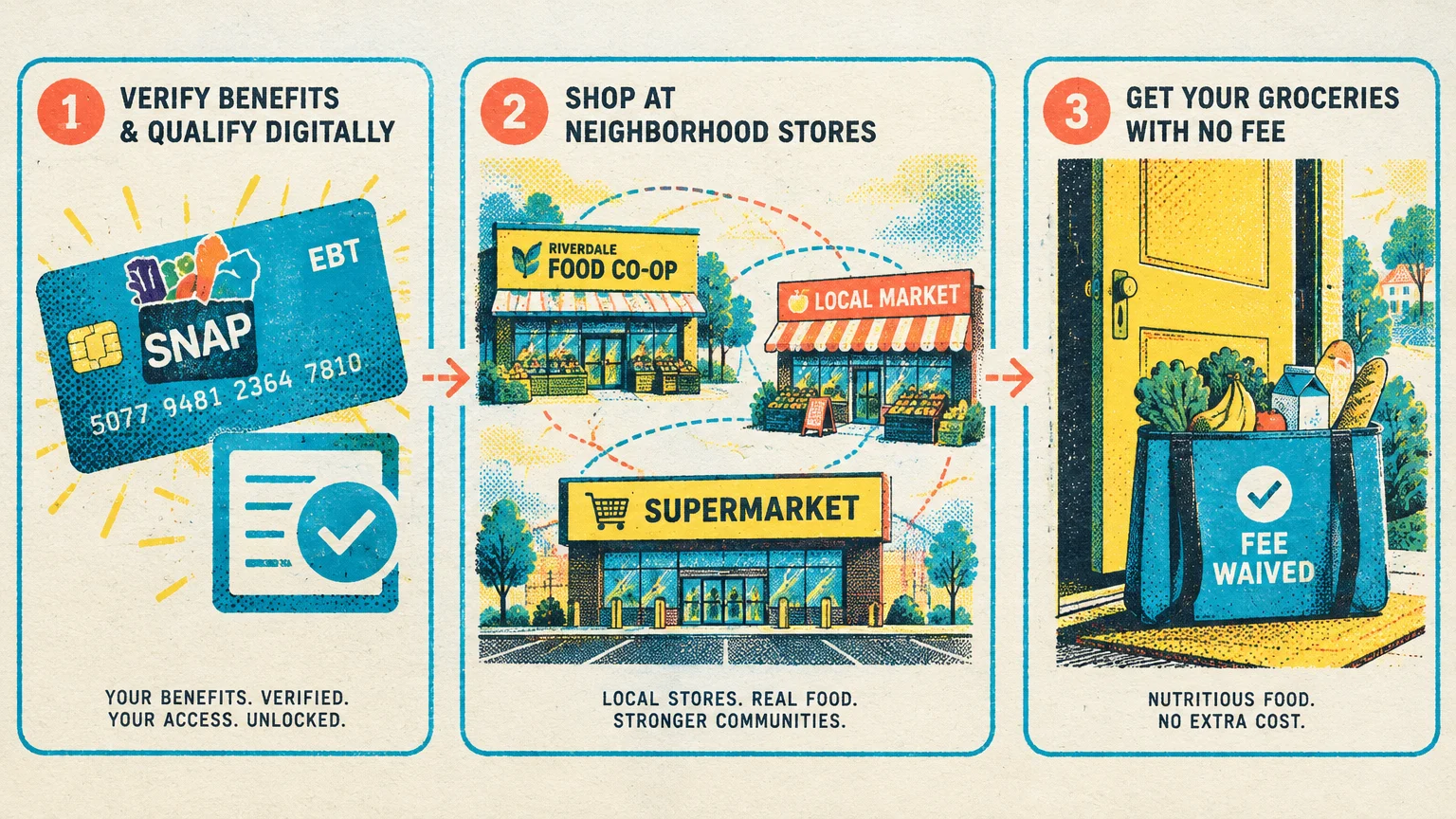
Instacart connects you with multiple regional supermarkets, neighborhood grocers, and warehouse stores through a single digital application. If you prefer shopping from local regional chains, Instacart offers a dedicated discount program for qualifying households.
Eligible shoppers can obtain an Instacart+ membership for $4.99 per month for up to twelve months. This rate delivers a fifty percent discount against the standard $9.99 monthly subscription fee.
The membership waives baseline delivery fees on all grocery orders of thirty-five dollars or more per retailer. It also reduces baseline service fees, which lowers your total out-of-pocket invoice at checkout.
Instacart+ also grants five percent credit back on eligible pickup orders if you choose to retrieve your groceries in person. That credit accumulates in your account balance and automatically offsets future grocery expenses.
Qualification rules for this program differ slightly from other retail platforms. You must add an active EBT card to your account and purchase groceries using SNAP benefits at least once within six months.
Once you complete that qualifying SNAP transaction, the platform unlocks the discounted $4.99 monthly rate inside your account settings. You do not need to submit third-party verification paperwork through outside agencies to claim this discount.
This service proves especially useful if your community lacks a nearby Walmart or Amazon fulfillment hub. You can order fresh produce and lean proteins from your familiar neighborhood grocers directly to your front porch.
Always check item pricing within the app before ordering, because some grocery chains set higher prices online than on store shelves. Selecting stores that advertise in-store pricing guarantees you receive authentic shelf rates on your order.
Instacart allows real-time chat with your personal shopper while they navigate the aisles. You can request specific produce ripeness or approve healthy ingredient swaps if an unsalted canned vegetable goes out of stock.
This real-time interaction ensures you never receive high-sodium substitutes by mistake. You maintain firm control over your dietary choices without leaving the comfort and safety of your home.
What makes Target Circle 360 practical for small households?
Target recently updated its paid membership program under the name Target Circle 360. This service provides unlimited same-day doorstep deliveries powered by the Shipt fulfillment network.
Qualifying government assistance recipients can secure Target Circle 360 for $4.99 per month or $49 per year. This rate represents more than fifty percent off the standard $10.99 monthly or $99 annual charge.
The program provides a fourteen-day free trial period so you can test delivery speed and local catalog availability. It waives the standard $9.99 per-order delivery charge on all orders meeting the thirty-five dollar minimum.
You can shop Target alongside participating local supermarkets and retailers active within the broader Shipt Marketplace. The delivery waiver applies across the network, giving you access to specialty grocers and household supplies simultaneously.
A major benefit of ordering from Target is their strict pricing transparency. Target does not add markups to items ordered through the service, meaning you pay identical prices online and in physical aisles.
The subscription also provides free two-day shipping on hundreds of thousands of items across the broader Target catalog. This perk simplifies ordering bulky household goods, over-the-counter health items, and specialty pantry goods.
You qualify for this discounted rate by verifying your enrollment in programs like SNAP or Medicaid through their digital verification portal. The process takes only a few minutes and activates your reduced membership rate immediately.
Target’s Good & Gather private label provides clean, affordable ingredients with transparent labeling. You can purchase low-sodium broth, unsalted nuts, and frozen steamable vegetables at low prices without leaving your home.
Small households benefit immensely from Target’s compact portion sizes on dry staples and pantry goods. You can buy one-pound packages rather than enormous institutional sacks that crowd limited kitchen cupboards.
Combining household necessities like dental floss or dish soap with your weekly grocery delivery avoids extra trips. You hit your thirty-five dollar threshold easily while keeping non-food spending under tight control.
How should you select shelf-stable staples for blood pressure and blood sugar?
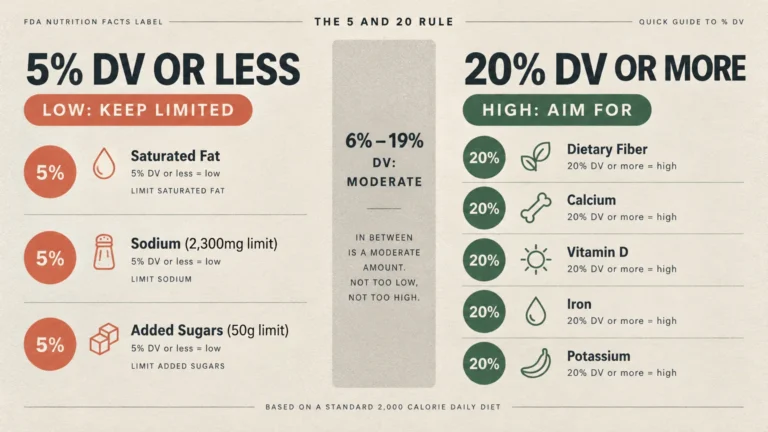
Ordering groceries online makes reading nutritional information easier because digital product pages clearly display Nutrition Facts panels. You can examine sodium counts and dietary fiber values carefully before clicking to add an item to your digital cart.
The American Heart Association recommends limiting sodium intake to 2,300 milligrams daily, with an optimal goal below 1,500 milligrams for adults managing blood pressure. Standard canned soups and pre-seasoned grains frequently contain over half that allowance in a single serving.
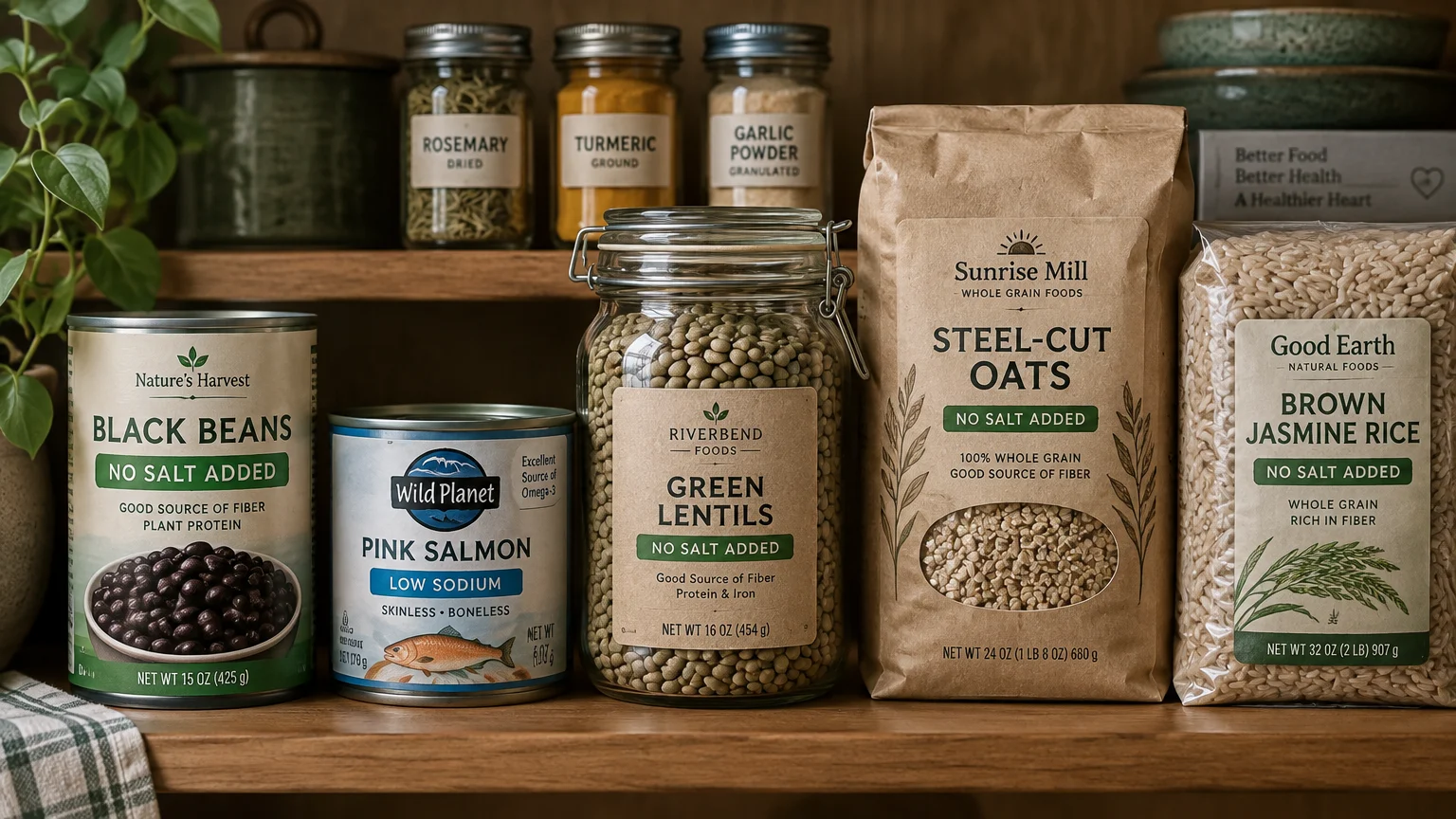
Look for products labeled “no salt added” or “low sodium” when purchasing canned beans, diced tomatoes, and broths. Low-sodium products must contain 140 milligrams of sodium or less per serving according to standard federal labeling regulations.
If you purchase regular canned beans to save money, pour them into a colander and rinse them under cool running water. Rinsing canned legumes thoroughly removes up to forty percent of their surface sodium content.
Managing blood sugar requires steady sources of complex carbohydrates paired with soluble dietary fiber. Digital aisles make it easy to find steel-cut oats, dry lentils, quinoa, and brown rice at economical unit prices.
Soluble fiber slows carbohydrate digestion, preventing sharp spikes in post-meal glucose readings. Stocking your pantry with dried beans and split peas gives you reliable, fiber-rich protein sources that cost pennies per portion.
Bone health remains another essential priority as bone density naturally decreases over time. Research highlighted by the NIH Office of Dietary Supplements stresses the importance of adequate calcium and vitamin D intake.
Canned wild salmon and canned sardines with soft, edible bones provide exceptional calcium alongside anti-inflammatory omega-3 fatty acids. These canned fish options store safely on your shelf for years and cost far less than fresh seafood fillets.
Calcium-fortified plant beverages and lactose-free dairy options provide reliable calcium without requiring heavy lifting at physical stores. Having these heavy liquid cartons delivered directly to your kitchen counter prevents physical strain on your joints.
Be mindful of how nutrient-dense foods interact with your daily medications. Calcium binds with thyroid medications like levothyroxine and certain antibiotics, reducing their absorption if consumed at the same time.
Space your calcium-rich foods or fortified milks at least four hours away from your morning thyroid dose. If you take warfarin, keep your intake of vitamin K-rich leafy greens consistent from week to week.
Sudden fluctuations in vitamin K intake can interfere with blood-thinning medications and alter your laboratory clotting values. Review your digital shopping history to ensure your weekly greens purchases remain steady and predictable.
Potassium-rich foods like canned unsalted tomato paste, lentils, and sweet potatoes help balance sodium levels in your bloodstream. Supporting natural vascular relaxation through diet is a gentle, effective way to assist your daily blood pressure management.
Always confirm with your physician or pharmacist before significantly altering potassium intake if you take ACE inhibitors or potassium-sparing diuretics. Digital grocery lists give you a clear record to show your healthcare team.
How do you calculate true unit prices to prevent waste when ordering online?
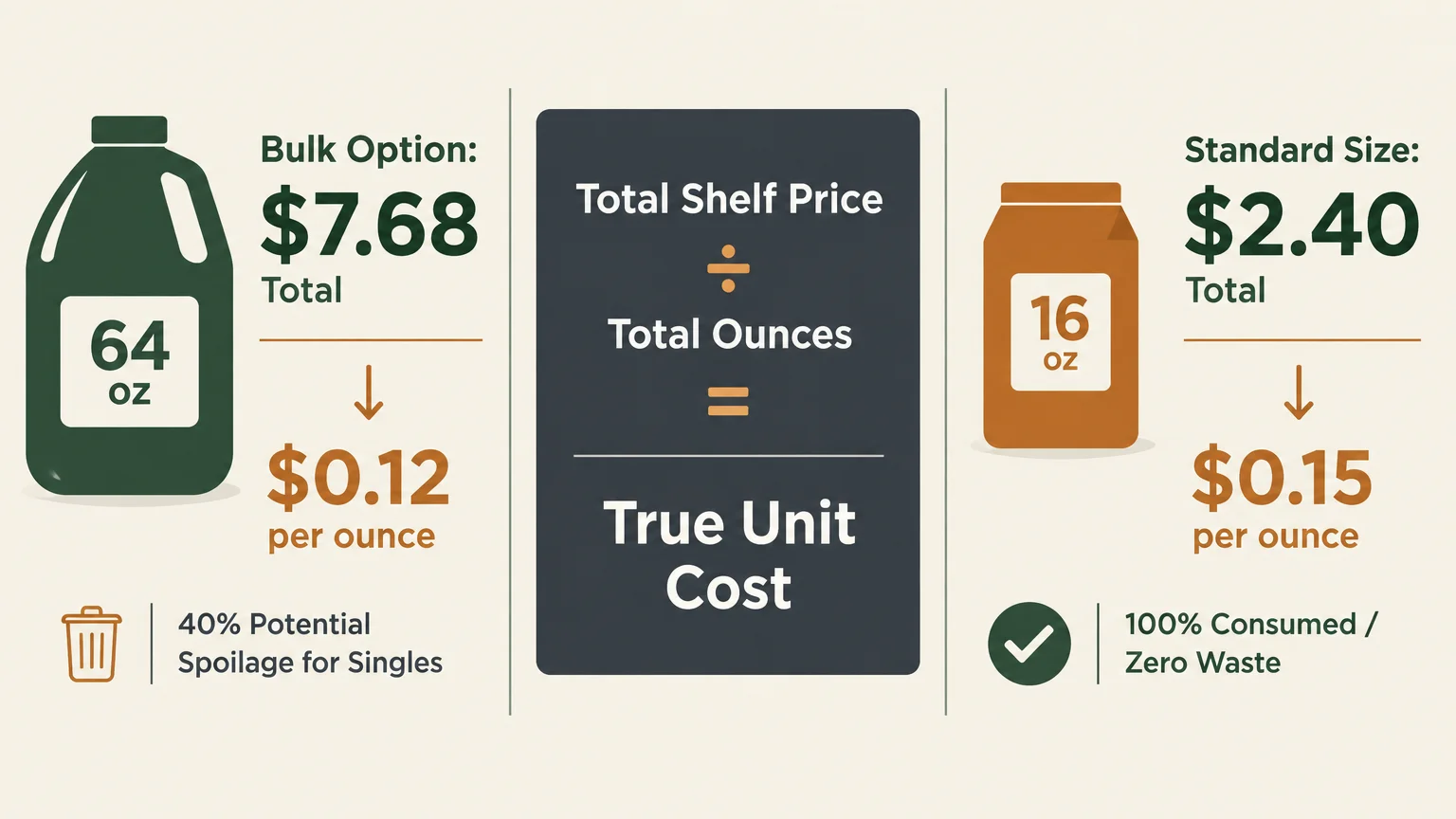
Online grocery applications present unit pricing directly beneath the total item cost on search result screens. Checking the cost per ounce, per pound, or per fluid ounce helps you identify authentic supermarket bargains.
Large bulk containers often display a lower price per ounce, but they do not always represent true savings. If perishable foods spoil before you finish them, the money you spent goes straight into the wastebasket.
For small households cooking for one or two people, food waste ranks as the single biggest budget drain. Purchasing smaller packages or non-perishable frozen alternatives often saves more real cash than buying oversized fresh packages.
Frozen fruits and vegetables offer identical nutritional value to freshly picked produce because processors freeze them at peak ripeness. They come in resealable bags, allowing you to pour out exact portions while preserving the rest.
A bag of frozen broccoli florets or mixed berries will stay fresh in your freezer for months without degrading. You eliminate the frustration of throwing away slimy greens or moldy fruit that sat in the refrigerator drawer.
Choosing store brands over national name brands provides an immediate twenty to thirty percent reduction in checkout costs. Store-brand rolled oats, canned tuna, and unsalted nuts contain the exact same basic ingredients as premium designer labels.
Compare the ingredient lists between name brands and store brands on your digital screen before buying. In most instances, the store brand matches the name brand ingredient for ingredient without the added advertising markup.
You can build your virtual shopping cart gradually over several days rather than making rushed decisions. Adding items to your cart as you use them ensures you meet the thirty-five dollar delivery threshold naturally.
Review your digital cart before placing your order to delete duplicate items or impulse purchases. A deliberate digital cart review keeps your weekly food budget on track and eliminates unplanned expenditures.
Check for weekly digital sales flyers embedded directly within your grocery app. Retailers regularly discount whole-grain breads, canned fish, and olive oil, giving you prime opportunities to restock core staples at reduced prices.
Keeping a running tally of regular staple prices in a notebook prevents falling for deceptive sales. You quickly learn whether a promoted discount offers genuine value or merely cosmetic savings.
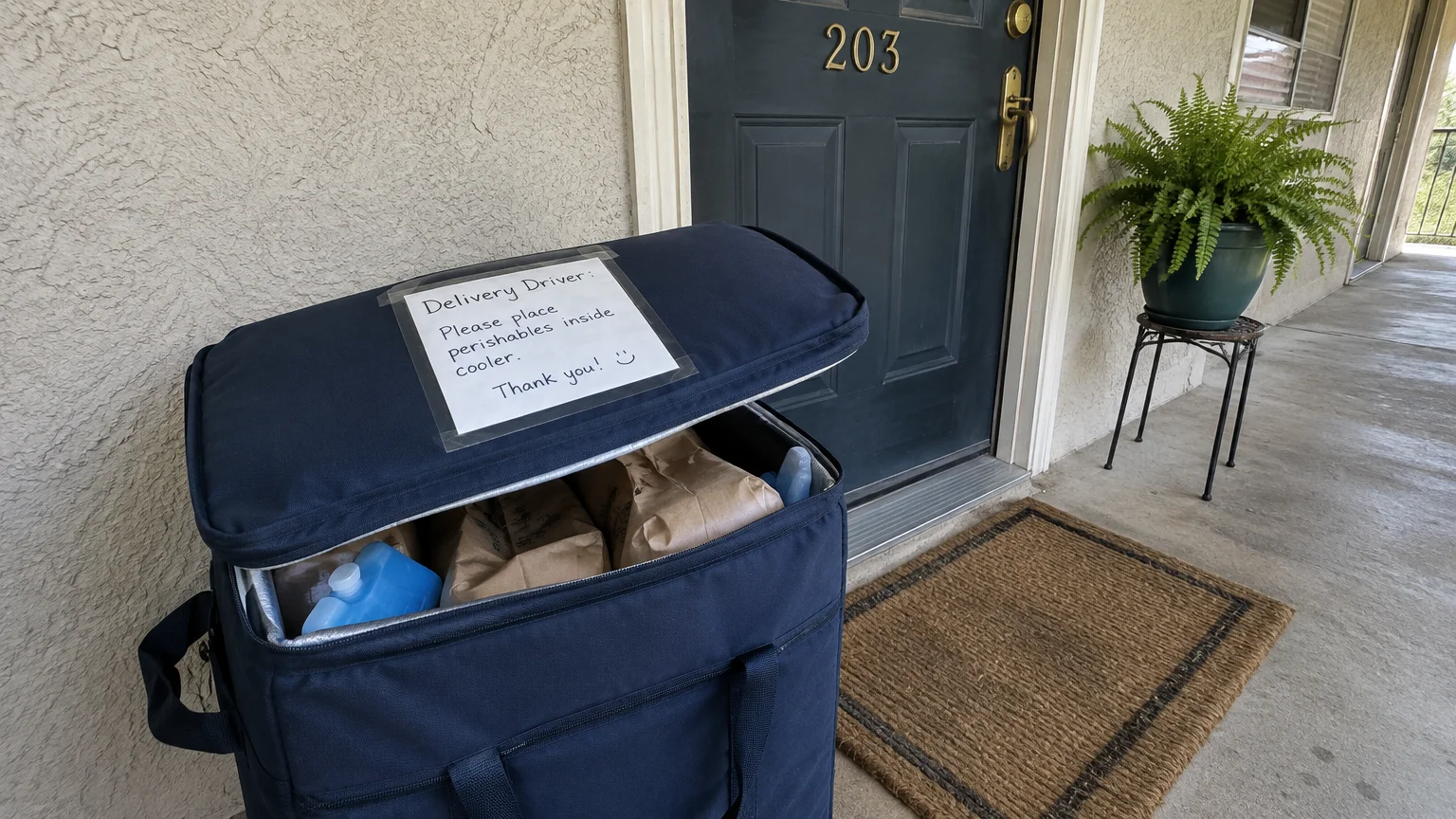
How do you resolve common delivery hurdles on a fixed income?
Can you tip your delivery driver using SNAP EBT benefits?
No, federal program rules strictly prohibit using SNAP funds to tip delivery drivers. The electronic system will block any attempt to apply benefit balances toward driver gratuities or service charges.
You must link a separate payment method, such as a debit card, credit card, or prepaid card, to pay tips. If your budget is tight, some services allow tipping in cash when the driver delivers to your door.
Factoring a modest three- to five-dollar cash tip into your monthly budget ensures fair appreciation for your driver. Because your delivery fee is completely waived, this small tip represents your only logistics cost.
What documents do you need to verify your eligibility for discounted perks?
Most delivery services verify your eligibility online through secure identity platforms like SheerID or proprietary account portals. The verification process typically requires only a clear digital photo or scan of your qualifying benefit document.
You can upload an official Medicaid card, an SNAP eligibility award letter, an SSI statement, or an energy assistance document. Many platforms verify your information within five minutes, activating your discounted monthly membership immediately without paperwork delays.
If an automated system rejects your initial image, ensure your name, program title, and current date remain clearly visible. Uploading an official state benefit summary letter almost always clears manual verification reviews.
Do fee waivers apply if your grocery order drops below the minimum threshold?
No, all four major fee-waiving delivery programs enforce a minimum purchase threshold, which is typically thirty-five dollars. If your order total falls below thirty-five dollars, the platform will automatically charge the standard delivery fee.
Standard delivery fees range from $3.95 to $9.99 depending on the retailer and delivery window you select. Always check your digital cart subtotal before confirming your order to ensure you remain above the waiver threshold.
If your cart sits at thirty-two dollars, add a one- or two-dollar staple like brown rice or dry beans. Spending three dollars on edible food beats paying a seven-dollar delivery surcharge every time.
Which service offers the best value if you only cook for one or two people?
Walmart+ Assist and Target Circle 360 offer superior flexibility for smaller households because their inventory extends beyond groceries. You can combine basic food supplies with personal care items, cleaning essentials, or paper goods to meet the minimum.
Pairing a loaf of bread, eggs, and frozen vegetables with laundry detergent lets you easily reach thirty-five dollars without overbuying perishable foods. This mixed-basket strategy prevents food spoilage while ensuring you never pay a delivery fee.
If your household prioritizes organic produce or specialized health ingredients, Amazon’s $4.99 grocery plan offers the highest return. It gives you access to Whole Foods Market and Amazon Fresh without requiring Prime.
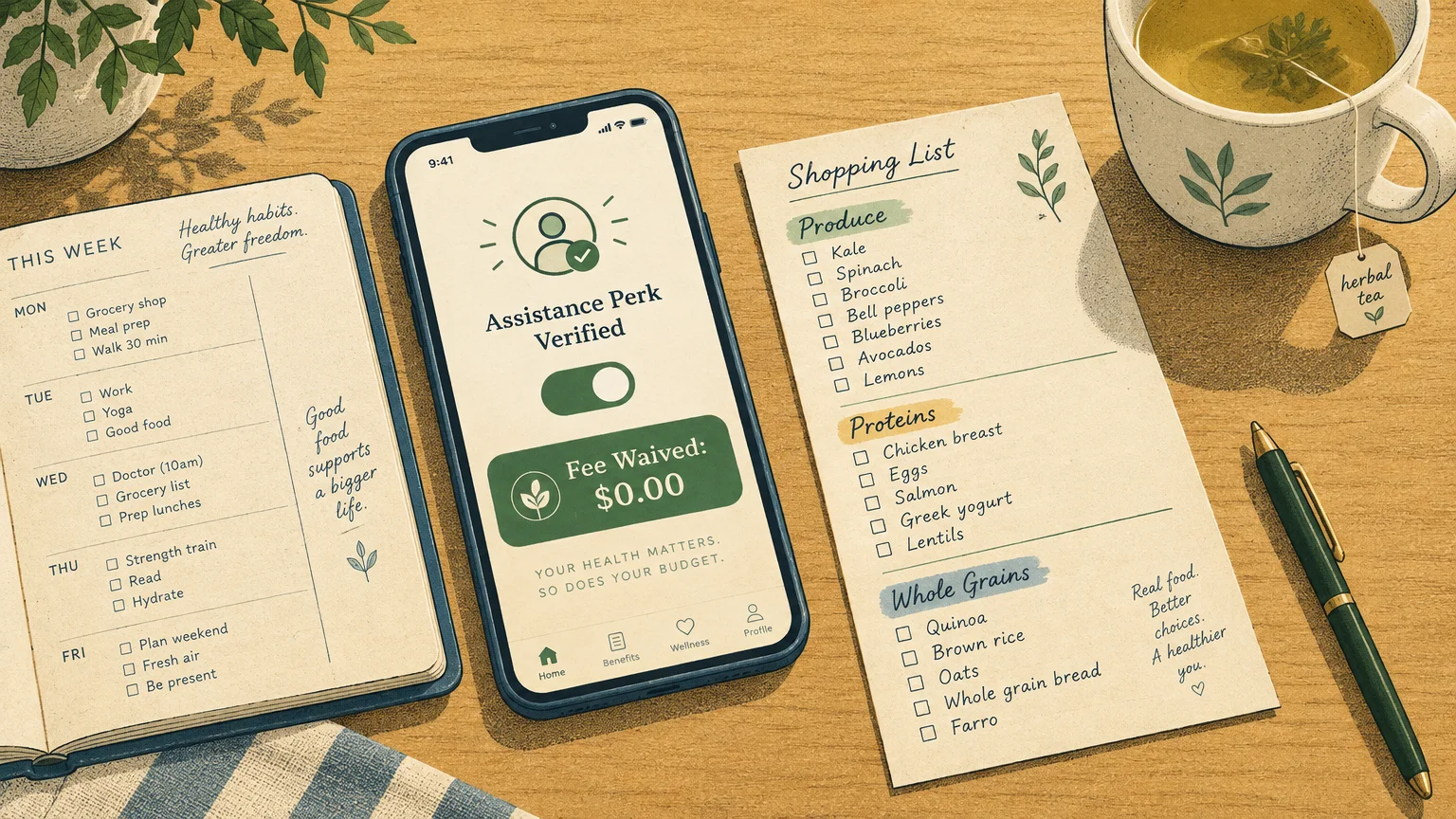
What is the single best step you can take before your next grocery order?
Begin by checking which delivery service fulfills orders from the supermarket you already frequent most often. If you shop primarily at Walmart, activate your thirty-day free trial of Walmart+ Assist and complete your SheerID verification.
If you prefer regional supermarkets or discount stores like Aldi, register your electronic benefits card on Instacart to unlock their reduced subscription. Testing a free trial allows you to experience the convenience without committing to a paid plan upfront.
Before placing that initial delivery order, inspect your pantry and refrigerator to list only what you truly need. Adding shelf-stable proteins, low-sodium staples, and frozen produce ensures you protect your physical health while saving your hard-earned dollars.
Set a recurring reminder on your calendar five days before any promotional free trial ends. That brief notification ensures you retain complete control over your subscription decisions and your monthly fixed budget.