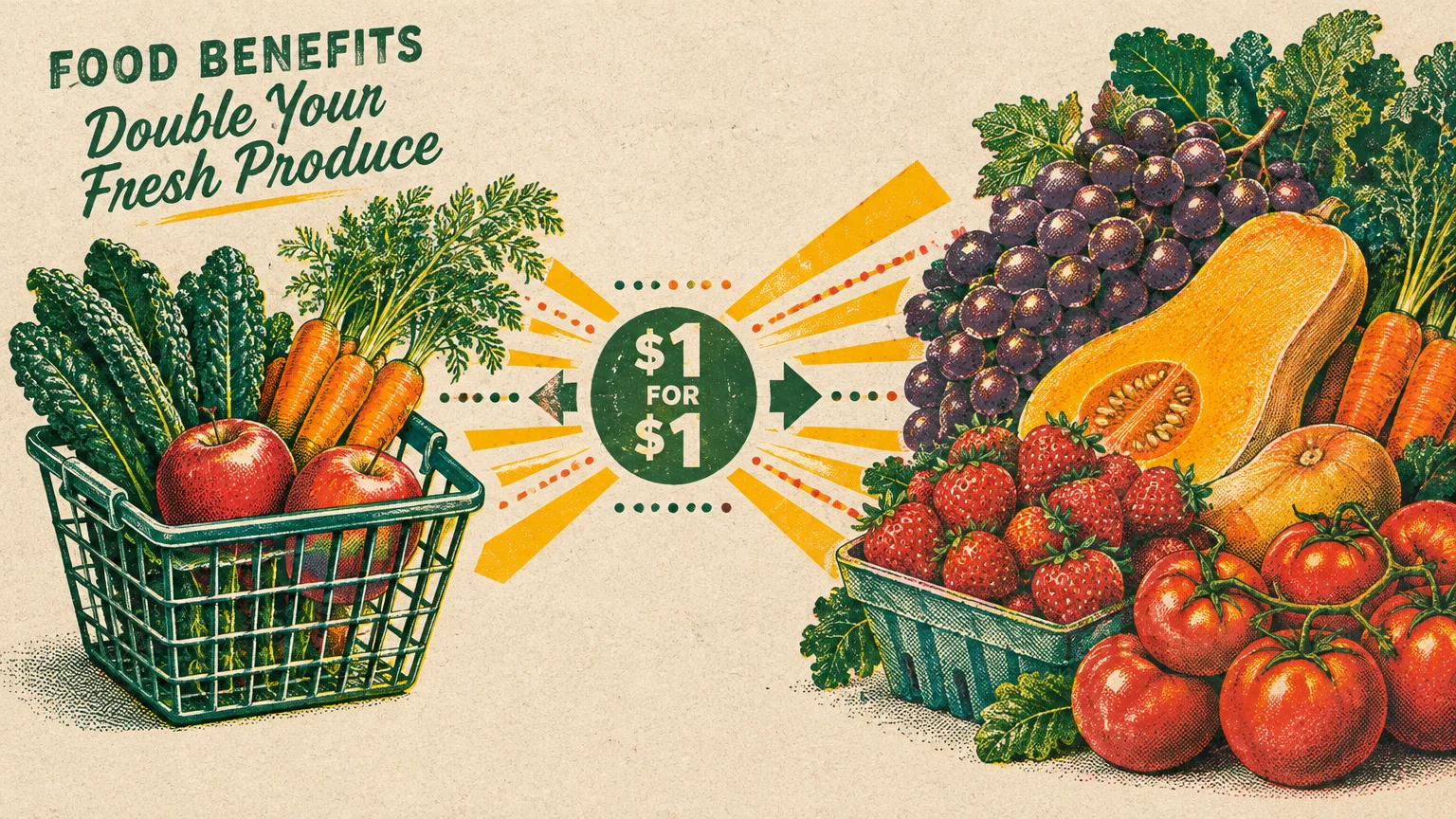
You can instantly cut your produce expenses in half while stocking your refrigerator with crisp greens, seasonal berries, and fresh roots. Federal nutrition matching programs stretch your Electronic Benefits Transfer card balance at thousands of grocery stores and farmers markets nationwide.
When you spend your SNAP benefits on qualifying fruits and vegetables, participating retailers match your spending dollar for dollar. This simple incentive keeps more money in your grocery budget while helping you manage blood pressure, blood sugar, and overall wellness.
Navigating the rules takes only a quick review of participating stores and checkout procedures before you shop. Learning how to earn and spend these incentives will maximize your purchasing power on every single trip.
How do produce matching programs work at the register?
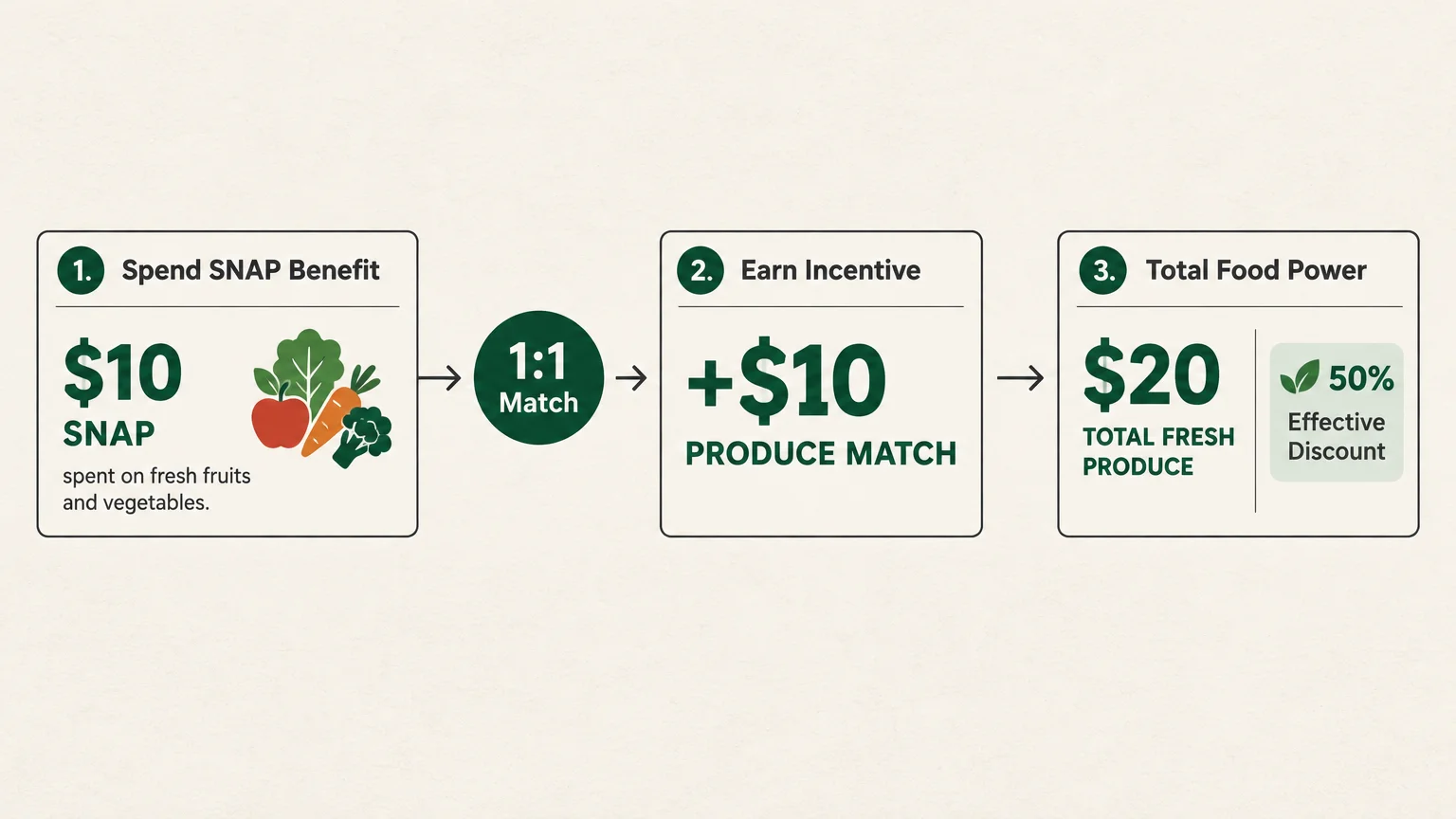
Produce matching programs run on a simple dollar-for-dollar incentive model. When you purchase fresh fruits and vegetables with your Supplemental Nutrition Assistance Program card, the store rewards you with matching funds.
If you spend ten dollars of SNAP benefits on eligible apples, squash, or greens, you receive ten bonus dollars. You can spend those matching dollars on your next produce purchase or apply them immediately at the register.
This match cuts your retail fruit and vegetable costs by fifty percent. It effectively doubles your real food buying power without requiring you to wait for monthly benefit reloads.
The program model eliminates the financial friction that often keeps fresh, nutrient-dense produce off your kitchen table. You walk away with twice the fresh food for the exact same out-of-pocket food assistance benefit.
Understanding the Gus Schumacher Nutrition Incentive Program
Congress funds these produce incentives primarily through the Gus Schumacher Nutrition Incentive Program, commonly known as GusNIP. The USDA National Institute of Food and Agriculture administers this federal initiative across the country.
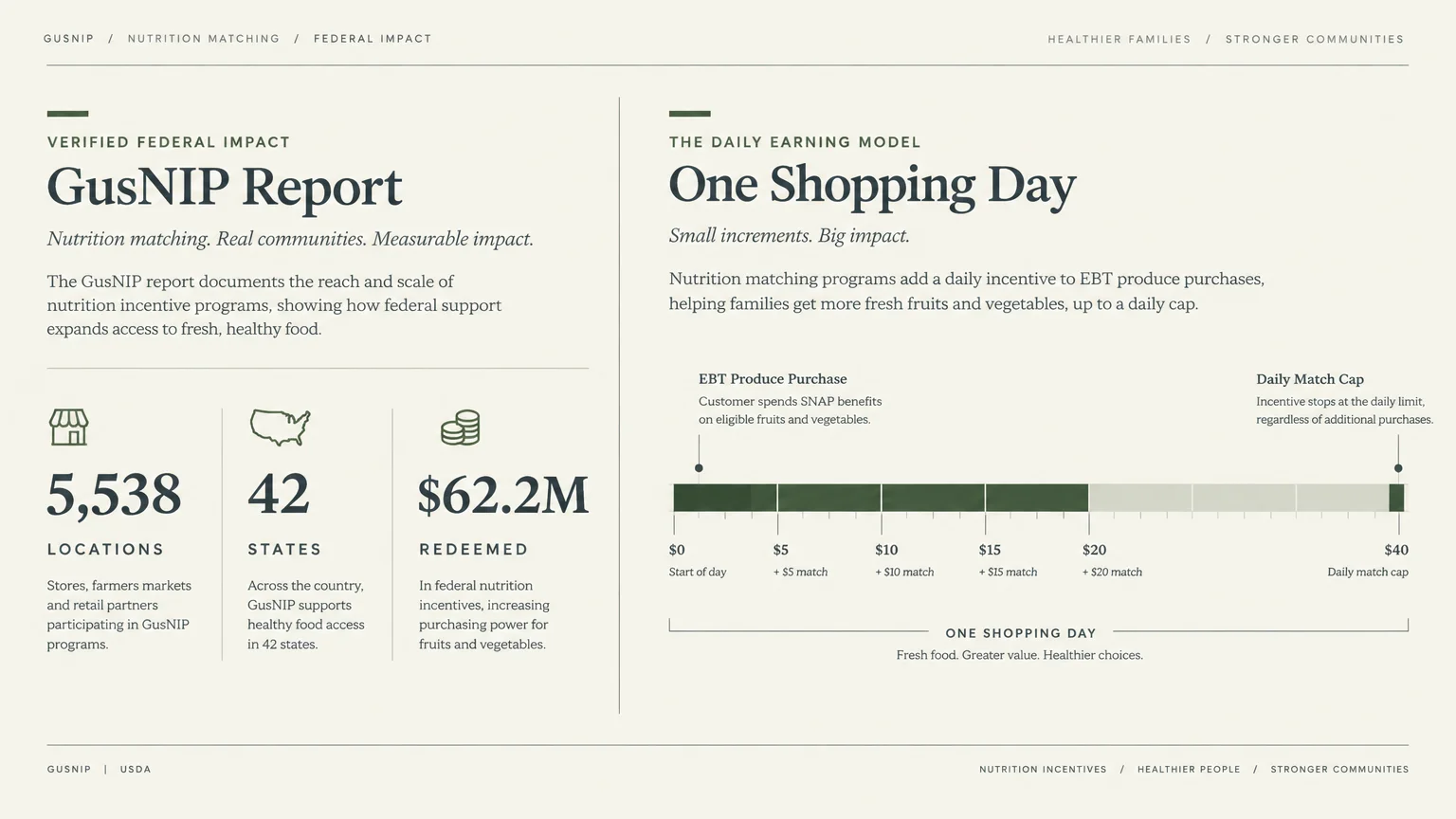
According to the GusNIP Year 6 Impact Findings Report published in September 2026, the program operated across 5,538 retail food outlets and clinic locations. That active network spanned 42 states, Washington, D.C., Guam, and Puerto Rico between September 2024 and August 2025.
Shoppers redeemed a record $62.2 million in nutrition incentives during that annual reporting window alone. Those redeemed benefits generated $128 million in local economic activity by supporting participating grocers, food hubs, and regional agricultural producers.
These verified numbers demonstrate that produce incentives have moved beyond small-scale experimental trials. They now represent a permanent, nationwide grocery strategy that rewards you directly for selecting whole, unprocessed foods.
The role of Double Up Food Bucks across the country
The largest national network providing produce matching operates under the banner of Double Up Food Bucks. The non-profit organization Fair Food Network created and oversees this expansive multi-state partnership model.
Double Up Food Bucks currently operates across 29 states, connecting regional grocers with local food networks. The program maintains standard rules that mirror the core GusNIP model across participating supermarkets and open-air markets.
Participating stores display Double Up Food Bucks shelf signs, window posters, and register flyers throughout their produce departments. These visual markers show you exactly where your card earns matching money before you place items in your cart.
While local branding varies slightly by state, the fundamental transaction remains identical. You spend one SNAP dollar on qualifying produce, and you earn one dollar to spend on additional fruits and vegetables.
Where can you find participating stores and farm stands?
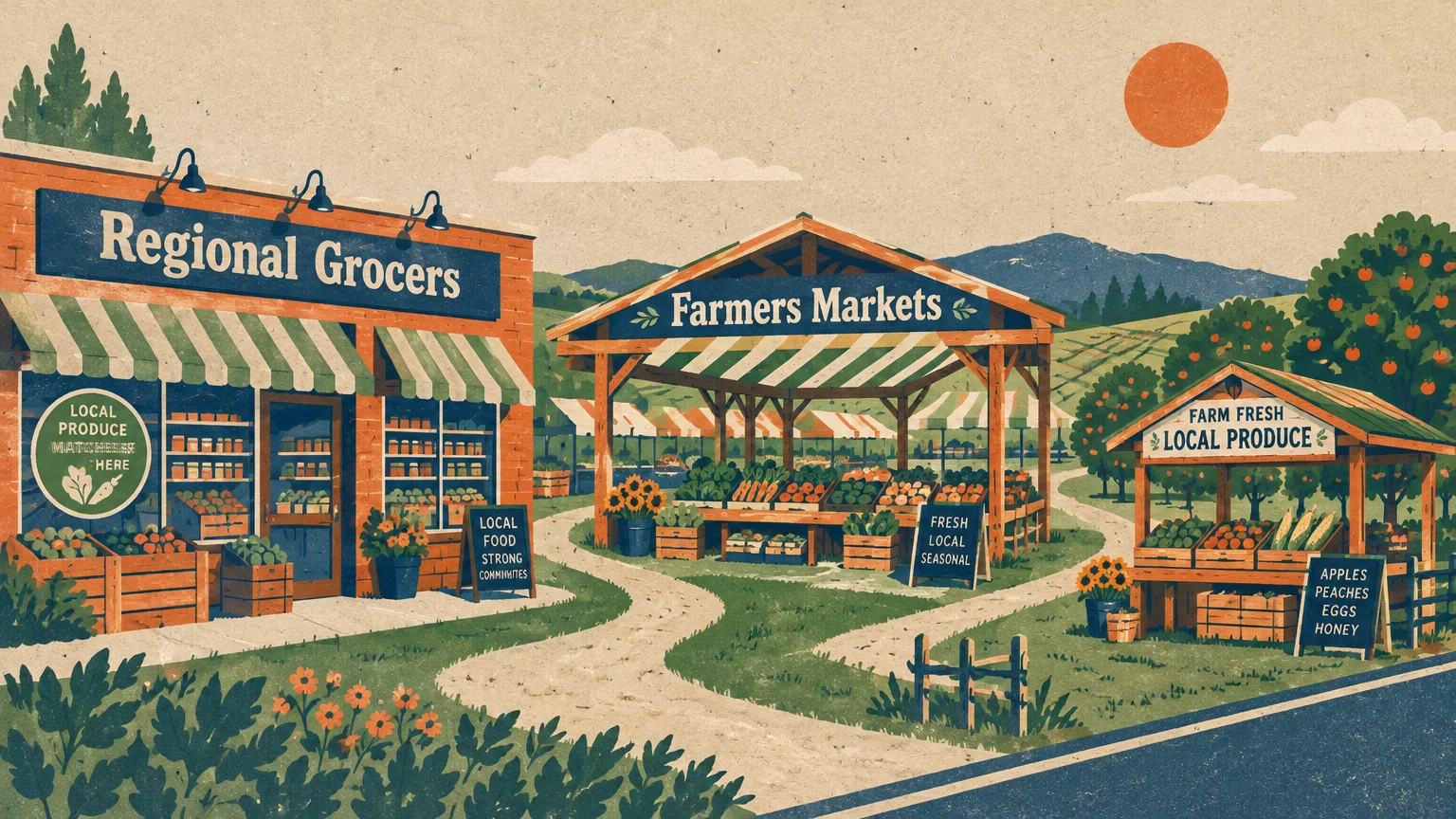
Produce matching takes place across a wide variety of food retail environments across the country. You can find active programs inside traditional supermarkets, independent grocers, cooperative food markets, convenience stores, and farm stands.
Community Supported Agriculture operations and direct-to-consumer farm programs also accept SNAP benefits and issue produce matches. Checking your state Double Up directory reveals participating retail addresses within your immediate neighborhood.
Independent supermarkets and neighborhood corner stores often serve as critical access points in areas lacking large chain stores. These smaller merchants frequently partner with regional nutrition non-profits to bring matching funds directly to their checkout lanes.
Farmers markets provide an ideal venue because they source directly from regional growers. Shopping at these open-air stands keeps your incentive money circulating within your regional agricultural economy.
Federal equal treatment regulations and store incentive waivers
You might wonder why every national supermarket chain does not automatically double your produce budget at checkout. Federal law dictates strict operational requirements for retailers that accept federal nutrition assistance benefits.
Under federal SNAP equal treatment regulations, codified at 7 CFR 278.2(b), grocery stores cannot provide special discounts exclusively to SNAP shoppers. The USDA Food and Nutrition Service enforces this rule to protect shoppers from predatory pricing or commercial segregation.
A brick-and-mortar supermarket can only offer targeted produce incentives if it operates under an active federal GusNIP grant. Alternatively, the grocer must secure an official SNAP Retailer Incentive Waiver directly from the USDA Food and Nutrition Service.
Farmers markets operate under an administrative blanket waiver from the federal government, simplifying their participation. Brick-and-mortar grocers must navigate strict regulatory compliance audits before their cash registers can issue matching vouchers.
Farmers markets and community supported agriculture
Visiting a participating farmers market offers an intuitive way to double your fresh produce purchasing power. Most seasonal markets set up a central information booth or token station near the entrance.
You walk up to the market manager station and present your Electronic Benefits Transfer card. You tell the market staff how much SNAP funding you wish to debit from your account balance.
The attendant swipes your card using a wireless card terminal and hands you standard market currency for that exact amount. They then match your withdrawal dollar for dollar by handing you distinct produce incentive tokens.
You spend your standard market currency on any SNAP-eligible food item, including bread, cheese, and eggs. You spend your incentive tokens exclusively with market farmers selling fresh, raw fruits, vegetables, and culinary herbs.
How much produce incentive money can you earn each day?
Most produce incentive programs establish a daily earning limit to ensure funds remain available throughout the entire fiscal year. These caps keep the distribution equitable across thousands of participating households within each community.
Daily caps typically range between $10 and $20 per day per household at traditional grocery checkouts. You can earn the match once per operating business day at each participating retailer.
If you visit a participating store multiple times per week, you can collect incentives on every separate calendar day. Planning smaller, frequent shopping trips allows you to accumulate substantial produce funds across the month.
Understanding your regional daily limit helps you organize your purchases before you load the conveyor belt. Splitting huge monthly grocery hauls into smaller weekly trips optimizes your total earned matching funds.
Daily spending caps across different states
State administrative partners establish specific daily match ceilings based on their allocated grant budgets. For example, shoppers in Iowa operate under a standard $15 daily incentive limit.
Shoppers in Mississippi navigate a standard $20 daily matching limit across participating grocers and markets. If you spend $20 in SNAP funds on eligible produce in Mississippi, you receive the full $20 match.
Spending beyond your state daily limit does not penalize your grocery account in any way. The store register simply caps your earned bonus at the daily ceiling while billing the excess to your normal balance.
Knowing your state limit allows you to calculate your register receipts with precision before you reach the front lanes. You can check your regional program website to confirm current daily parameters before entering the store.
Michigan program expansions and rules
Michigan serves as the historical birthplace and flagship operating territory for the Double Up Food Bucks program. Effective May 1, 2026, Michigan permanently expanded its program rules to provide unprecedented financial support for shoppers.
The standard daily earning cap in Michigan jumped from $20 to $50 per day at most participating grocers and farmers markets. This change allows shoppers to earn up to $50 in bonus produce funds during a single shopping trip.
Select corporate retail partners maintain smaller limits based on specific operating agreements. Regional chains like Family Fare and VG’s Grocery retain their standard $20 daily earning limit under the revised rules.
Michigan also instituted a standardized 90-day expiration window for all earned bucks across the state. This 90-day rolling window gives you three months to redeem your accumulated produce credits before they expire.
How do stores issue your produce matching funds?
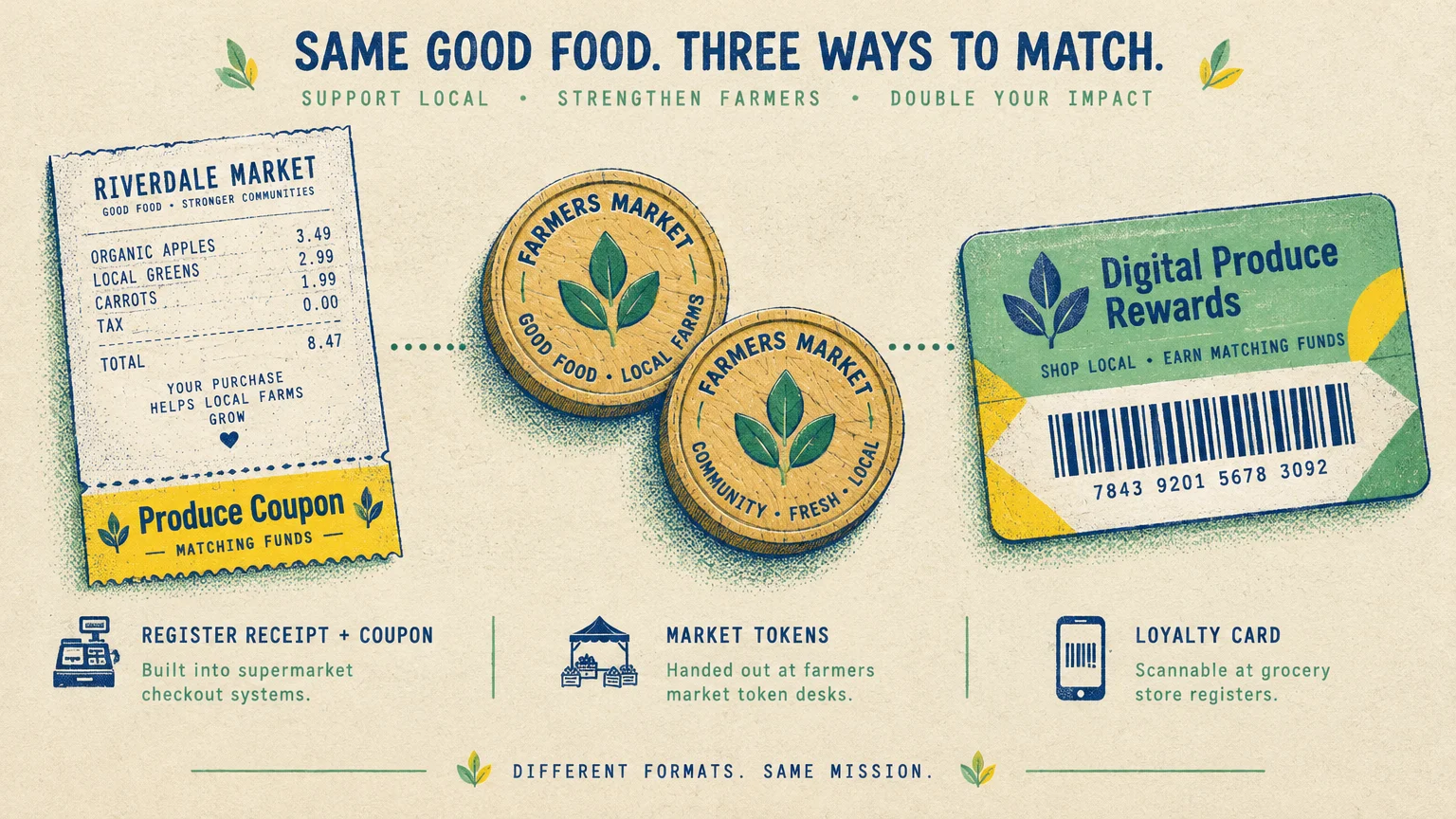
Retailers distribute produce incentives using three primary methods, depending on their checkout technology and market format. You will encounter physical tokens, printed register coupons, or automated digital loyalty accounts.
Farmers markets rely almost universally on physical wooden or plastic tokens that farm vendors recognize immediately. These durable scrip tokens carry clear denomination stamps, such as one dollar or five dollars.
Supermarkets with automated point-of-sale registers print Catalina discount coupons directly at the checkout lane. These paper vouchers print at the bottom of your register receipt or emerge from an attached coupon dispensing machine.
Other grocery retailers load your earned produce dollars directly onto a free store loyalty card. The register scans your barcode or phone number and automatically applies your earned balance toward eligible items.
Paper scrip, wooden tokens, and register coupons
When shopping with paper vouchers or wooden tokens, keep your matching scrip separated from your personal cash. Cashiers cannot replace lost tokens or misplaced paper vouchers once you leave the checkout counter.
Examine printed paper vouchers carefully before placing them into your wallet or grocery organizer. The voucher specifies the qualifying items, the exact matching value, and the expiration date printed along the bottom edge.
When you return to the grocery aisle for your next trip, present your paper coupons to the cashier before paying. The cashier scans the coupon barcode, deducting the matching amount from your final produce subtotal.
Wooden tokens from farmers markets do not carry expiration dates, allowing you to save them for subsequent market weekends. You can hold onto tokens until your favorite seasonal crops arrive at regional farm stands.
Automated loyalty cards and electronic EBT integration
Many progressive grocers eliminate physical paper coupons by integrating produce incentives directly into digital store accounts. You enter your telephone number on the payment keypad, and the system automatically tracks your earned produce credits.
The system earns you credits during qualifying transactions and applies those credits as instant cash discounts on your next produce run. You avoid managing stacks of paper receipts or keeping track of tiny wooden tokens.
Some state agencies are transitioning to direct EBT card integration pilots that bypass store loyalty cards entirely. Rhode Island demonstrated this forward-looking concept through its statewide Eat Well, Be Well pilot program running from 2024 through 2026.
The Eat Well, Be Well pilot integrated nutrition incentives directly onto the shopper’s state-issued EBT card. The system automatically deposited 50 cents back onto the card for every dollar spent on fresh produce at participating stores.
Which fruits and vegetables qualify for the incentive?
Program rules strictly govern which grocery items earn incentives and which items you can purchase using your matching funds. The primary focus remains firmly on whole, unprocessed agricultural products that promote physical well-being.
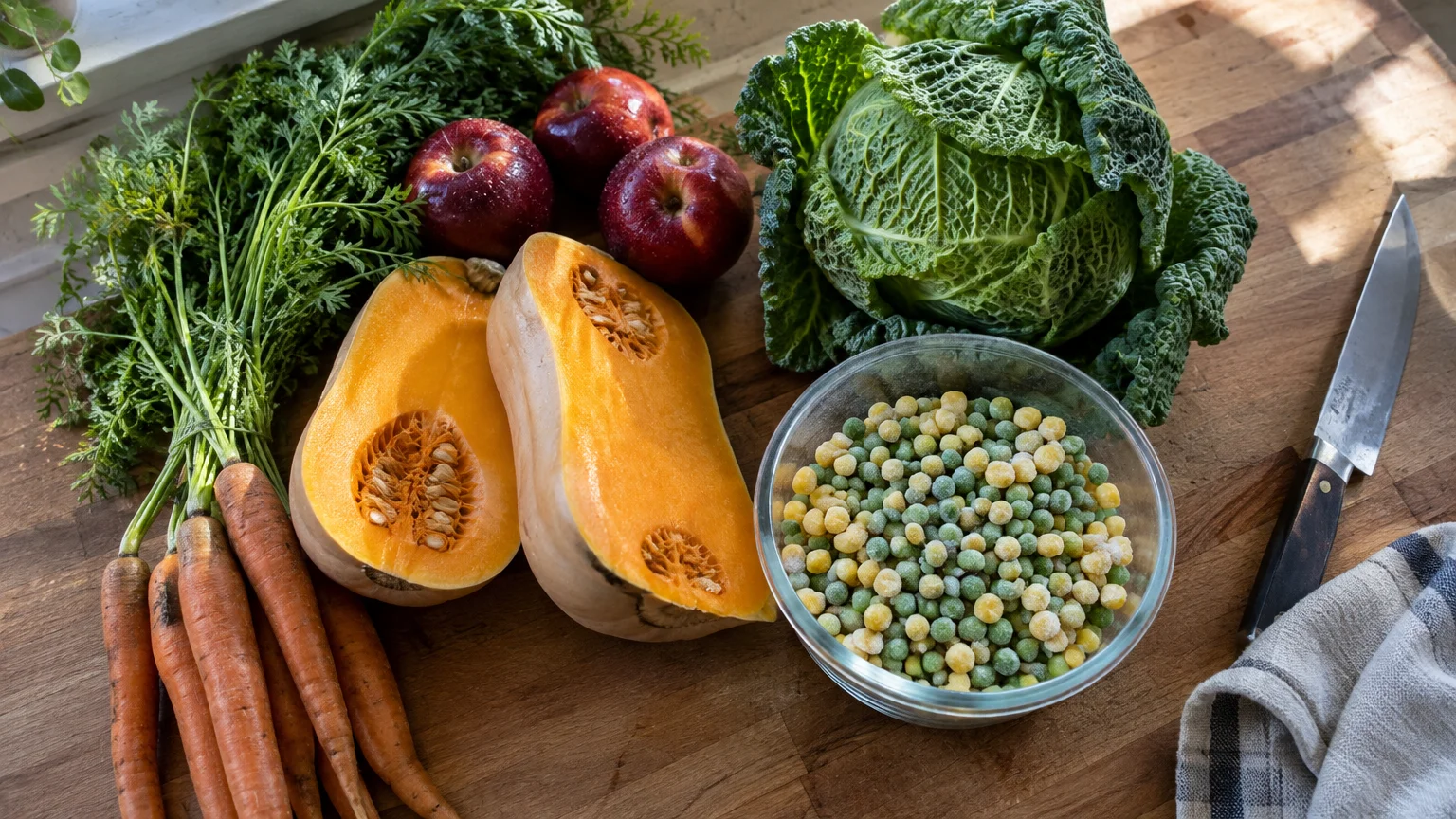
All varieties of fresh, raw fruits and vegetables qualify for the program without restriction. You can buy whole heads of cabbage, bagged carrots, bulk potatoes, loose sweet peppers, and fresh culinary herbs.
Processed items containing added sugars, fats, oils, and excess sodium do not qualify for matching funds. You cannot spend incentive credits on decorative ornamental gourds, potted flowering plants, or commercially packaged fruit platters with processed dips.
Salad bar items packaged by the ounce and hot deli bar vegetables do not qualify for produce incentives. Keeping your cart focused on raw produce displays ensures every selected item passes register rules without issue.
Choosing fresh produce for maximum savings
You can optimize your grocery budget by purchasing raw produce that delivers high nutritional density per dollar spent. Bulk root vegetables, winter squash, and whole cabbages provide exceptional volume and extended shelf life.
Look for produce displayed in open bulk bins where you pay strictly for the actual weight of the item. Pre-cut and packaged produce bowls carry substantial retail labor markups that drain your matching funds quickly.
Purchasing whole celery stalks rather than pre-trimmed celery sticks can save you more than fifty percent per pound. Trimming and washing your vegetables at home keeps hard-earned incentive funds inside your grocery wallet.
Selecting local produce during its peak harvest season delivers better flavor, higher nutrient content, and lower shelf prices. When seasonal crops flood regional markets, retail prices drop, allowing your matched dollars to stretch twice as far.
When frozen fruits and vegetables qualify
Fresh produce remains the primary focus of federal incentive legislation, but program rules adapt to seasonal supply realities. Winter conditions in northern states often limit regional fresh harvests and drive up retail produce costs.
Under its May 1, 2026 program expansion, Michigan permanently made plain frozen fruits and vegetables eligible year-round. Shoppers across Michigan can now earn and spend Double Up Food Bucks across commercial frozen food aisles.
Federal guidelines enforce strict ingredient standards for frozen produce purchased with incentive funds. The frozen item must contain strictly plain vegetables or fruits without added salt, sugar, butter, or cheese sauces.
Check the ingredient statement on the back of plain frozen vegetable bags before heading to the register lanes. The ingredient list should state only the vegetable name, such as green beans, green peas, or sweet corn.
How can you target specific health goals in the produce aisle?
Using produce incentives allows you to manage chronic health conditions without exceeding your fixed monthly income. Fresh fruits and vegetables deliver vital micronutrients, minerals, and soluble fiber that support your cardiovascular and metabolic systems.
Focusing your doubled produce budget on specific whole foods helps address high blood pressure, elevated blood sugar, and bone density. You can intentionally tailor your weekly produce cart to support your specific personal wellness priorities.
Selecting produce that coordinates with your body needs prevents expensive health complications down the road. Treating the grocery produce department as a preventative health resource creates lasting dividends for your daily energy and mobility.
Always review your produce selections alongside your physician’s dietary recommendations and current prescription medications. Certain powerful plant nutrients interact directly with maintenance pharmaceuticals, requiring consistent, measured daily intake.
Managing blood pressure with high-potassium produce
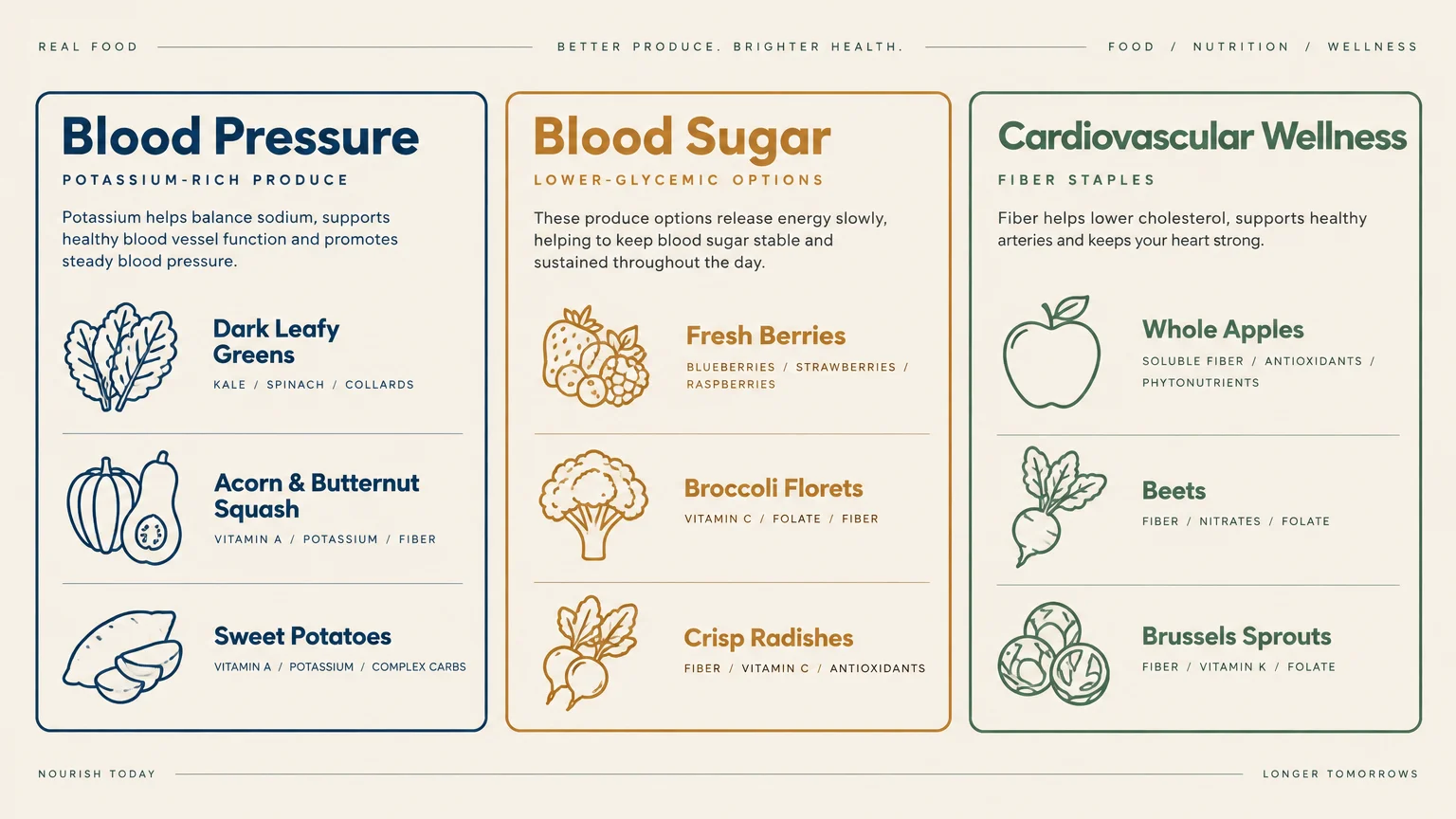
Dietary potassium plays a fundamental role in managing high blood pressure and promoting healthy cardiovascular function. The American Heart Association explains that potassium mitigates the negative vascular effects of sodium by encouraging sodium excretion through urine.
Potassium also eases muscular tension within your blood vessel walls, which helps lower resting blood pressure readings naturally. Doubling your produce budget makes high-potassium choices far more accessible every week.
Stock your shopping basket with potassium-rich staples like baking potatoes, sweet potatoes, bananas, and fresh dark spinach. Acorn squash, cantaloupe, and button mushrooms also supply substantial potassium to support daily vascular flexibility.
Replacing high-sodium processed snacks with crisp sliced cucumbers, radishes, and raw baby carrots dramatically reduces overall sodium consumption. This dietary shift protects your arterial walls while keeping your weekly grocery costs low.
Balancing blood sugar with fiber-rich choices
Managing blood sugar levels requires prioritizing whole foods that deliver complex carbohydrates paired with abundant dietary fiber. Soluble fiber slows the rate of digestive glucose absorption, preventing sharp spikes in post-meal blood sugar.
Non-starchy vegetables provide excellent volume, deep micronutrients, and high fiber while exerting minimal impact on daily blood sugar readings. Load your cart with crisp broccoli crowns, cauliflower heads, tender asparagus, green cabbage, and zucchini.
When selecting sweet fruits, reach for whole berries, fresh plums, and crisp tart apples rather than dried fruits or canned options. Whole berries provide anthocyanins and dense fiber structures that digest slowly throughout the afternoon.
Avoid pre-packaged fruit bowls submerged in sweetened juices, corn syrups, or artificial fruit gels. Buying fresh, whole fruit with your matched incentive funds guarantees you consume zero hidden sugars or industrial additives.
Supporting bone health while monitoring medication interactions
Maintaining strong bone architecture requires consistent dietary intake of bioavailable calcium, magnesium, and vitamin K. Dark leafy greens like collard greens, turnip greens, kale, and bok choy supply high concentrations of these bone-building minerals.
According to the NIH Office of Dietary Supplements, vitamin K functions as a critical co-factor in bone mineralization processes. Consuming leafy green vegetables regularly helps your skeletal system retain calcium within the bone matrix.
However, shoppers taking anticoagulant medications like warfarin must monitor their daily intake of dark leafy greens with care. Sudden increases or decreases in dietary vitamin K can disrupt blood thinning medication efficacy, altering clotting times.
Consult your healthcare provider before radically shifting your daily intake of dark greens, maintaining a steady, consistent portion size. Additionally, check with your pharmacist regarding fresh grapefruit, which interferes with common cholesterol-lowering statins and blood pressure drugs.

How can households of one or two prevent produce waste?
Cooking for a small household presents unique hurdles when purchasing perishable fresh fruits and vegetables. Buying too much fresh food at once can lead to spoilage, wasting your time, effort, and matched funds.
Preventing food waste requires conscious shopping techniques that match your household consumption rate. You can easily keep your refrigerator organized by purchasing produce items at varying stages of natural maturity.
Adopting smart kitchen prep habits ensures that every carrot, apple, and leaf of lettuce feeds your body. A small household can maximize doubled produce funds without throwing spoiled food into the compost bin.
Careful storage habits extend the edible life of delicate greens, tender berries, and hearty root crops by several days. Taking control of produce storage guarantees you consume every dollar of your matched grocery investment.
Using unit prices to pick the right package size
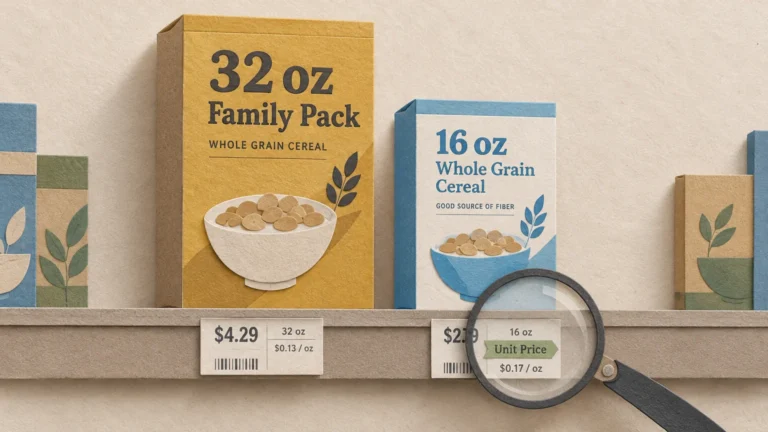
Supermarkets display shelf tags that print both the retail price and the calculated unit price per ounce or pound. Examining the unit price tells you whether a pre-packaged bag actually saves money over loose produce.
A ten-pound bag of potatoes might carry a lower unit price per pound than loose individual russet potatoes. However, if your household only eats three pounds before the remaining potatoes sprout, that bulk bag represents lost value.
Choose loose produce displays where you control the exact count of items entering your grocery basket. Buying three loose apples, two sweet potatoes, and one small onion prevents waste and keeps your produce fresh.
Cashiers weigh your loose produce directly on the checkout scanner scale, charging you strictly for what you eat. This disciplined buying method reserves your matching funds for items you will consume immediately.
Staggering ripeness and preserving surplus items
When purchasing fresh fruit for a small household, select individual items across varying stages of ripeness. Pick two yellow bananas ready for immediate consumption alongside three green bananas that will ripen later in the week.
Apply this same technique to avocados, pears, and stone fruits to create an automatic rolling supply of ripe fruit. You prevent the frustrating scenario where all your counter fruit ripens simultaneously, forcing you to rush through portions.
If you notice fresh greens or bell peppers beginning to lose crispness, freeze them before spoilage sets in. Chop extra celery, onions, and sweet peppers into uniform pieces and freeze them inside airtight freezer bags.
You can drop these pre-chopped frozen vegetables directly into hot winter soups, hearty stews, and breakfast scrambles without thawing. This zero-waste habit protects your doubled grocery investment and speeds up your evening meal preparation.
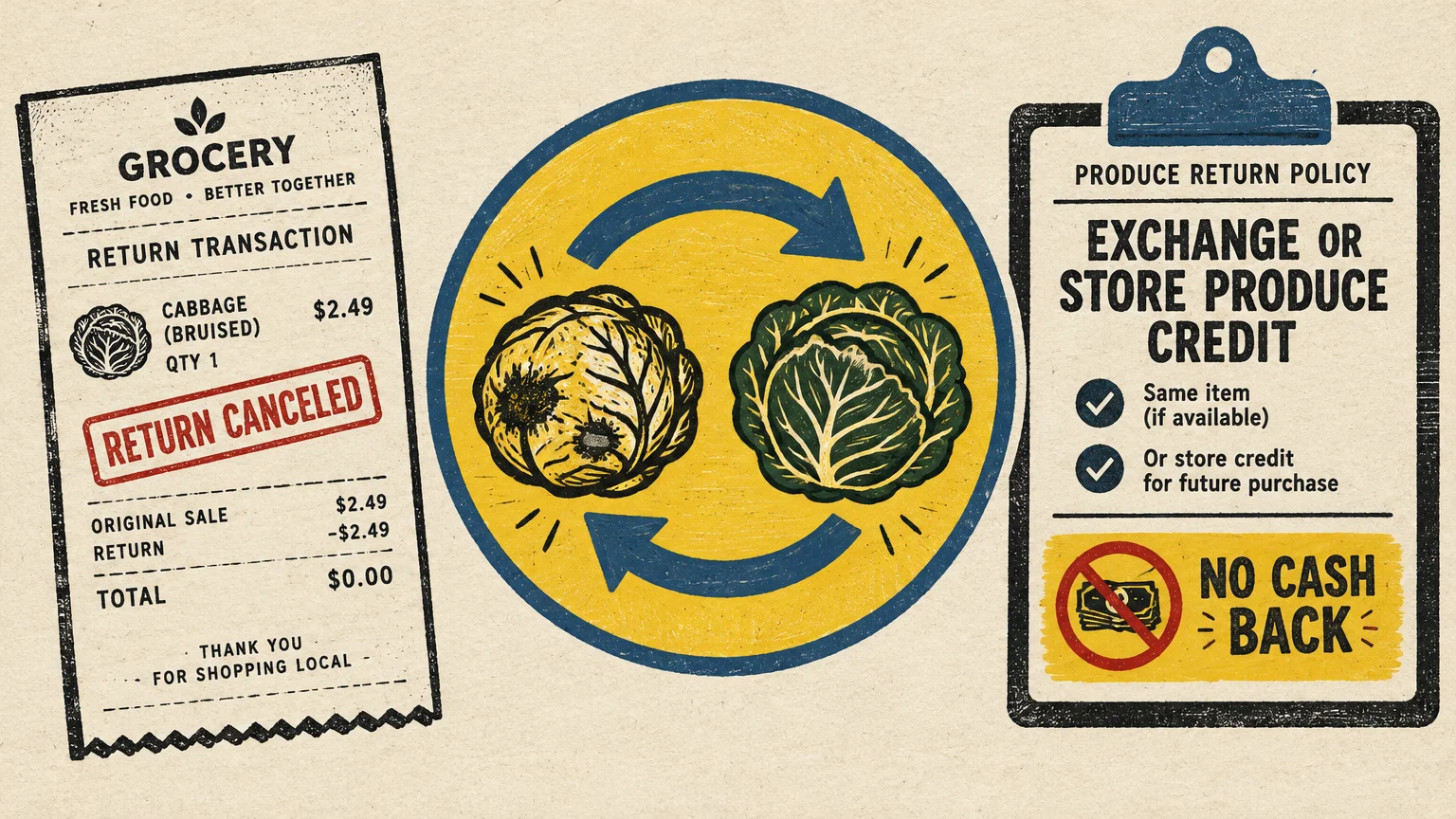
What happens if you need to return produce bought with incentives?
Occasional grocery returns happen, whether you discover hidden transit bruising or accidentally select the incorrect culinary variety. Returning items purchased with SNAP benefits and produce incentives involves distinct federal regulatory protections.
USDA regulations strictly prohibit grocery cashiers from issuing physical cash refunds for items purchased with SNAP scrip or incentive tokens. Retailers cannot hand you bills or coins for returned produce that earned or redeemed matching dollars.
When you present your grocery receipt to customer service, the store must return the refund directly to your EBT card. The register clerk processes a point-of-sale refund transaction, restoring the original balance directly to your state benefit account.
If you used paper incentive vouchers to pay for the returned produce, store policies dictate whether vouchers can be reissued. Most stores issue a store credit produce slip or exchange the damaged item for an identical fresh product.
Frequently asked questions about doubling your produce budget
Do you need a separate application or background check to participate?
You do not need to fill out a separate application, undergo an interview, or pass a credit check. If you have an active state EBT card with SNAP benefits loaded onto it, you are automatically eligible.
The cashier or market manager simply validates your participation by processing your standard grocery SNAP purchase at checkout. The system prints your vouchers, issues your tokens, or credits your loyalty account with zero paperwork required.
Can you spend your bonus bucks on pantry staples or dairy?
You cannot spend earned produce incentive funds on boxed pantry staples, meat, poultry, dairy, or household goods. Program funding remains legally dedicated to expanding consumption of fruits, vegetables, and regional agricultural crops.
However, earning bonus produce funds frees up your baseline monthly SNAP balance for those other pantry necessities. By paying for fruits and vegetables with matching funds, you preserve your primary EBT balance for whole grains, beans, and lean proteins.
What should you do if your favorite grocery store does not participate?
If your neighborhood grocery store does not offer a produce match, you can speak directly with the store general manager. Retail managers track customer requests and can connect with regional food networks to explore USDA GusNIP grant applications.
In the meantime, consult your state Double Up Food Bucks directory to find participating grocers within nearby transit corridors. Shifting even one grocery shopping trip per month to a participating grocer will noticeably increase your monthly fresh produce intake.
Do your earned produce incentives expire?
Physical paper coupons and automated store loyalty incentives do carry specific expiration dates determined by state program administrators. For example, Michigan Double Up Food Bucks enforce a strict 90-day rolling expiration window from the date earned.
Always inspect the bottom line of your paper checkout receipts to check the expiration date on your printed vouchers. Wooden tokens issued at seasonal farmers markets typically do not expire, allowing you to spend them all season long.
What should you do on your next shopping trip?
Before leaving home for your next grocery run, locate the official Double Up Food Bucks directory for your state. Identify one participating supermarket, cooperative grocery, or open-air farmers market located along your normal weekly travel route.
When you enter the produce section, look for shelf tags marked with nutrition incentive logos to verify qualifying produce displays. Select your desired fresh fruits, roots, and leafy vegetables, aiming to match your state daily incentive ceiling.
At the checkout counter, swipe your SNAP EBT card first to pay for your qualifying fresh fruits and vegetables. Watch the register screen or receipt tape to confirm your matched funds print out or apply directly to your receipt.
Store your earned paper vouchers safely inside your wallet alongside your grocery payment card so they are ready for your next trip. You will enjoy crisp, nutritious meals all week while keeping your hard-earned household grocery budget perfectly intact.