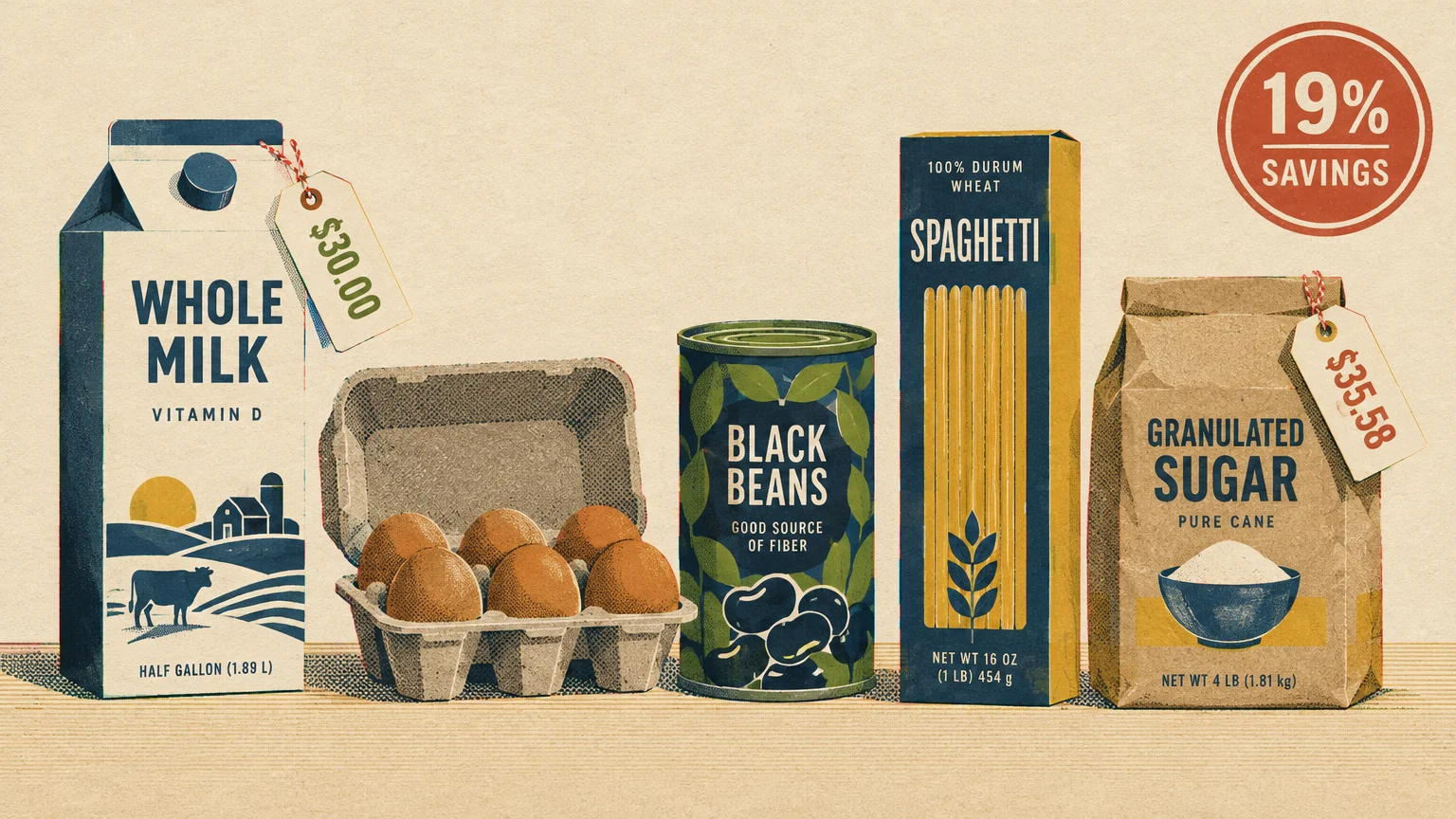
Switching from national name brands to store brands saves you an average of 19% on your grocery bill without compromising nutritional value. That single adjustment frees up vital income for your monthly household budget and routine healthcare expenses.
Major supermarkets now invest heavily in private-label manufacturing, delivering identical ingredients and rigorous safety standards across essential kitchen goods. You can easily protect your wallet and your health when you know how these stores rank on price.
Here is how America’s primary grocers rank on everyday staples in 2026, alongside practical advice for managing your blood pressure and blood sugar.
Which grocery chains offer the lowest prices on store-brand staples?
A July 2026 pricing study conducted by Restaurant Furniture Plus and published by Southern Living evaluated a 15-item basket of staple groceries. The researchers purchased only store-brand items across four major supermarket chains to establish direct price comparisons.
That study examined daily kitchen essentials, including whole milk, sandwich bread, eggs, chicken breast, spaghetti, canned beans, and granulated sugar. The results demonstrated clear price separations across conventional supermarkets.
Kroger captured first place as the cheapest overall chain, totaling exactly $30.00 for the entire 15-item basket. Kroger won the lowest shelf price on ten of the fifteen staples evaluated.
Walmart took second place with a basket total of $30.95, finishing less than a dollar behind Kroger. Walmart’s Great Value line secured the absolute lowest price on three specific staples.
Aldi placed third in this 15-item comparison, coming in at $33.15. The discount grocer took first place on two items, driven by its aggressive everyday dairy pricing.
Albertsons finished in fourth place as the most expensive store in the test, with a basket total of $35.58. That total represents an 18.6% price premium over Kroger for the exact same staple basket.
Regional distribution networks and local vendor contracts explain why pricing varies between individual stores and regional divisions. Checking your local circular or store app will confirm whether your neighborhood store matches these national benchmark numbers.
What did national basket studies reveal about overall grocery pricing?
Looking beyond a tight 15-item staple basket reveals how supermarkets compare across an entire grocery cart. A comprehensive February 2026 national price study by Consumer Reports evaluated pricing across six major metropolitan regions.
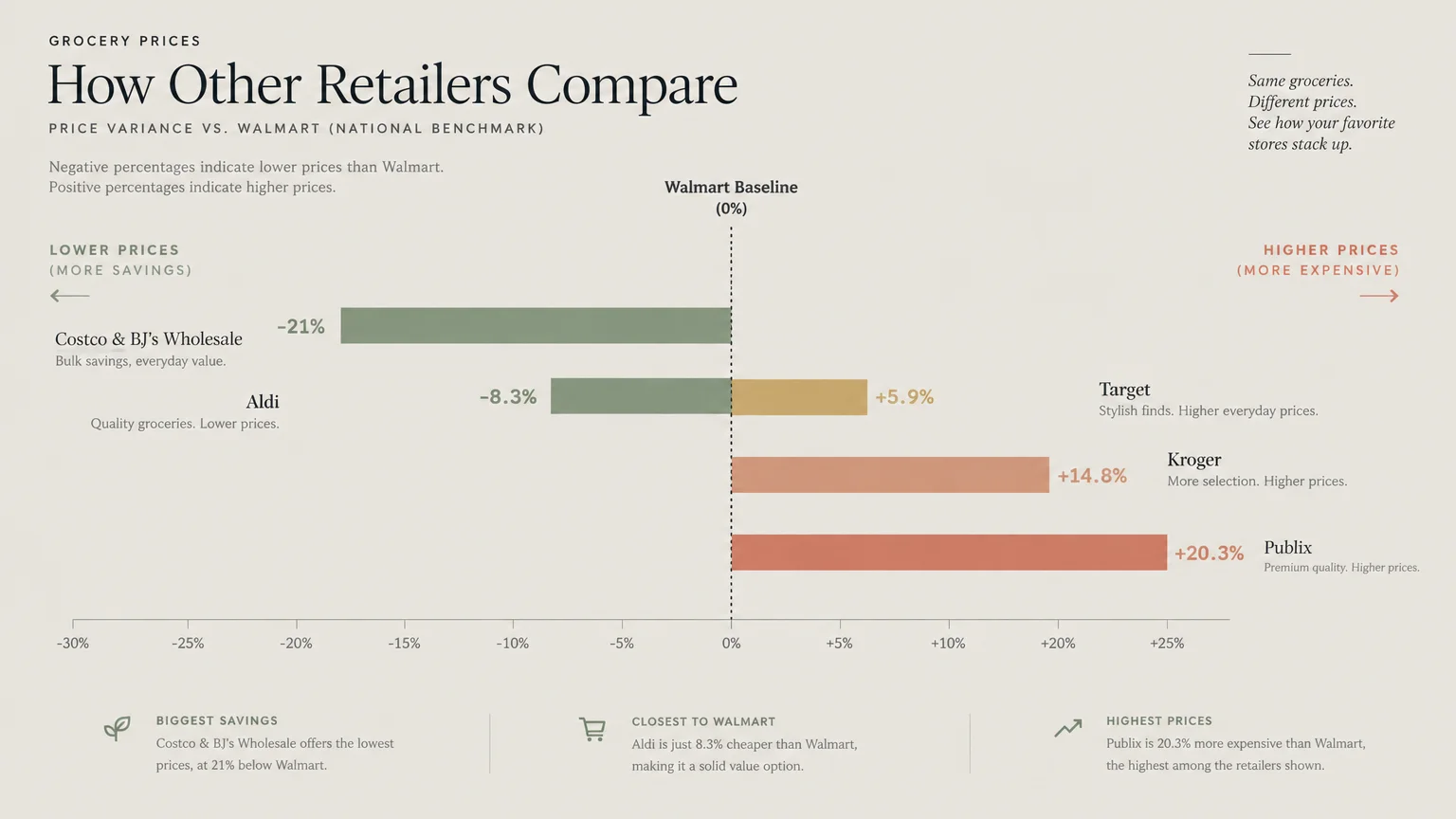
Consumer Reports used Walmart as its baseline reference point, assigning it a score of zero percent. The study factored in store-brand pricing, national brands, and digital loyalty-card promotions across all six markets.
Costco and BJ’s Wholesale Club tied for the cheapest overall shopping experience, coming in roughly 21% cheaper than Walmart. Bulk packaging drives those dramatic unit savings, though you must consider whether your household can store large quantities.
Discount grocers Aldi and Lidl ranked roughly 8% cheaper than the Walmart baseline across the broader Consumer Reports survey. In fact, Consumer Reports pegged Aldi at exactly 8.3% cheaper than Walmart overall.
Target ranked slightly above Walmart, registering 5.9% more expensive for a full grocery cart. Target’s Good & Gather store brand remains competitively priced, but prices on packaged goods lift its total.
Kroger finished 14.8% more expensive than Walmart across the broad Consumer Reports product basket. While Kroger wins on specific staple loss leaders like eggs and canned tomatoes, its broader inventory carries higher shelf tags.
Traditional regional supermarket chains proved substantially more expensive than the national discounters. Publix ranked 20.3% more expensive than Walmart, while Piggly Wiggly measured 22.6% higher across the surveyed regions.
Trader Joe’s registered 24.6% more expensive than the baseline Walmart basket across comparable items. Whole Foods Market finished as the priciest grocer in the evaluation, sitting nearly 40% higher than Walmart.
An independent August 2026 survey of 35 stores by The Market Report in the Northeast confirmed these trends across a 50-item basket. That comprehensive basket averaged $353.14 across all surveyed retail locations.
Aldi delivered the lowest basket total in the Northeast study at $246.13, followed closely by Walmart at $265.85. Lidl placed third at $275.52, while regional favorite Market Basket took fourth at $278.33.
At the priciest end of the Northeast spectrum, Sprouts Farmers Market reached $479.65 for the 50 items. Gristedes recorded the highest total of all at $592.79, illustrating the steep cost of urban convenience grocers.
The 2026 U.S. Grocery Price Index analyzed 29,519 shelf prices across 1,704 stores on a 100-point scale where lower numbers indicate lower prices. Aldi scored 88, Walmart scored 92, and Costco scored 95.
That same national index rated Kroger at 101 points and Publix at 110 points. These index numbers illustrate that where you shop matters just as much as what you place in your cart.
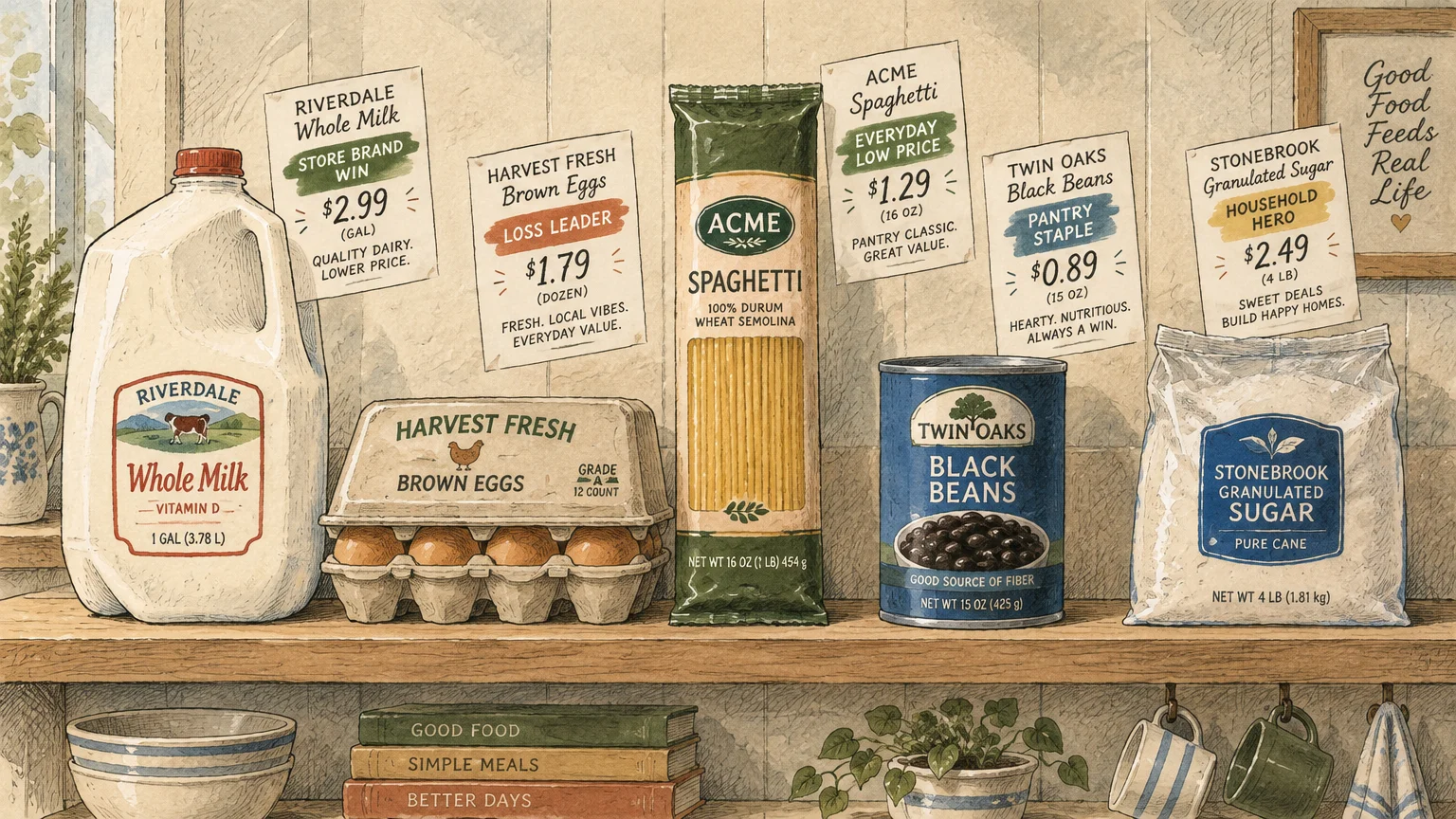
Which store brand offers the lowest price on each kitchen staple?
Understanding which specific store wins each individual staple category allows you to build an efficient shopping plan. The July 2026 study revealed notable price differences on identical pantry goods.
Kroger Brand won the canned tomato category, selling a 14.5-ounce can of diced tomatoes for just $0.72. Canned tomatoes provide an exceptional source of lycopene, an antioxidant that supports prostate and cardiovascular wellness.
Walmart Great Value took the title for legumes, pricing a 15-ounce can of black beans at $0.85. Black beans supply soluble fiber that binds to dietary cholesterol, helping you manage your lipid levels naturally.
Kroger Brand secured the lowest price on dry pasta, offering a 16-ounce box of spaghetti for $0.96. Pasta offers an affordable, shelf-stable carbohydrate that pairs well with lean proteins and vegetable-rich sauces.
Walmart Great Value captured first place for dry grain staples, selling a 2-pound bag of white rice for $1.34. Rice provides a versatile, easily digestible foundation for simple meals when cooking for one or two.
Kroger Brand won the baking category with a 4-pound bag of granulated sugar priced at $2.56. Keeping plain sugar on hand allows you to sweeten foods lightly at home while avoiding heavily sweetened commercial products.
Kroger also led the bread aisle, pricing a 20-ounce loaf of wheat bread at $1.40. Selecting whole wheat bread provides essential B vitamins and fiber that assist in maintaining steady blood glucose levels.
Aldi claimed the top spot in the dairy refrigerator, offering a full gallon of whole milk for $3.05. Milk supplies calcium, potassium, and phosphorus, three essential minerals that support bone density and muscle contractions.
Kroger Brand won the egg category in the July 2026 study, selling a dozen large eggs for $1.29. That remarkable price reflects an ongoing market recovery following severe supply disruptions in recent years.
Eggs offer high-quality complete protein alongside lutein and zeaxanthin, which protect your retinas against age-related macular changes. Incorporating eggs into your breakfast supports lean muscle maintenance without straining your wallet.
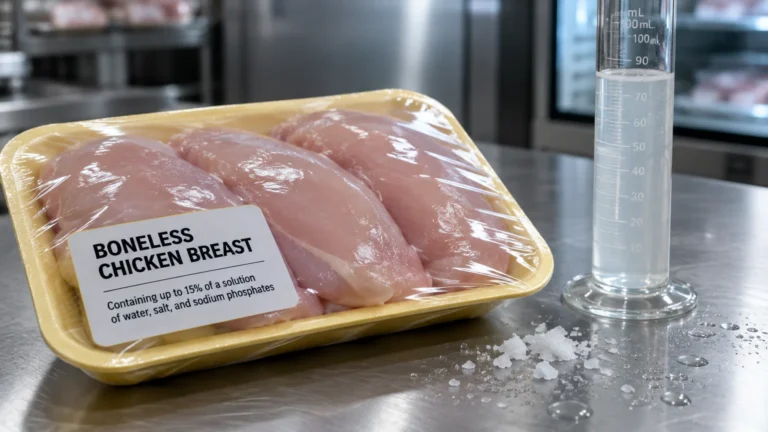
Walmart Great Value dominated the fresh meat category, offering boneless skinless chicken breast at $1.95 per pound. Chicken breast provides lean protein with minimal saturated fat, supporting muscle repair and immune function.
Stocking your kitchen around these specific category winners keeps your weekly food budget lean and predictable. Purchasing two or three extra cans or dry packages during a shopping run locks in those low shelf prices.
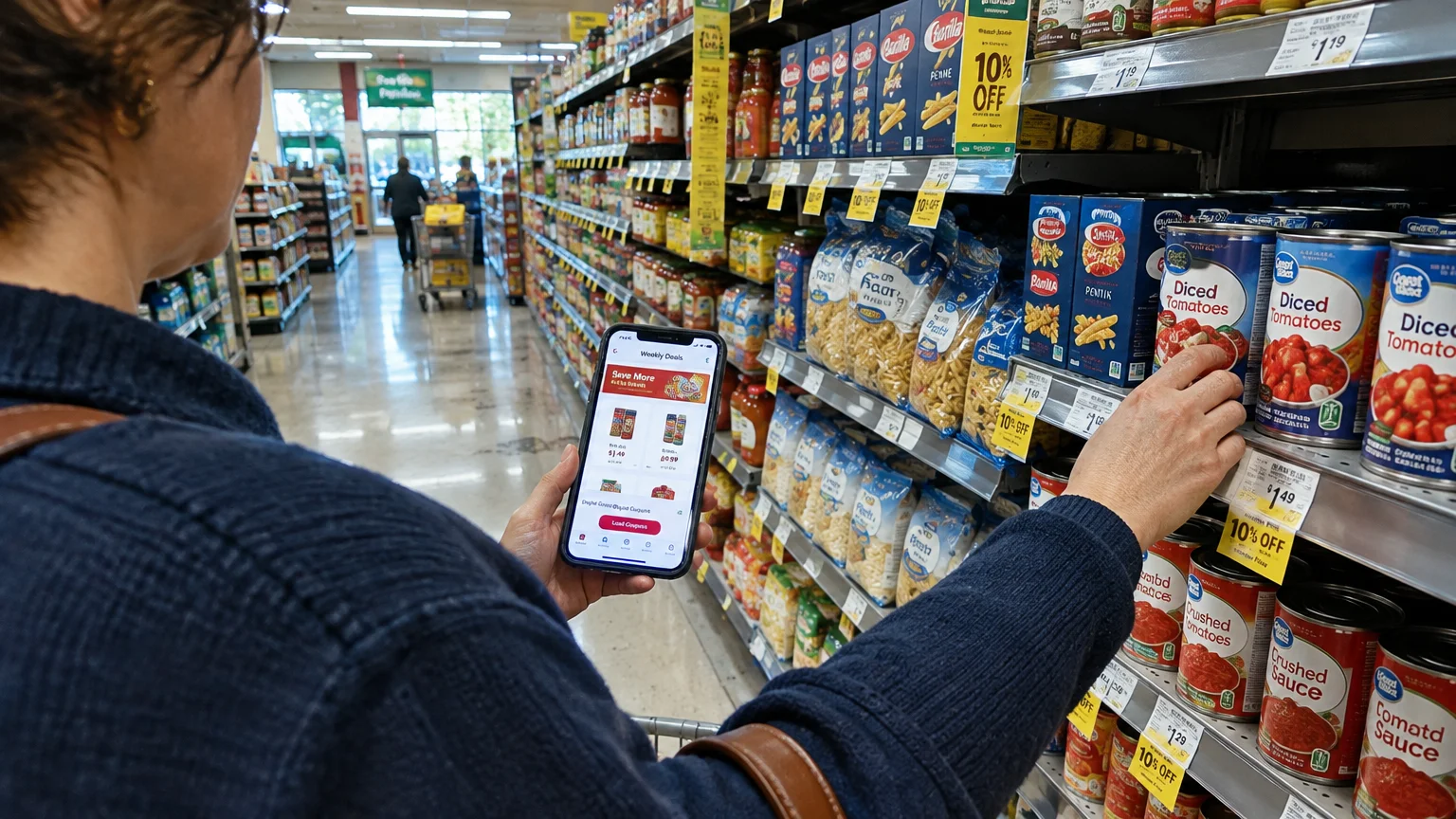
How do 2026 inflation rates and market trends affect your staple budget?
A broader look at retail economic data shows why store-brand groceries dominate modern household shopping trips. Shoppers across the country are voting with their wallets by abandoning expensive national labels.
According to the PLMA 2026 Private Label Report, based on Circana Unify+ data, store-brand revenue hit an all-time record of $282.8 billion. That represents an increase of more than $9 billion over the previous year.
Private-label unit volume also reached a historic high of 68.7 billion units in American supermarkets. Meanwhile, national name brands lost 1.43 billion units as consumers actively rejected premium packaging and brand markups.
Store brands now capture a record 21.3% dollar share and 23.5% unit share of the total retail market. In fact, private-label goods accounted for 47% of all retail dollar sales gains nationwide.
NielsenIQ data demonstrates that national name brands carry an average price premium of 19% over store brands. That substantial price gap provides an immediate financial cushion for anyone living on a fixed retirement income.
Research from FMI, The Food Industry Association, reveals that 92% of grocery shoppers routinely keep store brands at home. Furthermore, 94% plan to keep purchasing store brands even if overall grocery prices drop.
Official government inflation figures confirm that supermarket prices have stabilized far better than restaurant meals. The Bureau of Labor Statistics September 2026 Consumer Price Index, released October 14, 2026, measured overall annual food inflation at 2.5%.
Food-at-home grocery prices rose by only 1.8% year over year, compared to a 3.5% increase for dining out. Preparing your meals at home using store-brand staples remains your best hedge against rising service costs.
The USDA Food Price Outlook released on October 23, 2026, projected total 2026 food-at-home inflation at 2.4%. However, inflation rates fluctuate dramatically across individual staple food categories.
The USDA forecasts that beef and veal prices will jump 9.4% throughout 2026 due to restricted cattle supplies. Sugar and sweets are expected to increase 6.6%, while fresh vegetables are forecast to climb 5.7%.
In positive news for home cooks, egg prices are forecast to decline by 29.4% across the entire year. Shifting your meal plans toward eggs, poultry, and store-brand beans shields your grocery budget from soaring beef prices.
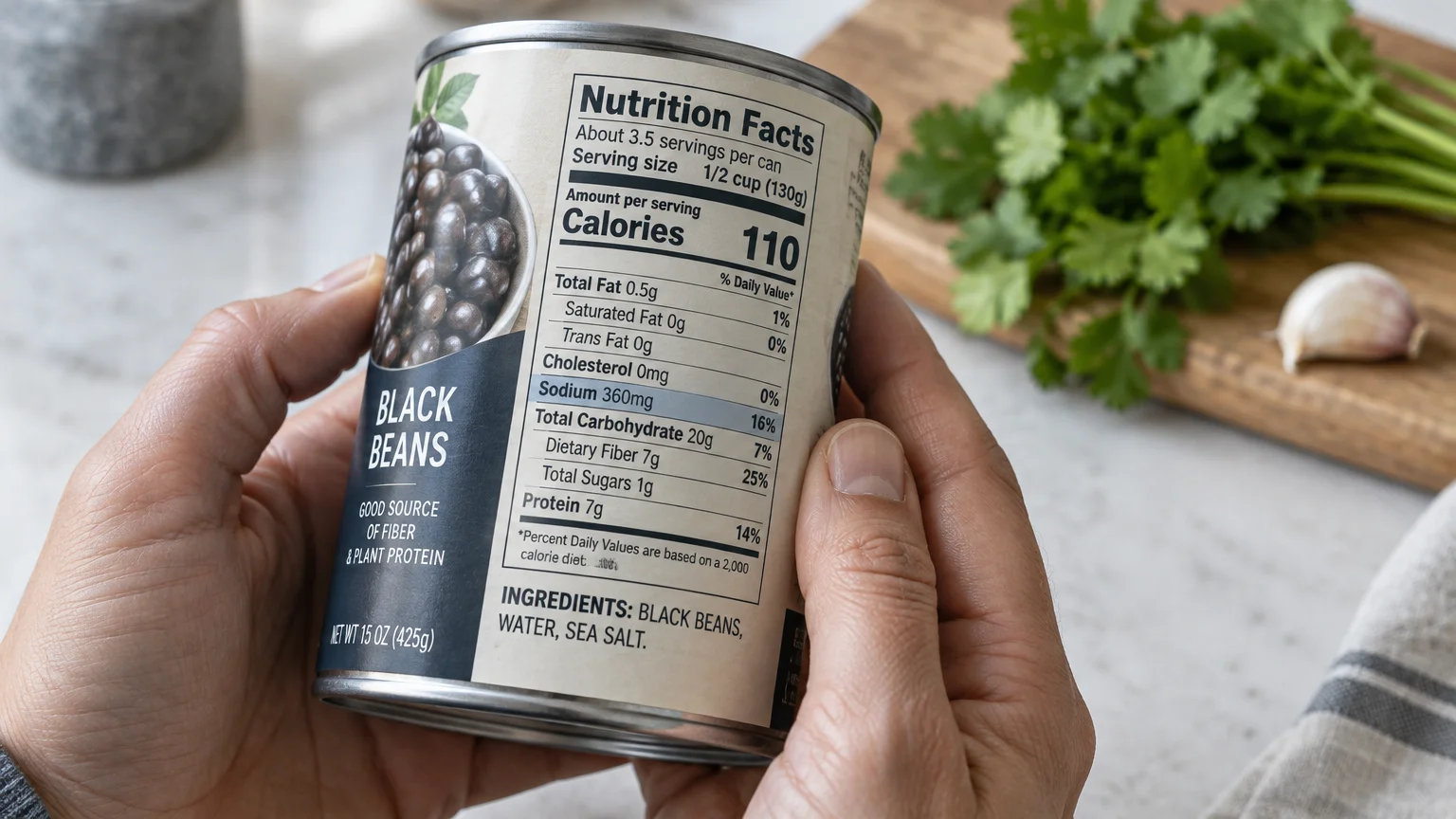
How should you evaluate store-brand labels for blood pressure and heart health?
Buying store-brand staples requires careful label reading to ensure that budget savings do not compromise your cardiovascular health. Processing facilities often add sodium to enhance flavor and extend shelf life in canned and packaged foods.
The American Heart Association recommends consuming no more than 1,500 milligrams of sodium daily for optimal blood pressure management. A single serving of conventional canned soup can consume nearly half of that daily allowance.
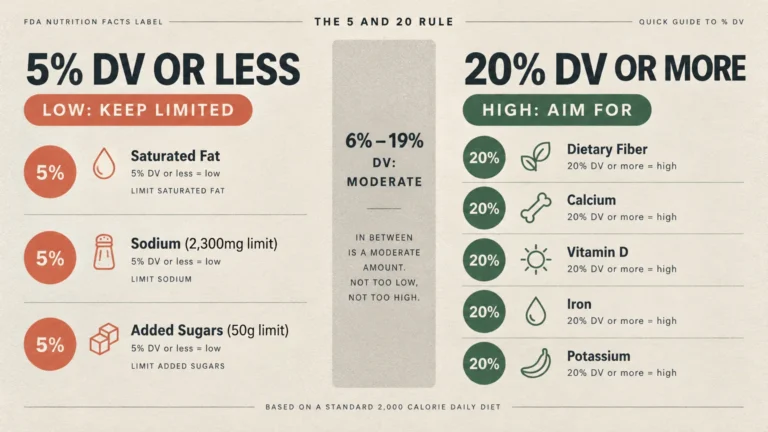
When browsing store-brand canned goods, inspect the sodium line on the Nutrition Facts panel before making your selection. Look for cans clearly labeled “low sodium,” “reduced sodium,” or “no salt added” to protect your blood vessels.
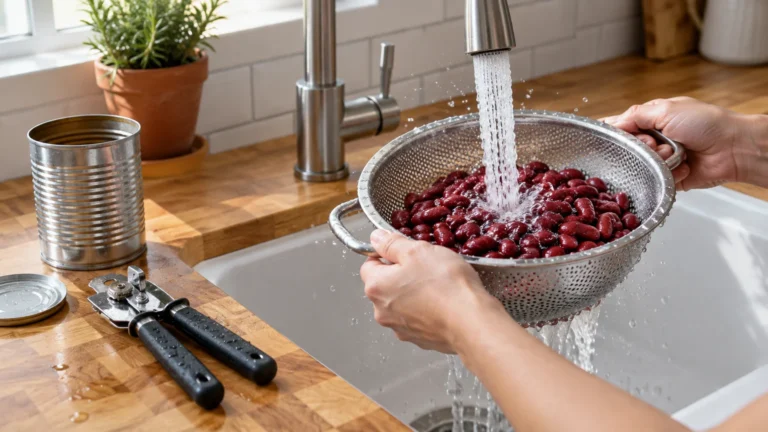
If your supermarket only stocks standard canned beans, you can easily reduce their sodium content at home. Empty the beans into a colander and rinse them under running tap water for two minutes to wash away up to 40% of the sodium.
Dietary potassium works in tandem with sodium reduction by helping your kidneys excrete excess fluid and relaxing arterial walls. Economical store-brand staples like canned white beans, plain tomato paste, and sweet potatoes serve as exceptional potassium sources.
Watch out for stealth added sugars when purchasing store-brand pasta sauces, sandwich breads, and breakfast cereals. Food processors often add high fructose corn syrup or cane sugar to basic tomato sauces to mask bitter flavors.
Check the ingredient panel for added sugars and select marinara sauces with five grams of sugar or less per serving. You can enhance the flavor of plain tomato sauce using dried basil, garlic powder, and a dash of olive oil.
Maintaining bone density requires adequate daily calcium and vitamin D intake as you age. The NIH Office of Dietary Supplements highlights that adequate calcium helps protect older adults against progressive bone loss and fracture risk.
Store-brand skim milk, 1% milk, and plain nonfat Greek yogurt offer rich calcium reserves at budget-friendly prices. Ensure that your store-brand cow milk or plant-based alternative explicitly states that it is fortified with vitamin D.
Be mindful of drug-nutrient interactions if you take thyroid replacement therapy like levothyroxine or certain daily heart medications. Calcium binds with levothyroxine in your stomach, drastically reducing the amount of thyroid hormone your body absorbs.
Take your prescription thyroid medication with a glass of plain water at least four hours before consuming calcium-rich store-brand dairy. This simple timing adjustment ensures your medication works properly while allowing you to enjoy nutritious dairy later in the day.
How does the updated FDA healthy rule protect your pantry choices?
Sorting through front-of-package marketing claims has become much simpler thanks to recent federal regulatory updates. The U.S. Food and Drug Administration modernized its official criteria for voluntary “healthy” nutritional claims on food packages.
This revised regulation took effect on April 28, 2025, and manufacturers must achieve full compliance by February 25, 2028. The modern rule ensures that products claiming to be healthy genuinely support recognized dietary patterns.
Under the updated rule, nutrient-dense whole foods with no added ingredients automatically qualify for the healthy designation. These items include whole grains, beans, lentils, nuts, seeds, fresh eggs, fatty fish like salmon, and low-fat dairy.
Conversely, products carrying excessive added sugars, high sodium levels, or saturated fats can no longer use the healthy claim. Heavily sweetened store-brand yogurts, refined white breads, and sugary breakfast cereals are currently being stripped of those claims.
Store-brand private labels often feature cleaner formulations than name brands because retailers avoid expensive chemical flavor modifiers. Inspect the ingredient list on store-brand goods and look for short panels containing whole food ingredients.
When buying store-brand bread, ensure that “whole wheat flour” or “whole grain oats” appears as the very first ingredient. Products labeled simply as “wheat bread” or “multigrain” often rely primarily on enriched white flour that rapidly spikes blood sugar.
Genuine whole-grain store brands supply intact dietary fiber that slows carbohydrate digestion and stabilizes your post-meal energy. That fiber also nourishes beneficial gut bacteria, supporting steady digestion and long-term metabolic health.
How can single adults and couples buy staples without food waste?
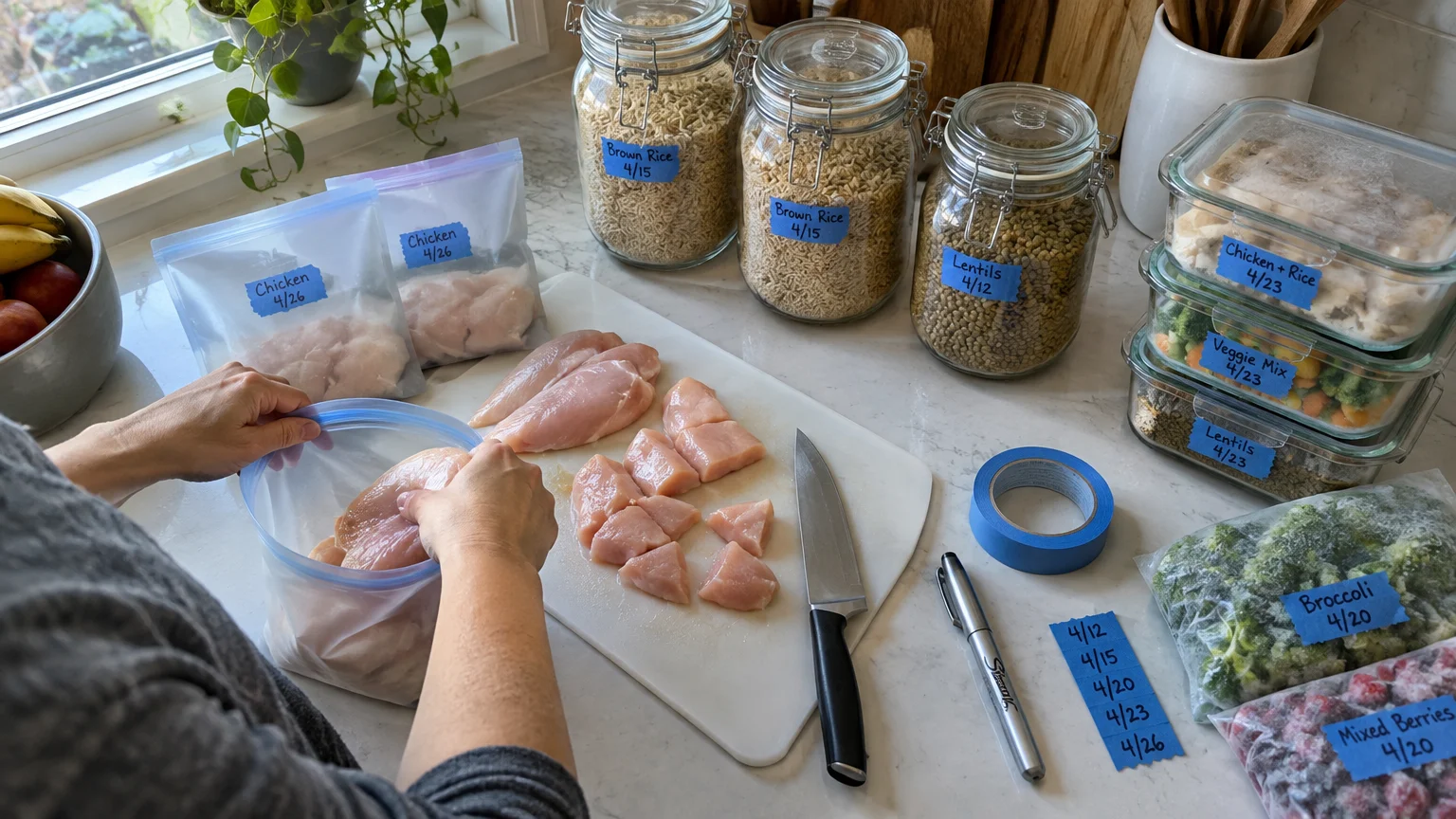
Cooking for one or two people requires an intentional shopping routine so that bulk grocery bargains do not spoil in your pantry. Purchasing large quantities saves you money only if you consume every portion before quality deteriorates.
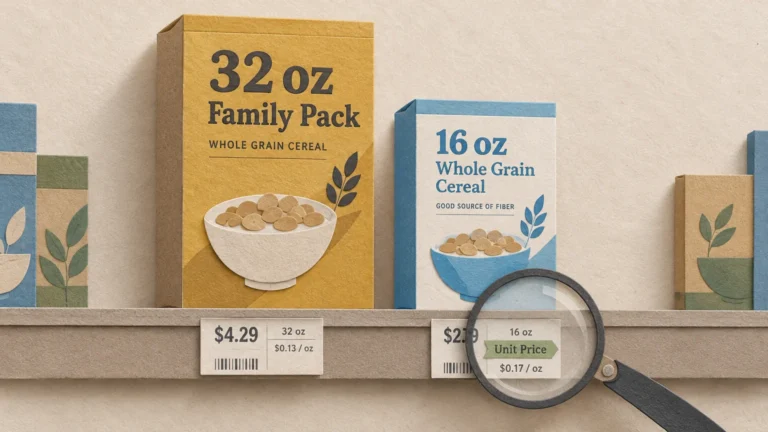
Always calculate the unit price displayed on the supermarket shelf tag before deciding which package size to buy. The unit price reveals the true cost per ounce or pound, allowing an accurate comparison across different package formats.
If a larger package of a shelf-stable staple like rolled oats or brown rice offers a lower unit price, purchase the larger size. Dry grains keep safely for up to a year when stored in sealed, airtight glass containers.
Perishable meats require immediate portioning when you purchase family-sized value packs to secure lower prices per pound. When you purchase store-brand chicken breast for $1.95 per pound, divide the package into single-serving portions as soon as you arrive home.
Wrap each chicken breast individually in plastic freezer film and store the portions inside a heavy-duty freezer bag. Defrost individual servings overnight in the refrigerator to eliminate waste and keep your meal prep effortless.
Sandwich bread spoils quickly in smaller households, often growing green mold before you can finish a standard 20-ounce loaf. Solve this problem by splitting a fresh loaf of store-brand wheat bread in half and freezing one half immediately.
You can toast frozen bread slices directly in your toaster without any prior thawing. The bread toasts to a crisp golden brown in minutes, ensuring every slice remains fresh and edible.
Frozen store-brand vegetables represent another indispensable staple for single adults and couples looking to stretch their food budget. Commercial flash-freezing locks in vital nutrients like vitamin C and folate within hours of harvest.
Unlike fresh vegetables that spoil in your crisper drawer, frozen vegetables allow you to pour out exact recipe portions. Simply seal the bag with a clip and return it to the freezer, completely eliminating vegetable spoilage.
Manage canned staples like black beans or diced tomatoes by planning recipes that use half-cans across consecutive days. Use half a can of store-brand beans in a lunchtime salad, then add the remaining beans to an evening vegetable soup.
Never store unused canned food in its original tin container once opened, as oxygen exposure can degrade food flavor. Transfer the remaining contents into a clean glass container, cover it with an airtight lid, and refrigerate for up to three days.
What are the distinct strengths and weaknesses of each store brand?
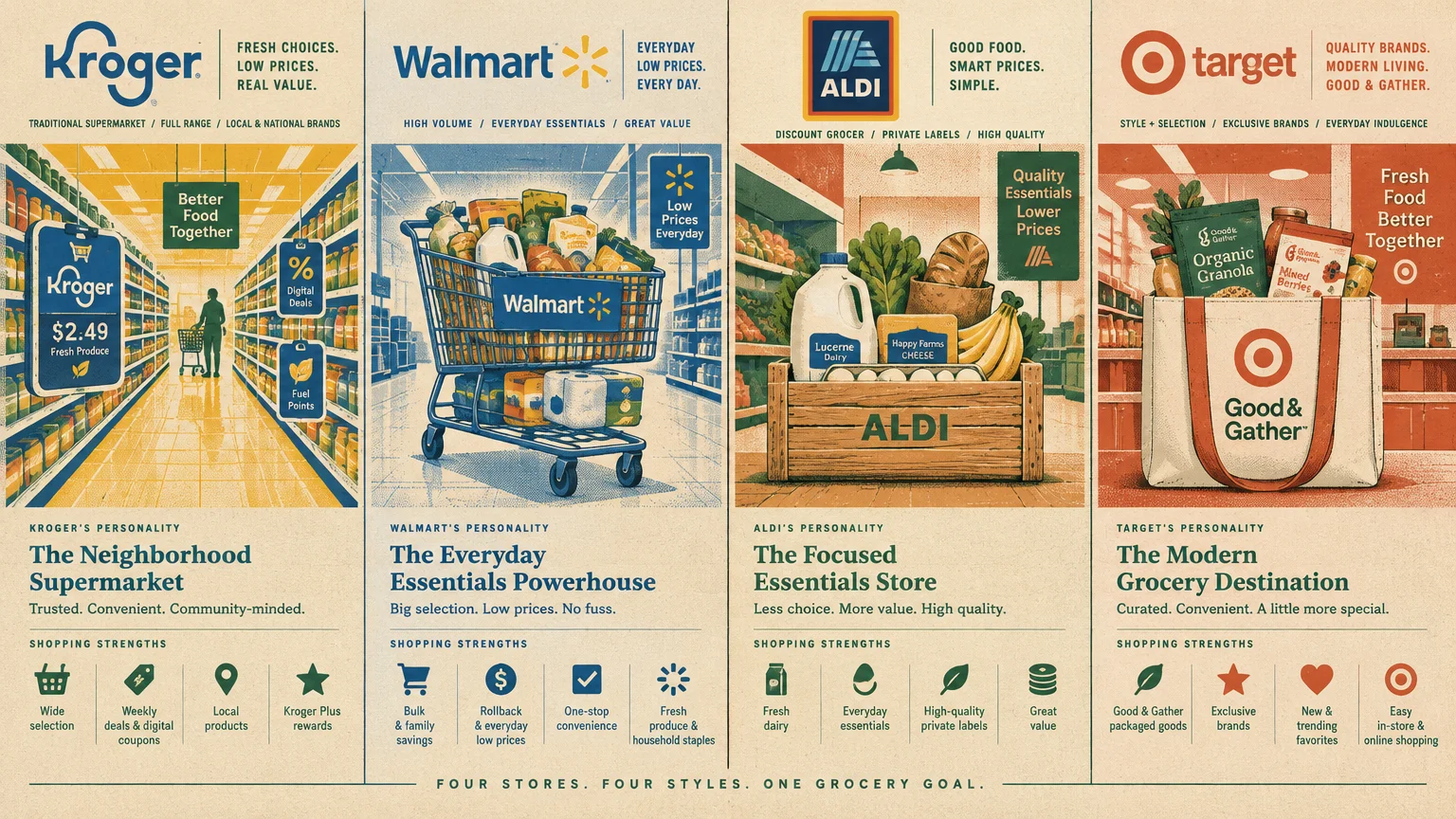
Every major grocery chain designs its private-label program to attract different types of shoppers. Knowing the practical pros and cons of each retail brand helps you decide where to direct your weekly grocery dollars.
Walmart’s Great Value line provides the absolute lowest everyday shelf prices on dry pantry items, canned beans, and frozen poultry. The vast store network makes it convenient to stock your pantry on a strict budget without tracking sales cycles.
The downside of Great Value lies in inconsistent sodium levels across its canned broths, sauces, and packaged side dishes. You must read Great Value labels diligently to ensure you choose low-sodium varieties for cardiovascular protection.
Kroger Brand delivers excellent staple pricing, especially when you take advantage of digital coupons and weekly loss-leader sales. Kroger’s eggs, baking goods, and pasta frequently beat competitor pricing during promotional weeks.
Kroger also offers Simple Truth, an affordable organic private label that avoids hundreds of synthetic ingredients and artificial preservatives. Simple Truth makes organic produce and pasture-raised eggs accessible for shoppers on moderate budgets.
Aldi features private brands like Happy Farms dairy, Millville grains, and Simply Nature organics across nearly all of its aisles. Aldi strictly bans artificial colors, added MSG, and partially hydrogenated oils from all of its exclusive food products.
The primary drawback of Aldi is its limited product selection and rotating stock, which can make consistent brand sourcing challenging. If your local Aldi runs out of a specific low-sodium staple, you may need an alternative store to complete your list.
Target’s Good & Gather brand delivers cleanly formulated pantry goods and frozen staples with no synthetic colors or artificial sweeteners. While Good & Gather averages roughly 6% more expensive than Walmart, its strict ingredient standards justify the small price gap.
Costco’s Kirkland Signature offers unmatched culinary quality, with store-brand olive oils, canned albacore tuna, and nuts rivaling luxury gourmet brands. The low unit pricing delivers immense value to shoppers who plan meals carefully.
However, Kirkland Signature’s massive package sizes can pose logistical challenges for single adults or couples with limited pantry space. Consider splitting bulk packages of Kirkland nuts, coffee, or canned tuna with a friend or neighbor to share the savings.
Trader Joe’s private-label products enjoy dedicated consumer followings, but Consumer Reports ranked the store 24.6% more expensive than Walmart. Trader Joe’s offers no digital coupons or weekly loss leaders on basic kitchen staples.
Use Trader Joe’s selectively for specialty spices, frozen entrees, and unique culinary goods rather than commodity staple shopping. Purchase your core milk, eggs, flour, and canned tomatoes at discounters to keep your staple costs low.
Frequently asked questions about buying store-brand staples
Are store-brand staples manufactured by the same companies that produce name brands?
Yes, major brand-name food companies frequently manufacture store-brand goods in the exact same processing plants. Food processors use excess plant capacity to pack private-label goods for grocery chains, maintaining identical safety and ingredient standards.
Retailers contract with these established processors to avoid the enormous capital expense of building proprietary food production facilities. You receive identical food quality while bypassing the expensive advertising budgets built into name-brand retail prices.
Do store-brand foods contain less nutritional value than expensive name brands?
No, store-brand staples offer identical nutritional value, macronutrients, vitamins, and minerals as their name-brand counterparts. Standard commodity foods like milk, eggs, dry beans, and oats are tightly regulated by federal nutrition standards regardless of packaging.
Private labels must meet the exact same FDA safety and labeling requirements as household national brands. In fact, many store brands feature fewer artificial colors and additives than legacy brand-name formulas.
How can I manage high blood pressure when buying low-cost store-brand canned goods?
Look specifically for canned vegetables and beans marked “no salt added” or “low sodium” on the front label. If those options are unavailable, drain and rinse regular canned beans under running water to remove up to 40% of the sodium.
Incorporate potassium-rich store-brand staples like canned white beans, sweet potatoes, and plain tomato paste into your regular meals. Dietary potassium helps counteract sodium by promoting fluid balance and relaxing arterial walls.
Is it worth driving to multiple supermarkets to purchase the cheapest individual staples?
No, driving between several grocery stores consumes fuel, vehicle wear, and valuable personal energy that negates modest shelf savings. Instead, select one low-cost supermarket like Aldi or Walmart as your primary weekly destination.
Supplement your primary grocery trip by checking the weekly circular for deep sales at your neighborhood conventional supermarket. You can stock up on loss-leader items like canned tomatoes or eggs when prices drop to rock-bottom levels.
What is the single best action you can take on your next grocery trip?
Take immediate control of your grocery budget by choosing two brand-name products to replace with store brands on your next trip. Swap your regular sandwich bread and canned beans for their store-brand equivalents.
Before placing them into your cart, check the Nutrition Facts panel to ensure modest sodium levels and zero added sugars. That single habit saves you roughly 19% on those items while actively protecting your cardiovascular and metabolic health.
Keep your register receipt and compare the final cost against your previous brand-name purchases. Seeing those direct dollar savings will build your confidence to expand store-brand swaps across every aisle in the supermarket.