You can safely enjoy fresh leafy greens every week while taking a blood thinner like warfarin. The secret lies in maintaining steady shopping habits and balancing your weekly selections rather than cutting out greens entirely.
Sudden shifts in your grocery cart can disrupt your medication levels and throw off your blood test results. Learning which greens offer consistent nutrition helps you support your heart without complicating your prescription routine.
This guide walks you through the produce department with practical rules for reading labels, choosing varieties, and protecting your health on a budget.
Why consistency matters more than avoiding greens entirely
Many shoppers assume a blood thinner prescription requires an immediate ban on all leafy vegetables. In reality, medical experts strongly discourage this extreme reaction.
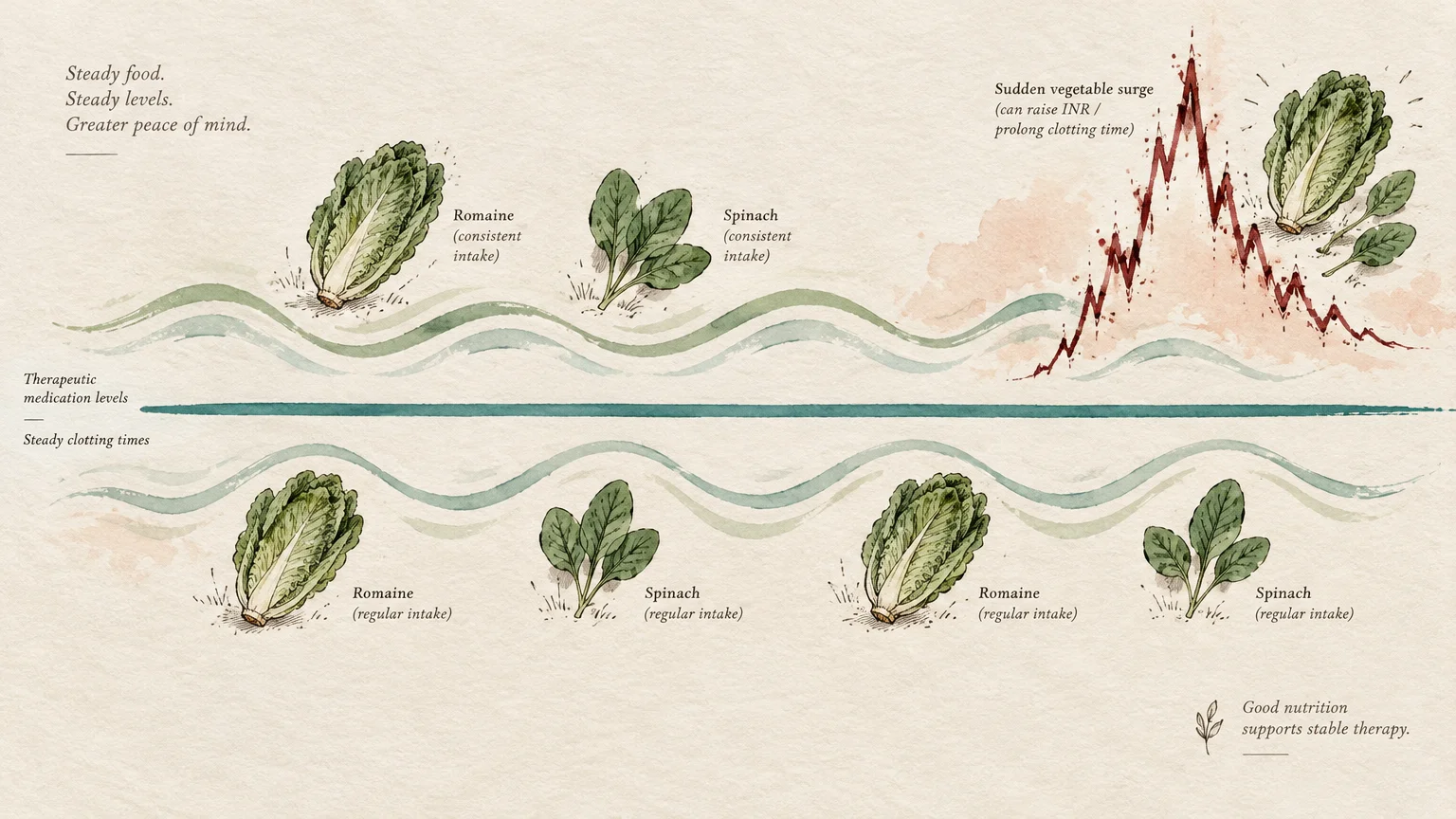
Blood thinners like warfarin function as vitamin K antagonists. They work by slowing down the production of clotting proteins in your liver.
When you consume vitamin K, your body uses it to promote clotting. A sudden influx of this nutrient counteracts your medication, causing your blood to clot too quickly.
Conversely, cutting greens out completely can cause your blood to thin too much. This shift elevates your risk of dangerous bleeding events.
The American Heart Association emphasizes that dietary consistency matters far more than total abstinence. You simply need to eat roughly the same amount of vitamin K each week.
Your prescribing physician calibrates your medication dosage around your regular dietary intake. If your grocery cart remains predictable, your lab results will generally remain within their target therapeutic range.
This balance means you do not have to forfeit the fiber, vitamins, and antioxidants that leafy vegetables deliver. You only need to shop with deliberate awareness.
How to read grocery labels when vitamin K is missing
You will rarely see vitamin K printed on a packaged salad bag. Federal regulations explain why this vital information seems absent from the produce department.
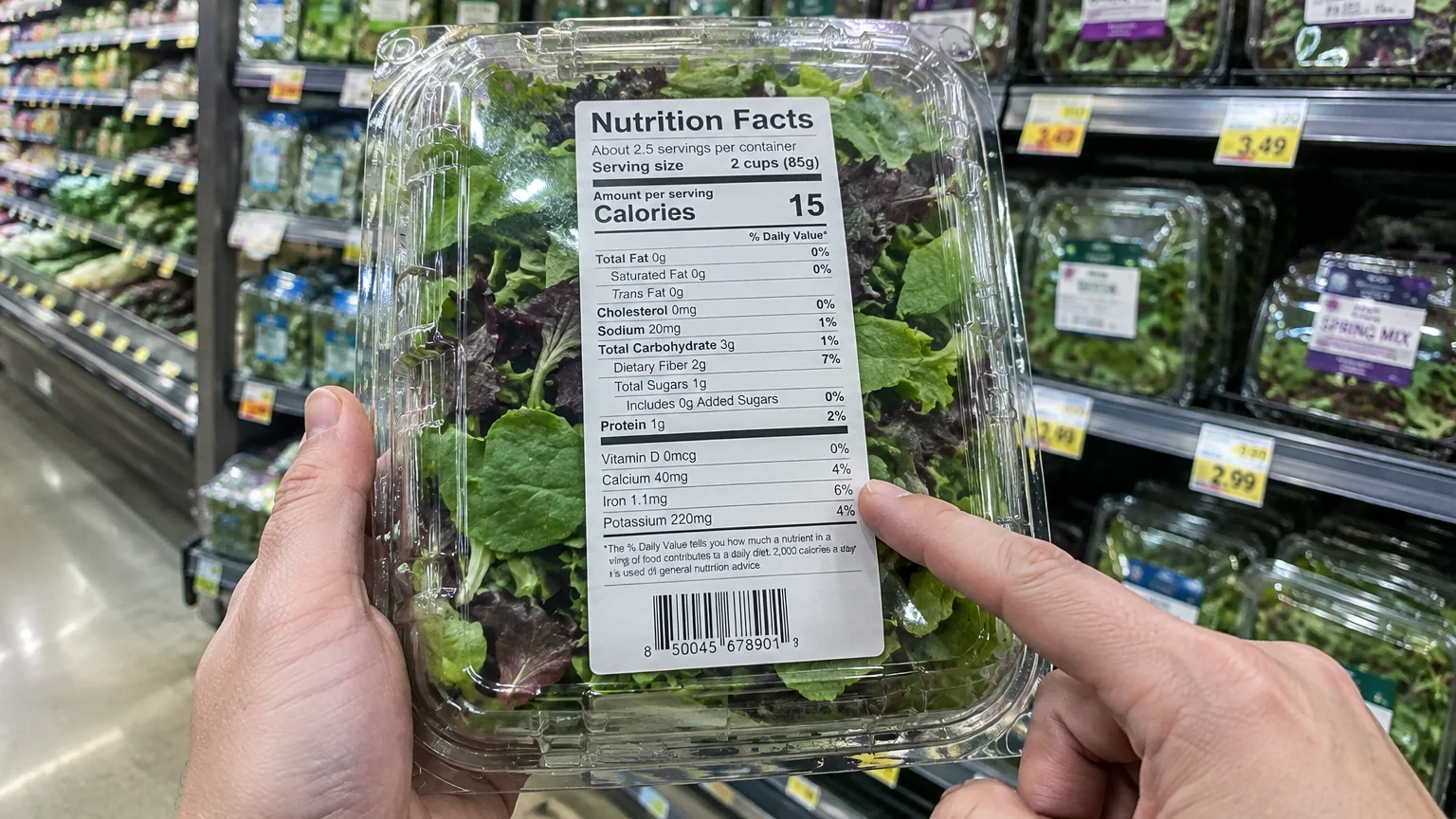
Under U.S. Food and Drug Administration regulations outlined in 21 CFR 101.9, food manufacturers do not have to list vitamin K on standard Nutrition Facts panels. Mandatory labeling applies only to vitamin D, calcium, iron, and potassium.
A brand only displays vitamin K if processors enrich the product or make an explicit marketing claim about bone or blood health. Consequently, you cannot rely solely on the back of the package to gauge your intake.
When a manufacturer voluntarily includes vitamin K, you must check the percent Daily Value. The FDA establishes the official Daily Value for vitamin K at 120 micrograms for adults.
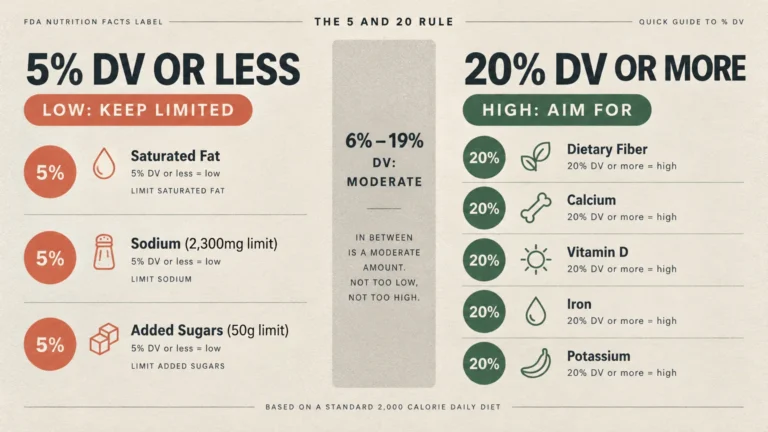
Use the standard benchmark to interpret these numbers quickly in the aisle. Products offering 5 percent Daily Value or less supply 6 micrograms or fewer, representing a very low source.
Packages listing 20 percent Daily Value or more contain at least 24 micrograms, representing a high source. Understanding these benchmarks allows you to evaluate fortified salad dressings or specialty greens immediately.
Federal dietary authorities establish baseline requirements to help you plan your daily meals. The National Institutes of Health Office of Dietary Supplements sets the Adequate Intake of vitamin K at 120 micrograms daily for men and 90 micrograms for women.
Memorizing these baseline targets gives you a reliable frame of reference at the shelf. You can evaluate raw vegetables against your daily goals even without a printed Nutrition Facts panel.
Sorting leafy greens by their vitamin K levels
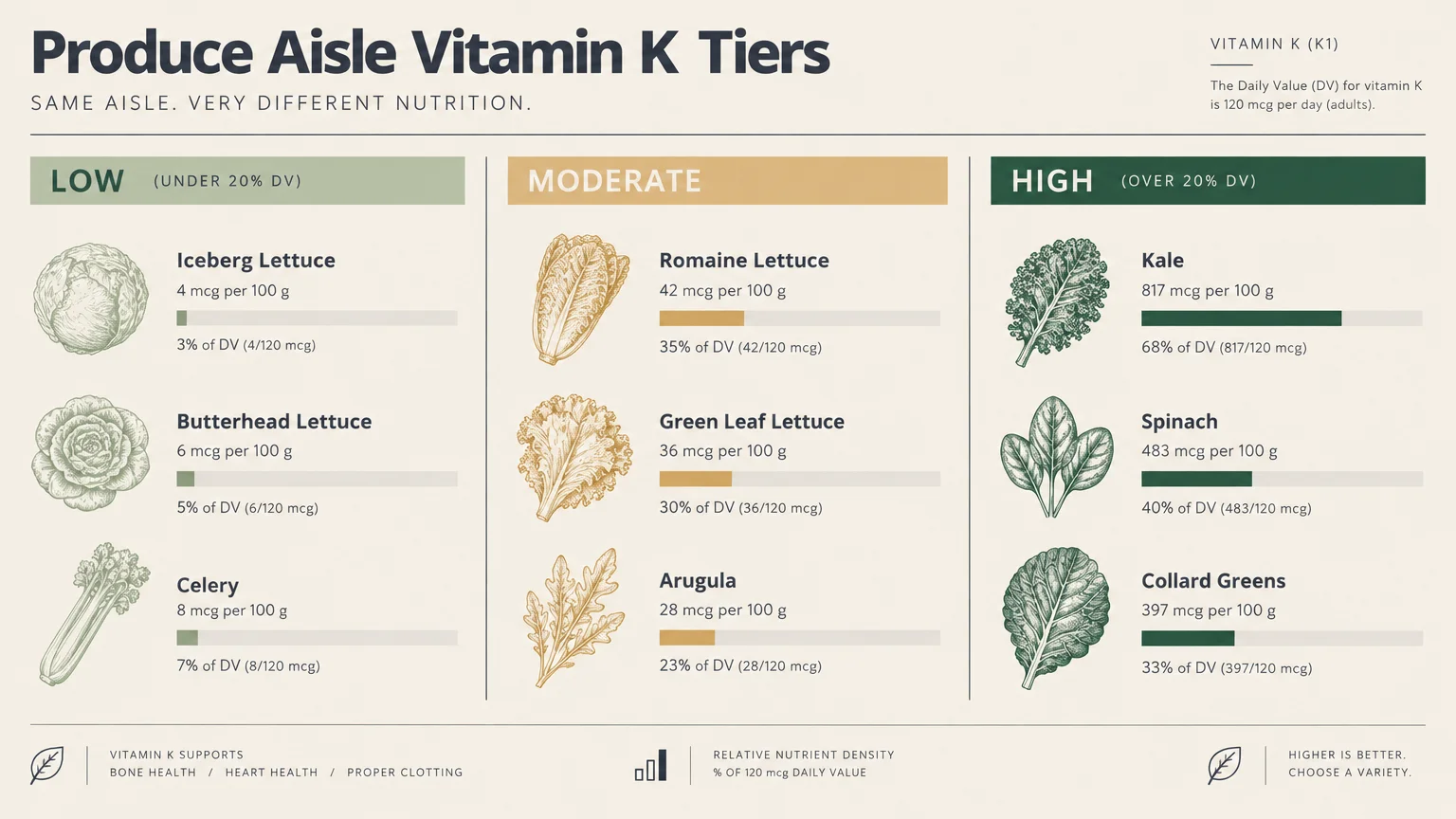
Because package labels remain silent on natural produce, you must memorize general botanical categories before heading into the supermarket. Knowing which greens run high or low prevents guesswork at the shelf.
Clinical guidelines from the American Heart Association place leafy vegetables into two distinct dietary groups based on their nutrient concentration. Low-potency foods contain less than 35 micrograms per serving, while high-potency foods deliver 60 micrograms or more.
Low-potency greens for predictable meals
Low-potency greens allow you to build hearty, crunchy salads without dramatically moving your vitamin K numbers. These vegetables serve as dependable staples for daily lunch and dinner preparations.
Crisp iceberg lettuce sits at the bottom of the spectrum, providing minimal clotting interaction. Butterhead, Boston, and Bibb lettuces also deliver modest nutrient quantities that fit comfortably into standard meal plans.
Standard green cabbage provides another excellent low-potency option for your cart. Raw cabbage leaves deliver satisfying crunch, hold up well in the refrigerator, and contain well under 35 micrograms in typical side servings.
Endive and radicchio bring bright color and pleasant bitterness to your plate with modest nutrient loads. You can toss these leaves into your cart without worrying about sharp spikes in clotting activity.
Cucumbers and celery also offer refreshing crunch without introducing significant vitamin K. Pairing these vegetables with low-potency greens lets you fill a large dinner bowl without exceeding your targets.
Choosing greens from this low group grants you flexibility in portion sizing. You can enjoy a second helping of salad without worrying about throwing off your international normalized ratio blood test.
High-potency greens that require strict tracking
High-potency greens pack dense concentrations of vitamin K into every single bite. While these vegetables offer rich antioxidant and mineral benefits, they demand strict portion consistency from blood thinner patients.
Kale stands as one of the most potent greens in the entire produce aisle. A single serving easily exceeds 60 micrograms, delivering several times the daily recommended intake.
Spinach, Swiss chard, and collard greens belong in this same potent classification. Mustard greens and turnip tops also deliver intense doses that can rapidly alter your therapeutic blood levels.
You do not need to banish these nutrient-dense vegetables from your life forever. However, you must consume them in identical portion sizes on set days rather than eating them intermittently.
If you decide to purchase raw spinach this week, purchase the exact same quantity next week. Never binge on a large bowl of collards after weeks of complete avoidance.
Treating high-potency greens like a regulated prescription ingredient protects your wellness. You gain their nutritional benefits without subjecting your vascular system to erratic clotting swings.
Navigating the fresh produce department with confidence
Entering the produce department can feel overwhelming when vibrant displays tempt you with seasonal varieties. Approaching the department with a structured strategy keeps your health goals secure.
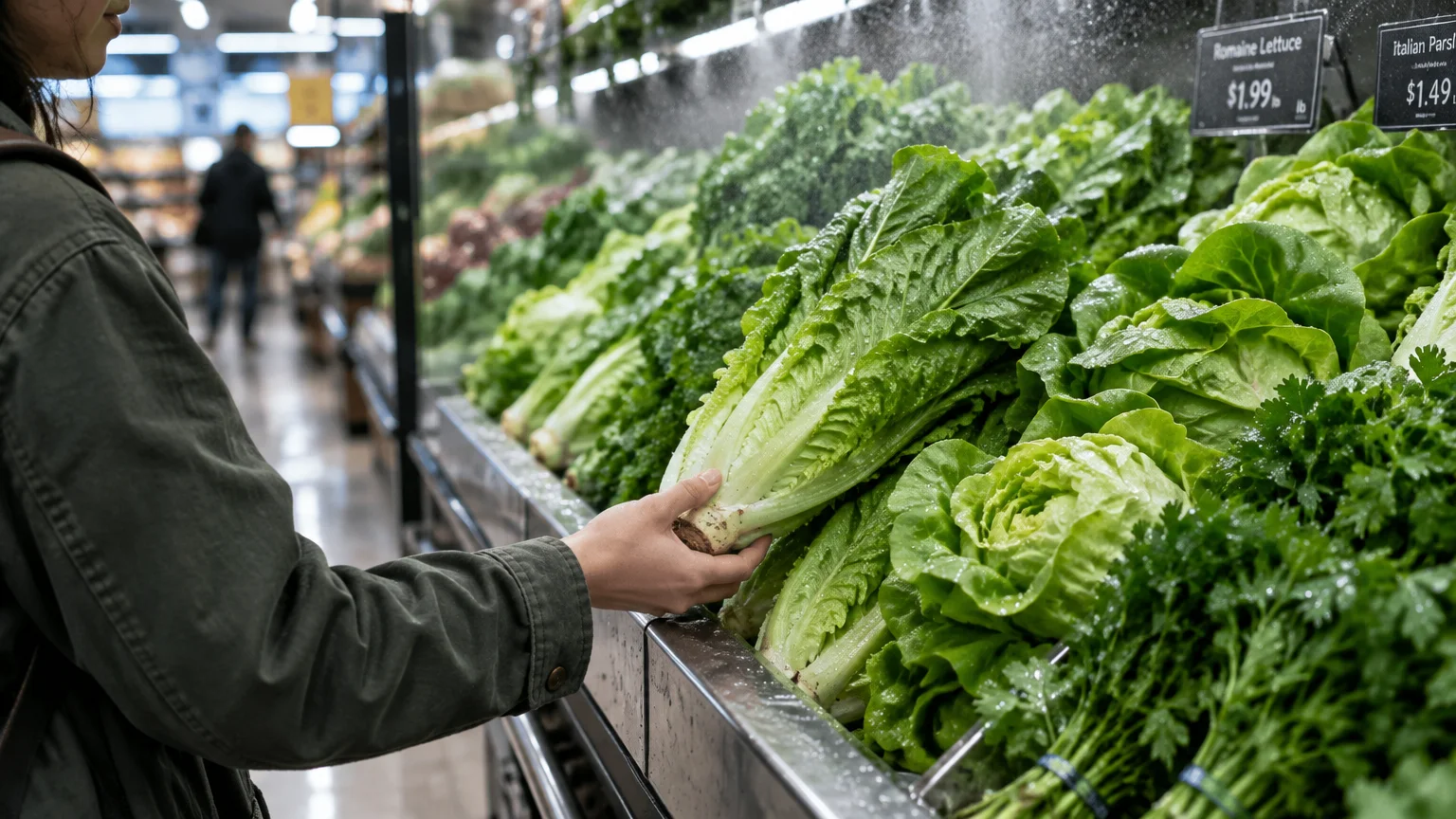
Begin your journey along the chilled misting racks where grocers display whole heads of lettuce. Whole heads offer clear visual indicators of freshness, letting you inspect the outer ribs and stem ends for browning.
Inspect the cut stem at the base of every head you pick up. A pale, dry stem signals a freshly harvested plant, whereas slimy or rust-colored stems reveal older stock.
Lift whole heads to compare their density in your hands. Denser heads of cabbage or iceberg deliver more meals per dollar, reducing your weekly shopping trips and overall expenses.
Gently shake excess water from misted produce before placing it into your plastic bag. Wet leaves decay rapidly in the home refrigerator, leading to premature spoilage and wasted money.
Avoid loose, bulk greens bins where leafy varieties commingle. Shoppers frequently drop kale leaves into the romaine bin, creating an accidental mix of high-potency greens in your personal bag.
Choose pre-packaged whole heads wrapped in perforated plastic sleeves if you prefer extra protection against cross-contact. These sleeves keep individual varieties isolated while allowing moisture to escape during storage.
What to watch for in pre-bagged salad blends and kits
Pre-bagged salads promise quick preparation, making them popular choices for small households. However, these convenient bags hide subtle pitfalls for anyone monitoring clotting medications.
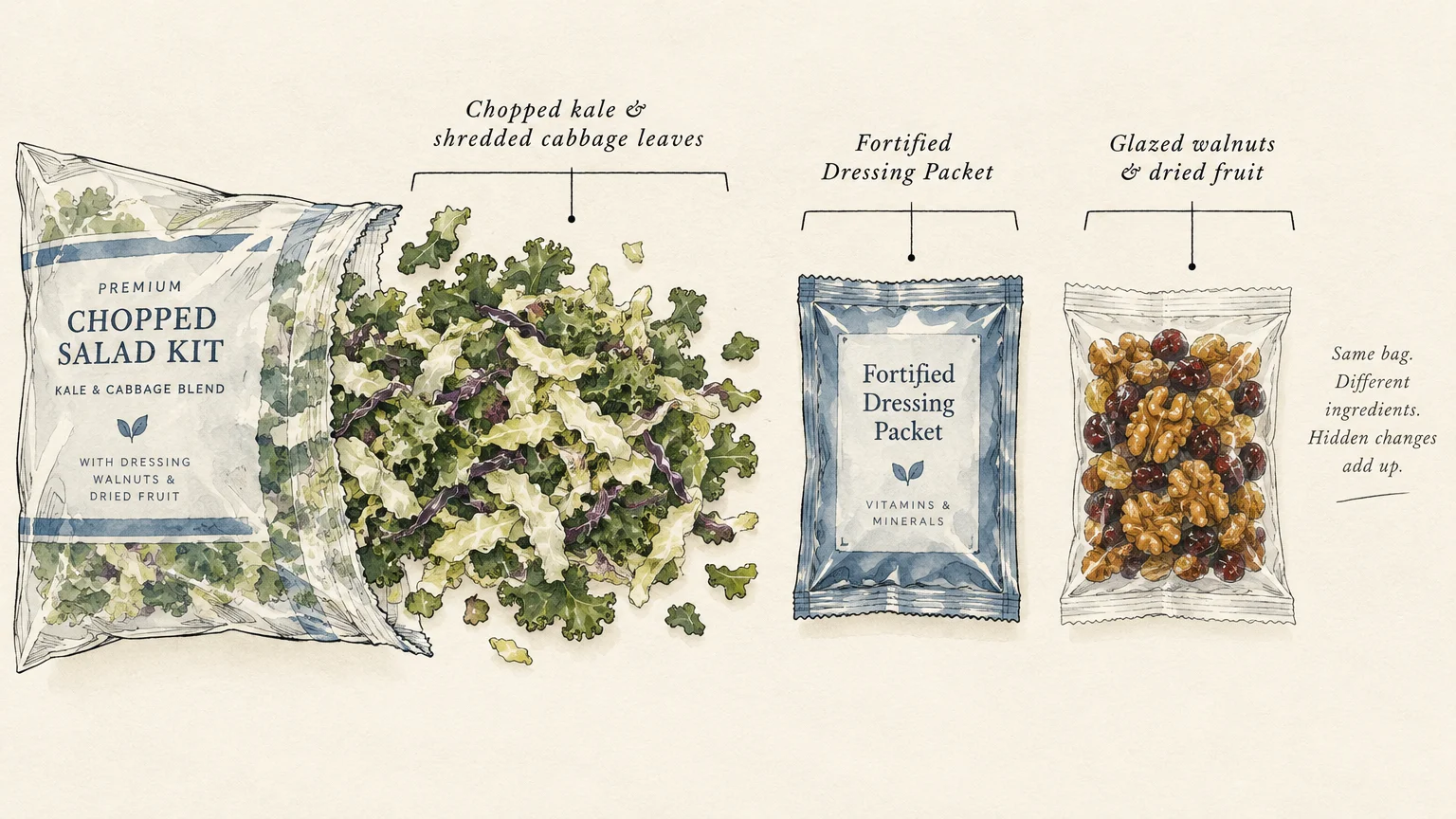
Turn every bagged salad over to read the complete ingredient statement printed near the bottom. Many attractive mixes labeled as spring mix combine delicate green lettuces with dense baby spinach and chard.
Federal law requires processors to list ingredients in descending order by weight. If spinach or chard appears within the first three ingredients, that bag delivers a high dose of vitamin K.
Salad kits pose an additional challenge because they include sauce packets, crispy toppings, and dried fruits. These kits often hide considerable amounts of added sodium, saturated fat, and refined sugars.
If you manage blood pressure alongside your anticoagulant routine, check the kit nutrition panel for sodium. A single kit serving can supply over 500 milligrams of sodium, stressing your cardiovascular system.
Choose plain, single-variety bagged greens instead of multi-leaf kits whenever possible. A bag containing solely shredded iceberg or green cabbage lets you control your nutrient intake with complete precision.
Check the expiration dates on bagged mixes carefully before dropping them into your cart. Pick bags from the back of the refrigerated rack to secure items with the longest remaining shelf life.
Inspect the clear plastic window on salad bags for trapped gas or swelling. Puffy bags indicate bacterial activity and accelerated decomposition, meaning those leaves will spoil within hours of purchase.
How cooking and freezing concentrate leafy greens
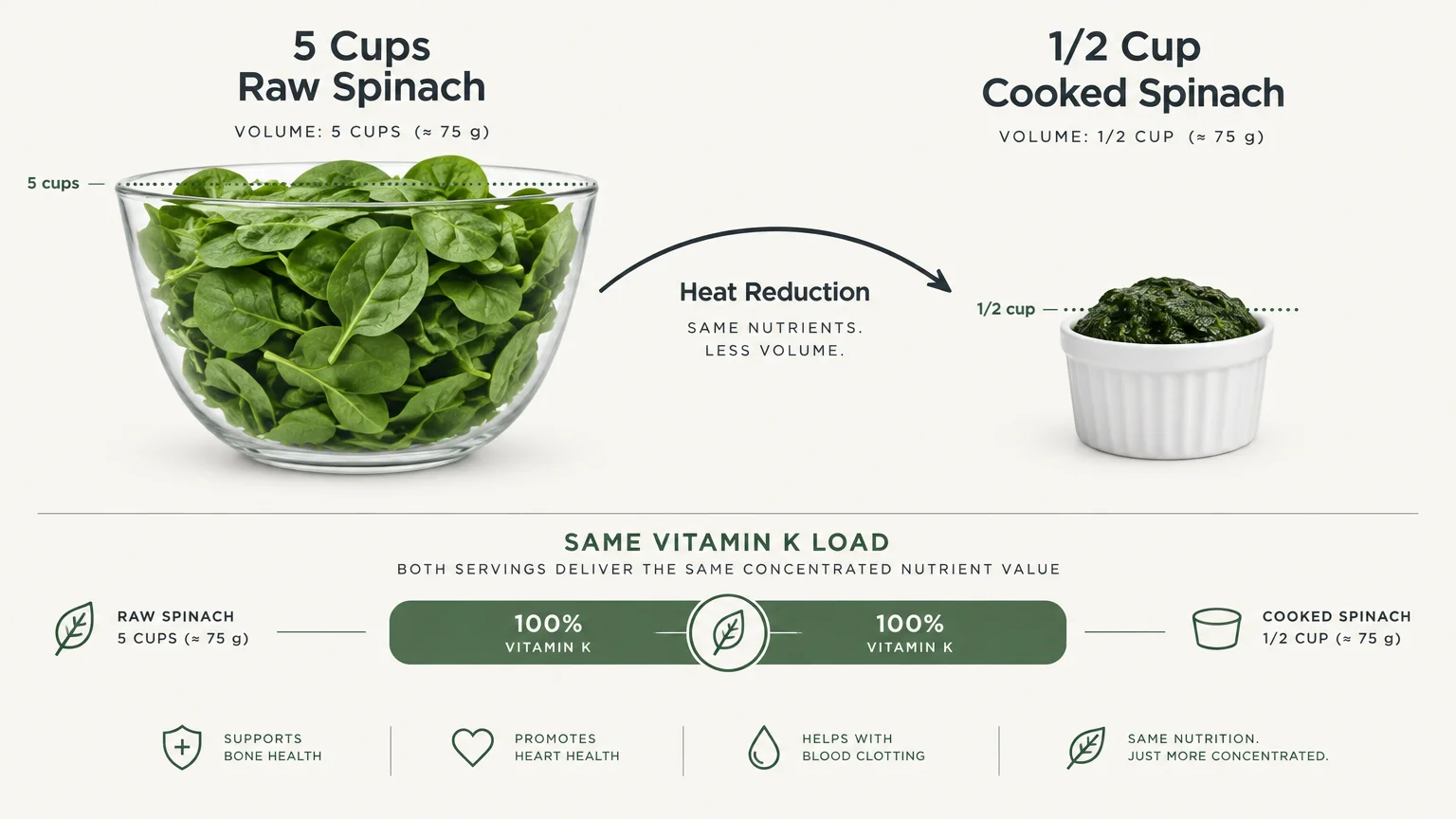
The way you prepare greens dramatically alters their nutrient density per spoonful. Cooking collapses plant cell structures, shrinking leafy volume and condensing dietary compounds.
A single cup of raw spinach contains mostly water and air between its loosely packed leaves. When you sauté that same cup, it withers down to a mere tablespoon of cooked matter.
Consequently, a standard half-cup serving of cooked greens contains several times more vitamin K than a half-cup serving of raw leaves. Shoppers frequently make the mistake of treating cooked and raw portions as equal.
The frozen vegetable aisle demands similar vigilance from blood thinner patients. Commercial processors blanch and tightly compress greens before freezing them into solid blocks or dense bags.
A single bag of frozen chopped collards or spinach delivers an exceptionally concentrated dose of clotting factors. If you cook with frozen greens, measure your portions with a standard measuring cup rather than estimating by sight.
Maintain strict consistency with your culinary methods throughout the month. Do not switch from eating light, raw lunch salads to dense, cooked greens without consulting your healthcare provider.
Frozen greens do offer valuable economic perks when bought thoughtfully. Look for frozen cut green beans or broccoli florets, which deliver moderate nutrients without the extreme concentration found in frozen leafy blocks.
Balancing blood thinners with sodium, potassium, and heart health
Many adults over 55 balance anticoagulants alongside prescriptions for hypertension, high cholesterol, or diabetes. Your grocery choices must support your overall cardiovascular system without creating dangerous medication conflicts.
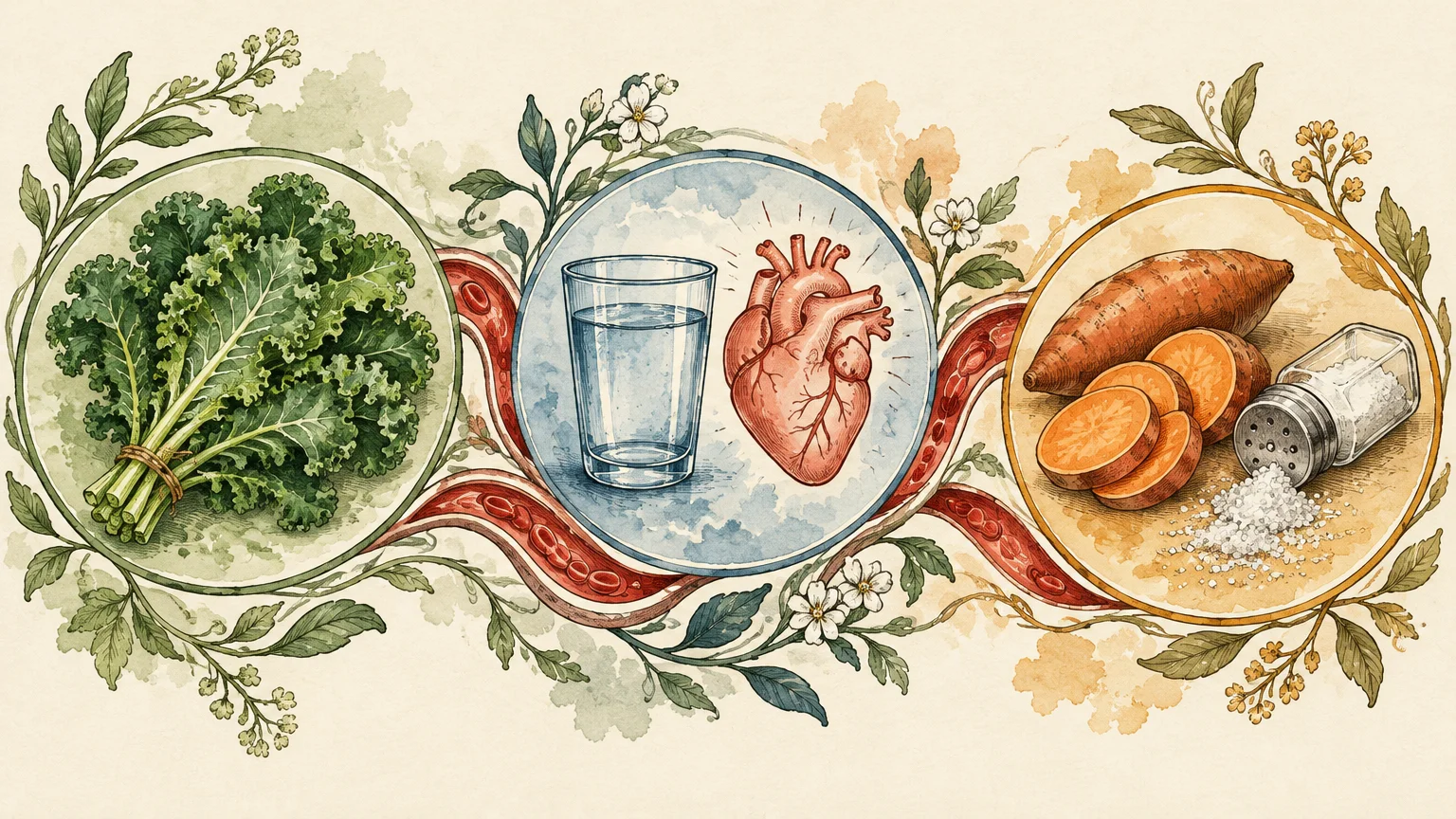
Leafy greens provide exceptional benefits for your vascular system because they deliver essential potassium and calcium. Potassium helps blunt the blood pressure-raising effects of sodium, protecting your delicate arterial walls.
According to nutrient data compiled by the USDA FoodData Central, fresh lettuces and cabbages naturally contain virtually zero sodium. They offer heart protection without straining your kidneys or inflating your blood pressure readings.
Avoid canned leafy greens whenever fresh or plain frozen options exist in the store. Canned spinach and collards frequently contain heavy amounts of added sodium salt used as a preservative.
If you must purchase canned greens for shelf stability, read the sodium metrics on the Nutrition Facts label carefully. Look for low-sodium or no-salt-added claims prominently displayed on the front panel.
Rinsing canned greens thoroughly in a colander under cool tap water removes up to forty percent of surface sodium. This simple kitchen step protects your heart while keeping your meal budget manageable.
Leafy greens also supply modest amounts of dietary calcium, which supports bone density and skeletal strength. Maintaining adequate bone health remains essential for preventing fractures if a minor fall occurs.
You can safely optimize your mineral intake by selecting diverse, low-potency greens across the month. This habit supplies vital nutrients without pushing your clotting factors beyond established clinical targets.
Stretching your produce budget when shopping for a small household
Cooking for one or two people on a fixed income presents unique grocery challenges. Fresh greens often spoil before you can finish them, turning good nutrition into wasted money.
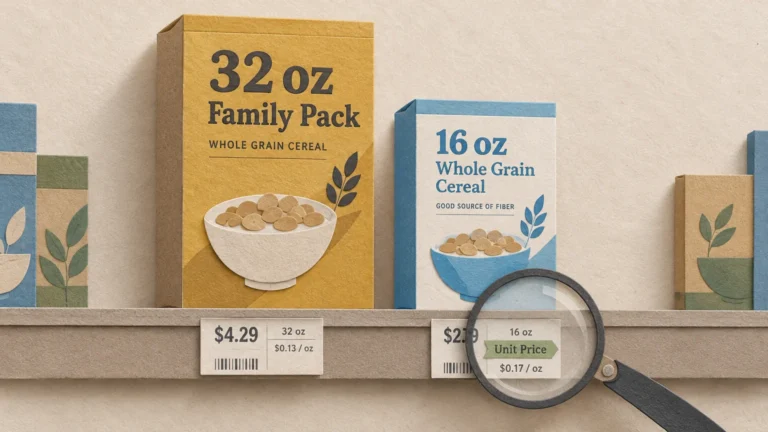
Compare unit prices on the shelf tag before selecting your packaged greens. Grocers display the cost per ounce or per pound in small print alongside the retail price.
Whole heads of lettuce consistently beat pre-washed plastic clamshells on unit price. Purchasing whole heads can cut your produce spending by half while delivering fresher, crisper leaves.
Store brands offer another reliable way to trim your weekly grocery register total. Major supermarket private labels deliver identical agricultural quality at a substantial discount compared to national brand names.
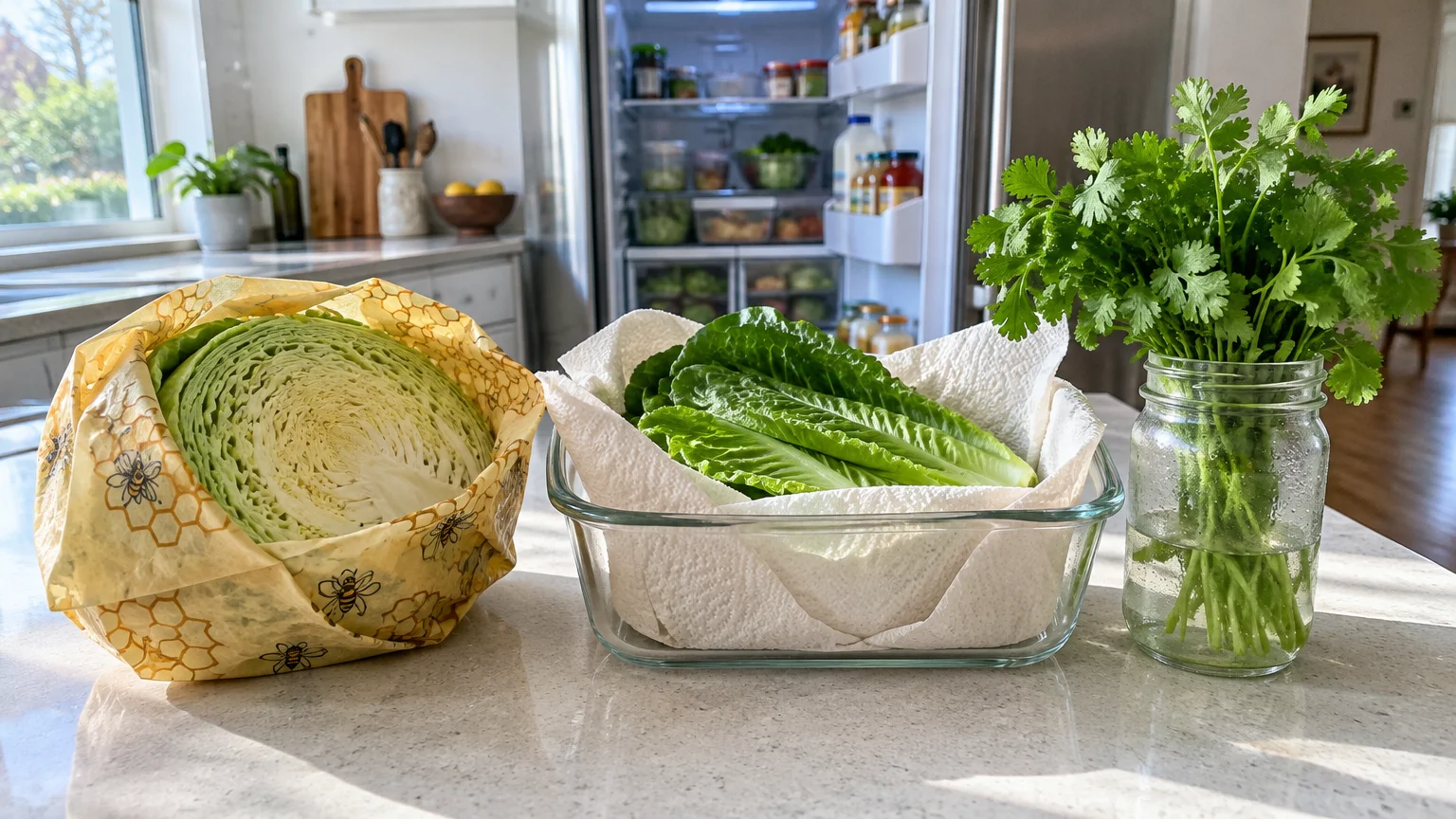
Green cabbage represents the absolute champion of budget-friendly, long-lasting produce. A single inexpensive head keeps perfectly in the crisper drawer for up to four weeks without degrading.
You can carve off wedge portions of cabbage as needed while leaving the remaining head intact. This zero-waste approach protects your wallet while ensuring a reliable, low-potency vegetable source for weekly dinners.
Extend the storage life of tender lettuces by placing a clean paper towel inside the storage container. The paper absorbs excess moisture, preventing the damp decay that ruins delicate greens.
Buy only what you know you will consume within five days when selecting softer lettuces. Leaving half-eaten clamshells to rot in the refrigerator wastes money and disrupts your weekly meal consistency.
Supermarket traps that disrupt medication stability
Commercial food trends frequently introduce hidden health hazards into everyday grocery aisles. Staying alert to these common marketing traps keeps your medication working as intended.
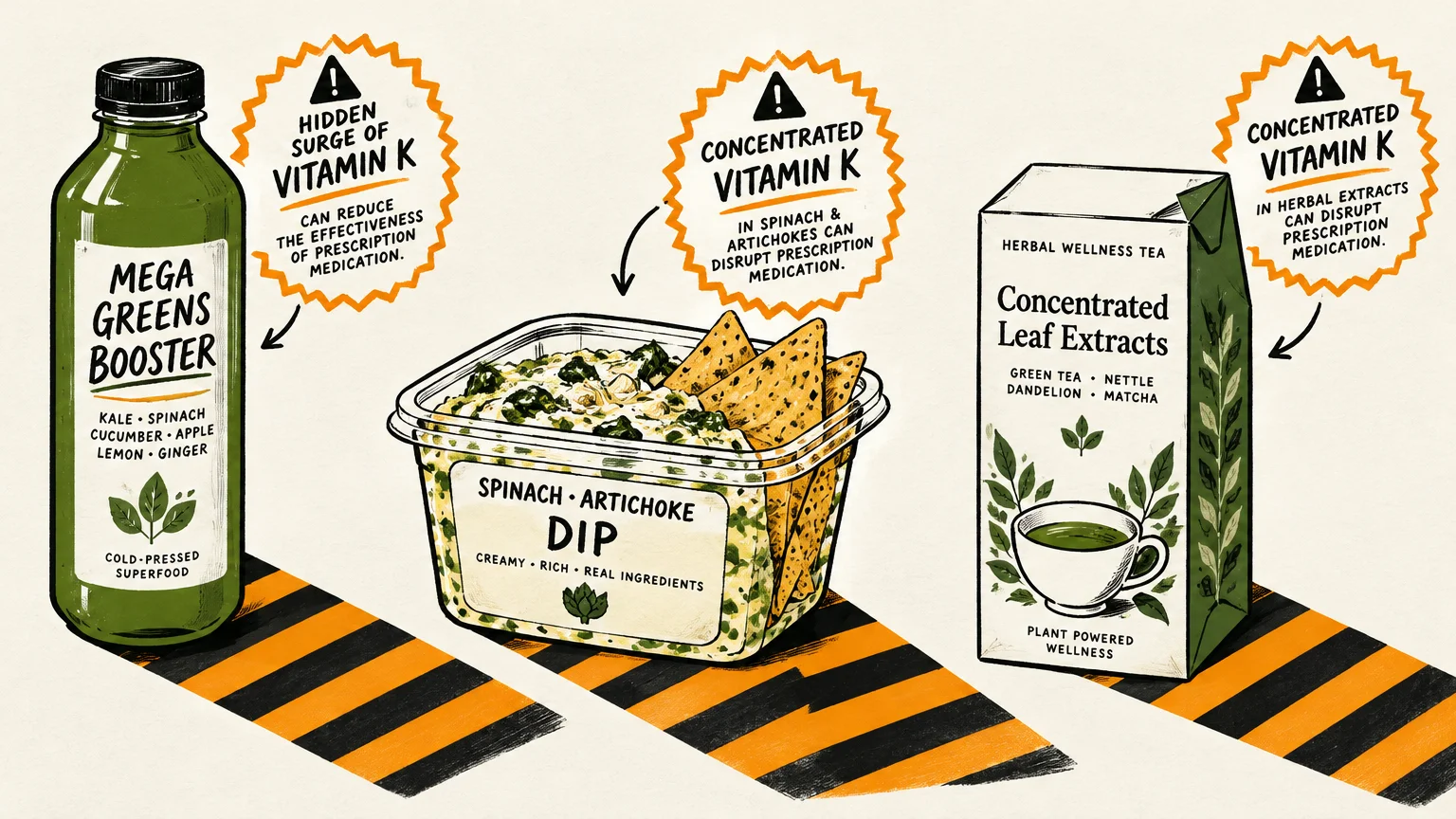
Bottled green juices and cold-pressed smoothies represent the most hazardous trap in modern produce sections. Beverage manufacturers liquefy multiple pounds of kale, spinach, and parsley into a single handheld bottle.
Drinking a single commercial green juice delivers an astronomical dose of vitamin K directly into your bloodstream. This massive surge can completely override your anticoagulant therapy within twenty-four hours.
Leave bottled green juices on the refrigerated shelf unless your doctor specifically approves them. Stick to whole, solid vegetables that require chewing and digest at a measured, predictable pace.
Supermarket deli counters harbor another common risk for unsuspecting shoppers. Prepared pasta salads, grain bowls, and chicken salads often incorporate raw baby spinach or chopped parsley for garnish.
Deli foods rarely list exact ingredient proportions on their display tags. You cannot easily gauge how much vitamin K hides in a prepared scoop of gourmet deli salad.
Supermarket salad bars present cross-contamination risks and inconsistent vegetable blends. Tongs travel freely between spinach, kale, and iceberg bins, making precise portion tracking nearly impossible.
Prepare your daily salads at home where you control the precise measurements of every single leaf. Home assembly keeps your diet transparent, your wallet protected, and your medication effective.
Choosing salad dressings and oils that protect your numbers
The liquids you pour over your greens carry their own nutritional profiles. Certain culinary oils contain substantial amounts of vitamin K, compounding the effects of your leafy vegetables.
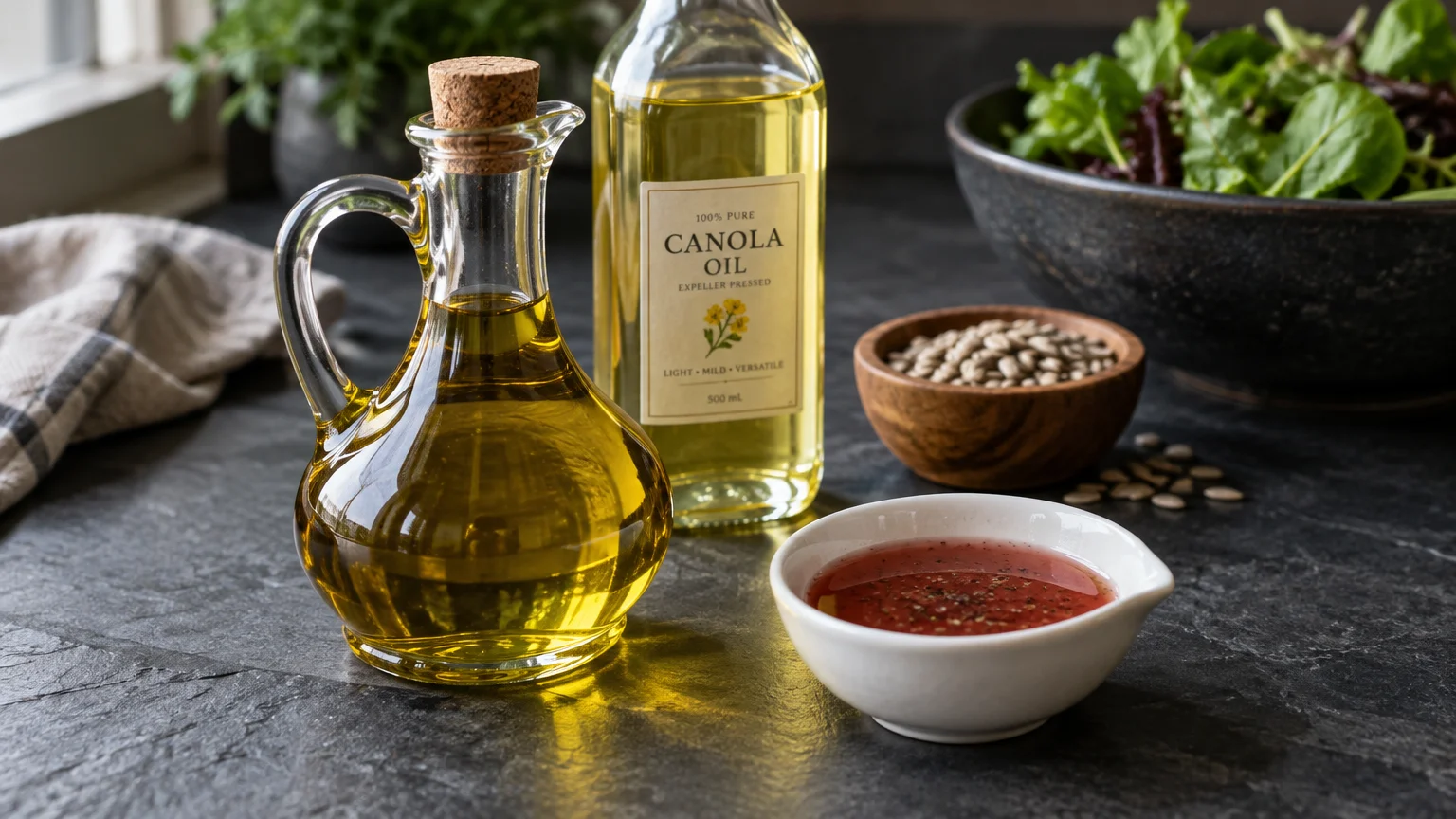
Soybean oil and canola oil both contain moderate levels of plant-based vitamin K. Because food manufacturers use these cheap oils as bases for commercial salad dressings, bottled toppings require careful inspection.
Turn commercial dressing bottles around and review the ingredient list for base oils. Look for dressings made with olive oil, which supplies beneficial monounsaturated fats with lower clotting impact.
Creamy commercial dressings often conceal excessive sodium and saturated fats alongside their oil bases. A modest two-tablespoon serving can quietly derail your cardiovascular diet goals before you finish your greens.
Crafting a simple vinaigrette at home gives you complete mastery over your ingredients. Whisking extra virgin olive oil with lemon juice or red wine vinegar creates a heart-healthy dressing in seconds.
Homemade dressings cost a fraction of bottled dressings and eliminate unwanted preservatives. You protect your heart, stabilize your medication, and save money during every single shopping trip.
Measure your salad oil with a tablespoon rather than pouring it freely from the bottle. Measuring controls unnecessary caloric intake while keeping your weekly nutrient consumption exceptionally steady.
Comparing grocery retailers and store brand selections
Where you shop directly influences the quality, variety, and price of your weekly produce cart. Knowing how different supermarket chains handle leafy vegetables helps you shop smarter.
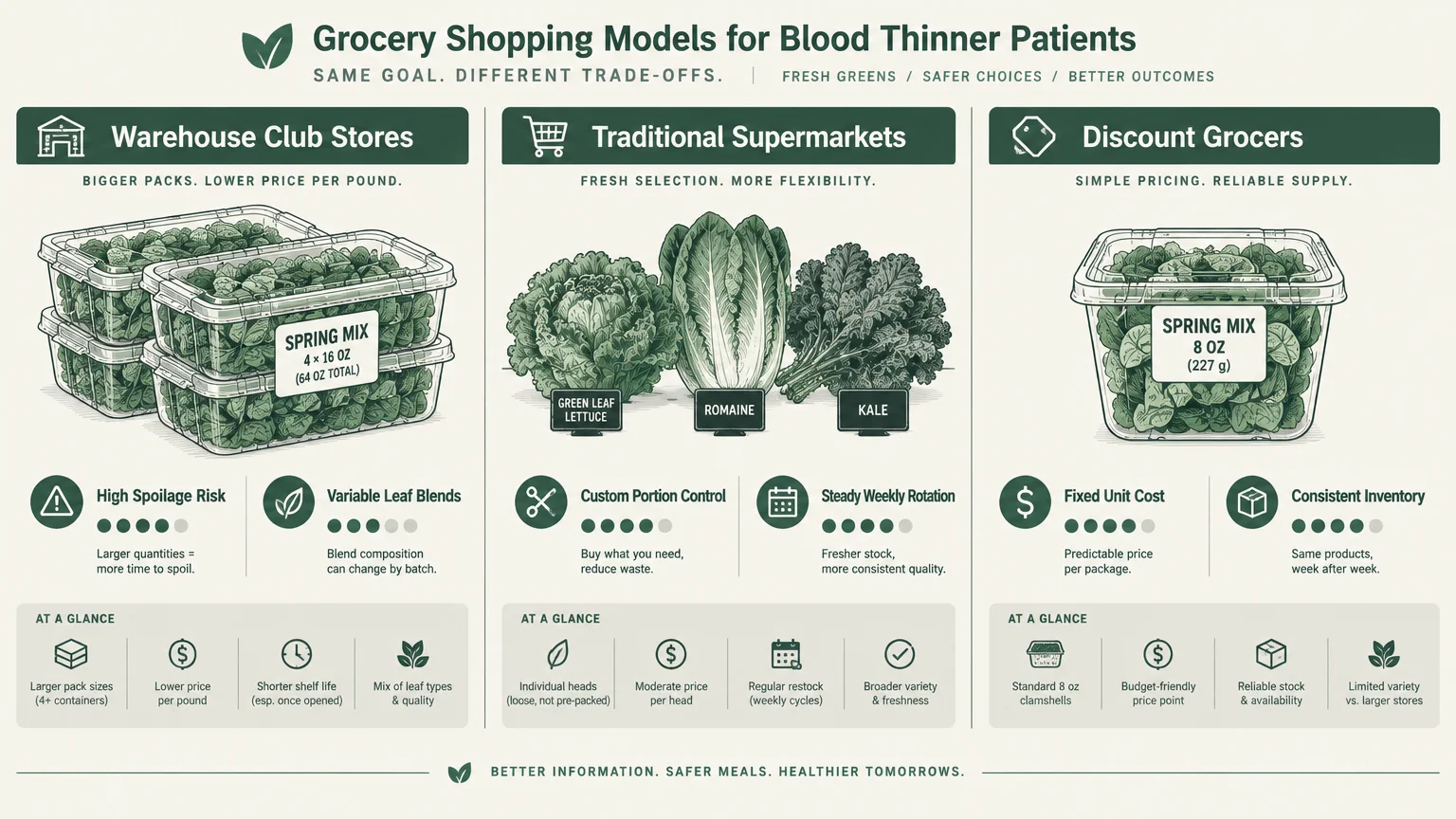
Traditional grocers like Kroger, Safeway, and regional supermarket chains offer wide selections of individual, unpackaged heads of lettuce. These stores make it simple to purchase single heads sized perfectly for small households.
Discount retailers like ALDI excel at delivering ultra-low prices on bagged whole lettuces and cabbage. However, their inventory turns quickly, so you must inspect bagged leaves thoroughly for condensation before purchasing.
Big-box stores like Walmart provide dependable store brand options under labels like Great Value. These private-label produce items match the freshness of national brands while saving you twenty to thirty percent.
Warehouse clubs sell leafy greens in massive multi-pound clamshells that appear economical on the surface. For a household of one or two, these giant containers often spoil before you can finish them.
Stick to standard supermarkets or neighborhood discount grocers where you can buy modest quantities. Purchasing smaller portions more frequently guarantees crispness and prevents accidental deviations from your dietary routine.
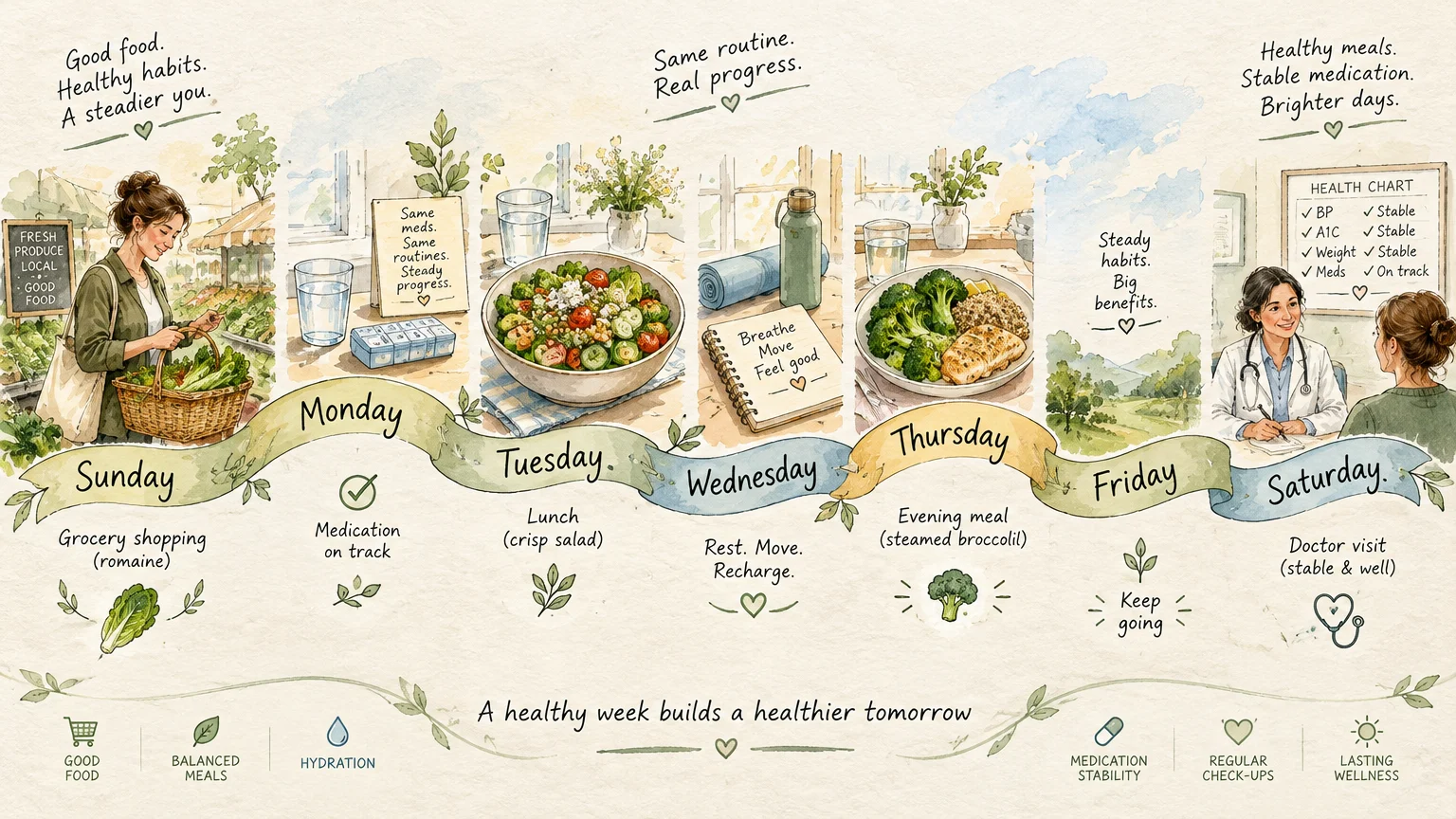
Building a repeatable grocery routine that keeps your doctor happy
Managing chronic health conditions successfully requires establishing steady, predictable daily habits. Your supermarket shopping pattern forms the structural foundation of your medication safety.
Designate a specific shopping day each week to keep your kitchen inventory steady. Running out of vegetables mid-week often tempts you to alter your routine or skip greens entirely.
Write a clear produce list before you leave home and commit to purchasing only what you recorded. Impulsive produce purchases introduce erratic swings in your weekly nutrient consumption.
Pair your grocery receipts with a simple kitchen calendar or meal-tracking journal. Jotting down which greens you consume each evening helps you spot patterns if your blood tests ever fluctuate.
Inform your physician or anticoagulation clinic whenever your grocery patterns change due to seasonal availability. Open communication allows your healthcare team to adjust medication dosages proactively rather than reactively.
Take pride in mastering this essential balance between delicious nutrition and clinical safety. With an established shopping routine, you protect your independence and enjoy vibrant meals every day.
Frequently asked questions at the checkout counter
Can I eat a small salad every evening with dinner?
Yes, you can absolutely enjoy a side salad every evening while taking blood thinners. The key requirement is maintaining an identical serving size and using the same types of greens daily.
If you choose a base of crisp iceberg or butterhead lettuce, stick with that choice all week. Consistent daily consumption allows your clinic to adjust your medication dosage around your regular routine.
Does washing or cooking leafy greens remove their vitamin K?
No, washing or cooking vegetables does not reduce or destroy their vitamin K content. Vitamin K is a fat-soluble nutrient that remains stable under heat and does not dissolve in wash water.
Cooking actually increases the nutrient density per cup because the leaves shrink significantly. Always measure cooked greens carefully, recognizing that a small cooked portion delivers more vitamin K than raw leaves.
Are organic greens safer for blood thinner users than conventional greens?
Organic and conventional greens contain identical amounts of vitamin K. The farming method changes pesticide usage, but it does not alter the fundamental nutritional blueprint of the plant.
Buy whichever farming style fits your personal budget and shopping preferences. Focus your attention on portion stability and vegetable variety rather than paying extra for organic labels.
What should I do if my favorite lettuce is out of stock?
If your preferred low-potency green is unavailable, substitute another green from the same nutritional tier. For example, replace out-of-stock butterhead lettuce with standard iceberg or crisp green cabbage.
Avoid substituting a low-potency lettuce with high-potency options like baby spinach or kale. Making an unplanned jump between tiers can throw off your clotting balance before your next blood test.
Your checklist for your next trip to the grocery store
Take control of your nutrition on your very next visit to the supermarket. Begin by inspecting the produce department with an eye for consistency rather than total avoidance.
Pick up whole heads of low-potency greens like iceberg, butterhead, or green cabbage. These affordable staples deliver dependable crispness, stay fresh for weeks, and protect your medication stability.
Leave multi-leaf salad mixes and bottled green juices behind on the shelves. Bypassing concentrated high-potency traps prevents accidental medication conflicts and protects your monthly household grocery budget.
Check package ingredient labels for hidden baby spinach, collards, and soybean oil bases. When you keep your cart predictable, you protect your cardiovascular health and shop with complete peace of mind.