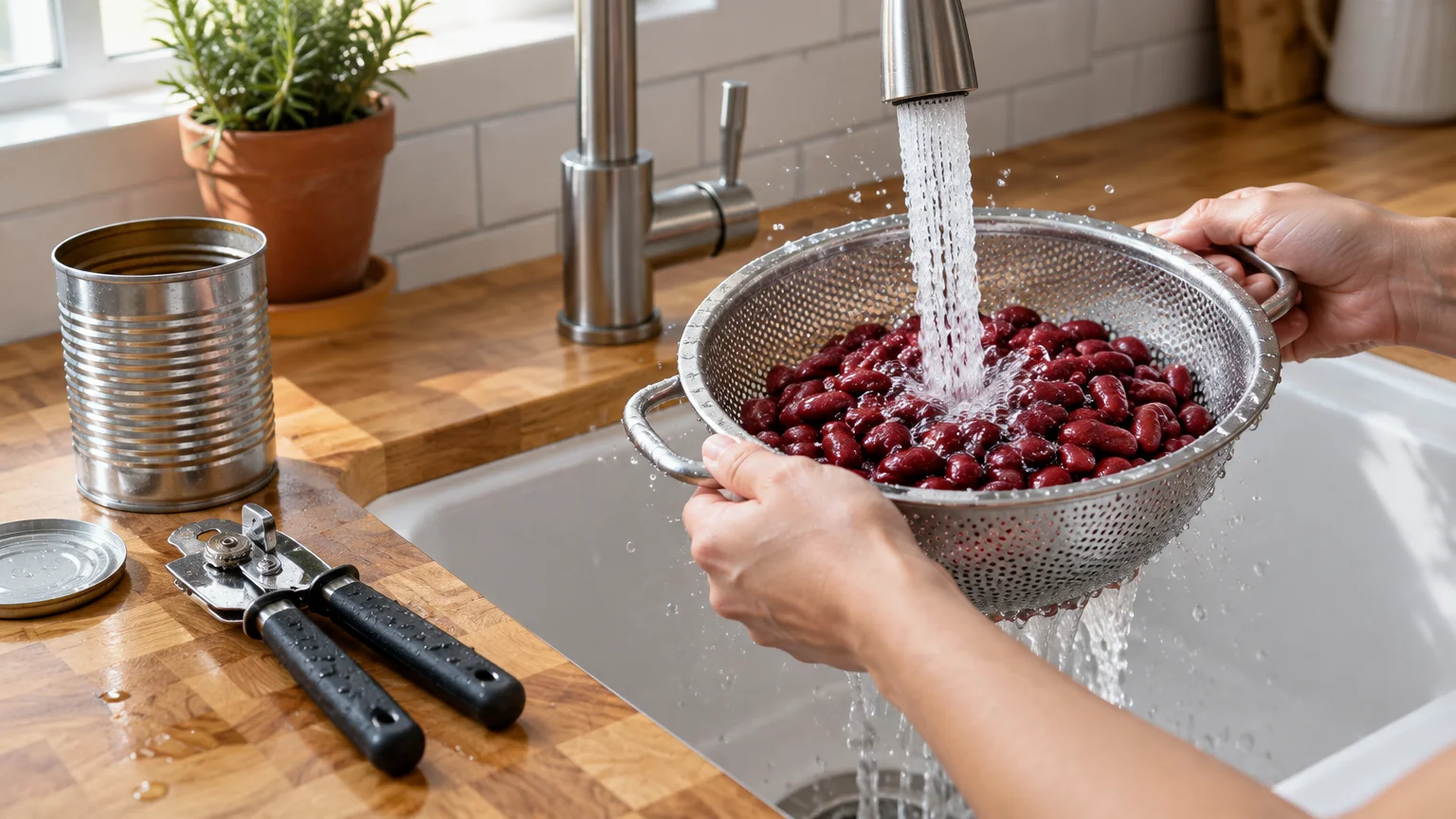
You do not need to pay premium prices for specialty cans to protect your cardiovascular health. Grabbing standard canned beans from your supermarket and rinsing them at your sink washes away a massive portion of the added salt.
This simple habit frees you from paying markups for low-sodium labels that stores frequently run out of. It keeps your pantry stocked with convenient, nutrient-dense staples without threatening your daily sodium limits.
By understanding how salt distributes inside the can, you can shop with confidence, save money, and cook delicious meals with zero guesswork.
How draining and rinsing strips away canned bean sodium
Commercial canneries pack legumes in a saltwater solution to extend shelf life and preserve texture. As the sealed cans sit in warehouses, salt naturally migrates through the liquid and into the outer skins of the beans.
Fortunately, food scientists have studied exactly how much of that mineral stays in the liquid versus the legume itself. Their findings demonstrate that a colander and tap water can dramatically transform ordinary supermarket beans.
Landmark research conducted by Jones and Mount at the University of Tennessee revealed the true impact of basic kitchen prep. The team published findings in the Journal of Culinary Science & Technology that changed how we view canned staples.
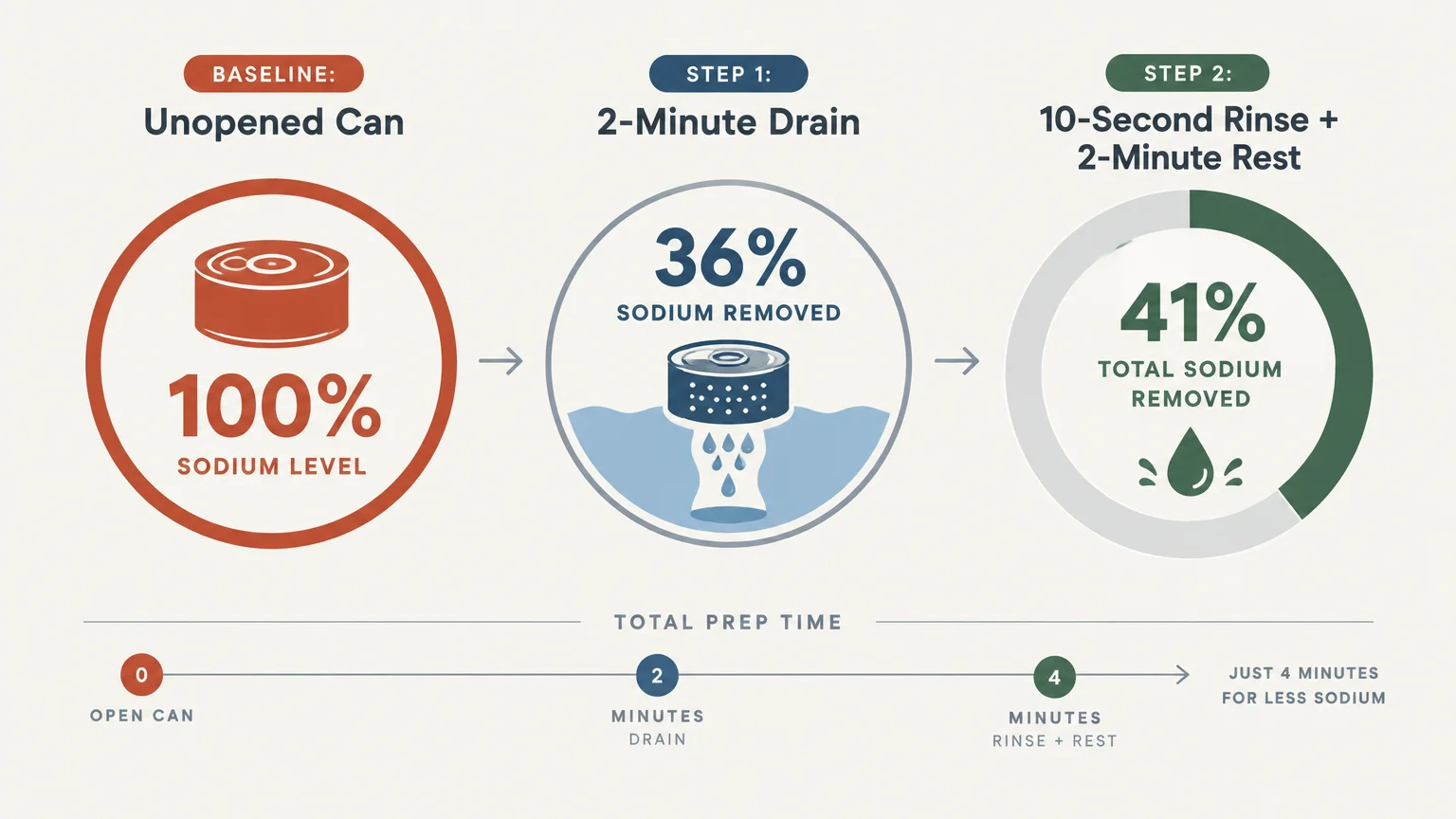
According to their findings, pouring regular canned beans into a colander and draining them for two minutes eliminates 36% of the sodium. The thick packing brine carries away more than a third of the total salt content immediately.
Taking one extra step yields even better results for your cardiovascular wellness. Rinsing those drained legumes under cool tap water for just 10 seconds removes another significant layer of surface brine.
Letting the beans rest for a final two-minute drain after that quick rinse produces a total sodium reduction of 41%. That single physical action removes nearly half the salt before the food ever touches your cooking pot.
This reduction happens because salt molecules dissolve rapidly in fresh water. When you flush the legumes with running water, you strip away the concentrated brine clinging to each seed coat.
The internal starch structure of the legume prevents water from washing away the valuable nutrients underneath. You achieve a dramatic salt reduction simply by leveraging basic kitchen chemistry at your faucet.
What the Nutrition Facts label actually tells you at the shelf
Standing in the canned vegetable aisle, the numbers printed on the Nutrition Facts panel can look alarming. A single half-cup serving often displays several hundred milligrams of sodium, causing many shoppers to hesitate.
However, federal labeling regulations mandate that packaged figures reflect the entire contents of the container. That means the printed sodium count assumes you will consume every drop of the salty canning brine.
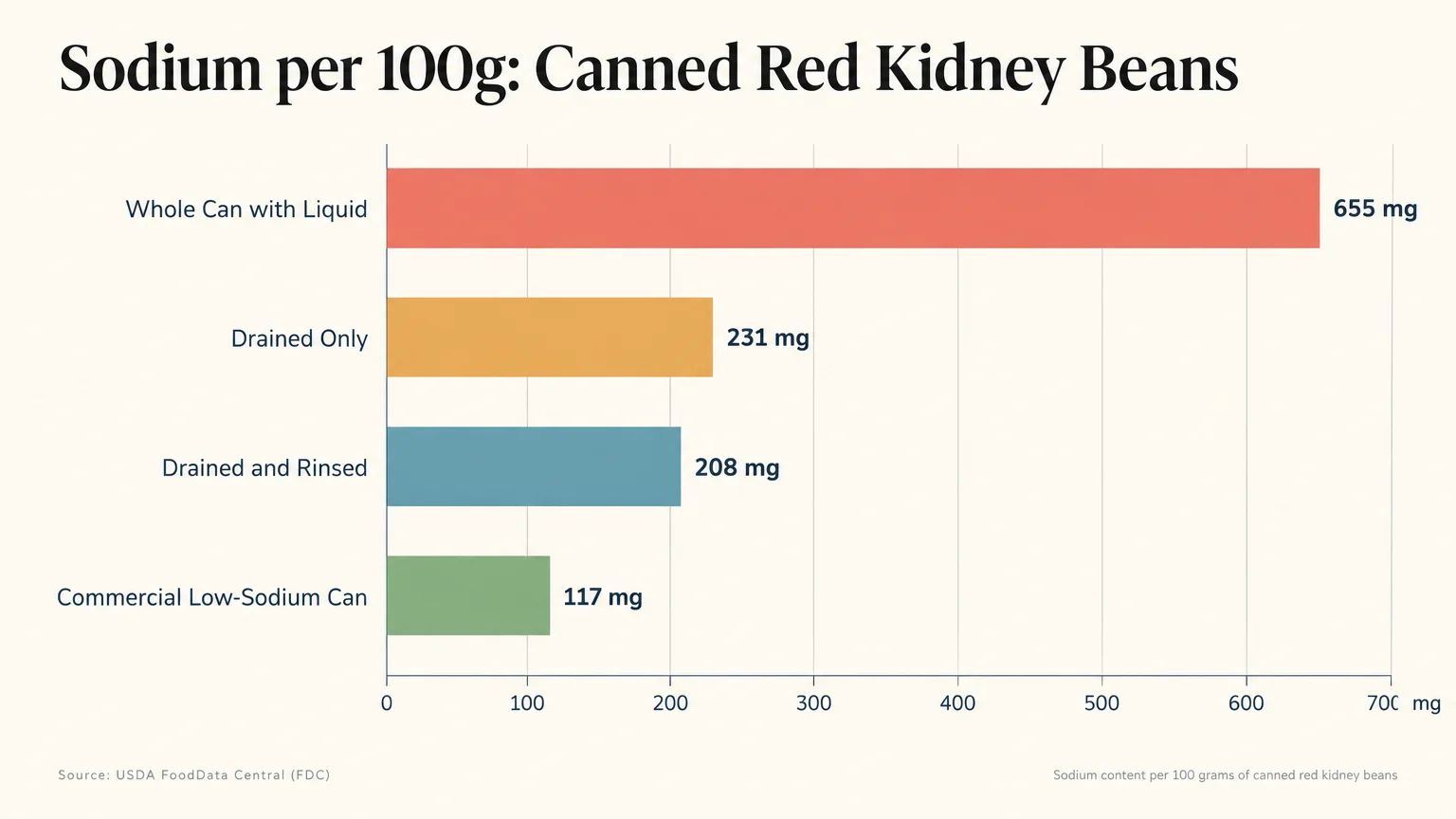
Verified data from the USDA FoodData Central database confirms how dramatically draining changes these values. Looking at 100 grams of regular canned red kidney beans reveals a remarkable shift.
Per 100 grams, unwashed red kidney beans and their packing liquid together contain 655 mg of sodium. Simply draining away the packing liquid slashes that figure down to 231 mg.
When you follow that up by rinsing the beans under running water, the sodium drops even further to 208 mg. That means rinsing removes more than two-thirds of the sodium present in the original can.
By comparison, commercial low-sodium canned kidney beans measure 117 mg of sodium per 100 grams. Rinsing regular beans brings you within striking distance of that benchmark without forcing you to pay specialty prices.
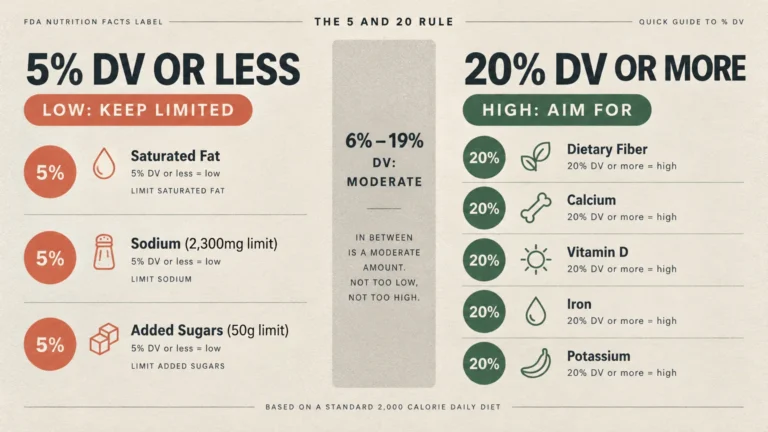
The U.S. Food and Drug Administration provides handy guidelines to help shoppers evaluate printed Daily Value percentages. A Daily Value of 5% or less counts as low, while 20% or more indicates high sodium.
Knowing that you will rinse away 41% of that mineral changes how you interpret the label. A product that appears moderately high in the store becomes comfortably moderate in your kitchen.
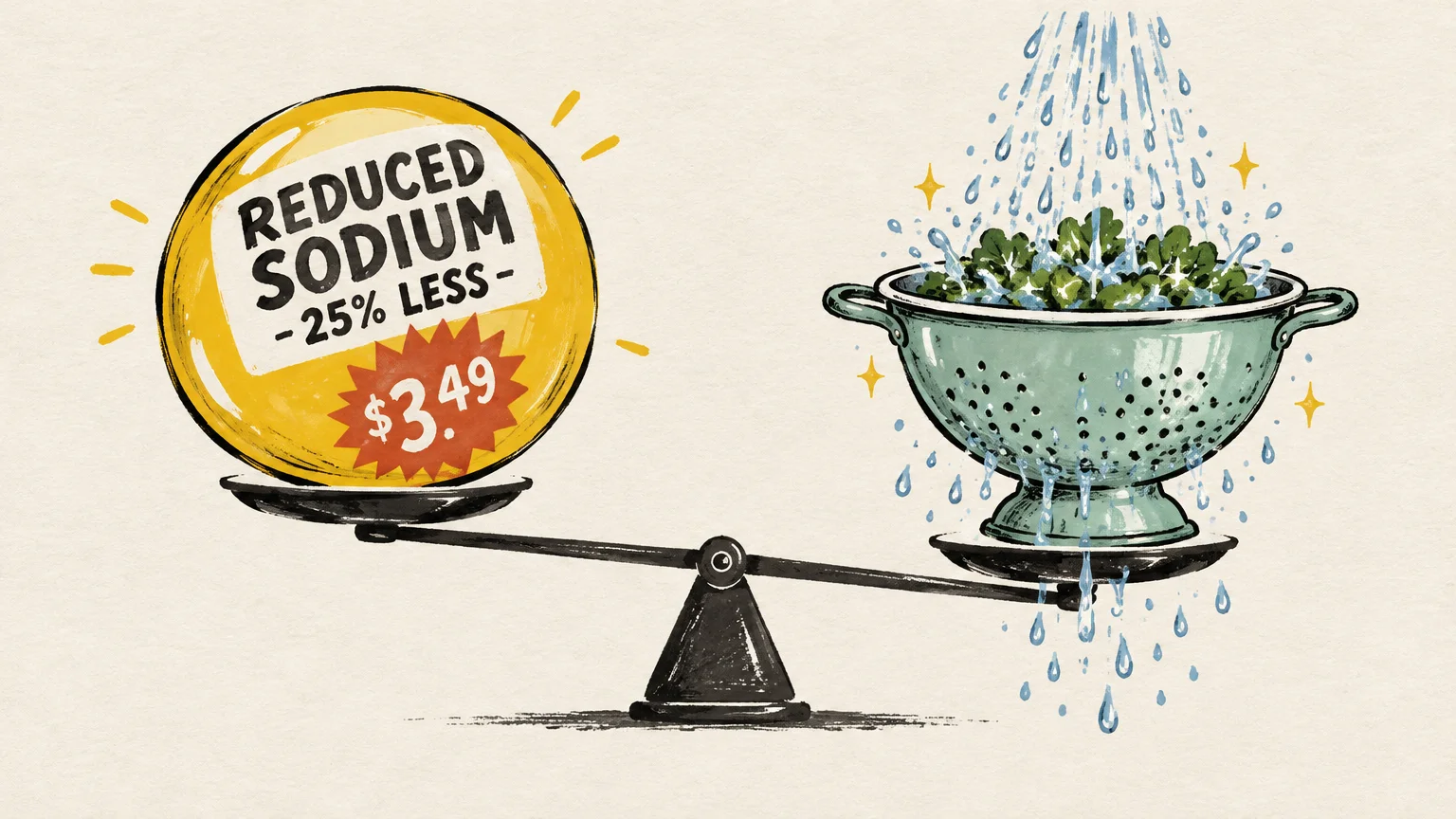
Decoding label claims: Reduced sodium versus your kitchen colander
Food manufacturers use precise terminology on front-of-package labels to catch your attention. Federal regulations under 21 CFR 101.61 govern exactly when a company may print specific health marketing claims.
To carry a “Reduced Sodium” claim, a product must contain at least 25% less sodium than the standard version. Your home rinsing routine cuts sodium by 41%, easily outperforming that official standard.
A label claiming “Light in Sodium” or “Lightly Salted” requires a reduction of at least 50% compared to standard recipes. Meanwhile, “Low Sodium” requires a rigid ceiling of 140 mg or less per serving.
The strictest category, “Very Low Sodium,” requires 35 mg or less per reference serving. Finding cans with these specific designations can prove frustrating in smaller neighborhood markets.
Specialty low-sodium cans often command a noticeable price markup compared to conventional store-brand beans. Furthermore, many regional grocers allocate only a fraction of shelf space to low-salt varieties.
When popular varieties sell out, shoppers who rely solely on specialty packaging leave empty-handed. Buying regular canned beans gives you endless flexibility across every brand and bean variety in stock.
You no longer have to skip a nutritious meal simply because the market ran out of low-salt black beans. Regular cans provide the exact same agricultural product beneath a layer of salt you can easily wash away.

Protecting blood pressure, kidneys, and heart health on a daily routine
Managing daily sodium consumption plays a crucial role in maintaining arterial elasticity and protecting your kidneys. As we advance in years, our blood vessels naturally become more sensitive to dietary salt intake.
Federal public health agencies continue to emphasize the importance of moderation. The 2025–2030 Dietary Guidelines for Americans, released on January 7, 2026, set clear boundaries for national health.
These federal guidelines maintain a daily sodium limit of less than 2,300 mg for adults. That total equates to roughly one level teaspoon of standard table salt across your entire day.
Cardiovascular specialists recommend an even tighter threshold for individuals managing hypertension. In its 2026 Dietary Guidance to Improve Cardiovascular Health, the American Heart Association established updated benchmarks.
The AHA recommends an ideal limit of no more than 1,500 mg per day for most adults with elevated blood pressure. Achieving that target requires vigilance when selecting packaged grocery staples.
Real-world consumption far exceeds these clinical recommendations across every demographic group. Federal data reveals that typical American adults consume between 3,100 mg and 3,400 mg of sodium daily.
More than 70% of that excess intake comes from commercial packaged and restaurant foods rather than your saltshaker. Canned goods represent a major contributor unless you actively remove the packing brine.
By rinsing your legumes, you eliminate hundreds of milligrams of unnecessary sodium before cooking begins. This effortless habit keeps your total daily intake within safe boundaries without sacrificing meal satisfaction.
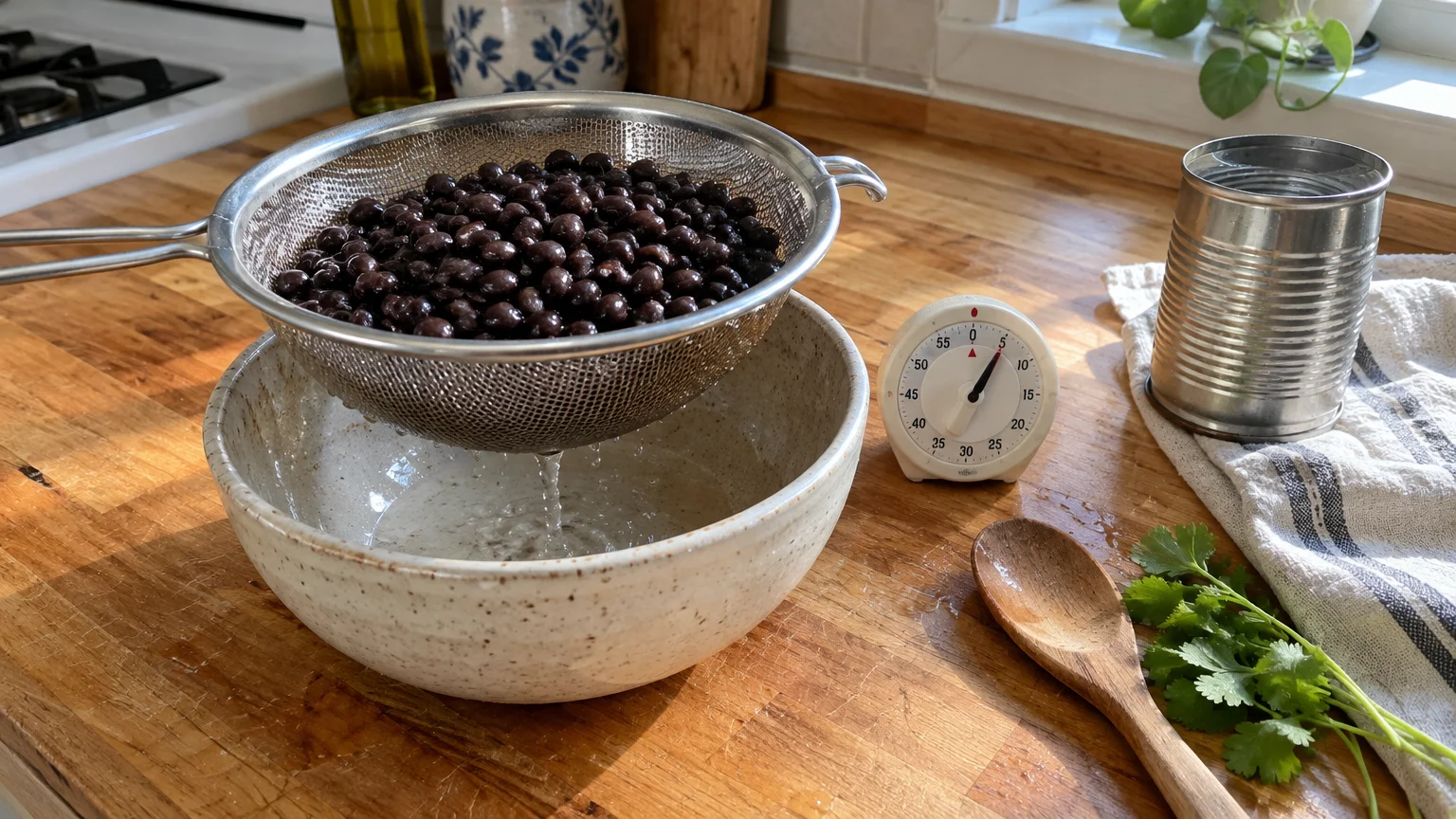
The proper kitchen method: Drain, rinse, and rest
Achieving that laboratory-proven 41% sodium reduction requires following a specific sequence at your sink. Rushing the process or skipping steps leaves excess brine clinging to the legumes.
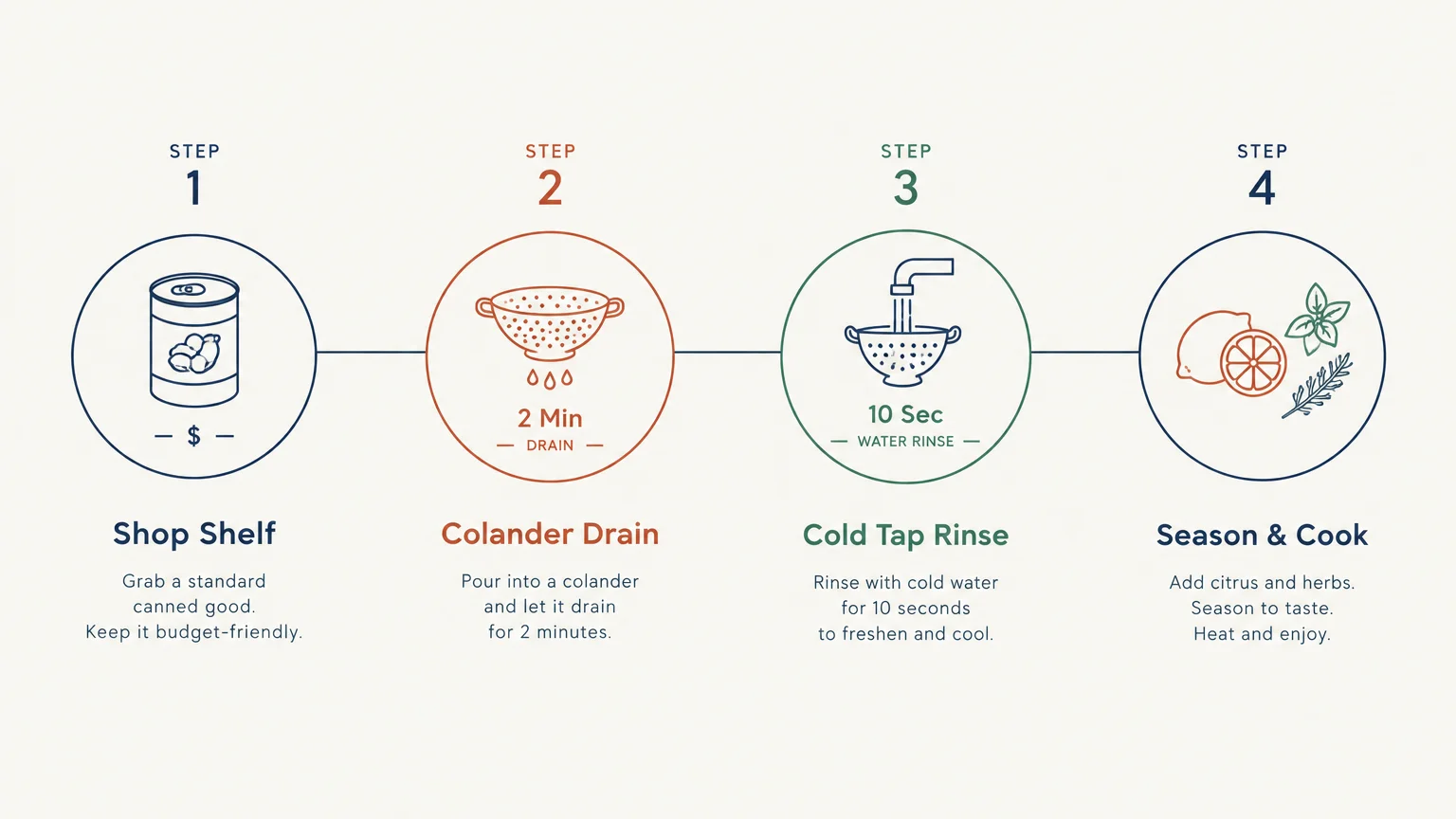
Start by opening the can completely with a clean manual or electric can opener. Pour the entire contents into a standard stainless steel colander or fine-mesh wire strainer.
Set a kitchen timer and let the packing liquid drain freely into your sink basin for two full minutes. This initial gravity drain pulls away the thick, starchy canning fluid where sodium concentrates heavily.
Next, hold the colander under your faucet and run cool or lukewarm tap water over the beans for exactly 10 seconds. Gently swirl the colander so the running water contacts every legume evenly.
Avoid using high water pressure during this rinse phase. Strong water streams can rupture delicate bean skins, which causes the interior starch to turn mushy in your finished recipes.
Never mash or stir the beans vigorously with a metal spoon while rinsing. Gentle movement allows the fresh water to carry away lingering surface salt without bruising the tender cooked legumes.
After completing the 10-second rinse, set the colander back down in your sink. Allow the legumes to rest undisturbed for another two minutes so excess surface moisture can drain completely away.
This final rest ensures that diluted rinse water does not thin out your stews, chilis, or salads. Your legumes are now clean, firm, and significantly lower in sodium.
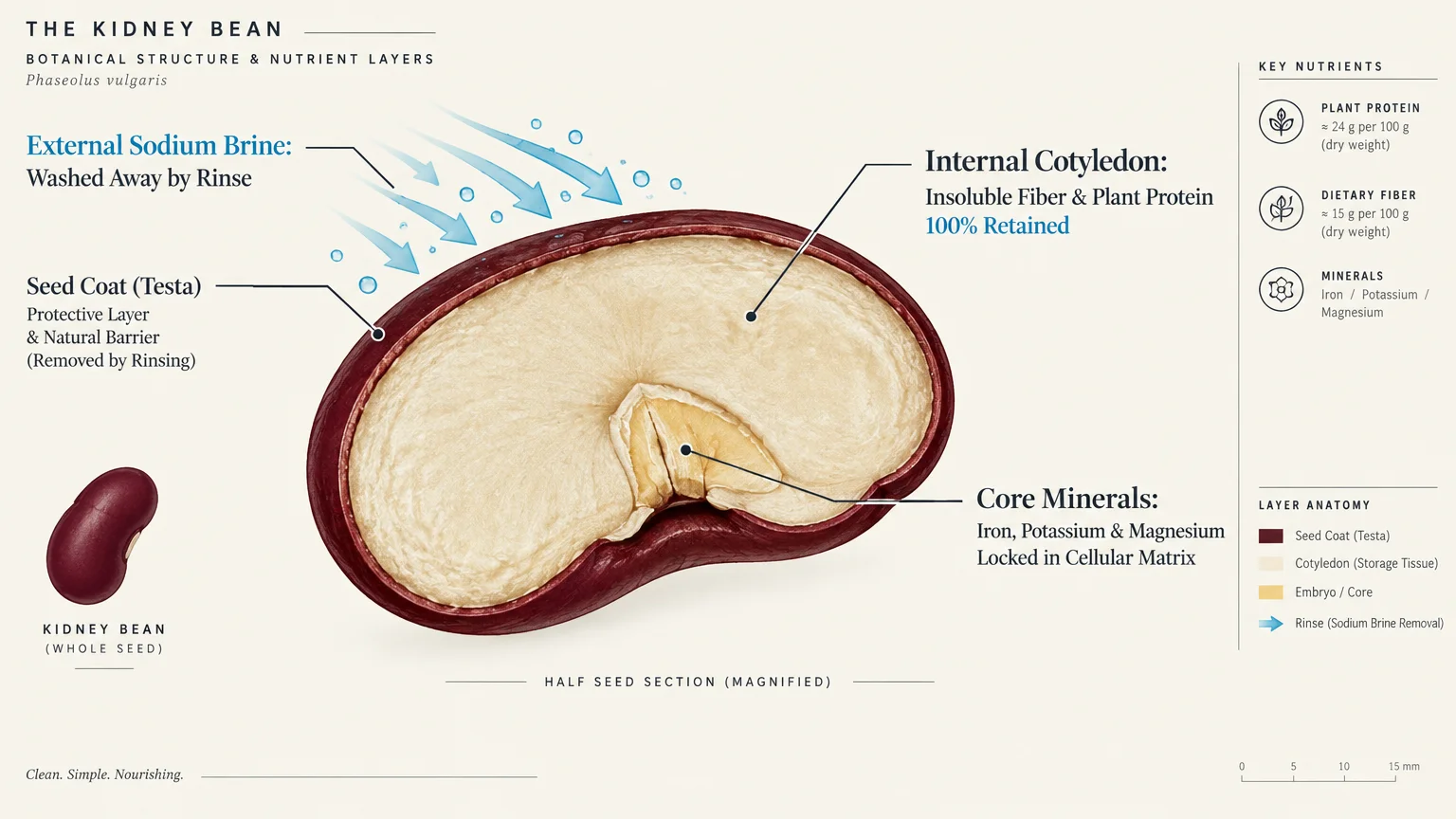
Do you wash away protein, fiber, or essential minerals?
Many practical cooks wonder whether running water strips away beneficial nutrients alongside the unwanted salt. Fortunately, the core nutritional powerhouses of the bean remain safely intact inside the seed.
Dietary fiber and plant-based protein reside deep within the solid cellular structure of the legume. Because these macro-nutrients do not dissolve in cold water, rinsing causes virtually zero loss of protein or fiber.
Legumes provide vital minerals that support cardiovascular wellness, bone strength, and metabolic balance. The NIH Office of Dietary Supplements highlights legumes as outstanding sources of dietary potassium and magnesium.
While a minor fraction of water-soluble minerals leaches into the cooking brine during factory canning, the vast majority stays locked in the bean flesh. The modest mineral loss from rinsing is far outweighed by the blood pressure benefits of shedding sodium.
Draining and rinsing also provides a welcome digestive benefit that many shoppers appreciate. The viscous canning liquid contains complex sugars called oligosaccharides that human digestive enzymes cannot easily break down.
When these sugars enter the lower intestine, gut bacteria ferment them, causing uncomfortable gas and intestinal bloating. Washing away the packing brine removes these free-floating compounds, making beans significantly gentler on your digestive system.
You retain the cholesterol-lowering soluble fiber that feeds beneficial gut microbes while discarding the compounds that cause gastrointestinal distress. It is a rare win-win for both comfort and cardiovascular nutrition.

Smart shopping strategies for one- or two-person households
Cooking for a small household requires strategic grocery buying to avoid throwing away spoiled food. A standard 15-ounce can of beans provides roughly three and a half half-cup servings once fully drained.
Purchasing conventional canned beans gives you maximum versatility without financial waste. Store brands frequently cost less than a dollar per can, offering unbeatable value for high-quality plant protein.
You do not need to prepare an entire recipe at once just because you opened a full can. You can easily divide a rinsed can between two completely different meals across several days.
After draining and rinsing the entire can, transfer whatever portion you do not immediately need into a clean glass storage container. Avoid storing open food inside the original tinplate metal can.
Keeping acidic or damp foods in an open can can impart an unpleasant metallic flavor over time. An airtight glass or BPA-free plastic container preserves the pure taste and keeps the legumes fresh.
Store your leftover rinsed beans in the refrigerator and consume them within three to four days. Add a spoonful to lunchtime green salads, stir them into scrambled eggs, or fold them into quick wraps.
If you cannot use the leftovers within four days, your home freezer provides an excellent long-term storage solution. Freezing beans preserves their nutritional value and prevents unwanted food waste.
Spread the rinsed, dried beans in a single layer across a parchment-lined baking sheet. Place the sheet in your freezer for two hours until the individual legumes are completely frozen solid.
Transfer the frozen beans into a freezer-safe zip-top bag labeled with the date. Because you froze them individually, you can pour out exactly two tablespoons or a half cup whenever a recipe calls for them.
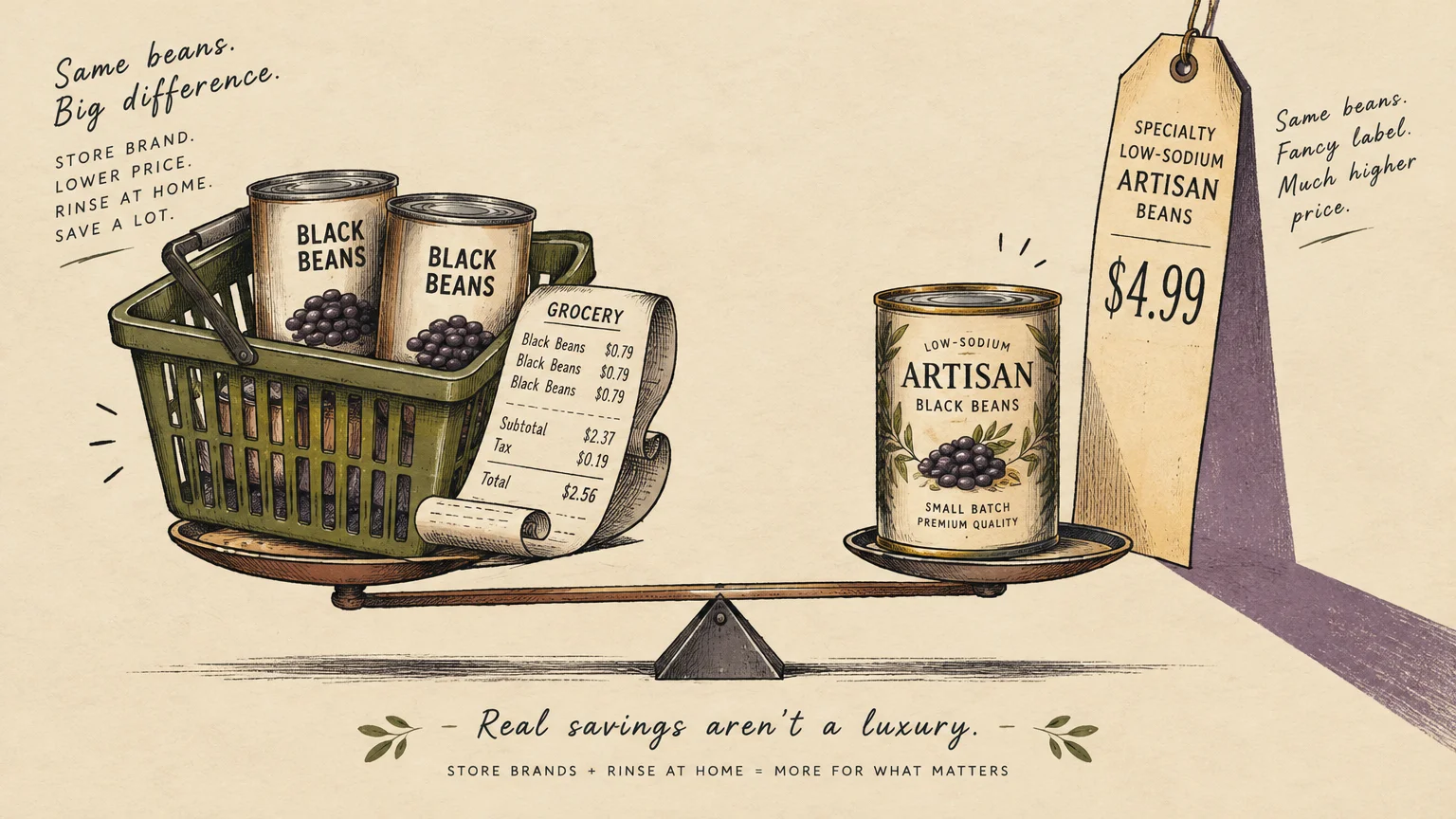
Budget benefits of store brands over specialty labels
Grocery inflation has made every dollar in the food budget count, especially for shoppers on a fixed monthly income. Name-brand specialty items frequently carry substantial retail markups that offer little genuine nutritional advantage.
Supermarket house brands offer identical agricultural quality at a fraction of the cost. These standard cans pack the same wholesome beans harvested from the exact same American farm fields.
Low-sodium and organic specialty beans often cost 30% to 60% more per unit than standard private-label options. Paying that premium every week adds up to a noticeable expense over a full year.
Because draining and rinsing removes 41% of the sodium at your kitchen sink, paying extra for factory-reduced sodium becomes unnecessary. You achieve comparable health results while keeping money in your wallet.
Buying standard cans also lets you capitalize on multi-buy sales promotions, such as four cans for three dollars. Low-sodium cans are rarely included in those steep supermarket discounts.
Stocking your pantry with deeply discounted regular beans builds food security and simplifies meal planning. You always have an affordable protein source ready to build a hearty soup, stew, or casserole.
Balancing bean minerals with common daily medications
Many adults who monitor their sodium also take prescription medications to manage blood pressure or cardiac rhythm. Common prescriptions include ACE inhibitors, angiotensin receptor blockers, and various types of diuretics.
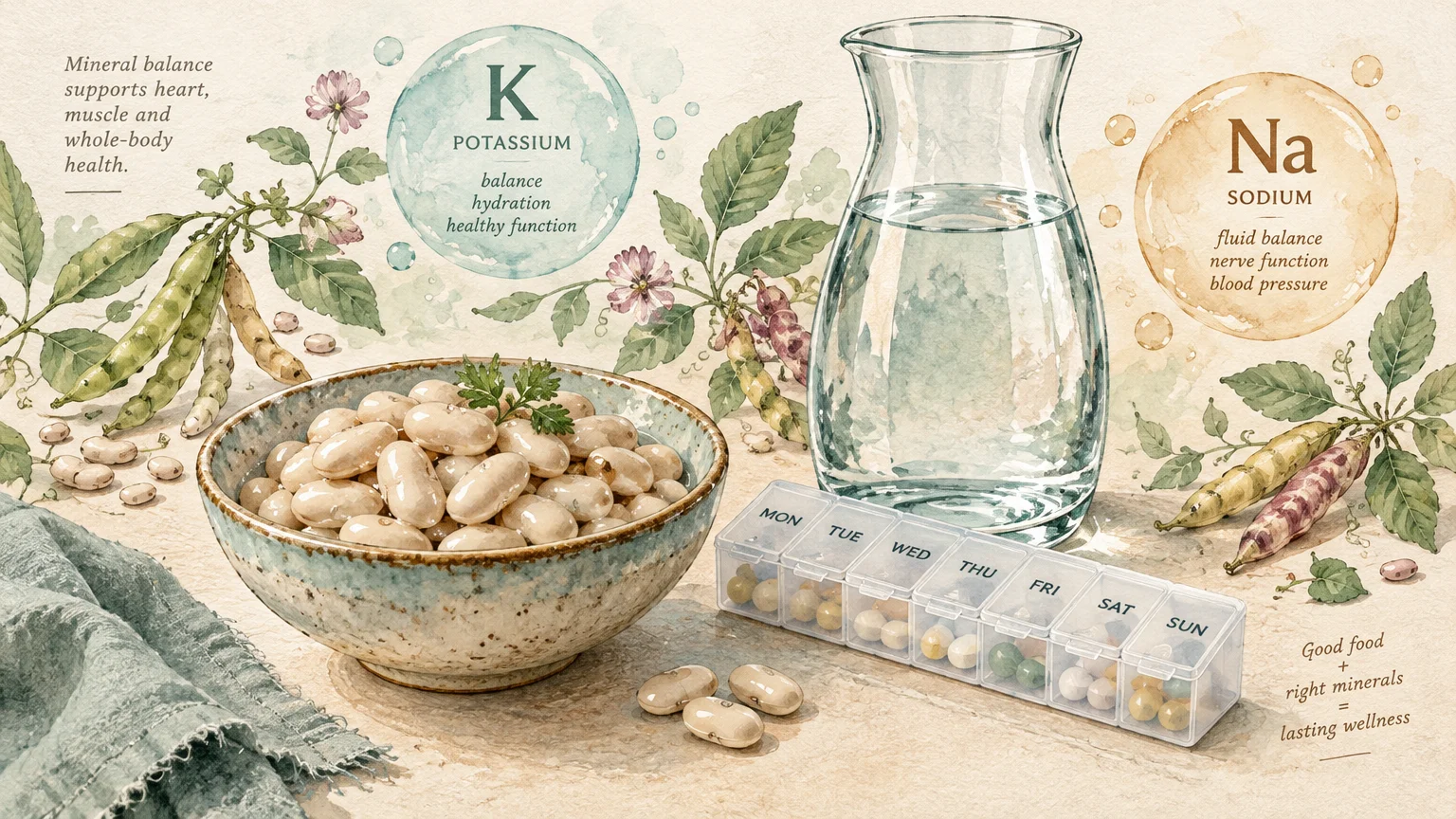
Some of these cardiovascular medications cause your body to retain potassium while excreting sodium through urine. Other medications, like loop diuretics, can cause your system to lose potassium more rapidly.
Regular canned beans provide a generous natural supply of dietary potassium alongside plant protein. Washing away 41% of the sodium helps maintain a favorable potassium-to-sodium ratio in your daily diet.
A favorable mineral ratio encourages blood vessel relaxation and supports healthy endothelial function. You reduce the strain on your heart without needing artificial mineral supplements.
If your physician or nephrologist has placed you on strict potassium restrictions, discuss legume intake during your next appointment. For most individuals, however, replacing dietary sodium with plant-based potassium provides profound cardiovascular protection.
Common grocery aisle dilemmas and reader questions
Does hot water rinse away more sodium than cold tap water?
Cool or lukewarm tap water works perfectly to dissolve and flush away the surface canning brine. Using hot water does not significantly increase sodium removal beyond the verified 41% threshold.
Furthermore, hot water can soften the outer skins of delicate legumes like cannellini or navy beans. Sticking with cool or room-temperature water keeps the texture delightfully firm for salads and warm dishes alike.
Can you use the drained bean liquid if you are watching your salt?
You should completely discard the canning liquid, often called aquafaba, if you need to limit sodium. That thick liquid holds 36% of the can’s total sodium content within its starchy solution.
While vegan bakers use chickpea liquid as an egg substitute, individuals managing blood pressure should discard it. Use fresh water, low-sodium broth, or unsalted vegetable stock to build moisture in your recipes instead.
Do rinsed regular beans taste different from no-salt-added cans?
Rinsed regular beans actually offer superior flavor and texture compared to many factory no-salt-added varieties. Canning beans with a small amount of salt helps the legumes retain their structural firmness during high-heat sterilization.
No-salt-added beans can sometimes taste flat or cook down into a mealy, mushy consistency. Rinsing regular beans leaves just enough seasoned flavor to taste delicious while washing away the dangerous excess salt.
Will rinsing canned beans affect how they perform in slow cookers?
Rinsing regular canned beans actually improves how they hold up during long, slow cooking cycles. Removing the thick, starchy canning brine prevents your slow-cooker soups and stews from developing an overly gummy texture.
Add the rinsed, drained beans during the final thirty minutes of slow cooking so they do not break down. This preserves their pleasant bite and ensures they absorb the fresh herbs and spices of your dish.

How to season rinsed beans without reaching for the saltshaker
Once you rinse away the heavy brine, your beans become a clean, versatile canvas for delicious home cooking. You can build robust, savory flavor using heart-healthy pantry seasonings that contain zero milligrams of sodium.
Simmer your rinsed beans with crushed garlic cloves, fresh bay leaves, and cracked black pepper. As the beans warm, they absorb those aromatic compounds without increasing your cardiovascular risk.
A splash of fresh lemon juice or red wine vinegar brightens earthy black and pinto beans instantly. Acid activates the same taste receptors on your tongue as salt, delivering satisfying flavor with zero added minerals.
Dried spices like smoked paprika, ground cumin, and dried oregano add warmth and depth to kidney and white beans. Toasting your spices in a drop of olive oil before adding the beans unlocks their natural essential oils.
Fresh herbs like rosemary, thyme, flat-leaf parsley, and cilantro provide vibrant color and antioxidant protection. Stirring them in right before serving preserves their delicate aromas and elevates even the simplest weeknight meal.
Comparing different bean varieties for your pantry
Every bean variety features a slightly different skin thickness and starch density that influences how it rinses. Understanding these subtle differences helps you choose the right legume for every kitchen preparation.
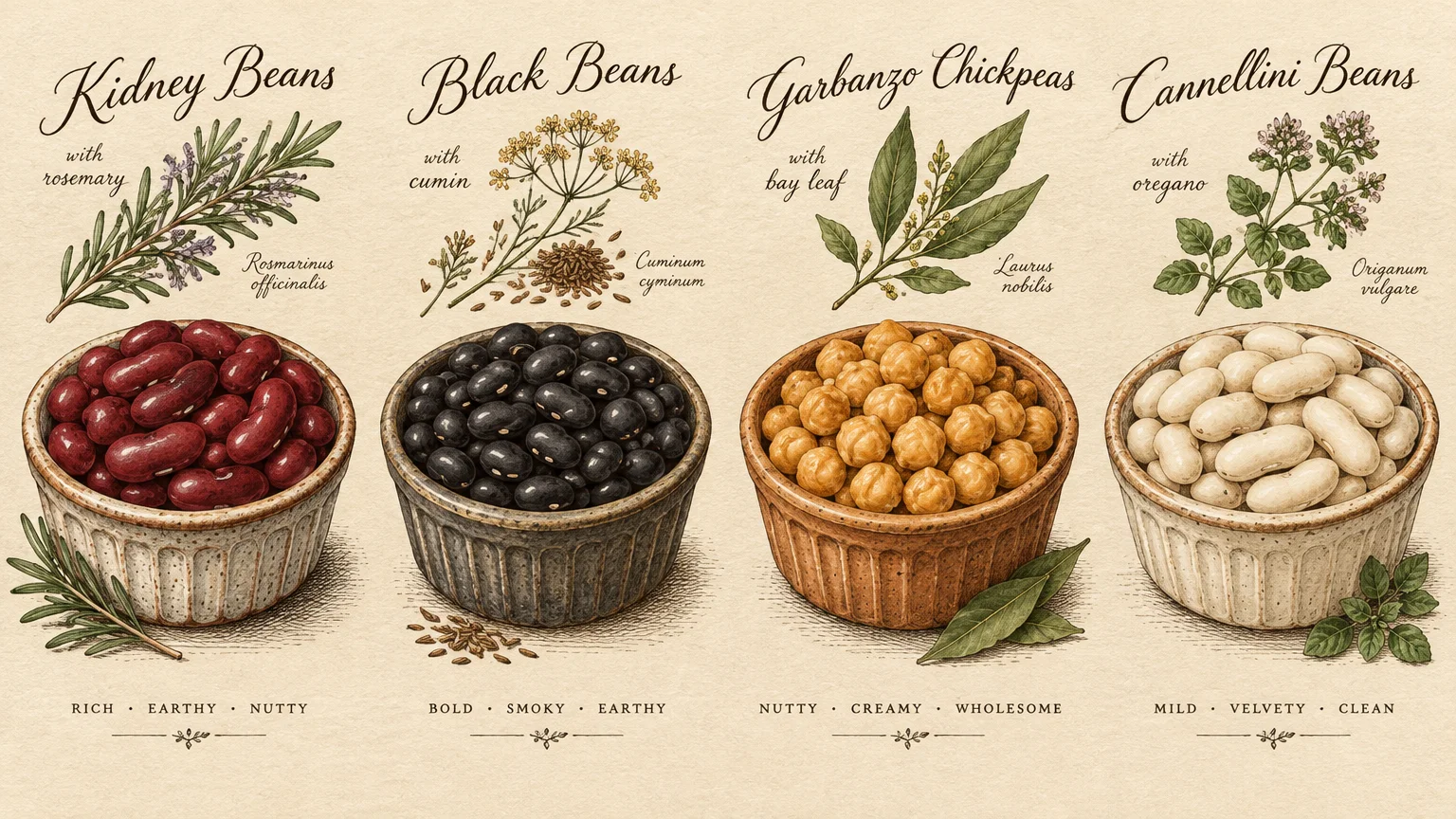
Black beans have sturdy outer seed coats that hold up exceptionally well under running tap water. They rinse cleanly without losing their rich color, making them ideal for quick grain bowls and skillet dinners.
Garbanzo beans, or chickpeas, possess the firmest structure of any common supermarket canned legume. They tolerate vigorous draining and rinsing with ease, maintaining a delightful crunch when roasted or tossed into fresh salads.
Cannellini and great northern beans feature thinner, more delicate skins that require a gentler touch at the sink. Use a low water flow when rinsing these white legumes to keep their creamy interior intact for Italian soups.
Red kidney beans offer substantial body and thick skins that stand up well to thorough rinsing and draining. They make a perfect base for hearty weekend chilis, red beans and rice, or chilled three-bean picnic salads.
Your action plan for the next grocery trip
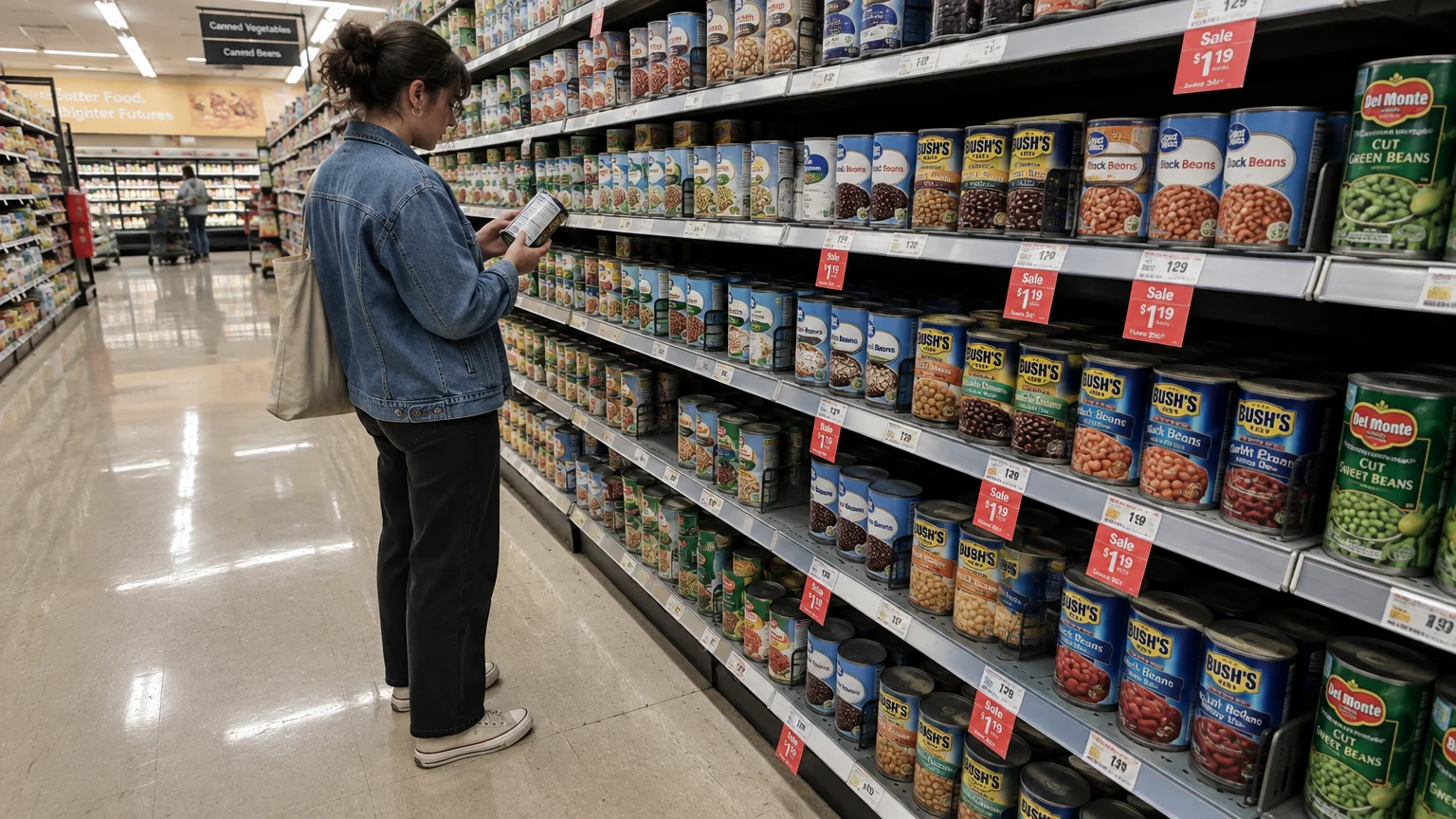
On your next trip down the canned goods aisle, bypass the overpriced specialty low-sodium section with confidence. Walk straight to the conventional bean shelf and pick up two or three cans of your favorite store-brand variety.
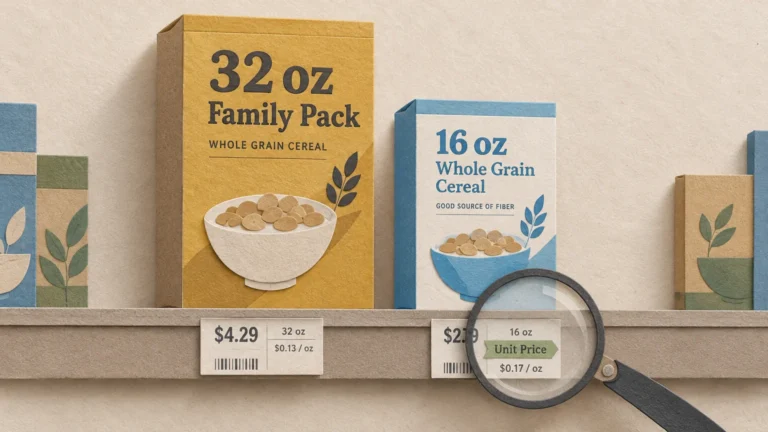
Check the price tag per ounce to confirm that you are getting the best possible supermarket value. Put back any expensive specialty cans that charge a markup for simply doing the draining at the factory.
If your kitchen lacks a sturdy wire colander, visit the kitchen gadget aisle and pick one up. A durable stainless steel colander pays for itself rapidly by allowing you to buy economical standard canned goods forever.
When you return home, store your cans at eye level in your pantry so they stay top of mind for dinner. You now possess the scientific facts and practical technique needed to enjoy delicious, low-salt meals on your own terms.