Finding flavorful groceries that protect your blood pressure without straining your monthly budget can feel daunting. Walmart launched its private-label line, bettergoods, to deliver culinary quality at everyday prices.
Roughly 70% of the brand sits under $5 per package. That price point offers substantial relief for smaller households watching both their sodium intake and grocery expenses.
You do not have to settle for bland meals to protect your cardiovascular health. These six verified low-sodium items bring rich flavor and reliable nutrition straight to your pantry.
Why does shopping for low sodium matter so much today?
Most adults consume far more salt than their cardiovascular system requires to function well. Extra sodium pulls excess fluid into your bloodstream, increasing pressure against your blood vessel walls.
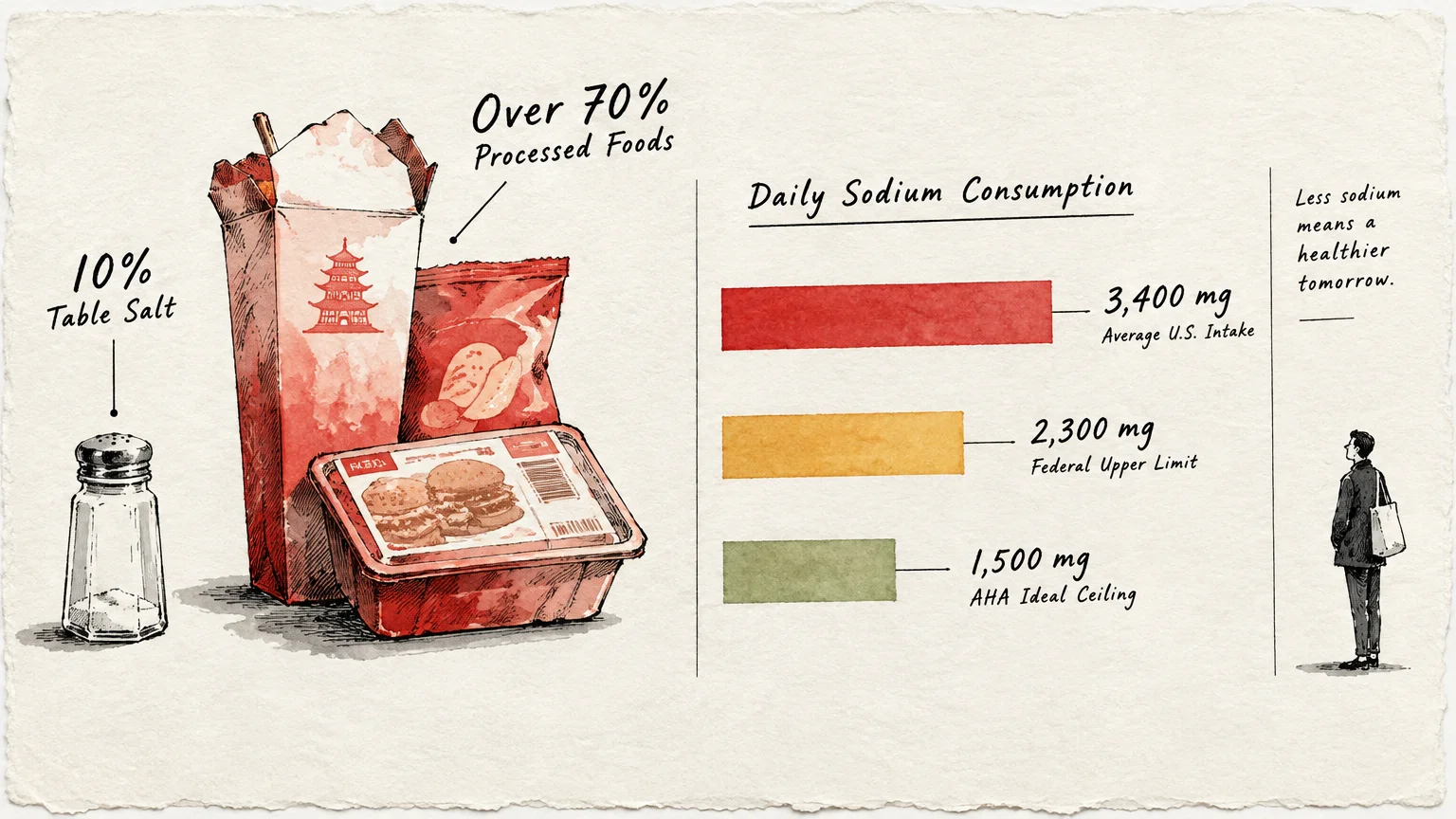
According to the U.S. Food and Drug Administration, American adults consume an average of 3,400 milligrams of sodium each day. That volume significantly exceeds established medical guidance.
The federal Dietary Guidelines for Americans advise adults to limit sodium intake to less than 2,300 milligrams daily. That upper threshold equals roughly one teaspoon of standard table salt.
If you manage elevated blood pressure, medical experts recommend an even tighter boundary. The American Heart Association suggests an ideal daily ceiling of 1,500 milligrams for most adults.
Surprisingly, the salt shaker on your dining table is rarely the main culprit. More than 70% of dietary sodium comes from packaged, commercially processed foods and restaurant dishes.
Food processors add salt for shelf preservation, color stability, and moisture retention. Those commercial additives make it difficult to control your daily salt intake unless you inspect packages closely.
When you prepare meals using lower-sodium packaged staples, you relieve chronic strain on your kidneys and heart. Even small reductions in daily milligrams can produce measurable improvements in resting blood pressure readings.
Maintaining lower vascular tension also helps your heart medications work more efficiently. That simple daily habit protects your long-term cardiovascular health while keeping you out of doctors’ offices.
What makes a food legally low sodium under federal standards?
Grocery packaging often displays vague marketing slogans designed to catch your eye in crowded aisles. Learning official regulatory definitions allows you to identify truly heart-healthy foods in seconds.
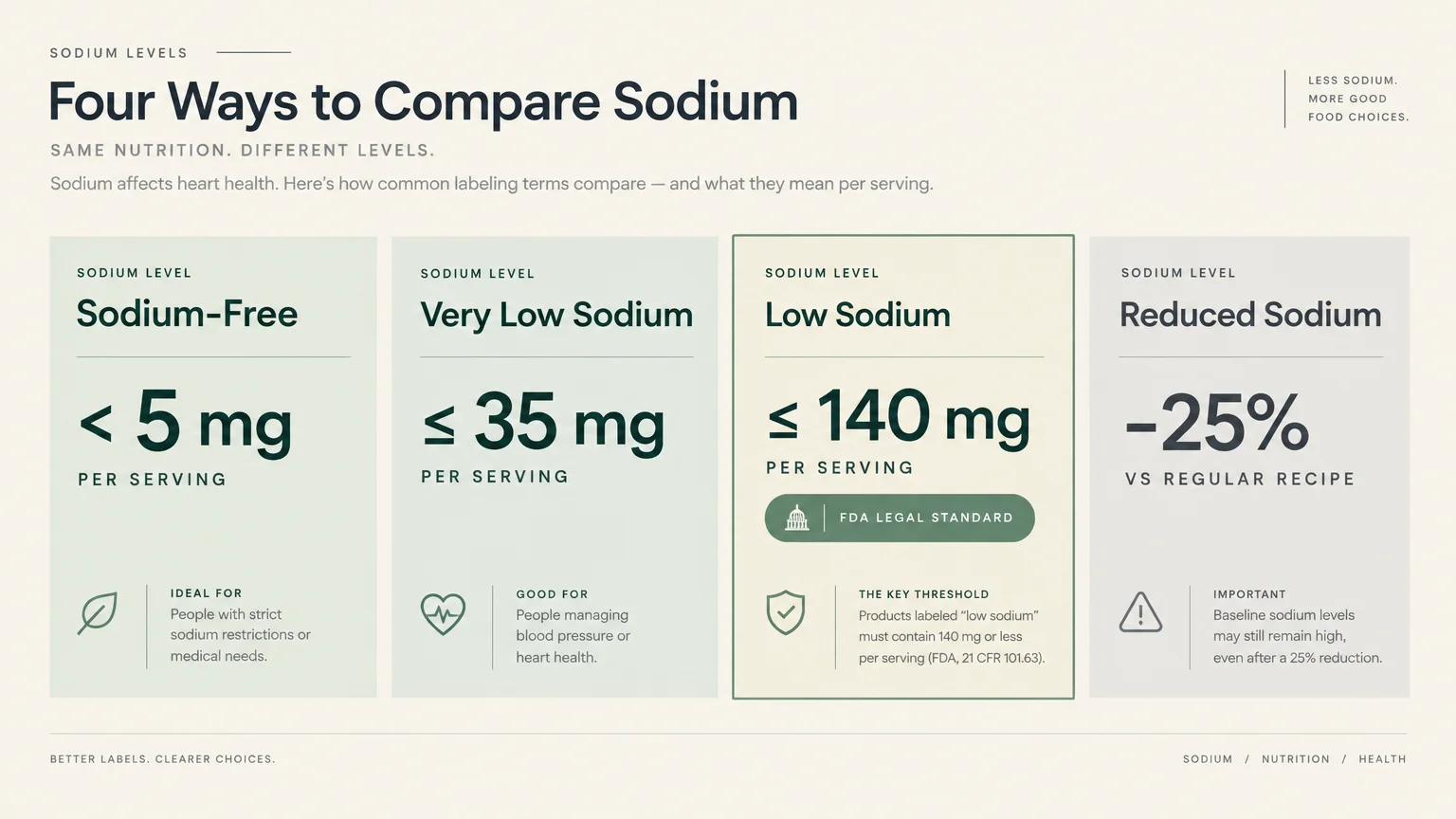
Federal regulations define low sodium as 140 milligrams of sodium or less per serving. Any packaged food meeting this rule must list that measurement clearly on the Nutrition Facts panel.
Products containing 35 milligrams or less per serving qualify as very low sodium. These items provide exceptional safety margins for individuals on strict dietary restrictions.
When an item contains less than 5 milligrams per serving, federal rules classify it as salt-free or sodium-free. These foods add virtually no sodium to your daily intake.
You may also notice terms like reduced sodium on cans and boxes. That claim only means the product contains 25% less sodium than the manufacturer’s original recipe.
A reduced-sodium soup can still carry 600 milligrams of salt per cup, which exceeds healthy thresholds. Memorizing the 140-milligram cutoff ensures you make informed, confident choices every time you shop.
A quick glance at the Nutrition Facts panel reveals the truth faster than any promotional claim. Keeping these exact numbers in mind protects your cardiovascular system from deceptive packaging.
How does Walmart position the bettergoods brand for budget shoppers?
Walmart officially introduced its bettergoods private-brand food line on April 30, 2024. The debut marked the retailer’s largest private-brand food launch in twenty years.
The product collection originally launched with roughly 300 items and expanded to over 400 offerings within its initial year. It quickly generated nearly $500 million in retail sales.
According to consumer research from Numerator, the line reached 28% of American households during its first twelve months. Shoppers embraced the brand’s balance of elevated ingredients and accessible pricing.
Individual product prices across the line range from $2 to $15. However, Walmart confirmed that roughly 70% of all bettergoods items retail for under $5.
Walmart organizes the assortment around three core pillars: Culinary Experiences, Plant-Based, and Made Without. These categories help shoppers find specialty ingredients without paying gourmet grocery markups.
The Culinary Experiences pillar highlights chef-inspired recipes and unique spice blends. The Plant-Based group offers accessible dairy-free and vegan alternatives for everyday cooking.
Meanwhile, the Made Without line focuses on foods formulated without artificial flavors, synthetic colors, or added sugars. This transparent structure lets you select high-quality groceries with confidence.
For households operating on fixed monthly budgets, these affordable items make managing chronic health conditions much simpler. You can upgrade meal quality without sacrificing financial security.
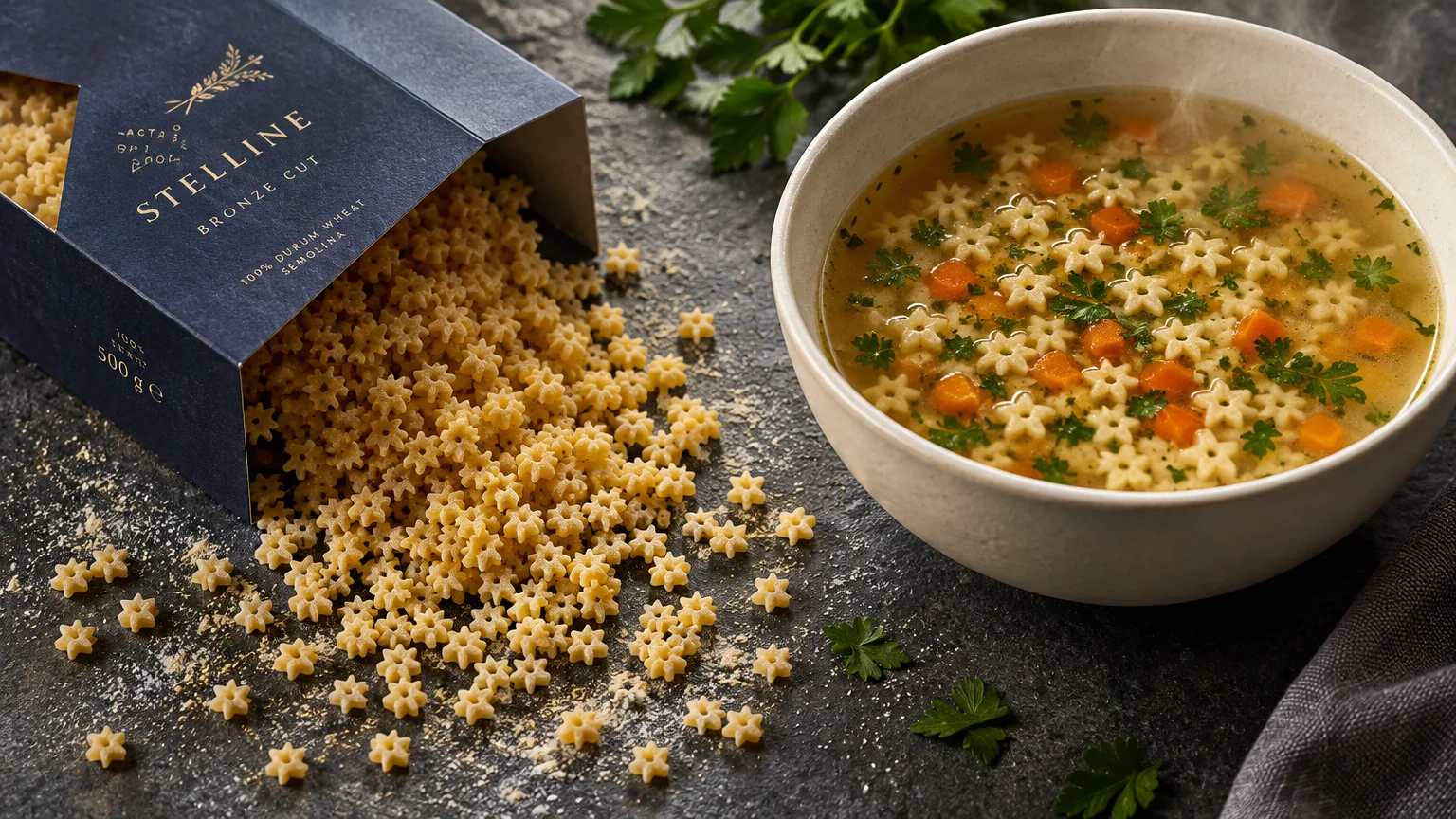
Item 1: How does bettergoods Bronze Cut Stelline Pasta stretch your pantry budget?
Standard pasta shapes often feel repetitive, but traditional bronze cut varieties elevate simple weeknight meals. The bettergoods Bronze Cut Stelline Pasta, No. 53, sells for $1.97 to $2.24 per 16-ounce package.
Prices may fluctuate slightly depending on your local store location and seasonal promotional cycles. Even at the higher end, it remains an economical dry pantry staple.
A standard two-ounce dry serving contains exactly 0 milligrams of sodium. That delivers 0% of your daily value, leaving full room for seasoned broths.
Each serving also supplies 200 calories, 7 grams of protein, and 2 grams of dietary fiber. It contains zero grams of added sugars.
Bronze die extrusion creates a textured surface that captures broth and sauces far better than slick, Teflon-extruded pasta. That physical texture enhances flavor perception without requiring additional salt.
Stelline refers to miniature star-shaped pasta traditionally served in comforting Italian soups. The small size makes it easy to chew and digest, which benefits anyone with dental sensitivities.
A single 16-ounce package provides eight distinct servings, making it ideal for one- or two-person households. You can cook small portions on demand without wasting leftover food.
Simmering a half cup of stelline in homemade unsalted vegetable stock creates a satisfying meal in less than ten minutes. You bypass the extreme sodium levels found in conventional canned soups.
You can also toss cooked stelline with olive oil, fresh lemon juice, and chopped herbs for a chilled side dish. The tiny pasta shapes absorb herbal notes deeply, eliminating the need for table salt.
The dry pasta stores safely in an airtight container for months, eliminating food waste entirely. It gives you an easy, reliable carbohydrate source that respects your blood pressure goals.
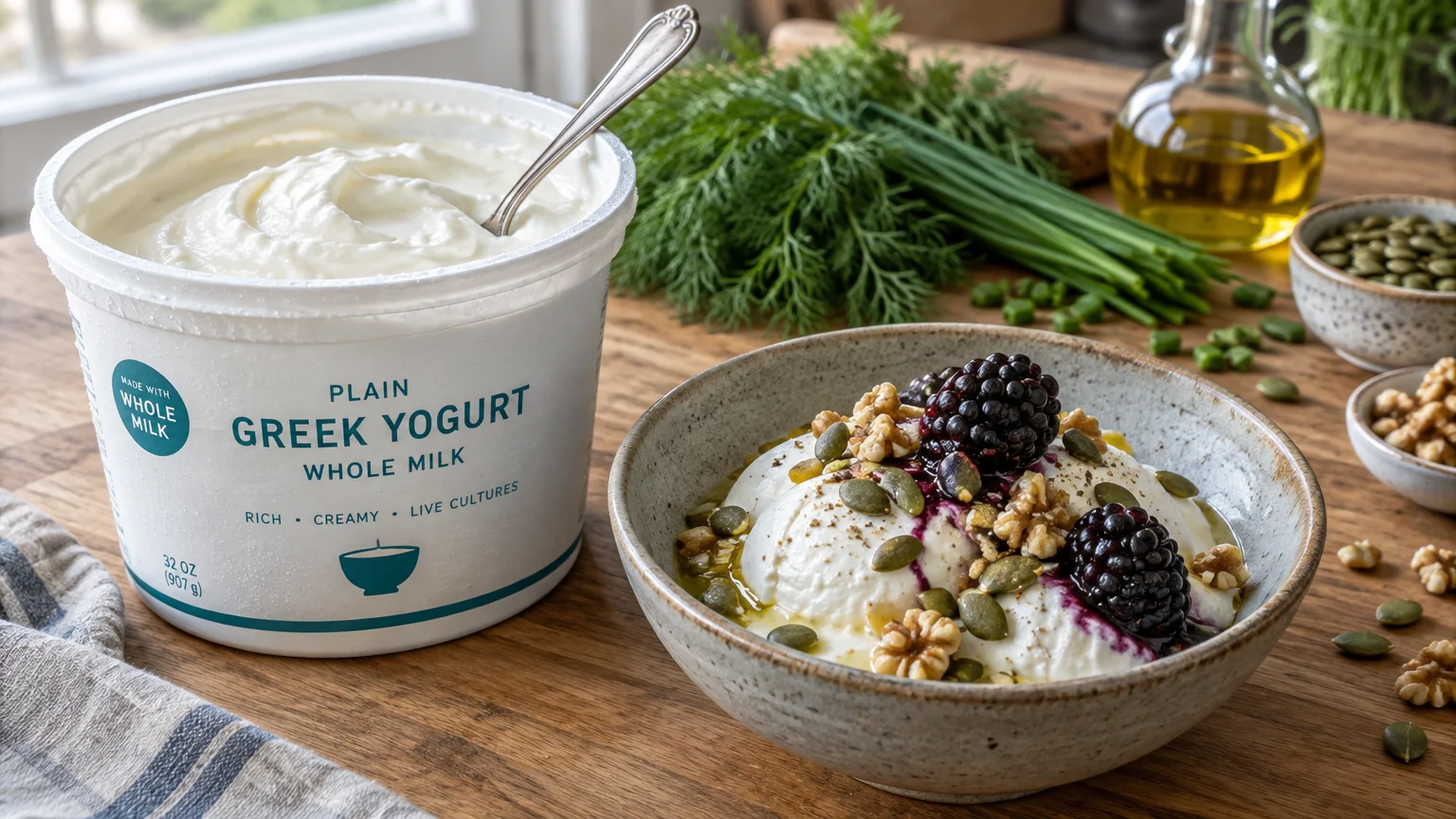
Item 2: Why should you choose bettergoods Plain Whole Milk Greek Yogurt for versatile protein?
Finding high-protein foods that keep sodium levels low can challenge shoppers managing their cardiovascular health. A 32-ounce tub of bettergoods Plain Whole Milk Greek Yogurt costs $3.93 at Walmart.
A three-quarter cup serving of 170 grams contains just 75 milligrams of sodium. That represents a modest 3% of your daily recommended limit.
That same portion delivers 140 calories, 15 grams of sustaining protein, and zero added sugars. The 6 grams of sugar listed represent naturally occurring milk lactose.
Maintaining adequate dietary protein preserves skeletal muscle mass and supports immune function as you age. Greek yogurt delivers dense protein without requiring the heavy sodium often used in processed meats.
If you prefer a sweeter profile, the bettergoods Honey Vanilla Whole Milk Greek Yogurt sells for $3.68 to $3.93. It remains low sodium at 105 milligrams per serving while providing 7 grams of protein.
Plain Greek yogurt serves as a brilliant culinary substitute for high-sodium commercial condiments. You can replace sour cream, mayonnaise, or bottled creamy dressings with a dollop of yogurt.
Whisking minced garlic, lemon juice, and chopped fresh dill into plain yogurt yields a tangy dip with zero added salt. You gain rich creaminess while keeping your blood vessels protected.
You can also fold fresh blueberries and a dash of ground cinnamon into the yogurt for a quick breakfast. The natural sweetness of the fruit balances the rich dairy tang perfectly.
The 32-ounce tub stays fresh in your refrigerator for up to two weeks after opening. It provides roughly five satisfying breakfasts or culinary cooking bases for under four dollars.
This single item helps you cut expensive processed condiments from your grocery list while expanding your weekly protein options.
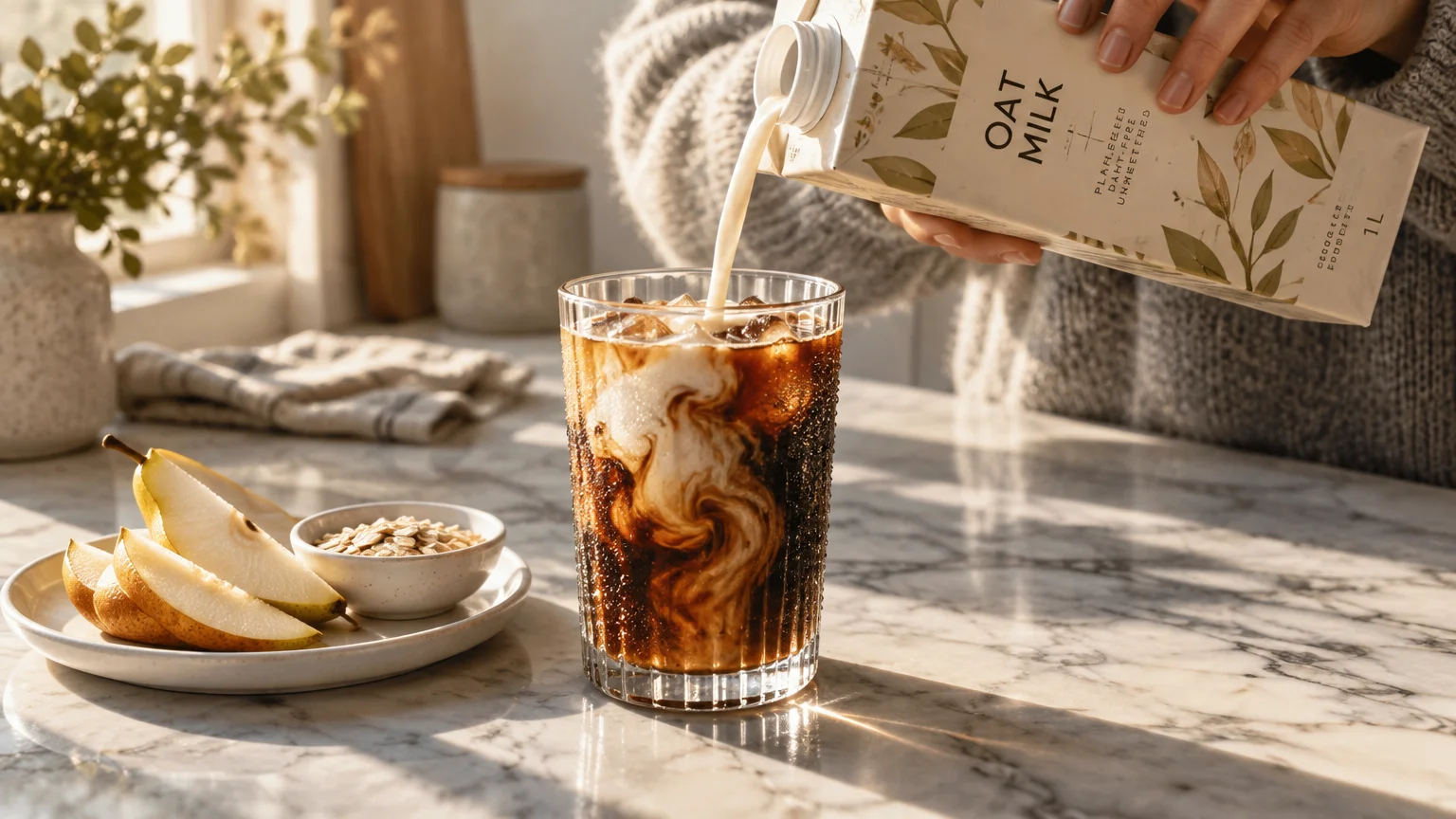
Item 3: Can bettergoods Plant-Based Original Oatmilk protect your cardiovascular health?
Many commercial plant milks incorporate sodium additives during processing to improve flavor stability and mouthfeel. The bettergoods Plant-Based Original Oatmilk provides an affordable, low-sodium alternative at $3.28 for a 59-fluid-ounce carton.
A standard one-cup serving contains 125 milligrams of sodium, or 5% of your daily value. That keeps the beverage safely under the 140-milligram low-sodium ceiling.
Each cup supplies 100 calories, 2 grams of dietary fiber, and only 3 grams of added sugar. The smooth consistency blends effortlessly into morning hot cereal or decaffeinated coffee.
Most importantly, this oatmilk delivers 360 milligrams of potassium per cup, representing 8% of your daily value. It comes fortified with essential calcium alongside Vitamins A and D.
Potassium plays a critical biological role in lowering blood pressure by promoting urinary sodium excretion. It also eases tension in your muscular arterial walls, supporting overall cardiovascular flexibility.
Replacing regular high-sodium creamer with fortified oatmilk adds essential minerals to your morning routine. You gain bone-supporting nutrients without consuming saturated fats or artificial stabilizers.
You can also warm the oatmilk with ground nutmeg and a drop of vanilla extract for a comforting evening beverage. It froths nicely without requiring the high-sodium thickeners found in commercial cafe syrups.
The carton remains fresh in the refrigerator for seven to ten days after opening. That window allows small households ample time to finish the carton without wasteful spoilage.
It allows you to maintain a dairy-free routine without absorbing the excessive salt common in competing plant milks. At under $3.50, it also protects your weekly grocery allowance.
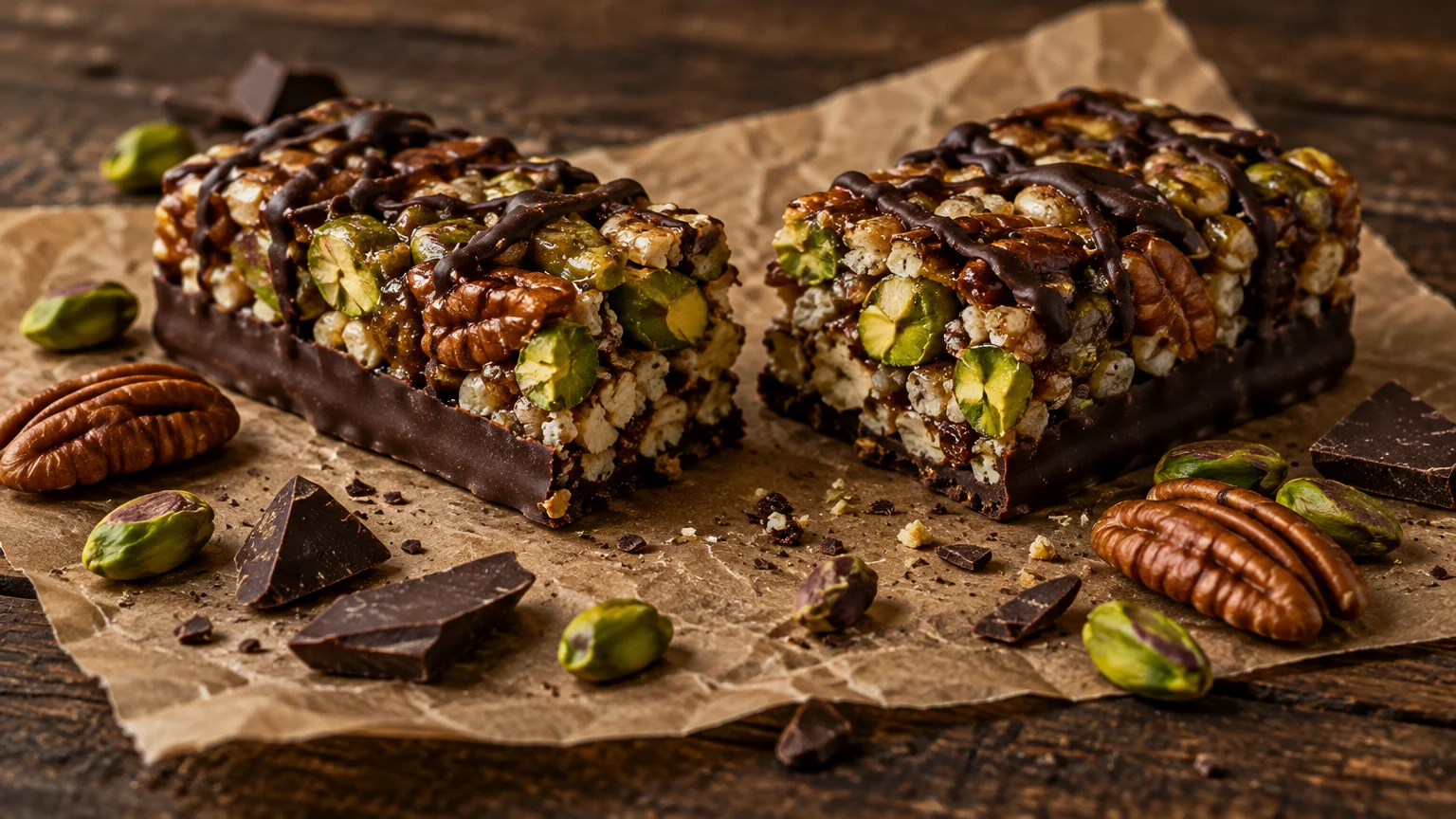
Item 4: How do bettergoods Dark Chocolate Pistachio Pecan Nut Bars satisfy cravings safely?
Pre-packaged snack bars often pack excessive salt and refined syrups to mimic homemade baked goods. A five-count box of bettergoods Dark Chocolate Pistachio Pecan Nut Bars retails for $4.96.
That price translates to roughly 99 cents per bar, offering a budget-friendly alternative to premium brand bars. It fits easily into fixed monthly grocery spending.
Each 1.4-ounce bar contains a mere 40 milligrams of sodium, accounting for just 2% of your daily value. This places the snack comfortably into low-sodium territory.
The nutritional profile delivers 200 calories, 5 grams of protein, and 7 grams of dietary fiber per bar. That fiber volume fulfills 28% of your daily fiber goal.
High fiber slows carbohydrate digestion, preventing erratic glucose surges that can burden cardiovascular health. The bar contains only 3 grams of added sugar, maintaining balanced blood sugar levels.
Whole pistachios and pecans provide wholesome monounsaturated fats that support healthy cholesterol ratios. These dense fats trigger satiety hormones, keeping you full between standard meals.
Many commercial granola bars sneak in extra sodium through salted nut coatings and processed binding syrups. This bettergoods bar relies on real dark chocolate and whole nuts instead of sodium heavy flavor enhancers.
Stash a bar in your glove compartment or handbag before heading out for medical appointments or afternoon errands. Having a healthy snack prevents desperate stops at salty fast-food drive-throughs.
The individually wrapped portions eliminate the risk of overeating that often comes with large snack bags. You get built-in portion control alongside exceptional heart-healthy nutrition.

Item 5: Why is bettergoods Flavored Sparkling Water a smart swap for sodium-laden drinks?
Beverages represent a common hidden source of dietary sodium in American households. An eight-pack of bettergoods Flavored Sparkling Water sells for $3.86 at Walmart, costing roughly 48 cents per can.
You can choose from refreshing fruit flavors including Lime, Orange Mango, and Coconut Lime. Each 12-fluid-ounce can contains exactly 0 milligrams of sodium and 0 calories.
Many popular diet sodas use sodium-based preservatives such as sodium benzoate or sodium citrate. Switching to unsweetened sparkling water eliminates those hidden chemical sodium sources completely.
Unlike commercial club sodas, which often contain added sodium bicarbonate, this sparkling water relies strictly on purified carbonated water and natural flavors. That keeps your mineral intake pure and predictable.
Proper daily hydration supports kidney filtration and helps your vascular system regulate fluid volume efficiently. Dehydration can cause your body to retain fluid, elevating resting blood pressure.
If plain tap water feels uninviting, crisp carbonation and natural fruit essences add sensory excitement to meals. You enjoy a celebratory beverage experience without added sugars, sodium, or artificial sweeteners.
Serve a chilled can over crushed ice with a fresh sprig of mint for an afternoon refresher. The carbonation provides a gentle digestive lift after lunch without stressing your cardiovascular system.
The aluminum cans store indefinitely in your pantry, saving valuable refrigerator space until needed. You can chill a few cans at a time to maintain optimal refreshment throughout the week.
This swap saves significant dollars compared to name-brand seltzers while keeping your sodium tally at absolute zero.

Item 6: Can you enjoy bettergoods Premium Swiss 60% Dark Chocolate Bar on a low-salt diet?
Many confectionery products contain added salt to intensify sugar sweetness and preserve shelf life. The bettergoods Premium Swiss 60% Dark Chocolate Bar with Almonds and Orange retails for $4.44.
Each 3.5-ounce bar contains three and a half servings, making it a luxurious yet affordable treat. A single serving delivers 170 calories and exactly 0 milligrams of sodium.
The bar provides 3 grams of dietary fiber and 2 grams of plant protein using Fair Trade Certified cocoa. The combination of orange peel and crunchy almonds creates rich culinary flavor.
Walmart also offers the bettergoods 72% Dark Chocolate and 60% Dark Chocolate with Almonds for $4.44. Both of these classic chocolate varieties also contain 0 milligrams of sodium per serving.
Dark chocolate contains natural cocoa flavanols that encourage nitric oxide production in arterial linings. Nitric oxide helps blood vessels relax and widen, supporting healthy vascular circulation.
Breaking off one or two squares after dinner offers a deeply satisfying dessert without compromising cardiovascular goals. You can indulge your palate while maintaining absolute control over your daily salt intake.
You can also grate a single square over warm morning oatmeal for an indulgent touch of flavor. The melting chocolate adds richness without introducing a single milligram of sodium.
Wrapping the foil tightly preserves the Swiss chocolate at room temperature for several weeks without spoilage. It delivers premium culinary satisfaction on an ordinary grocery budget.
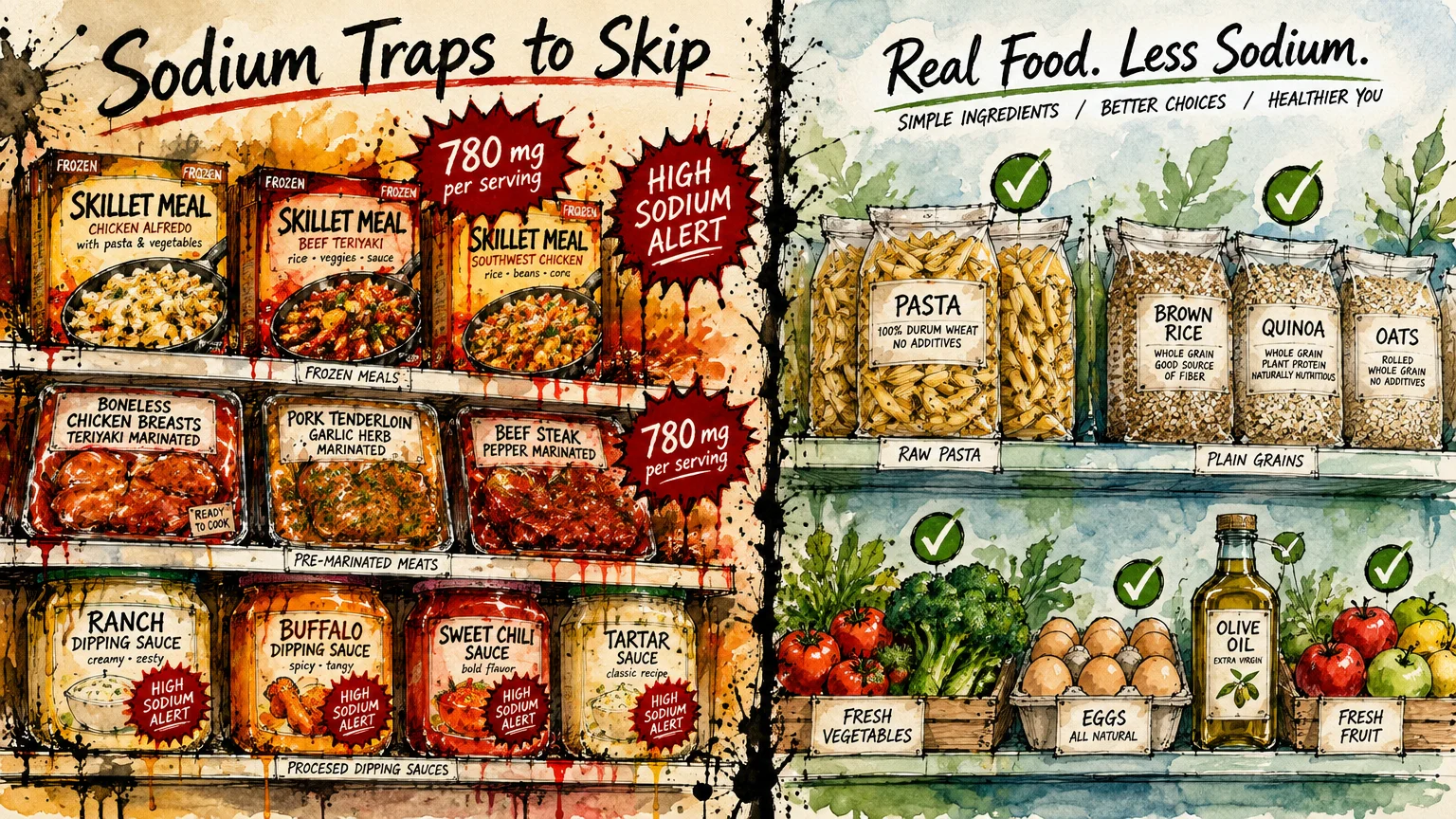
Which bettergoods items should you leave on the shelf?
Navigating the grocery aisles requires cautious evaluation because package branding can easily mislead shoppers. Not all items under the bettergoods label fit low-sodium guidelines or modest budgets.
Consider bettergoods Roasted and Unsalted Almonds, which contain 0 milligrams of sodium. Despite excellent nutritional metrics, a 10-ounce bag costs $7.42, exceeding our strict $5 budget benchmark.
You can find more affordable nut options by comparing unit prices across Walmart’s standard pantry shelves. Paying over $7 strains a fixed income, even when the food itself contains zero salt.
Another item to bypass is the bettergoods Chocolate Indulgence Chocolate Sea Salt Granola. While reasonably priced between $3.47 and $3.64 for an 11-ounce bag, the sodium count proves problematic.
A single 53-gram serving of that granola packs 150 milligrams of sodium. That pushes it above the FDA’s 140-milligram threshold, disqualifying it as an officially low-sodium food.
Similarly, bettergoods Heirloom Blue Corn and Multigrain Tortilla Chips look wholesome and cost just $3.94 for a 10-ounce bag. However, a single one-ounce serving contains 170 milligrams of sodium.
That one-ounce handful consumes 7% of your daily sodium allowance before adding any salsa or toppings. Reaching for a second serving quickly undermines your daily cardiovascular goals.
These snack chips demonstrate how health-halo buzzwords like heirloom and multigrain can distract shoppers from excessive sodium. The packaging looks virtuous, but the nutrition panel tells a different story.
These examples illustrate why you must inspect the Nutrition Facts panel on every single product. Never assume an upscale package design automatically guarantees low sodium or reasonable pricing.
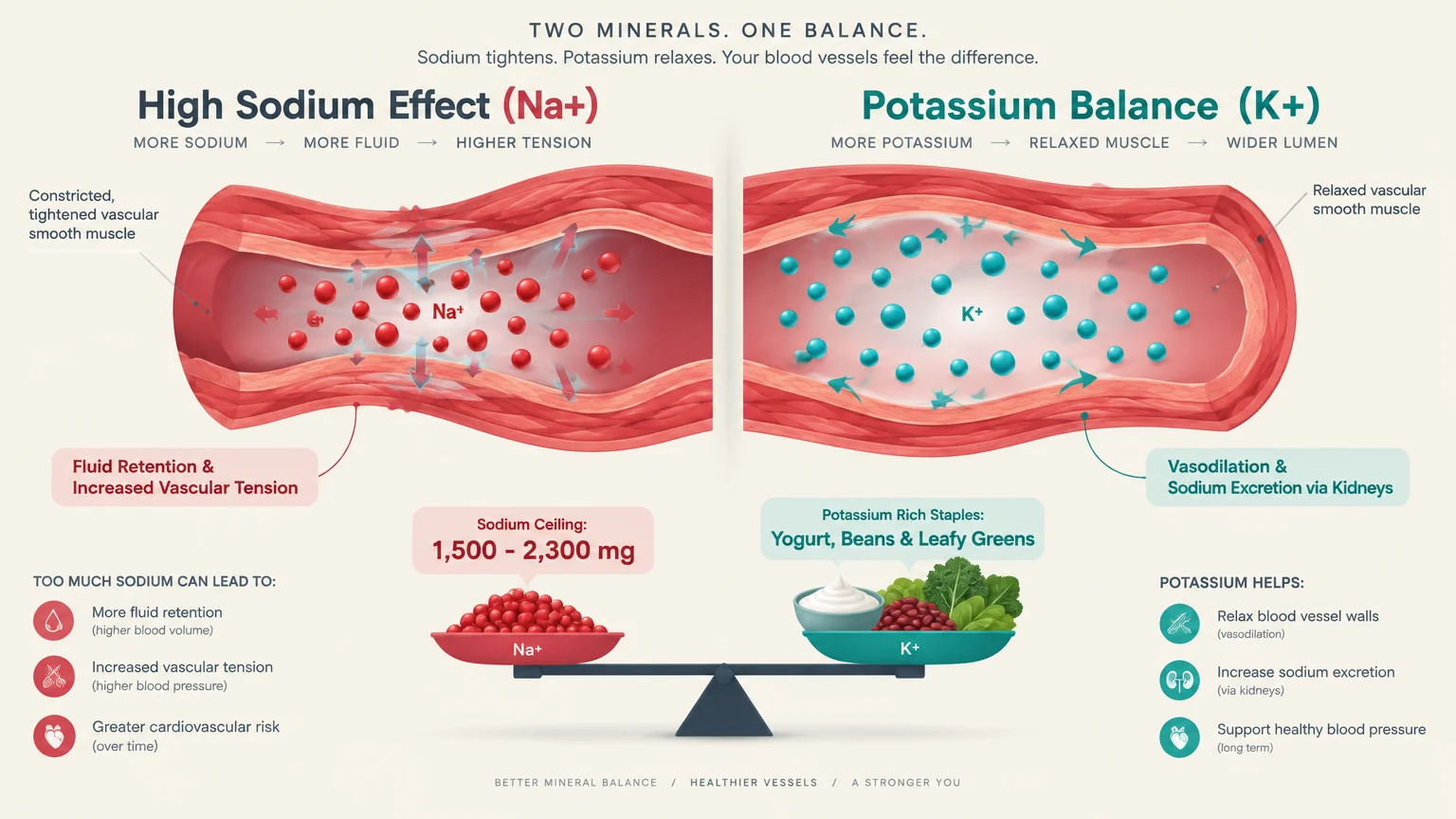
How do sodium and potassium work together to manage blood pressure?
Managing blood pressure involves a dynamic biological relationship between sodium and potassium inside your cells. While excess sodium increases blood volume, potassium counterbalances that fluid retention.
The NIH Office of Dietary Supplements highlights that dietary potassium blunts the harmful vascular effects of high salt intake. Adequate potassium intake encourages your kidneys to excrete sodium through urination.
Potassium also promotes vasodilation by relaxing the muscular walls of your blood vessels. This arterial relaxation directly reduces the mechanical pressure exerted on your circulatory system.
Unfortunately, standard American diets supply roughly twice the recommended sodium while providing inadequate potassium. Pairing low-sodium foods with potassium-rich staples like fortified oatmilk helps restore cellular balance naturally.
Getting your potassium from whole food sources also avoids the stomach irritation associated with concentrated potassium pills. Foods release their minerals gradually during digestion, providing steady cardiovascular support.
However, you should exercise caution if you take prescription medications that affect electrolyte clearance. Certain blood pressure drugs alter how your kidneys process potassium.
Angiotensin-converting enzyme inhibitors, angiotensin receptor blockers, and potassium-sparing diuretics cause the body to retain potassium. For patients taking these medications, excessive potassium intake can become dangerous.
Always discuss your daily electrolyte balance with your healthcare provider or registered dietitian. They can help you establish personalized daily targets suited to your specific medication regimen.
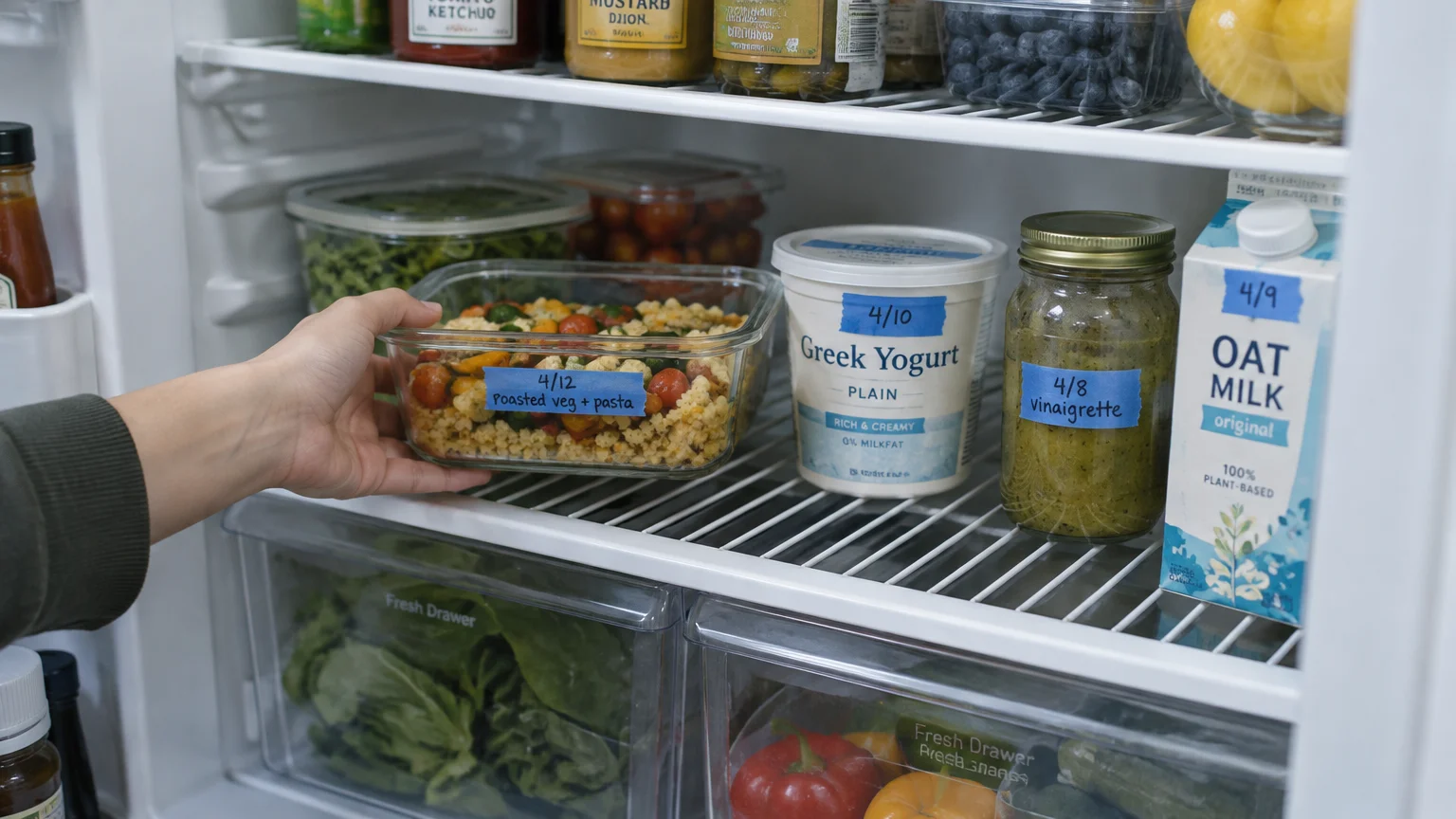
How can single and two-person households minimize food waste with these products?
Cooking for a small household on a fixed income requires careful planning to prevent costly spoilage. Throwing away spoiled food effectively doubles the price you paid per edible serving.
The 32-ounce tub of bettergoods Greek yogurt provides tremendous value over individual four-ounce cups. To keep it fresh, divide half the tub into smaller airtight glass containers immediately after purchasing.
Use clean spoons every time you scoop yogurt to prevent introducing airborne mold spores. You can also freeze leftover yogurt in silicone muffin cups to blend into future breakfast smoothies.
Dry pantry items like bronze cut stelline pasta offer superior shelf life for solo cooks. Keep opened pasta bags inside airtight glass jars away from kitchen moisture and direct sunlight.
Measure out dry pasta using a measuring cup before boiling water. Cooking precise portions prevents uneaten pasta from lingering in the refrigerator until it must be discarded.
For oatmilk, note the date of opening on the carton cap with a marker. Always store plant milk on an interior refrigerator shelf where temperatures remain cold and steady.
The door compartments of your refrigerator experience warm air drafts every time the door opens. Storing milk products deeper inside the appliance preserves freshness and extends usable shelf life.
For treats like dark chocolate, keep the bar in a cool pantry cabinet rather than the refrigerator. Cold storage can cause condensation that alters the texture of premium cocoa.
How do you read grocery labels beyond the front-of-package claims?
Front-of-package marketing is engineered to capture your attention and prompt an impulse purchase. Prominent labels boasting wholesome ingredients or artisan recipes tell you nothing about actual sodium levels.
Many consumers assume that sea salt or pink Himalayan salt offers a low-sodium alternative to table salt. In reality, sea salt contains identical sodium concentrations and impacts blood pressure identically.
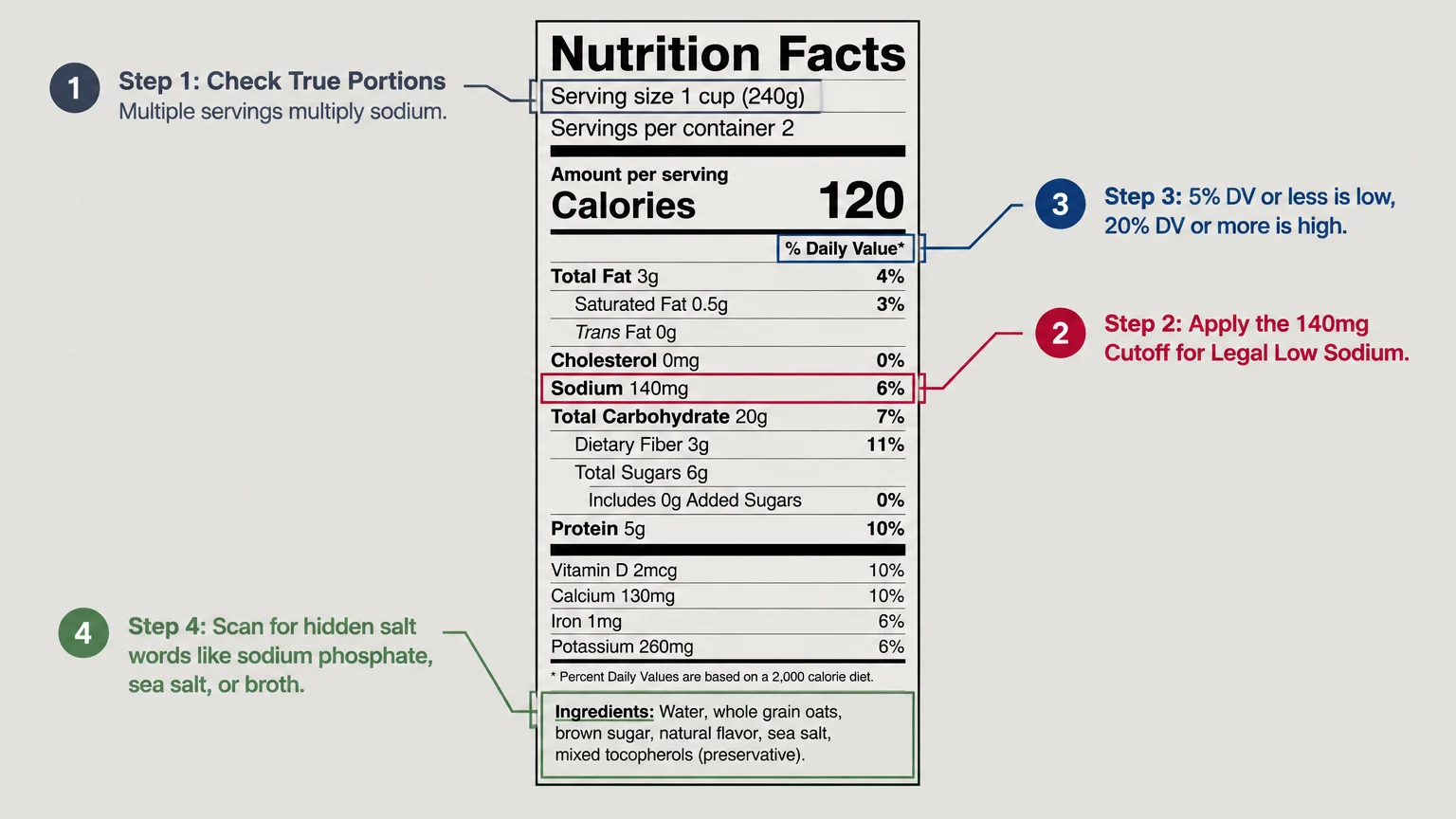
Turn the container around and focus your eyes directly on the Nutrition Facts panel. Start by checking the stated serving size to understand how the manufacturer calculates the nutritional values.
If you consume two servings of a snack, you must double the sodium milligrams listed. Failing to adjust for realistic portion sizes remains a primary cause of accidental sodium overload.
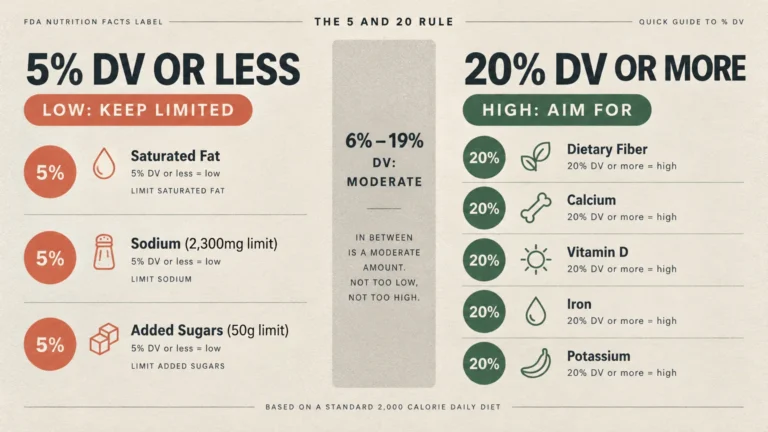
Next, examine the percent daily value (% DV) column printed on the right side. The FDA considers 5% DV or less per serving to be low, while 20% DV or higher is high.
Scan the ingredients list beneath the nutrition box for hidden sodium compounds. Watch for ingredients such as disodium inosinate, sodium nitrate, baking soda, and monosodium glutamate.
Be skeptical of items labeled lightly salted or reduced sodium. While they contain less salt than their original formulas, the remaining sodium may still exceed your cardiovascular budget.
Choosing items with concise, recognizable ingredients makes tracking your daily vascular health straightforward and dependable. Your eyes should always verify the numbers before your wallet opens.
Frequently asked questions about shopping bettergoods for sodium management
Does low sodium always mean low flavor in store-brand foods?
Store-brand foods historically relied on salt to compensate for low-cost, lower-quality base ingredients. However, modern culinary lines like bettergoods use real herbs, spices, and fermentation to build depth.
The bronze die extrusion on stelline pasta provides authentic texture, while plain Greek yogurt offers natural tanginess. You enjoy satisfying flavor without dumping excess sodium into your daily diet.
How does Greek yogurt fit into a low-sodium meal plan if it contains some natural salt?
All natural dairy products contain small quantities of intrinsic sodium from the milk itself. At 75 milligrams per serving, bettergoods Plain Greek Yogurt easily fits the low-sodium criteria.
That tiny sodium amount delivers 15 grams of lean protein and bioavailable calcium. It remains vastly healthier than processed breakfast meats that carry 500 to 800 milligrams per serving.
Are plant-based milks naturally lower in sodium than cow milk?
Not necessarily, because food processors frequently blend salt into plant-based milks to balance earthy grain flavors. Some commercial almond and oat milks contain 150 to 180 milligrams of sodium per glass.
The bettergoods Original Oatmilk keeps its sodium content down to 125 milligrams per serving. It also provides 360 milligrams of beneficial potassium, creating a heart-favorable mineral ratio.
Can you rely entirely on the Made Without label to avoid excess sodium?
Walmart designed its Made Without pillar to exclude artificial flavors, synthetic colors, and high fructose corn syrup. However, that label does not guarantee a product is low in sodium.
A food formulated without artificial additives can still contain substantial amounts of real salt. You must always confirm the sodium milligrams on the Nutrition Facts panel before buying.
What is your concrete step for your next Walmart trip?
When you walk into Walmart on your next grocery run, head straight to the dry pasta aisle. Locate the bettergoods Bronze Cut Stelline Pasta and check the price tag on the shelf.
Flip the 16-ounce package over to verify the zero-milligram sodium metric on the back label. Place one bag in your cart to serve as your versatile soup and meal foundation.
Pick up a tub of plain Greek yogurt or a carton of fortified oatmilk while you pass through refrigerated groceries. Both items keep sodium low while supplying vital protein and potassium for your blood vessels.
By making this single two-dollar swap, you eliminate unnecessary salt from your pantry while keeping your food budget intact. That small, intentional decision sets a sustainable foundation for lasting cardiovascular health.