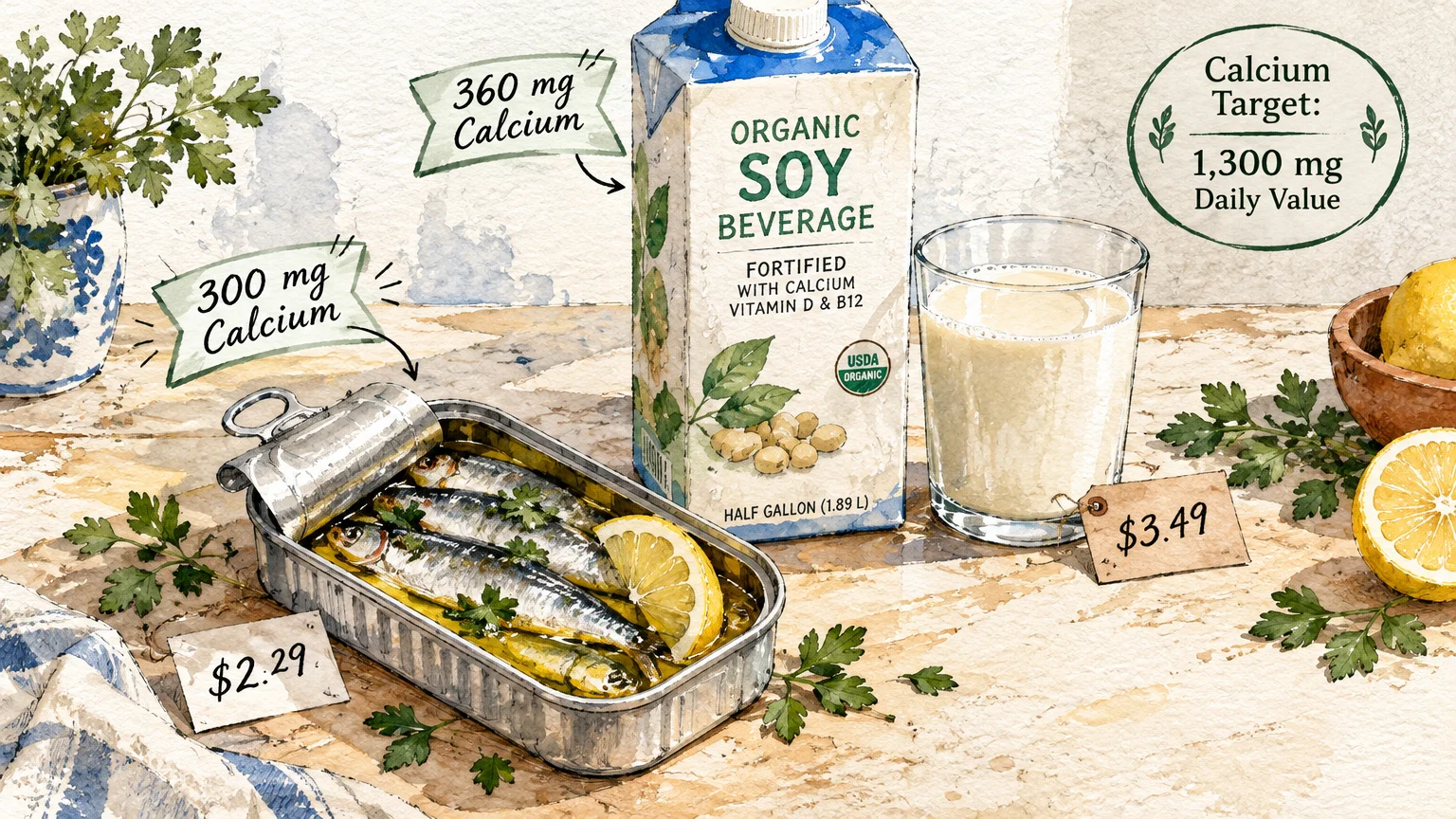
You can hit your daily calcium targets at Trader Joe’s without spending five dollars on expensive dairy tubs. Stocking your kitchen with mineral-dense staples takes just a few targeted swaps under four dollars per package.
When shopping on a fixed monthly income, every dollar must pull double duty for bone strength and muscle preservation. Many affordable grocery staples supply concentrated nutrients while keeping your checkout register total comfortably low.
This practical shopping guide reveals seven dependable picks that protect your skeletal health, respect your digestive comfort, and protect your weekly grocery budget.
How to Read Calcium Labels Under Current FDA Guidelines
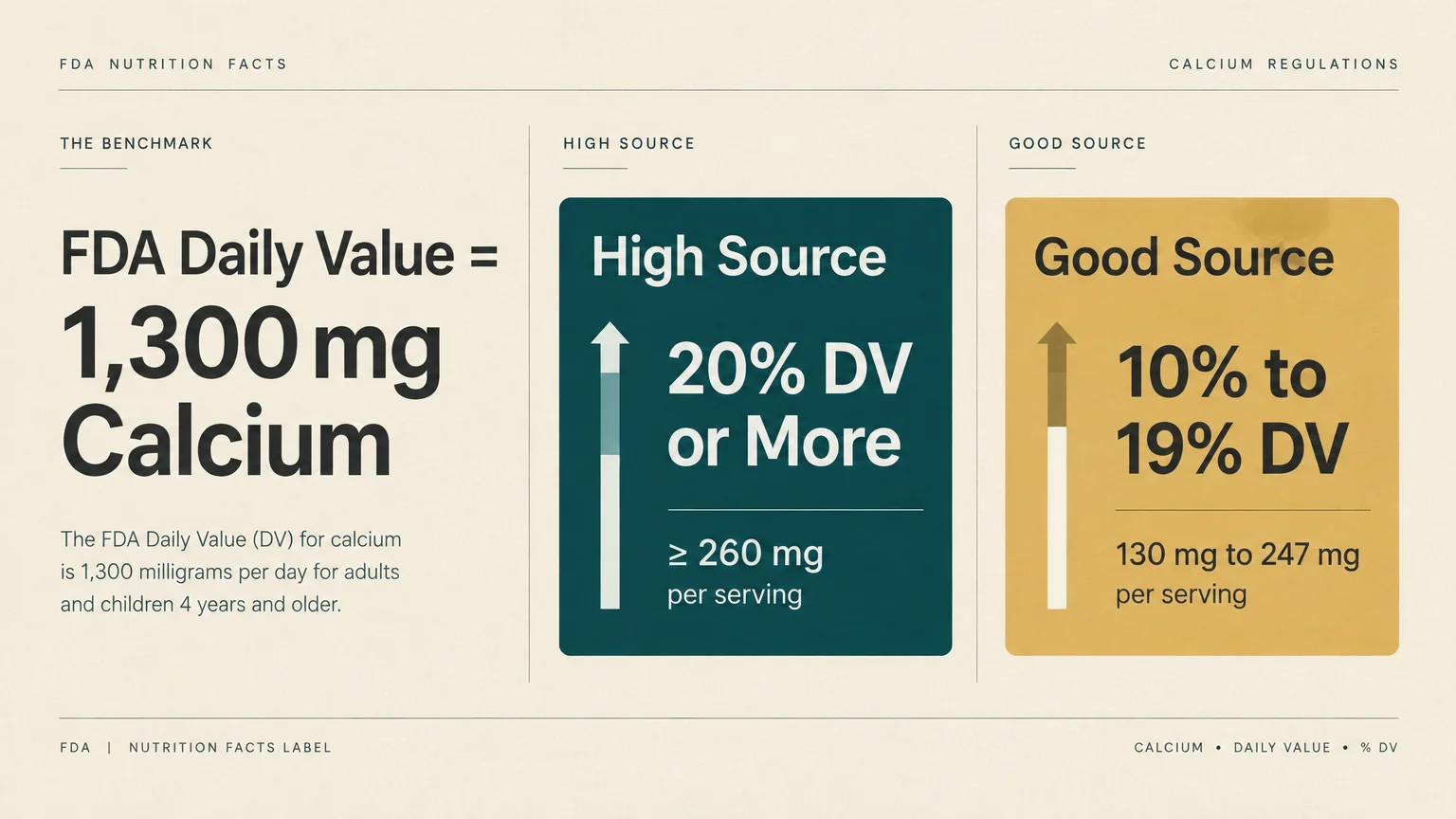
The Food and Drug Administration sets the Daily Value for calcium at 1,300 milligrams for adults. You can review these benchmarks directly through the FDA Daily Value regulations.
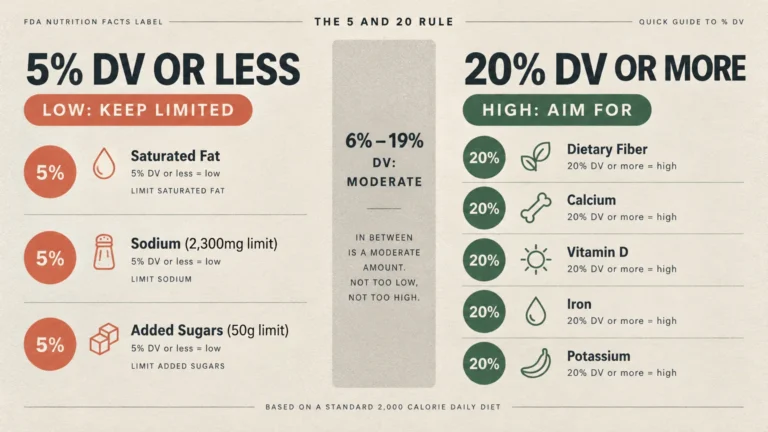
Federal labeling rules require packages providing 20 percent or more of the Daily Value to claim high or excellent status. This benchmark equates to at least 260 milligrams of elemental calcium in a single serving.
Items offering 10 to 19 percent of the Daily Value qualify as good sources. That range represents between 130 and 247 milligrams per serving on the Nutrition Facts panel.
Checking the percentage on the label allows you to calculate your daily mineral intake quickly. Pairing two high-percentage items each day covers the majority of your baseline physical requirements.
01 Lightly Smoked Sardines in Olive Oil: High-Yield Mineral Density
Trader Joe’s Lightly Smoked Sardines in Olive Oil cost just $2.29 for a 4.25-ounce tin. This pantry item delivers exceptional nutritional value for less than half the price of fresh seafood fillets.
One drained can provides 360 milligrams of calcium, supplying 30 percent of your Daily Value. The soft, edible bones break down easily and release concentrated calcium directly into your digestive system.
Each tin also delivers 21 grams of complete protein and 180 calories. Furthermore, you receive 1.1 micrograms of vitamin D, which represents 6 percent of your daily requirement.
Vitamin D helps your intestine absorb dietary calcium efficiently into your bloodstream. For authoritative details on this nutrient partnership, consult the NIH Office of Dietary Supplements.
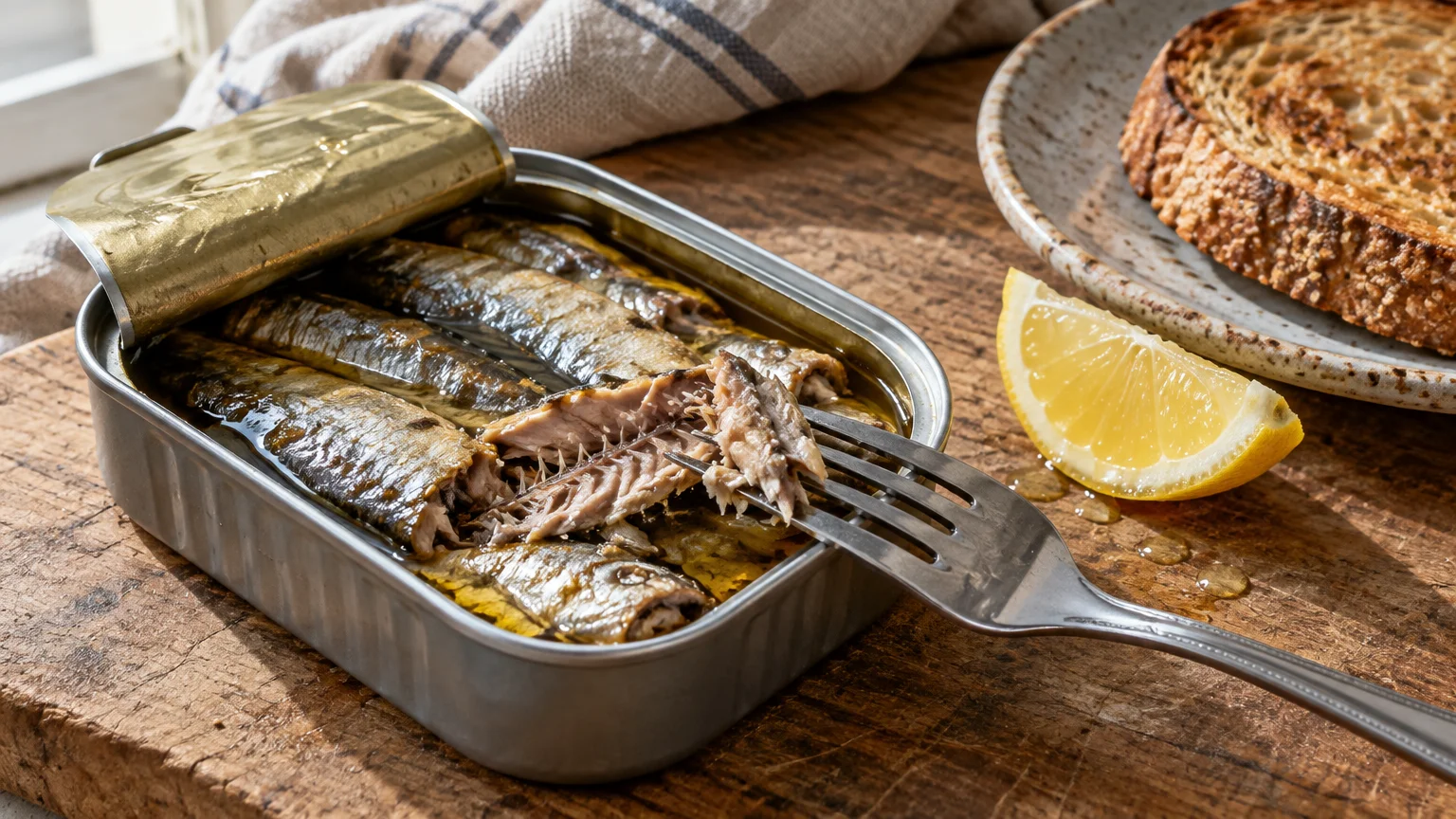
Mash these sardines with a fork and spread them over whole-wheat sourdough toast. Adding a squeeze of fresh lemon juice cuts the rich smoke and creates a fast, balanced lunch.
Because canned sardines stay fresh in your cupboard for years, you eliminate the risk of spoiled food waste. They provide an ideal single-portion meal that requires zero cooking or refrigeration before opening.
02 Refrigerated Organic Non-Dairy Soy Beverage: Fortified Daily Hydration
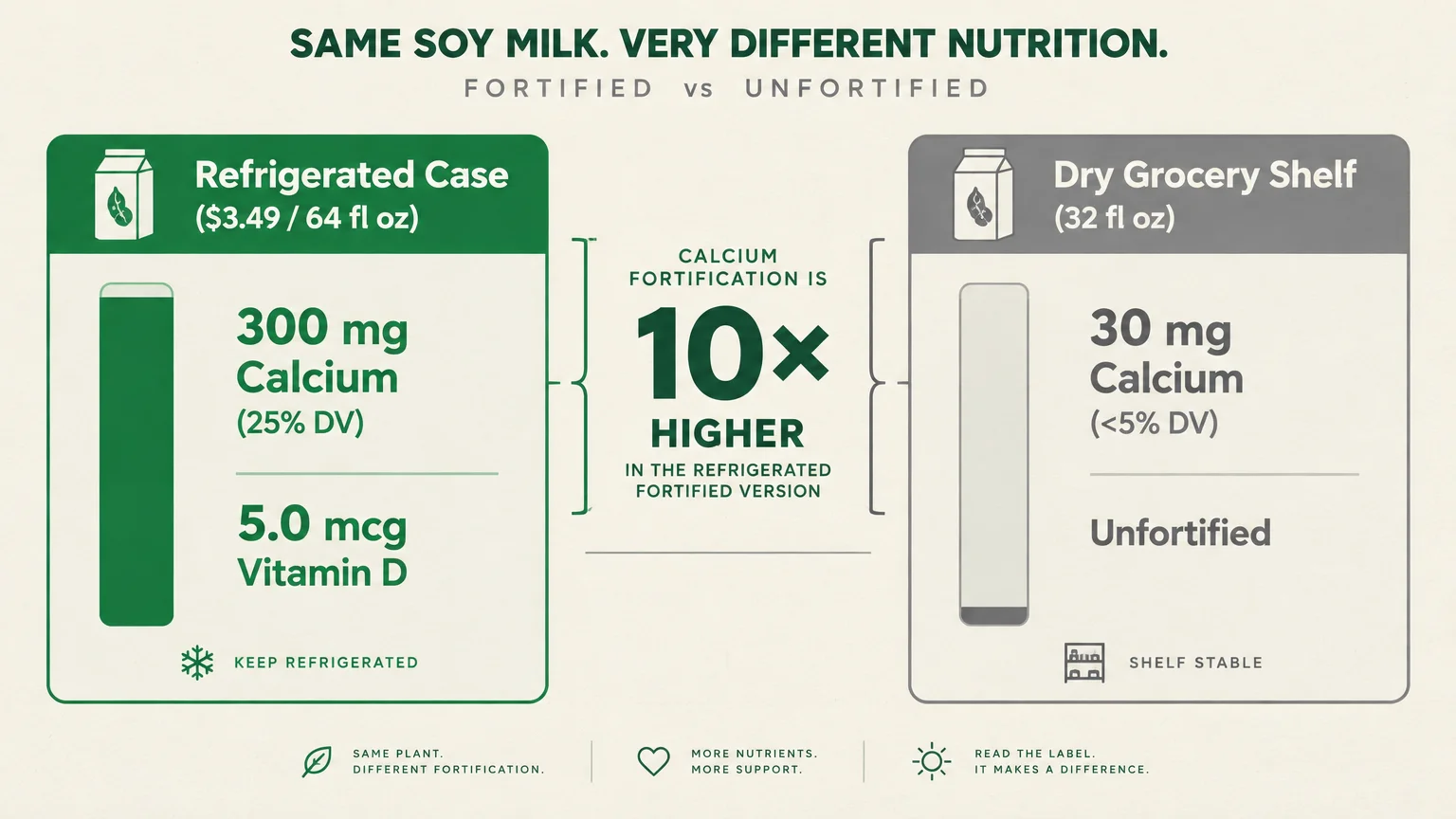
You will find Trader Joe’s Organic Non-Dairy Soy Beverage in the refrigerated dairy case for $3.49 per 64-fluid-ounce half-gallon. This carton provides eight full 1-cup servings at roughly 44 cents each.
One 1-cup pour delivers 300 milligrams of calcium, supplying 25 percent of your Daily Value through calcium carbonate fortification. It also provides 5.0 micrograms of vitamin D, satisfying 25 percent of your daily target.
The beverage supplies 7 grams of plant protein per cup with zero added sugar and only 70 calories. It gives you the full nutritional backbone of dairy milk without lactose or animal saturated fat.
Be careful to avoid the 32-ounce shelf-stable soy milk carton located in the dry grocery aisle. That room-temperature version contains only water and organic soybeans, yielding a meager 30 milligrams of calcium per cup.
Always reach into the refrigerated section to ensure you purchase the fortified carton. Pour it over your morning bran cereal or warm it gently for afternoon tea.
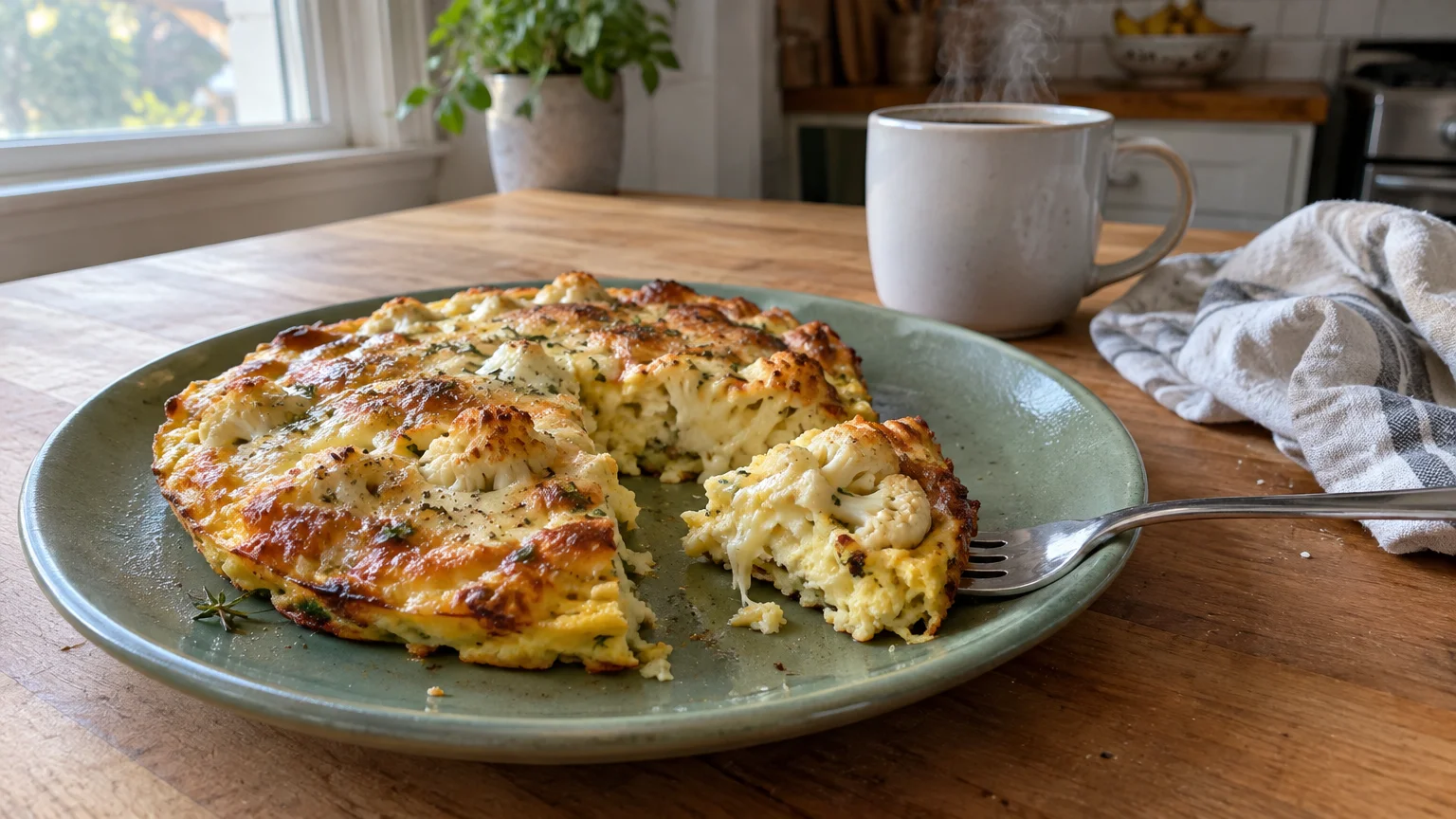
03 Egg Frittata with Swiss Cheese and Cauliflower: Hot Breakfast Convenience
Located in the frozen breakfast section, Trader Joe’s Egg Frittata costs $3.49 for a 4.94-ounce box. Each container holds two individually portioned patties made with egg whites, whole eggs, Swiss cheese, and cauliflower.
Eating both frittatas provides 30 percent of your Daily Value for calcium alongside 270 total calories. A single frittata gives you 15 percent of your Daily Value and 12 grams of protein.
The entire two-patty package delivers 24 to 25 grams of protein to sustain morning energy and preserve lean muscle. Swiss cheese contributes genuine dairy calcium while cauliflower keeps the texture remarkably light and tender.
Microwave the patties on a microwave-safe plate for two minutes on high power. You get an immediate, hot breakfast without washing frying pans or discarding eggshells.
This product fits small households perfectly because you can heat a single frittata while keeping the second frozen. Pairing one frittata with a slice of whole-grain toast builds an effortless, low-mess morning plate.
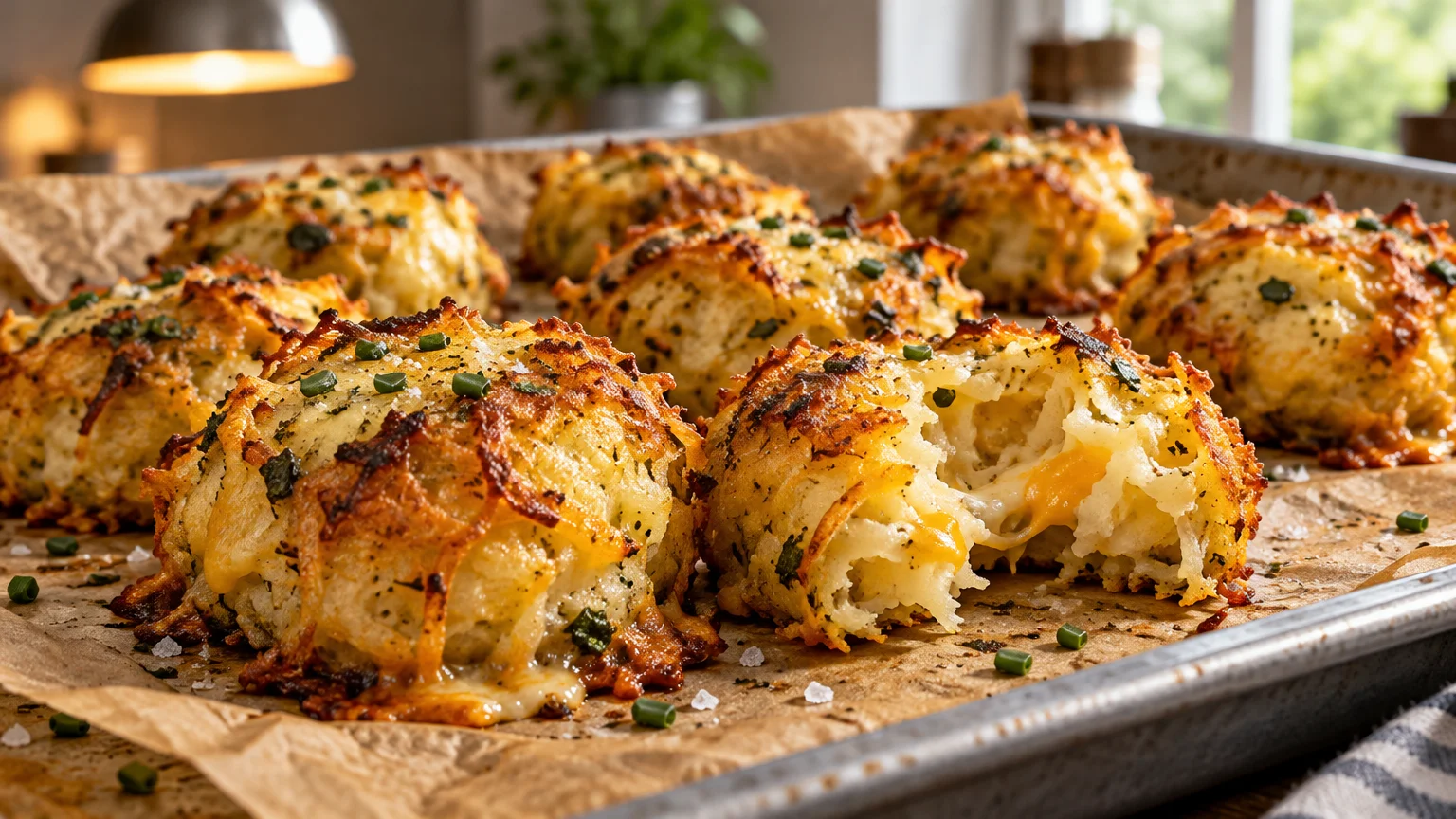
04 Tater Bites Potato with Cheese and Chives: Savory Four-Cheese Comfort
Trader Joe’s Tater Bites Potato with Cheese and Chives sell for $3.49 for a 4.6-ounce package. These savory bites feature a dense blend of cottage cheese, cheddar, Parmesan, and Monterey Jack cheeses.
One two-bite package provides an impressive 380 milligrams of calcium, delivering 30 percent of your Daily Value. It also supplies 16 grams of protein to anchor an evening meal.
If you prefer cured meat, the Tater Bites with Sausage and Uncured Ham variety also costs $3.49. That version provides 320 milligrams of calcium, fulfilling 25 percent of your Daily Value with 17 grams of protein.
Bake them in your toaster oven at 375 degrees Fahrenheit until the outer cheese crust turns crisp and golden. They pair beautifully with a crisp green dinner salad dressed with olive oil and vinegar.
These packages let you enjoy real melted cheese comfort without buying multiple expensive cheese blocks. You receive tight portion control that prevents overeating while delivering substantial bone-building minerals.

05 Icelandic Style Skyr Lowfat Vanilla Yogurt: Concentrated Dairy Protein
Trader Joe’s Icelandic Style Skyr Lowfat Vanilla Yogurt costs $1.19 for a 5.3-ounce single-serve cup. Skyr undergoes traditional straining, which concentrates dairy solids and removes excess watery whey.
One single-serve container provides 190 milligrams of calcium, which supplies 15 percent of your Daily Value. It delivers 15 grams of dense protein for just 130 calories.
Straining gives skyr a remarkably thick, spoonable texture that keeps you full across long afternoon hours. The active bacterial cultures break down lactose, making this cultured dairy product gentle on sensitive digestive tracts.
Buying single-serve cups prevents the mold growth that often plagues large yogurt tubs in smaller households. You consume every spoonful you buy, keeping your actual food waste at zero.
Stir in a handful of fresh blueberries or ground flaxseed for added fiber and protective antioxidants. At $1.19 per cup, you gain premium protein and dairy minerals at an accessible everyday price.
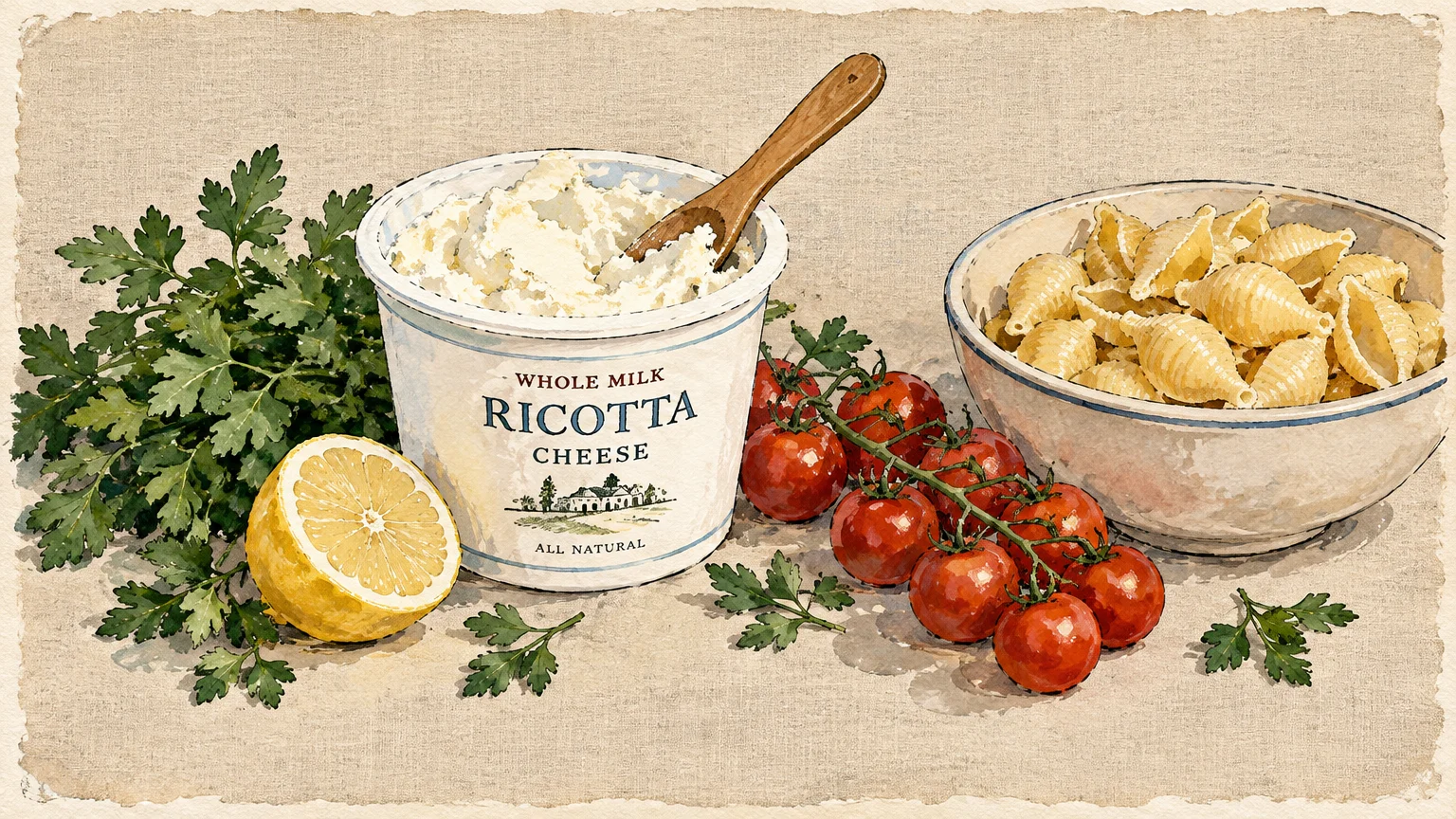
06 Traditional Whole Milk Ricotta Cheese: Versatile Culinary Calcium
You can pick up a 16-ounce tub of Trader Joe’s Traditional Whole Milk Ricotta Cheese for $3.99. This standard grocery tub supplies approximately eight quarter-cup servings across the week.
A quarter-cup serving of 55 grams delivers 170 milligrams of calcium, supplying 15 percent of your Daily Value. That single serving adds rich dairy creaminess for modest calories and high culinary flexibility.
Unlike hard aged cheeses, ricotta carries a naturally lower sodium profile that protects arterial elasticity. You can verify these dietary mineral balances through the American Heart Association.
Spread two tablespoons of cold ricotta across whole-wheat toast and top with sliced strawberries for breakfast. Alternatively, stir three generous spoonfuls into warm marinara sauce to create a velvety pasta supper.
To prevent spoilage, smooth the remaining surface flat with a clean spoon before closing the plastic lid. This quick habit limits surface exposure to trapped air and keeps the cheese fresh for days longer.
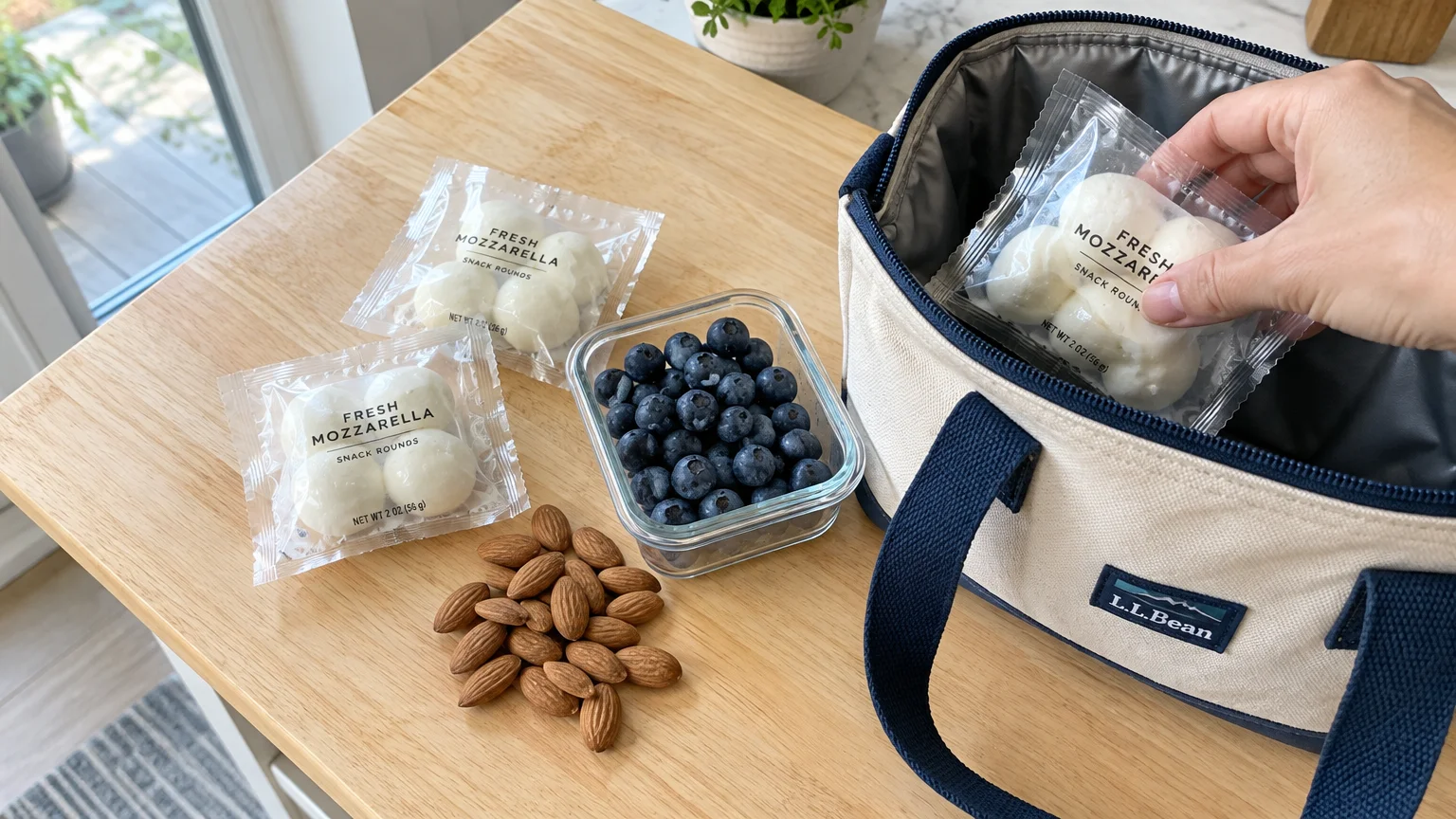
07 Fresh Mozzarella Cheese Snackers: Pre-Portioned Snack Economics
Trader Joe’s Fresh Mozzarella Cheese Snackers cost $3.99 for an 8-ounce bag containing eight individually sealed pouches. Each single-ounce pouch contains bite-sized mozzarella rounds submerged in light brine.
One individual snack pouch provides 100 milligrams of calcium, representing 8 percent of your Daily Value. The entire package provides 800 milligrams of elemental calcium distributed across your weekly snacks.
Each pouch also contributes 5 grams of filling protein and just 70 calories. The pre-portioned pouches prevent moisture loss and stop the cheese from drying out inside your refrigerator drawer.
Slice the mozzarella rounds in half and toss them with ripe cherry tomatoes and torn fresh basil leaves. This creates an instant caprese salad that pairs dairy calcium with potassium-dense fresh produce.
Because every pouch remains sealed until you need it, you never face a slimy block of half-eaten cheese. You control your portions effortlessly while stretching your four-dollar investment across eight separate meals or snacks.
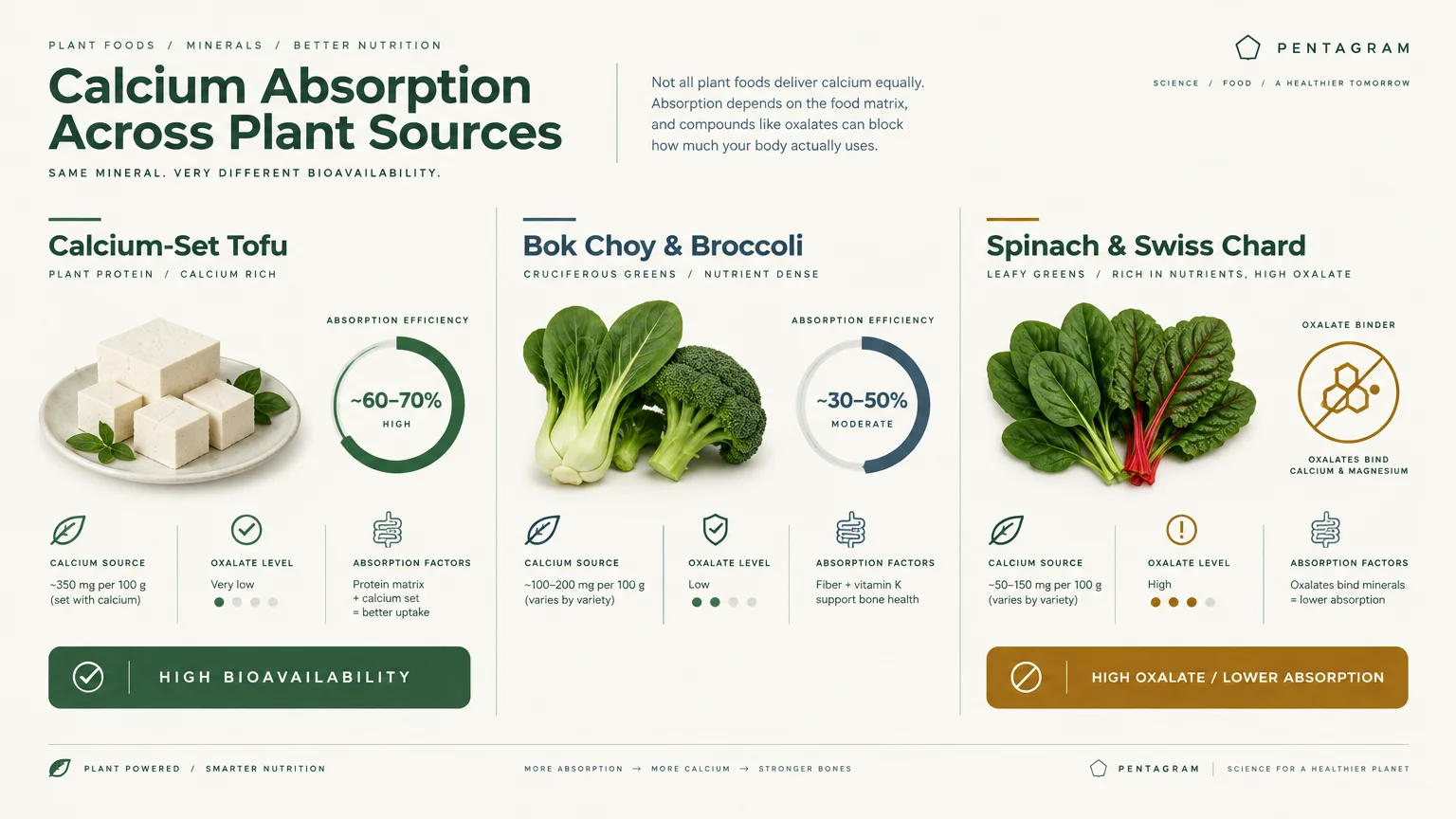
Plant-Based Calcium in Produce and Tofu: Bioavailability Matters
Trader Joe’s Baby Shanghai Bok Choy costs $2.99 for a crisp 10-ounce bag in the produce section. This cruciferous vegetable provides exceptional calcium bioavailability that outperforms many traditional dairy products.
The human body absorbs 54 percent of the calcium present in bok choy. In contrast, your digestive system absorbs roughly 32 percent of dairy milk calcium and only 5 percent of spinach calcium.
Spinach contains concentrated oxalates that bind calcium tight and block absorption in your digestive tract. Bok choy contains almost no oxalates, allowing its dietary minerals to pass directly into your bloodstream.
Slice the bok choy heads lengthwise and sauté them in a hot skillet with garlic and sesame oil. In less than five minutes, you produce a mineral-dense side dish that supports skeletal integrity.
In the refrigerated deli aisle, Trader Joe’s High Protein Organic Super Firm Tofu costs $2.99 for 16 ounces. The producer uses calcium sulfate as a traditional coagulant, yielding 60 milligrams of calcium per 3-ounce serving.
A full package supplies approximately 320 milligrams of total calcium alongside 14 grams of plant protein per serving. Cut the firm block into small cubes, toss with low-sodium soy sauce, and bake until crisp.
For detailed nutrient compositions of fresh greens and soy products, review the authoritative USDA FoodData Central database. Checking reliable data confirms that thoughtful plant choices provide reliable mineral density.
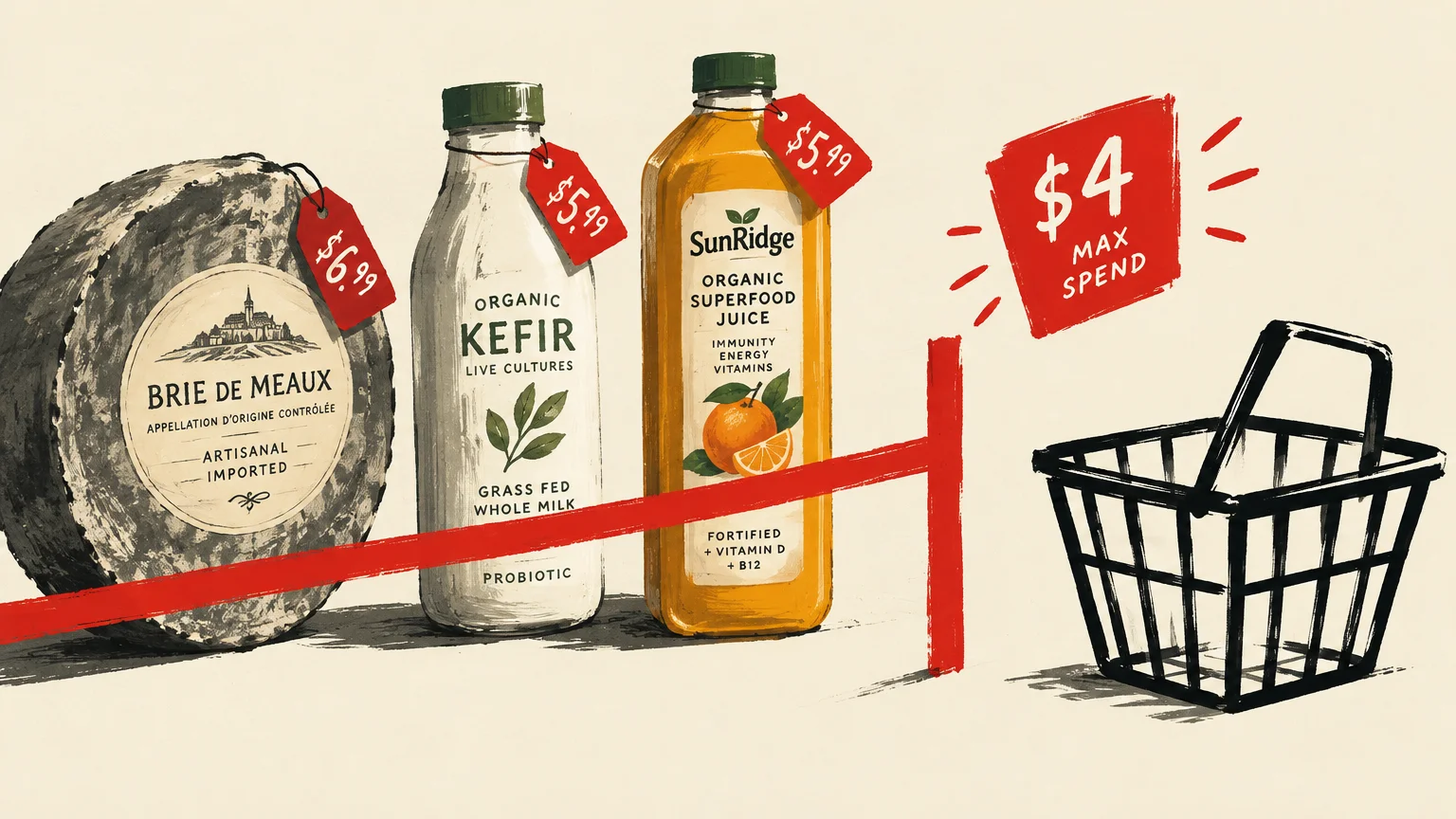
Price Pitfalls to Avoid: Three Calcium Staples That Exceed Four Dollars
Many shoppers assume large dairy containers always deliver the lowest price per serving at Trader Joe’s. However, several popular calcium staples quietly exceed your four-dollar shopping limit at the register.
Trader Joe’s Small Curd Cottage Cheese costs $4.49 for a 32-ounce tub. While cottage cheese supplies quality protein, buying the large tub requires higher cash outlay and risks refrigerator spoilage.
The 32-ounce tubs of Greek Yogurt, including Plain Nonfat and Vanilla Bean Whole Milk, cost $5.49 each. If you cannot finish two pounds of yogurt before mold forms, single-serve cups prove far more economical.
Trader Joe’s Organic Chia Seeds cost $4.99 for a 12-ounce bag in the nut aisle. Although chia seeds supply calcium and plant omega-3 fats, that initial five-dollar outlay strains tight weekly budgets.
Stick to items priced below the four-dollar mark to keep your register receipt predictable and affordable. Review current shelf tags during every trip, as regional logistics can shift retail pricing between store locations.
You can check regional announcements and current seasonal goods directly through Trader Joe’s official product listings. Confirming prices before you enter the checkout lane eliminates register surprises.
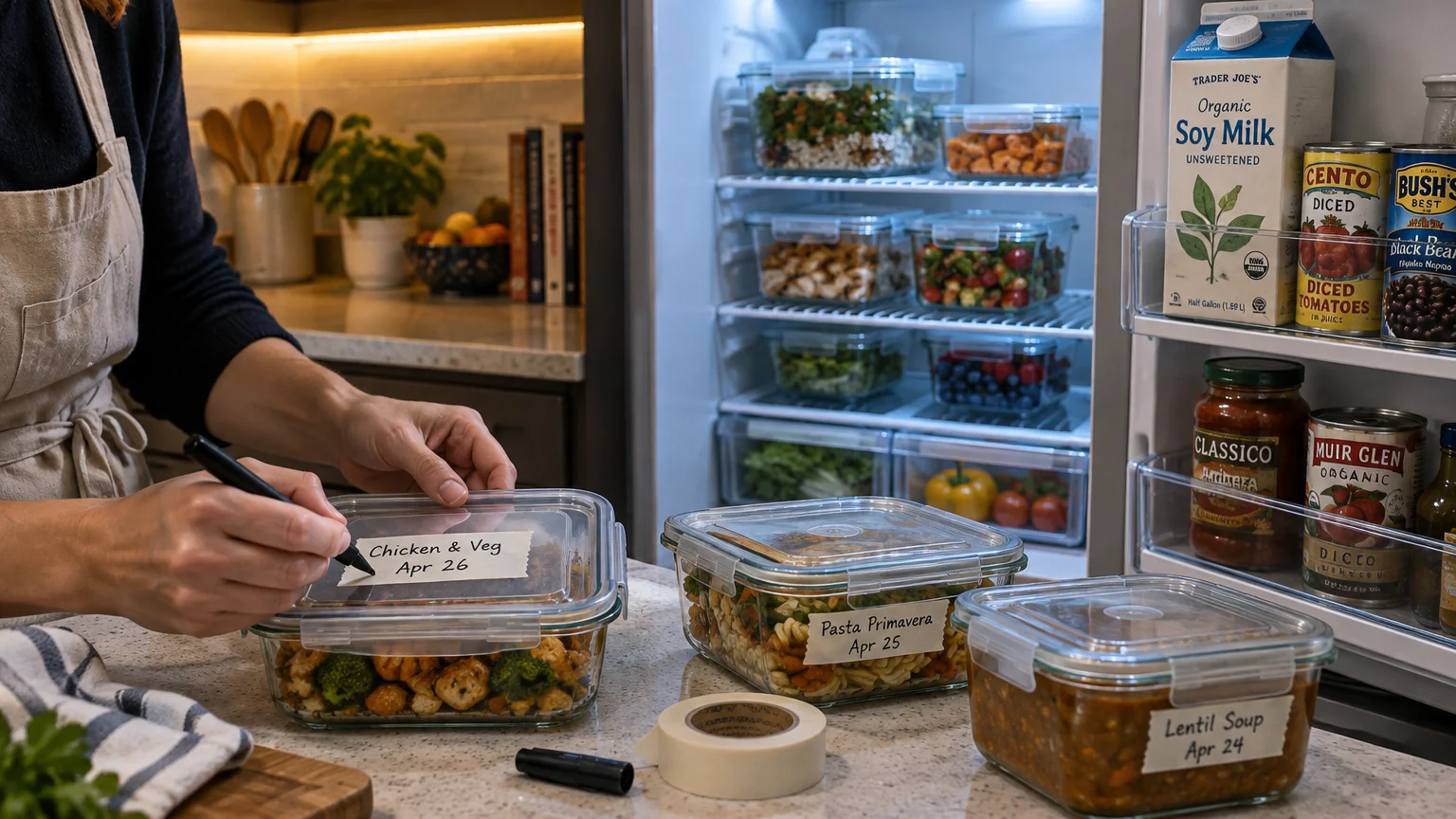
Household Economics: Managing Spoilage When Cooking for One or Two
The cheapest grocery item becomes expensive the moment you throw half of it into the garbage bin. Managing portions carefully protects your hard-earned income and preserves household grocery dollars.
Single-serve items like Skyr yogurt at $1.19 and Mozzarella Snackers at $3.99 build automatic waste control into your routine. You open only what you intend to eat today, keeping the remaining portions factory-sealed.
If you purchase the 16-ounce ricotta tub for $3.99, divide half the container into clean freezer-safe glass jars. Whole milk ricotta freezes well for up to two months for use in warm baked casseroles.
When cooking frozen items like the Egg Frittatas or Tater Bites, prepare one piece at a time. Toaster ovens reheat single portions efficiently without heating your entire kitchen or wasting valuable household electricity.
Track your actual unit costs by dividing the total package price by the total number of servings inside. This simple calculation proves that smaller packages often save money by eliminating chronic food waste.
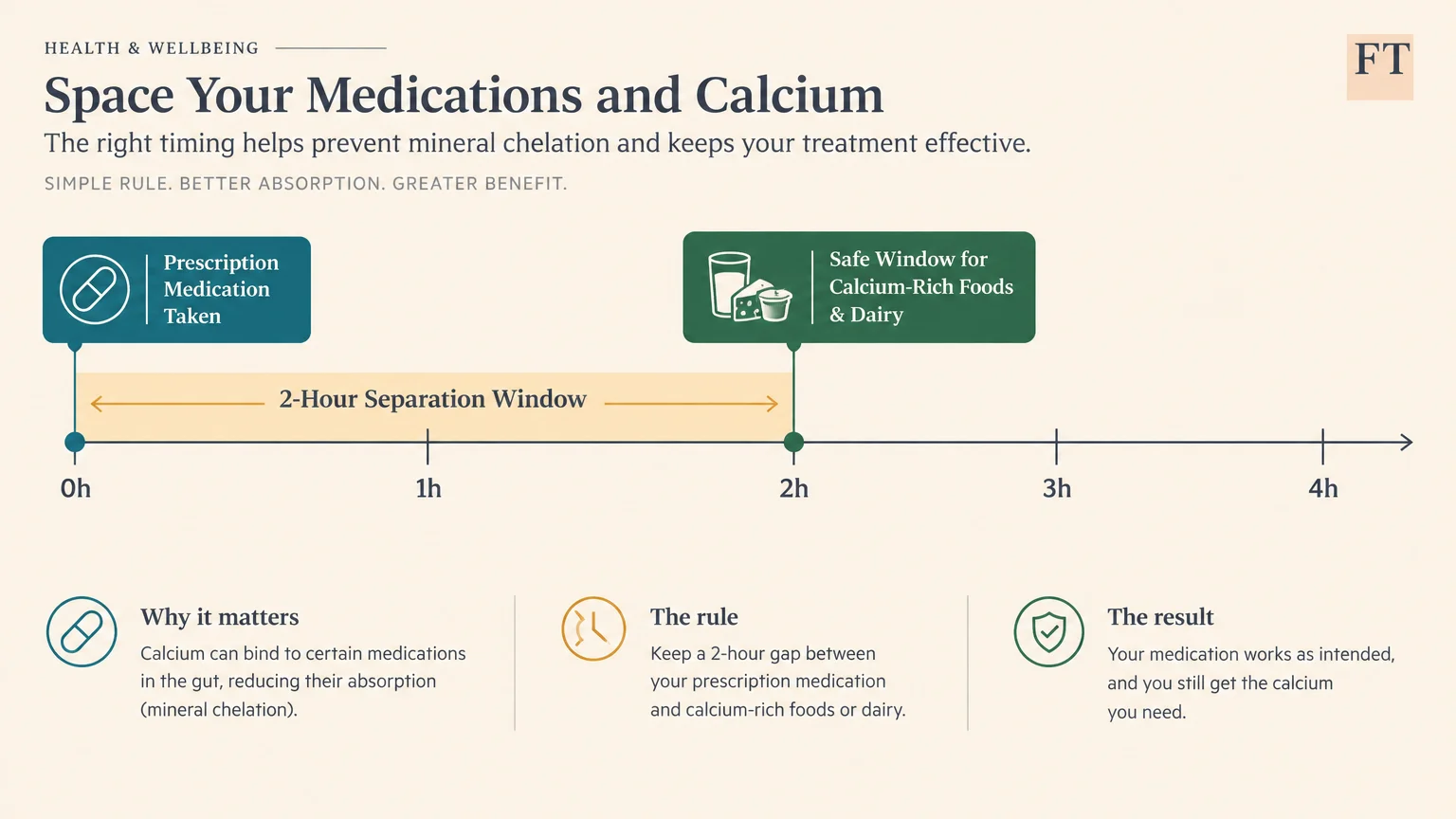
Medication Timing: Protecting Mineral Absorption and Prescription Potency
Dietary calcium binds tightly to several common medications inside the digestive tract, preventing your body from absorbing either substance. You must coordinate your meals carefully to protect your prescription therapy.
If you take levothyroxine for thyroid function, separate your calcium-rich meals by at least four hours. Calcium supplements and calcium-fortified foods bind thyroid hormone in your stomach and reduce its clinical efficacy.
Oral bisphosphonate medications for bone density also require empty-stomach administration with plain water. Consuming dairy products or fortified soy milk within an hour of these medications renders them largely ineffective.
Certain blood pressure medications and oral antibiotics also interact with high concentrations of dietary calcium. Consult your dispensing pharmacist to establish a safe daily schedule for your specific prescription regimen.
Stomach acid production naturally declines as your body matures, which can slow down mineral breakdown. Consuming calcium alongside balanced meals containing dietary protein stimulates digestive acid and improves mineral absorption.
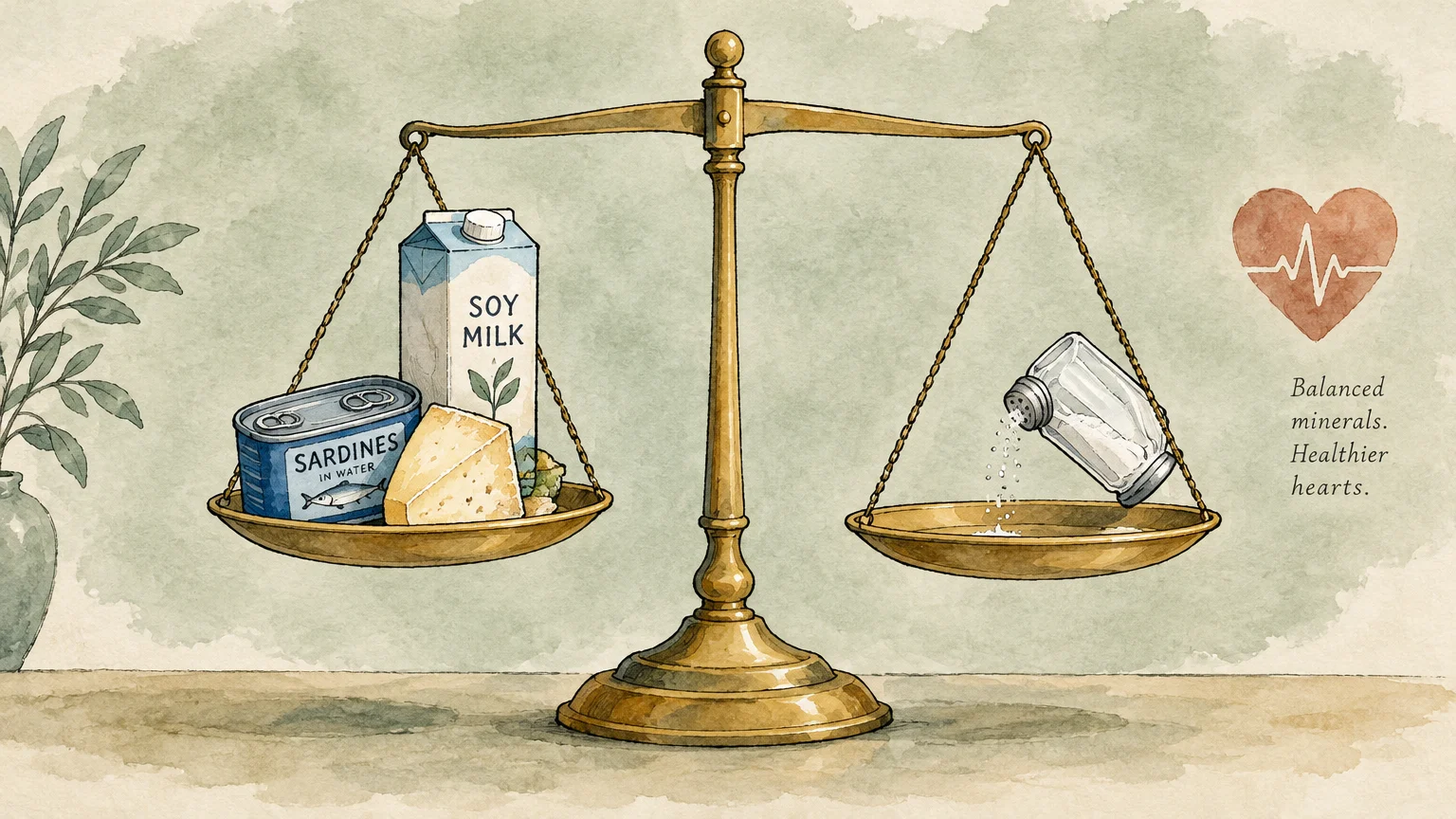
Balancing Blood Pressure: Managing Sodium Alongside Dietary Calcium
Many commercial cheeses pack significant sodium alongside their beneficial bone-building minerals. Excess dietary sodium stiffens arterial walls and forces your heart to pump against elevated vascular resistance.
Trader Joe’s Lightly Smoked Sardines contain modest sodium levels while delivering protective omega-3 fatty acids. These marine fats calm systemic inflammation and help support healthy arterial function.
When eating higher-sodium cheeses like Swiss or cheddar, balance your plate with potassium-rich whole produce. Potassium encourages your kidneys to excrete excess sodium through urine, relaxing blood vessel tension.
Pair your mozzarella snackers or frittatas with sliced cucumbers, fresh tomatoes, or sautéed bok choy. This deliberate pairing delivers bone-building minerals without elevating your daily blood pressure readings.
Frequently Asked Questions About Budget Calcium Grocery Shopping
Can I absorb calcium from fortified soy milk as easily as cow milk?
Yes, your digestive system absorbs calcium carbonate from fortified soy beverages at rates comparable to dairy milk. Always shake the carton vigorously before pouring because added minerals can settle to the bottom.
Why does the shelf-stable soy milk lack the calcium found in the refrigerated carton?
Trader Joe’s shelf-stable soy milk uses a minimalist recipe consisting solely of filtered water and whole organic soybeans. The refrigerated formula includes tricalcium phosphate or calcium carbonate specifically to match the mineral density of cow milk.
How can I keep the whole milk ricotta fresh once the foil seal is broken?
Store your ricotta tub upside down on a clean plate inside your refrigerator. This simple technique creates an airtight seal that restricts mold growth and keeps the cheese sweet for over a week.
Are canned sardine bones completely safe to swallow?
The high-heat pressure-cooking process used during commercial canning softens fish bones until they crumble under light pressure. They dissolve smoothly during chewing and provide completely safe, highly bioavailable dietary minerals.
Your Next Shopping Trip: Five Minutes in the Aisles
On your next visit to Trader Joe’s, walk straight past the five-dollar yogurt tubs and head toward the canned seafood aisle. Pick up two tins of Lightly Smoked Sardines at $2.29 each for fast, mineral-dense lunches.
Next, turn toward the refrigerated beverage case and select the Unsweetened Organic Soy Beverage for $3.49. Make sure you grab the half-gallon paper carton rather than the small shelf-stable box.
Finally, visit the cheese wall for the Fresh Mozzarella Snackers at $3.99 and a single cup of Skyr for $1.19. You will exit the store with four distinct calcium sources while spending less than eleven dollars total.