Checking nutritional details before placing a digital grocery order protects your health and your weekly budget. A quick scan prevents surprise ingredients and ensures you get the exact dietary balance you need.
Online grocery apps frequently hide important nutrition panels behind tiny thumbnails or poorly labeled dropdown menus. Learning where digital retailers tuck mandatory facts keeps you in full control of every meal.
You can easily verify sodium, added sugars, and allergens right from your phone or computer. Mastering these digital label checks takes only seconds once you know where to look.
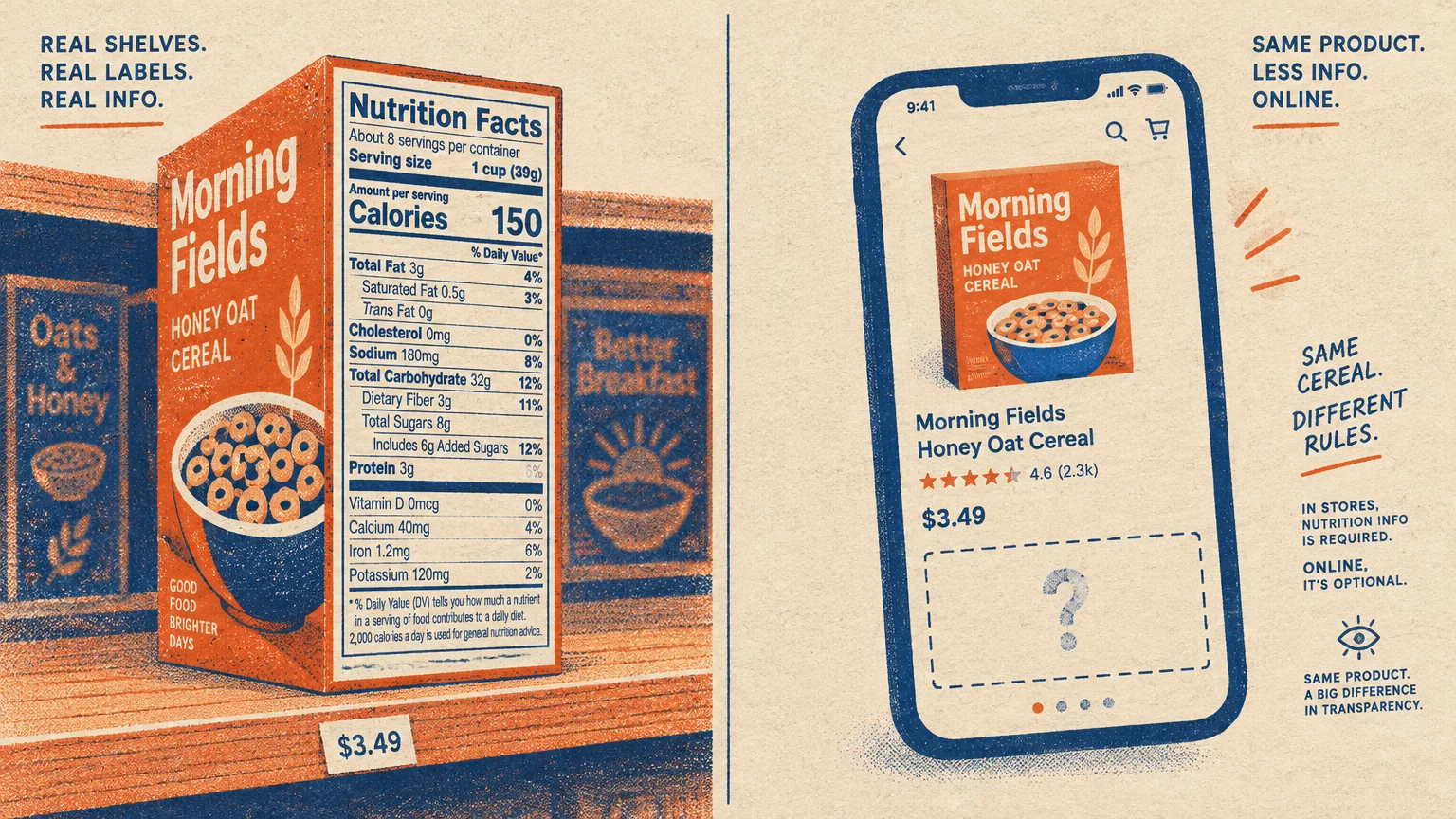
Why digital grocery labels differ from physical store packaging
According to the U.S. Food and Drug Administration (FDA), online grocery shopping accounts for more than 20% of grocery sales nationwide. That digital shift has transformed how millions of American households stock their kitchens.
However, digital storefronts do not always offer the same transparency as physical grocery aisles. Federal labeling laws historically applied only to physical packages sitting directly on store shelves.
Because of this historical legal gap, digital grocery platforms are not legally required to present complete label details. As a result, product listings frequently feature missing, outdated, or hard-to-find Nutrition Facts and allergen statements.
To correct these gaps, the FDA prioritized digital transparency in its Human Foods Program 2026 Priority Deliverables and 2026 Guidance Agenda. The agency released this agenda in January 2026 and updated it in June 2026.
This priority deliverable includes draft guidance titled Food Labeling for Online Grocery Shopping Platforms. It builds directly upon an April 2023 Request for Information aimed at standardizing digital nutrition displays at the point of purchase.
Until these federal digital standards take full mandatory effect, you must actively inspect every listing. Developing a systematic approach protects you from hidden ingredients and unexpected nutritional spikes.
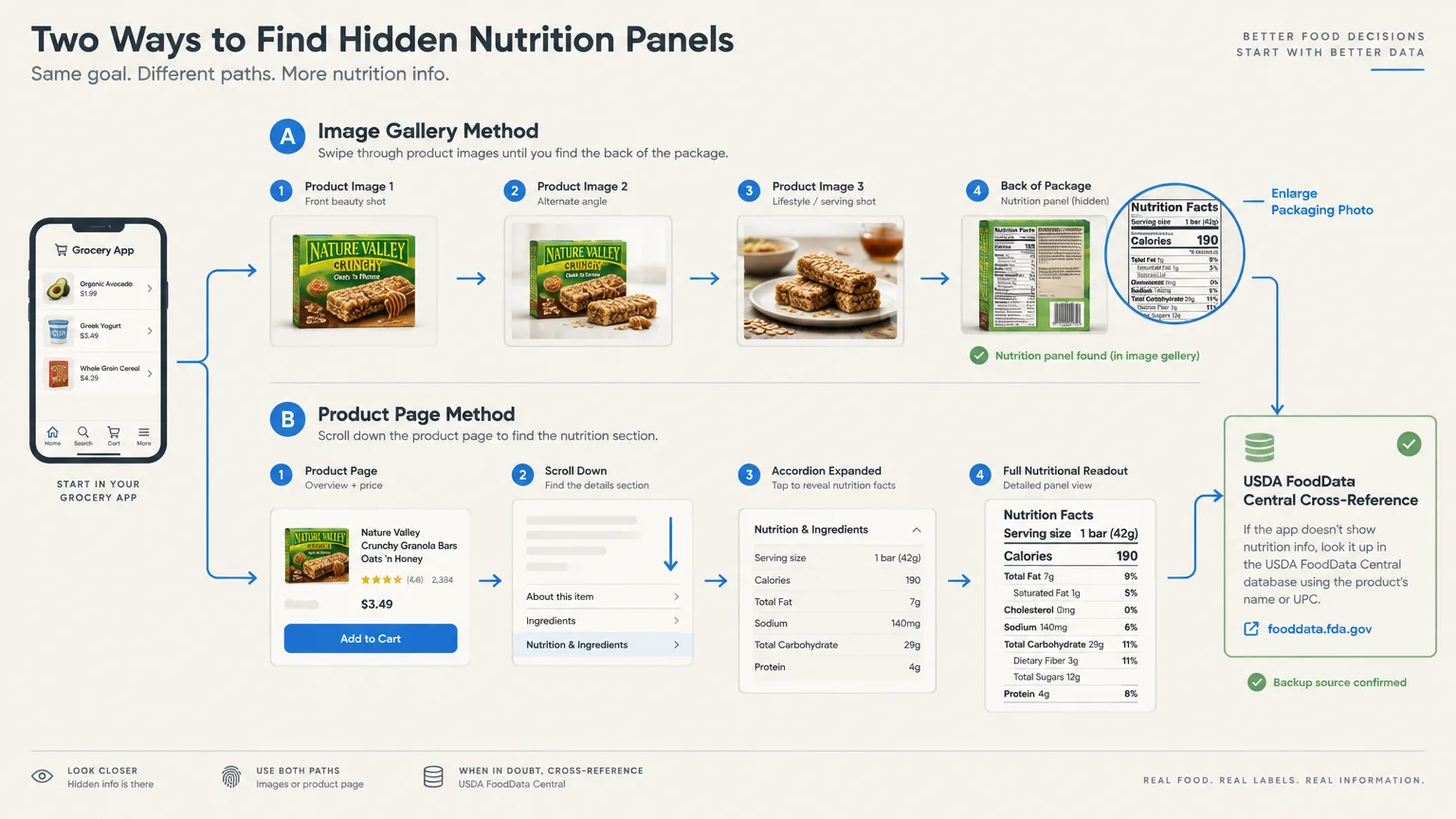
How to locate hidden Nutrition Facts panels on grocery apps
Retailers organize their product pages differently, which can make locating nutrition information feel like a scavenger hunt. Most digital storefronts tuck critical dietary data into one of two primary locations.
Your first stop should always be the product image gallery. Swipe through the images past the marketing shots until you locate the back-of-package photograph.
If the image gallery lacks a nutrition panel, scroll down past the pricing section. Look for collapsible menus labeled “Nutrition & Ingredients,” “Product Details,” or “Item Specifications.”
Retailers frequently collapse these menus by default to save screen space on mobile phones. Tapping or clicking these headers usually opens the full nutrient panel and ingredient deck.
Sometimes an uploaded label photograph is too blurry to read comfortably on a phone screen. When this occurs, use your browser’s zoom feature or view the listing on a desktop computer monitor.
If a digital listing completely omits nutritional data, do not make assumptions. You can cross-reference the product using the USDA FoodData Central database to inspect verified nutrient profiles.
Taking two extra minutes to verify an item prevents the hassle of receiving an unusable product. A quick double check safeguards your wellness and your weekly grocery budget.

Verifying the thirteen mandatory nutrients before buying
Under current federal regulations outlined in 21 CFR 101.9, physical packaged foods must display a standardized Nutrition Facts label. This standardized panel provides the data you need to manage your personal wellness.
A compliant panel must disclose serving size, total calories, % Daily Value, and thirteen mandatory nutrients. These nutrients give you clear insight into a food’s real dietary value.
The mandatory nutrients include total fat, saturated fat, trans fat, cholesterol, sodium, and total carbohydrates. They also include dietary fiber, total sugars, added sugars, and protein.
The panel concludes with calcium, iron, vitamin D, and potassium. Each of these components plays a vital role in supporting long-term health and vitality.
Always check the stated serving size before evaluating any specific nutrient count. Online listings sometimes display miniature portion sizes that artificially deflate listed calories and sodium levels.
If a package contains two servings and you consume the entire container, you double every listed number. Calculating the real portion size prevents accidental dietary overages.
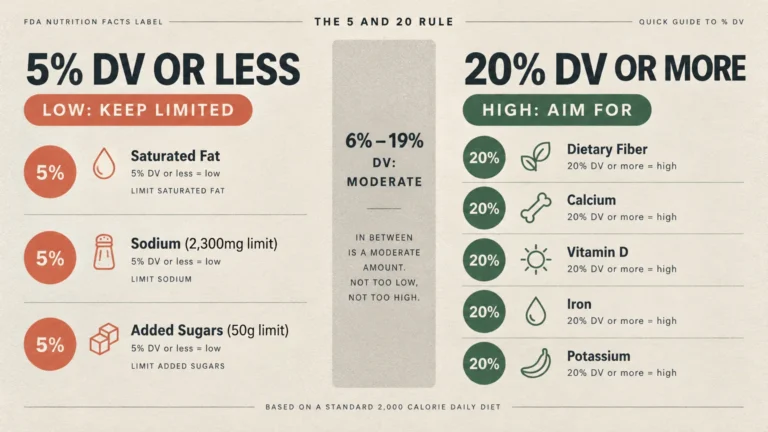
The % Daily Value column helps you quickly gauge whether a food is high or low in a specific nutrient. As a benchmark, 5% or less is low, while 20% or more is high.
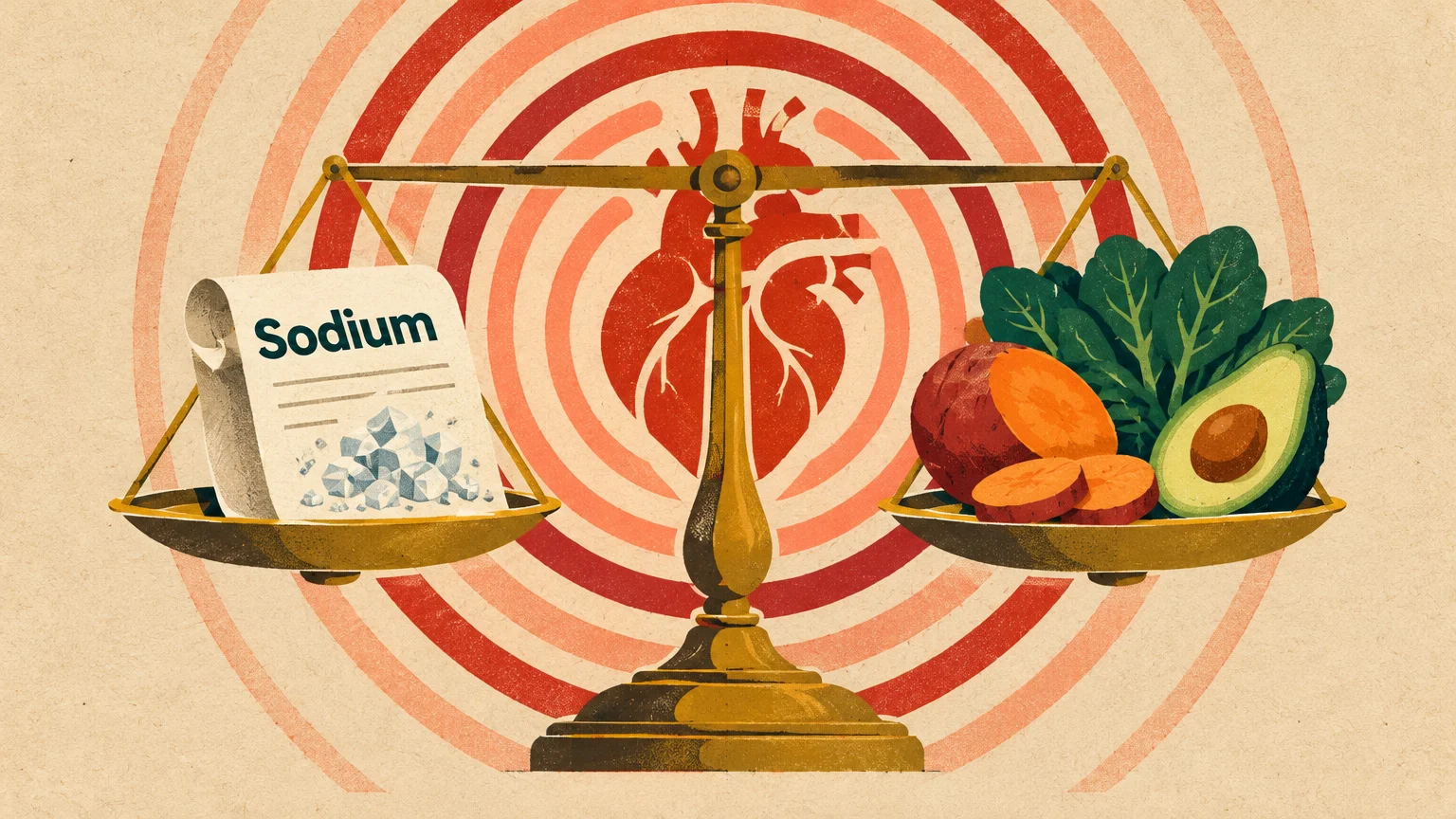
Evaluating sodium and potassium for cardiovascular health
Managing blood pressure requires vigilant monitoring of dietary sodium, especially when buying prepared or packaged items online. Packaged foods account for the vast majority of sodium in American diets.
The American Heart Association recommends keeping sodium intake below 2,300 milligrams per day, with an ideal limit of 1,500 milligrams for most adults.
When browsing digital shelves, check the sodium milligrams per realistic serving rather than trusting front-label claims. Terms like “reduced sodium” can still leave hundreds of milligrams in a single cup.
Potassium works alongside sodium to help your body regulate fluids and balance blood pressure. Federal labeling rules mandate potassium disclosures so you can verify healthy mineral balances easily.
Many food manufacturers now replace sodium chloride with potassium chloride to lower sodium claims on packaging. You will see this substitution frequently in canned soups, broths, and frozen entrees.
If you take blood pressure medications like ACE inhibitors or ARBs, sudden spikes in dietary potassium can prove hazardous. Always scan the digital ingredient list to spot added potassium chloride before ordering.
Taking charge of these two minerals protects your cardiovascular system every single day. Verifying them online ensures your delivered pantry supports your medical goals.
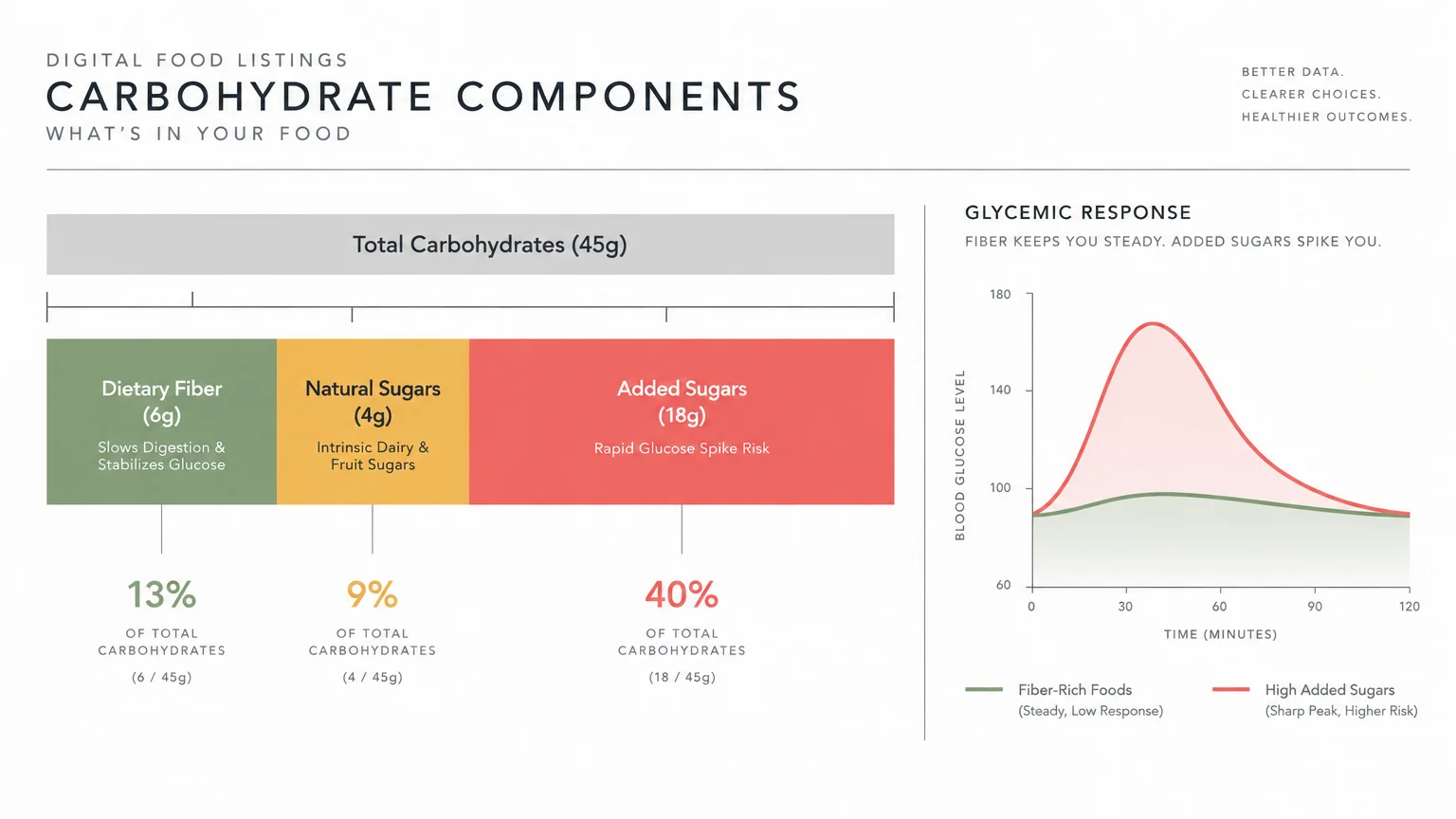
Decoding added sugars and carbohydrates for steady blood sugar
Maintaining steady blood glucose requires distinguishing natural sugars from added sweeteners. Online grocery listings can make this distinction confusing if the retailer fails to display the full panel clearly.
The mandatory Nutrition Facts panel separates total sugars from added sugars. Total sugars include naturally occurring sugars found in fruit and dairy, while added sugars represent syrups and refined sweeteners.
Check the “Includes Added Sugars” line directly underneath the total carbohydrate amount. Limiting added sugars helps prevent sharp blood glucose spikes and supports healthy cholesterol levels.
Dietary fiber provides an essential buffer that slows digestion and prevents sharp glucose surges. Look for packaged items that offer at least three to five grams of fiber per serving.
Many processed snacks and dessert bars use sugar alcohols to reduce total carbohydrate counts. Common sugar alcohols include erythritol, maltitol, sorbitol, and xylitol.
While sugar alcohols affect blood sugar less than cane sugar, they can cause digestive discomfort in sensitive stomachs. Checking the ingredient deck helps you identify these sweeteners before purchase.
Checking protein, calcium, and vitamin D for bone and muscle strength
Preserving muscle mass and bone density becomes increasingly vital with every passing year. High-quality dietary protein supplies the essential amino acids your body requires for daily tissue repair.
Look for packaged items that provide at least fifteen to twenty grams of protein per serving. Comparing protein content online makes it easy to choose the most nourishing brands.
Bone health depends heavily on consistent daily intake of calcium and vitamin D. According to the NIH Office of Dietary Supplements, these two nutrients work synergistically to maintain skeletal strength.
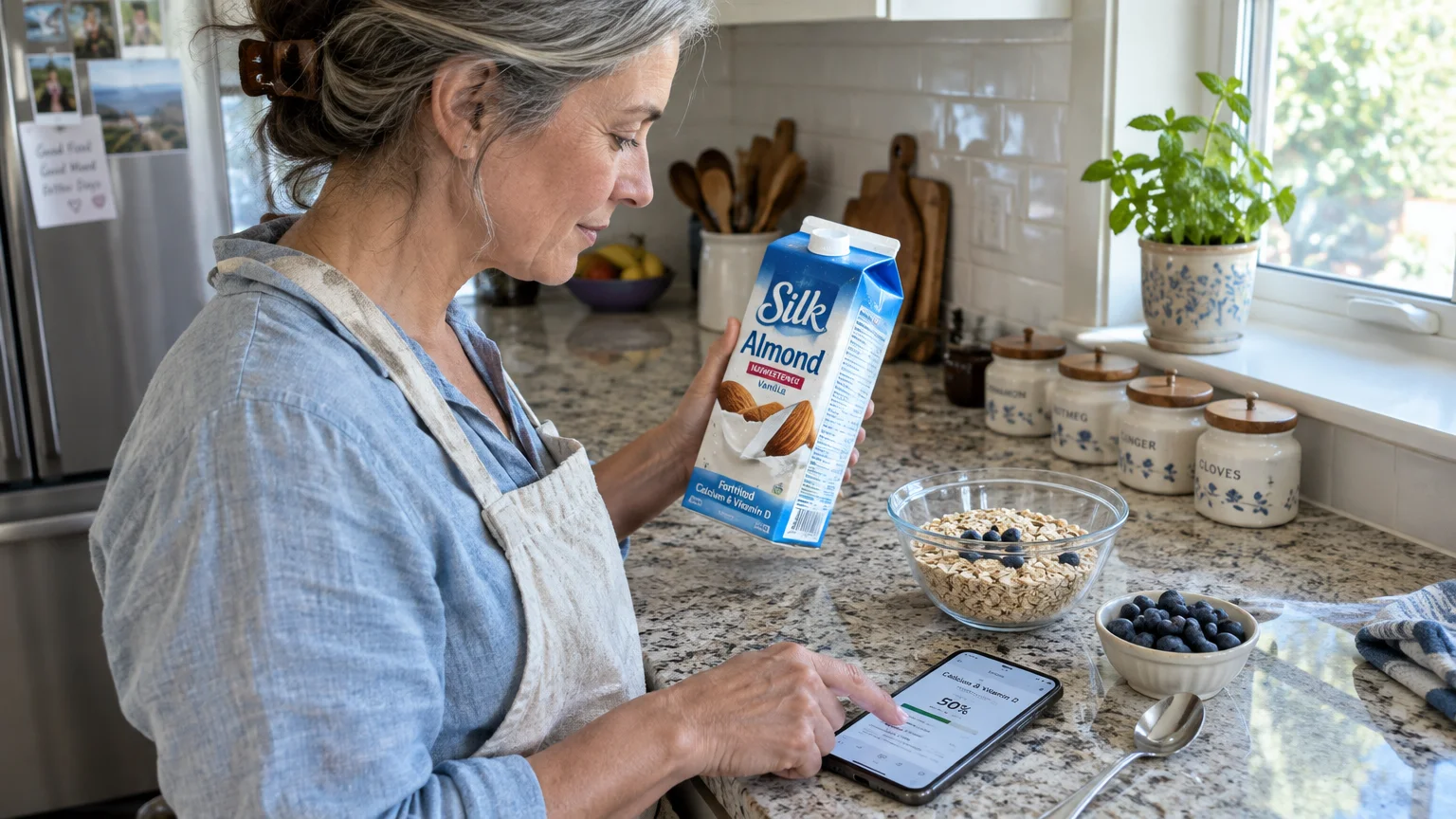
The Nutrition Facts panel lists both calcium and vitamin D in actual milligram or microgram amounts alongside % Daily Value. Scanning these lines ensures your dairy products or fortified plant milks meet your target intake.
Plant-based milks vary dramatically in their nutritional makeup compared to traditional cow’s milk. Some almond or oat milks lack meaningful protein unless the manufacturer fortifies the beverage with plant concentrates.
Always expand the ingredient list on non-dairy beverages to confirm the presence of tricalcium phosphate and vitamin D. Doing so ensures you receive the bone support you expect.
Understanding the updated FDA definition of healthy foods
Marketing claims on digital grocery storefronts can easily mislead shoppers seeking wholesome staples. Words like “wholesome,” “natural,” and “healthy” often highlight marketing goals rather than objective nutritional value.
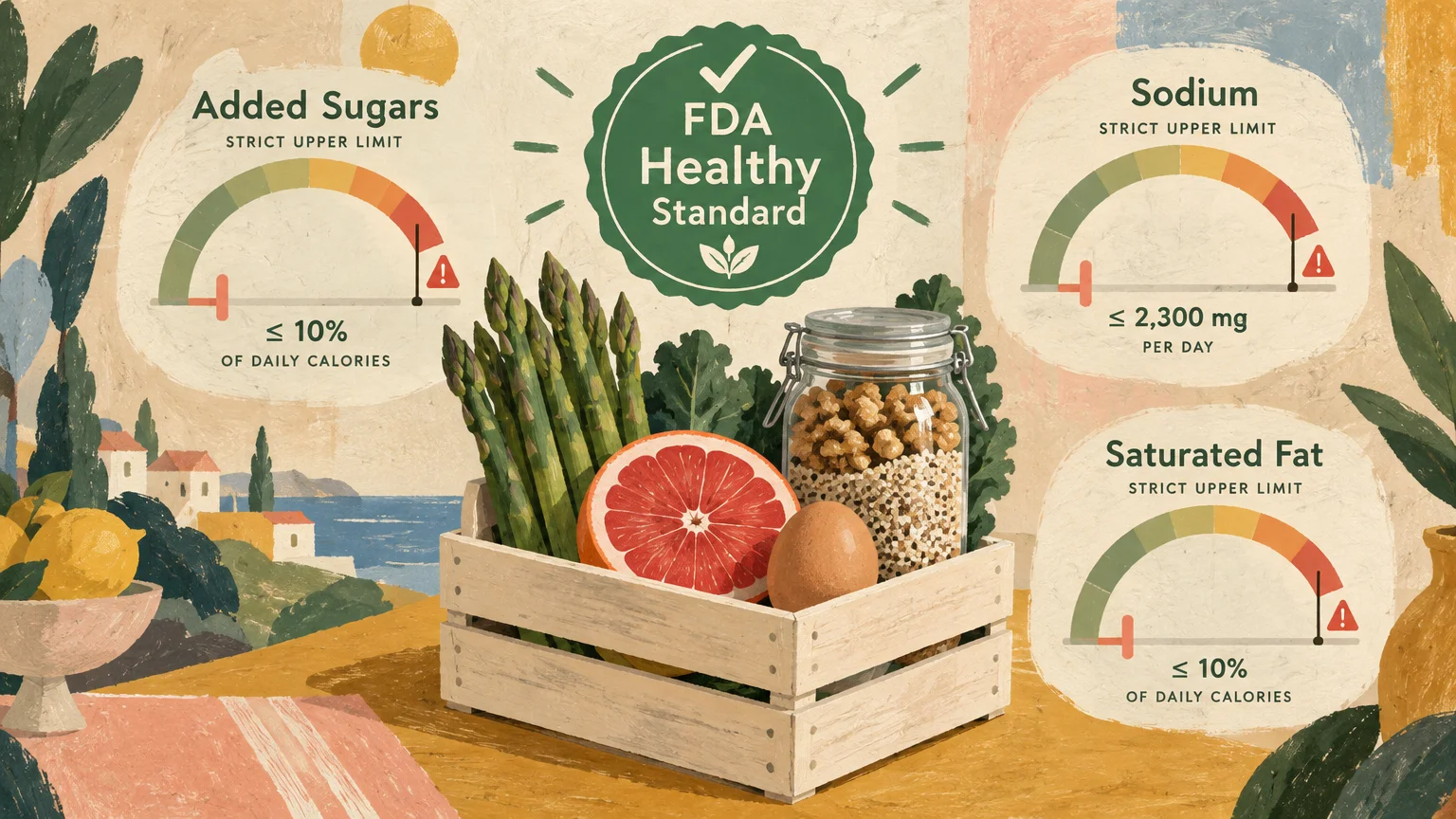
The FDA issued an updated final rule defining the term “healthy” on food packages, which took effect on April 28, 2025. Manufacturers must achieve full compliance with this standard by February 25, 2028.
Under this modernized rule, any food bearing a “healthy” claim must contain meaningful amounts of food from recommended dietary groups. These core groups include vegetables, fruits, whole grains, dairy, and lean proteins.
The regulation also imposes strict upper limits on added sugars, saturated fats, and sodium. This adjustment removes the claim from heavily sweetened cereals and high-sugar yogurts that once displayed it freely.
Conversely, nutrient-dense whole foods rich in healthy fats now officially qualify for the “healthy” claim. You will see items like avocados, nuts, seeds, olive oil, and salmon proudly bearing this designation.
In addition, the FDA proposed a rule on January 16, 2025, to establish a standardized front-of-package “Nutrition Info” box. The agency is actively reviewing public comments on this framework throughout 2026.
This proposed box will use interpretive labels marking saturated fat, sodium, and added sugars as Low, Med, or High. These standardized indicators will streamline digital grocery shopping once retailers adopt them.
Scanning ingredient lists for the nine major food allergens
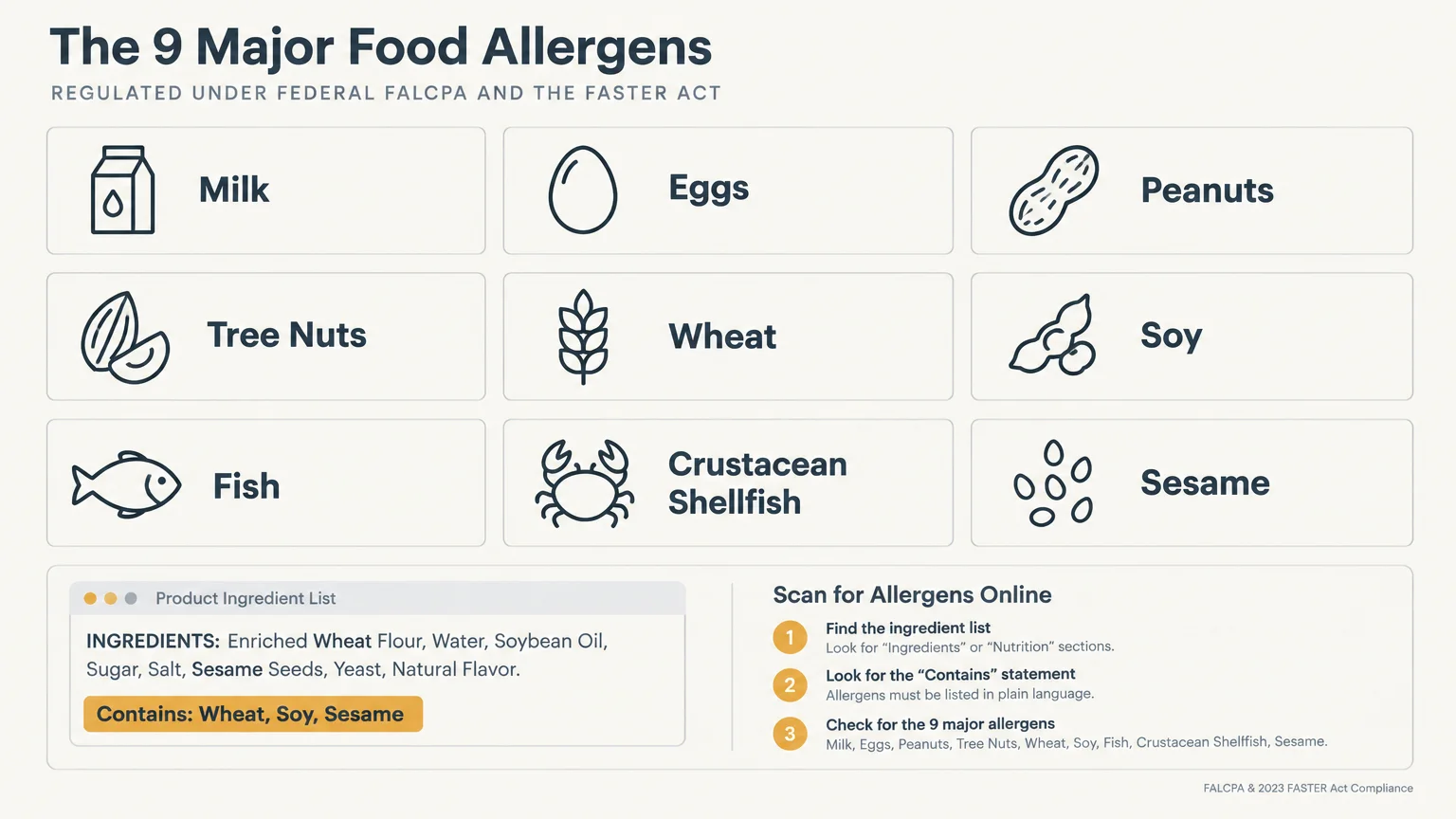
Food sensitivities and allergies require thorough scrutiny of every packaged item you place in your digital cart. U.S. federal law mandates clear labeling for nine major food allergens across all packaged groceries.
The nine major allergens are milk, eggs, fish, crustacean shellfish, tree nuts, peanuts, wheat, soybeans, and sesame. Manufacturers must explicitly declare these ingredients using plain English terms.
Sesame officially became the ninth mandatory allergen on January 1, 2023. The FDA further updated its Edition 5 allergen guidance documents on January 6, 2025, to reinforce compliance protocols.
Always look for a dedicated “Contains” statement printed immediately below the ingredient list. If a “Contains” line is absent, manufacturers must declare the allergen within the main ingredient deck.
Digital listings frequently display cross-contact warnings such as “May Contain” or “Produced in a Facility That Processes.” These advisory statements are voluntary, but they indicate potential allergen exposure during manufacturing.
FDA labeling standards require exact transparency from food processors. If you live with a severe food allergy, verify the uploaded packaging photo or contact the manufacturer directly to confirm allergen controls.
Managing medication interactions through digital ingredient lists
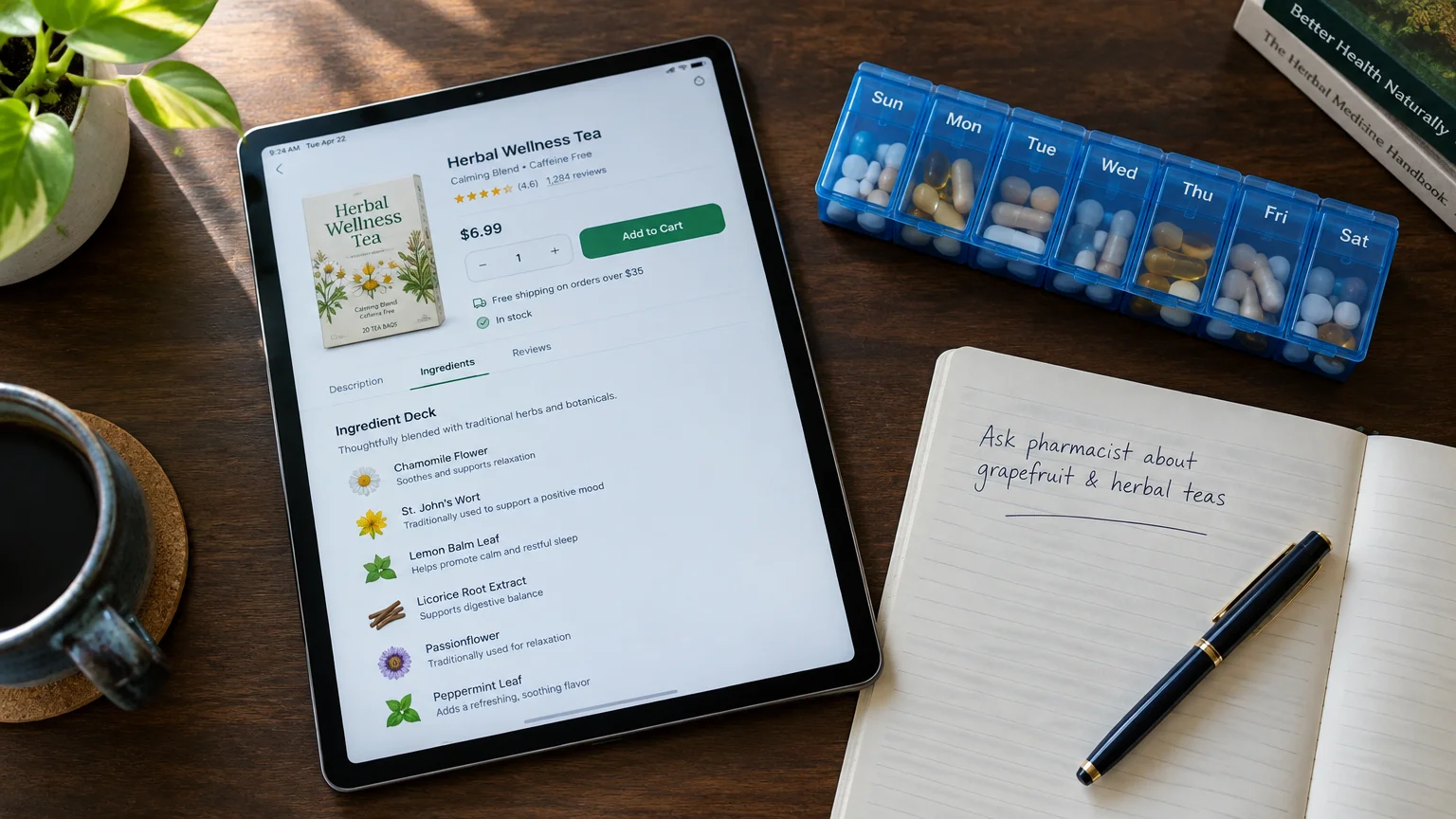
Everyday foods and over-the-counter ingredients can interact unexpectedly with prescription medications. Checking the complete digital ingredient list helps you avoid dangerous drug-nutrient complications before foods arrive at your home.
Grapefruit and related citrus fruits interfere with enzymes that metabolize certain statins and blood pressure drugs. A single serving can cause medication levels to rise dramatically in your bloodstream.
When ordering fruit juices, marinades, or sparkling waters online, never trust product titles alone. Scan the full ingredient list to ensure the manufacturer has not blended grapefruit juice into a generic citrus blend.
Vitamin K plays a fundamental role in normal blood clotting, which can counteract anticoagulant medications like warfarin. Foods rich in vitamin K include spinach, kale, collard greens, and soybean oil.
Consistency in your weekly vitamin K intake remains essential when managing blood thinners. Checking the label of frozen vegetable mixes and cooking oils lets you maintain steady daily levels.
Licorice root extract, often found in specialty teas and herbal candies, can deplete potassium and elevate blood pressure. Checking tea blends online ensures you do not inadvertently trigger hypertension symptoms.
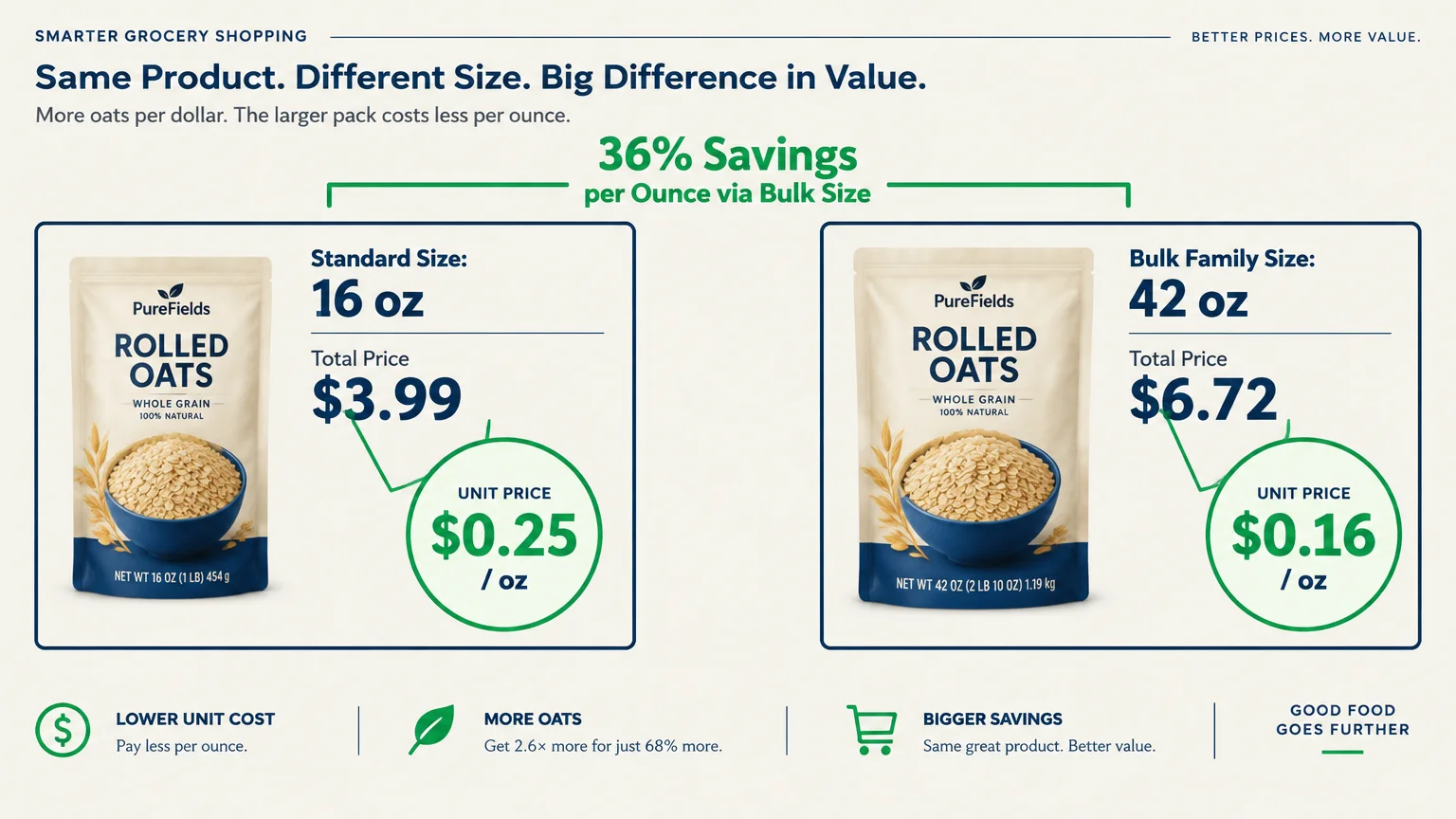
Protecting your budget by comparing unit prices and package weights
Shopping for groceries online can save time, but it can also obscure subtle price differences if you ignore packaging metrics. Retail websites often display the total package price prominently while minimizing unit costs.
Look closely at the unit price, which indicates the cost per ounce, pound, or count. Comparing unit prices allows you to determine whether a brand-name item offers genuine value over a store brand.
Store brands frequently match the nutritional profile of national name brands at a fraction of the retail cost. Verifying the Nutrition Facts panel side by side confirms whether you sacrifice any quality.
Digital grocery platforms also make it easy to fall into shrinkflation traps. Manufacturers occasionally reduce package volume—lowering sixteen ounces to fourteen ounces—while keeping the digital photograph and retail price identical.
Always check the net weight printed in the written product description before adding an item to your cart. Relying on an outdated packaging thumbnail can leave you with fewer servings than you expected.
Cooking for one or two people requires balancing bulk unit savings against the risk of spoiled food. Buying oversized packages to save pennies per ounce backfires if half the food spoils before use.
Opt for shelf-stable canned goods or individually portioned frozen items when you live in a smaller household. These options allow you to enjoy budget savings without throwing away spoiled food.
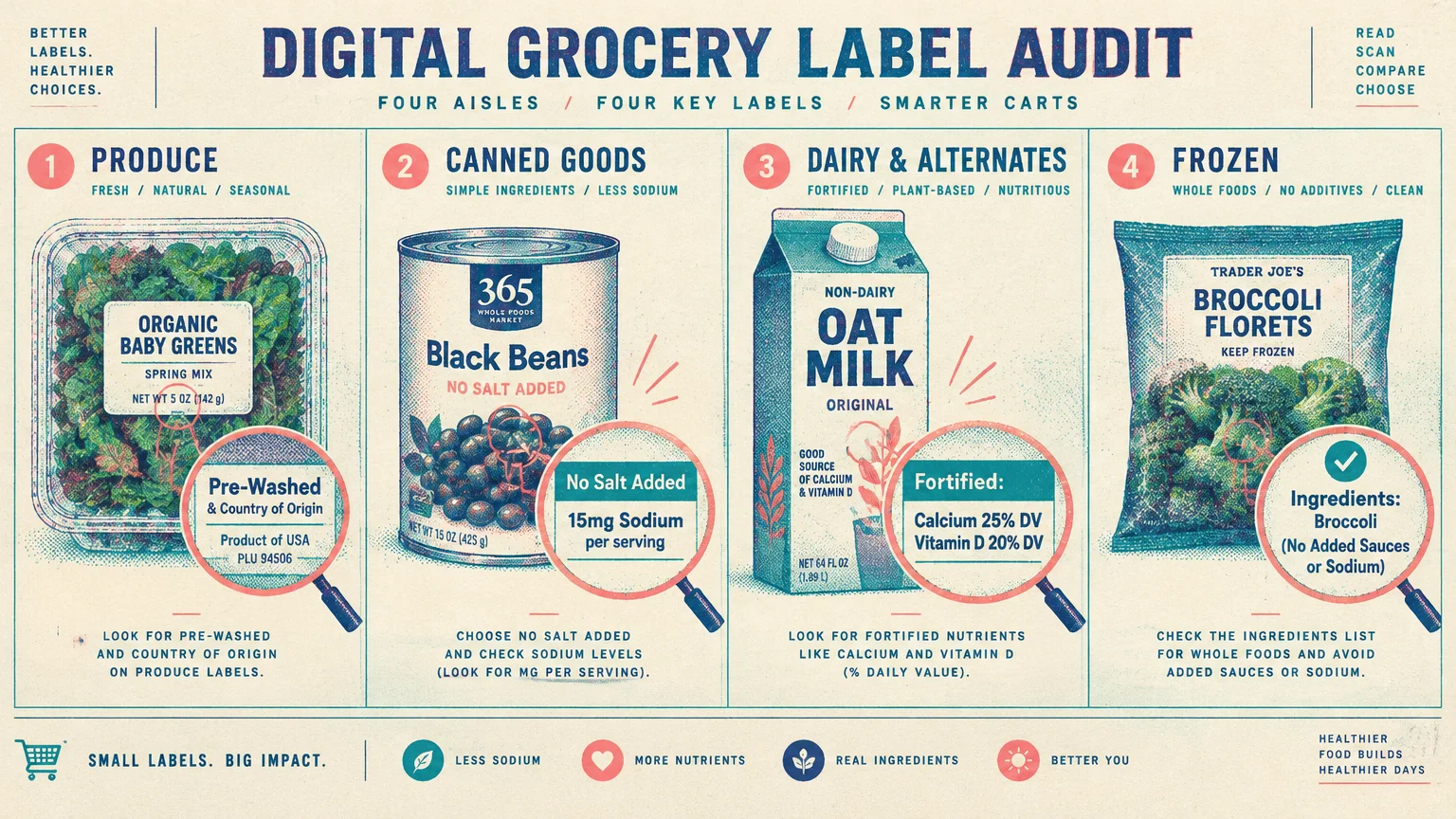
Aisle-by-aisle digital label verification guide
Each grocery aisle presents distinct challenges when shopping through an app or digital website. Knowing what specific pitfalls to look for in each category streamlines your shopping process.
Fresh and prepared deli items
Pre-cooked deli items, such as rotisserie chickens and prepared salads, offer exceptional convenience after a busy day. However, commercial deli kitchens often rely heavily on sodium-dense brines and preservatives.
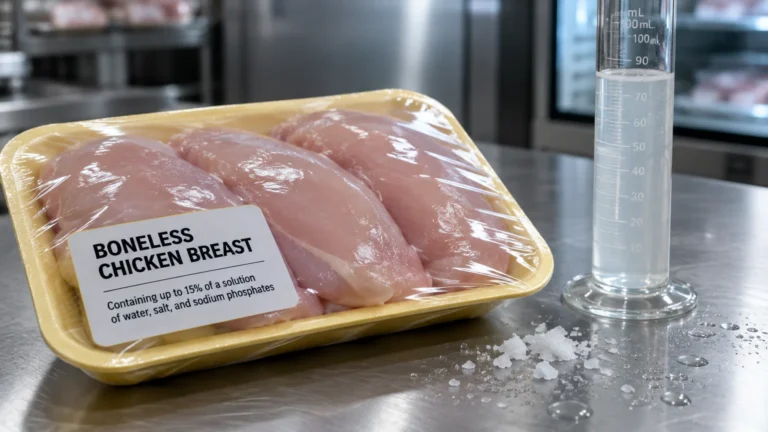
Inspect the digital listing for an ingredient statement that discloses added sodium phosphates and broth injections. A standard rotisserie chicken breast can easily pack one-third of your daily sodium allowance.
Prepared deli salads like coleslaw or potato salad frequently conceal substantial amounts of added sugars and saturated fats. Look for vinegar-based slaws or lower-fat dressings whenever you purchase prepared sides online.
Canned vegetables, beans, and broths
Canned goods represent the backbone of an economical pantry for smaller households. They provide long shelf lives, simple preparation, and consistent nutrient density when selected thoughtfully.
Always filter your digital search using terms like “no salt added” or “low sodium.” Regular canned beans and broths can contain over four hundred milligrams of sodium in a half-cup serving.
If you purchase regular canned beans, rinsing them thoroughly in a colander under cool tap water removes up to forty percent of surface sodium. That simple step saves your blood pressure without extra cost.
Look for canned fruit packed in its own juice or water rather than heavy syrup. Checking the “Includes Added Sugars” line guarantees you avoid unnecessary sweeteners in every bite.
Bread, grains, and breakfast cereals
Bread and cereal boxes often showcase prominent health claims on their front packaging. Words like “multigrain,” “seven grain,” or “made with whole grains” do not necessarily signify high fiber content.
To verify authentic whole grains, check the very first ingredient listed in the digital deck. The first ingredient should explicitly read “whole wheat,” “whole oats,” or another whole grain source.
If the first ingredient reads “enriched wheat flour,” the product uses refined flour that lacks natural bran and germ. Check the fiber line on the Nutrition Facts panel to ensure it offers at least three grams.
Breakfast cereals can harbor shocking quantities of added sugar per cup. Compare cereals online to select varieties that contain five grams of added sugar or less per bowl.
Dairy products and plant-based alternatives
Dairy products supply essential calcium, high-quality protein, and potassium for daily vitality. However, flavored yogurts and specialty cheeses can introduce excess saturated fat and refined sugars into your diet.
Plain Greek yogurt or traditional skyr provides double the protein of standard yogurt while eliminating added sugars entirely. You can sweeten plain yogurt at home using fresh blueberries or sliced bananas.
When choosing plant-based milk alternatives online, inspect both the protein count and the fortification panel. Soy milk naturally delivers protein comparable to dairy milk, while rice milk delivers almost none.
Confirm that your plant milk provides twenty to thirty percent of the Daily Value for calcium and vitamin D. Without adequate fortification, non-dairy alternatives do not support bone maintenance effectively.
Frozen entrees and bulk packages
Frozen meals deliver convenient portion control for individuals cooking for one or two. They eliminate the hassle of chopping ingredients and prevent surplus leftovers from spoiling in the refrigerator.
However, frozen entrees often rely on excessive sodium to preserve flavor across months of freezer storage. Scan the nutrition panel to select single-serve meals that cap sodium at six hundred milligrams or less.
Pay close attention to the number of servings listed on the frozen meal package. Some frozen dishes that appear to be single-serving dinners actually contain two full portions per tray.
Frozen vegetables without added sauces offer peak nutritional value and zero added sodium. Check the ingredient deck to ensure it lists only the vegetable itself, avoiding hidden butter or cheese sauces.
Frequently asked shopping questions
Here are direct answers to common questions shoppers encounter when reviewing digital grocery listings.
What should you do when a product listing shows no nutrition facts?
If an online grocery listing completely lacks a Nutrition Facts panel or ingredient list, avoid adding it immediately to your cart. Unlisted items often represent recent reformulations or discontinued packaging.
Search for the identical brand and product size on the manufacturer’s official website. Reputable food companies publish comprehensive nutritional specifications and allergen information for every retail product they produce.
How do order substitutions affect dietary requirements?
Digital grocery services frequently substitute out-of-stock items with alternative brands or larger package sizes. These automated replacements can inadvertently introduce allergens, higher sodium levels, or unwanted added sugars.
Before finalizing your order, adjust your store preferences to require approval for substitutions or select specific pre-approved backups. You can also mark medically sensitive items as “do not substitute” to eliminate risk.
Are store brand labels identical in quality to name brands?
Store brand grocery items often use the exact same manufacturing facilities and raw ingredients as leading national brands. In many cases, the primary difference lies entirely in the packaging design and marketing budget.
Compare the digital Nutrition Facts panel and ingredient list of the store brand against the national brand. If the nutrients, active ingredients, and allergen statements match, choosing the store brand saves money without sacrificing health.
Why does the delivered package sometimes look different from the website photo?
Food manufacturers periodically refresh package artwork, update recipes, or alter container dimensions. E-commerce platforms do not always update product photographs instantly when these packaging transitions occur.
When your grocery order arrives at your doorstep, verify the printed package against your health needs before opening the seal. Most retailers readily refund items that arrive with unexpected ingredients or inaccurate digital listings.
Your action step for your next online grocery order
Before you click the checkout button on your next grocery order, take three minutes to perform a cart audit. Open the cart review screen and click into your three most sodium-dense or sugar-prone items.
Inspect the Nutrition Facts panel and the ingredient list for those three items one final time. Confirming their sodium, added sugars, and allergen profiles ensures your delivered groceries keep you energized, healthy, and confident.