You can now cut through confusing front-of-package marketing faster than before. The Food and Drug Administration recently modernized the definition of the word healthy on food packages to match current cardiovascular science.
Finding heart-smart groceries can feel exhausting when you manage blood pressure, cholesterol, or daily medications on a fixed budget. This practical guide shows you how to use this label shift to protect your heart without overspending.
You will learn which foods earned the new mark, which sugary staples lost it, and how to verify claims in seconds.
What changed with the FDA healthy label and why it matters
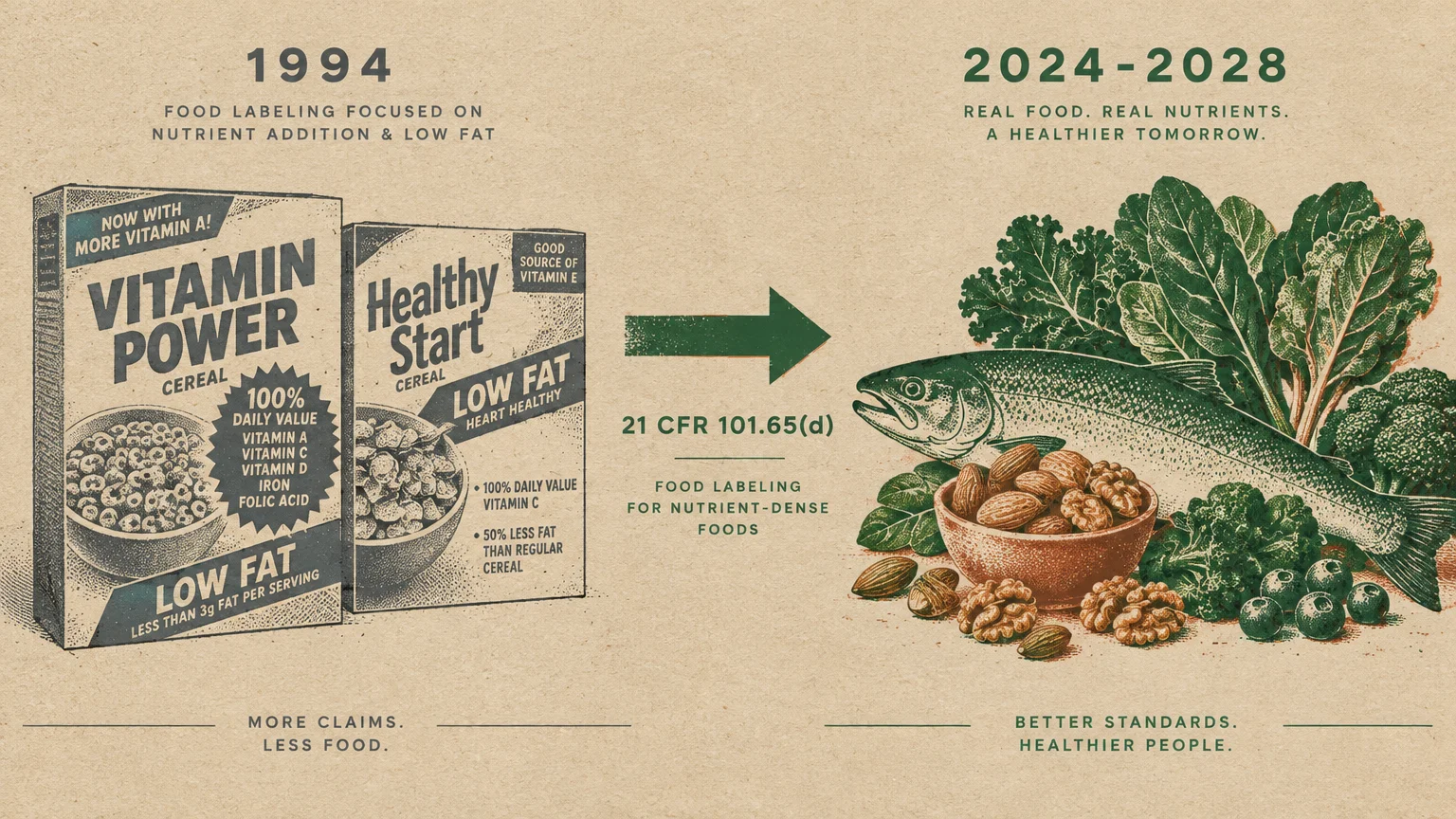
The Food and Drug Administration announced its final rule updating the nutrient content claim on December 19, 2024. The official regulation appeared in the Federal Register on December 27, 2024, codified at 21 CFR 101.65(d).
This landmark update marks the first major overhaul of the claim since 1994. Under that original standard, manufacturers could market foods as healthy simply by keeping total fat low and fortifying products with isolated vitamins.
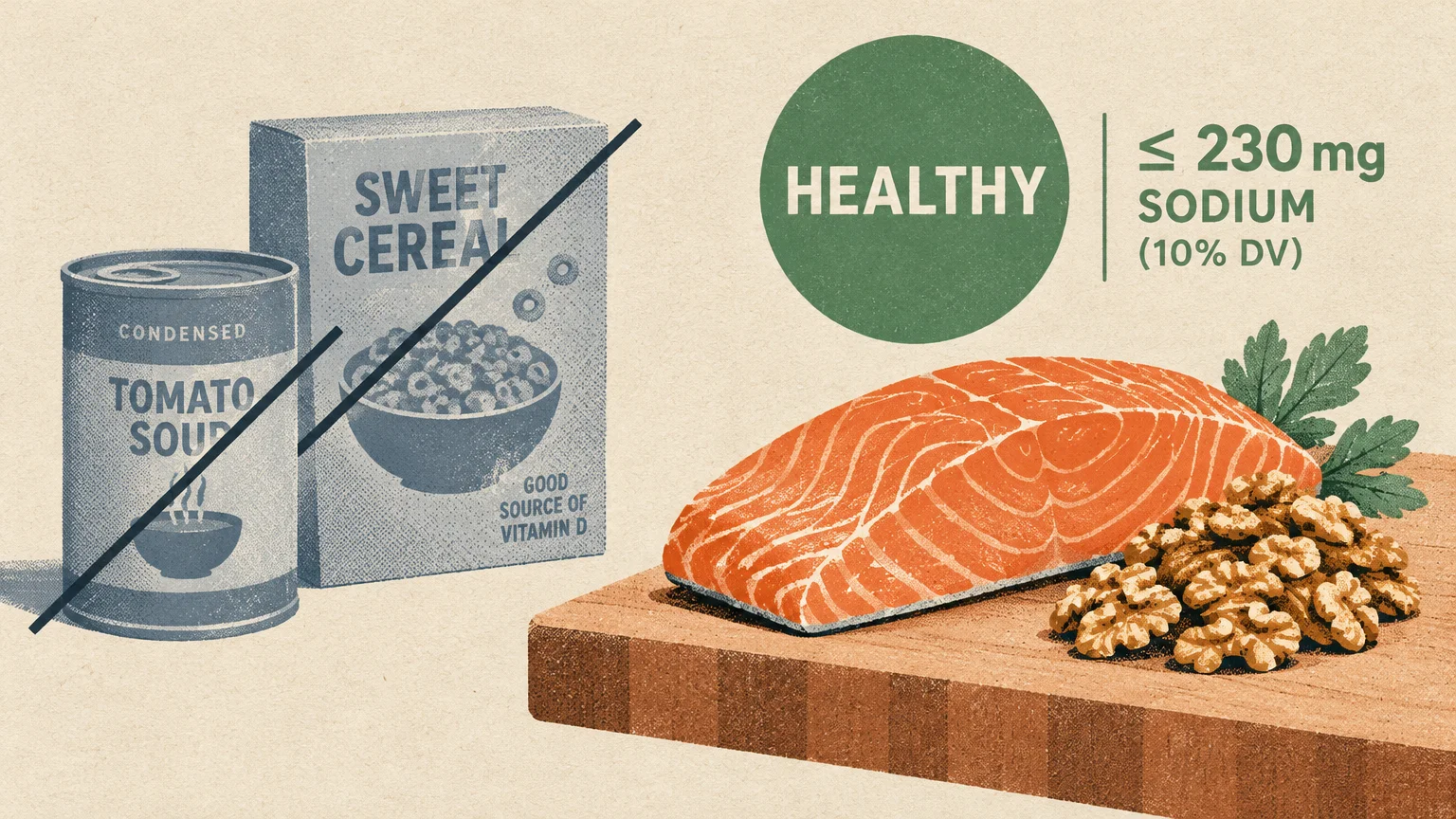
That outdated approach produced strange results on grocery shelves. Highly sweetened breakfast cereals and fortified white breads proudly displayed the word healthy, while nutrient-dense foods like salmon and walnuts were banned from using it.
Following a regulatory review period, the FDA set the effective date for the new rule as April 28, 2025. Manufacturers have been permitted to voluntarily adopt these modern criteria since that spring date.
Food manufacturers have until February 25, 2028, to complete all reformulation and packaging adjustments. This multi-year compliance window means you will spot both old and new labeling standards sitting side by side on shelves today.
Understanding this transition helps you avoid misleading marketing claims. You can review the regulatory history directly through the U.S. Food and Drug Administration healthy rule documentation.
Keep in mind that this claim remains completely voluntary for food companies. The FDA notes that approximately 5% of packaged foods in the American marketplace currently carry the healthy label.
Even though only a small fraction of packages print the word, the new criteria give you an unmistakable benchmark. You can apply these exact thresholds yourself on every trip down the aisle.
The agency projects this regulatory overhaul will deliver $686 million in public health benefits over 20 years. That equals roughly $46 million annualized, achieved largely by reducing all-cause mortality linked to diet-related cardiovascular disease.
How the new nutrient thresholds protect your heart and blood pressure
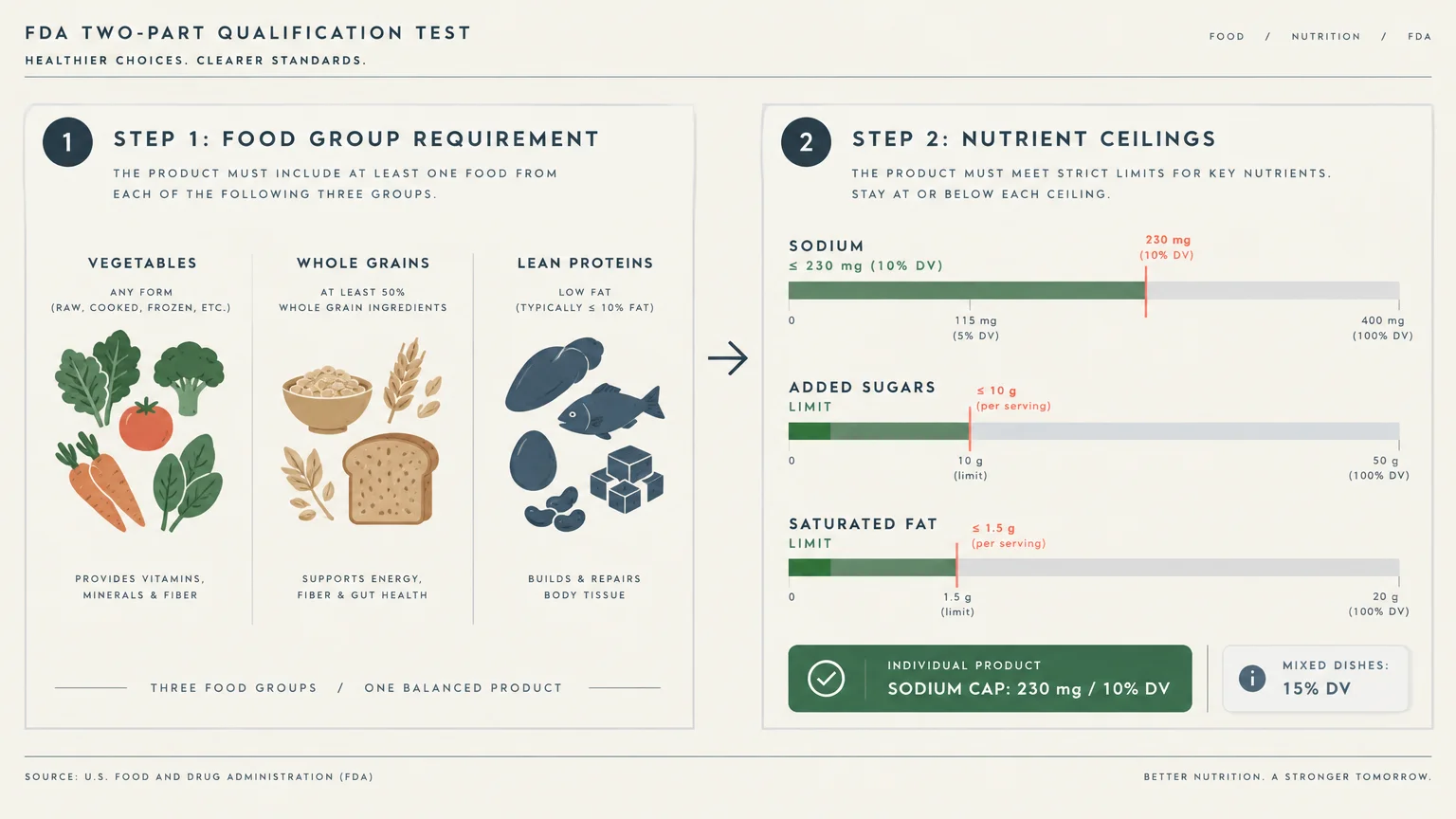
To carry the updated claim, a packaged food must now pass a strict two-part test. First, it must provide a meaningful amount of food from a recommended food group, such as vegetables, whole grains, or lean protein.
Second, the item must stay strictly at or below precise limits for three critical nutrients. The FDA targeted saturated fat, sodium, and added sugars because excess consumption directly accelerates cardiovascular disease.
High blood pressure strains your arterial walls over time, forcing your heart to work harder. The new rule caps sodium at 10% Daily Value or less per serving for individual food products.
That 10% limit equals no more than 230 milligrams of sodium in a single serving. For mixed combination products, the sodium ceiling rises slightly to 15% Daily Value per serving.
If you manage hypertension, this single cap eliminates hundreds of high-salt processed convenience foods from qualifying. Soups and snack items packed with excess salt can no longer hide behind healthy claims.
The updated rule also tackles added sugars, which drive systemic inflammation and elevate triglyceride levels. Under the 1994 guidelines, food processors faced zero limits on added sugars when making a healthy claim.
The revised criteria restrict added sugars to 2% Daily Value or less for fruits, vegetables, and protein foods. That allows only one gram of added sugar per serving in those categories.
Qualifying dairy products face an added sugar ceiling of 5% Daily Value, which equals 2.5 grams. Grain products cannot exceed 10% Daily Value, capping added sugars at 5 grams per serving.
These stringent limits prevent dessert-like snacks from posing as wholesome breakfast foods. You no longer have to guess whether a sweetened fruit cup or flavored oatmeal quietly damages your blood sugar balance.
Saturated fat limits have also been refined to reflect modern lipid research. The FDA caps saturated fat at 5% Daily Value or one gram for fruits, vegetables, grains, and proteins.
Dairy products receive a saturated fat threshold of 10% Daily Value, or two grams per serving. However, the rule sensibly exempts the natural, unsaturated fats found in seafood, nuts, and culinary seeds.
Shopping the perimeter: newly qualified whole foods and healthy fats
The perimeter of the grocery store offers your most powerful defense against arterial plaque. The updated FDA criteria officially recognize that whole, nutrient-dense foods form the foundation of cardiovascular wellness.
Under the new framework, whole fruits, plain vegetables, and lean meats automatically qualify for the claim. You do not need to calculate nutrient ratios for raw produce, plain frozen vegetables, or dry legumes.
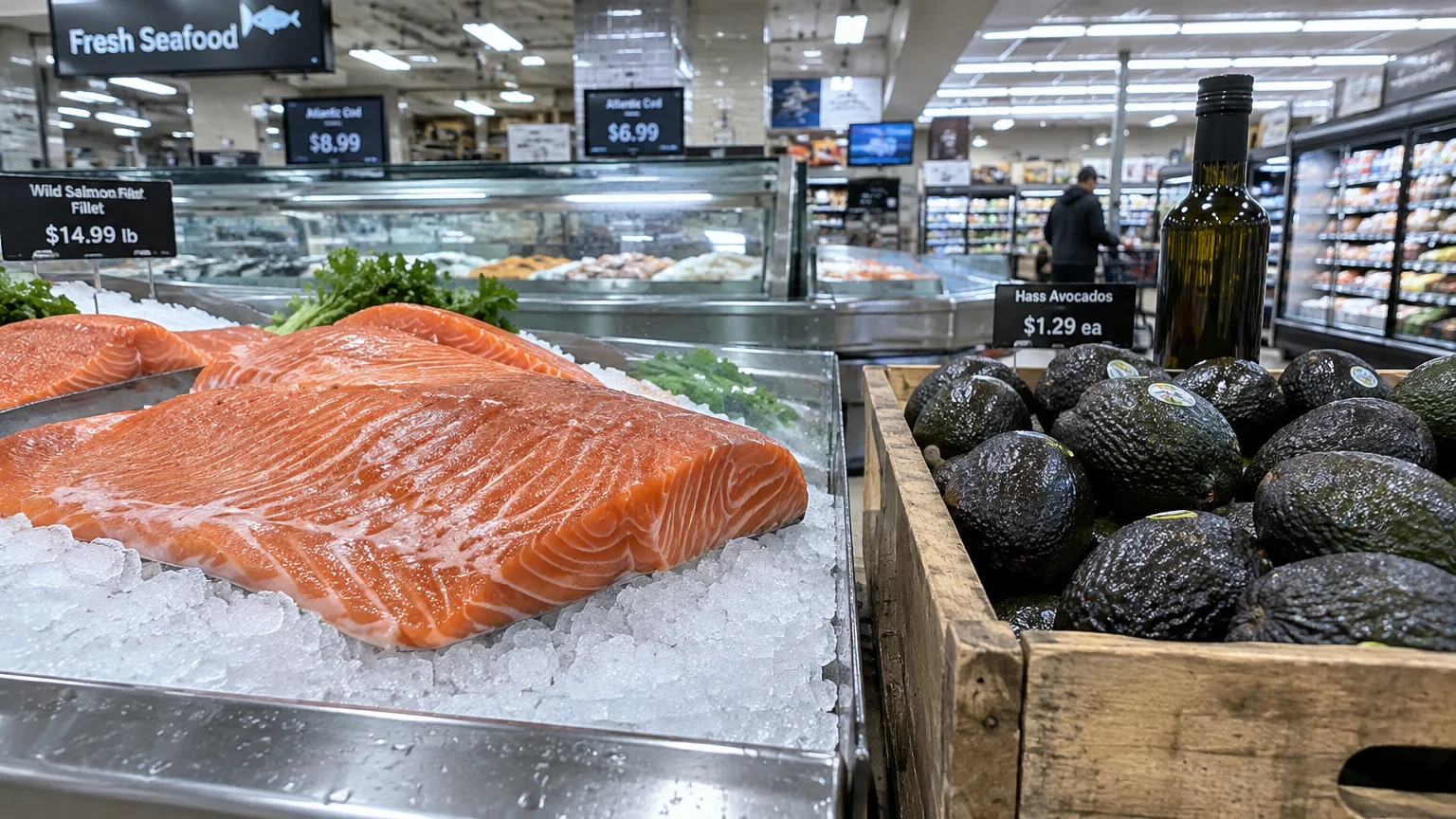
Avocados now qualify as healthy under federal standards for the very first time. Their high monounsaturated fat content previously barred them under the 1994 total fat limit, despite their proven benefits for vascular elasticity.
Nuts and seeds represent another major victory for heart-conscious shoppers. Walnuts, almonds, chia seeds, and sunflower seeds deliver plant sterols, magnesium, and dietary fiber that support healthy lipid panels.
Pure peanut butter and almond butter without hydrogenated oils now meet the updated definition. Pick jars containing only nuts and a touch of salt, bypassing brands with added palm oils or corn syrup.
The seafood counter presents exceptional opportunities to support heart rhythm and lower triglycerides. Fatty cold-water fish like wild salmon, albacore tuna, and Atlantic mackerel were previously blocked due to total fat levels.
The modernized rule explicitly accommodates the natural oils in seafood. Regular consumption of these marine omega-3 fatty acids aligns directly with the American Heart Association dietary recommendations for cardiovascular risk reduction.
Heart-healthy cooking oils have also earned their rightful place on the approved list. Extra virgin olive oil, avocado oil, and canola oil now qualify because they replace damaging saturated fats with beneficial unsaturated fats.
When selecting oils, verify that saturated fat accounts for less than 20% of the total fat content. Store your olive oil in a cool pantry away from the stove to prevent oxidation of delicate polyphenols.
Navigating the center aisles: which packaged staples lost their healthy claim
While the perimeter gained healthy allies, the center aisles experienced a sweeping cleanup. Many products you may have trusted for decades will soon lose their front-of-package marketing privileges.
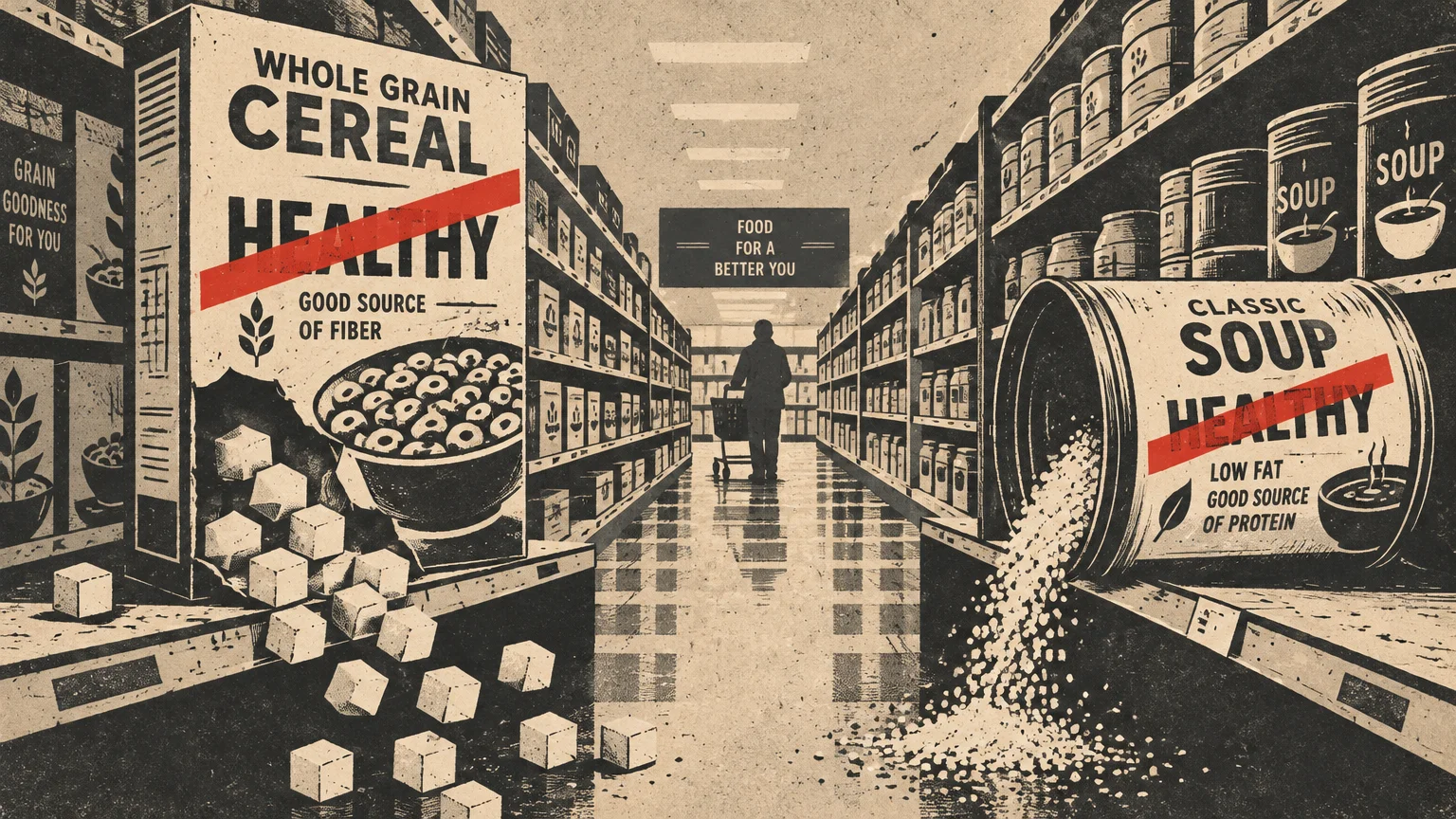
Sugary breakfast cereals represent the most noticeable departure from the healthy designation. For decades, manufacturers added synthetic vitamins to refined corn flakes and puffed grains to meet the 1994 threshold.
Under the new standard, grain products must contain at least three-quarters of an ounce equivalent of whole grains. Cereals that rely on refined flour or exceed 5 grams of added sugar can no longer use the claim.
Flavored yogurts face an equally dramatic reckoning in the refrigerated dairy aisle. Many popular fruit-on-the-bottom yogurts carry 12 to 18 grams of added sugar per cup, far surpassing the 2.5-gram maximum.
You can protect your arteries by purchasing plain nonfat Greek yogurt instead. Add a handful of fresh blueberries or a dash of ground cinnamon at home to achieve natural sweetness without spiking your glucose.
Fortified white bread and commercial sandwich buns have also been disqualified. The updated rule demands meaningful food group equivalents from whole grains rather than stripped, chemically enriched flour.
Sweetened fruit snacks, gelatin cups, and fruit purees with added cane juice no longer pass muster. Even though their boxes frequently display images of fresh fruit, their added sugar content disqualifies them immediately.
Canned soups represent another center-aisle trap that the new thresholds expose. Traditional condensed chicken noodle and vegetable soups frequently pack more than 800 milligrams of sodium per serving, far above the 230-milligram cap.
When shopping for quick pantry meals, look for low-sodium broths and bean soups that meet the 10% sodium standard. Combining low-sodium canned black beans with brown rice gives you an inexpensive, heart-healthy meal in minutes.
Reading the back label when front-of-package claims are missing
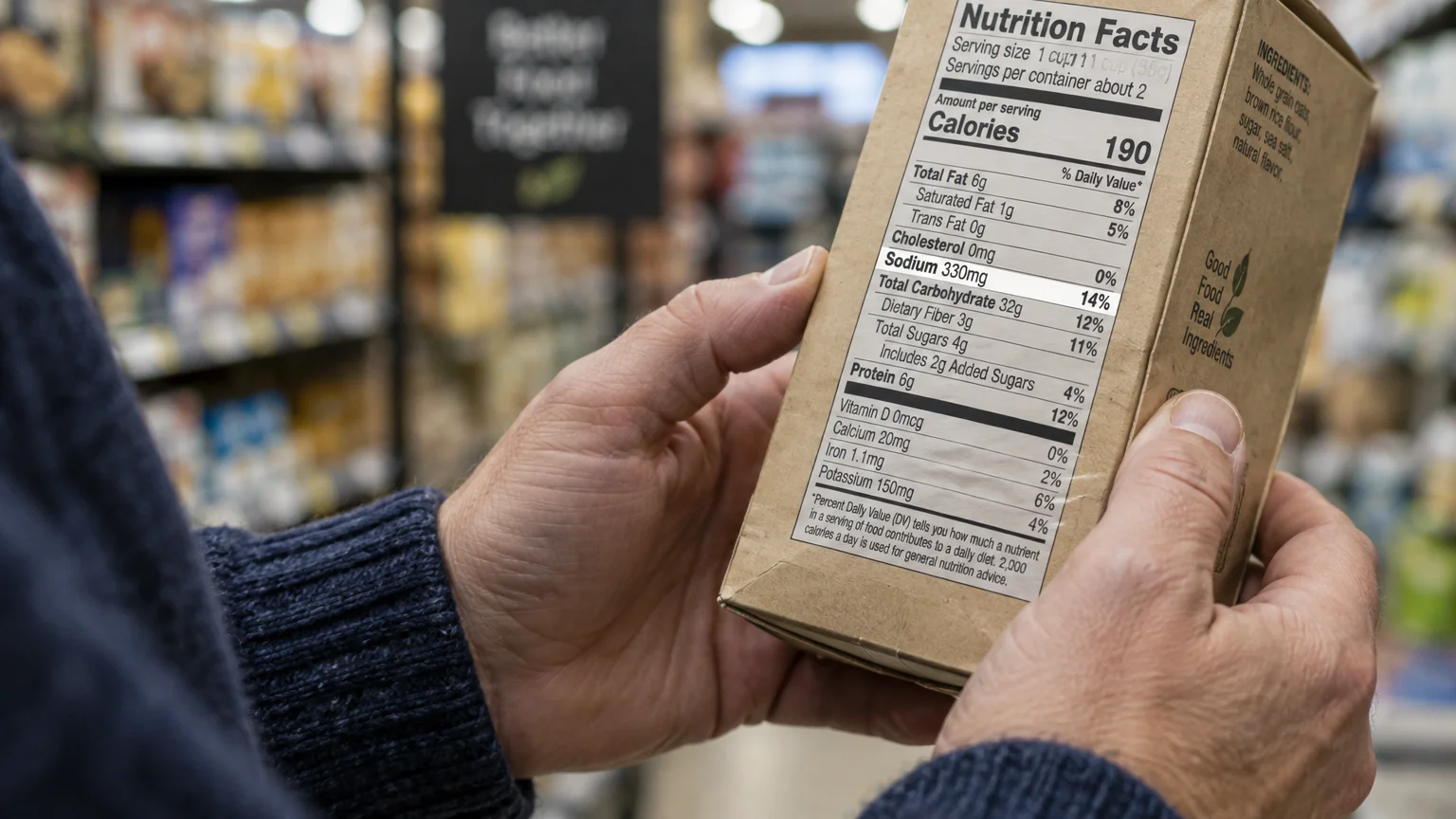
Because only 5% of packaged products carry the voluntary healthy claim, you must know how to evaluate ordinary packages. The Nutrition Facts panel on the back of the carton provides all the objective data you require.
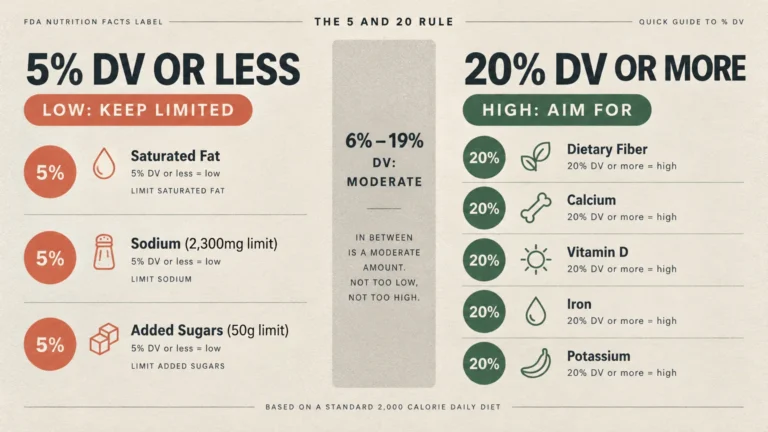
You can verify any food in seconds using the classic 5/20 rule established by federal regulators. You can review this standard via the official FDA Nutrition Facts guide to improve your label literacy.
A nutrient value of 5% Daily Value or less means the item is low in that specific component. You should seek 5% Daily Value or less for saturated fat, sodium, and added sugars.
A nutrient value of 20% Daily Value or higher means the product is high in that nutrient. You should aim for 20% Daily Value or more for beneficial nutrients like dietary fiber, potassium, calcium, and vitamin D.
Always inspect the serving size listed at the top of the panel before reading the percentages. Food manufacturers calibrate their numbers to a specific Reference Amount Customarily Consumed, which may be smaller than your normal portion.
If a can of soup contains two servings and you consume the entire can, you must double every value. A modest 10% sodium rating instantly becomes a dangerous 20% sodium load for your cardiovascular system.
Do not confuse the voluntary healthy claim with the FDA’s proposed Front-of-Package Nutrition Info box. The agency proposed that separate interpretive labeling system on January 14, 2025, and collected public comments through July 15, 2025.
That proposed system would display mandatory Low, Medium, or High warnings for sodium, saturated fat, and added sugar. While regulators finalize that design, you can rely on the Nutrition Facts panel to make confident purchases.
Stretching your heart-healthy grocery budget on a fixed income
Eating for cardiovascular wellness does not require shopping at high-end specialty markets. You can purchase foods that meet the strictest FDA healthy criteria at conventional supermarkets, discount grocers, and big-box retailers.
Your most reliable tool for controlling grocery expenses is the shelf tag’s unit price. Rather than looking at the total retail package price, compare the cost per ounce, pound, or count.
Store brands deliver substantial savings on heart-healthy pantry essentials without sacrificing nutritional quality. Retailer lines like Walmart Great Value, Kroger, and Aldi offer plain oats, canned tomatoes, and frozen vegetables at 20% to 30% discounts.
The FDA applies identical labeling standards to private-label store brands and national name brands alike. A bag of store-brand brown rice meets the exact same whole-grain requirement as an expensive designer label.
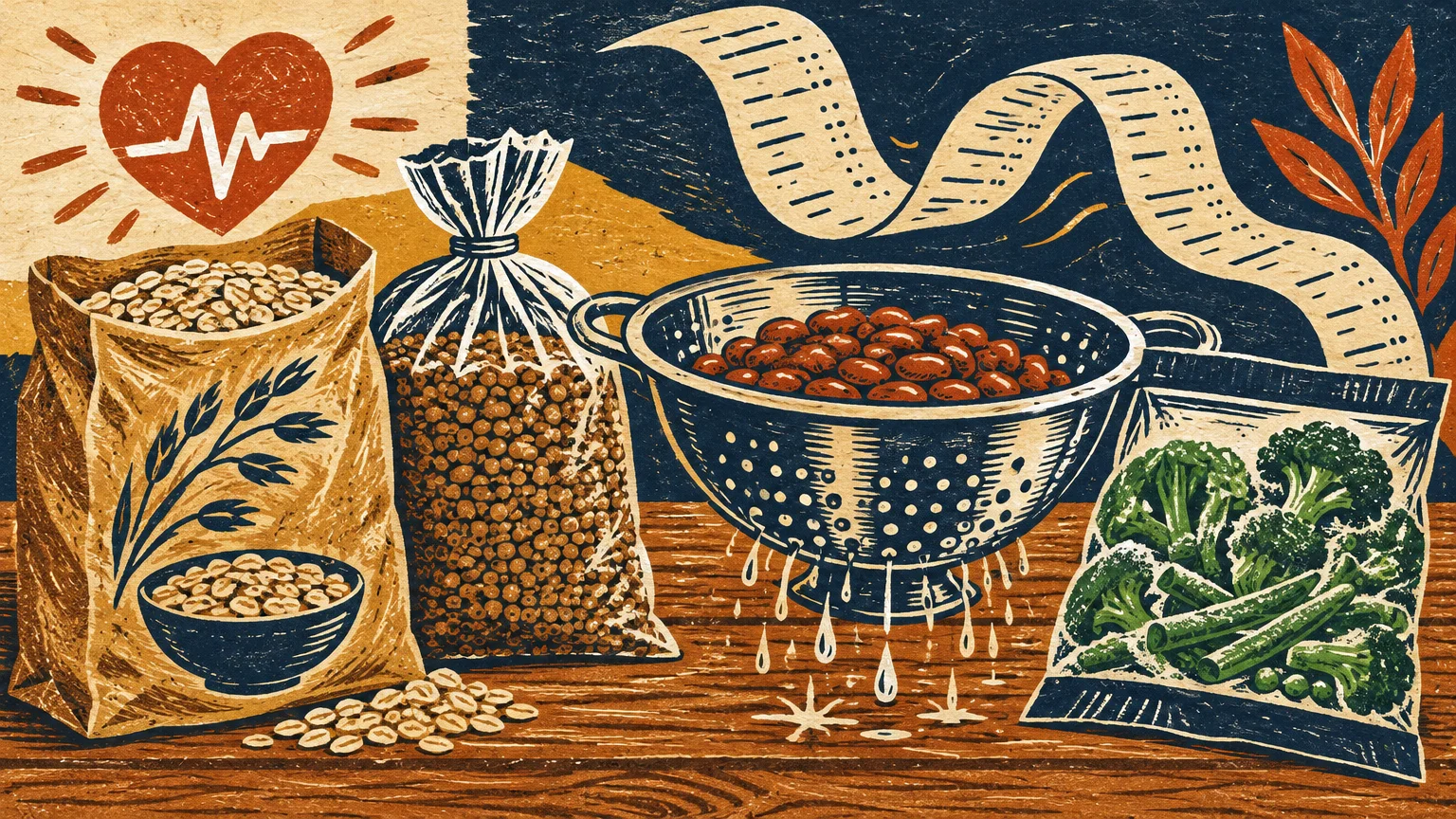
Frozen vegetables offer superior nutritional value and eliminate household food waste. Flash-frozen green beans, broccoli florets, and spinach contain no added sodium and cost far less per serving than out-of-season fresh produce.
If you live alone or cook for two, fresh produce often spoils before you can finish it. Buying frozen vegetables lets you pour out the exact single-cup portion you need while keeping the remainder pristine.
Canned beans represent one of the most economical heart-healthy proteins available in any store. A single fifteen-ounce can of black beans or chickpeas frequently costs less than $1.25 at discount supermarkets.
If low-sodium canned beans are sold out, purchase standard canned beans and pour them into a colander. Rinsing canned beans thoroughly under cold tap water for two minutes removes up to 40% of the canning sodium.
Whole rolled oats provide an unbeatable budget breakfast that comfortably exceeds the FDA’s whole-grain criteria. A large canister costs only pennies per serving and delivers soluble beta-glucan fiber that actively lowers LDL cholesterol.
Learn more about structuring balanced, economical meals through the federal Dietary Guidelines for Americans platform. Planning your weekly menu around affordable whole staples protects both your arterial health and your monthly budget.
Managing medications and dietary interactions at the store
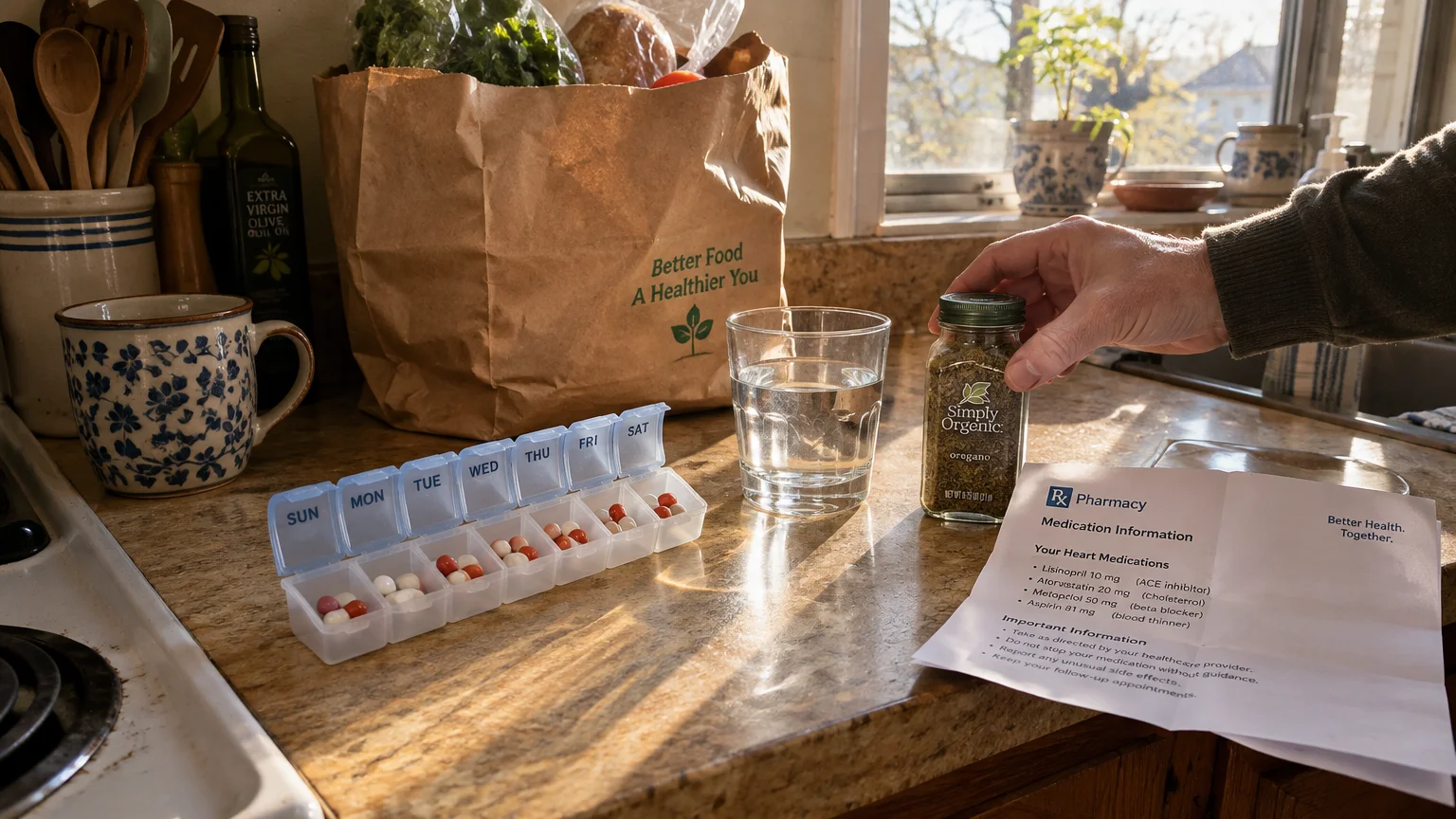
Heart-healthy eating requires extra caution when you balance daily prescriptions with dietary choices. Certain nutrients that support cardiovascular health can interact unpredictably with blood pressure medications and anticoagulants.
If you take ACE inhibitors like lisinopril or ARBs like losartan, your kidneys tend to retain potassium. While dietary potassium lowers blood pressure in the general population, excessive intake can cause hyperkalemia in medicated adults.
Be cautious with commercial salt substitutes found in the spice aisle. Many reduced-sodium seasonings replace sodium chloride with potassium chloride, delivering massive doses of potassium that may endanger your heart rhythm.
Loop diuretics like furosemide, by contrast, often cause your body to excrete potassium. Always follow your prescribing physician’s specific guidance regarding high-potassium foods like bananas, potatoes, and spinach rather than guessing at the shelf.
Blood thinners like warfarin require steady, consistent intake of vitamin K to maintain proper clotting times. Dark leafy greens like kale, collards, and Swiss chard provide wonderful cardiovascular fiber, but sudden dietary spikes can interfere with your medication.
You do not need to avoid leafy greens while taking anticoagulants; simply keep your weekly consumption consistent. Discuss any major shifts in your vegetable purchasing patterns with your clinic or pharmacist.
Statin medications used to lower LDL cholesterol, such as atorvastatin or simvastatin, carry well-documented interactions with grapefruit. Grapefruit juice inhibits the CYP3A4 enzyme in your gut, leading to higher drug concentrations and muscle toxicity.
Inspect chilled juice blends carefully before placing them in your cart. Many tropical fruit blends quietly include grapefruit juice as an inexpensive filler base, creating unnecessary risks for statin users.
For independent scientific evaluations of nutrient-drug interactions, consult the NIH Office of Dietary Supplements database. Verifying ingredient lists against your daily prescription schedule ensures your grocery choices support your medical treatment.
Practical questions from shoppers managing heart health
Can a food support my heart if it lacks the healthy claim on the package?
Yes, thousands of foods support cardiovascular wellness without carrying any front-of-package claims. Because the FDA healthy claim is strictly voluntary, most manufacturers choose not to undergo the expense of printing it.
Single-ingredient staples like raw chicken breast, fresh apples, dry lentils, and brown rice rarely feature marketing banners. Rely on the Nutrition Facts panel and ingredient list rather than depending on commercial marketing graphics.
Why do high-fat foods like salmon and walnuts qualify under the new rule?
The original 1994 rule treated all dietary fats identically, incorrectly assuming that low-fat diets prevented cardiovascular disease. Decades of clinical trials have since proven that unsaturated fatty acids protect blood vessels.
The modernized regulation accommodates the beneficial polyunsaturated and monounsaturated fats found in seafood, nuts, and plant oils. The FDA now focuses on restricting harmful saturated fats and trans fats rather than total fat intake.
How can I tell if a box uses the 1994 criteria or the 2025 standard?
Examine the Nutrition Facts panel on the back of the box to identify which rule the manufacturer followed. If the product carries a healthy claim but lists high added sugars, it follows the outdated 1994 standard.
Manufacturers have until February 25, 2028, to update or remove old labels. Checking for low sodium and minimal added sugar guarantees that the food meets modern heart-health criteria today.
Are reduced-sodium canned soups safe for daily heart-health management?
Many reduced-sodium soups still exceed the FDA’s strict 10% Daily Value threshold for individual foods. A can labeled 25% less sodium may still pack 500 to 600 milligrams per serving.
Turn the can around and verify that the sodium percentage displays 10% Daily Value or less per serving. If you cannot find qualifying commercial soups, dilute low-sodium vegetable broth with fresh water and frozen vegetables.
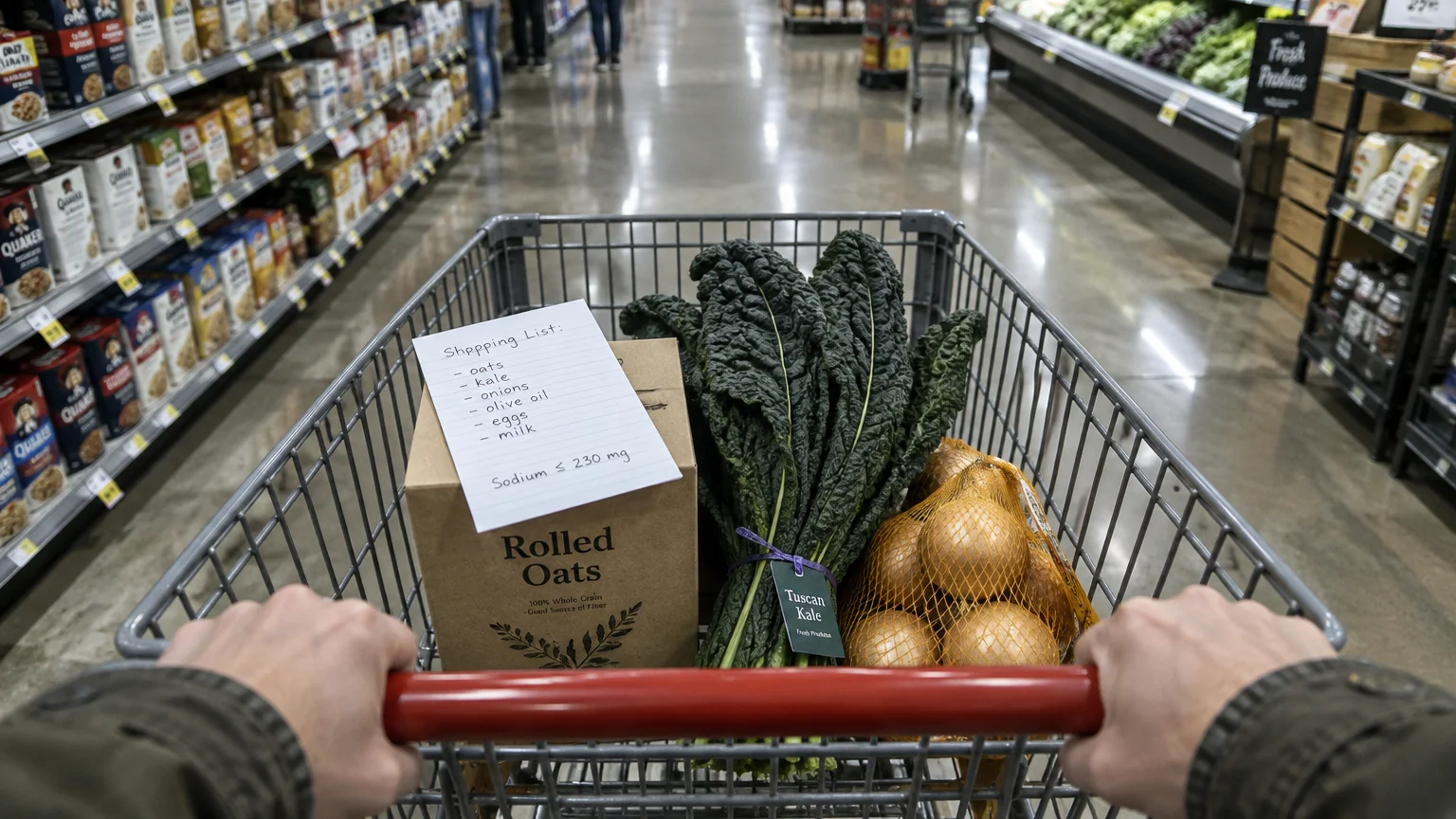
What to check on your very next trip to the grocery aisle
You do not need to overhaul your entire kitchen pantry at once to see measurable cardiovascular benefits. Sustainable dietary change happens one informed shelf choice at a time.
On your next grocery trip, select one packaged staple you buy regularly, such as your morning cereal or sandwich bread. Flip the box over and inspect the sodium, saturated fat, and added sugar percentages on the back.
Check whether the sodium stays at or below 10% Daily Value and saturated fat remains under 5% Daily Value. Then verify that added sugars do not exceed the 5% to 10% ceiling for grain products.
If your current brand exceeds those heart-healthy boundaries, browse the shelf for an alternative that meets them. Store-brand plain rolled oats or whole-wheat sandwich loaves frequently hit every modern target while trimming your grocery bill.
By mastering these label thresholds, you take direct control of your cardiovascular wellness. You can fill your cart with confidence, knowing each item actively supports your blood pressure, arteries, and longevity.