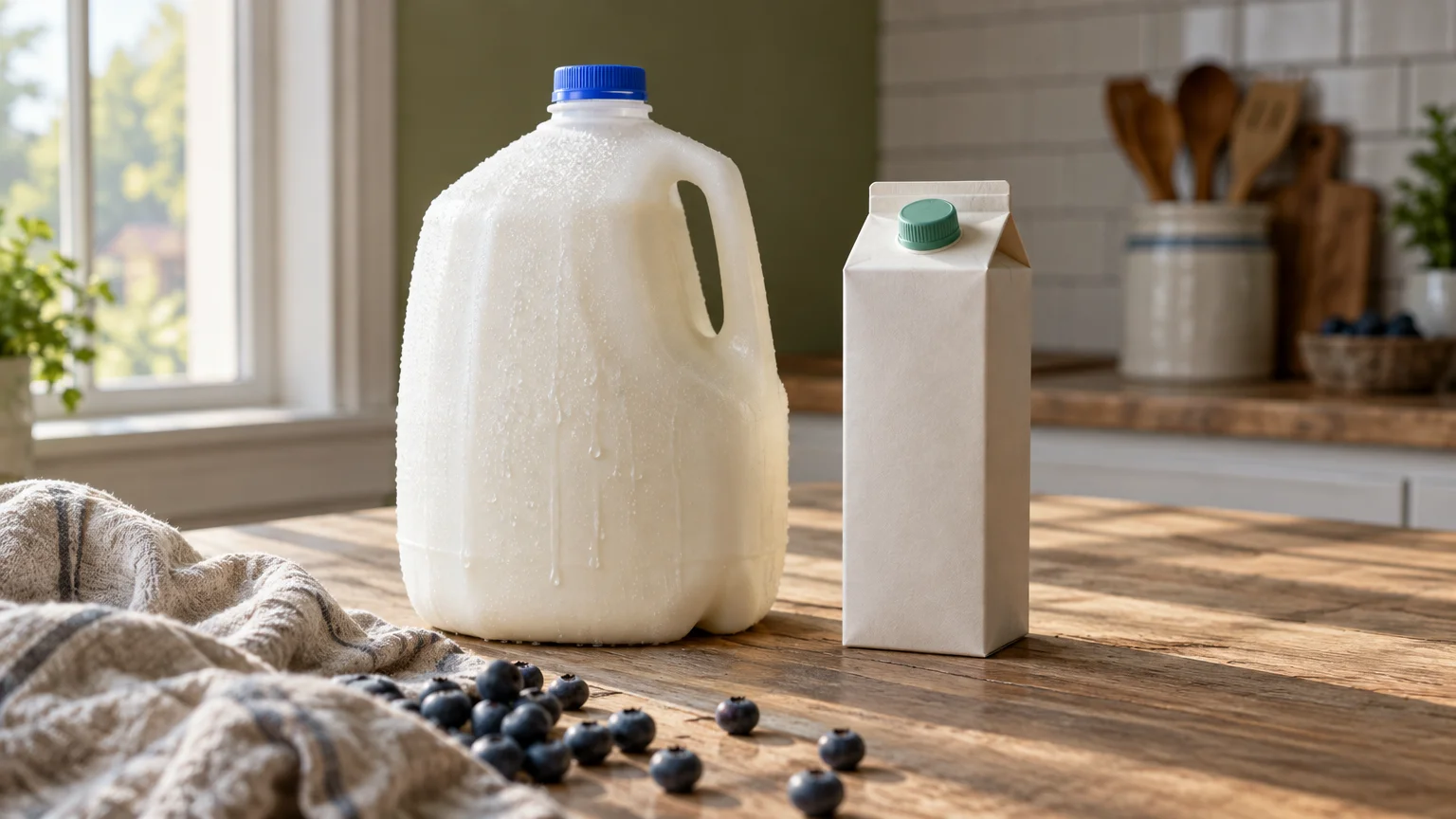
You can slash your weekly dairy spending without sacrificing safety or nutrition by skipping the organic carton at Aldi. Choosing standard store milk delivers identical protein, zero synthetic growth hormones, and zero antibiotics for less than half the retail price.
Reaching for organic cartons might feel like a necessary health investment, but federal safety standards already safeguard every conventional container on the shelf. That steep markup does not purchase extra wellness.
Understanding how Aldi sources its dairy will help you keep hard-earned grocery money in your wallet. Let us look at what you actually get when comparing those blue and green labels.
Decoding the Aldi dairy case: Friendly Farms versus Simply Nature
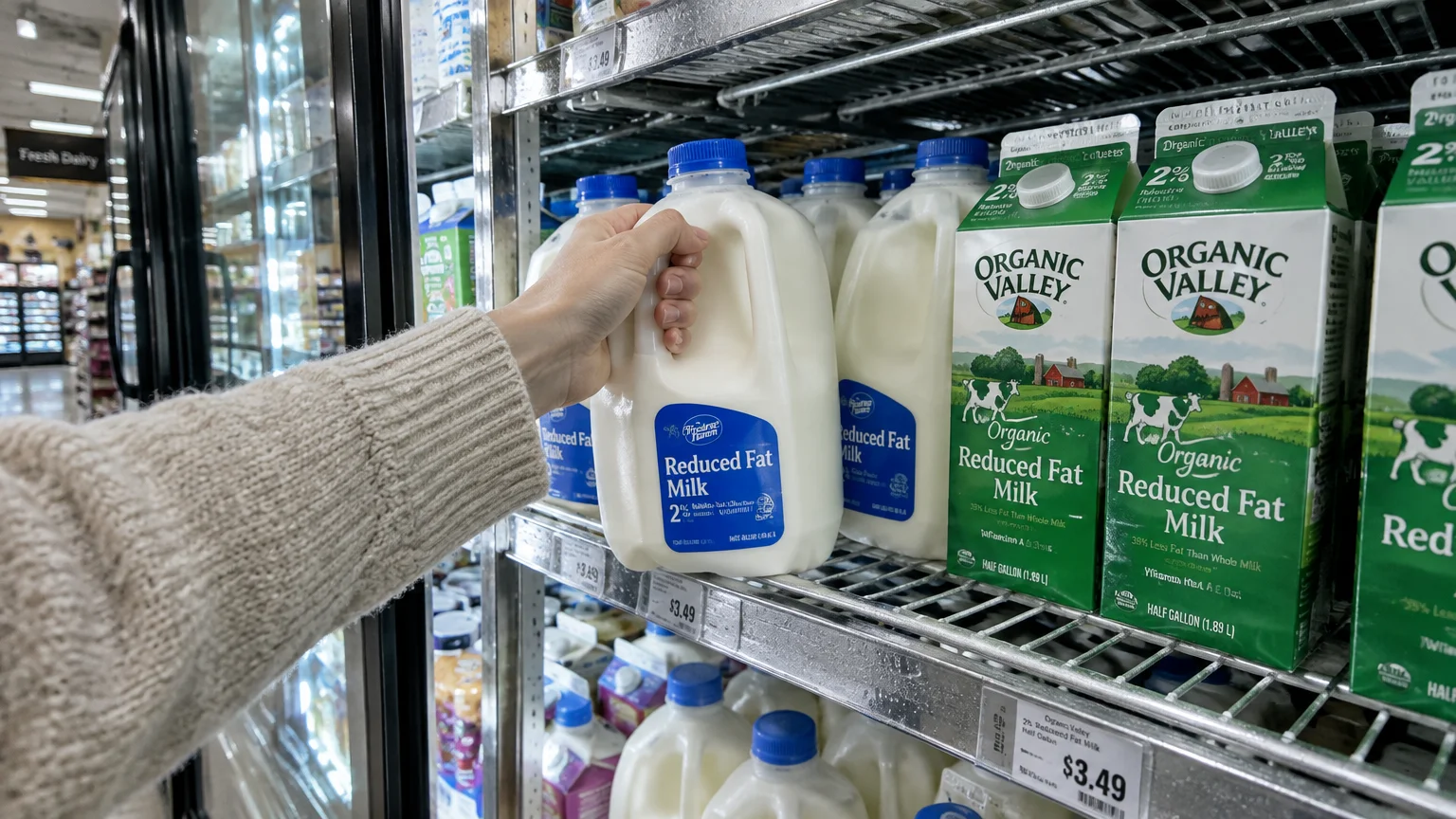
Aldi arranges its dairy section with streamlined efficiency, stocking two primary fluid milk labels side by side. Conventional dairy sells under the Friendly Farms brand, while certified organic milk carries the Simply Nature label.
The bright packaging differences immediately catch your eye as you walk past the cooler doors. Friendly Farms features familiar plastic jugs, whereas Simply Nature sits inside colorful paperboard cartons.
Retail marketing often subtly nudges shoppers to assume that paperboard packaging signals superior purity; however, appearances can deceive. The real differences between these two products lie in specific farming regulations rather than basic product purity.
Both product lines must satisfy rigid federal quality standards before entering the distribution network. Examining the fluid inside each container reveals that both options provide wholesome, high-quality nourishment.
The real math: How carton sizing disguises a massive price gap
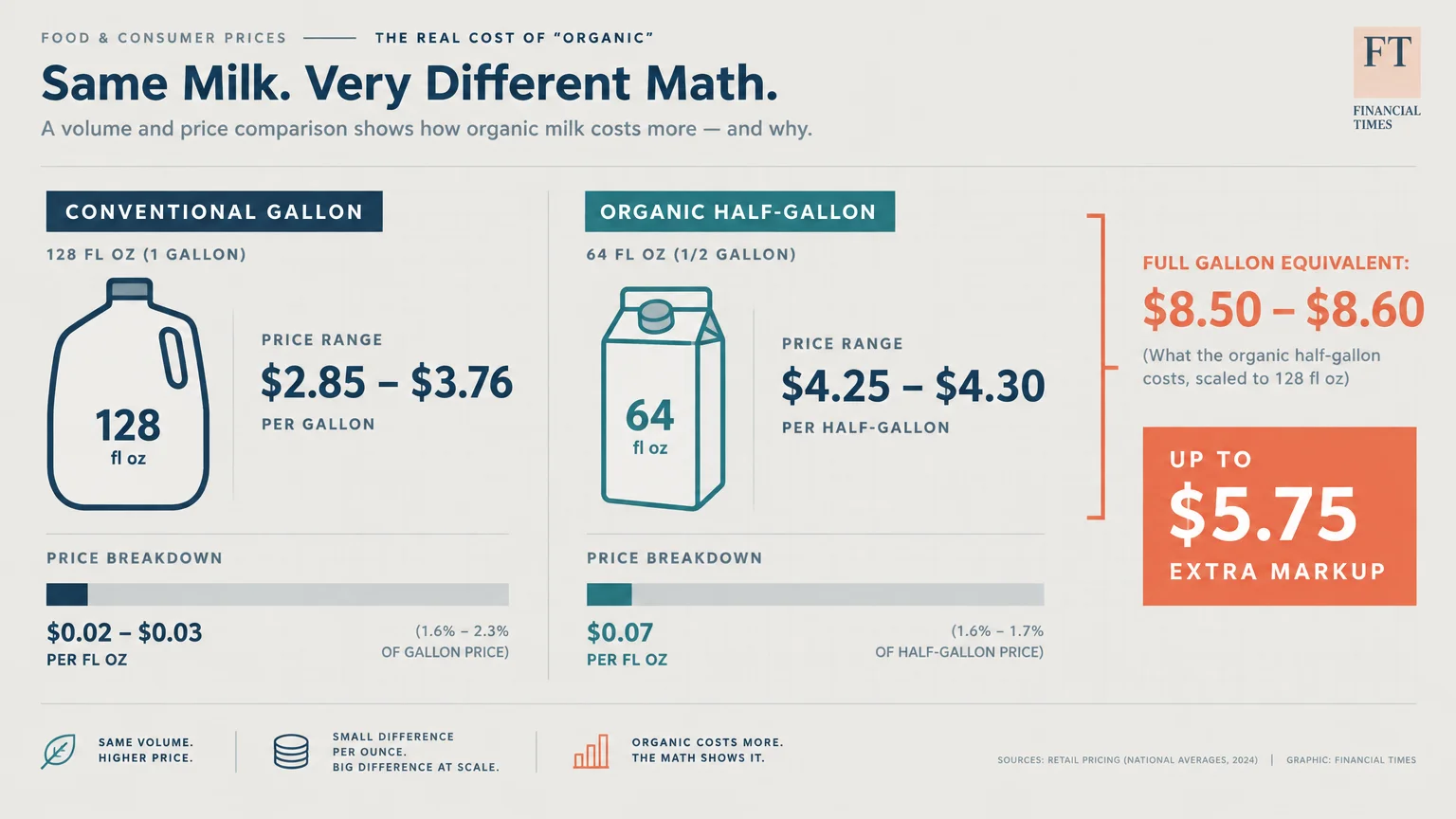
Aldi prices its milk aggressively, but carton sizing creates an optical illusion that confuses many shoppers. Friendly Farms Whole Milk sells in a full one-gallon plastic jug containing 128 fluid ounces.
Across American Aldi stores, this conventional gallon costs between $2.85 and $3.76, depending on your local wholesale market. That translates to an economical rate of roughly $0.02 to $0.03 per fluid ounce.
According to dairy sales data from the USDA tracking 30 major metropolitan cities, the national average price for a conventional gallon sits at $3.71. Aldi consistently beats or matches that benchmark across the country.
In contrast, Aldi sells Simply Nature Organic Whole Milk in half-gallon cartons containing 64 fluid ounces. These half-gallon cartons carry an everyday retail price between $4.25 and $4.30.
Calculating the true unit price exposes the financial hit; organic milk costs approximately $0.07 per fluid ounce. Purchasing a full gallon equivalent—two half-gallon cartons—demands an outlay between $8.50 and $8.60.
You pay more than double—up to $5.75 extra per gallon—simply to take home the organic label. That markup erodes your grocery budget without providing meaningful physical advantages.
Artificial hormones: Why Friendly Farms is already rBST-free
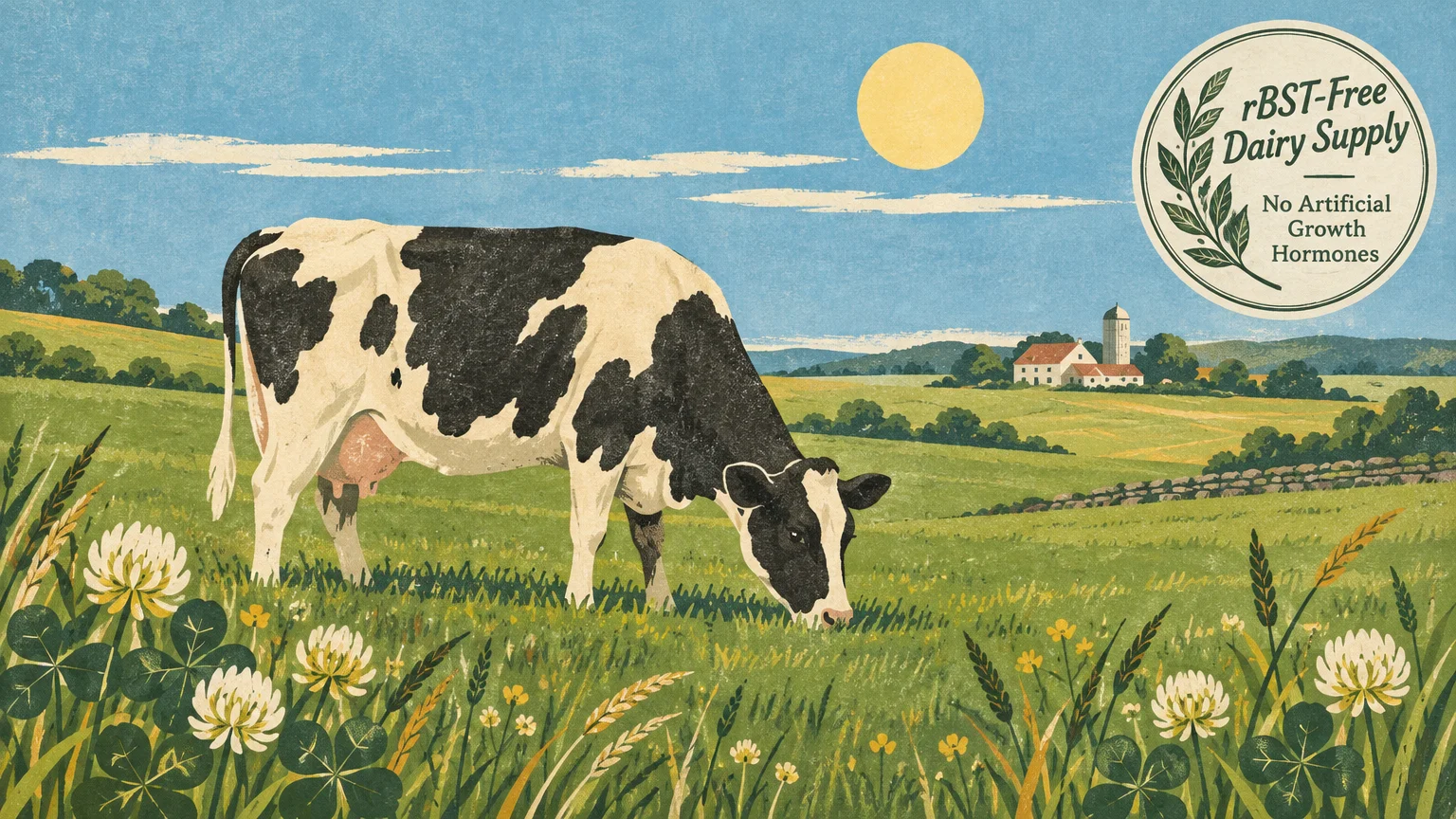
Many shoppers pay the organic premium out of concern over artificial hormones in commercial milk. Recombinant bovine somatotropin, commonly known as rBST or rBGH, is a synthetic hormone developed to increase milk production in cows.
You do not need to buy Simply Nature to avoid synthetic bovine hormones. Aldi sources all Friendly Farms fluid milk and cultured dairy products from dairy cows that receive no rBST treatments.
You can verify this commitment on the front label of every Friendly Farms jug. The packaging explicitly confirms that farmers harvest the milk from non-treated herds.
Federal labeling regulations from the FDA require a standard clarifying disclaimer alongside that claim. The label states that no significant difference has been shown between milk derived from rBST-treated and non-rBST-treated cows.
Nevertheless, Aldi suppliers exclude synthetic hormones completely across their standard supply chain. Paying extra for Simply Nature to escape synthetic hormones wastes your money on protection you already receive.
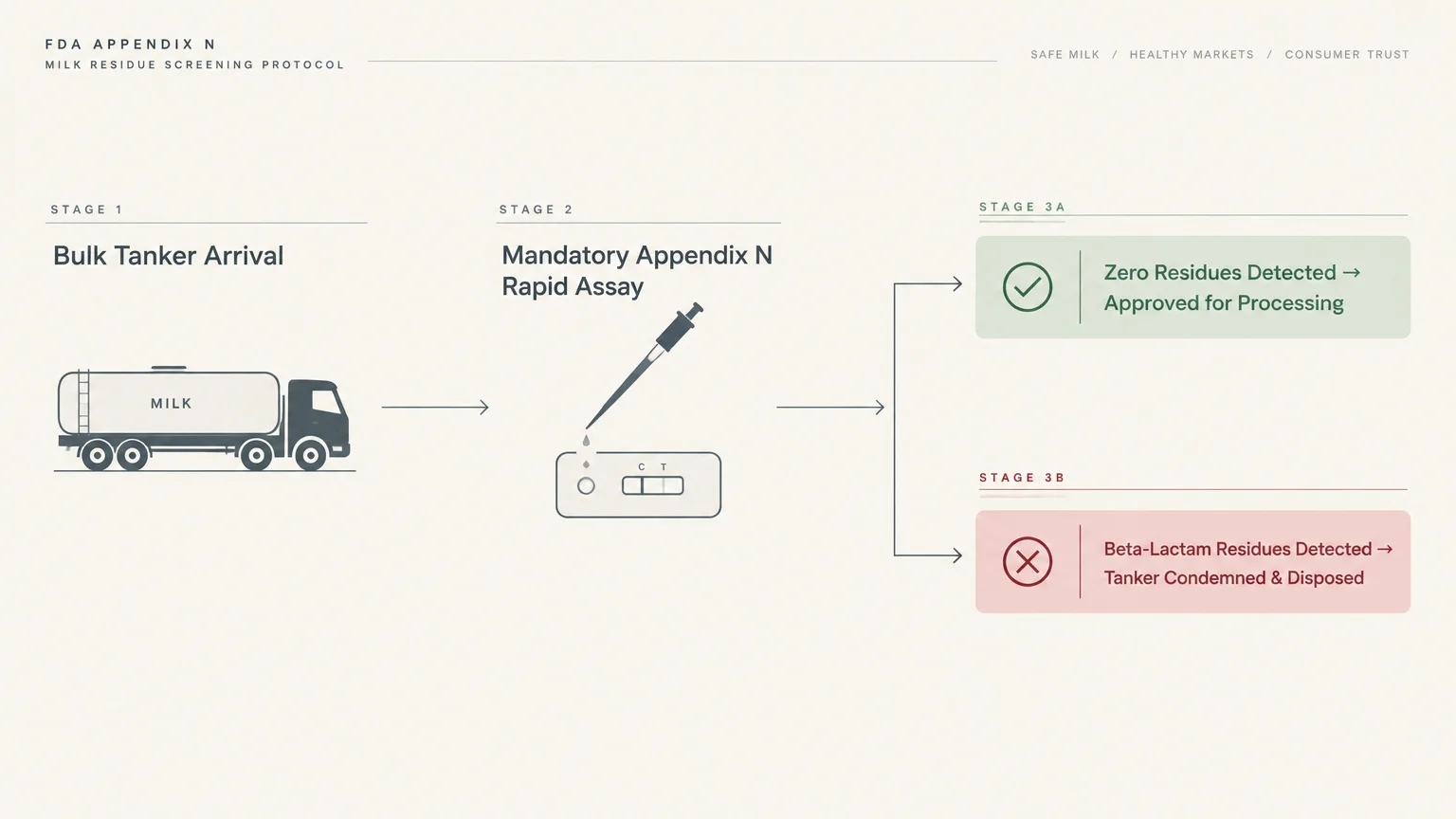
The antibiotic screen: What FDA Appendix N mandates for every batch
Another persistent consumer anxiety centers on pharmaceutical residues entering the human food chain. Advertisements frequently imply that conventional dairy contains traces of veterinary antibiotics administered to sick livestock.
Federal law strictly prohibits antibiotic contamination in commercial milk supplies, regardless of the brand or price point. The dairy sector operates under the FDA Grade “A” Pasteurized Milk Ordinance, specifically adhering to Appendix N.
Appendix N establishes mandatory bulk milk testing protocols across the United States. Inspectors test every single tanker truck carrying raw milk before processing plants accept the shipment.
If testing detects even microscopic antibiotic residues, officials immediately reject and dump the entire tanker load. The dairy processor discards thousands of gallons before bottling lines ever engage.
Furthermore, the dairy farm responsible faces severe regulatory penalties and absorbs the entire financial loss of that dumped load. These strict protocols ensure that conventional Friendly Farms milk contains zero antibiotics, matching Simply Nature carton for carton.
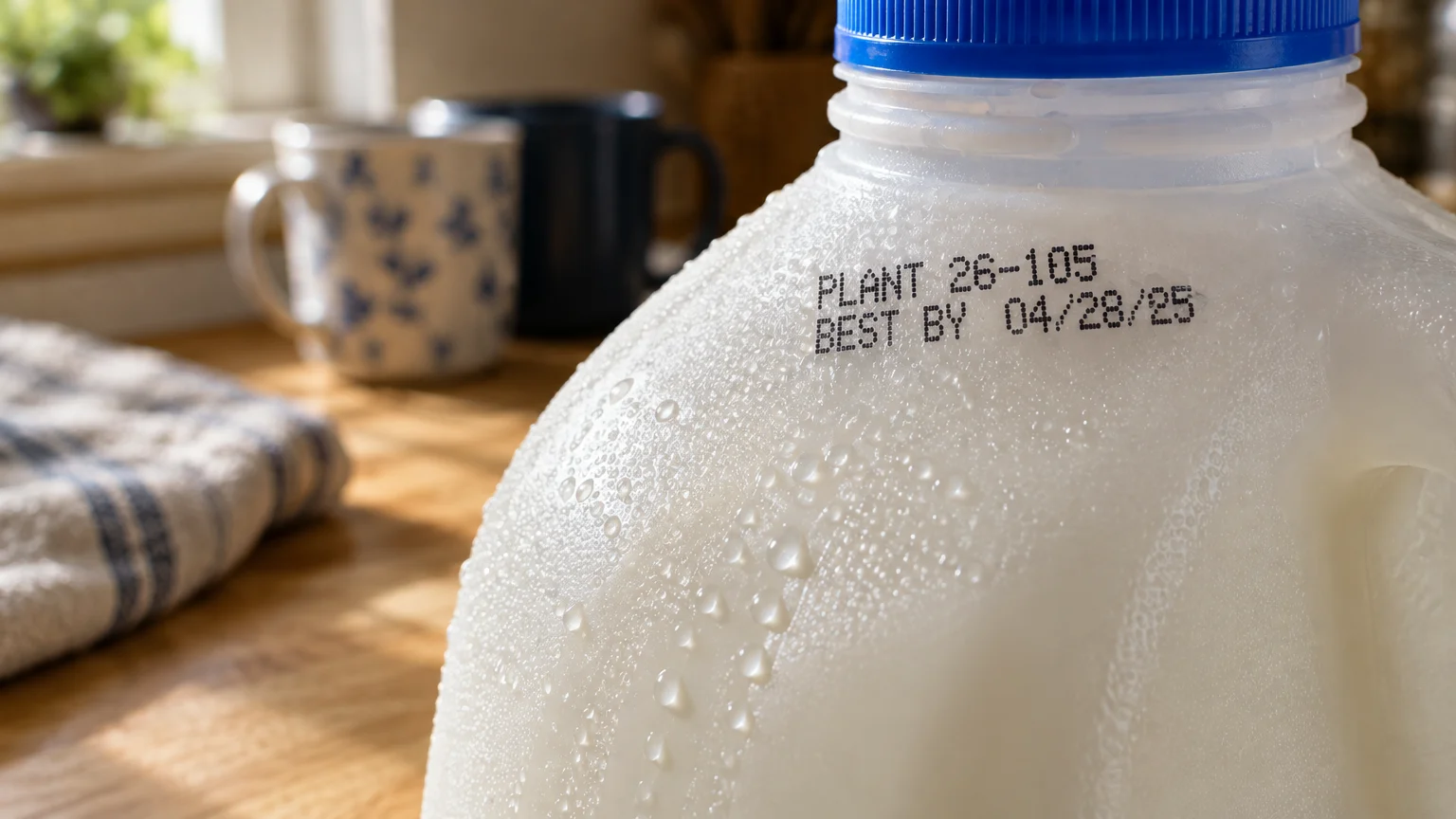
Tracing the source: Plant codes expose shared bottling facilities
Aldi operates as a grocery retailer rather than an independent farming conglomerate. The company contracts with major regional dairy processors across the country to supply its regional warehouses.
In the Midwest, for example, regional bottling giants such as East Side Jersey Dairy supply Aldi inventory. These identical processing plants simultaneously package dairy products for national brands and regional supermarket chains.
You can discover the exact dairy plant that bottled your milk by reading the stamped plant code near the expiration date. Entering this code into WhereIsMyMilkFrom.com instantly reveals the facility name and geographic location.
For example, plant code 29-129 bottles organic milk for Aldi’s Simply Nature brand. That identical facility simultaneously packages organic milk for Walmart’s Great Value, Target’s Good & Gather, and Whole Foods’ 365 brand.
Both conventional and organic raw milks flow through these regional commercial processors under identical state sanitary inspections. The primary difference between these competing brands comes down to the printed exterior label.
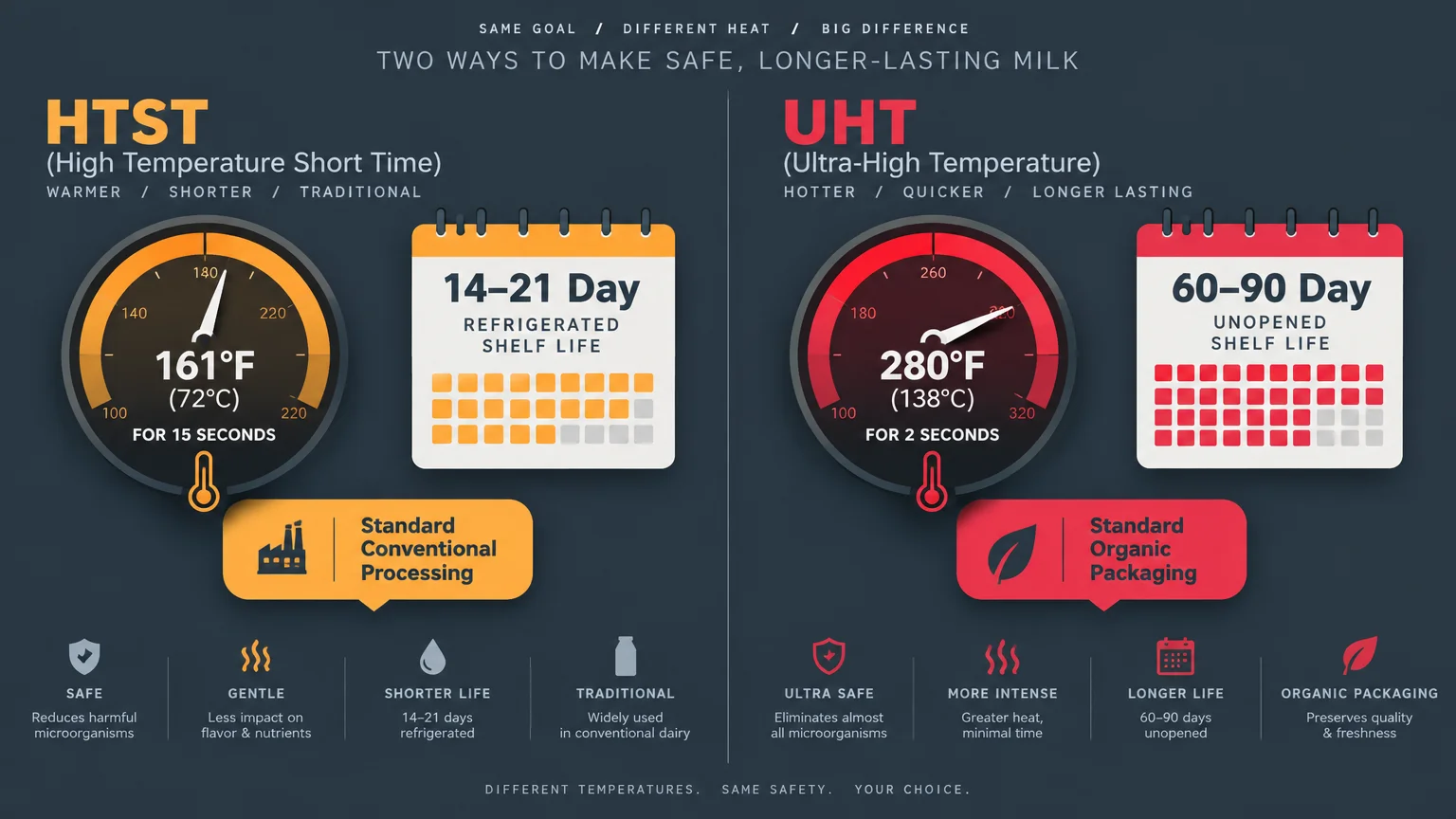
Pasteurization methods: HTST versus UHT shelf-life dynamics
Shoppers frequently observe that Simply Nature organic milk carries an expiration date several weeks further out than Friendly Farms. This extended dating does not reflect fresher dairy; rather, it reflects a different heating method.
Friendly Farms conventional milk undergoes standard High-Temperature Short-Time (HTST) pasteurization. This time-tested process heats raw milk to 161 degrees Fahrenheit for 15 seconds to eliminate pathogens while preserving traditional dairy flavor.
Conversely, Simply Nature organic milk undergoes Ultra-High Temperature (UHT) ultra-pasteurization. This technique flash-heats the liquid to at least 280 degrees Fahrenheit for two seconds, creating a sterile commercial environment.
Ultra-pasteurization allows unopened organic cartons to sit in refrigerated distribution chains for months without spoiling. That extended unopened window benefits rural supply chains and slow-moving retail inventory.
However, the shelf-life advantage disappears the moment you break the container seal at home. Airborne bacteria immediately enter the container, giving opened organic cartons an active lifespan of just 7 to 10 days.
Because opened conventional and organic milks spoil at the exact same rate, buying organic for household longevity makes little sense. If you drink milk regularly, paying a steep premium for unopened shelf life wastes money.
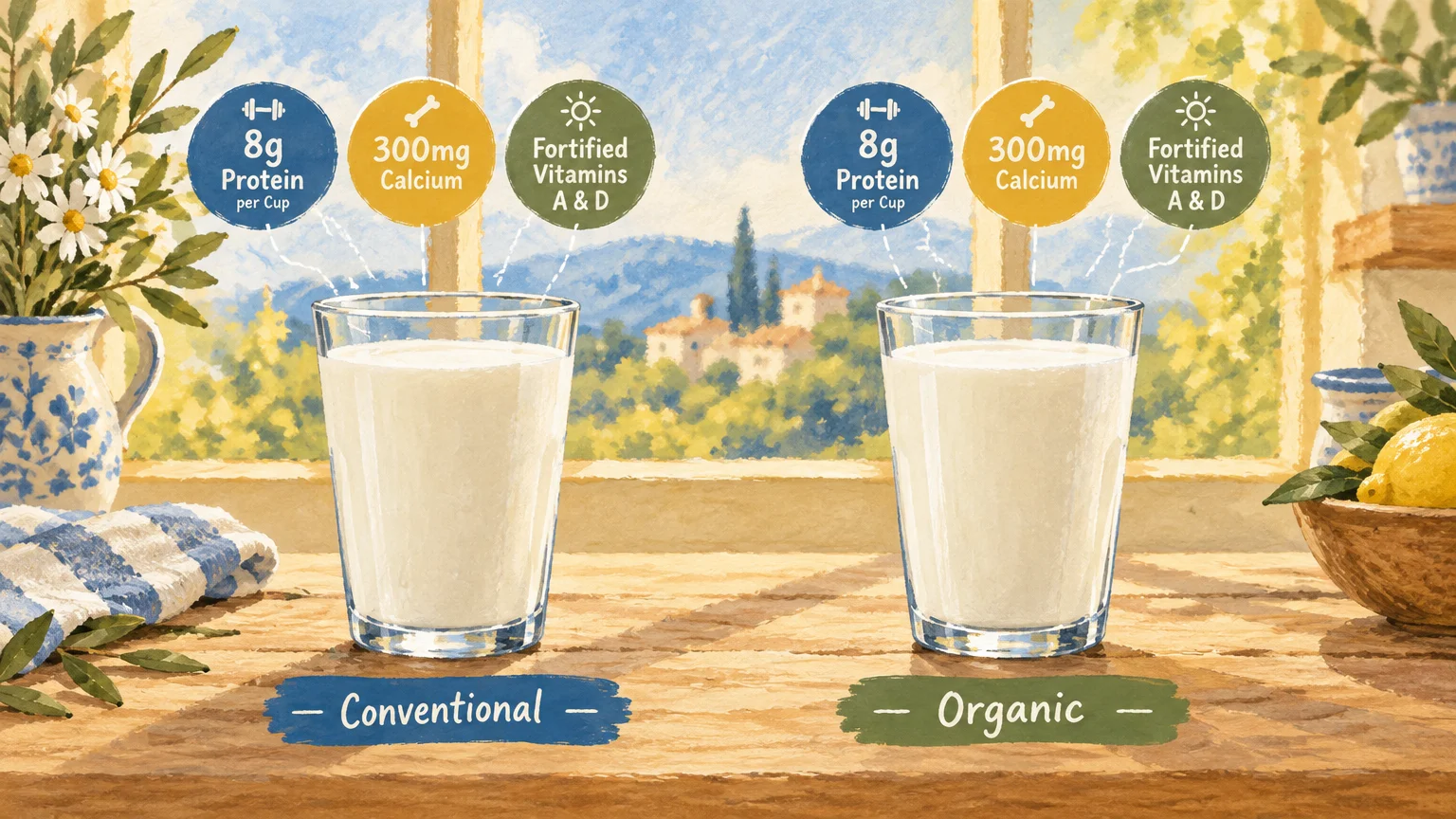
Core nutrition: Comparing protein, calories, and vitamin fortification
Maintaining physical stamina and lean muscle mass requires adequate high-quality dietary protein. Both Friendly Farms and Simply Nature whole milks deliver eight grams of complete protein per eight-ounce cup.
Dairy protein supplies all nine essential amino acids necessary for tissue repair and cellular maintenance. Your digestive system absorbs this protein cleanly, regardless of whether it originates from organic or conventional dairy herds.
Both milk lines also provide identical caloric and macronutrient values. An eight-ounce glass of either whole milk provides 150 calories, eight grams of total fat, and twelve grams of naturally occurring lactose.
Aldi fortifies both varieties with Vitamin D to support healthy immune defenses and bone structure. Neither carton holds a nutritional advantage over the other regarding essential baseline nutrients.
Bone health and mineral absorption: Calcium and Vitamin D synergy
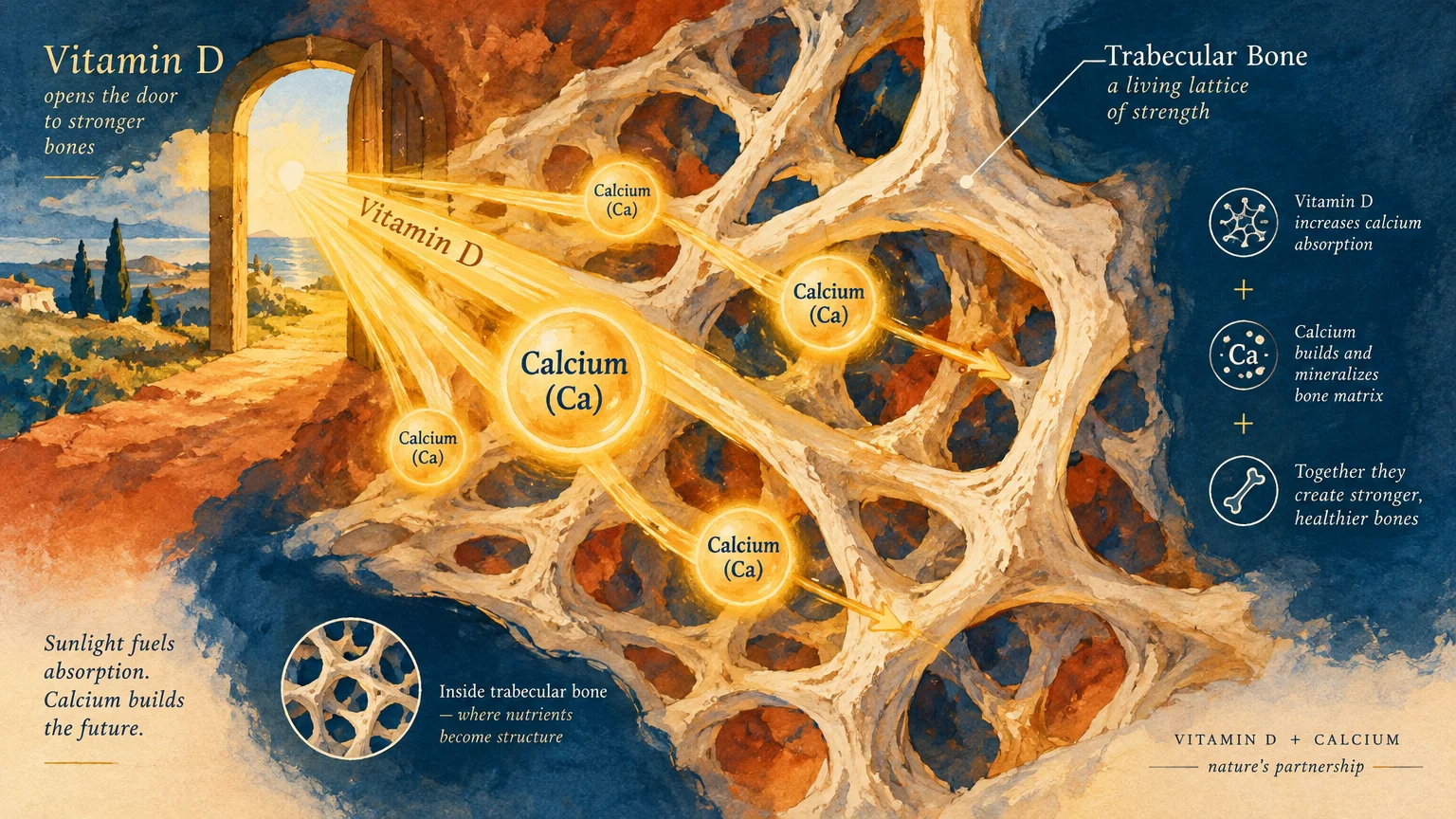
Protecting bone mineral density is a vital daily health priority for adults managing osteoporosis risks. Milk remains one of the most reliable and bioavailable sources of dietary calcium in the modern food supply.
Every eight-ounce glass of Friendly Farms and Simply Nature milk delivers roughly 300 milligrams of elemental calcium. This serving supplies nearly thirty percent of the daily mineral intake recommended by medical guidelines.
The NIH Office of Dietary Supplements highlights that dietary calcium requires adequate Vitamin D to achieve optimal intestinal absorption. Without Vitamin D, your body struggles to incorporate calcium into your skeletal architecture.
Because Aldi fortifies both Friendly Farms and Simply Nature with Vitamin D, both options facilitate identical bone-building efficiency. You absorb the minerals from conventional Friendly Farms milk just as effectively as from organic cartons.
Spending up to $5.75 extra per gallon does not enhance your skeletal health or bone density. Conventional milk delivers the exact same therapeutic mineral balance at an affordable price.
Cardiovascular health: Managing saturated fat and blood pressure
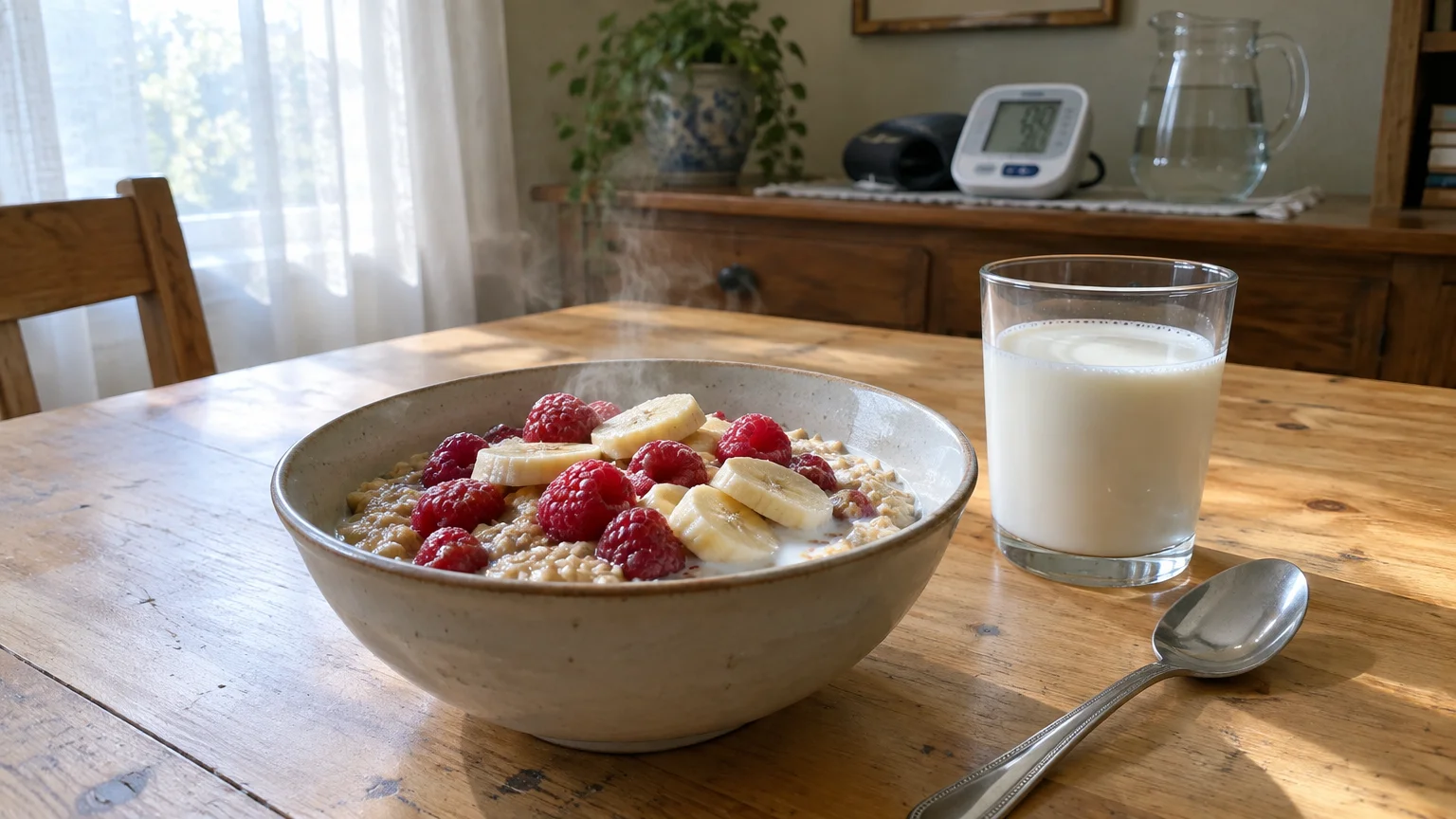
Supporting cardiovascular function and blood pressure balance requires thoughtful attention to daily dietary fat. Dairy fat contains saturated fatty acids, which influence blood lipid profiles and cholesterol management.
The American Heart Association recommends moderating dietary saturated fat intake to support healthy cardiovascular markers. If you monitor your cholesterol, Friendly Farms provides skim, 1% low-fat, and 2% reduced-fat varieties.
Choosing reduced-fat Friendly Farms milk preserves the full mineral and protein profile while cutting saturated fat dramatically. A single cup of skim milk delivers zero saturated fat while retaining all eight grams of muscle-building protein.
Furthermore, fluid milk supplies between 350 and 400 milligrams of potassium per serving. Potassium counteracts dietary sodium, relaxing vascular walls and promoting healthy blood pressure levels.
You gain these cardiovascular benefits without paying specialty organic premiums. Friendly Farms skim and low-fat jugs provide ideal mineral support for cardiovascular wellness.
The pasture-grazing debate: Do omega-3s justify the markup?
Advocates of organic dairy often point to pasture grazing as the primary justification for elevated retail prices. USDA organic certification requires dairy cows to graze on pasture for at least 120 days during the grazing season.
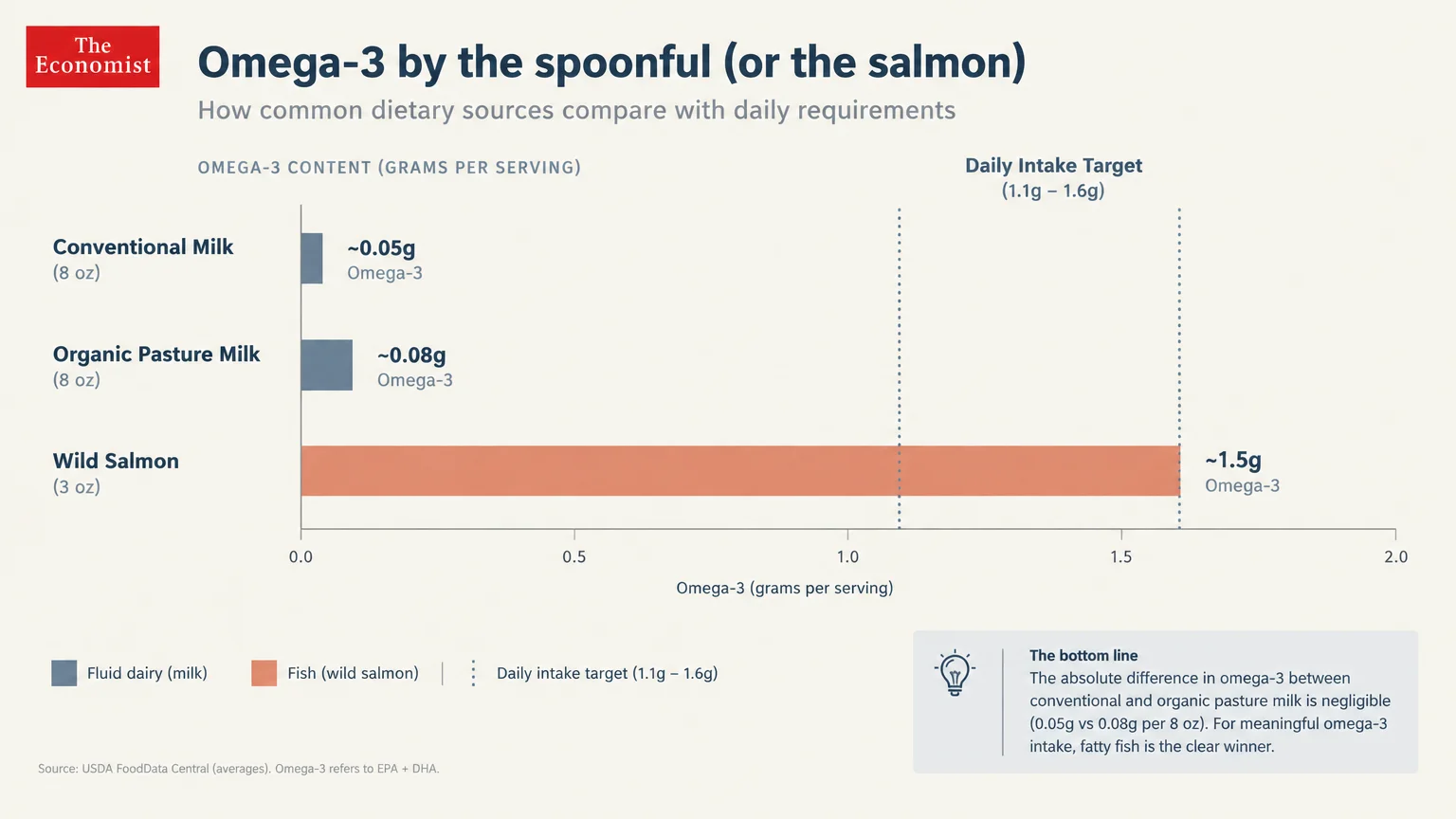
These certified herds must obtain at least thirty percent of their dry matter intake from pasture grasses. Research shows that grass-fed dairy cattle produce milk with slightly higher concentrations of omega-3 fatty acids and conjugated linoleic acid.
However, the actual quantity of omega-3 fatty acids in organic milk remains small in absolute terms. A single serving of organic milk provides only a fraction of the omega-3s found in oily fish or flaxseed.
Drinking organic milk to acquire omega-3 fats represents an expensive, inefficient nutritional strategy. You can purchase affordable canned wild tuna or salmon at Aldi for far less money and gain dramatically more omega-3s.
Additionally, consumer watchdog groups like the Cornucopia Institute assign Simply Nature organic milk their baseline score for store brands. Aldi shifts sourcing across regional wholesale suppliers, meaning pasture access varies widely across regions.
Fixed incomes and long-term savings: The cumulative budget impact
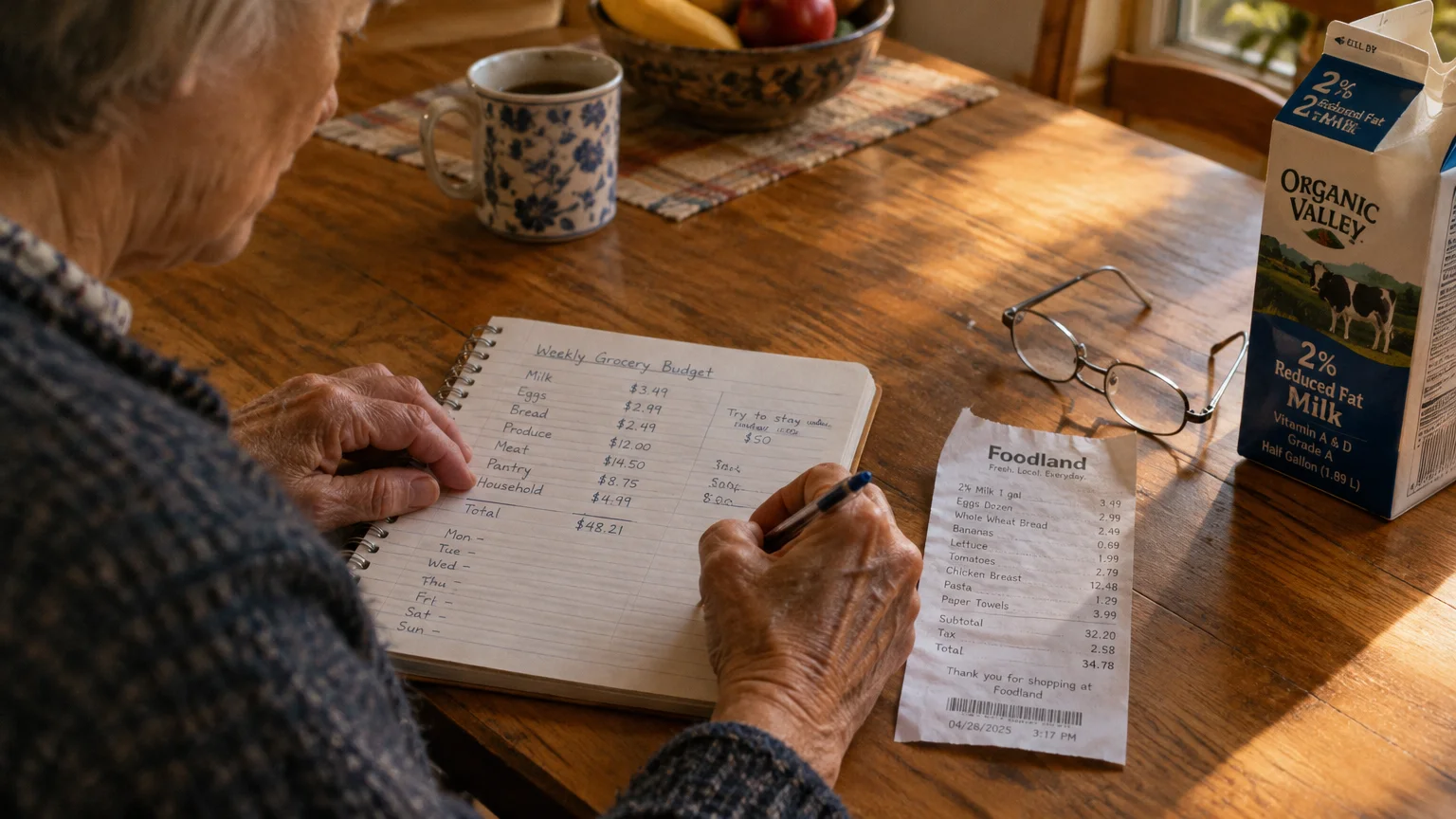
Managing grocery spending on a fixed income requires eliminating unnecessary recurring premiums. Trimming small expenses in the dairy aisle generates substantial financial breathing room over the course of a year.
Consider a household that consumes one gallon of whole milk each week. Buying Friendly Farms whole milk at an average price of $3.30 per gallon costs $171.60 across fifty-two weeks.
Purchasing two half-gallon cartons of Simply Nature organic milk each week to match that volume costs $8.55 weekly. That organic habit totals $444.60 across the exact same calendar year.
Choosing the conventional Friendly Farms jug saves you roughly $273 annually on milk alone. For households consuming two gallons weekly, the annual savings jump to over $546.
Those dollars stay in your bank account to cover essential prescription co-pays, utility bills, or fresh seasonal produce. Smart shopping focuses on eliminating markups that deliver no physical benefit.
Managing portions for small households: Eliminating dairy waste
Shoppers living alone or cooking for two often purchase half-gallons to prevent spoiled milk from going down the drain. This habit leads many to buy Simply Nature cartons simply because Aldi rarely stocks conventional half-gallons.
However, the underlying unit pricing makes buying the full conventional gallon cheaper even if you discard leftover fluid. A full gallon of Friendly Farms costs between $2.85 and $3.76, whereas an organic half-gallon costs up to $4.30.
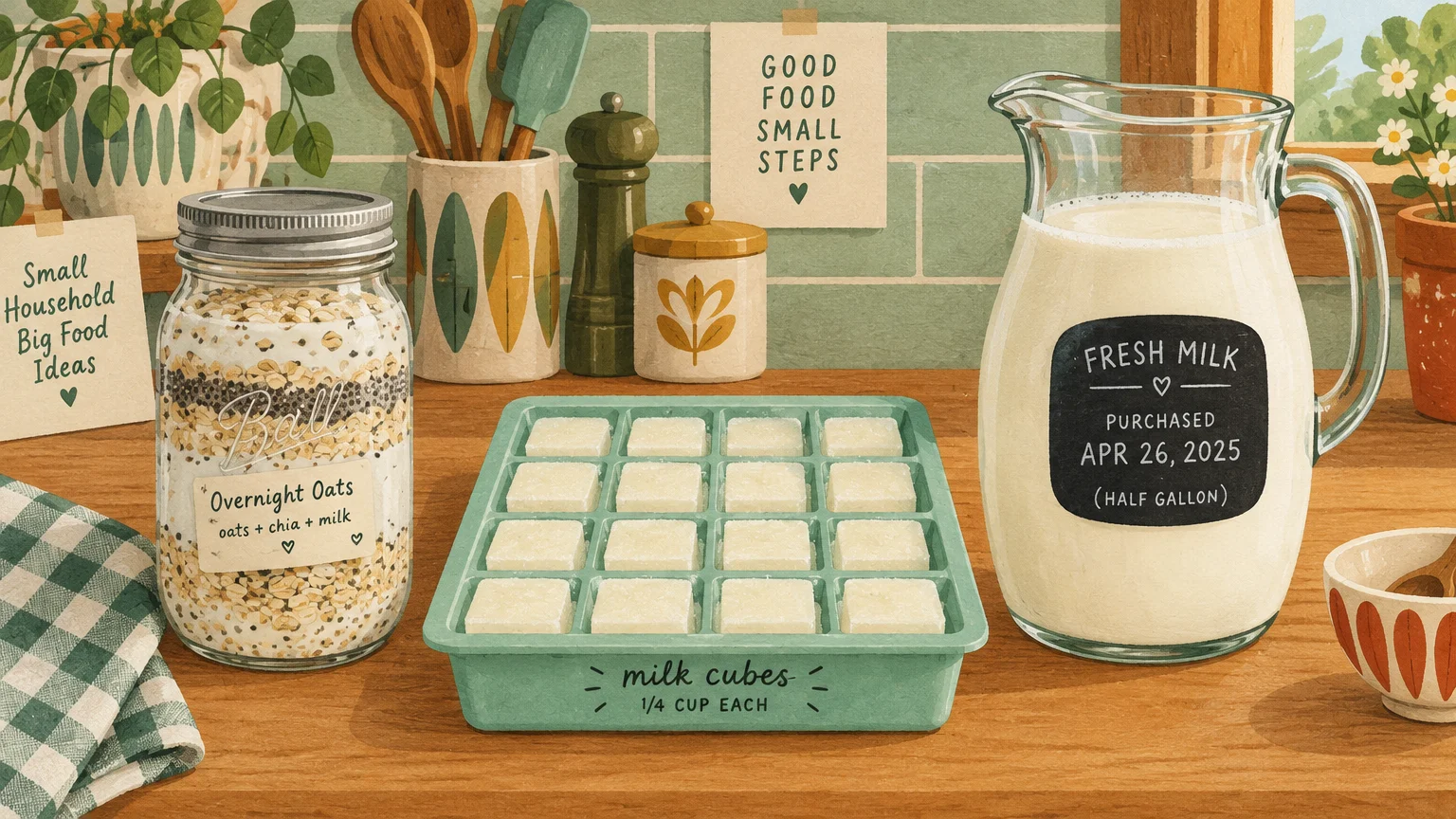
You spend less money upfront by purchasing the entire conventional gallon and pouring out the final two cups. You can avoid all dairy waste, however, by applying smart refrigeration and storage techniques.
Never store milk jugs in the refrigerator door bins where warm ambient air disrupts cooling every time the door opens. Position your milk on the bottom rear shelf where interior temperatures remain stable at 38 degrees Fahrenheit or colder.
You can also freeze fresh milk safely in clean, airtight containers before the expiration date arrives. Pour off one inch of liquid to allow for expansion, freeze for up to three months, and thaw in your refrigerator overnight.
Medication timing: Navigating calcium interactions safely
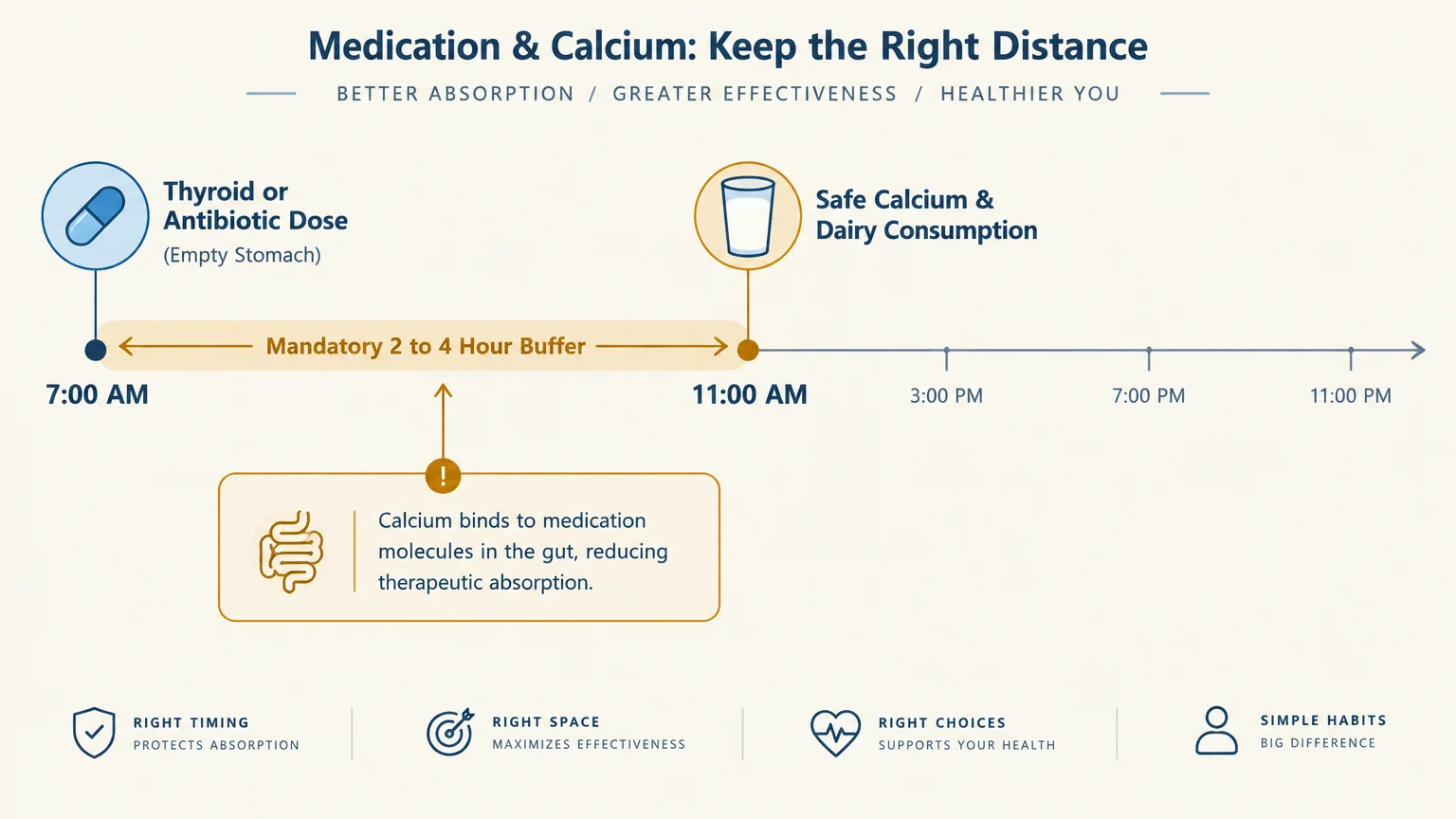
Managing chronic health conditions frequently involves daily oral prescriptions that interact with dietary minerals. Dairy products interfere with certain medications because calcium molecules bind directly to drug compounds in your digestive tract.
Calcium binds to common antibiotics, including fluoroquinolones and tetracyclines, impairing absorption and reducing therapeutic effectiveness. Calcium can also block your body from properly absorbing levothyroxine, a widely prescribed thyroid hormone replacement.
Osteoporosis medications known as bisphosphonates also require careful separation from dietary dairy intake. Physicians generally advise spacing milk consumption at least two to four hours apart from these daily prescription pharmaceuticals.
Consult your pharmacist to verify whether your specific medication regimen requires a waiting window around dairy meals. Because conventional and organic milks supply identical calcium levels, this clinical precaution applies equally to both varieties.
Frequently asked questions about Aldi milk
Is Aldi conventional milk treated with antibiotics?
No, Aldi conventional milk contains zero antibiotics. Federal law requires rigorous testing of every tanker truck before processing plants accept raw milk.
If testing detects any trace of veterinary antibiotics, authorities immediately condemn and discard the entire shipment. Friendly Farms milk meets these rigid federal safety standards every single day.
Why does Simply Nature organic milk have a later expiration date?
Simply Nature organic milk undergoes ultra-pasteurization, a heating method that warms milk to 280 degrees Fahrenheit for two seconds. This process kills more surface bacteria, giving unopened cartons a longer refrigerated shelf life.
However, this extended lifespan applies only to unopened packaging. Once opened, organic milk spoils within 7 to 10 days, matching conventional Friendly Farms milk exactly.
Can I freeze extra milk if I live alone?
Yes, you can safely freeze both conventional and organic milk for up to three months. Simply pour out an inch of fluid from the top of the container to allow for expansion as the liquid turns to ice.
Thaw the frozen jug in your refrigerator for twenty-four hours before using. Shake the container vigorously after thawing to redistribute separated fat molecules smoothly.
Does organic milk provide more calcium for bone density?
No, organic milk does not deliver higher calcium concentrations than conventional milk. Both varieties supply approximately 300 milligrams of bioavailable elemental calcium per eight-ounce glass.
Aldi fortifies both Friendly Farms and Simply Nature with Vitamin D to facilitate efficient mineral absorption. You receive identical bone-strengthening benefits from the lower-priced conventional option.
Your next-trip action plan in the Aldi dairy aisle
When you walk into Aldi on your next grocery run, head straight to the dairy cooler with financial confidence. Skip the Simply Nature half-gallon cartons and reach for the blue- or red-capped Friendly Farms jugs instead.
Verify the stamped label confirming the milk comes from cows not treated with artificial rBST growth hormones. Check the unit price label on the shelf to confirm you are paying just pennies per ounce.
Store your milk on the coldest bottom shelf of your home refrigerator rather than inside the door bins. By making this simple swap, you protect your household budget while enjoying pure, safe, and nutritious milk.