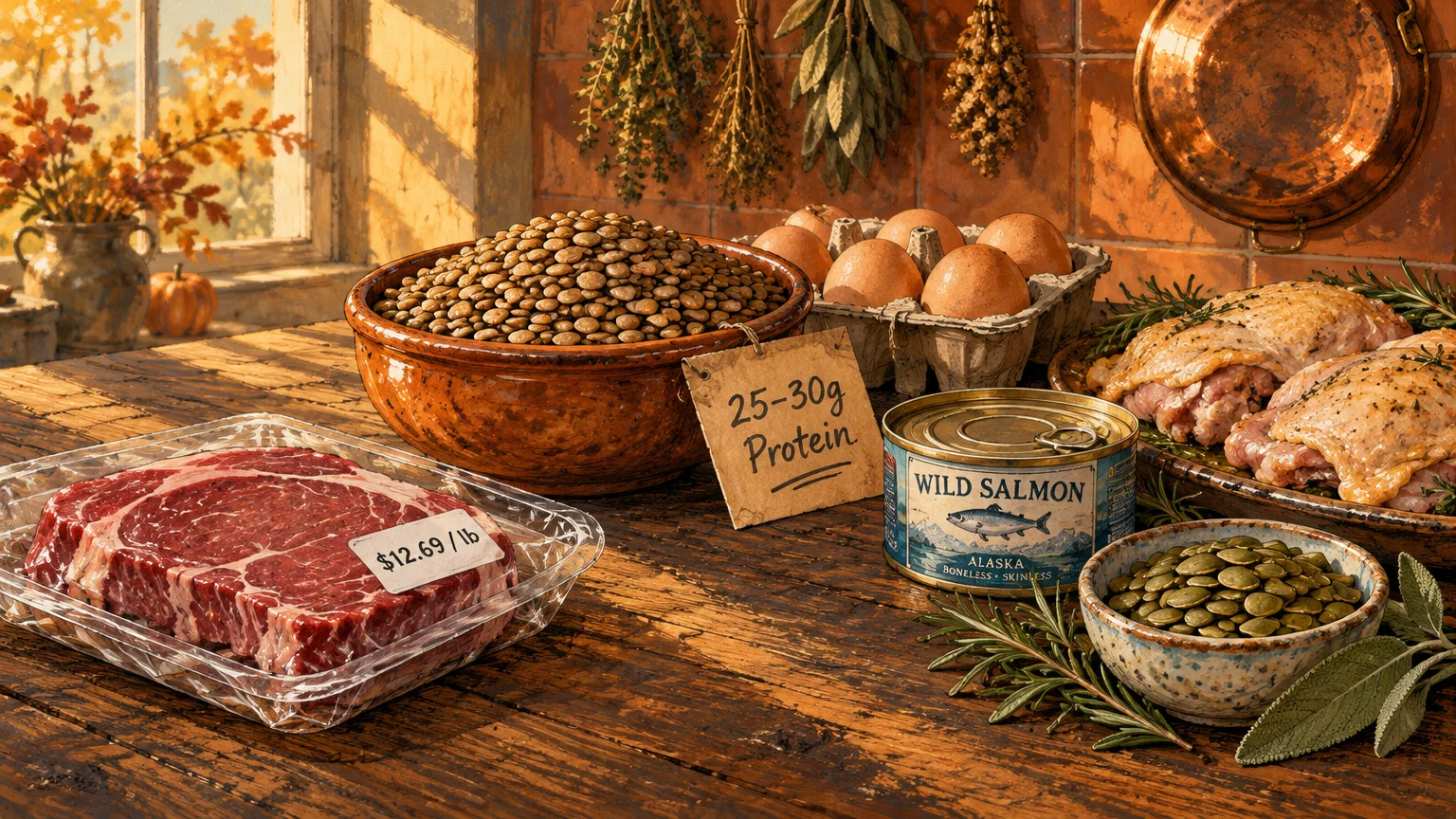
You can cut your grocery spending immediately by trading expensive beef for leaner, nutrient-dense proteins. Making this simple switch keeps your meals satisfying while protecting your monthly budget from relentless meat inflation.
Record shelf prices make red meat difficult to justify, especially if you cook for one or two. High protein costs should never force you to compromise on your daily nutrition or personal wellness goals.
This practical store guide shows you exactly which proteins to buy this fall, what labels to check, and how to protect your health without overspending.
Why beef prices remain stubborn this fall
Stepping into the supermarket meat aisle this fall delivers immediate sticker shock. High beef prices continue to strain household budgets across the entire country.
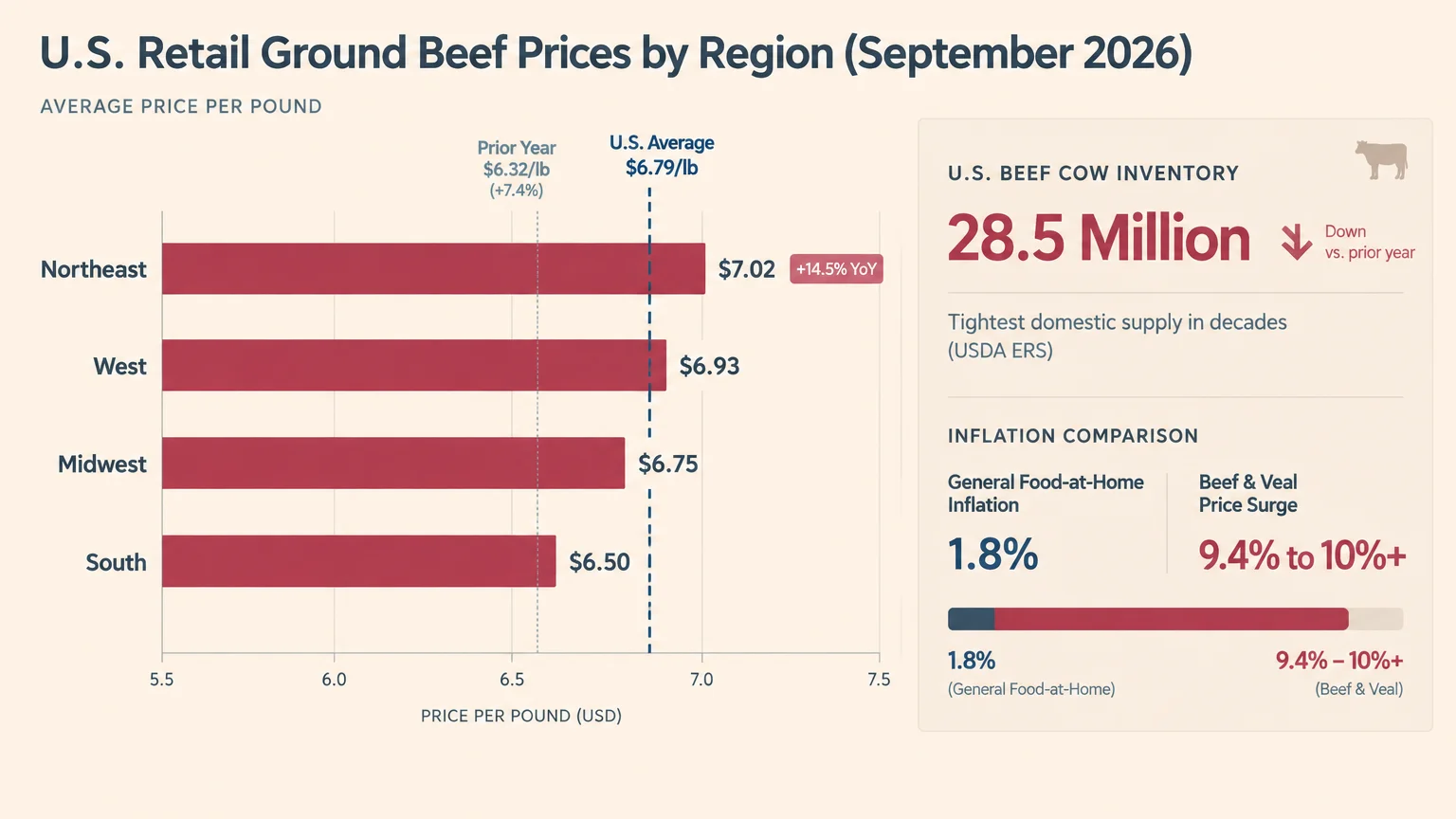
The Bureau of Labor Statistics reported that national retail ground beef reached $6.79 per pound in September 2026. That price reflects a steep 7.4% increase compared to September 2025, when ground beef averaged $6.32 per pound.
Where you live significantly affects the final price you pay at checkout. Shoppers in the Northeast faced an average price of $7.02 per pound in September 2026, marking a 14.5% annual spike.
Western stores saw ground beef average $6.93 per pound during that same month. Meanwhile, shoppers in the Midwest paid $6.75 per pound, and Southern markets offered modest relief at $6.50 per pound.
Whole-muscle beef cuts carry even steeper price premiums. The national average price for all beef steaks reached $12.69 per pound in September 2026, rising 3.5% over the previous year.
Traditional autumn comfort cuts offer no refuge from high grocery bills. Chuck roast climbed to a near-record $9.63 per pound in July 2026, while boneless sirloin steak hit $14.59 per pound.
These stubborn prices stem from deep agricultural supply constraints rather than brief transport bottlenecks. According to the USDA Economic Research Service, U.S. farms held only 28.5 million beef cows in 2026.
That count represents historically tight domestic cattle inventories. Simultaneously, domestic consumer demand for beef sits roughly 8% above its 20-year average, keeping shelf prices relentlessly elevated.
Federal agricultural economists project that overall retail beef and veal prices will climb 9.4% to over 10% across the full year 2026. That surge dramatically outpaces overall grocery food-at-home inflation.
In September 2026, general food-at-home inflation ran at just 1.8% year-over-year, with a full-year forecast between 2.4% and 2.8%. Beef costs are rising four times faster than standard supermarket staples.
How do you prioritize protein on a fixed grocery budget?
Trimming beef from your shopping cart does not mean you should lower your daily protein target. Adequate protein intake becomes increasingly vital for preserving independence and metabolic vitality as your body matures.
Dietary protein maintains lean skeletal muscle mass, supports natural bone remodeling, and strengthens cellular immune responses. Skimping on protein to shave grocery costs can undermine your long-term physical wellness and daily stamina.
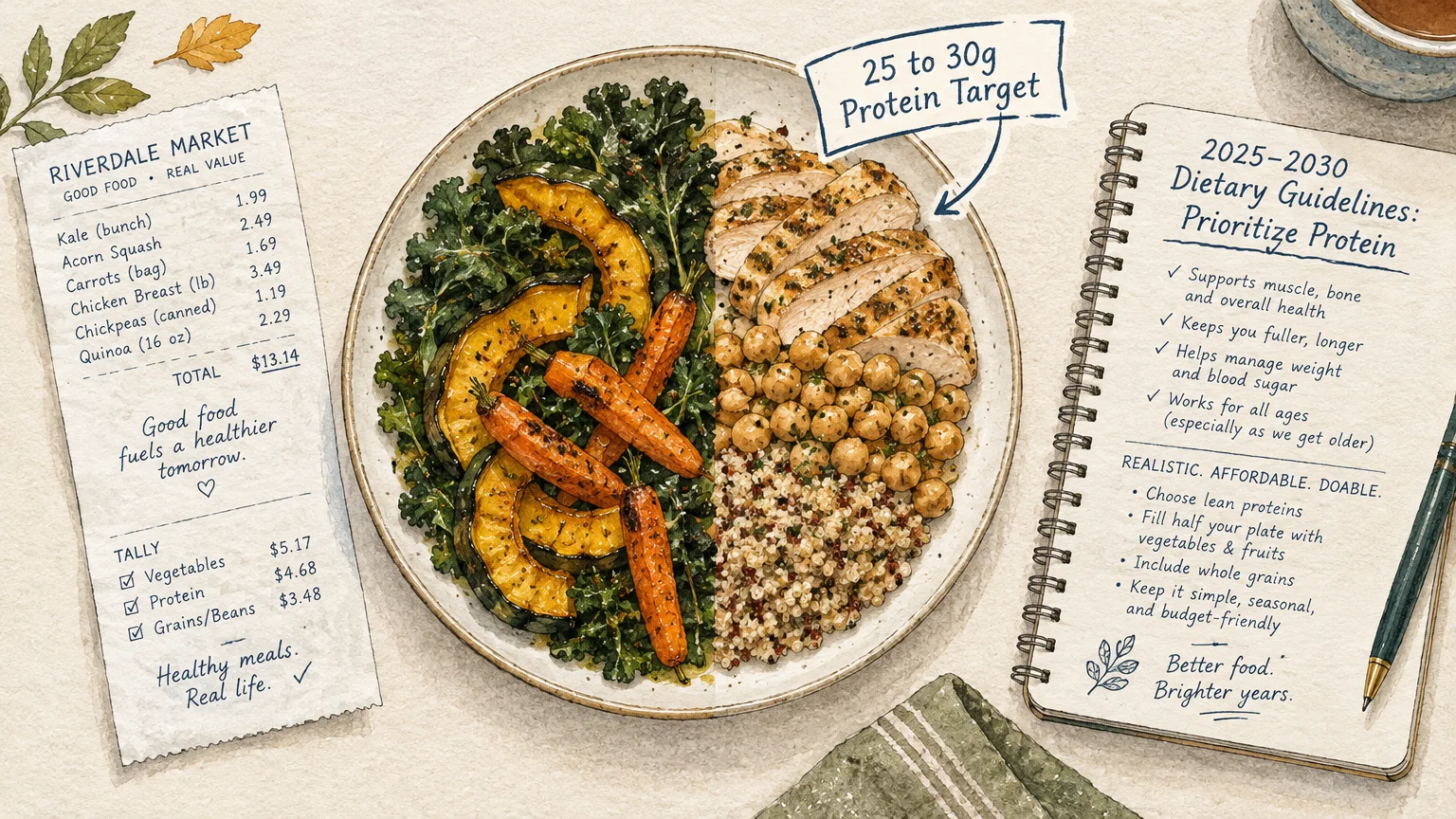
Federal nutrition experts reinforced this exact priority in recent guidance. The 2025–2030 Dietary Guidelines for Americans, released in January 2026, explicitly advises adults to prioritize protein at every meal alongside vegetables.
The updated federal guidelines also emphasize sharply curtailing refined carbohydrates and added sugars. Fulfilling these recommendations on a fixed income requires selecting budget-friendly proteins that provide exceptional nutritional value per dollar.
Consuming approximately 25 to 30 grams of protein per meal effectively stimulates muscle protein synthesis. You do not need expensive ribeye steaks or beef roasts to hit that muscle-sparing threshold.
Furthermore, when you cook for one or two people, oversized roasts often result in spoiled leftovers. Choosing cost-effective, easily portioned proteins prevents edible food—and your hard-earned dollars—from ending up in the garbage.
Swap high-priced ground beef for fresh poultry cuts
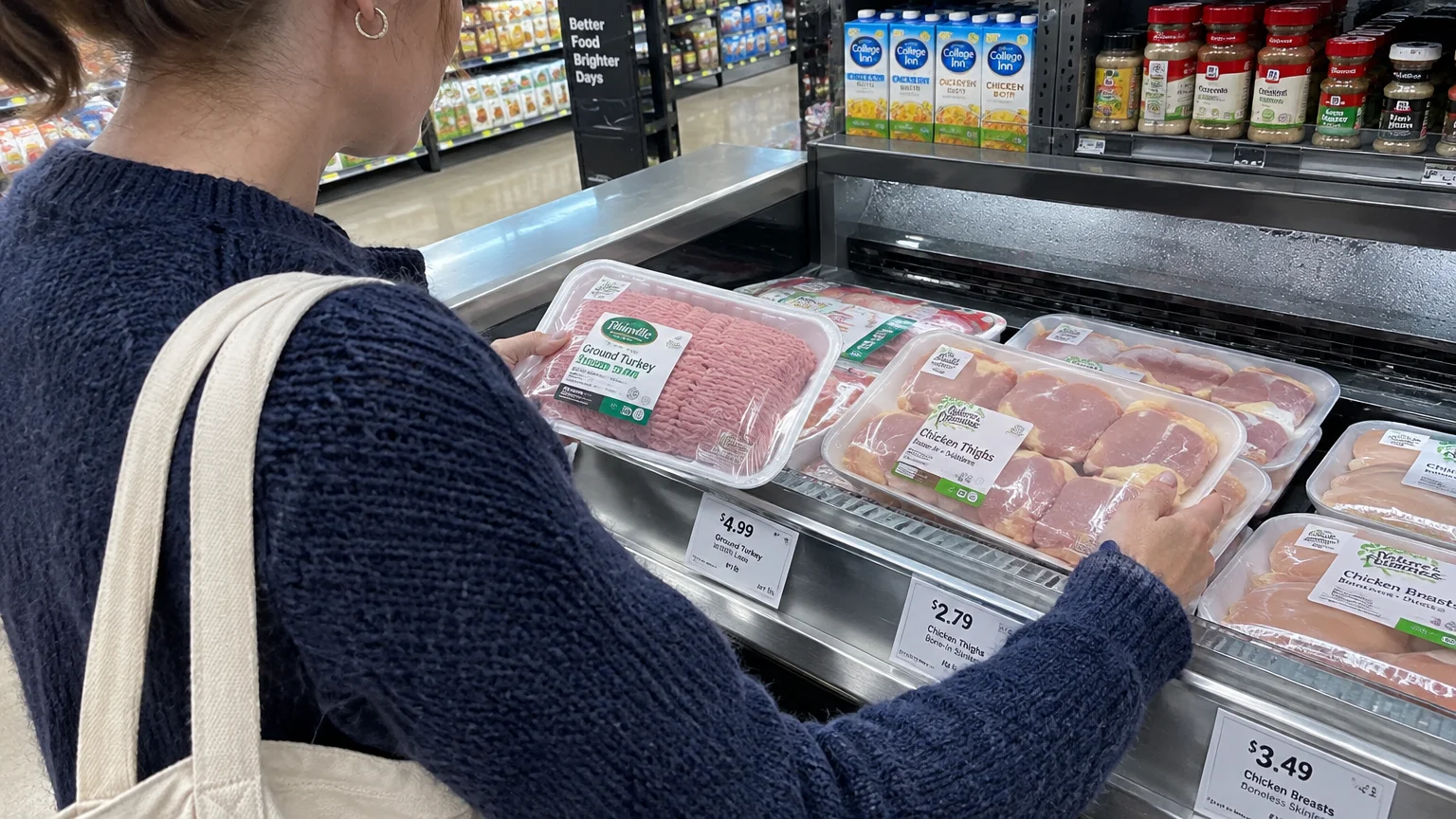
Fresh poultry offers immediate financial relief without requiring you to learn unfamiliar cooking methods. Chicken prices have remained remarkably calm while cattle markets surged.
The Bureau of Labor Statistics reported that boneless, skinless chicken breast averaged $4.20 per pound in September 2026. That price reflects a modest 0.7% increase compared to the previous year.
Whole fresh chickens present an even larger grocery discount for resourceful shoppers. Whole birds averaged just $2.06 per pound in September 2026, essentially flat with a 0.1% annual change.
Replacing a pound of ground beef with ground chicken or turkey saves you between $2.50 and $4.00 per package instantly. Those accumulated savings add up to dozens of dollars saved over a single month.
Ground poultry functions seamlessly in chili, stuffed peppers, taco fillings, pasta bolognese, and homemade soups. The lighter meat absorbs herbs, spices, and vegetable aromatics readily, creating deeply satisfying fall meals.
Swapping poultry for red meat also provides meaningful cardiovascular advantages. Chicken breast and lean ground turkey contain much less saturated fat than conventional ground beef chuck.
Lowering your saturated fat intake helps reduce circulating LDL cholesterol levels. The American Heart Association recommends choosing lean poultry over higher-fat red meats to protect arterial walls and support heart health.
How to navigate poultry labels to protect your blood pressure
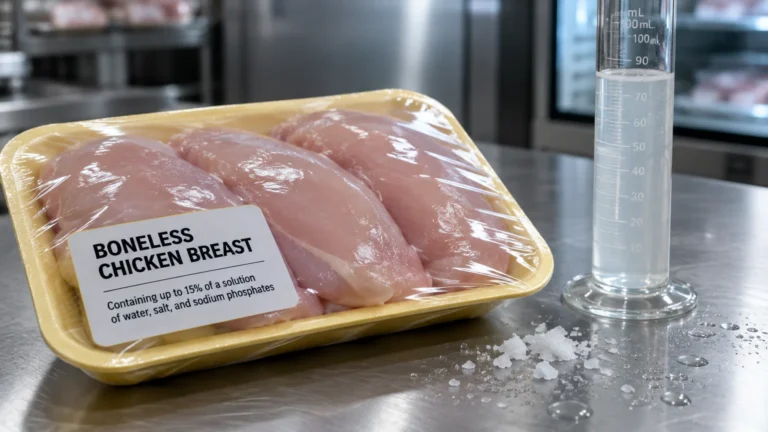
While fresh poultry is an outstanding budget protein, you must inspect package labels vigilantly. Many commercial poultry processors inject raw chicken breasts with salt water solutions to artificially enhance moisture.
Look closely for front-panel disclosures like “basted,” “enhanced with up to 15% broth,” or “tenderized with saline solution.” These industrial injections drive up the water weight you pay for at checkout.
More critically, injected poultry cuts pack hidden sodium that can compromise cardiovascular wellness. Natural, unadulterated raw chicken contains only 60 to 75 milligrams of natural sodium per four-ounce serving.
Injected chicken breasts can contain 250 to 400 milligrams of sodium in that identical portion. If you take medication for hypertension, that hidden sodium can counteract your prescribed blood pressure treatment.
Flip the container over and read the ingredients list on the back label. Select packages that list only chicken and water, leaving seasoned or enhanced poultry on the meat case shelf.
Heart-healthy cooking tips for ground chicken and turkey
Because lean poultry contains less saturated fat than beef, it can turn dry if overcooked. You can solve this culinary challenge by adding finely diced moisture-rich vegetables directly to the meat.
Fold finely minced mushrooms, grated zucchini, or sautéed yellow onions into your ground turkey before cooking. The vegetables release moisture during heating while enhancing the savory, meaty character of the dish.
Season ground poultry boldly using dried oregano, smoked paprika, cumin, garlic powder, and cracked black pepper. Hearty spices create a robust flavor profile that easily satisfies cravings for red meat.
Pick lean pork cuts instead of premium beef roasts
The pork section of the meat department provides some of the best protein bargains in the grocery store this autumn. While beef prices escalated, retail pork prices actually declined.
According to the Bureau of Labor Statistics, all pork chops averaged $4.22 per pound in September 2026, falling 3.0% year-over-year. Other fresh pork cuts averaged $3.68 per pound, down 3.8%.
Contrast that $3.68 price point with beef chuck roast selling at $9.63 per pound. Choosing an unseasoned pork loin roast saves you nearly $6.00 on every single pound you prepare.
Lean pork cuts like boneless loin roast and pork tenderloin contain minimal saturated fat. They serve as direct culinary alternatives to expensive beef sirloin steak, which reached $14.59 per pound in 2026.
Pork delivers generous concentrations of thiamin, niacin, vitamin B6, zinc, and bioavailable protein. These essential micronutrients support metabolic efficiency, cellular energy production, and cognitive function.
Inspecting pork packaging for excessive salt and phosphates
Supermarket meat counters frequently display vacuum-packed pork loins and tenderloins in pre-seasoned marinades. While these pre-flavored cuts appear convenient, they are loaded with sodium, artificial flavorings, and sodium phosphates.
A single four-ounce serving of pre-marinated pork tenderloin often delivers over 600 milligrams of sodium. That quantity can quickly derail daily sodium restrictions recommended for heart failure or high blood pressure management.
Added phosphate additives can also disrupt mineral balances in individuals managing chronic kidney issues. Always check the ingredient statement to verify that the pork contains no added phosphate solutions.
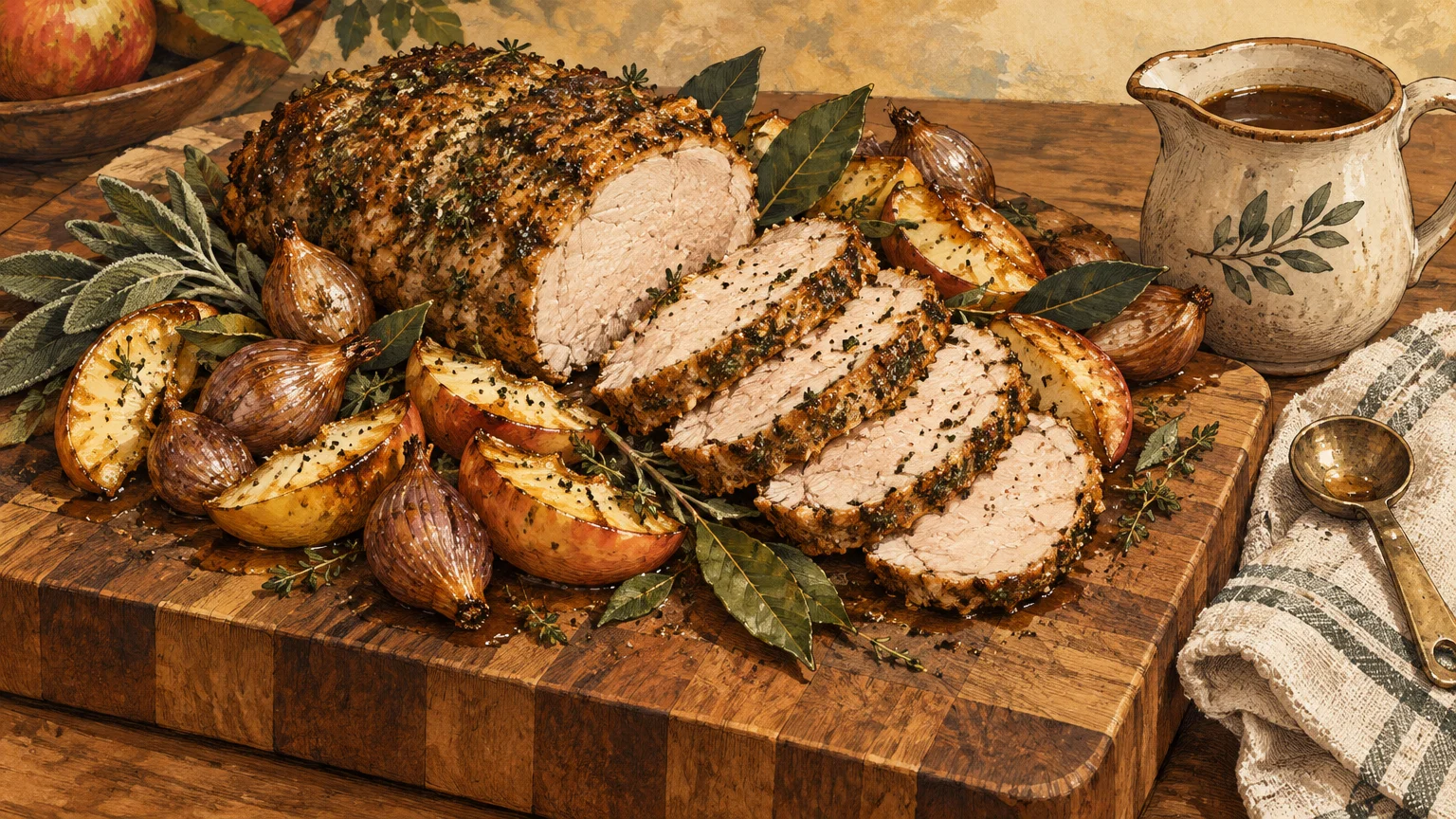
Buy plain, unseasoned pork loin roasts or bone-in chops instead of pre-marinated packages. Creating your own rubs with rosemary, thyme, garlic, and cracked pepper allows you to control your sodium intake completely.
Slow-cooker pork recipes that rival traditional pot roast
You do not need expensive beef chuck to enjoy a warming autumn pot roast. A budget-friendly pork shoulder or boneless pork loin braises beautifully in a slow cooker or Dutch oven.
Place your pork roast into the slow cooker alongside chopped carrots, parsnips, yellow onions, and tart fall apples. Pour in a cup of low-sodium vegetable or chicken broth with fresh sprigs of rosemary.
Cook the meat on low heat for six to eight hours until it shreds effortlessly with a fork. The sweet apples and earthy root vegetables balance the savory pork, delivering a deeply comforting autumn meal.
Shred the cooked meat and store it in small airtight containers for convenient weekday meals. You can use the tender pork across several days in warm grain bowls, tacos, or vegetable stews.
Revisit the egg aisle for affordable weeknight meals
The egg case has experienced an extraordinary price recovery, restoring eggs to their rightful place as an economical protein staple. If high prices deterred you in past seasons, now is the time to reconsider them.
Bureau of Labor Statistics data shows Grade A large eggs averaged $2.27 per dozen in September 2026. That price reflects a dramatic 34.9% price decline from $3.49 per dozen in September 2025.
That $2.27 average stands in sharp contrast to the painful March 2025 avian flu peak of $6.23 per dozen. At current retail levels, a large egg costs you roughly 19 cents.
Preparing two eggs for dinner provides 12 grams of high-biological-value protein for less than 40 cents. Pairing those eggs with sautéed vegetables and whole-grain toast creates a complete dinner for under two dollars.
Few proteins can match that combination of culinary versatility, complete amino acids, and extreme budget friendliness. Eggs offer a rapid, satisfying dinner solution on busy or chilly autumn evenings.
Nutritional density and healthy aging benefits of eggs
Beyond their low cost, whole eggs offer a dense package of micronutrients that support healthy aging. Egg yolks contain lutein and zeaxanthin, two potent carotenoids that accumulate directly within your retina.
Dietary lutein and zeaxanthin help filter blue light, combat oxidative stress, and defend against age-related macular degeneration. Maintaining retinal health preserves reading vision and visual clarity as the years advance.
Eggs are also one of the richest dietary sources of choline, a vital nutrient essential for neurotransmitter synthesis. Choline supports cognitive health, memory retention, and cellular membrane stability throughout adult life.
Additionally, whole eggs supply naturally occurring vitamin D and bioavailable selenium. Vitamin D facilitates intestinal calcium absorption, which plays an indispensable role in maintaining skeletal strength and bone mineral density.
Dinner ideas that stretch eggs beyond breakfast
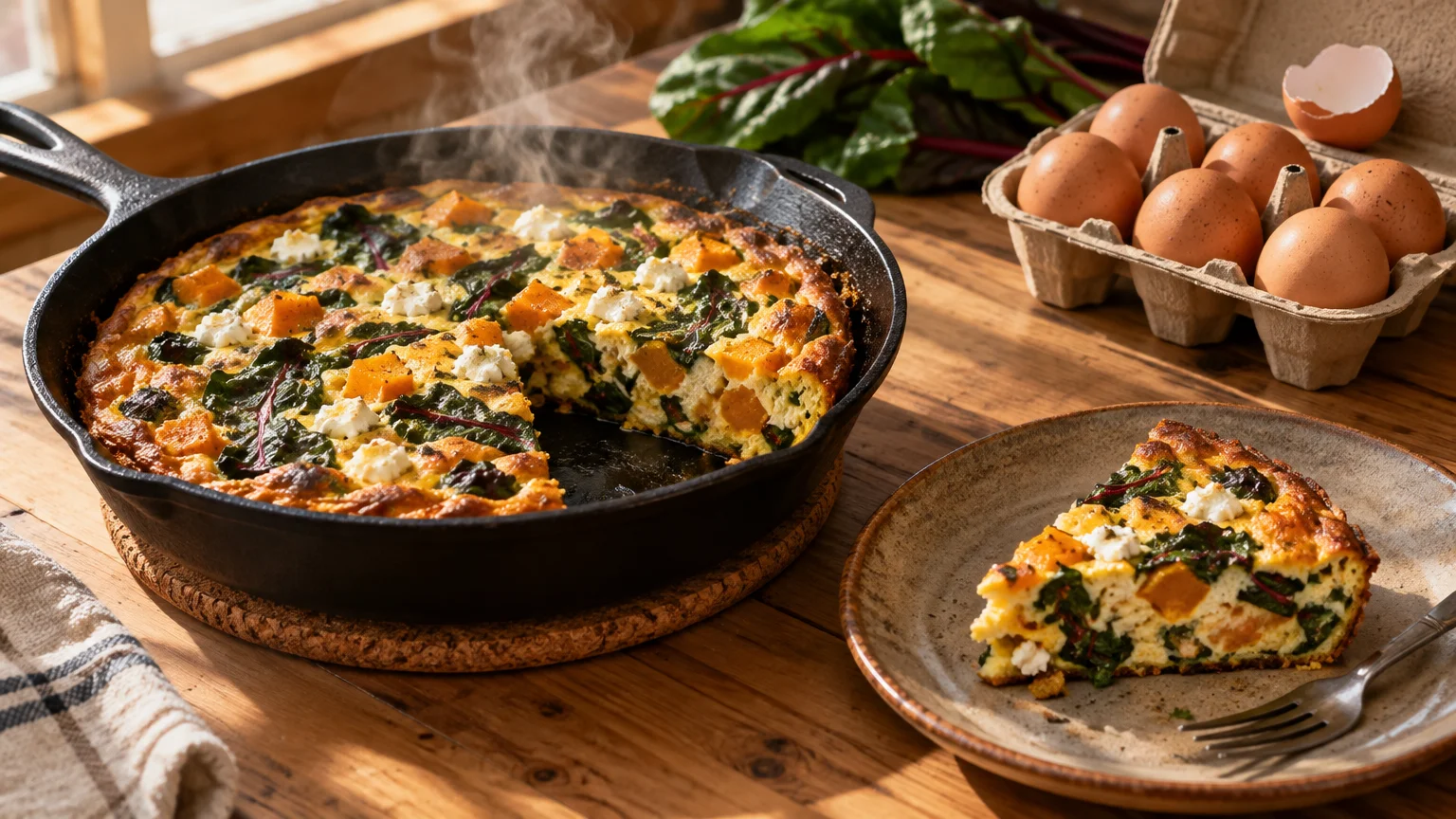
Expand your dinner repertoire by treating eggs as a hearty evening centerpiece rather than just morning fuel. A vegetable frittata transforms leftover roasted squash, wilted greens, and onions into a nourishing meal.
Whisk four eggs with a splash of milk, pour them over warm vegetables in a skillet, and bake until golden. Cut the frittata into wedges for an effortless dinner that reheats beautifully tomorrow.
Another classic option is shakshuka, where you poach whole eggs directly in a simmering sauce of tomatoes, garlic, and sweet bell peppers. Serve this warm, comforting dish with crusty whole-grain bread for dipping.
If your physician advises limiting dietary cholesterol, whisk two liquid egg whites together with one whole egg. This simple ratio preserves the golden color and rich nutrients while cutting cholesterol and saturated fat.
Stretch red meat or replace it entirely with dry beans
Legumes represent the most affordable protein category in any grocery store. According to the Bureau of Labor Statistics, dried beans of all varieties averaged $1.67 per pound in September 2026.
That price represents a modest 2.5% increase from $1.63 per pound in September 2025. A single one-pound dry bag yields about six to seven cups of cooked, tender legumes.
That generous yield translates to roughly 25 to 28 cents per filling, nutrient-dense serving. No cut of beef, pork, or poultry comes close to that level of pure grocery economy.
You do not have to eliminate meat entirely to reap substantial financial rewards from legumes. Incorporating beans into your regular cooking routine allows you to stretch expensive meats twice as far.
The 50/50 meat and bean blending strategy
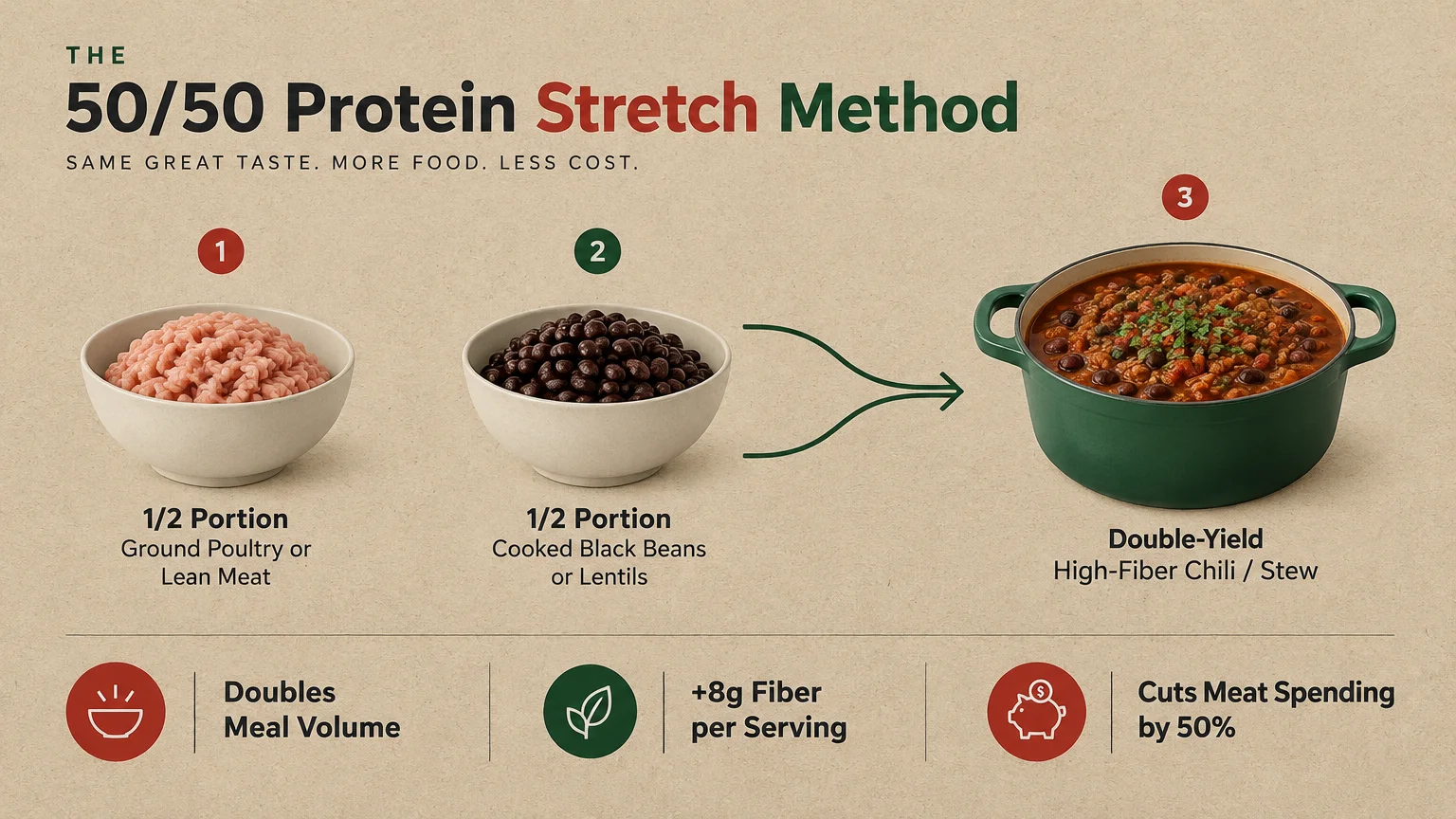
The 50/50 blend technique allows you to preserve the traditional flavor of your favorite meat dishes while slashing costs. Cook brown lentils or black beans until tender, then mash them gently with a fork.
Combine equal weights of cooked legumes and browned ground turkey or lean ground beef in a skillet. The legumes readily absorb savory meat seasonings, pan juices, and aromatics, blending seamlessly into the dish.
Use this blended mixture in chili, shepherd’s pie, meatloaf, or taco fillings. Your family will enjoy the hearty texture and rich flavor while you instantly cut your recipe’s meat expense in half.
This simple blending strategy also doubles the number of servings your grocery budget produces. You can easily feed two people multiple dinners from a single half-pound purchase of meat.
Soluble fiber advantages for cholesterol and blood sugar control
In addition to extreme budget savings, beans provide substantial amounts of dietary fiber that meat lacks entirely. A one-cup serving of cooked black beans or lentils delivers 15 grams of gut-nourishing fiber.
Soluble fiber acts like a sponge inside your digestive tract, binding to excess bile acids and cholesterol particles. Your body excretes these bound compounds naturally, helping lower circulating LDL cholesterol without medication adjustments.
Dietary fiber also moderates carbohydrate digestion and slows glucose absorption into your bloodstream. If you monitor your blood sugar or manage type 2 diabetes, legumes help eliminate dramatic post-meal glucose spikes.
How to select canned beans without overloading on sodium
While dry beans offer the absolute lowest price per pound, canned beans provide unmatched convenience for busy households. However, standard canned beans often sit in heavy sodium brines to prolong shelf life.
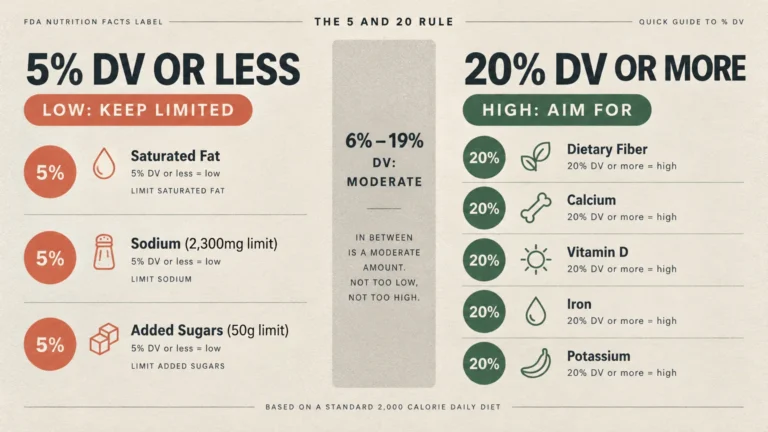
The Food and Drug Administration provides detailed nutritional labeling guidance to help consumers identify low-sodium foods. Check the front panel of the can for the phrases “low sodium” or “no salt added.”
A conventional can of beans can contain up to 500 milligrams of sodium per half-cup serving. A “no salt added” version contains only the 10 milligrams naturally present in the beans themselves.
If you only have standard canned beans in your pantry, pour them into a fine-mesh colander. Rinsing the beans under cold running water for two minutes washes away up to 40% of the canning sodium.
Find value and healthy fats in canned seafood
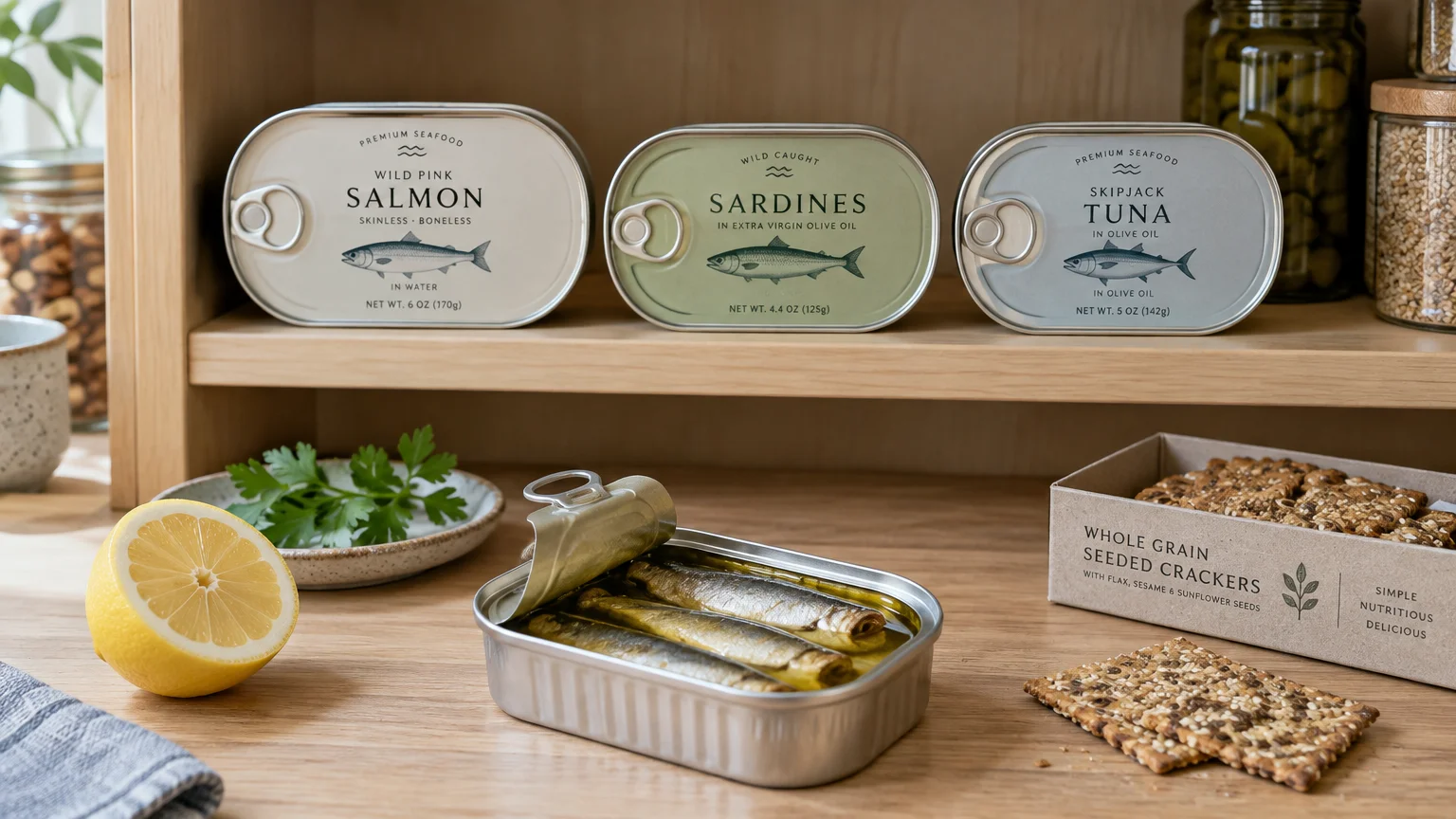
The canned seafood aisle provides exceptional protein values that eliminate the spoilage risk of fresh fish counters. Canned pink salmon, chunk light tuna, and sardines offer dependable, high-density nutrition.
Fresh fish can spoil within two days, leading to costly food waste if your schedule shifts unexpectedly. Canned seafood remains safely stable in your kitchen pantry for up to three years without nutrient degradation.
A single four-ounce can of pink salmon or tuna packs roughly 20 to 24 grams of complete protein. Supermarket store brands often price these cans under two dollars, making them a fantastic weekly staple.
Fatty fish varieties like wild canned salmon and sardines supply vital eicosapentaenoic acid (EPA) and docosahexaenoic acid (DHA). These marine omega-3 fatty acids help reduce systemic inflammation and support normal arterial elasticity.
Unlike costly beef cuts that load meals with saturated fats, canned seafood delivers protective polyunsaturated fats. Trading red meat for seafood twice weekly supports healthy blood pressure and favorable triglyceride levels.
Calcium from edible fish bones supports bone density
Traditional canned salmon and sardines often include soft, edible bones that have been cooked thoroughly under high pressure. These delicate bones are completely safe to chew and dissolve effortlessly.
These edible bones provide an extraordinary source of highly absorbable dietary calcium and phosphorus. Consuming calcium from whole-food sources supports skeletal strength and helps protect against bone mineral loss.
If you are managing osteopenia or osteoporosis, incorporating bone-in canned salmon into your diet provides natural skeletal support. Mash the soft bones into the salmon flakes with a fork when preparing salmon patties or salads.
Reading labels for oil, sodium, and medication interactions
Inspect canned seafood labels carefully to make sure you purchase fish packed in spring water rather than soybean oil. Packing fish in oil dilutes beneficial omega-3 fats and adds unnecessary calories.
Pay close attention to sodium values on canned seafood, especially if you monitor fluid retention or blood pressure. Select cans that state “no salt added” whenever available, or drain the canning liquid thoroughly before serving.
Medical considerations also warrant careful review. The NIH Office of Dietary Supplements notes that concentrated omega-3 fatty acids exert mild antiplatelet effects that can influence blood clotting.
If you take prescription blood thinners like warfarin or direct oral anticoagulants, inform your doctor before sharply boosting seafood intake. Eating moderate dietary portions is generally encouraged, but consistent communication ensures your safety.
How to shop meat counters to prevent waste when cooking for one or two
Large family value packages in supermarket meat cases present a subtle financial hazard for small households. While the per-pound sticker price might seem lower, the total checkout cost is significantly higher.
Purchasing three pounds of discounted meat often results in freezer-burned packages or refrigerated food that spoils before consumption. Spoiled food instantly destroys any initial savings gained from buying in bulk.
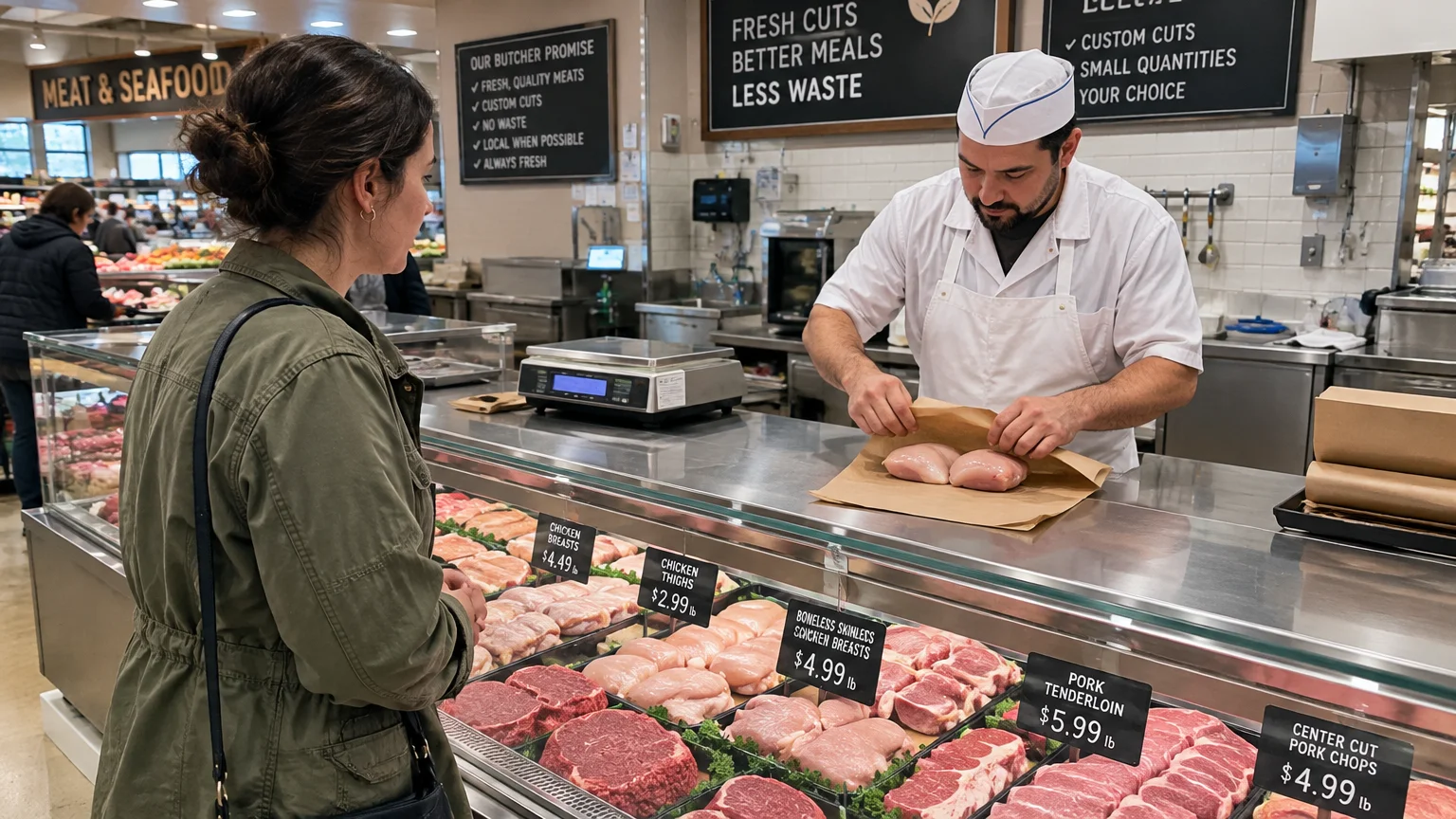
Bypass the pre-wrapped foam trays and walk directly to the full-service butcher counter. Supermarket butcher cases allow you to request the exact quantity of protein you need for the coming days.
You can ask the butcher for a single chicken breast, two pork chops, or exactly one-third of a pound of ground meat. You pay only for what you can consume fresh, keeping your weekly grocery total low.
In nearly every grocery store, meats in the service case carry the exact same per-pound price as pre-packaged cuts. Purchasing precise quantities keeps your food fresh and prevents your hard-earned cash from languishing in the freezer.
Safe portioning and freezing strategies for single-serving meals
When you do encounter an irresistible sale on chicken breasts or pork chops, portion the meat immediately after unpacking your groceries. Never stash an entire multi-serving supermarket tray directly into your freezer.
Wrap individual chicken breasts or pork chops tightly in freezer-grade butcher paper or place them into separate freezer bags. Press all excess air out of each bag before sealing to prevent moisture loss and freezer burn.
Clearly label each wrapped parcel with the cut description and current date using a permanent marker. This organized system lets you withdraw a single portion without thawing an entire package.
Maintain your freezer temperature at zero degrees Fahrenheit to preserve food quality and cellular texture. Always thaw individual meat portions safely inside your refrigerator overnight rather than leaving them at room temperature on the counter.
Frequently asked questions about swapping high-priced beef
Will cutting back on red meat lower my iron levels?
While beef supplies readily absorbed heme iron, you can obtain abundant iron from other affordable grocery items. Poultry, beans, lentils, whole grains, and dark leafy greens all contain valuable dietary iron.
You can dramatically improve plant-based iron absorption by pairing legumes with vitamin C. Adding stewed tomatoes, sweet bell peppers, or a splash of lemon juice to your bean dishes enhances iron bioavailability significantly.
How do you keep ground turkey moist when replacing beef?
Ground poultry contains less intramuscular fat than ground chuck, which can make it taste dry if cooked over high heat. You can solve this problem by incorporating moisture-rich vegetables directly into the meat.
Mix finely chopped mushrooms, grated zucchini, or caramelized onions into your ground turkey before forming patties or simmering meatballs. The vegetables release moisture during cooking, mimicking the juicy mouthfeel of traditional beef.
Can you eat eggs daily if you monitor your cholesterol?
Substantial clinical research indicates that saturated fat elevates blood LDL cholesterol much more aggressively than the dietary cholesterol in egg yolks. Most adults can safely enjoy an egg daily within a balanced, fiber-rich diet.
If your cardiologist or primary care physician gave you specific cholesterol limits, discuss your egg consumption with them directly. You can also blend one whole egg with two egg whites to keep saturated fat minimal.
What is the most reliable way to tenderize budget pork cuts?
Inexpensive pork shoulder and loin cuts become exceptionally tender when cooked using low, moist heat over several hours. Simmering pork cuts inside a covered slow cooker breaks down tough muscle fibers without drying the meat.
Adding acidic liquids like apple cider, crushed tomatoes, or a splash of vinegar to the braising pot further tenderizes the meat. The mild acid relaxes dense protein structures, ensuring moist, fork-tender results every time.
Your shopping list move for this week
Walking past the supermarket beef counter this fall provides an immediate opportunity to regain control over your grocery budget. You do not need to drastically alter your lifestyle to achieve substantial weekly savings.
On your next trip to the store, skip the ground beef packages and chuck roasts entirely. Instead, pick up one package of unseasoned pork loin chops and two cans of no-salt-added black beans.
Review your register receipt before loading your car to verify your real cash savings. Replacing high-priced beef with affordable alternative proteins delivers immediate financial peace of mind while keeping your autumn meals hearty and nutritious.