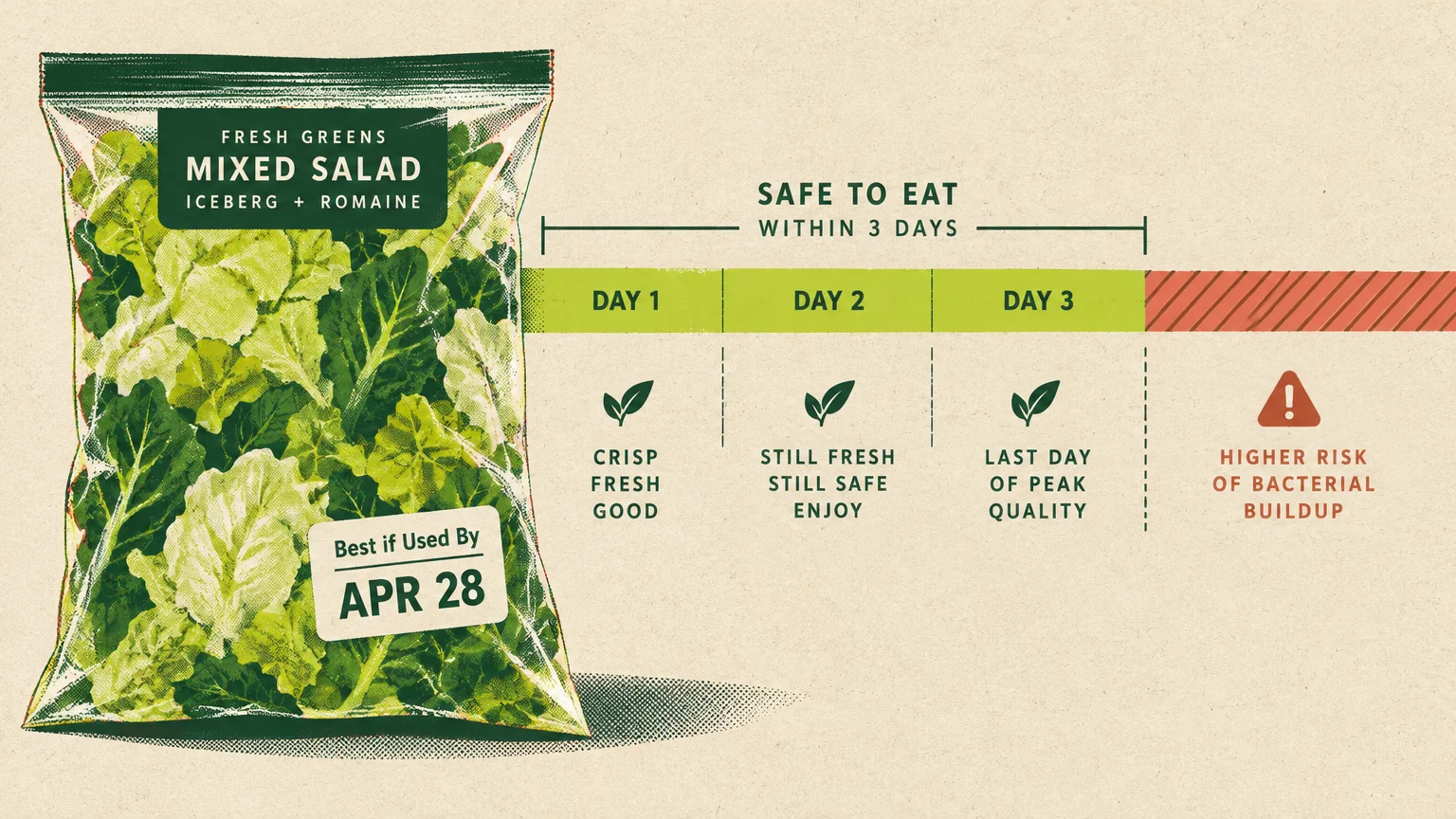
Bagged salads promise quick, healthy meals, but recent multistate outbreaks mean your buying habits must change immediately. Applying the 3-day rule at the produce display protects your health while keeping crisp greens on your dinner table.
When you shop for one or two people, leafy greens spoil quickly and carry genuine food safety risks if you overlook expiration windows. Learning how to inspect packages keeps your grocery budget intact and your digestive system safe.
This guide shows you exactly what to look for on the shelf, which dates matter, and how to store your greens safely at home.
Why recent outbreaks make the 3-day rule essential for grocery shoppers
Fresh packaged produce offers convenience, but recent nationwide contamination events highlight the need for greater vigilance at the grocery counter. Understanding these events helps you make safer shopping choices every week.
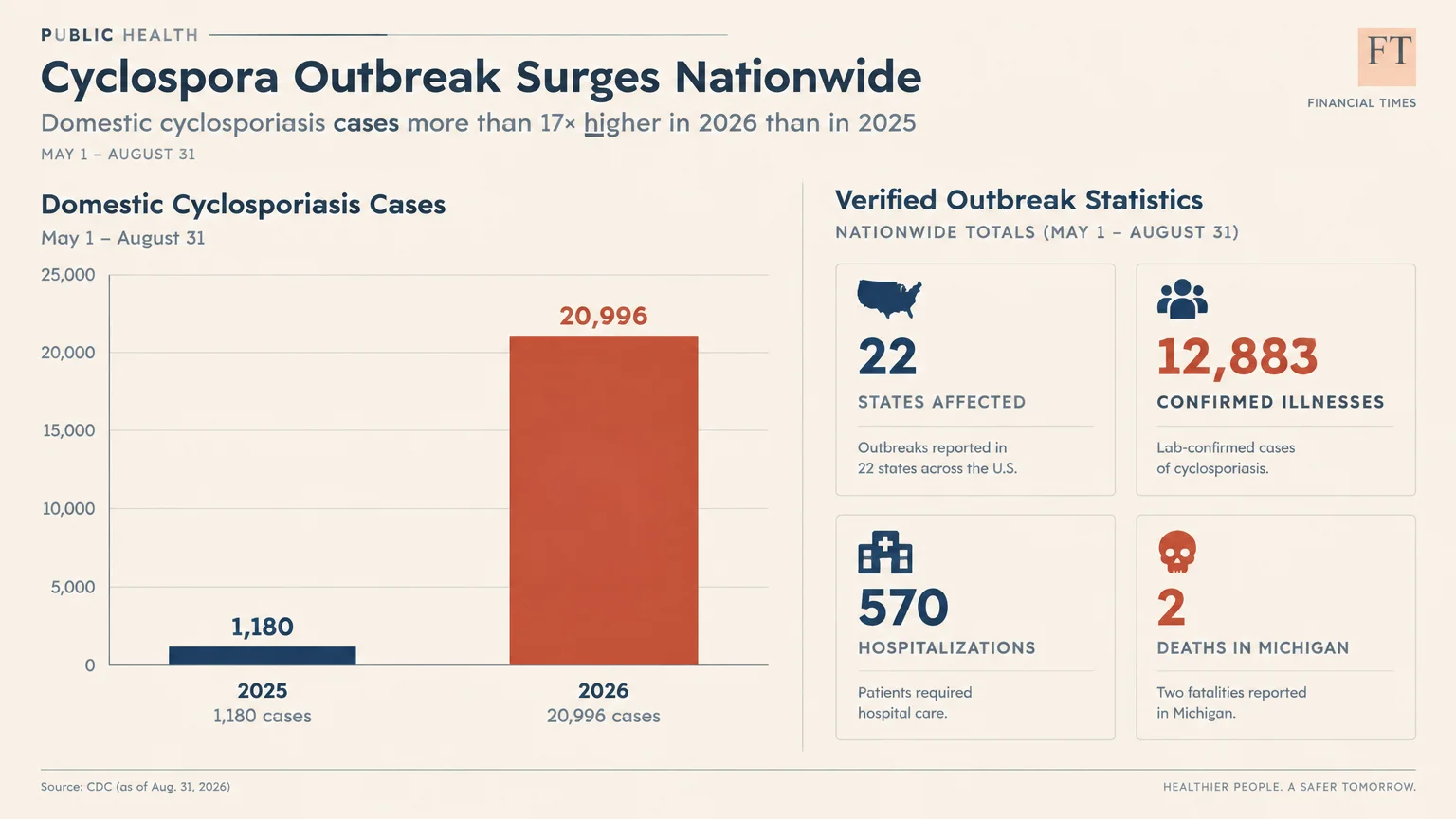
The Centers for Disease Control and Prevention and the FDA investigated a massive multistate outbreak of Cyclospora infections linked to commercially processed iceberg lettuce. The contaminated lettuce came from Taylor Farms de Mexico and sickened thousands across the country.
Public health records confirmed at least 12,883 illnesses across 22 states, resulting in 570 hospitalizations and two deaths in Michigan. Federal health officials officially declared the outbreak resolved on September 10, 2026.
On July 17, 2026, Taylor Farms initiated a voluntary recall of retail packages, including Walmart’s Marketside brand Iceberg Salad in 12-ounce and 24-ounce bags. The recall also pulled Marketside Shredded Lettuce in 8-ounce and 16-ounce packages from store shelves.
Those recalled bags carried “Best if Used By” dates ranging between July 18, 2026, and August 3, 2026. The distributor also sent the contaminated iceberg lettuce to national foodservice chains, including Taco Bell and Subway.
Michigan reported 12,485 cases during that single event, prompting state health officials to advise residents to avoid bagged salad mixes entirely. The Michigan Department of Health and Human Services lifted that strict advisory on August 6, 2026.
Overall domestic infection numbers reached historic heights during that surveillance cycle. Between May 1 and August 31, 2026, the CDC recorded 20,996 laboratory-confirmed domestic cases of cyclosporiasis, compared to 1,180 cases during that same window in 2025.
Bacterial threats also entered packaged salads through secondary ingredient contamination earlier that same year. Coast Citrus Distributors recalled fresh jalapeños over Salmonella risks, triggering salad recalls across Walmart, Kroger, Whole Foods, Trader Joe’s, Hannaford, and Stop & Shop.
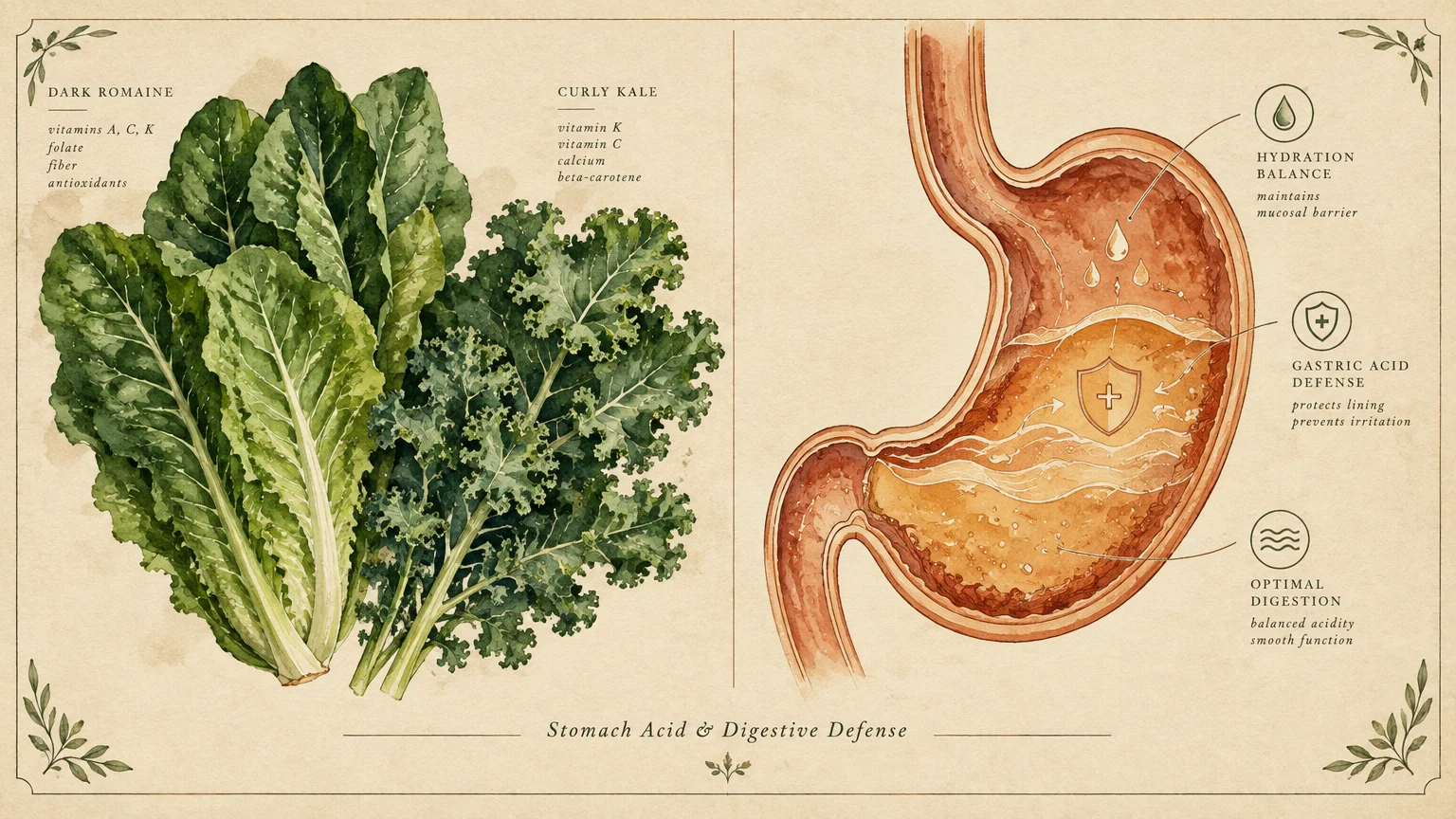
As you age, your stomach produces less acid, making it easier for ingested parasites and bacteria to survive. An infection that causes mild discomfort in a younger adult can cause severe dehydration and kidney strain in adults over 55.
Hospitalization rates climb rapidly when foodborne illnesses strike older adults managing preexisting health conditions. Adopting strict buying habits provides your strongest defense against contaminated produce before it ever enters your kitchen.
What is the 3-day rule for buying and storing bagged salad?
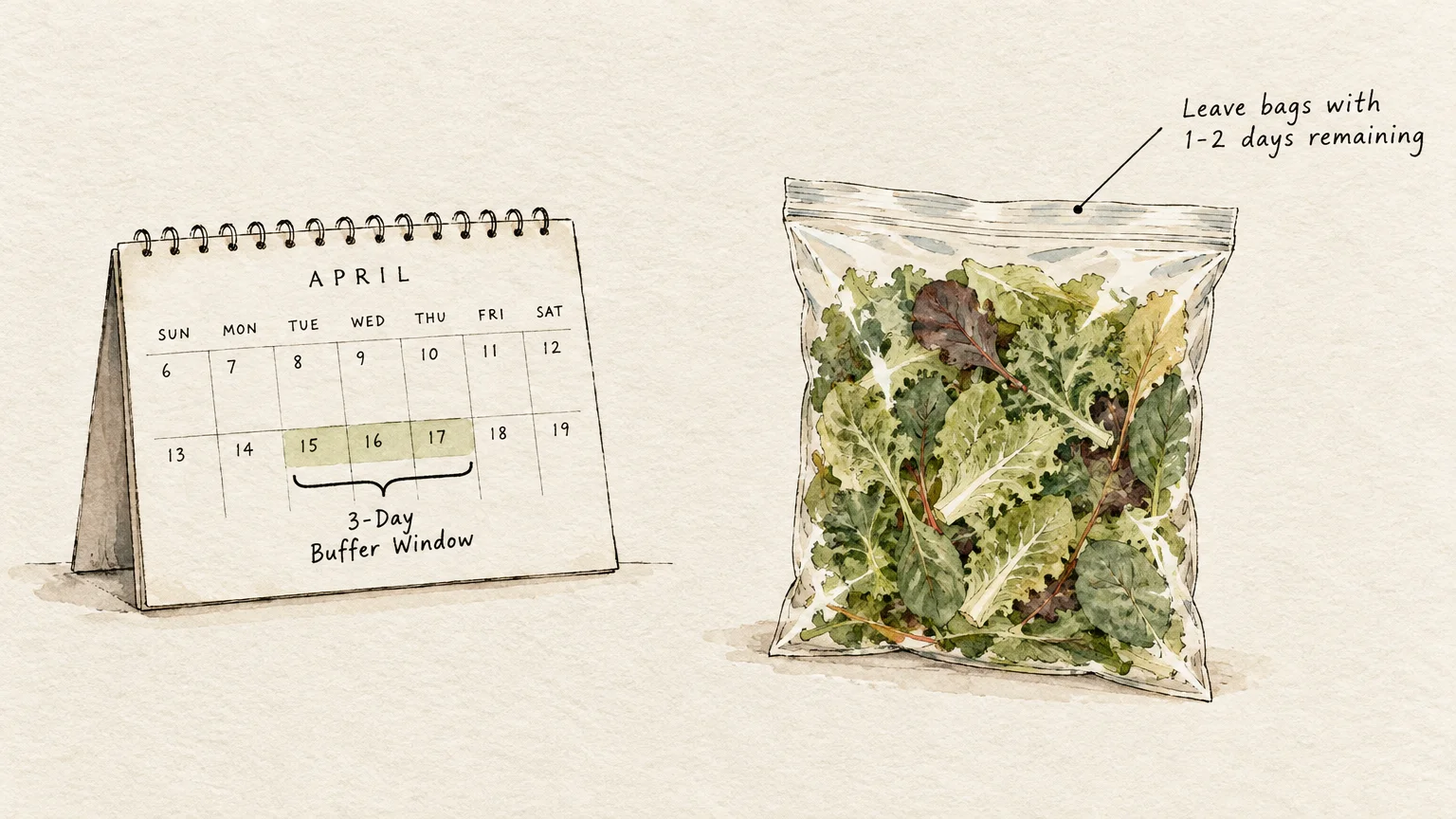
The 3-day rule establishes two simple boundaries that eliminate guesswork in the produce aisle and at home. It protects you from buying greens that have already begun breaking down microbially.
At the supermarket, you must only buy bags that have at least three full days remaining before the printed date. If a bag expires in one or two days, leave it on the shelf.
Greens sitting close to their expiration date have endured days of fluctuating temperatures during transit and display. That extended holding time allows microscopic pathogens to multiply into dangerous concentrations.
The second half of the rule applies the moment you bring the package home. You should plan to consume the entire contents within three days of purchase.
Once you open the bag, that consumption window shortens to between one and three days. Breaking the factory seal exposes cut leaves to kitchen air, accelerating cellular breakdown and bacterial colonization.
While intact salad bags might appear edible for up to five days, that extra time significantly elevates your health risk. Committing to a strict three-day consumption window ensures you only consume fresh, resilient leaves.
Unlike raw poultry or ground meat, leafy greens undergo no cooking step before you eat them. Heat kills pathogens in meat, but raw salad leaves offer no secondary safety net once contaminated.
Following this rule ensures that you never rely on marginal greens that could harbor invisible bacteria. It turns routine grocery shopping into a reliable preventative health measure.
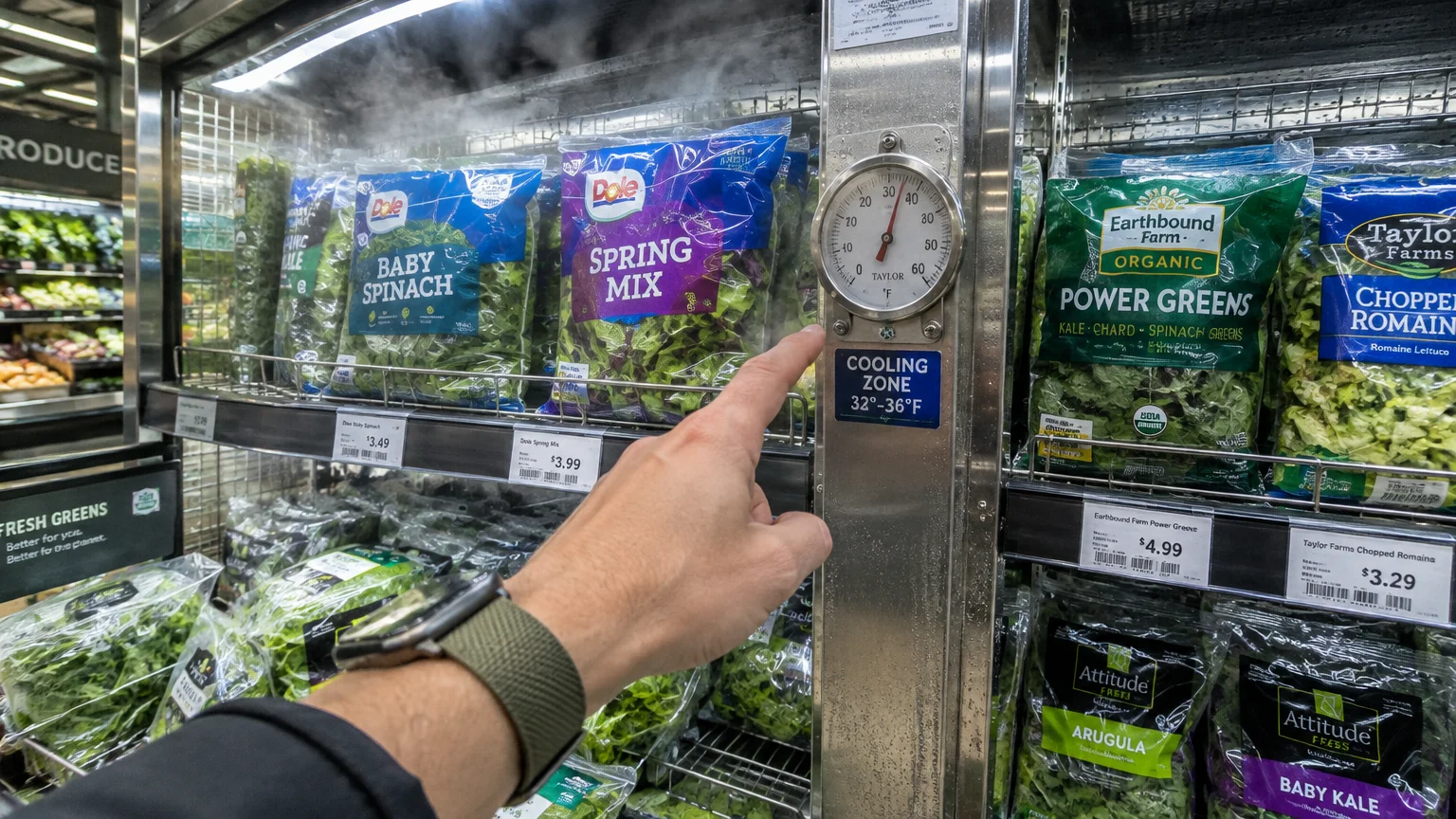
How to inspect the produce cooling case before you select a bag
Grocery stores design produce departments to look fresh and abundant, but cooling performance varies across individual display cases. Inspecting the refrigeration setup ensures your greens remained at a safe temperature.
Federal food safety guidelines mandate that retailers hold pre-cut greens at 40°F (4°C) or colder at all times. Unfortunately, open-front display cases battle ambient store temperatures constantly, especially during peak shopping hours.
Warm air spills over the front edge of display cases whenever shoppers walk past. Consequently, salad bags placed near the front lip frequently warm up past safe preservation limits.
Overhead fluorescent and LED lighting inside display cases can also generate localized heat zones. Bags sitting on the top shelf directly beneath intense light fixtures often register higher temperatures than packages stored below.
To find the safest packages, reach past the first two rows and select a bag from the deep back. Greens stored toward the rear remain enveloped in the cold airflow circulating from internal refrigeration vents.
Check the case load limit lines stamped onto the interior metal walls of the cooler. Retailers should never stack products above this line, because items above it sit outside the refrigerated airflow.
Feel the package with your bare hand before placing it into your cart. The plastic should feel decidedly cold and crisp, not room temperature or lukewarm.
If the produce case feels unusually warm or lacks active airflow, leave the bagged salads alone entirely. Pivot to whole heads of cabbage or romaine, which resist temperature abuse far better than pre-cut greens.
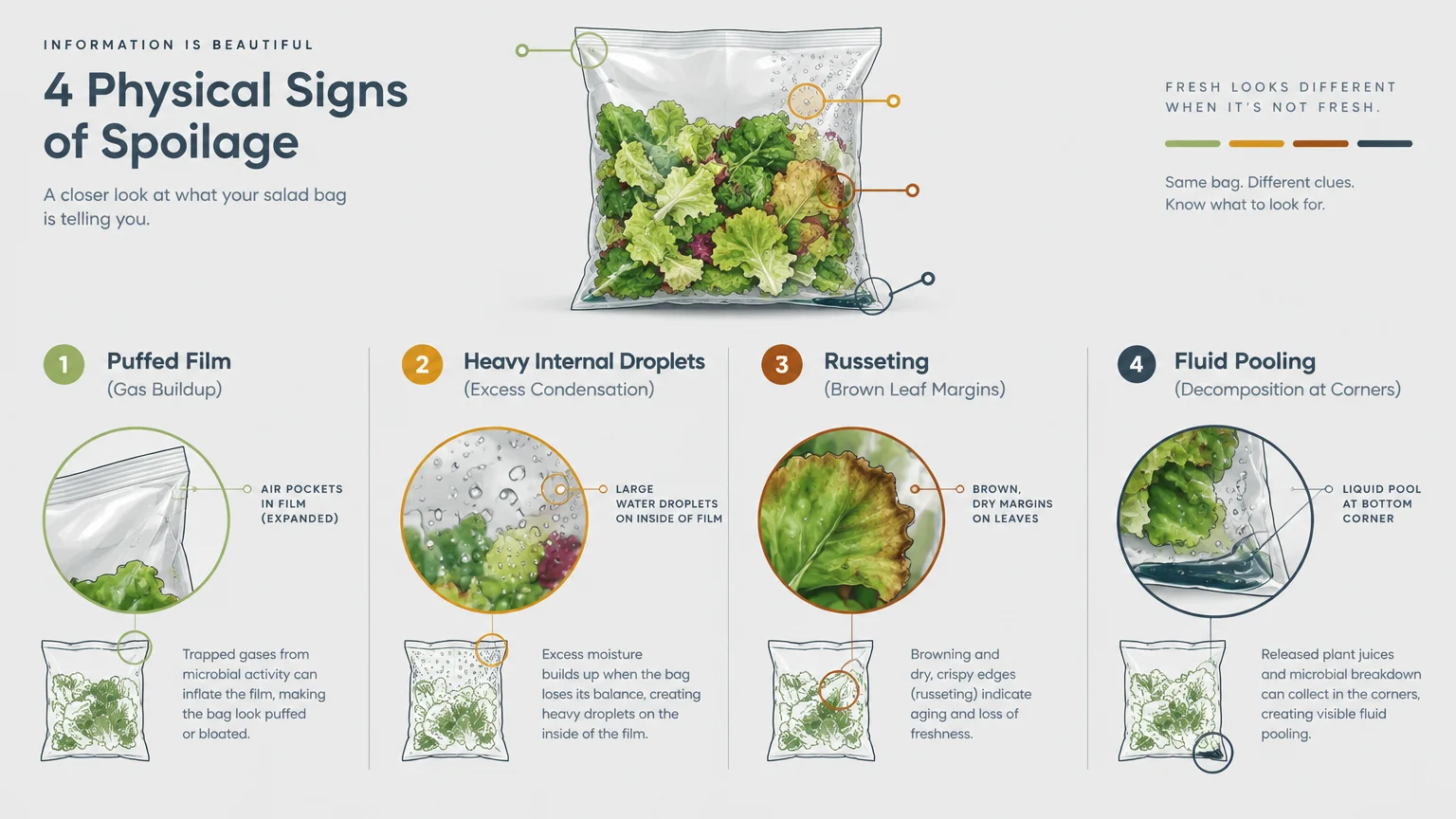
Reading the plastic bag: visible indicators of spoilage and microbial growth
The clear plastic packaging of pre-washed salad serves as a diagnostic window into the health of the greens inside. Taking thirty seconds to inspect the bag saves you money and prevents illness.
Never purchase a salad bag that appears bloated, puffy, or tight like an overfilled balloon. That dramatic puffiness occurs when bacteria inside the sealed package ferment plant carbohydrates and produce waste gas.
Food processors package salads with a specialized balance of nitrogen and carbon dioxide to delay natural decay. However, a properly packaged salad bag feels relatively slack, never hard or pressurized to the touch.
Turn the package upside down and inspect the bottom corners where liquid tends to collect. If you observe cloudy liquid or brown moisture pooling in the seams, reject the package immediately.
Pooling liquid signals that individual plant cell walls have ruptured, releasing intracellular fluid onto adjacent leaves. This liquid creates a nutrient broth that accelerates bacterial proliferation across the entire bag.
Examine the individual leaves pressed against the transparent plastic film. Discard any bag containing leaves that look dark, bruised, translucent, or slick with wet slime.
Translucence in a lettuce leaf indicates advanced cellular lysis, where internal structures have completely dissolved. Once decay reaches that stage, washing or picking out bad pieces cannot make the remaining leaves safe.
Look for light, uniform color and firm leaf edges throughout the package. If the leaves cling to the plastic in wet clumps rather than tumbling freely, moisture levels inside have already become dangerous.
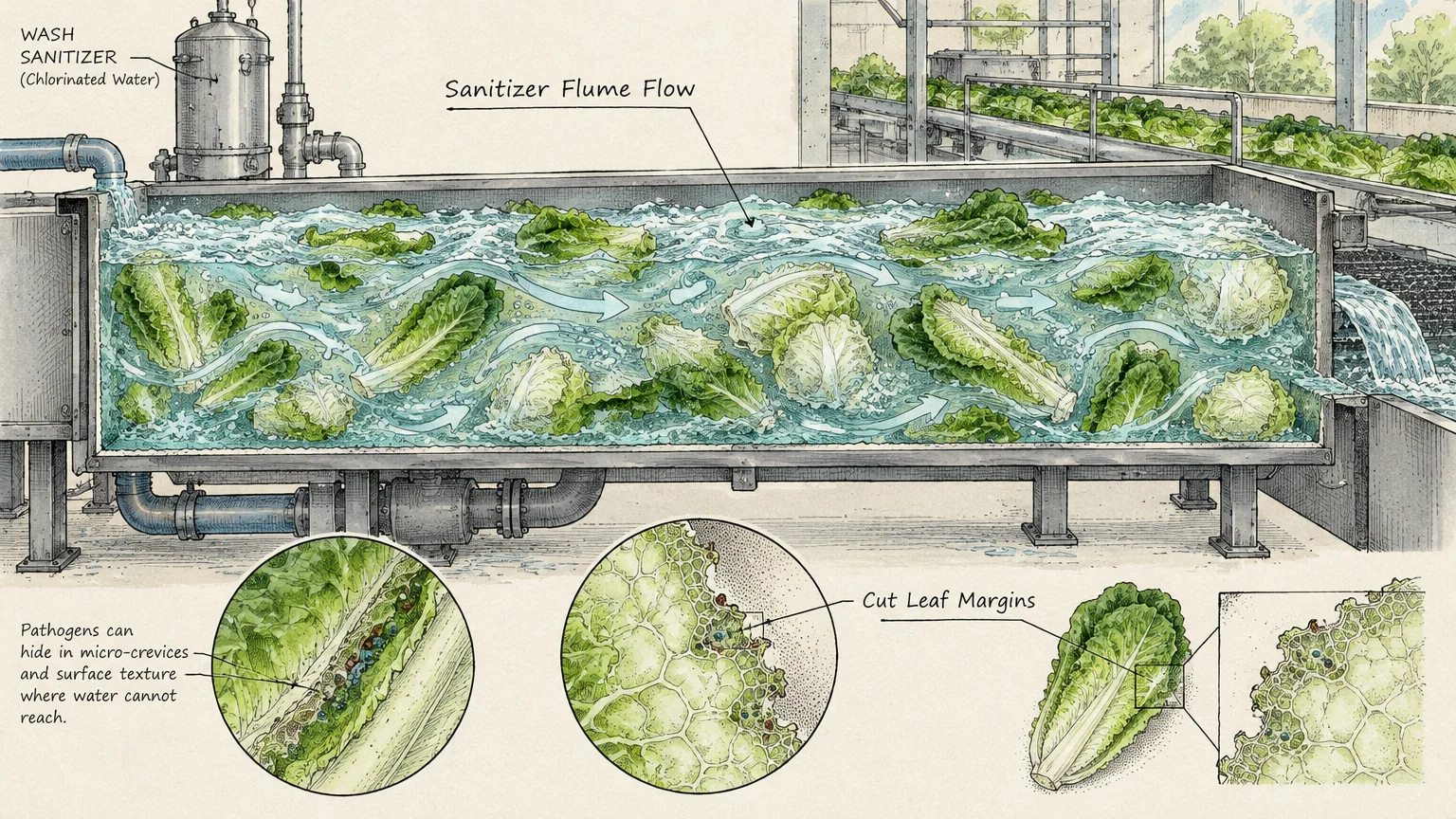
Understanding industrial flume washing and its limits
The label “triple-washed” provides a false sense of absolute security to many shoppers. Understanding how processing plants wash greens reveals why industrial cleaning cannot eradicate microscopic pathogens.
Commercial processors dump harvested field greens into massive water flumes that transport leaves through sanitizing tanks. These wash systems usually contain 50 to 200 parts per million of free available chlorine.
Standard household tap water contains only 0.5 to 2 parts per million of chlorine for drinking safety. While industrial sanitizer levels prevent broad tank water contamination, they do not sterilize the lettuce leaves themselves.
When harvest machinery cuts lettuce leaves, the severed cell walls immediately release nutrient fluids and sap. Microscopic pathogens like Cyclospora, Salmonella, E. coli, and Listeria bind tightly to these cut surfaces within minutes.
Once bacteria attach to cut plant margins, industrial sanitizers cannot detach or kill them effectively. The chemical wash merely treats free-floating microbes suspended in the water bath.
Furthermore, cut greens actively draw in water through their vascular channels as they cool down in the wash tanks. This process, known as internalization, pulls bacteria directly into the leaf’s interior tissues.
No amount of chemical rinsing can reach pathogens that have migrated inside the cellular matrix of the plant. The bacteria remain shielded within the leaf until you ingest the salad.
If chlorine levels dip even slightly in commercial flume systems, wash water can rapidly spread contaminants to thousands of pounds of lettuce. This operational bottleneck explains why large-scale packaged salad recalls happen with alarming frequency.
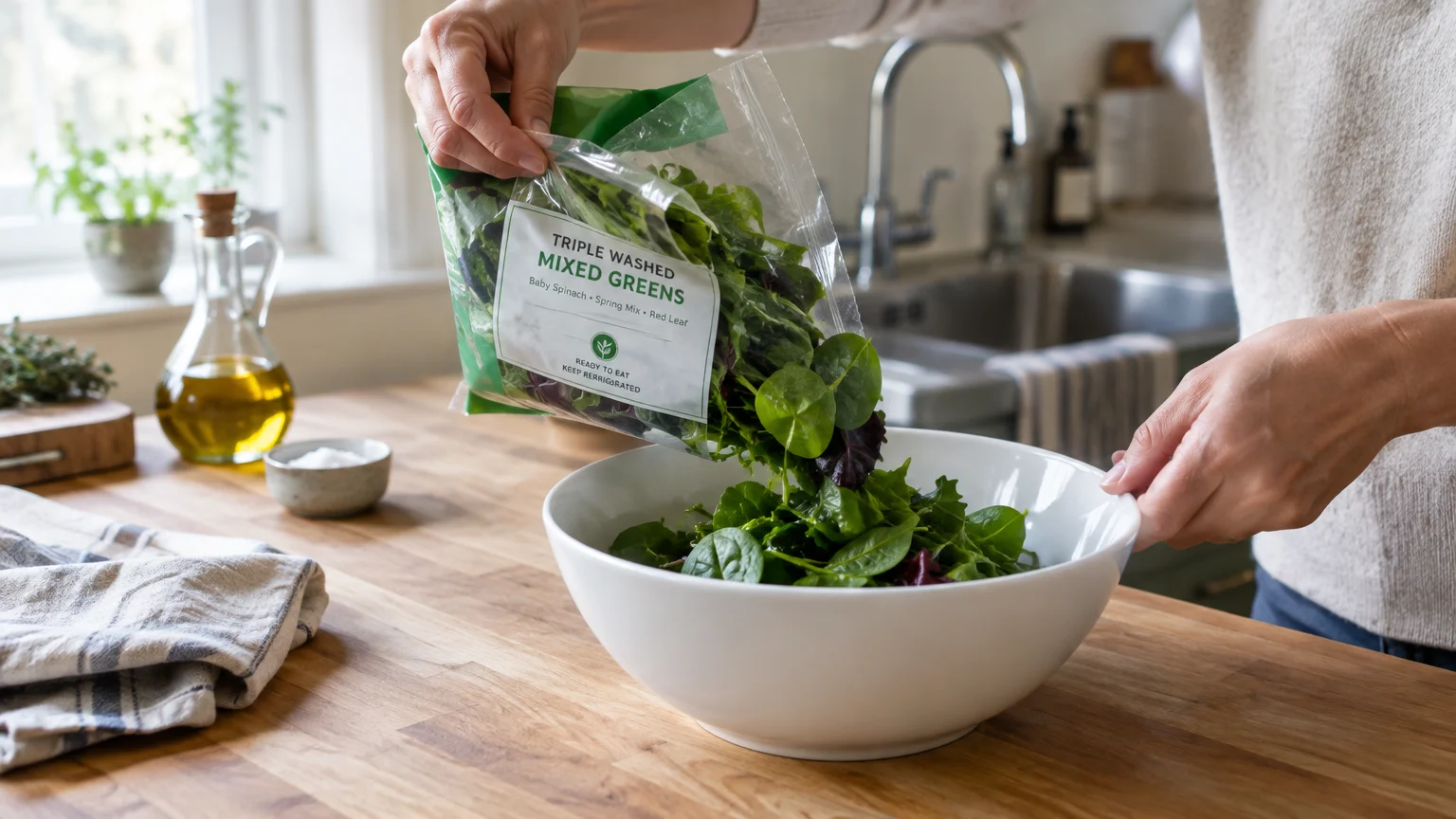
Why you should not rewash pre-washed salad at home
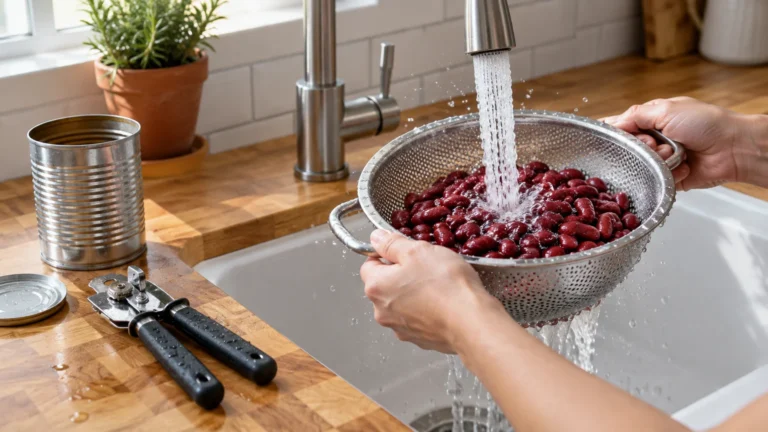
Many consumers believe that rinsing bagged greens under the kitchen faucet adds an extra layer of protection. However, food safety authorities actively discourage shoppers from rewashing pre-washed produce at home.
The Food and Drug Administration emphasizes that home rinsing cannot eliminate internalized bacteria or dislodge pathogens stuck to cut leaf edges. Tap water lacks the sanitizing strength to kill resilient organisms like Cyclospora.
Rewashing pre-washed greens actually introduces substantial cross-contamination risks into your kitchen. Household kitchen sinks are notorious microbial reservoirs, frequently harboring coliform bacteria, yeast, and molds.
When running water hits lettuce leaves in a sink, fine water droplets splash onto surrounding surfaces. These airborne droplets transfer sink bacteria onto nearby cutting boards, clean dishes, and ready-to-eat foods.
Handling wet leaves with bare hands or running them through a hand-cranked salad spinner introduces additional contamination vectors. Plastic salad spinners often retain residual bacteria within their drainage grates and interior gears.
Extra moisture left on rewashed leaves also accelerates spoilage if you return leftover salad to the refrigerator. Excess surface water breaks down leaf tissue rapidly, creating slimy rot within twenty-four hours.
Commercial processing plants, despite occasional outbreaks, maintain cleanrooms with strict microbial surveillance. Your kitchen sink cannot match the sanitary controls established in regulated packaging facilities.
Trust the commercial wash process when the package is intact, fresh, and within its 3-day window. If the greens appear spoiled, discard them rather than trying to wash away potential toxins.
Nutritional considerations and medication safety for adults over 55
Leafy greens deliver valuable micronutrients that preserve cardiovascular health, bone density, and cognitive vitality. However, choosing and consuming these greens requires careful management alongside common prescription medications.
If you take anticoagulant medications such as warfarin, maintaining a stable intake of dietary vitamin K is critical. Vitamin K promotes blood clotting, which directly counters the therapeutic mechanism of blood-thinning drugs.
The NIH Office of Dietary Supplements cautions that dramatic changes in weekly vitamin K consumption can cause dangerous fluctuations in blood-thinning effectiveness. Rather than eliminating dark greens, eat roughly the same amount of salad each week.
A sudden decision to eat large spinach salads three days in a row can drop your clotting time to unsafe levels. Conversely, cutting out greens entirely can increase your risk of dangerous bleeding complications.
For individuals managing hypertension, leafy greens provide potassium, which assists the kidneys in flushing excess sodium from the bloodstream. Incorporating fresh romaine, red leaf lettuce, and arugula supports healthy vascular elasticity.
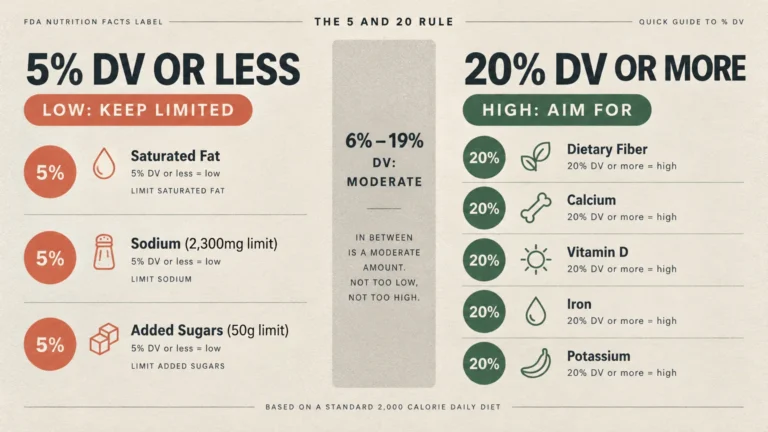
However, commercial salad kits often undermine cardiovascular goals by including dressing packets loaded with sodium. A single salad kit dressing packet can contain over 400 milligrams of sodium, negating the blood pressure benefits of raw greens.
The American Heart Association advises older adults to minimize sodium to protect delicate arterial linings. Discard processed dressing packets from kits and dress your greens with extra virgin olive oil and red wine vinegar.
Salad kit dressings also frequently conceal added sugars that cause undesirable blood glucose spikes for individuals managing type 2 diabetes. Sweet glazes, candied nuts, and dried cranberries add unnecessary refined carbohydrates to an otherwise healthy bowl.
Bone preservation represents another crucial consideration as natural bone mineral density declines over time. Low-oxalate greens like kale, arugula, and bok choy provide highly bioavailable calcium to support skeletal strength.
Pairing these calcium-rich greens with healthy dietary fats, such as sliced avocado or olive oil, enhances the absorption of fat-soluble vitamin K. This synergistic nutrient combination helps guide calcium into your bones rather than into arterial walls.
Smart budgeting and portion strategies for small households
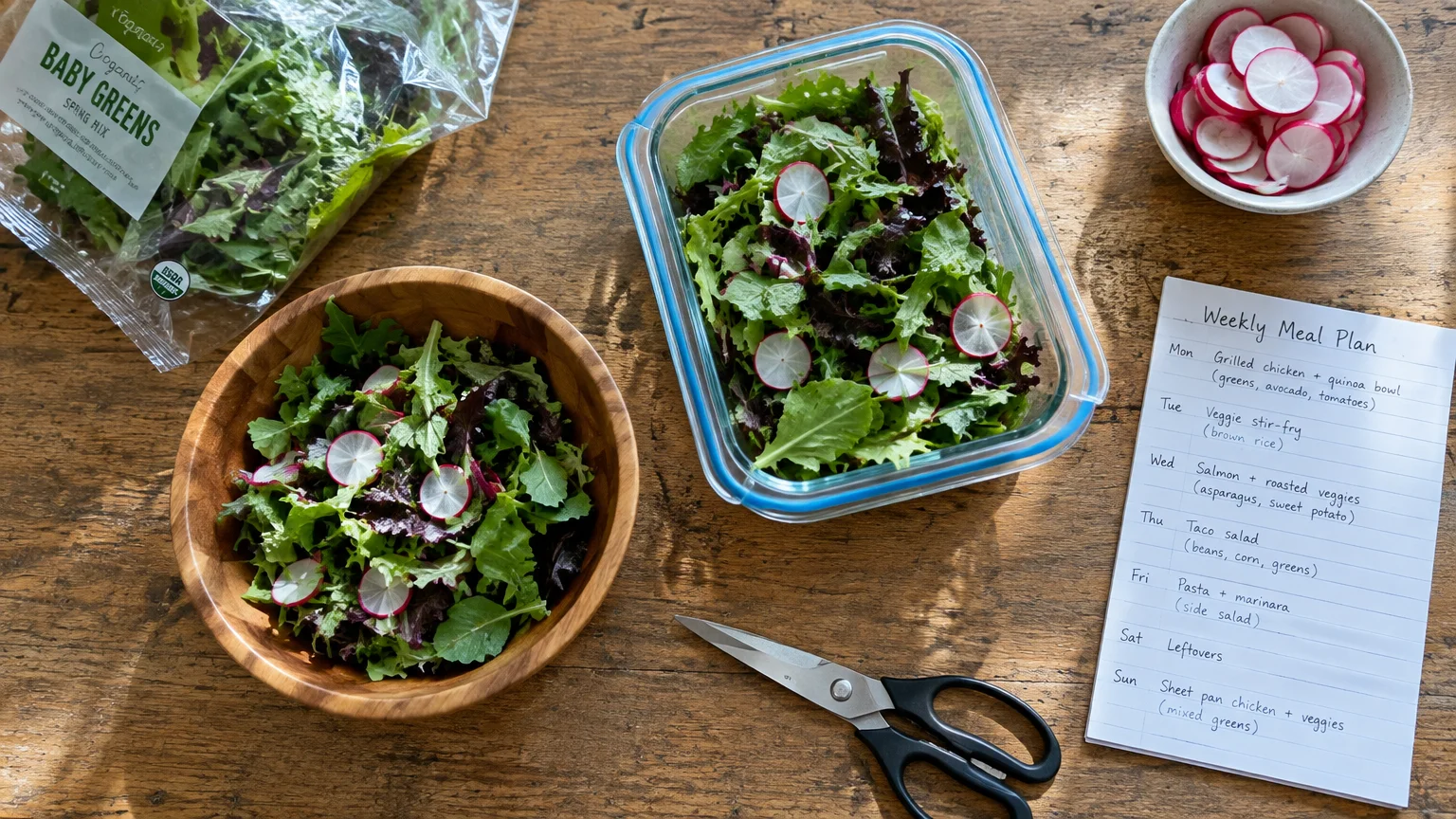
Grocery shopping on a fixed retirement income demands strategic calculation to prevent unnecessary spending. Pre-cut salad greens carry convenience premiums, but food waste quickly makes them an expensive habit.
A large 16-ounce family-sized tub of mixed greens might appear to offer substantial savings based on its price tag. However, if you live alone or with a partner, finishing that volume within three days proves difficult.
Throwing away half a spoiled bag means you effectively paid double the shelf price for the portions you consumed. Evaluating your realistic consumption rate prevents this common financial leak.
Examine the unit price printed in small font on the grocery shelf tag before placing salad in your basket. Store brands, including Walmart’s Marketside or Kroger label mixes, cost significantly less than premium brand names.
Opting for smaller five-ounce clamshell containers often provides superior value for one- and two-person households. You pay a slightly higher unit price, but you finish the container before spoilage forces you to dump greens into the trash.
Whole heads of lettuce provide the ultimate budget-friendly alternative to pre-packaged greens. Whole romaine hearts and green leaf heads cost far less per pound and last up to three weeks in the refrigerator.
You can wash and chop a single romaine heart in under two minutes when you are ready to prepare a meal. This simple step gives you fresh, uncontaminated salad while keeping your monthly grocery bill under control.
Cabbage represents another exceptional budget staple that resists microbial decay far longer than delicate baby greens. Mixing thinly shredded red or green cabbage into your lettuce stretches your greens and adds satisfying crunch.
Proper home storage: keeping salad fresh and safe for 3 full days
Maintaining the cold chain between the store shelf and your refrigerator ensures your produce remains safe throughout the 3-day window. Temperature abuse during transport accelerates microbial replication and leaf decay.
The USDA Food Safety and Inspection Service warns that perishable foods left between 40°F and 140°F enter the temperature danger zone. Never leave bagged salad sitting in a warm car trunk or on your kitchen counter for more than two hours.
When outdoor temperatures exceed 90°F during the summer months, that safe window drops to just one hour. Keep an insulated tote bag in your vehicle to protect chilled produce during the trip home.
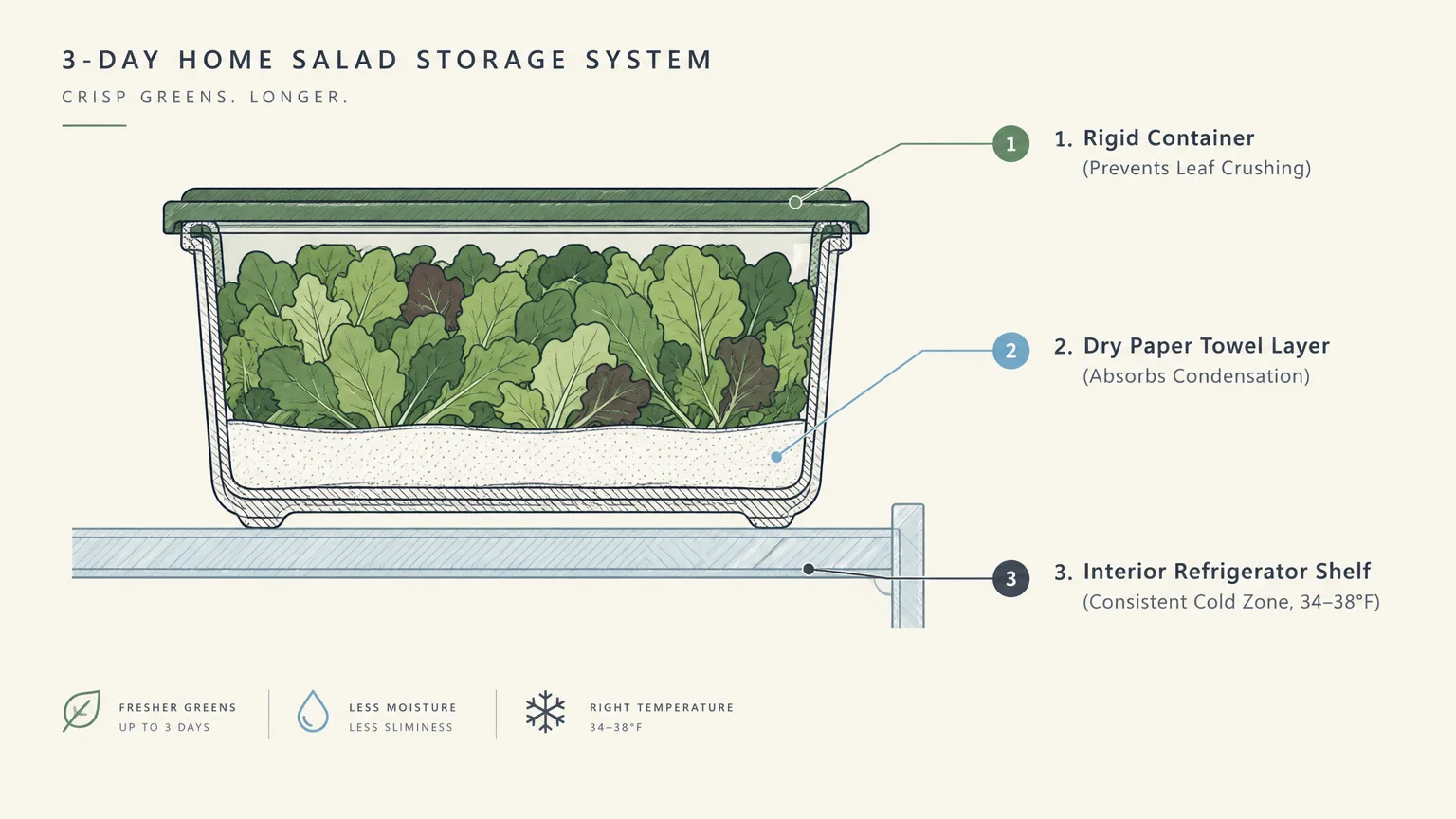
Place your bagged greens directly into the crisper drawer of your refrigerator as soon as you unpack your groceries. The crisper drawer regulates humidity and protects delicate leaves from drying refrigerator air.
Never store leafy greens on the shelves inside your refrigerator door. Every time you open the door, warm room air rushes over the shelves, creating temperature fluctuations that hasten spoilage.
To extend shelf life after opening a bag, transfer the greens into a rigid, airtight food container. Line the bottom of the container with a clean, dry paper towel, and place a second paper towel over the top leaves.
The paper towels capture condensing moisture that evaporates from the leaves, preventing droplets from settling on the foliage. Without pooled moisture, bacterial colonies cannot expand across the surface of the greens.
Check the paper towel daily and replace it if it becomes visibly damp. This simple thirty-second maintenance routine keeps your greens crisp, vibrant, and completely safe through day three.
Answers to frequently asked reader questions
Shoppers frequently navigate conflicting advice regarding produce safety and label dates. These evidence-based answers address the practical dilemmas you encounter in the grocery aisle and your kitchen.
Can you salvage non-slimy leaves from a bag that has some brown spots?
You should discard the entire bag if any leaves exhibit slime, brown rot, or pooled liquid. Harmful bacteria and enteric parasites disperse throughout the humid bag microclimate long before visible mold or rot covers every leaf.
Picking out the visibly green pieces leaves you exposed to invisible pathogens that simple visual inspection cannot detect. The financial savings of keeping a few marginal leaves never outweighs the cost and misery of food poisoning.
Are organic bagged salads safer from bacterial outbreaks than conventional ones?
Organic certification governs synthetic pesticides and chemical fertilizers, but it offers zero added protection against bacterial pathogens. Organisms like Cyclospora and Salmonella infect organic and conventional fields equally through agricultural runoff, wildlife, and contaminated irrigation.
Because organic farming avoids synthetic sanitizing chemicals, biological management must remain extraordinarily strict to prevent contamination. You should evaluate organic salad bags using the identical 3-day buying rule and visual inspection standards you apply to conventional bags.
Are rigid plastic clamshell containers safer than plastic bags?
Rigid plastic clamshell containers provide superior physical shielding compared to flexible plastic bags. They protect delicate leaves from being bruised, crushed, or suffocated during warehouse handling, store stocking, and cart transit.
Bruised plant tissue releases cellular juices that accelerate bacterial proliferation and mold growth. Furthermore, transparent clamshells allow you to inspect the top, sides, and bottom of the greens clearly before you buy.
What should you do if your store announces a recall on a bag you already ate?
Do not panic, but monitor your gastrointestinal health closely over the following ten to fourteen days. Symptoms of Cyclospora infection, such as watery diarrhea, cramping, and low fever, often take over a week to manifest.
Contact your physician promptly if persistent digestive symptoms develop, and state clearly that you consumed a recalled produce item. Medical providers must order specific stool diagnostic tests to identify parasites, which require targeted prescription antimicrobial therapy.
Your produce aisle action plan for the next shopping trip
Transforming food safety knowledge into an automatic habit protects your health every time you buy groceries. Follow this streamlined five-step sequence during your next trip to the supermarket produce department.
First, make the produce department your final stop before heading to the checkout registers. This timing minimizes the period chilled greens spend warming up in your ambient grocery cart.
Second, check the printed packaging date and confirm at least three full days remain before the stated deadline. If a bag expires sooner, put it back immediately.
Third, reach past the front display rows to retrieve packages from the cold rear airflow zone below 40°F. Never choose the package resting at the warm front lip.
Fourth, inspect the plastic envelope for bloating, moisture pooling, translucent leaf margins, or dark slimy decay. Walk away if you detect any sign of gas or internal condensation.
Fifth, store your greens in an insulated bag for the drive home, and refrigerate them immediately in your crisper drawer. Consume the entire package within three days of purchase to ensure crisp freshness and complete peace of mind.