
Roughly 64% of U.S. adults followed a specific eating pattern in the past year, yet only 40% rate their health as excellent or very good. Pushing harder on strict food rules often backfires instead of building resilience.
When healthy habits turn overly rigid, your energy, hormones, digestion, and mental wellbeing pay the price. Recognizing early diet warning signs helps you trade exhausting nutrition mistakes for steady, evidence-based nourishment.
You can protect your long-term health without fearing carbohydrates, chasing megadose supplements, or living off packaged protein bars. Learn the seven clearest signals that your current routine needs a clinical reset.

Why Good Nutrition Habits Sometimes Backfire
Nutrition confusion has reached a breaking point across the country. According to the 2026 International Food Information Council (IFIC) Food and Health Survey, nearly 8 in 10 Americans agree that nutrition information keeps changing.
In that same survey, 21% of adults rated their overall health as fair or poor, up from 15% in 2025. Popular trends like high-protein eating, low-sugar plans, and clean eating dominate daily choices, yet many people feel worse.
Your body operates as an interconnected metabolic system rather than a simple math equation. When you slash entire food groups or hyper-focus on a single nutrient, downstream systems compensate by slowing energy output and altering hunger signals.
Even well-meaning unhealthy eating habits can quietly create micronutrient gaps, gut inflammation, and elevated stress hormones. Understanding how your physiology reacts to dietary extremes puts you back in control of your plate.
7 Signs Your Healthy Diet Is Harming Your Body
Your body communicates nutrient shortfalls and metabolic stress long before serious lab abnormalities appear. Watch for these seven clinical indicators that your daily menu is undermining your goals.
1. Constant Fatigue and Brain Fog Despite Clean Eating
Waking up exhausted even after a full night of sleep often points to chronic under-fueling or severe carbohydrate restriction. Your brain depends on a steady supply of glucose to maintain focus, mood stability, and memory recall.
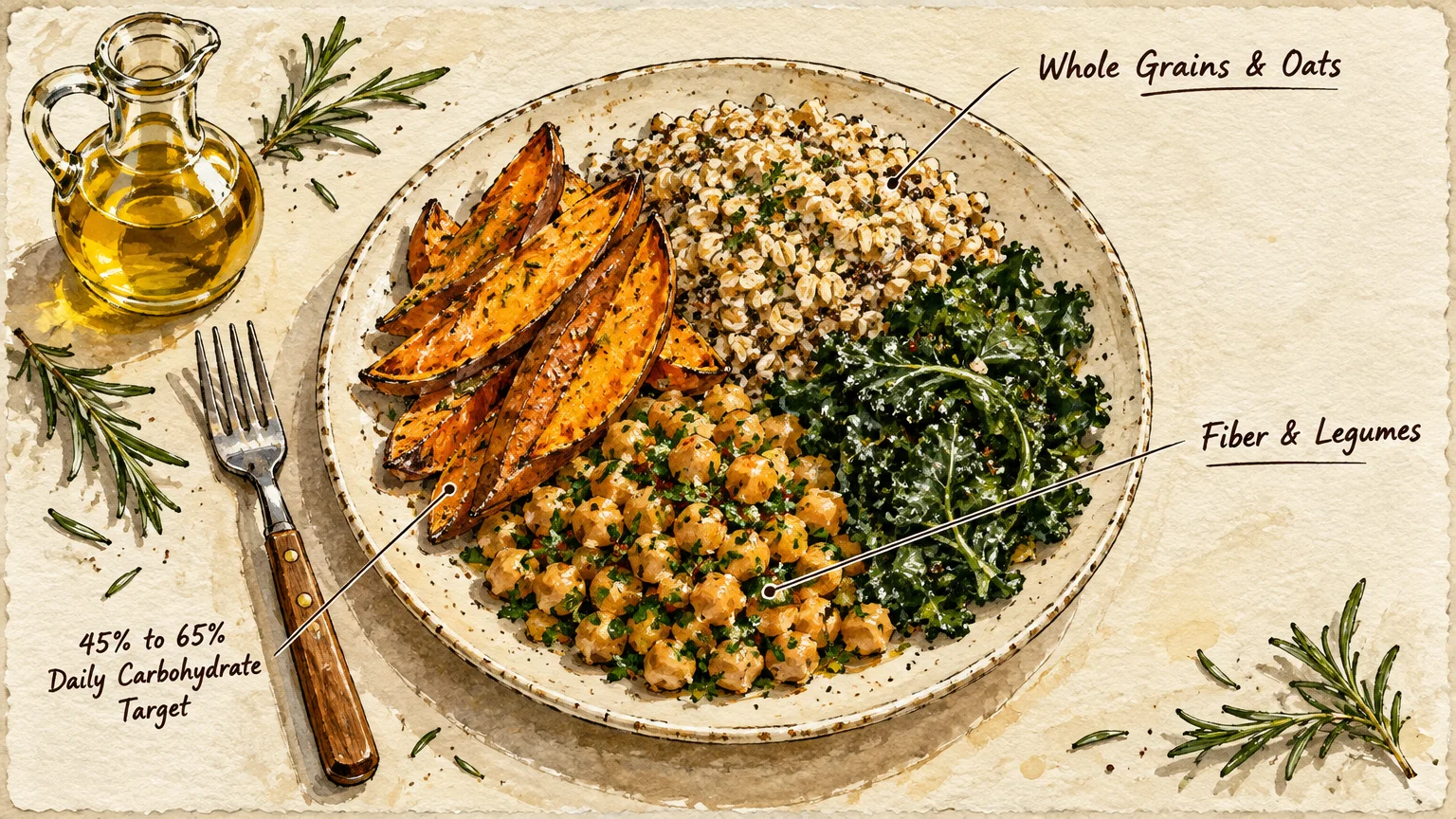
The National Academies of Sciences, Engineering, and Medicine (NASEM) sets the adult Recommended Dietary Allowance for carbohydrates at 130 grams per day just to fuel brain function. Their broader Acceptable Macronutrient Distribution Range recommends getting 45% to 65% of daily calories from carbohydrates.
Ultra-low-carb and ketogenic patterns drop carbohydrate intake below 10% of daily calories, or under 50 grams per day. While medical keto protocols serve specific neurological conditions, unsupervised carb elimination frequently triggers afternoon sluggishness and exercise intolerance.
Severe calorie slashing compounds this mental fog by forcing your thyroid and nervous system to conserve fuel. Both Harvard Health and Mayo Clinic advise against consuming fewer than 1,200 calories daily for women or 1,500 calories daily for men without medical supervision.
When intake falls below those safe floors, adaptive thermogenesis slows your resting metabolic rate to protect vital organs. Replacing fear of carbohydrates with modest portions of oats, beans, fruit, and whole grains restores cellular energy quickly.
2. Reliance on Packaged Foods Carrying a Health Halo
Filling your pantry with keto cookies, sweetened probiotic sodas, and fortified snack bars creates a false sense of security. Many processed items carry bold wellness claims on the front while delivering refined starches, industrial additives, and hidden sugars.
Data from the CDC National Center for Health Statistics shows that Americans age 1 and older consume 55.0% of their daily calories from ultra-processed foods. Adults age 19 and older still average 53.0% of their daily energy from these heavily engineered products.
An inpatient controlled trial conducted by the National Institutes of Health (NIH) revealed how strongly food processing drives overeating. Participants ate 508 more calories per day on an ultra-processed menu than on a matched unprocessed diet, gaining 0.9 kilograms in two weeks.
Federal regulators are actively cracking down on misleading front-of-package marketing. Under FDA nutrition labeling rules finalized in December 2024 with mandatory compliance by February 25, 2028, strict caps govern which items can display a healthy claim.
Qualifying individual foods must provide meaningful food-group value while staying around 5% Daily Value or less for added sugars and saturated fat, plus 10% Daily Value or less for sodium. Many sweetened yogurts, cereals, and snack bars will lose eligibility, while nuts, seeds, and salmon qualify.
If your meals rely heavily on shelf-stable bars and shakes, inspect the nutrition facts panel closely. Shifting back toward intact ingredients like plain yogurt, raw nuts, and fresh produce breaks the ultra-processed cycle.
3. Persistent Bloating, Sluggish Digestion, or Constipation
Swapping balanced meals for protein-heavy shakes and low-carb wraps often leaves your digestive tract starved for prebiotic roughage. According to the 2026 IFIC survey, 70% of Americans actively try to include protein, yet very few track fiber intake.
USDA nutrition data and a September 2026 report in the Journal of the American College of Cardiology show that only 5% to 6% of U.S. adults meet daily fiber targets. Adult women average 15.0 grams daily and men average 17.7 grams, well below recommended levels.
Women under 50 need 25 grams of fiber daily, while men under 50 need 38 grams; adults over 50 need 21 to 22 grams for women and 28 to 30 grams for men. Without enough soluble and insoluble fiber, stool transit slows and gut bacteria produce inflammatory byproducts.
Produce variety plays an equally vital role in digestive motility and microbiome diversity. While CDC data from September 2026 indicates that 69.9% of adults eat some fruit and 93.3% eat some vegetables daily, portion sizes remain far too small.
Earlier CDC surveillance found that just 12.3% of adults hit full fruit targets and only 10.0% met daily vegetable recommendations. On the flip side, jumping straight from 15 grams of fiber to 40 grams overnight causes painful gas and cramping.
Increase plant foods by roughly five grams every few days while drinking plenty of water. Pairing fermented foods like kefir or sauerkraut with cooked lentils, berries, and leafy greens supports smooth digestion without discomfort.
4. Hair Thinning, Brittle Nails, and Hormone Disruptions
Your hair follicles, skin barrier, and reproductive hormones treat severe restriction as an environmental emergency. When energy and essential fats drop too low, your body diverts limited protein and micronutrients toward heart and brain survival.
Harvard Health and Mayo Clinic note that overly aggressive calorie deficits increase risks for hair and nail thinning, electrolyte imbalances, gallstones, and irregular menstrual cycles. Below 1,000 calories per day, meeting daily vitamin and mineral requirements becomes mathematically impossible.
The NIH emphasizes that very-low-calorie diets under 800 calories daily require close physician monitoring due to serious medical complications. Even moderate restriction causes trouble if you eliminate dietary fat out of outdated fear of weight gain.
NASEM sets the healthy adult fat range at 20% to 35% of daily calories to support hormone synthesis and cellular membranes. Your body also needs dietary fat to absorb fat-soluble vitamins A, D, E, and K from colorful salads and cooked vegetables.
Dressing greens with extra-virgin olive oil, slicing avocado onto eggs, or eating fatty fish twice weekly protects endocrine balance. If your cycle becomes irregular or your hair sheds excessively, contact your doctor promptly to evaluate energy availability.
5. Escalating Food Anxiety and Social Isolation
Nutrition should expand your energy for living, not shrink your social calendar around rigid kitchen rules. When checking ingredient lists triggers panic or guilt, your eating pattern may be sliding toward disordered territory.
Coined in 1997, orthorexia nervosa describes an unhealthy fixation on pure or healthy eating that leads to malnutrition or social impairment. According to the National Eating Disorders Association (NEDA), orthorexia is not formally classified in the DSM-5-TR, yet its clinical impact is real.
A 2025 to 2026 scientific review estimates clinical orthorexia prevalence at 0.5% to 1.5%, with elevated orthorexic tendencies affecting 7.5% to 15% of people. Higher rates appear among nutrition students, dietitians, athletes, plant-based eaters, and heavy users of image-focused social media.
Broader eating disorder statistics underscore why ignoring food anxiety carries serious danger. The National Association of Anorexia Nervosa and Associated Disorders (ANAD) reports that 9% of Americans, or 28.8 million people, experience an eating disorder during their lifetime.
Eating disorders cause 10,200 U.S. deaths annually, yet fewer than 6% of affected individuals are medically diagnosed as underweight. You do not need to look fragile to suffer severe physical and psychological harm from obsessive food rules.
Turning down family dinners or carrying pre-weighed containers to restaurants signals that discipline has crossed into distress. Working with a registered dietitian trained in intuitive and flexible eating helps rebuild trust with food.
6. Unexplained Nausea, Kidney Stress, or Lab Abnormalities from Supplements
Swallowing handfuls of wellness capsules every morning can quietly push fat-soluble vitamins and trace minerals into toxic ranges. Many consumers assume over-the-counter powders carry zero risk, even when stacking multivitamins with fortified drinks and single-nutrient pills.
The NIH Office of Dietary Supplements publishes Tolerable Upper Intake Levels (ULs) established by NASEM to mark maximum safe daily ceilings. Exceeding these limits does not boost immunity; instead, it raises the odds of organ stress and nutrient imbalances.
For adults age 19 and older, the upper limit for vitamin D sits at 100 micrograms, or 4,000 IU, per day. Chronically surpassing that ceiling can trigger hypercalcemia and painful kidney stones.
Preformed vitamin A carries an adult upper limit of 3,000 micrograms daily, and excess intake during pregnancy raises birth defect risks. Iron caps out at 45 milligrams per day because higher doses irritate the digestive lining and risk accidental poisoning in children.
Zinc carries a 40-milligram daily limit since chronic megadosing sparks nausea, vomiting, and secondary copper deficiency. Other notable adult ceilings include 100 milligrams for vitamin B6, 2,000 milligrams for vitamin C, 1,000 milligrams for vitamin E, and 350 milligrams for supplemental magnesium.
Always review every capsule, gummy, and greens powder with your pharmacist or physician before adding another bottle. Lab-guided dosing ensures you correct verified deficiencies without overloading your liver or kidneys.
7. Muscle Loss or Rebound Weight Gain After Rigid Rules
Stepping on the scale after weeks of punishing salads and punishing cardio often reveals a frustrating plateau followed by rapid rebound weight gain. Extreme restriction forces your body to break down metabolically active muscle tissue alongside body fat.
Losing lean muscle lowers your daily calorie burn, setting you up for fast weight regain once strict rules inevitably snap. A sustainable weight-management plan aims for slow, steady fat loss while protecting strength and mobility.
Clinicians typically recommend a modest deficit of 500 to 750 calories below your Total Daily Energy Expenditure for gradual loss of 0.5 to 1 pound weekly. Pairing that gentle deficit with adequate protein preserves lean tissue far better than crash dieting.
The Dietary Guidelines for Americans, 2025–2030 suggest aiming for 1.2 to 1.6 grams of protein per kilogram of body weight daily, roughly 0.54 to 0.73 grams per pound. Spreading protein evenly across breakfast, lunch, and dinner maximizes muscle repair without sacrificing produce or whole grains.
Condition-Smart Food Strategy: Resetting Your Plate
Replacing diet warning signs with resilient nutrition requires structure without perfectionism. Focusing on food quality, realistic portions, and steady meal timing supports cardiometabolic health far better than short-term rules.
Balancing Whole Foods Without Rigid Perfection
Issued jointly by the USDA and the Department of Health and Human Services in January 2026, the Dietary Guidelines for Americans, 2025–2030 emphasize whole, minimally processed foods. At a 2,000-calorie baseline, daily targets include three servings of vegetables and two servings of fruit.
Those federal benchmarks also encourage three servings of dairy, two to four servings of whole grains, and balanced protein across meals. Rather than counting every calorie, visually dividing your plate keeps macronutrients aligned naturally.
Fill half your plate with colorful non-starchy vegetables, one-quarter with lean or plant-based protein, and one-quarter with fiber-rich grains or starchy tubers. Add a thumb-sized portion of olive oil, nuts, or seeds to support nutrient absorption and lasting fullness.
Federal guidelines also advise keeping saturated fat under 10% of daily calories and sodium below 2,300 milligrams per day for anyone age 14 and older. Added sugars offer no nutritional requirement, so keeping added sugars to 10 grams or less per meal prevents glucose spikes.
If you manage hypertension, diabetes, or heart disease, the American Heart Association recommends even tighter guardrails. Their heart-protective targets limit saturated fat to under 6% of daily calories, added sugars to roughly 6%, and optimal sodium to 1,500 milligrams daily.
Remember that consistency over an entire week matters infinitely more than a single snack or celebration meal. Leaving room for occasional enjoyment prevents the all-or-nothing rebound cycle that derails progress.
Smart Swaps for Your Daily Routine
Practical swaps turn abstract guidelines into effortless meals you look forward to eating. Instead of grabbing a sugary protein bar and black coffee at dawn, pair plain Greek yogurt with blueberries, rolled oats, and chopped walnuts.
That simple breakfast delivers quality protein, steady carbohydrates, gut-friendly fiber, and omega-rich fats with zero hidden additives. You will stay focused until midday without relying on caffeine alone to mask low blood sugar.
At lunch, trade a low-calorie packaged salad kit drenched in refined-oil dressing for a warm grain bowl. Toss cooked farro or brown rice with black beans, roasted bell peppers, shredded chicken or tofu, salsa, and sliced avocado.
For dinner, swap ultra-processed meat substitutes or plain steamed chicken breasts for baked salmon alongside roasted broccoli and sweet potato wedges. Seasoning dishes with garlic, lemon juice, smoked paprika, and fresh herbs builds bold flavor while keeping sodium well under daily limits.
Between meals, keep whole-food snacks easy to grab when hunger strikes. An apple with natural peanut butter, cucumber slices with hummus, or a handful of roasted almonds satisfies cravings without triggering blood sugar crashes.
The Lifestyle Layer: Beyond Your Fork
Food choices never operate in a vacuum inside human biology. Even an ideal menu struggles to keep you healthy if chronic stress, poor sleep, and isolation disrupt your nervous system.
Sleep, Stress, Movement, and Social Support
Short sleep alters hunger hormones within days, elevating ghrelin to drive cravings while blunting leptin so fullness feels elusive. Prioritizing seven to nine hours of consistent rest calms late-night sugar urges better than sheer willpower.
Chronic psychological stress keeps cortisol elevated, which promotes visceral fat storage and slows digestive motility. Simple daily pauses—such as ten minutes of deep breathing, stretching, or outdoor walking—help shift your gut back into rest-and-digest mode.
Rethink exercise as a celebration of capability rather than punishment for yesterday’s dinner. Combining regular strength training with brisk walking protects lean muscle mass, improves insulin sensitivity, and supports bone density.
Finally, cultivate supportive community habits around shared meals whenever possible. Cooking dinner with family or meeting a friend for coffee reinforces emotional nourishment alongside physical nutrition.

Monitoring Progress and Medical Red Flags
Listening to daily energy, digestion, and mood cues works best when paired with objective medical checkups. Routine lab monitoring confirms that your nutrition plan truly supports your underlying health conditions.
Biomarkers and Medication Considerations
Partner with your primary care physician and a credentialed specialist through the Academy of Nutrition and Dietetics to personalize your targets. A registered dietitian translates clinical guidelines into practical grocery lists tailored to your medical history.
Ask your doctor whether routine screening panels—including a complete blood count, comprehensive metabolic panel, lipid profile, thyroid panel, ferritin, vitamin D, and vitamin B12—make sense for you.
Note that vitamin B12 carries no upper limit and has an adult RDA of 2.4 micrograms, yet deficiency commonly strikes strict vegans and older adults.
Food and supplement habits can also alter how prescription medications behave inside your body. High-fiber meals, calcium-rich dairy, magnesium pills, and herbal extracts can bind certain thyroid, blood pressure, or antibiotic medications if taken simultaneously.
Never adjust prescription doses on your own based on a new diet trend. Always review new supplements, steep carbohydrate cuts, or rapid weight shifts with your prescribing clinician first.
Warning Signs That Require Immediate Care
Certain physical and emotional symptoms demand prompt medical evaluation rather than another tweak to your meal plan. Seek professional care if you experience missed menstrual periods, frequent dizziness, fainting spells, or chest palpitations.
Rapid, unexplained weight loss, persistent vomiting, severe abdominal pain, or sudden hair shedding also warrant thorough diagnostic testing. Likewise, reach out to a healthcare provider or counselor immediately if fear of eating controls your daily decisions.
Frequently Asked Questions
How can I eat well when dining out without obsessing over ingredients?
Scan restaurant menus ahead of time for balanced options featuring grilled or roasted protein, colorful vegetables, and whole-food starches. Ask for sauces and dressings on the side, enjoy your meal mindfully with company, and return to your usual routine at the next meal.
What are budget-friendly alternatives to pricey wellness foods?
Skip expensive superfood powders and buy frozen berries, canned beans, brown rice, rolled oats, eggs, and seasonal produce instead. Frozen vegetables retain peak nutrients at a fraction of fresh out-of-season prices and cut kitchen food waste dramatically.
When do supplements actually make sense instead of food alone?
Targeted supplements help when blood tests confirm a deficiency, during pregnancy, or when dietary exclusions block key nutrients like vitamin B12. Otherwise, whole foods deliver synergistic fiber, phytonutrients, and minerals that isolated pills cannot safely replicate.
How do I adapt these guidelines to my cultural or traditional foods?
Healthy eating fits every culinary tradition, from Latin American rice and beans to Mediterranean olive oil dishes and Asian stir-fries. Keep traditional spices, stews, and grains while balancing portion sizes and adding extra non-starchy vegetables to your plate.
Taking Your Next Step With Confidence
Lasting health grows out of steady, nourishing routines rather than rigid perfection or punishing food rules. By spotting early diet warning signs, you protect your metabolism, mental peace, and long-term vitality.
Share your health goals and any lingering symptoms with your physician or a registered dietitian at your next visit.
Pick just one supportive habit to track this week—such as adding one extra vegetable serving daily or eating a balanced breakfast—and build steadily from there.