You can enjoy your holiday feast while actively nourishing your body with powerful vitamins, minerals, and protective antioxidants. Traditional holiday staples provide remarkable metabolic and digestive benefits that rival everyday superfoods.
Instead of dreading post-meal sluggishness, you can view your holiday table as an opportunity to fuel your immune defenses and cellular repair. Many classic ingredients deliver concentrated compounds that support cardiovascular health and steady energy levels.
Embracing these seasonal dishes with scientific curiosity transforms how you celebrate at the dining table. Here is how your favorite seasonal recipes work behind the scenes to bolster your long-term vitality.
A Science Snapshot of Holiday Nutrition
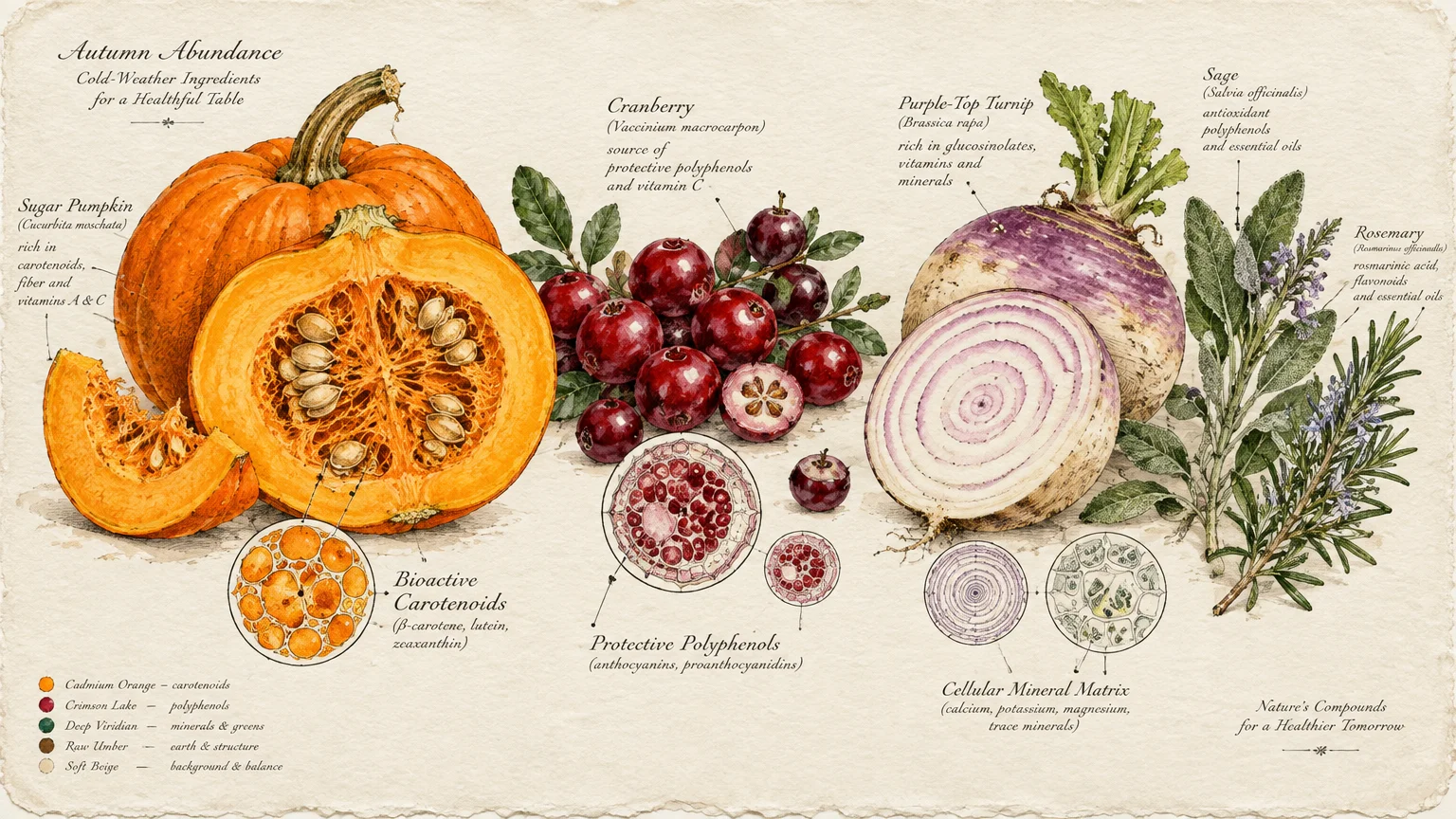
Holiday meals often carry an unfair reputation for dietary derailment; however, the raw ingredients tell a vastly different story. Whole seasonal foods feature extraordinary concentrations of bioactive plant compounds designed to protect against cellular stress.
When you sit down to a traditional Thanksgiving meal, your plate contains an array of botanical diversity rarely matched during the workweek. Root vegetables, colorful berries, aromatic herbs, and lean proteins assemble into an exceptionally balanced nutritional matrix.
Peer-reviewed evidence from the National Institutes of Health consistently highlights the cellular value of seasonal eating patterns. Cold-weather produce naturally concentrates carbohydrates, protective polyphenols, and essential minerals to survive dropping temperatures.
These concentrated nutrients directly benefit your systemic health by feeding beneficial gut microbes and modulating inflammatory cascades. Processing these whole foods through culinary roasting and gentle simmering makes many of these fat-soluble nutrients far easier to absorb.
Understanding the molecular advantages of these holiday staples allows you to cultivate food freedom while optimizing your physical wellness. You can celebrate vibrant cultural traditions and scientific nourishment simultaneously without compromise.
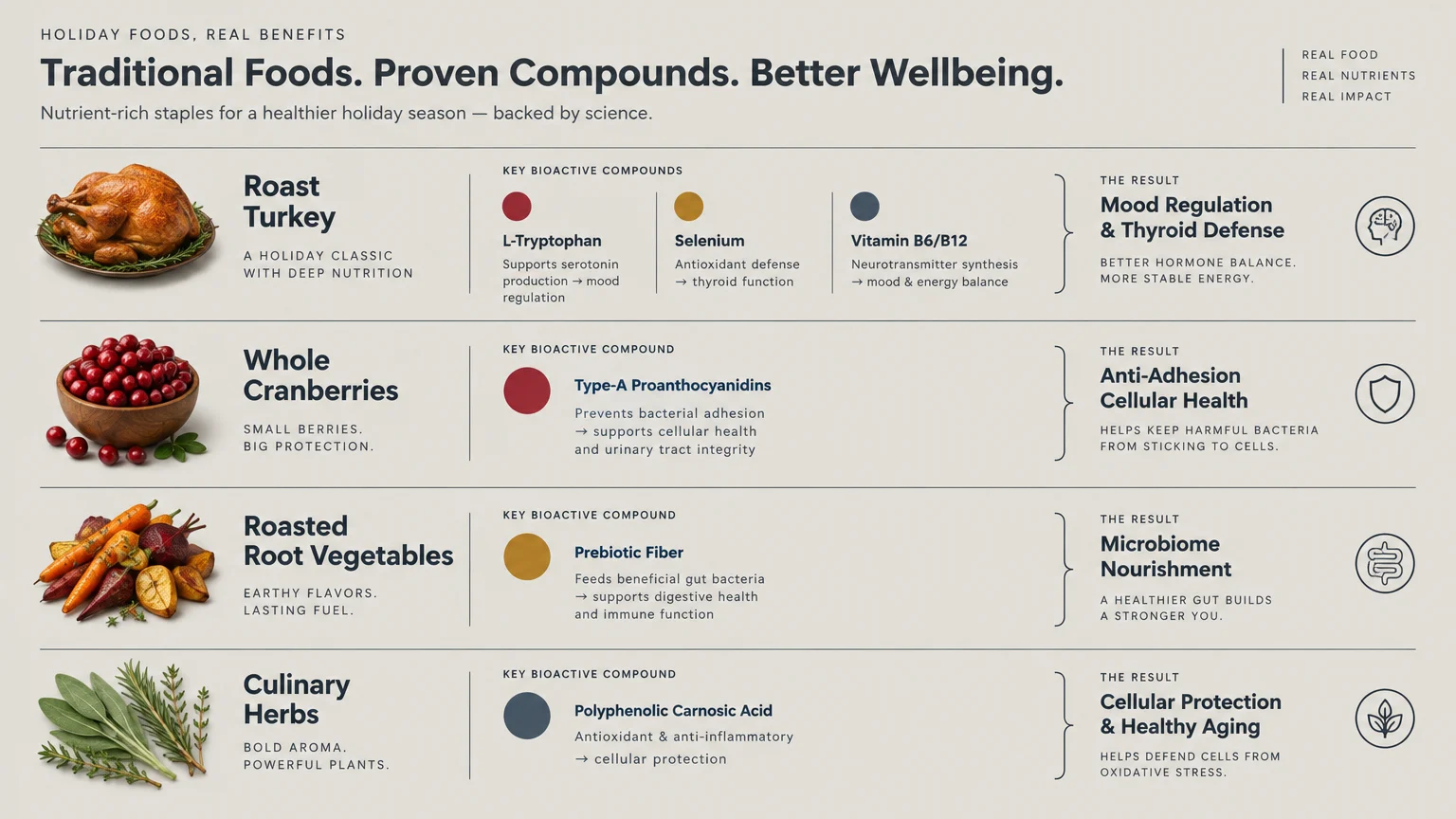
Ten Nutrient-Dense Thanksgiving Staples
1. Roast Turkey: Complete Protein and Mood Support
Roast turkey anchors the holiday table as an exceptional source of high-quality complete protein. Consuming adequate protein stimulates satiety hormones and stabilizes postprandial glucose levels.
This lean poultry delivers all nine essential amino acids required for tissue repair and enzymatic production. You support your muscle maintenance and immune cell synthesis with every savory serving.
Turkey is widely celebrated for its concentration of L-tryptophan, an essential amino acid and direct precursor to serotonin. Serotonin governs mood regulation and subsequently converts into melatonin to support restorative nocturnal sleep.
Beyond amino acids, turkey supplies robust amounts of bioavailable selenium and essential B vitamins. Selenium functions as an indispensable cofactor for antioxidant enzymes that protect your thyroid gland from oxidative damage.
Vitamin B6 and vitamin B12 work in synergy to facilitate cellular energy metabolism and red blood cell production. These micronutrients help your body extract usable fuel efficiently from your holiday feast.
Choosing roasted breast meat provides an exceptionally lean protein source with minimal saturated fat. Incorporating darker meat offers richer concentrations of iron and zinc to replenish depleted cellular reserves.
2. Whole Cranberries: Cellular Defense and Urinary Health
Whole cranberries deliver an extraordinarily concentrated dose of unique polyphenols known as type-A proanthocyanidins. These distinct botanical compounds possess powerful anti-adhesion properties that prevent pathogenic bacteria from binding to mucosal linings.
Clinical data confirms that these tart berries actively support urinary tract resilience and reduce microbial colonization. Your mucosal barriers throughout the digestive tract also benefit directly from these antimicrobial plant chemicals.
Cranberries rank among the highest fruit sources of anthocyanins, the pigments responsible for their deep ruby color. Anthocyanins neutralize reactive oxygen species and safeguard your vascular endothelium against lipid oxidation.
These acidic fruits also deliver significant amounts of vitamin C, which accelerates collagen synthesis and reinforces immune function. The vitamin C content remains notably stable when berries are gently simmered rather than boiled aggressively.
Furthermore, cranberries contain non-digestible pectin fibers that nourish beneficial gut bacteria residing in your lower intestine. These prebiotic fibers ferment into short-chain fatty acids that fortify your gut barrier.
To maximize these therapeutic advantages, prepare your sauce using whole fresh fruit sweetened naturally with orange zest or a modest splash of pure maple syrup. Commercial jellied alternatives strip away the fiber and overwhelm your system with refined sugars.
3. Sweet Potatoes: Sustained Energy and Vision Support
Sweet potatoes serve as a premier nutritional powerhouse, providing rich stores of complex carbohydrates and essential micronutrients. Their vibrant orange hue signals a high concentration of beta-carotene, a potent provitamin carotenoid.
Your body readily converts beta-carotene into active vitamin A, an indispensable micronutrient for optimal photoreceptor function and retinal integrity. Vitamin A also orchestrates cellular differentiation across your skin and internal mucous membranes.
According to dietary recommendations from the Academy of Nutrition and Dietetics, colorful root crops form the cornerstone of chronic disease prevention. Their diverse antioxidant spectrum quenches inflammatory markers throughout your circulatory system.
Sweet potatoes provide abundant soluble and insoluble dietary fibers that slow the enzymatic breakdown of starches. This balanced digestion prevents rapid blood glucose spikes and provides hours of steady, dependable energy.
These tubers also deliver generous quantities of potassium, an intracellular electrolyte that balances dietary sodium and maintains healthy blood pressure levels. Potassium facilitates proper nerve impulse transmission and muscular contraction throughout the day.
Keep the skins intact during roasting to preserve the highest concentration of protective fiber and trace minerals. Pairing sweet potatoes with a drizzle of olive oil enhances the bioavailability of fat-soluble beta-carotene.
4. Pumpkin: Fiber-Dense Digestive and Skin Wellness
Culinary pumpkin provides an astonishingly high density of micronutrients relative to its gentle caloric footprint. This versatile autumn squash contains exceptional amounts of lutein and zeaxanthin, two specialized carotenoids that protect ocular tissue.
Lutein and zeaxanthin selectively accumulate in the macula of your eye, where they filter damaging high-energy light waves. Regular consumption of these pigments defends delicate retinal cells against long-term light-induced degradation.
Pumpkin flesh is packed with soluble fiber that absorbs water in the gastrointestinal tract, forming a gentle protective gel. This gel slows gastric emptying, promoting profound satiety and supporting comfortable, consistent digestive transit.
The high potassium-to-sodium ratio found naturally in pumpkin encourages cellular fluid balance and eases arterial wall tension. Your heart works more efficiently when balanced mineral intake reduces cardiovascular workload.
Pumpkin also supplies bioavailable copper, manganese, and vitamin E, which collaborate to defend dermal lipids from environmental stress. These trace elements stimulate collagen cross-linking to maintain vibrant, resilient skin texture.
Utilize pure canned pumpkin puree or fresh roasted squash in your seasonal soups, curries, and side bakes. Avoid pre-sweetened pie fillings laden with corn syrup, which obscure the authentic restorative properties of this native squash.
5. Brussels Sprouts: Sulfur Compounds for Detoxification
Brussels sprouts belong to the storied brassica botanical family, revered by clinical researchers for its exceptional disease-fighting potential. These compact green globes contain high concentrations of glucosinolates, sulfur-rich compounds with potent biological activity.
When you chew or chop Brussels sprouts, plant enzymes convert glucosinolates into active isothiocyanates, including sulforaphane. Sulforaphane activates the master antioxidant response pathway, stimulating your liver to neutralize toxic metabolites and environmental chemicals.
A comprehensive research review by the National Cancer Institute underscores the role of cruciferous vegetables in cellular protection. Their bioactive metabolites promote programmed cell clearance and defend genetic material against oxidative alterations.
Brussels sprouts also provide a remarkable surge of phylloquinone, better known as vitamin K1. Vitamin K1 acts as a mandatory enzymatic cofactor for proteins that regulate blood clotting and lock calcium safely into bone mineral matrix.
In addition to micronutrients, these sprouts supply dense structural fiber that stimulates the production of beneficial bifidobacteria in your colon. A resilient microbial ecosystem improves digestive tolerance and supports systemic immune vigilance.
Toss halved sprouts with extra virgin olive oil, minced garlic, and cracked pepper before roasting them at high heat. Roasting caramelizes natural sugars, neutralizing bitter flavors without degrading sensitive therapeutic isothiocyanates.
6. Green Beans: Gentle Fiber and Bone-Strengthening Silicon
Green beans offer an accessible, light vegetable foundation that counterbalances the heavier components of the Thanksgiving meal. They contain negligible calories while supplying abundant dietary fiber that maintains gastrointestinal motility.
These tender legumes are an underappreciated dietary source of bioavailable silicon, an essential trace element for connective tissue integrity. Silicon acts synergistically with calcium and magnesium to support bone mineral density and arterial flexibility.
Green beans also provide an impressive spectrum of protective flavonols, particularly quercetin and kaempferol. These antioxidant compounds shield endothelial cells from systemic inflammation and help preserve vascular elasticity.
Unlike dried beans, fresh green pods contain minimal oligosaccharides, making them remarkably easy on sensitive digestive systems. You can consume generous portions without experiencing the uncomfortable bloating often associated with other legumes.
Furthermore, green beans provide meaningful quantities of folate, a water-soluble B vitamin required for cellular replication and DNA synthesis. Folate ensures that rapidly dividing cells throughout your body repair and replenish themselves efficiently.
Elevate your holiday green beans by lightly blistering them in a skillet with slivered almonds and fresh lemon juice. This simple preparation avoids heavy commercial cream soups while delivering crunch, healthy fats, and uncompromised micronutrients.
7. Pecans and Walnuts: Brain-Boosting Essential Fats
Pecans and walnuts provide the holiday table with concentrated sources of healthy monounsaturated and polyunsaturated fatty acids. These nutrient-dense tree nuts offer structural fats that nourish neuronal membranes and optimize brain function.
Walnuts are uniquely endowed with alpha-linolenic acid, an essential plant-derived omega-3 fatty acid. Alpha-linolenic acid exhibits pronounced anti-inflammatory activity throughout your circulatory system and supports optimal vascular tone.
Clinical dietary guidelines published by the American Heart Association strongly encourage regular nut consumption for long-term cardiovascular resilience. The specific lipid profile of tree nuts helps optimize cholesterol fractions and promotes clean arterial pathways.
Pecans feature an exceptionally dense polyphenol matrix, particularly rich in gamma-tocopherol, a specialized form of vitamin E. Gamma-tocopherol traps reactive nitrogen species, shielding your lipid membranes and LDL particles from destructive oxidation.
Both nuts contain notable amounts of dietary L-arginine, an amino acid that converts into nitric oxide inside your blood vessels. Nitric oxide signals vascular smooth muscle to relax, promoting smooth blood flow and healthy blood pressure.
Incorporate whole or chopped nuts into roasted vegetable dishes, fresh autumn salads, or rustic fruit crisps. Enjoying them raw or lightly toasted preserves their delicate polyunsaturated fatty acids from heat-induced rancidity.
8. Carrots and Root Vegetables: Prebiotic Inulin and Vascular Support
Carrots and related root vegetables like parsnips bring rustic depth and profound biological value to autumn roasting pans. They are rich in bioactive polyacetylenes, including falcarinol and falcarindiol, which exhibit natural anti-inflammatory and cellular protective effects.
These root crops contain both soluble pectin and insoluble cellulose fibers that bulk the stool and assist healthy elimination. Soluble pectin also binds bile acids in your digestive tract, encouraging your liver to clear circulating cholesterol.
Parsnips contribute substantial amounts of prebiotic inulin, a non-digestible carbohydrate that feeds beneficial Bifidobacterium species. Flourishing populations of these friendly bacteria protect the intestinal lining and suppress opportunistic microbial overgrowth.
Root vegetables also provide ample vitamin C, pantothenic acid, and manganese to reinforce energy production cascades. These trace cofactors empower your cellular mitochondria to convert dietary macronutrients into usable ATP energy.
Carrots supply alpha-carotene alongside beta-carotene, offering dual carotenoid protection for cardiovascular and metabolic tissues. Scientific surveys link higher circulating levels of alpha-carotene with extended longevity and lower all-cause cellular stress.
Roast your root vegetables slowly with aromatic woody herbs and cold-pressed avocado oil until tender. The gentle thermal breakdown of cell walls releases bound carotenoids, multiplying their absorption potential significantly.
9. Culinary Herbs: Concentrated Polyphenols and Flavor
Fresh culinary herbs like sage, thyme, and rosemary serve as far more than aromatic garnishes on your holiday platter. These traditional seasoning plants contain some of the highest polyphenol concentrations per gram found anywhere in nature.
Rosemary and sage contain carnosic acid and rosmarinic acid, two phenolic diterpenes with exceptional antioxidant capabilities. These compounds protect vital lipid structures and exhibit profound neuroprotective properties in scientific models.
Thyme delivers thymol, an essential volatile oil celebrated for its broad-spectrum antimicrobial and digestive antispasmodic qualities. Thymol relaxes gastrointestinal smooth muscle, easing digestive cramps and relieving post-meal gaseous distension.
Marinating poultry and vegetables with fresh chopped herbs significantly reduces the formation of heterocyclic amines during high-heat roasting. The herb polyphenols intercept free radicals before they alter food chemistry, safeguarding your cellular health.
Culinary herbs also provide carminative properties that stimulate digestive enzyme secretion from your stomach and pancreas. Enhanced enzyme release ensures thorough macronutrient breakdown, sparing you from sluggish postprandial fatigue.
Generously layer whole herb bundles into poultry cavities and finely chop fresh leaves into seasonal stuffings and vegetable roasts. Utilizing fresh whole herbs elevates flavor complexity while eliminating the need for excessive dietary sodium.
10. Mushrooms: Immune Modulation and Ergothioneine
Cultivated and wild mushrooms frequently grace Thanksgiving stuffings, gravies, and roasted vegetable medleys. These remarkable fungi provide a nutritional profile entirely distinct from both plant and animal kingdoms.
Mushrooms are the premier dietary source of L-ergothioneine, an extraordinary antioxidant with its own dedicated transport system inside human cells. Ergothioneine selectively accumulates in tissues subject to high oxidative stress, including your red blood cells, kidneys, and liver.
Fungi cell walls are rich in beta-glucans, unique polysaccharide fibers that interact directly with innate immune receptors in your intestinal wall. This interaction primes your white blood cells, heightening cellular defense against pathogens without inducing harmful systemic inflammation.
Mushrooms also supply abundant bioavailable selenium, copper, and niacin to bolster antioxidant enzyme cascades. They deliver meaningful trace minerals that work behind the scenes to support energy production and DNA repair.
Furthermore, mushrooms provide rich natural glutamates that produce profound culinary umami, imparting deep savory satisfaction to holiday dishes. This natural savoriness allows you to craft deeply flavorful gravies and sides using significantly less table salt.
Brown your mushrooms thoroughly in a hot skillet with a touch of olive oil and minced shallots before incorporating them. Browning caramelizes their amino acids and sugars, unlocking therapeutic compounds and intensifying earthy flavor notes.
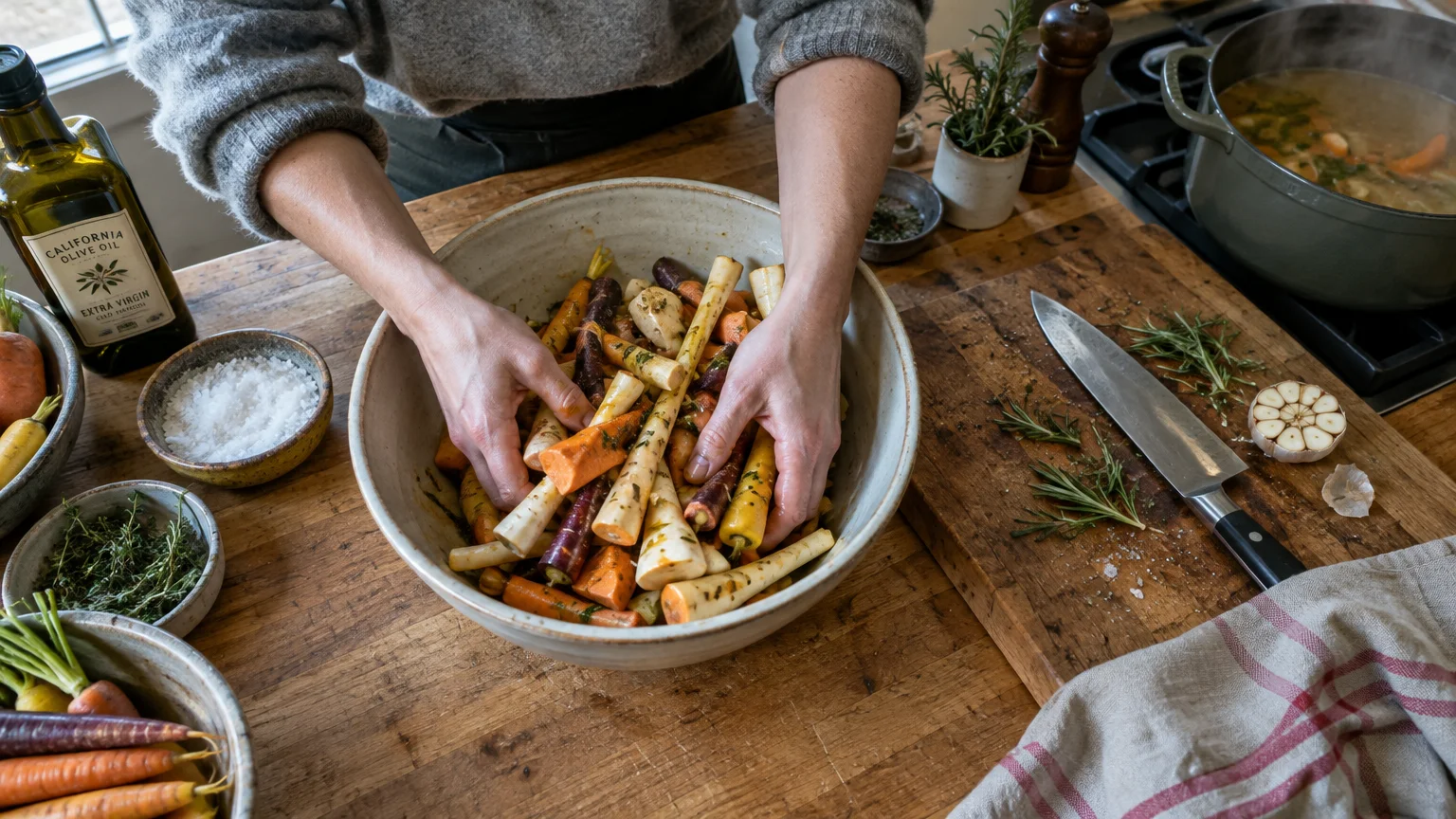
Practical Holiday Strategy Pillars
Mindful Meal Planning
Approaching your holiday table with intention eliminates anxiety and optimizes digestive ease. You can build your ideal holiday plate by surveying all available dishes before serving yourself.
Fill half your plate with colorful roasted vegetables, fresh green sides, and tart cranberry compotes. Reserve one quarter of your plate for nourishing roast turkey and the remaining quarter for your favorite holiday starches.
This simple spatial arrangement ensures you enjoy every traditional favorite while naturally securing abundant micronutrients and fiber. You support steady gastric emptying and avoid rapid glycemic fluctuations that cause extreme post-meal lethargy.
Strategic Nutrient Layering
Nutrient layering involves enhancing traditional recipes with functional ingredients rather than substituting or compromising authentic flavors. You elevate the nutrient density of familiar family dishes without sacrificing culinary heritage.
Fold pureed pumpkin or sautéed leeks directly into mashed potatoes to boost potassium and prebiotic fiber. Stir toasted walnut pieces and chopped fresh rosemary into rustic grain stuffings for essential fatty acids and cellular defense.
Add vibrant orange zest and fresh ginger into cranberry sauces to introduce bioactive gingerols and limonene. These effortless culinary upgrades multiply the protective plant compounds on your plate with minimal extra kitchen preparation.
Sustainable Habit Formation
Your long-term metabolic health is shaped by daily routines rather than a single celebratory afternoon meal. Cultivating mindful eating habits during the holidays preserves your digestive comfort and mental peace.
Chew your food thoroughly and set your fork down between bites to engage natural satiety feedback mechanisms. Savoring the complex textures and seasonal aromas allows your brain sufficient time to register fullness signals.
Pair your celebratory meal with adequate water intake and an easy walk through your neighborhood after eating. Physical movement utilizes circulating blood glucose immediately and facilitates comfortable digestive transit.

Expert and Lived Perspectives
Clinical dietitians consistently emphasize that holiday meals should provide joy, connection, and restorative nourishment rather than shame. Scientific guidance from the Centers for Disease Control and Prevention highlights the value of sustainable, balanced lifestyle patterns over restrictive seasonal dieting.
Dietary specialists point out that severe restriction prior to a holiday meal frequently backfires into uncomfortable binge eating. Eating regular, balanced meals leading up to Thanksgiving dinner maintains steady blood sugar and prevents ravenous hunger.
Community members who have navigated chronic metabolic conditions emphasize the power of gentle perspective shifts. Viewing holiday dishes through an inclusive lens of abundance and vitality replaces stress with deep culinary appreciation.
When you focus on the protective vitamins and fibers present across the Thanksgiving spread, celebration becomes an act of self-care. Nourishing your body alongside family and friends strengthens emotional bonds and physical health simultaneously.
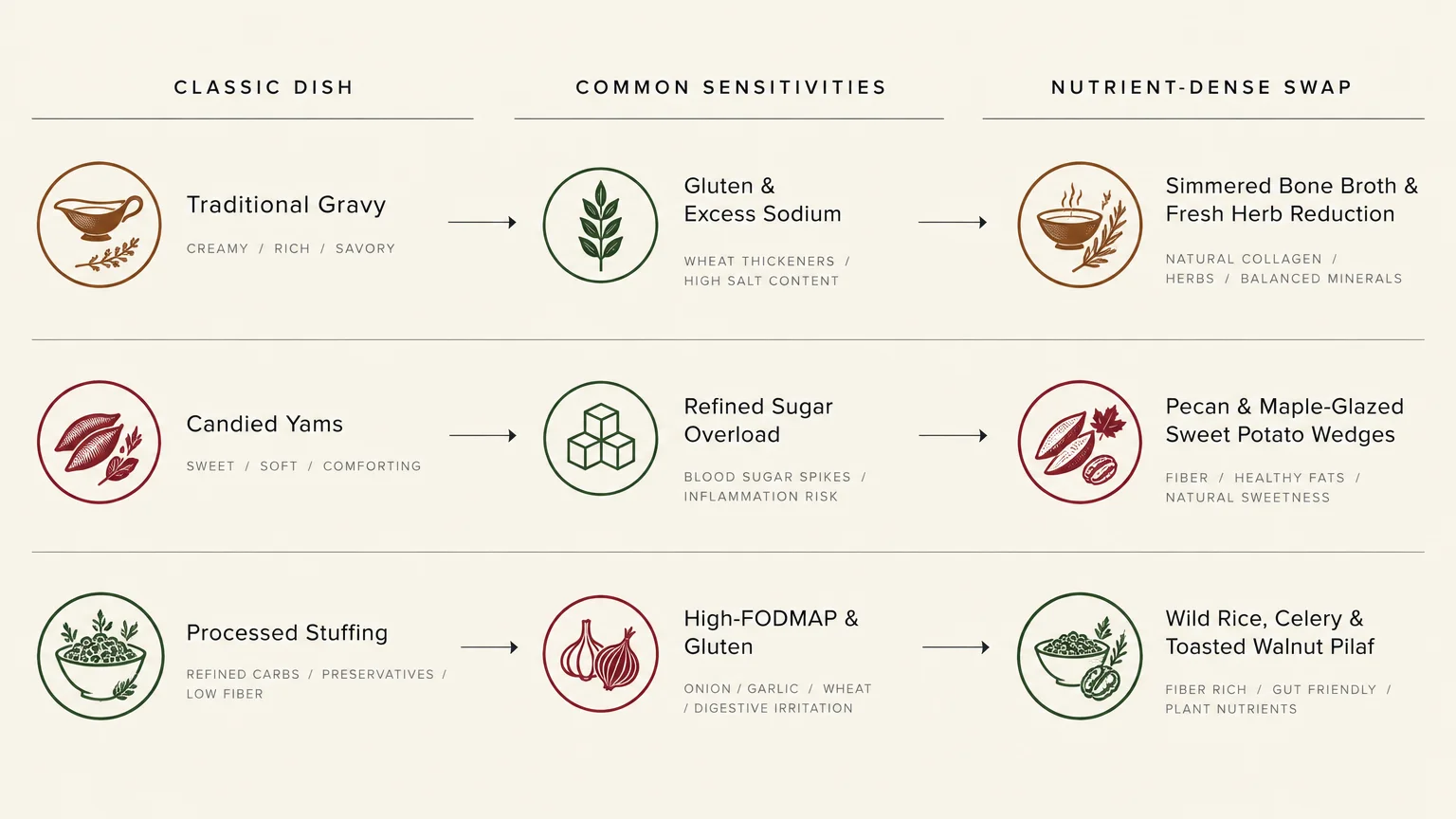
Safety, Allergies, and Personalization
Navigating holiday feasts safely requires attention to food preparation protocols, individual dietary tolerances, and potential allergens. Cross-contact represents a significant concern for individuals managing severe tree nut, soy, or dairy sensitivities.
If you or your guests live with celiac disease, prepare gluten-free stuffings and gravies in dedicated, sanitized cookware. Labeling allergen-safe dishes clearly on the buffet line prevents accidental cross-contamination and grants peace of mind.
Individuals managing chronic kidney conditions must monitor dietary potassium and phosphorus concentrations found abundantly in sweet potatoes and nuts. Moderating portion sizes and working closely with a clinical renal dietitian ensures safe seasonal enjoyment.
Those taking anticoagulant medications like warfarin must maintain consistent daily intakes of dietary vitamin K1. Abrupt spikes in cruciferous vegetables like Brussels sprouts can interfere with medication efficacy, requiring steady, measured consumption.
Always practice strict food safety by refrigerating leftover meats and perishable sides within two hours of serving. Prompt refrigeration arrests bacterial multiplication and ensures that your nutrient-dense holiday leftovers remain wholesome and safe.
Frequently Asked Questions
Does eating turkey really make you excessively sleepy?
Turkey contains L-tryptophan, but the meat alone does not induce overwhelming sleepiness. Post-meal drowsiness stems primarily from consuming massive carbohydrate loads alongside heavy fats, which diverts substantial blood flow toward digestion.
The resulting glycemic swing triggers a large insulin surge that clears competing amino acids, allowing tryptophan to cross into the brain. To maintain vibrant energy, balance your turkey portions with abundant vegetables rather than excessive starches.
How can I make cranberry sauce healthier without sacrificing flavor?
You can dramatically cut refined sugar while enhancing flavor complexity by simmering fresh cranberries with whole citrus fruit. Add fresh orange juice, finely grated zest, and a warm cinnamon stick directly into the simmering berries.
The natural citrus pectin thickens the sauce beautifully while organic fruit acids soften the natural bitterness of the cranberries. Sweeten gently with pure maple syrup or raw honey at the very end of cooking.
Can people with diabetes safely enjoy sweet potato casserole?
People managing diabetes can certainly enjoy sweet potatoes by modifying traditional, overly sugary casserole preparations. Skip marshmallow toppings and refined brown sugar, which cause rapid and unpredictable blood glucose spikes.
Instead, roast sweet potato rounds with a drizzle of cold-pressed olive oil, cracked pecans, and ground cinnamon. The healthy fats, fiber, and cinnamon work synergistically to slow carbohydrate absorption and maintain balanced glycemic control.
What is the most effective way to handle holiday food guilt?
You can dissolve food guilt by recognizing that one single meal cannot make or break your overall metabolic health. Your body possesses highly sophisticated metabolic machinery designed to process diverse seasonal foods smoothly and efficiently.
Shift your attention away from restriction and focus entirely on savoring family traditions, festive scents, and colorful nourishment. Food serves social, emotional, and biological purposes that all contribute meaningfully to a healthy life.
Your Next Steps for a Nourishing Celebration
Transforming your holiday wellness requires taking simple, manageable steps rather than overhauling your entire celebratory routine. You possess the scientific knowledge to appreciate your holiday table as a source of remarkable healing power.
Within the next 24 hours, select one whole-food vegetable side dish from this list to feature on your menu. Whether you roast Brussels sprouts with garlic or craft a homemade cranberry compote, commit to celebrating its natural health benefits.
Gather your loved ones, fill your plate with colorful seasonal nourishment, and relish every wholesome bite. Your holiday feast is an exceptional opportunity to fuel your vitality, support your longevity, and savor seasonal abundance.