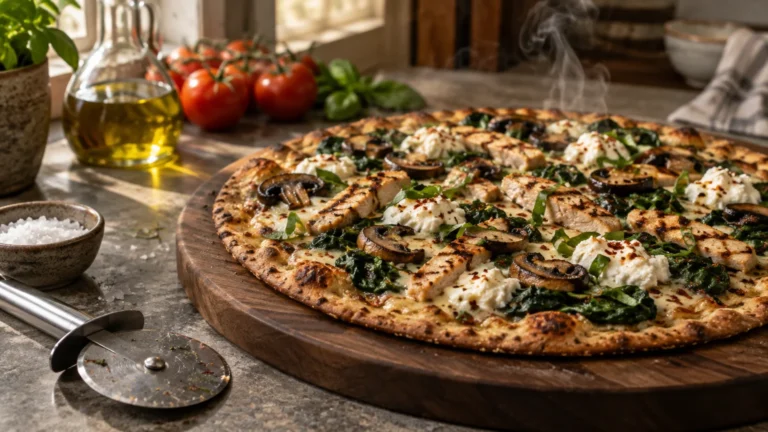
Tossing and turning at midnight often traces back to what landed on your dinner plate or snack bowl hours earlier. Certain nutrients keep your brain wired, spike stress hormones, or push stomach acid upward when you lie flat.
By adjusting your evening menu and meal timing, you can protect deep sleep cycles without overhauling your entire diet. This guide walks you through six key foods to skip before bed and practical swaps that support lasting rest.
Why Your Evening Plate Shapes Your Sleep Architecture
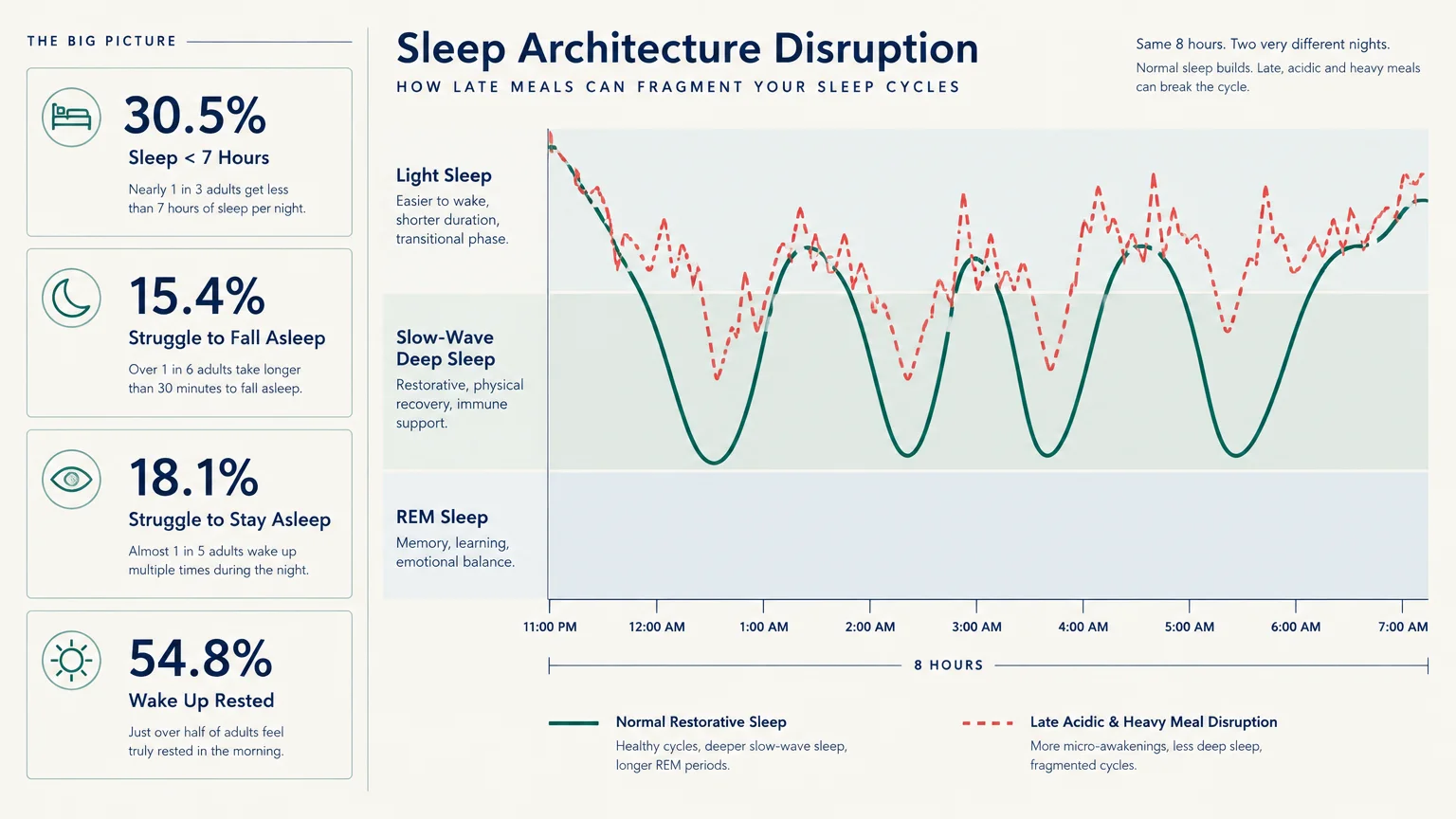
Short and fragmented sleep affects millions of Americans every night. Federal survey data from the Centers for Disease Control and Prevention National Center for Health Statistics shows 30.5% of U.S. adults sleep under seven hours per 24-hour period.
In that same 2024 National Health Interview Survey report, 15.4% of adults struggled to fall asleep and 18.1% struggled to stay asleep. Women faced nighttime awakenings more often than men, and only 54.8% of adults regularly woke up feeling well-rested.
Faced with ongoing fatigue, many people turn to quick fixes. Companion 2024 survey data revealed that 12.9% of U.S. adults used prescription medications, over-the-counter supplements, or cannabis products most days or every day to fall asleep.
The American Academy of Sleep Medicine and the CDC advise at least seven hours of nightly rest for adults ages 18 to 60. Older adults generally need seven to nine hours from ages 61 to 64 and seven to eight hours afterward.
Your digestive tract and your internal body clock run on tightly linked daily rhythms. When you eat heavy, stimulating, or acidic foods close to bedtime, your body diverts energy toward digestion instead of nighttime repair.
Sleep progresses through distinct stages, moving from light rest into restorative slow-wave sleep and dream-rich rapid eye movement, or REM, sleep. Nutrients you swallow after dusk directly influence brain neurotransmitters, core body temperature, blood sugar stability, and esophageal muscle tone.
Even when a late meal does not wake you completely, subtle digestive stress can pull you out of deep sleep. Over time, those micro-arousals leave you groggy despite spending enough hours under the covers.
Six Foods and Drinks Dietitians Recommend Skipping Before Bed
Registered dietitians look at both chemistry and timing when troubleshooting restless nights. Cutting out the six categories below during evening hours removes the most common dietary roadblocks to deep, uninterrupted sleep.
1. Caffeinated Drinks and Dark Chocolate
Coffee, black or green tea, colas, and energy drinks top the list of sleep disruptors because caffeine blocks adenosine, the brain chemical that builds sleep pressure all day. Even if you fall asleep normally, leftover caffeine reduces restorative sleep depth.
According to U.S. Food and Drug Administration caffeine guidance, up to 400 milligrams daily—roughly two to three 12-ounce cups of coffee—is generally safe for healthy adults. During pregnancy, medical organizations including ACOG and the WHO advise lowering that limit to 200 milligrams.
Timing matters far more than most coffee drinkers realize. Caffeine carries an average half-life of roughly five hours, ranging from two to ten hours in healthy adults and stretching to 15 to 18 hours during the third trimester of pregnancy.
A 2023 systematic review of 24 controlled trials in Sleep Medicine Reviews found caffeine trimmed total sleep by 45 minutes and cut sleep efficiency by 7%. Participants also lost 11.4 minutes of deep sleep and took nine minutes longer to drift off.
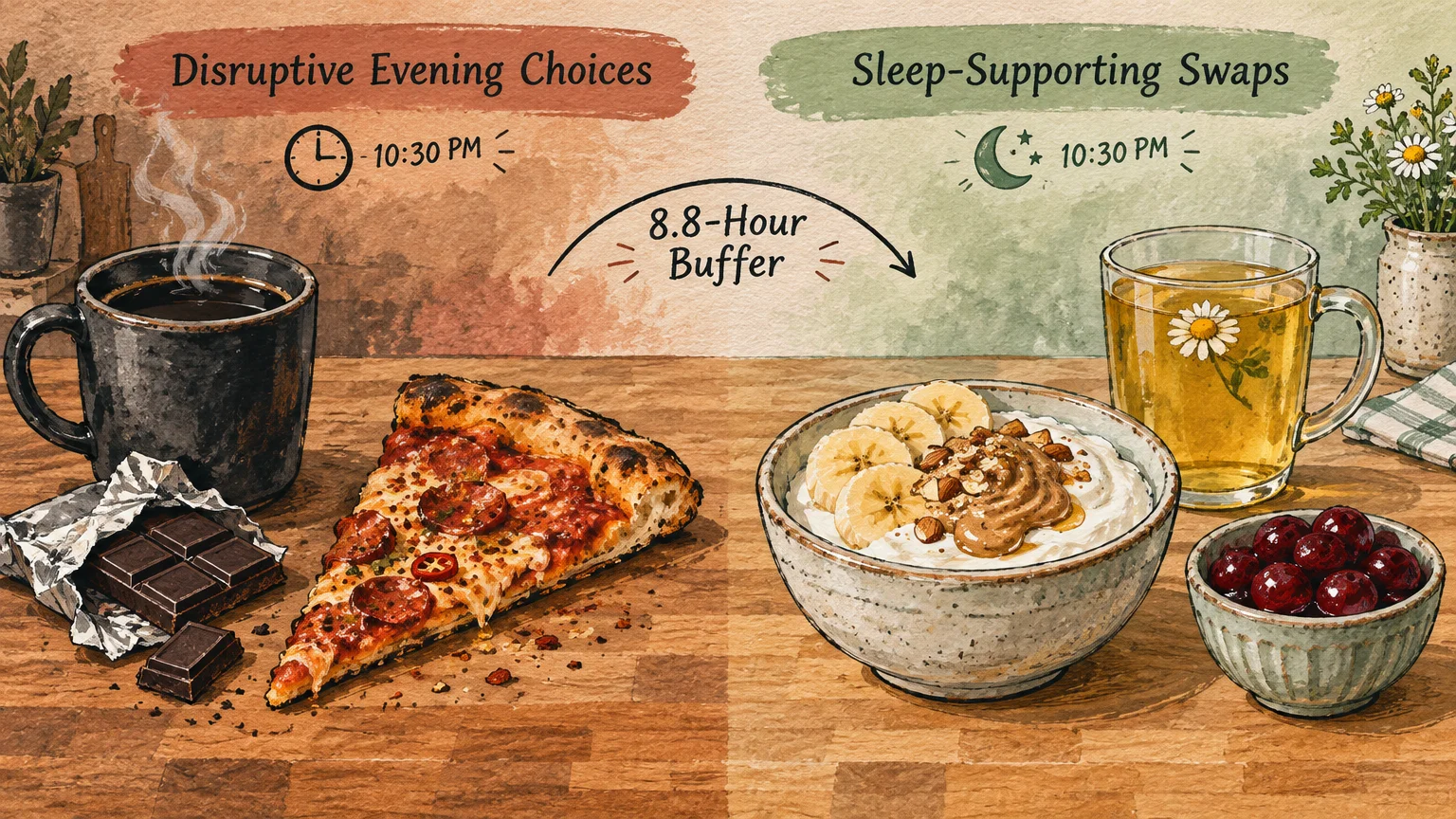
Researchers calculated that a standard 107-milligram cup of coffee needs an 8.8-hour buffer before bedtime to avoid sleep loss. High-dose pre-workout formulas delivering 217.5 milligrams require at least 13.2 hours to clear sufficiently.
Earlier clinical testing in the Journal of Clinical Sleep Medicine showed 400 milligrams of caffeine taken six hours before bed slashed total sleep by over an hour. Remarkably, participants often failed to perceive how badly their sleep suffered.
Watch for hidden caffeine in after-dinner desserts, too. USDA FoodData Central figures show 70% to 85% cacao dark chocolate averages 80 milligrams of caffeine per 100 grams, or about 23 milligrams per ounce, alongside ten times more stimulant theobromine.
Even 45% to 59% dark chocolate delivers roughly 12 milligrams per ounce, while milk chocolate carries about six milligrams and white chocolate contains zero. Swapping dark chocolate squares for caffeine-free herbal tea protects your evening adenosine buildup.
2. Alcohol and Late-Night Cocktails
A glass of wine or a nightcap often feels relaxing at first because alcohol acts as a temporary sedative. However, once your liver begins metabolizing that drink, your brain experiences rebound wakefulness during the second half of the night.
A 2025 meta-analysis of 27 controlled studies in Sleep Medicine Reviews confirmed that presleep alcohol delays REM sleep onset and reduces total REM duration. Measurable disruption appeared even at low doses of roughly two standard drinks or less.
Only higher doses shortened the time needed to fall asleep. Earlier clinical reviews in Alcoholism: Clinical & Experimental Research also showed alcohol relaxes airway muscles, worsening snoring and sleep apnea.
Sleep clinicians generally advise finishing any alcoholic beverage three to four hours before lying down. That window gives your body adequate time to clear alcohol before your primary sleep cycles begin.
Updated federal nutrition standards mirror this cautious view. The Dietary Guidelines for Americans for 2025 to 2030 dropped numerical daily drink caps and now advise consuming less alcohol overall, avoiding it completely during pregnancy or alongside interacting medications.
3. Added Sugars, Refined Carbs, and Ultra-Processed Snacks
Ice cream, pastries, candy, and white-flour snacks create a blood sugar rollercoaster right as your body tries to power down. Rapid glucose spikes trigger strong insulin surges, followed by sudden drops that signal your adrenal glands to release cortisol and adrenaline.
Those stress hormones wake your brain to restore blood sugar, pulling you out of steady slumber. Controlled inpatient testing of 26 normal-weight adults published in the Journal of Clinical Sleep Medicine linked higher sugar and low-fiber carbohydrate intake directly to nighttime arousals.
Large population research supports these lab findings. An NHLBI-funded analysis of 77,860 postmenopausal women in the American Journal of Clinical Nutrition found those eating the highest glycemic diets were 11% more likely to report baseline insomnia.
Over three years of follow-up, women consuming the most added sugars and refined grains also faced a 16% higher risk of developing new insomnia. Choosing intact, fiber-rich foods at dinner predicted deeper slow-wave sleep in controlled trials instead.
Packaged convenience snacks pose an extra hurdle because ultra-processed foods supply roughly 57.9% of calories in typical U.S. diets. A 2024 analysis of 38,570 adults in the Journal of the Academy of Nutrition and Dietetics tied higher ultra-processed food intake to chronic insomnia.
Current federal dietary guidance recommends avoiding added sugars and non-nutritive sweeteners altogether, capping added sugar at 10 grams per meal. For packaged snacks, aim for grain options with five grams or less of added sugar and dairy picks with 2.5 grams or less.
4. High-Fat, Fried, and Heavy Cream Meals
Double cheeseburgers, fried chicken, loaded nachos, and rich Alfredo sauces sit heavily in your stomach long after you turn off the lights. Dietary fat slows gastric emptying, forcing your digestive tract to churn while your brain seeks rest.
Fatty dishes also affect how deeply you sleep once you doze off. In controlled inpatient research reported in the Journal of Clinical Sleep Medicine, participants who ate higher percentages of saturated fat logged noticeably less deep slow-wave sleep.
To support cardiovascular and metabolic health, the 2025 to 2030 federal nutrition guidelines maintain a limit keeping saturated fat below 10% of total daily calories. Shifting saturated-fat-heavy foods earlier in the day helps protect your nighttime recovery.
Digestive anatomy explains the second problem with late fried meals. According to clinical guidance from the American College of Gastroenterology, high-fat meals consistently trigger nocturnal reflux because fat relaxes the lower esophageal sphincter.
When that muscular valve loosens while you recline, stomach acid washes upward into your esophagus. Even mild heartburn causes silent micro-awakenings that fracture your sleep architecture without always waking you fully.
5. Spicy Dishes and Chili-Heavy Sauces
Fiery wings, chili-laden curries, and extra hot sauce interfere with sleep through two distinct pathways: heartburn and body heat. Capsaicin, the active compound in chili peppers, irritates esophageal tissue and slows comfortable digestion at night.
Your core temperature naturally begins dropping about two hours before bedtime to signal sleep readiness. Anything that keeps your body warm works directly against that cooling cascade and delays restful sleep stages.
A small controlled laboratory study in the International Journal of Psychophysiology tested evening meals seasoned with Tabasco sauce and mustard. Researchers observed elevated core body temperatures during the first sleep cycle, alongside reduced slow-wave sleep, less stage 2 sleep, and longer wakefulness.
Gastroenterology surveys underscore how frequently spices disrupt nighttime comfort. In 2025 reflux literature, 85% of surveyed patients identified specific trigger foods behind their flare-ups, pointing most often to spicy dishes, fried meals, tomatoes, and chocolate.
If you love bold heat, enjoy spicy tacos or peppery stir-fries at lunch instead of dinner. Keeping evening seasonings mild—such as fresh basil, ginger, or rosemary—preserves flavor without raising your core temperature.
6. Acidic, High-Sodium, and Tyramine-Rich Foods
Marinara-drenched pasta, citrus fruits, salty chips, and charcuterie boards combine three subtle sleep traps when eaten late. Tomato sauces pack malic and citric acids that sting an inflamed esophagus as soon as you lie horizontally.
Still, the 2022 American College of Gastroenterology guideline notes you only need to avoid acidic triggers if they bother your own symptoms. If tomato sauce or grapefruit leaves your chest burning at midnight, move those foods to midday meals.
Salty snacks such as pretzels, instant soups, and seasoned nuts create a different challenge through fluid balance. Federal dietary guidance caps daily sodium below 2,300 milligrams for anyone ages 14 and older to curb fluid retention and high blood pressure.
Eating a high-sodium snack at night spikes thirst, prompting extra glasses of water right before bed. That combination leads to lighter, fragmented sleep punctuated by middle-of-the-night bathroom trips.
Sleep clinicians also urge caution around aged cheeses and cured meats such as pepperoni, salami, and bacon late at night. These preserved foods contain tyramine, an amino acid that stimulates norepinephrine release and promotes alertness.
While direct human sleep trials measuring dietary tyramine remain limited compared with caffeine or alcohol studies, sensitive sleepers often notice restlessness after late charcuterie. Choosing fresh mozzarella or plain poultry earlier in the evening removes that guesswork.
Your Evening Meal Strategy: Timing, Portions, and Smart Swaps
Knowing which foods to skip is only half the equation; when and how much you eat matters just as much. Practical adjustments to your dinner schedule give your digestive system room to finish its heaviest work before lights out.
Dialing In Your Dinner and Fluid Cutoff
Both the American Academy of Sleep Medicine and the National Heart, Lung, and Blood Institute sleep guide advise skipping large or heavy meals within a few hours of bedtime.
For anyone prone to reflux, gastroenterology guidelines recommend finishing dinner two to three hours before lying flat.
Large national time-use data supports that evening buffer. A 2021 British Journal of Nutrition analysis of 124,239 U.S. residents found eating or drinking under an hour before bed predicted inefficient sleep and over 30 minutes of nighttime wakefulness.
By contrast, finishing meals four to six hours before bedtime raised the odds of hitting optimal sleep duration. A 2020 survey of 793 young adults similarly linked eating within three hours of bed to higher odds of nocturnal awakenings.
Daily meal regularity strengthens your circadian clock alongside evening cutoffs. According to National Sleep Foundation poll data, only 59% of Americans eat meals at consistent times, yet regular meal schedules align with better sleep and a 14% higher likelihood of lower stress.
Watch your beverage intake during the final stretch of the evening, too. Sleep dietitians commonly pair clinical sleep guidance with tapering fluids one to two hours before bedtime so bladder signals do not interrupt deep sleep.
Building a Sleep-Friendly Light Snack
Going to bed ravenously hungry can backfire by keeping cortisol elevated and making your stomach growl. Health agencies note that a small, light snack is completely reasonable when genuine hunger strikes late at night.
The secret lies in pairing gentle fiber with modest protein while keeping added sugar, fat, and volume low. That combination steadies overnight blood glucose without forcing your stomach to work overtime.
Try half a banana sliced over three-quarters of a cup of unsweetened whole-grain cereal with low-fat milk. Another reliable choice is a small bowl of plain oatmeal topped with a few walnuts and cinnamon.
If you prefer savory bites, pair a handful of whole-grain crackers with a tablespoon of unsalted almond butter or low-fat cottage cheese. Keeping portions modest—roughly 150 to 200 calories—satisfies hunger cues without triggering acid reflux.
The Lifestyle Layer: Movement, Stress, and Shared Routines
Evening nutrition delivers stronger results when you pair it with steady daytime habits. Morning sunlight exposure within an hour of waking anchors your circadian clock, helping melatonin rise naturally once night falls.
Regular daytime movement also deepens slow-wave sleep and improves insulin sensitivity, making post-dinner blood sugar easier to manage. Try finishing vigorous workouts at least a couple of hours before bed so heart rate and body temperature settle calmly.
Stress management bridges the gap between emotions and late-night pantry visits. High evening cortisol drives cravings for salty, sugary comfort foods that disrupt rest, creating a frustrating cycle of fatigue and snacking.
Building a brief wind-down ritual—such as dimming overhead lights, reading a paper book, or practicing slow breathing—signals safety to your nervous system. Replacing mindless kitchen grazing with a calming routine breaks habitual late-night eating.
Involving household members or partners makes consistent meal timing far easier to sustain. Agreeing on a shared dinner window and stocking visible countertop fruit instead of sugary treats supports everyone in the home.
Monitoring Progress, Medication Interactions, and Red Flags
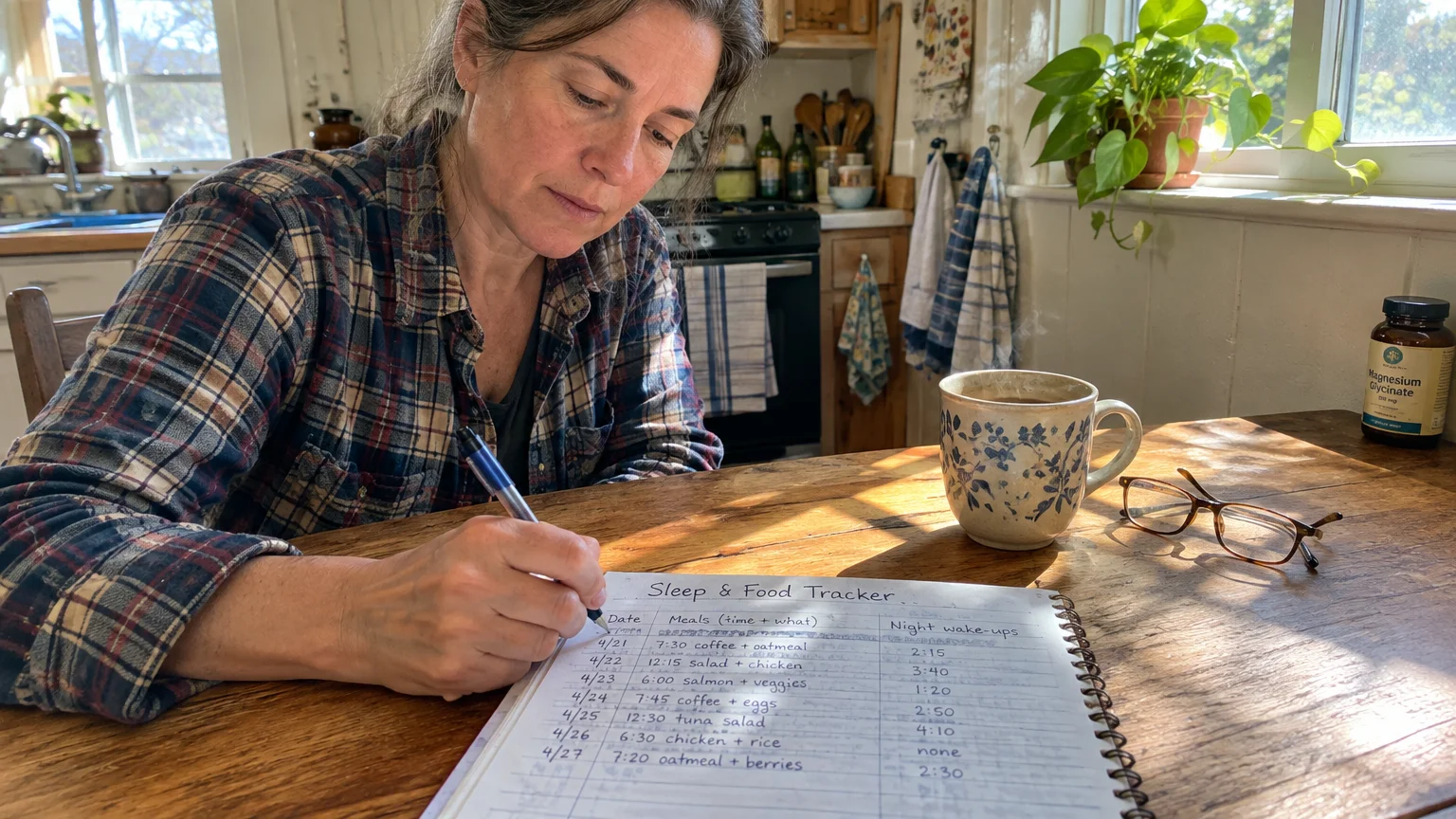
Tracking your habits turns nutrition advice into personalized evidence. Spend two weeks jotting down your dinner time, evening snacks, caffeine cutoff, and how rested you feel each morning in a simple notebook.
Patterns usually emerge within seven to ten days. You might discover that tomato sauce causes zero trouble when eaten at lunch, whereas a single square of dark chocolate at 9:00 p.m. fragments your early sleep.
When working with your physician or a registered dietitian through the Academy of Nutrition and Dietetics, routine lab markers can also inform your sleep plan. Elevated fasting glucose, hemoglobin A1c, blood pressure, or lipid panels often move alongside poor sleep quality.
Always review potential food and medication interactions with your pharmacist or prescribing clinician. Caffeine can amplify jitteriness when paired with prescription stimulants or certain asthma bronchodilators, while alcohol poses dangerous sedation risks alongside sleep medications or anxiety drugs.
Alcohol can also cause unpredictable overnight blood sugar drops if you take insulin or certain diabetes prescriptions. People taking monoamine oxidase inhibitors, or MAOIs, must strictly monitor tyramine-rich aged cheeses and cured meats to prevent dangerous blood pressure spikes.
Some sleep symptoms require prompt medical evaluation rather than dietary tweaks alone. Seek care right away if a bed partner notices loud snoring, gasping, or breathing pauses, which often signal obstructive sleep apnea.
Schedule a medical appointment if insomnia persists three nights a week for several months, or if daytime drowsiness makes driving unsafe. Urgent symptoms such as chest pressure, trouble swallowing, or unintentional weight loss alongside nighttime reflux also warrant immediate medical attention.
Common Questions About Late-Night Eating and Sleep
How can you protect your sleep when dining out late?
Scan restaurant menus for grilled fish, roasted poultry, steamed vegetables, and plain starches rather than fried entrees or heavy cream sauces. Ask for dressings, hot sauces, and tomato-based salsas on the side so you control acid and spice levels.
Skip the dessert cart and after-dinner espresso, choosing caffeine-free chamomile or peppermint tea instead. Eating half your entree and boxing the rest prevents uncomfortable fullness before bed.
What are budget-friendly foods that work better at night?
Sleep-friendly evening foods do not require specialty groceries or pricey powders. Rolled oats, store-brand plain yogurt, bananas, canned low-sodium beans, eggs, and frozen berries offer steady fiber and protein at a low cost per serving.
Batch-cooking brown rice and roasted root vegetables earlier in the week also gives you quick, gentle dinner bases. Keeping simple staples ready helps you bypass expensive ultra-processed convenience snacks when tired.
Should you rely on melatonin, magnesium, or CBD supplements instead of changing dinner?
Supplements cannot override a mug of late-afternoon cold brew, a spicy takeout meal, or a midnight sugar crash. Food timing and trigger removal fix the root digestive and hormonal disruptions first.
Because over-the-counter supplements vary widely in purity and interact with blood pressure, blood thinner, and antidepressant medications, discuss any sleep aid with your healthcare provider. A targeted nutrition strategy remains your safest foundation.
How do you adapt these rules for cultures with late dinner traditions?
In many Mediterranean, Latin American, and South Asian households, families gather for dinner around 8:30 or 9:30 p.m. Shifting your largest, richest meal to midday lunch honors family dinner rituals while keeping evening portions lighter and easier to digest.
You can share the same traditional flavors at night by dialing back heavy frying oils, excess chili heat, and salty condiments. Following dinner with a gentle ten-minute walk around the block also aids digestion before sleep.

Taking Your Next Step Toward Deeper Rest
Better sleep rarely requires an all-or-nothing overhaul of everything you enjoy eating. Moving caffeine earlier, trimming late alcohol, easing evening spices and added sugars, and giving dinner a two-to-three-hour cushion deliver measurable relief.
Pick just one habit to test over the next 14 nights—such as setting an afternoon caffeine cutoff or swapping ice cream for plain oats and berries. Track how quickly you fall asleep and how clearheaded you feel at breakfast.
Bring those notes to your primary care provider or a registered dietitian so you can tailor meal timing around your health conditions and prescriptions. Small, consistent adjustments on your evening plate can help you reclaim deeper, more restorative nights.