You can easily defend your immune health and energy levels this winter by eating whole, nutrient-dense foods rich in vitamin C. Adding simple seasonal produce to your plate delivers the essential antioxidants your body needs to thrive during cold weather.
Winter brings colder temperatures and seasonal viruses, making dietary defense an immediate priority for your family. Relying on vibrant grocery staples ensures you meet your daily nutritional targets without expensive supplements.
By adjusting your weekly grocery list today, you provide your cells with powerful protection against oxidative stress. Let us explore twelve accessible winter foods that supply your body with peak nourishment throughout the season.
Science Snapshot: Understanding Vitamin C in Winter
Vitamin C, chemically known as L-ascorbic acid, operates as an indispensable water-soluble micronutrient in human physiology. Your body cannot synthesize this essential compound internally, requiring you to obtain it through daily nutritional sources.
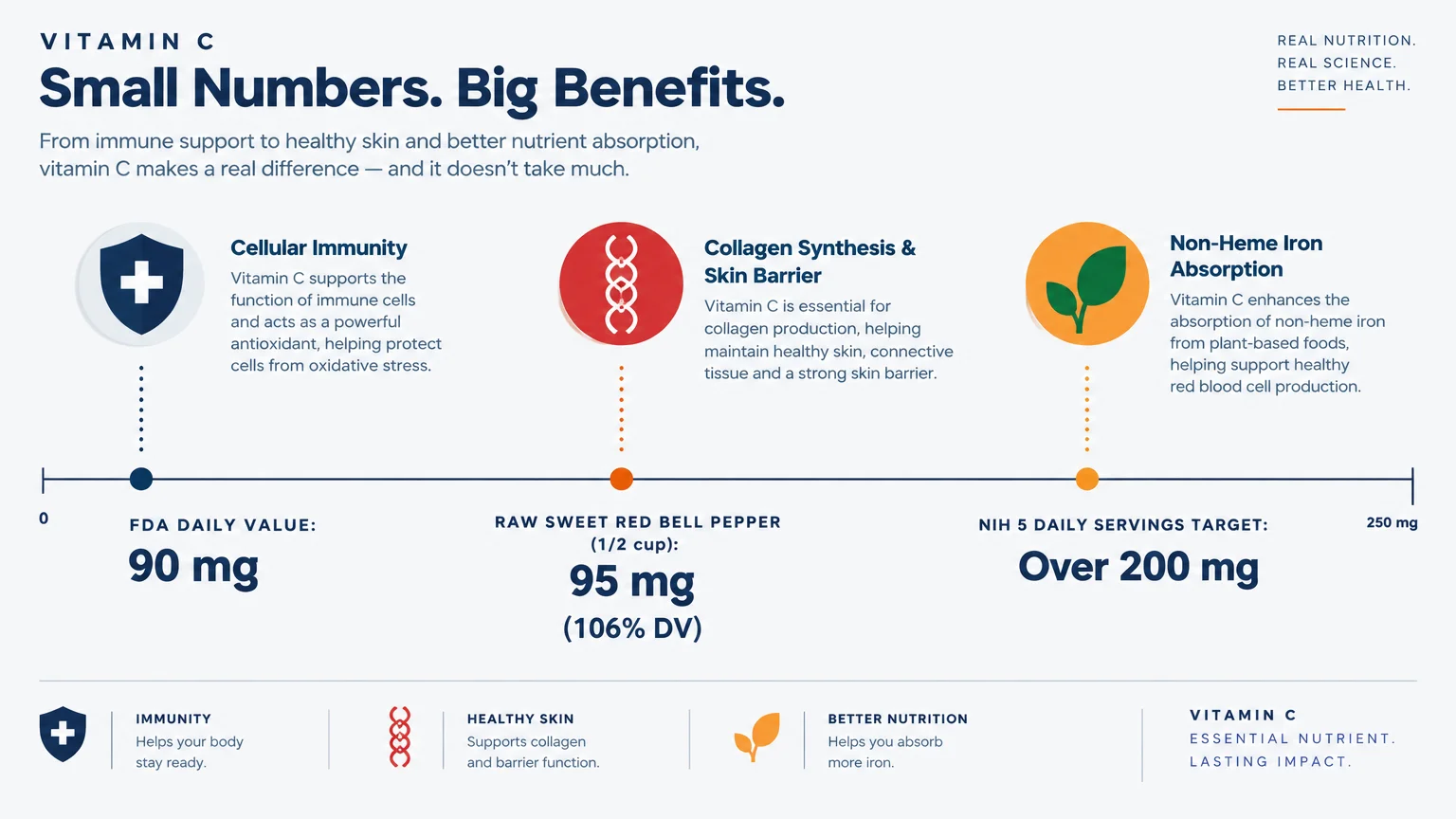
Cellular immunity relies heavily on adequate ascorbic acid concentrations to support white blood cell proliferation and phagocytic activity. Maintaining optimal circulating levels ensures your immune defenses respond promptly during peak winter illness windows.
The updated Dietary Guidelines for Americans emphasize an Eat Real Food framework. This guidance utilizes an inverted food pyramid that prioritizes whole, nutrient-dense produce over synthetic supplementation.
Ascorbic acid also serves as an obligatory cofactor for enzymes synthesizing collagen. Collagen integrity protects your skin barrier against drying winter air and supports blood vessel stability.
Furthermore, vitamin C acts as a premier physiological antioxidant that scavenges harmful free radicals. This protective action mitigates cellular damage caused by indoor air pollution and seasonal metabolic stress.
According to the National Institutes of Health vitamin C guide, consuming five varied daily servings of fruits and vegetables supplies over 200 mg of this nutrient. That intake exceeds standard baseline requirements comfortably.
The Food and Drug Administration sets the Daily Value for vitamin C at 90 mg for adults and children aged four and older. Foods offering at least 18 mg per serving qualify as excellent sources.
Vitamin C significantly enhances the intestinal absorption of non-heme iron from plant-based foods. Pairing vitamin C with legumes or dark greens optimizes oxygen transport throughout colder months.
12 Foods Rich in Vitamin C Through Winter
1. Sweet Red Bell Pepper
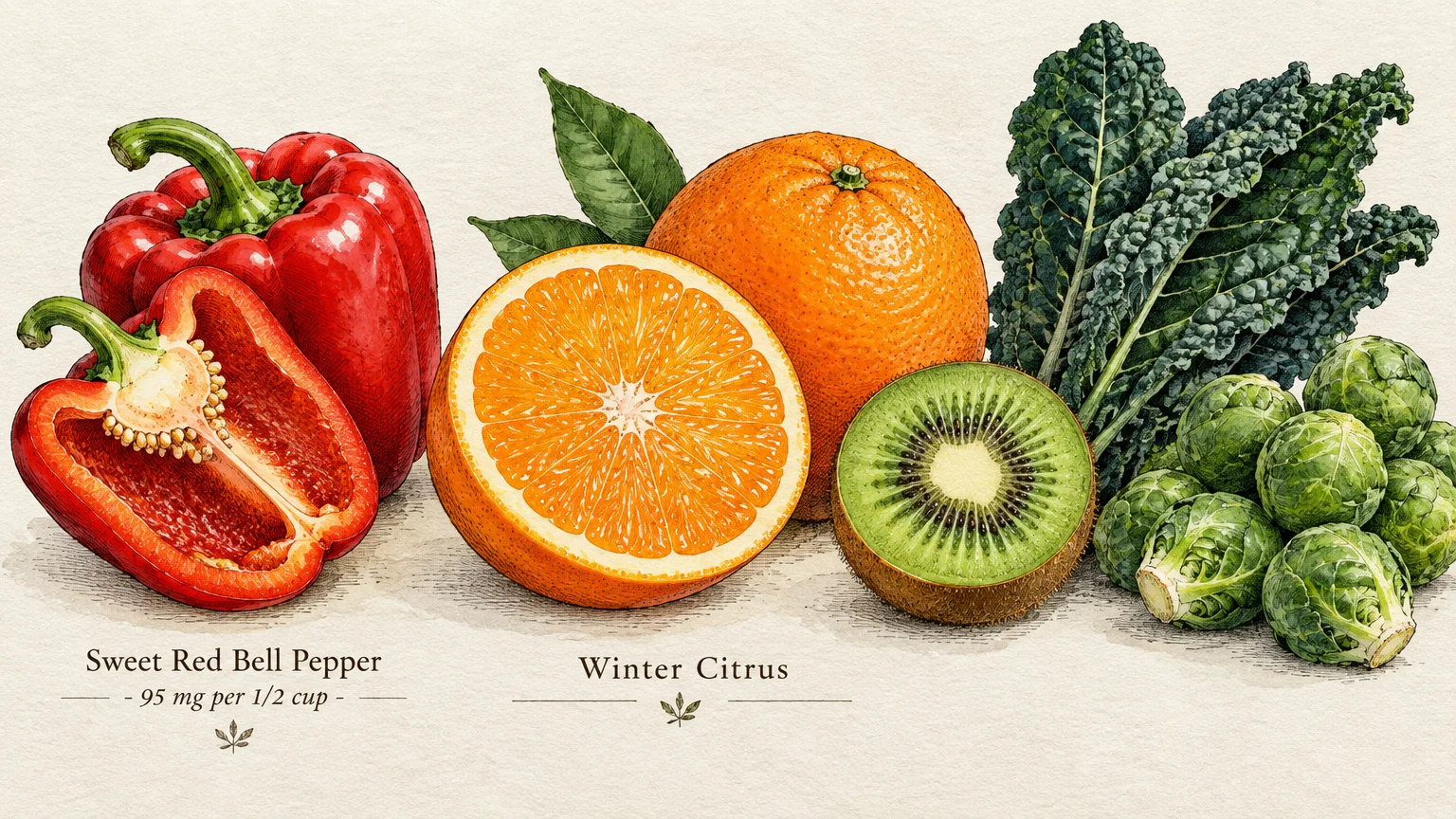
Sweet red bell peppers offer an astonishing concentration of winter nourishment. A raw half-cup serving provides 95 mg of vitamin C, delivering 106% of your daily value.
This sweet pepper surpasses all citrus fruits in ascorbic acid concentration per standard serving. You can slice red bell peppers raw to protect their heat-sensitive micronutrients from degradation.
Incorporate crunchy strips into fresh lunch salads or pair them with homemade yogurt dips. Their natural sweetness brightens heavy cold-weather menus while fortifying your daily antioxidant intake.
Because prolonged storage reduces nutrient density, purchase firm peppers with taut skin. Store them in your refrigerator crisper drawer and consume them within a week of purchase.
If you prefer cooked meals, toss sliced red peppers into a quick stir-fry just before turning off the burner. Minimal heat exposure preserves the majority of their delicate vitamin content.
2. Fresh Oranges and Fresh Orange Juice
Oranges remain the traditional standard for winter citrus vitality, and their scientific profile justifies that reputation. One medium orange supplies 70 mg of vitamin C, fulfilling 78% of your daily value.
If you prefer a morning beverage, three-quarters of a cup of orange juice delivers 93 mg, representing 103% of the daily value. Choose freshly squeezed or minimally processed options without added sugars.
Whole oranges provide pectin and dietary fiber, which stabilize blood glucose absorption compared to strained juice. Peeling and eating whole citrus segments also stimulates digestive health.
Citrus fruits feature thick protective rinds that safeguard ascorbic acid from atmospheric oxygen during winter transit. This natural shielding preserves nutritional potency on supermarket shelves for weeks.
Add fresh orange wedges to spinach salads to dramatically boost the absorption of plant-derived non-heme iron. This vibrant culinary pairing elevates both dinner flavor and winter nutrient efficiency.
3. Kiwifruit
Kiwifruit represents an exceptional, compact winter powerhouse available in produce sections throughout the cold months. A single medium kiwifruit provides 64 mg of vitamin C, meeting 71% of your daily value.
Kiwis contain the natural proteolytic enzyme actinidin, which assists your digestive tract in breaking down dietary proteins. This digestive aid makes kiwifruit an outstanding dessert following hearty winter meals.
You can slice kiwis into breakfast bowls or eat them whole with their skin intact. Consuming the clean skin doubles dietary fiber while preserving every milligram of ascorbic acid.
Select kiwifruits that yield slightly to gentle thumb pressure without soft bruises. Store underripe kiwis at room temperature beside apples until soft, then refrigerate them to halt over-ripening.
Their bright emerald flesh adds festive visual appeal to winter fruit platters. Pair kiwifruit with plain Greek yogurt for a protein-rich, immune-supportive breakfast.
4. Broccoli
Broccoli stands as a resilient cruciferous vegetable that excels in cold-weather cuisine. A half-cup serving of cooked broccoli delivers 51 mg of vitamin C, providing 57% of your daily value.
If you enjoy crunchy raw florets with dip, a half-cup provides 39 mg, or 43% of your daily value. Both preparations offer substantial amounts to keep your cellular defense systems functioning smoothly.
To minimize vitamin leaching into water, steam or microwave broccoli florets until they turn bright green and tender-crisp. Avoid vigorous boiling, which discards valuable water-soluble vitamins down the drain.
The USDA FoodData Central documents broccoli as a premier source of plant sulforaphane alongside ascorbic acid. These synergistic phytochemicals support cellular detoxification pathways during the winter season.
Drizzle steamed broccoli with cold-pressed olive oil, minced garlic, and lemon zest for dinner. Healthy dietary fats enhance the uptake of fat-soluble carotenoids accompanying the vitamin C.
5. Brussels Sprouts
Brussels sprouts flourish in chilly temperatures, producing compact heads packed with cold-hardy nutrients. A half-cup serving of cooked Brussels sprouts yields 48 mg of vitamin C, satisfying 53% of your daily value.
Freezing outdoor temperatures encourage these plants to convert starches into natural sugars, yielding a sweeter, richer flavor profile in deep winter. This biological adaptation turns them into a seasonal culinary highlight.
Halve fresh sprouts and roast them quickly at moderate heat, or shred them finely into raw winter slaws. Light roasting caramelizes their exterior without causing excessive destruction of delicate ascorbic acid molecules.
Look for tight, bright green heads that feel firm when squeezed between your fingers. Loose leaves or yellow discoloration signal moisture loss and reduced vitamin potency.
Combine roasted Brussels sprouts with toasted walnuts and pomegranate seeds for an elegant winter side dish. This combination provides rich texture, healthy fats, and broad antioxidant coverage.
6. Grapefruit and Grapefruit Juice
Grapefruit delivers a tart, invigorating burst of flavor during peak winter harvest periods. Eating one-half of a medium grapefruit supplies 39 mg of vitamin C, which represents 43% of your daily value.
Drinking three-quarters of a cup of grapefruit juice provides 70 mg of ascorbic acid, covering 78% of your daily needs. This beverage serves as an energizing morning choice for cold winter mornings.
Grapefruit contains naringin, a unique flavonoid that gives the fruit its characteristic bitter notes and promotes vascular health. Slice grapefruit segments into midday grain bowls to cut through rich winter dressings.
Store grapefruits at cool room temperature for up to one week, or refrigerate them for extended freshness. Keeping whole fruit accessible on your kitchen counter encourages spontaneous, healthy snacking habits.
Always check with your pharmacist before adding grapefruit to your routine if you take prescription medications. Certain pharmaceutical compounds interact directly with natural enzymes found in grapefruit pulp and juice.
7. Sweet Green Bell Peppers
Sweet green bell peppers are fully mature fruits harvested before their red pigmentation develops. A raw half-cup serving supplies 60 mg of vitamin C, fulfilling 67% of your daily value.
Green peppers provide a zesty, herbal bite that balances rich winter casseroles, stews, and chili recipes. Adding them raw preserves their full vitamin potency while contributing a satisfying crunch.
Dice green bell peppers into morning omelets or black bean bowls for an instant nutritional upgrade. Their crisp texture holds up remarkably well in meal-prep containers throughout busy workweeks.
Select green peppers that feel heavy for their size with smooth, unblemished skin and firm stems. A heavier pepper indicates high water retention, which correlates with fresh micronutrient stability.
When cooking hot skillet meals, fold in diced green peppers during the final two minutes. This quick heating softens the texture slightly without compromising their potent ascorbic acid reserves.
8. Fresh and Frozen Strawberries
Strawberries offer delightful berry flavors that brighten gloomy winter menus while supplying potent immune support. A half-cup serving of fresh sliced strawberries provides 49 mg of vitamin C, representing 54% of your daily value.
Commercial flash-freezing locks in peak nutritional value immediately following harvest. Consequently, frozen unsweetened strawberries found in your supermarket freezer match or exceed the vitamin C content of off-season fresh imports.
Thaw frozen berries directly into warm morning oatmeal, overnight chia seed pudding, or hot multigrain porridge. The natural strawberry juices infuse your breakfast with bright sweetness without refined sugar.
Strawberries also contain pelargonidin, an anthocyanin antioxidant responsible for their brilliant red hue. This compound collaborates with ascorbic acid to neutralize inflammatory oxidative markers in your cardiovascular system.
Keep a bag of frozen berries in your freezer door as an affordable, shelf-stable winter resource. Using frozen produce prevents food waste and guarantees consistent year-round access to vital nutrients.
9. Tomato Juice and Canned Stewed Tomatoes
Tomato products provide an accessible, shelf-stable vehicle for winter micronutrient intake. Drinking three-quarters of a cup of tomato juice delivers 33 mg of vitamin C, fulfilling 37% of your daily value.
Canned whole peeled and crushed tomatoes retain significant ascorbic acid levels due to rapid industrial canning methods. These pantry staples allow you to prepare nutrient-dense meals on short notice.
Simmer canned tomatoes with garlic, lentils, and herbs to create satisfying, warm winter soups. The mild cooking process also dramatically boosts the bioavailability of lycopene, a potent lipid-soluble antioxidant.
When purchasing commercial tomato juice, choose low-sodium or unsalted varieties to support healthy blood pressure metrics. Read nutrition panels carefully to avoid options laden with unnecessary added sugars.
Combine warm tomato juice with a pinch of black pepper and celery seed for a savory winter warmer. This comforting beverage hydrates your body while fortifying cellular immunity during chilly afternoons.
10. Cabbage (Green and Red Varieties)
Cabbage is one of the most reliable and economical cold-season vegetables in human agriculture. A half-cup serving of cooked cabbage supplies 28 mg of vitamin C, meeting 31% of your daily value.
A whole head of cabbage stays fresh in your refrigerator crisper for up to two months. This impressive longevity ensures you maintain continuous access to whole-food ascorbic acid throughout entire winter stretches.
Red cabbage varieties deliver identical vitamin C levels alongside powerful anthocyanin pigments. Shred both red and green cabbage into a colorful slaw dressed with apple cider vinegar and olive oil.
Fermenting raw cabbage into traditional sauerkraut produces beneficial live probiotic cultures. While fermentation slightly alters the vitamin profile, raw unpasteurized sauerkraut remains a solid contributor to daily immune maintenance.
Braise cabbage wedges gently in vegetable broth with caraway seeds until tender. This cooking method captures all released moisture and preserves the dissolved vitamins in the savory serving broth.
11. Cauliflower
Cauliflower provides substantial micronutrient value beneath its pale, unassuming appearance. A half-cup serving of raw cauliflower delivers 26 mg of vitamin C, providing 29% of your daily value.
This cruciferous staple qualifies as an excellent source under federal labeling definitions by exceeding the 20% threshold. Its mild, adaptable flavor integrates effortlessly into diverse winter cooking traditions.
Pulse raw cauliflower florets in a food processor to create light, grain-free riced cauliflower. Steaming this riced base briefly preserves its delicate ascorbic acid while replacing refined carbohydrates.
You can also blend steamed cauliflower florets with roasted garlic and olive oil into a silky winter mash. This comforting preparation delivers the texture of traditional potatoes alongside concentrated cruciferous nutrients.
Avoid submerging cauliflower heads in large pots of boiling water for prolonged periods. Gentle steam or dry oven heat prevents water-soluble vitamins from escaping into discarded cooking liquid.
12. Baked Potatoes
Potatoes are an enduring winter comfort food that historically protected global populations against clinical scurvy. One medium baked potato supplies 17 mg of vitamin C, providing 19% of your daily value.
That concentration places the humble potato at the absolute threshold of an official FDA good source. When consumed regularly across winter, potatoes supply dependable baseline amounts of vital ascorbic acid.
Always bake or steam potatoes with their nutrient-rich skins intact to minimize cooking losses. The skin forms an impermeable protective envelope that retains internal moisture and delicate micronutrients during roasting.
Top your baked potato with plain Greek yogurt, chopped chives, and steamed broccoli florets. This combination upgrades a simple winter staple into a balanced meal rich in protein, potassium, and vitamin C.
Store unwashed raw potatoes in a cool, dark, and well-ventilated pantry rather than the cold refrigerator. Cold refrigeration converts potato starches to sugars, negatively altering both cooking chemistry and flavor.
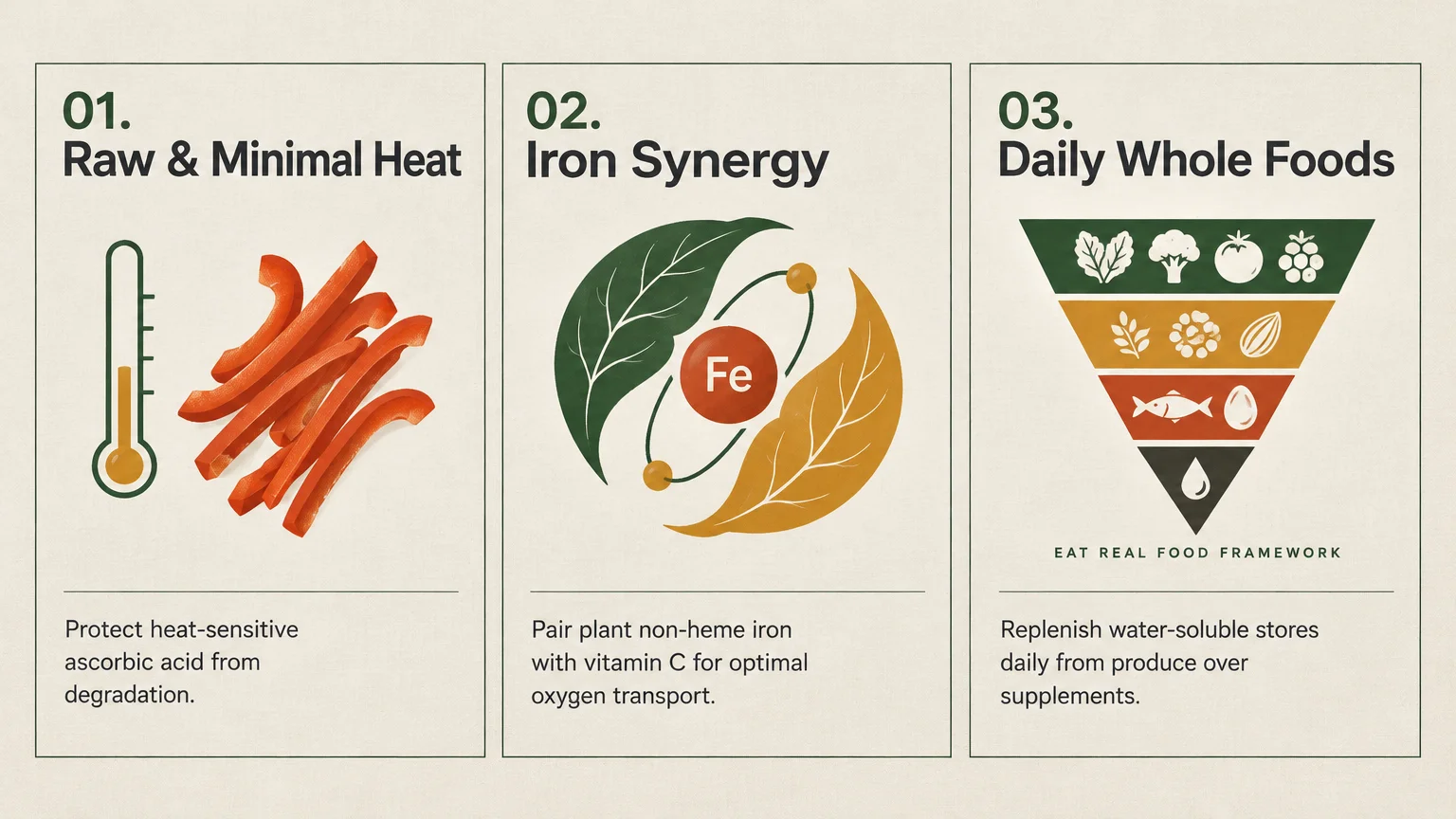
Three Strategic Pillars for Winter Vitamin C Optimization
Pillar 1: Temperature and Moisture Control
Because ascorbic acid degrades when exposed to intense heat and oxygen, cooking methods dictate final nutrient retention. Water-soluble vitamins readily leach out of cell walls into boiling liquid during prolonged water immersion.
Choose gentle steaming, brief microwaving, or rapid stir-frying over vigorous submerged boiling. These low-moisture methods preserve the cellular matrix of winter vegetables, retaining upwards of 80% of their initial vitamin levels.
If you prepare winter stews, keep the cooking liquid as an integral part of your meal. Any ascorbic acid that leaches out into the broth remains fully accessible when you consume the warm soup.
Keep chopping produce immediately before cooking rather than days in advance. Minimizing surface area exposure to atmospheric air prevents premature oxidative breakdown of delicate ascorbic acid molecules.
Pillar 2: Strategic Nutrient Pairing and Plant-Iron Synergy
Vitamin C functions as an extraordinary biochemical partner for plant-derived, non-heme iron. Non-heme iron found in winter legumes, dark greens, and grains exhibits lower baseline intestinal bioavailability than animal iron.
Ascorbic acid converts ferric iron into the more soluble ferrous form within your stomach. This biochemical reduction significantly accelerates iron absorption across the brush border membrane of your small intestine.
To optimize this synergy, squeeze fresh lemon juice over steamed dark leafy greens and warm lentil curries. You can also toss raw bell pepper slices into black bean soups just prior to serving.
This straightforward dietary habit helps prevent iron-deficiency fatigue during cold months. Enhanced iron status supports optimal oxygen delivery and sustained physical energy throughout winter routines.
Pillar 3: Habit Stacking and Cold-Weather Meal Planning
Establishing consistent dietary habits prevents seasonal nutritional gaps better than sporadic, high-dose interventions. The Centers for Disease Control and Prevention advocates for consistent produce intake to safeguard lifelong metabolic health.
Practice habit stacking by pairing a vitamin C rich food with established daily routines. For example, add sliced kiwifruit to your habitual morning breakfast or sip tomato juice alongside lunch.
Keep pre-washed, ready-to-eat vegetables like broccoli florets and sweet pepper slices at eye level in your refrigerator. High visual visibility increases the likelihood that you choose nutrient-dense snacks over processed foods.
Plan your weekly grocery basket around five daily servings of diverse produce. Reaching that five-serving benchmark guarantees your intake surpasses 200 mg daily without opening a single supplement bottle.

Expert Voices and Real-World Application
Clinical dietitians emphasize that the whole food matrix provides superior health advantages over isolated ascorbic acid pills. Whole plant foods deliver thousands of bioactive flavonoids, carotenoids, and fibers that operate in synergistic harmony.
As registered dietitians often remind clients, isolated synthetic supplements cannot replicate the intricate nutrient matrix of real food. Choosing diverse winter produce ensures your digestive system receives complementary micronutrients and prebiotics.
Budget-conscious families often express concern regarding the elevated cost of out-of-season fresh berries and imported fruits. Fortunately, dependable winter staples like cabbage, potatoes, and frozen produce offer exceptional nutrient density per dollar.
Community nutrition programs demonstrate that batch-cooking vegetable-rich winter stews enables families to eat economically. Freezing prepared meals locks in micronutrients, allowing busy individuals to maintain optimal immune defense on tight schedules.
Adopting an inclusive culinary mindset allows you to draw on diverse global traditions. From spicy kimchi and raw citrus salads to braised greens, cultural heritage provides endless inspiration for cold-weather wellness.
When you view meals as an opportunity for self-care, cooking becomes deeply rewarding. Nourishing your body with colorful, seasonal plants cultivates resilient vitality through even the darkest winter months.

Safety Considerations, Personalization, and Daily Limits
The Recommended Dietary Allowance for vitamin C varies according to biological sex and life stages. Adult men require 90 mg daily, whereas adult women need 75 mg per day under standard baseline conditions.
Pregnancy elevates metabolic demands, raising the recommended daily intake to 85 mg. Lactating women require 120 mg daily to ensure breast milk supplies sufficient ascorbic acid for developing infants.
Individuals who smoke cigarettes or encounter chronic second-hand smoke experience heightened metabolic turnover and oxidative stress. As a result, smokers must consume an additional 35 mg daily, totaling 125 mg for men and 110 mg for women.
The established Tolerable Upper Intake Level for adults aged nineteen and older sits at 2,000 mg per day. Exceeding this upper threshold increases the probability of gastrointestinal disturbances, abdominal cramps, and osmotic diarrhea.
Extremely high supplemental doses may also increase the risk of calcium oxalate kidney stone formation in susceptible individuals. Obtaining your daily allowance from whole foods makes accidental toxicity virtually impossible.
Inquire with a credentialed provider through the Academy of Nutrition and Dietetics if you take statins or blood pressure medications. Grapefruit compounds can inhibit liver enzymes responsible for drug metabolism, necessitating personalized clinical adjustments.
Frequently Asked Questions
Can Mega-Doses of Vitamin C Prevent the Common Cold?
Clinical research reveals that massive supplemental doses of vitamin C do not prevent the contraction of common colds in standard populations. Maintaining regular, baseline sufficiency through food, however, consistently moderates symptom severity and duration.
Flooding your system with mega-doses simply overwhelms intestinal transport proteins, causing excess ascorbic acid to excrete through urine. Focus on sustained daily nutrition rather than reactionary crisis supplementation when you feel a cold coming on.
Does Cooking Always Destroy Vitamin C in Winter Vegetables?
Cooking does degrade a percentage of ascorbic acid because the molecule is sensitive to heat and oxygen. However, gentle steaming or brief microwaving retains roughly 80% to 90% of the original nutrient profile.
Furthermore, mild heat softens tough cellular walls, improving the extractability of other vital phytonutrients like beta-carotene and lycopene. Balancing raw snacks with lightly cooked sides provides the broadest spectrum of nutritional benefits.
Why Do Individuals Who Smoke Require Additional Daily Vitamin C?
Inhaling cigarette smoke introduces massive quantities of free radicals directly into pulmonary and cardiovascular tissues. This intense oxidative assault depletes circulating ascorbic acid as the antioxidant works tirelessly to neutralize cellular damage.
Consequently, federal health bodies mandate an additional 35 mg daily intake for smokers to restore baseline metabolic reserves. Adding extra red peppers, citrus, and leafy greens provides the essential dietary buffer smokers need.
Can You Get Enough Vitamin C Without Eating Citrus Fruits?
You can effortlessly achieve and exceed your daily vitamin C requirements without consuming a single piece of citrus. Half a cup of raw sweet red pepper delivers more vitamin C than an entire medium orange.
Broccoli, Brussels sprouts, kiwifruit, and baked potatoes all supply generous amounts of ascorbic acid to fortify winter wellness. Broadening your produce selections beyond citrus introduces exciting variety, flavors, and gut-healthy fiber to your winter menu.
Take Your First Step Today
Transforming your winter health does not require dramatic dietary overhauls or expensive pantry makeovers. Meaningful, lasting vitality emerges from modest, consistent additions to the meals you already enjoy.
Within the next 24 hours, add one whole, vitamin-rich food from this list to your grocery cart or dinner plate. Slice half a red bell pepper for lunch, or enjoy a fresh kiwi alongside your morning breakfast.
Notice the vibrant flavor, satisfying crispness, and renewed vitality that whole, real food brings to your daily routine. By taking one deliberate nutritional step today, you set an empowering foundation for thriving throughout the winter.