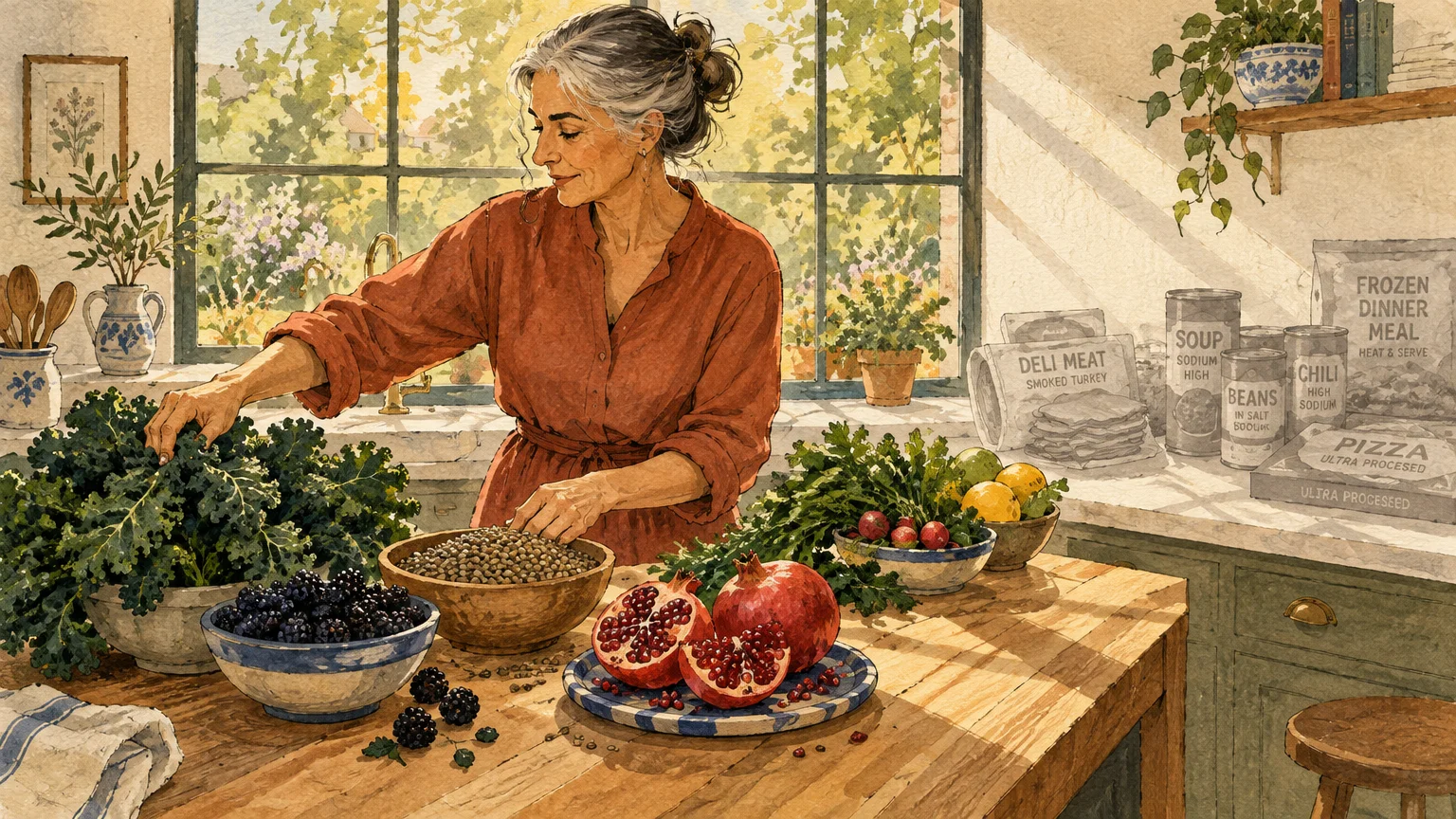
Your body uses calories and nutrients differently after you turn 60. Strategic dietary choices protect your cognitive vitality, preserve lean muscle mass, and defend your cardiovascular system against chronic disease.
As your metabolic rate slows and your immune defenses shift, certain familiar foods present hidden health hazards. Limiting specific items allows you to meet elevated nutritional demands without exceeding your daily energy needs.
By replacing vulnerable items with nutrient-dense alternatives, you can safeguard your physical strength and enhance your daily energy. Here are the eight foods dietitians advise you to limit after age 60.
Why Your Nutritional Needs Shift After 60
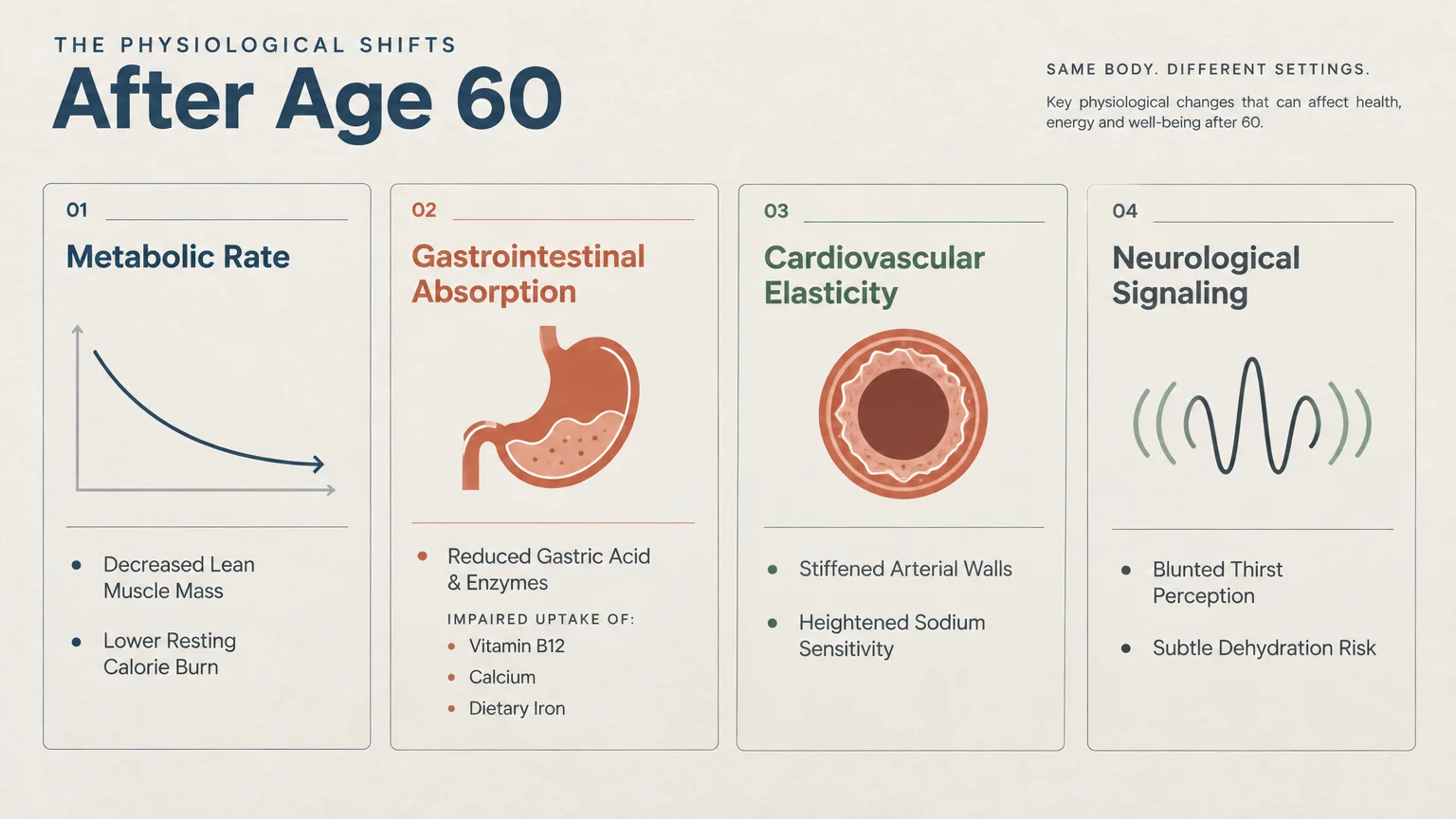
Aging brings profound physiological shifts that redefine how your body processes, absorbs, and uses essential nutrients. Your resting metabolic rate declines naturally as lean muscle mass decreases over time.
Because you burn fewer resting calories, every meal must offer greater nutritional density. You simply have less room for empty calories that supply energy without vital vitamins or minerals.
At the same time, your gastrointestinal tract produces less stomach acid and digestive enzymes. This reduction impairs the natural absorption of critical micronutrients, including vitamin B12, calcium, and dietary iron.
Bone remodeling also shifts as hormonal levels change throughout your sixties and beyond. Your skeleton requires consistent dietary minerals and amino acids to maintain structural density and resist fractures.
Your immune system undergoes a natural process called immunosenescence. This gradual decline in immune responsiveness leaves you more susceptible to foodborne infections and systemic, low-grade inflammation.
Furthermore, your thirst perception diminishes as neurological signals become less sensitive over time. This makes older adults prone to subtle dehydration, which directly impairs kidney function and cognitive clarity.
Vascular walls also lose elasticity and stiffen as collagen fibers change within your arterial lining. This biological shift makes your blood pressure far more reactive to dietary sodium and excess saturated fats.
Recognizing these biological updates helps you adjust your plate with confidence. You can preserve your vitality by making intentional, informed adjustments to the foods you eat every day.

8 Foods Dietitians Say to Limit After 60
1. Cold Deli Meats and Unheated Cold Cuts
Sliced turkey, roast beef, and deli ham represent convenient staples for quick afternoon sandwiches. However, dietitians urge caution with cold deli meats due to heightened microbial hazards.
Your aging immune system cannot fight off foodborne bacteria as efficiently as it once did. According to the Centers for Disease Control and Prevention, adults aged 65 and older are 4 times more likely to contract serious Listeria infections.
In fact, more than half of all reported Listeria infections in the United States occur in this demographic. This hardy pathogen thrives in standard refrigerator temperatures where most other bacteria cannot grow.
Invasive Listeria infections carry severe risks for older adults, with nearly 1 in 6 diagnosed individuals dying from complications. In addition, nearly 50% of older adults with confirmed bacterial foodborne infections require hospital care.
You do not need to abandon satisfying sandwiches to stay completely safe. The USDA Food Safety and Inspection Service advises reheating cold cuts to an internal temperature of 165°F before eating them.
Beyond bacterial hazards, processed deli meats deliver heavy concentrations of sodium and chemical preservatives. These additives elevate arterial pressure and strain delicate kidney filtration units.
Prepare your own proteins at home to maximize both safety and nutritional value. Roasting chicken breast or baking herb-crusted tofu provides lean, satisfying protein without harmful sodium spikes.
Canned wild tuna packed in water also offers a fast, affordable alternative. Mixing it with mashed avocado instead of mayonnaise adds heart-healthy monounsaturated fats.
2. Ultra-Processed Packaged Snacks
Packaged chips, cheese curls, and savory crackers fill grocery store snack aisles with tempting options. These products undergo extensive industrial processing that strips away dietary fiber and natural micronutrients.
On January 7, 2026, federal health officials released the 2025–2030 Dietary Guidelines for Americans. For the first time in federal policy history, the guidelines explicitly urge Americans to avoid ultra-processed foods.
The updated guidelines introduced the Eat Real Food Pyramid to guide your daily food selections. This new visual model urges you to replace packaged snacks with wholesome, minimally processed ingredients.
Ultra-processed snacks flood your system with artificial flavor enhancers, chemical dyes, and non-nutritive sweeteners. These artificial additives disrupt healthy gut microbiota and promote systemic inflammatory responses.
These packaged items also promote rapid blood sugar spikes followed by steep energy crashes. Because they lack satiating fiber and protein, they leave you hungry shortly after eating.
You can satisfy afternoon cravings with simple, whole-food alternatives that protect your metabolic health. A small handful of raw walnuts delivers anti-inflammatory omega-3 fats that nourish your brain.
Roasted chickpeas seasoned with garlic powder and smoked paprika provide a crunchy, budget-friendly swap. They deliver plant-based protein and prebiotic fiber that actively support healthy digestive function.
Crisp cucumber rounds dipped in traditional hummus provide another refreshing alternative. This simple combination delivers satisfying crunch while keeping your arterial lining free from inflammatory additives.
3. Canned Soups and High-Sodium Convenience Meals
Canned soups, shelf-stable noodle bowls, and frozen dinners offer undeniable convenience on busy evenings. Unfortunately, commercial manufacturers rely heavily on added sodium to stabilize flavors and extend shelf life.
Federal nutrition surveys show that older adults consume excessive amounts of sodium on a daily basis. Men aged 60 and older average 3,799 milligrams daily, while women in that group average 2,802 milligrams.
Both consumption averages vastly exceed the federal daily sodium recommendation of 2,300 milligrams. For individuals with elevated blood pressure, the American Heart Association recommends a stricter target of 1,500 milligrams daily.
High blood pressure represents an urgent public health crisis among older demographics. According to CDC data, 71.6% of American adults aged 60 and older live with diagnosed hypertension.
Specifically, hypertension affects 72.8% of men and 64.8% of women aged 60 to 69; for women aged 70 and older, the prevalence rises to 76.6%.
Updated clinical guidelines keep the hypertension threshold at 130/80 mm Hg, targeting an optimal reading below 120/80 mm Hg. These clinical guidelines emphasize that uncontrolled hypertension significantly accelerates cognitive decline and dementia.
Excess sodium forces your body to retain extra fluid, increasing blood volume and straining your arteries. This unrelenting pressure damages the microvasculature of your brain and kidneys over time.
You can easily assemble soothing soups at home using low-sodium vegetable or bone broths. Simmering broths with fresh garlic, ginger, and aromatic herbs provides robust flavor without elevating your blood pressure.
When purchasing canned beans or vegetables, always rinse them thoroughly under cold tap water. This effortless culinary step washes away a substantial portion of the surface sodium.
4. Sugary Baked Goods and Refined Pastries
Breakfast pastries, glazed scones, commercial muffins, and sweet rolls offer tempting morning comfort. However, these baked goods deliver high concentrations of refined carbohydrates and concentrated sugars.
The 2025–2030 Dietary Guidelines for Americans establish a clear stance on refined sweeteners. The guidelines state that no amount of added sugar is considered part of a healthy diet.
If you consume added sugars, federal guidelines advise capping your intake at no more than 10 grams per meal. A single commercial blueberry muffin often contains over 30 grams of sugar.
Consuming concentrated sugars triggers severe blood glucose surges that strain your pancreas. Over time, recurring glycemic spikes drive insulin resistance and accelerate arterial stiffening.
Excess dietary sugars also induce advanced glycation end-products that degrade cellular proteins. This biochemical process weakens collagen in your joints and accelerates microvascular aging throughout your body.
Furthermore, calorie-dense pastries displace the nutrient-rich protein your muscles require each morning. When you fill your stomach with refined flour and sugar, you leave no room for essential amino acids.
Upgrade your morning routine by choosing plain Greek yogurt garnished with fresh blueberries and sliced almonds. This combination supplies creamy texture, natural sweetness, protective antioxidants, and muscle-preserving protein.
Steel-cut oats simmered with ground cinnamon and chopped walnuts offer another satisfying breakfast. Cinnamon provides warm, natural sweetness while supporting healthy post-meal glucose stability.
5. Unpasteurized Dairy and Raw Soft Cheeses
Artisanal cheeses like raw milk Brie, Camembert, queso fresco, and unpasteurized feta provide rich culinary heritage. Nevertheless, consuming unpasteurized dairy poses serious medical risks for anyone over age 60.
Without thermal pasteurization, dairy products can harbor dangerous live bacteria such as Listeria monocytogenes and Campylobacter. Because your immune response naturally slows with age, these pathogens can cause invasive systemic illness.
Federal food safety agencies advise older adults to examine product labels closely before purchasing specialty cheeses. If the package does not explicitly state that it was made with pasteurized milk, avoid purchasing it.
You do not have to forfeit the pleasure of savoring artisanal cheeses with your meals. Hard cheeses like aged Cheddar, Parmesan, and Swiss naturally resist bacterial colonization due to their low moisture content.
Commercially pasteurized versions of goat cheese and mozzarella also provide safe, delicious culinary alternatives. They supply high-quality calcium and dietary protein without introducing unpredictable biological contaminants.
If you enjoy dairy beverages, verify that your milk, kefir, and drinkable yogurts undergo complete pasteurization. This simple label check protects your gastrointestinal tract while providing essential bone-building minerals.
Plant-based alternatives made from fortified unsweetened soy milk or almond milk also offer safe calcium. Check labels to ensure your non-dairy milks include calcium and vitamin D without added sugars.
6. Raw or Undercooked Shellfish, Eggs, and Sprouts
Raw oysters on the half shell, runny poached eggs, and crisp raw alfalfa sprouts frequently grace gourmet menus. Despite their visual appeal, these raw or undercooked foods carry substantial bacterial contamination risks.
According to federal health data, nearly 50% of older adults with confirmed bacterial foodborne infections require hospitalization. Pathogens like Salmonella and Vibrio trigger rapid dehydration and kidney distress in older individuals.
Raw sprouts require warm, humid environmental conditions to germinate, which creates ideal conditions for rapid bacterial multiplication. Rinsing raw sprouts at home fails to eliminate pathogens embedded deep within the plant tissues.
Undercooked eggs can harbor Salmonella inside their yolks even if the outer shell appears clean and intact. Cooking eggs until both the yolk and white become fully firm neutralizes this biological hazard.
Cook all shellfish, poultry, and meats to safe internal temperatures verified with a digital food thermometer. This simple kitchen tool provides definitive proof that your meals are safe to enjoy.
Replace raw alfalfa sprouts on sandwiches with crisp romaine lettuce, baby spinach, or shredded cabbage. These sturdy greens provide satisfying culinary crunch, vibrant color, and rich dietary fiber without microbial hazards.
Canned wild salmon with soft edible bones provides another safe, cooked seafood alternative. This pantry staple delivers dense calcium and anti-inflammatory fats without the foodborne risks of raw oysters.
7. Frequent Alcoholic Drinks
Many adults enjoy relaxing with a glass of red wine, a craft beer, or an evening cocktail. However, your physiological tolerance for alcohol declines substantially as you navigate your sixties and beyond.
Aging reduces total body water volume and decreases hepatic enzyme activity in your liver. Consequently, a single drink produces higher blood alcohol concentrations than it did during your younger years.
The 2025–2030 Dietary Guidelines for Americans eliminated the old allowances of one or two daily drinks. Instead, federal guidelines state plainly that consuming less alcohol is better for health.
Frequent alcohol intake disrupts your sleep architecture, suppressing the deep restorative sleep cycles your brain requires. It also increases your risk of catastrophic falls, bone fractures, and nocturnal balance issues.
Furthermore, alcohol interferes with dozens of common prescription medications, including blood pressure drugs, anticoagulants, and sleep aids. This pharmacological interference can trigger dangerous hypotension or internal bleeding events.
Create festive evening rituals by mixing sparkling water with a splash of tart cherry juice and fresh mint. Tart cherry juice contains natural phytochemicals that promote relaxation without impairing your balance or liver.
Brewing a warm mug of chamomile or lavender tea also creates a soothing transition toward bedtime. These calming herbal infusions support restful sleep while keeping your cognitive faculties sharp and clear.
8. Foods High in Saturated Animal Fats
Well-marbled steaks, pork ribs, processed sausage patties, and whole butter add dense saturated fats to your meals. Federal dietary recommendations advise limiting saturated fat consumption to less than 10% of your daily calories.
High saturated fat intake prompts your liver to increase low-density lipoprotein cholesterol production. Circulating low-density lipoproteins penetrate your arterial lining, forming rigid plaques that narrow crucial blood vessels.
Cardiovascular disease remains the leading cause of mortality among adults aged 60 and older. Saturated fats also stimulate pro-inflammatory signaling pathways that exacerbate joint stiffness and arterial stiffness.
You can preserve your vascular health by replacing heavy animal fats with wholesome plant-based oils. Extra virgin olive oil delivers powerful polyphenols and monounsaturated fatty acids that support arterial flexibility.
Incorporating fatty fish like wild salmon, sardines, and mackerel twice weekly supplies potent omega-3 fatty acids. Research from the National Institutes of Health confirms that omega-3 fats reduce systemic inflammation.
For quick snacking, creamy avocado slices or unsalted pumpkin seeds deliver rich texture alongside essential micronutrients. These heart-healthy fats protect your cardiovascular system while keeping you satisfied between meals.
Swap out heavy cream in sauces for pureed white beans seasoned with garlic and nutritional yeast. This simple technique delivers velvety richness while adding beneficial dietary fiber and plant protein.
Strategy Pillars: Building a Nourishing Plate After 60
Pillar 1: Proactive Meal Planning
Proactive meal planning eliminates reliance on high-sodium takeout and ultra-processed convenience foods. When you organize your weekly menu in advance, you maintain total control over your ingredients.
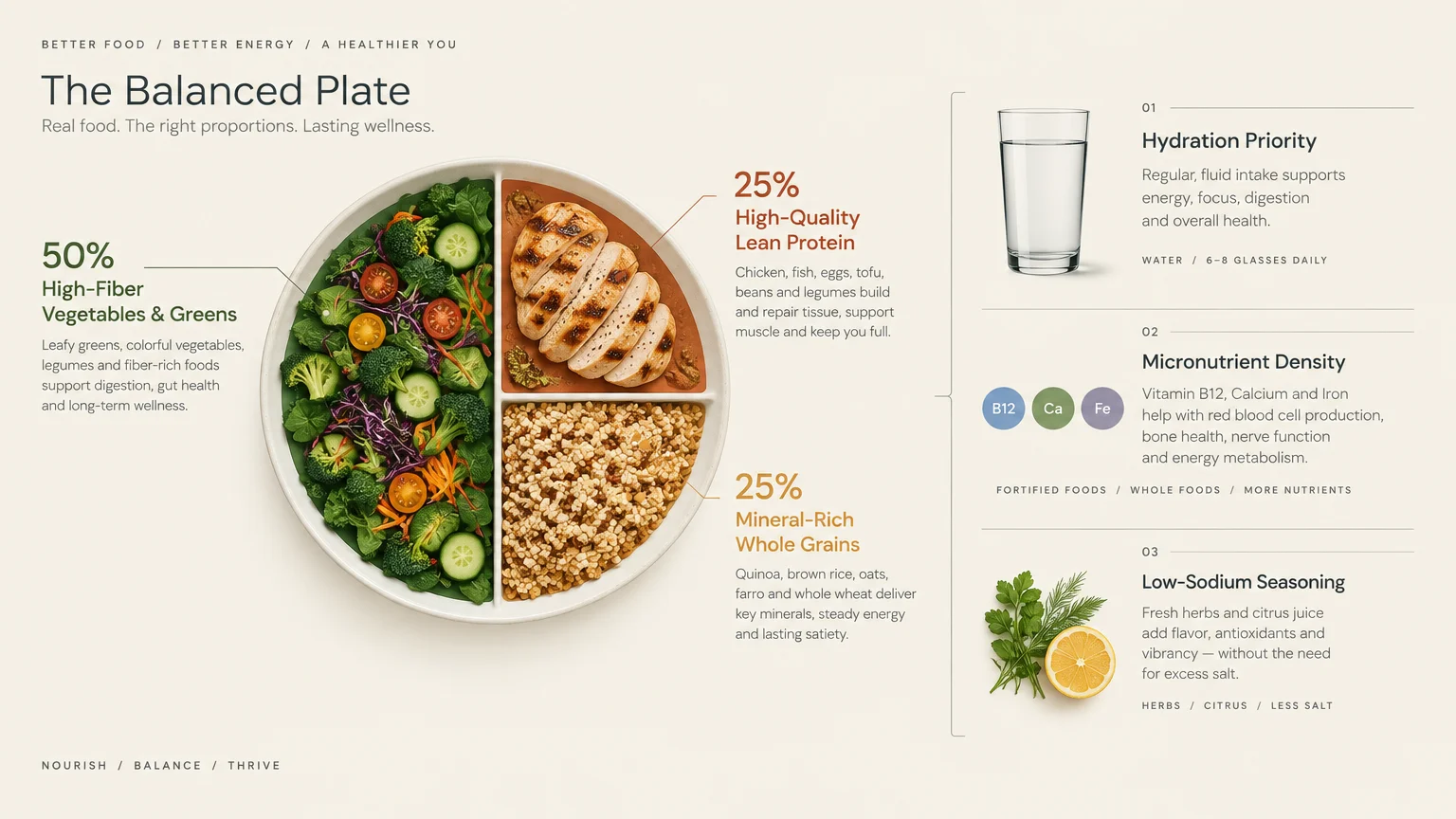
Design your meals around the Eat Real Food Pyramid by selecting whole vegetables, beans, and lean proteins first. Planning ensures your meals contain abundant micronutrients without relying on artificial flavorings or excess salt.
Dedicate an hour on weekends to batch-cook versatile staples like brown rice, roasted squash, and poached chicken. Having pre-cooked wholesome foods in your refrigerator prevents impulsive orders from local delivery services.
Stock your pantry with low-sodium canned tomatoes, dried lentils, unsalted broths, and diverse whole spices. These foundational ingredients let you assemble fast, nourishing dinners without making emergency grocery runs.
Review your refrigerator weekly to discard expired perishables and verify safe storage temperatures below 40°F. Keeping an organized food storage space prevents bacterial cross-contamination and simplifies your cooking workflow.
Incorporate culturally diverse ingredients like black beans, sweet potatoes, and bok choy into your planning. Embracing diverse culinary traditions keeps your weekly menu deeply satisfying, colorful, and budget-friendly.
Pillar 2: Prioritizing Protein and Nutrient Density
Maintaining muscle mass—an essential defense against age-related frailty—demands intentional daily protein intake. The 2025–2030 dietary guidelines elevate protein recommendations to 1.2 to 1.6 grams per kilogram of body weight.
This updated recommendation represents a significant increase over the previous baseline of 0.8 grams per kilogram. Older adults require this elevated intake because aging muscle tissue exhibits anabolic resistance to amino acids.
Distribute your protein target evenly across your three main daily meals to stimulate ongoing muscle protein synthesis. Aiming for 25 to 35 grams of protein per meal produces optimal physiological results.
Start your day with high-protein options like pastured eggs, silken tofu scrambles, or high-protein Greek yogurt. Adding hemp seeds or chopped walnuts increases the protein count while providing heart-healthy fats.
Choose nutrient-dense whole foods over refined carbohydrates so your calories deliver maximum nutritional return. Dense proteins and fibrous vegetables support cellular repair without elevating blood sugar levels.
Pair plant proteins like beans and brown rice to supply complete amino acid profiles on meatless days. This culinary approach delivers cost-effective muscle protection while providing abundant heart-healthy dietary fiber.
Pillar 3: Sustainable Habit Formation
Lasting dietary improvement depends on realistic, incremental modifications rather than sudden, restrictive overhauls. Attempting to overhaul your entire pantry overnight often leads to frustration and premature abandonment.
Focus on mastering a single nutritional replacement before attempting another dietary change. For instance, you might commit to drinking sparkling water instead of evening cocktails for three consecutive weeks.
Anchor new nutritional behaviors to established daily habits to build cognitive momentum. If you make tea every afternoon, use that time to prepare a small bowl of raw walnuts and berries.
Restructure your home environment so that nourishing choices become the easiest decisions you make all day. Place fresh fruit in plain sight on your counter while storing sugary snacks out of reach.
Track your progress by noticing improvements in your physical vitality, cognitive clarity, and digestive comfort. Recognizing positive physiological feedback reinforces your desire to sustain these healthy habits long term.
Involve a friend or family member in your healthy eating goals to foster mutual encouragement. Sharing wholesome meals and swapping nutritious recipes creates social connection that reinforces long-term success.

Expert and Lived Perspectives
Registered dietitians specializing in gerontology emphasize that your plate directly shapes your physical independence. Nutrition is not merely about managing weight; it dictates your mobility, balance, and cognitive longevity.
Dietitians often share that clients who reduce ultra-processed foods experience rapid relief from joint stiffness and gastrointestinal distress. Within weeks of eliminating excess sodium and refined sugars, many report improved energy.
Active community members in their sixties and seventies illustrate the tangible benefits of these dietary shifts. Many report that cooking whole meals at home transformed their physical stamina and blood work.
One retired schoolteacher noted that replacing processed breakfast pastries with Greek yogurt eliminated her mid-morning fatigue. Her blood pressure readings also improved, allowing her doctor to optimize her medical care.
Geriatric physicians observe that older patients who adopt whole-food nutrition recover faster from routine illnesses. Their robust nutritional reserves support immune resilience and protect delicate organ function during stress.
Community cooking classes focused on seniors also highlight how learning basic knife skills rekindles culinary joy. Cooking together empowers older adults to reclaim their nutrition while building meaningful neighborhood friendships.
Safety, Contraindications, and Working With Your Doctor
While general dietary guidance provides an invaluable roadmap, your unique health status requires personalized clinical supervision. Chronic conditions like renal disease, cardiac failure, and liver dysfunction require tailored nutritional prescriptions.
For example, individuals managing chronic kidney disease must carefully monitor their daily protein and potassium consumption. In such clinical scenarios, increasing protein to 1.2–1.6 grams per kilogram might exacerbate renal strain.
Furthermore, several common medications interact directly with specific foods and nutritional adjustments. Anticoagulants require consistent vitamin K intake, while certain blood pressure medications require monitoring potassium salt substitutes.
Always consult your physician or a registered dietitian before introducing significant modifications to your daily diet. Share your dietary goals openly so your healthcare team can align your nutrition with your medical therapies.
Request comprehensive annual blood panels to track your lipid markers, glycemic control, kidney function, and micronutrient levels. Concrete clinical data allows you and your doctor to refine your nutritional plan with precision.
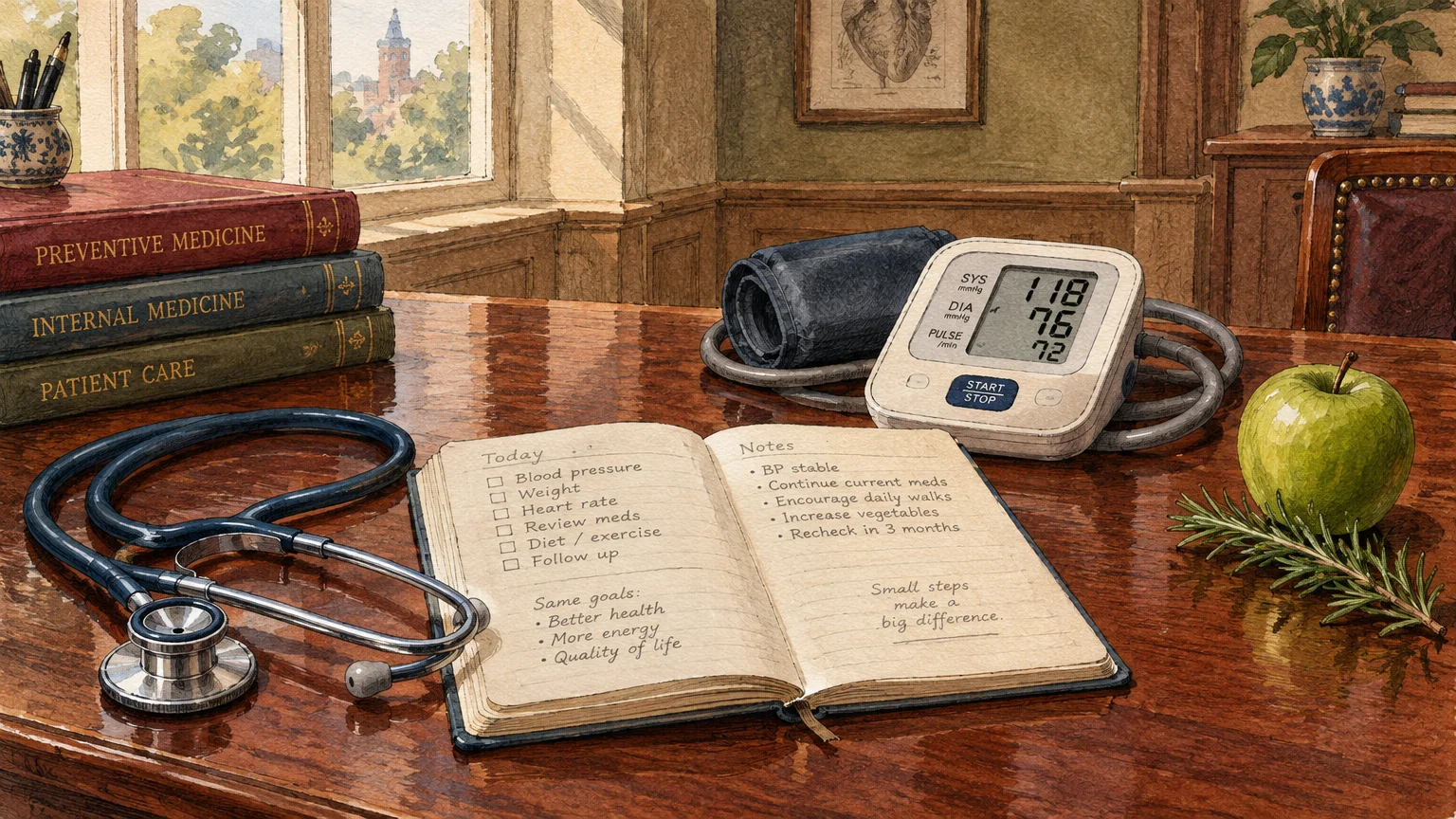
Keep a daily health journal to document how dietary changes correlate with your energy and digestion. Reviewing these personal records with your clinician fosters informed, shared decision-making during checkups.
Frequently Asked Questions
Why are older adults more vulnerable to foodborne illness?
Your immune system experiences a gradual decline in responsiveness known as immunosenescence as you age. This biological process impairs your ability to detect and destroy bacterial pathogens before they multiply.
Additionally, your stomach produces less hydrochloric acid over time, weakening your primary defense against ingested microbes. This allows bacteria like Listeria and Salmonella to pass into your intestines and trigger severe infections.
Nearly half of older adults with confirmed bacterial foodborne infections require hospitalization due to rapid dehydration. Reheating cold cuts to 165°F and avoiding unpasteurized cheeses eliminates these preventable health emergencies.
How can I replace added sugars without using artificial sweeteners?
You can satisfy your sweet cravings naturally by incorporating whole fruits into your daily snacks and meals. Fresh berries, sliced ripe pears, and stewed apples offer rich sweetness alongside fiber and polyphenols.
Using warm culinary spices like cinnamon, ginger, nutmeg, and vanilla bean extract also enhances flavor profiles naturally. These aromatic spices satisfy your taste buds without elevating your blood sugar or introducing artificial chemicals.
Unsweetened fruit purees, like unsweetened applesauce or mashed ripe bananas, also add moist texture to homemade baked goods. This culinary swap naturally sweetens your treats while adding beneficial dietary potassium.
Do I need to eliminate sodium completely to manage my blood pressure?
You do not need to eliminate sodium entirely, as your body requires trace amounts for neurological signaling. However, you should align your daily intake with established cardiovascular health guidelines.
Aim for the federal limit of 2,300 milligrams, or 1,500 milligrams if your physician diagnosed hypertension. Cooking meals with fresh herbs, garlic, and citrus juice easily controls sodium without sacrificing culinary enjoyment.
Reading package nutrition labels carefully also exposes hidden sodium in commercial bread, salad dressings, and marinades. Choosing low-sodium or no-salt-added versions allows you to stay within safe clinical thresholds.
How does reducing alcohol intake protect cognitive health after 60?
Alcohol crosses the blood-brain barrier rapidly and disrupts neurotransmitter communication in regions governing memory and executive function. Because older adults clear alcohol slowly, neural tissues remain exposed to neurotoxic metabolites for longer durations.
Limiting alcohol intake protects your working memory, supports deep restorative sleep, and reduces your risk of nocturnal falls. Choosing refreshing botanical waters or herbal teas keeps your mind sharp and your body fully hydrated.
Furthermore, abstaining from frequent drinking prevents dangerous pharmacological interactions with everyday cardiovascular and metabolic medications. This protective habit preserves your liver capacity and sustains your mental clarity well into the future.
Take Your First Step Within the Next 24 Hours
Transforming your nutrition after 60 does not require rigid perfection or overwhelming deprivation. Meaningful health benefits emerge from consistent, conscious choices made one meal at a time.
Choose a single actionable change to implement within the next 24 hours to support your longevity. Examine the sodium labels in your pantry, or swap an afternoon packaged snack for raw nuts.
Reheat your luncheon cold cuts until steaming, or brew a soothing cup of herbal tea this evening. Each thoughtful adjustment strengthens your cardiovascular system and protects your active independence.
Your body retains an incredible capacity for vitality and resilience when you provide wholesome, nutrient-dense fuel. Celebrate your health today by choosing real foods that honor your strength, cognitive clarity, and independence.