Only 12.5% of Americans aged 51 and older eat five daily servings of fruits and vegetables, while more than half of their calories come from highly processed foods.
Choosing nutrient dense foods closes those nutrition gaps quickly—delivering essential vitamins, minerals, and protein without excess energy. You get more nourishment from every bite you take.
Whether you want to protect your bones, sharpen your energy, or support healthy eating for seniors, this guide shows you which nine foods deliver the biggest return and how to build them into daily meals.
Why Nutrients per Calorie Matter More Over Time
Your metabolism shifts as the decades pass, which means your daily calorie needs often drop while your need for key micronutrients rises or stays steady.
Many older adults absorb less calcium and vitamin B12 due to natural reductions in stomach acid; packing more nutrition into smaller meals becomes vital.
Released in January 2026 by the USDA and the Department of Health and Human Services, the 2025–2030 Dietary Guidelines for Americans center your plate on whole, minimally processed ingredients.
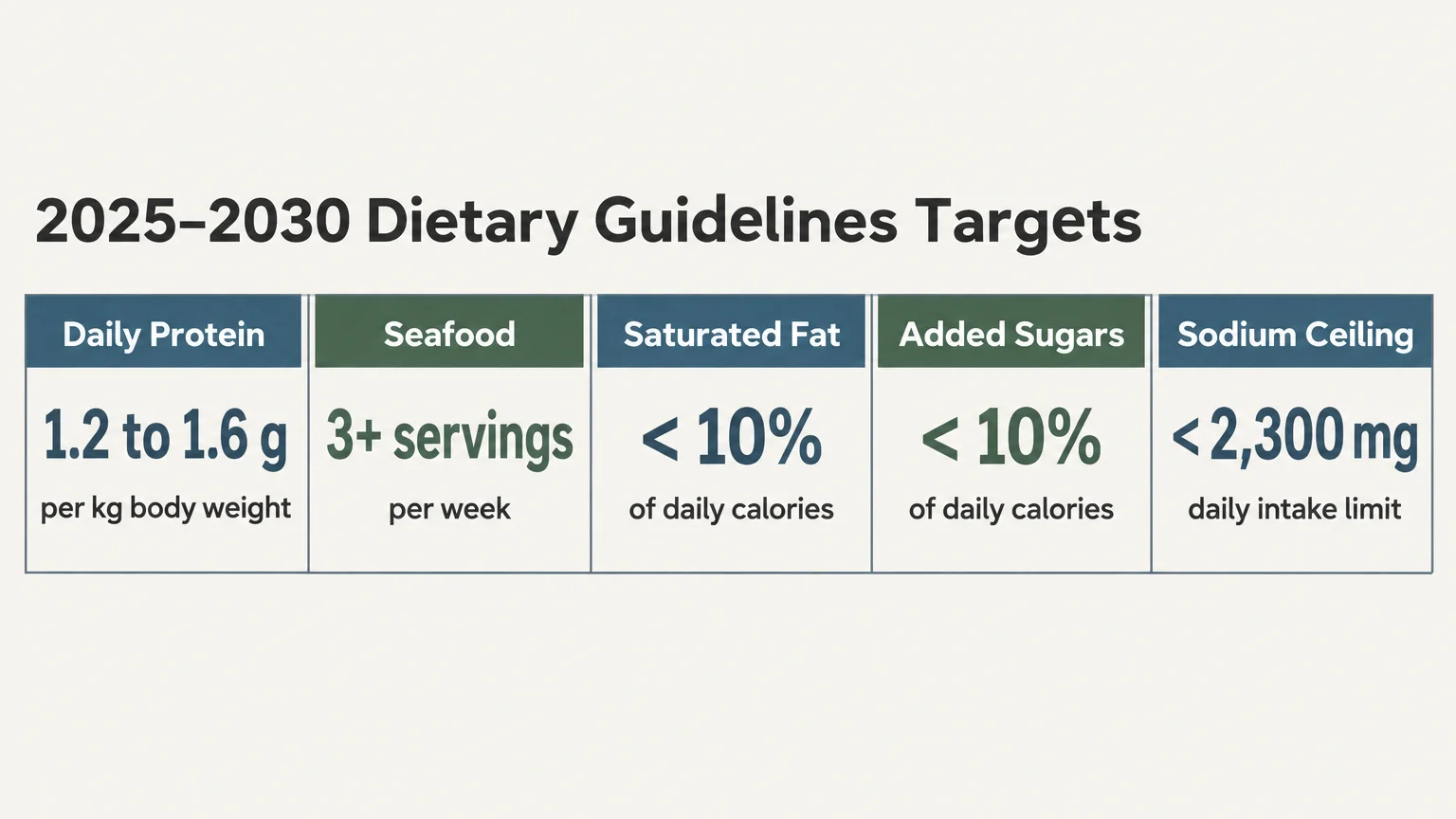
These federal guidelines advise adults to aim for 1.2 to 1.6 grams of protein per kilogram of body weight daily, prioritizing high-quality protein at every meal.
They also expand weekly seafood recommendations to three or more servings per week while keeping saturated fat and added sugars under 10% of daily calories and sodium under 2,300 mg.
An updated U.S. Food and Drug Administration labeling rule—taking full mandatory effect in February 2028—now lets whole vegetables, fruits, seafood, eggs, beans, nuts, and olive oil qualify automatically as healthy foods.
To pinpoint the healthiest foods per calorie, a landmark Centers for Disease Control and Prevention analysis scored 47 fruits and vegetables across 17 essential nutrients per 100 kilocalories.
Leafy greens topped those rankings, though berries, garlic, and onions missed the scoring cutoff because standardized phytochemical formulas did not exist—meaning colorful produce still deserves space on your plate.

The 9 Foods With the Most Nutrients per Calorie
Pairing top-scoring greens with shellfish, fatty fish, organ meats, and legumes covers the exact nutrients most adults fall short on.
1. Watercress
Watercress earned a perfect 100.00 score in the federal powerhouse produce ranking, supplying 250 mcg of vitamin K and 43 mg of vitamin C in 100 grams for only 11 calories.
Because watercress spoils within two to three days of harvest, buy small bunches and toss them raw into sandwiches, soups, or grain bowls right before serving.
2. Kale
Raw kale packs 390 mcg of vitamin K1, 93.4 mg of vitamin C, 254 mg of calcium, and 4.1 grams of fiber into 100 grams for just 35 calories.
It also provides 6,260 mcg of lutein and zeaxanthin to support aging eyes; massage chopped leaves with olive oil and lemon juice to soften tough stems.
3. Spinach
Scoring 86.43 on the nutrient-density index—right alongside Swiss chard and beet greens—spinach delivers folate, potassium, iron, and vitamins A and C for minimal calories.
Wilt a handful into morning eggs or warm pasta dishes so you boost your vegetable intake without adding extra prep time.
4. Clams
A 100-gram portion of clams delivers 98.9 mcg of vitamin B12—more than forty times the daily adult target—alongside bioavailable iron, zinc, selenium, and lean protein.
Clams sit on the U.S. Food and Drug Administration best-choices list for low mercury, though you should always cook them thoroughly to prevent foodborne illness.
5. Oysters
Roughly six medium cooked oysters—about three ounces—supply 14.9 mcg of vitamin B12 along with concentrated zinc, copper, iron, and selenium to support immune defense.
Choose steamed, baked, or canned smoked oysters rather than raw shellfish, especially if you are over 65 or managing a chronic health condition.
6. Salmon
Wild Atlantic salmon supplies up to 2.02 grams of omega-3 fatty acids per 100 grams raw, helping bridge the gap between typical U.S. intakes and the 500 mg daily benchmark.
A cooked fillet also provides vitamin D, selenium, iodine, and nearly twice your daily vitamin B12; canned salmon with soft bones adds over 20% of your daily calcium.
7. Sardines
One small 100-gram tin of sardines gives you 8.9 mcg of vitamin B12, heart-healthy omega-3 fats, vitamin D, and calcium from their edible bones.
Mash sardines with mustard and fresh herbs on whole-grain toast for an affordable, pantry-ready lunch that requires zero stove time.
8. Beef Liver
Beef liver is one of nature’s most concentrated superfoods, delivering 83.1 mcg of vitamin B12 per 100 grams alongside copper, riboflavin, folate, choline, and iron.
Because liver also contains high amounts of preformed vitamin A, keep portions modest and avoid eating it every day to stay safely below upper limits.
9. Lentils
Cooked lentils provide 9.02 grams of protein, 7.9 grams of fiber, 181 mcg of folate, and 3.33 mg of iron per 100 grams.
Most Americans eat only 15 to 16 grams of fiber daily instead of the recommended 25 to 38 grams, making lentil soups an easy fix.

Building Daily Routines and Lifestyle Habits
Turn these nine nutrient dense foods into steady habits by anchoring each meal around protein, produce, and whole-food fats.
On a 2,000-calorie pattern, federal guidelines call for three daily servings of vegetables, two of fruit, two to four of whole grains, and three of dairy—including unsweetened full-fat options.
Start your morning with one large egg—which supplies 19% of your daily vitamin B12 plus choline—folded with spinach alongside whole-grain toast.
Pair lunch salads topped with watercress, kale, and canned salmon or lentils with an afternoon walk, since resistance and weight-bearing movement help your body use dietary protein to preserve muscle.
Prioritize seven to eight hours of sleep and manage daily stress, because poor sleep and chronic stress disrupt appetite cues and blood sugar control.
Sharing home-cooked seafood or lentil dinners with family, neighbors, or community meal programs also combats isolation and makes balanced eating easier to maintain.

Monitoring Biomarkers, Medications, and Safety Limits
Even with thoughtful meals, aging changes how you process key nutrients, so ask your healthcare provider to check vitamin B12 and vitamin D blood levels during routine visits.
According to the National Institutes of Health Office of Dietary Supplements, 10% to 20% of older adults develop vitamin B12 deficiency, often triggered by low stomach acid, proton pump inhibitors, H2 blockers, or metformin.
If you are over 50 and have absorption challenges, fortified foods or targeted supplements can help you reach the adult goal of 2.4 mcg of vitamin B12 daily under medical guidance.
Watch your bone-building nutrients as well, because intestinal calcium absorption declines by about one-third between ages 70 and 90 while osteoporosis affects over 10 million Americans.
Adults need 1,000 to 1,200 mg of calcium daily—not exceeding 2,000 mg—plus 600 IU of vitamin D at ages 51 to 70 and 800 IU past age 70, staying under 4,000 IU.
Half of older women get under 137 IU of vitamin D from food alone, making fatty fish like salmon and sardines particularly valuable.
Be mindful of two key safety boundaries: preformed vitamin A from liver carries an upper limit of 3,000 mcg RAE daily to prevent liver stress and bone pain, whereas plant beta-carotene does not.
If you take warfarin, avoid sudden spikes or drops in vitamin K greens like kale and watercress; instead, maintain a consistent daily intake so your prescribing clinician can keep your dose stable.
Seek prompt medical evaluation if you experience unexplained fatigue, tingling in your hands or feet, new bone pain, or easy bruising.
Frequently Asked Questions
How do I find nutrient-rich choices when dining out?
Scan menus for grilled or baked salmon, steamed shellfish, lentil soups, and dark leafy salads with olive oil vinaigrette on the side.
Ask your server to swap refined fries or white bread for extra steamed greens or roasted vegetables to keep nutrients per calorie high.
What are the best budget-friendly options on this list?
Dried lentils, eggs, frozen spinach, and canned sardines or bone-in salmon cost a fraction of fresh seafood while delivering almost identical protein, fiber, and minerals.
Storing canned fish and dried legumes in your pantry also prevents food waste compared with delicate greens like watercress.
Should I take a multivitamin instead of eating these foods?
Whole foods supply fiber, potassium, omega-3 fats, and plant compounds that pills cannot replicate, though targeted vitamin B12 or vitamin D supplements may be needed if lab tests show low levels.
Consult a physician or registered dietitian through the Academy of Nutrition and Dietetics before starting high-dose supplements.
How can I adapt these foods for different cultural cuisines?
Simmer lentils into spiced Indian dals, Mediterranean stews, or Latin American soups, and fold spinach or watercress into stir-fries with ginger and garlic.
Season salmon and sardines with soy sauce, citrus, miso, or smoky paprika so familiar flavors make nourishing meals feel comforting.

Your Next Step
Pick one habit to track this week—such as adding two handfuls of leafy greens to lunch or scheduling two seafood dinners.
Bring your food log and current medication list to your next checkup so your care team can tailor calorie, protein, and lab targets to your needs.