You do not have to banish potatoes from your plate to maintain steady glucose levels. How you cook, cool, and serve your spuds influences your blood sugar far more than whether you choose red, yellow, or russet varieties.
With over 115 million American adults living with prediabetes, finding practical ways to enjoy starchy staples matters. Transforming ordinary tubers into lower-glycemic meals requires simple kitchen adjustments rather than strict dietary deprivation.
By using basic temperature shifts, you can directly modify how your body digests dietary starch. This evidence-based strategy lets you keep satisfying comfort foods in your weekly routine without triggering sharp glucose spikes.
The Potato Variety Myth: Red vs. Yellow vs. Russet
Grocery displays often lead shoppers to believe that red or yellow potatoes are naturally blood-sugar-friendly choices. Many consumers assume russet potatoes cause dramatic blood sugar spikes while waxier types remain completely harmless.
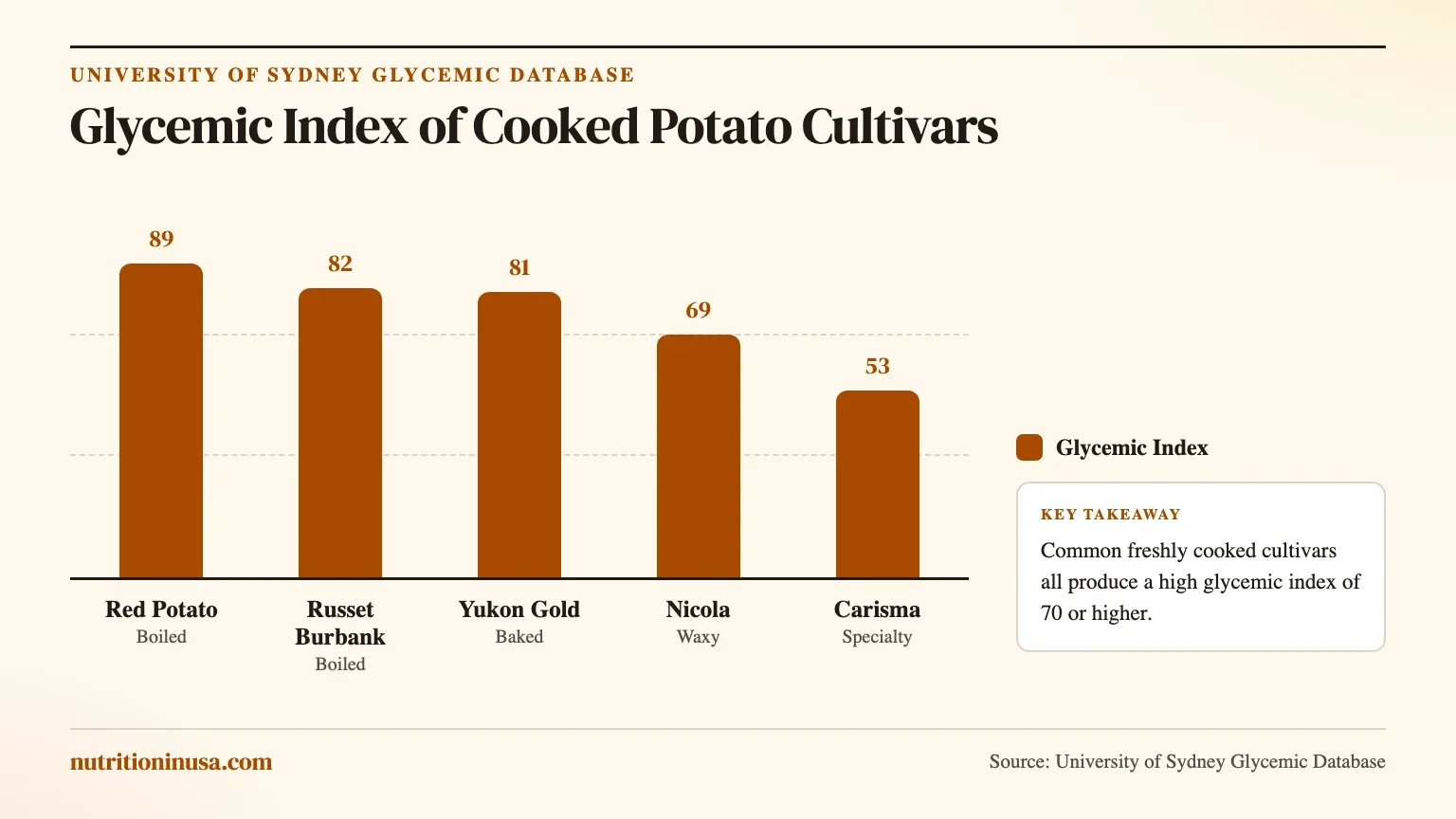
Clinical testing reveals that potato variety matters far less than most people think. When cooked and eaten hot, almost all common potato cultivars produce a high glycemic index value of 70 or higher.
According to the University of Sydney glycemic database, freshly boiled red potatoes carry a high glycemic index of 89. Boiled Russet Burbank potatoes register at 82, while baked Yukon Gold potatoes average 81.
Research from the U.S. Department of Agriculture confirms that resistant starch levels do not differ significantly between Dark Red Norland, Yukon Gold, and Russet Burbank potatoes. Instead, cooking methods and serving temperatures drive the real physiological differences.
Specialty options like the Carisma cultivar test at a low glycemic index of 53, while waxy Nicola tests at 69. For everyday shopping, you do not need to hunt down rare cultivars to eat well.
The Science of Retrogradation: How Cooling Changes Starch
When you boil or bake a potato, heat swells the starch granules and breaks their crystalline structure. This process makes the carbohydrate easy for digestive enzymes to access, triggering rapid glucose absorption in your bloodstream.
Cooling that cooked potato initiates retrogradation, where dissolved amylose molecules realign into tight, crystalline bonds. This structural shift creates type-3 resistant starch, which completely resists breakdown in your small intestine.
A clinical trial published in the European Journal of Clinical Nutrition revealed that chilling boiled potatoes for 24 hours elevated resistant starch from 3.3 percent to 5.2 percent. This cooling step cut the participants’ insulin response by 28 percent.
In another landmark study, chilling boiled red potatoes overnight dropped their glycemic index from a high of 89 down to a moderate 56. Consuming them cold fundamentally changes how your digestive system handles the meal.
A randomized trial in Nutrients evaluated women with elevated fasting glucose eating chilled baked russets versus hot boiled potatoes. Chilled russets lowered early glucose spikes at 15 and 30 minutes by 4.8 and 9.2 percent.
Keep in mind that reheating chilled potatoes breaks down some of this newly formed resistant starch. To gain the maximum metabolic advantage, you should consume retrograded potatoes cold or lightly chilled.
Three Strategic Pillars for Potato Meals
1. Temperature Planning
Strategic batch cooking transforms how your body processes mealtime carbohydrates. By boiling or roasting potatoes a day ahead and storing them in your refrigerator, you build metabolic benefits directly into your weekly meal preparation.
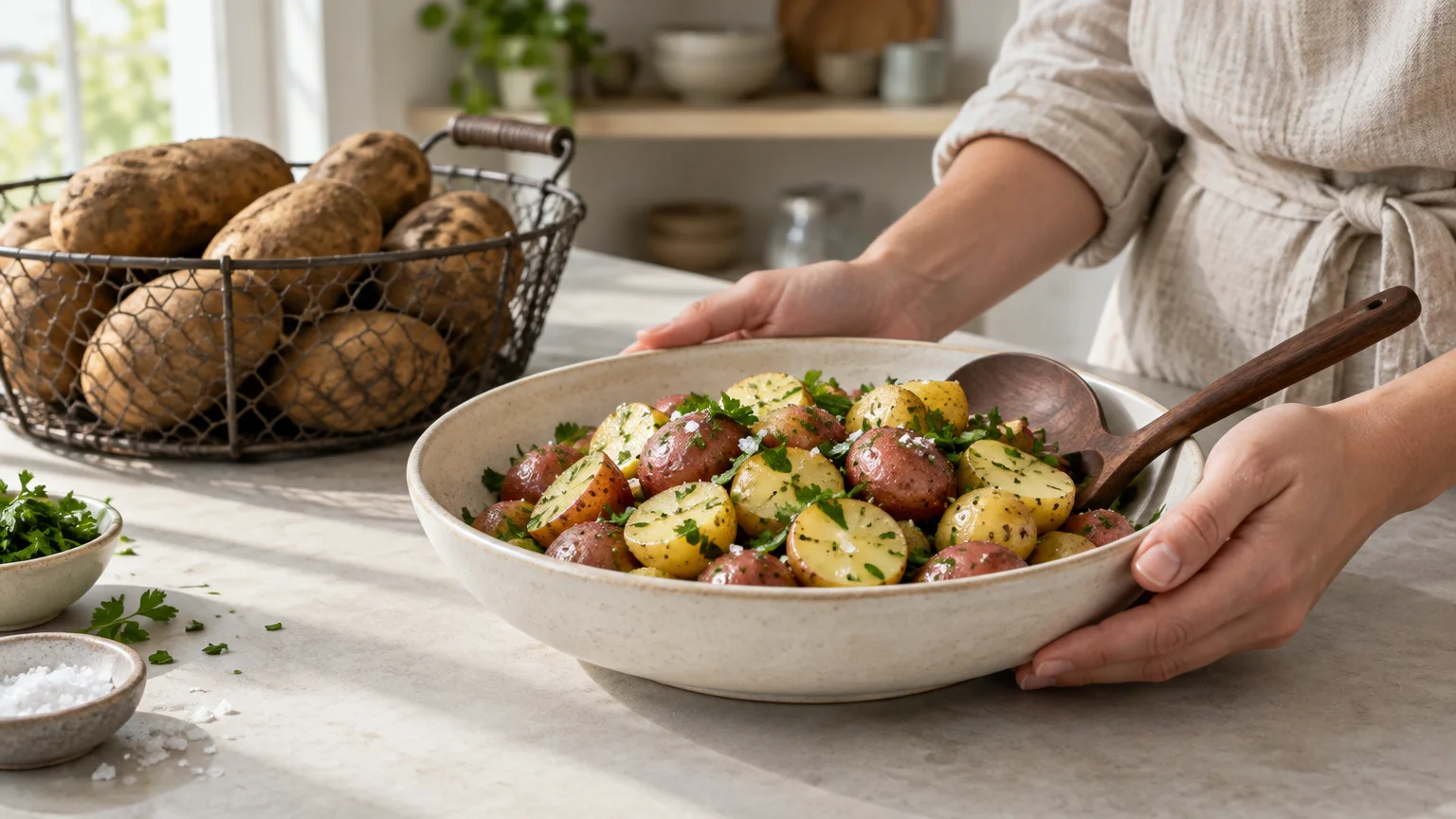
Enjoy these chilled potatoes in colorful summer salads, chilled grain bowls, or bento boxes. This simple habit turns a high-glycemic comfort food into a slow-digesting dietary staple without requiring extra cooking time on busy weekdays.
2. Nutrient Pairing and Acidity
Never eat a potato in isolation if you want steady post-meal blood sugar. Pairing complex carbohydrates with lean protein, healthy fats, and dietary fiber significantly delays stomach emptying and moderates glucose absorption.
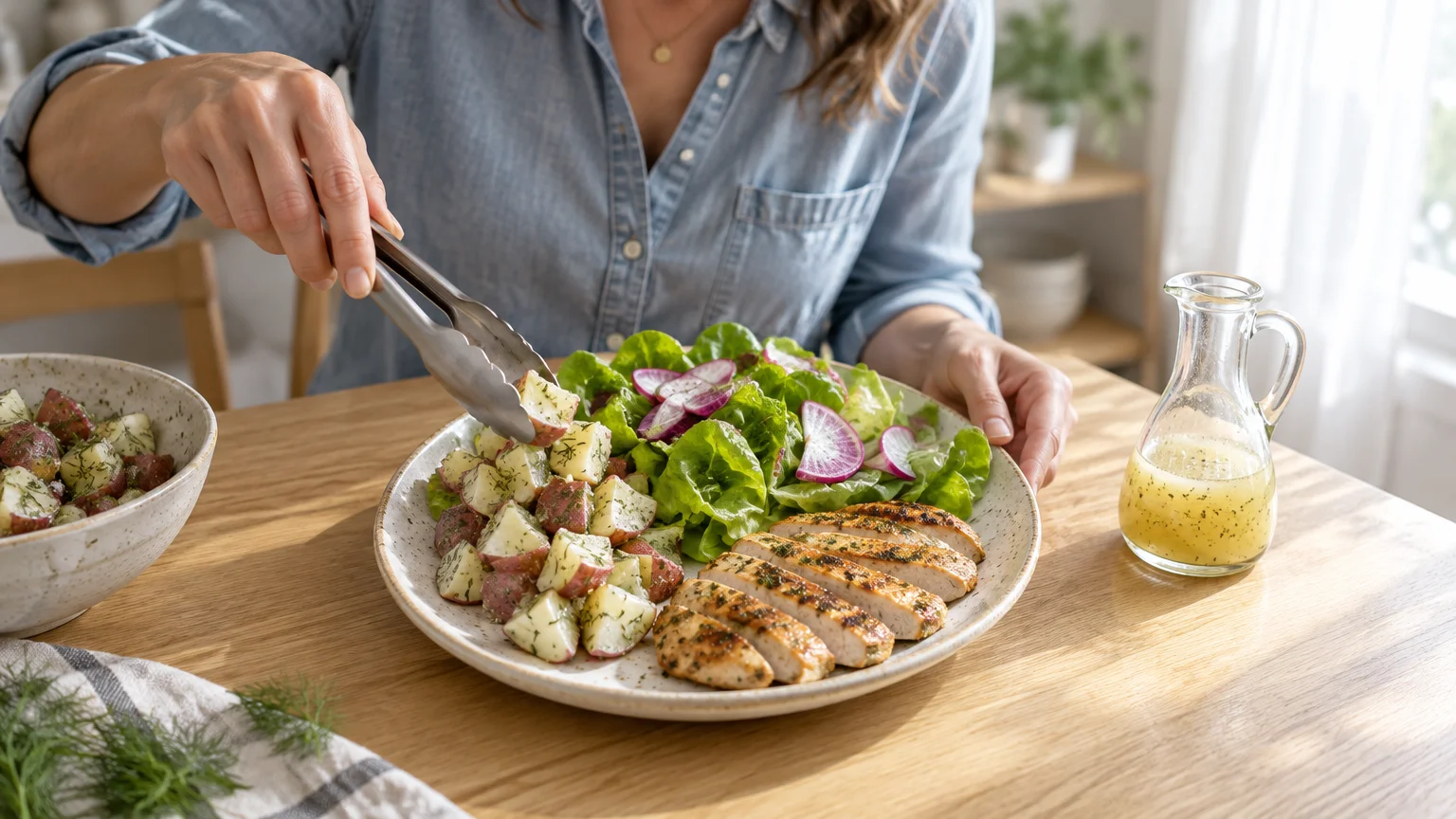
Adding dietary acid provides an even stronger metabolic cushion. Research shows that tossing chilled potatoes with an olive oil and white vinegar dressing reduces the post-meal glycemic response by 43 percent and insulin by 31 percent.
Follow the American Diabetes Association plate method for balanced meals. Fill half your plate with non-starchy vegetables, one-quarter with lean protein, and dedicate the final quarter to your chilled potato dish.
3. Preparation Style and Portion Awareness
Deep-frying potatoes creates health risks that extend beyond simple blood sugar spikes. A massive 30-year Harvard study published in the BMJ tracked over 205,000 adults and linked three weekly servings of French fries to a 20 percent higher risk of type 2 diabetes.
That same BMJ analysis found no statistically significant link between boiled, baked, or mashed potatoes and diabetes risk. The specific cooking method and added cooking fats play a pivotal role in long-term health outcomes.
Whole potatoes deliver notable nutritional value when prepared thoughtfully. A medium 173-gram baked potato with skin contains 161 calories, 4.3 grams of protein, nearly 4 grams of fiber, and 926 milligrams of potassium.
Expert Perspectives and Real-World Application
Clinical dietitians emphasize that rigid food eliminations often backfire for people managing metabolic conditions. Learning how starch chemistry functions allows you to eat familiar foods while preserving metabolic wellness.
Nutrition professionals often recommend cold potato salads dressed with vinaigrette, chopped herbs, and hard-boiled eggs as ideal lunches. This combination supplies resistant starch, lean protein, and healthy fats in a single satisfying bowl.
According to data from the Centers for Disease Control and Prevention, over 40 million Americans have diabetes, and new adult diagnoses recently reached 7.1 per 1,000 individuals. Sustainable dietary adjustments provide accessible tools for broad population health.
Safety Guidelines and Personalization
While cooling starches offers distinct glycemic perks, you must practice proper kitchen safety to prevent bacterial growth. Improperly cooled starchy foods can harbor Bacillus cereus, a bacterium that produces heat-stable toxins.
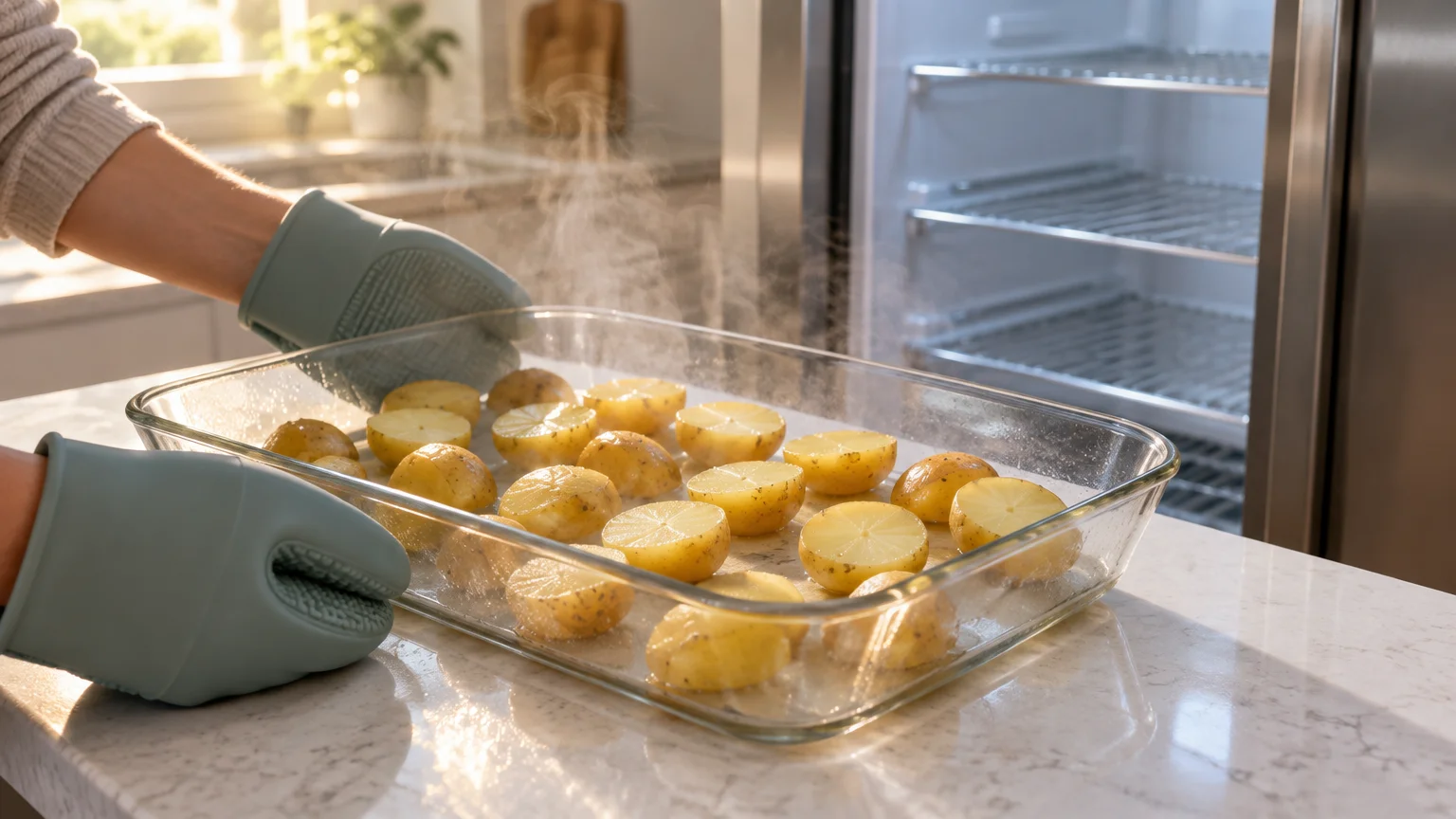
The USDA Food Safety and Inspection Service advises refrigerating cooked potatoes at 40 degrees Fahrenheit or lower within two hours of cooking. If room temperatures exceed 90 degrees, chill them within one single hour.
Spread warm potatoes across shallow containers no deeper than three inches so they cool quickly and evenly. Consume refrigerated leftovers within three to four days, and ensure reheated portions reach 165 degrees Fahrenheit.
Metabolic responses vary across individuals based on gut microbiota, medications, and physical activity levels. Always consult your primary healthcare provider or a registered dietitian before making significant changes to your diabetes management plan.
Frequently Asked Questions
Does reheating cold potatoes destroy all the resistant starch?
Reheating does not eliminate every gram of resistant starch, but it substantially reduces the total amount. To preserve the maximum metabolic benefit, enjoy your retrograded potatoes cold or slightly chilled straight from the refrigerator.
Are sweet potatoes better for blood sugar than white potatoes?
Sweet potatoes contain more vitamin A, but boiled varieties still carry a moderate-to-high glycemic index. Cooling cooked sweet potatoes also forms resistant starch, meaning temperature strategies work well across different root vegetables.
Does leaving the skin on lower the potato’s glycemic index?
Keeping the skin intact preserves dietary fiber and potassium, which subtly slows digestion. However, the skin alone does not drop the glycemic index as effectively as chilling the cooked potato overnight.
Can I freeze cooked potatoes to build resistant starch?
Freezing does promote starch retrogradation, but standard refrigeration at 40 degrees Fahrenheit accomplishes the same goal more conveniently. Freezing may also degrade the texture of whole potatoes once thawed.
Take Action Today
Managing your blood sugar does not require cutting out every carbohydrate you love. Smart food preparation gives you greater metabolic control while keeping delicious, culturally important staples on your dinner table.
Within the next 24 hours, boil a batch of small potatoes, let them cool, and place them in your refrigerator overnight. Serve them tomorrow tossed with olive oil, red wine vinegar, and your favorite fresh herbs.