
The autoimmune protocol diet offers an evidence-based roadmap to help you calm systemic inflammation and pinpoint hidden food sensitivities. By removing inflammatory triggers, you create an internal environment where your gut barrier and immune cells can heal.
Managing autoimmune symptoms no longer requires overwhelming guesswork or unbending restrictions. Modern updates provide practical, customizable dietary options that align with your daily routine while still promoting deep immune resilience.
This guide breaks down exact food lists, scientific rationale, and step-by-step strategies to help you reclaim your daily energy and digestive comfort.
Understanding Autoimmune Disease in the United States
Autoimmune conditions represent one of the fastest-growing health challenges in modern clinical practice. When you face an autoimmune diagnosis, your immune system mistakenly attacks healthy tissues, causing persistent fatigue and tissue damage.
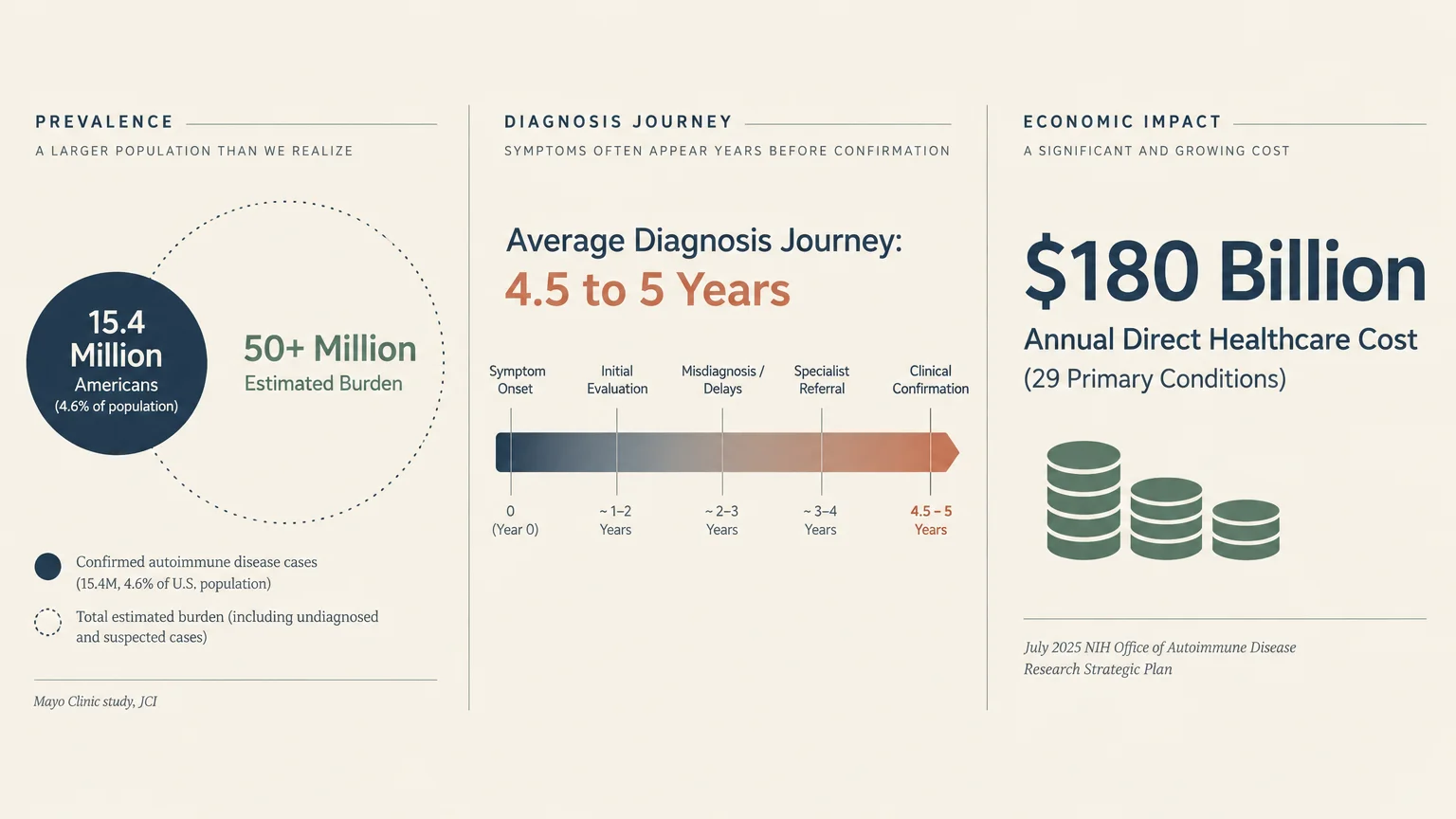
A landmark Mayo Clinic study published in the Journal of Clinical Investigation evaluated over 10 million electronic health records. The researchers determined that 15.4 million Americans, representing 4.6% of the national population, live with a clinically diagnosed autoimmune disease.
Patient advocacy data suggests the actual burden stretches much further across the country. The Autoimmune Association estimates that over 50 million Americans live with autoimmune conditions when accounting for undiagnosed or emerging disorders.
Patients often navigate an exhausting clinical journey before receiving appropriate medical answers. The average diagnosis timeframe spans 4.5 to 5 years, during which individuals endure worsening symptoms without targeted support.
The broader economic consequences of these chronic illnesses remain immense across the healthcare system. Direct healthcare expenditures for 29 primary autoimmune conditions total roughly $180 billion annually throughout the United States.
Federal health agencies have responded by prioritizing systemic immunological research. In July 2025, the NIH Office of Autoimmune Disease Research launched the first comprehensive strategic plan to investigate environmental triggers and dietary interventions.
Nutrition serves as one of the most powerful environmental variables within your direct control. By adjusting your dietary intake, you actively alter antigen exposure and calm hyper-reactive immune pathways.
What Is the Autoimmune Protocol Diet?
The autoimmune protocol diet, commonly known as AIP, is a specialized nutritional intervention designed to optimize gut health and dampen systemic inflammation. It builds upon ancestral eating principles while introducing targeted boundaries to soothe an overactive immune response.
Unlike standard dietary plans that focus on caloric restriction or weight loss, AIP prioritizes cellular nourishment and intestinal repair. You intentionally eliminate ingredients known to irritate the gut mucosa or stimulate hyperactive immune defenses.
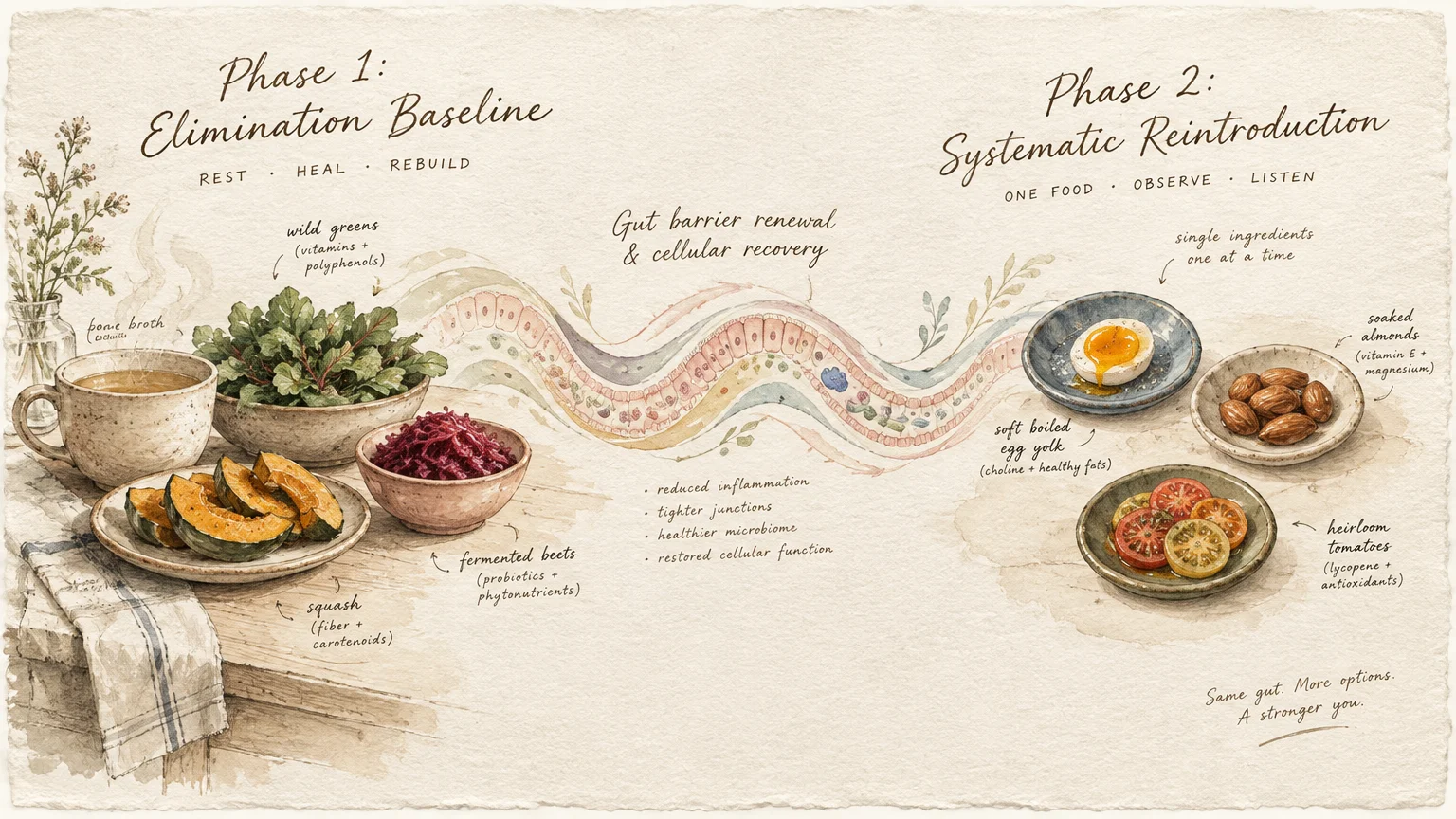
The protocol operates as a two-phase therapeutic process rather than a permanent dietary prescription. You first complete a structured elimination phase, followed by a gradual, orderly reintroduction of nutrient-dense foods.
The elimination period establishes a clean physiological baseline across your body. You sustain this baseline long enough for your digestive tract to regenerate and for systemic inflammation markers to recede.
Once your physical symptoms stabilize, you systematically reintroduce foods one at a time. This methodical testing reveals which specific foods support your vitality and which provoke adverse immune reactions.
Ultimately, the protocol helps you construct a personalized, lifelong nutritional template. You replace restrictive dogma with empirical knowledge about how individual foods affect your unique biochemistry.
The 2024 Evolution: Core AIP Versus Modified AIP
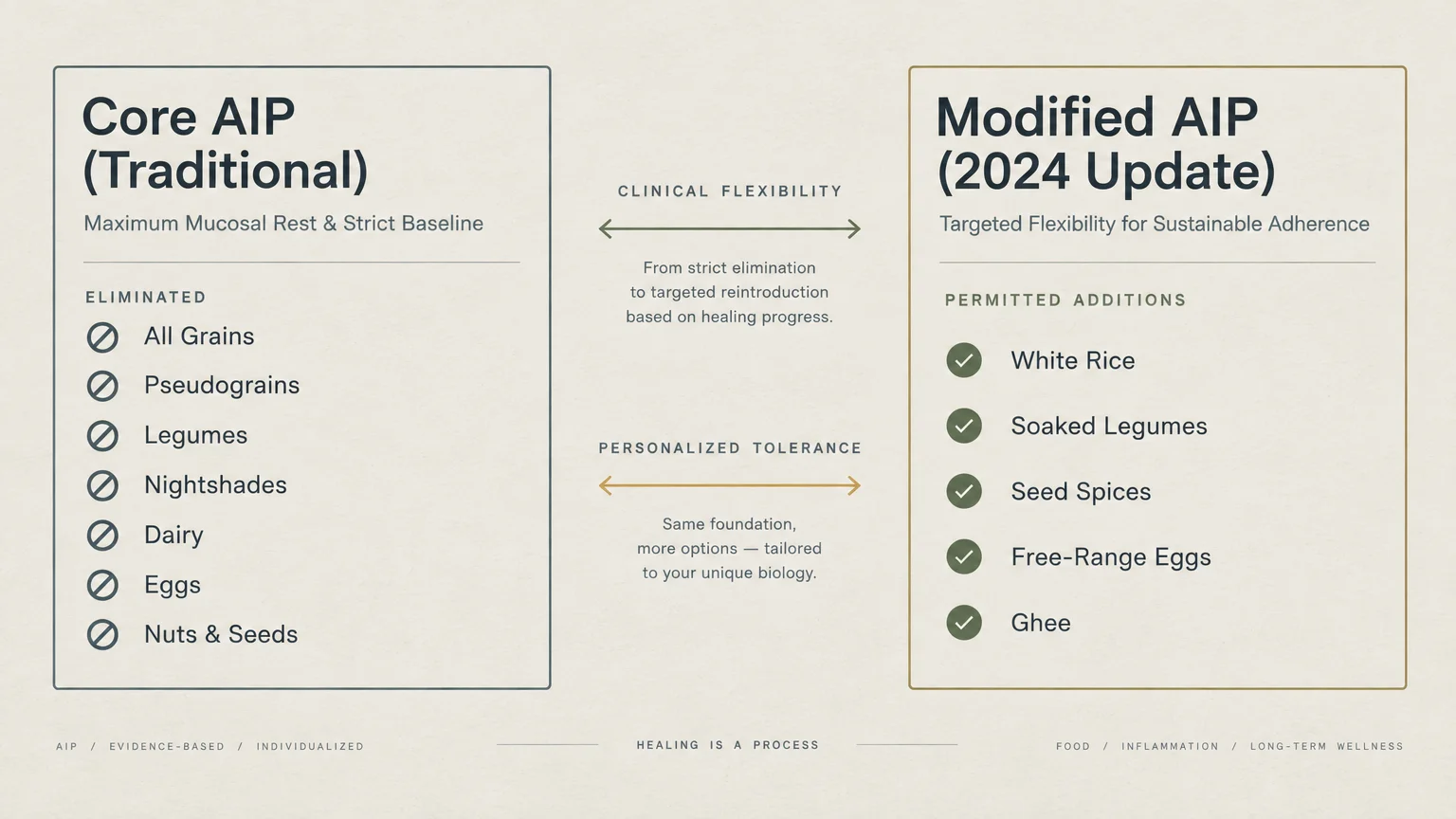
In January 2024, the certifying organization Autoimmune Wellness announced the first major update to the protocol since 2011. The protocol now features two distinct elimination pathways: Core AIP and Modified AIP.
This major development addressed years of clinical observation and emerging microbiome research. Practitioners recognized that overly restrictive protocols can induce unnecessary emotional stress and impair long-term social well-being.
Core AIP represents the original, rigorous elimination protocol used for over a decade. It strictly removes all grains, pseudo-grains, dairy, legumes, eggs, nightshades, nuts, seeds, and stimulating beverages.
Clinicians frequently recommend Core AIP for individuals experiencing severe, highly active autoimmune flare-ups. Patients managing complex inflammatory bowel disease or treatment-resistant joint pain often benefit from this strict initial intervention.
Modified AIP introduces a more accessible, flexible alternative for the elimination phase. It maintains foundational anti-inflammatory boundaries while permitting several nutrient-rich food groups previously excluded from the protocol.
Under Modified AIP guidelines, you can safely consume rice, pseudo-grains, legumes, ghee, seeds, and seed-derived spices. You may also enjoy daily cups of coffee and dark cocoa without violating protocol guidelines.
Both pathways share identical exclusion rules for the most common inflammatory triggers. Neither version permits gluten, non-ghee dairy, nightshades, soy, refined sugars, industrial seed oils, or chemical food additives.
Choosing between Core and Modified AIP depends entirely on your personal symptom severity, lifestyle demands, and psychological relationship with food. A more accessible protocol executed consistently yields far superior results compared to an unsustainable program.
The Complete AIP Diet Food List: What You Can Eat
A successful autoimmune diet emphasizes abundant nourishment rather than mere deprivation. You must flood your tissues with essential fatty acids, bioavailable minerals, and cell-protective antioxidants to accelerate systemic healing.
Shared Foundations: Nourishing Foods on Both Protocols
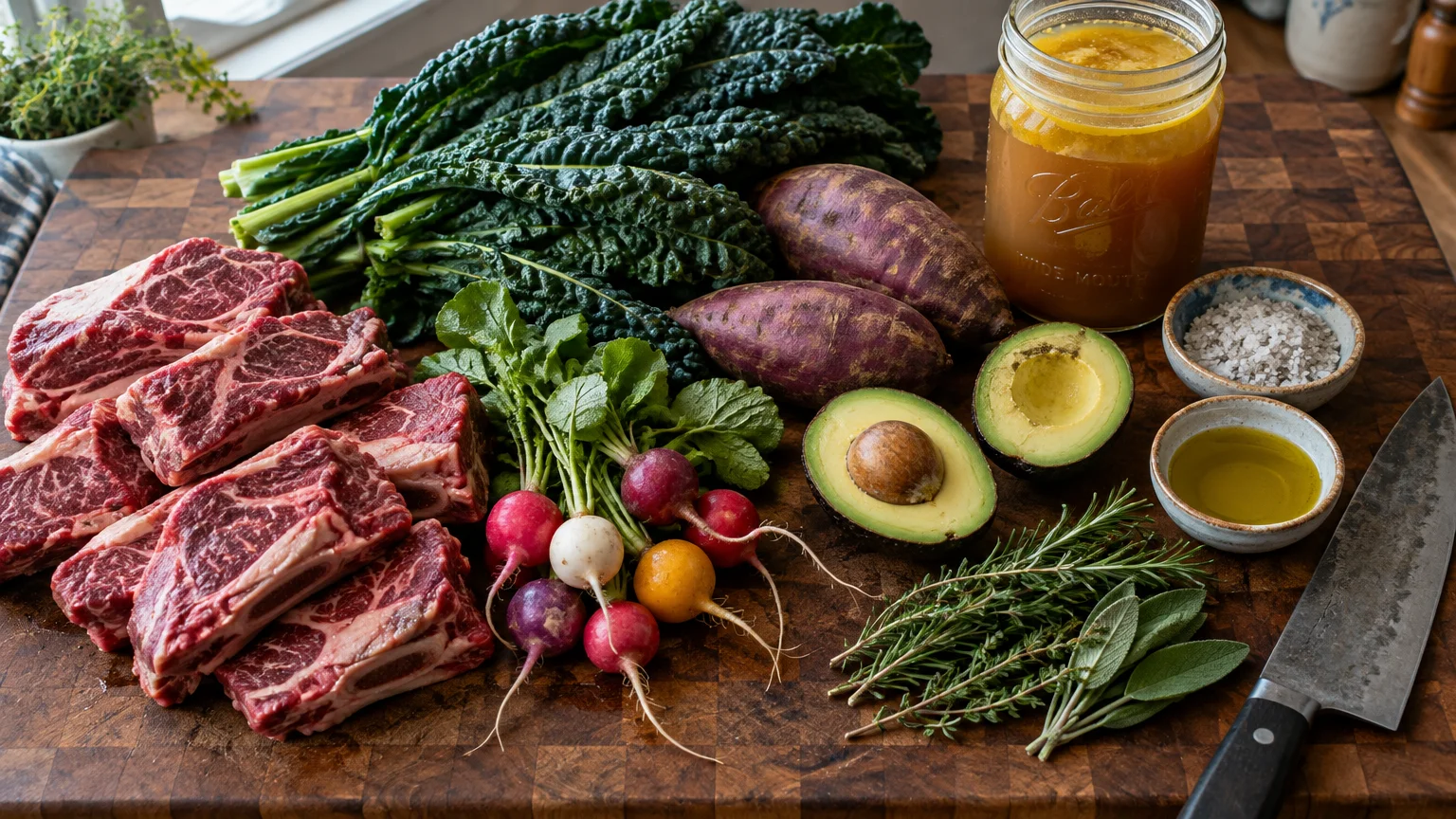
High-quality animal proteins form the central cornerstone of both Core and Modified AIP menus. You can consume grass-fed beef, pasture-raised poultry, lamb, wild-caught salmon, sardines, and heritage pork.
Organ meats provide exceptional micronutrient density that supports rapid tissue repair. Consuming beef liver or chicken liver twice weekly supplies therapeutic doses of vitamin A, zinc, and methylated B vitamins.
A diverse array of colorful vegetables supplies your gut microbiome with fermentable fibers. You can freely eat broccoli, cauliflower, Brussels sprouts, kale, cabbage, arugula, spinach, and Swiss chard.
Root vegetables and tubers deliver clean carbohydrates that support your adrenal glands and thyroid function. Incorporate sweet potatoes, yams, cassava, parsnips, rutabaga, turnips, and carrots into your weekly meals.
Healthy cooking fats protect your cell membranes and facilitate the absorption of fat-soluble vitamins. Generously use extra virgin olive oil, cold-pressed avocado oil, and virgin coconut oil throughout your cooking.
Cultured and fermented foods introduce beneficial microbes to optimize gut microbial diversity. Add raw unpasteurized sauerkraut, coconut milk kefir, fermented cucumbers, and kombucha to your daily meals.
Traditional bone broth delivers bioavailable glycine, proline, and collagen to reinforce intestinal barrier integrity. Simmering beef or poultry bones creates an amino-acid-rich tonic that soothes irritated mucous membranes.
Fresh fruits supply natural sweetness, vitamin C, and polyphenols to counteract cellular oxidative stress. Enjoy wild blueberries, blackberries, raspberries, apples, pears, and citrus fruits in moderate daily portions.
Fresh culinary herbs add rich flavor and potent anti-inflammatory phytochemicals to your meals. Cook freely with rosemary, thyme, oregano, basil, mint, flat-leaf parsley, and cilantro.
Modified AIP Additions: Expanding Your Daily Options
The Modified AIP framework expands your culinary choices by reincorporating several wholesome staple foods. These strategic additions make dining out, meal preparation, and family cooking significantly easier to navigate.
Ghee, or clarified butter, is fully permitted on the Modified AIP elimination phase. The clarifying process removes milk proteins and lactose, leaving behind pure, gut-healing butyric acid and stable fats.
Gluten-free grains such as white rice, brown rice, and wild rice provide affordable, easily digested energy sources. Rice serves as a neutral carbohydrate base that rarely triggers an adverse immune response.
Nutrient-dense pseudo-grains also return to your plate under the modified guidelines. You can prepare dishes using protein-rich quinoa, mineral-dense buckwheat, amaranth, and soluble fiber from chia seeds.
Legumes, including black beans, chickpeas, lentils, and split peas, provide prebiotic fiber and plant-based protein. However, you must still exclude soy and peanuts due to their unique allergenic profiles.
Whole seeds and seed-based oils expand your culinary options and nutrient intake. You can safely consume sunflower seeds, pumpkin seeds, flaxseed, and cold-pressed sesame oil without triggering inflammation.
Seed-derived culinary spices enrich your kitchen repertoire with bold, diverse flavors. You can cook with ground cumin, coriander, fennel seed, cardamom, mustard powder, and black pepper.
Moderate consumption of high-quality coffee and pure dark chocolate offers welcomed comfort during the elimination phase. Savoring morning coffee or antioxidant-dense cocoa improves long-term dietary adherence and psychological well-being.
AIP Foods to Avoid: The Elimination Blueprint
Identifying and removing inflammatory triggers allows your immune system to cease its chronic alarm state. Removing these reactive compounds resolves ongoing micro-trauma across the delicate epithelial lining of your gut.
Shared Foods to Avoid on Core and Modified Protocols
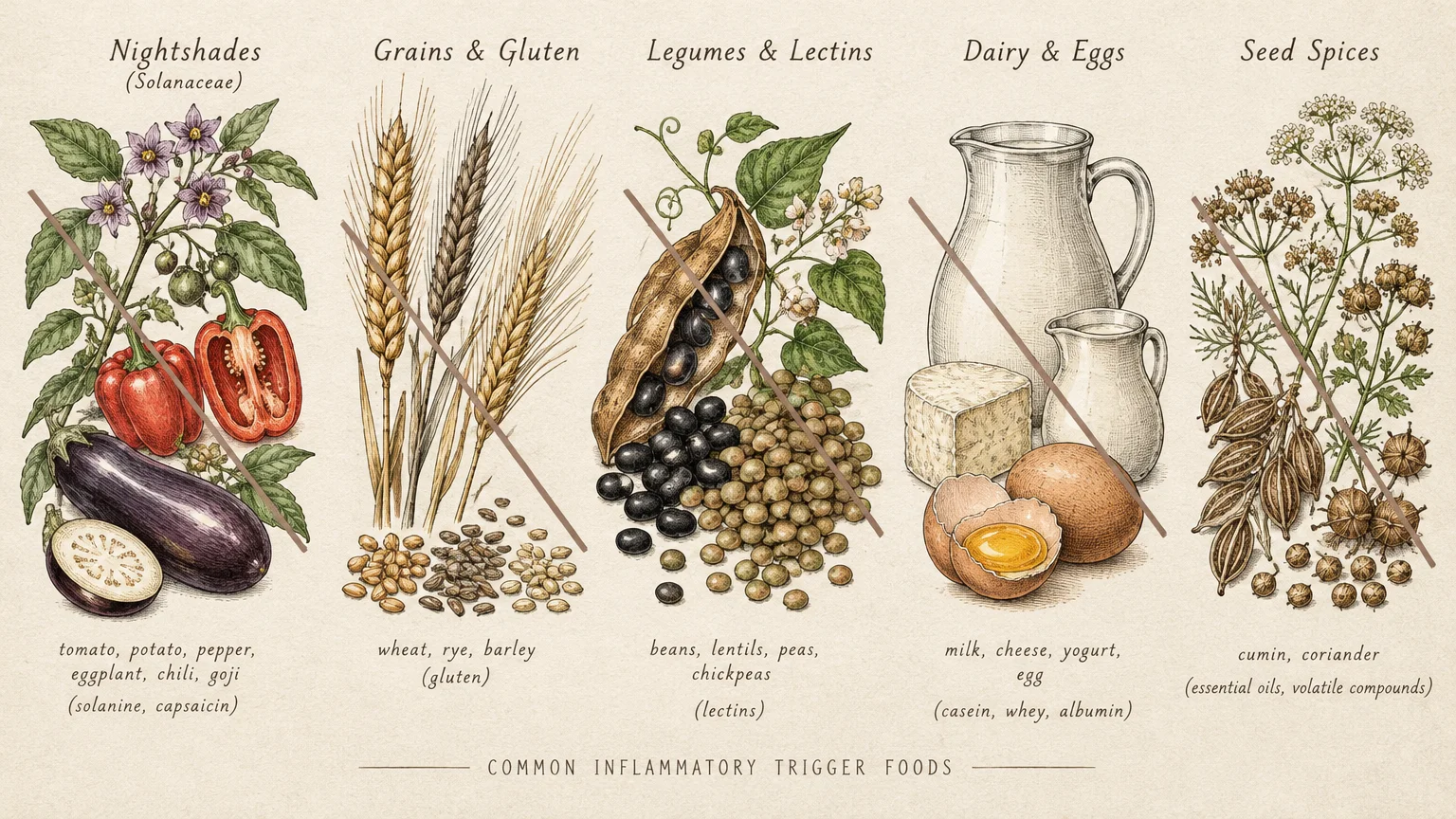
Gluten-containing grains represent the most critical exclusion across all autoimmune nutrition protocols. You must eliminate all wheat, barley, rye, spelt, farro, and cross-contaminated grain products.
Conventional dairy products provoke immune reactions through milk proteins like casein and whey. Both protocols eliminate milk, yogurt, cheese, cream, and conventional butter to prevent mucosal irritation.
Nightshade vegetables contain glycoalkaloids and lectins that can increase intestinal permeability in sensitive individuals. You must avoid tomatoes, white potatoes, eggplants, bell peppers, and all spicy chili peppers.
Nightshade-derived seasonings frequently hide within processed foods and spice blends. Check product labels carefully to avoid paprika, cayenne pepper, chili powder, and crushed red pepper flakes.
Eggs present a hidden hurdle for many people struggling with unresolved autoimmune symptoms. The egg white contains lysozyme, an antimicrobial enzyme that can cross compromised intestinal barriers and stimulate antibodies.
Soybeans and peanuts represent two highly allergenic legumes that trigger pronounced immune reactions. Avoid all forms of edamame, tofu, soy lecithin, peanut butter, and peanut-derived oils.
Industrial seed oils undergo extensive chemical processing and contain excessive levels of oxidized omega-6 fatty acids. Eliminate canola oil, corn oil, soybean oil, cottonseed oil, and commercial vegetable oil blends.
Refined sugars and artificial sweeteners disrupt healthy microbial balance and drive systemic inflammation. Avoid high-fructose corn syrup, cane sugar, sucralose, aspartame, saccharin, and sugar alcohols like xylitol.
Alcohol directly compromises your intestinal tight junctions and places toxic strain on your liver. You must pause all wine, beer, spirits, and alcohol-infused beverages throughout the elimination phase.
Commercial food additives, emulsifiers, and synthetic thickeners degrade the protective mucous layer of the gut. Strictly exclude carrageenan, polysorbate 80, carboxymethylcellulose, artificial flavorings, and synthetic color dyes.
Core AIP Specific Restrictions
If you choose the traditional Core AIP pathway, your elimination list includes several additional food categories. These exclusions ensure absolute minimization of potential dietary irritants during severe autoimmune flares.
All non-gluten grains remain entirely prohibited during the Core AIP elimination phase. You must avoid oats, corn, white rice, brown rice, wild rice, and corn derivatives.
Pseudo-grains such as quinoa, buckwheat, and amaranth are excluded under Core guidelines. These plant seeds contain protective anti-nutrients that can irritate an acutely inflamed digestive tract.
Tree nuts and all nut-derived products must be completely removed from your kitchen. Exclude almonds, walnuts, pecans, cashews, macadamia nuts, nut flours, and nut butters.
All culinary seeds and seed-derived spices are strictly banned on the Core protocol. You cannot consume sesame seeds, chia seeds, cumin, coriander, mustard, celery seed, or nutmeg.
All legumes, including lentils, black beans, pinto beans, and green peas, are eliminated. Core AIP excludes these plant foods to minimize gut irritation from lectins and phytates.
Stimulants and comforting indulgences like coffee, cocoa, and chocolate are entirely off-limits on Core AIP. You must replace your morning coffee habit with herbal infusions like roasted chicory root or ginger tea.
The Science of Gut Permeability and Systemic Inflammation
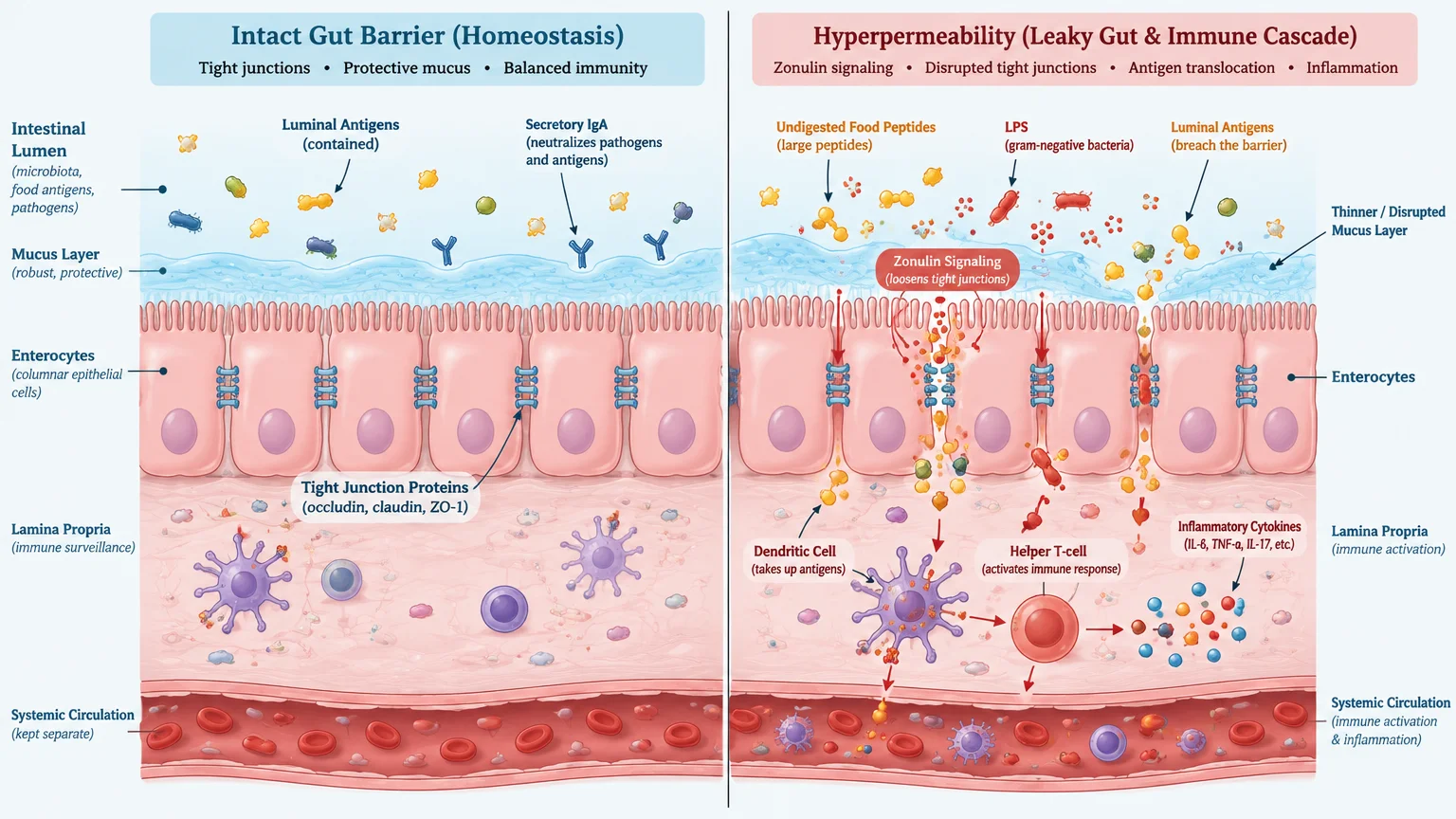
The biological rationale behind the autoimmune protocol centers on the crucial barrier function of your gastrointestinal tract. Your intestinal epithelium spans a massive surface area protected by a fragile single layer of specialized cells.
Specialized protein complexes called tight junctions act as microscopic gatekeepers between these adjacent epithelial cells. In a healthy digestive system, tight junctions open selectively to absorb micronutrients while blocking toxins and intact proteins.
When chronic stress, poor diet, or infections trigger excessive zonulin release, tight junctions dismantle prematurely. Undigested food particles, bacterial endotoxins, and microbial fragments escape directly into your systemic circulation.
Your immune surveillance cells recognize these displaced food macromolecules as dangerous foreign invaders. This persistent antigen exposure triggers chronic systemic inflammation and stimulates the production of autoantibodies.
This pathological process often leads to molecular mimicry, where your immune system attacks native organs. Foreign food antigens closely resemble human tissue proteins, leading antibodies to misdirect their attacks against your joints, skin, or thyroid.
Peer-reviewed clinical research continues to validate the therapeutic efficacy of the autoimmune protocol. Clinical trials cataloged on the National Library of Medicine demonstrate remarkable mucosal healing in patients with active inflammatory bowel disease.
In landmark clinical studies, patients with Crohn’s disease and ulcerative colitis achieved rapid clinical remission after adopting AIP. Endoscopic evaluations confirmed significant reductions in mucosal inflammation and ulceration without pharmacological escalation.
Additional research demonstrates significant symptom improvement and antibody reduction in women with Hashimoto’s thyroiditis. Participants reported dramatic decreases in systemic fatigue, cognitive clouding, and joint stiffness after following the elimination protocol.

Three Strategic Pillars for AIP Implementation
Transitioning to an elimination diet requires practical systems that remove friction and prevent daily decision fatigue. Relying solely on willpower during a major lifestyle transition almost always leads to frustration and accidental dietary slips.
Pillar 1: Nutrient-Dense Meal Planning and Batch Cooking
Proactive meal planning protects you from finding yourself hungry with no compliant food options available. Set aside two dedicated kitchen preparation blocks each week to roast vegetables and simmer protein sources.
Batch cooking simplifies your daily routine and guarantees a continuous supply of nourishing meals. Roast multiple sheet pans of sweet potatoes, carrots, and broccoli while simmering large batches of shredded beef or chicken.
Stocking your freezer with ready-to-eat staples shields you against unexpected schedule disruptions. Freeze individual portions of bone broth, compliant vegetable soups, and pre-portioned wild seafood fillets for busy evenings.
You can manage grocery expenses effectively by prioritizing economical root vegetables and frozen produce. Purchase frozen berries, bulk sweet potatoes, and affordable cuts of meat like chuck roast or bone-in chicken thighs.
Pillar 2: Habit Architecture and Environmental Design
Your home environment must actively support your healing goals rather than constantly tempt your resolve. Conduct an honest kitchen audit to donate or store non-compliant foods out of plain sight.
Place compliant, ready-to-eat snacks at eye level in your refrigerator and pantry. Keep sliced cucumbers, fresh berries, compliant plantain chips, and shredded roasted chicken readily accessible for rapid nourishment.
True autoimmune healing requires addressing non-dietary lifestyle factors alongside your daily food intake. Chronic psychological stress elevates cortisol levels, directly impairing intestinal tight junction repair and immune regulation.
Prioritize seven to nine hours of restorative sleep each night in a cool, darkened bedroom. Consistent circadian rhythms optimize immune cell signaling and facilitate overnight cellular detoxification throughout your body.
Engage in daily parasympathetic nervous system practices like breathwork, restorative yoga, or walking in nature. Calming your autonomic nervous system promotes optimal blood flow to your digestive organs and accelerates tissue repair.
Pillar 3: The Structured Reintroduction Phase
The official elimination phase for both Core and Modified AIP lasts for 30 to 90 days. You should never prolong the strict elimination phase indefinitely without testing individual food tolerances.
Begin the reintroduction phase only after your primary autoimmune symptoms have visibly improved and stabilized. Attempting to reintroduce foods during an acute symptom flare makes it impossible to interpret your body’s reactions.
Test only one single food at a time, keeping all other dietary elements completely consistent. Eat a half teaspoon of the test food, wait twenty minutes, and monitor for any sudden oral itching or digestive discomfort.
If you experience no immediate symptoms, consume a full normal portion of the test food with your next meal. Then, strictly avoid that test food for the next 72 hours while tracking your physical reactions.
Monitor your body for delayed immune responses, including joint pain, skin breakouts, brain fog, digestive bloating, or insomnia. If any adverse symptoms emerge, classify that ingredient as an active trigger and eliminate it for several months.
If you remain completely symptom-free throughout the 72-hour observation window, you can safely reincorporate that food. Continue testing foods sequentially, moving from low-risk ingredients to more challenging categories like eggs and nightshades.

Clinical Safety, Personalization, and Contraindications
While the autoimmune protocol offers profound therapeutic potential, it requires thoughtful, individualized application. Restrictive elimination protocols carry distinct psychological and physiological risks when implemented without clinical oversight.
Remaining in the strict elimination phase for too long can lead to micronutrient deficiencies and reduced microbiome diversity. Beneficial gut bacteria depend on diverse plant fibers to produce protective short-chain fatty acids.
Individuals with a personal history of eating disorders or orthorexic tendencies should avoid unsupervised elimination diets. Rigid rules regarding forbidden foods can reignite disordered behavioral patterns and heighten psychological distress.
Pregnant women, nursing mothers, and rapidly growing children require specialized macronutrient modifications before attempting the protocol. You must ensure adequate caloric intake, essential fatty acids, and carbohydrates to support proper fetal and neonatal development.
Always collaborate with a qualified healthcare provider or a registered dietitian specialized in immunological health. The Academy of Nutrition and Dietetics emphasizes individualized medical nutrition therapy for complex systemic inflammatory conditions.
A licensed clinical practitioner can review your comprehensive blood panels, inflammatory biomarkers, and potential micronutrient deficiencies. They ensure your elimination and reintroduction process remains nutritionally adequate, clinically safe, and tailored to your disease state.
Frequently Asked Questions About the AIP Diet
How long should you stay in the elimination phase?
You should maintain the elimination phase for 30 to 90 days, depending on your clinical progress. This timeframe provides your intestinal mucosa adequate opportunity to regenerate without unnecessarily compromising gut microbial diversity.
What is the difference between Core AIP and Modified AIP?
Core AIP is the original protocol that strictly eliminates all grains, pseudo-grains, dairy, legumes, eggs, nightshades, nuts, and seeds. Modified AIP permits white and brown rice, pseudo-grains, non-soy legumes, ghee, seeds, seed spices, coffee, and cocoa.
Can you drink coffee or eat dark chocolate on the autoimmune protocol?
On traditional Core AIP, coffee and cocoa are strictly excluded because they are derived from seeds. However, under the updated Modified AIP guidelines, you can safely consume quality black coffee and pure dark chocolate.
What steps should you take if your symptoms do not improve after 90 days?
If your health markers fail to improve after 90 days, you should consult an integrative gastroenterologist or functional physician. Unresolved symptoms often indicate underlying non-dietary obstacles such as occult gut infections, mold toxicity, or severe chronic stress.
Take Action Within the Next 24 Hours
Transforming your autoimmune health does not require radical, overwhelming life overhauls all at once. Sustainable progress begins with a single, deliberate action that aligns your daily habits with your long-term wellness.
Within the next 24 hours, choose whether the Core or Modified AIP protocol best matches your current lifestyle. Then, prepare your kitchen by replacing one inflammatory processed snack with a whole-food, anti-inflammatory alternative like fresh berries or roasted root vegetables.