Adding chia seeds or flaxseeds to your daily meals gives you an easy way to calm chronic inflammation. Both seeds supply plant omega-3 fats and dietary fiber that support your heart and gut health.
Many people wonder which tiny seed gives them the biggest health benefit for their grocery dollars. The answer comes down to how your body digests them and how you prepare each seed.
Here is what the latest science shows about their omega-3 levels, inflammation markers, and daily uses.
Nutrient Breakdown: Omega-3s, Fiber, and Minerals
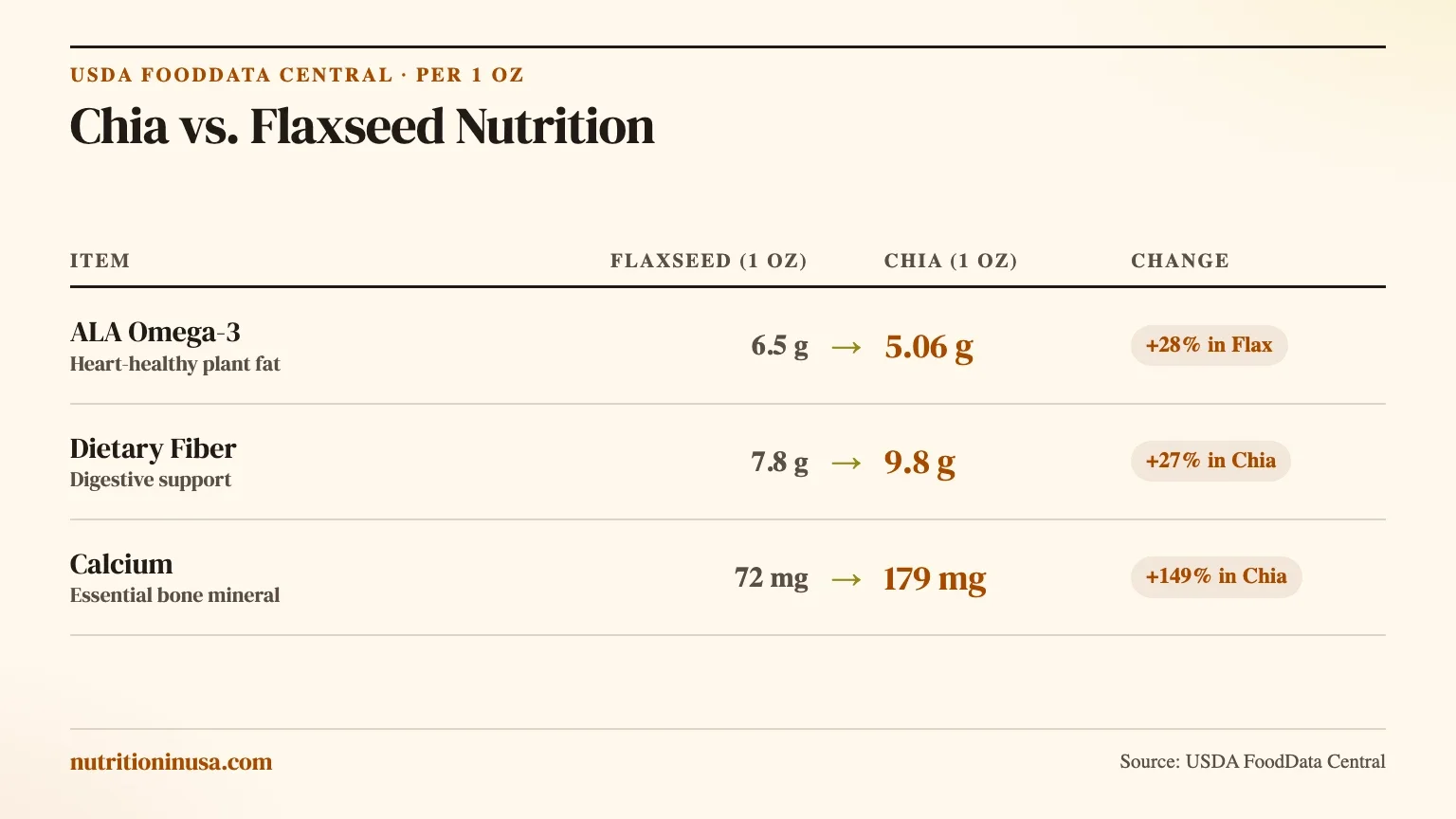
When you compare these seeds by weight, flaxseed takes the lead for healthy fats. According to data from USDA FoodData Central, one ounce of flaxseed delivers 6.5 grams of ALA omega-3.
In contrast, one ounce of dried chia seeds provides 5.06 grams of ALA. That gives flaxseeds about 28 percent more plant omega-3 fats per ounce.
Chia seeds win the contest for dietary fiber and bone-building minerals. A single ounce of chia packs 9.8 grams of fiber and 179 milligrams of calcium.
The same serving of flaxseed offers 7.8 grams of fiber and 72 milligrams of calcium. Chia gives you about 27 percent more fiber and more than twice the calcium.
Serving sizes also matter when you measure with a kitchen spoon. One tablespoon of whole chia weighs 12 grams and provides about 2.1 grams of ALA.
One tablespoon of ground flaxseed weighs only 7 grams because it is less dense. That single spoonful delivers about 1.6 grams of ALA to your morning bowl.
Flaxseeds also stand out for plant compounds called lignans. They contain about 300 milligrams of lignans per 100 grams, which act as gentle antioxidants.
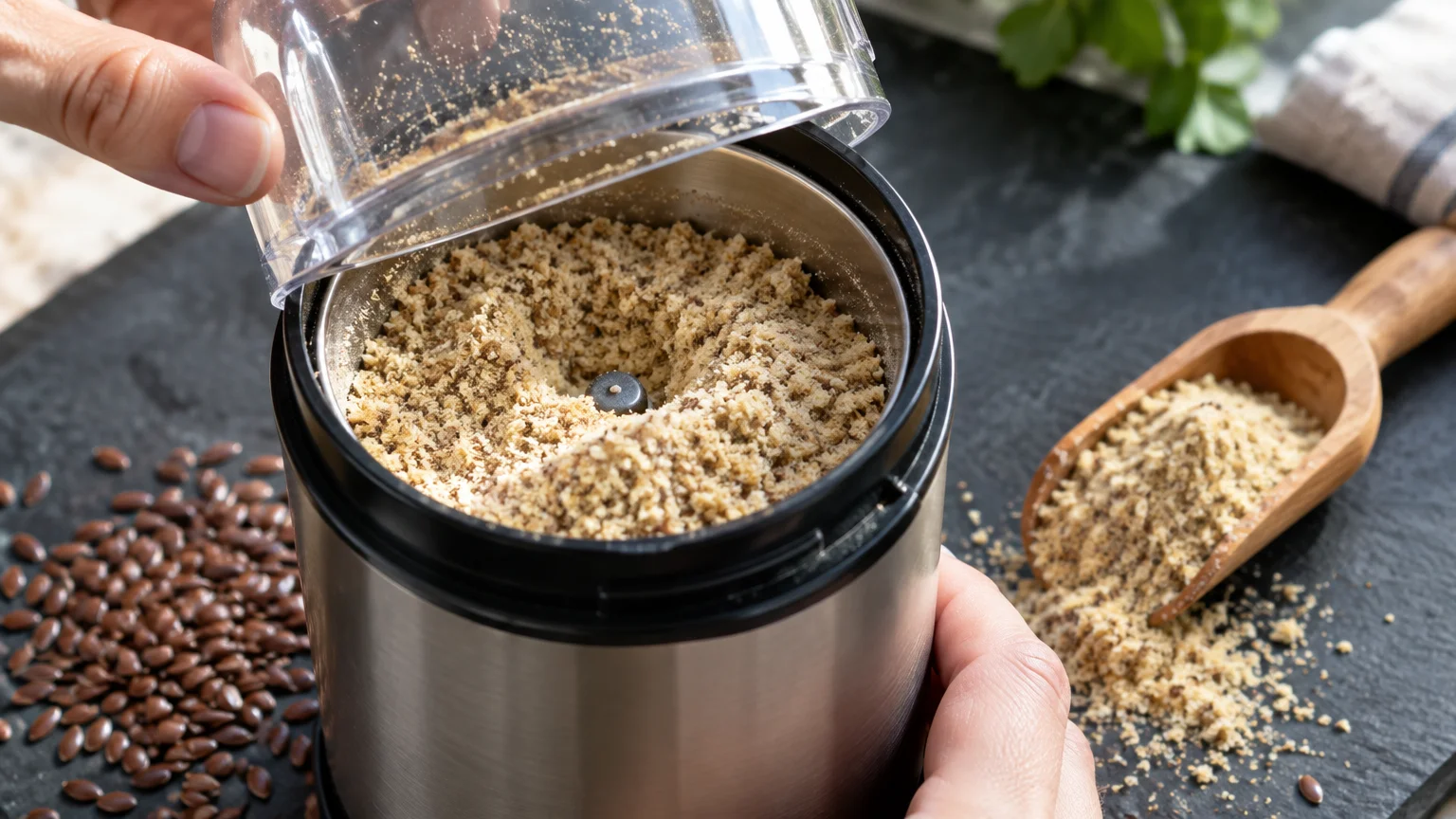
The Absorption Puzzle: Whole Versus Ground
Your digestive tract cannot easily break through the hard outer shell of whole flaxseed. Undigested flaxseeds often pass straight through your gut without releasing their valuable fats.
Research summarized by MedlinePlus shows that ground flaxseed raises blood ALA levels far better than whole seeds.
Grinding flax breaks open the seed coat so your body can absorb its fats and lignans. You can buy pre-ground flaxseed or grind whole seeds at home in a coffee grinder.
Chia seeds work a bit differently inside your stomach. Their thin outer coat absorbs water quickly and turns into a soft gel in your digestive tract.
You can absorb some nutrients from whole chia seeds without grinding them first. Still, a 10-week study found that milled chia increased blood ALA levels by 58 percent while whole chia did not.
Grinding either seed helps your digestive enzymes reach the healthy oils inside. If you want the maximum nutrient return, choose ground versions of both seeds.
What Science Says About Inflammation
Many people turn to seeds to calm chronic inflammation in their bodies. Scientists track this effect by testing blood markers like C-reactive protein, or CRP.
A 2024 review of 54 clinical trials found that flaxseed significantly lowered CRP and interleukin-6. These benefits appeared strongest when people ate flax daily for several months.
Chia research shows positive results as well. A 2024 review of four trials found that eating chia lowered CRP, especially in adults with type 2 diabetes.
That benefit required eating more than 35 grams of chia daily for at least 12 weeks. An umbrella review from 2025 also noted small drops in blood pressure and waist size.
Researchers have not yet run direct head-to-head human trials comparing chia against flaxseed for inflammation. Neither seed acts like an overnight cure, but both support your immune system over time.
You should also understand how your body handles plant omega-3 fats. The NIH Office of Dietary Supplements notes that humans convert less than 15 percent of plant ALA into EPA and DHA.
Even with limited conversion, plant ALA still fights oxidative stress on its own. Eating these seeds gives your body valuable tools to manage daily wear and tear.
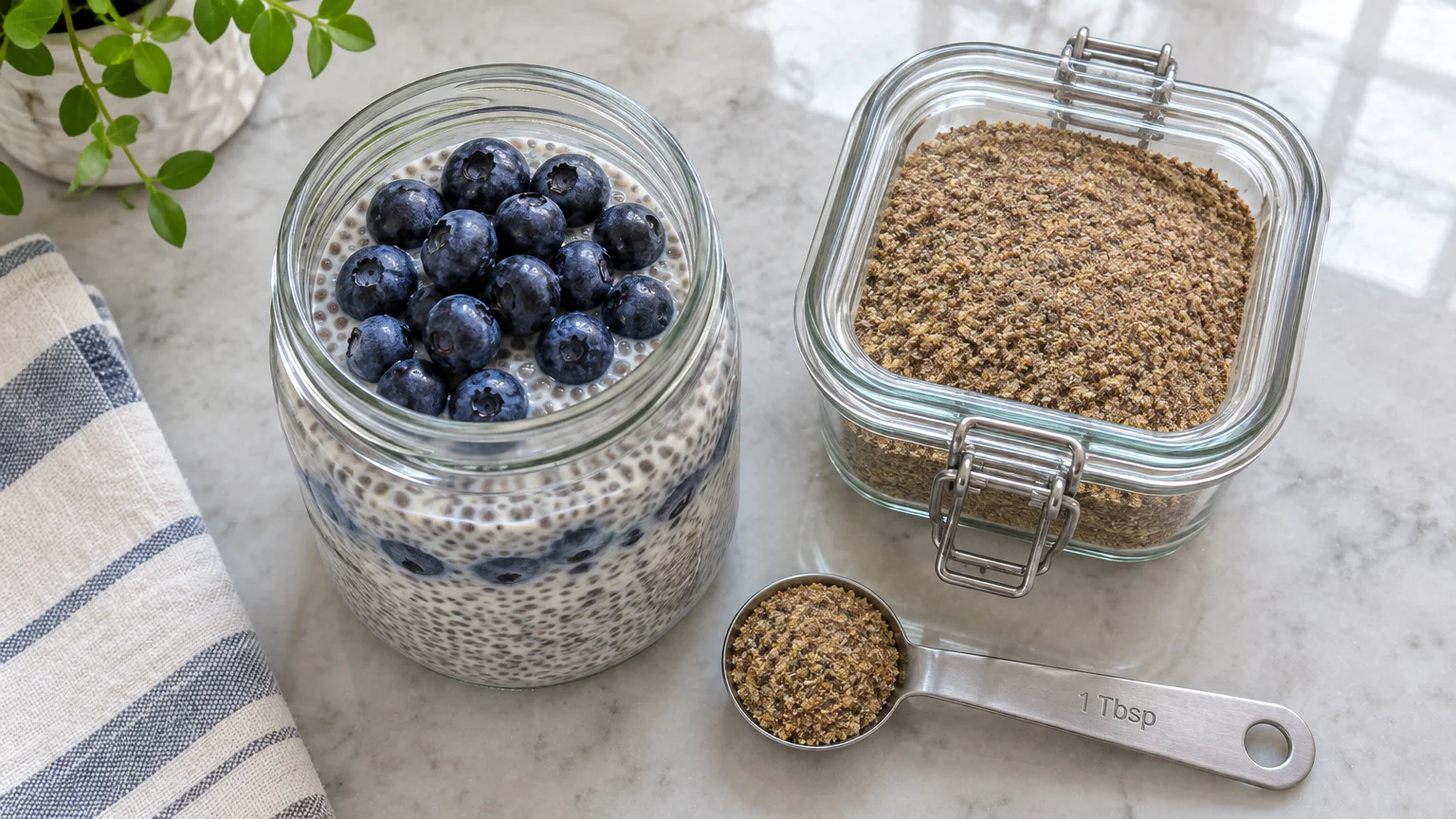
Strategy Pillars: How to Use Both Seeds Daily
Pillar 1: Meal Planning and Simple Swaps
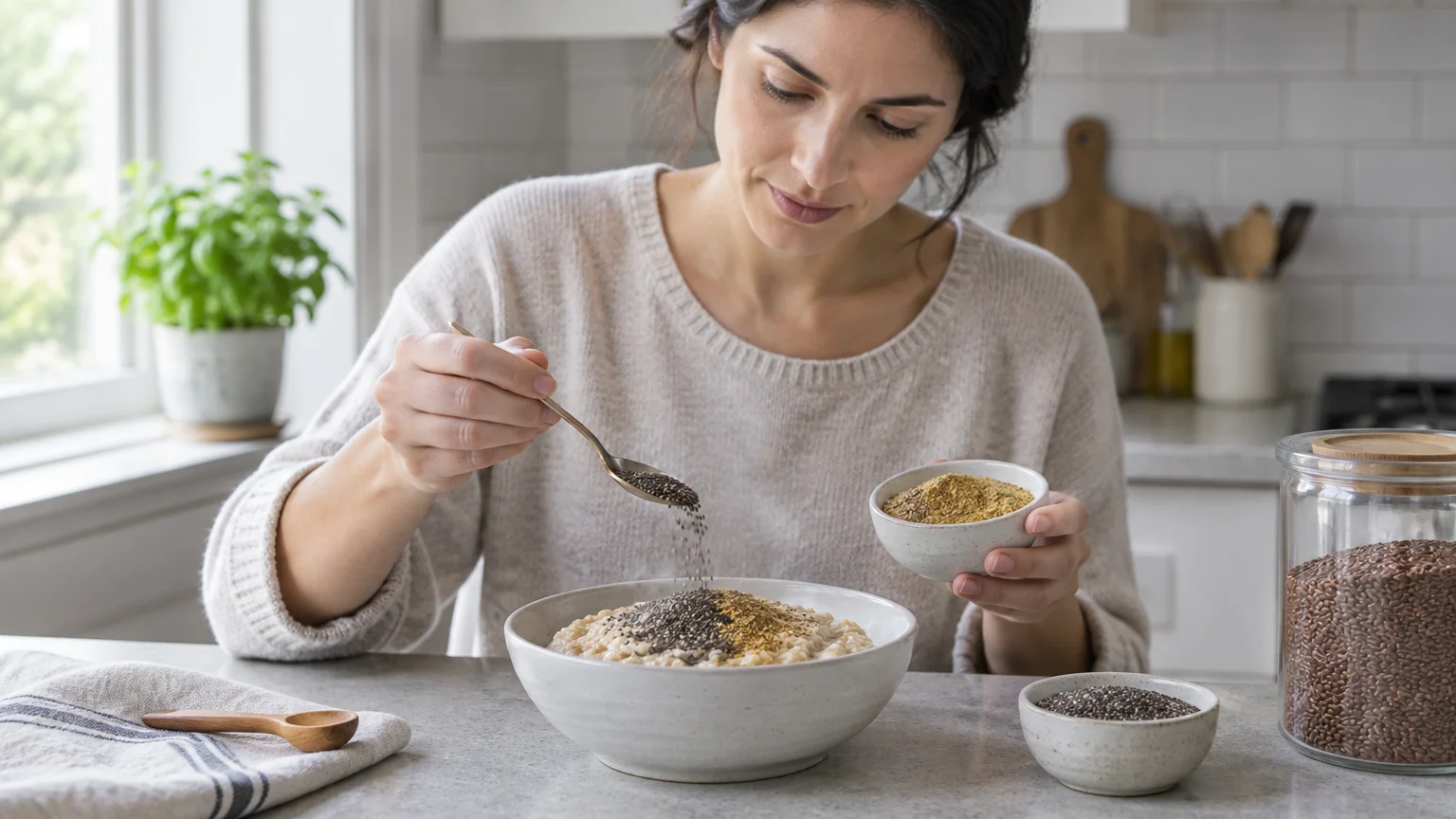
You do not need complicated recipes to fit these seeds into your routine. Start by stirring one tablespoon of ground flaxseed into warm oatmeal or morning yogurt.
Flax has a mild, nutty taste that blends smoothly into baked breads, pancake batters, and savory soups. It adds richness without changing the original flavor of your dish.
Chia seeds work best in moist dishes where they can absorb liquid. Mix two tablespoons of chia with milk or soy milk to make a thick pudding overnight.
You can also stir chia into fruit jams, iced tea, or post-workout smoothies. The seeds thicken liquids naturally without added cornstarch or gelatin.
Pillar 2: Nutrient Focus and Digestive Comfort
Both seeds help close the massive fiber gap seen across the United States. Over 90 percent of women and 97 percent of men fall short of daily fiber goals.
Current health guidelines suggest eating between 22 and 38 grams of fiber each day. Adding just two tablespoons of chia covers almost a third of that target.
A 2025 lab study showed that flaxseed fiber ferments quickly in the gut. This fermentation produces short-chain fatty acids that nourish your colon lining and support friendly gut bacteria.
To keep your stomach comfortable, increase your seed intake slowly over two weeks. Drink an extra glass of water with each serving to keep digestion moving smoothly.
Pillar 3: Habit Formation That Sticks
Sustainable nutrition habits rely on simple daily cues rather than strict willpower. Keep a small jar of ground seeds right next to your coffee maker or cereal bowls.
Store ground flaxseed in your refrigerator or freezer in an airtight container. Cold storage protects the fragile polyunsaturated oils from spoiling through heat and light exposure.
Whole chia seeds stay fresh at room temperature for months inside a sealed pantry jar. Their natural antioxidants keep their delicate fats stable on your shelf.
Batch prep your seeds once each week to save time on busy mornings. Having them ready to scoop removes friction and keeps your healthy habit consistent.
Safety, Digestion, and Practical Precautions
While these seeds offer clear perks, you should introduce them with proper care. Chia seeds swell up to ten times their weight when exposed to moisture.
Never swallow dry, raw chia seeds by themselves, especially if you have trouble swallowing. Always mix chia into moist foods or soak them before eating.
Because both seeds are packed with fiber, eating large amounts too fast can cause gas or bloating. Start with one teaspoon daily and build up as your body adapts.
High intakes of omega-3 fats can slightly thin your blood. If you take prescription blood thinners or blood pressure drugs, discuss large dietary changes with your physician.
The updated Dietary Guidelines for Americans encourage eating more nuts and seeds as real, minimally processed foods. A registered dietitian can help tailor these servings to your personal medical background.
Frequently Asked Questions
Which seed is better for weight loss?
Neither seed burns body fat by itself, but both promote fullness between meals. Chia contains slightly more fiber, which can help curb hunger on a calorie-controlled eating plan.
Can I eat both chia and flaxseeds on the same day?
Yes, you can easily combine them in your meals. Mixing a spoonful of each gives you the higher ALA from flax alongside the extra fiber and calcium from chia.
How much ALA omega-3 do I need each day?
Federal intake guidelines recommend 1.6 grams daily for adult men and 1.1 grams for adult women. Just one tablespoon of either seed meets your basic daily goal.
Do I need to soak flaxseeds before eating them?
You do not need to soak flaxseeds, but you must grind them. Grinding breaks the tough hull so your body can access the healthy oils and antioxidants inside.
Your Next Step
Improving your diet does not require an overhaul of everything you eat. Pick one small upgrade you can test in your kitchen over the next 24 hours.
Try stirring a single spoonful of ground flaxseed into your morning breakfast tomorrow. Your heart, gut, and immune health will benefit from that simple daily step.