
You can actively strengthen your body’s natural defenses simply by upgrading what you pour into your glass. Smart daily beverage choices deliver targeted antioxidants, electrolytes, and gut-friendly nutrients directly to your cells.
When temperatures drop or seasonal pathogens spread, your immune system requires consistent hydration to transport white blood cells effectively. Proper fluid balance keeps your protective mucus membranes resilient against invading microbes.
These five science-backed drinks support your immune architecture without relying on artificial supplements or sugary gimmicks.

How Daily Hydration Shapes Your Immune Defenses
Water forms the backbone of every single immune reaction in your body. Without sufficient fluid, your circulation slows down and delays essential defensive responses.
Your lymphatic system relies entirely on adequate fluid intake to circulate lymph throughout your tissues. This clear fluid carries infection-fighting white blood cells, such as lymphocytes, directly to areas facing microbial exposure.
When you become dehydrated, lymph fluid thickens and flows sluggishly. This delay gives incoming pathogens more time to multiply along vulnerable mucosal tissues.
Physical barriers represent your first line of defense against seasonal bugs. The moist linings of your nasal passages, mouth, and digestive tract physically trap bacteria and airborne particles.
Dry indoor air and inadequate fluid intake thin these protective mucosal barriers. Rehydrating regularly preserves the secretion of secretory immunoglobulin A, an antibody that neutralizes viruses before they penetrate deeper tissues.
Adequate fluid volume also assists your kidneys in filtering metabolic byproducts and cellular debris. Clear pathways allow your liver and kidneys to process waste efficiently, freeing up resources for immune vigilance.
Chronic low-level dehydration stresses the adrenal glands, which triggers an unnecessary elevation in cortisol. Sustained high cortisol levels blunt your body’s natural inflammatory control mechanisms.
Prioritizing quality fluids establishes a stable physiological foundation. Every specialized sip you take builds upon this essential baseline of cellular hydration.

The Science Snapshot: What Nutrition Can and Cannot Do
Marketing campaigns often promise that certain beverages will instantly boost your immune system. In clinical nutrition, however, an overactive or constantly elevated immune response actually causes tissue damage and chronic inflammation.
Your goal is never to overstimulate your immune defenses. Instead, you want to nourish an intelligent, balanced immune response that activates swiftly when challenged and resolves cleanly once the threat subsides.
Beverages rich in micronutrients provide essential enzymatic cofactors. For example, your immune cells require vitamin C, zinc, and bioflavonoids to synthesize communication compounds called cytokines.
Antioxidants found in whole plants help protect healthy host cells from collateral oxidative damage. During an immune response, your neutrophils generate free radicals to eliminate pathogens, which can damage neighboring tissues without antioxidant buffering.
No single drink functions as a magical cure for an infection. Consuming therapeutic beverages provides your bone marrow, thymus, and lymph nodes with the raw materials they require for optimal daily maintenance.
Relying on whole-food liquids ensures you absorb these compounds alongside their natural synergistic phytochemicals. This whole-matrix approach outperforms high-dose isolated supplements in long-term human wellness.
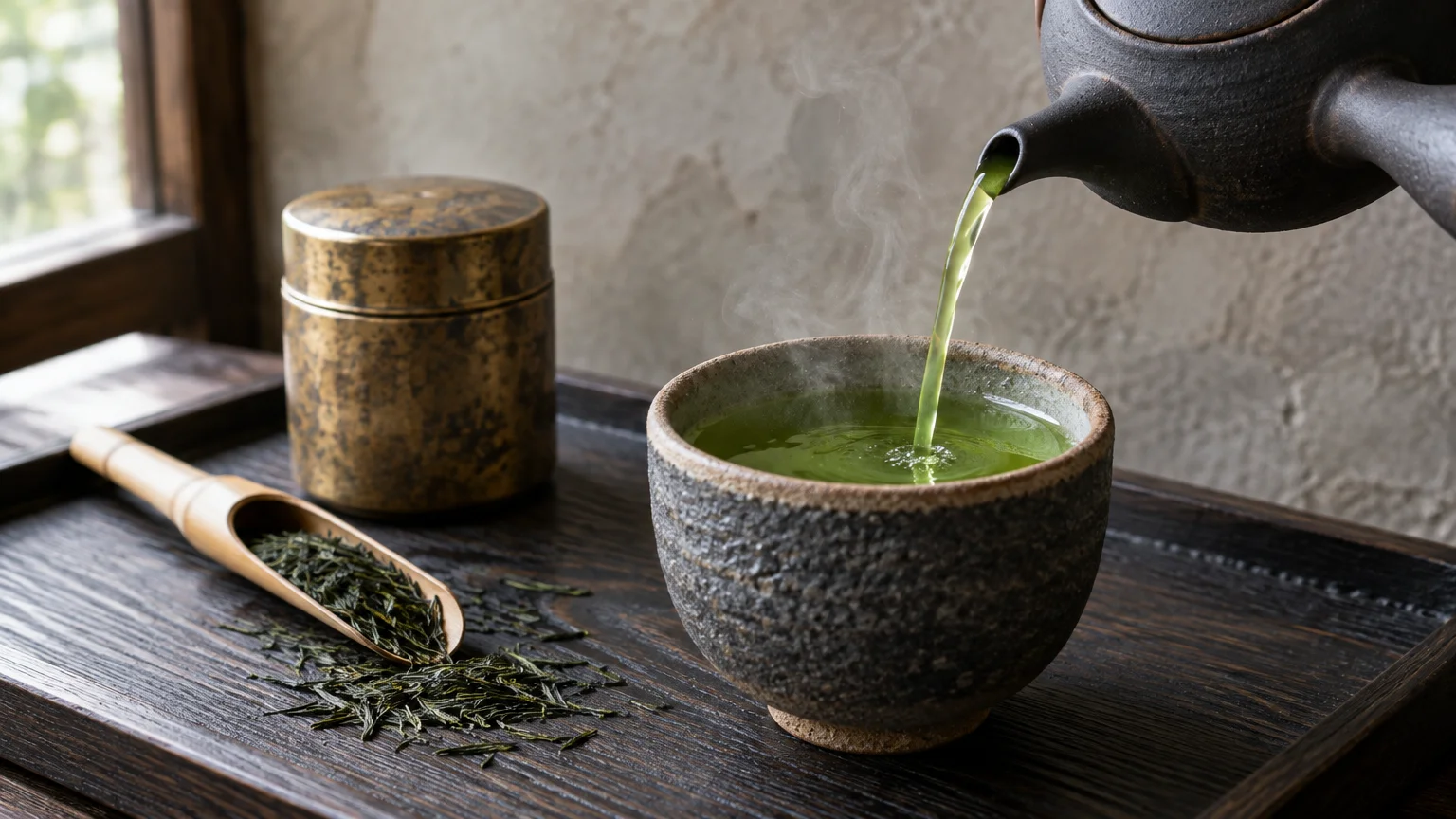
01 Sencha Green Tea: Cellular Protection and EGCG
Green tea stands as one of the most thoroughly researched functional beverages in modern nutritional medicine. Minimally oxidized green tea leaves retain exceptional concentrations of unique polyphenols known as catechins.
The most prominent and biologically active catechin in green tea is epigallocatechin gallate, commonly known as EGCG. Research highlighted in peer-reviewed biochemical research shows that EGCG protects cell membranes from lipid peroxidation and supports healthy T-cell production.
Green tea also delivers an amino acid called L-theanine, which readily crosses the blood-brain barrier. L-theanine promotes calm alertness while priming gamma delta T cells, specialized immune sentinels located throughout your respiratory and digestive tracts.
To maximize catechin yield without burning the delicate leaves, brew your loose-leaf green tea with hot water around 175 degrees Fahrenheit. Water straight off a rolling boil creates excessive bitterness and degrades sensitive bioflavonoids.
Steep your green tea for three to four minutes to extract the ideal balance of antioxidants and flavor. Discarding the tea bag too early leaves behind the majority of the beneficial polyphenols.
Add a fresh squeeze of lemon juice immediately after steeping your cup. The ascorbic acid in citrus stabilizes green tea catechins in the small intestine, significantly improving your body’s absorption rate.
Enjoy two to three cups of green tea spaced throughout the morning and early afternoon. Avoid drinking caffeinated green tea late in the evening so you do not disrupt your deep, restorative sleep cycles.

02 Bone Broth and Mineral-Rich Vegetable Broth
Warm broths offer profound immune support by directly nourishing the mucosal barrier of your gastrointestinal tract. Over seventy percent of your active immune cells reside in the gut-associated lymphoid tissue that lines your intestines.
Slow-simmered animal bone broth supplies abundant amounts of amino acids, particularly glycine, proline, and glutamine. Enterocytes, the cells lining your intestinal walls, rely heavily on glutamine to maintain tight cellular junctions.
When your gut barrier remains structurally intact, harmful macromolecules and endotoxins cannot easily leak into your bloodstream. This barrier integrity prevents low-grade systemic inflammation and keeps your immune cells focused on external pathogens.
Simmered poultry bones also release naturally occurring chondroitin sulfate and hyaluronic acid into the liquid. These structural compounds support tissue repair and calm mucosal irritation along the entire digestive path.
If you consume a plant-based diet, you can brew an equally potent mineral broth using dried shiitake mushrooms, kombu seaweed, onions, and root vegetables. Shiitake mushrooms contribute beta-glucans, unique polysaccharides that bind to specific receptors on macrophage cells.
Seaweed and root vegetables infuse your broth with essential minerals, including potassium, magnesium, and trace elements. These electrolytes replenish cellular hydration and optimize fluid distribution between your blood vessels and tissues.
Sip a warm mug of broth as a mid-afternoon savory snack or as an appetizer before dinner. Add a crushed clove of fresh garlic just before serving to introduce allicin, an antimicrobial sulfur compound.

03 Fresh Ginger and Citrus Infusions
Fresh ginger root paired with citrus fruit creates a warming, invigorating tonic that supports upper respiratory comfort. This traditional remedy provides clinically recognized anti-inflammatory and mucosal benefits.
Fresh ginger contains pungent phenolic compounds known as gingerols and shogaols. These bioactive molecules help inhibit inflammatory enzymes like cyclooxygenase-2 while relaxing airway smooth muscle tissues.
Citrus fruits, including lemons, limes, and oranges, supply bioavailable vitamin C alongside citrus bioflavonoids like hesperidin. As noted in clinical resources from the Academy of Nutrition and Dietetics, vitamin C accumulates inside circulating white blood cells to fuel their defensive actions.
To prepare this infusion correctly, grate fresh, unpeeled ginger root into a large heat-safe jar or teapot. Pour freshly boiled water directly over the grated ginger to extract the pungent gingerols.
Cover the vessel tightly with a lid and let the ginger steep for at least ten to fifteen minutes. Trapping the steam prevents the volatile aromatic oils from evaporating into the air.
Wait until the liquid cools slightly before squeezing in fresh citrus juice. Excessive heat destroys delicate ascorbic acid, so adding your lemon or lime juice to warm water preserves its potency.
Stir in half a teaspoon of raw honey if you desire gentle sweetness and throat-coating relief. Raw honey contains mild enzymatic compounds that complement the natural soothing properties of the ginger brew.
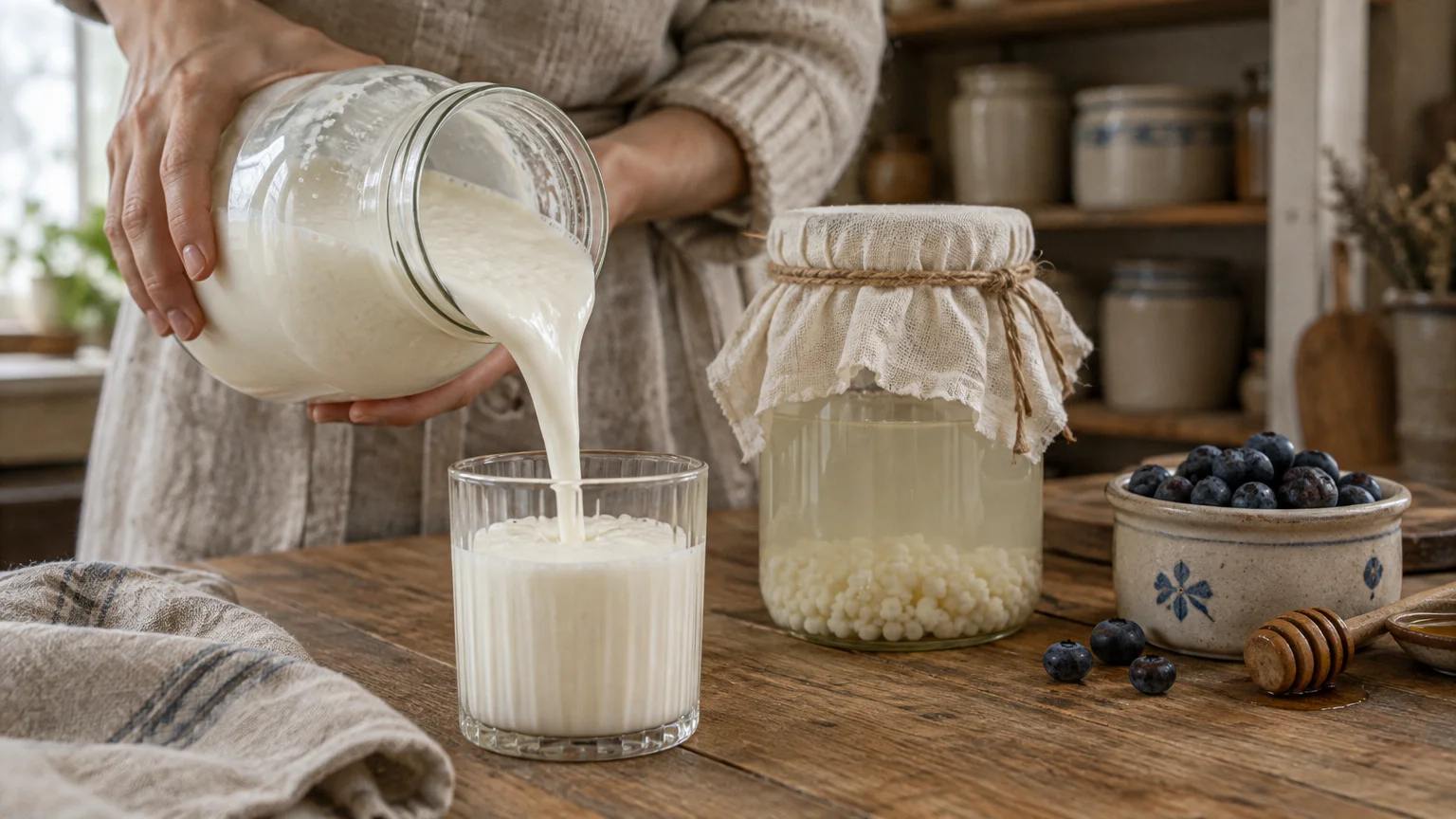
04 Kefir and Cultured Fermented Drinks
Fermented dairy drinks and cultured water tonics provide direct microbial reinforcements for your resident gut flora. A diverse internal microbiome continually educates and trains your circulating white blood cells.
Kefir is a fermented beverage made by inoculating milk or sugary water with symbiotic colonies of bacteria and yeasts. Traditional dairy kefir contains dozens of distinct probiotic strains, far exceeding the microbial diversity found in standard yogurt.
As these beneficial microbes ferment lactose, they produce functional organic acids, bioactive peptides, and a unique polysaccharide called kefiran. Kefiran demonstrates natural antimicrobial properties that help prevent opportunistic bacteria from colonizing your intestinal tract.
These probiotic organisms ferment prebiotic fibers in your colon to produce short-chain fatty acids such as acetate, propionate, and butyrate. Butyrate directly fuels the cells of your gut lining and prompts regulatory T cells to resolve inflammation.
If you avoid dairy products, choose water kefir or unsweetened fermented coconut water instead. These plant-based options still deliver live cultures that help crowd out non-beneficial gut microbes.
Always inspect the nutrition facts panel when purchasing store-bought kefir drinks. Many commercial brands load their flavored versions with added cane sugar, which counteracts the immune advantages of the live cultures.
Pour four to six ounces of plain, unsweetened kefir into a small glass each morning with breakfast. You can blend it with fresh berries to incorporate prebiotic polyphenols that feed the live bacteria.

05 Golden Turmeric Milk with Black Pepper
Golden milk, traditionally known as haldi doodh in Ayurvedic wellness, is a deeply soothing, anti-inflammatory evening beverage. Its primary active component, turmeric rhizome, provides profound benefits for cellular defense and joint comfort.
The bright yellow hue of turmeric originates from curcuminoids, a family of fat-soluble polyphenolic compounds led by curcumin. Curcumin helps regulate critical cellular signaling pathways, downregulating the nuclear factor kappa B cascade that triggers inflammatory cytokines.
Consuming plain turmeric root powder on its own yields poor absorption, because your liver rapidly metabolizes curcumin. You can dramatically improve its bioavailability by always pairing turmeric with freshly ground black pepper.
Black pepper contains an alkaloid called piperine, which inhibits the glucuronidation process in your liver. Research cataloged by the National Center for Complementary and Integrative Health confirms that piperine enhances curcumin absorption significantly.
Because curcuminoids are lipophilic, you must prepare golden milk using a liquid base containing healthy fats. Whole milk, creamy coconut milk, or almond milk with a touch of ghee ensures proper intestinal uptake.
Warm your choice of milk gently on the stove over low heat without letting it boil. Whisk in ground turmeric, cracked black pepper, ground cinnamon, and a tiny pinch of grated nutmeg until completely dissolved.
Sip this warm golden tonic forty-five minutes before bedtime to unwind. Quality sleep represents a vital pillar of immune health, and this nighttime ritual promotes restful physiological restoration.
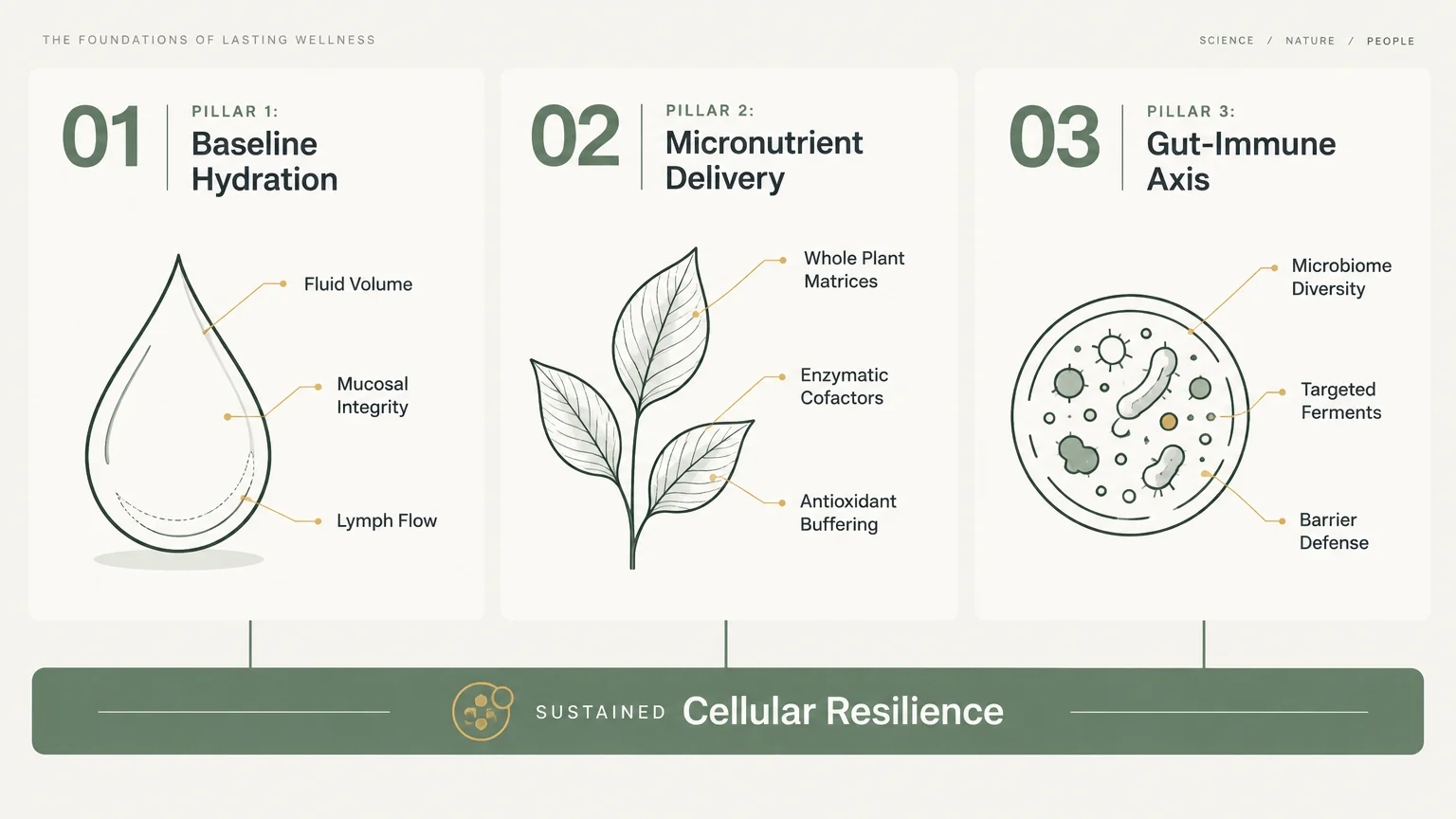
Three Strategic Pillars to Build Your Immune Routine
Drinking supportive beverages yields the best results when you integrate them into a coherent lifestyle strategy. Consistency and thoughtful timing matter far more than consuming huge doses sporadically.
Pillar 1: Nutrient Synergy Over Single Ingredients
Your immune cells operate via complex biochemical networks rather than isolated nutritional pathways. Supplying a single antioxidant in extreme quantities cannot compensate for deficits elsewhere in your daily nutrition.
Focus on beverage combinations that multiply each other’s physiological impact. Pair citrus with green tea catechins, or combine fat-soluble turmeric with milk fats and piperine for superior cellular uptake.
Avoid ultra-processed immune shots that pack massive doses of synthetic vitamins into high-sugar juice concentrates. Whole-matrix nutrition gives your body balanced micronutrients alongside the cofactors necessary for enzymatic utilization.
Pillar 2: Habit Stacking and Daily Timing
Building a resilient immune system requires effortless, sustainable daily hydration habits. Aligning specific functional drinks with your natural circadian rhythms ensures maximum benefit throughout your day.
Stack your morning hydration by replacing your first ordinary drink with freshly brewed green tea or hot lemon water. Following this routine jumpstarts fluid balance immediately after a long night of respiratory water loss.
Utilize savory bone or vegetable broth to bridge the long energy lull between lunch and your evening meal. Finish your day with caffeine-free golden turmeric milk to reinforce nighttime recovery processes.
Pillar 3: Whole-Diet Meal Planning Integration
Functional drinks must complement, not replace, a balanced and diverse whole-food diet. Use your drinks to enhance the nutritional value of your meals rather than sipping them as meal substitutes.
Incorporate homemade broths directly into your cooking as bases for whole-grain soups, stews, and bean dishes. This strategy infuses extra amino acids and minerals directly into your family’s weekly dinner rotation.
Swap out high-fructose sodas and sweetened iced teas for chilled herbal infusions flavored with whole mint and fresh citrus slices. Eliminating refined liquid sugars protects your circulating neutrophils from acute functional suppression.

Expert Perspectives and Clinical Observations
Registered dietitians emphasize that daily consistency always outperforms emergency wellness interventions. Waiting until you develop a sore throat to drink tea will not rapidly reverse a viral incubation.
Clinical nutritionists observe that patients who maintain consistent fluid volume recover from routine physical stressors faster. Well-hydrated mucosal tissues efficiently trap and clear environmental antigens before they establish deep infections.
Physicians also emphasize the psychological and somatic benefits of warm beverage rituals. Holding a warm mug engages the parasympathetic nervous system, lowering acute stress responses and downregulating cortisol production.
Integrative practitioners encourage patients to source functional ingredients from varied cultural culinary traditions. Incorporating ginger, turmeric, green tea, and fermented tonics creates a diverse dietary pattern that nourishes diverse gut species.

Safety Considerations, Contraindications, and Interactions
While functional whole-food drinks offer outstanding health benefits, you must evaluate them against your individual medical history. Botanicals and concentrated nutrients carry real biochemical effects that can interact with prescription medications.
Turmeric and ginger possess mild natural antiplatelet and anticoagulant properties. If you take prescription blood thinners or anticipate upcoming surgery, consult your prescribing physician before consuming concentrated therapeutic quantities.
Green tea contains caffeine, which can provoke palpitations, jitteriness, or acid reflux in sensitive individuals. Furthermore, the tannins in green tea bind to dietary non-heme iron, potentially reducing absorption in people with iron-deficiency anemia.
To prevent impaired iron uptake, drink your green tea at least one hour away from iron-rich meals or mineral supplements. Those managing kidney disease must monitor the potassium and phosphorus content in long-simmered bone broths.
Commercial pre-packaged broths frequently contain high levels of sodium, which may challenge individuals managing hypertension. Prepare homemade broths without added table salt, or select certified low-sodium cartons at the grocery store.
Individuals with severe dairy allergies or diagnosed histamine intolerance must approach kefir and bone broth with caution. Fermented beverages and aged broths contain elevated levels of biogenic amines that can provoke headaches or flushing in sensitive systems.
Frequently Asked Questions About Immune-Supporting Drinks
Can these drinks cure an active cold or respiratory virus?
No beverage can cure an active viral infection once it takes hold inside your respiratory tract. Your adaptive immune system must create specific antibodies to clear the pathogen completely.
These functional drinks relieve uncomfortable symptoms, soothe irritated throat tissues, and support your white blood cells with fluid and nutrients. They shorten subjective misery by keeping you hydrated and providing continuous antioxidant support.
Does boiling water destroy the nutrients in citrus and green tea?
Yes, boiling water degrades fragile micronutrients, especially heat-sensitive ascorbic acid and delicate tea catechins. High temperatures accelerate the thermal oxidation of these protective molecules before you can drink them.
Always let your boiled water cool for a few minutes before pouring it over green tea leaves. For citrus infusions, steep your ginger first, then squeeze in fresh lemon juice after the water becomes warm rather than boiling.
Can plain water provide the same immune benefits on its own?
Pure water provides fundamental hydration, which remains the single most important physical requirement for healthy lymphatic circulation. Following basic guidance from the CDC regarding daily water consumption keeps your tissues functioning efficiently.
Plain water lacks the specialized polyphenols, live probiotics, amino acids, and minerals delivered by functional beverages. Combining pure water with antioxidant-rich plants elevates your hydration into a targeted nutritional defense strategy.
How many immune-supporting drinks should you consume each day?
Consuming two to three cups of functional beverages daily provides meaningful therapeutic support without overloading your digestive system. Overdoing any single ingredient can lead to unwanted stomach upset or excessive caffeine intake.
A balanced daily rhythm includes one cup of green tea in the morning, a mug of warm broth at lunch, and a golden milk at night. Complement these therapeutic beverages with plenty of plain, filtered water throughout the day.
Your 24-Hour Action Plan
Choose one simple beverage upgrade from this guide and prepare it within the next twenty-four hours. You do not need to overhaul your entire lifestyle at once to see meaningful improvements in daily vitality.
Stop by the market today to pick up fresh ginger root, whole lemons, and a tin of quality loose-leaf green tea. Slice a knuckle of ginger, steep it in warm water, and enjoy your first intentional immune-supporting tonic tomorrow morning.
Notice how your body responds to consistent, functional hydration over the coming week. Small, nourishing habits practiced daily build the foundation for resilient, long-term health.