
Eating your first meal within one to two hours of waking sets your metabolic rhythm and stabilizes daytime blood sugar. Choosing the right breakfast window can significantly lower your long-term cardiometabolic risk.
When you align your morning eating habits with your natural internal clock, you unlock better sustained energy and sharper focus. Recent longevity research confirms that the hour you break your fast truly matters.
As a registered dietitian, I evaluate the latest chrononutrition science to give you straightforward, actionable guidelines. Here is exactly when to eat your morning meal for optimal health.
The Science of Chrononutrition and Morning Metabolism
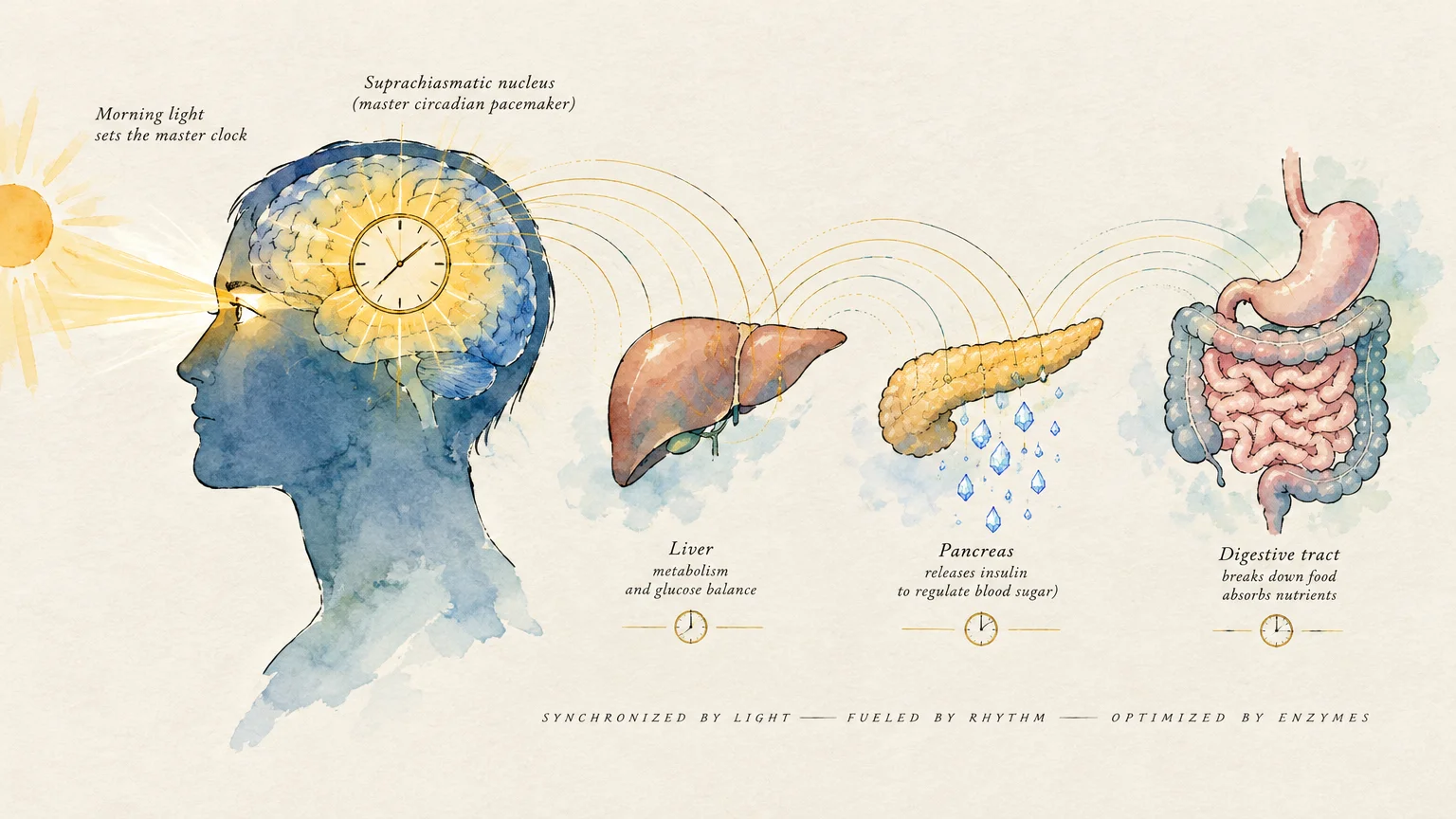
Your body operates on a master circadian clock located in your brain; this pacemaker directs dozens of peripheral clocks in your organs. Your liver, pancreas, and gastrointestinal tract follow these daily cellular rhythms.
When daylight enters your eyes, your system releases cortisol to wake your body and mobilize cellular energy. This awakening response signals to your digestive tract that the active phase of your day has begun.
Insulin sensitivity reaches its daily peak during the early daylight hours. Your cells absorb glucose from your bloodstream far more effectively in the morning than they do late in the evening.
Eating during this morning window matches your food intake to your peak enzymatic efficiency. Your pancreas releases insulin smoothly, which prevents sharp post-meal blood sugar spikes and crashes.
Delaying food intake late into the day forces your metabolism to process nutrients when insulin sensitivity declines. This circadian misalignment strains your pancreatic beta cells and alters your lipid clearance.
Chrononutrition research shows that meal timing acts as a potent synchronizer for your internal metabolic machinery. When you eat breakfast consistently, you reinforce robust circadian rhythmicity across your entire body.
What Landmark Longevity Research Reveals About Meal Timing
Major population studies now link early breakfast timing to measurable gains in long-term survival. The timing of your first meal serves as a powerful indicator of overall metabolic resilience.
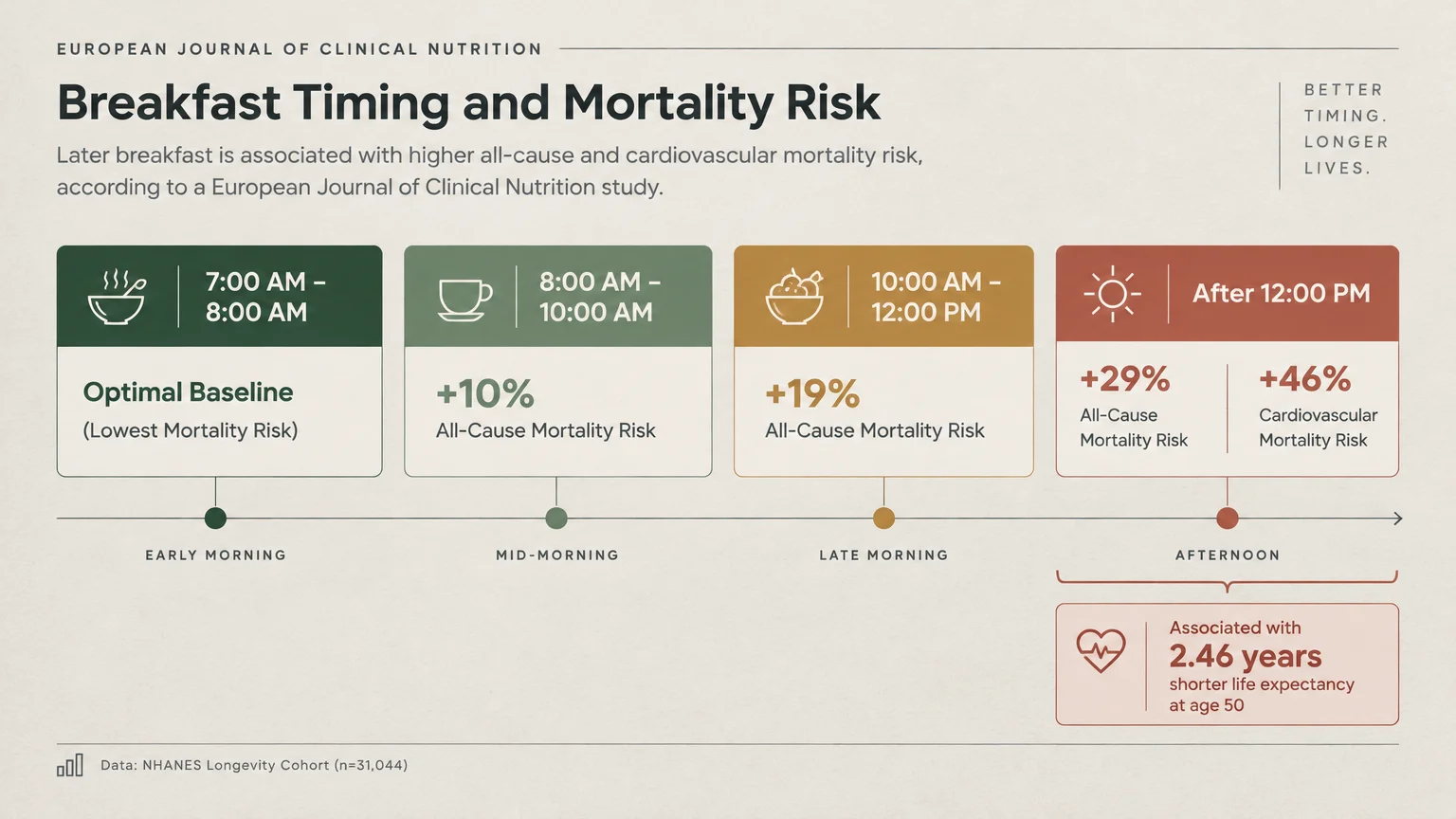
An August 2026 study published in the European Journal of Clinical Nutrition evaluated 31,044 U.S. adults aged 40 and older. Researchers analyzed National Health and Nutrition Examination Survey data over a median follow-up of 8.6 years.
The investigators identified 7:00 a.m. to 8:00 a.m. as the optimal baseline window for consuming your first meal. Participants who ate within this early hour demonstrated the lowest rates of premature mortality.
Delaying your first meal to between 8:00 a.m. and 10:00 a.m. correlated with a 10% higher risk of all-cause mortality. Postponing breakfast to between 10:00 a.m. and 12:00 p.m. carried a 19% higher risk.
The risks climbed even higher when individuals delayed eating until the afternoon. Waiting until after 12:00 p.m. was associated with a 29% higher risk of all-cause mortality.
That same midday delay was linked to a 46% higher risk of cardiovascular mortality. For a 50-year-old adult, waiting until after noon to eat equated to an estimated 2.46 years shorter life expectancy.
These findings demonstrate that meal timing exerts an independent influence on longevity. You can protect your long-term cellular health simply by scheduling your morning meal earlier in the day.

Cardiometabolic Health and Type 2 Diabetes Prevention
Your morning eating habits directly influence your risk of developing chronic metabolic conditions. Eating early in the morning supports proper glucose disposal and healthy vascular function.
A landmark study from ISGlobal and INSERM, published in the International Journal of Epidemiology in July 2023, tracked 103,312 adults. Researchers monitored participants from the NutriNet-Santé cohort across an average follow-up of 7.3 years.
The research revealed that habitually eating breakfast after 9:00 a.m. increased type 2 diabetes risk by 59% compared to eating before 8:00 a.m. Delaying breakfast disrupted normal glycemic control across the entire day.
Conversely, eating before 8:00 a.m. combined with an overnight fast exceeding 13 hours produced a 53% lower risk of type 2 diabetes. This combination allows for cellular repair alongside optimal daytime insulin function.
Cardiovascular health shows an equally strong relationship with morning meal schedules. Heart health relies heavily on rhythmic blood pressure dips and balanced metabolic cycles.
A companion study published in Nature Communications in December 2023 examined 103,389 participants from the same cohort. The investigators analyzed the long-term incidence of cardiovascular disease alongside daily eating patterns.
The study found that each additional 1-hour delay in your first meal was associated with a 6% higher risk of cardiovascular disease. Pushing breakfast later into the morning steadily increased vascular strain.
Prioritizing breakfast before 8:00 a.m. safeguards your arteries and preserves your metabolic health. Consistent morning nourishment keeps your cardiovascular system running efficiently.

How Breakfast Timing Shifts Across the Aging Process
As you age, your sleep architecture, digestion, and appetite patterns naturally shift. However, drifting into late morning eating can create subtle vulnerabilities in your functional health.
A September 2025 study from Mass General Brigham, published in Communications Medicine, examined 2,945 adults aged 42 to 94. Researchers tracked these participants over an average duration of 22 years.
The study revealed that participants ate breakfast at an average time of 8:20 a.m. across the multi-decade tracking period. Most individuals maintained stable morning routines throughout their middle years.
However, participants who gradually shifted their first meal to 9:00 a.m. or later experienced a lower 10-year survival rate. Late breakfast timing consistently tracked with accelerated functional decline.
These late eaters also reported higher rates of depression, persistent daytime fatigue, and oral health complications. Postponing breakfast often reflected disrupted daily routines, reduced social interaction, or poor physical mobility.
Preserving an early breakfast routine anchors your circadian clocks as you navigate the aging process. An early morning meal provides the necessary physical fuel and cognitive structure for healthy aging.
The Dietitian Window: The One-to-Two-Hour Rule
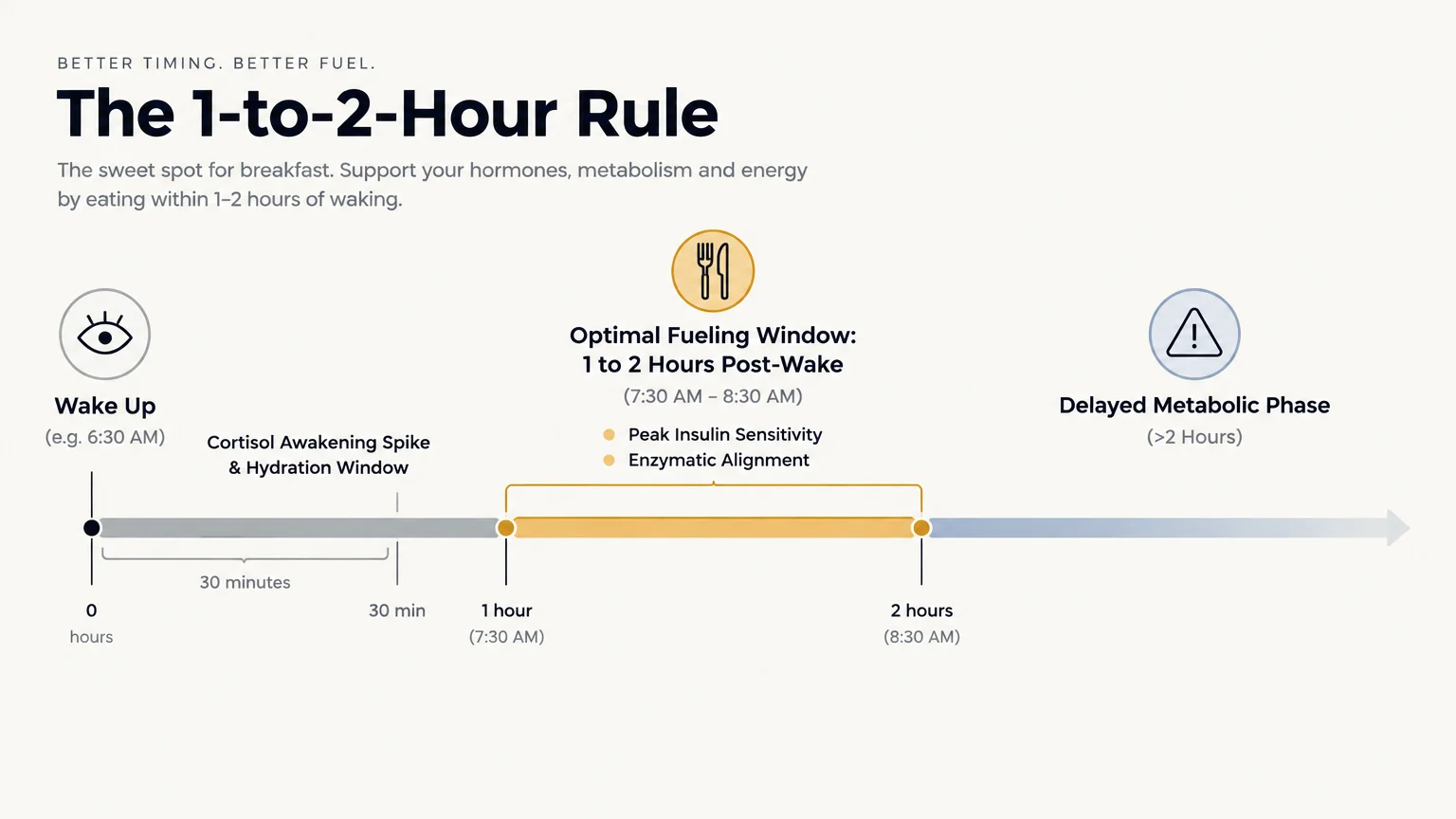
Clinical dietitians generally recommend eating your breakfast within 1 to 2 hours of waking up. This guideline translates complex chronobiology into a simple, flexible schedule for your daily life.
If your alarm rings at 6:30 a.m., your optimal breakfast window falls between 7:30 a.m. and 8:30 a.m. This interval allows your digestive system to wake up while capturing your morning insulin sensitivity.
Waking up and immediately drinking a glass of water supports this metabolic transition. Hydration recharges your blood volume, stimulates digestive peristalsis, and clears morning dry mouth.
Drinking water also helps you differentiate true biological hunger from simple dehydration. After hydrating, you can gauge your morning appetite with clarity.
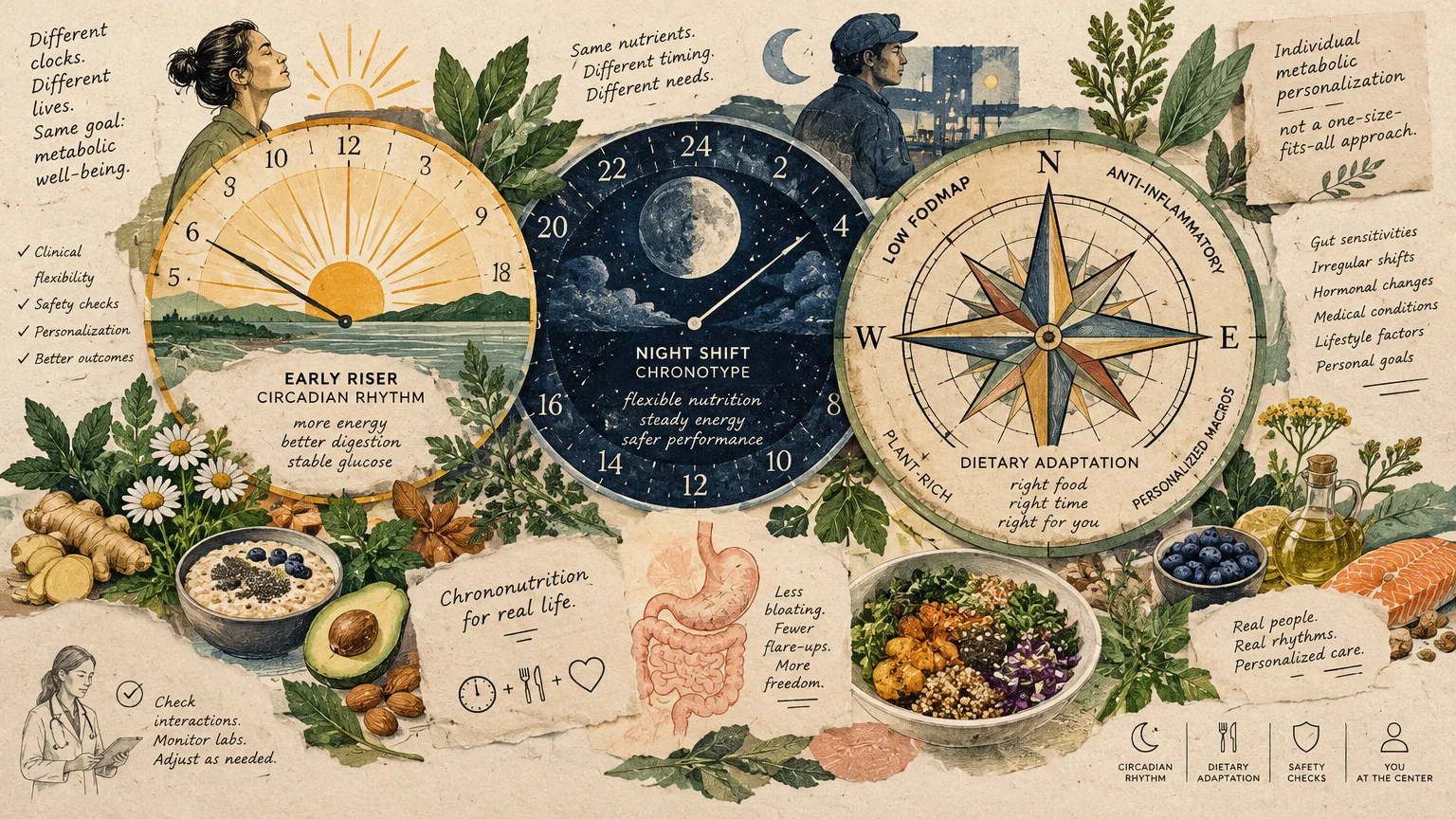
Your personal chronotype influences when you wake, but your internal organs still expect morning fuel. Night owls who wake at 8:00 a.m. should target breakfast between 9:00 a.m. and 10:00 a.m.
Adjusting your evening meal earlier makes this morning window feel effortless. When you stop snacking three hours before bed, you wake up ready for a nourishing breakfast.
Strategy Pillar 1: Designing a Balanced Breakfast Plate
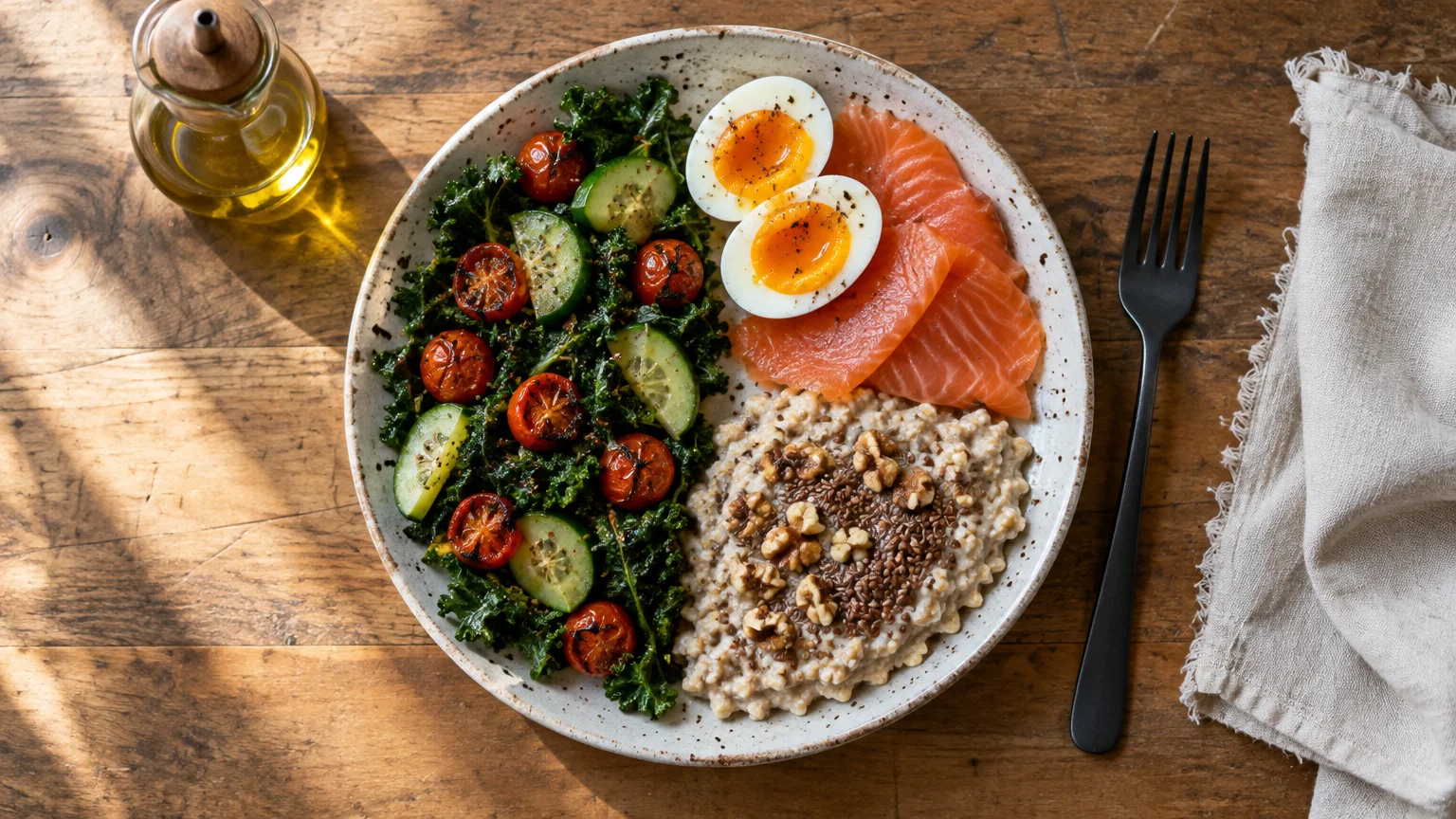
Timing matters immensely, but nutrient composition determines how well your body uses that fuel. A balanced plate stabilizes your blood sugar and prevents energy dips before lunch.
Prioritize High-Quality Protein
Target 20 to 30 grams of protein during your morning meal. Protein stimulates satiety hormones like peptide YY while suppressing the hunger hormone ghrelin.
Morning protein also supplies the essential amino acids your muscles need for cellular repair. Consuming adequate protein early in the day curbs intense sugar cravings later in the evening.
You can easily reach 20 to 30 grams through whole foods. Two large eggs paired with a cup of Greek yogurt or a portion of tofu provides complete, bioavailable protein.
Add Complex Carbohydrates and Fiber
Combine your protein with slow-digesting carbohydrates rich in soluble and insoluble fiber. Fiber slows gastric emptying, which creates a steady, gradual release of glucose into your bloodstream.
Steel-cut oats, rolled oats, quinoa porridge, and sprouted whole-grain bread supply exceptional dietary fiber. These whole grains also feed your beneficial gut bacteria, supporting a resilient microbiome.
Add a cup of colorful berries to your grains for potent polyphenol antioxidants. Berries add natural sweetness while maintaining a low glycemic impact.
Incorporate Heart-Healthy Fats
Finish your plate with a serving of healthy unsaturated fats. Fat slows digestion further and enables the absorption of fat-soluble vitamins like A, D, E, and K.
Spoon a quarter of an avocado onto your toast, or stir two tablespoons of chia seeds into your yogurt. A handful of walnuts or a drizzle of extra virgin olive oil works equally well.
Inclusive and Budget-Friendly Morning Meals
Healthy breakfast habits adapt easily to every cultural culinary tradition and grocery budget. You do not need expensive specialty products to build an optimal morning plate.
A bowl of savory rice congee topped with poached eggs, steamed edamame, and sesame oil offers wonderful nourishment. This traditional Asian breakfast provides warmth, gentle hydration, and high-quality protein.
Warm black beans seasoned with cumin, served over corn tortillas with avocado and salsa, deliver authentic Latin flavor. This combination supplies plant-based protein and exceptional fiber on an economical budget.
A warm bowl of spiced red lentils paired with wilted greens and whole flatbread provides robust iron and sustained energy. Lentils cook quickly and represent one of the most budget-friendly pantry staples available.
Pantry staples like canned beans, bulk rolled oats, peanut butter, and frozen berries keep costs low. You can feed your body exceptional morning nutrition without stretching your weekly budget.
Strategy Pillar 2: Streamlined Meal Planning and Morning Prep
Rushed mornings represent the single biggest obstacle to consistent breakfast timing. When you feel pressed for time, skipping your meal or choosing ultra-processed pastries becomes tempting.
Batch Cooking for Busy Weekdays
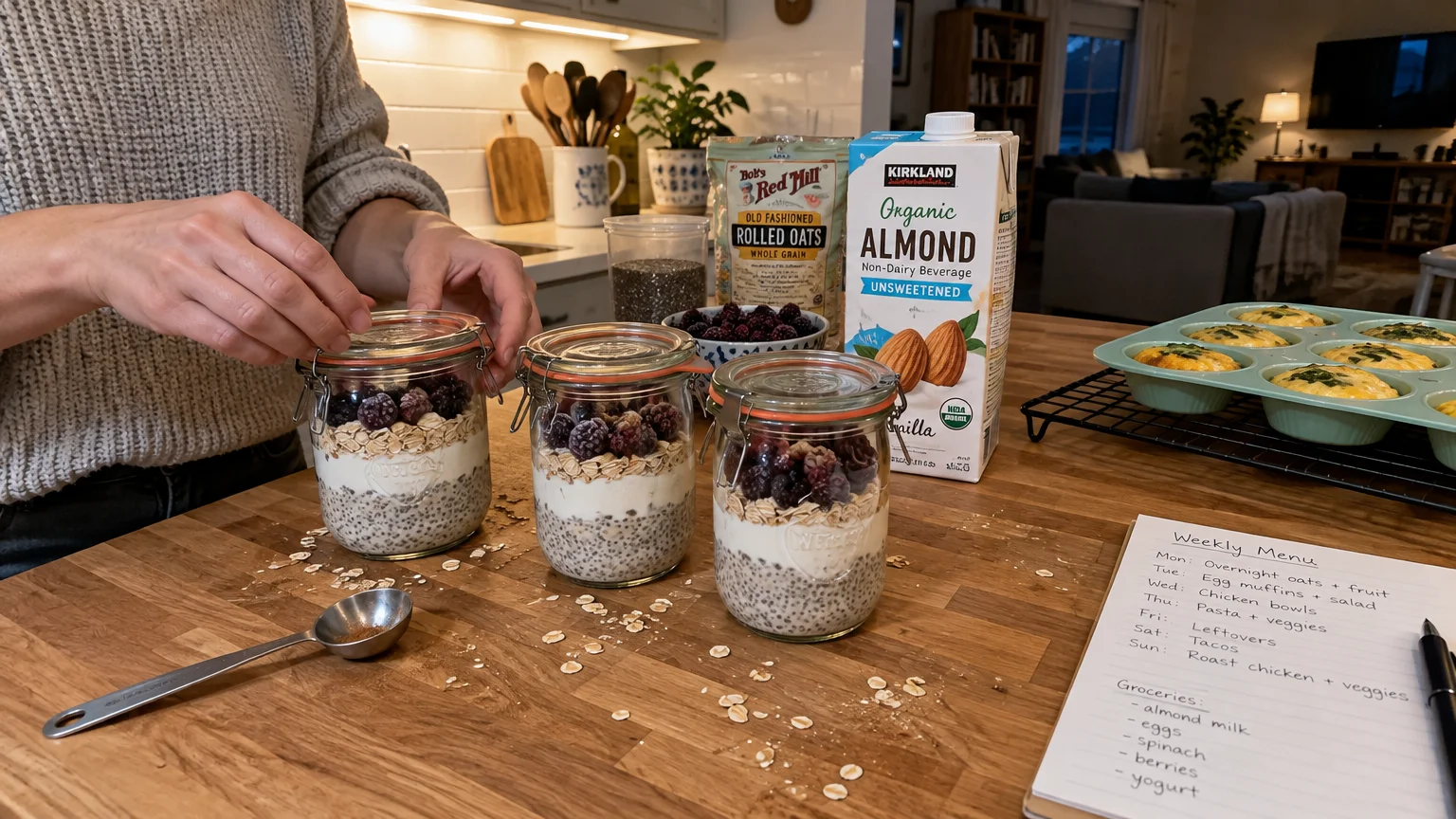
Eliminate morning friction by preparing your breakfast components during your weekend downtime. Investing thirty minutes on Sunday secures nutritious breakfasts for the entire workweek.
Bake a sheet-pan vegetable frittata loaded with spinach, bell peppers, and low-fat cheese. Slice it into individual portions and store them in airtight containers for quick reheating.
Assemble four or five jars of overnight oats with chia seeds, ground flaxseeds, and soy milk. In the morning, grab a jar from the refrigerator and top it with fresh fruit.
Portable Options for Early Commuters
If your commute starts before your appetite wakes up, pack portable, nutrient-dense foods. Eating on your schedule remains simple when your food travels well.
Hard-boil a half-dozen eggs to keep in your refrigerator for quick portable protein. Pair two peeled eggs with an apple and a small bag of roasted almonds.
Roll natural almond butter and sliced bananas into a sprouted whole-grain tortilla. Wrap it in parchment paper for an easy, mess-free meal during your morning train ride.
Prepare your kitchen workspace the night before by setting out bowls, spoons, and water glasses. Removing small physical barriers makes healthy morning execution automatic.
Strategy Pillar 3: Habit Formation and Behavioral Consistency
Relying on daily motivation frequently leads to inconsistent eating schedules. Building automated behavioral systems guarantees that you eat within your target window every single day.
Habit Stacking in the Morning
Use habit stacking to attach your breakfast routine to an existing morning behavior. Connecting a new action to an established cue creates a dependable mental trigger.
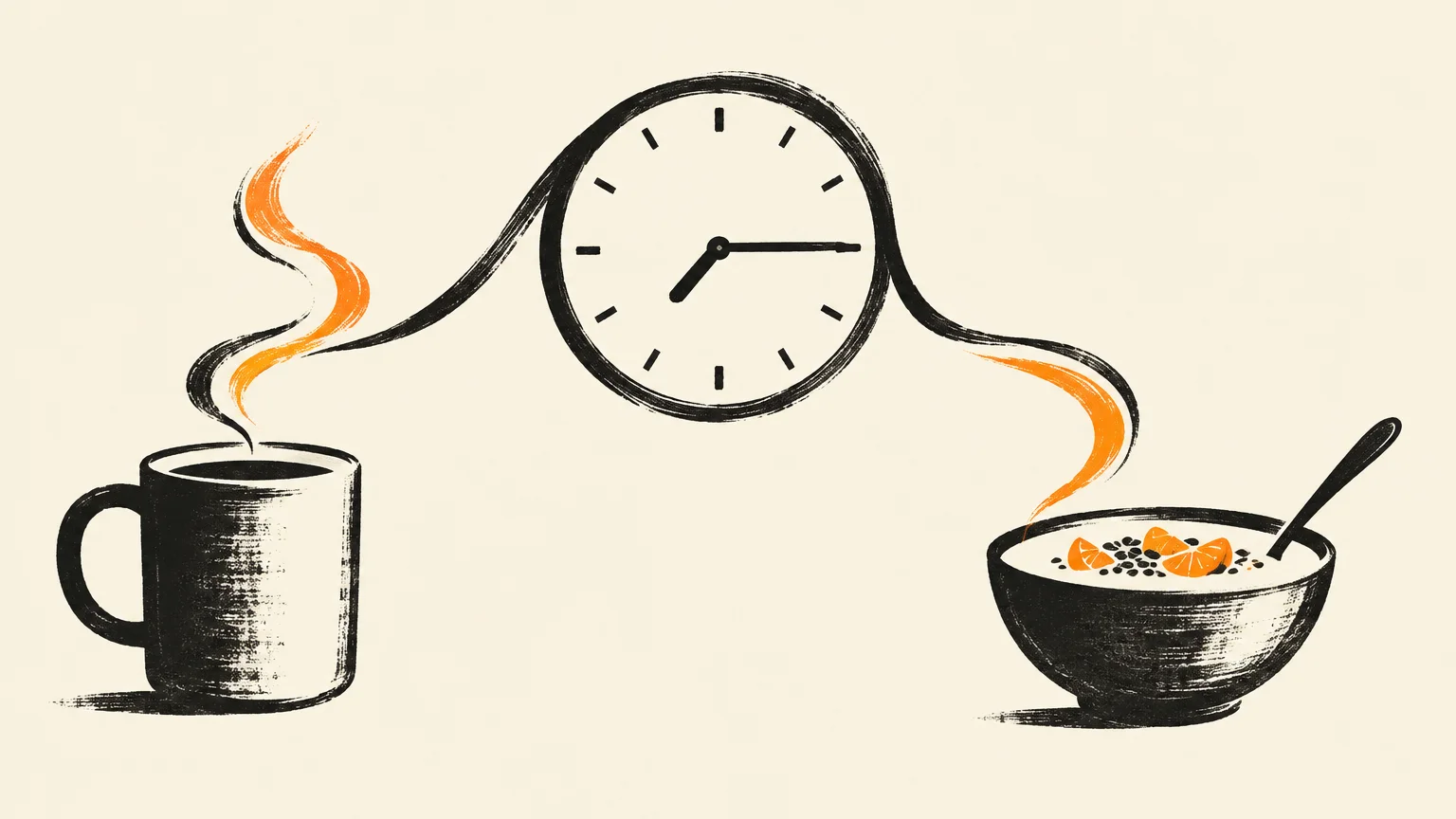
If you brew coffee every morning, prepare your breakfast while the coffee pot runs. By the time your mug fills, your scrambled eggs or oatmeal will be ready to eat.
Place your breakfast ingredients front and center on the top shelf of your refrigerator. Clear visual prompts reduce morning cognitive load and guide you toward nutritious choices.
Managing Weekend Schedules and Shift Work
Social jetlag occurs when you shift your sleep and meal times significantly on weekends. Delaying your Sunday breakfast by four hours disrupts your peripheral metabolic clocks for Monday morning.
Strive to keep your weekend breakfast within sixty minutes of your usual weekday timing. This behavioral consistency stabilizes your circadian rhythm and protects high sleep quality.
Shift workers face unique challenges because their working hours run counter to natural sunlight. If you work overnight shifts, treat your wake-up time as your biological morning.
Eat your main meal within two hours of waking from your primary sleep block, regardless of the clock hour. Consistent meal spacing preserves metabolic efficiency even on non-traditional schedules.

Fueling Around Morning Exercise
Deciding whether to eat before or after a morning workout depends on your training intensity and personal digestion. Matching your meal timing to your physical exertion optimizes your performance and recovery.
Pre-Workout Nutrition Timing
Dietitians advise eating a light snack 30 to 60 minutes before moderate or vigorous morning exercise. Your muscles benefit from easily accessible carbohydrates to sustain high training outputs.
A medium banana, a slice of sourdough toast with fruit spread, or a small handful of raisins digests rapidly. These choices elevate circulating blood glucose without creating gastrointestinal cramping.
If you perform light exercise like walking or restorative yoga, working out in an unfed state is perfectly acceptable. Simply consume your balanced breakfast within one hour of finishing your movement.
Post-Workout Recovery Windows
Intense strength training or endurance running depletes muscle glycogen and breaks down muscle fibers. Consuming your full breakfast within an hour of completing your workout optimizes recovery.
Combine 20 to 30 grams of protein with complex carbohydrates to stimulate muscle protein synthesis. A tofu scramble with sweet potatoes or Greek yogurt with oats provides an ideal post-workout profile.
If intense exercise temporarily suppresses your morning appetite, drink a portion of your recovery fuel. A smoothie made with whey or pea protein and fruit provides nutrients while respecting your digestive comfort.

Clinical Insights and Real-World Patient Experiences
In clinical nutrition practice, adjusting meal timing frequently resolves stubborn metabolic issues. Patients often discover that changing when they eat proves just as impactful as changing what they eat.
Case Study: Stabilizing Midday Energy Crashes
Elena, a 43-year-old marketing manager, suffered from severe 3:00 p.m. brain fog and intense evening sugar cravings. She routinely skipped breakfast, surviving on black coffee until her first meal at 11:00 a.m.
We adjusted her schedule to introduce a balanced breakfast at 7:45 a.m., roughly one hour after she woke. Her meal consisted of two scrambled eggs, wilted spinach, and sprouted toast with avocado.
Within two weeks, Elena experienced steady afternoon energy and completely stopped her late-night pantry raids. Aligning her breakfast with her morning cortisol awakening response stabilized her glucose throughout the day.
Case Study: Overcoming Morning Appetite Suppression
Marcus, a 52-year-old accountant, felt mild nausea whenever he tried to consume solid food before 9:30 a.m. However, waiting until late morning caused him to overeat large, processed lunches.
We designed a progressive two-week transition using easily digestible liquid and semi-solid nutrition. Marcus began drinking a small smoothie with kefir, blueberries, and collagen peptides at 7:30 a.m.
This gentle nourishment stimulated his digestive enzymes without triggering stomach upset. Over several weeks, his gastrointestinal tract adapted, allowing him to transition comfortably to solid breakfast foods.
Endocrinologists and dietitians agree that gradual adjustments yield permanent habit changes. Meeting your body where it currently functions prevents frustration and ensures sustainable progress.
Safety, Contraindications, and Individual Personalization
While early morning breakfast provides substantial metabolic advantages, specific medical conditions require tailored adjustments. You must evaluate your personal health history before making significant schedule changes.
Medication Timing Considerations
Certain daily prescriptions require strict timing protocols relative to food consumption. Taking medications with food when an empty stomach is required reduces pharmaceutical efficacy.
Thyroid medications like levothyroxine must be taken on an empty stomach with water 30 to 60 minutes before breakfast. Consuming calcium or iron from your meal too soon impairs thyroid hormone absorption.
Oral bisphosphonates for bone density also require an empty stomach and an upright posture for thirty minutes. Coordinate with your pharmacist to schedule your medication window before your target breakfast time.
Gastrointestinal Health Adjustments
Individuals living with gastroparesis process food at a significantly delayed rate. Large, dense morning meals can cause severe nausea, bloating, or abdominal pain.
If you manage delayed gastric emptying, consume smaller, frequent morning liquid meals. Pureed soups, protein shakes, and broths supply vital calories without straining stomach motility.
Individuals with active gastroesophageal reflux disease should avoid consuming large meals and immediately lying down. Eating your morning meal while sitting upright and remaining upright for two hours protects your esophageal lining.
Food allergies require rigorous label reading and dedicated kitchen preparation. Always work with a registered dietitian to customize your meal timing around clinical diagnoses.
Frequently Asked Questions About Breakfast Timing
What if I do not feel hungry when I wake up?
Mild morning appetite suppression often stems from eating large, late-evening meals or snacks. When you digest food late into the night, your stomach remains full and sluggish come sunrise.
Try moving your dinner one hour earlier and eliminating bedtime snacks to wake up with natural hunger. You can also start with a small, light food like a hard-boiled egg or a small bowl of berries.
Does drinking black coffee first thing in the morning break my metabolic fast?
Plain black coffee contains virtually zero calories, so it does not trigger a significant insulin response. However, consuming caffeine on an empty stomach can elevate cortisol levels and irritate sensitive stomach linings.
Enjoy your coffee alongside your breakfast or immediately after your first few bites of food. Adding cream, milk, or sugar initiates digestion and officially breaks your overnight fast.
How does intermittent fasting fit with an early breakfast?
Many people associate intermittent fasting with skipping breakfast and eating from noon until evening. However, chrononutrition research shows that early time-restricted eating provides superior metabolic benefits.
You can adopt an early fasting schedule by eating between 7:30 a.m. and 3:30 p.m. each day. This approach delivers the benefits of an overnight fast while capitalizing on your peak morning insulin sensitivity.
Can I drink a protein shake instead of eating a solid breakfast?
A well-formulated protein shake serves as an excellent, convenient option when you face tight morning schedules. Smoothies blend high-quality protein with fruits, greens, and healthy fats into an easily digestible format.
Ensure your shake includes dietary fiber from sources like chia seeds, flaxseeds, or frozen raspberries. Prioritize whole-food breakfasts when your schedule allows, using liquid options as a reliable backup.
Your Next Step: Building a Better Morning Rhythm Today
Improving your cardiometabolic health does not require radical dietary overhauls or restrictive rules. Simply shifting the timing of your first meal provides meaningful protection against chronic disease.
Look at your schedule for tomorrow morning and identify your personal one-to-two-hour wake-up window. Aim to sit down for your first nourishing meal between 7:00 a.m. and 8:30 a.m.
Select your protein source tonight and place your cooking tools on the counter. Taking this single proactive action within the next 24 hours puts the power of chrononutrition directly to work for you.