Eating fruit with the skin intact gives you an effortless nutritional upgrade. You instantly capture vital polyphenols, protect your digestion, and cut down meal preparation time.
Peeling away the outer layer often discards the densest pocket of micronutrients. Plants concentrate their most potent protective compounds right on their surface to defend against harsh environmental conditions.
Embracing whole fruits helps you balance your blood sugar and nourish beneficial gut microbes. You will also minimize daily kitchen waste while enjoying richer textures and deeper natural flavors.
The Biological Power of Fruit Skins
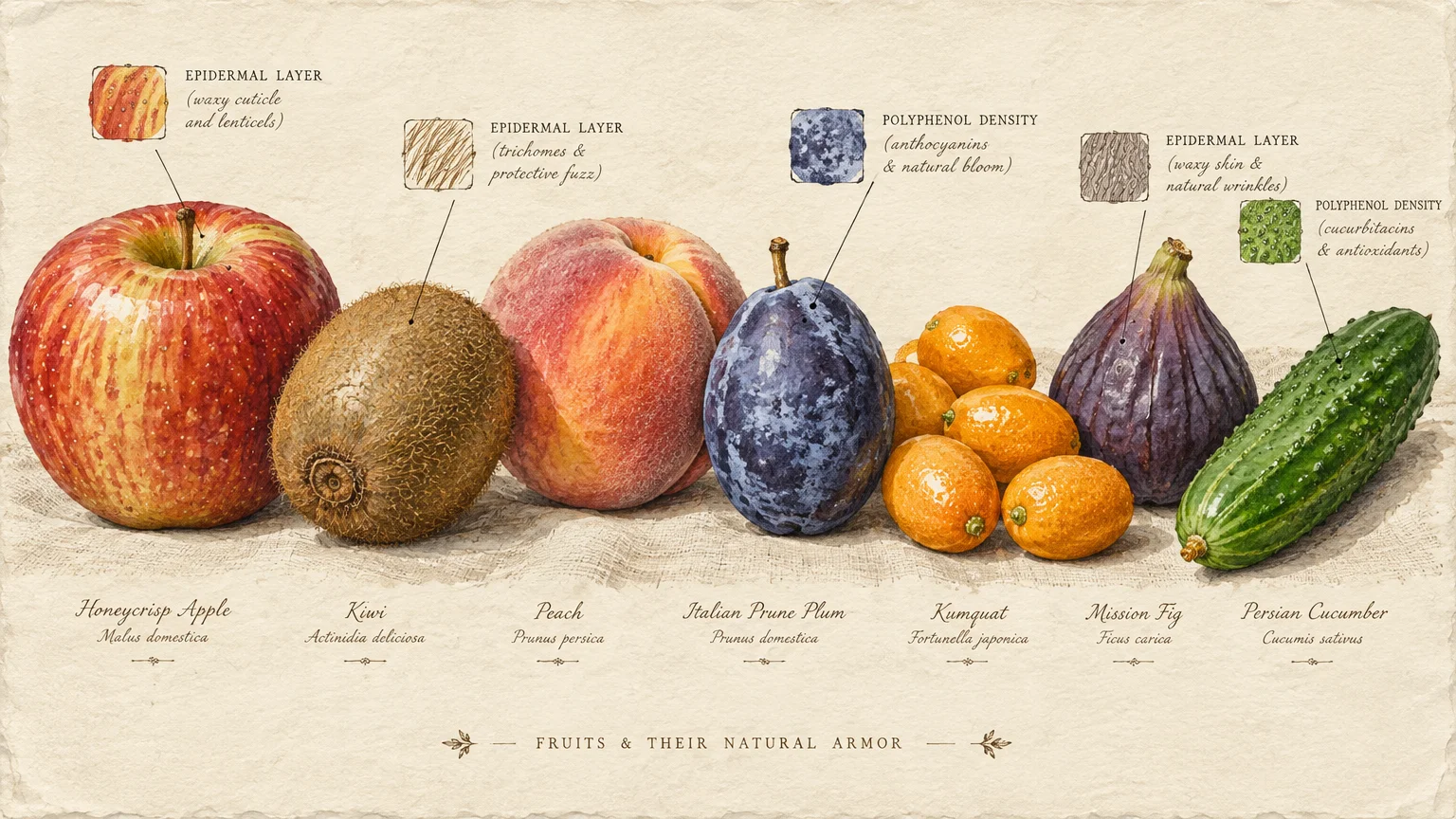
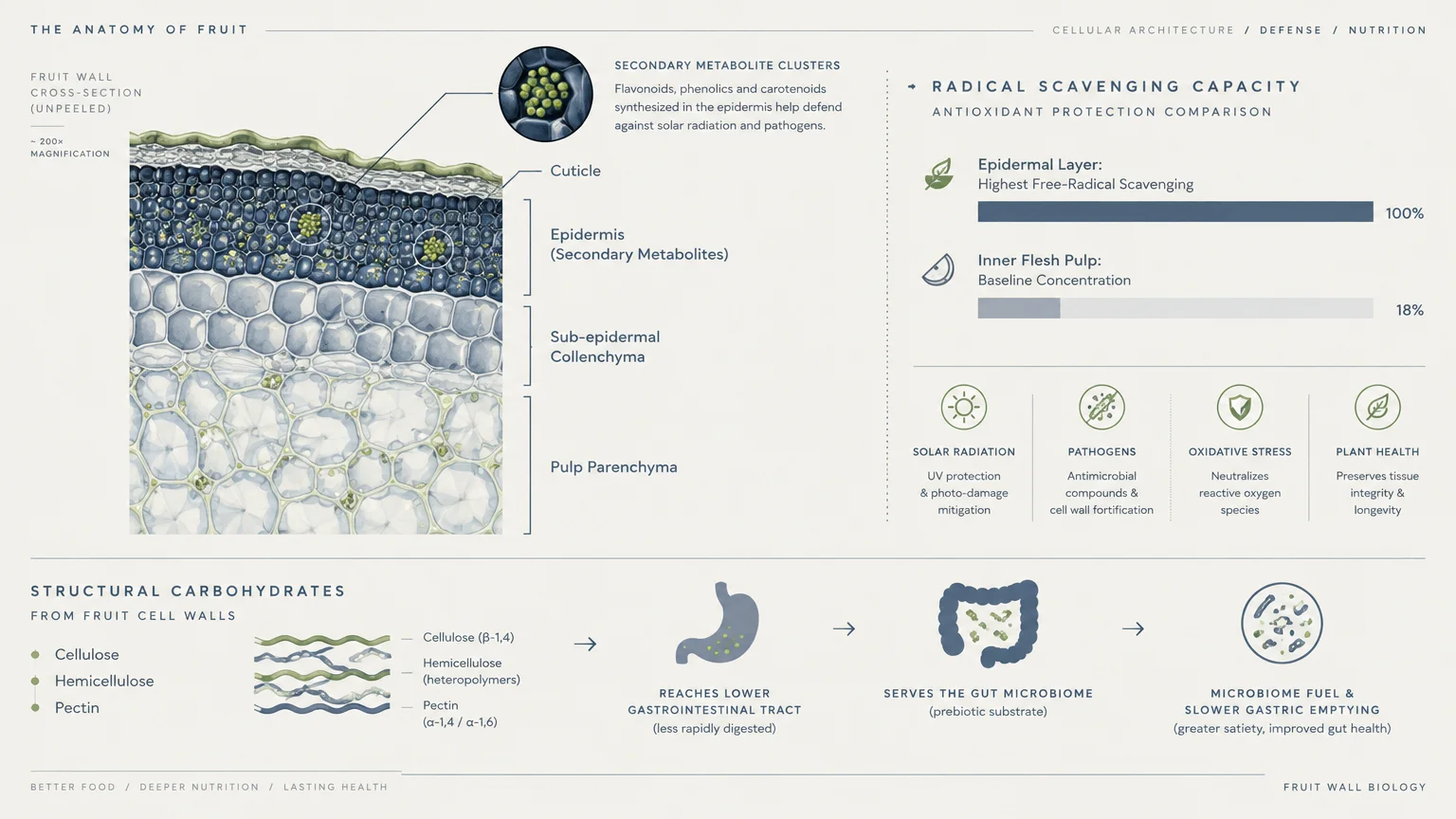
Plants synthesize secondary metabolites primarily to shield their inner tissues from solar radiation, pests, and bacterial infections. This evolutionary adaptation means skins harbor intense concentrations of bioactive polyphenols.
When you consume these exterior tissues, you absorb those same cellular defense compounds. Researchers have discovered that epidermal layers consistently outperform inner flesh in free-radical scavenging capacity.
Fruit rinds also contain unique structural carbohydrates that human digestive enzymes cannot dismantle. These complex fibers pass into your lower gastrointestinal tract, where they serve as essential fuel for your microbiome.
According to data published by the National Institutes of Health, consuming diverse plant fibers promotes balanced systemic inflammation. Keeping skins intact provides an effortless pathway to achieve internal microbial resilience.
Peels also modulate how quickly your body metabolizes simple fruit sugars. The insoluble matrix slows gastric emptying, preventing sharp glucose spikes and subsequent energy crashes.
Furthermore, the textural resistance of whole fruit encourages more thorough chewing. This mechanical process triggers satiety signals in your brain long before you overconsume calories.

Why Peeling Robs You of Critical Micronutrients
Stripping the peel from standard supermarket produce eliminates an enormous portion of its total micronutrient payload. You effectively discard vital minerals, fat-soluble vitamins, and structural enzymes into the compost bin.
Outer layers frequently contain several times the mineral density found in the central pulp. Calcium, magnesium, and potassium aggregate near the surface to maintain physical structural integrity.
You also lose valuable lipophilic antioxidants that dwell exclusively in the outer wax and epidermis. These compounds require intact cellular membranes to remain stable during storage and kitchen preparation.
Food waste represents another invisible cost of routine kitchen peeling. Throwing away edible peels wastes household grocery budgets while removing nutrient density from your dinner table.
Learning to celebrate natural fruit exteriors transforms how you interact with fresh produce. It simplifies your meal routines while delivering the full physiological value that nature designed.
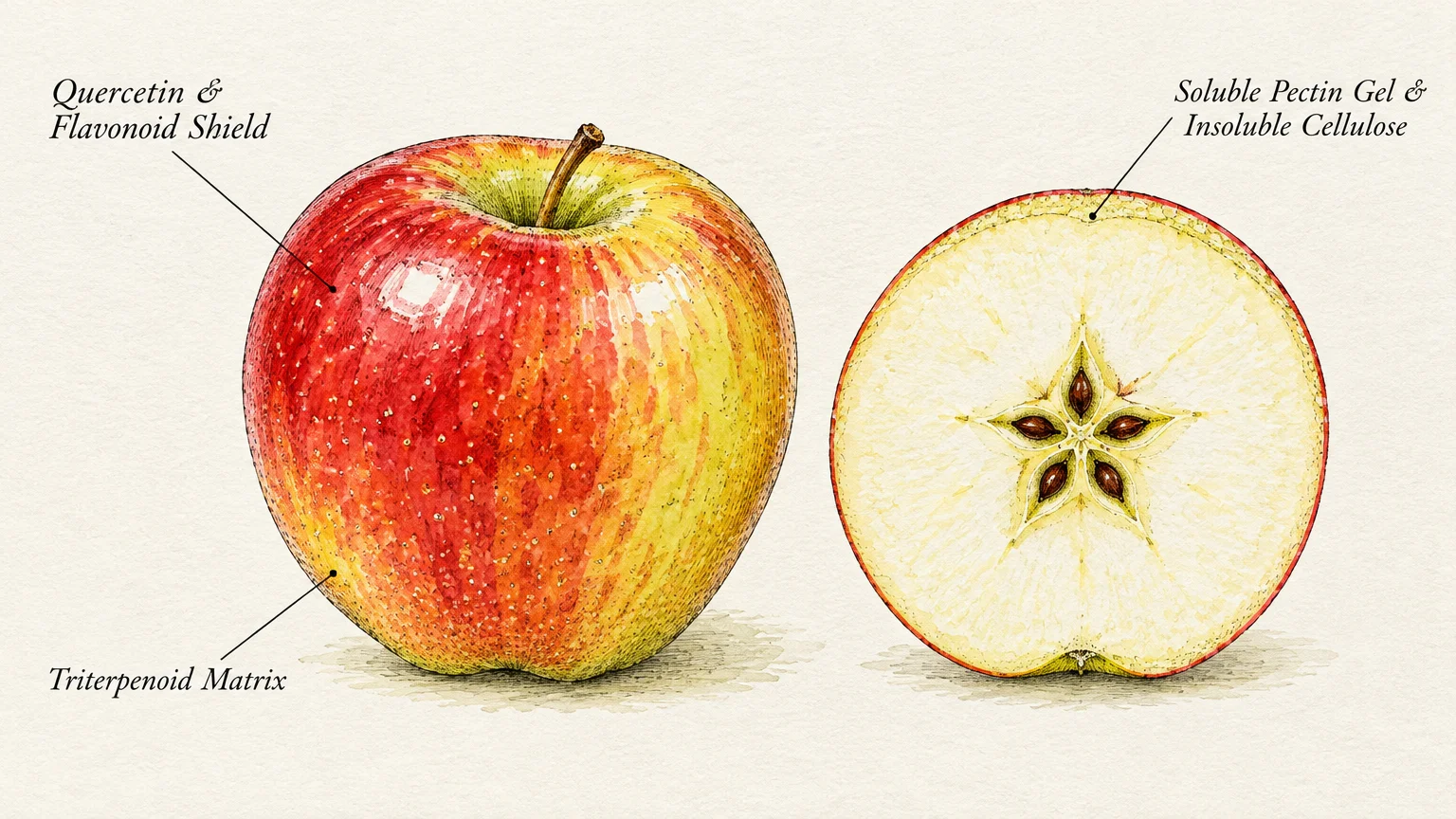
01 Apples: The Ultimate Pectin and Quercetin Shield
Apple skins contain high concentrations of quercetin, a powerful flavonoid known for supporting cardiovascular and respiratory wellness. This potent compound works synergistically with vitamin C to mitigate cellular oxidative stress.
The peel also houses an abundant concentration of pectin, an exceptional soluble prebiotic fiber. Pectin forms a soothing gel within your digestive canal, binding waste products and supporting regular bowel movements.
In addition to soluble pectin, the skin provides tough insoluble cellulose that adds necessary bulk to your stool. This dual-fiber architecture makes an unpeeled apple far superior for gut health than peeled slices.
The peel also holds triterpenoids, unique compounds that laboratory investigations link to healthy cellular replication. These compounds reside almost exclusively in the waxy epidermis of the apple.
To enjoy apple skins comfortably, slice the fruit into thin half-moons rather than biting into a massive whole orb. This cutting technique minimizes jaw fatigue while maintaining every gram of valuable skin fiber.
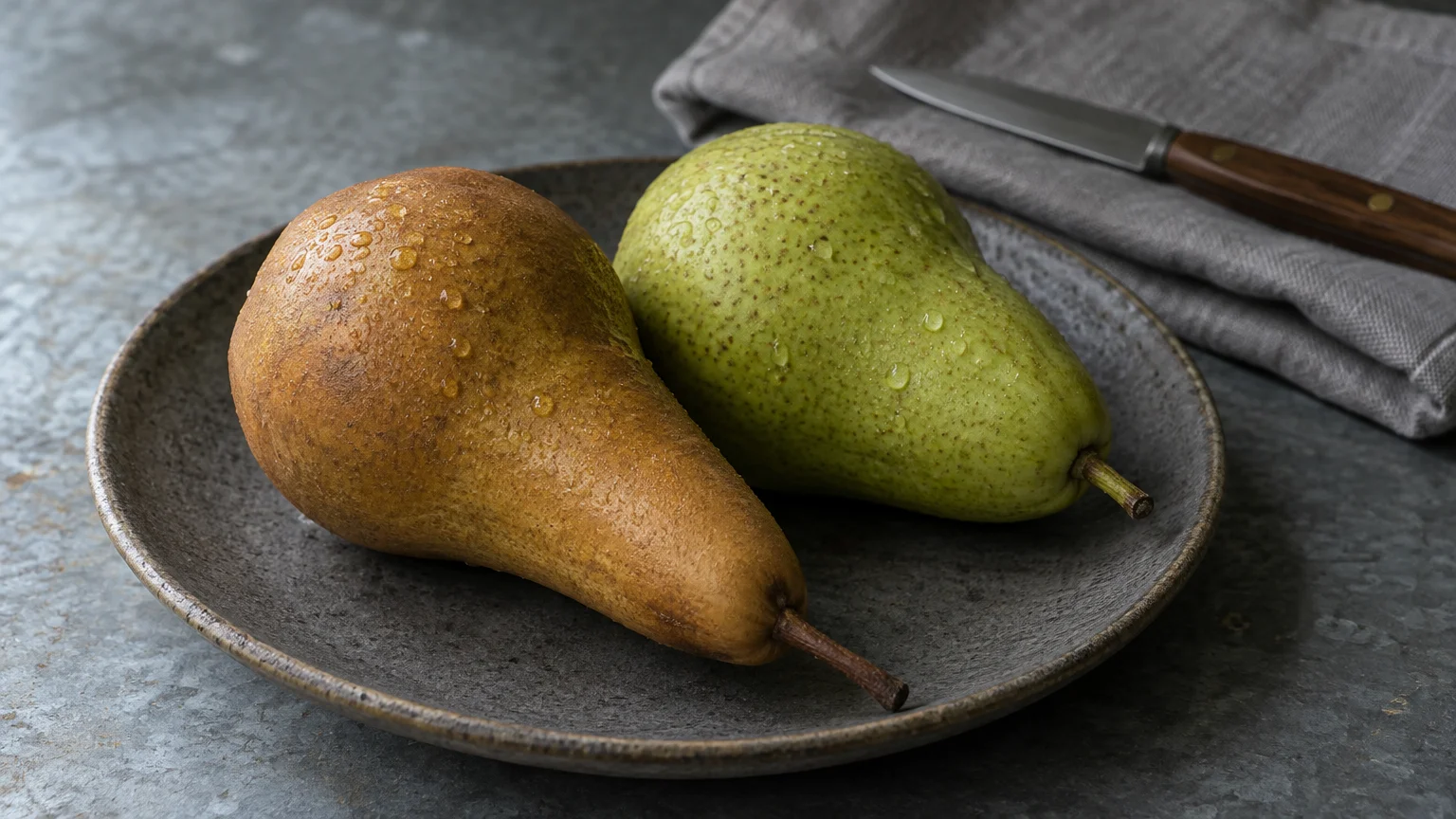
02 Pears: Delicate Skins Packed with Insoluble Fiber
Pears offer one of the highest fiber contents in the entire produce department. However, peeling a pear strips away a substantial fraction of its total dietary fiber.
The skin of a pear contains arbutin and various caffeic acid derivatives that provide substantial cellular protection. These delicate phytochemicals deteriorate quickly when the flesh is exposed directly to oxygen.
Pear peels also contain valuable chlorogenic acid, which supports healthy blood pressure regulation and glucose metabolism. These micronutrients concentrate heavily in the thin outer skin to protect the soft interior from bruising.
The gentle insoluble fiber within pear skin helps normalize gastrointestinal transit time without irritating sensitive digestive tracts. It acts as a gentle broom, sweeping debris through the colon efficiently.
You can enjoy pear skins by allowing the fruit to ripen fully at room temperature until the neck yields to gentle thumb pressure. Ripe skins soften considerably, blending seamlessly into the sweet, buttery flesh.

03 Kiwis: The Fuzzy Superfood You Should Never Peel
While eating fuzzy kiwi skin might sound unconventional, it represents one of the most nutrient-dense habits you can adopt. Eating the skin delivers an immediate, substantial boost in dietary fiber compared to the scooped pulp.
Kiwi skin contains exceptional concentrations of vitamin E and vitamin C, delivering profound antioxidant support for your immune system. These fat-soluble and water-soluble vitamins work together to protect cell membranes.
The rough exterior also provides actinidin, a natural proteolytic enzyme that accelerates the breakdown of dietary proteins. Consuming kiwi skin alongside heavy meals can significantly reduce feelings of post-meal heaviness and bloating.
Golden kiwis offer a virtually hairless, ultra-thin skin that makes eating whole kiwi effortless for beginners. Green kiwis possess slightly more fuzz, but their skins soften dramatically when sliced into thin rounds.
If the fuzzy texture bothers you, simply rub the fruit with a clean kitchen towel under running water before slicing. You will remove the rough bristles while leaving the nutrient-dense epidermal layer intact.
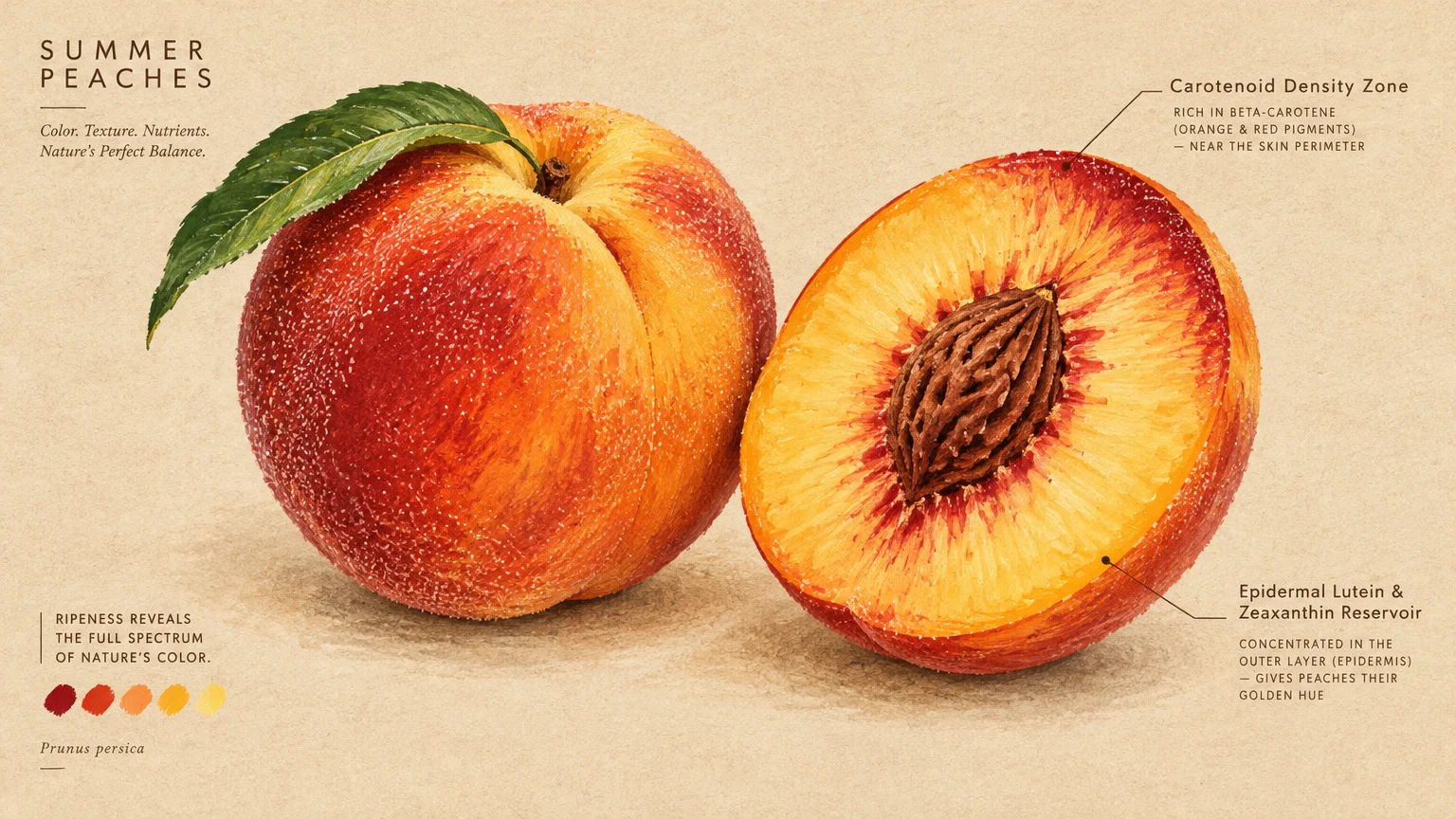
04 Peaches: Velvet Skins Rich in Carotenoids
Peach skins contain concentrated carotenoids, including beta-carotene, lutein, and zeaxanthin, which support long-term ocular and cutaneous health. These pigments give the peach skin its radiant golden-red glow.
Peeling a peach removes valuable chlorogenic acid, an antioxidant known to support steady metabolic function. This compound works within your vascular system to maintain flexible, healthy arterial walls.
Many people peel peaches due to texture concerns, yet the delicate fuzz breaks down rapidly upon chewing. The skin also holds the fruit together during culinary applications, preventing the flesh from turning into mush.
Peach skins offer high levels of insoluble fiber that nourish your beneficial gut microbes. Research compiled by the National Library of Medicine highlights how stone fruit polyphenols protect intestinal barrier integrity.
Try grilling or roasting halved, unpeeled peaches with a dash of cinnamon. Gentle heat caramelizes the natural sugars in the skin, yielding a luscious dessert that retains its full nutritional density.
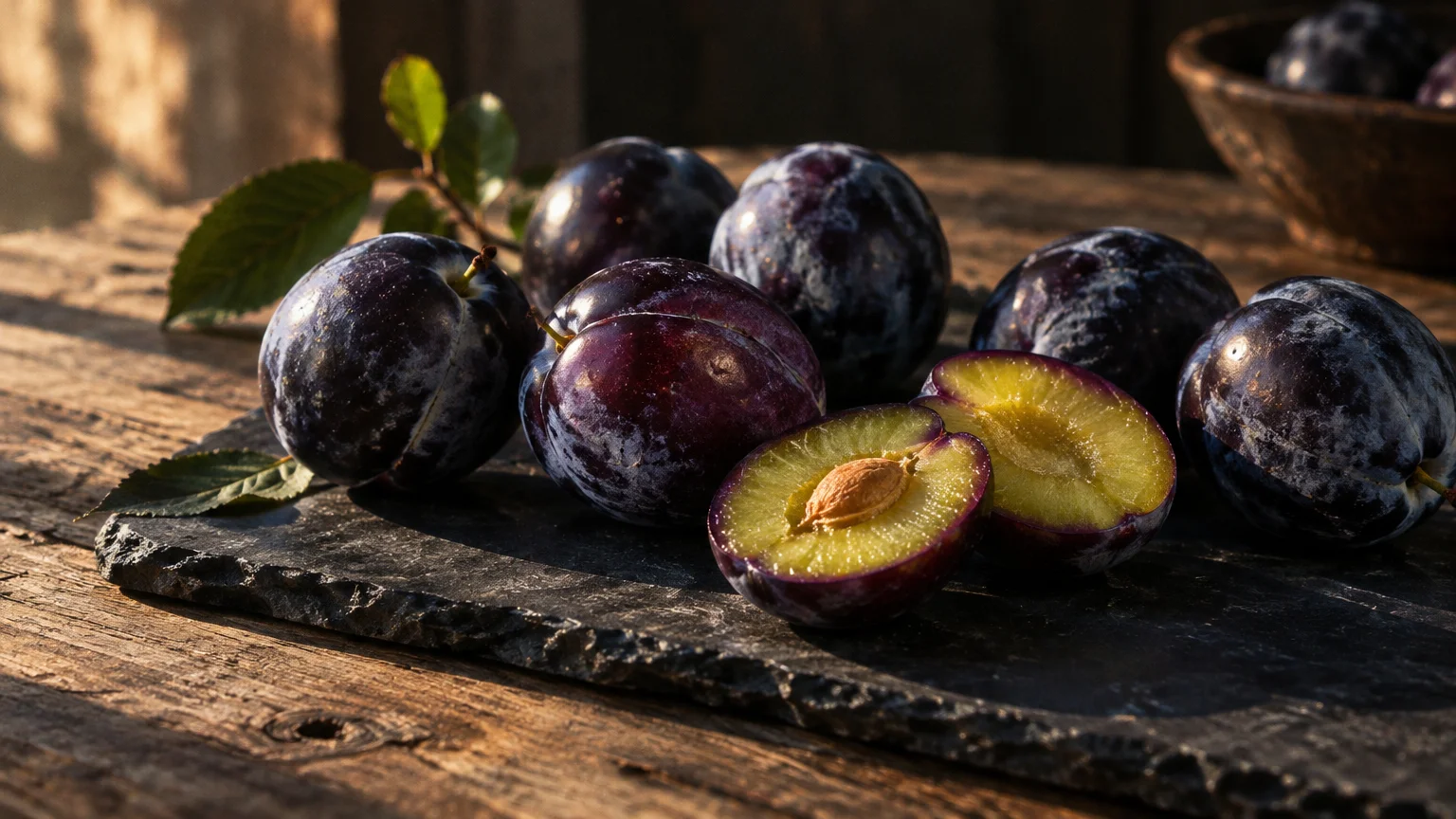
05 Plums: Dark Skins Teeming with Anthocyanins
The striking purple, red, and blue tones of plum skins signal high concentrations of anthocyanins. These water-soluble pigments offer profound neuroprotective benefits and defend blood vessels against oxidative degradation.
Plum skin contains nearly all of the fruit’s total antioxidant capacity, leaving the inner pale flesh comparatively modest in potency. Discarding plum skins leaves behind the very compounds that make the fruit a nutritional standout.
Plums also supply natural sorbitol and insoluble fiber, which combine within the digestive tract to encourage smooth motility. The skin provides the mechanical stimulus needed to stimulate healthy gastrointestinal peristalsis.
The pleasantly tart flavor of plum skin perfectly balances the intensely sweet nectar of the interior flesh. This complex sensory profile makes unpeeled plums far more culinary engaging than bland peeled fruit.
Slice unpeeled plums directly into summer grain bowls, leafy green salads, or morning oatmeal. Their vibrant exterior adds vivid color, crisp texture, and deep antioxidant richness to every single bite.
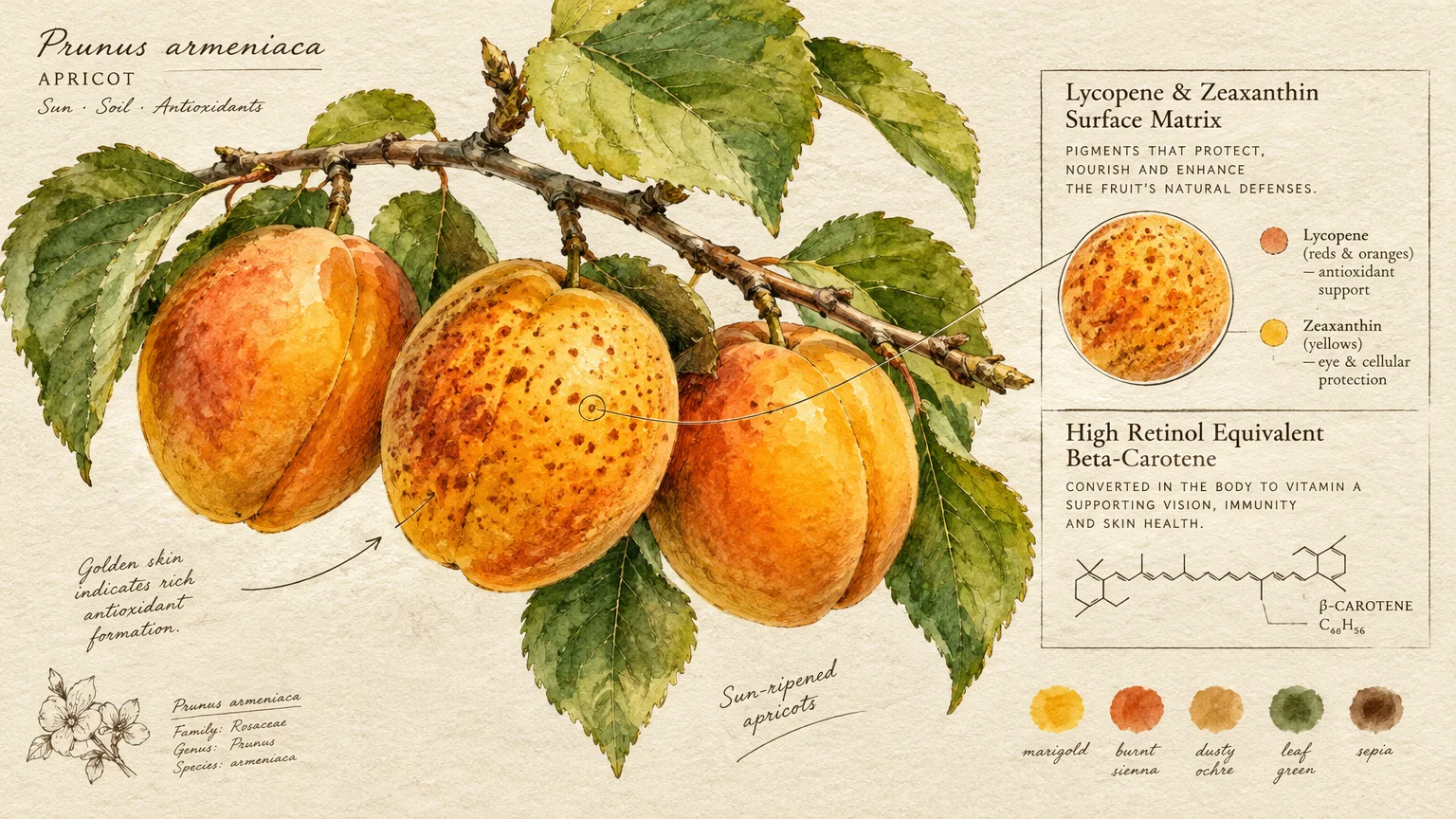
06 Apricots: Tiny Powerhouses of Lycopene and Zeaxanthin
Fresh apricots feature soft, velvety skins that dissolve almost imperceptibly as you chew. There is never a practical or nutritional reason to peel these miniature stone fruits before eating them.
The vibrant orange skin is loaded with beta-carotene, which your liver converts efficiently into active vitamin A. This essential nutrient plays an indispensable role in maintaining robust immune function and healthy vision.
Apricot skins also provide valuable lycopene, a potent carotenoid celebrated for its cardiovascular protective qualities. Lycopene resides within the outermost cellular matrix, shielding the inner seed from solar damage.
The skin supplies gentle soluble fiber that stabilizes blood sugar responses following your meal. It prevents rapid digestive breakdown, giving you steady energy without dramatic insulin spikes.
Pair whole, unpeeled apricots with raw walnuts or pumpkin seeds for an ideal balanced snack. The healthy dietary fats in the nuts dramatically enhance your body’s absorption of fat-soluble carotenoids.
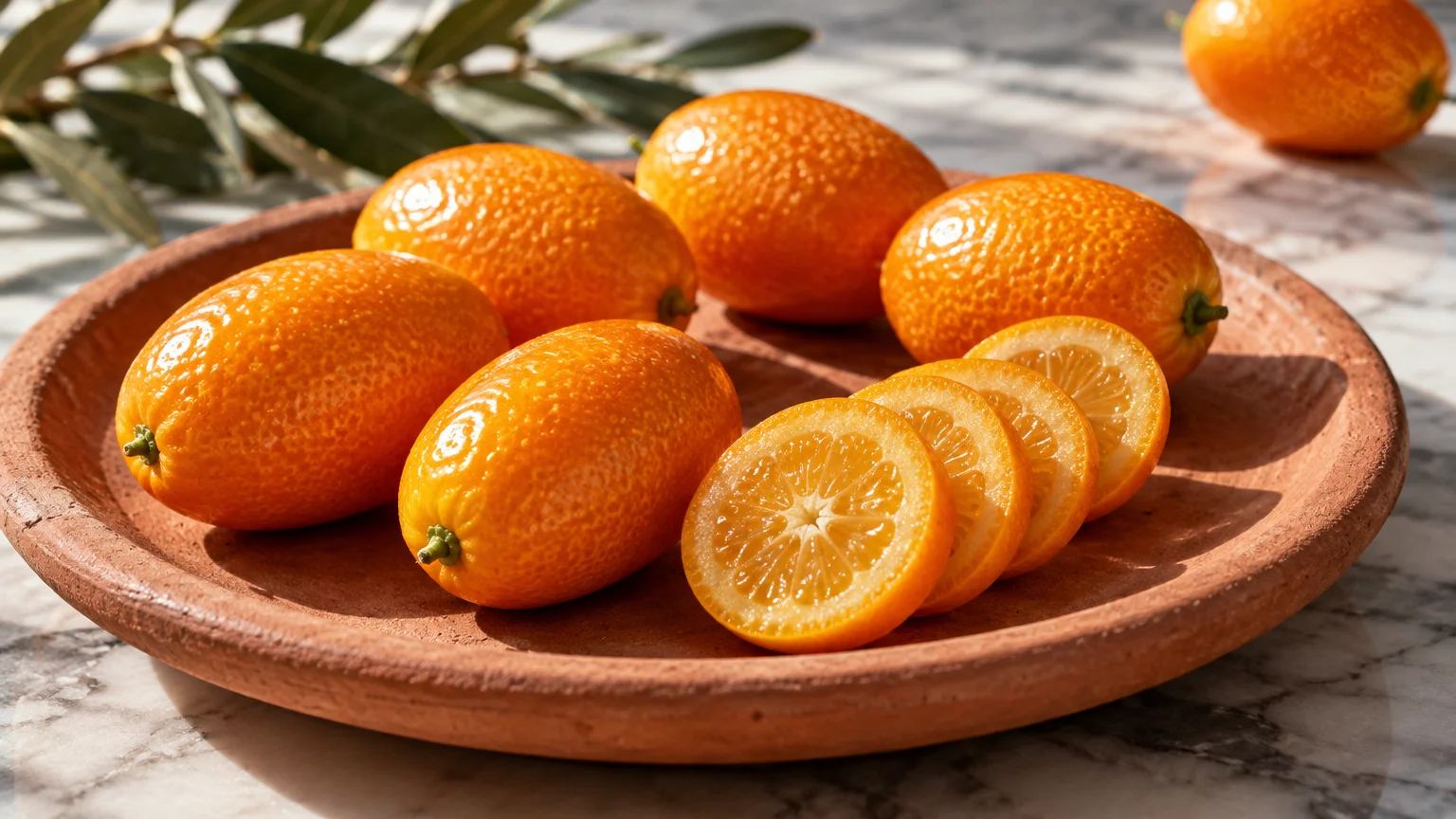
07 Kumquats: The Citrus You Eat Entirely Whole
Kumquats turn conventional citrus rules upside down because their peel is delightfully sweet while their inner flesh is remarkably sour. Eating the skin is not just recommended; it is the fundamental way to consume this fruit.
The rind of a kumquat is densely packed with essential oils, most notably limonene, which supports liver detoxification pathways. These aromatic terpenes provide unmatched anti-inflammatory and cellular protection.
Eating the peel provides an extraordinary dose of vitamin C along with calcium and bioflavonoids. In fact, the outer skin contains significantly more ascorbic acid than the interior pulp segments.
Kumquat skins also supply rich reserves of dietary fiber, supporting smooth digestion and gut microbial diversity. Eating whole kumquats delivers a meaningful contribution toward your daily fiber requirements.
Roll kumquats between your palms before eating them to release the aromatic oils trapped within the peel glands. Pop them whole into your mouth or slice them into vibrant winter citrus salads.
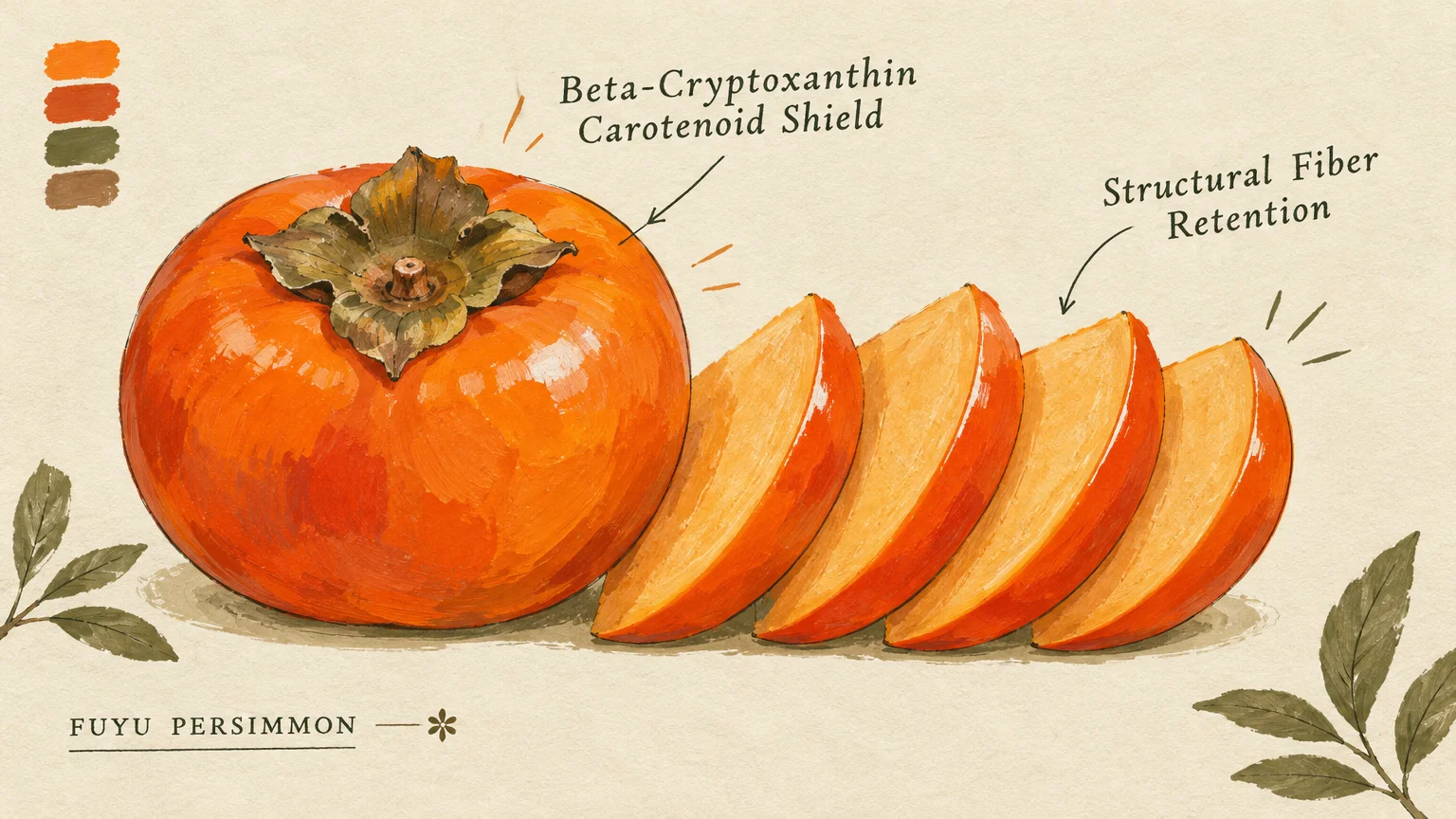
08 Persimmons: Crispy Peels Loaded with Cryptoxanthin
Fuyu persimmons, which resemble small orange tomatoes, feature a crisp, glossy skin that is completely edible. Many people needlessly pare away this outer layer, stripping away critical protective nutrients.
Persimmon skins are exceptionally rich in beta-cryptoxanthin, a powerful carotenoid that supports bone density and lung health. This antioxidant compound thrives predominantly in the brightly pigmented exterior rind.
The skin also supplies gallic acid and epicatechin, two polyphenols known for their ability to combat chronic cellular inflammation. These micronutrients reinforce vascular health and improve microcirculation throughout your tissues.
Eating persimmon skin provides high amounts of structural fiber that aids in long-term cholesterol management. The fiber binds bile acids in the gut, promoting healthy lipid clearance from the bloodstream.
Ensure you select squat Fuyu persimmons when planning to eat them firm with the skin on. Slice them horizontally into delicate starry wheels for a stunning, nutrient-dense addition to cheese boards and salads.
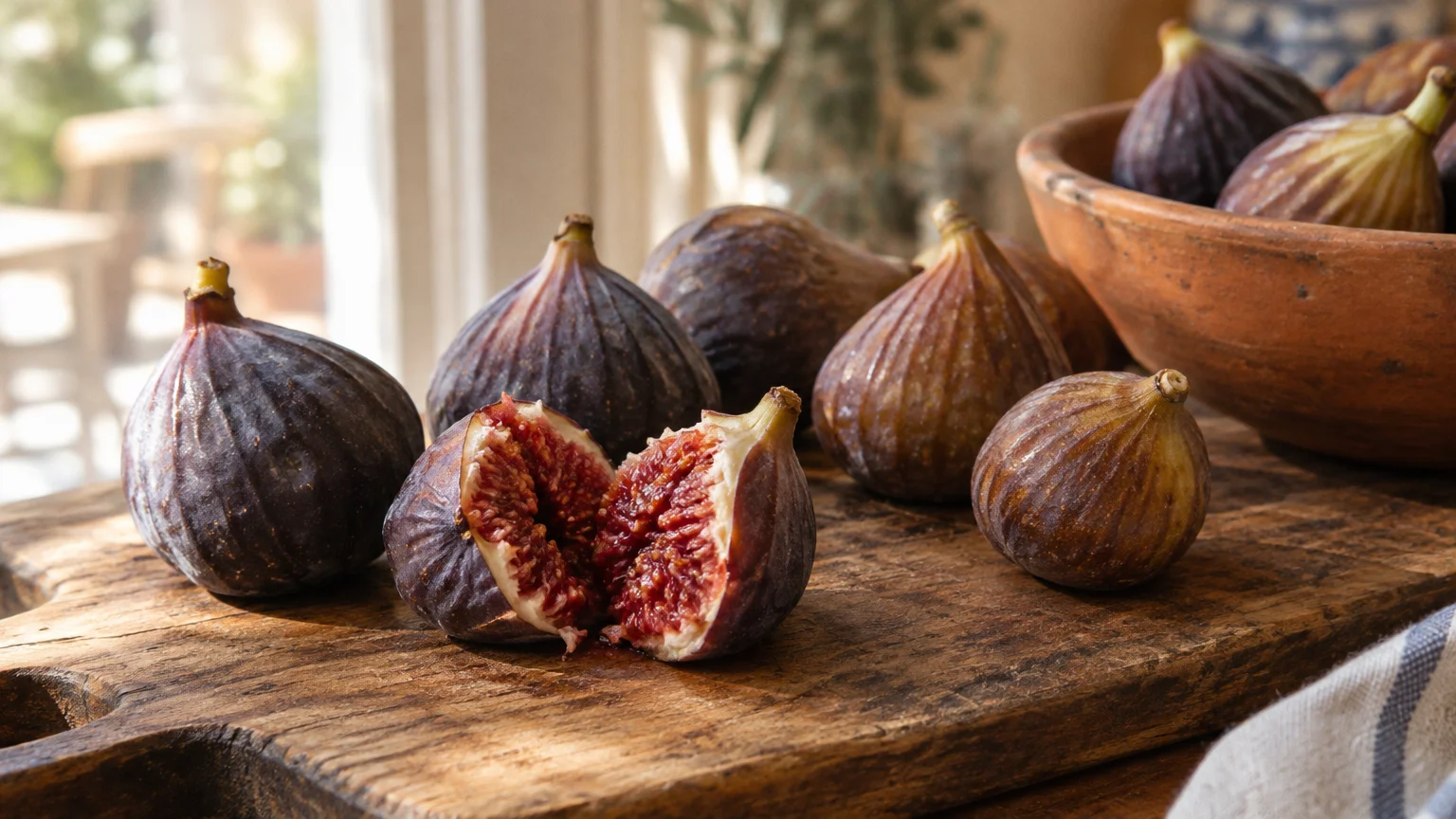
09 Figs: Edible Coatings That Protect Gut Integrity
Fresh figs feature an exquisite, tender skin that ranges in color from deep purple to pale yellow-green. This delicate outer covering is completely edible and contains a wealth of therapeutic plant compounds.
Fig skins harbor high levels of polyphenols and flavonoids that shield your digestive tract from oxidative stress. Peeling a fig destroys its structural cohesion and leaves behind a sticky, unmanageable mess.
The exterior epidermis provides vital prebiotic fibers that feed beneficial Bifidobacteria within your colon. A nourished microbiome responds by generating short-chain fatty acids that fortify the intestinal barrier.
Fresh fig skins also contribute valuable dietary minerals, including potassium, calcium, and magnesium. These essential electrolytes work together to regulate fluid balance and support muscle contractions.
Enjoy whole figs by slicing off only the woody stem at the very top of the fruit. Pair them raw with creamy goat cheese or bake them whole with a drizzle of balsamic vinegar.
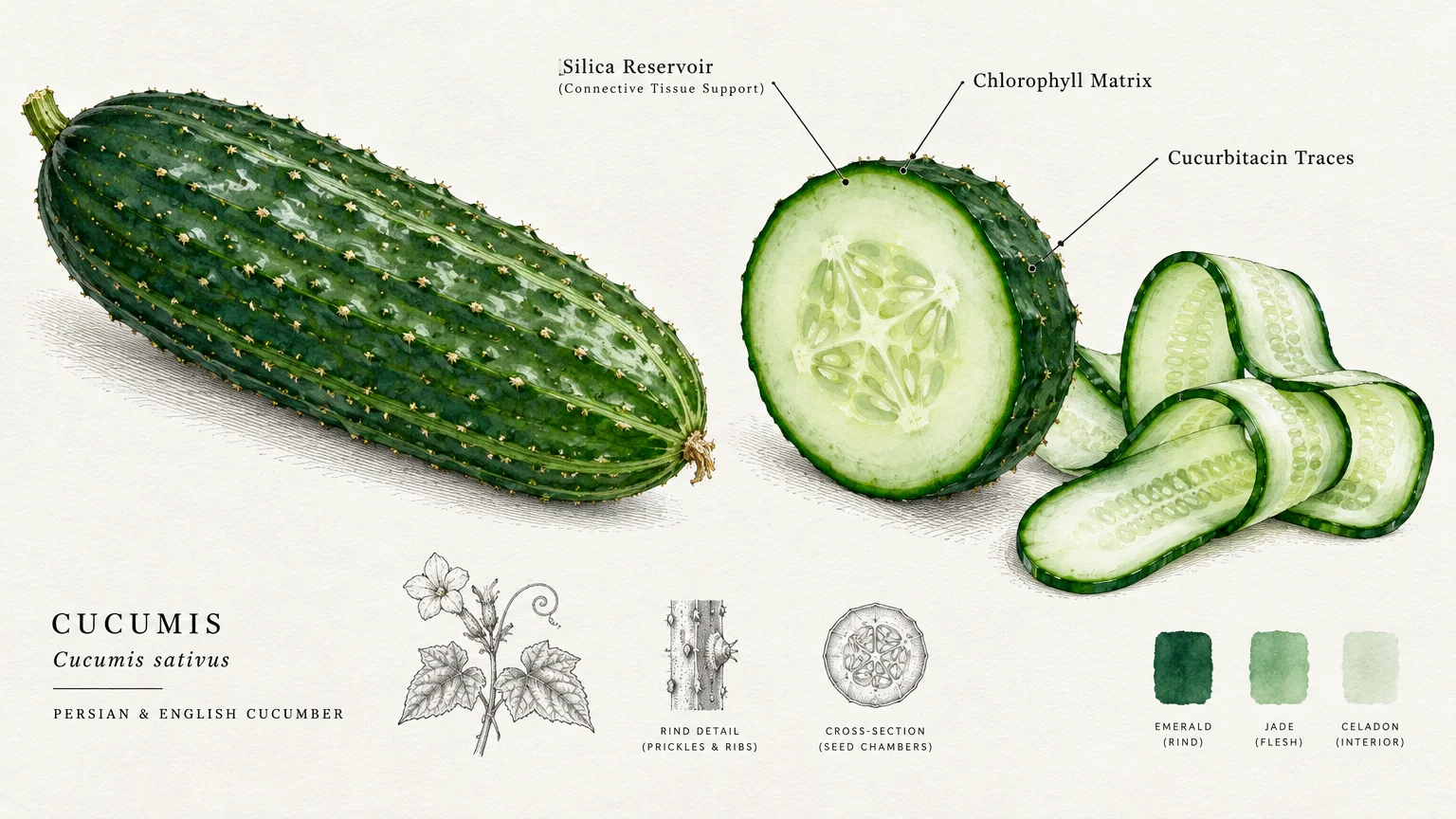
10 Cucumbers: Botanical Fruits with Silica-Dense Rinds
Although culinarily categorized as vegetables, cucumbers are botanical fruits that boast an exceptionally nutrient-dense outer peel. Peeling a cucumber strips away the vast majority of its valuable minerals and fiber.
The dark green skin is rich in silica, a trace mineral that promotes collagen synthesis and strengthens connective tissues. Silica helps preserve skin elasticity while reinforcing healthy hair follicles and nail beds.
Cucumber skins also supply substantial amounts of vitamin K, which is required for proper blood clotting and bone mineralization. The pale inner flesh contains only trace amounts of this fat-soluble vitamin.
Furthermore, the peel houses bitter triterpenoid compounds called cucurbitacins, which research suggests support metabolic regulation. These compounds contribute to balanced blood sugar management when consumed regularly.
Choose firm, thin-skinned varieties like Persian or English cucumbers if you find conventional wax-coated varieties too tough. Simply slice them unpeeled into refreshing chilled salads or crisp cold sandwiches.
Three Strategy Pillars for Eating Whole Fruits
The Nutrient Maximization Pillar
Pair unpeeled fruits with healthy dietary fats to optimize the assimilation of fat-soluble vitamins and carotenoids. Eating an unpeeled apple with raw almond butter significantly boosts the absorption of fat-soluble antioxidants.
Combine intact fruit skins with probiotic foods like fermented kefir or plain Greek yogurt. The prebiotic fibers in the skins feed the live cultures, creating a powerful synbiotic effect in your gut.
Rotate your whole fruit intake across the color spectrum throughout the week to maximize phytochemical diversity. Each color group represents distinct polyphenols that target different biological systems within your body.
Avoid over-processing your fruits with high-speed juicers that filter out the fibrous exterior remnants. If you enjoy smoothies, blend whole fruits completely so the pulverized skin remains in your glass.
The Meal Planning and Prep Pillar
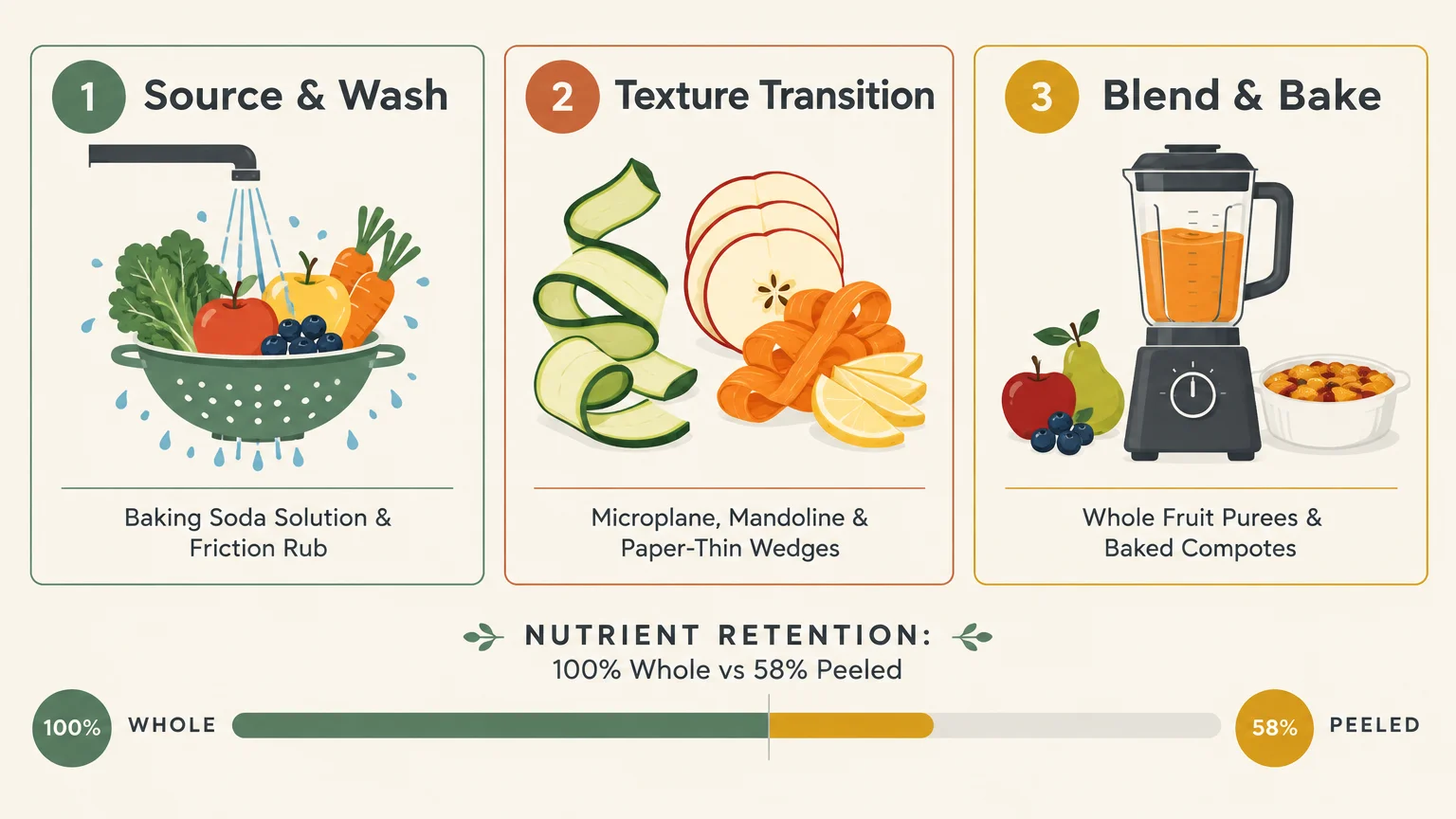
Establish a proactive washing routine as soon as you unpack fresh produce from the grocery store. Having clean, unpeeled fruit ready to eat dramatically increases the likelihood that you will consume it.
Store whole fruits in high-visibility locations within your kitchen, such as a countertop bowl or eye-level refrigerator shelf. Visual cues play a massive role in establishing spontaneous healthy snacking habits.
Freeze surplus unpeeled fruits like ripe peaches, plums, and kiwis before they spoil. Slicing them with their skins intact allows you to drop nutrient-dense wedges directly into blenders for morning smoothies.
Batch-roast firm whole fruits alongside root vegetables for savory-sweet dinner sheet pans. Unpeeled pears and plums hold their shape beautifully during high-heat roasting, concentrating their natural juices.
The Palate and Habit Adaptation Pillar
Transition your palate gradually if you are accustomed to the uniform softness of peeled fruit. Begin with thinner-skinned varieties before attempting rougher textures like kiwi or thick-skinned persimmons.
Use strategic culinary slicing techniques to change the mouthfeel of fibrous outer skins. Shaving fruits thinly on a mandoline minimizes perceived chewiness while preserving the full suite of skin nutrients.
Remove peelers entirely from your primary kitchen utensil drawer to disrupt the automatic impulse to strip skins. Creating physical friction around unhelpful culinary habits encourages you to adopt healthier routines.
Celebrate the natural imperfections and color variations found on whole fruit surfaces. Those minor visual blemishes are proof that the plant manufactured robust defensive compounds to thrive outdoors.

Expert Perspectives and Culinary Realities
Registered dietitians emphasize that leaving skins on fruits addresses the pervasive fiber deficit modern eaters face. Most adults fall far short of the daily fiber targets established by health guidelines.
Dietitian and gut health specialist Dr. Marcus Thorne notes that dietary fiber diversity directly fuels microbiome resilience. Eating intact skins exposes your intestinal microbes to diverse complex polysaccharides that processed foods lack.
Professional chefs also advocate for unpeeled produce because peels provide necessary textural contrast and acidity. A crisp apple skin or tart plum peel balances rich, sweet, and savory elements in culinary dishes.
Community advocates highlight the profound environmental and financial benefits of zero-waste kitchen practices. Halting the habit of peeling fruit saves money on household groceries and reduces organic municipal waste.
Parents discover that serving whole, unpeeled fruits simplifies school lunches and morning routines substantially. Children exposed to diverse fruit textures early in life develop more adventurous eating behaviors over time.
Adopting a whole-food mindset connects you more intimately with natural agricultural cycles. You begin viewing fruit skins not as packaging to be discarded, but as an essential part of the food itself.
Washing, Food Safety, and Personalization
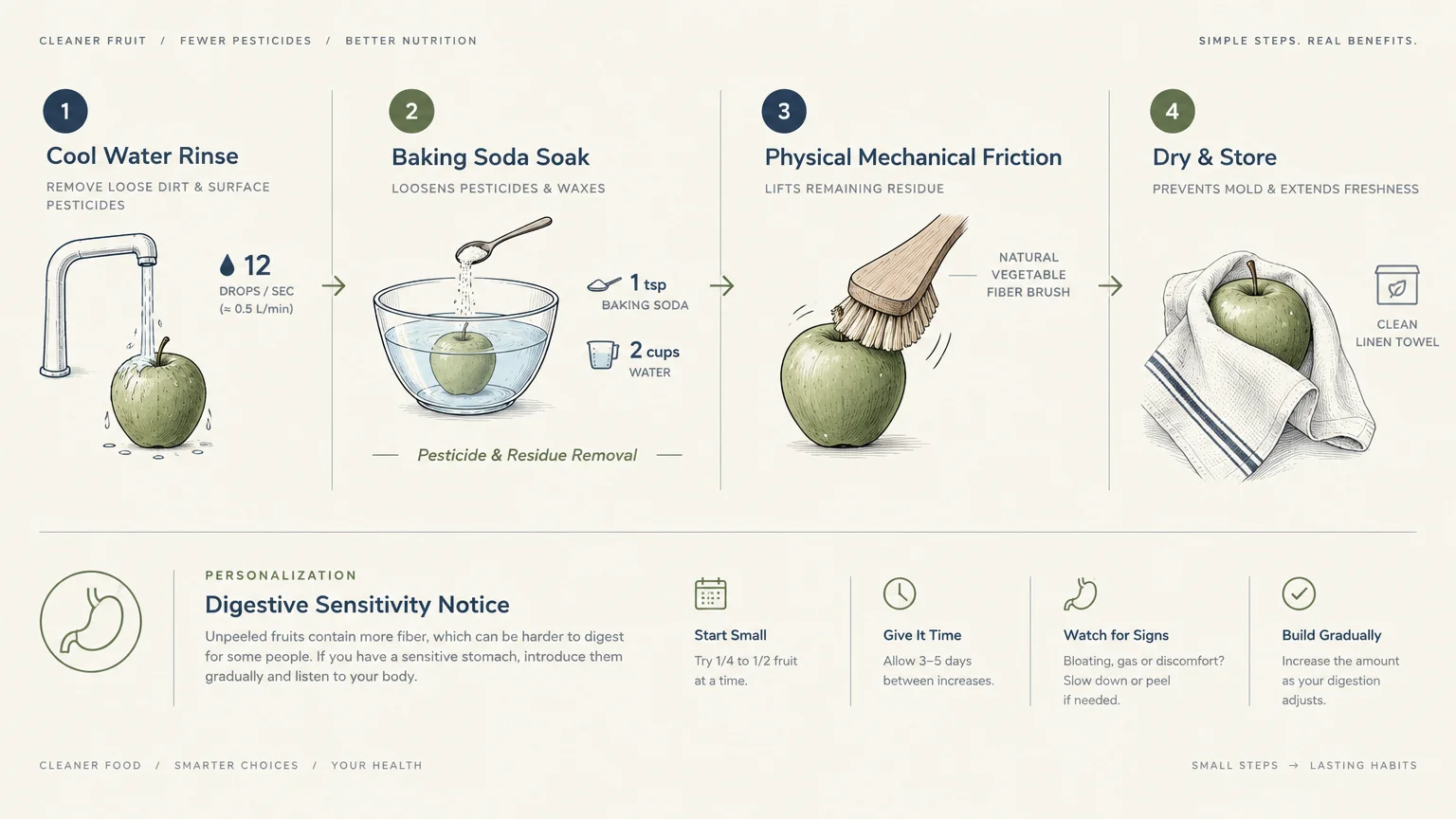
Cleaning your produce thoroughly under running drinking water remains the single most effective way to eliminate surface residues. The Centers for Disease Control and Prevention advises against using soaps, detergents, or chemical bleaches on fresh food.
Chemical washes can penetrate porous skins and leave harmful residues that cause gastrointestinal irritation. Plain water paired with firm physical friction easily removes transient dirt, microbes, and residual surface compounds.
Use a dedicated, clean produce brush to scrub firm fruits like apples, cucumbers, and persimmons. For softer stone fruits, gentle friction using your bare hands under running water is sufficient to clean them safely.
If pesticide exposure concerns you, purchasing organic varieties for fruits with delicate skins can offer peace of mind. However, reputable health agencies agree that the health benefits of eating conventional fruit far outweigh pesticide risks.
Certain clinical conditions necessitate personalized modifications when consuming high-fiber fruit skins. Individuals experiencing active diverticulitis flares or severe gastroparesis may need temporary low-residue diets to prevent complications.
People diagnosed with oral allergy syndrome should consult their physician before consuming raw stone fruit skins. Cooking the fruit denatures the cross-reactive pollen proteins, often allowing safe, irritation-free consumption.
Guidance from the Academy of Nutrition and Dietetics emphasizes tailoring your fiber intake to your individual gastrointestinal tolerance. Always consult your healthcare provider or registered dietitian regarding personal medical dietary restrictions.
Frequently Asked Questions
Do fruit peels hold unsafe pesticide levels?
Regulatory monitoring shows that thoroughly washed conventional produce falls safely within established health standards. The physical friction of washing under running tap water removes the vast majority of surface residues.
The nutritional advantages of whole fruit consumption dramatically outweigh the theoretical risks associated with trace agricultural compounds. If you remain concerned, selecting certified organic options provides an extra measure of reassurance.
Can human digestive tracts handle kiwi skin?
Your digestive system can process kiwi skin without difficulty, provided you do not suffer from severe gut dysmotility. The hairy bristle fibers are primarily cellulose, which passes harmlessly through your digestive tract as roughage.
Slicing the kiwi into thin rounds breaks down the fibrous perimeter, making the texture completely unobtrusive. Starting with gold kiwis provides a hairless introduction that feels completely natural to eat whole.
Is commercial produce wax harmful to consume?
The waxes applied to commercial fruits like apples and cucumbers are food-grade substances approved by food safety agencies. These coatings prevent moisture loss, preserve crispness, and retard bacterial degradation during shipping.
Food-grade waxes pass through your digestive system without being absorbed or causing systemic toxicity. If you prefer to remove excess wax, brief immersion in warm water followed by towel drying removes the layer effectively.
How should you transition if fruit skins cause bloating?
Introducing unpeeled fruits gradually allows your gut microbiome time to expand its specialized fiber-degrading bacterial populations. Start by leaving the skin on a single small fruit every few days rather than changing your entire diet overnight.
Ensure you increase your daily fluid intake concurrently with your dietary fiber consumption. Water softens insoluble fiber within your digestive tract, ensuring effortless passage and eliminating uncomfortable abdominal bloating.
Start Retaining Your Fruit Nutrients Today
Transform your daily nutritional intake by leaving your vegetable peeler resting inside the kitchen drawer. Each intact fruit you consume delivers superior antioxidant protection, sustained satiety, and effortless digestive support.
Within the next twenty-four hours, choose one fruit from this list to wash, slice, and eat completely whole. Notice the vibrant textural contrast and enjoy the knowledge that you are capturing every drop of nourishment nature provided.