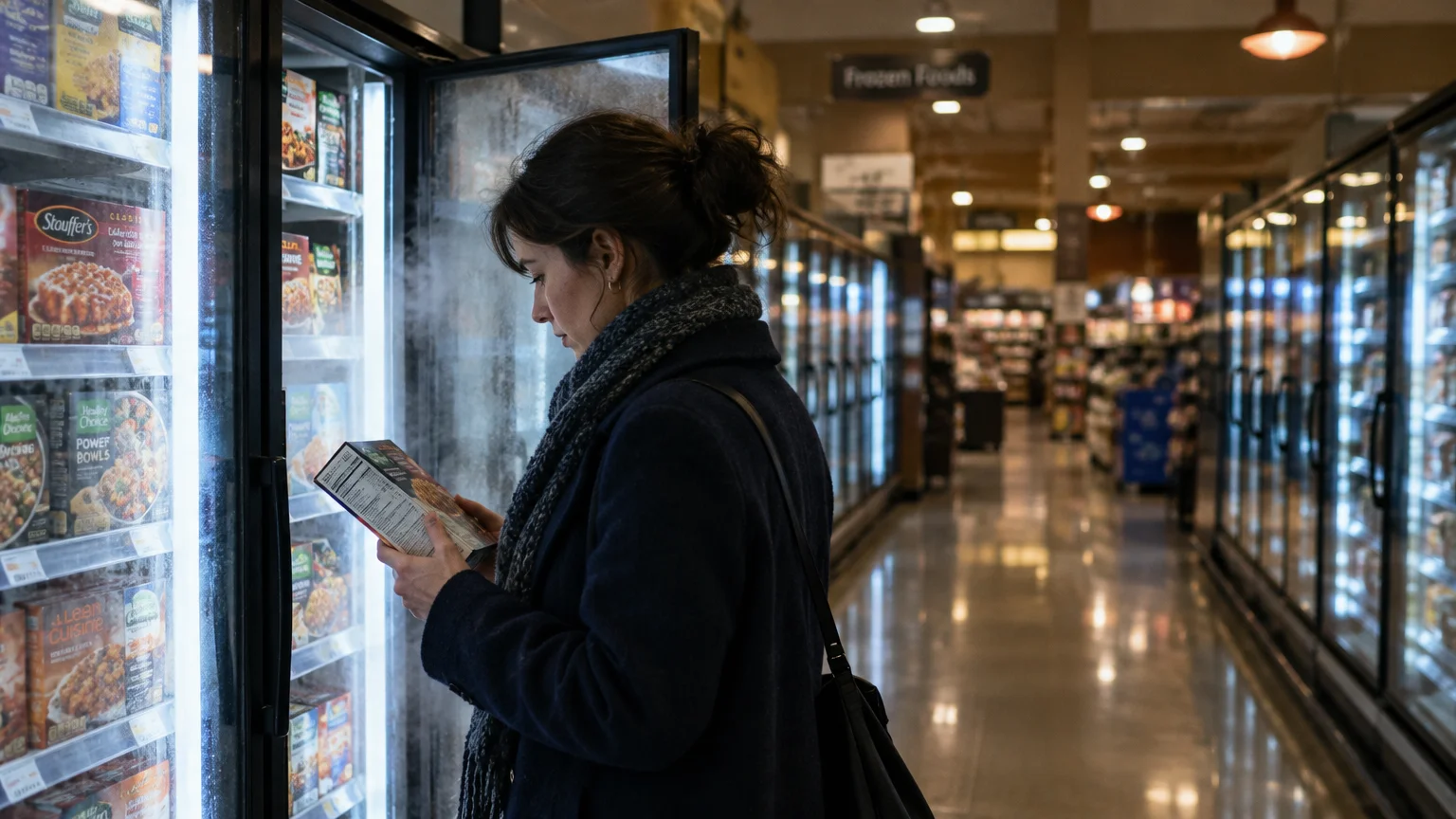
You can reclaim hours of your week without sacrificing your cardiovascular health when you know how to navigate the grocery freezer aisle. Scanning nutrition labels before you toss an entree into your cart keeps your wellness goals intact.
Many convenient frozen dinners deliver hidden sodium surges, industrial fats, and refined starches that leave you feeling sluggish. Identifying these pitfalls helps you protect your heart while still enjoying effortless weeknight dinners.
This guide highlights the common grocery freezer selections you should reconsider. You will learn evidence-based benchmarks, discover wholesome meal swaps, and master label reading to make rapid, nourishing choices.
Understanding Modern Frozen Meal Guidelines
Federal health agencies updated dietary advice to address the health consequences of ultra-processed convenience foods. The 2025–2030 Dietary Guidelines for Americans advise individuals to curb their consumption of heavily manufactured convenience entrees.
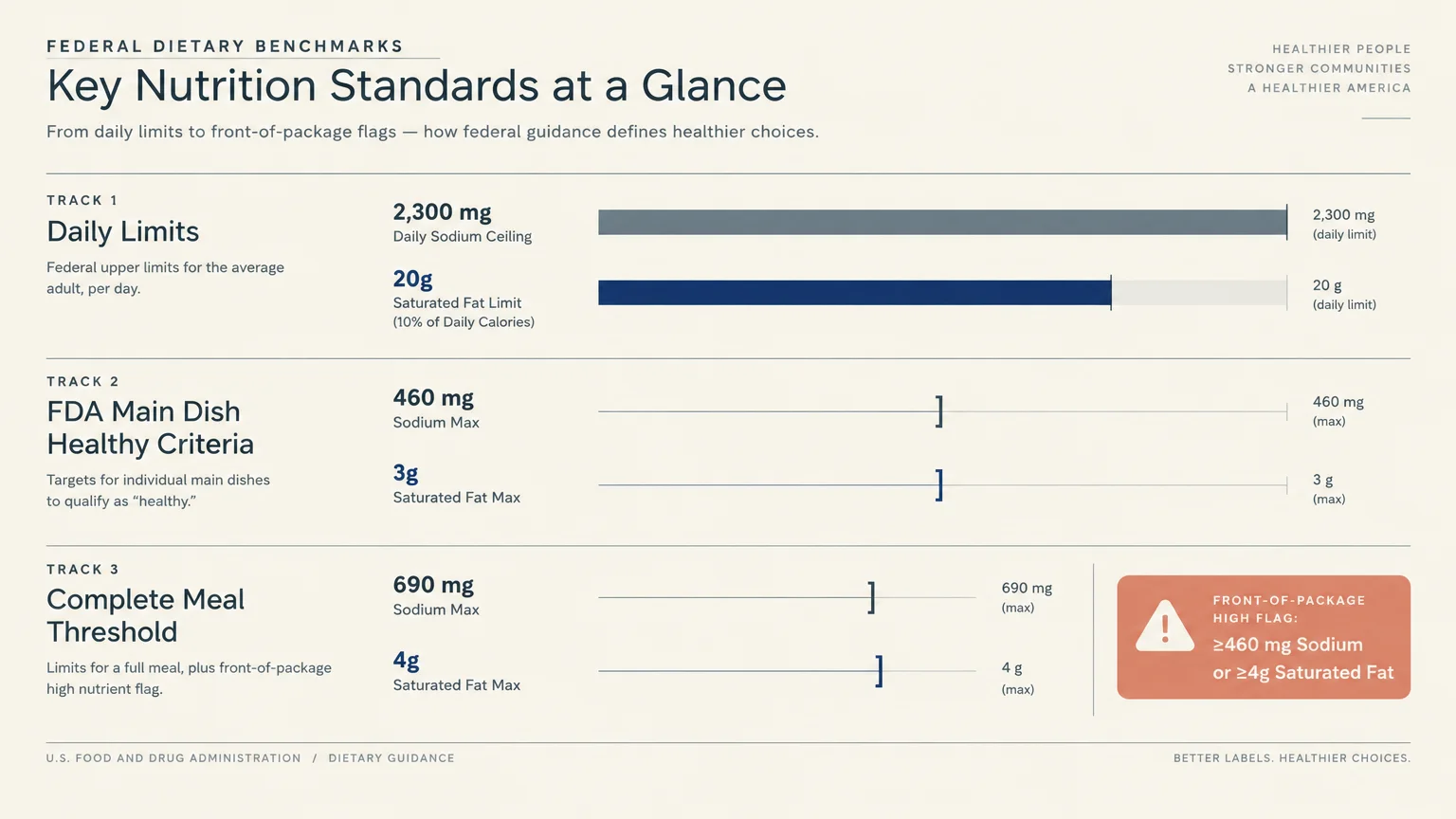
These guidelines maintain a daily sodium ceiling of 2,300 milligrams for adults. They also urge limiting saturated fat consumption to less than 10 percent of your daily calories.
On a standard 2,000-calorie daily diet, that saturated fat target equals approximately 20 grams. A single commercial frozen tray can easily fulfill that entire quota in one sitting.
The Food and Drug Administration recently established strict criteria defining what manufacturers can market as healthy. Under these regulations, a packaged main dish cannot exceed 460 milligrams of sodium or 3 grams of saturated fat.
A complete meal product must contain no more than 690 milligrams of sodium and 4 grams of saturated fat. Unfortunately, dozens of top-selling supermarket options shatter these thresholds.
In January 2025, the agency proposed a front-of-package labeling rule to flag foods high in saturated fat and sodium. Under this benchmark, any entree containing 460 milligrams of sodium or 4 grams of saturated fat is marked high.
Cardiovascular Science Behind Frozen Entrees
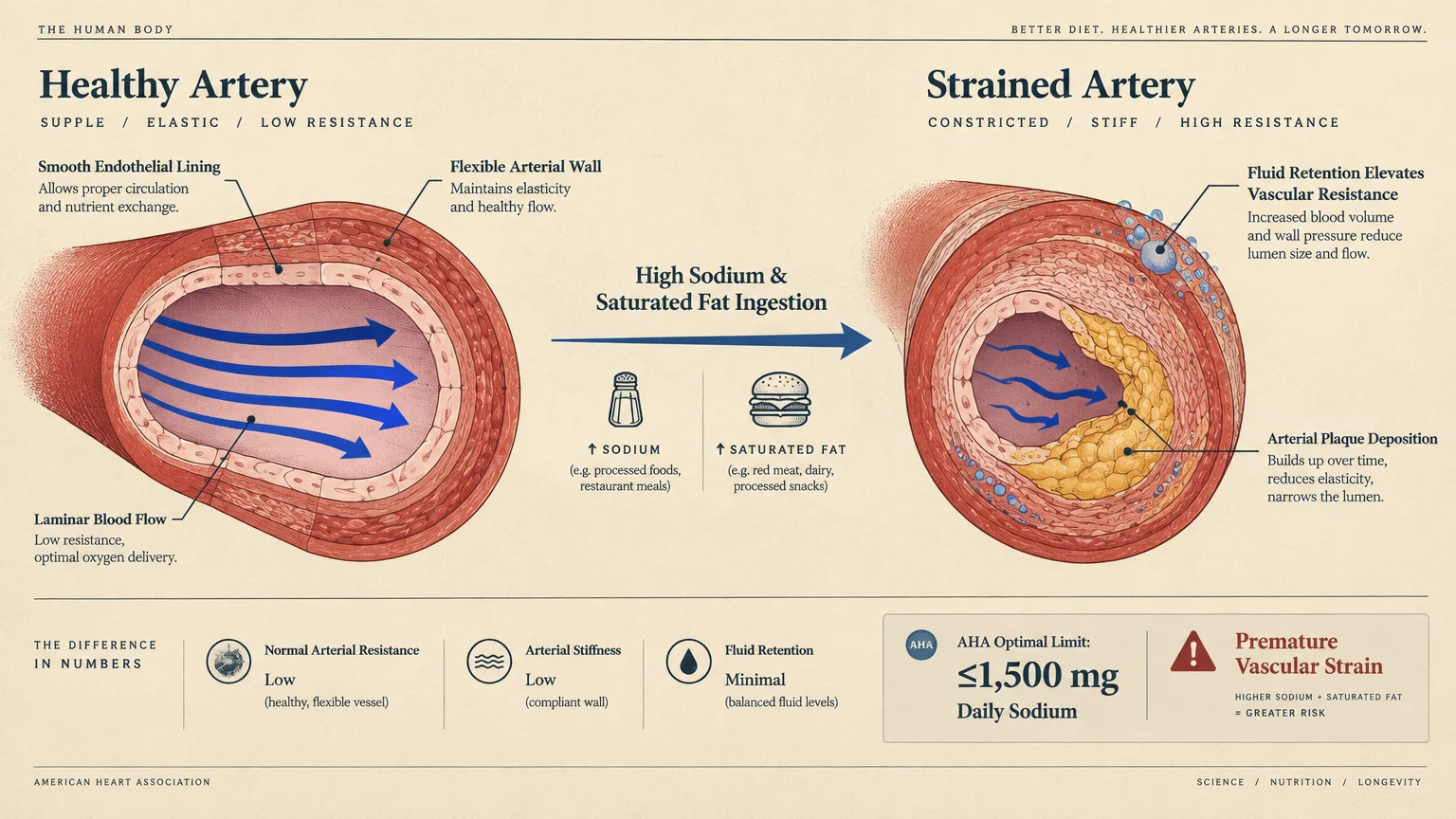
When you consume an ultra-processed frozen meal, your circulatory system experiences an immediate physiological shift. High sodium concentrations prompt fluid retention, which elevates vascular resistance and strains arterial walls.
According to Centers for Disease Control and Prevention guidance, chronic sodium overconsumption directly promotes primary hypertension. High blood pressure remains the single most preventable trigger for premature cardiovascular events.
The American Heart Association recommends an optimal threshold of no more than 1,500 milligrams of sodium daily for adults. Strikingly, one prepared dinner can exhaust this entire quota in ten minutes.
High amounts of saturated fat exacerbate this metabolic burden. Saturated fatty acids elevate low-density lipoprotein cholesterol, which accelerates arterial plaque deposition over time.
Rigorous data compiled through peer-reviewed clinical research indicates that diets dominant in ultra-processed foods degrade systemic microvascular function. Minimizing these packaged entrees shields your endothelium from chronic oxidative stress.
15 Popular Frozen Meals to Reconsider
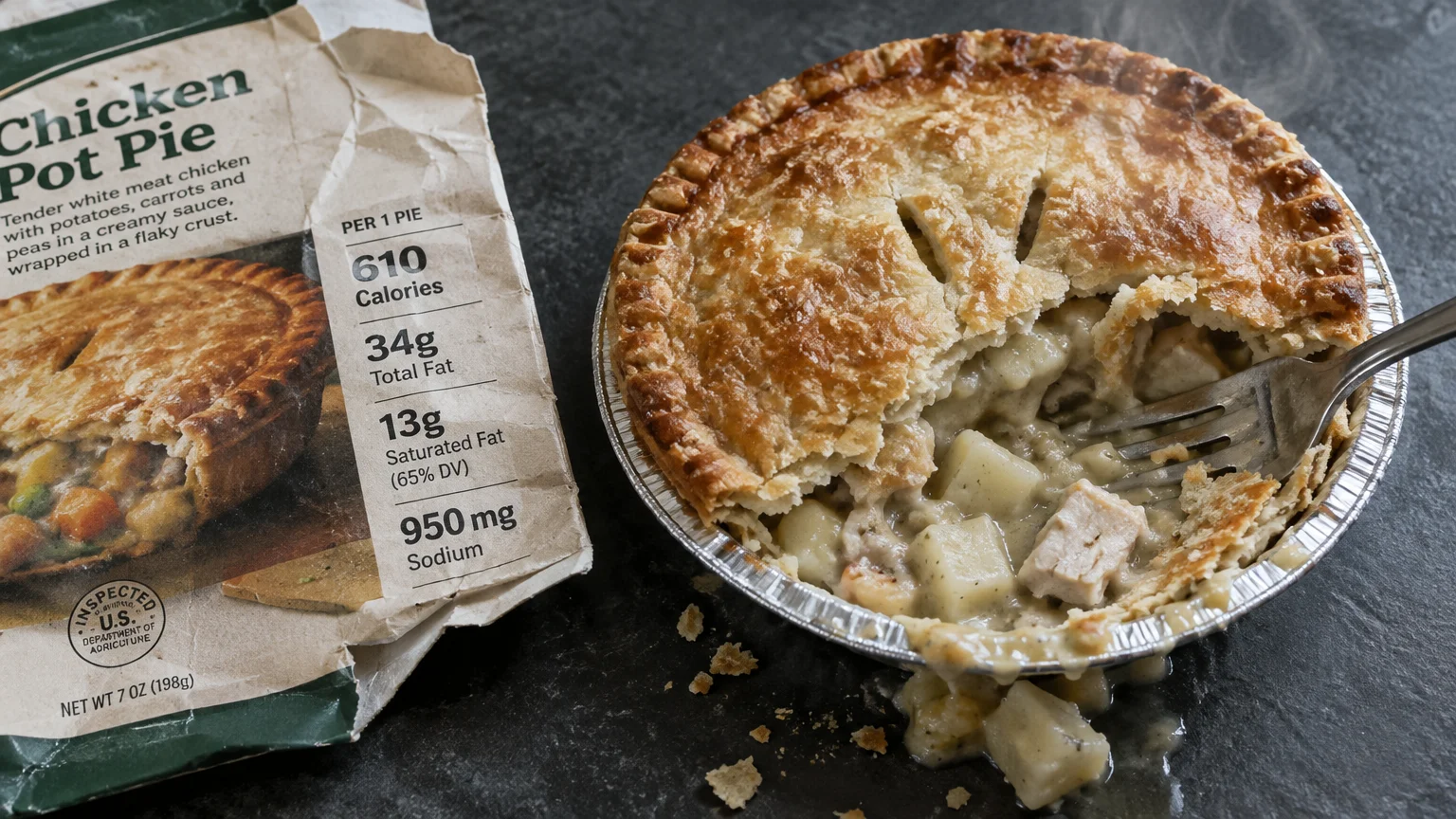
1. Marie Callender’s Chicken Pot Pie
This classic comfort staple packs significant amounts of fat and sodium beneath its flaky, golden pastry crust. The ten-ounce single pie delivers 610 calories along with 34 grams of total fat.
You also consume 13 grams of saturated fat, which equals 65 percent of your daily value. The recipe also yields between 950 and 990 milligrams of sodium.
The larger fifteen-ounce version exceeds 1,000 calories in a single sitting. Hydrogenated oils and heavy cream make this entree a poor choice for arterial health.
Choosing an uncrusted homemade chicken stew provides identical comfort with a fraction of the saturated fat. You control the sodium while maximizing antioxidant-rich herbs and vegetables.
2. Banquet Mega Bowls Buffalo-Style Chicken Mac ‘N Cheese
Marketed to hearty appetites, this fourteen-ounce bowl layers breaded chicken patties over cheese-drenched pasta. That single container supplies 480 calories and 16 grams of total fat.
Its primary concern lies in the staggering sodium level. You absorb 1,510 milligrams of sodium, representing 66 percent of the federal daily limit.
That quantity immediately surpasses the entire daily target recommended for adults with elevated blood pressure. The refined flour noodles and processed cheese sauce also provide minimal dietary fiber.
You can satisfy buffalo poultry cravings by tossing grilled chicken strips in hot pepper sauce over high-fiber grain bowls.
3. Hungry-Man Selects Classic Fried Chicken
This sixteen-ounce tray represents one of the heaviest options in supermarket freezer cases. A single serving delivers between 790 and 810 calories and 40 to 42 grams of total fat.
You receive 9 grams of saturated fat, which represents 45 percent of your daily limit. The sodium burden reaches 1,400 milligrams, consuming 61 percent of your daily allowance.
Selecting the spicy classic fried chicken variety drives the sodium count up to 1,680 milligrams. That single variety supplies 73 percent of your daily sodium ceiling in one tray.
Deep frying and salty seasoning pastes render this meal hazardous for cardiovascular wellness. Air-frying seasoned skinless drumsticks at home cuts total fat while preserving crunch.
4. Stouffer’s Meat Lovers Lasagna
Lasagna serves as an enduring weeknight favorite, yet commercial versions concentrate vast amounts of processed dairy and fatty meats. The ten-ounce package contains 450 calories and 25 grams of total fat.
It provides 10 grams of saturated fat, fulfilling half of your daily ceiling. You also absorb 1,020 milligrams of sodium in just a few bites.
The nineteen-ounce large size causes even greater concern if eaten as a single meal. Consuming that entire tray saddles you with 820 calories, 18 grams of saturated fat, and 1,810 milligrams of sodium.
That 18 grams of saturated fat represents 90 percent of your daily limit, while the sodium represents 79 percent. Opting for vegetable lasagna layered with part-skim ricotta offers much better vascular balance.
5. Deep-Dish Pepperoni Personal Pizzas
Personal deep-dish pizzas provide a thick crust saturated with oil to ensure crispness during microwave heating. Cured pepperoni slices introduce substantial doses of chemical nitrates and animal fat.
The combination of cured meats and processed mozzarella regularly pushes saturated fat beyond federal thresholds. Furthermore, leavening agents and pizza sauces drastically elevate the sodium profile.
The dense white flour dough spikes post-meal blood sugar levels. You receive substantial calories without the balancing benefit of intact whole grains or vegetables.
Swapping deep-dish pies for thin sprouted-grain flatbreads topped with tomatoes and basil slashes saturated fat instantly.
6. Double-Bacon Cheddar Macaroni Bowls
Frozen bowls combining bacon and processed cheddar sauce create an exceptionally calorie-dense, nutrient-poor dinner. Cured bacon bits deliver heavy concentrations of sodium used during meat curing.
Industrial cheese sauces rely on emulsifying salts like sodium phosphate to achieve a smooth melted consistency. These additives rapidly increase bioavailable phosphorus and dietary sodium.
The meal provides virtually no dietary fiber to support healthy digestion. As a result, you face rapid carbohydrate absorption paired with arterial stress from saturated fats.
You can craft a creamy pasta alternative by blending pureed butternut squash with nutritional yeast and chickpea noodles.
7. Battered Sweet and Sour Chicken Bowls
Many eaters view Asian-inspired frozen bowls as lighter alternatives, but sweet and sour chicken varieties harbor deceptive pitfalls. Thick batter shells absorb frying oils during preliminary industrial cooking.
The sweet glaze relies on high-fructose corn syrup, pushing added sugars past sensible limits. This combination of fried starch and concentrated syrup fosters rapid glycemic swings.
The accompanying white rice rarely retains its outer bran layer. You miss out on critical vitamins, minerals, and dietary fiber necessary for metabolic regulation.
Steamed chicken breast paired with sugar snap peas and brown rice in a light ginger sauce provides clean fuel without sugar crashes.
8. Heavy Cream Loaded Fettuccine Alfredo
Commercial Alfredo sauce relies heavily on butterfat, heavy cream, and processed cheese concentrates. This formulation causes saturated fat figures to soar beyond recommended meal targets.
Manufacturers introduce thickeners and flavor enhancers that inflate sodium content above 900 milligrams. Consequently, a seemingly plain pasta tray rivals a fast-food cheeseburger in lipid density.
Stripped white pasta dominates the tray, leaving you without meaningful fiber or antioxidant support. You end your dinner with high caloric consumption and low physical satiety.
You can emulate rich Alfredo sauce by blending soaked cashews with garlic and vegetable broth over whole-wheat pasta.
9. Country Fried Steak with White Country Gravy
Country fried steak features mechanically tenderized beef encased in a thick flour batter and deep-fried. The accompanying white gravy relies on salted fats, cream powders, and starch stabilizers.
This culinary combination produces an entree loaded with atherogenic saturated fatty acids. The breading and gravy jointly introduce intense sodium levels that strain your blood pressure.
The absence of colorful vegetables leaves the plate devoid of potassium. Without dietary potassium, your body struggles to balance the physiological burden of excess sodium.
Grilling a lean flank steak and serving it with roasted garlic cauliflower purée delivers rich flavor without heavy breading.
10. Beer-Battered Fish and Chips Platters
Frozen battered seafood entrees frequently project a misleading aura of health because they contain lean white fish. However, thick beer batter acts like a sponge for commercial frying shortenings.
Fried potato wedges accompany the fish, multiplying the total fat and refined starch in the tray. Sodium-based leaveners in the batter push salt concentrations into dangerous territory.
You lose the beneficial omega-3 profile of pristine fish amid high temperatures and degraded frying oils. The meal ultimately behaves like standard fast food in your body.
Baking wild cod seasoned with paprika and pairing it with roasted sweet potato wedges delivers wholesome nutrition without trans fats.
11. Sausage and Gravy Breakfast Scrambles
Morning frozen skillets frequently feature loose pork sausage, cheese curds, and seasoned breakfast potatoes. Pork sausage delivers significant saturated animal fat and chemical preservation agents.
Commercial gravy mix adds another wave of sodium and modified food starch. Starting your morning with this profile triggers lethargy rather than sustained energy.
These bowls routinely exceed half your daily sodium allotment before lunchtime. Choosing this meal places unnecessary strain on your cardiovascular system early in the day.
Scrambling pastured eggs with fresh baby spinach, black beans, and salsa provides morning vigor without processed sausage.
12. Commercial Double Cheeseburger Slider Packs
Multi-pack frozen sliders market themselves as quick bites for lunch or evening snacking. The combination of twin beef patties and processed American slices concentrates dense saturated lipids.
Refined bun starches digest immediately, causing dramatic glucose spikes followed by sharp crashes. Preservatives within the meat patties preserve shelf stability at the expense of cardiovascular health.
Eating two or three sliders delivers a day’s worth of saturated fat in minutes. Furthermore, the absence of fresh roughage harms your digestive microbiome.
Grilling seasoned turkey burger patties and serving them on sprouted whole-grain slider buns provides lean protein and fiber.
13. Traditional Salisbury Steak Platters
Salisbury steak trays remain a legacy frozen dinner option, combining formed beef patties with rich brown gravy. Ground beef trimmings used in these patties carry an exceptionally high saturated fat content.
The brown gravy depends on hydrolyzed soy protein, monosodium glutamate, and salt concentrates for flavor. These culinary short-cuts push sodium levels past reasonable thresholds.
Side dishes usually feature reconstituted potato flakes whipped with salty butter substitutes. You finish the entree with minimal cellular nourishment and significant vascular load.
Shaping lean ground sirloin patties and simmering them in low-sodium mushroom gravy preserves tradition without arterial strain.
14. Triple-Meat French Bread Pizzas
French bread pizzas offer convenience, but triple-meat varieties pile pepperoni, sausage, and bacon atop dense baguettes. This trifecta of cured meats compounds your exposure to saturated fats and sodium.
The bread foundation absorbs melted cheese oils, raising the caloric density per cubic inch. Artificial color enhancers and curing agents present long-term metabolic concerns.
The meal lacks protective phytochemicals that mitigate cellular oxidative stress. Relying on these pizzas leaves your heart vulnerable to chronic arterial inflammation.
Toasting whole-grain sourdough with strained San Marzano tomatoes, part-skim mozzarella, and fresh oregano satisfies pizza cravings cleanly.
15. Refried Bean and Processed Beef Burritos
Multi-pack frozen burritos rely heavily on cheap binders, textured vegetable proteins, and animal lard. Refried bean fillings often incorporate hydrogenated oils to achieve their spreadable texture.
Flour tortillas use dough conditioners and sodium propionate to maintain flexibility in cold storage. These manufacturing additions generate staggering sodium counts in small packages.
Consuming two burritos can easily exceed 1,200 milligrams of sodium without providing whole vegetables. Your body absorbs refined starches that disrupt metabolic balance.
Rolling whole black beans, sliced avocado, and brown rice into sprouted corn tortillas provides authentic Mexican flavor and abundant fiber.
Strategic Pillars for Freezer Navigation
Transforming your freezer strategy does not require you to abandon convenience entirely. You can protect your vitality by mastering three evidence-based operational pillars.
Pillar 1: Structural Meal Planning
Audit your weekly schedule to pinpoint your most demanding evenings. Designate specific nights for convenience meals so you avoid impulsive, high-sodium choices during peak fatigue.
Store a curated selection of wholesome frozen options alongside your home-cooked meal prep containers. Planning prevents emergency convenience store runs that undermine your dietary patterns.
When your schedule becomes overwhelmed, having pre-vetted entrees waiting in your freezer prevents panic ordering from local take-out restaurants.
Pillar 2: The Label Scrutiny Benchmark
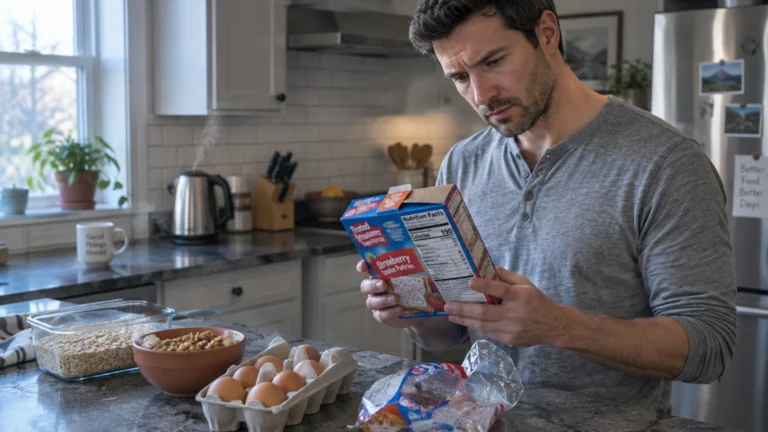
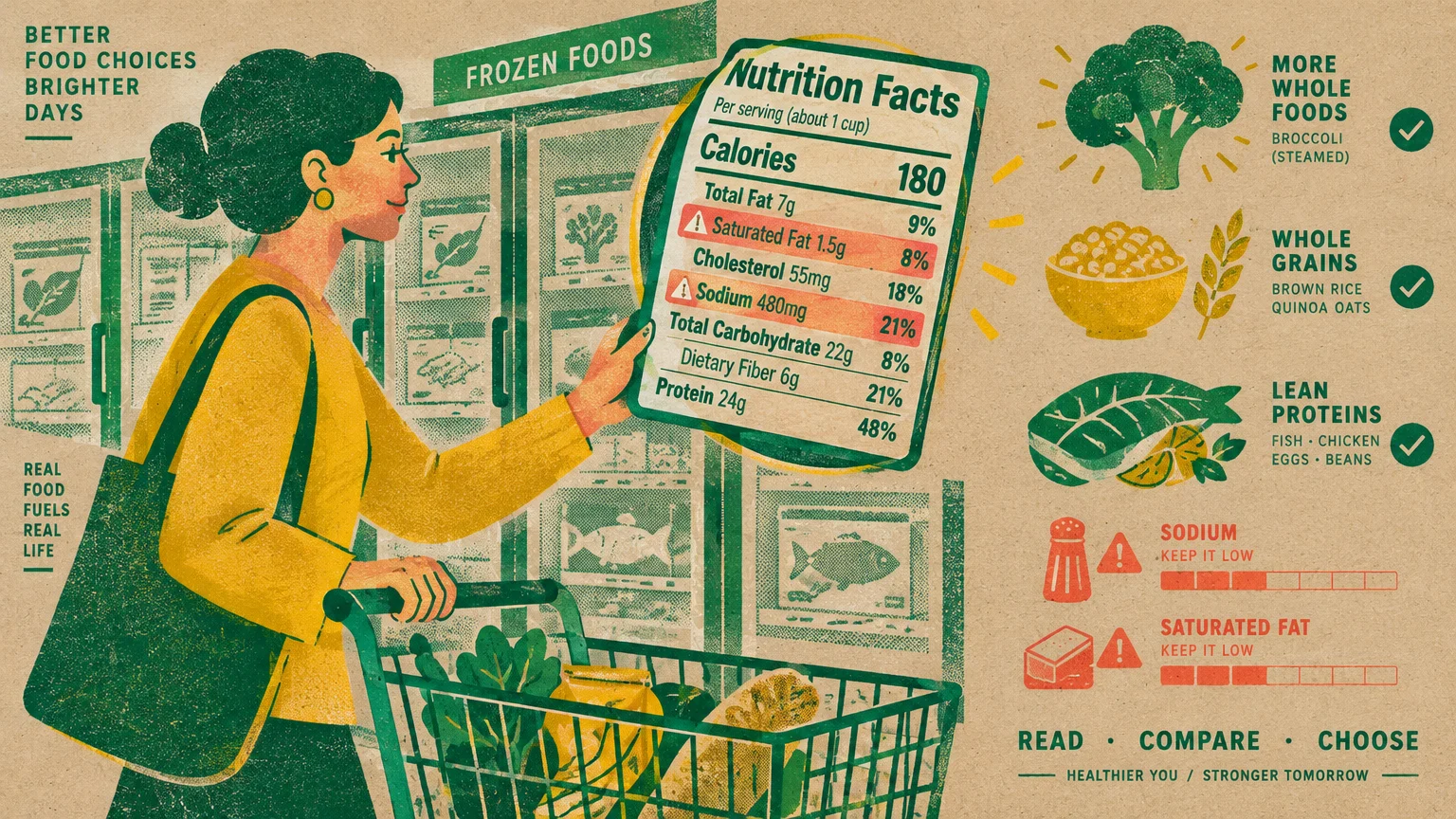
Become an active reader of the Nutrition Facts panel before purchasing any packaged entree. Look for options delivering fewer than 600 to 700 milligrams of sodium per serving.
Ensure the entree contains no more than 4 to 5 grams of saturated fat. Prioritize boxes providing at least 3 to 5 grams of fiber and 15 to 20 grams of protein.
Under federal regulations, an entree can only claim low sodium status if it supplies 140 milligrams or less per reference amount. While rare in full meals, seeking numbers close to this cutoff protects your vascular health.
Pillar 3: The Plus-One Vegetable Habit
Never consume a commercial frozen meal exactly as it emerges from the box. Build a sustainable habit of adding fresh or plain steamed vegetables to your plate.
Tossing two cups of raw baby spinach or steamed broccoli florets into your dish doubles meal volume. This simple addition introduces potassium, blunting the vascular impact of dietary sodium.
The high fiber content in added greens delays gastric emptying. This slower digestion stabilizes blood glucose and maintains satiety throughout your evening.
Nutritious Frozen Alternatives and Kitchen Swaps
You can find high-quality frozen entrees that support your wellness ambitions without extra hassle. Forward-thinking food brands now build meals around whole grains, lean poultry, and unadulterated legumes.
Look for Mediterranean grain bowls containing quinoa, chickpeas, kale, and cold-pressed extra virgin olive oil. These options provide intact fibers that slow carbohydrate absorption and sustain satiety.
Wild-caught salmon filets packaged with brown rice and asparagus offer healthy omega-3 fatty acids. These unsaturated fats support cognitive function and enhance vascular flexibility.
Plant-based lentil stews and black bean bowls deliver robust protein alongside prebiotic plant compounds. Prebiotics nourish your colonic microbiome, bolstering metabolic health and immune defenses.
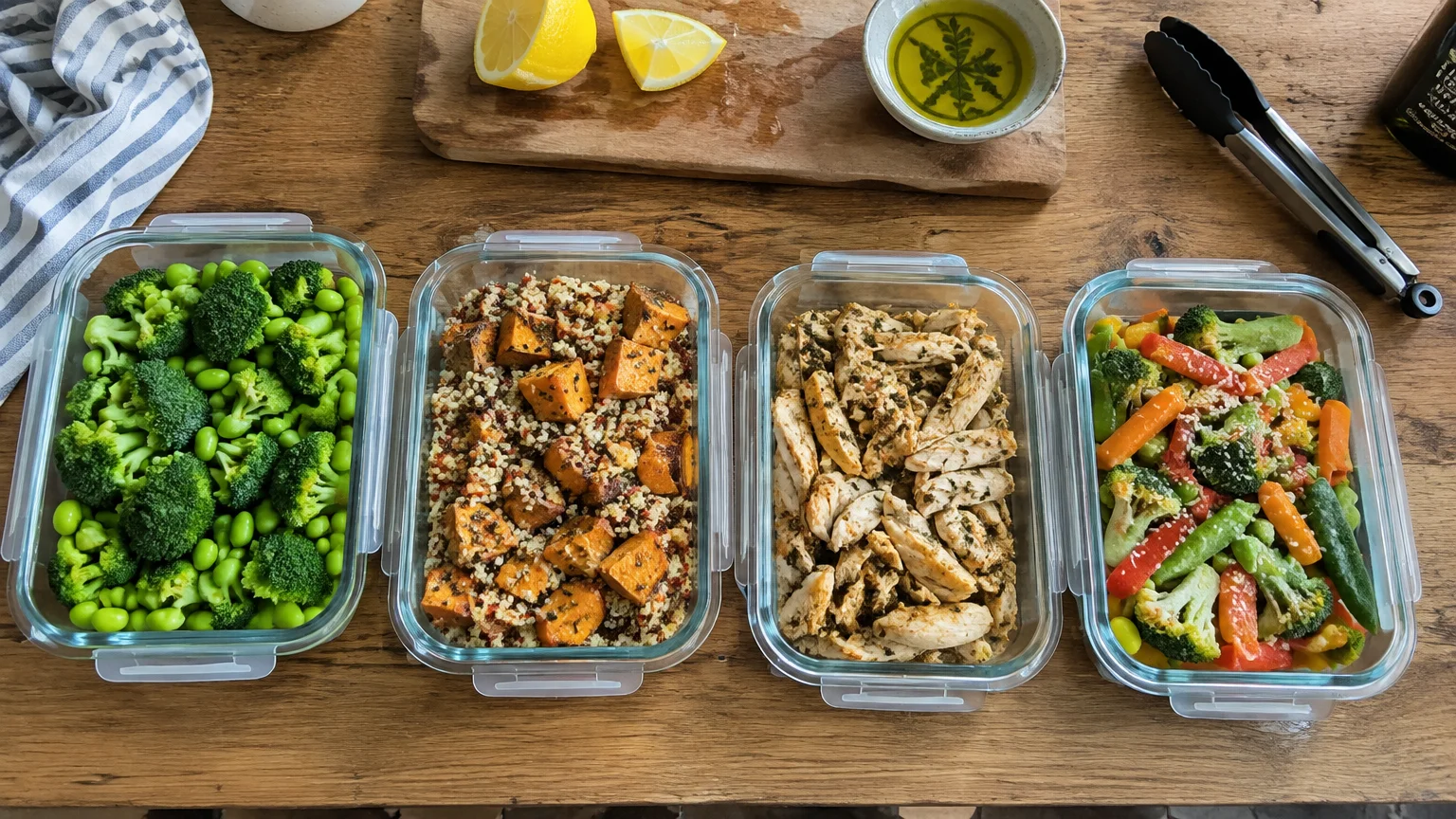
You can also batch-cook your own personal frozen meals on quiet weekends. Freezing single portions of homemade turkey chili gives you pure convenience without industrial sodium levels.
Storing these homemade containers in clear freezer-safe glass dishes ensures effortless reheating on busy weeknights.

Clinical Voices and Real-World Perspectives
Clinical nutritionists repeatedly witness the transformative power of label literacy in outpatient care. Patients who replace high-sodium frozen dinners with clean alternatives routinely experience drops in systolic blood pressure.
Preventive cardiologists note that dietary sodium reduction produces vascular benefits within days. Lowering salt intake restores nitric oxide production, allowing arterial walls to dilate efficiently.
Working parents and busy professionals also report profound benefits from strategic label reading. Many discover that clean frozen options eliminate afternoon energy slumps caused by heavy saturated fats.
Embracing whole-food frozen alternatives preserves valuable time without sacrificing personal health goals. Convenience and evidence-based nutrition can coexist when you inspect labels with precision.

Safety Considerations and Allergen Awareness
Individuals managing chronic medical diagnoses must approach commercial frozen entrees with heightened vigilance. If you have chronic kidney disease, excess phosphorus additives pose serious systemic dangers.
Food manufacturers frequently incorporate sodium phosphate salts as moisture-binding preservatives in frozen poultry. Diseased kidneys cannot clear inorganic phosphorus efficiently, causing vascular calcification.
Patients with congestive heart failure must adhere to strict sodium boundaries to prevent fluid overload. Consuming a single high-sodium tray can trigger sudden shortness of breath and peripheral edema.
Major allergens also lurk within frozen entree sauces, binders, and seasonings. Always scan the ingredient panel for hidden dairy derivatives, wheat gluten, soy concentrates, and egg proteins.
Consult your personal physician or a registered dietitian before making wholesale dietary changes. A qualified professional customizes nutrient parameters to your unique clinical labs and lifestyle demands.
Frequently Asked Questions
How can I identify high sodium on a front-of-package label?
Inspect the percent Daily Value listed on the Nutrition Facts panel first. Any entree providing 20 percent or more of your daily sodium ceiling qualifies as high sodium.
Seek entrees that adhere to the federal low-sodium standard of 140 milligrams or less per serving. If that is unavailable, select meals containing under 600 milligrams total.
Proposed front-of-package warning boxes will soon display whether an entree contains high sodium levels. Until then, checking the back panel remains your most reliable strategy.
Does adding fresh vegetables counteract the sodium in a frozen meal?
Adding fresh produce does not eliminate the physical sodium molecules already present in the tray. However, fresh vegetables provide abundant dietary potassium.
Potassium encourages your kidneys to excrete excess sodium through urine while easing arterial wall tension. Furthermore, the extra fiber slows digestion and enhances overall meal satiety.
This nutrient pairing blunts the adverse vascular effects of high-salt meals. It upgrades an ordinary processed dinner into a nutritionally defensible plate.
Are vegetarian frozen meals always healthier than meat varieties?
Plant-based labeling does not automatically guarantee superior nutritional quality for convenience meals. Many vegetarian entrees rely heavily on processed cheeses, palm oils, and salty seasonings.
Check the saturated fat and sodium lines on vegetarian products just as rigorously as meat trays. Cheese-laden vegetarian pasta dishes often surpass meat options in saturated fat.
Prioritize plant meals built from whole legumes, seeds, edamame, and unrefined grains. These choices deliver genuine micronutrient density rather than refined carbohydrates.
What is the easiest way to improve the protein quality of a frozen entree?
Stir in your own clean protein sources while the meal is heating. Excellent additions include canned rinse-and-drain lentils, hemp seeds, or pre-cooked pastured chicken breast strips.
Adding clean proteins balances the macronutrient ratio without introducing industrial sodium binders. This strategy keeps you satisfied for hours while preventing post-meal fatigue.
This protein boost also stabilizes postprandial glucose levels and curbs subsequent evening cravings. You achieve superior satiety without extra processed calories.
Your 24-Hour Action Plan
Take immediate control of your nutritional environment by auditing your home freezer today. Open your freezer door and inspect the Nutrition Facts panels on every prepared dinner.
Separate any meals that exceed 700 milligrams of sodium or 5 grams of saturated fat. Commit to balancing those trays with two cups of plain steamed greens when you consume them.
On your next grocery visit, purchase two clean entrees meeting modern federal benchmarks. Experiencing how energizing clean frozen meals can be will permanently transform your weeknight habits.