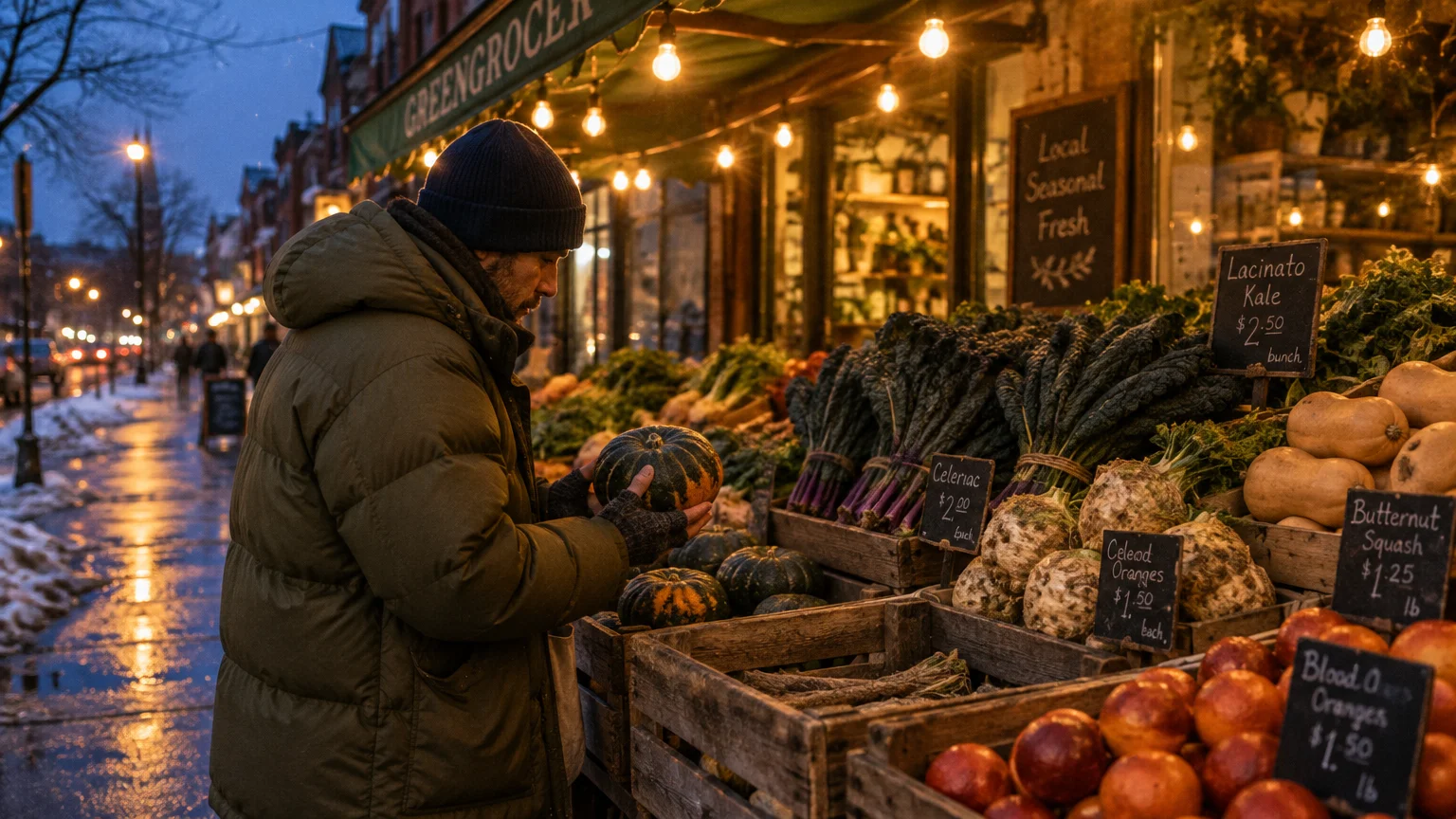
Shifting your plate toward seasonal winter produce lowers your grocery bill and boosts mealtime flavor. Cold-hardy crops develop natural sugars to withstand frost, delivering richer taste and dense micronutrients throughout the coldest months.
You can revitalize your winter diet with robust roots, earthy greens, and bright citrus fruits. These foods supply critical fiber, antioxidants, and immune-supporting vitamins when your body needs them most.
Exploring the market stalls this season brings practical culinary excitement to your daily cooking routine. Here is how you can transform cold-weather produce into delicious, nutrient-dense fuel for your household.

The Science of Cold-Weather Nutrition
Cold winter temperatures alter plant physiology in ways that directly benefit your health. Many hardy vegetables produce concentrated sugars and antioxidants as natural defenses against freezing conditions.
These physiological adaptations yield denser textures, sweeter flavors, and robust concentrations of protective plant compounds. You gain both culinary enjoyment and targeted nourishment with every winter meal.
According to Harvard T.H. Chan School of Public Health nutrition reviews, eating a diverse array of colorful produce reduces cardiovascular risks.
Winter crops provide steady dietary fiber that sustains gut microbial balance during colder, more sedentary months. A resilient gut microbiome supports immune defense and metabolic vitality throughout the winter season.
Consuming seasonal harvests also ensures produce spends less time in transit between the soil and your kitchen. Shorter transport times prevent the nutrient degradation that often plagues delicate, out-of-season produce.
Strategic Pillars for Winter Eating
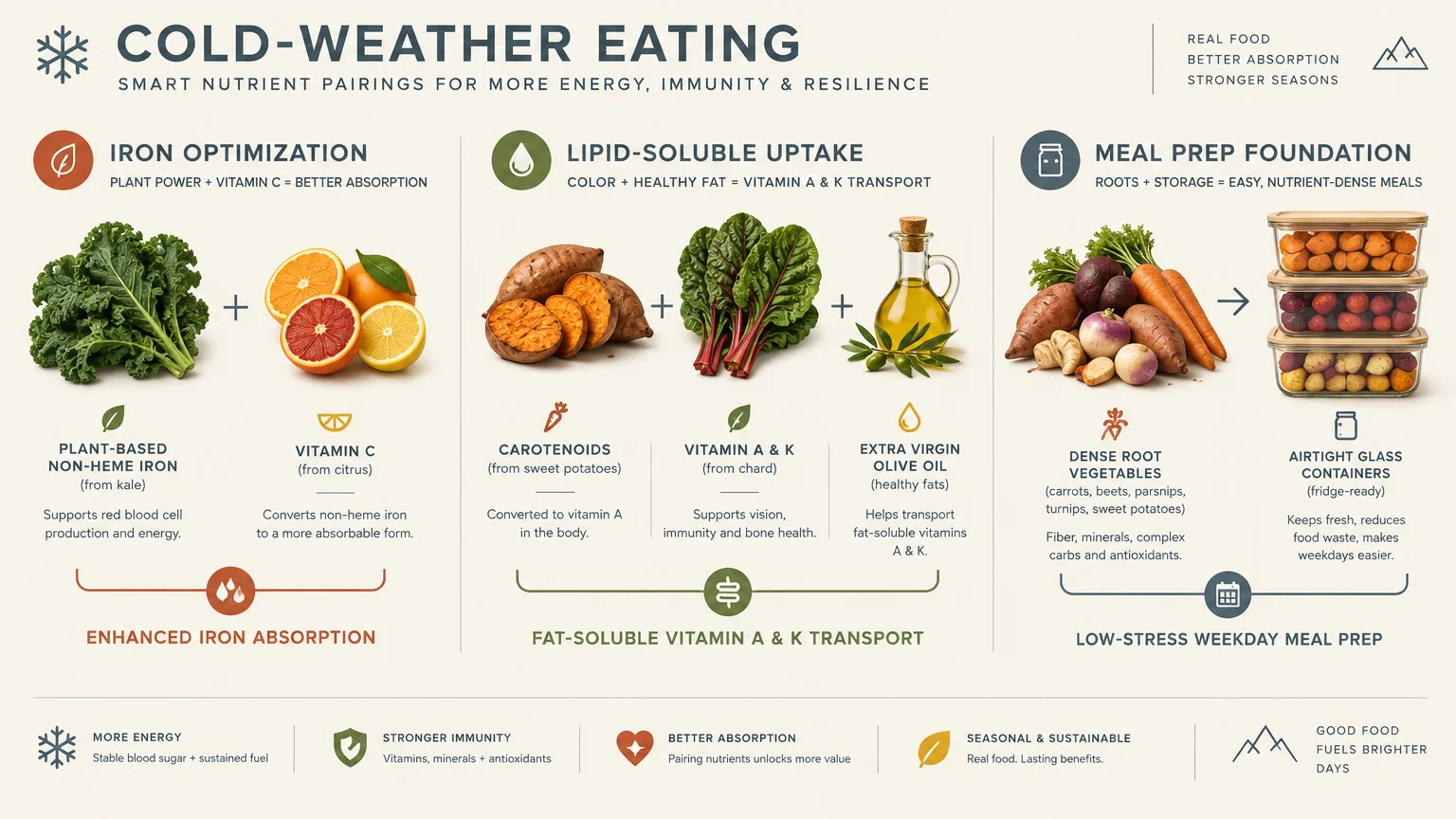
1. Intentional Batch Cooking and Meal Prep
Dense root vegetables and squashes withstand prolonged roasting, simmering, and freezing far better than delicate summer crops. This hardiness makes them the ultimate foundation for low-stress weekly meal preparation.
You can roast several sheet pans of assorted roots on Sunday to build warm lunches throughout the workweek. Simply reheat them in a skillet or fold them cold into grain bowls.
Store roasted roots in airtight glass containers to maintain crisp edges and prevent unwanted moisture accumulation. This simple habit keeps ready-to-eat vegetables at eye level whenever you open the refrigerator.
Add roasted vegetables to morning eggs, warm farro bowls, and hot evening soups for effortless weekday nutrient density. Small preparation routines create consistent nourishment across your entire week.
2. Strategic Nutrient Synergy
Winter eating offers an ideal landscape for pairing synergistic nutrients that optimize biological absorption. Certain micronutrients require specific dietary partners to pass through the intestinal wall efficiently.
Combine plant-based non-heme iron from hardy greens like kale with the vitamin C found in citrus or bell peppers. This culinary union significantly increases your body’s iron absorption rate.
Healthy fats like extra virgin olive oil, avocado, or nuts enhance the uptake of fat-soluble vitamins A and K. These vitamins rely on dietary lipids for proper digestion and transport.
Drizzle olive oil over baked sweet potatoes or steamed chard to maximize carotenoid uptake. You turn a simple side dish into a high-efficiency nutrient delivery system with one drizzle.
3. Sustainable Flavor Habits
Cold weather calls for warm, comforting cooking methods that celebrate earthy, savory, and caramelized flavor notes. You can transform tough roots into tender, craveable meals using high heat and aromatic spices.
Enhance roasted brassicas with warming spices like ground cumin, smoked paprika, turmeric, and cracked black pepper. Spices add deep complexity while delivering their own protective polyphenols.
Incorporating bright acids—such as fresh lemon juice or raw apple cider vinegar—cuts through heavy winter starches. A splash of acid awakens sluggish palates and balances rich, roasted flavors.
Whisk simple vinaigrettes with Dijon mustard, olive oil, and vinegar to elevate braised greens and roasted roots. Consistent flavor development ensures you look forward to eating vegetables every single day.
The 20 Best Winter Produce Items to Add to Your Cart
1. Tuscan and Curly Kale
Kale remains one of the hardiest winter greens, enduring deep frost without losing its crisp structure. Cold weather prompts the plant to convert starches into sugars, which tempers its natural bitterness.
Kale supplies notable quantities of vitamin A, vitamin C, and bone-supportive vitamin K. It also delivers lutein and zeaxanthin, two carotenoid antioxidants that protect your retinal tissues.
Strip leaves from tough woody stems, slice them finely, and massage with olive oil before assembling hearty salads. Massaging breaks down rigid cellulose fibers, making the leaves tender and easier to digest.
2. Brussels Sprouts
Brussels sprouts peak in late autumn and winter, developing complex flavor as outdoor temperatures drop. These miniature cabbages supply generous amounts of prebiotic fiber, folate, and cancer-protective sulfur compounds known as glucosinolates.
Their dense structure stands up to high-heat roasting, which caramelizes natural sugars and eliminates sulfurous odors. You achieve crispy, golden outer petals and a tender, buttery interior.
Halve your sprouts and toss them on a baking sheet with avocado oil, sea salt, and black pepper. Roast at high heat until deeply browned and crisp around the edges.
3. Butternut Squash
Butternut squash features a thick outer rind that preserves its sweet, nutrient-rich orange pulp throughout the winter. It provides an exceptional supply of beta-carotene, supporting mucosal barrier health and strong immune defenses.
The squash also delivers potassium and soluble fiber, which help regulate blood pressure and promote steady digestion. Its creamy cooked texture makes it a satisfying substitute for refined starches.
Puree roasted squash with warm vegetable broth, sautéed onions, and garlic to create a comforting winter soup. Garnish each bowl with toasted pumpkin seeds for pleasant crunch and added minerals.
4. Sweet Potatoes
Sweet potatoes anchor cold-weather cooking by supplying slow-burning complex carbohydrates that stabilize blood glucose levels. Their rich orange and purple varieties deliver abundant carotenoid pigments that counter oxidative stress.
They are an outstanding source of both soluble and insoluble fiber, which nourish gut microbiota and promote satiety. Baking sweet potatoes whole caramelizes their natural sugars without requiring any added sweeteners.
Split hot baked sweet potatoes open and top with seasoned black beans, sliced scallions, and fresh cilantro. This creates a balanced, fiber-rich lunch with minimal hands-on preparation.
5. Red and Golden Beets
Beets store exceptionally well in cool conditions, maintaining their moisture and dense nutritional value for months. They are renowned for dietary nitrates, which your body converts to nitric oxide to support healthy circulation.
Beets also contain betalains, vibrant plant pigments that support cellular protection and liver metabolic pathways. Their natural sweetness intensifies when roasted slowly in the oven.
Slice roasted beets into wedges and toss them with crumbled goat cheese, toasted walnuts, and fresh arugula. A light cider vinaigrette balances their rich, earthy notes with vibrant acidity.
6. Winter Carrots
Carrots harvested after severe frost accumulate natural sugars as a biological antifreeze, making them noticeably sweeter. They represent one of the richest dietary sources of pro-vitamin A carotenoids.
These orange roots support skin integrity, visual acuity, and immune barrier defense throughout the chilly months. The insoluble fiber in carrot flesh also aids regular bowel motility during sedentary periods.
Cut whole carrots into thick diagonal batons, toss with olive oil, cumin, and sea salt, and roast until caramelized. Roasting concentrates their sweetness and produces a tender, buttery bite.
7. Green and Red Cabbage
Cabbage is an economical winter superfood that keeps for weeks in your refrigerator crisper drawer without spoiling. It provides substantial fiber, folate, and sulfurous glucosinolates that support cellular defense mechanisms.
According to the USDA FoodData Central database, raw cabbage supplies exceptional vitamin C alongside gut-soothing glutamine. Red cabbage also contains anthocyanins that protect vascular tissues.
Shred cabbage finely and sauté it in a wide skillet with olive oil, sliced onions, and caraway seeds. Add diced tart apples toward the end of cooking for gentle natural sweetness.
8. Parsnips
Parsnips resemble pale cream-colored carrots but possess a unique herbal sweetness with subtle pine and nutmeg undertones. Freezing soil temperatures transform their starches into rich sugars, enhancing their caramelized depth during cooking.
Parsnips deliver substantial dietary fiber, vitamin C, and folate to fuel daily cellular repair and digestive health. Their starchy texture makes them a comforting, nutrient-dense addition to winter menus.
Simmer parsnips alongside Yukon gold potatoes and mash them together with garlic and black pepper. This fragrant root mash adds sophisticated sweetness to traditional cold-weather comfort meals.
9. Purple-Top Turnips
Turnips are classic cool-weather root vegetables featuring a crisp, peppery bite that softens into mild sweetness when cooked. They provide glucosinolates, potassium, and vitamin C while offering a lighter carbohydrate profile than potatoes.
Turnip roots absorb savory braising liquids effortlessly, making them an ideal choice for rustic winter stews. Eating both the bulbous root and leafy turnip greens maximizes your total micronutrient intake.
Dice turnips into half-inch cubes and roast them with olive oil, fresh rosemary, and minced garlic. High heat tames their peppery sharpness into a mellow, savory side dish.
10. Swiss Chard
Swiss chard withstands severe cold spells, producing broad, glossy leaves and vibrantly pigmented stalks. It supplies notable iron, magnesium, and polyphenol antioxidants that help regulate inflammatory pathways within the body.
Chard leaves cook down quickly, making them an effortless weeknight addition to your dinner plate. The colorful stems provide a satisfying celery-like crunch when chopped and sautéed.
Sauté chopped chard stems and leaves with extra virgin olive oil, minced garlic, and red pepper flakes. Finish with fresh lemon juice to brighten the flavor and enhance iron uptake.
11. Winter Leeks
Hardy winter leeks grow beneath mounded soil, emerging with thick white shanks and dark green fan-like leaves. They belong to the allium family and deliver prebiotic inulin that feeds protective bifidobacteria in your gut.
Leeks also provide allicin precursors and polyphenol antioxidants that support cardiovascular vitality through cold weather. Their mild, sweet onion flavor adds aromatic depth to seasonal cooking without overwhelming delicate palates.
Slice leeks in half lengthwise and rinse them thoroughly to wash away trapped soil. Sweat sliced leeks gently in olive oil with sea salt until they melt into a silky soup base.
12. Rutabaga
Rutabagas are resilient root vegetables created as a natural hybrid between wild cabbage and rustic turnips. Their golden flesh offers mild sweetness, high fiber content, and a hearty texture that holds up under intense heat.
Rutabagas provide significant amounts of potassium, which assists in balancing blood pressure against higher-sodium winter meals. They also supply vitamin C and calcium to support immune resilience and bone maintenance.
Peel away the protective wax coating, cube the firm flesh, and roast with olive oil and thyme until browned. You can also boil and mash rutabaga for a satisfying, lower-carbohydrate potato alternative.
13. Oranges, Mandarins, and Clementines
Citrus fruits reach their absolute peak sweetness and juicy texture during the depths of midwinter. They deliver an immediate burst of hydration, soluble pectin fiber, and immune-supporting ascorbic acid.
A comprehensive National Institutes of Health analysis of vitamin C highlights its role in immune cell function and collagen production. Citrus also supplies hesperidin, a bioflavonoid that supports vascular health.
Peel and enjoy clementines whole as portable snacks that preserve dietary fiber and slow sugar absorption. You can also toss segmented oranges with sliced fennel and olive oil for a crisp winter salad.
14. Pink and Red Grapefruit
Grapefruit balances bracing acidity with delicate floral notes and subtle bitterness, providing a wakeful breakfast option. Deeply pigmented varieties provide lycopene alongside vitamin A, promoting skin health against harsh, dry indoor heat.
Grapefruit contains naringenin, a citrus flavonoid investigated for its beneficial effects on lipid metabolism and insulin sensitivity. Its high water and fiber content help keep you satisfied throughout winter mornings.
Cut grapefruit segments into skinless supremes and toss them with baby spinach, sliced avocado, and toasted pumpkin seeds. The tart citrus juice naturally complements the rich, creamy avocado.
15. Pomegranates
Pomegranates stand out as botanical jewels of the winter season, containing hundreds of ruby-red juice arils. These seeds boast potent punicalagins and punicic acid, which provide extraordinary antioxidant defense against oxidative stress.
The crunchy whole arils deliver beneficial insoluble fiber along with a refreshing, tart-sweet pop of moisture. They support cardiovascular wellness by promoting endothelial function and maintaining healthy blood pressure levels.
Scatter fresh pomegranate seeds over morning steel-cut oats, wild rice pilafs, or creamy plain Greek yogurt. Their vibrant color and juicy crunch turn simple dishes into festive, nutrient-dense meals.
16. Fresh Cranberries
Fresh cranberries flood grocery shelves in early winter, offering brilliant crimson color and intensely tart flavor. They contain unique A-type proanthocyanidins, which inhibit bacterial adhesion along the urinary tract lining.
Cranberries are remarkably low in sugar compared to other seasonal fruits, making them versatile for savory applications. They also provide vitamin C, manganese, and fiber that support systemic health.
Simmer fresh cranberries with diced apples, fresh orange zest, and a touch of pure maple syrup. Cook until the skins burst, producing a vibrant, lower-sugar relish that outshines commercial canned jellies.
17. Winter Pears
Pear varieties such as Bosc, D’Anjou, and Comice ripen into sweet, melting textures during the coldest months. Pears rank among the highest-fiber fruits available, supplying ample soluble pectin to support healthy gut transit.
They also deliver small amounts of copper, potassium, and vitamin C to aid daily tissue repair and fluid balance. Eating pears with their skin intact maximizes your fiber intake and protective polyphenol exposure.
Slice firm pears into warm arugula salads with walnuts, or poach them gently in spiced herbal tea for dessert. The subtle sweetness pairs beautifully with savory goat cheese and bitter greens.
18. Persimmons
Persimmons display vivid orange tones, appearing at produce stands just as traditional autumn harvests wind down. They provide dense amounts of beta-cryptoxanthin, dietary fiber, and manganese to sustain energy and cellular defense.
Squat Fuyu persimmons can be enjoyed crisp like an apple, while acorn-shaped Hachiya varieties require complete softening before eating. Eating unripe Hachiya persimmons causes an unpleasant astringent pucker due to high soluble tannins.
Slice crisp Fuyu persimmons into wedges for snacking, or scoop ripe Hachiya pulp into warm morning oatmeal. You gain natural sweetness, smooth texture, and protective carotenoids without needing added sugars.
19. Kiwifruit
Kiwifruits harvest in late fall and store remarkably well, offering tropical brightness throughout bleak winter weeks. Two medium kiwifruits deliver more vitamin C than an orange, alongside natural actinidin enzymes that aid protein digestion.
Kiwifruit also supplies dietary fiber, potassium, and vitamin E to nourish skin and support steady cardiovascular health. Eating kiwifruit in the evening may even support restorative sleep due to its natural serotonin and antioxidant content.
Slice kiwifruits in half and scoop out the vibrant emerald flesh with a spoon for an effortless snack. You can also dice kiwi into winter fruit salads alongside pomegranate arils and orange segments.
20. Storage Apples
Late-season apples retain their snappy crunch and aromatic flavors through months of controlled cold storage. Apples provide concentrated quercetin, an anti-inflammatory flavonoid concentrated primarily within their colorful peels.
Their pectin fiber acts as a fuel source for beneficial microbes residing within your lower gastrointestinal tract. Regular apple consumption supports balanced cholesterol levels and promotes stable post-meal blood sugar curves.
Slice crisp apples and pair them with natural almond butter for a balanced afternoon snack of fiber and fats. Leaving the peel on ensures you consume the maximum amount of protective antioxidants.

Clinical Perspectives and Daily Realities
Registered dietitians consistently emphasize that dietary diversity matters far more than obsessing over a single superfood. Eating across different plant families creates a wider safety net of micronutrients and phytonutrients.
Clinical evidence shows that consuming diverse plant fibers expands microbiome resilience, protecting against metabolic and digestive disturbances. A thriving gut microbiome modulates systemic inflammation and strengthens winter immune responses.
Community meal programs also demonstrate that winter roots provide some of the lowest-cost nutrition per serving in grocery aisles. Sturdy vegetables like cabbage, carrots, and potatoes stretch household budgets without sacrificing micronutrient quality.
Embracing affordable root vegetables allows families to maintain generous vegetable portions even when budgets tighten. You do not need expensive specialty produce to feed your body exceptionally well during cold months.
According to the Centers for Disease Control and Prevention guidance on fruit and vegetable intake, very few adults meet daily produce goals. Low produce intake leaves significant nutritional gaps that seasonal produce can easily fill.
Stocking long-lasting winter produce in your kitchen removes daily friction and makes meeting those goals effortless. When fresh produce remains crisp in your crisper drawer for weeks, you waste less food and eat better.
Safety Considerations and Dietary Personalization
While winter produce delivers exceptional nourishment, specific medical conditions require tailored dietary choices. Individual metabolic needs, kidney function, and medications should always inform your food selections.
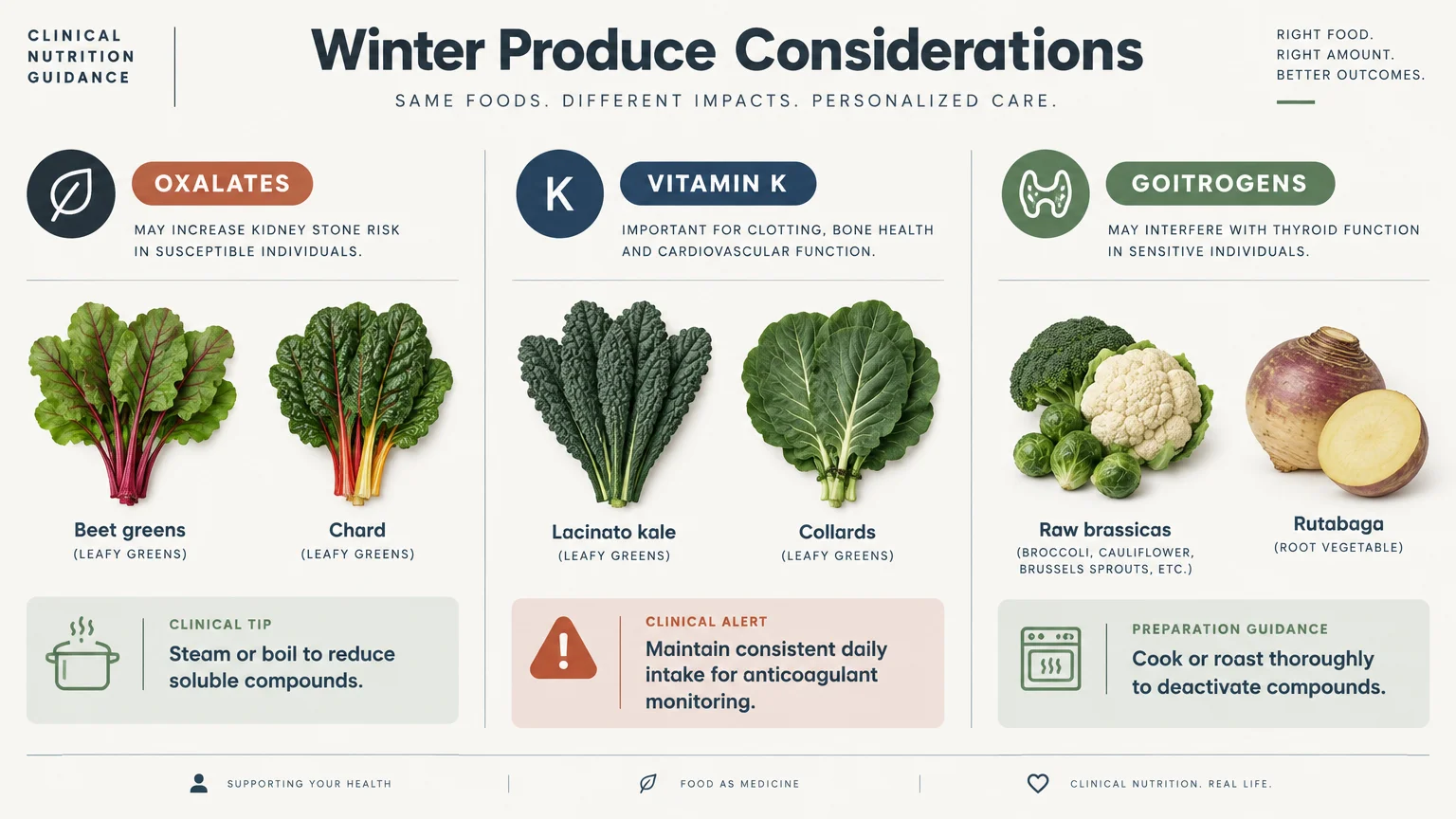
Dark leafy greens like kale and chard contain high concentrations of vitamin K, which directly influences blood clotting pathways. This vitamin plays a critical role in clotting factor synthesis within your liver.
If you take warfarin or similar blood thinners, maintain consistent vitamin K intake rather than making drastic seasonal shifts. Sudden surges or drops in green vegetable consumption can alter medication efficacy.
Individuals prone to calcium oxalate kidney stones should monitor their intake of high-oxalate foods like beets and Swiss chard. High urinary oxalate levels can bind with calcium to form painful renal calculi.
Boiling these vegetables and discarding the cooking water helps diminish soluble oxalate concentrations significantly. Pairing moderate portions of oxalate-rich vegetables with dietary calcium also reduces oxalate absorption in the gut.
Grapefruit can interact with certain prescription medications by inhibiting cytochrome P450 enzymes in your liver and gut wall. This inhibition can cause medication levels to rise unpredictably in your bloodstream.
Always consult your physician or registered dietitian before introducing grapefruit if you take statins or blood pressure drugs. A qualified clinician can guide safe fruit alternatives that do not interfere with your prescriptions.
The Academy of Nutrition and Dietetics seasonal eating recommendations suggest collaborating with a credentialed practitioner for personalized advice. Personalized nutrition ensures your winter food choices actively enhance your specific health journey.
Frequently Asked Questions
Is seasonal winter produce more nutritious than out-of-season produce?
Produce harvested at peak maturity and consumed promptly retains higher concentrations of fragile micronutrients like vitamin C. Plants allowed to ripen naturally on the vine or in the soil build complete nutrient profiles.
Long shipping distances and extended storage under artificial lighting can degrade specific vitamins before produce reaches your table. Seasonal winter choices often deliver superior flavor and nutrient density compared to items shipped across hemispheres.
How can I keep hardy winter vegetables fresh for weeks?
Store root vegetables like carrots, beets, and parsnips in cold, high-humidity environments like your refrigerator vegetable drawer. Keep them in perforated bags to maintain moisture without trapping excess condensation.
Remove any leafy green tops from roots immediately, as they draw moisture out of the root tissue during storage. Keep winter squashes and sweet potatoes in a cool, dry, dark pantry instead of the refrigerator.
Are frozen fruits and vegetables as healthy as fresh winter produce?
Frozen produce is flash-frozen immediately after harvest at peak ripeness, effectively locking in baseline vitamin and mineral contents. This makes frozen fruits and vegetables just as nutritious as their fresh market counterparts.
Combining fresh, long-storing winter roots with frozen berries or greens provides balanced, economical nutrient variety. You can confidently rely on both options to achieve optimal vegetable and fruit intake throughout winter.
What is the easiest way to prepare root vegetables without spending hours cooking?
Sheet-pan roasting requires minimal hands-on effort and yields tender, caramelized vegetables with deep, concentrated flavor. You can prep a large volume of vegetables in minutes and let the oven do the work.
Simply chop vegetables into uniform bite-sized pieces, toss with cooking oil and salt, and spread them across a baking sheet. Roast at high heat until browned, giving you versatile ingredients for salads, bowls, and soups.
Take Action Within 24 Hours
Building a vibrant winter diet does not require a complete pantry overhaul overnight. Small, consistent shifts create lasting dietary patterns that sustain your vitality throughout the coldest weeks of the year.
Select just one unfamiliar winter vegetable or fruit from this list during your next grocery trip. Challenge yourself to roast a tray of hearty roots or segment a juicy citrus fruit for dinner.
That simple, deliberate action introduces protective plant nutrients to your plate while making seasonal eating effortless and delicious. Embrace the abundance of the season today and let fresh winter produce revitalize your meals.