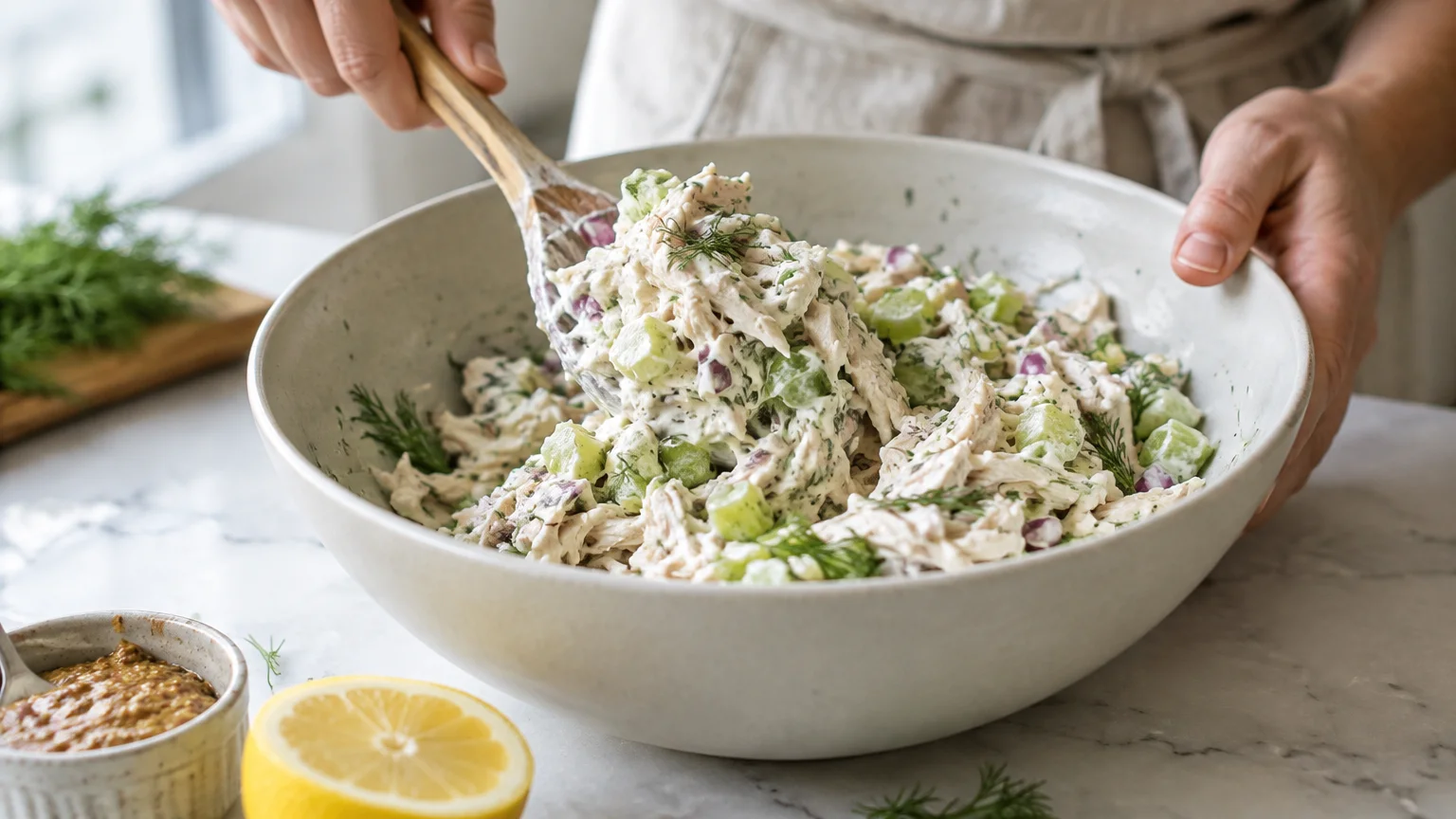
You can transform your chicken salad into an energizing meal by replacing traditional mayonnaise with nutrient-dense alternatives. These smart kitchen swaps instantly upgrade your lunch without sacrificing the rich, creamy texture you crave.
Traditional mayonnaise adds richness to shredded poultry, but it offers minimal dietary protein to fuel your busy afternoons. Swapping in whole-food binders increases your meal’s staying power while supporting lean muscle recovery.
Embracing these protein swaps helps you maintain steady physical energy and stay comfortably full until dinner; your midday meal becomes a reliable tool for your wellness goals.
A Fresh Mindset on Creamy Textures and Daily Protein
Many people assume that eating healthier requires giving up comfort foods and settling for dry, bland meals. In reality, modern nutrition focuses on strategic addition rather than rigid restriction.
When you upgrade your chicken salad binder, you maintain the familiar comfort of a classic deli dish while adding meaningful nutrition. This gentle habit shift supports lasting physical satiety and prevents disruptive afternoon energy crashes.
Research highlighted by the Harvard T.H. Chan School of Public Health demonstrates that prioritizing dietary protein helps regulate appetite hormones and preserves lean muscle mass.
Setting rigid dietary rules often triggers feelings of deprivation and leads to diet fatigue. Instead, viewing ingredient substitutions as delicious culinary experiments fosters a sustainable, positive relationship with your food.
You do not need to overhaul your entire lifestyle overnight to see tangible progress. Focusing on one high-impact lunch upgrade builds genuine momentum and confidence in your daily food choices.
10 Protein-Rich Mayo Swaps for Your Chicken Salad
The following culinary alternatives replace the empty fats of conventional spreads with nourishing amino acids, vitamins, and minerals. Each option delivers a distinctive flavor profile and velvety texture to revitalize your lunch rotation.
1. Plain Nonfat Greek Yogurt
Plain Greek yogurt stands out as the ultimate direct replacement for commercial mayonnaise in poultry dishes. Straining removes liquid whey, leaving behind a thick, tangy dairy base packed with essential amino acids.
Incorporating a quarter-cup of Greek yogurt adds roughly six grams of protein directly into your bowl. This simple swap delivers rich moisture while reducing the heavy saturated fat load found in traditional deli recipes.
To balance the natural tartness of the yogurt, blend in a splash of fresh lemon juice, chopped fresh dill, and crushed black pepper. This zesty seasoning profile perfectly replicates the bright savoriness of a gourmet deli spread.
For the best mouthfeel, select an authentic strained product rather than brands that use thickeners or gelatin. Authentic Greek yogurt emulsifies cleanly with shredded chicken breast and stays crisp over several days of refrigerated storage.
You can also blend in a teaspoon of warm water if the yogurt feels too dense for your personal preference. This gentle thinning allows the binder to coat every bite of chicken evenly without feeling gummy.
2. Blended Low-Fat Cottage Cheese
Low-fat cottage cheese has earned modern acclaim as a versatile culinary ingredient for health-conscious cooks. When processed in a small blender, the curds disappear into a silky, luscious cream that rivals commercial dressings.
A standard half-cup serving provides approximately fourteen grams of slow-digesting casein protein. Casein breaks down gradually over several hours, supplying a steady stream of amino acids to your bloodstream.
Stir garlic powder, chopped chives, and stone-ground mustard into your blended curds before folding in the chicken. The slight natural saltiness of cottage cheese enhances shredded poultry without requiring excess added table salt.
This versatile binder stays exceptionally stable in chilled storage and will not separate or turn watery after twenty-four hours. It serves as an ideal foundation for high-yield weekday lunch preparation.
Blend the curds while they are cold to maintain maximum thickness during pureeing. If you prefer a lighter consistency, pulse in a teaspoon of apple cider vinegar for extra lift.
3. Silken Tofu Puree
Silken tofu provides a magnificent plant-based binder that delivers complete plant protein alongside an ultra-smooth consistency. It offers a gentle flavor profile that effortlessly absorbs whatever seasonings and herbs you choose to introduce.
Blending four ounces of firm silken tofu produces a velvety emulsion containing nearly eight grams of quality plant protein. It remains naturally low in saturated fats and completely free from dietary cholesterol.
Puree your silken tofu alongside a teaspoon of Dijon mustard, apple cider vinegar, garlic, and sea salt. This tangy combination mimics the acidic kick of classic mayonnaise while delivering complete plant nourishment.
Silken tofu works wonderfully if you manage lactose sensitivities or want to incorporate more plant-forward meals into your weekly menu. It creates a creamy, uniform dressing that coats poultry thoroughly without masking subtle spices.
Drain the tofu package thoroughly and pat the block dry with clean paper towels before pureeing. Removing surface moisture prevents your finished dressing from separating in the refrigerator.
4. Mashed Edamame Puree
Young green soybeans provide vibrant color, delicate natural sweetness, and exceptional plant-based protein density. Steaming and mashing shelled edamame creates a uniquely textured spread that elevates everyday poultry.
A half-cup of pureed edamame contributes nine grams of complete dietary protein, along with beneficial dietary fiber for gut health. This fiber content helps stabilize post-meal glucose curves and supports healthy digestion.
Combine your edamame puree with minced ginger, sesame oil, scallions, and a dash of rice vinegar for an Asian-inspired lunch. The earthy nuttiness of the soybeans complements tender diced chicken thighs or white meat.
You can prepare this green spread in advance by purchasing frozen shelled edamame from your local supermarket. Steam the beans for five minutes, drain thoroughly, and pulse with a splash of water until creamy.
Edamame puree provides a thick, rustic texture that clings well to poultry and raw vegetables. It turns an ordinary chicken salad into an eye-catching, vibrant centerpiece for your lunchbox.
5. Whipped Part-Skim Ricotta
Part-skim ricotta cheese creates a luxuriously light and fluffy chicken salad dressing when whipped vigorously with a fork or whisk. It offers an understated milky sweetness that pairs remarkably well with fruit and nut garnishes.
Whipping a third of a cup of ricotta introduces roughly ten grams of bioavailable dairy protein to your meal. It also provides significant amounts of dietary calcium to support bone strength and metabolic function.
Mix whipped ricotta with cracked black pepper, fresh lemon zest, and finely chopped tarragon for a French-inspired midday entree. Fold in halved red grapes and sliced celery to supply refreshing crunch and natural sweetness.
Ricotta naturally contains more moisture than dense yogurts, so press excess moisture from your cooked poultry before assembling the dish. This quick step preserves the velvety lightness of the dressing throughout the week.
If the whipped ricotta feels too airy, stir in a teaspoon of extra-virgin olive oil for richer mouthfeel. This small adjustment brings a velvety richness that satisfies high-fat dressing cravings.
6. Traditional Chickpea Hummus
Store-bought or homemade chickpea hummus functions as an earthy, savory binder that eliminates the need for processed oils. It blends cooked garbanzo beans with tahini, garlic, and citrus to create a deeply satisfying dressing.
Utilizing three tablespoons of classic hummus contributes valuable plant-derived protein along with complex carbohydrates that sustain focus. The healthy fats present in sesame tahini also encourage the absorption of fat-soluble vitamins.
According to the American Heart Association, replacing saturated animal fats with polyunsaturated and monounsaturated plant fats supports cardiovascular health.
Combine classic garlic hummus with diced chicken breast, diced cucumbers, Kalamata olives, and fresh oregano. This Mediterranean-inspired combination holds its structure exceptionally well during outdoor picnics or office lunches.
Hummus naturally contains cumin and garlic, which means you require fewer additional spices to achieve robust flavor. Simply thin the spread with a squeeze of fresh lemon juice if you desire a looser consistency.
7. Pureed White Cannellini Beans
Cannellini beans deliver an incredibly neutral culinary canvas that transforms into an ultra-creamy paste with brief immersion blending. They disappear seamlessly into chicken salad, creating rich volume without altering the characteristic flavor of chicken.
A half-cup serving of blended white beans infuses your lunch with eight grams of protein and six grams of gut-friendly fiber. The USDA FoodData Central database confirms that white legumes rank among the most nutrient-dense pantry staples available.
Puree the rinsed beans with olive oil, fresh lemon juice, rosemary, and roasted garlic to build an Italian-style dressing. The velvety starch naturally binds the chicken together without feeling heavy or oily on the palate.
Canned cannellini beans make this one of the most affordable high-protein swaps for budget-conscious grocery shoppers. Simply drain and rinse the legumes thoroughly to remove excess canning liquid before blending until smooth.
The soluble fiber in pureed beans digests slowly, providing long-lasting fullness that curbs afternoon snacking. It also creates a thick, creamy coating that keeps refrigerated chicken tender and juicy.
8. Icelandic Skyr
Skyr is an heirloom cultured dairy product that boasts an even thicker consistency and higher protein concentration than traditional Greek yogurt. It undergoes extensive straining, which produces a dense, spoonable texture that locks poultry ingredients together firmly.
Adding four tablespoons of plain skyr provides roughly eight grams of clean protein with virtually zero grams of fat. It delivers an assertive, refreshing tang that brightens cooked poultry without feeling watery or limp.
Fold plain skyr with Dijon mustard, fresh tarragon, capers, and a pinch of smoked paprika for an elevated dressing. This robust blend creates a satisfying lunch that feels like an indulgence from an upscale bistro.
Skyr resists moisture separation far better than standard yogurts, making it the supreme binder for multi-day meal prepping. Keep it sealed in an airtight container to preserve its thick, spreadable body throughout your workweek.
Because skyr is naturally quite thick, you can whisk in a spoonful of pickle juice for effortless blending. The acidity cuts through the dense dairy and distributes the seasonings evenly through the meat.
9. Hard-Boiled Egg and Dijon Dressing
Mashing whole hard-boiled eggs with pungent Dijon mustard and a splash of olive oil produces an egg-salad hybrid that naturally binds shredded chicken. This heritage technique uses real whole foods to build luxurious texture without manufactured emulsifiers.
Incorporating two large hard-boiled eggs introduces twelve grams of complete protein containing all nine essential amino acids. Egg yolks also deliver critical micronutrients such as choline, lutein, and vitamin D to bolster cellular health.
Mash your boiled eggs with a fork until crumbly, then whisk in Dijon mustard, chopped dill pickles, and ground celery seed. Fold the mixture directly into shredded warm chicken so the proteins bind intimately into a cohesive salad.
This hearty preparation satisfies robust appetites and works wonderfully scooped into crisp romaine lettuce cups. It bridges the gap between traditional deli favorites and modern athletic nutritional demands.
For a smoother texture, push the hard-boiled yolks through a fine mesh sieve before mixing with mustard. This classic culinary trick produces an exceptionally velvety dressing that mimics mayonnaise consistency.
10. Hemp Seed and Herb Crema
Shelled hemp hearts can be blended with warm water and fresh herbs to create a rich, dairy-free emulsion. This plant-based crema delivers a buttery mouthfeel that closely resembles conventional mayonnaise while providing impressive nutritional value.
Three tablespoons of hemp seeds provide ten grams of quality plant protein alongside essential omega-3 and omega-6 fatty acids. These anti-inflammatory fats support joint health, cardiovascular function, and cognitive performance.
Blend hemp hearts with filtered water, lemon juice, garlic, fresh parsley, and sea salt until completely emulsified. Fold the creamy mixture into shredded chicken along with diced red onion and toasted sunflower seeds for textural contrast.
This allergy-friendly choice contains no dairy, soy, or gluten, making it universally accessible for varied household dietary requirements. Store any leftover crema in a mason jar in your refrigerator for up to five days.
Use a high-speed blender when preparing hemp crema to ensure the tiny seeds break down into an ultra-smooth liquid. The resulting dressing yields a gorgeous pale-green tint that looks beautiful over poultry.
Smart Habits to Streamline Your High-Protein Meal Prep
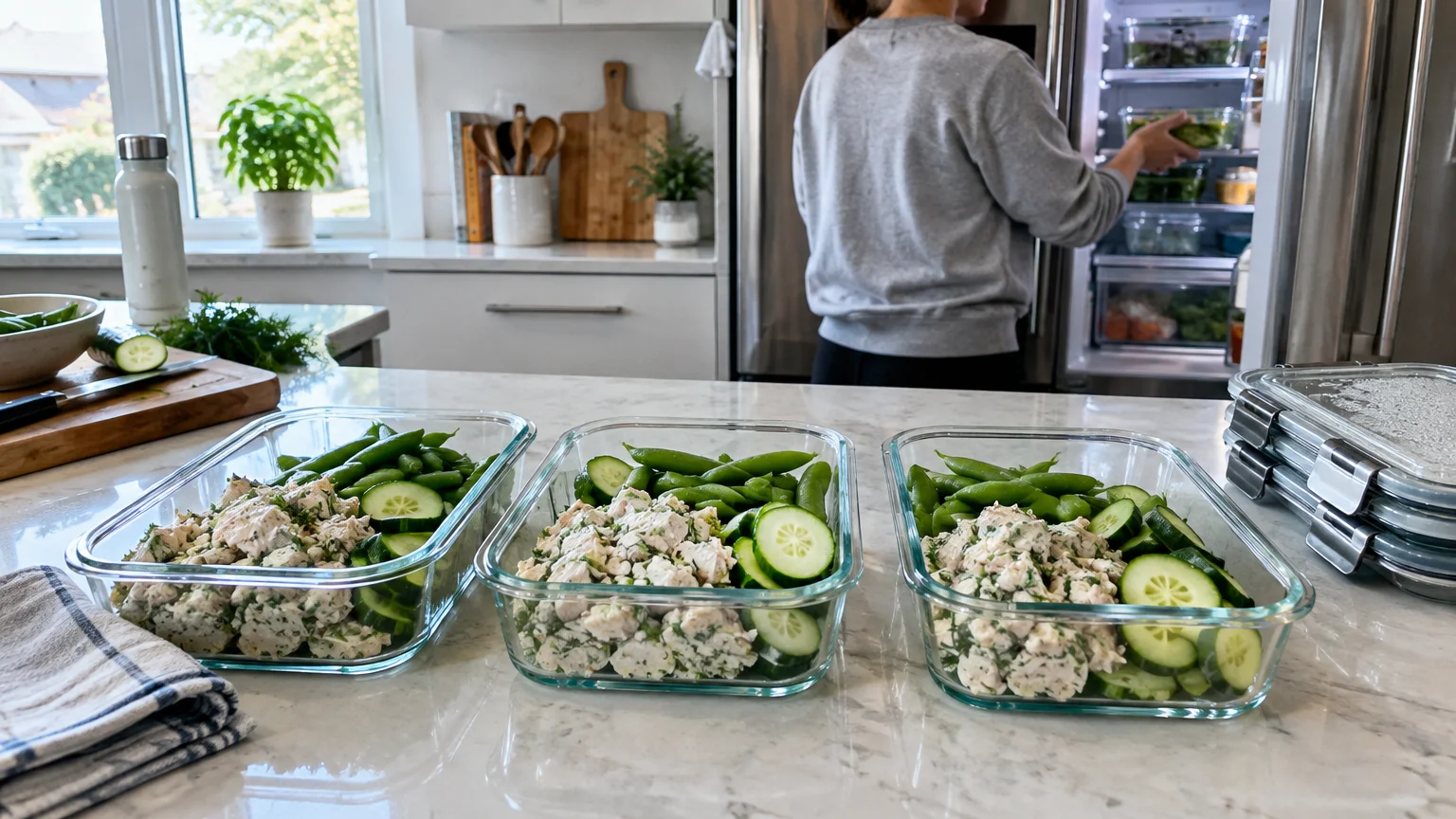
Upgrading your chicken salad recipes requires practical everyday habits that remove friction from your busy schedule. Establishing reliable routines ensures that high-protein, nutrient-dense lunches remain your default choice throughout the week.
Mastering the Grocery Aisles
Sustainable nutrition begins before you ever turn on the stove; your grocery shopping strategy dictates your weekly success. Navigating the perimeter of the supermarket allows you to secure fresh proteins and whole foods efficiently.
Keep your pantry stocked with convenient protein staples like canned white beans, shelled hemp hearts, and canned chunk chicken breast. Having shelf-stable backups guarantees you can construct a nourishing meal even when fresh supplies run low.
Purchase plain dairy bases like Greek yogurt or skyr in larger multi-serving tubs rather than single-serving cups. This practice saves substantial money over time and allows you to measure custom portions for your specific recipe needs.
Inspect ingredient labels carefully when purchasing prepared hummus or pre-cooked poultry to identify hidden sugars or excessive sodium levels. The Centers for Disease Control and Prevention suggests selecting minimally processed ingredients to support long-term metabolic health.
Plan your grocery purchases around weekly sales on poultry, buying bulk quantities of chicken breasts or whole birds to roast. Cooking extra meat on Sunday simplifies your lunchtime assembly for the rest of the workweek.
Optimizing Meal Timing and Hydration
Consuming a protein-dense lunch between midday and early afternoon stabilizes your circulating blood glucose levels during peak productivity hours. Spacing your daily protein intake evenly across meals optimizes muscle protein synthesis and sustains mental sharpness.
Pair your high-protein chicken salad with adequate cellular hydration to support the digestion of fibrous beans and dense dairy proteins. Drinking sufficient water facilitates nutrient transport throughout your body and prevents common midday digestive sluggishness.
Drink a tall glass of water thirty minutes prior to eating your lunch to prepare your digestive system. Avoid gulping large quantities of iced beverages during your meal, which can dilute natural stomach acids.
Consistent meal timing trains your hunger hormones to peak predictably, eliminating chaotic between-meal foraging. When you fuel your body with thirty to forty grams of midday protein, afternoon sweet cravings diminish significantly.
Pay attention to your energy rhythms in the two hours following lunch to evaluate how your meal timing performs. If you notice a slump, adjust your portion sizes or meal timing earlier by thirty minutes.
Practicing Mindful Lunchtime Habits
Eating lunch at your work desk while answering emails often leads to rushed chewing and poor satiety signaling. Your brain requires quiet sensory feedback to recognize fullness and register genuine meal satisfaction.
Step away from your computer screens and mobile devices for at least fifteen minutes while enjoying your chicken salad. Savor the crisp crunch of celery, the savory dressing, and the tender poultry with focused awareness.
Chew each bite thoroughly to assist mechanical digestion and enhance nutrient bioavailability. Mindful chewing reduces post-meal bloating and allows your stomach to signal your brain when you reach comfortable fullness.
Notice how energized and light you feel after consuming a clean protein meal compared to heavy fast-food fare. Connecting positive physical sensations to wholesome meals reinforces healthy habits on an emotional level.
Set your fork down between bites to pace yourself naturally throughout your lunchtime window. This deliberate pause helps prevent overeating and enhances your overall enjoyment of the meal’s textures and flavors.
Building Your Accountability and Support Systems
Adopting new dietary habits becomes far easier when you cultivate an environment that reinforces your daily goals. Relying purely on internal willpower often fails when unexpected life stressors arise during busy weeks.
Digital tracking applications provide objective feedback regarding your daily macronutrient intake and overall protein consumption. Logging your chicken salad ingredients for several days illuminates hidden nutritional gaps and confirms you meet your protein targets.
Invite a coworker or household member to join you in a weekly high-protein lunch prep challenge. Sharing recipe creations and swapping homemade batches keeps lunch exciting while creating reliable external accountability.
Online wellness communities and social forums offer endless recipe inspiration and encouragement when culinary boredom strikes. Engaging with like-minded individuals normalizes your healthy choices and provides helpful troubleshooting advice when your routine stalls.
Share your meal prep photos with an accountability partner every Sunday afternoon to celebrate your preparation efforts. External check-ins create positive social reinforcement that keeps you committed to your wellness path.
Visual reminders on your refrigerator door can prompt you to pack your prepared lunch before leaving for work. Small structural nudges in your living space help convert conscious effort into automatic daily routines.
Troubleshooting Roadblocks: Cravings, Social Events, and Travel
Real life constantly interrupts ideal meal prep routines with unexpected dinner invitations, busy travel days, and intense food cravings. Developing adaptable strategies ensures you navigate these moments without abandoning your high-protein goals.
When intense cravings for high-fat dressings strike, satisfy them by pairing your lean protein swaps with wholesome fats like sliced avocado. The rich monounsaturated fats fulfill your desire for creaminess without relying on processed oils.
If you find yourself at a catered work luncheon or restaurant serving traditional mayonnaise-laden chicken salad, enjoy it mindfully. You can balance the meal by requesting extra grilled chicken or pairing your portion with a generous leafy green salad.
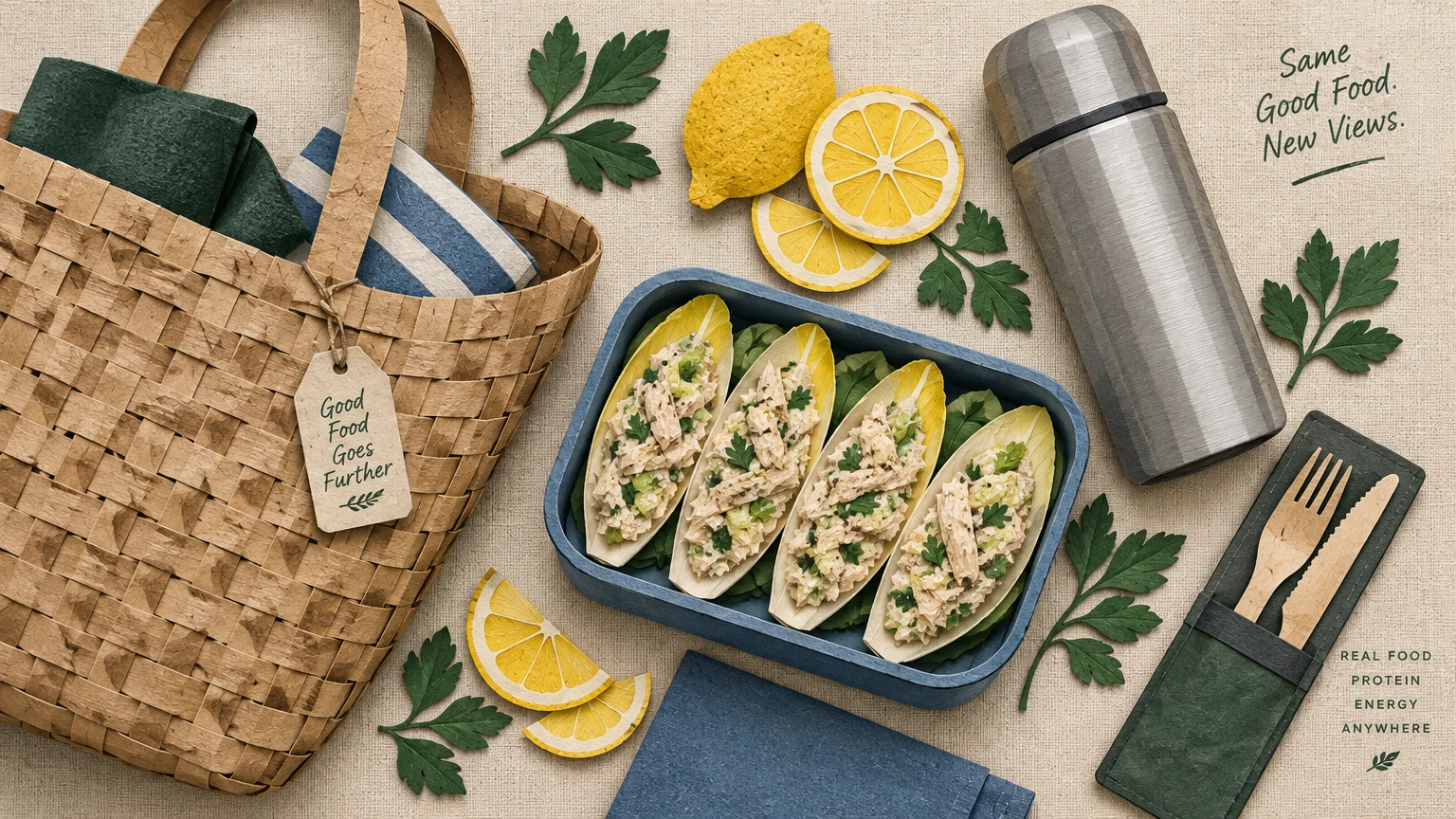
During busy airport travel or road trips, pack individual containers of plain Greek yogurt or cottage cheese alongside rotisserie chicken. Many convenience stores now carry hard-boiled eggs and single-serve hummus cups for quick assembly on the go.
Remember that perfection is neither achievable nor necessary for long-term health improvements. One traditional meal will not derail your fitness journey; simply return to your favorite high-protein swaps at your next dining opportunity.
Keep low-sodium canned chicken breast and single-serve packets of mustard in your office desk drawer for emergency meals. These shelf-stable provisions prevent impulsive visits to local fast-food drive-throughs when meetings run late.
If a recipe feels too dry, resist reaching for standard mayonnaise out of habit. Instead, splash in a spoonful of pickle juice, lemon juice, or bone broth to restore perfect moisture.
Frequently Asked Questions
Can I add protein powder to these chicken salad dressings?
You can stir unflavored whey protein isolate or collagen peptides directly into Greek yogurt or cottage cheese dressings without altering their taste. Ensure the powder is completely unflavored and unsweetened to avoid clashing with savory poultry herbs.
Whisk the powder thoroughly into the liquid dressing base before adding chicken to guarantee a smooth, lump-free texture. This tactic easily boosts the protein content of your lunch by an additional ten to twenty grams.
Plant-based protein powders such as unflavored pea protein also work well when blended into silken tofu or bean purees. They integrate cleanly into earthy dressings, providing extra amino acids without compromising the texture of the dish.
How can I make these alternatives appealing to picky eaters?
Introduce new binders gradually by mixing half your traditional mayonnaise with half plain Greek yogurt or blended cottage cheese. This transitional approach preserves the familiar flavor profile while steadily improving the nutritional density of the meal.
Incorporate familiar, crowd-pleasing additions like sweet diced apples, dried cranberries, or toasted pecans to mask subtle ingredient shifts. Over time, your household’s palate will adapt comfortably to the lighter, tangier base.
Involve picky eaters in the seasoning process by letting them choose their favorite herbs and spices. Giving family members autonomy over their food builds excitement and reduces mealtime resistance.
Are these high-protein swaps realistic on a tight grocery budget?
Many of these swaps cost significantly less per serving than specialty store-bought gourmet mayonnaises and high-end dressings. Canned cannellini beans, dried chickpeas, and large tubs of cottage cheese represent some of the most economical proteins available.
Purchase store-brand dairy products and dry legumes in bulk quantities to stretch your food dollars even further. Pairing these budget staples with roasted whole chicken yields multiple days of satisfying lunches for pennies per serving.
Cooking dried beans in a slow cooker provides large volumes of creamy binder base for minimal expense. You can freeze cooked legumes in measured portions so they are ready whenever you prepare chicken salad.
How should I track my progress when changing dietary habits?
Focus on qualitative health metrics such as sustained afternoon energy levels, improved gym performance, and digestive ease rather than scale weight alone. These functional markers reflect internal metabolic improvements long before visible changes appear in the mirror.
Keep a simple notebook on your desk to jot down your hunger levels and mental clarity two hours after lunch. Recognizing that your high-protein chicken salad prevents mid-afternoon fatigue provides compelling motivation to maintain the habit.
Note how long you stay comfortably full after your midday meal before feeling the urge to snack. Increasing fullness duration is a definitive sign that your protein adjustments are actively supporting your metabolism.
Your Next Step: Take Action Today
Transforming your nutrition does not require dramatic overhauls; lasting success emerges from tiny, consistent adjustments to everyday meals. Selecting one mayo substitute to test this week empowers you to take control of your lunchtime wellness.
Purchase one high-protein binder during your next grocery trip, prepare a fresh batch of chicken salad, and journal your physical energy. Paying attention to your body’s positive response turns a single healthy choice into a permanent lifestyle victory.
Commit to testing your chosen recipe for three consecutive workdays to give your taste buds time to appreciate the change. You will likely discover that you prefer the lighter, cleaner finish over heavy traditional mayonnaise.