You can transform a simple slice of morning toast from a rapid blood sugar spike into a balanced, energizing meal with a few deliberate adjustments. Upgrading your bread and toppings fuels sustained energy and sharp mental focus all morning long.
Most morning routines rely on processed white bread and sugary spreads that leave your energy crashing within an hour. Making thoughtful substitutions shifts toast from an empty carbohydrate vehicle into a nutrient-dense nutritional powerhouse.
By establishing a foundation of authentic whole grains and layering healthy fats and protein, you create an extraordinary meal in minutes. Follow this evidence-based roadmap to reinvent your daily slice.
The Science of Upgraded Toast
The traditional American breakfast frequently revolves around ultra-processed white bread topped with sugary jams or sweetened margarine. These quick-digesting carbohydrates enter your bloodstream almost immediately, triggering rapid insulin surges followed by sluggishness and mid-morning hunger pangs.
The updated Dietary Guidelines for Americans, released on January 7, 2026, by the USDA and HHS, introduce an “Eat Real Food” inverted pyramid framework. This guidance advises you to prioritize minimally processed, whole foods while deliberately avoiding refined carbohydrates like white bread.
Federal data shows that 98% of Americans fall below recommended whole-grain intake levels; simultaneously, 74% exceed limits for refined grains. Swapping your daily refined toast for whole grain varieties directly bridges this widespread nutritional deficit.
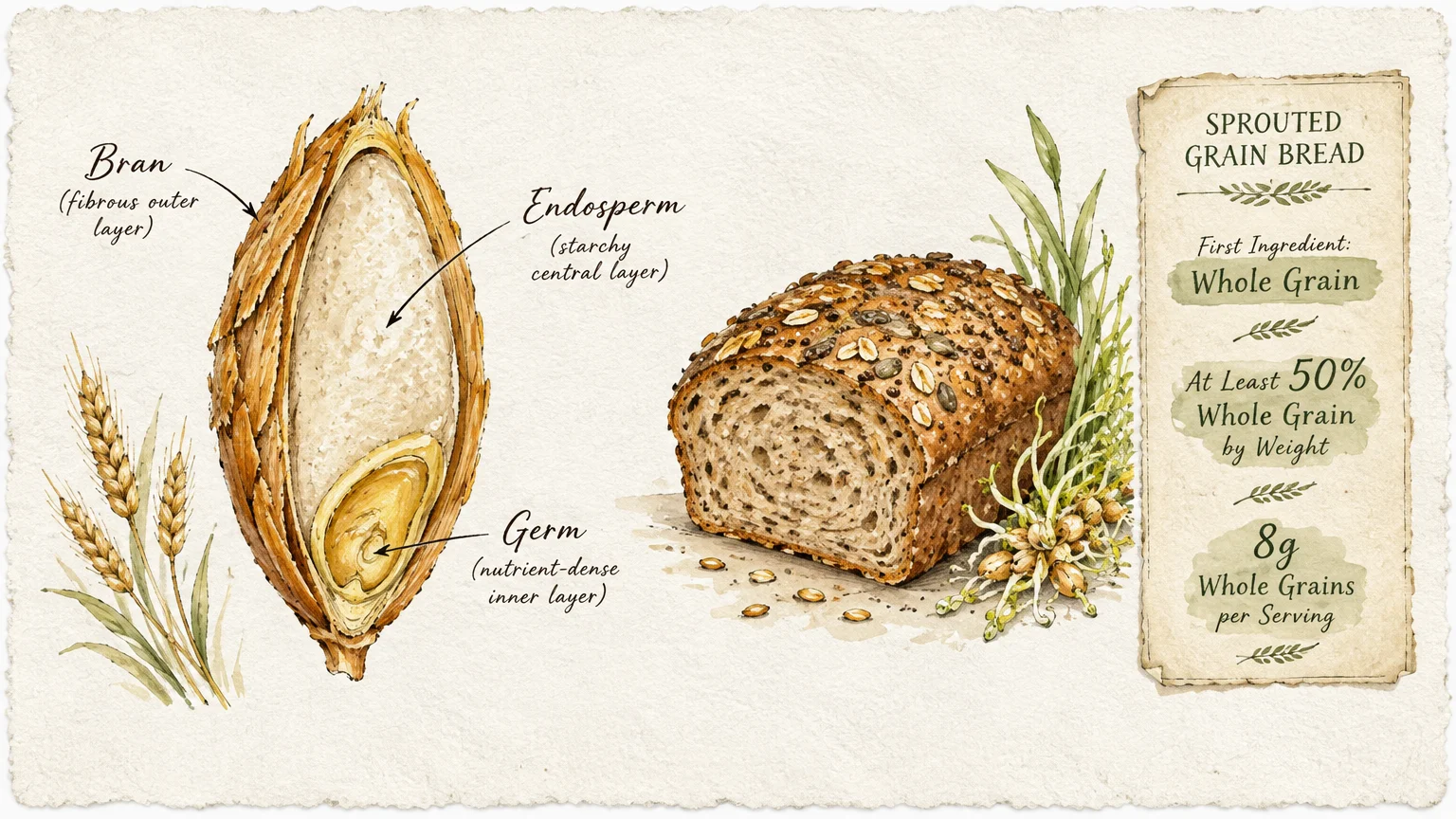
Whole grains retain their bran and germ layers, preserving vital dietary fiber, B vitamins, and trace minerals. Because fiber slows digestion, it dampens the postprandial glucose spike and promotes prolonged feelings of fullness.
Furthermore, the food regulatory environment recently shifted to help consumers make smarter choices at the grocery store.
Under the Food and Drug Administration updated final rule for the “healthy” nutrient content claim, which took effect on April 28, 2025, fortified white bread no longer qualifies for packaging praise.
Food manufacturers must reach full mandatory compliance by February 25, 2028. This landmark update ensures that packaged foods labeled as healthy truly deliver whole food nourishment rather than synthetic fortification.
Meanwhile, nutrient-dense toppings like nuts, seeds, eggs, and salmon now carry the healthy claim alongside whole grains, vegetables, and fresh fruits. This regulatory shift recognizes that dietary fats from whole sources actively support metabolic and cardiovascular health.
When you layer healthy fats and proteins over complex carbohydrates, you optimize your gastrointestinal transit time. This synergistic combination triggers satiety hormones—including peptide YY and cholecystokinin—that keep you satisfied until your next meal.
Choosing the Right Bread Foundation
Decoding the Ingredient List
The bread aisle can feel deceptively complicated because clever marketing often disguises refined flour as rustic grain loaves. Terms like “multigrain,” “wheat,” or “country style” typically indicate refined white flour dyed with caramel coloring.
Federal dietary guidance establishes clear criteria to identify genuine whole-grain products before you place them in your cart. You should select loaves where whole grain appears as the first ingredient—or the second ingredient immediately following water.
In addition, verify that whole grain makes up at least 50% of the bread’s total weight. Alternatively, ensure the product delivers at least 8 grams of whole grains per ounce-equivalent serving.
Look closely at the nutrition facts panel for minimal added sugars and modest sodium levels. Loaves baked with just a handful of recognizable ingredients invariably deliver superior nutrition without unwanted industrial emulsifiers.
Whole Wheat, Sprouted Grains, and Sourdough
One slice of authentic whole-wheat bread counts as one serving toward your daily grain goals. The 2025–2030 dietary recommendations advise children and adults to consume 2 to 4 servings of fiber-rich whole grains per day.
Sprouted whole-grain bread offers another exceptional foundation for your morning meal. The germination process breaks down complex starches and reduces phytic acid, making essential minerals like iron and zinc significantly more bioavailable.
Traditional sourdough bread provides another compelling alternative through slow wild fermentation. The lactic acid bacteria present in sourdough starters degrade gluten proteins and reduce fermentable carbohydrates, producing a loaf with superior digestibility.
When selecting sourdough, choose loaves crafted through slow natural fermentation rather than breads flavored with artificial vinegar additives. A true whole-grain sourdough combines prebiotic fiber with fermented organic acids, supporting a thriving gut microbiome.
Rye, Ancient Grains, and Seeded Loaves
Traditional rye bread, especially dark or pumpernickel varieties, contains high levels of viscous soluble fibers known as arabinoxylans. These fibers form a gel-like consistency in the gut, which substantially delays glucose absorption and stabilizes appetite.
Ancient grain loaves incorporate heirloom grains such as spelt, emmer, farro, quinoa, and teff. Meanwhile, seeded breads integrate whole flaxseeds, sesame seeds, and chia seeds to deliver essential alpha-linolenic fatty acids alongside satisfying mechanical crunch.
Smart Gluten-Free Bread Selection
If you must avoid gluten due to celiac disease or gluten sensitivity, navigating the bread aisle requires vigilance. Many conventional gluten-free breads rely heavily on refined tapioca starch, potato starch, and corn flour that rapidly spike blood sugar.
Instead, seek out artisan gluten-free loaves built from intact whole grains like brown rice, buckwheat, sorghum, and millet. High-fiber binders like psyllium husk and ground flaxseed provide excellent loaf structure while nourishing your microbiome.
Strategy Pillar 1: High-Impact Protein Additions
The updated federal guidelines emphasize higher daily protein targets of 1.2 to 1.6 grams of protein per kilogram of body weight. Elevating your breakfast protein intake supports muscle protein synthesis, metabolic health, and prolonged mental clarity.
To explore protein science and metabolic requirements, review clinical resources from the National Institutes of Health. Adding concentrated protein to your toast turns a light snack into a substantial meal.
Savory Dairy and Fermented Spreads
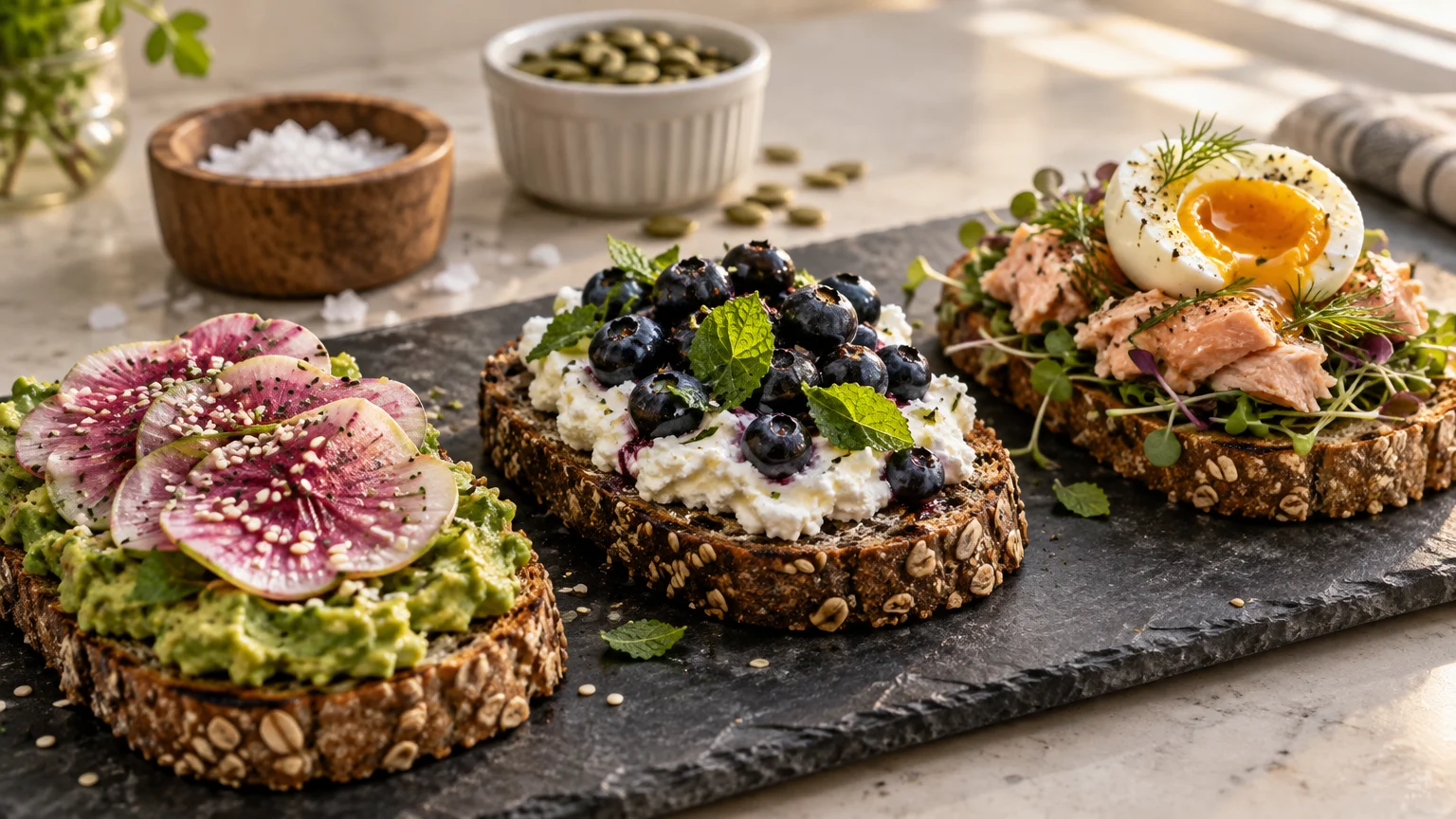
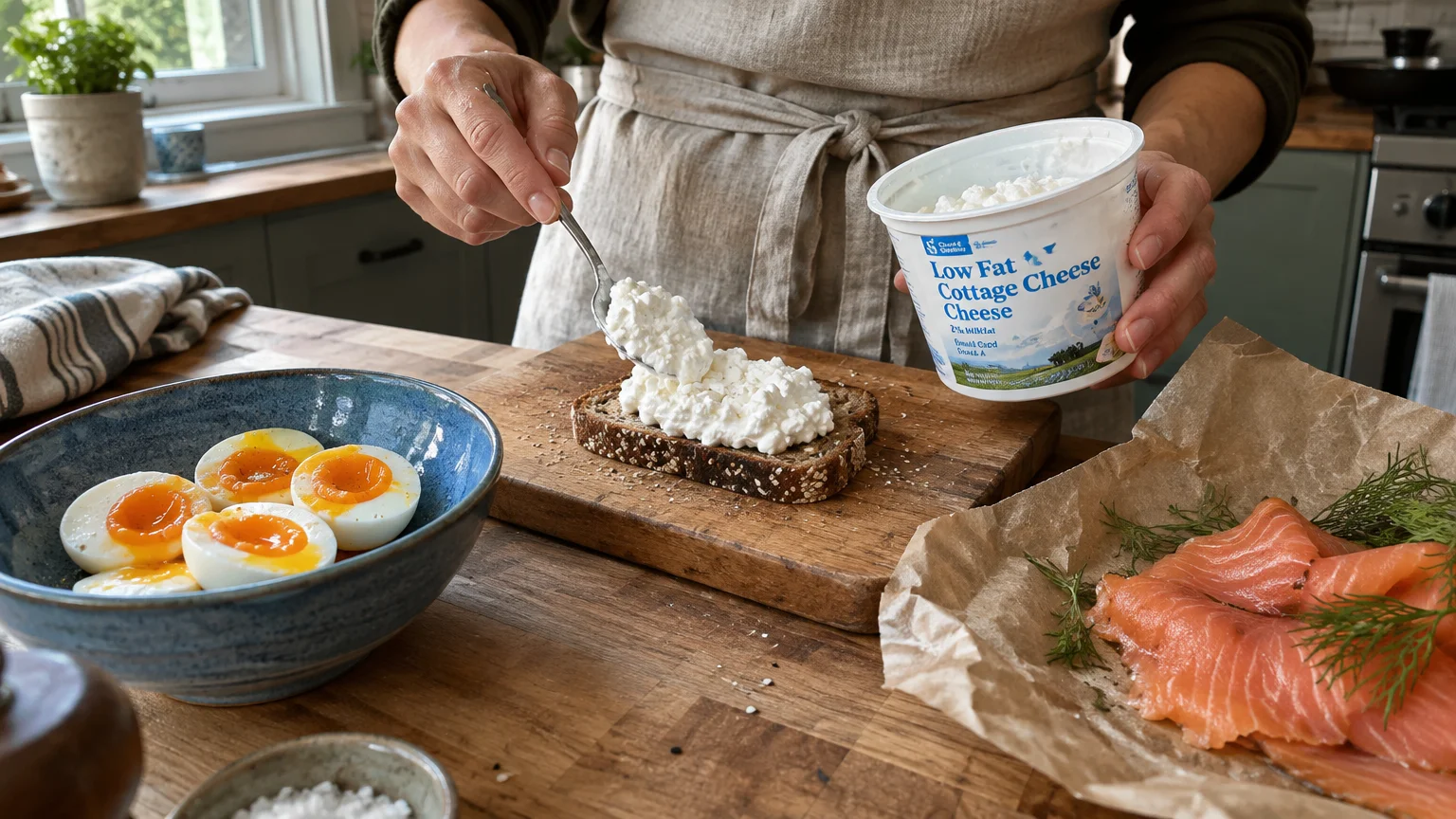
Low-fat or whole-milk cottage cheese creates a creamy, protein-dense foundation that pairs effortlessly with savory or tart toppings. Cottage cheese delivers slow-digesting casein protein, providing your body with a sustained amino acid release throughout the morning.
Thick plain Greek yogurt, Icelandic skyr, or whole-milk ricotta provide velvety textures and bioavailable proteins. Simply spread a generous layer across your warm toast and season with cracked black pepper, herbs, or sliced radishes.
Pasture-Raised Eggs and Preparation Styles
Eggs represent one of nature’s most complete nutrient packages, delivering high-biological-value protein and vital fat-soluble vitamins. The yolk contains valuable stores of choline, lutein, and zeaxanthin, which actively protect brain and ocular function.
Under the FDA updated “healthy” label rule, eggs now qualify for positive packaging claims due to their rich nutrient profile. Whether you prefer a warm poached egg with a runny yolk or pre-boiled eggs for quick slicing, they instantly elevate your toast.
Canned Fish and Omega-3 Rich Seafood
Canned wild salmon, sardines, and mackerel represent budget-friendly superfoods that deserve a prominent place in your pantry. These cold-water species provide marine omega-3 fatty acids—eicosapentaenoic acid and docosahexaenoic acid—that actively reduce systemic inflammation.
The FDA revised guidelines explicitly recognize fatty fish as an exceptional, health-promoting whole food. Layering flaky salmon or sardines mashed with fresh lemon juice over toasted sourdough creates a deeply savory breakfast packed with anti-inflammatory power.
Plant Proteins, Legumes, and Tofu
Plant-based eaters can build substantial protein without relying on dairy or seafood products. Mashed edamame or a rustic white bean smash made from cannellini beans, garlic, and lemon creates an exquisite, fiber-rich topping.
Crumbled firm tofu scrambled with ground turmeric, nutritional yeast, and black salt mimics the texture and flavor of traditional eggs. This plant-based scramble delivers soy isoflavones and bioavailable amino acids to nourish your tissues.
Strategy Pillar 2: Heart-Healthy Fats for Satiety
The 2025–2030 dietary guidelines reaffirm that daily saturated fat intake should remain capped at less than 10% of total daily calories. Emphasizing unsaturated fats from whole plant sources safeguards arterial health while promoting enduring fullness.
Incorporating wholesome fats into your morning toast also optimizes the biological absorption of fat-soluble vitamins A, D, E, and K. Healthy lipids soften the glycemic curve of your meal, ensuring steady, continuous glucose delivery.
Avocado and Fresh Monounsaturated Spreads
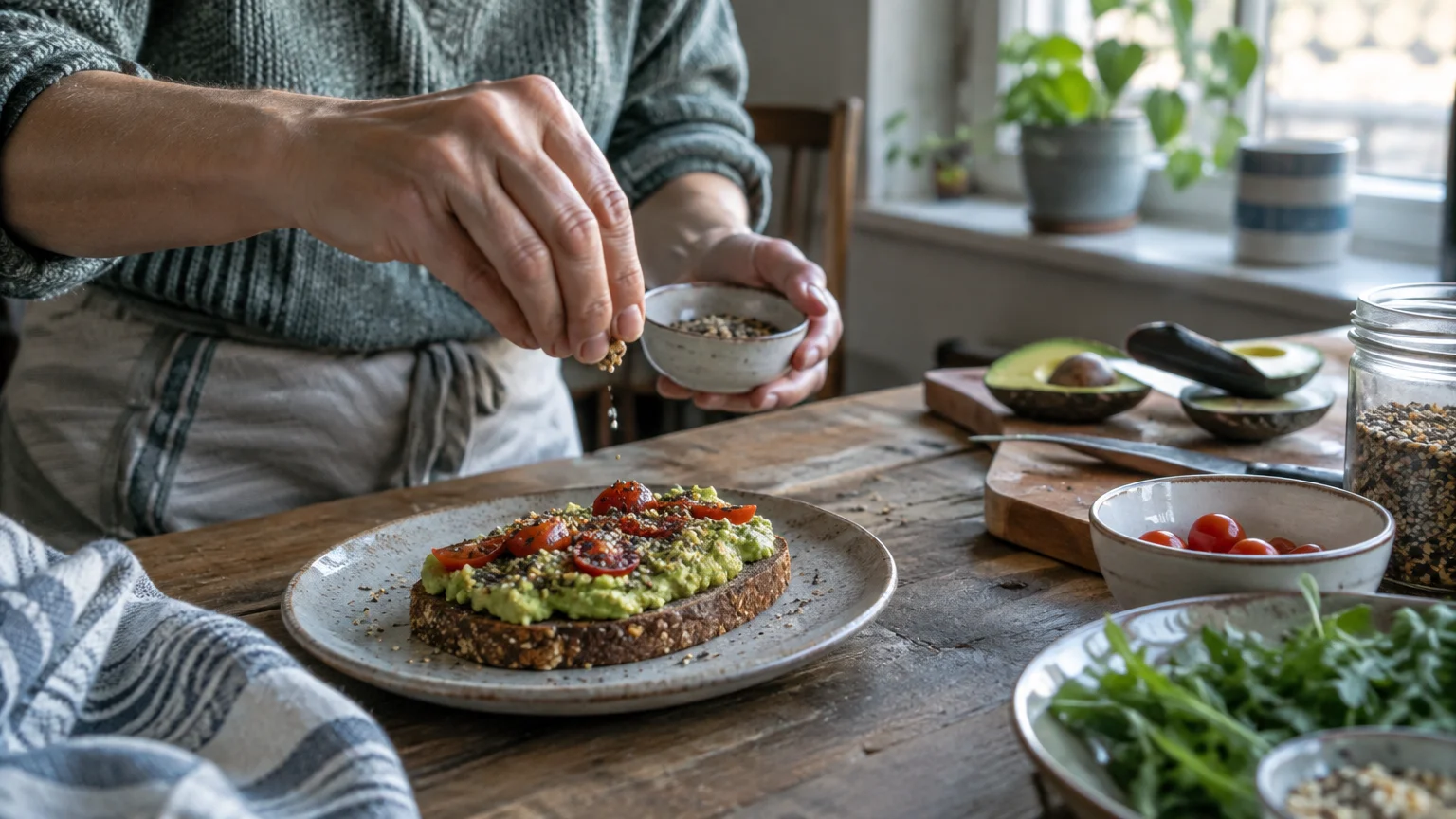
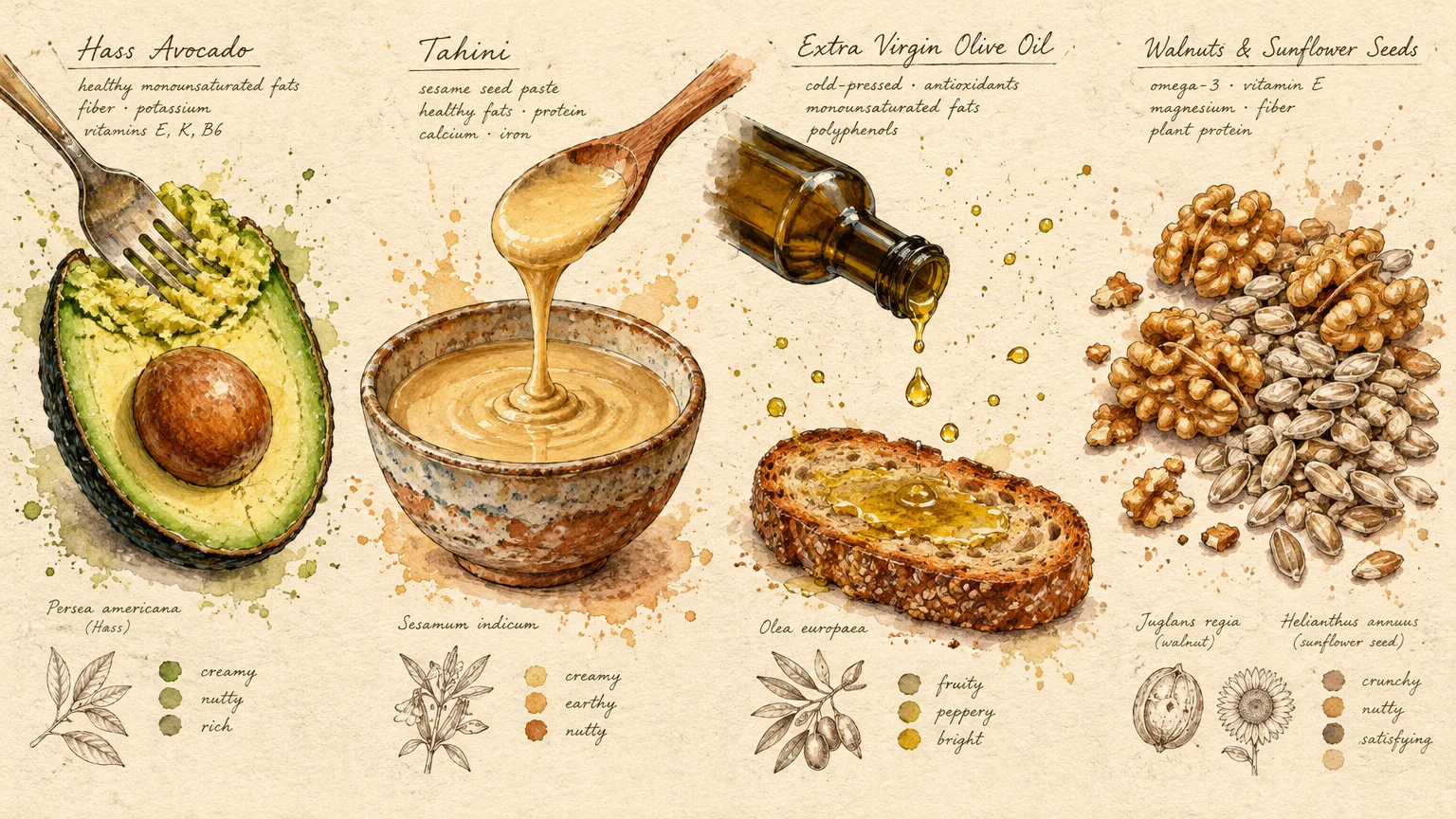
Avocados are rich in monounsaturated oleic acid, dietary fiber, and essential minerals like potassium, which actively supports healthy blood pressure. Rather than purchasing processed guacamole loaded with excess sodium, mash fresh avocado halves directly onto your warm toast.
A squeeze of fresh lime juice preserves its vibrant green color while adding bright acidity. Sprinkling coarse sea salt, crushed red pepper flakes, or chopped herbs across the mashed avocado heightens flavor without adding unwanted calories.
Unsweetened Nut and Seed Butters
Almond butter, peanut butter, and walnut butter supply rich monounsaturated and polyunsaturated fats alongside plant-based protein. Always scrutinize the ingredient list to confirm the jar contains only nuts and perhaps a modest pinch of salt.
The 2025–2030 guidelines advise a strict limit of no more than 10 grams of added sugar per meal. Mineral-rich tahini and pumpkin seed butter offer earthy, allergen-friendly alternatives packed with elemental zinc, magnesium, and protective plant sterols.
Extra Virgin Olive Oil and Cold-Pressed Oils
A modest drizzle of robust extra virgin olive oil over toasted whole wheat elevates simple bread into a gourmet dish. Cold-pressed olive oil contains oleocanthal, a natural phenolic compound renowned for its potent anti-inflammatory properties.
Rubbing a halved raw garlic clove across warm, crusty bread before drizzling olive oil imparts deep, rustic flavor. You can also experiment with unrefined cold-pressed flaxseed or walnut oils for finishing touches rich in plant-derived omega-3 fats.
Strategy Pillar 3: Colorful Micronutrients and Fiber Layers
Transforming your morning toast into a nutrient powerhouse requires incorporating vibrant, phytonutrient-dense produce. The Centers for Disease Control and Prevention highlights that the vast majority of adults fall short of daily vegetable targets.
Layering fresh produce directly onto your toast provides an effortless avenue to consume essential vitamins, minerals, and bioactive antioxidants. These plant compounds fight cellular oxidative stress while supplying prebiotic roughage that supports gastrointestinal motility.
Leafy Greens, Sprouts, and Microgreens
Tucking a dense handful of baby arugula or tender baby spinach beneath your protein layer adds volume and micronutrients. Dark leafy greens deliver folate, vitamin K1, and dietary nitrates that support vascular elasticity and nitric oxide production.
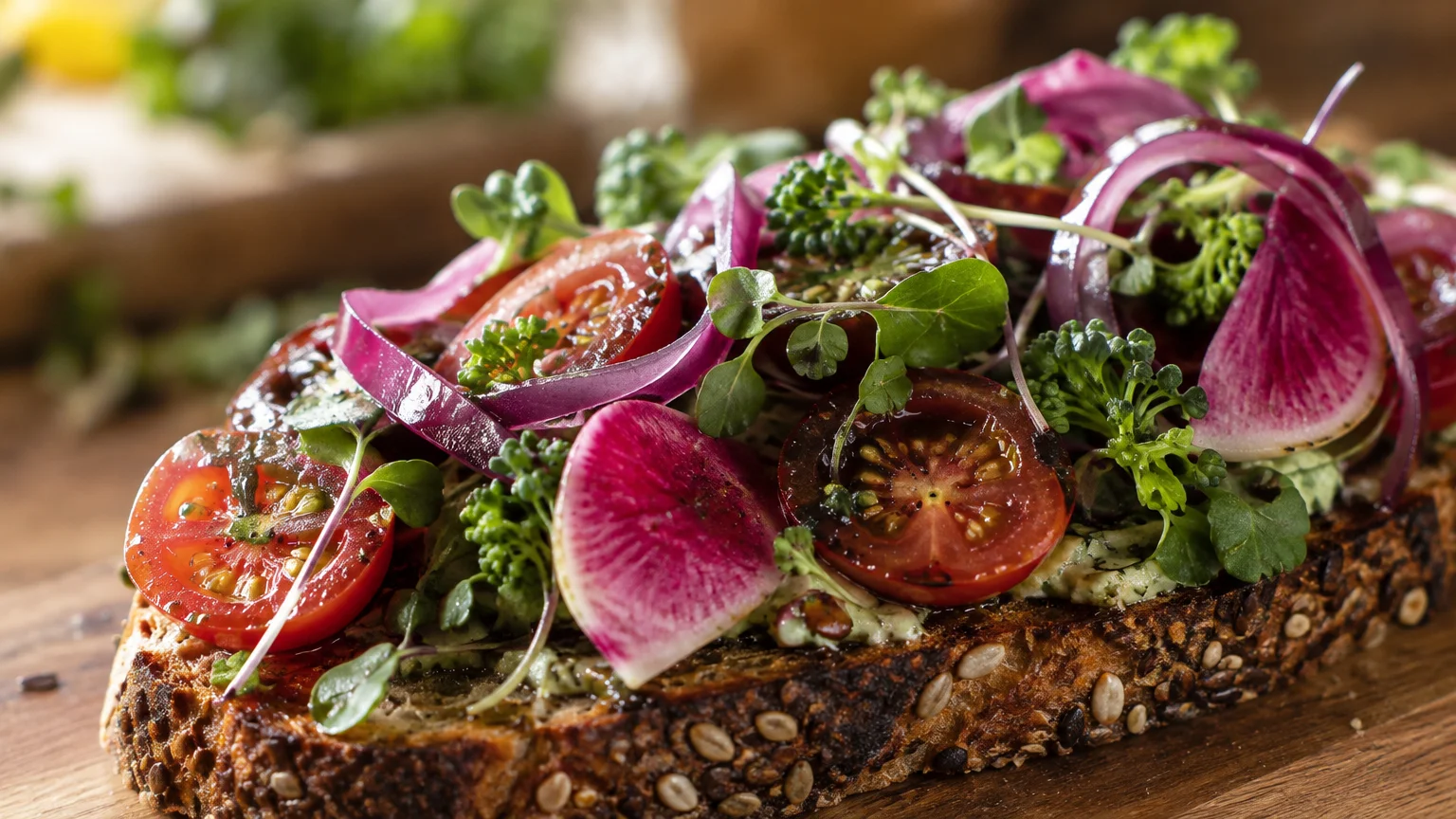
Microgreens pack higher nutrient densities than their mature plant counterparts, offering concentrated sulforaphane, vitamin C, and polyphenols. Scatter pea shoots, radish sprouts, or broccoli microgreens over eggs or cottage cheese for an elegant, peppery crunch.
Fresh Fruits and Low-Sugar Berry Compotes
If you prefer a sweeter profile in the morning, bypass refined fruit jellies and commercial preserves entirely. Most commercial jams deliver pure high-fructose corn syrup with virtually no intact cellular plant structure.
Instead, layer sliced fresh strawberries, ripe blackberries, or warmed frozen blueberries directly across unsweetened nut butter. Berries deliver anthocyanins that support insulin sensitivity while keeping your meal comfortably below the 10-gram added sugar threshold.
Crisp Raw Vegetables and Quick Pickles
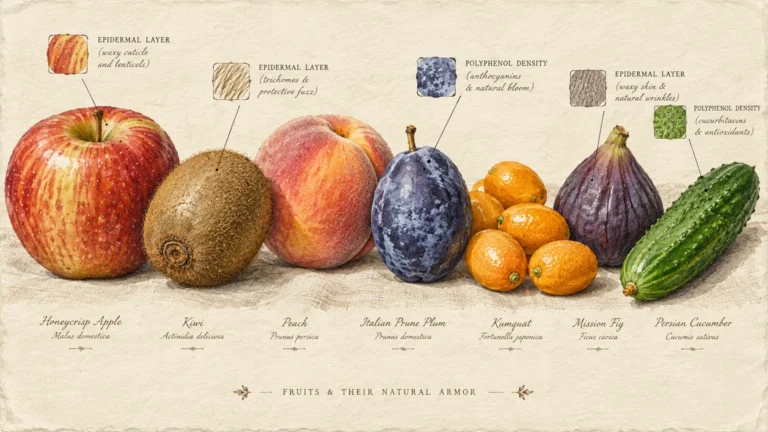
Wafer-thin slices of Persian cucumber, crisp radishes, and shaved fennel introduce hydrating crunch and vitamin C to savory toast. Quick-pickled red onions provide a striking pop of color alongside a bright, tangy acidity that balances rich cheeses and fats.
Halved cherry tomatoes roasted with garlic and oregano yield an intensely savory, umami-rich topping. Tomatoes are packed with lycopene, an antioxidant that becomes even more bioavailable when paired with the healthy fats on your bread.
Strategy Pillar 4: Flavor Enhancers and Texture Boosters
Great nutrition should never feel austere, flavorless, or clinically restrictive. Utilizing culinary herbs, aromatic spices, and crunchy raw seeds elevates the eating experience while showering your body with concentrated phytonutrients.
Herbs, Spices, and Polyphenol Powerhouses
Fresh herbs like chopped dill, sweet basil, cilantro, and mint deliver striking flavors alongside protective volatile aromatic oils. Scattering torn basil leaves over tomato-and-ricotta toast introduces rosmarinic acid, a potent anti-inflammatory antioxidant.
A light dusting of ground turmeric with cracked black pepper turns eggs into an anti-inflammatory powerhouse. Ground Ceylon cinnamon sprinkled over nut butter and sliced fruit helps moderate glycemic absorption while warming the palate.
Raw Seeds and Savory Boosters
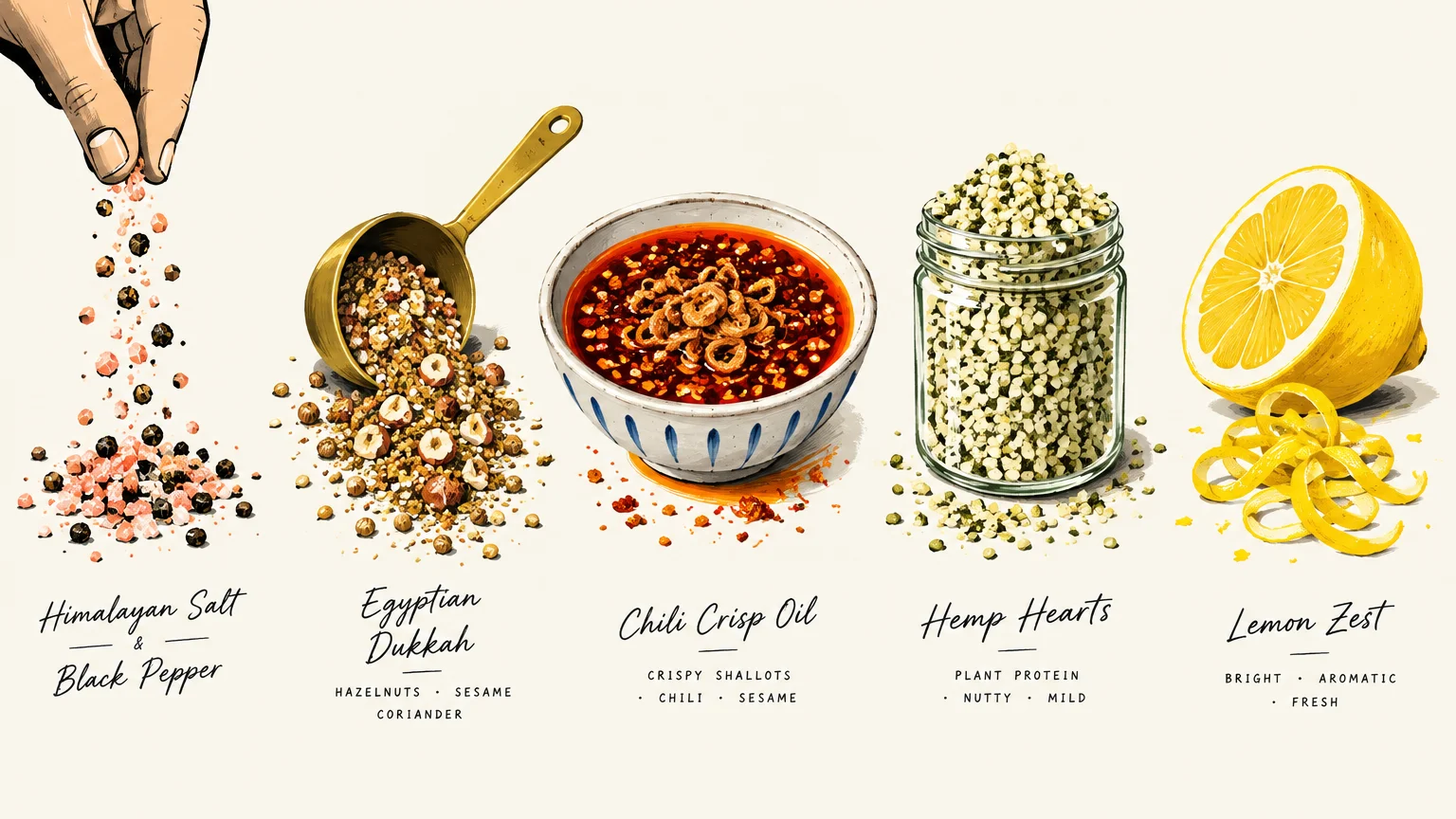
Shelled hemp hearts provide an effortless nutritional boost, supplying complete protein and essential minerals in every single spoonful. Sprinkle hemp hearts generously over avocado or cottage cheese to infuse your meal with magnesium and essential fatty acids.
Chia seeds, ground flaxseeds, and toasted sesame seeds introduce prebiotic soluble fiber that supports regular bowel habits. Nutritional yeast offers a pleasant, cheese-like flavor along with complete protein and fortified B vitamins, perfect for savory toast creations.
Practical Meal Planning and Prep Systems
Consistency is the cornerstone of sustainable nutrition. Establishing practical preparation habits ensures that you choose nutrient-dense toast toppings even during chaotic, time-strapped weekday mornings.
Freezer Strategies for Maximum Freshness
Artisan whole-grain and sprouted breads contain no chemical preservatives, meaning they can develop mold quickly when stored at room temperature. To prevent food waste, slice your whole-grain loaves immediately upon purchase and freeze them flat.
You can pop frozen whole-grain bread slices directly into the toaster without thawing them first. The toaster produces a crisp exterior and tender crumb while preserving the integrity of every nutrient inside.
Freezing also forms retrograded resistant starch within the bread structure, according to clinical carbohydrate research. This structural transformation slightly lowers the loaf’s glycemic index and feeds beneficial gut microbes.
Batch Preparation for Busy Mornings
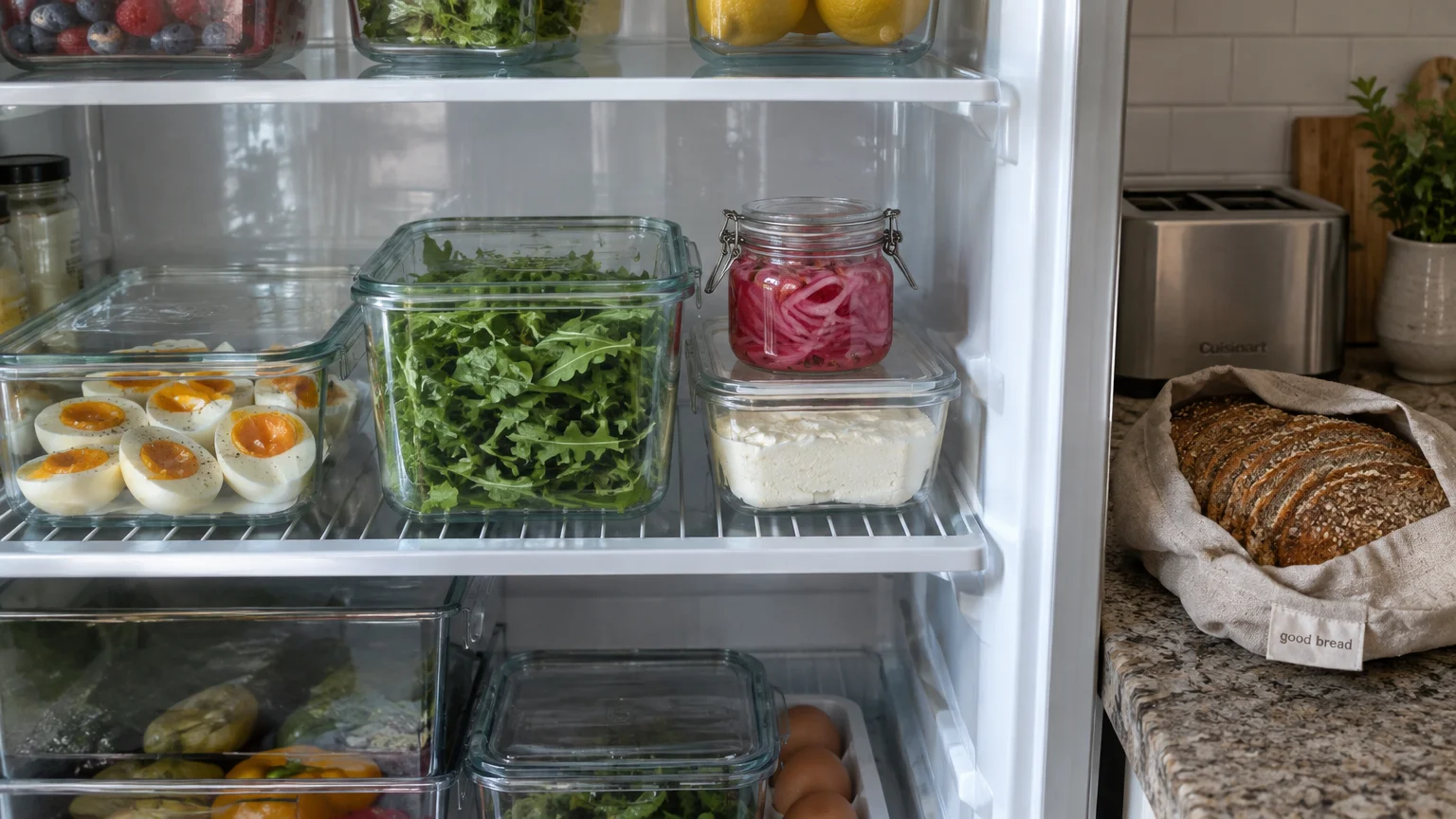
Spend a short time on the weekend prepping your favorite toppings to streamline your morning assembly line. Hard-boil a batch of pasture-raised eggs, roast cherry tomatoes, and whip up a container of seasoned white bean smash.
Store prepared spreads in airtight glass containers to maintain peak freshness and flavor throughout the week. Having these protein-dense components ready in your refrigerator removes friction and helps you avoid grab-and-go processed pastries.
Designate a small pantry basket for your favorite toast toppers, including raw hemp hearts, chia seeds, spices, and cold-pressed oils. Keeping your nutritional tools organized turns daily meal preparation into an enjoyable culinary ritual.

Expert and Lived Perspectives
Clinical practitioners consistently observe that small, sustainable morning upgrades yield compounding metabolic benefits over time. Transitioning from refined carbohydrates to complex food matrices alters daily energy trajectories.
Dietitian Guidance on Meal Balance
Nutrition experts emphasize viewing toast as an open-faced canvas rather than a standalone snack. To learn how registered dietitians structure balanced plates, consult resources from the Academy of Nutrition and Dietetics.
Clinical dietitians advise using a three-part framework when designing your morning slice. Every healthy toast should unite an authentic whole grain, a solid protein source, and a nourishing whole-food fat.
This balanced framework prevents the post-breakfast lethargy that so many workers experience around mid-morning. Patients routinely report sharper cognitive performance and fewer afternoon sugar cravings once they implement this balanced breakfast formula.
Real-World Adaptations for Hectic Schedules
Consider the experience of Marcus, an emergency room nurse navigating variable hospital shift rotations. Marcus previously relied on breakroom bagels and sweetened cream cheese, which left him fatigued halfway through his demanding hospital shifts.
By switching to sprouted grain toast spread with avocado, wild canned salmon, and hemp hearts, Marcus transformed his stamina. He prepares the toppings ahead of time, allowing him to assemble a gourmet breakfast in just a few minutes.
Lived experiences like Marcus’s demonstrate that high-performance nutrition does not require elaborate culinary techniques or expensive specialty items. Thoughtful ingredient selection delivers maximum vitality within realistic daily schedules.
Safety, Allergies, and Personalization
Every individual possesses a unique metabolic signature, digestive capacity, and immunological profile. Customizing your toast ensures you derive maximum nutritional benefit while honoring personal health conditions.
Managing Celiac Disease and Wheat Sensitivities
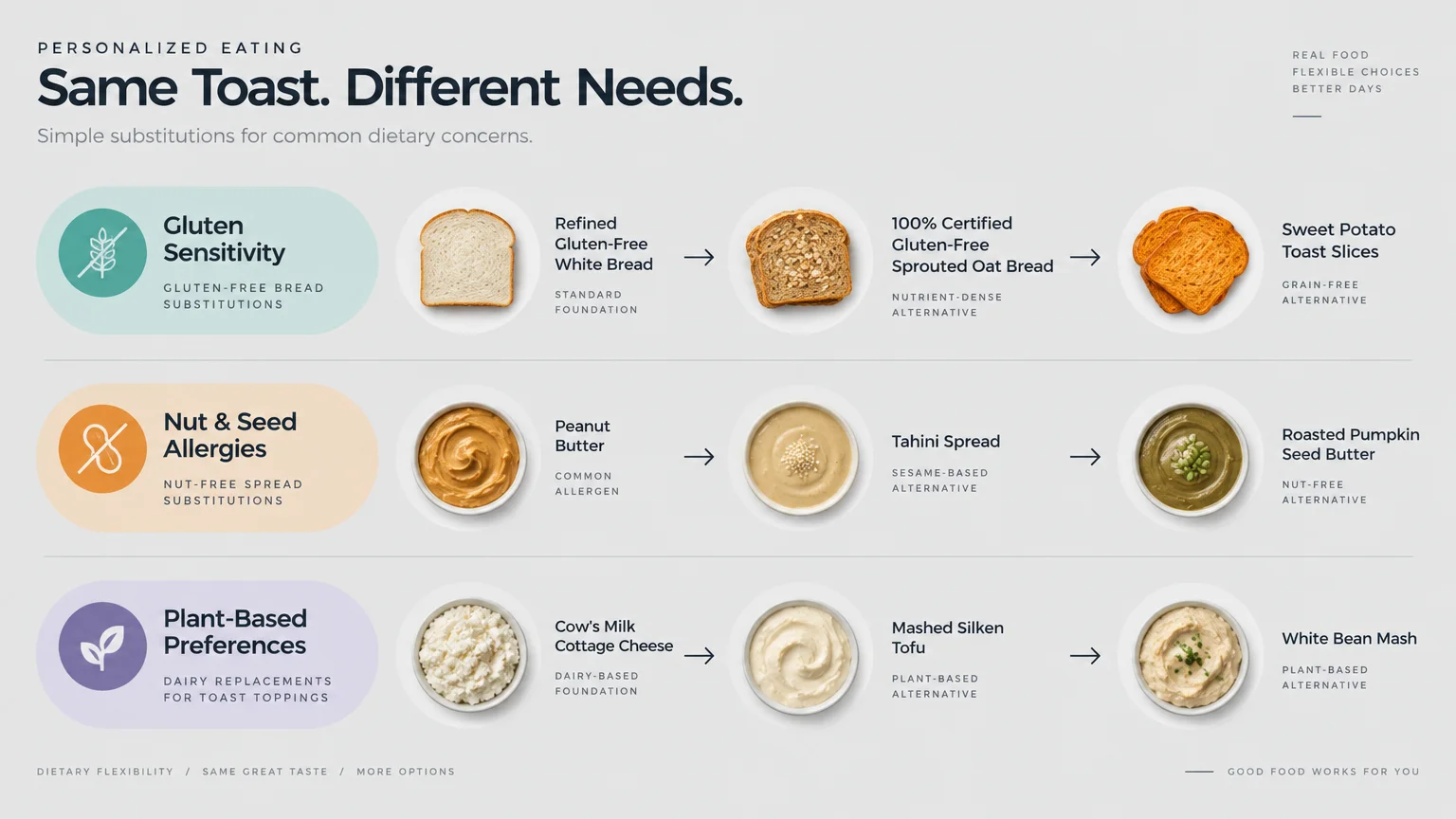
Individuals diagnosed with celiac disease must strictly avoid wheat, rye, and barley to prevent autoimmune intestinal damage. If you have celiac disease, ensure that your bread carries certified gluten-free labeling to eliminate cross-contact risks.
If you experience non-celiac gluten sensitivity, you might tolerate naturally fermented sourdough bread crafted from heirloom grains. However, always consult your physician or registered dietitian before reintroducing wheat products into your therapeutic protocol.
Nut-Free Accommodations and Sodium Management
If tree nut or peanut allergies affect your household, sunflower seed butter provides an identical rich texture without immunological danger. Watermelon seed butter and tahini also deliver impressive nutrient profiles that safely replace peanut butter.
Individuals managing hypertension should closely monitor the cumulative sodium content in store-bought breads and toppings. Bread, commercial cottage cheese, and canned seafood can contribute unexpected sodium loads to your daily intake.
Look for no-salt-added canned fish varieties, rinse canned legumes thoroughly, and choose low-sodium whole-grain loaves. Balancing your toppings with potassium-rich avocado and fresh leafy greens actively assists your body in maintaining optimal blood pressure.
Renal and Metabolic Health Considerations
Patients managing chronic kidney disease often need to moderate potassium, phosphorus, and protein intake under direct clinical supervision. Whole grains, avocados, seeds, and certain dairy spreads may require careful portion adjustments based on laboratory blood panels.
If you have type 2 diabetes, monitoring total carbohydrate intake per meal remains an essential self-care practice. Pairing one high-fiber grain slice with abundant protein and fats produces a far flatter glucose curve than eating two bare slices.
Frequently Asked Questions
Is sourdough bread healthier than standard whole-wheat bread?
Traditional sourdough offers distinct digestive benefits due to its natural fermentation process, which breaks down phytates and gluten proteins. However, 100% whole-wheat sourdough provides superior dietary fiber and micronutrients compared to white-flour sourdough varieties.
For optimal digestive comfort and metabolic balance, select authentic whole-wheat sourdough loaves made without added commercial yeast or sugars. This gives you the full benefits of intact grain fiber alongside the bioavailable advantages of wild fermentation.
Can eating toast every morning fit into a weight loss plan?
Yes, toast can comfortably support weight loss when you construct it with mindful macronutrient ratios. The key lies in selecting high-fiber, whole-grain breads that promote satiety rather than refined white breads that encourage overeating.
Top your slice with lean proteins like eggs, cottage cheese, or smashed beans alongside healthy fats to prevent blood sugar spikes. This strategic combination maintains feelings of fullness for hours, helping you naturally regulate your total daily energy intake.
How can I sweeten my toast without exceeding added sugar limits?
The 2025–2030 dietary guidelines advise keeping added sugar below 10 grams per meal, making whole fruit your best sweetening tool. Mash fresh ripe berries, layer thinly sliced figs, or warm frozen cherries to release their natural fruit sugars.
Dusting your toast with warm spices like Ceylon cinnamon, ground cardamom, or nutmeg heightens perceived sweetness without adding any refined sugar. If you use a drop of pure honey or maple syrup, measure it carefully to stay within guidelines.
How does freezing bread affect its nutritional profile?
Freezing bread preserves its vitamin and mineral content perfectly while dramatically extending shelf life without chemical preservatives. In fact, freezing and toasting bread alters starch structures, increasing the proportion of resistant starch.
Resistant starch resists enzymatic breakdown in the small intestine, acting more like prebiotic dietary fiber. This means frozen and toasted bread produces a slightly lower post-meal glycemic response than freshly baked room-temperature bread.
Your 24-Hour Toast Upgrade Challenge
You do not need to overhaul your entire pantry overnight to experience the benefits of smarter nutrition. Tomorrow morning, take one deliberate action to upgrade your breakfast slice.
Swap out refined white bread for an authentic whole-grain or sprouted loaf that lists whole grains first on the label. Replace processed jams or sweetened spreads with cottage cheese, smashed avocado, or unsweetened nut butter.
Finish your upgraded toast with a vibrant pinch of fresh herbs, cracked black pepper, or raw hemp hearts. Notice how your body feels two hours after eating—observe your sustained focus, steady energy, and absence of sudden sugar crashes.
Healthy eating is built on small, repeatable daily habits that nourish your physiology while satisfying your palate. Start with your next slice of toast, and let that single wholesome choice set the tone for your entire day.