Four experienced professional chefs recently weighed in on the great holiday debate, and their verdict was completely unanimous. Dry brining your turkey produces significantly juicier meat, deeper seasoning, and noticeably crispier skin than any liquid bath ever could.
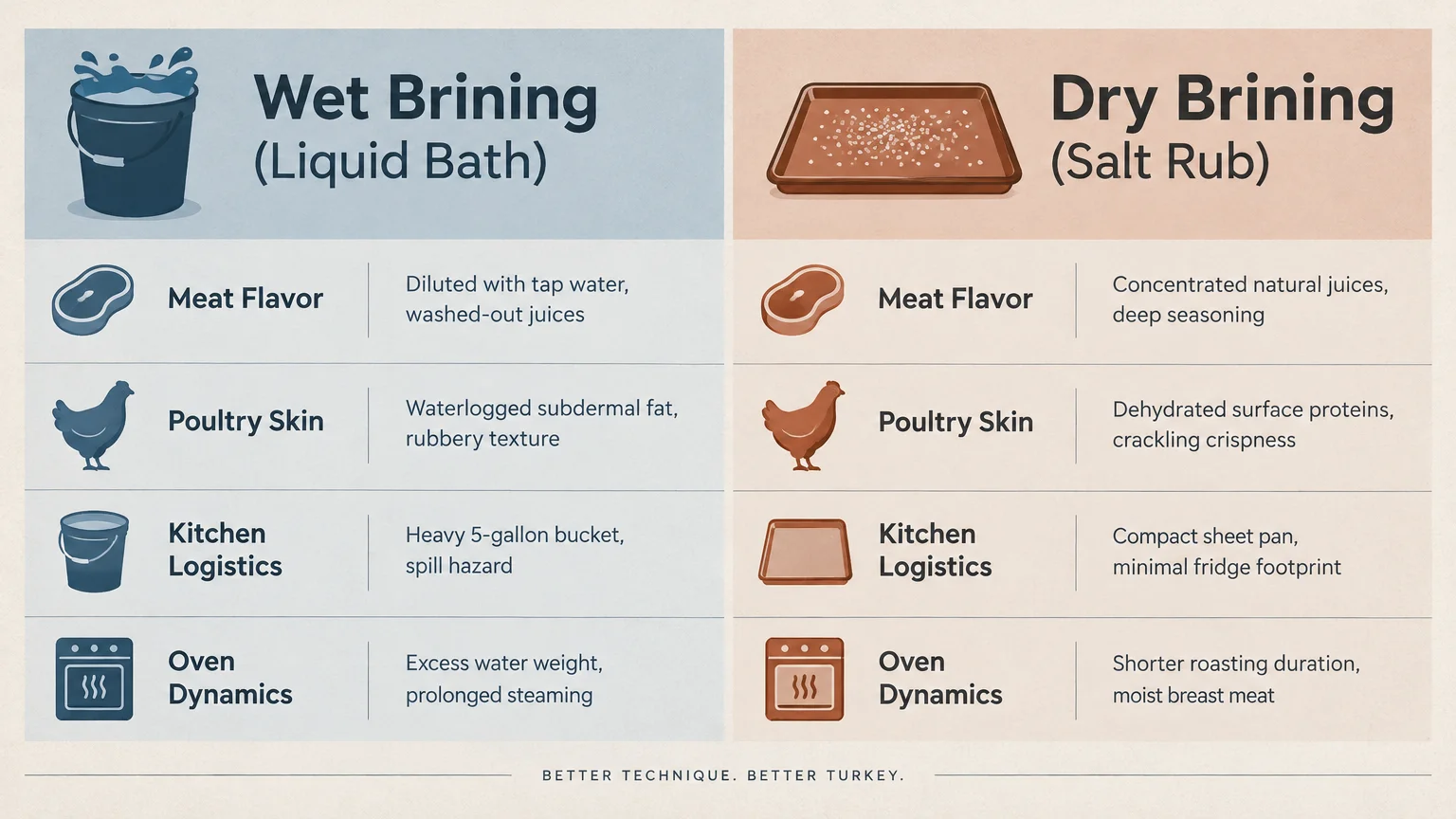
Wet brining forces you to haul a precarious, sloshing five-gallon bucket of raw poultry water through your kitchen. That messy chore wastes refrigerator space, dilutes pure turkey flavor, and leaves the skin unpleasantly rubbery.
Dry brining streamlines your holiday prep while keeping food safety and wholesome nutrition at the center of your table. You will save valuable time, eliminate holiday stress, and deliver a spectacular centerpiece your guests will remember.
Why Four Chefs Unanimously Chose Dry Brining
Professional kitchens prioritize efficiency, consistent flavor, and dependable texture above all else. When four culinary leaders compared holiday techniques, each independently selected dry brining as the superior method.
The first chef emphasized that wet brining artificially plumps muscle fibers with plain tap water. Roasting that waterlogged bird causes intense internal steaming, washing away natural juices and leaving the meat surprisingly bland.
The second chef pointed out that liquid brines soften poultry skin until it becomes rubbery. Dry brining allows skin proteins and fats to dehydrate slightly, guaranteeing crackling texture when roasted.
The third chef focused on kitchen logistics and the reality of crowded holiday refrigerators. Storing a five-gallon bucket displaces essential ingredients and creates a major food safety hazard.
The fourth chef highlighted how dry brining shortens total cooking times by eliminating excess water weight. Less time in the oven prevents the delicate breast meat from drying out during roasting.
Together, these culinary experts agree that dry brining offers superior flavor concentration and effortless kitchen management. You achieve restaurant-quality results in your home kitchen with far less physical labor.
The Science of Osmosis and Protein Denaturing
Understanding the chemical mechanics of dry brining transforms how you approach holiday cooking. When coarse salt contacts raw meat, it immediately triggers the scientific principle of osmosis.
Osmosis causes the salt crystals to draw out cell water from the outer layers of the turkey. That extracted liquid pools on the surface, dissolving the salt into a concentrated natural brine.
Through diffusion, that rich brine is gradually drawn back deep into the muscle tissues over several hours. The salt penetrates far deeper than marinades or topical spice rubs ever could.
Once inside the muscle fibers, sodium and chloride ions denature the tightly coiled proteins. The proteins unwind slightly and form a loose molecular matrix that traps natural juices during cooking.
This relaxed protein matrix holds onto moisture even when exposed to high roasting heat. Your turkey emerges from the oven tender, deeply seasoned, and extraordinarily juicy.
The Secret to Ultra-Crisp Poultry Skin
Crisp, golden skin is widely considered the culinary highlight of any festive roast turkey. Achieving that desirable texture requires eliminating surface moisture so the Maillard reaction can occur uninterrupted.
The Maillard reaction is a chemical process between amino acids and reducing sugars that creates appetizing browning. This reaction cannot take place until surface moisture completely evaporates under dry heat.
Wet-brined birds emerge from their liquid buckets saturated with excess water that clings stubbornly to the skin. Even extensive towel drying leaves moisture trapped within the subdermal fat layer.
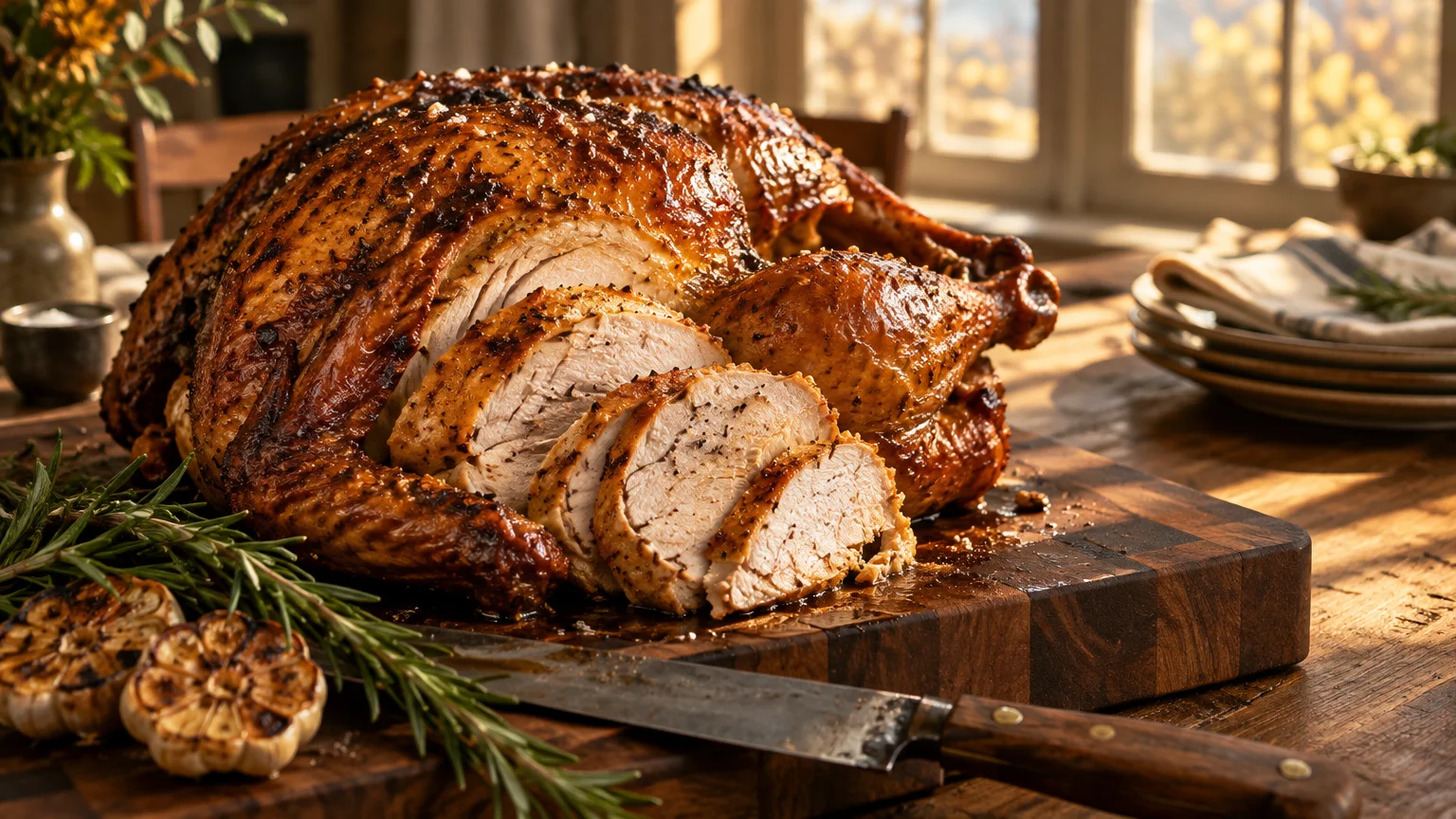
Dry brining draws that subdermal water out while the bird rests uncovered in your refrigerator. Circulating cold air acts as a gentle dehydrator, turning the skin taut, dry, and translucent.
When oven heat hits that dehydrated surface, the fat renders almost immediately. The skin puffs and crisps into an audible, mahogany crust that seals in savory flavors.
Kitchen Safety and Refrigerator Real Estate
Managing kitchen real estate during the holidays requires strategic planning and careful space utilization. Finding room for an enormous brining vessel forces you to displace everyday fresh foods.
Moving a heavy, sloshing container filled with raw poultry liquid across slick kitchen floors introduces dangerous hazards. A single slip can cause severe physical injury or spill gallons of contaminated water.
The USDA Food Safety and Inspection Service warns that splashing raw meat fluids spreads harmful bacteria across kitchen counters and utensils. Liquid brines significantly amplify this cross-contamination risk throughout your home.
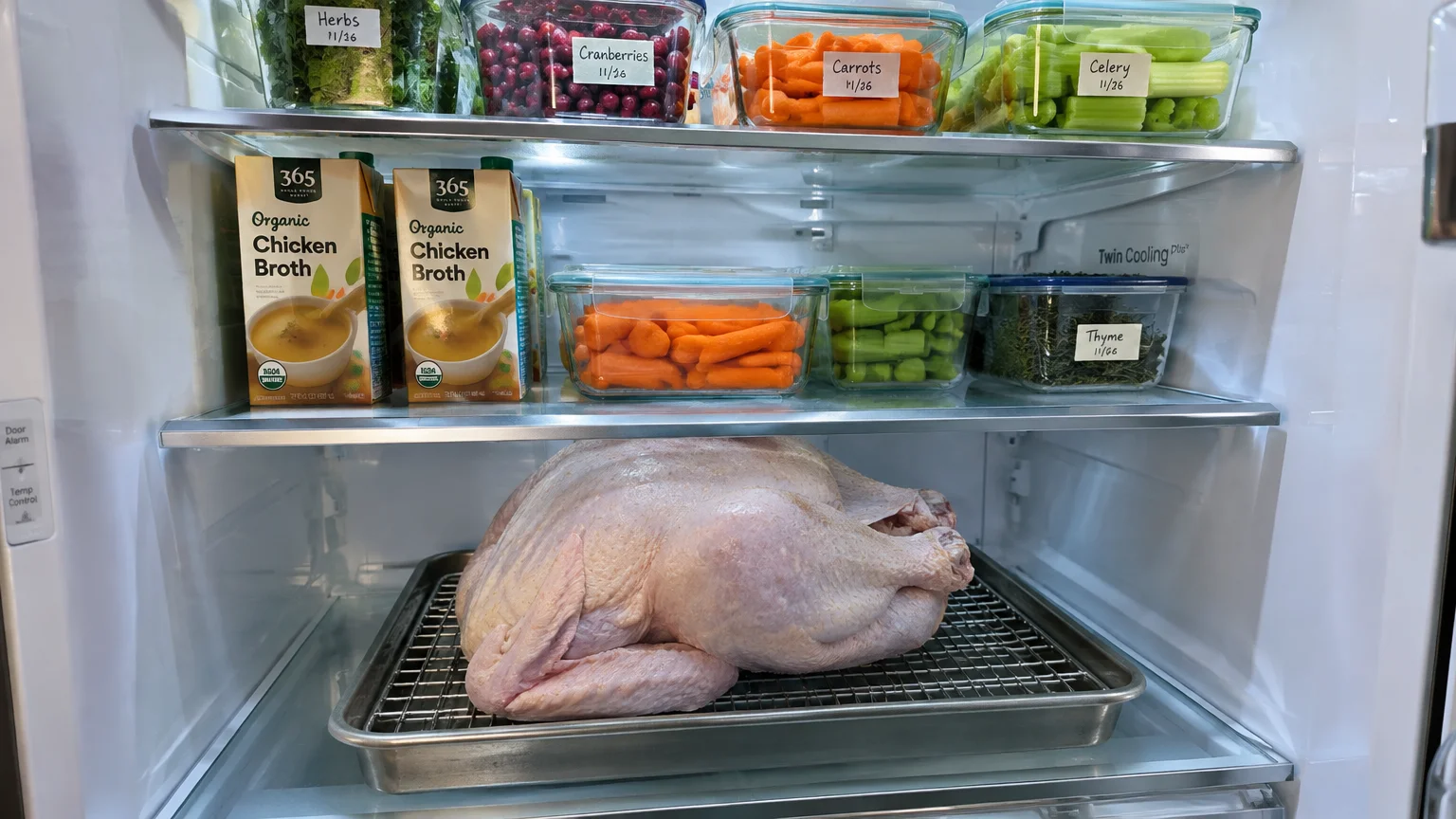
Dry brining eliminates the hazardous liquid transfer completely, keeping your preparation clean and contained. You season the bird directly on its roasting rack and slide it safely into the refrigerator.
The sheet pan occupies only one lower shelf, leaving upper shelves free for produce, dairy, and prepared sides. Cleanup requires sanitizing one pan rather than hauling a massive bucket to the bathtub.
The Nutrition Science of Brining: Sodium and Satiety
Many health-conscious home cooks worry that rubbing salt directly onto meat will introduce excessive sodium. In reality, dry brining allows you to control your sodium levels far better than liquid solutions.
A conventional wet brine requires cups of salt dissolved into multiple gallons of liquid. You have no reliable way to gauge how much salt diffuses into the meat versus going down the drain.
Dry brining uses a precise, measured ratio based on the exact weight of your bird. The American Heart Association highlights the value of measuring sodium intake while preparing wholesome, home-cooked meals.
Distributing salt evenly throughout the meat fibers maximizes flavor impact with minimal total sodium. Seasoning that reaches the bone satisfies taste buds faster, reducing the urge to consume heavy gravies.
When your main dish tastes deeply satisfying and rich in protein, you naturally experience greater fullness. This physical satiety supports balanced eating habits and prevents mindless grazing after the meal.
Mindset Shifts: Moving Away from Holiday All-or-Nothing Thinking
Holiday celebrations frequently provoke anxiety around food choices, body image, and perceived nutritional failure. Many people oscillate between severe dietary restriction before the feast and guilt-ridden overindulgence at the table.
Behavioral nutrition research demonstrates that rigid dietary rules almost always backfire. Sustainable health is built on flexible habits, mindful presence, and self-compassion during celebratory seasons.
Reframe your holiday feast as a joyful opportunity to nourish both body and social connections. One festive dinner does not erase weeks of consistent healthy choices and physical activity.
Remove moral judgments like good or bad from the holiday dishes you prepare and share. When you grant yourself permission to enjoy all foods, you dissolve the scarcity mindset that fuels bingeing.
Focus your attention on gratitude, laughter, and the rich sensory details of your meal. Mindful appreciation transforms eating from an anxious counting exercise into a restorative social ritual.
Pantry Makeover: Essential Spices, Herbs, and Aromatics
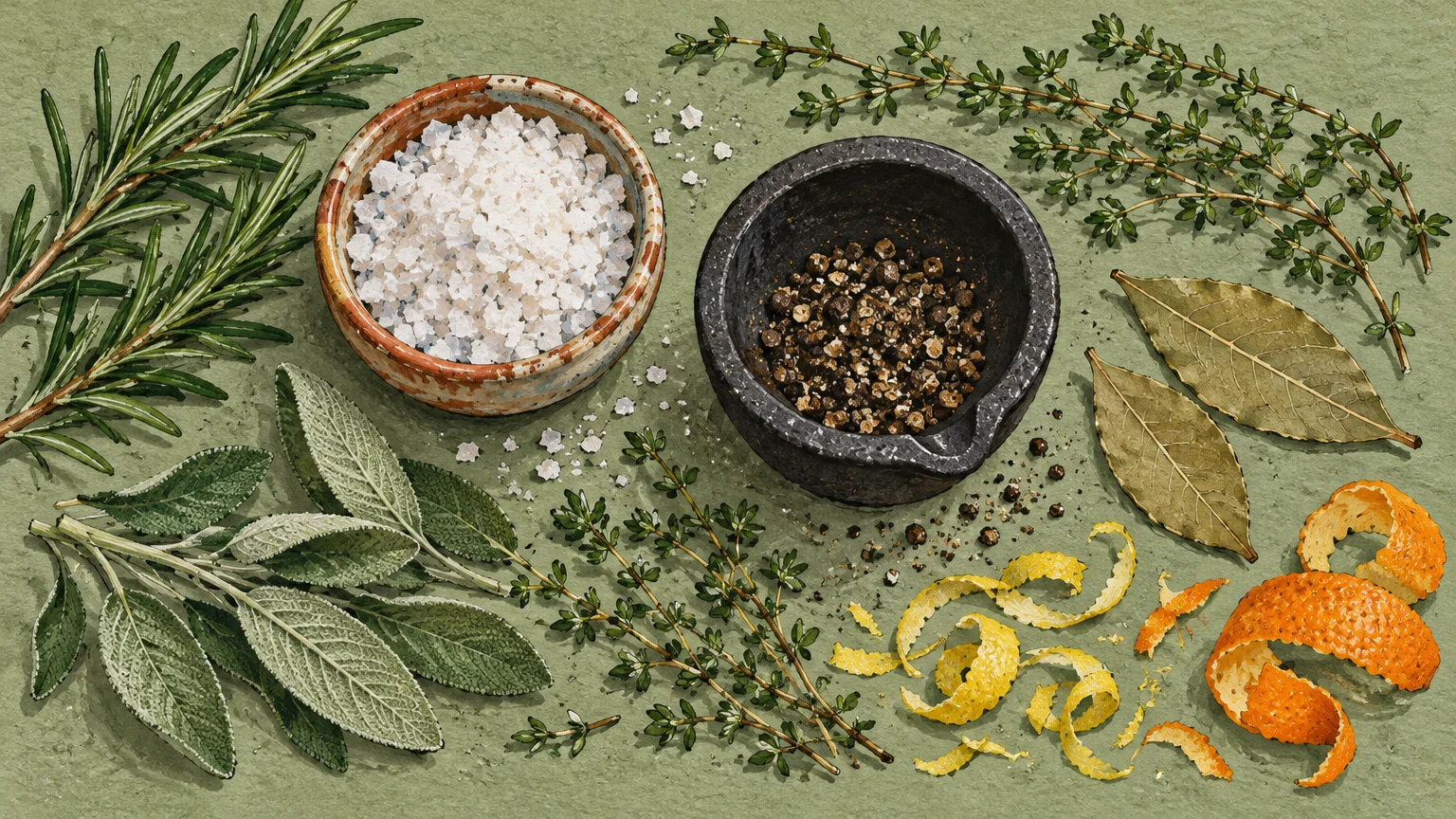
Upgrading your dry rub begins with stocking your pantry with clean, whole ingredients. Selecting coarse kosher salt is vital because its larger crystal structure prevents accidental over-salting.
Fine table salt contains dense, compact crystals that cling heavily to surfaces, resulting in an overly harsh taste. Coarse flakes dissolve gradually and evenly into the meat without overwhelming your palate.
Pair your coarse salt with whole black peppercorns crushed freshly in a mortar or spice grinder. Freshly cracked pepper releases pungent essential oils that complement the earthy notes of roast poultry.
Incorporate fragrant culinary herbs like minced rosemary, dried thyme, and rubbed sage into your salt mixture. The Harvard School of Public Health notes that herbs deliver potent polyphenol compounds that support cellular health.
Grate fresh orange and lemon zest into the spice blend for an uplifting pop of citrus aroma. The natural oils in citrus peel cut through poultry richness without adding unwanted moisture to the skin.
Avoid commercial poultry rubs that contain fillers, sugar, corn syrup solids, or synthetic anti-caking agents. Blending pure, single-origin spices guarantees clean flavors and keeps your holiday dinner wholesome.
Step-by-Step Guide: How to Dry Brine Your Turkey Perfectly
Selecting and Inspecting Your Turkey
Begin with a fresh or completely thawed whole turkey that has not undergone factory pre-salting. Read ingredient labels carefully to avoid birds labeled as kosher, enhanced, or self-basting.
Pre-treated turkeys already contain added salt water and sodium solutions injected during processing. Dry brining an enhanced bird will produce meat that tastes unpleasantly salty.
Remove the giblet bag and neck from both body cavities before prepping the bird. Thoroughly dry every surface of the turkey using absorbent, lint-free paper towels.
Measuring and Applying the Dry Mixture
Calculate your salt requirement using one-half teaspoon of coarse kosher salt for every pound of turkey. For a standard fourteen-pound bird, measure seven level teaspoons of coarse salt into a prep bowl.
Add one teaspoon of cracked black pepper and two tablespoons of finely chopped fresh herbs. Stir the blend thoroughly so the aromatics distribute evenly through the salt crystals.
Gently slide your fingers beneath the breast skin to separate it from the underlying meat. Rub approximately one-third of your dry mixture directly onto the raw breast meat underneath.
Sprinkle the remaining two-thirds of the rub evenly across the exterior skin, drumsticks, and wings. Season the interior cavity with a light pinch to build flavor from within.
The Chilling and Drying Process
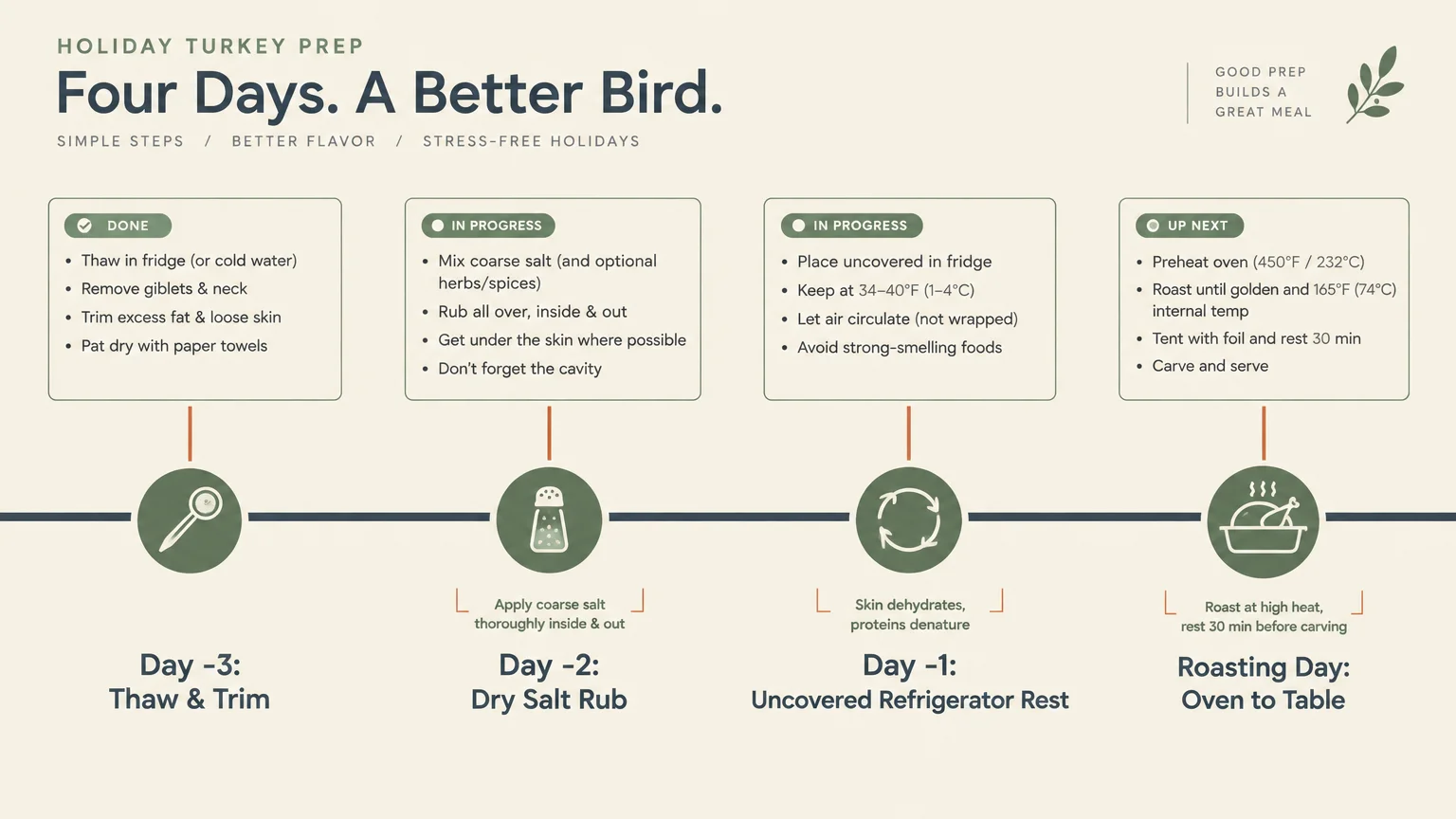
Set a sturdy wire cooling rack inside a rimmed half-sheet baking pan. Place the seasoned turkey breast-side up on the rack to allow air circulation underneath the bird.
Slide the baking sheet onto the lowest shelf of your refrigerator, positioning it away from ready-to-eat foods. Keep the turkey completely uncovered so circulating refrigerator air can dry the exterior skin.
Chill the bird for twenty-four to forty-eight hours, allowing the salt to complete its curing cycle. Do not rinse the turkey before roasting, as rinsing removes flavor and spreads bacteria.
Roasting and Internal Temperature Monitoring
Preheat your oven to 325 degrees Fahrenheit and position the oven rack on the lowest rung. Insert an oven-safe digital meat probe into the thickest part of the turkey thigh without touching bone.
Roast the bird until the internal temperature registers 165 degrees Fahrenheit in the thigh and breast. Removing the turkey at this precise mark prevents overcooking while ensuring complete microbiological safety.
Let the roasted turkey rest on a carving board for thirty minutes before carving. Resting allows muscle fibers to relax and reabsorb juices throughout the bird rather than spilling onto the board.
Daily Habits for a Stress-Free Holiday Week
Grocery Strategies and Timeline Organization
A serene holiday kitchen depends on proactive planning rather than last-minute emergency shopping trips. Complete your non-perishable shopping five to seven days before Thanksgiving to avoid hectic supermarket crowds.
Organize your grocery list by supermarket aisles to save valuable time and eliminate impulse purchases. Pre-ordering pantry items through online grocery pickup provides extra convenience during busy workweeks.
Stock your refrigerator with easy, pre-prepped proteins and fresh cut vegetables for quick holiday-week lunches. Having healthy lunches ready prevents you from resorting to processed takeout while busy cooking.
Meal Timing and Blood Sugar Stability
Starving yourself all day before a celebratory dinner causes dramatic blood glucose crashes. Low blood sugar impairs your impulse control, making mindful eating virtually impossible once dinner begins.
Start Thanksgiving morning with a hearty breakfast featuring twenty to thirty grams of high-quality protein. Scrambled eggs paired with sautéed spinach and avocado provide lasting energy and steady blood sugar.
If your celebratory dinner is scheduled for late afternoon, consume a balanced midday snack. A handful of raw walnuts alongside crisp apple slices curbs intense hunger without ruining your appetite.
Hydration Routines and Mindful Eating
Dehydration often masquerades as hunger and causes sluggish holiday fatigue throughout the day. The Centers for Disease Control and Prevention emphasizes that maintaining hydration supports mental focus, digestion, and mood regulation.
Drink a large glass of water upon waking and keep a full water bottle near your cooking station. Alternate every festive alcoholic beverage or sweetened cider with a full glass of sparkling water.
When sitting down to dinner, pause for three deep breaths before loading your plate. Savor the first three bites of your meal with undivided attention, noticing textures and seasoning.
Put your fork down between bites and actively participate in conversations with your dining companions. Eating at an unhurried pace allows your digestive system to signal natural satiety in good time.
Support Systems and Kitchen Routines
Holiday cooking should be a shared celebration rather than a solitary, high-pressure performance. Enlisting family members and dinner guests to share culinary tasks lightens your mental and physical burden.
Assign specific tasks based on individual strengths, such as assembling appetizers, setting tables, or carving meat. Collaboration turns routine kitchen preparation into meaningful bonding opportunities that generate warm holiday memories.
Establish an accountability partnership with a health-minded friend or family member before the gathering begins. Sharing your personal goals for mindful portions and hydration reinforces healthy choices throughout the celebration.
Set recurring smartphone alerts or digital kitchen timers for temperature checks and basting duties. External reminders free up mental space, allowing you to relax and enjoy your guests completely.
Create a soothing kitchen environment by dimming harsh overhead lights and playing your favorite instrumental music. A tranquil cooking space lowers blood pressure and makes holiday hosting feel peaceful rather than chaotic.
Troubleshooting Common Holiday Challenges
Managing Rich Cravings and Second Helpings
Holiday tables display an enticing array of rich side dishes and decadent seasonal desserts. Permitting yourself to enjoy these traditional foods without guilt reduces the psychological tension that triggers overeating.
Fill half your plate with colorful roasted vegetables and fresh green salads before serving other dishes. Place your savory, protein-rich dry-brined turkey alongside, leaving the remaining portion for rich starches.
If you contemplate getting a second helping, wait fifteen minutes and drink a glass of water. That intentional pause lets fullness signals register, often eliminating the desire for additional food.
Navigating Social Pressure and Food Pushers
Relatives often show love through food, repeatedly offering extra helpings or urging you to clear your plate. You can honor their hospitality while politely defending your personal fullness boundaries.
Respond warmly with a polite refusal that emphasizes how much you enjoyed the meal. Saying that the food was fantastic and your stomach is completely full avoids awkward social friction.
Pivot the interaction toward non-food topics by asking your host about their favorite holiday memories or travel plans. Connecting on an emotional level satisfies their desire to share warmth and connection.
Staying Balanced While Traveling
Holiday road trips and airline travel often limit access to fresh, whole, nutrient-dense foods. Pack travel-friendly snacks like raw almonds, roasted sunflower seeds, and whole citrus fruit to avoid gas station snacks.
Incorporate gentle movement into your travel schedule by taking brisk walks during highway rest stops or flight layovers. Light walking boosts circulation, relieves joint stiffness, and aids sluggish travel digestion.
Protect your sleep schedule by bringing an eye mask and maintaining a regular bedtime while away from home. Restful sleep stabilizes appetite-regulating hormones, helping you make balanced nutritional choices throughout your trip.
Handling Leftovers Safely and Creatively
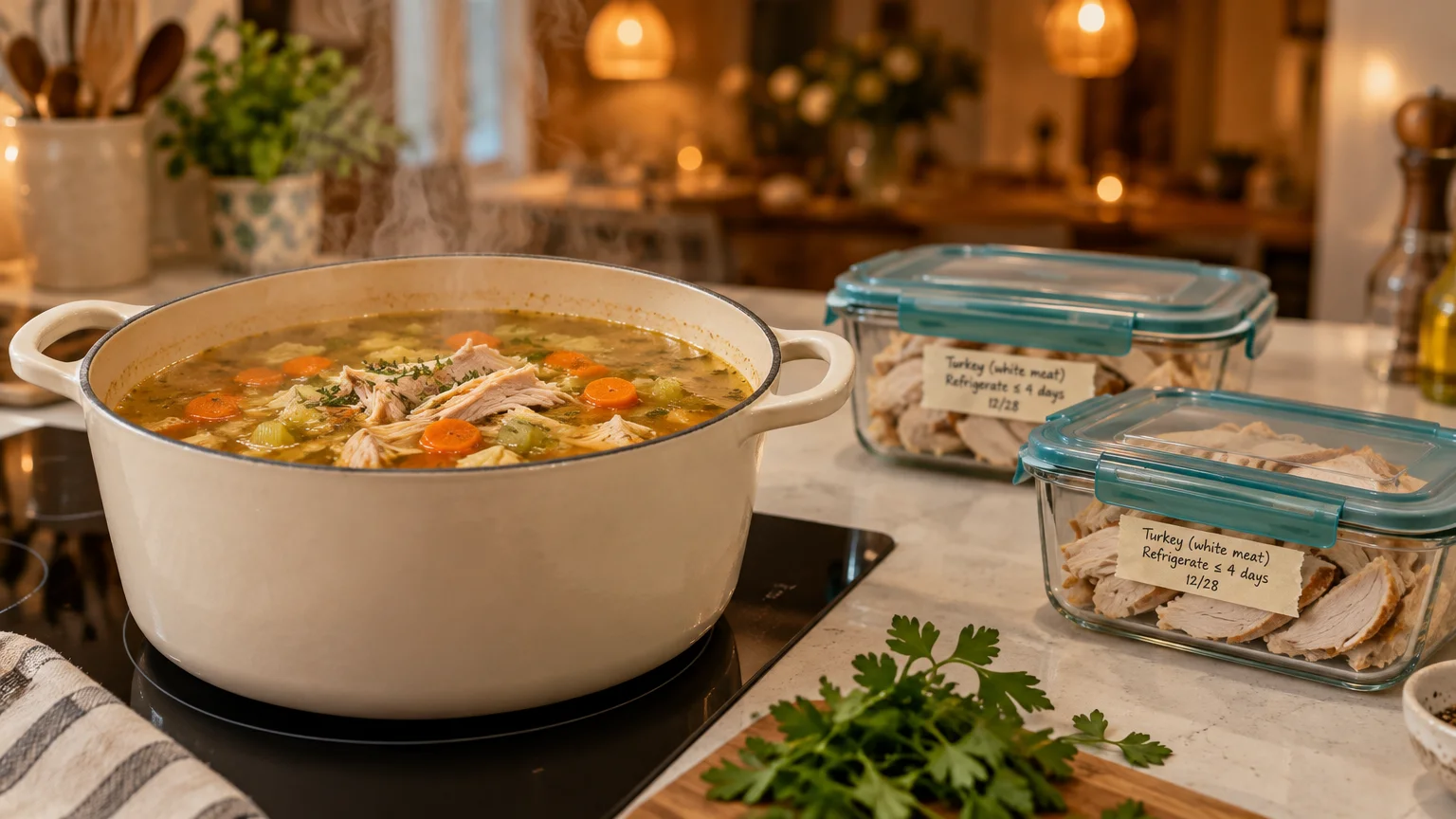
Handling holiday leftovers with care protects your family from bacterial illness while preserving delicious meal components. Carve the remaining turkey off the bone and store it in shallow containers within two hours.
Shallow containers allow meat to cool rapidly below the danger zone in your refrigerator. Use refrigerated turkey within four days, or transfer portions into airtight freezer bags for long-term storage.
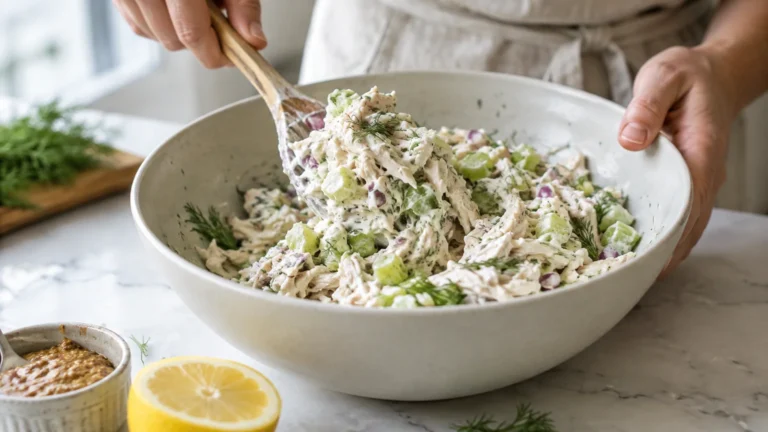
Transform shredded dry-brined turkey into vibrant, vegetable-packed salads topped with lemon vinaigrette and pumpkin seeds. The deeply seasoned poultry elevates simple weekday greens into quick, satisfying, high-protein meals.
Simmer leftover turkey bones with onions, carrots, and celery to produce a deeply nourishing bone broth. Rich homemade broth provides soothing hydration and collagen-building amino acids during cold winter months.
Frequently Asked Questions
Do I need digestive supplements or enzyme pills for large holiday meals?
Commercial digestive enzyme supplements and detox pills promise effortless relief from rich holiday feasts. Most healthy adults produce plenty of endogenous digestive enzymes to process proteins, fats, and starches effectively.
Rather than spending money on digestive supplements, support your body by chewing each bite thoroughly. Taking a relaxed post-dinner stroll stimulates digestive muscle contractions far more effectively than any over-the-counter pill.
How do I handle picky eaters who dislike herbs or garlic on turkey?
Accommodating picky eaters does not require abandoning the superior benefits of dry brining techniques. You can execute an exceptional dry brine using coarse kosher salt and a modest pinch of black pepper.
Pure salt brine enhances natural poultry flavor without introducing strong herbal or allium aromas. Provide compound herb butters and flavorful pan sauces on the side so guests can customize their portions.
Can I execute a chef-level dry brine on a modest grocery budget?
Achieving professional culinary results does not require expensive specialty birds or designer spice blends. Standard supermarket turkeys respond wonderfully to basic coarse kosher salt costing only a few dollars per box.
Investing in proper technique and allowing adequate refrigeration time yields far better results than purchasing expensive pre-basted poultry. Great cooking depends on scientific principles and patience rather than exorbitant spending.
What is the healthiest way to track nutrition progress during the holidays?
Weighing yourself the morning after a festive holiday dinner provides inaccurate and emotionally discouraging data. Post-feast scale spikes represent normal water retention from sodium and carbohydrates rather than genuine body fat gains.
Track meaningful progress by evaluating your sustained daily energy, digestive comfort, and emotional relationship with food. Consistency across regular weeks matters infinitely more than the contents of one single celebratory dinner.
Put One Simple Habit into Action Today
Meaningful lifestyle improvement begins with small, deliberate actions rather than sweeping seasonal resolutions. Select one actionable strategy from this guide to implement for your holiday feast this year.
Commit to dry brining your turkey instead of managing hazardous, messy buckets of salted water. Notice how this straightforward method frees up valuable refrigerator space, reduces kitchen stress, and delivers exceptional flavor.
Take five minutes today to check your spice cabinet and add coarse kosher salt to your grocery list. Journaling your experience afterward will reinforce the profound benefits of intentional, stress-free holiday cooking.