Choosing the wrong first meal can trigger sudden heartburn, energy crashes, and uncomfortable morning cramping. By swapping irritating foods for digestive buffers, you protect your stomach lining and sustain steady physical energy throughout your day.
Your digestive tract operates under sensitive hormonal and chemical balances after an overnight fast. Introducing harsh compounds into an empty stomach disrupts your delicate gut mucosal barrier.
Modifying what enters your empty stomach sets up stable blood sugar and calm digestion. Let us examine the foods that spark common gastrointestinal complaints and explore healthier, research-backed alternatives.
Understanding Your Digestive State After an Overnight Fast
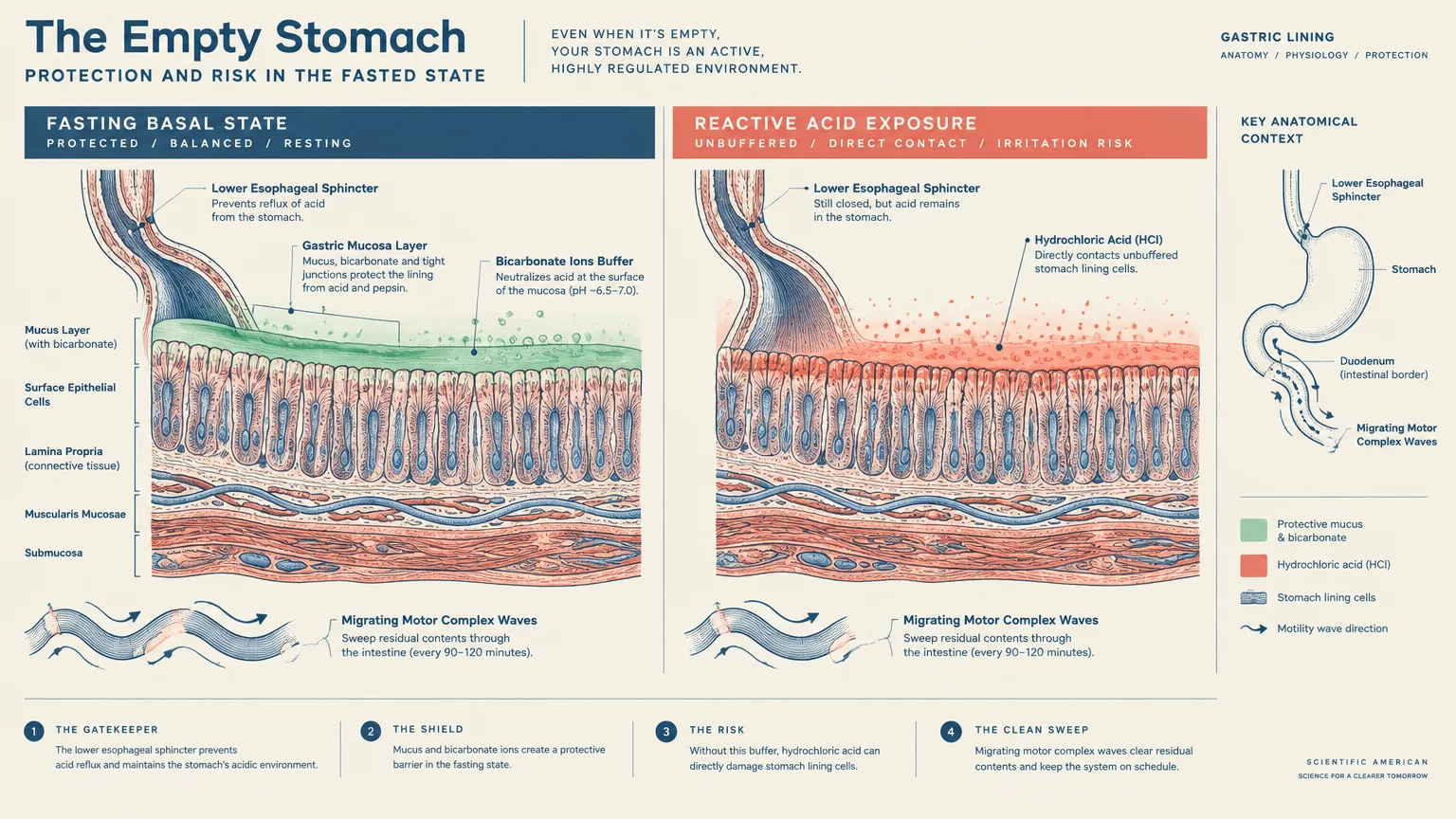
During sleep, your stomach empties its contents and continues producing basal amounts of hydrochloric acid. This resting digestive environment possesses high acidity without food present to absorb or dilute it.
The stomach lining protects itself using a specialized layer of mucus and bicarbonate ions. Harsh substances can erode this barrier when food does not buffer your gastric secretions.
Gastric motility also behaves differently when your tract is bare. The migrating motor complex sweeps through your intestines in rhythmic waves, cleaning out debris before your next meal.
Sudden exposure to reactive foods disrupts these natural waves and prompts premature gastrointestinal contractions. This abrupt shift often leads to cramping, nausea, or rapid transit.
Additionally, the National Institute of Diabetes and Digestive and Kidney Diseases notes that prolonged acid exposure irritates the esophagus. Eating irritating ingredients before protective foods increases that risk.
Your stomach cells also release digestive hormones like ghrelin and gastrin in anticipation of nourishment. Introducing volatile compounds into this primed environment triggers an exaggerated biochemical cascade.
Furthermore, the vascular network lining your stomach wall requires stable blood flow to repair cellular damage. Irritating foods restrict local microcirculation, hindering rapid tissue healing.
Recognizing these physiological vulnerabilities helps you make wiser morning food selections. Your breakfast choices determine whether your digestive system stays calm or enters reactive distress.
7 Foods to Avoid on an Empty Stomach
Certain ingredients deliver concentrated acids, rough plant fibers, or rapid sugars that inflame a resting stomach. Discovering why these specific empty stomach foods cause distress enables you to rebuild your morning routine.
1. Citrus Fruits and Concentrated Citrus Juices
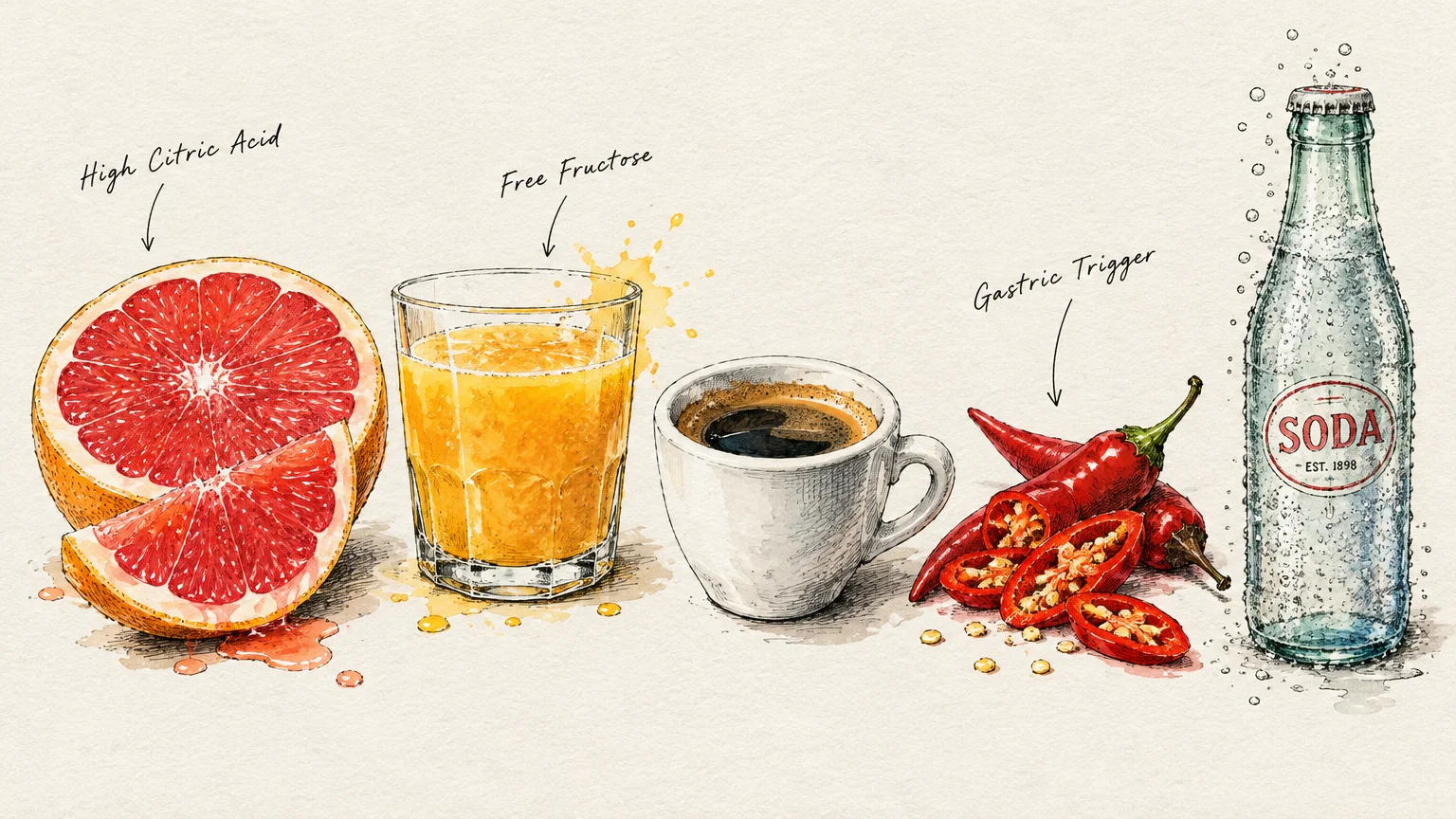
Oranges, grapefruits, lemons, and their juices contain high concentrations of citric and ascorbic acids. While packed with beneficial vitamin C, their raw acidity directly challenges an unshielded stomach lining.
Consuming acidic juices first thing in the morning lowers gastric pH even further. This spike in acidity can trigger severe heartburn and esophageal irritation.
The muscular ring known as the lower esophageal sphincter relaxes when exposed to high dietary acids. This relaxation allows harsh stomach juices to flow backward into your esophagus.
Many people mistake morning citrus for a light, cleansing ritual. In reality, it represents one of the most common morning eating mistakes that spark persistent gastric distress.
Concentrated commercial juices pose an even greater challenge than whole fruits. Juicing strips away the plant fiber, leaving liquid citric acid and free fructose to flood your gut.
This rapid flood accelerates stomach acid production while speeding up fluid shifts in the small intestine. You may experience nausea or sudden loose stools within thirty minutes.
You do not need to banish citrus from your routine entirely. Instead, enjoy your grapefruit or orange slices after a small bowl of oatmeal or scrambled eggs.
Pairing acidic fruit with complex carbohydrates or gentle fats creates an effective digestive cushion. This approach preserves nutritional benefits while preventing painful irritation.
If you prefer fruit first thing, opt for low-acid alternatives like ripe papayas, cantaloupe, or sweet pears. These fruits supply vitamins and gentle enzymes without provoking heartburn.
2. Black Coffee and Concentrated Caffeine
Millions of adults reach for a dark roast before touching a bite of food. Unfortunately, coffee stimulates gastric acid secretion regardless of whether it contains caffeine.
Both caffeinated and decaffeinated coffee contain chlorogenic acids and bitter compounds that stimulate the stomach’s parietal cells. These cells promptly release hydrochloric acid into an empty chamber.
Research indexed in the National Library of Medicine highlights how caffeine accelerates gastric emptying and stimulates bowel contractions. When no food absorbs these juices, mucosal irritation quickly follows.
Drinking coffee on an empty stomach also prompts an exaggerated release of cortisol and adrenaline. This sudden hormone spike can generate morning jitters, heart palpitations, and gastrointestinal cramping.
The bitter elements in black coffee also trigger bile release from the gallbladder prematurely. Without dietary fats to emulsify, excess bile can irritate the upper intestinal tract.
Many individuals experience sudden reflux or a sour taste in the back of the mouth after morning espresso. This reaction signals that your stomach acid is overwhelming your lower esophageal sphincter.
You can protect your digestive comfort by pouring a dash of unsweetened almond milk, soy milk, or dairy into your mug. The fats and proteins buffer active acids effectively.
Even better, drink a large glass of room-temperature water and eat a few bites of whole-grain toast before brewing your morning cup.
If you want an acid-free warm brew, explore roasted dandelion root tea or chicory herbal blends. These alternatives soothe the gut lining while satisfying your craving for a rich morning beverage.
3. Refined Sugars, Syrups, and Bakery Pastries
Doughnuts, sweet rolls, sugary cereals, and pastries offer rapid convenience on busy mornings. However, delivering pure refined carbohydrates into an empty stomach creates metabolic chaos.
Without protein, fiber, or healthy fats to slow down digestion, simple sugars enter your bloodstream immediately. This rapid entry causes your blood glucose levels to spike sharply.
According to the Centers for Disease Control and Prevention, steep blood sugar spikes prompt your pancreas to overproduce insulin. This exaggerated response leads to a mid-morning energy crash.
The Harvard T.H. Chan School of Public Health emphasizes that refined sugars lack the essential fiber required for sustained satiety. As a result, you face intense hunger shortly after eating.
Beyond metabolic fatigue, refined sugars undergo rapid fermentation by bacteria in your gut. This accelerated fermentation produces excess gas, abdominal bloating, and distension within an hour of eating.
Fructose-rich syrups can also draw excess water into the bowel through osmotic action. That sudden fluid shift often sparks loose stools and uncomfortable abdominal cramps.
The high-fat, high-sugar combination in standard breakfast pastries also delays gastric clearance uncomfortably. You end up with a sensation of heavy nausea lingering in your chest.
Swap isolated sugars for carbohydrate sources rich in soluble fiber, such as rolled oats or chia seed pudding. These fiber matrices slow glucose absorption and keep you full.
If you crave natural sweetness, fold crushed blueberries or sliced strawberries into cooked quinoa or warm millet. You obtain gentle carbohydrates paired with protective antioxidants and micronutrients.
4. Raw Cruciferous Vegetables and Coarse Greens
Piling raw broccoli, kale, cabbage, and cauliflower into a morning green salad might sound like the pinnacle of healthy living. Yet your resting stomach struggles to break down these tough structures without prior preparation.
Cruciferous vegetables contain dense, insoluble cellulose alongside a complex carbohydrate called raffinose. Humans lack the digestive enzyme required to break down raffinose in the upper stomach.
When these unyielding plant fibers land in an empty digestive tract, they demand extensive mechanical breakdown. The stomach must churn forcefully, causing mechanical irritation against its bare lining.
Once the undigested raffinose passes into your colon, resident bacteria ferment it eagerly. The resulting byproduct is pronounced bloating, sharp intestinal cramps, and persistent flatulence.
Raw sulfur compounds found in brassica vegetables can also irritate the gastric mucosa. These compounds trigger sulfuric burps and noticeable upper-abdominal discomfort.
Cold raw salads also demand substantial metabolic energy to warm up to your internal body temperature. This thermic burden diverts energy away from efficient enzyme breakdown.
You can easily avoid this discomfort by gently steaming, sautéing, or roasting your vegetables before eating. Thermal cooking softens tough plant walls and breaks down complex sugars.
If you love green meals early in the day, choose softer greens like baby spinach. Lightly cooked spinach digests easily and delivers dense micronutrients without digestive strain.
Blending steamed zucchini or tender spinach into warm vegetable purées provides another gut-friendly morning option. You receive dense micronutrients while keeping mechanical friction minimal.
5. Spicy Peppers, Hot Sauces, and Pungent Spices
Adding fiery hot sauce or sliced jalapeños to your morning meal might wake up your palate. Unfortunately, potent spices rank among the primary foods that upset stomach tissue when consumed without a base.
Hot chili peppers contain capsaicin, a natural chemical that binds to heat-sensing vanilloid receptors throughout your gastrointestinal tract. This binding stimulates sensory nerves and mimics an actual thermal burn.
When capsaicin contacts an empty stomach, it prompts a rush of stomach acid and triggers local inflammation. The stomach wall can become inflamed, a temporary condition known as acute gastritis.
Capsaicin also speeds up peristalsis, the muscular contractions that push contents through your intestines. This rapid transit often produces painful abdominal griping followed by urgent bowel movements.
Other pungent spices like raw black pepper and wasabi produce similar irritating effects on bare mucosal tissues. They inflame the epithelial cell barrier and can trigger painful burning sensations.
Frequent exposure to harsh morning spices can erode your protective mucus layer over time. This erosion leaves your stomach far more susceptible to future irritation from everyday foods.
If you enjoy vibrant morning flavors, turn to gentle digestive herbs such as fresh parsley, dill, or chopped basil. These herbs elevate taste profiles without inflaming sensitive mucosa.
Turmeric and ground ginger also offer robust flavor while delivering anti-inflammatory properties that calm the gut. Use them in modest amounts paired with healthy fats like olive oil.
Save your favorite hot sauces and chili oils for lunch or dinner. By then, mixed meals have created a protective base throughout your stomach.
6. Carbonated Beverages and Sparkling Seltzers
Many people begin their morning with sparkling water, believing carbonated hydration is completely harmless. However, fizzy bubbles introduce substantial physical pressure into an empty stomach chamber.
Carbonated beverages contain dissolved carbon dioxide gas under high pressure. Once swallowed, your warm body temperature causes the dissolved gas to expand rapidly within your stomach.
This sudden volume of expanding gas stretches the gastric walls and increases internal gastric pressure. Gastric stretching triggers mechanoreceptors that send discomfort signals to your central nervous system.
Furthermore, rising internal gas pressure forces the lower esophageal sphincter open. This mechanical failure invites acid to splash upward into your throat, inducing sour regurgitation and burping.
Carbonic acid in seltzers also lowers your oral and stomach pH slightly. While weak, this mild acid compounds the irritation caused by trapped gas pockets.
If you choose flavored seltzers, added citric acids and chemical flavorings worsen the chemical irritation. Even calorie-free sparkling drinks can induce significant distress on an empty system.
Diet sodas are especially problematic because artificial sweeteners can alter normal gut motility patterns. Combined with high carbonation, they trigger uncomfortable abdominal distention within minutes.
Choose still, room-temperature spring water or filtered water for your first morning drink. Add a thin slice of cucumber or a sprig of fresh mint for refreshing flavor.
If you love fizzy water, drink it midway through lunch or dinner. Solid food absorbs expanding carbon dioxide gas and prevents mechanical stretching of your stomach wall.
7. Ice-Cold Beverages and Frozen Smoothies
Drinking a tall glass of ice water or slurping a freezing smoothie feels invigorating on a warm morning. Nevertheless, extreme temperatures shock a relaxed and warm digestive system.
Your stomach performs digestive enzymatic processes most efficiently at normal body temperature. Introducing freezing liquids triggers sudden local vasoconstriction, narrowing the blood vessels supplying your stomach wall.
Reduced mucosal blood flow slows the secretion of essential enzymes and impairs normal gastric motility. This temporary circulatory slowdown can cause sudden abdominal cramping and localized indigestion.
Frigid temperatures also cause the smooth muscle tissue of your gut to contract abruptly. These sudden spasms mimic visceral pain and can make you feel nauseated.
Dense frozen smoothies compound this temperature shock with sheer volume and rapid consumption. Gulping cold fruit purée overwhelms your stomach before your digestive fires have fully engaged.
The combination of icy cold and concentrated fruit fructose can also provoke rapid intestinal transit. You might experience uncomfortable gut rumbling alongside sudden bowel urgency.
Enjoy your morning smoothies at cool or room temperatures by blending unfrozen fruit with gentle liquid bases. If you drink water, keep it close to body temperature.
Warm herbal teas, such as chamomile or fennel, offer ideal morning hydration. They gently stimulate blood circulation to your gut while preparing your enzymes for solid nourishment.
If you crave a smoothie, sip it slowly over twenty minutes rather than gulping it down. Slow consumption gives your mouth time to warm the beverage before it hits your stomach.
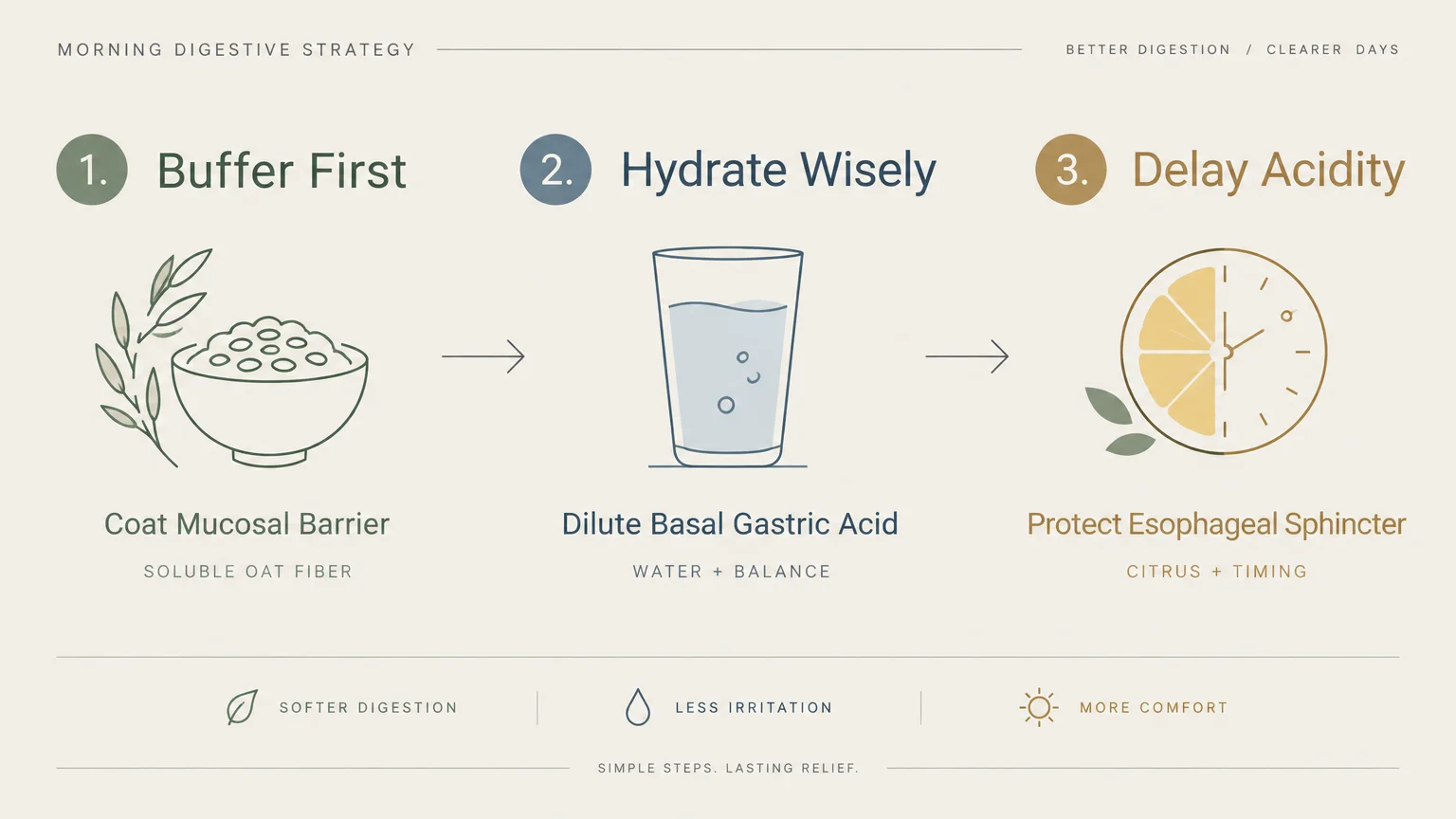
Three Strategic Pillars for Morning Digestive Balance
Protecting your gut each morning requires more than merely cutting out foods to avoid empty stomach distress. You need practical, research-backed strategies that support long-term digestive resilience.
Adopting structured habits transforms how your stomach responds to daily nutritional demands. Implementing these three foundational pillars creates an environment where comfortable digestion flourishes.
Pillar 1: Nutrient Sequencing and Food Buffering
The sequence in which you consume nutrients dictates how efficiently your stomach empties and processes food. Leading with gentle macronutrients shields delicate tissues from reactive acids.
Prioritize soluble fibers like rolled oats, cooked apples, or ground flaxseed during your initial bites. Soluble fibers swell with moisture, forming a soothing, protective gel over your stomach lining.
Follow that fiber foundation with clean proteins such as poached eggs, soft tofu, or unsweetened Greek yogurt. Protein prompts steady gastrin release without triggering aggressive acidic surges.
Introduce healthy fats like avocado slices or olive oil drizzle next. These lipids slow stomach emptying and extend physical satiety throughout your morning.
The Academy of Nutrition and Dietetics emphasizes that balanced breakfast compositions improve daily nutrient absorption and digestive stability. Intentional sequencing makes this balance simple.
When you layer foods thoughtfully, you prevent rapid glucose absorption and mitigate harsh chemical contact. Your meals digest smoothly without generating gas, heartburn, or abdominal cramping.
Try keeping small portions of pre-cooked quinoa or boiled eggs in your refrigerator. Having these buffering foods ready prevents you from making hasty breakfast mistakes when running late.
Pillar 2: Circadian Meal Timing and Digestive Pacing
Your gastrointestinal organs operate on an internal circadian clock, just like your sleep cycles. Digestive enzyme production and intestinal motility peak at specific times during the day.
Waking your system abruptly with heavy or irritating food creates circadian friction. Give your stomach fifteen to thirty minutes of awake time before introducing solid foods.
Sit down while you eat instead of rushing out the door. Eating while standing or driving triggers your sympathetic nervous system, dampening blood flow to your digestive tract.
Chew every mouthful thoroughly to initiate carbohydrate digestion in your mouth. Salivary amylase begins chemical breakdown, relieving downstream digestive organs of mechanical strain.
Pacing your meal over fifteen to twenty minutes allows satiety hormones like cholecystokinin to signal your brain. You naturally prevent overeating and avoid placing heavy mechanical loads on your stomach.
Establish regular morning meal windows that match your biological schedule. Consistent meal timing trains your digestive system to release protective gastric secretions predictably.
Pillar 3: Gentle Hydration Priming Habits
Rehydrating your cells after six to eight hours of sleep is non-negotiable for metabolic health. However, the timing and composition of that hydration determine its digestive impact.
Drink eight to twelve ounces of lukewarm water immediately upon waking. This gentle fluid volume activates the gastrocolic reflex, encouraging healthy and predictable bowel elimination.
Avoid chugging an entire quart of fluid within two minutes. Gulping massive amounts of water dilutes stomach secretions right before you plan to eat breakfast.
Sip your water steadily over ten minutes to promote cellular absorption. This measured habit primes your digestive enzymes without swamping your stomach chamber.
Infusing your morning water with a slice of fresh ginger provides gentle digestive warmth. Gingerols stimulate saliva production and accelerate gastric emptying naturally.
Separate large fluid intakes from your solid meals by at least twenty minutes. This separation preserves the potency of digestive enzymes while maintaining optimal gastric acid concentration.

Expert Perspectives and Clinical Observations
Clinical practitioners observe that many recurrent morning complaints stem from simple meal errors rather than chronic disease. Modifying initial stomach contents frequently resolves unexplained symptoms.
Registered dietitians frequently see clients who complain of intense brain fog and mid-morning stomach sourness. Often, these patients start their mornings with concentrated espresso and an orange juice spritzer.
Shifting those clients toward warm oatmeal with walnut butter routinely eliminates their sour reflux within two weeks. Gentle dietary adjustments restore the stomach mucosal barrier naturally.
Gastroenterologists also caution against extreme intermittent fasting protocols when individuals break fasts with heavy, irritating meals. A prolonged fast makes gastric tissues hypersensitive to sudden acidic challenges.
When you do break a long overnight fast, treat your stomach like a gentle furnace. Feed it kindling before you toss in dense or complex logs.
Dietary surveys indicate that individuals who consume buffered morning meals report higher sustained productivity. They avoid the familiar mid-morning sluggishness caused by reactive hypoglycemia.
Clinicians note that subjective wellbeing improves rapidly once patients eliminate early stomach irritants. Patients discover that chronic indigestion was simply an adverse reaction to morning eating mistakes.
Safety Considerations and Individual Nuances
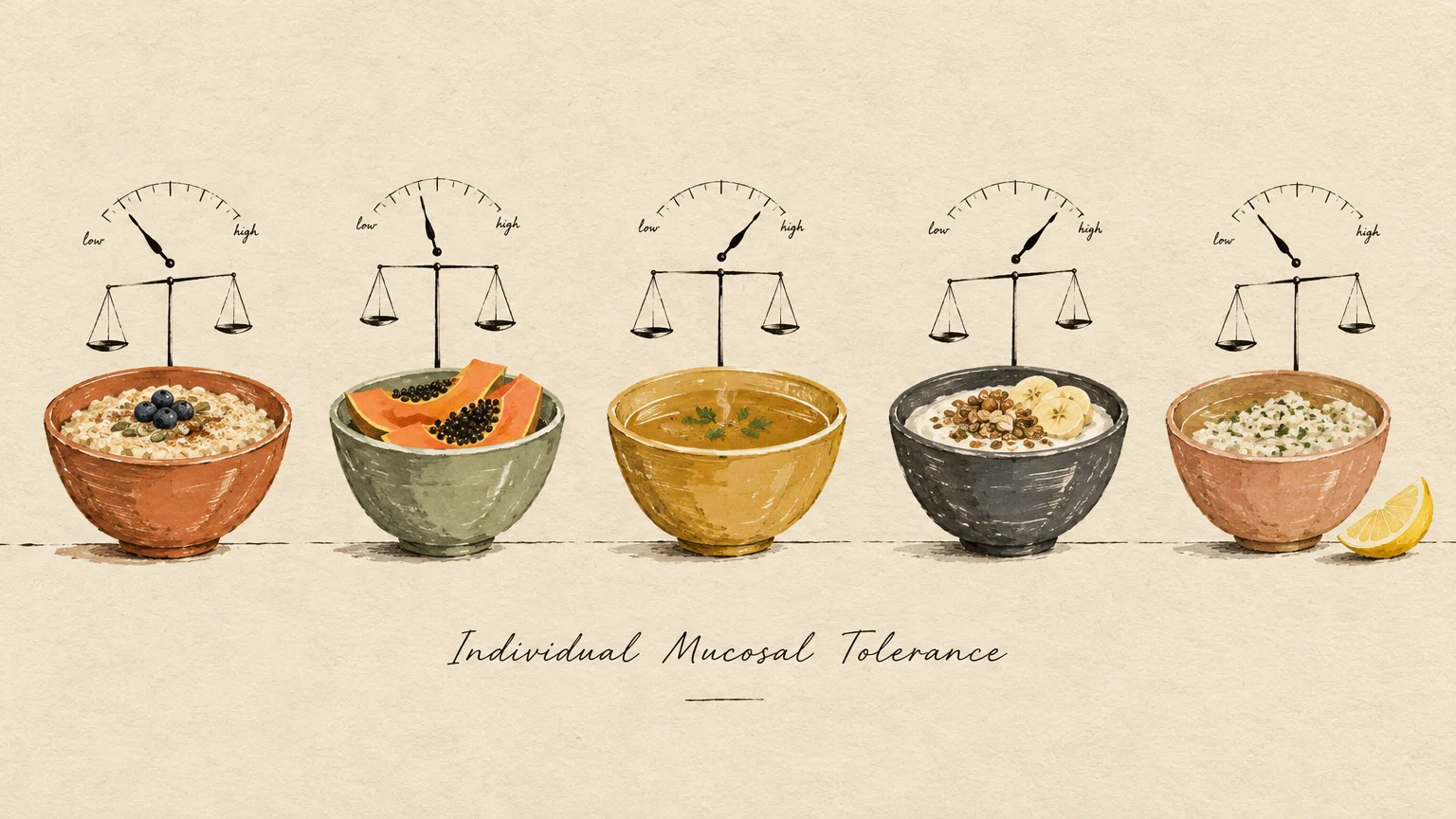
Human digestive anatomy shares standard structures, but individual tolerance varies substantially across populations. What triggers severe cramping in one person might cause no noticeable issues in another.
Individuals diagnosed with gastroesophageal reflux disease, known as GERD, face elevated sensitivity to acidic items. Their lower esophageal sphincter permits backflow more readily than average.
People managing active peptic ulcer disease or gastritis must exercise exceptional caution with raw spices and black coffee. Bare mucosal erosions can bleed or inflame under direct acidic exposure.
If you manage type 1 or type 2 diabetes, skipping morning food buffers poses unique blood sugar risks. Isolated carbohydrates can precipitate hazardous glucose excursions that require medical correction.
Those with irritable bowel syndrome often possess a hypersensitive enteric nervous system. For these individuals, cold fluids and carbonated waters trigger rapid spasms and painful distension.
Medications like nonsteroidal anti-inflammatory drugs also compromise your stomach’s protective mucus layer. Taking these painkillers alongside acidic foods on an empty stomach magnifies ulcer risks.
Consult a gastroenterologist or registered dietitian if you experience persistent nausea, involuntary weight loss, or difficulty swallowing. These warning signs require clinical evaluation beyond basic dietary modifications.
Always tailor nutritional principles to your personal health status and medical history. What nourishes your body best depends on your unique metabolic and gastrointestinal profile.
Frequently Asked Questions
Can I drink warm lemon water first thing in the morning?
Warm lemon water can aid hydration, but diluted lemon juice remains mildly acidic. If you experience heartburn or sensitive teeth, dilute it heavily or drink plain warm water instead.
Adding a light pinch of sea salt can replenish lost trace minerals without adding irritating acid. Listen to how your upper stomach feels after sipping.
If you tolerate lemon water without distress, enjoy it through a straw to protect tooth enamel. Follow it with a buffering breakfast within thirty minutes.
What is the safest food to eat on a completely empty stomach?
Plain cooked oatmeal, warm bone broth, or soft scrambled eggs serve as the safest digestive foundations. These foods coat mucosal surfaces and require minimal initial enzymatic effort to break down.
Ripe bananas also supply potassium and soothing pectin fiber that protects your stomach lining. They provide immediate, calm nourishment without upsetting delicate gastrointestinal membranes.
Steamed sweet potatoes with a drop of olive oil offer another soothing breakfast choice. Their soft texture and complex carbohydrates deliver sustained energy without digestive irritation.
Does eating yogurt on an empty stomach destroy its probiotics?
High stomach acidity during fasting can destroy a portion of delicate live probiotic cultures. However, many hardy strains survive passage, particularly when encapsulated in dairy fats and proteins.
To maximize bacterial survival, pair your plain unsweetened yogurt with ground seeds or rolled oats. The food matrix shields beneficial microbes until they reach your intestinal tract.
Choosing yogurts labeled with live and active cultures ensures substantial colony-forming units survive. Adding a handful of blueberries enhances prebiotic feeding for these friendly gut bacteria.
How long should I wait to drink coffee after waking up?
Waiting forty-five to sixty minutes after waking allows your natural morning cortisol surge to peak and stabilize. It also gives you ample time to rehydrate and consume a buffering snack.
Having a few mouthfuls of protein or complex fiber before your first sip significantly reduces acid irritation. This simple delay preserves both digestive harmony and steady nervous system energy.
If waiting an hour feels unrealistic, simply pair your coffee with a spoonful of nut butter or a hard-boiled egg. Buffering active compounds immediately blunts harsh gastric acid secretion.
Your Action Plan for Tomorrow Morning
Transforming your digestive health does not require an overhaul of your entire lifestyle overnight. Minor, strategic shifts in what you consume first produce remarkable relief.
Choose just one irritating food from this list to replace or buffer tomorrow morning. If you usually drink black coffee alone, add a slice of sprouted toast first.
Prepare your buffering foods tonight so your morning routine remains effortless and calm. Setting out rolled oats or boiling an egg ahead of time removes morning decision fatigue.
Notice how your stomach feels two hours later when you choose protective routines over irritating stimulants. You possess the practical knowledge to cultivate calm, energized mornings starting right now.