Reaching for a bag of fried potato chips gives you instant crunch and salty satisfaction. You can satisfy that exact sensory craving with nutrient-rich whole foods that sustain your energy instead of triggering an afternoon crash.
Swapping refined chips for fiber-rich, protein-packed alternatives protects your blood vessels and stabilizes your metabolic markers. You do not have to sacrifice convenience or bold flavor to nourish your body.
Stocking smart alternatives transforms habitual snacking into a powerful tool for your daily vitality. Here are ten evidence-backed snacks that deliver exceptional crunch without the ultra-processed drawbacks.
The Science of the Crunch: Why Chip Cravings Strike
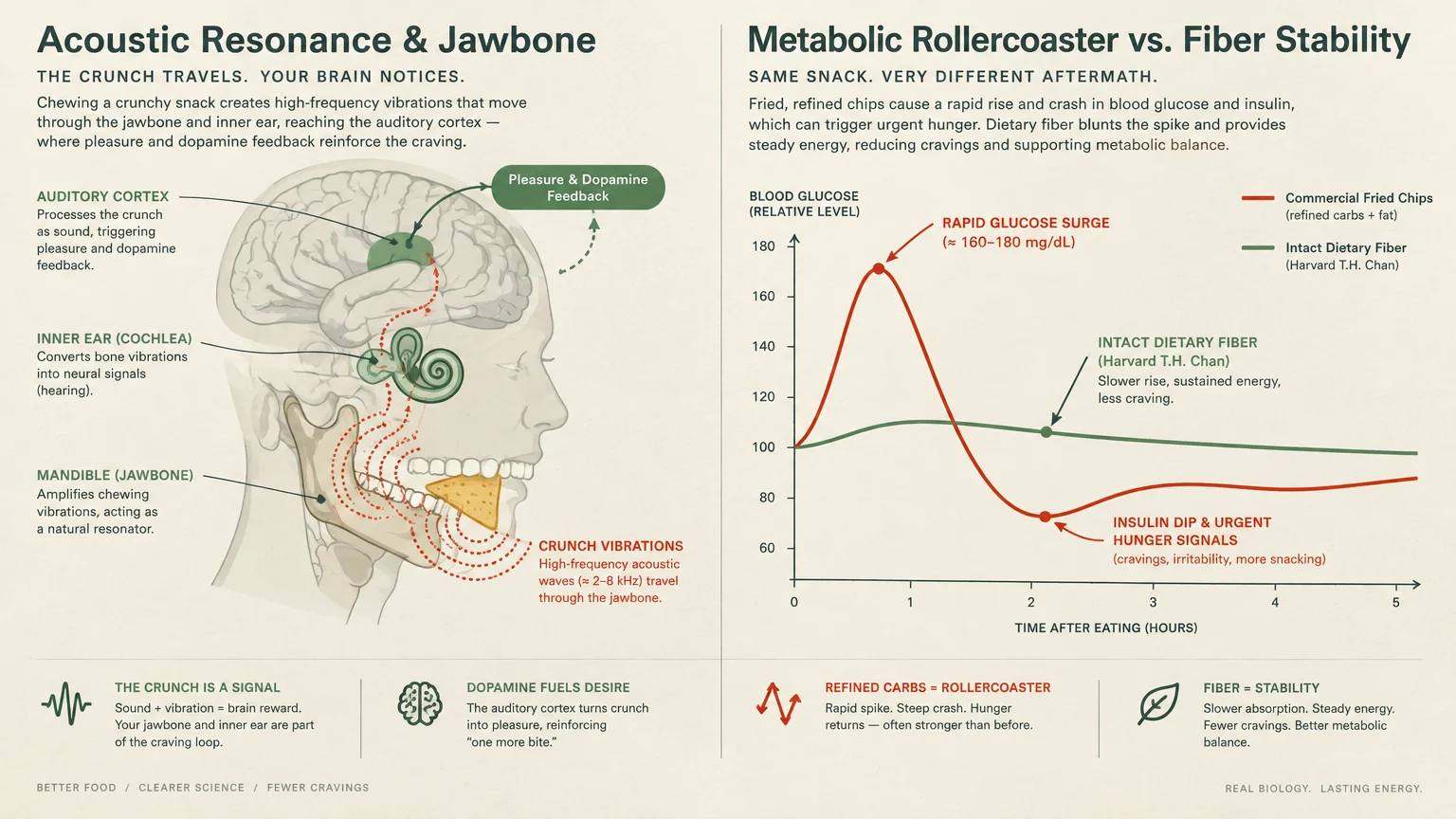
Your brain responds eagerly to crunchy food textures. Acoustic feedback from chewing triggers reward centers in your nervous system, providing rapid psychological relief from mental fatigue.
When you bite into a brittle chip, physical resonance travels through your jawbone directly into your inner ear. This auditory stimulus intensifies your eating pleasure and encourages repeated snacking.
Commercial potato chips exploit this physiological mechanism with industrial precision. Food scientists formulate chips with deliberate ratios of salt, fat, and starch to achieve what the industry terms the bliss point.
This engineered combination bypasses your brain’s natural sensory-specific satiety mechanisms. As a result, your appetite signals fail to register the substantial calories entering your stomach.
The starch in fried potatoes rapidly breaks down into simple sugars inside your digestive tract. This rapid digestion causes an immediate spike in blood glucose, followed shortly by a steep insulin-driven drop.
That sharp biochemical dip triggers urgent hunger signals, driving you back to the kitchen. You find yourself searching for another snack long before your next scheduled meal.
Whole-food snacks short-circuit this exhausting cycle by pairing physical resistance with slow-burning macronutrients. You enjoy the same sensory gratification without sending your blood sugar on an erratic rollercoaster.
Research highlighted by the Harvard T.H. Chan School of Public Health confirms that intact dietary fiber slows carbohydrate absorption. This steady digestive rhythm stabilizes systemic energy and keeps hunger hormones balanced for hours.
Three Practical Strategies for Long-Term Snacking Success
1. Prioritize the Satiety Triad
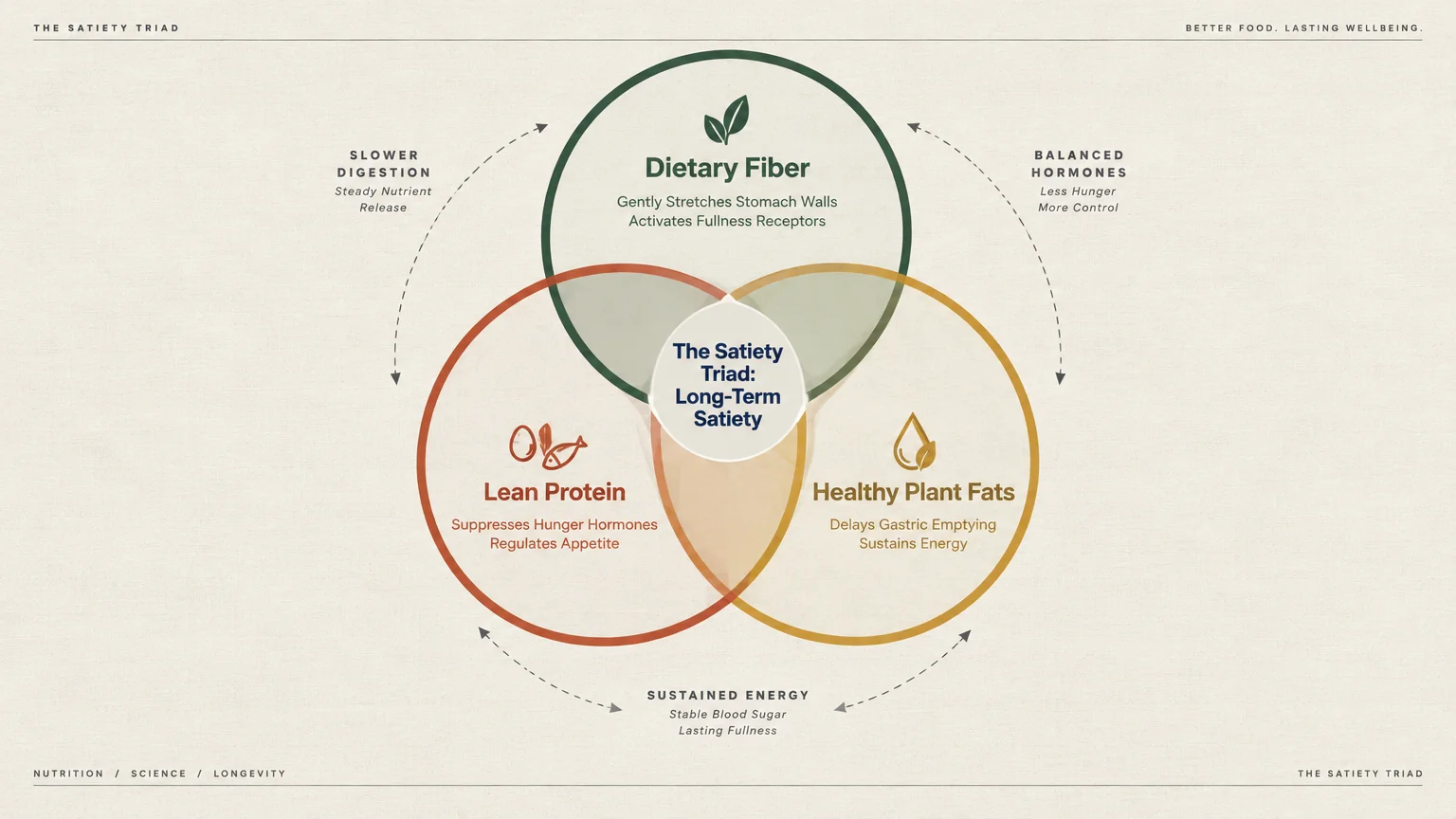
Whenever you prepare a snack, combine dietary fiber with either lean protein or wholesome plant fats. Nutrition experts refer to this functional combination as the satiety triad.
Fiber expands inside your digestive tract, gently stretching stomach walls to activate mechanical fullness receptors. This physical expansion sends immediate neurological signals to your brain that you have eaten.
Protein stimulates the secretion of satiety hormones that suppress appetite while reducing circulating hunger hormones. At the same time, healthy plant fats delay gastric emptying to sustain physical energy.
When your snack supplies these complementary macronutrients, a modest portion keeps you satisfied for hours. You avoid the constant mental distraction of thinking about your next bite.
2. Design Your Immediate Food Environment
Human snacking decisions rely heavily on visual cues and immediate physical proximity. If processed snacks sit prominently on your kitchen counter, you will inevitably consume them when stressed.
Restructure your environment by placing vibrant whole foods at eye level in your refrigerator and pantry. Keep pre-portioned bags of seeds and jars of roasted legumes right where your hands naturally reach.
Store commercial packaged goods on high, inaccessible shelves or inside opaque storage bins. Better yet, leave ultra-processed chips off your grocery list entirely so they never enter your living space.
Eliminating preparation friction is equally essential for building sustainable dietary habits. Wash, slice, and portion your fresh vegetables the moment you return home from your weekly grocery run.
3. Anchor Snacking to Existing Daily Routines
Habit formation researchers demonstrate that anchoring a new routine to an established daily cue dramatically improves adherence. You can link smart snack preparation to existing kitchen behaviors like brewing your morning coffee.
While waiting for your kettle or toaster, pack two grab-and-go whole-food snacks into your commuter bag. This small morning action prevents reactive, desperate snacking at convenience stores or office breakrooms.
If you routinely crave chips while streaming evening television, replace the food rather than attempting to abolish the ritual. Sit down with a generous bowl of spiced edamame or warm air-popped popcorn instead.
You keep the comforting sensory association intact while dramatically upgrading the biological quality of your fuel. Over several weeks, this seamless substitution rewires your habitual cravings at a neurological level.
Ten Delicious Whole-Food Snacks to Keep Handy
1. Air-Popped Popcorn with Savory Nutritional Yeast
Air-popped popcorn is an unprocessed whole grain that delivers generous volume alongside beneficial cereal fiber. Because it contains abundant trapped air, you can eat a large bowl while consuming minimal calories.
Commercial potato chips offer little bulk, making it easy to finish an entire bag without feeling satisfied. In contrast, popcorn’s high volume physically fills your stomach and activates fullness receptors.
Dusting warm kernels with yellow nutritional yeast creates a rich, dairy-free cheese flavor that rivals powdered commercial snacks. Nutritional yeast provides complete plant protein alongside essential B vitamins that support cellular metabolism.
Lightly mist your warm popcorn with extra virgin olive oil spray to ensure spices adhere evenly. Then toss the kernels immediately with garlic powder, smoked paprika, and nutritional yeast for balanced flavor.
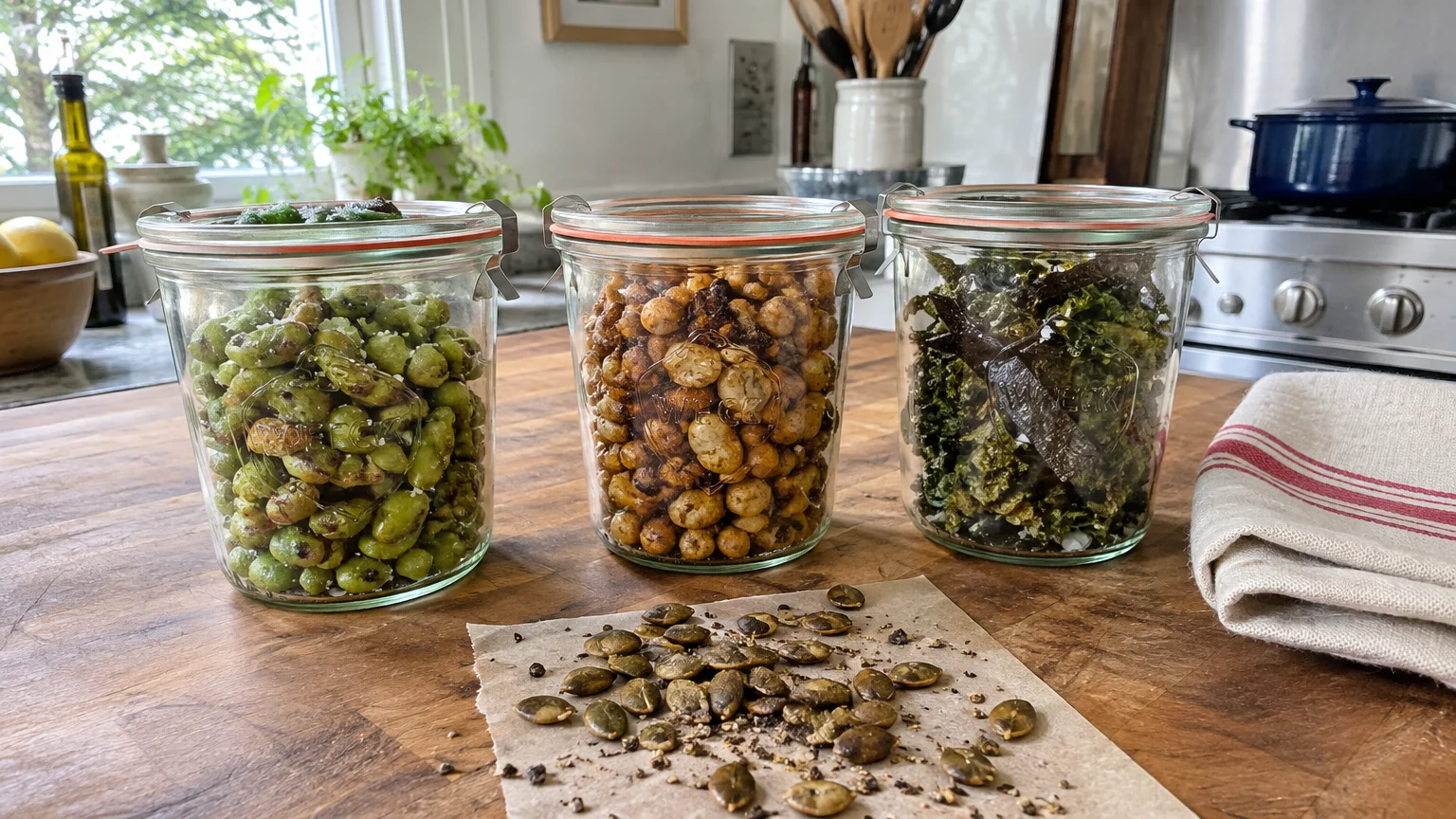
Store your popped corn inside airtight glass mason jars to lock out humidity. The tight seal keeps moisture out, preserving that fresh, crackling crunch all week long.
2. Crispy Roasted Chickpeas
Roasted chickpeas deliver a firm, shattering crunch that easily matches the mouthfeel of kettle-cooked potato crisps. These hearty legumes provide rich stores of prebiotic fiber and complex plant carbohydrates.
Prebiotic fiber nourishes beneficial gut bacteria, promoting short-chain fatty acids that regulate metabolic wellness. Chickpeas also supply abundant plant-based iron and plant protein to keep your afternoon stamina steady.
Achieving exceptional crispiness requires removing all surface water before the legumes enter your oven. Rinse canned chickpeas, drain them thoroughly, and roll them gently between clean kitchen towels until dry.
Toss the dried chickpeas with heat-stable avocado oil, coarse sea salt, ground cumin, and chili powder. Roast them at moderate heat until golden, stirring periodically to prevent burning along the tray edges.
Leave the roasted chickpeas inside the cooling oven with the door propped open for twenty minutes. This gradual cooling allows remaining interior steam to escape, ensuring long-lasting brittleness in storage.
3. Chilled Edamame in the Pod
Whole edamame pods offer a tactile, multi-sensory snacking experience that naturally slows your eating pace down. Popping individual beans from their fibrous green jackets requires active engagement and intentional focus.
Mindless snacking contributes significantly to excess caloric intake when people eat straight from large, open bags. The physical barrier of edamame pods encourages mindful eating and helps you honor your body’s fullness cues.
These young soybeans provide complete dietary protein, containing all essential amino acids required for muscular recovery. They also deliver rich concentrations of folate, iron, and health-promoting plant sterols.
Steam frozen edamame pods briefly until tender, then plunge them into cold water to preserve their bright color. Toss the chilled pods with flaky sea salt, crushed red pepper flakes, and a dash of toasted sesame oil.
Divide steamed edamame into individual portable containers and store them near the front of your refrigerator. They remain fresh for several days, providing an effortless grab-and-go option for busy afternoons.
4. Sliced Radishes and Cucumbers with Whipped Lemon Herb Feta
Fresh radishes and English cucumbers provide an intensely crisp, watery snap that cuts cleanly through sluggishness. Their firm cellular structure delivers the satisfying auditory crunch you crave from commercial snack chips.
Cucumbers and radishes consist mostly of structured water, delivering intracellular hydration along with essential electrolytes like potassium. Their natural peppery bite stimulates saliva production and activates your digestive enzymes.
Pairing crisp raw vegetables with whipped feta balances that light water crunch with rich, savory dairy fats. Feta cheese delivers concentrated calcium and bioavailable protein that slows gastric transit time.
To prepare the dip, blend Greek feta with a spoonful of plain yogurt, fresh lemon zest, and minced dill. Process until velvety smooth, creating a thick spread that clings effortlessly to vegetable slices.
Slice radishes into thin discs and submerge them in a bowl of cold water inside your refrigerator. This simple technique keeps radish slices extraordinarily crisp and rigid for up to five days.
5. Toasted Pumpkin and Sunflower Seed Clusters
Seeds pack concentrated nutrition into small packages, delivering sustained energy through wholesome monounsaturated and polyunsaturated fats. Pumpkin and sunflower seeds provide hearty, dense crunch that satisfies intense oral cravings.
Pumpkin seeds serve as an exceptional dietary source of magnesium, a crucial mineral involved in cellular energy metabolism. Magnesium also helps calm neuromuscular tension, making pumpkin seeds ideal for managing stressful work deadlines.
Sunflower seeds supply robust amounts of vitamin E, an essential fat-soluble antioxidant that protects cellular membranes. Their rich lipid profile promotes long-lasting satiety that keeps hunger signals dormant.
To create crispy clusters, whisk a single egg white with coarse salt, smoked paprika, and garlic powder until frothy. Fold in raw pumpkin and sunflower seeds until evenly coated by the light mixture.
Spread the seeds onto a parchment-lined sheet, bake until golden, and break into bite-sized clusters when cool. Keep a stash in your desk drawer for a durable, travel-ready snack that never spoils quickly.
6. Oven-Baked Curly Kale Chips
Homemade curly kale chips shatter into crisp, delicate flakes with every bite, perfectly mimicking thin potato crisps. They allow you to consume substantial quantities of nutrient-rich dark leafy greens without chewing through raw salads.
Kale provides rich concentrations of glucosinolates, sulfur-containing compounds that support your body’s endogenous antioxidant defenses. It also delivers robust stores of vitamin A, vitamin C, and bone-strengthening vitamin K.
Success with kale chips hinges entirely on meticulous moisture control and careful leaf preparation. Tear the curly leaves into generous bite-sized pieces, discarding the tough, fibrous central stems completely.
Wash the torn leaves and spin them thoroughly in a salad spinner until no water droplets remain. Rub the leaves gently with extra virgin olive oil and sea salt before spreading them across wide trays.
Bake at a low oven temperature until the leaves turn brittle and paper-thin without scorching. Store cooled kale chips in a sealed glass container with a dry paper towel to absorb stray moisture.
7. Crisp Apple Slices with Crushed Walnut Butter
Crisp, tart apple varieties like Granny Smith or Pink Lady provide a sharp, juicy snap that revitalizes tired palates. Their physical density demands deliberate chewing, helping stimulate satiety cues in your brain.
Apples contain abundant soluble pectin fiber, which forms a gentle gel-like matrix inside your gastrointestinal tract. Pectin slows sugar absorption and provides vital nourishment for health-promoting intestinal microbes.
Pairing fresh fruit slices with rich walnut butter adds satisfying plant fats and sustained protein. Walnuts represent an exceptional plant-based source of alpha-linolenic acid, an essential anti-inflammatory omega-3 fatty acid.
Make your own crushed walnut butter by lightly roasting raw walnuts and pulsing them in a food processor. Stop blending before the paste turns completely silky, preserving small, crunchy nut fragments for added texture.
Toss sliced apples with a splash of fresh lemon juice to prevent enzymatic browning during the day. Dip cold apple slices directly into the nut butter for a balanced, energy-stabilizing afternoon snack.
8. Toasted Sesame Seaweed Crisps
Roasted seaweed snacks deliver a delicate, briny crunch that satisfies intense cravings for salty commercial chips. They provide an unmistakably savory umami flavor profile while remaining naturally low in total calories.
Edible marine algae supply extraordinary concentrations of essential trace minerals, particularly iodine and tyrosine. These essential nutrients play an indispensable role in maintaining healthy thyroid hormone synthesis and metabolic regulation.
According to clinical resources from the Academy of Nutrition and Dietetics, marine vegetables provide a highly concentrated source of dietary iodine. Consuming moderate portions supports normal metabolic functioning without requiring synthetic dietary supplements.
Look for seaweed crisps that feature toasted sesame seeds pressed directly between two thin nori sheets. The sesame seeds add pleasant tooth resistance, healthy unsaturated fats, and bioavailable plant-derived calcium.
Because nori absorbs ambient humidity rapidly, keep packages tightly sealed until the exact moment you snack. Stack several sheets together to create a thicker, more substantial crunch that lingers on your palate.
9. Crunchy Freeze-Dried Snap Peas
Freeze-dried snap peas deliver a light, airy, and intensely crisp texture that mimics extruded commercial snack chips. Because freeze-drying removes water without high heat, the vegetables retain their vivid green hue and native micronutrients.
Unlike conventional fried vegetable chips, quality freeze-dried snap peas contain zero added vegetable oils or industrial starches. You receive purely intact cellular fiber, vitamin C, and plant-based protein in every brittle pod.
When you chew freeze-dried produce, your saliva rapidly rehydrates the plant fibers, releasing concentrated natural sweetness. This distinct textural journey provides sensory satisfaction that stops chip cravings in their tracks.
Read the ingredient list on packaged snap peas diligently before purchasing them from the market. The best varieties list only two simple ingredients: whole sugar snap peas and a touch of sea salt.
Store opened pouches in an airtight container or seal them with a sturdy clip immediately after snacking. Keep a pouch in your car console or gym bag for a reliable whole-food crunch on busy days.
10. Mini Sweet Bell Peppers with Savory Cottage Cheese Dip
Mini sweet bell peppers offer a crisp, thick-walled crunch that bursts with refreshing sweetness when you bite down. Their firm physical structure makes them ideal vessels for scooping up thick, savory dips.
Sweet bell peppers provide an extraordinary concentration of vitamin C, an essential antioxidant supporting collagen synthesis and immune defense. They also deliver rich pools of carotenoid pigments that support visual acuity and retinal health.
Pairing peppers with cottage cheese creates an exceptional protein-rich snack that keeps hunger dormant for hours. Cottage cheese is packed with casein protein, which digests slowly to supply a steady stream of amino acids.
Whip cottage cheese in a food processor until silky to banish its curds, creating a dip base rivaling sour cream. Stir in garlic powder, dried onion flakes, fresh chives, and cracked black pepper for classic dip flavor.
Slice miniature peppers in half lengthwise and remove the soft interior seeds to form sturdy, edible scoops. Spoon a generous amount of herb spread into each pepper half for an effortless, finger-friendly work snack.
Expert Insights: Overcoming the All-or-Nothing Snacking Trap
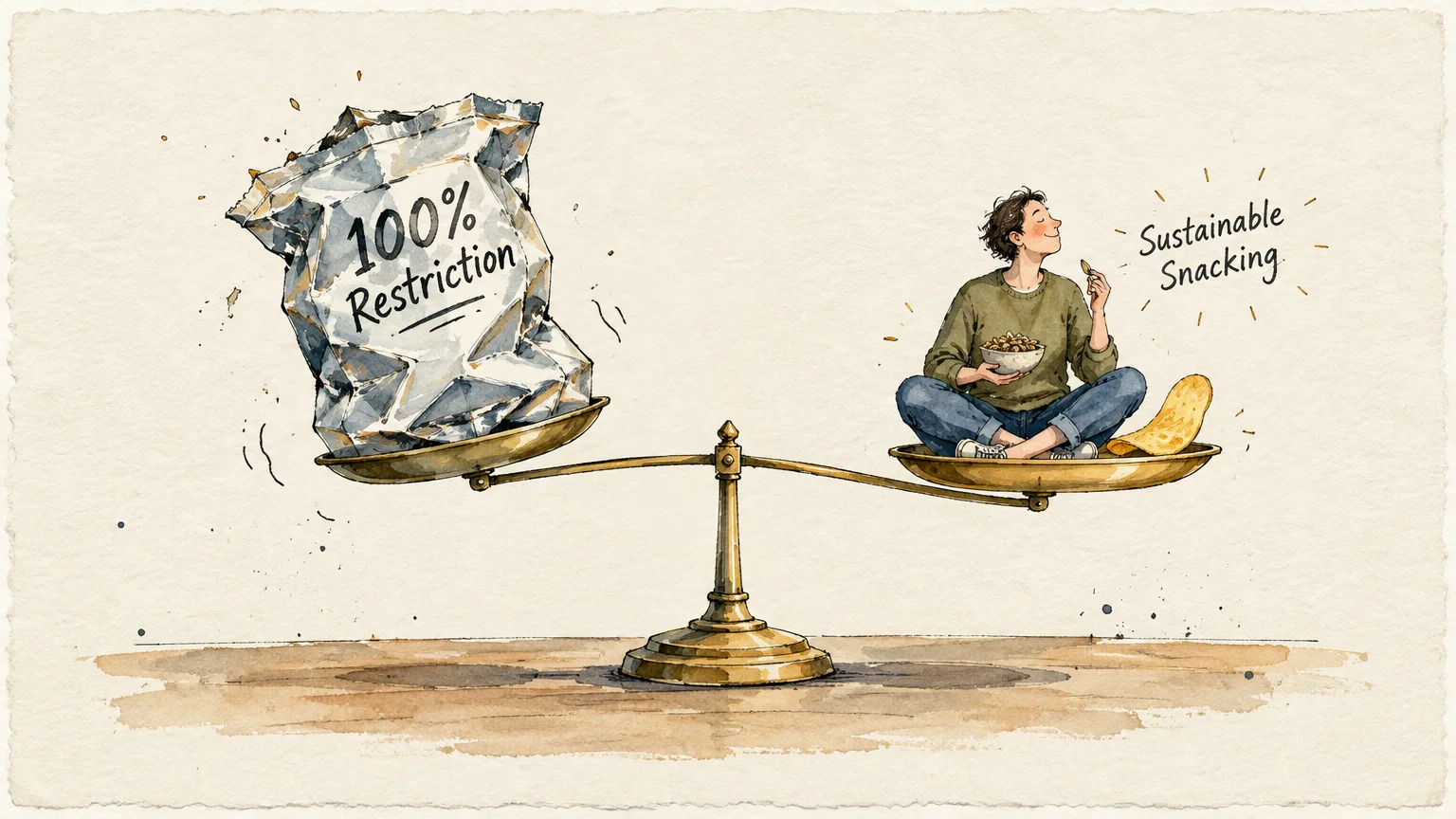
Many people fail in their nutritional goals because they view food choices through an extreme, all-or-nothing lens. Labeling commercial chips as forbidden often intensifies psychological cravings, driving episodes of reactive overconsumption later.
Registered dietitians encourage an additive approach to nutrition rather than focusing exclusively on restriction. By actively adding flavorful, fiber-packed foods to your daily menu, you naturally crowd out less nourishing processed snacks.
Evidence synthesized by the National Institutes of Health indicates that progressive dietary modifications yield superior long-term adherence compared to sudden, severe dietary restrictions. Sustainable nutrition honors both metabolic requirements and sensory satisfaction.
When you transition from ultra-processed chips to whole-food alternatives, your taste buds undergo a remarkable neurosensory recalibration. Over several weeks, the tongue’s taste receptors become more sensitive to subtle, natural sweetness and savoriness.
Foods that once tasted plain begin to reveal complex, deeply satisfying flavor dimensions. Concurrently, commercial potato chips begin to taste unpleasantly greasy and excessively salty to your newly sensitized palate.
Celebrate the small behavioral shifts you make each day rather than demanding perfection from your routine. Choosing roasted chickpeas over fried chips just three times a week creates substantial cumulative metabolic benefits over time.
Personalization, Digestive Comfort, and Clinical Cautions
Transitioning toward fiber-rich whole-food snacks requires thoughtful personalization to ensure digestive comfort. If your current diet contains minimal fiber, introducing large servings of roasted legumes or cruciferous vegetables may cause temporary gas.
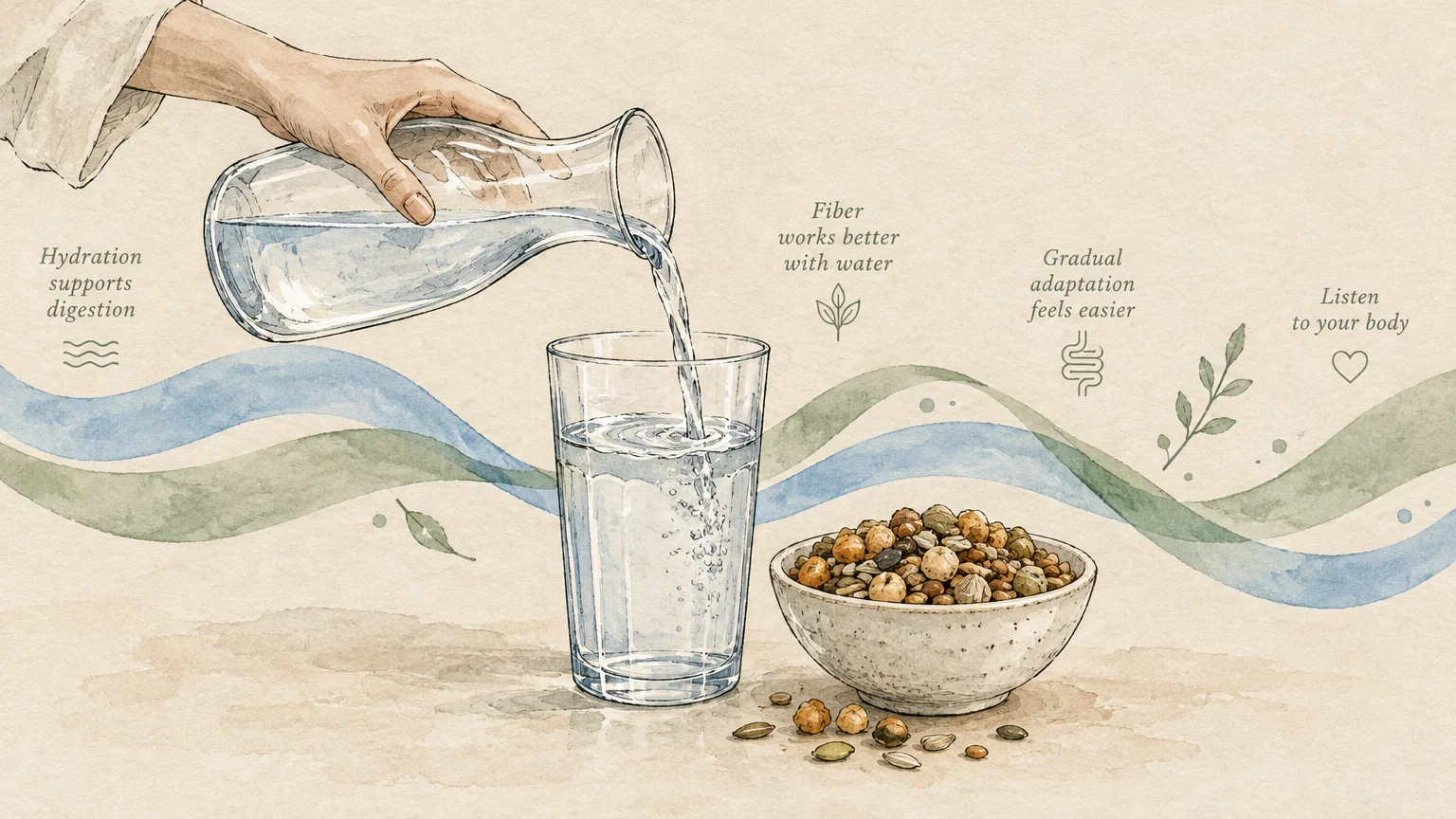
Support your gut microbiome by escalating your fiber intake gradually over several weeks. This gentle pace allows your intestinal flora to adapt and expand without causing uncomfortable bloating or cramping.
Adequate water consumption is indispensable when increasing your daily dietary fiber. Without sufficient fluid, insoluble fiber can stall in your gastrointestinal tract, leading to constipation rather than smooth, regular bowel movements.
Individuals managing irritable bowel syndrome should pay close attention to fermentable carbohydrates present in legumes. If chickpeas or beans trigger digestive distress, opt for lower-fermentation choices like pumpkin seeds, cucumbers, or air-popped popcorn.
Those with hypertension or heart disease must monitor the amount of salt added to homemade crunchy snacks. The Centers for Disease Control and Prevention notes that reducing excess sodium intake protects arterial elasticity and lowers cardiovascular strain.
Use fragrant herbs, citrus zest, and warm spices like cumin or smoked paprika to build flavor without relying heavily on salt. If you have known seed or nut allergies, always verify processing equipment to avoid inadvertent cross-contact.
Consult your personal physician or a registered dietitian before making drastic dietary changes if you take prescription medications. Individual metabolic variations mean that what works wonderfully for one person may require tailored adjustments for you.
Frequently Asked Questions
Are commercial veggie chips truly healthier than regular potato chips?
Most commercial vegetable chips found in supermarkets are not meaningfully healthier than standard potato chips. Manufacturers typically make them from potato starch, corn flour, and dehydrated vegetable powders rather than whole sliced vegetables.
These ingredients are extruded, fried in refined oils, and heavily salted to replicate the exact texture of potato chips. As a result, their total fat, sodium, and caloric profiles remain nearly identical to conventional chips.
To ensure you are getting genuine nutritional benefits, inspect the ingredient label carefully before buying. Choose products that list only whole dehydrated vegetables, or prepare your own vegetable crisps at home.
How can I make homemade kale chips stay crunchy in storage?
The secret to keeping homemade kale chips brittle lies in eliminating moisture before, during, and after baking. Ensure your kale leaves are completely bone-dry before massaging them with a modest coating of oil.
Bake the chips at low temperatures until all moisture evaporates, but remove them before the green leaves brown. Allow the baked chips to cool completely on the baking tray before touching or packing them.
Place the cooled chips in a glass container alongside a clean, folded paper towel or food-safe desiccant pouch. The absorbent material captures ambient humidity that would otherwise soften the delicate crisps.
What if I crave the strong salt-and-vinegar flavor of commercial chips?
You can recreate that mouth-puckering salt-and-vinegar punch using wholesome ingredients without industrial flavor powders. Toss thinly sliced cucumbers with raw apple cider vinegar, a pinch of sea salt, and fresh cracked pepper.
For a warm crunchy option, spritz freshly air-popped popcorn with white balsamic vinegar and sprinkle with flaky salt. The fine vinegar mist delivers unmistakable tang without turning the delicate whole-grain kernels soggy.
You can also dust roasted chickpeas or pumpkin seeds with culinary vinegar powder mixed with sea salt. This blend yields an intense, tangy crust that rivals any commercial salt-and-vinegar chip on the market.
How many snacks should I consume between meals each day?
Optimal snack frequency varies widely based on your personal activity level, work schedule, and primary meal sizes. You should use snacks as functional bridges between meals rather than grazing continuously throughout your entire day.
One or two intentional snacks per day typically provide adequate metabolic support for most active adults. Check in with your physical body to ensure you are responding to genuine hunger rather than boredom or emotional stress.
If you find yourself constantly craving snacks between meals, your main meals may lack sufficient protein or fiber. Enhancing the nutrient density of your breakfasts and lunches will naturally stabilize your appetite across the afternoon.
Take Action: Your Next Twenty-Four Hours
Upgrading your daily snacking habits does not demand an exhaustive pantry overhaul or hours of complicated culinary labor. Meaningful dietary change happens through small, focused choices that you can execute consistently without friction.
Look over the ten snacks above and pick the single option that sounds most appetizing to you right now. Check your kitchen pantry for the necessary ingredients, or add them to your shopping basket today.
Prepare a single portion tonight and place it in clear view for tomorrow afternoon. When the midday craving hits, enjoy that satisfying crunch knowing you are actively fueling your body toward vibrant, lasting vitality.