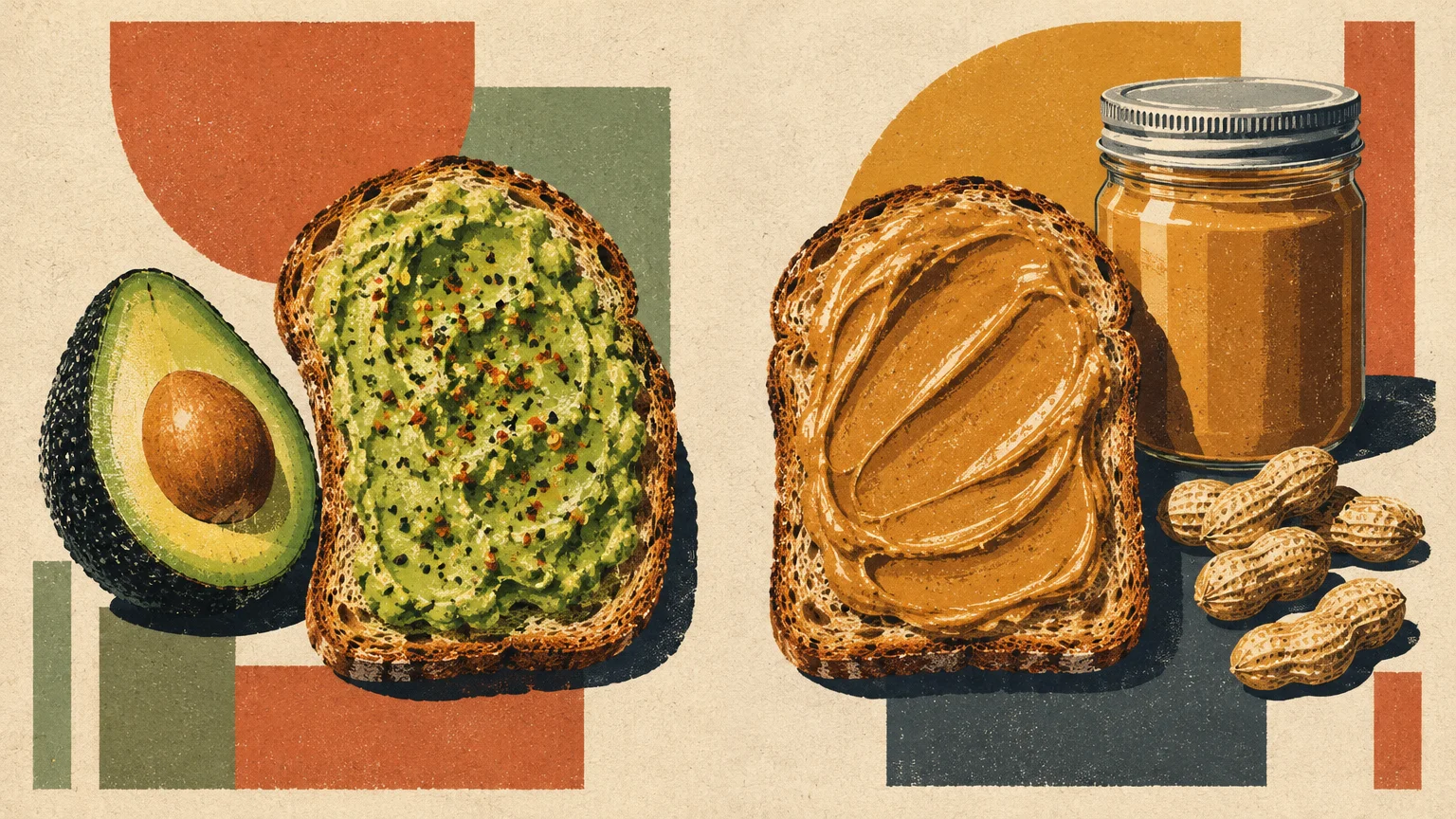
You stand beside the toaster, torn between green slices and a peanut butter jar, wondering which spread actually supports your goals. Both toppings carry loyal followings and persistent myths.
The truth about avocado toast vs peanut butter toast comes down to what your morning needs most: fiber and potassium, or plant protein and convenience. Either option builds a satisfying healthy breakfast when you pair it thoughtfully.
Let us break down the real nutrition numbers, pantry habits, and quick protein upgrades so you can eat well without rigid food rules.

Shifting Your Mindset Around Morning Toast
Many busy adults fall into an all-or-nothing trap at breakfast, treating avocado as a virtue food and peanut butter as a guilty indulgence. That binary thinking creates unnecessary stress before your workday even starts.
In reality, the Dietary Guidelines for Americans for 2025–2030 categorize both avocados and nuts as foundational sources of healthy fats. Federal guidance encourages eating minimally processed whole foods rather than chasing trendy restrictions.
When you stop labeling toppings as good or bad, you open space for realistic goal setting. You can match your breakfast to your schedule, your budget, and your hunger cues on any given morning.
A flexible approach also protects you from breakfast boredom, which often pushes people toward pastries or skipped meals. Rotating between creamy avocado and nutty spreads keeps your routine joyful and sustainable.
Instead of asking which single food wins forever, ask what job you need your toast to do today. That small mindset shift turns a daily debate into an effortless nutritional win.
Avocado Toast vs Peanut Butter Toast: The Nutrition Breakdown
Comparing these two staples side by side reveals distinct strengths rather than a clear loser. Looking at standard portions helps you decide which healthiest toast topping fits your morning appetite.
Calories, Fats, and Blood Sugar Impact
According to USDA FoodData Central, the official serving size for avocado is one-third of a medium fruit, which weighs 50 grams and provides 80 calories. Most home cooks smash half a medium Hass avocado instead.
Half a medium Hass avocado offers roughly 109 to 114 calories, 10.3 grams of fat, and less than half a gram of sugar. Almost seven grams of that fat come from heart-friendly monounsaturated fatty acids, with only 1.5 grams of saturated fat.
A standard two-tablespoon serving of smooth peanut butter weighs 32 grams and delivers 188 to 190 calories. It provides about 16 grams of total fat, including roughly seven grams of monounsaturated fat and three grams of saturated fat.
Peanut butter contains zero trans fat and between 2.1 and 2.9 grams of total sugar per serving. Both toppings keep your blood sugar steady because avocado has a glycemic index around 15 and peanut butter sits near 14.
With a glycemic load of roughly one per two-tablespoon serving, peanut butter will not trigger a mid-morning energy crash. Both spreads anchor your morning energy far better than sugary jams or refined pastries.
Fiber, Protein, and Micronutrient Highlights
Avocado shines brightest when your goal is digestive support and electrolyte balance. Half a medium avocado delivers 4.6 to 4.7 grams of dietary fiber and 340 to 345 milligrams of potassium, with just 5.5 milligrams of sodium.
Across 100 grams of edible flesh, avocado supplies 81 micrograms of folate, 29 milligrams of magnesium, 21 micrograms of vitamin K, and 271 micrograms of lutein and zeaxanthin. Its monounsaturated fat matrix also helps your body absorb fat-soluble vitamins more effectively.
Peanut butter pulls ahead decisively on protein and energy density. Two tablespoons supply roughly seven to eight grams of protein alongside 1.8 to 2.0 grams of dietary fiber.
That same spoonful gives you 49 milligrams of magnesium and 189 milligrams of potassium to support muscle and nerve function. Per 100 grams, smooth peanut butter also delivers over 13 milligrams of niacin and nine milligrams of vitamin E.
Cardiovascular Research and Long-Term Benefits
Both toppings earn praise from cardiovascular researchers for their impact on blood lipids. In a randomized controlled trial, eating one Hass avocado daily within a moderate-fat diet lowered LDL cholesterol by 13.5 milligrams per deciliter.
That drop outperformed both a fatty-acid-matched oil diet and a lower-fat eating pattern. Whole avocados appear to offer benefits beyond isolated cooking oils.
Regular nut intake tells an equally encouraging story for heart health. Meta-analyses indicate that eating roughly 30 grams of nuts and seeds daily links to an approximate 20 percent lower relative risk of total cardiovascular disease and related mortality.
Cohort studies also connect regular peanut butter consumption with lower LDL cholesterol and reduced type 2 diabetes risk. Choosing either topping regularly moves your overall breakfast nutrition in a heart-protective direction.
Closing the Breakfast Protein Gap
Even with their strong nutrient profiles, neither toast topping builds a complete high-protein meal on its own. Registered dietitians commonly suggest aiming for 20 to 30 grams of protein at breakfast to curb mid-morning hunger and preserve muscle.
The 2025–2030 federal guidelines emphasize prioritizing protein at every meal, targeting 1.2 to 1.6 grams per kilogram of body weight daily. A single slice of whole-wheat bread with half an avocado provides only about six grams of protein.
Swapping in two tablespoons of peanut butter lifts that single slice to roughly 11 or 12 grams of protein. That still leaves you well short of the 20-to-30-gram benchmark unless you add an extra protein source.
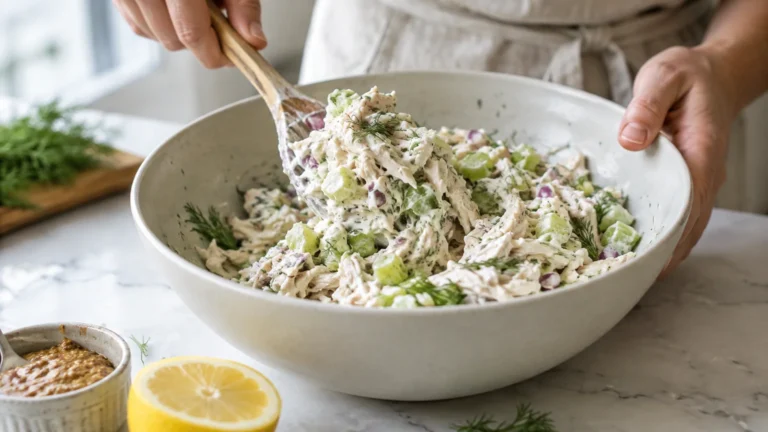
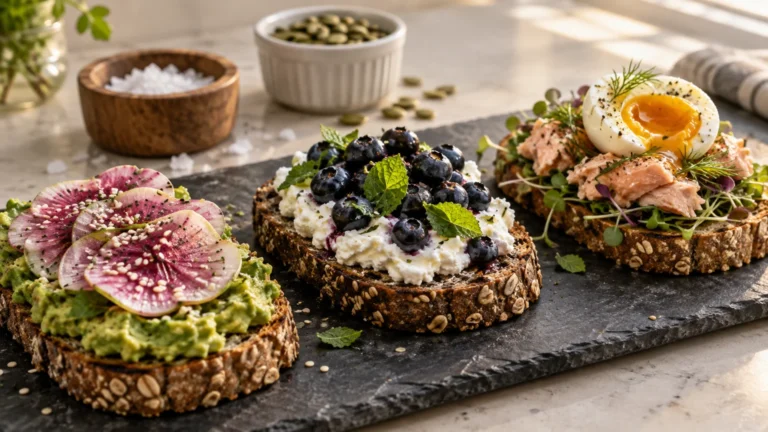
You can close that gap easily without complicating your morning routine. Pair avocado toast with eggs, smoked salmon, white beans, or cottage cheese; pair peanut butter toast with Greek yogurt, kefir, hemp hearts, or a glass of dairy or soy milk.
Building a Better Bread Foundation
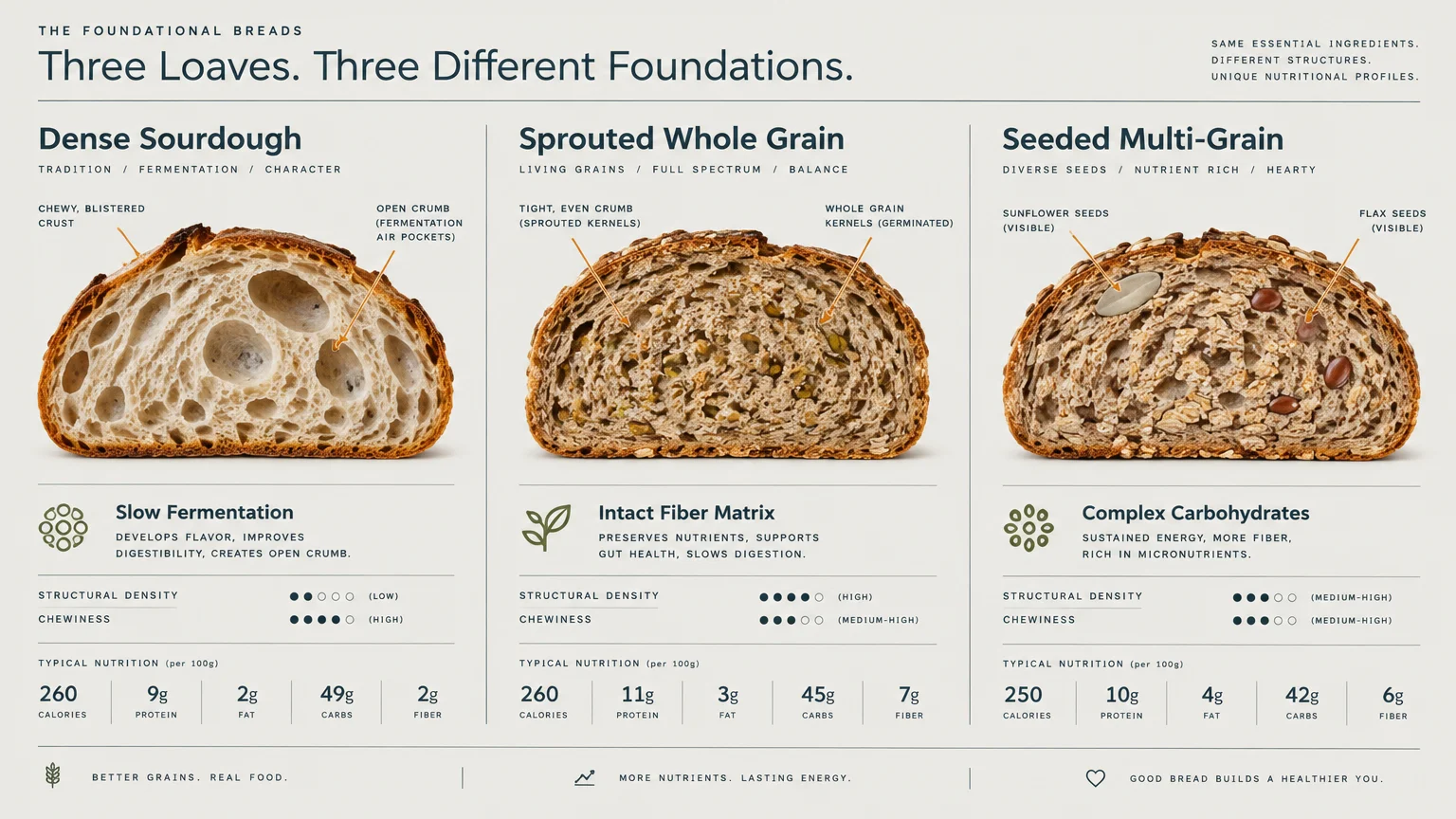
Your topping only performs as well as the slice underneath it. Swapping refined white bread for whole-grain bread transforms toast from a quick starch into steady fuel.
One slice of 100 percent whole-wheat bread provides 81 calories, 13.7 grams of carbohydrates, 1.9 grams of dietary fiber, and 1.4 grams of sugar. By comparison, one slice of white bread has 77 calories but drops to just 0.8 grams of fiber.
Federal guidelines recommend two to four servings of whole grains daily, and one slice of whole-wheat bread counts as a full serving. Choosing dense, sprouted, or seeded whole-grain loaves adds extra texture and helps you meet daily fiber targets.
Check the ingredient list rather than trusting front-of-package buzzwords like multigrain or wheat. Look for whole wheat or whole oats listed as the very first ingredient so you get the intact grain kernel.
Pantry Makeovers and Smarter Grocery Shopping
Better mornings start in the grocery aisle long before you plug in your toaster. A quick pantry audit removes hidden sugars, excess sodium, and hydrogenated oils from your routine.
Decoding Peanut Butter Labels
Not every jar in the peanut butter aisle delivers the same nutritional value. Some commercial brands blend in palm oil, fully hydrogenated vegetable oils, salt, and cane sugar to prevent oil separation and sweeten the flavor.
Under the U.S. Food and Drug Administration rule finalized in December 2024, pure peanut butter qualifies as a healthy food because its inherent nut saturated fat is excluded from the five percent Daily Value cap.
Brands with added palm or hydrogenated oils can fail that standard.
Since January 2020, nutrition labels have required manufacturers to list added sugars separately in grams and percent Daily Value based on a 50-gram daily limit. Look for jars with zero grams of added sugar and an ingredient list containing only peanuts and optional salt.
Sodium levels also vary dramatically across jars. Salted smooth peanut butter carries roughly 147 to 152 milligrams of sodium per two tablespoons, while unsalted smooth peanut butter contains only about five milligrams per two-tablespoon serving.
Cutting sodium at breakfast helps offset the 3,400 milligrams of sodium Americans consume daily on average. The American Heart Association also advises keeping saturated fat under six percent of total daily calories, making pure peanut butter a smart pantry staple.
Selecting and Prepping Avocados Without Waste
Hass avocados account for over 95 percent of U.S. grocery sales, and roughly 90 percent of imports arrive from Mexico. U.S. consumption quadrupled since 2000 to more than nine pounds per person annually, with total demand projected to top three billion pounds.
Because skin and pit make up 30 to 33 percent of a whole Hass avocado’s weight, smart selection protects your food budget. Gently press near the stem end; a slight give indicates ripeness, whereas mushy spots signal bruising.
Buy a mix of firm green avocados and dark ripe ones so they mature in stages across your workweek. Keep unripe fruit on the counter, then move ripe avocados into the refrigerator crisper drawer to hold them fresh for days.
Before you slice into any avocado, wash the outer peel thoroughly under running water. Federal food safety sampling has detected pathogens like Listeria monocytogenes on avocado skins that your knife blade can drag straight into the edible flesh.
Navigating Food Prices Across Budgets
Food affordability shapes real-world eating habits just as much as nutrition science does. Bureau of Labor Statistics data show grocery prices rose over 23 percent since January 2020, with federal economists projecting another 2.5 to 3.5 percent climb in 2026.
Peanut butter remains stocked in roughly three out of four American households—and Americans eat over 700 million pounds yearly—partly because it stretches every dollar. A large jar sits safely in your pantry for months without spoiling.
Avocados fluctuate more with seasonal harvests and require careful timing so half-eaten fruit does not brown in the fridge. If you use only half an avocado at breakfast, leave the pit in the remaining half, brush it with lemon juice, and wrap it tightly.
You can also buy frozen avocado chunks for smoothies or mash them onto hot toast in a pinch. Blending affordable peanut butter days with sale-priced avocado days keeps both your nutrition and grocery bill balanced.
Daily Routines for Better Breakfast Nutrition
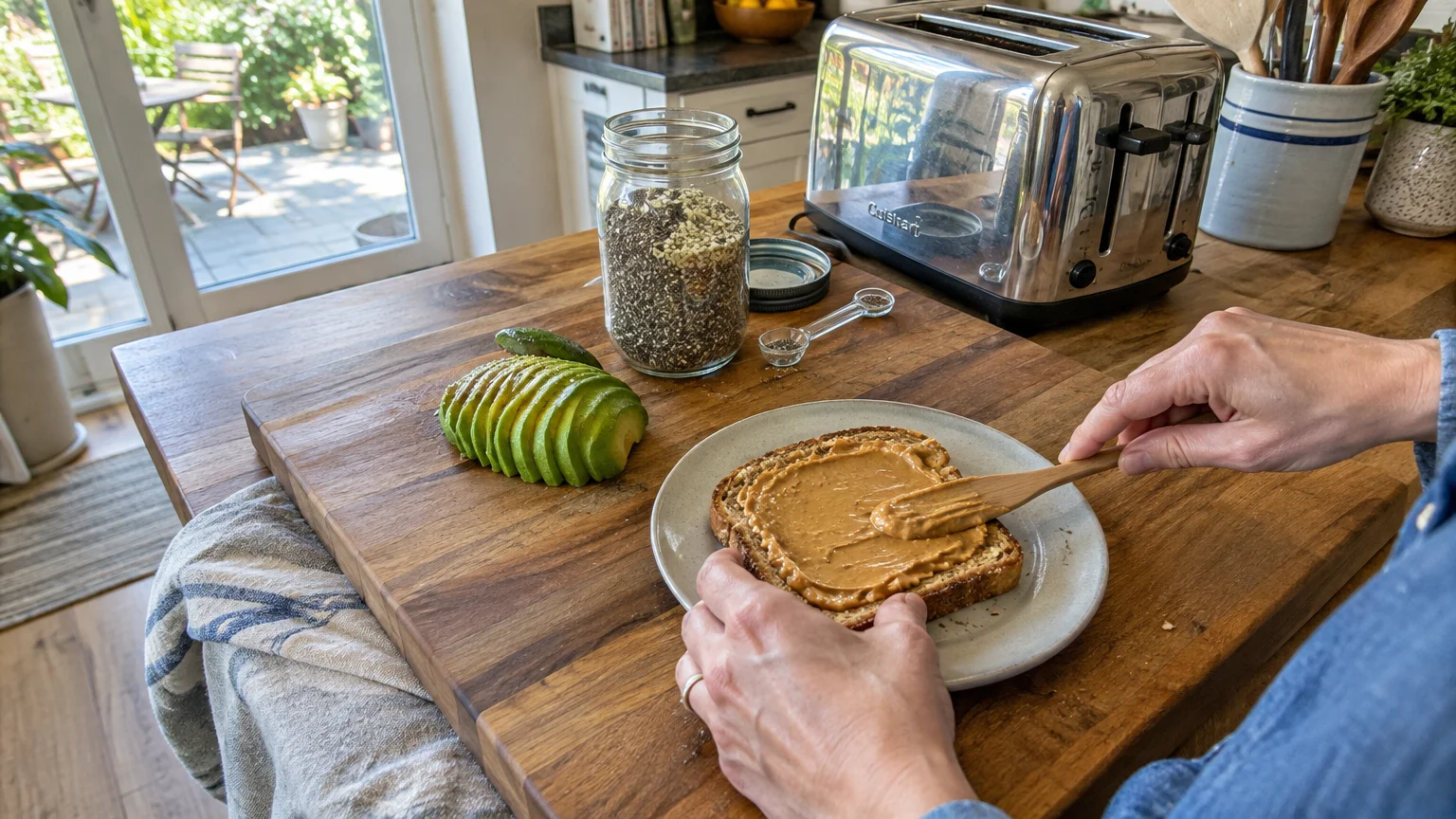
Knowing the numbers only helps when they fit smoothly into sleepy weekday mornings. Use simple kitchen workflows and habit cues to put balanced toast on your plate quickly.
Timing Your Meal and Balancing Hydration
Many people drink coffee first and realize later that morning that they skipped food entirely. Pairing your morning coffee or tea with a tall glass of water before eating wakes up digestion and prevents false hunger cues.
Hydration matters even more when you build a high-fiber breakfast. The Daily Value for fiber is 28 grams per day on a 2,000-calorie diet, yet U.S. adults average only around 15 grams daily.
Adding extra water alongside whole-wheat bread, avocado, or chia seeds helps fiber move comfortably through your digestive tract. Try keeping a filled water glass next to your coffee maker as an automatic visual cue.
If you exercise early in the morning, peanut butter toast offers slightly faster comfort before a workout, while protein-topped avocado toast recovers energy nicely afterward. Listen to how your stomach handles fat and fiber before morning movement.
Practical Dietitian Breakfast Tips for Flavor and Satiety
Smart dietitian breakfast tips focus on layering textures, acids, and protein so healthy meals feel exciting rather than dutiful. Plain mashed avocado comes alive with flaky sea salt, red pepper flakes, fresh lime juice, and sliced radishes.
To boost protein on avocado days, top your slice with poached eggs, scrambled egg whites, or a thick spoonful of cottage cheese. Microgreens, cherry tomatoes, and nutritional yeast add vibrant color and extra savory depth.
For peanut butter toast, skip sugary drizzles of chocolate syrup and lean into natural sweetness. Top natural peanut butter with sliced bananas, warmed frozen berries, cinnamon, and a sprinkle of toasted pumpkin seeds or hemp hearts.
Keep a small prep caddy in your fridge or spice rack holding seeds, lemon wedges, and hot sauce. Reducing friction on busy mornings makes nutritious upgrades effortless.
Mindful Eating and Kitchen Allergy Safety
Eating toast standing over the kitchen sink leaves your brain feeling unsatisfied, even when the calories look solid on paper. Sit down for a few calm minutes, put your phone aside, and notice the crunch of the crust and the warmth of the spread.
Mindful pacing gives satiety hormones time to register fullness before you reach for extra snacks. Chewing whole grains and seeds thoroughly also aids nutrient absorption.
If anyone in your household manages a peanut allergy, strict kitchen hygiene protects them from dangerous trace exposure. Federal food safety rules emphasize washing peanut-coated knives, cutting boards, and counters immediately with hot, soapy water.
Keep separate squeeze bottles or dedicated butter knives if needed, and store nut jars on an isolated shelf. Families with infants or toddlers should also thin thick globs of peanut butter with warm water or puree, since thick spoonfuls pose a choking risk.
To help prevent peanut allergies, federal guidelines advise introducing thinned peanut foods around six months of age. Infants with severe eczema or egg allergy may start between four and six months under medical guidance.
Support Systems That Make Habits Stick
Willpower fades quickly on hectic mornings, so build external support around your breakfast routine. Simple tracking tools and human accountability turn intentions into automatic daily habits.
Try noting how full you feel mid-morning after eating avocado toast versus peanut butter toast for several days. A sticky note on your fridge or a quick voice memo reveals which protein add-ons actually keep you focused until lunch.
Focus on tracking positive additions—such as hitting 20 grams of protein or adding a serving of produce—rather than obsessing over every gram of fat. Positive habit tracking builds confidence without triggering food anxiety.
Recruit an accountability partner, such as a coworker, spouse, or walking friend, to share quick morning breakfast photos for a couple of weeks. Seeing someone else assemble a simple balanced plate nudges you to stick with yours.
If you want tailored guidance for cholesterol, blood sugar, or athletic goals, seek out a registered dietitian through your health plan or local community clinic. Professional support helps you customize portion sizes and grocery swaps to fit your exact health history.
Troubleshooting Cravings, Travel, and Social Mornings
Even the sturdiest morning habit meets messy real-world obstacles. Having backup tactics ready prevents one rushed morning from derailing your entire week.
Taming Sweet Cravings and Mid-Morning Slumps
If you crave sweet foods shortly after eating toast, check your added sugar and protein levels first. Data from the Centers for Disease Control and Prevention show Americans consume over 70 grams of sugar daily on average.
That intake dwarfs the American Heart Association cap of 25 grams of added sugar per day for women and 36 grams for men. Meanwhile, 2025–2030 federal guidelines advise keeping added sugars under 10 grams per meal.
Honey-roasted peanut butter or sweetened flavored creamers can quietly spike your morning sugar load and invite cravings before lunch. Switching to unsweetened peanut butter topped with fresh fruit satisfies your palate with fiber instead of refined sugar.
If savory avocado toast leaves you hungry before noon, add another source of protein alongside a cup of berries. Early hunger after breakfast usually signals missing protein rather than a need for sweets.
Navigating Restaurant Brunches and Travel Days
Cafe avocado toast often arrives buried under heavy oil drizzles, thick artisan sourdough, and side potatoes, yet still skimps on protein. Ask for a poached egg or smoked salmon on top, and request dressings or extra oils on the side.
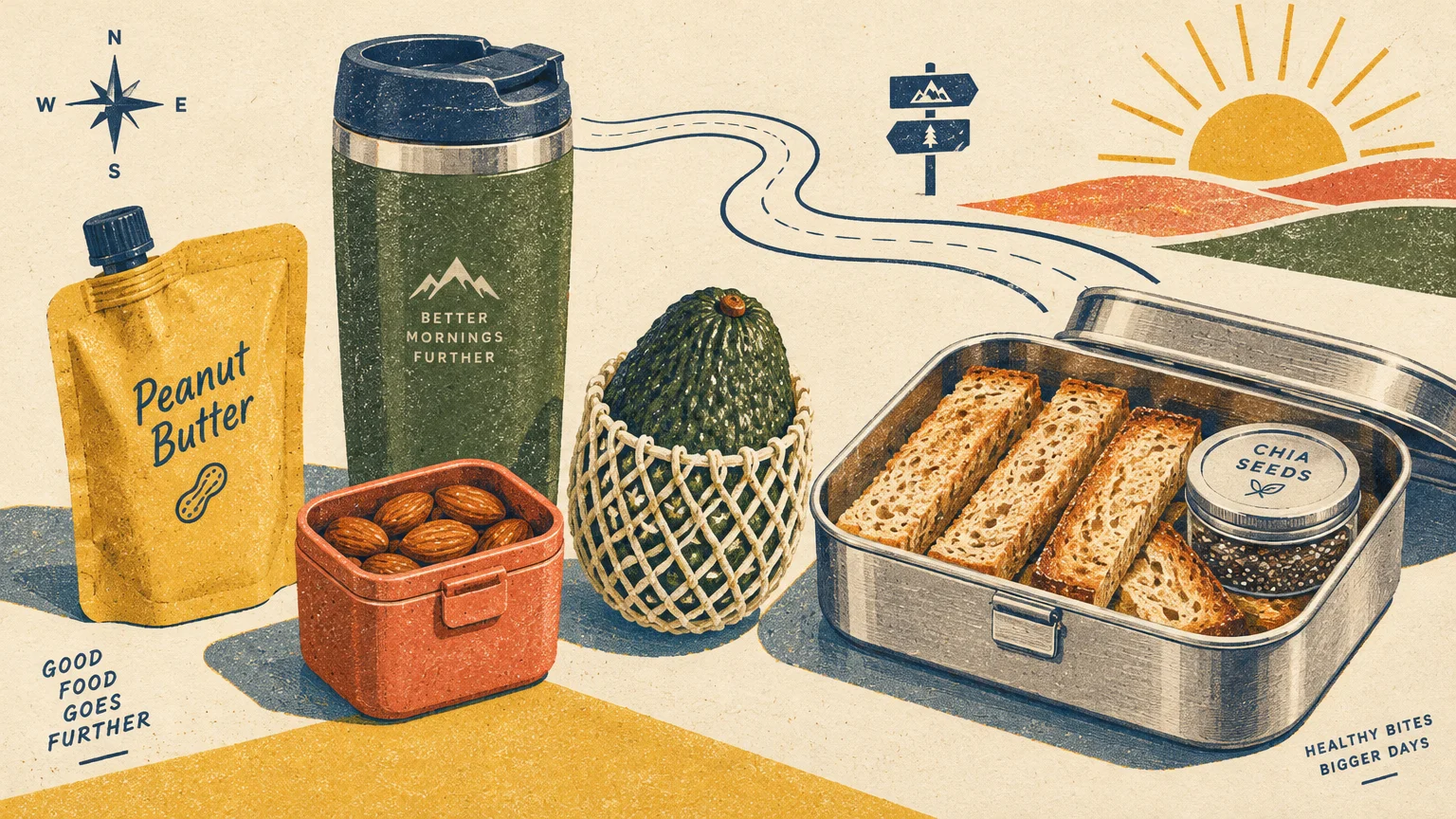
When traveling for work or staying in hotels, shelf-stable single-serve packets of pure peanut butter fit easily inside carry-on bags. Grab whole-wheat toast and a hard-boiled egg or carton of Greek yogurt from the hotel breakfast bar.
On road trips, pack a small container of roasted nuts, whole-grain crackers, and single-serve avocado cups kept cool in an insulated bag. Planning portable backups ensures you never rely solely on vending machines or drive-thru pastries.
Frequently Asked Questions
Do I need fiber or omega supplements if I eat avocado or peanut butter toast?
Most healthy adults can meet baseline fat and fiber needs through whole foods before turning to pills or powders. Avocado delivers both fiber and monounsaturated fats that boost vitamin absorption, while peanut butter supplies plant fats, vitamin E, and niacin.
Because average U.S. fiber intake sits near half the 28-gram daily target, adding whole-grain bread, berries, and chia seeds goes a long way. Speak with your doctor or dietitian before starting supplements, especially if you take blood thinners or cholesterol medications.
How can I adapt these toasts for picky eaters in my house?
Children and hesitant eaters often react more to unfamiliar textures than to flavor alone. Serve smooth mashed avocado mixed lightly with mild yogurt, or offer thin layers of creamy peanut butter cut into fun strips.
Let picky eaters choose one topping from familiar options, such as sliced strawberries, cinnamon, or shredded cheese. Remember to thin peanut butter with warm water or milk for toddlers to prevent choking.
Which option works better if I am on a tight grocery budget?
Peanut butter almost always wins on cost per serving, shelf stability, and zero spoilage waste. One jar feeds a household for weeks and requires no refrigeration.
You can still enjoy avocado toast affordably by purchasing bagged petite avocados on sale and freezing mashed portions with lemon juice in ice cube trays. Alternating peanut butter mornings with sale-priced avocado days keeps grocery spending predictable.
How should I track progress without getting obsessed with calories?
Shift your attention from calorie math to energy, focus, and digestion cues. Rate your mid-morning hunger on a simple scale and note whether you made it comfortably to lunch.
You can also track simple weekly wins, such as buying unsalted peanut butter, washing avocados before slicing, or hitting 20 grams of protein on most weekday mornings. Those practical benchmarks measure real behavior change without encouraging perfectionism.
Your Morning Challenge Starts Tomorrow
You do not have to crown a single permanent winner in the avocado toast vs peanut butter toast matchup. Both spreads bring valuable unsaturated fats, essential micronutrients, and steady blood sugar support to your breakfast table.
Tomorrow morning, pick one small upgrade—wash your avocado before slicing, choose unsweetened peanut butter, or add eggs or Greek yogurt. Eat slowly and write two lines in a journal about how your energy feels later that morning.
Small, observant tweaks build lasting habits far faster than strict rules ever could. Enjoy every bite of your next healthy breakfast and let your body tell you what works best.