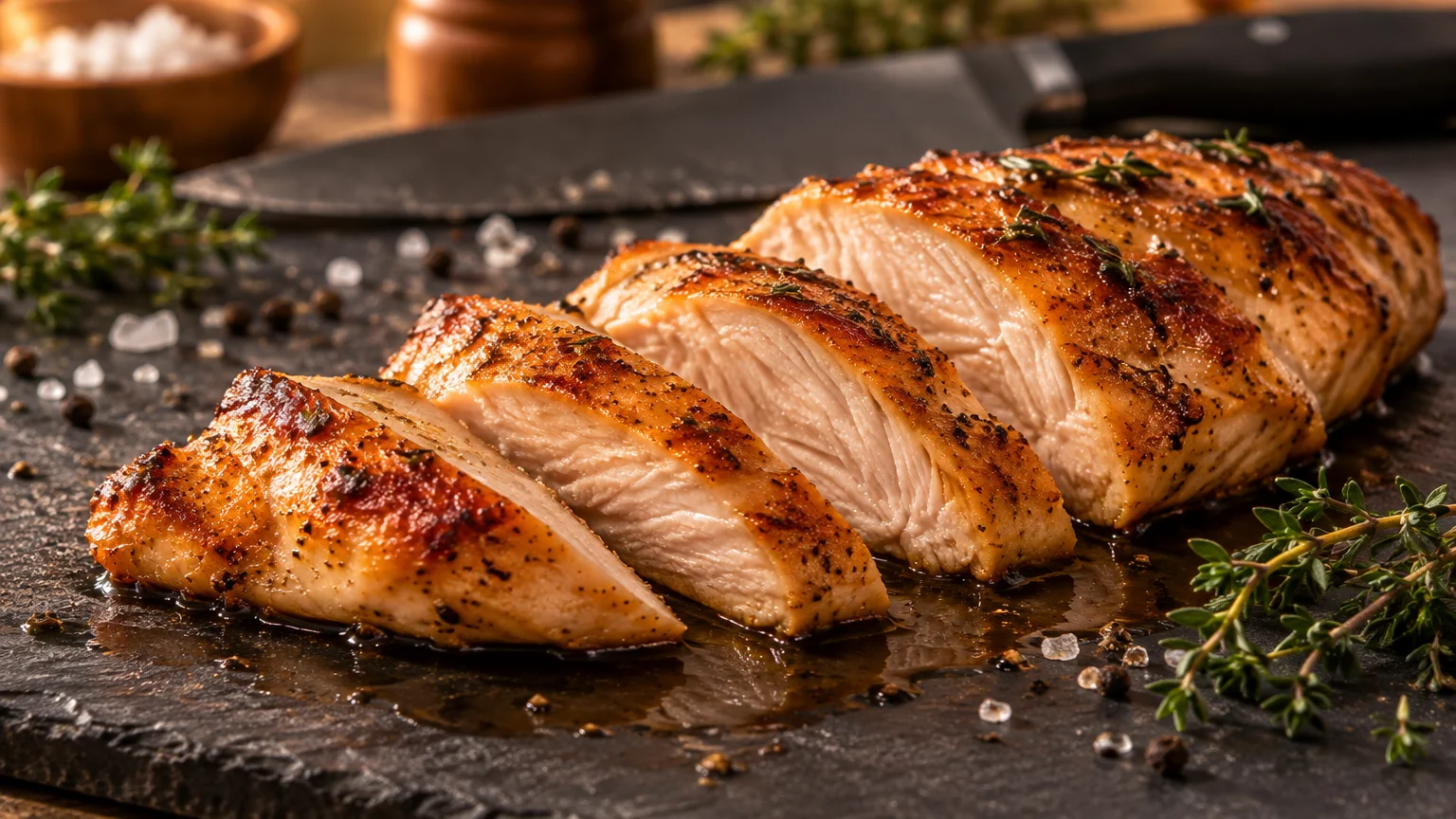
Dry, chalky poultry ruins more weeknight healthy eating plans than almost any other kitchen frustration. Learning to avoid common chicken breast cooking mistakes turns a bland staple into a tender meal you actually crave.
You do not need culinary school training or heavy sauces to make a juicy chicken breast on a busy Tuesday. Small adjustments in timing, temperature, and prep protect both your dinner texture and your household food safety.
Use these practical cooking tips to save money at the grocery store, streamline your weekly routine, and enjoy protein-rich dinners without strict rules.
Mindset Reset: Ditching the Dry Chicken Diet Trap
Why Punishing Meals Backfire
Many busy adults treat plain chicken as a mandatory chore rather than real food worth enjoying. When dinner tastes like cardboard, you naturally abandon your nutrition goals by Thursday night.
According to the USDA Economic Research Service, chicken surpassed pork in 1996 and beef in 2010 to become the top meat in America. Availability is projected at 102.8 pounds per person in 2026, compared with 56.9 pounds of beef and 50.9 pounds of pork.
Because you likely eat poultry multiple times a week, enjoying how you prepare it matters enormously for long-term consistency. Sustainable habits grow out of delicious meals you look forward to eating.
Setting Realistic Kitchen Goals
Perfectionism tells you that every weekday dinner needs five fresh sides and intricate seasoning blends. In reality, mastering how to cook chicken breast well gives you a fast, repeatable anchor for dozens of meals.
Aim for one small upgrade this week instead of overhauling your entire diet overnight. You might commit simply to checking meat temperature or prepping spices on Sunday afternoon.
Behavior change sticks when the new habit lowers your daily friction. Flavorful chicken makes healthy eating effortless rather than exhausting.
Understanding Your Portion Reality
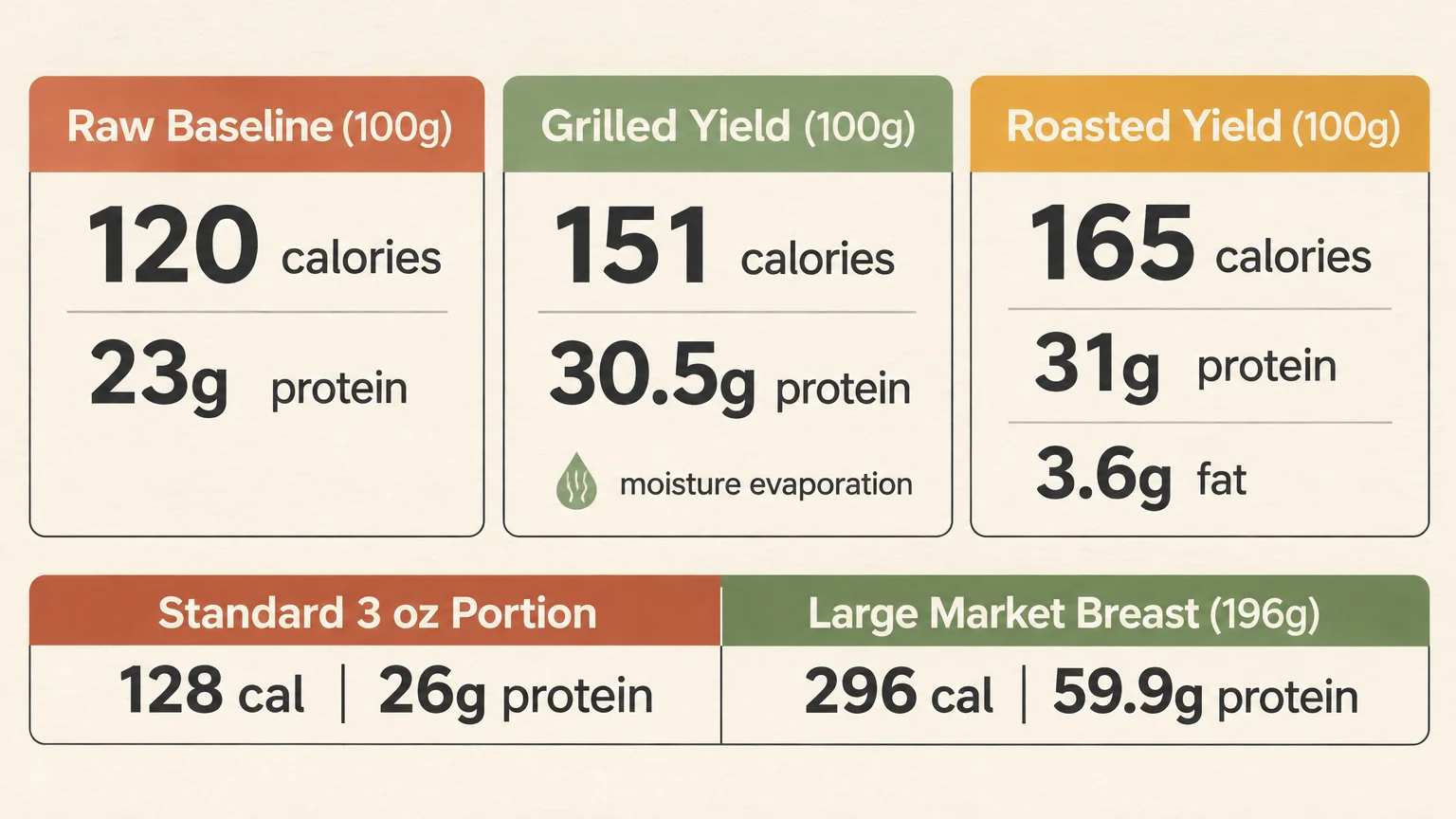
Knowing what sits on your plate helps you balance energy without obsessing over every bite. Per USDA FoodData Central, a standard 3-ounce grilled portion delivers 128 calories, 26 grams of protein, 2.7 grams of fat, and zero carbohydrates.
However, modern supermarket cuts are often massive compared with that baseline serving. One large 196-gram grilled boneless, skinless breast packs 296 calories, 59.9 grams of protein, and 6.2 grams of fat.
Raw poultry also shrinks as moisture evaporates during heat exposure. Raw chicken breast starts around 120 calories and 23 grams of protein per 100 grams, whereas grilled meat concentrates to 151 calories and 30.5 grams of protein per 100 grams.
Roasted chicken breast measures slightly higher at 165 calories, 31 grams of protein, and 3.6 grams of fat per 100 grams. Seeing those numbers clearly lets you slice one large breast into two satisfying meals without guesswork.
Four Cooking Mistakes That Steal Moisture and Flavor
Mistake One: Guessing Doneness Without a Thermometer
Poking poultry with a fork or slicing into the center mid-cook releases precious juices straight into the pan. Worse, visual shortcuts routinely mislead even experienced home cooks.
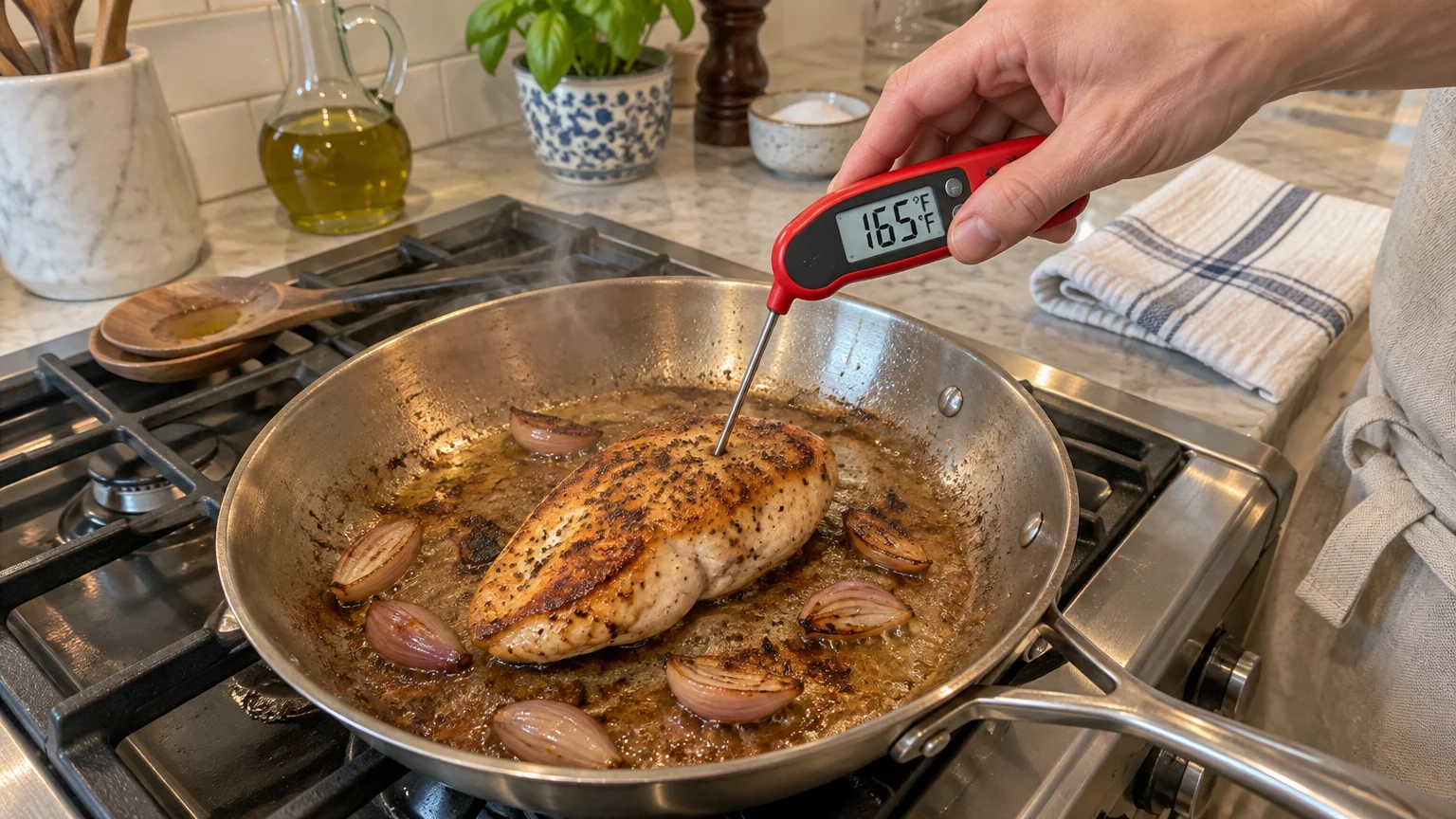
The USDA Food Safety and Inspection Service mandates an internal temperature of 165 degrees Fahrenheit in the thickest part of the breast. Always check that reading with a calibrated food thermometer rather than your eyes.
Testing from America’s Test Kitchen demonstrated that poultry running completely clear juices can still sit at 145 degrees Fahrenheit, leaving it 20 degrees below safe minimums. Conversely, overcooked dry meat can continue leaking pink liquid.
Heat-stable hemoglobin in young birds also leaves safely cooked meat looking slightly pink near the center, according to USDA FSIS guidance. Relying on a thermometer protects your family while preventing you from cooking meat far past the safe minimum out of fear.
When roasting in the oven, never set your dial below 325 degrees Fahrenheit. Moderate-to-high heat cooks the center efficiently before the exterior dries out.
Mistake Two: Cooking Uneven Thickness Straight From the Package
A typical boneless breast tapers dramatically from a thick rounded end to a thin flat tip. When you drop that wedge straight into a hot skillet, the narrow tip turns tough before the thick center reaches 165 degrees Fahrenheit.
Place the meat inside a zip-top bag or between sheets of parchment paper before cooking. Gently flatten the thick side with a rolling pin or heavy skillet until the entire piece shares an even thickness.
Alternatively, slice thick cuts horizontally through the middle to create two thin cutlets. Evenly shaped cutlets sear fast, absorb seasoning evenly, and finish cooking within minutes.
Mistake Three: Slicing Immediately Off the Heat
Your stomach might want dinner served the second the pan leaves the burner, yet cutting too early ruins your texture. Intense heat tightens muscle fibers and pushes natural moisture toward the surface.
Culinary testing by Serious Eats recommends resting cooked whole boneless breasts for 5 to 10 minutes before slicing. That brief pause lets muscle fibers relax and reabsorb liquid throughout the meat.
Use those resting minutes to toss a quick salad, warm whole grains, or set the table. Every slice stays tender on the cutting board instead of swimming in wasted pan juices.
Mistake Four: Skipping Dry Brining Before Cooking
Sprinkling table salt seconds before searing seasons only the outer crust while leaving the interior bland. Giving salt time to work ahead of cooking dramatically improves moisture retention and deep flavor.
For safe dry brining, USDA FSIS recommends 1 tablespoon of kosher or seasoned salt per 5 pounds of poultry. Seal the salted meat in a bag inside the refrigerator for up to 2 days, then pat dry before cooking.
Patting the surface dry ensures your skillet produces a golden sear rather than steaming the meat in trapped water. If you monitor sodium closely, you can rely more heavily on citrus zest, garlic powder, smoked paprika, and dried herbs instead.
Prep, Thawing, and Food Safety Mistakes to Fix Today
Mistake Five: Washing Raw Chicken in the Sink
Rinsing raw poultry under running tap water ranks among the most persistent kitchen habits passed down through families. Unfortunately, splashing droplets spray invisible bacteria across countertops, sponges, utensils, and nearby produce.
In a USDA FSIS meal-prep study, 26 percent of cut-up cantaloupe fruit salad samples became cross-contaminated from sink bacteria or unwashed hands. Heat kills bacteria during cooking, so washing raw meat adds zero safety benefit.
Take chicken straight from its wrapper onto a dedicated cutting board and pat it dry with disposable paper towels. Wash your hands with warm water and soap for 20 seconds before and after touching raw poultry.
After prep finishes, wash your sink and counters with warm soapy water. Sanitize surfaces using 1 tablespoon of liquid chlorine bleach per gallon of water, then let everything air-dry.
Mistake Six: Thawing Poultry on the Kitchen Counter
Leaving frozen meat out on the counter while you head to work creates a dangerous bacterial breeding ground. Bacteria such as Salmonella Enteritidis and Campylobacter multiply fastest in the Danger Zone between 40 and 140 degrees Fahrenheit.
Inside that temperature window, harmful bacteria can double in as little as 20 minutes. USDA FSIS advises never leaving raw or cooked chicken unrefrigerated for more than 2 hours, or 1 hour when room temperatures exceed 90 degrees Fahrenheit.
Plan ahead with refrigerator thawing kept at 40 degrees Fahrenheit or below. Even 1 pound of boneless breasts requires a full 24 hours to thaw safely in the fridge, where it remains good for 1 to 2 days.
When you forget to plan ahead, submerge sealed chicken in cold tap water inside a leak-proof bag. Change the cold water every 30 minutes and cook the thawed meat immediately.
You can also use your microwave defrost setting as long as you cook the meat right away, since warm spots begin cooking during defrosting. Never place frozen chicken directly into a slow cooker, because it lingers too long in the Danger Zone.
Mistake Seven: Reusing Raw Marinade at the Table
A bright herb-and-lemon marinade adds wonderful aroma to lean poultry, yet serving leftover raw liquid over cooked food spreads illness. Raw meat juices contaminate the entire bowl within minutes of contact.
Always marinate chicken inside a covered dish kept in the refrigerator, never at room temperature. Discard leftover raw marinade immediately after moving the meat to the pan.
If you want extra sauce for your finished plate, set aside a separate clean batch before adding raw meat. Otherwise, bring used marinade to a rolling boil before drizzling it over cooked chicken.
Mistake Eight: Underestimating Raw Chicken Parts
Many shoppers assume restaurant meals carry most foodborne illness risk while home-cooked cuts feel automatically harmless. Data shows that everyday grocery cuts require serious kitchen care.
The CDC estimates Salmonella causes roughly 1.35 million U.S. infections and 26,500 hospitalizations annually, with over 23 percent tied to poultry. USDA ERS places the economic toll of Salmonella at roughly 4.1 billion dollars each year.
A 25-year CDC and USDA FSIS study published in the Journal of Food Protection in November 2025 tracked 366 chicken-associated Salmonella outbreaks causing 10,344 illnesses and 12 deaths. Raw chicken parts like breasts and wings caused 68.6 percent of those outbreaks.
Those raw parts triggered outbreaks 5.6 times more often than expected from sales volume alone. Treating every package with clean boards, separate tongs, and accurate thermometer checks keeps your household safe.

Pantry Makeover and Budget-Friendly Grocery Habits
Comparing Store Prices Without Losing Protein Value
Rising grocery bills discourage many families from keeping lean protein stocked every week. Smart buying habits keep nutritious dinners affordable even on a tight budget.
According to U.S. Bureau of Labor Statistics data, boneless chicken breast averaged 4.20 dollars per pound in September 2026 and 4.10 dollars per pound in October 2026. That price sat roughly double the 2.06 dollars per pound average for fresh whole chicken in September 2026.
Buying family packs on sale or learning to break down a whole bird stretches your weekly grocery dollars significantly. You can roast a whole bird on Sunday, slice the breasts for fast weekday lunches, and simmer the bones for soup.
Stocking High-Flavor Pantry Helpers
Lean poultry acts like a blank canvas that adopts whatever seasonings sit inside your cupboard. Stocking five versatile staples prevents boredom without requiring complicated healthy chicken recipes.
Keep extra-virgin olive oil, apple cider vinegar, Dijon mustard, smoked paprika, and garlic powder near your stove. Whisking oil, acid, mustard, and dried spices takes under two minutes and coats meat evenly before roasting or pan-searing.
Guidance from the American Heart Association emphasizes heart-healthy cooking oils, herbs, and spices over heavy salt or saturated fats. Acidic ingredients like lemon juice or vinegar also brighten flavor so you naturally need less added sodium.
Smart Storage Limits for Fresh and Cooked Leftovers
Throwing away spoiled groceries hurts both your wallet and your motivation to cook at home. Setting clear refrigerator rules eliminates waste while protecting meal quality.
Verify that your refrigerator stays at 40 degrees Fahrenheit or below and your freezer stays at 0 degrees Fahrenheit or below. Fresh raw poultry stays safe for only 1 to 2 days in the refrigerator before you must cook or freeze it.
After cooking, transfer leftover slices into shallow containers so they cool rapidly inside the fridge within 2 hours. Eat refrigerated cooked chicken within 3 to 4 days, or freeze cooked portions safely for 2 to 6 months.
When reheating leftovers for lunch, warm the meat thoroughly until your thermometer hits 165 degrees Fahrenheit again. Labeling freezer bags with dates and marinade flavors prevents mystery packages from piling up in the back.
Daily Routines for Meal Timing, Hydration, and Mindful Eating
Building Balanced Plates Around Lean Protein
A grilled breast contains zero carbohydrates and minimal fat, which means pairing it thoughtfully determines how full you feel two hours later. Combining lean protein with colorful produce and whole grains creates steady afternoon energy.
The Harvard T.H. Chan School of Public Health Healthy Eating Plate offers an easy visual layout for everyday meals. Fill half your plate with non-starchy vegetables, one quarter with whole grains, and one quarter with your seasoned chicken.
Adding healthy fats such as sliced avocado, toasted walnuts, or an olive-oil vinaigrette helps your body absorb fat-soluble vitamins from vegetables. Balanced plates satisfy hunger far better than plain meat eaten alone.
Timing Prep Around Your Real Schedule
Expecting yourself to thaw, trim, season, and sear meat from scratch at seven o’clock after commuting sets you up for takeout. Align your prep routine with the hours when your energy actually peaks.
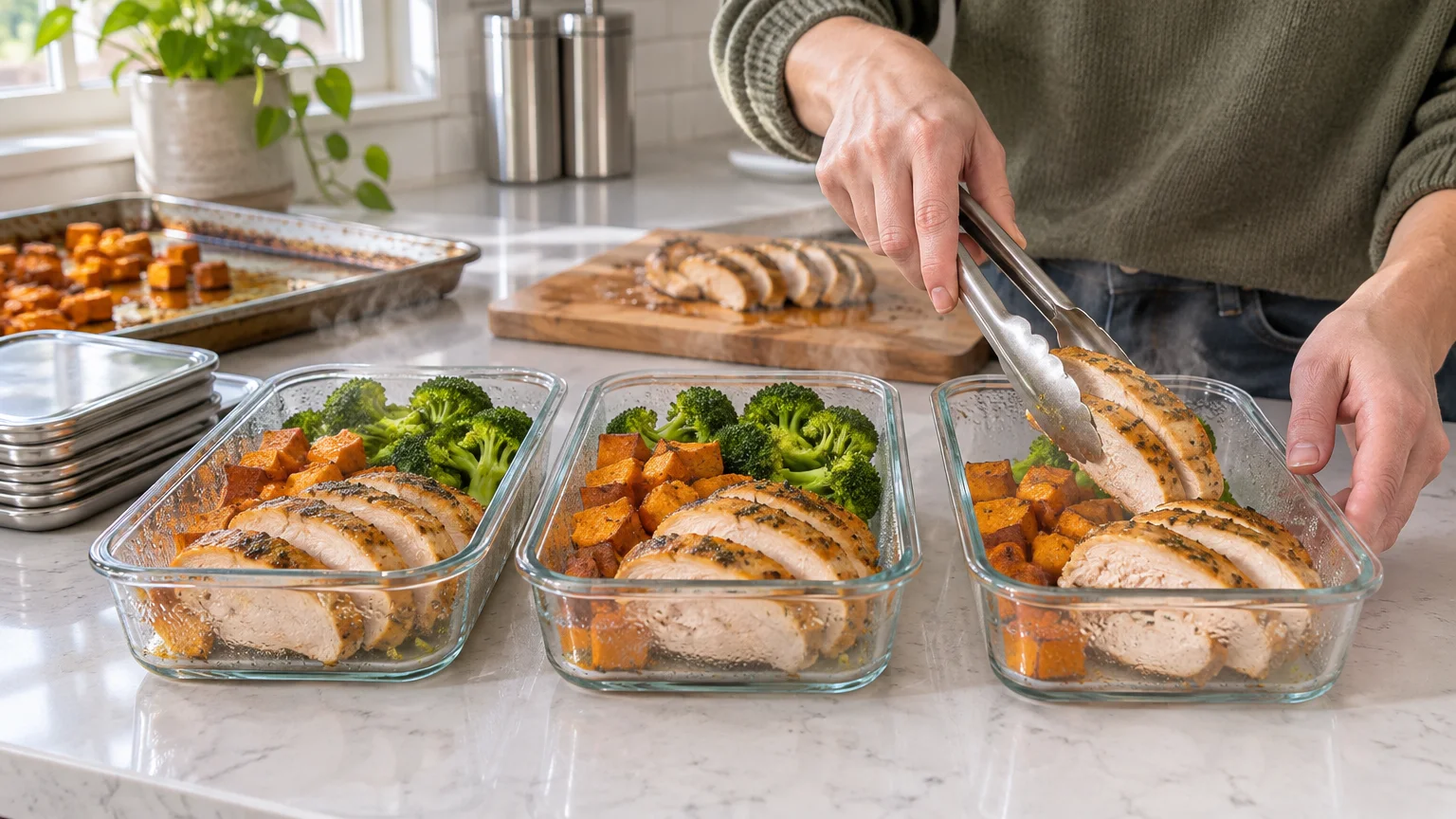
Batch-cook two or three seasoned breasts on Sunday afternoon and slice them only after they rest completely. Keep a baked batch chilled for salads, wraps, and grain bowls between Monday and Wednesday.
Midweek, thaw your frozen stash overnight on Wednesday so fresh meat sits ready for Thursday dinner. Pairing predictable rhythms with reliable cooking tips eliminates frantic evening decision fatigue.
Hydration and Mindful Eating Pacing
Rushing through lunch at your desk leaves your brain unsatisfied even after eating adequate protein. Slowing down helps digestion while improving how much flavor you notice in every bite.
Drink a full glass of water while your pan preheats or before sitting down to eat. Staying hydrated supports appetite awareness and helps distinguish true hunger from afternoon fatigue.
Put your fork down between bites and notice the contrast between crisp seared edges and tender centers. Mindful eating turns a 15-minute lunch break into genuine nourishment rather than fuel inhaled on autopilot.
Support Systems and Troubleshooting Busy Weeks
Using Simple Tools and Accountability
Relying purely on willpower fades quickly when work deadlines collide with family schedules. Practical tools and supportive people make healthy cooking your easiest default option.
Clip an instant-read digital thermometer right beside your stove so checking 165 degrees Fahrenheit becomes automatic. Keep a whiteboard on your refrigerator listing thawed meat expiration dates and planned sides.
Share weekly meal-prep goals with a partner, friend, or online community group for gentle accountability. Swapping photos of successful weeknight plates keeps momentum upbeat without harsh judgment.
Navigating Cravings and Restaurant Menus
Sometimes crispy comfort food sounds far more appealing than grilled poultry, and ignoring cravings completely rarely works. Satisfy the texture you want with smarter homemade swaps instead of strict deprivation.
Coat pounded cutlets lightly in seasoned whole-wheat panko crumbs and bake them on a wire rack at 400 degrees Fahrenheit. You get crunchy satisfaction with minimal oil while keeping portion sizes grounded.
When eating out with friends, look for grilled, roasted, or blackened poultry entrees paired with roasted vegetables. Ask for heavy cream sauces on the side so you stay in charge of richness.
Managing Travel and Chaotic Days
Long road trips, late flights, and back-to-back kids’ practices easily derail rigid cooking plans. Pack flexible backup solutions that keep your protein routine steady away from home.
Stash shelf-stable spice packets or a small container of vinaigrette at work to upgrade plain grocery-store rotisserie breast slices. Pair pre-cooked poultry with bagged salad kits or microwavable brown rice pouches for an instant balanced dinner.
When traveling with a cooler, keep chilled cooked portions below 40 degrees Fahrenheit with sturdy ice packs. Respecting the 2-hour unrefrigerated limit keeps portable lunches safe during busy tournament weekends.
Frequently Asked Questions About Cooking and Tracking Chicken
Should I Use Protein Powder Instead of Cooking Chicken Breasts?
Protein shakes offer quick convenience after workouts, yet whole foods deliver chewing satisfaction, micronutrients, and lasting fullness that liquids often miss. Grilled breast supplies 26 grams of protein per 3-ounce serving alongside zero added sweeteners or fillers.
Keep powders as an occasional backup on rushed mornings while leaning on real meals for daily nutrition. Cooking two extra breasts during dinner gives you effortless grab-and-go protein that beats dusty tub scoops.
How Do I Handle Picky Eaters Without Cooking Two Dinners?
Kids and hesitant eaters often reject poultry because dry, chewy textures feel unpleasant to chew. Fixing thickness, brining, and resting times frequently solves picky resistance overnight without changing the recipe.
Serve sliced tender chicken alongside customizable toppings like mild salsa, shredded cheese, avocado, and warm tortillas. Letting family members build their own bowls preserves peace at the table while keeping prep simple.
How Can I Make Chicken Breasts Work on a Tight Budget?
Watch weekly store flyers for family-pack sales and divide large trays into single-meal freezer bags at home. Comparing unit prices also helps, since whole birds often cost roughly half as much per pound as boneless cuts.
Remember that a single 196-gram large breast equals more than two standard 3-ounce servings. Stretching one large breast across two grain bowls with beans, frozen vegetables, and rice maximizes nutrition per dollar spent.
What Is the Best Way to Track Progress Without Obsessing?
Skip weighing every crumb if calorie logging triggers stress or burnout around food. Track kitchen behaviors instead, such as how many nights you cooked dinner at home or hit 165 degrees Fahrenheit cleanly.
Notice practical wins like steadier afternoon energy, less wasted food in your fridge, and calmer weeknight evenings. Checking off weekly habit wins builds real confidence faster than staring at fluctuating numbers.
Your Next Kitchen Win Starts Tonight
Mastering tender, safe poultry does not demand fancy gadgets or hours spent scrubbing pans after work. Dropping old habits like rinsing raw meat, skipping your thermometer, and slicing early transforms everyday dinners right away.
Pick just one tip from this guide to practice tonight—such as pounding your cutlets to an even thickness or resting them for five full minutes before slicing. Notice how different the texture feels on your fork.
Grab a notebook or open a quick note on your phone after dinner and jot down how the meal tasted and how satisfied you felt. Small, joyful kitchen experiments build healthy eating habits that actually last.