You do not have to banish toast or sandwiches from your kitchen to keep steady energy all day. Freezing your loaf before you eat it transforms the starch inside, giving you a simple tool for freezing bread blood sugar control.
For years, wellness myths have painted bread as an automatic spike waiting to happen. Yet food science shows that how you store and heat your slices changes how fast your body absorbs their carbohydrates.
Even better, you can put these healthy bread hacks to work tonight using the freezer you already own. Below are three practical methods alongside everyday routines that fit busy schedules and tight budgets.
How Freezing Changes the Starch Inside Your Loaf
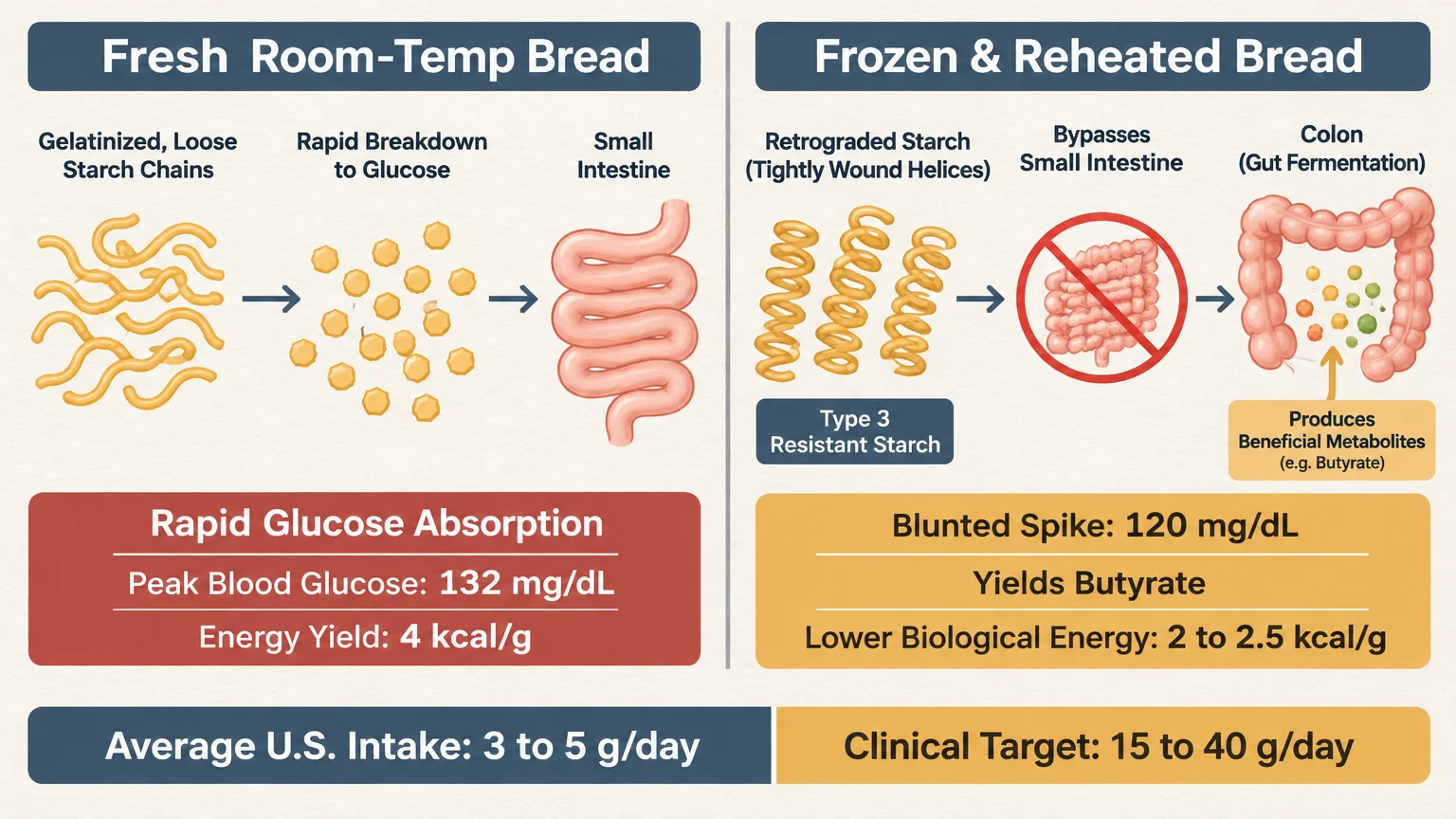
Freshly baked bread is soft because baking heats starch and water together until the granules swell and gelatinize. When you eat warm or room-temperature bread, your digestive enzymes break down those loose starches quickly into glucose.
Once you chill or freeze that loaf, the starch molecules slowly tighten back up into neat crystalline structures. Food scientists call this process retrogradation, and it creates Type 3 resistant starch inside every slice.
Your small intestine cannot easily break down Type 3 resistant starch, so less sugar rushes into your bloodstream at once. Instead, that resistant starch travels to your large intestine and acts like prebiotic dietary fiber.
Inside your colon, helpful gut bacteria ferment those starches into beneficial short-chain fatty acids such as butyrate. Butyrate nourishes the cells lining your gut and supports healthier metabolic signaling throughout your body.
Resistant starch even carries a lower caloric load than regular starch. Standard digestible starch delivers 4 kcal per gram, while colonic fermentation of resistant starch yields roughly 2 to 2.5 kcal per gram biologically.
Regulatory agencies also recognize this functional shift in how carbohydrates behave. Since June 2018, the U.S. Food and Drug Administration has recognized specific forms of resistant starch as dietary fiber on Nutrition Facts labels.
Most Americans miss out on these metabolic perks because modern diets rely heavily on freshly baked refined grains. On average, U.S. adults consume just 3 to 5 grams per day of resistant starch.
Controlled clinical trials typically use 15 to 40 grams per day of resistant starch to support gut and blood sugar health. Freezing your daily bread will not close that entire gap alone, but it gives you an effortless head start.
3 Ways Freezing Bread Can Make It Easier on Your Blood Sugar
Not every freezer method delivers the exact same payoff for every type of loaf. Understanding three distinct ways to freeze and reheat bread helps you match the tactic to what is already sitting in your kitchen.
1. Freeze Fresh Slices Overnight Before Reheating
You might assume a loaf needs weeks in the freezer to transform its starch structure. Clinical research shows that even a short freeze starts delivering measurable blood sugar benefits right away.
In a 2023 randomized controlled trial published in Novelty in Clinical Medicine, researchers Yahya and Hashim tested 32 healthy adults eating 100 grams of white bread. Frozen and reheated bread produced lower blood glucose readings at 30, 60, 90, and 120 minutes compared with fresh bread.
At the 30-minute mark, average peak blood glucose dropped from 132 mg/dL with fresh bread to 120 mg/dL with frozen and reheated bread. That flatter curve translates into steadier energy and fewer mid-morning crashes.
The same trial tested freezing durations of 3, 5, and 7 days to see whether longer storage amplified the effect. Researchers found no significant difference among those timeframes, meaning an overnight freeze works just as well as waiting all week.
To use this method, move fresh bread into your freezer the same day you buy or bake it. Reheat individual slices straight from frozen whenever you are ready for breakfast or lunch.
2. Combine Freezing With Light Toasting for Commercial and Homemade Bread
Many busy shoppers buy pre-sliced commercial loaves rather than baking from scratch. Adding a quick toast after freezing turns out to be especially important when you rely on store-bought bread.
A 2008 clinical study in the European Journal of Clinical Nutrition by Burton and Lightowler tracked 10 healthy adults eating white bread prepared several ways. Scientists measured their two-hour blood glucose incremental area under the curve, known as IAUC.
For homemade white bread, fresh slices produced an IAUC of 259 mmol·min/L. Simply freezing and defrosting that homemade bread dropped the response to 179 mmol·min/L, while fresh toasted slices dropped it to 193 mmol·min/L.
When participants froze, defrosted, and then toasted the homemade bread, their IAUC fell to 157 mmol·min/L. That two-step combo achieved an up to 39% reduction in overall glycemic response.
Commercial white bread behaved a little differently in that same trial. Fresh commercial slices started at 253 mmol·min/L, and simply freezing and defrosting them without toasting did not reach statistical significance.
However, toasting fresh commercial bread dropped the IAUC to 183 mmol·min/L, and freezing, defrosting, and toasting brought it down to 187 mmol·min/L. Pairing your freezer with your toaster gives store-bought loaves a reliable advantage.
You do not have to worry that toaster heat will undo your hard work. Once Type 3 resistant starch crystals form during freezing, they stay heat-stable up to roughly 150°C (302°F).
That said, keep a close eye on how dark you toast your slices. Cooking starchy foods above 120°C (248°F) forms a compound called acrylamide, and dark or burnt toast contains up to 6.5 times more acrylamide than lightly toasted bread.
Organizations including the UK Food Standards Agency, the European Food Safety Authority, and the World Cancer Research Fund recommend toasting bread only to a light golden-yellow color.
Although human studies have not shown strong links between typical dietary acrylamide and cancer, light golden toast keeps exposure low and flavor pleasant.
3. Freeze Whole-Grain Loaves to Slow Digestion Even Further
Freezing improves white bread, yet starting with a fiber-rich whole-grain loaf multiplies your benefits. Whole grains already carry natural intact fiber, vitamins, and minerals that slow carbohydrate absorption before your loaf ever touches the freezer.
The American Diabetes Association nutrition guidance in its 2026 Standards of Care emphasizes carbohydrate quality over strict carb percentages. It advises choosing minimally processed, high-fiber sources like whole grains instead of refined flours.
Similarly, the 2025–2030 Dietary Guidelines for Americans from the USDA and HHS recommend 2 to 4 servings of fiber-rich whole grains daily on a 2,000-calorie eating plan. Those guidelines also advise limiting refined grains and capping added sugars at no more than 10 grams per meal.
Checking the USDA FoodData Central database shows what a sturdy loaf contributes to your day. Commercial whole-wheat bread averages 42.7 grams of carbohydrates and 6.0 grams of fiber per 100 grams, or roughly 13.7 grams of carbs and 1.9 grams of fiber per 32-gram slice.
Freezing wheat-based products shifts their starch breakdown inside the digestive tract as well. An in vitro study on industrially produced, part-baked wheat bread stored at -18°C (0°F) for up to 63 days revealed clear structural changes.
Rapidly digestible starch fell from 51.9% to 42.7% of dry matter during frozen storage. Meanwhile, slowly digestible starch climbed from 18.8% to 29.9%, smoothing out how quickly glucose becomes available.
Some home cooks wonder if keeping bread in the refrigerator works even better than freezing. Food scientists note that refrigeration technically triggers faster retrogradation because cold, above-freezing temperatures accelerate starch recrystallization.
Unfortunately, your refrigerator also pulls moisture out of bread rapidly, leaving slices dry, tough, and stale within days. Freezing locks in soft texture and fresh flavor while still building meaningful resistant starch.
Mindset Reset: Dropping Food Guilt Around Bread and Diabetes
Managing blood sugar can feel exhausting when every headline tells you to fear staple foods. If you have spent years worrying about bread and diabetes, shifting away from all-or-nothing rules makes healthy habits stick much longer.
The scope of blood sugar concerns across the country shows why practical, livable tools matter so much. According to the 2026 updates in the CDC National Diabetes Statistics Report, 40.1 million Americans—about 12.0% of the population—live with diabetes.
Among adults aged 18 and older, 39.8 million have diabetes, and 11.0 million remain undiagnosed. Another 115.2 million U.S. adults have prediabetes, including 31.3 million adults aged 65 and older.
With roughly 1.5 million new cases diagnosed each year and annual diagnosed diabetes costs reaching $412.9 billion, prevention and daily management deserve real support. Yet strict deprivation diets rarely survive busy workweeks, family dinners, and tight budgets.
Behavioral science shows that tiny environmental tweaks beat willpower almost every time. Instead of promising never to buy bread again, tell yourself you will keep your loaf in the freezer and toast it light golden.
That gentle reframe removes guilt from your plate while nudging your biology in a steadier direction. When food feels joyful and sustainable, you naturally repeat the habit week after week.
Pantry and Freezer Makeovers That Save Time and Money
Setting up your kitchen for success takes ten minutes once a week. Start at the grocery store by flipping your bread bag over and reading both the ingredient list and Nutrition Facts panel.
Look for the word whole—such as whole wheat, whole oat, or whole rye—as the very first ingredient. Scan the added sugars line and choose loaves with little or no added sugar so you stay well under the 10-gram-per-meal limit.
Compare fiber per slice across brands, aiming for at least 2 to 3 grams per slice whenever your budget allows. Store-brand whole-wheat loaves often match pricier artisan brands on fiber at half the cost.
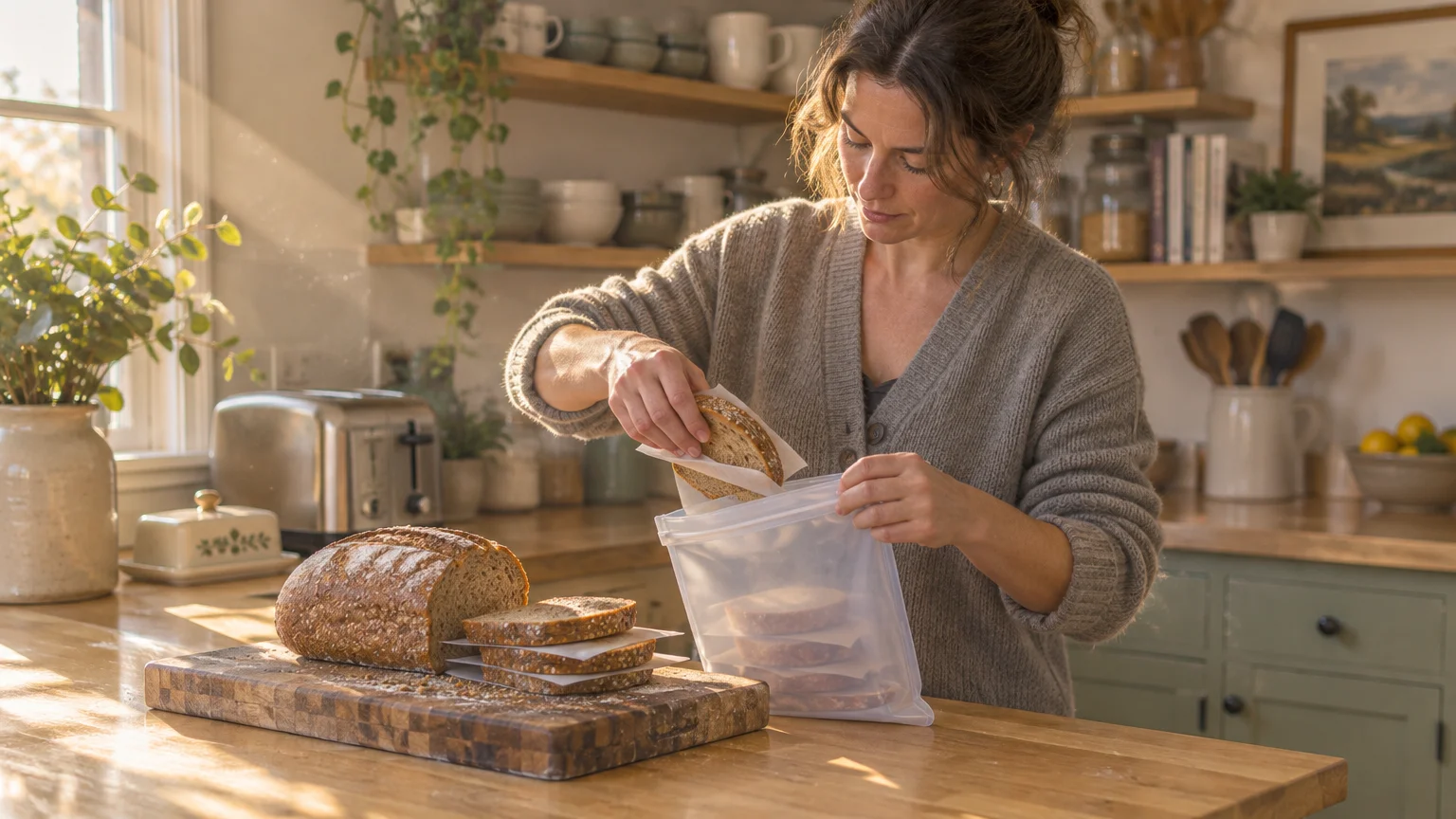
Once you bring your bread home, prep it before putting groceries away. Slip small squares of parchment or wax paper between every two slices so you can snap off single servings without defrosting the entire bag.
Double-bag sliced loaves or squeeze excess air out of resealable freezer bags to prevent freezer burn. Label the outside with the date using masking tape and a marker so older loaves get eaten first.
Safe storage temperatures keep both quality and food safety reliable. As outlined in the FoodSafety.gov cold storage charts from the USDA and FDA, keep your freezer at 0°F (-18°C) or below and your refrigerator at 40°F (4°C) or below.
Place an inexpensive appliance thermometer inside your freezer to verify the temperature twice a year. Food held continuously at 0°F (-18°C) remains safe indefinitely, though quality timelines help you enjoy the best taste and texture.
For peak flavor, USDA FoodKeeper guidance recommends freezing homemade bread for up to 3 months, compared with just 3 to 5 days on the counter. Commercial sliced bread, rolls, buns, and flatbreads stay at peak quality in the freezer for 3 to 5 months.
Bagels—whether fresh from a bakery or bought frozen—also keep peak texture for 3 months in the freezer. Once thawed, store bagels in the refrigerator for 1 to 2 weeks if you do not toast them right away.
Freezing bread also rescues your grocery budget from wasted half-eaten loaves. You can buy marked-down bakery bread or stock up during two-for-one sales and freeze extra bags without worrying about mold.
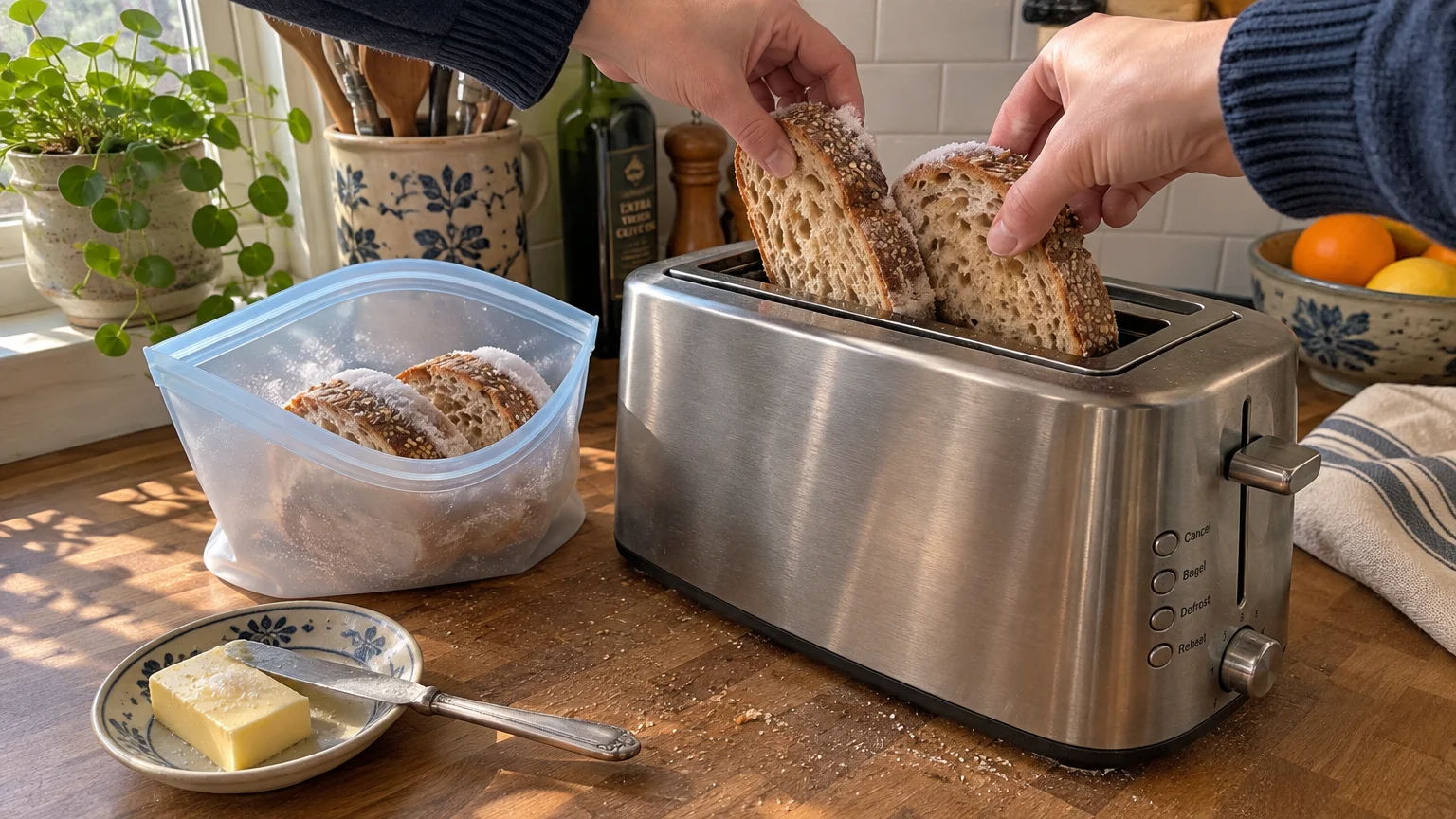
Daily Habits That Turn Freezer Bread Into Steady Energy
Freezing and toasting your slices sets a helpful foundation, and what you put on top matters just as much. Pairing carbohydrates with protein, healthy fats, and extra fiber slows stomach emptying and blunts post-meal glucose swings even further.
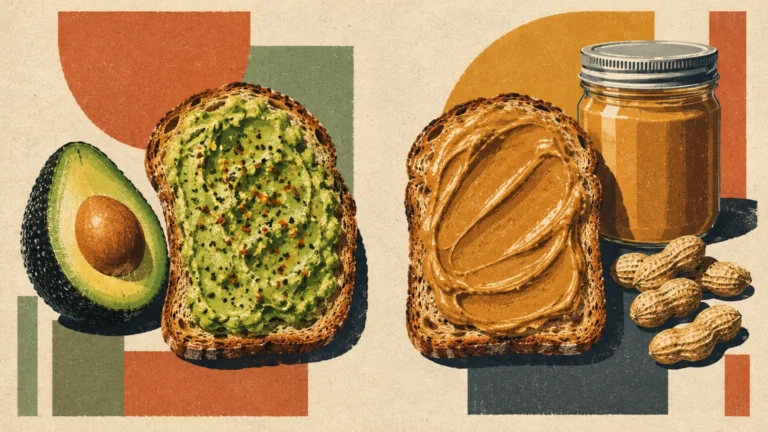
Instead of plain butter and jam on morning toast, spread mashed avocado and top it with a scrambled egg. Peanut butter with sliced berries or cottage cheese with tomatoes also turns one frozen slice into a balanced meal.
Adding extra produce or seeds helps you close the nationwide fiber gap too. The FDA sets the Daily Value for fiber at 28 grams per day on a 2,000-calorie diet.
The Institute of Medicine and the American Diabetes Association recommend 14 grams of fiber per 1,000 calories, which works out to roughly 25 grams daily for women and 38 grams daily for men. Unfortunately, the MedlinePlus dietary fiber overview notes that most Americans get only 15 to 16 grams per day.
Meal timing plays a quiet supporting role alongside food pairings. Eating your frozen-and-toasted sandwich after a handful of crunchy carrots or a small green salad buffers how rapidly starches hit your bloodstream.
Do not forget hydration when you increase resistant starch and whole grains in your routine. Drinking water with meals helps soluble fiber and resistant starch move comfortably through your digestive tract without sluggishness.
Mindful eating rounds out your daily blood sugar tips without costing a dime. Sit down away from screens for five minutes, chew each bite thoroughly, and pay attention to how satisfied you feel two hours later.
A brisk ten-minute walk after lunch or dinner acts as a natural partner to your freezer routine. Active leg muscles pull glucose out of your bloodstream efficiently, even without intense workouts.
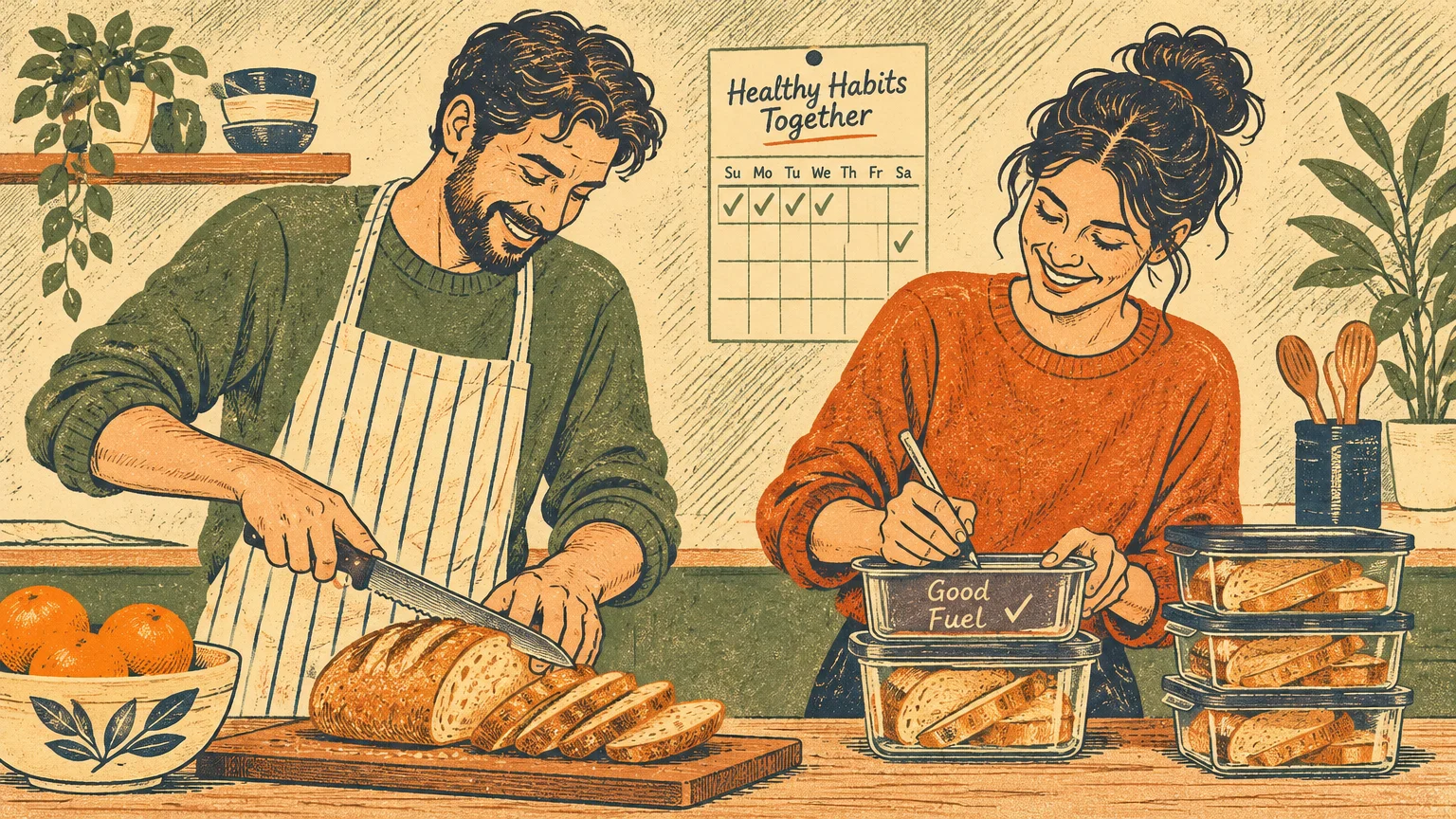
Support Systems That Make Healthy Habits Stick
New kitchen habits fade fast when you try to rely on memory alone during hectic weeks. Simple visual cues and social support turn freezing bread into an automatic reflex.
Place a sticky note inside your pantry door for the first two weeks reminding household members that bread lives in the freezer. Keep your toaster plugged in on an accessible spot on the counter so reheating takes seconds.
A low-stress food journal helps you connect dots between meals and mood. Jot down the bread type, whether it was frozen and toasted, what you paired it with, and your energy level two hours later.
Invite a partner, roommate, or friend to try these healthy bread hacks alongside you for one week. Swapping photos of quick balanced toast breakfasts keeps motivation light, fun, and realistic.
If you manage prediabetes or diabetes, tap into structured community resources too. Registered dietitians and local diabetes prevention workshops offer personalized carb-pairing ideas tailored to your cultural foods and budget.
Troubleshooting Cravings, Social Events, and Travel
Real life rarely follows a neat meal plan, and afternoon cravings or restaurant dinners will test any routine. Planning flexible backups keeps one off-routine meal from derailing your week.
When sweet afternoon cravings strike, skip ultra-processed pastries that spike and crash your energy. Pop one slice of frozen whole-grain bread into the toaster until light golden, then top it with almond butter and cinnamon.
Social dinners and restaurant bread baskets bring different questions because you cannot ask the kitchen to freeze your rolls first. Enjoy a slice of warm restaurant bread alongside your entrée’s protein and vegetables instead of eating three slices on an empty stomach.
Sharing one piece slowly with olive oil rather than mindless snacking lets you savor the moment without sluggishness afterward. Remember that one celebratory meal never defines your overall metabolic health.
Work travel and road trips can disrupt your usual grocery routine, yet simple adaptations keep you covered. Before leaving on a driving trip, pack frozen whole-grain English muffins in a small cooler bag and toast them at your rental or hotel.
If you fly without kitchen access, look for hearty whole-grain toast options at breakfast buffets and pair them with eggs and fruit. When you return home, your pre-sliced freezer stash will be waiting so you slip right back into your routine.
Frequently Asked Questions About Freezing Bread
Should I take resistant starch supplements instead of freezing bread?
Whole foods like frozen-and-toasted whole-grain bread, cooked-and-cooled potatoes, and beans give you fiber alongside vitamins and minerals. While some packaged foods and supplements contain FDA-recognized RS2 or RS4 fibers, jumping straight to large supplement doses can trigger gas or bloating.
Clinical benefits appear around 15 to 40 grams daily, with 45 grams per day cited as an estimated adult upper tolerability limit. Building intake gradually through everyday meals is gentler on your gut and easier on your wallet.
Will picky eaters in my family notice if I freeze our bread?
Unlike refrigerator storage, which dries bread out and makes it chewy and stale, freezing locks in moisture. Once you pop frozen slices into a toaster until light golden-yellow, the outside turns crisp while the inside stays soft and tender.
Most kids and skeptical partners cannot tell any difference between freshly toasted bread and toasted bread straight from the freezer. For cold sandwiches packed in lunchboxes, frozen slices thaw into soft bread by midday and double as a mini ice pack.
How can I use this strategy on a tight grocery budget?
Freezing bread actually lowers grocery bills by stopping mold before you finish a loaf. Buy affordable store-brand whole-wheat bread or shop clearance bakery racks and freeze extra loaves immediately for 3 to 5 months of peak quality.
You do not need specialty low-carb breads that cost eight or nine dollars a bag. A basic whole-wheat loaf paired with budget proteins like eggs, peanut butter, or canned beans delivers strong blood sugar value per dollar.
How should I track progress without obsessing over numbers?
Focus on steady patterns rather than reacting to a single meal or single reading. If you already check blood glucose with a meter or continuous monitor, notice whether frozen, lightly toasted whole-grain bread gives you gentler curves than fresh bread.
If you do not track glucose numbers, watch everyday cues like mid-morning hunger, afternoon brain fog, and steady mood. Recording quick notes three days a week shows clear progress without turning meals into math homework.
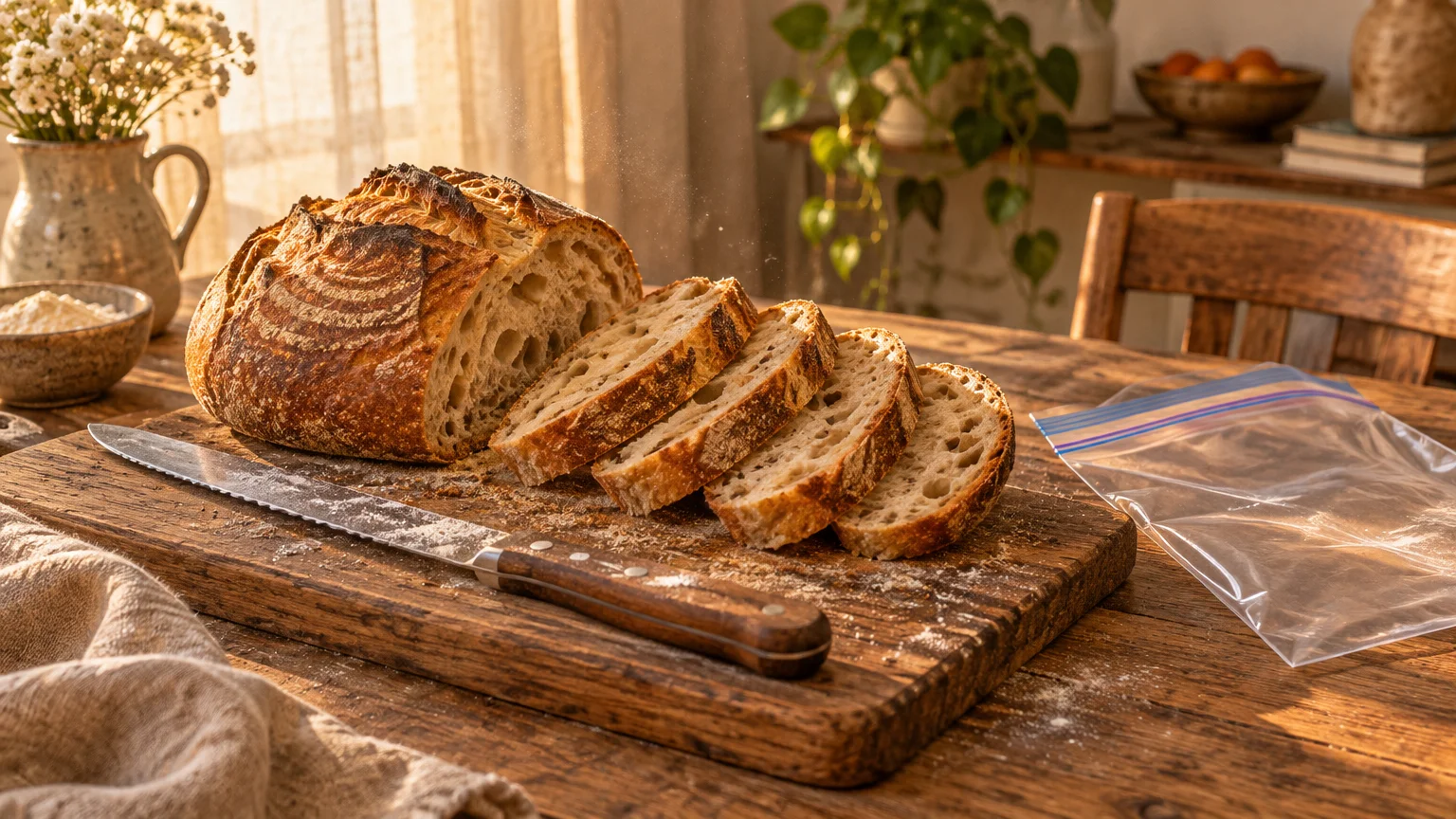
Start With One Loaf Today
Improving your blood sugar does not require throwing out foods you love or spending hours prepping complicated recipes. Small, repeatable kitchen habits deliver real momentum when you keep them simple.
Before you close this page, move the bread sitting on your counter into your freezer—or slide a few parchment-separated slices into a freezer bag.
Tomorrow morning, toast one slice to a light golden-yellow, pair it with protein, and jot down how steady your energy feels two hours later.